

Choe
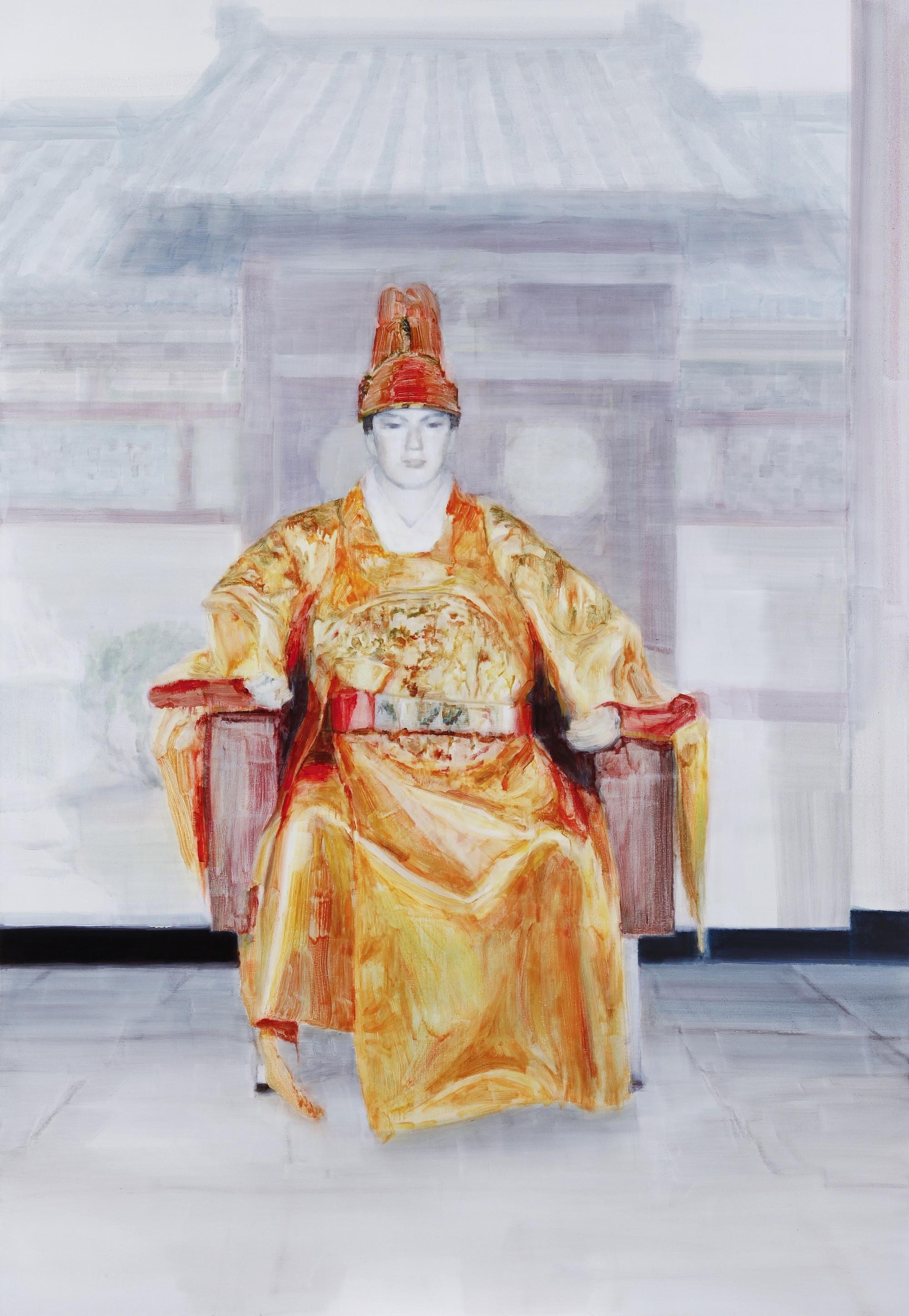
Sooryeon’s artistic practice begins with a critical exploration of the
reproduction and consumption of traditional East Asian imagery. Drawing from
classic Korean and Chinese films, she examines the clichés embedded in these
cultural references—melancholy, femininity, dissonance with reality,
internalized Orientalism, doubt, ignorance, and absurdity—through painting. Her
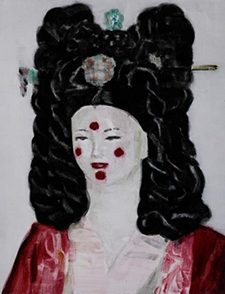
early work, ,Eight Seonnyeos (Celestial Maidens)(2013),
utilizes the visual language of traditional Eastern motifs while recontextualizing
mythical female archetypes within contemporary South Korean society. She
highlights how tradition is not merely a legacy of the past but an evolving
cultural construct that undergoes distortion and reiteration in contemporary
contexts.
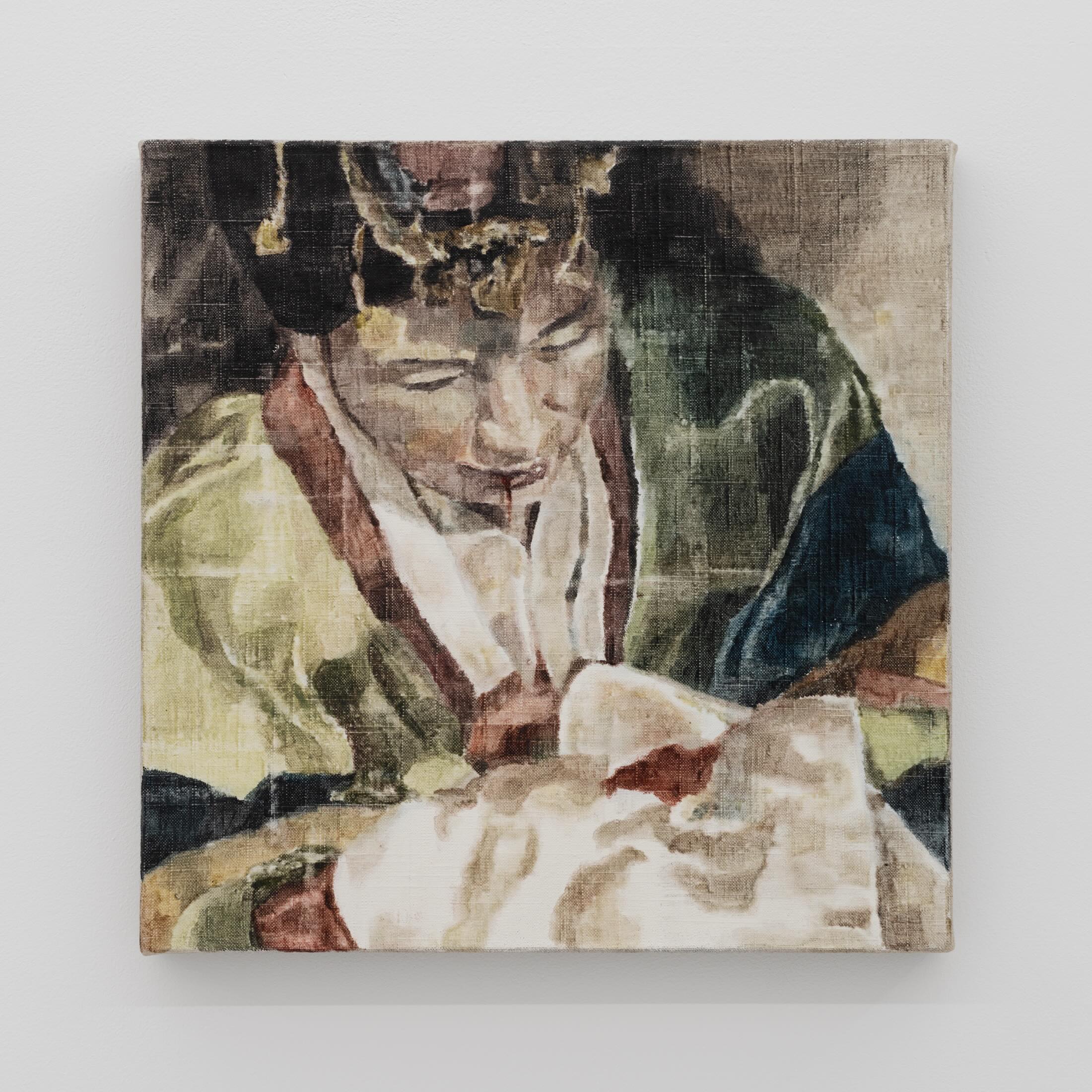
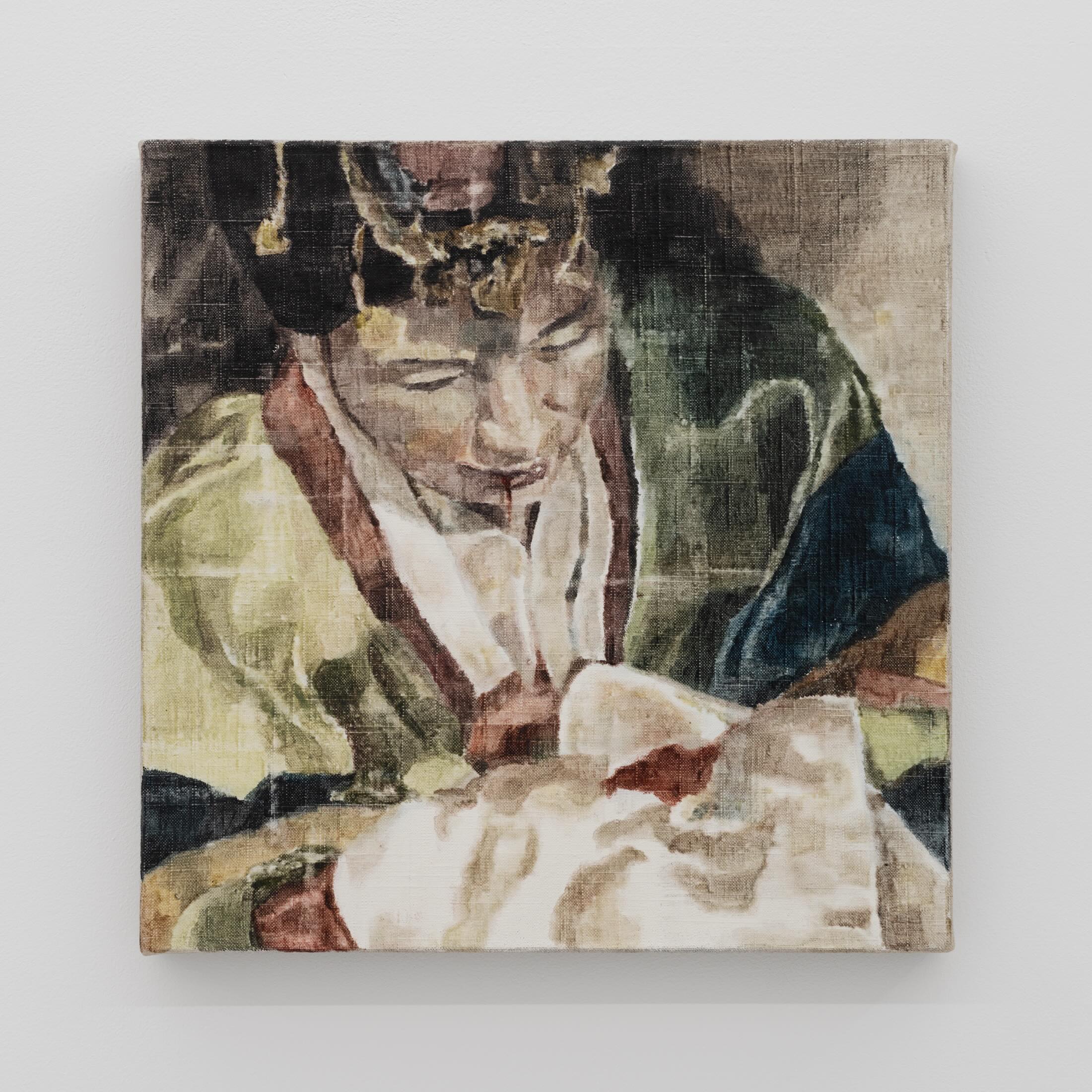
The
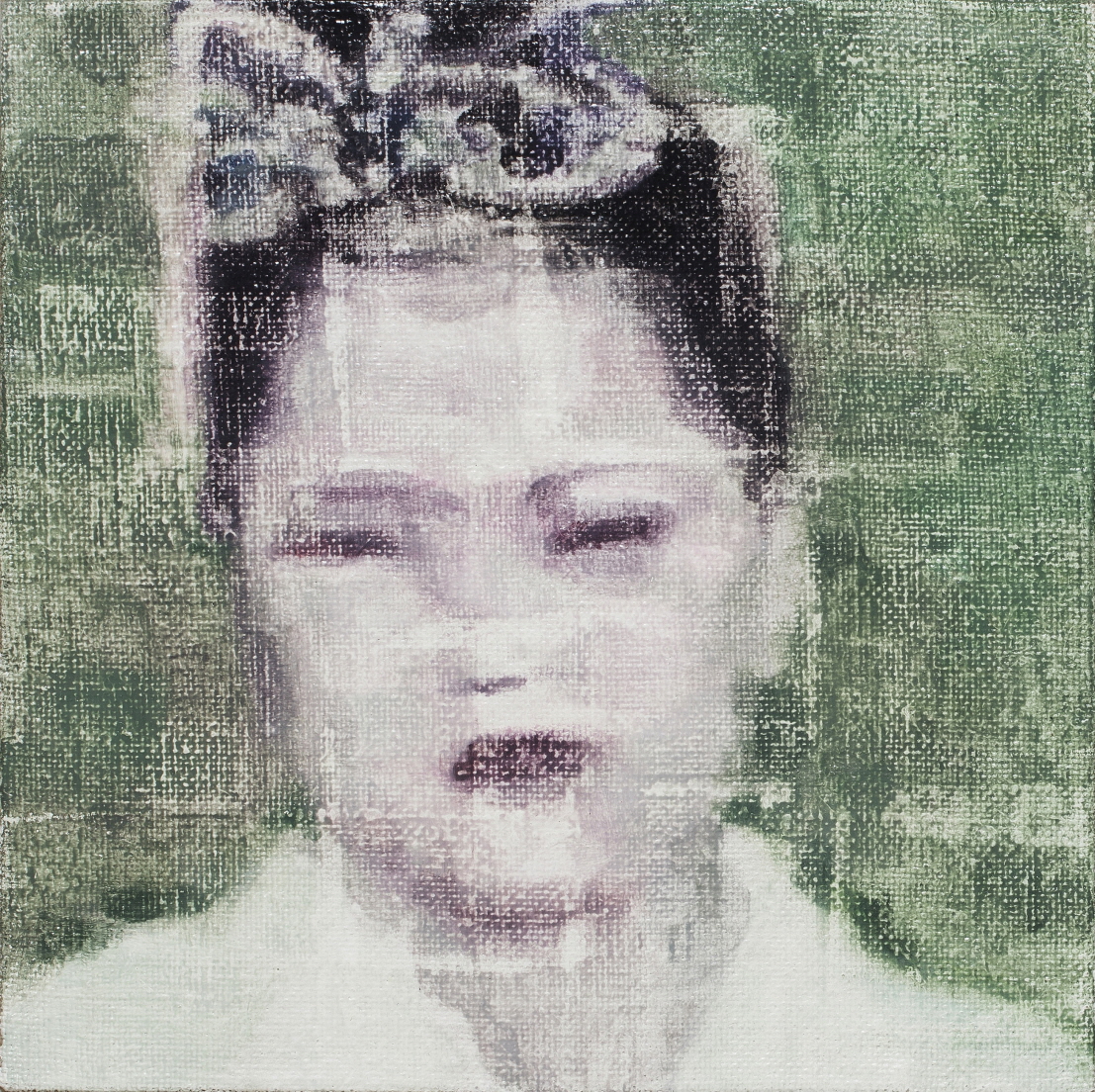
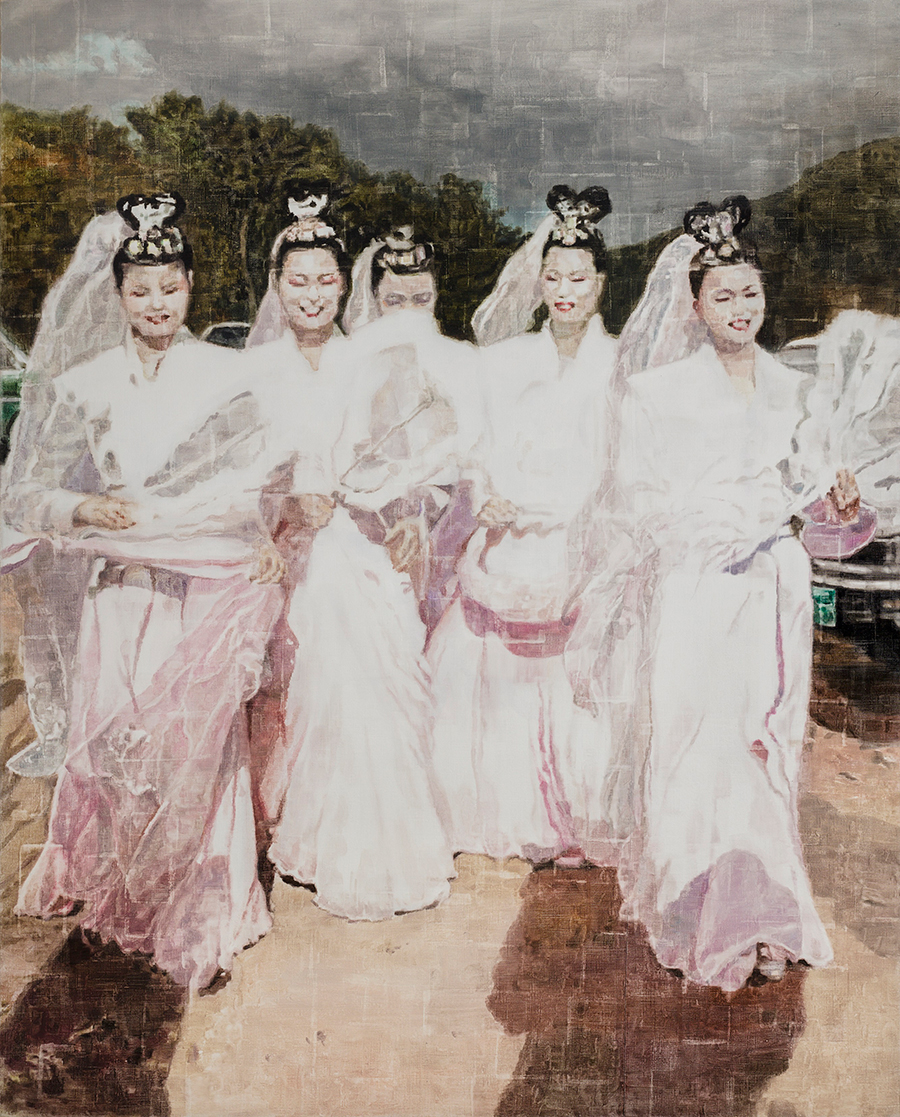
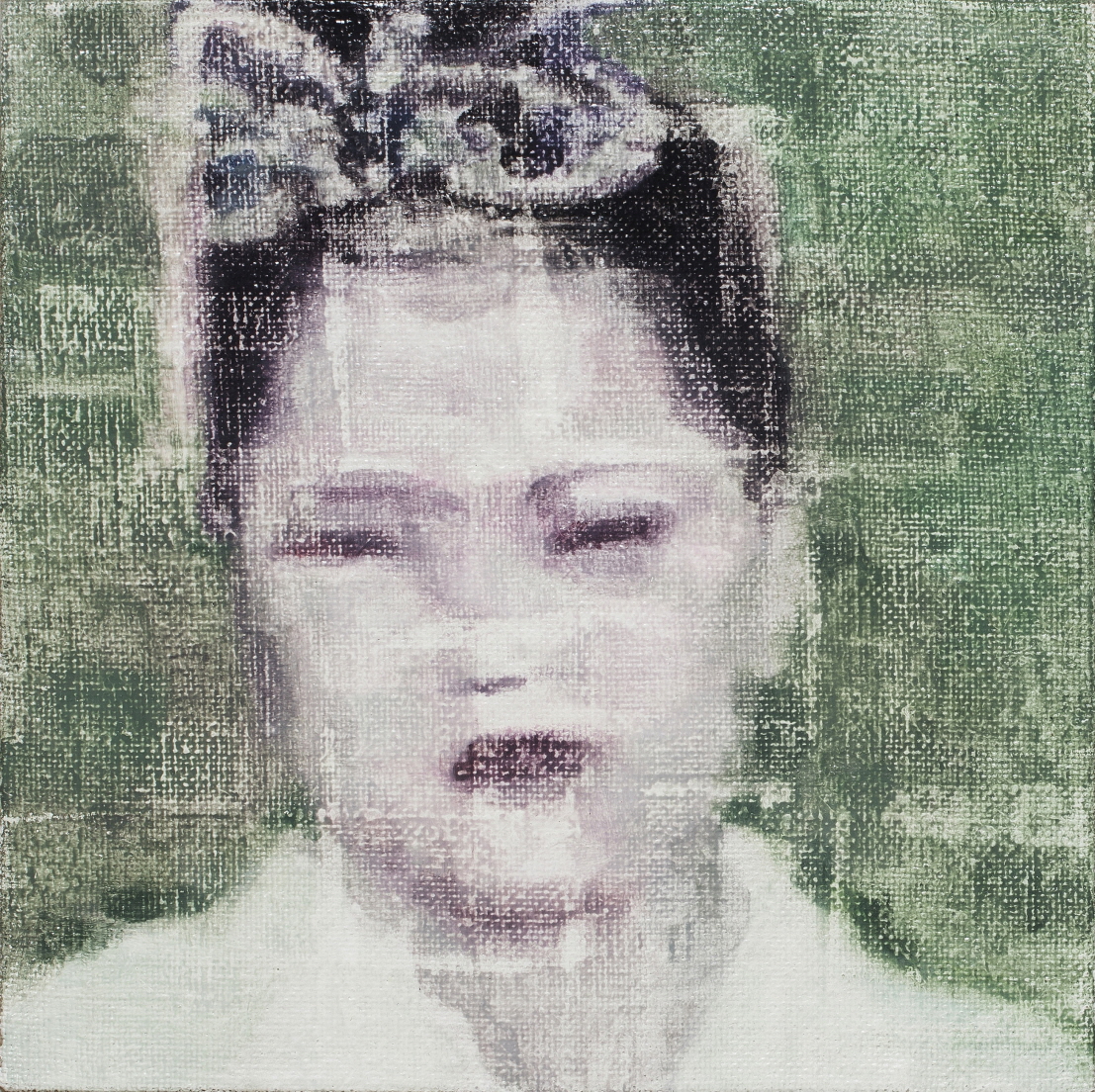
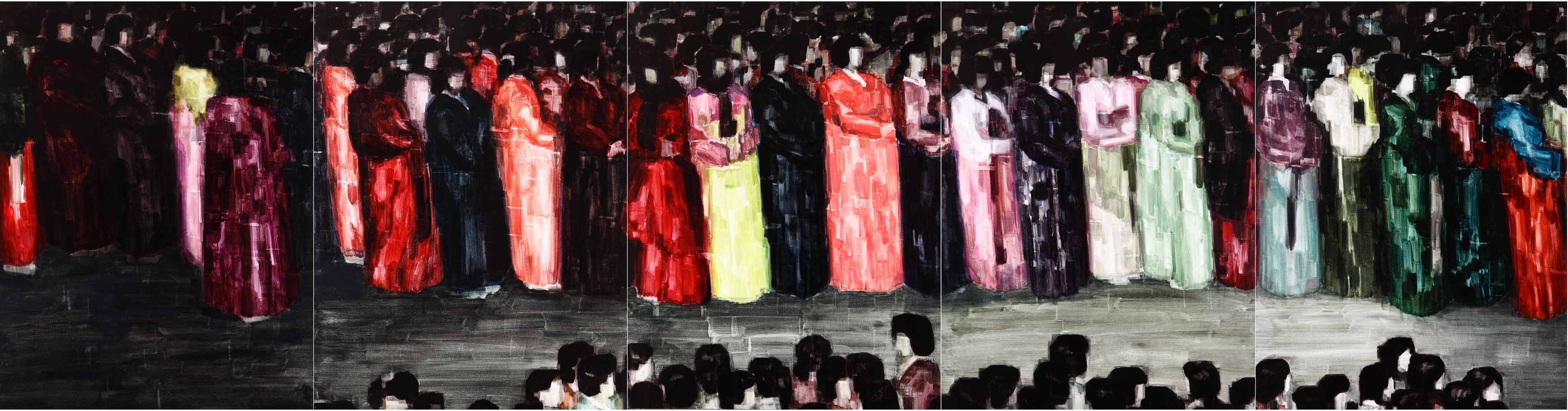
‘Seonnyeo (Celestial Maiden)’(2017–) series, an extension of Eight
Seonnyeos (Celestial Maidens), is among her most representative
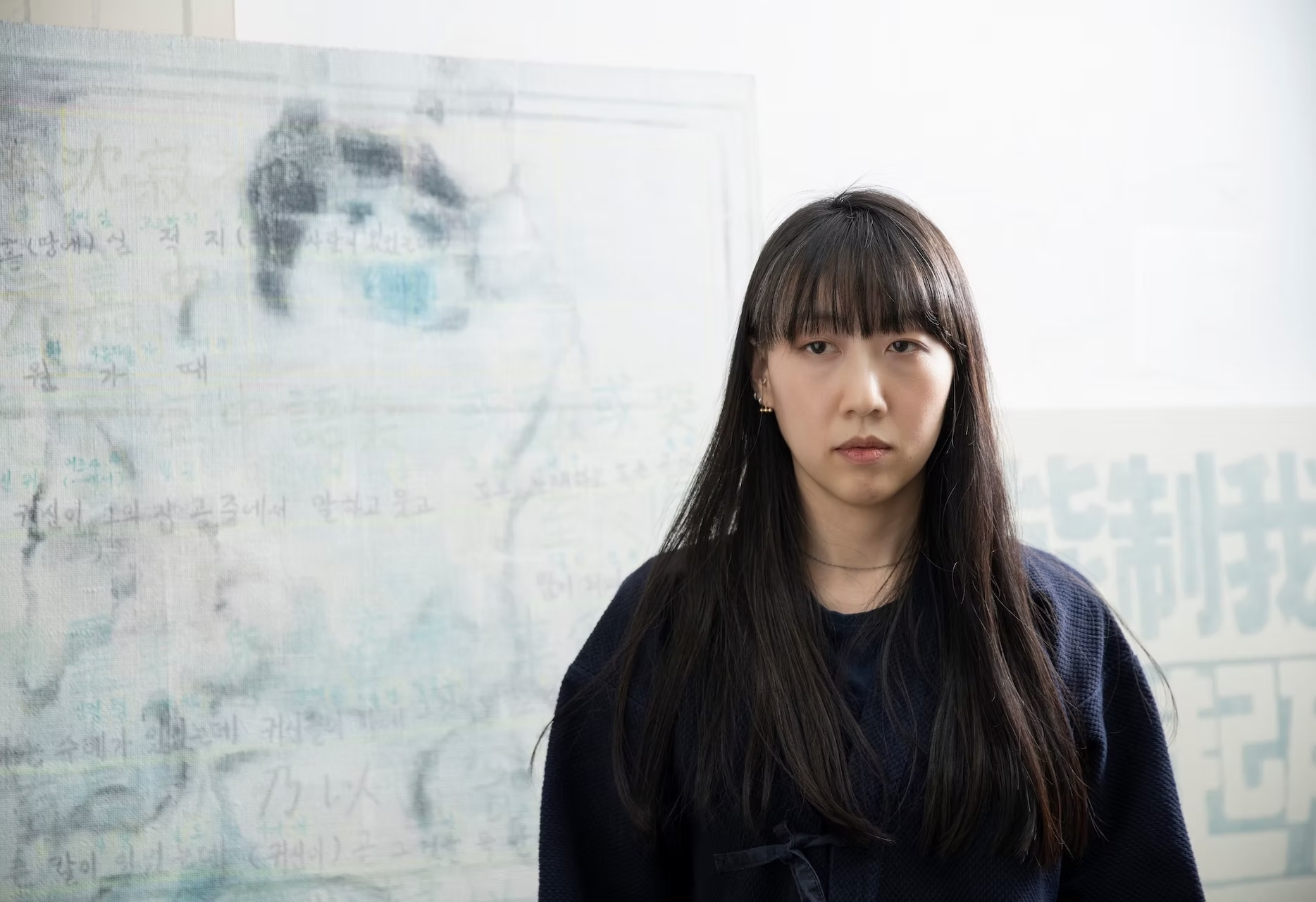
works. These paintings capture real women dressed in traditional attire at
regional events, often appearing fatigued or indifferent, challenging the
idealized and romanticized image of the East Asian celestial maiden.
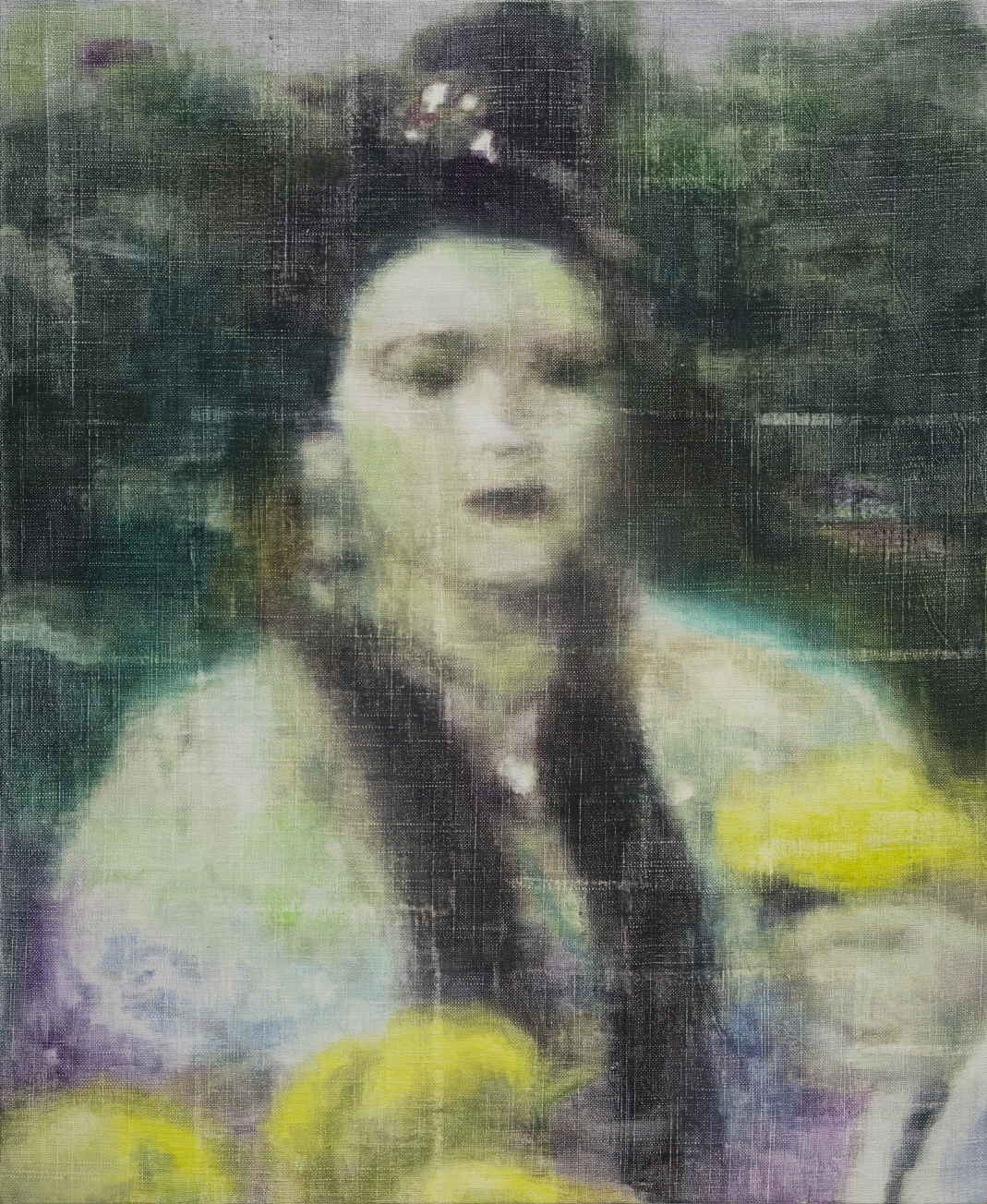
In the
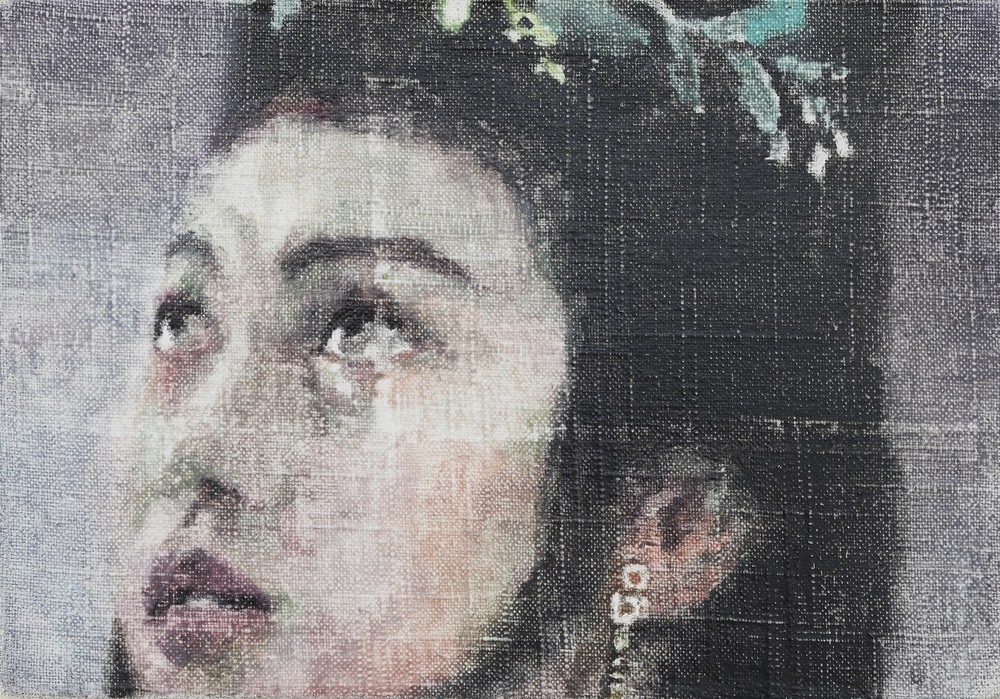
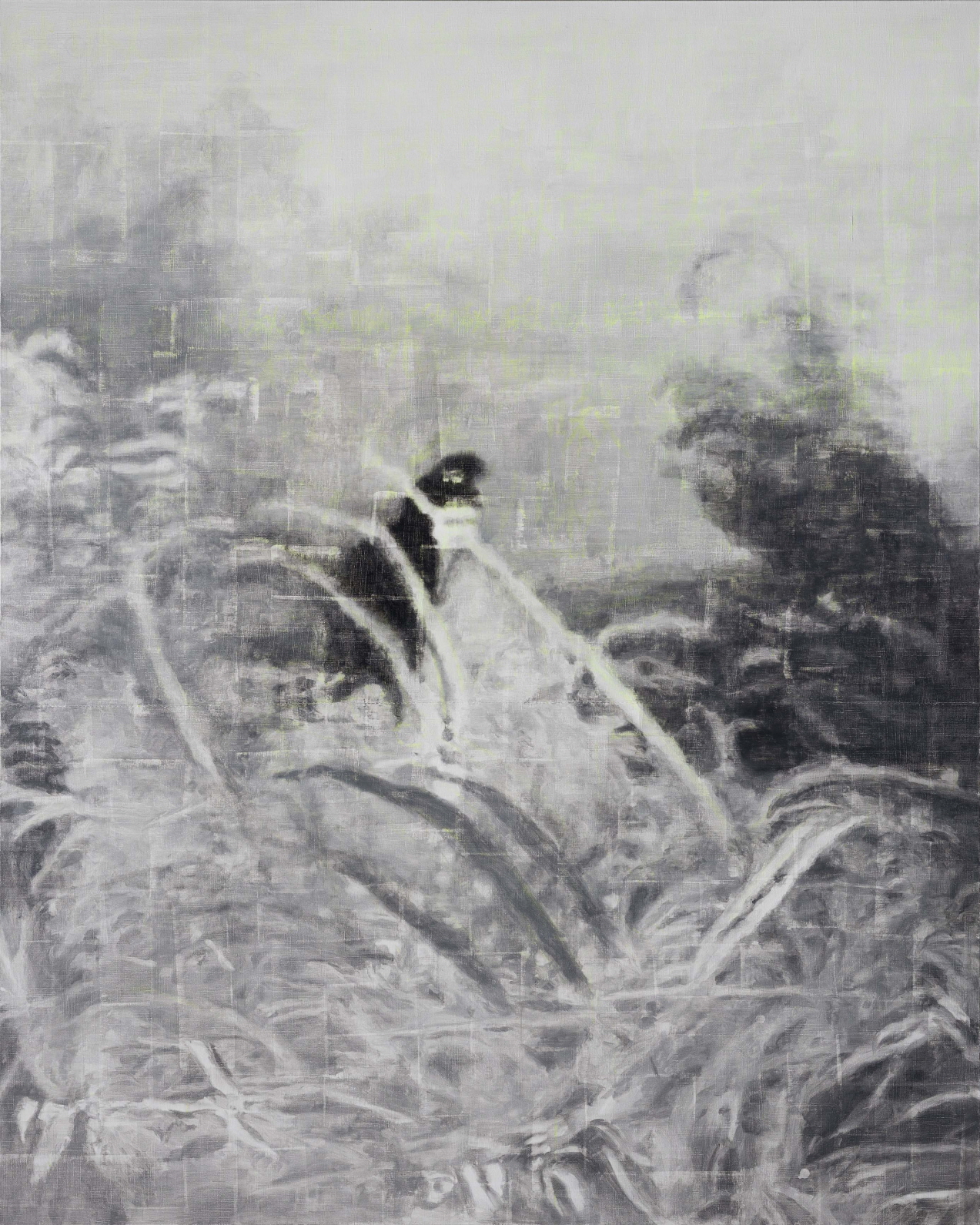
‘Carefree Woman’(2019–) series, she reconstructs the sorrowful female figures
frequently depicted in 1980s and 1990s Chinese period films, further
investigating the recurring stereotypes in East Asian narratives of women. Her
interest is not confined to a particular era or location but extends to
understanding how the Orientalist gaze is internalized and perpetuated within
the culture itself.
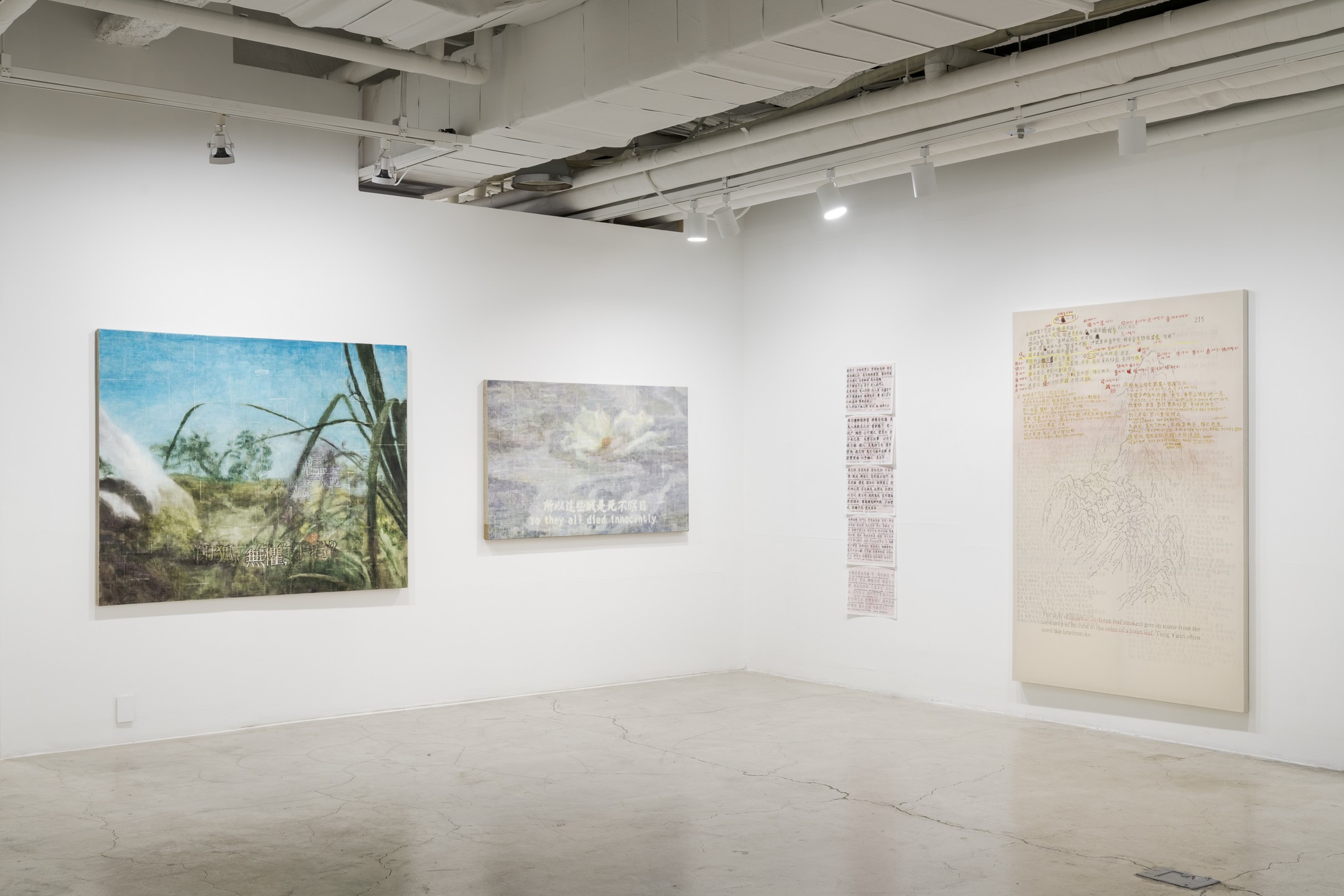
Recently,
she has expanded her practice by incorporating text and transcription, blending
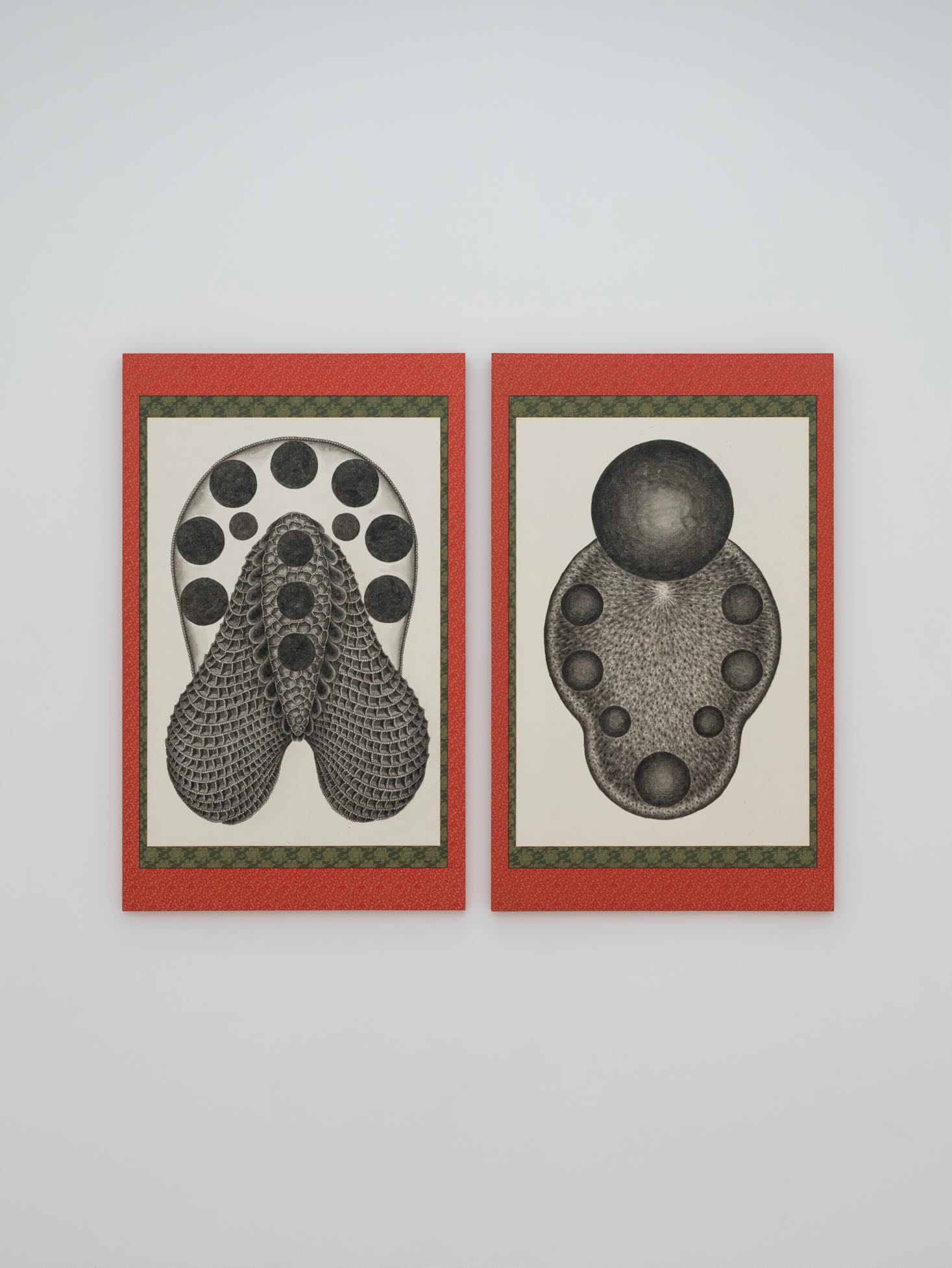
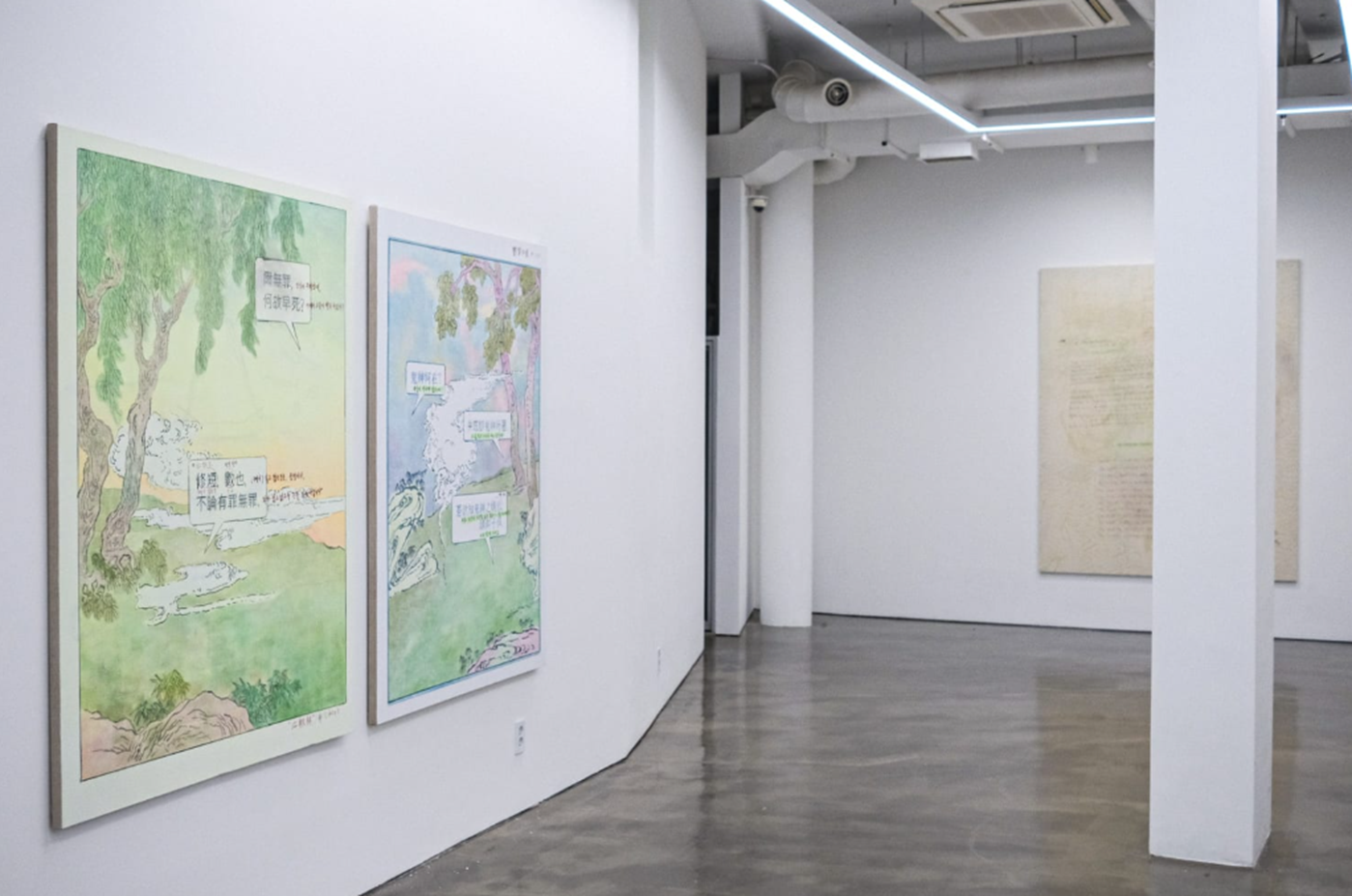
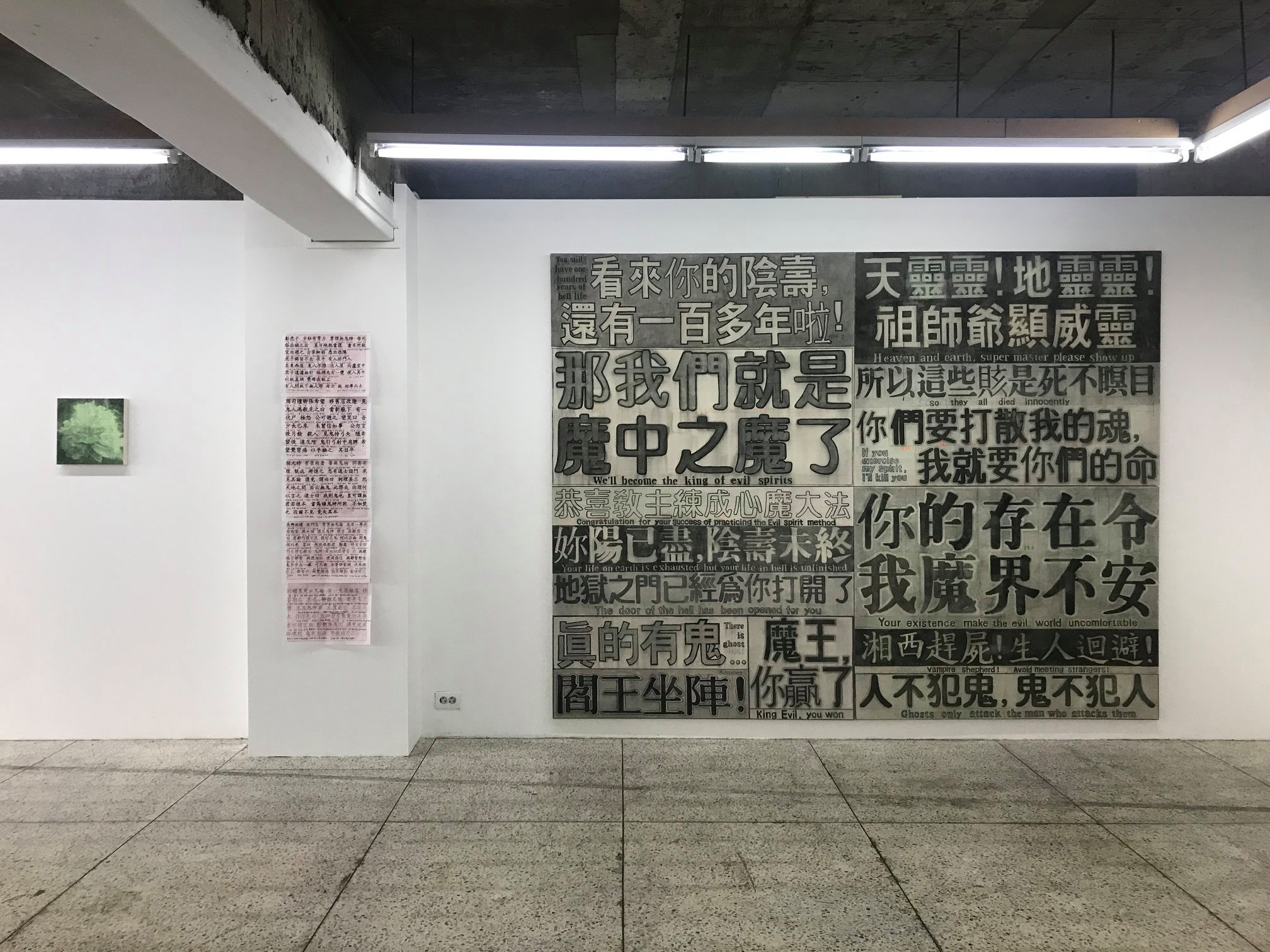
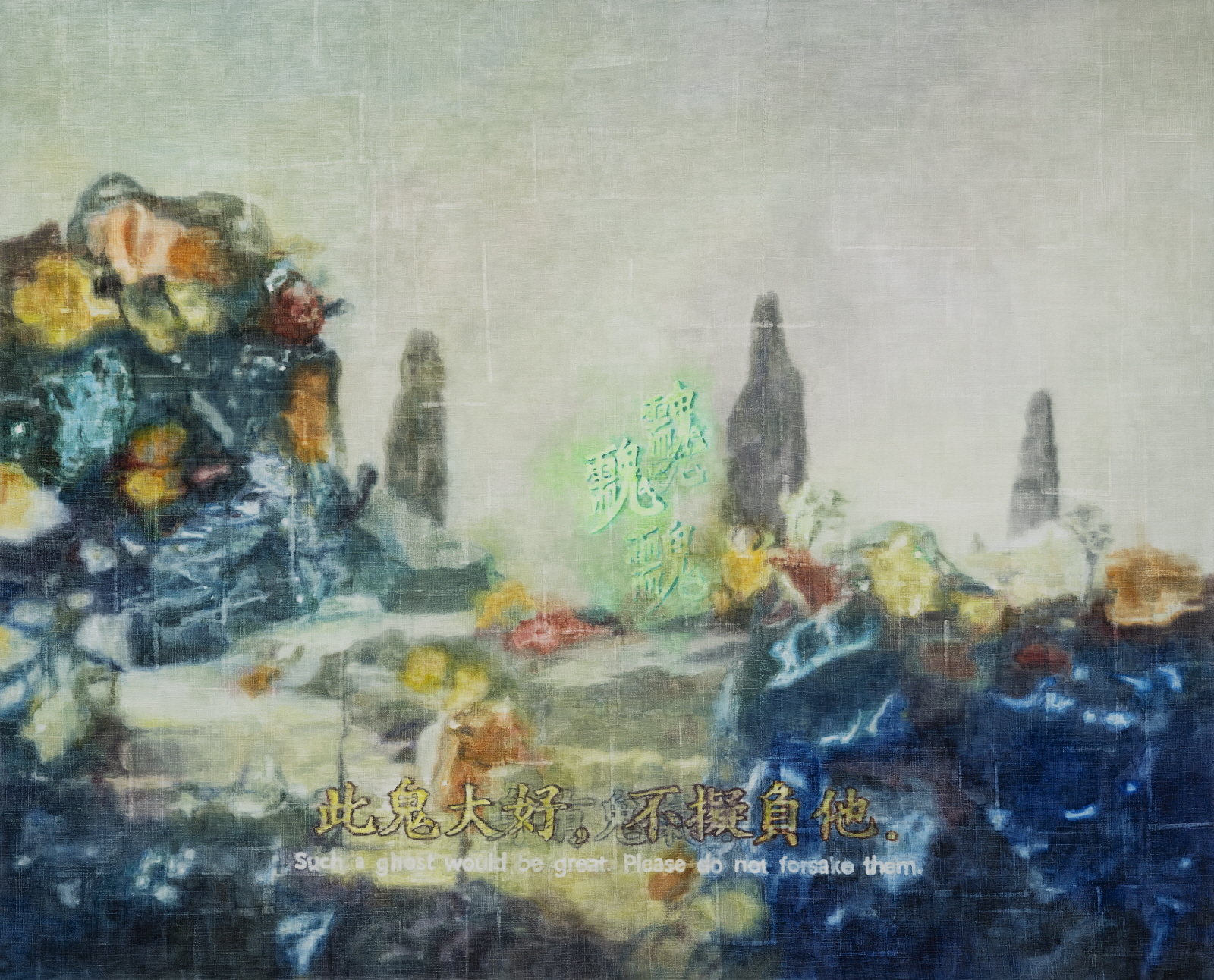
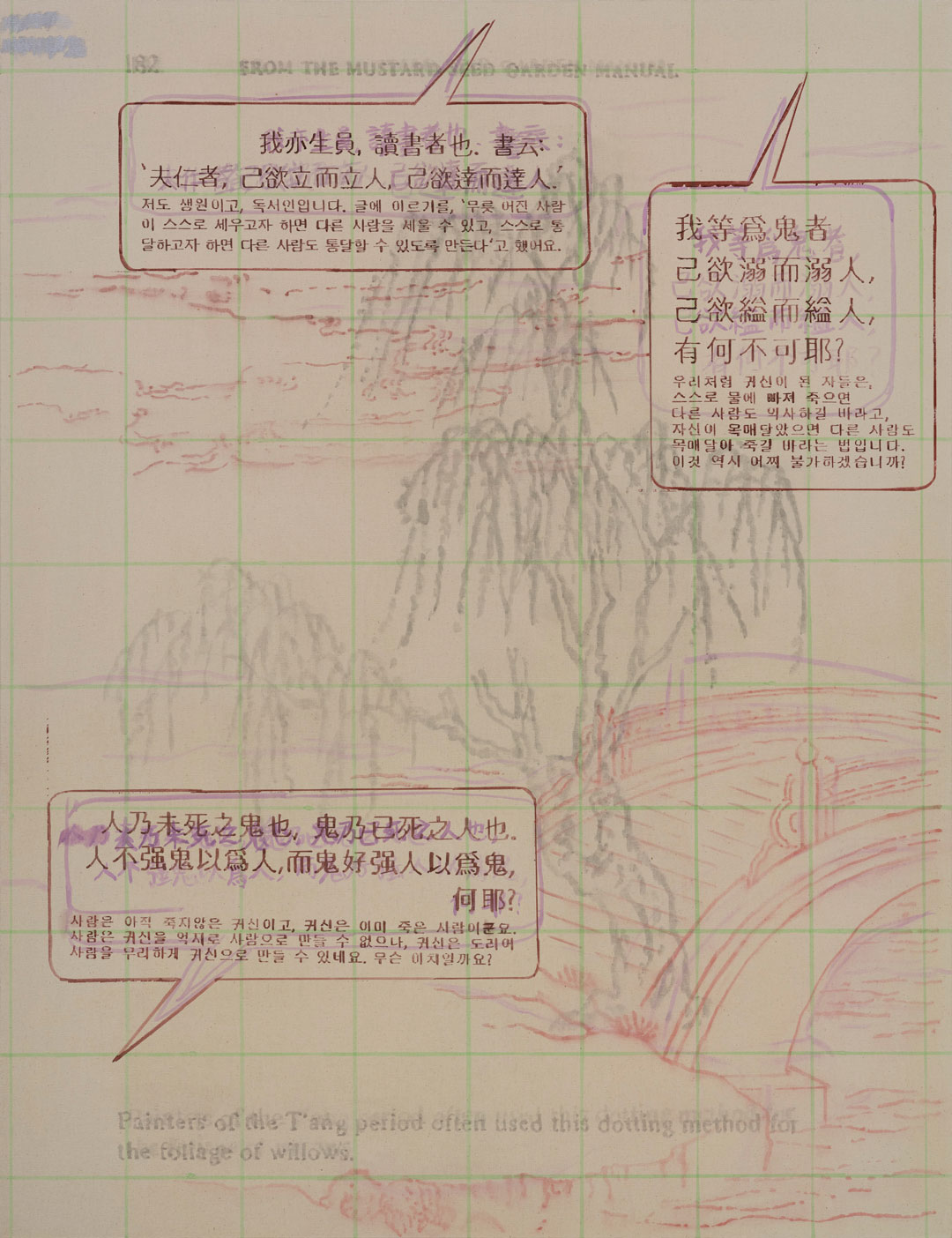
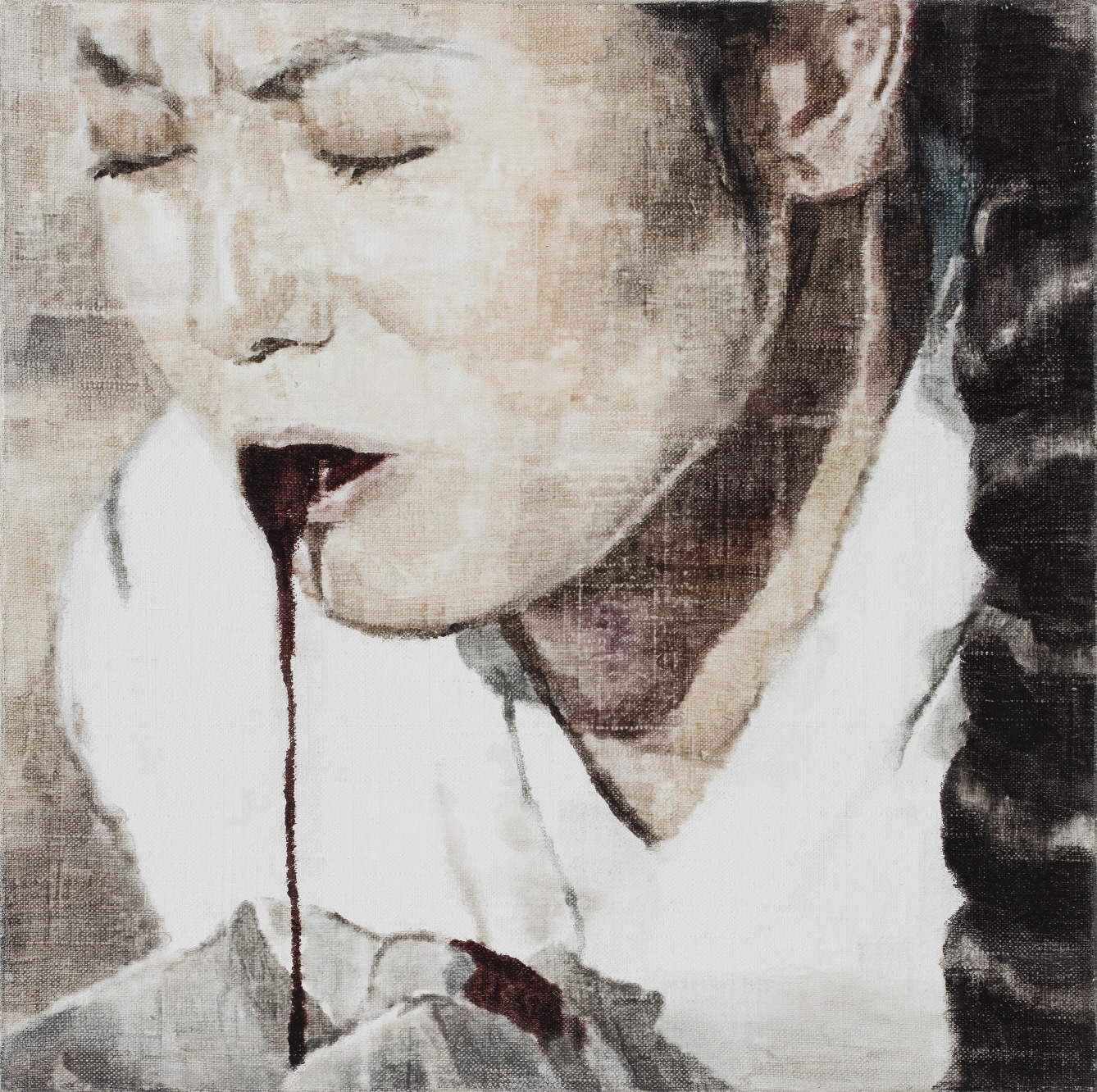
painting with literary narratives. In Sutra Copying for the Hangul
Generation (The Principle of Ghosts)(2022), she collects dialogues
spoken by ghosts in classic films and transcribes them into Hangul,
highlighting the intersection of traditional language systems with contemporary
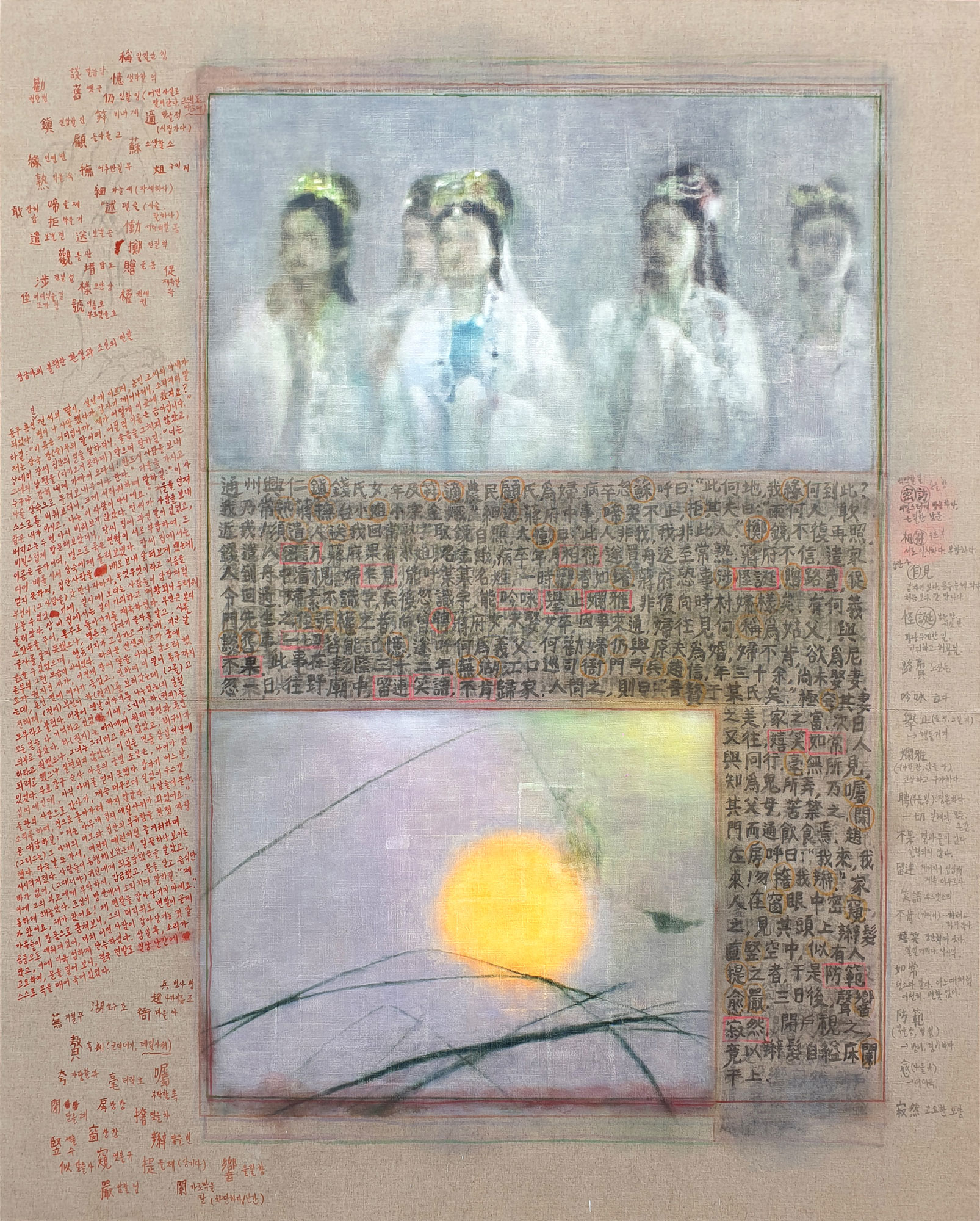
sensibilities. In Jiang Jin’e’s Unfortunate Reincarnation and Zhao
Xin’s Queue(2024), she borrows the format of Islamic manuscript
illustrations, juxtaposing classical folktales with paintings in a
non-hierarchical manner to reveal the absurdity of incomprehensible tragedy.