

Flows-25-23 - K-ARTIST

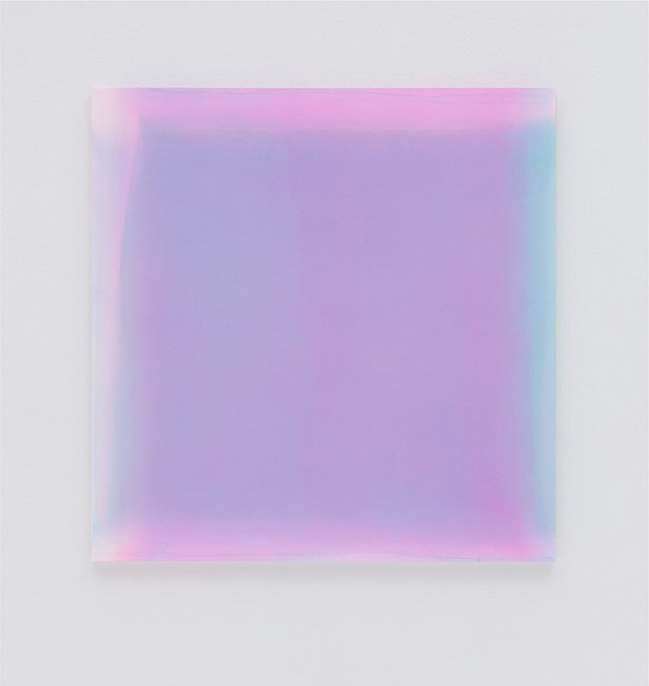
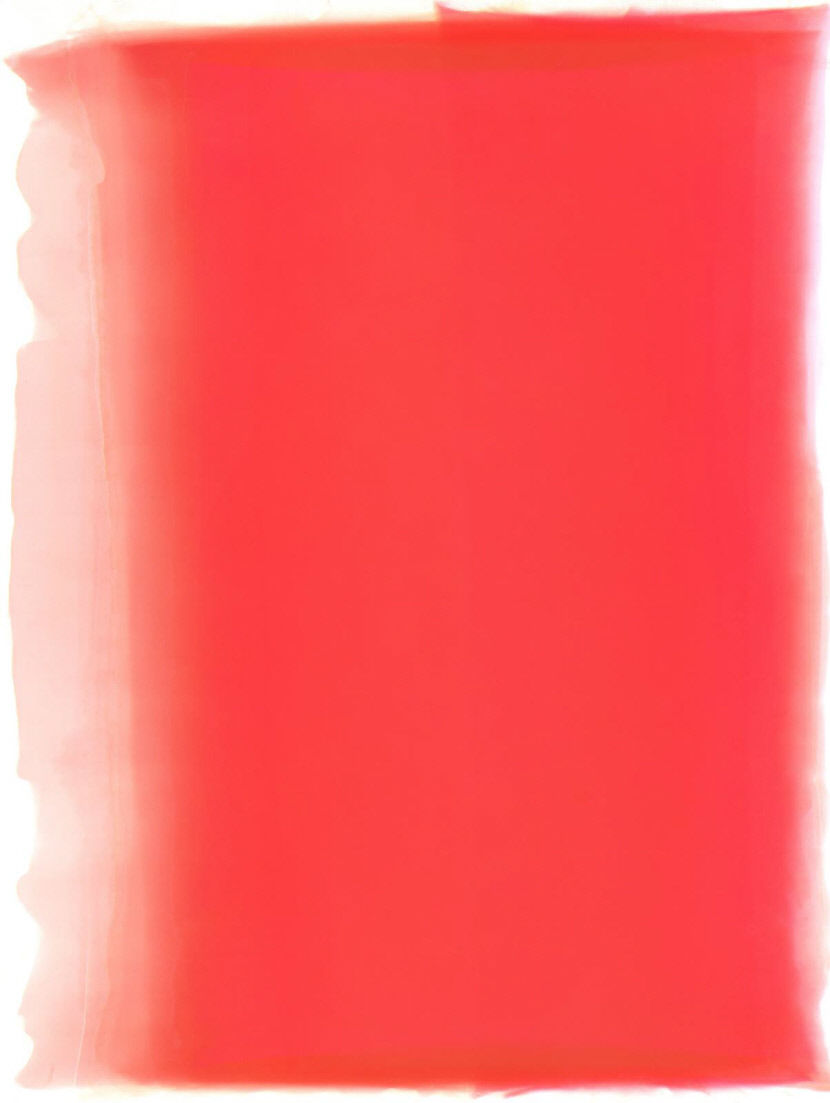
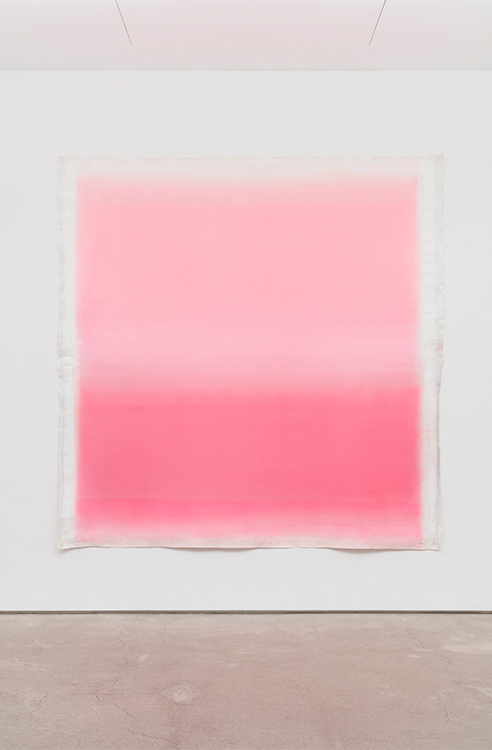
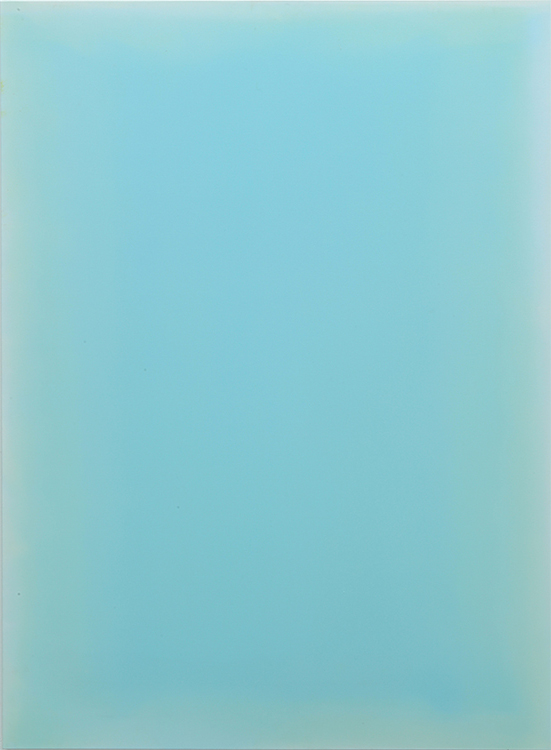
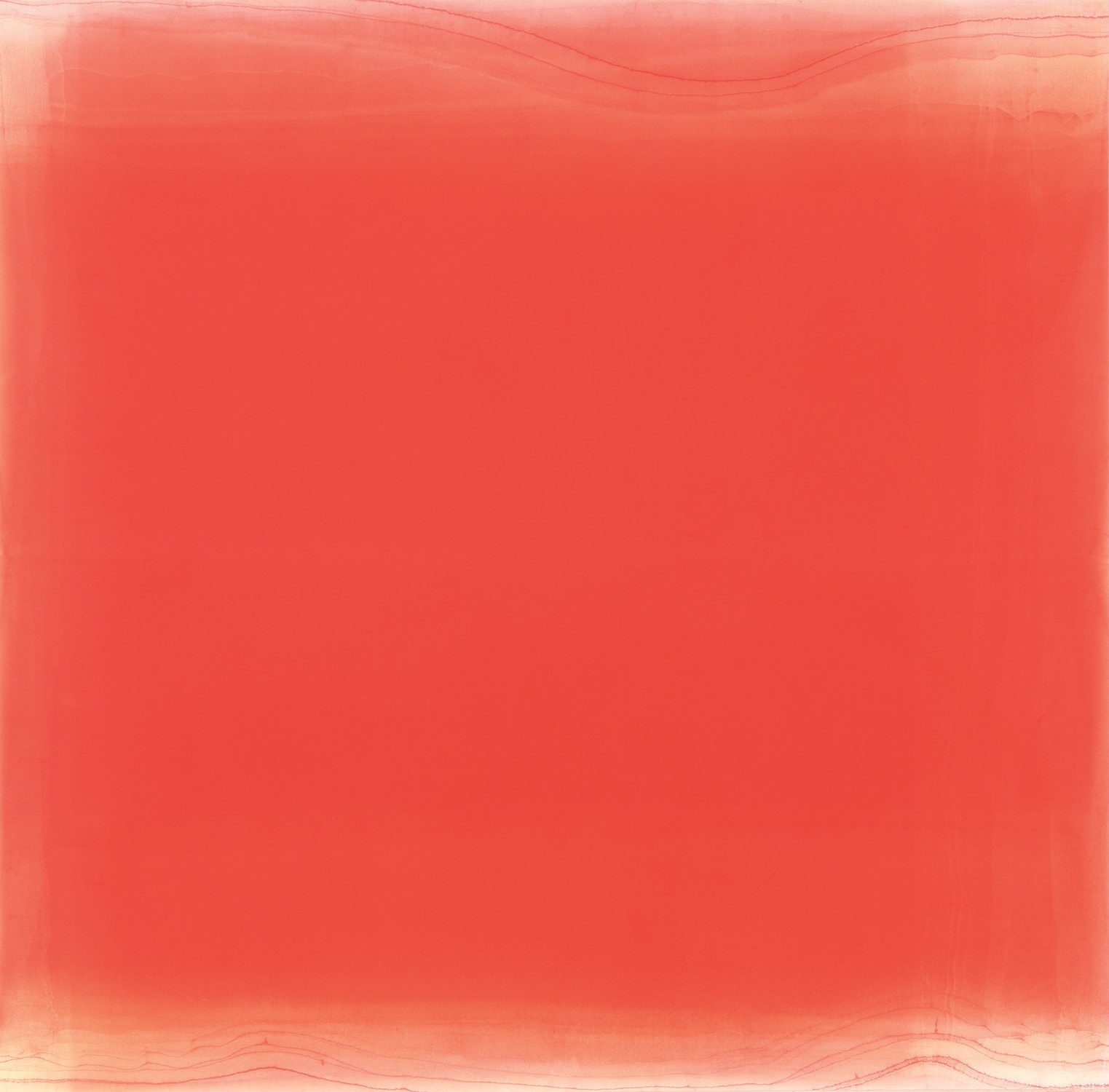
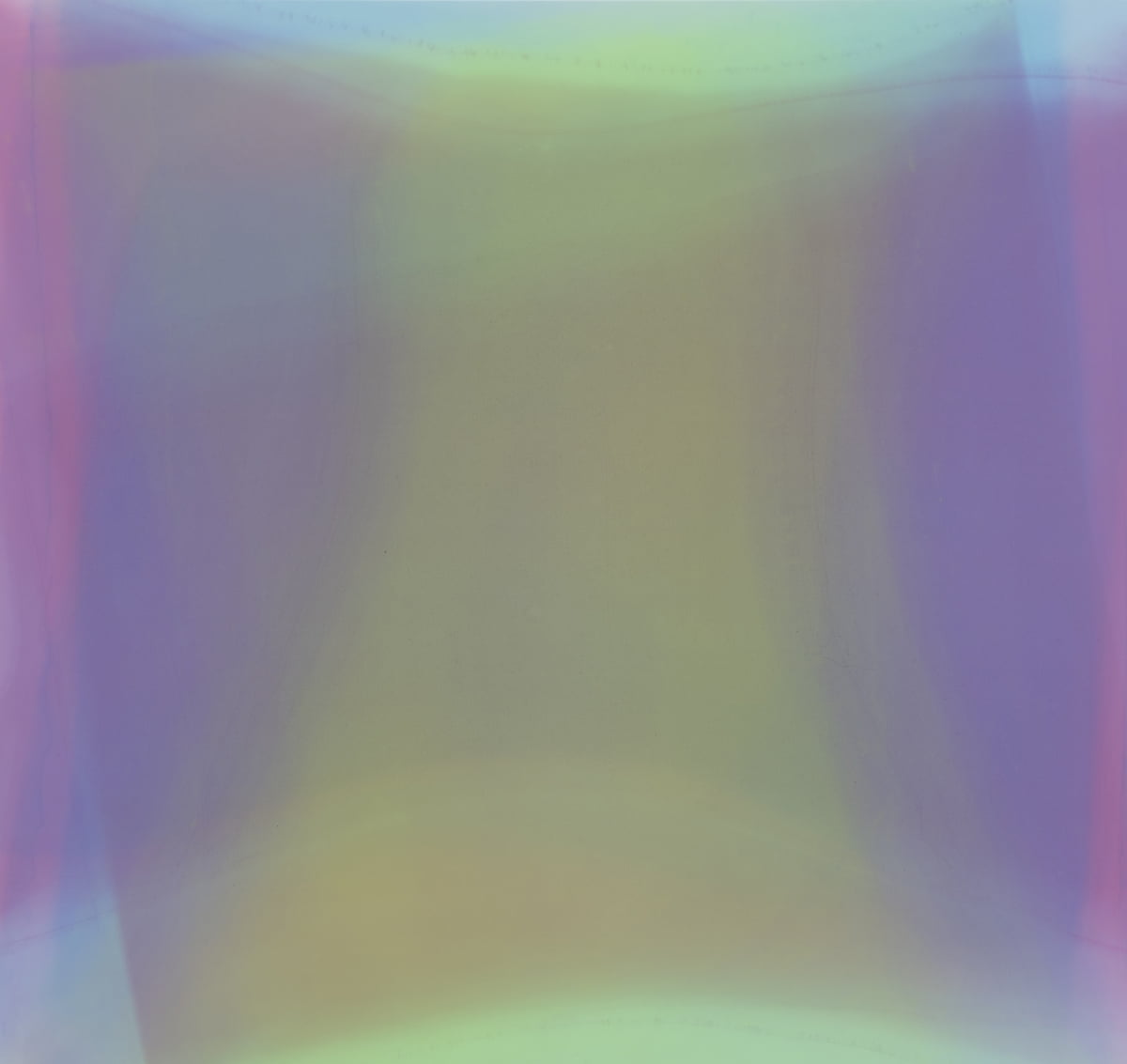
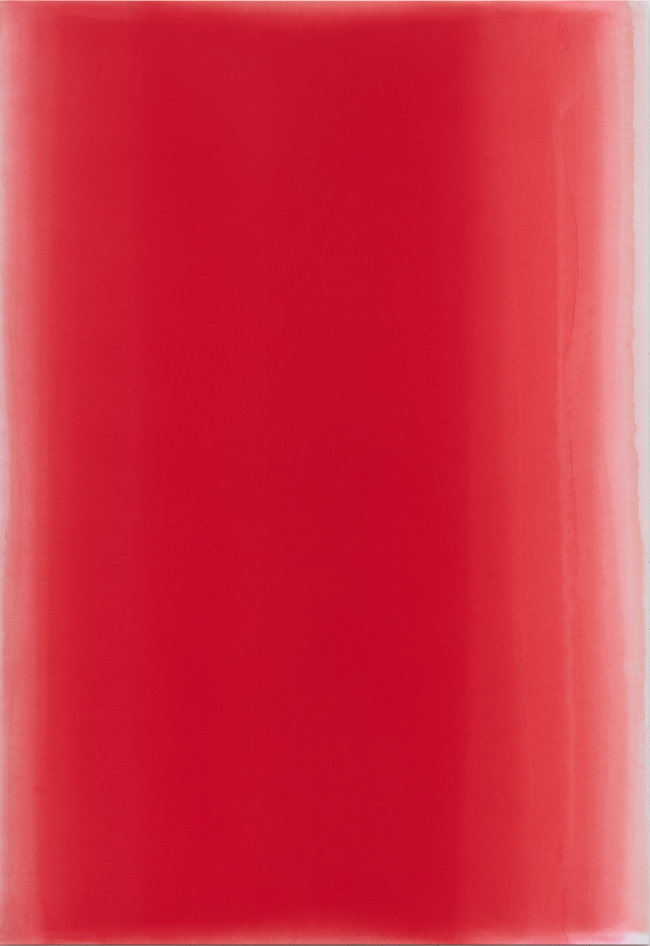
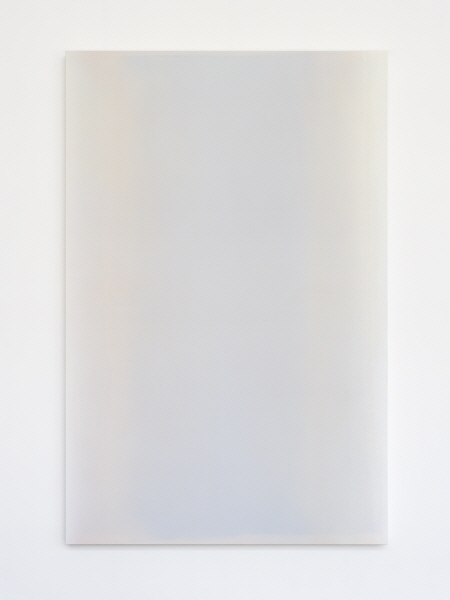
Flows-25-23

2025
캔버스에 물, 아크릴릭
174.5 x 119.5 cm


About The Work

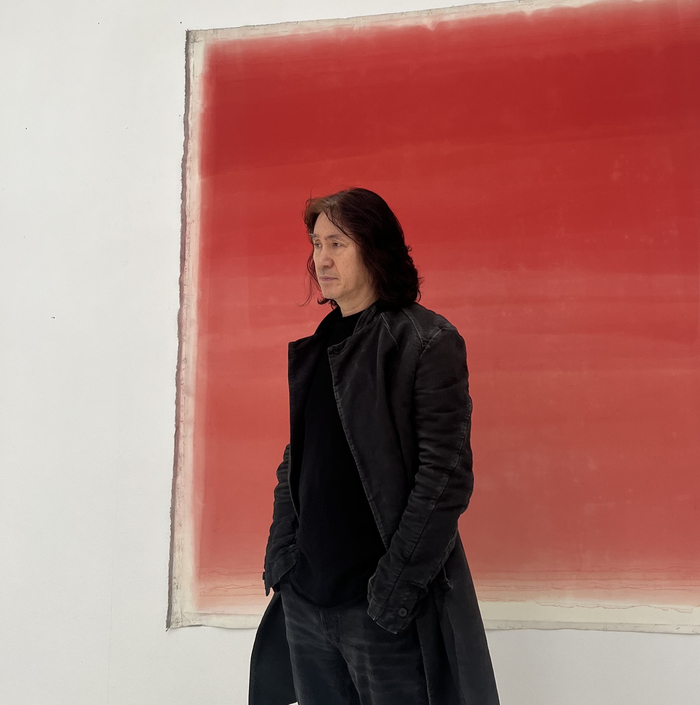
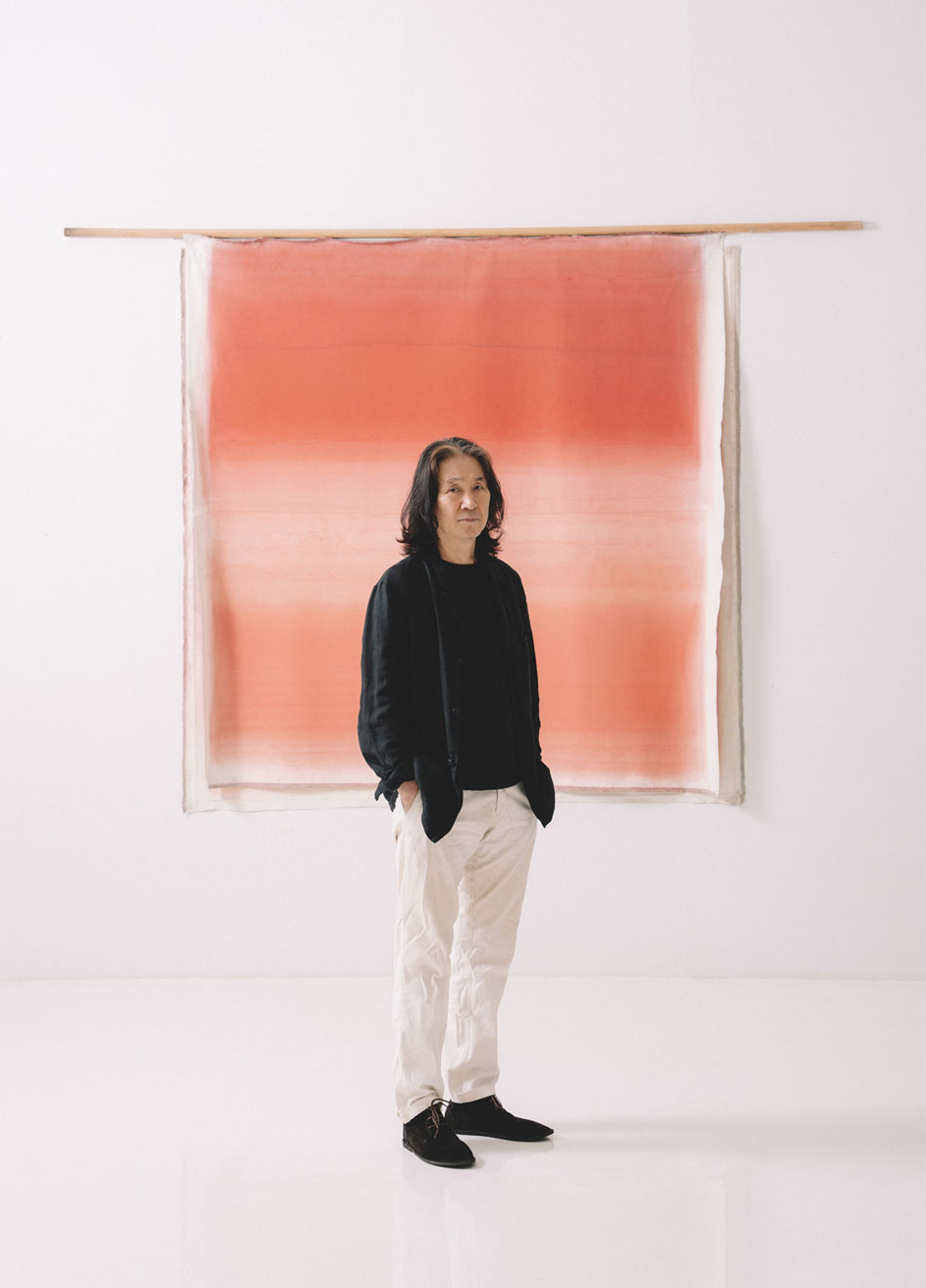
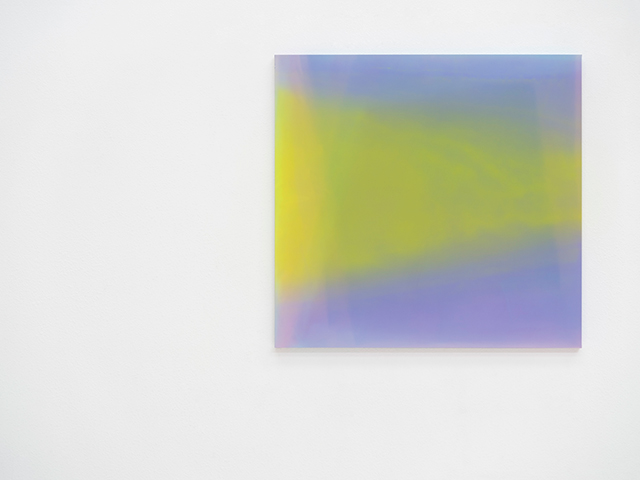
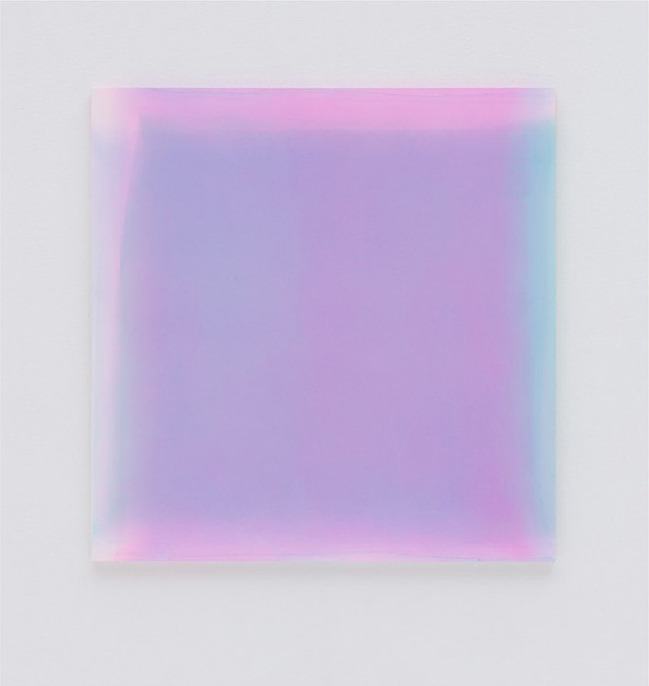
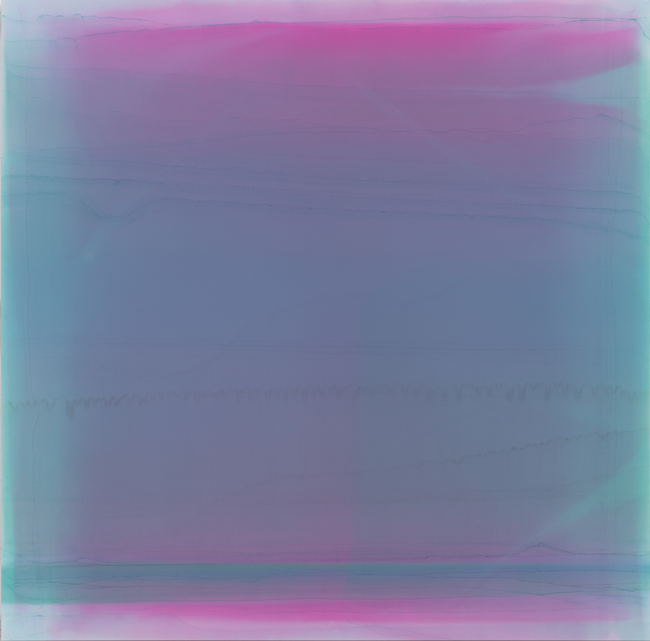
한국의 대표적인 포스트 단색화가인 김택상은 자연의 아름다움을 캔버스에 담아내는 작업을 선보이고 있다. 어린 시절 강원도 원주에서 자란 작가는 자연이 만들어 내는 색채에 큰 영향을 받으며 성장했다. 김택상은 자연의 색에 숨겨진 아름다움을 관찰하고, 물의 영롱함을 표현하기 위한 물의 본질에 대한 끊임없는 탐구로 지금의 작업을 완성해 왔다.

작가는 시간의 흐름에 따라 변화하는 빛의 움직임에서 들숨과 날숨처럼 생동하는 생명력의 아름다움을 발견했다. 그리고 작가는 생명의 공명이 빛깔로 나타난다고 보았다. 김택상의 작업은 생명이 없는 사물인 캔버스에 자연의 생명체가 가진 색과 같이 실제로 ‘살아 있는’ 것과 같은 생명력을 불어 넣는 작업이다.

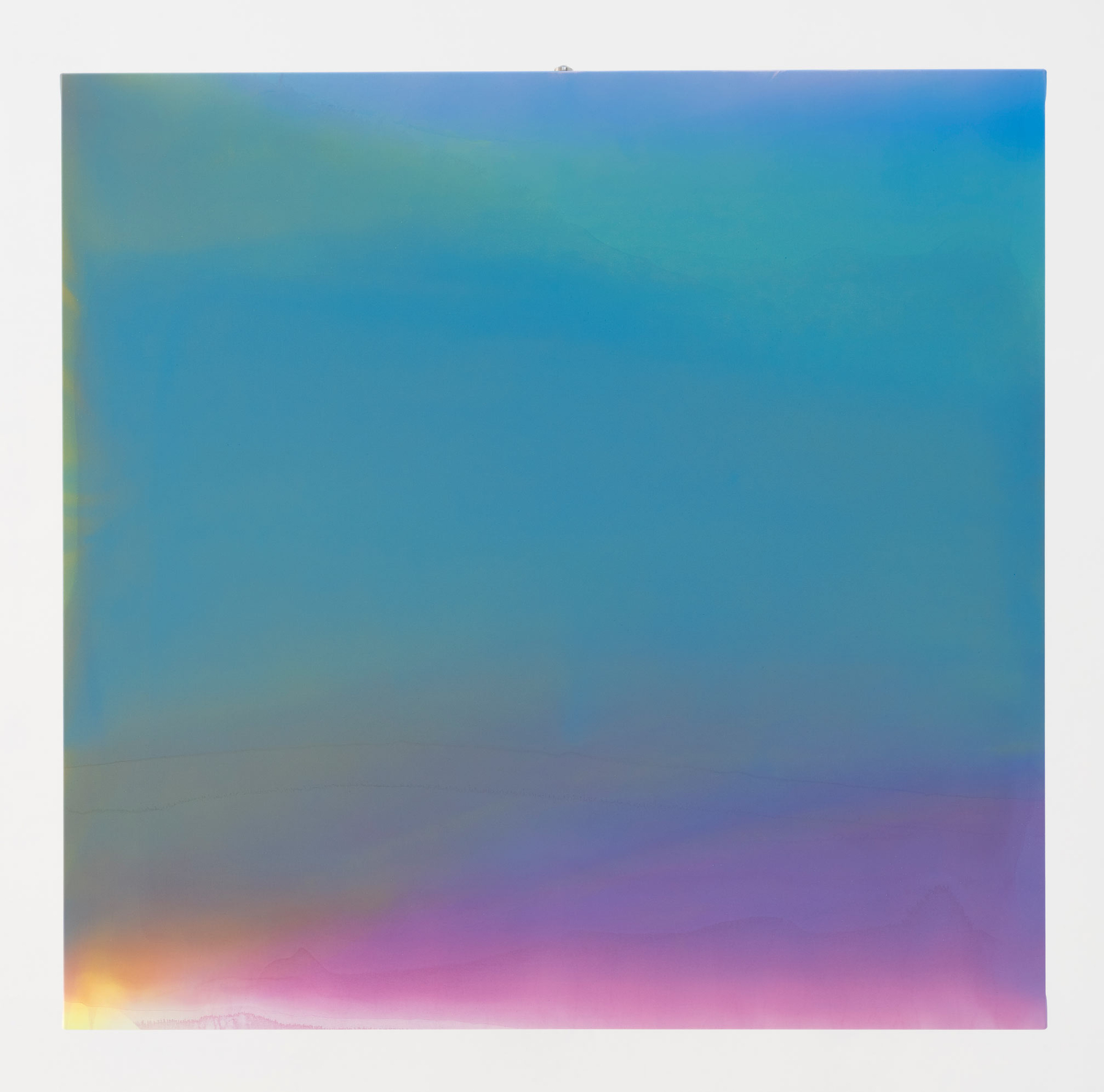
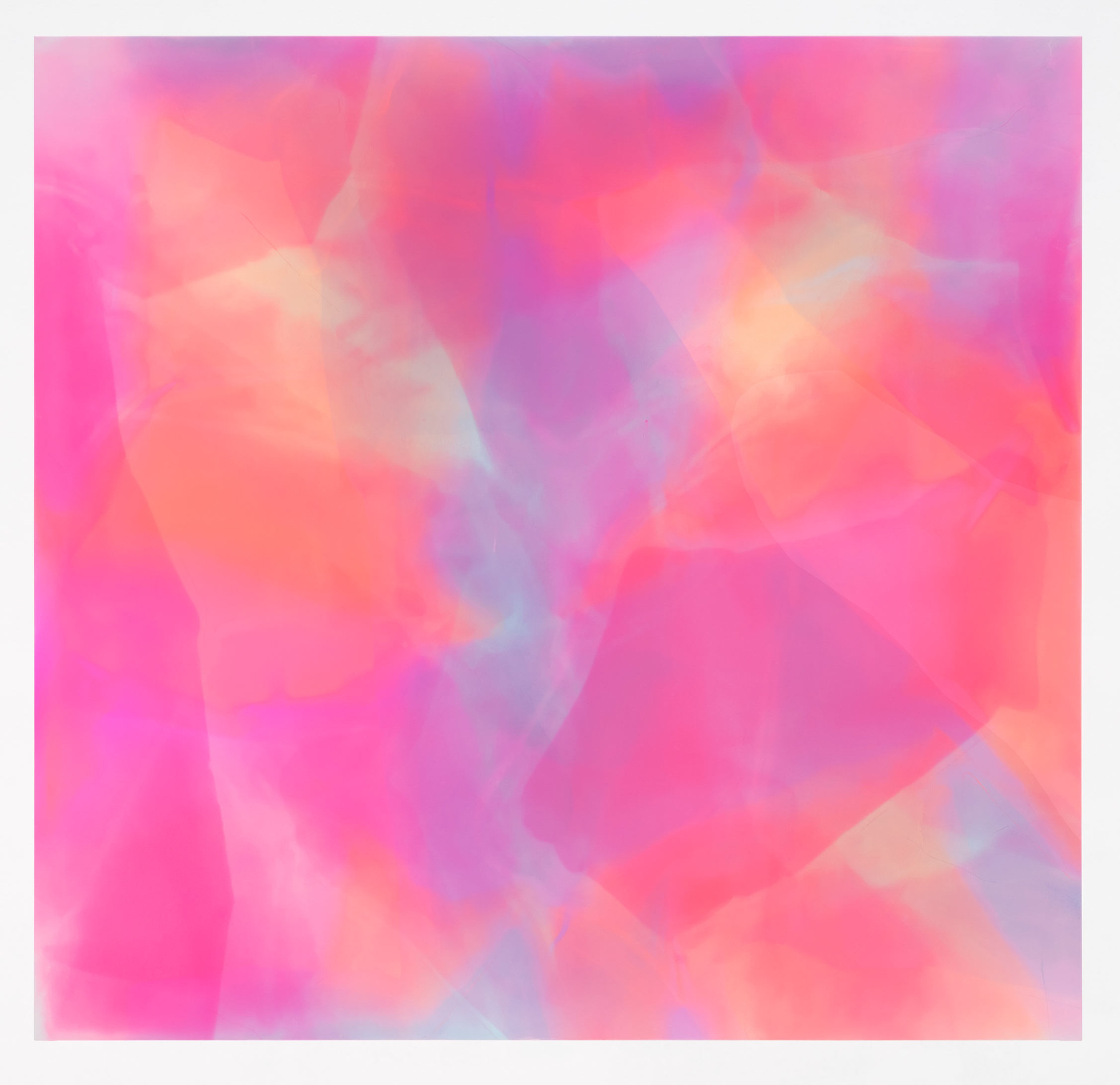
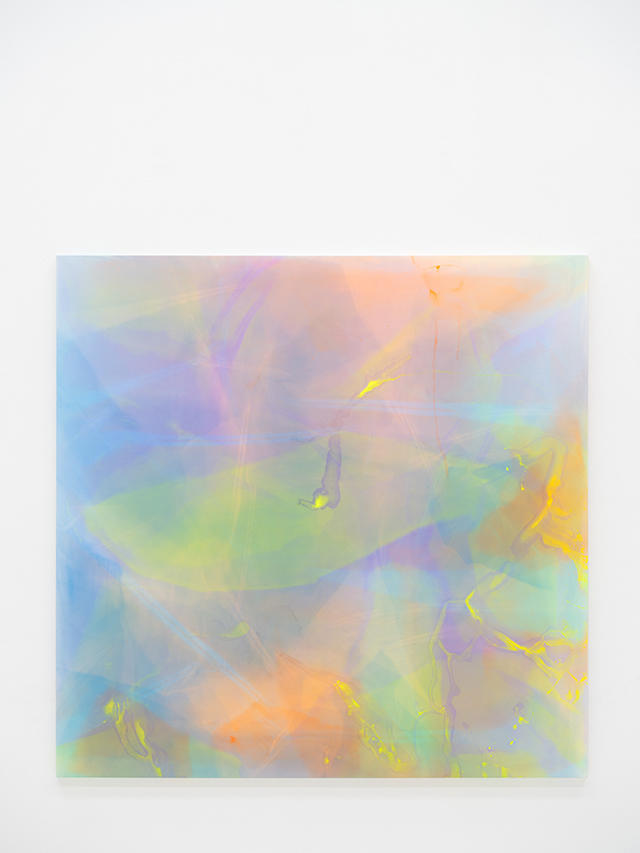
사실 김택상의 회화는 단색화로 불리지만 온전히 한 가지 색으로만 작업하는 경우는 드물다. 여러 가지 색을 침전시키는 과정이 반복되면서 최종적으로 하나의 단색으로 완성되는 것이다. 그러나 다른 색상의 물감이 서로 섞이지 못하게 되어 단색의 화면이 아닌 다른 색의 층이 형성된 화면이 우연히 만들어지기도 한다. 

즉, 작가의 완벽한 통제에 의해 구현된 회화가 아닌 자연의 작용 과정이 이끄는 여러 가능성 또한 열어 두며 이와 함께 공명하며 만들어지는 것이다. 따라서 김택상의 회화는 작가의 존재를 내세우지 않는다. 대신 작가와 물, 중력, 바람 등 자연적 요소들이 캔버스 틀 안에서 만나 유기적인 협업을 이루고 공명하며 시간의 역사로서의 결과물로 완성된다. 

Solo Exhibitions (Brief)

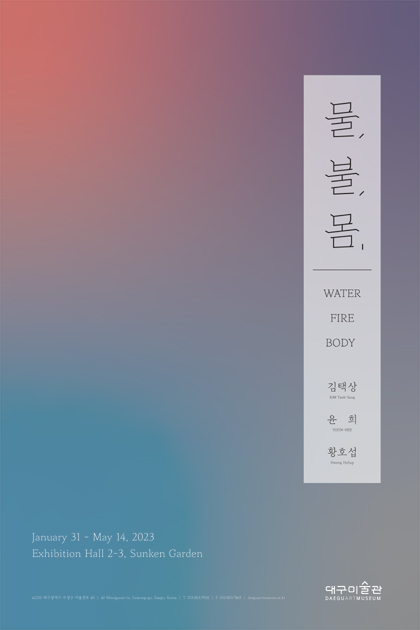
Since his first solo exhibition at the Total Museum of Contemporary Art in 1994, Kim Taek Sang has continued to present solo exhibitions at major venues in Korea and abroad, including CAIS Gallery (2001, 2004, Seoul), Taguchi Fine Art (2006, 2008, 2010, 2014, 2023, Tokyo), Gallery Aso (2010-2024, Daegu), Leeahn Gallery (2019-2024, Seoul and Daegu), Lehmann Maupin (2022, Palm Beach), and Johyun Gallery (2026, upcoming, Busan).

Group Exhibitions (Brief)

He has also participated in group exhibitions at leading museums and galleries, including the National Museum of Modern and Contemporary Art (2001, 2012), Seoul Museum of Art (2004), Daegu Art Museum (2023), Kawamura Memorial DIC Museum of Art (2009, Chiba), Tsinghua University Art Museum (2018, Beijing), Centre Pasquart (2006, Switzerland), Lehmann Maupin (2023, Seoul), and Esther Schipper (2023, Seoul and Berlin), further expanding the institutional context of his practice.

Collections (Selected)

His works are held in the collections of the National Museum of Modern and Contemporary Art, Korea; Kumho Museum of Art; Leeum Museum of Art; Total Museum of Contemporary Art; Suwon I’Park Museum of Art; and Cheongju Museum of Art, as well as in corporate collections including Yokogawa Electric, Walkerhill Hotel, and Four Seasons Hotel.

Works of Art

자연적 요소 간의 유기적 협업과 시간의 역사로서의 회화

Originality & Identity

Kim Taek Sang’s painting does not begin with color, but with an inquiry into the way light is perceived. Although his early works addressed social themes, after encountering the prismatic waters of the Yellowstone Caldera his focus shifted from the meaning of objects to the operation of natural phenomena. By introducing non-intentional elements—water, air, gravity, and time—into the making of a painting, his practice moves from expression to condition, and from representation to generation.
 
He does not reproduce a specific color. Instead, he constructs a structure in which color comes into being through the relationship between light and surface. Our recognition of an object as having a fixed color is conceptual cognition; Kim’s paintings attempt to reveal the state prior to such cognition—the minute reflections and fluctuations of light. This approach allows color to be understood not as a fixed property but as a relational event.
 
For this reason, while his work is discussed within the lineage of Dansaekhwa, it does not remain within the same category. If Dansaekhwa revealed spirituality through materiality and performative repetition, Kim minimizes human intention by allowing natural processes themselves to form the image. Through painting he recalibrates the hierarchy between nature and human agency, transforming painting from an act of discipline into an environmental occurrence.
 
This is also why he names his painting ‘dàamhwa (淡畵).’ The character dam suggests faintness and restraint, but also a purified state free of impurities. His paintings do not subtract emotion or narrative; rather, they refine the conditions through which the world may reveal itself. In this sense, his practice establishes a distinct identity as a painting of emergence rather than representation.

Style & Contents

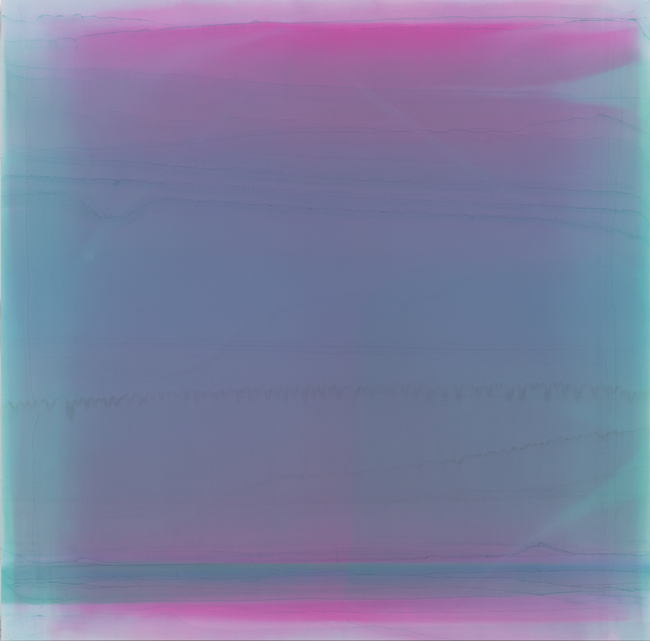
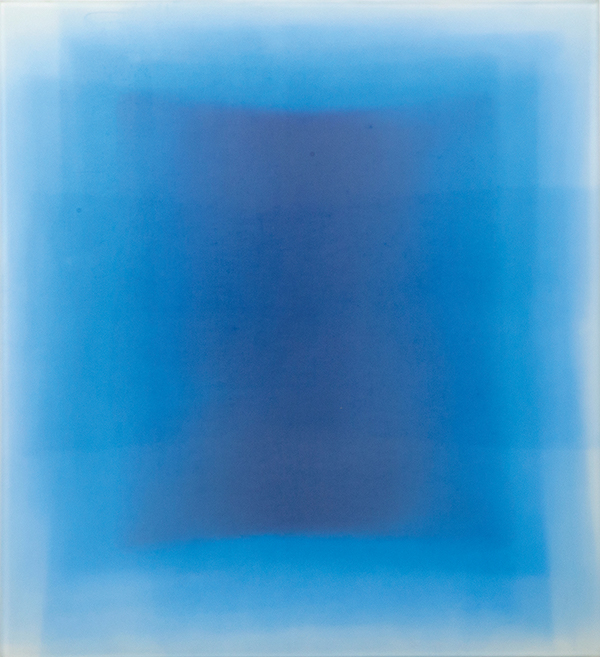
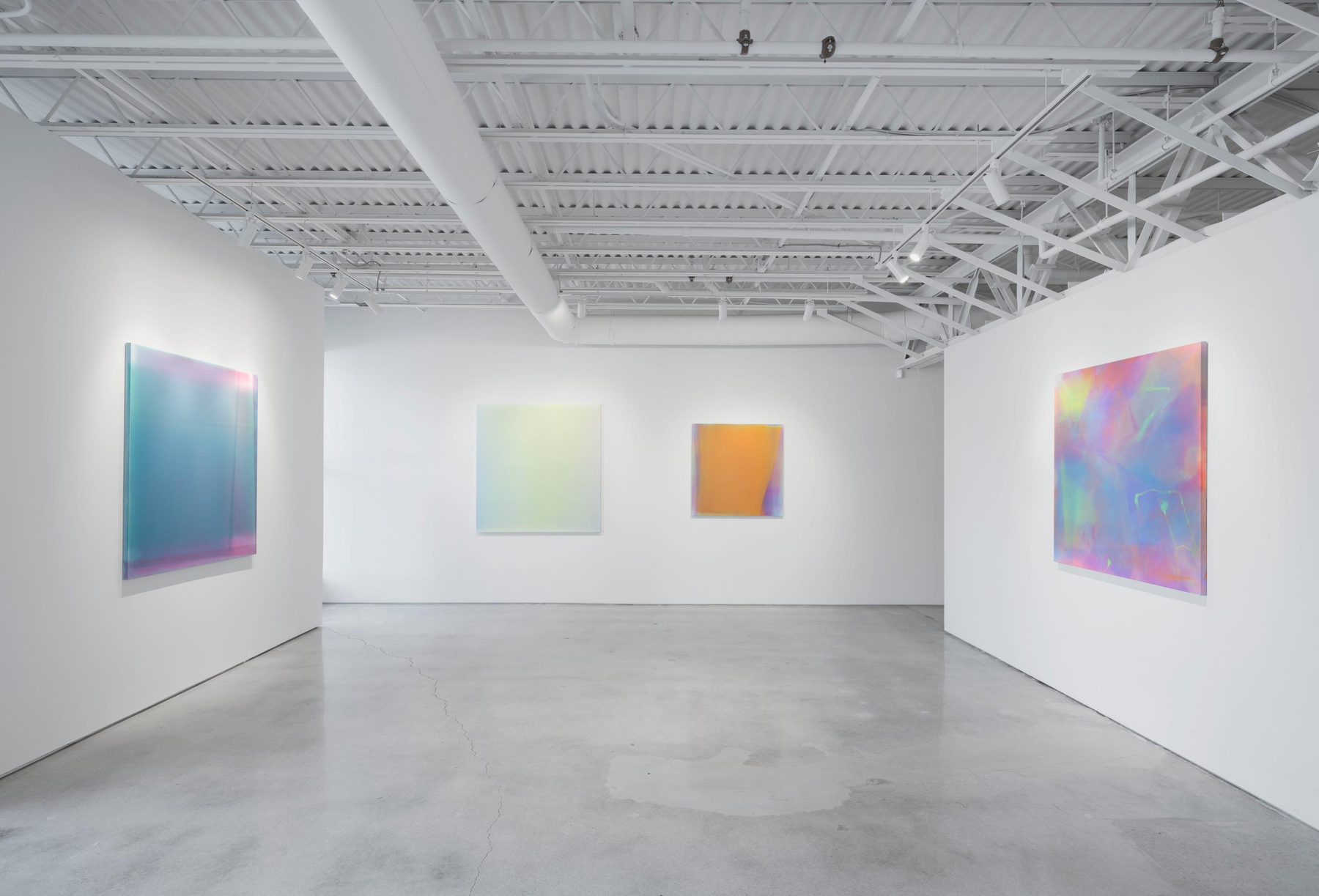
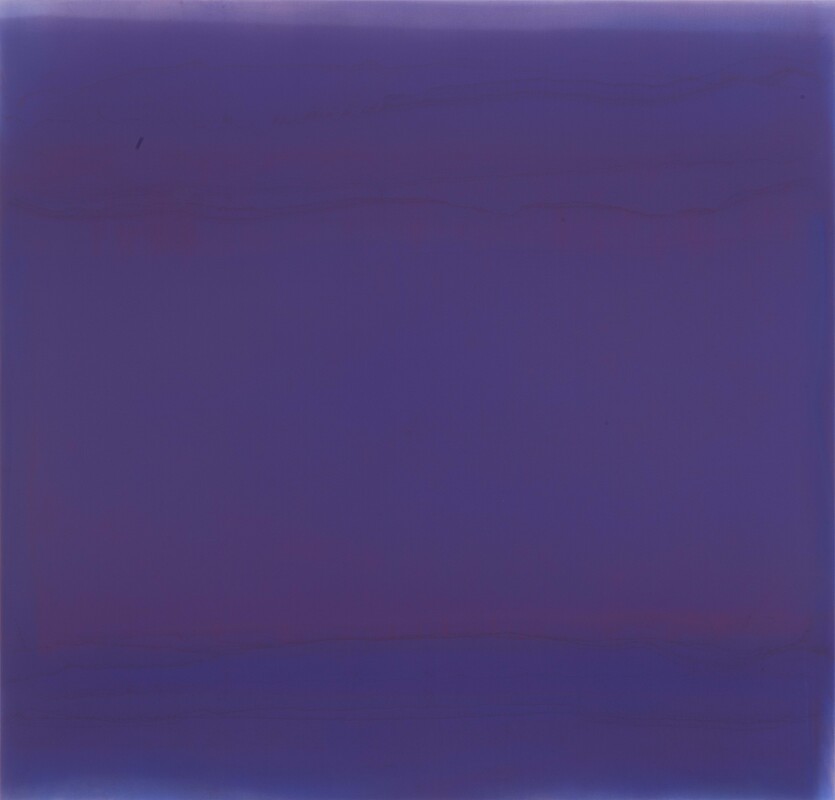
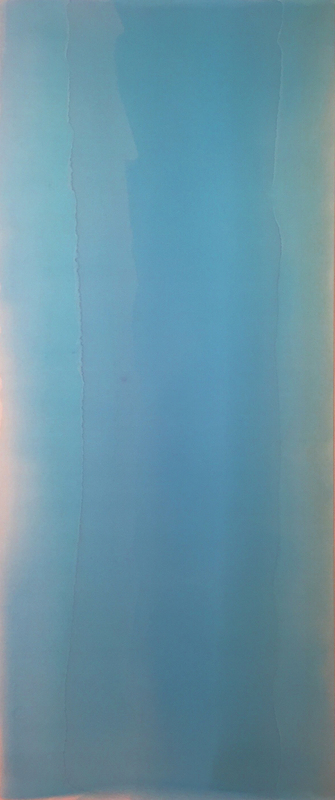
Kim Taek Sang’s paintings are produced by repeatedly pouring extremely diluted pigment onto a canvas and allowing it to dry, dozens or even hundreds of times. Through cycles of sedimentation and evaporation, minute layers and interstices form on the surface, scattering light and producing color. The color is not applied but accumulated time, and the surface is experienced less as matter than as a state.
 
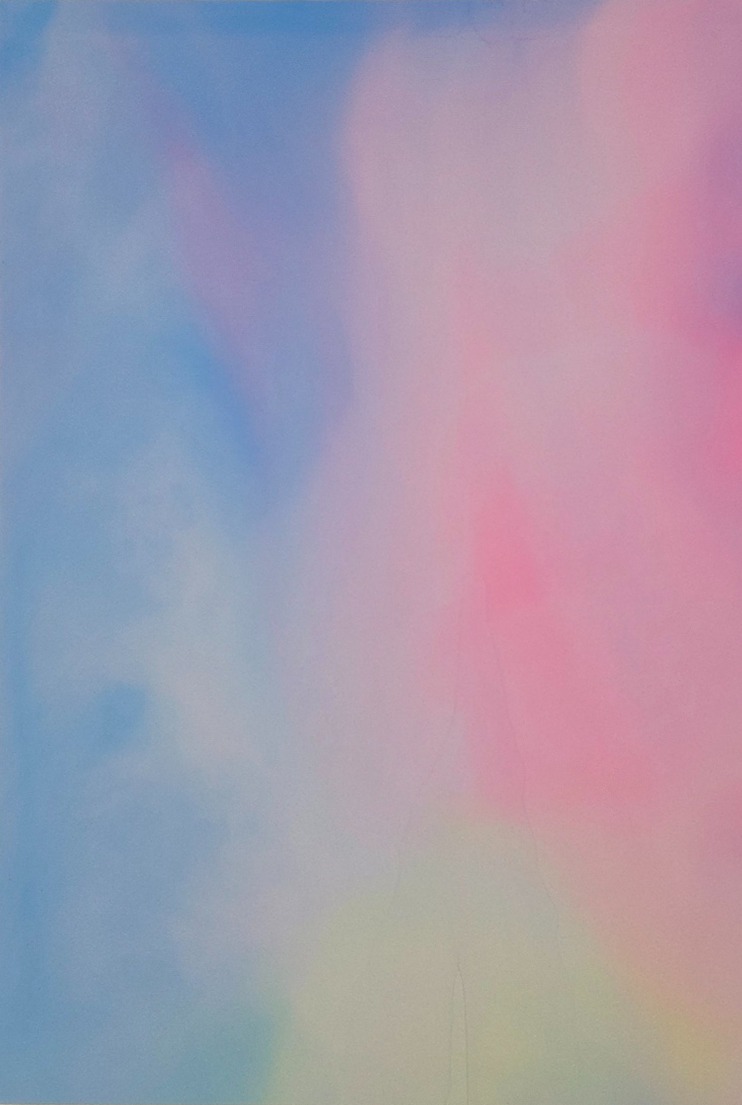
He does not create images through brushwork; instead, he designs a structure into which light can permeate. Thin layers overlap, erasing and revealing one another, producing vibrations without fixed form. These vibrations shift according to viewpoint and illumination, allowing a single work to appear in multiple states. The painting thus becomes a changing condition rather than a fixed image.
 
Central to his practice is the tension between chance and control. The artist intervenes in the process but does not determine the result. The flow of water, humidity of air, gravity, and seasonal change complete the surface, while the artist modulates their occurrence. Painting therefore becomes not the product of an artist’s gesture but a co-production between nature and human agency.
 
Although his surfaces may resemble color-field painting, their content differs fundamentally. Color is not a vehicle for emotional expression but a device that reveals the density in which light resides, and the painting operates less as a surface than as a spatial condition. The viewer does not read an image but experiences the accumulation of time and shifting perception, as the work expands from visual object into sensory environment.

Topography & Continuity

For over three decades Kim Taek Sang has maintained the same method of painting. Yet his work is not repetition but accumulation. Each piece is a variation of previous ones, forming part of a continuous process slowly unfolding through time. This persistence demonstrates not stylistic fixation but an ongoing inquiry into conditions.
 
His paintings follow the temporal structure of nature. Layers accumulate like tree rings, and the interstices between them generate light. The work is less a completed image than a trace of duration, where multiple times coexist within a single surface. Consequently, a painting does not stop at the moment of completion but continues to change with the light of its exhibition space.
 
This continuity also resonates with the temporal sensibility of East Asian painting traditions, where form emerges through accumulated traces rather than singular expression. Yet Kim does not reproduce tradition; he reactivates its principles through contemporary materials and environments.
 
Ultimately, Kim Taek Sang’s paintings resemble a topography rather than a series. Each work stands independently while functioning as a coordinate within a larger process. His practice avoids the feeling of repetition because every painting records a new event shaped by time, light, and environment. This continuous emergence is what renders his painting a living painting.

Works of Art

자연적 요소 간의 유기적 협업과 시간의 역사로서의 회화

Exhibitions

Activities