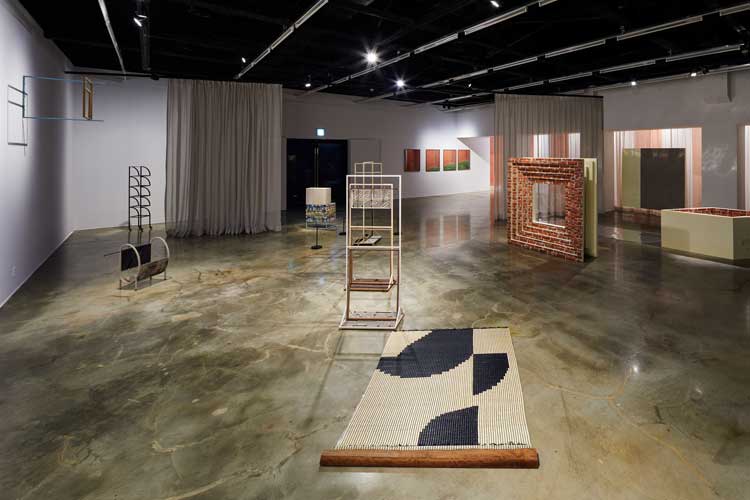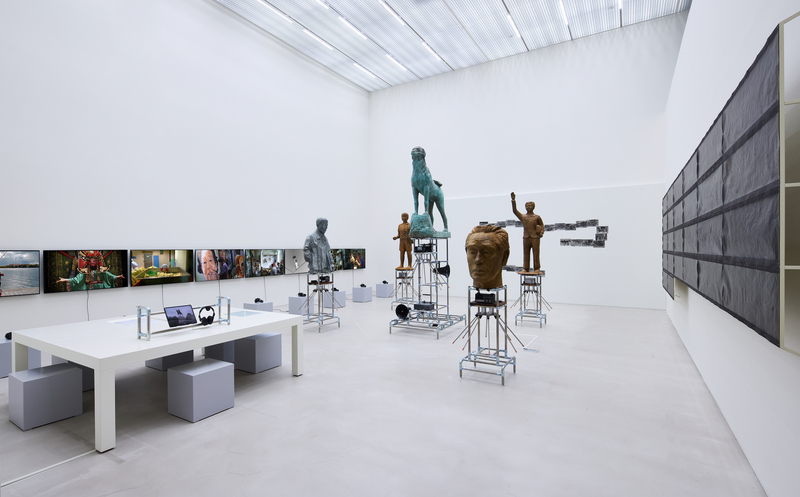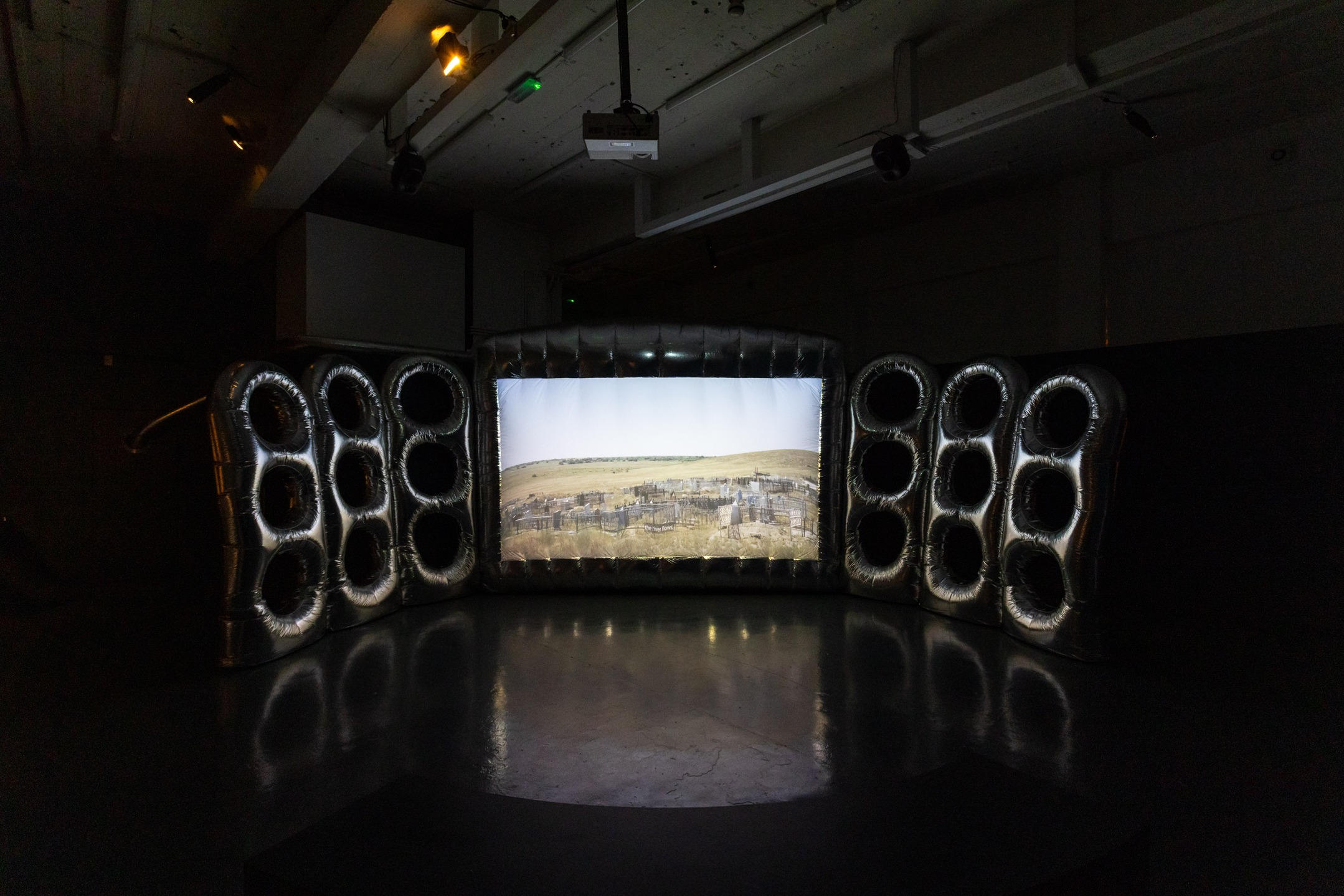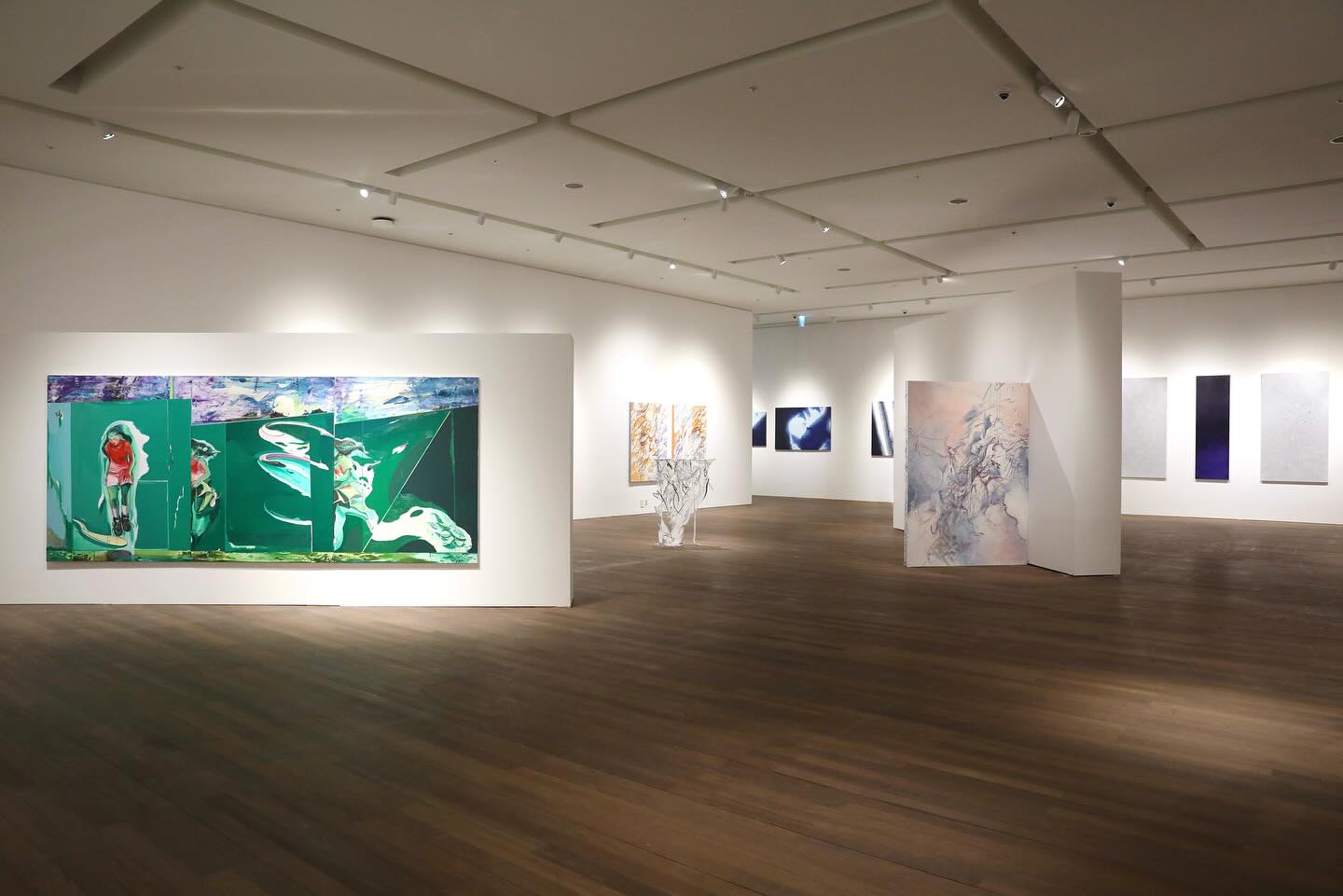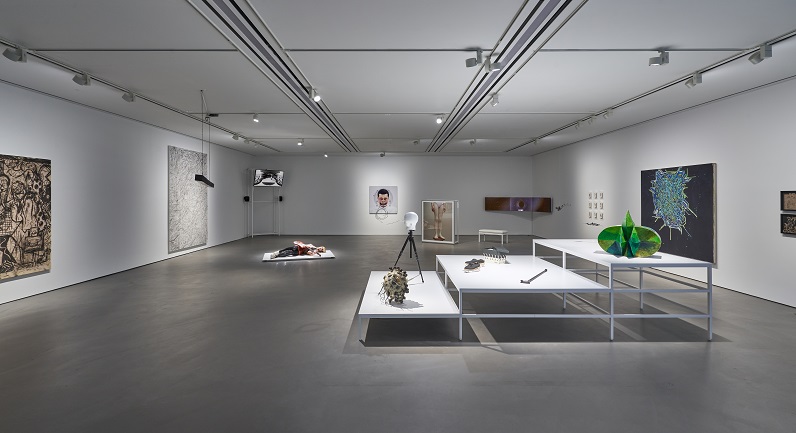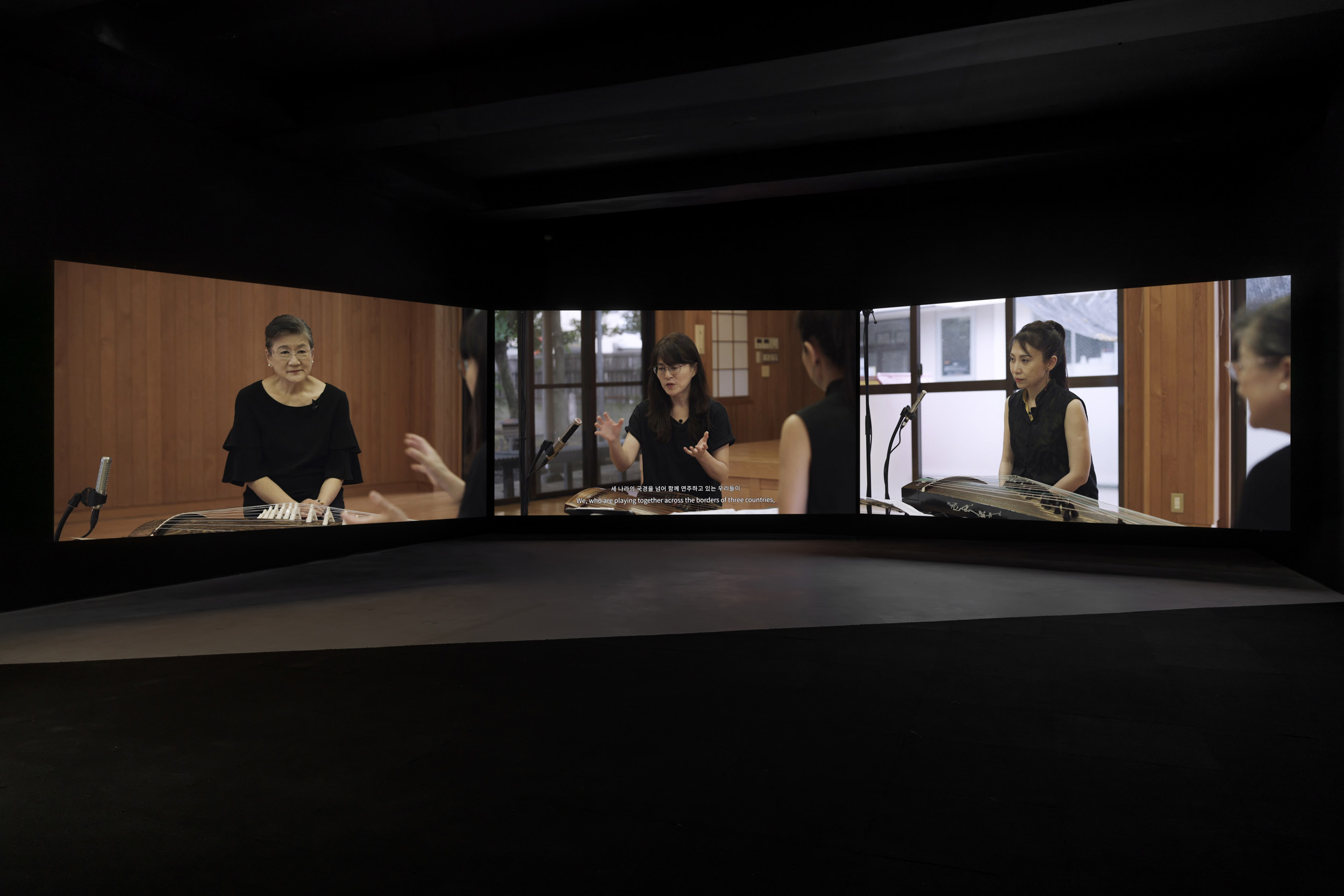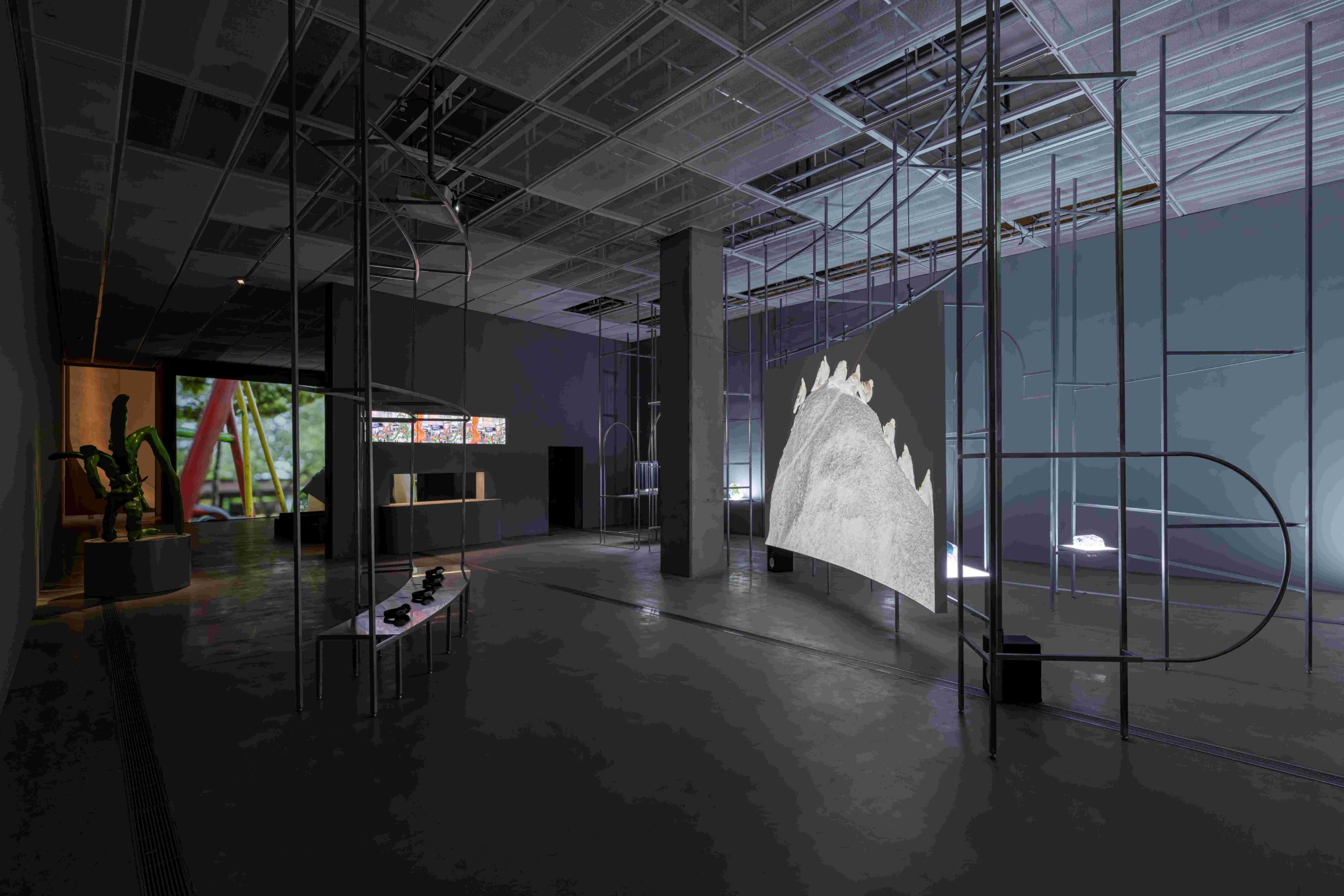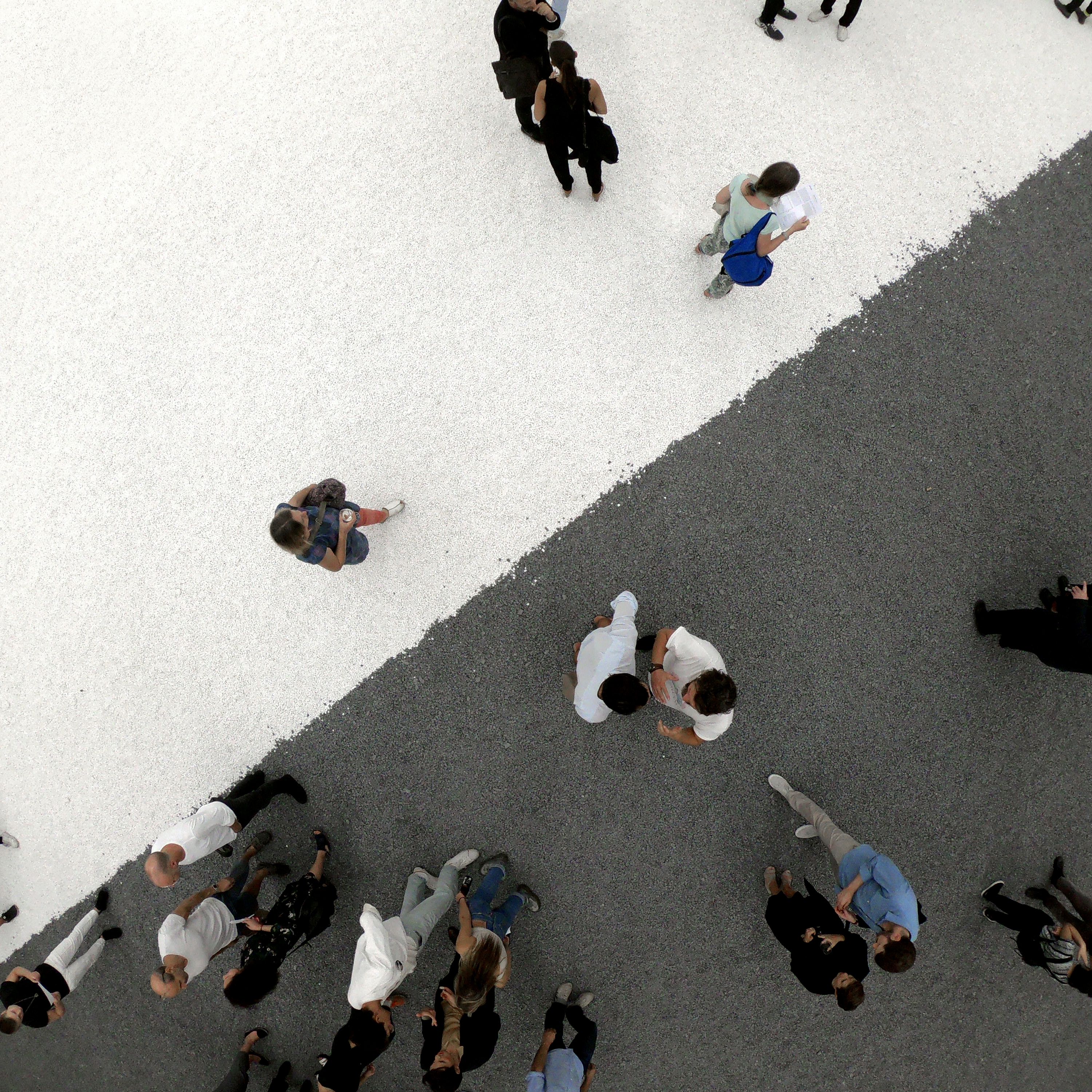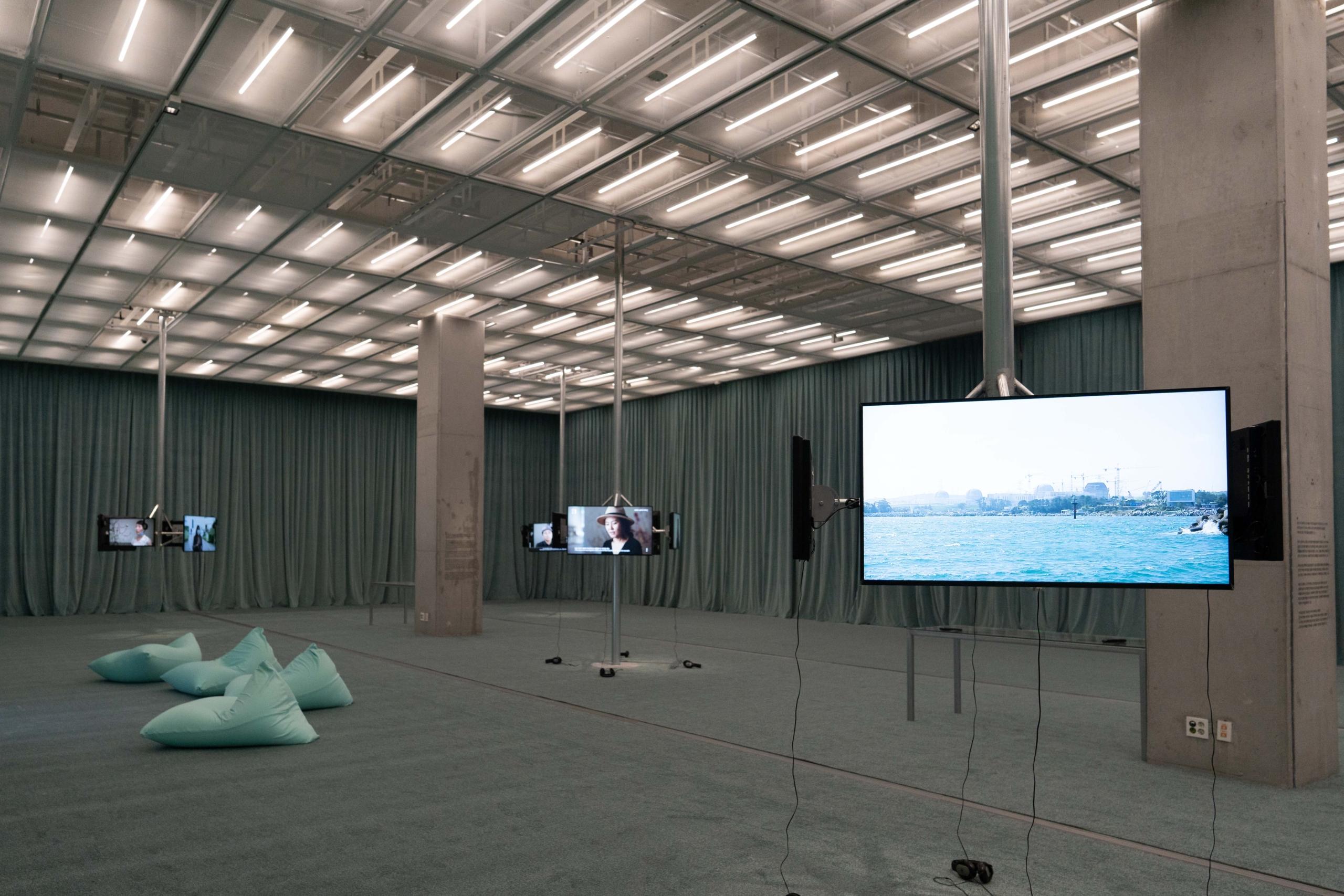

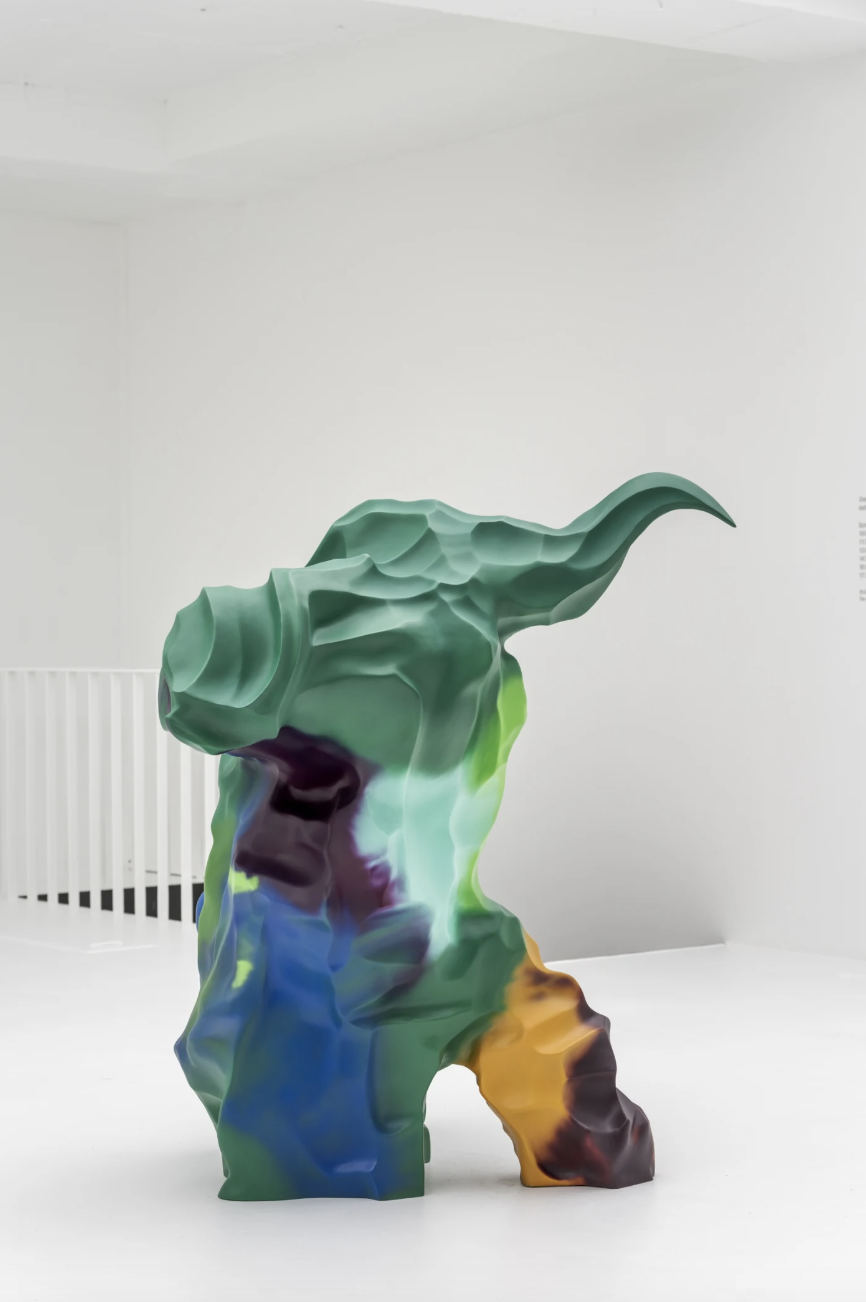
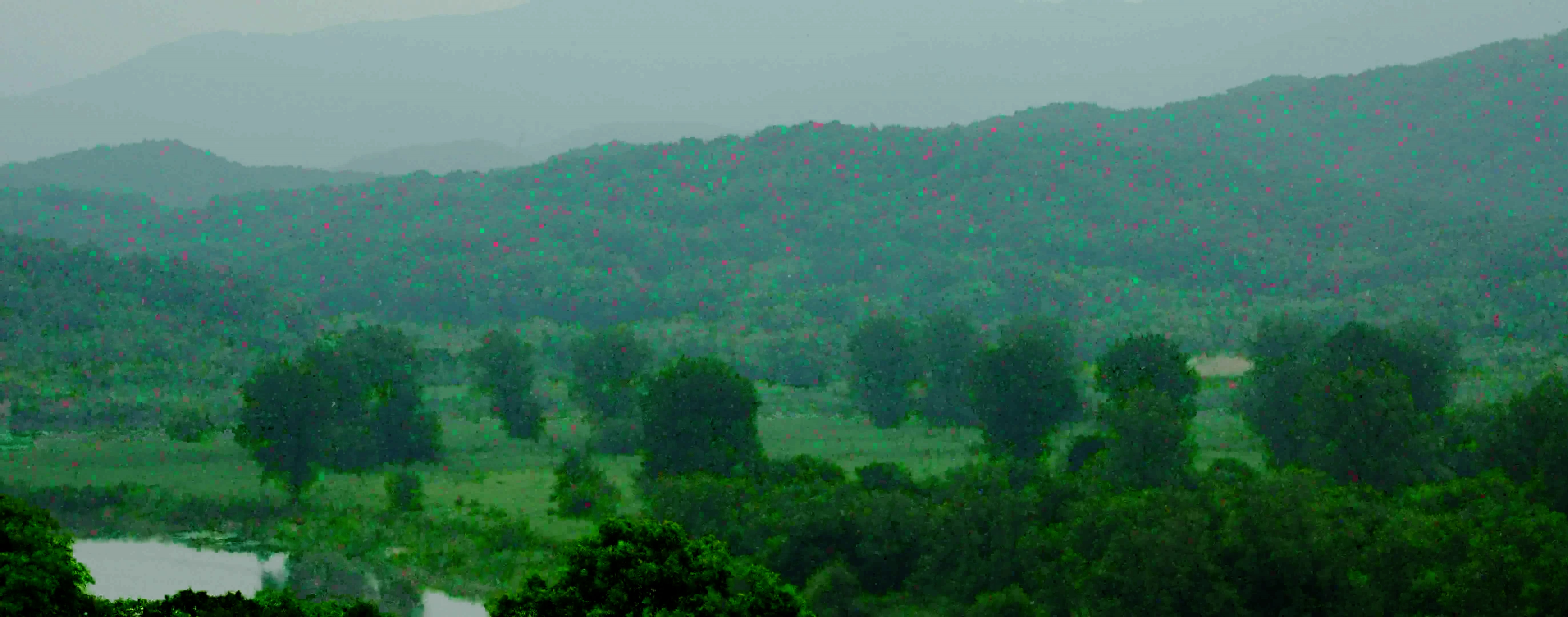
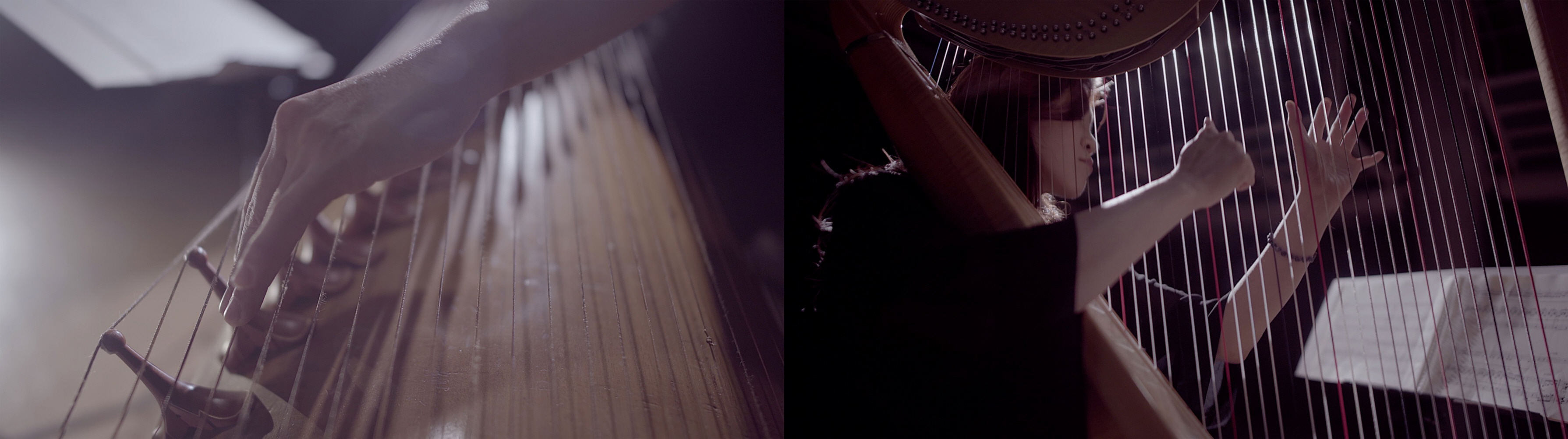
Installation View ©Arko Art Center

The Korea Arts Council (hereinafter referred to as the Arts Council) is set to host the thematic exhibition 《Unclosed Bricks》 at the Arko Art Center from October 12 to December 2, 2018. This exhibition seeks to explore the history and significance of the Arko Art Center, which opened in 1979 and is approaching its 40th anniversary next year.

The red bricks that form the physical foundation of the Arko Art Center have been instrumental in shaping the cultural landscape of Marronnier Park and the Daehakro area. More than mere building materials, these bricks serve as a medium that encapsulates social memory, spanning from microhistories of urban life to grand narratives of society. This exhibition reinterprets bricks not simply as architectural components but as social symbols representing the communal identity of our era, deeply intertwined with our lives and history.

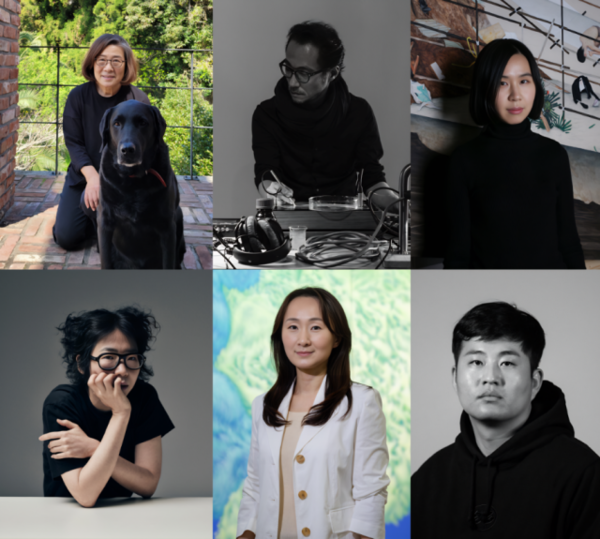
The participating artists examine the structure and form of bricks, experimenting with new tectonics in their own sculptural language, or fluidly navigating the spatial and temporal gaps left in the city. A total of six artists and collectives—Suki Seokyeong Kang, Hye-won Kwon, Minae Kim, Young-eun Kim, Sojung Jun, and kkr+kdk (Kyeong-ran Kim and Do-kyun Kim)—will present works in various media, including installation, video, sound, photography, and painting, exploring the architectural framework and accumulated memories embedded within the city’s bricks.

As a collaborative project, kkr+kdk presents their series kdk in Exhibition Hall 1, featuring a photographic study of Kim Swoo-geun's brick buildings. Rather than focusing on their three-dimensionality, the artists delve into the patterns and textures of the bricks, emphasizing their planar elements. This approach encourages audiences to reimagine historical architecture through a contemporary lens.

Meanwhile, in Exhibition Hall 2, the ub.ssd.t series is displayed in a table format, mapping the history of brick factories and brick buildings in the Seongsu-dong area, which has been an industrial hub since the 1960s. This work documents Seongsu-dong’s unique urban structure—formed at the intersection of brick as material and factory as function—highlighting the layered complexities absent in planned cities.

Minae Kim focuses on the shifting role of bricks, which have gradually lost public attention due to changes in the construction industry. In her installation Clip, Kim repurposes brick-patterned wallpaper adhered to Styrofoam, creating fake walls within an authentic brick building. These artificial walls defy the weight and gravity of real bricks, underscoring the inverted perception of contemporary space and time.

Suki Seokyeong Kang’s High, Straight, Space constructs a visual frame reflecting the search for balance between personal movement, gaze, and social positioning. Utilizing wooden frames and wheels, which function as fundamental units for deconstruction, recombination, and variation, the work metaphorically mirrors the interconnected nature of urban structures and architecture—where different elements converge to generate new meanings.


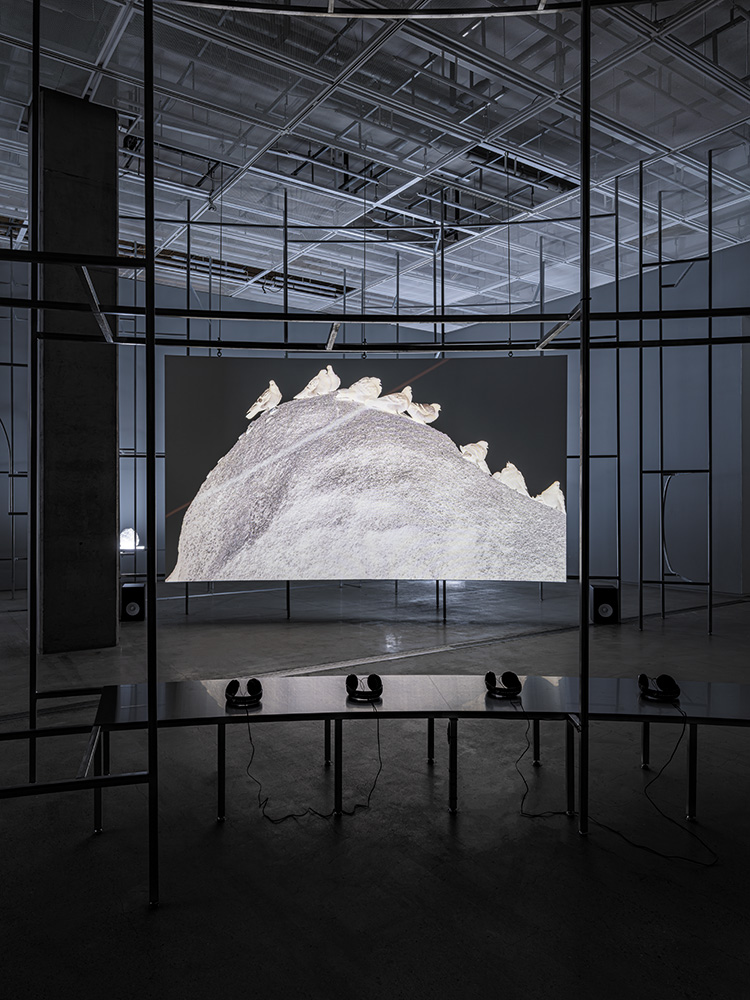
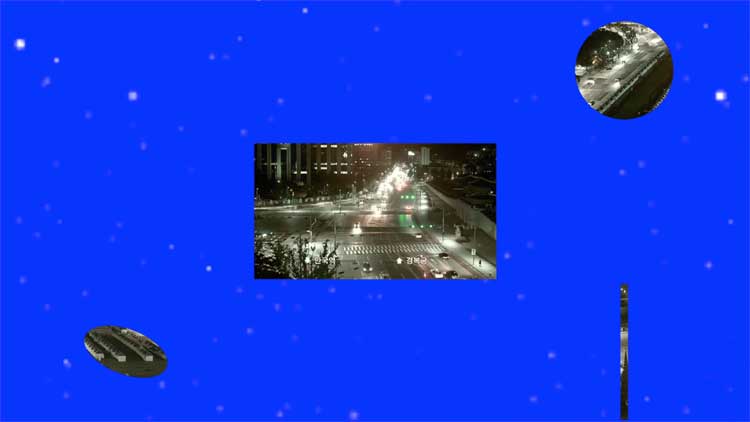
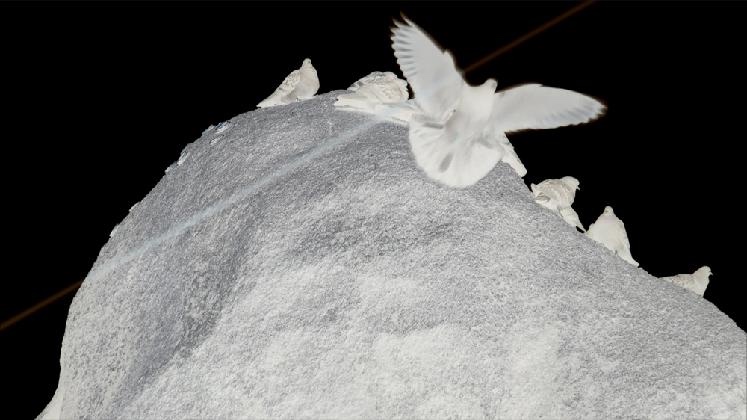
Sojung Jun, Did a Teleport Murder the Closed Circuit, 2018 ©Arko Art Center

Sojung Jun explores the modernity of 1930s Seoul as depicted in the early works of poet Lee Sang. Observing trams, theaters, brick buildings, and reinforced concrete structures, Lee Sang employed unconventional literary devices such as non-poetic symbols, newly constructed code systems, and perspectival shifts.

Jun’s work begins with a monologue set against the backdrop of Jongno, as seen through Lee Sang’s eyes. However, her presence within the feedback loop of multiple CCTV cameras induces a dizzying vertigo. Did a Teleport Murder the Closed Circuit is both an investigation of the temporality embedded in urban spaces and a record of the awe and anxiety that exist between the present and the future.

Hye-won Kwon’s three-channel video We Are Somewhere captures the symbolic red-brick buildings of Daehakro—Arko Art Center and Arko Arts Theater (designed by Kim Swoo-geun) as well as the Artist House (designed by Park Gil-ryong). However, rather than glorifying these historical buildings and architects, Kwon emphasizes the transient nature of urban architecture, which continues to be demolished and reconstructed without restraint.

Young-eun Kim’s Visit of Red Noise examines the red-brick watchtowers that have played different roles throughout Korea’s tumultuous modern history. The artist incorporates oral testimonies from those who remember the watchtowers of the 1960s, blending them with propaganda broadcasts and nightly sirens. This interplay of auditory elements highlights the layered histories and the shifting meanings of "red noise" across time.

In discussing the exhibition, the Arts Council stated: "By reexamining the profound value of something as seemingly trivial as bricks, this exhibition offers a platform to explore alternative possibilities for today’s architecture and urban environment. Furthermore, we hope this exhibition prompts deeper reflection on the social role of the Arko Art Center as a public institution."

References