Exhibitions
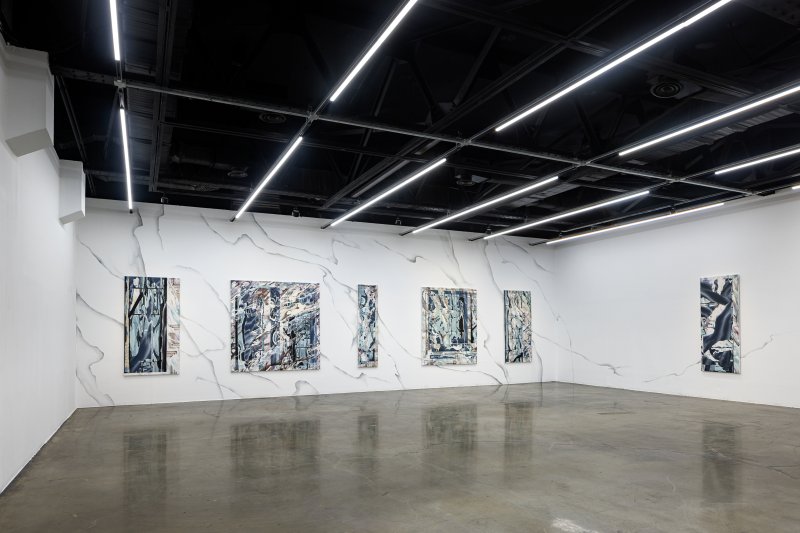
《Modular Vision》, 2021.11.19 – 2021.12.19, 소마미술관
2021.11.22
소마미술관
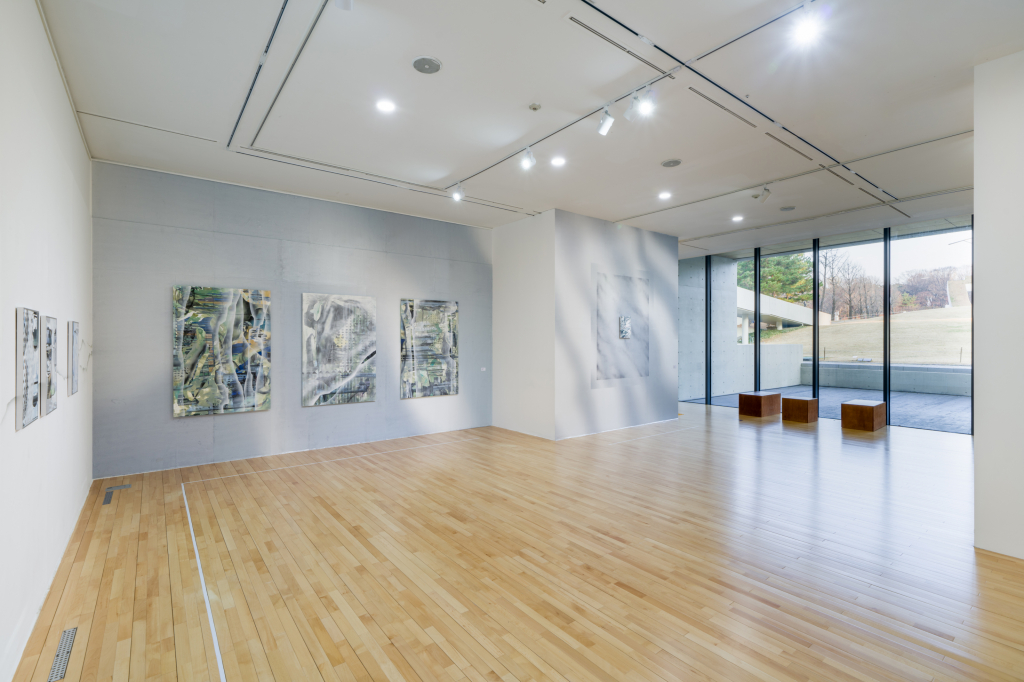
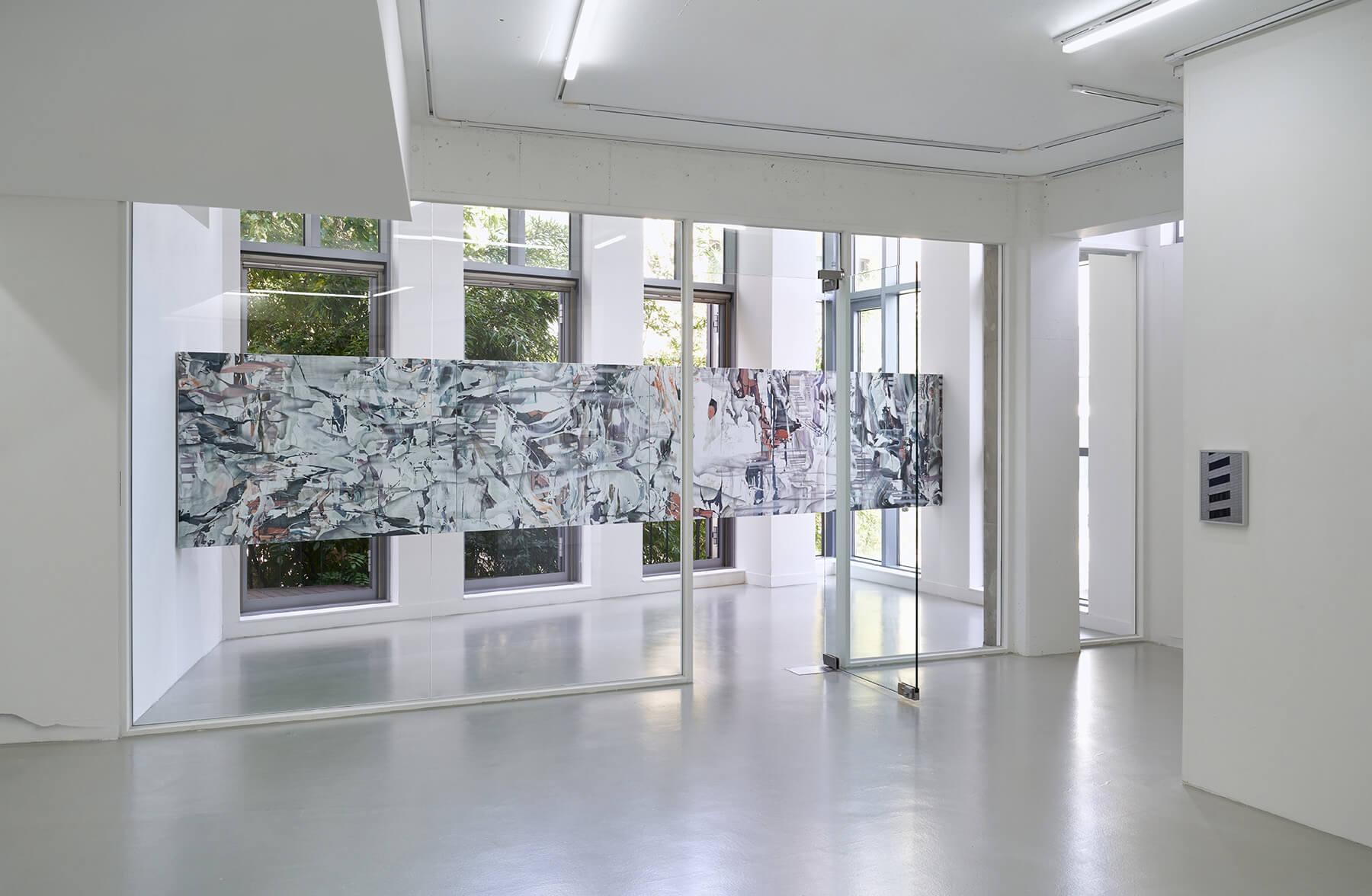
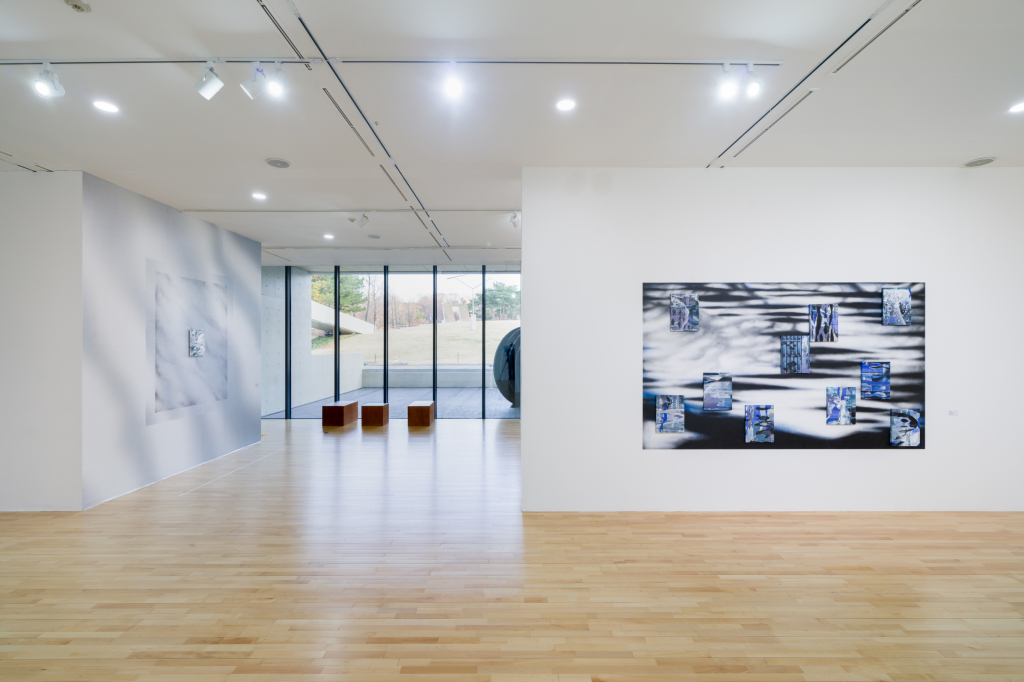 Installation view ©SOMA
The solo exhibition 《Modular Vision》 by artist Hwang Wonhae is
currently on view at SOMA Museum of Art, operated by the Korea Sports Promotion
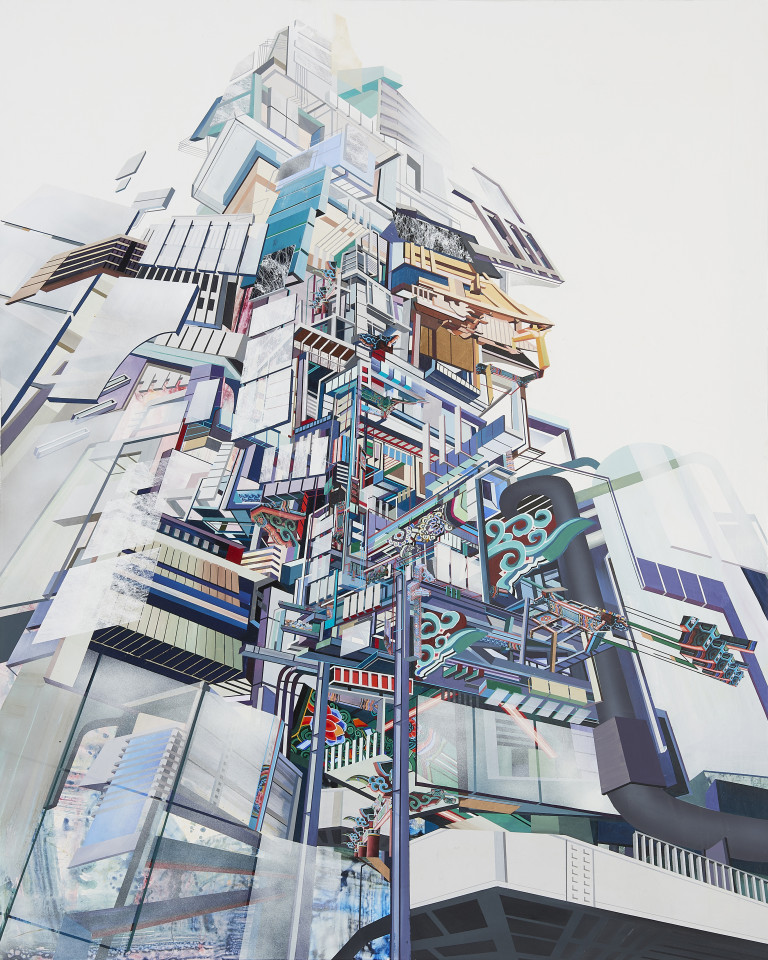
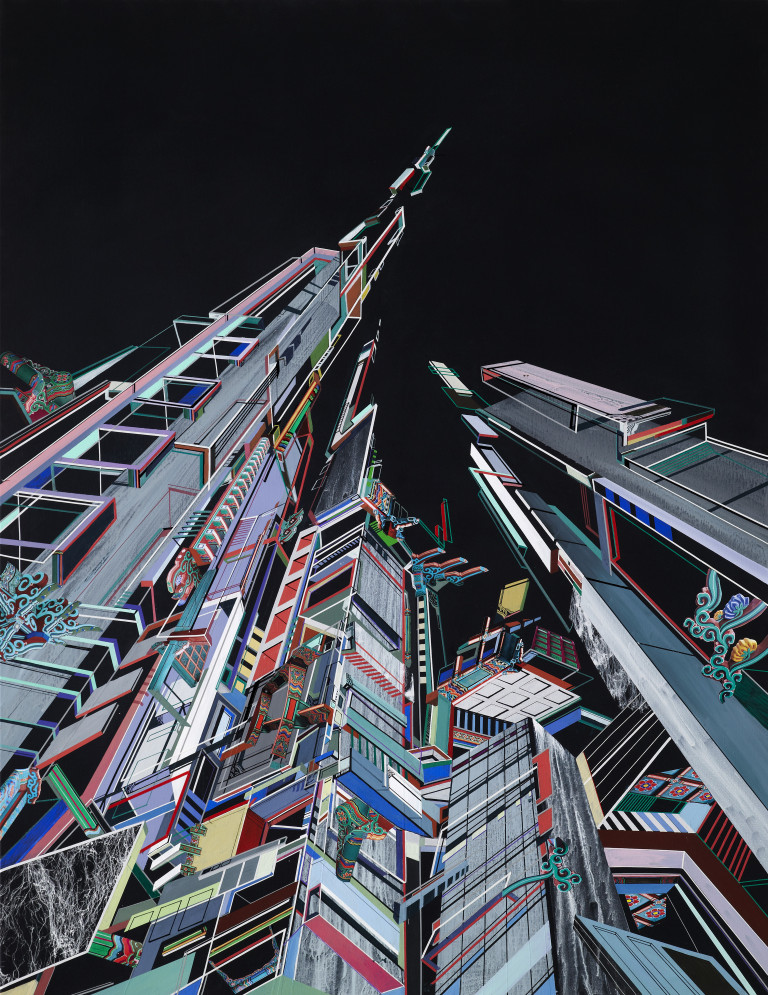
Foundation, and will run until December 19. Hwang has long used urban imagery
as a central subject in his practice. In previous works, he experimented with
compositing architectural elements from the past and present and reconfiguring
them into new spatial arrangements, or layering and synthesizing the geometric
components and patterns of the city. This exhibition, however, shifts focus
away from surface-level urban imagery toward a more subjective interpretation,
filling the exhibition space with drawings.
The concept of a "module" typically begins with a square
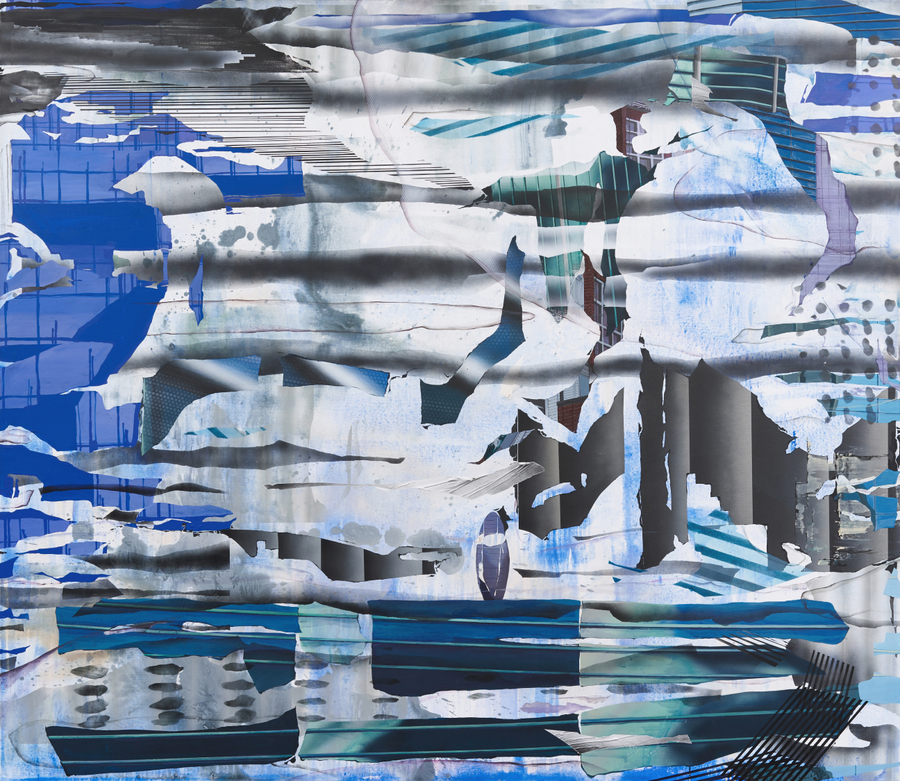
shape—a standardized unit designed for systematic repetition. The work 〈Streaming〉 evokes the silhouette of
mountains visible between buildings, a defining feature of Seoul’s urban
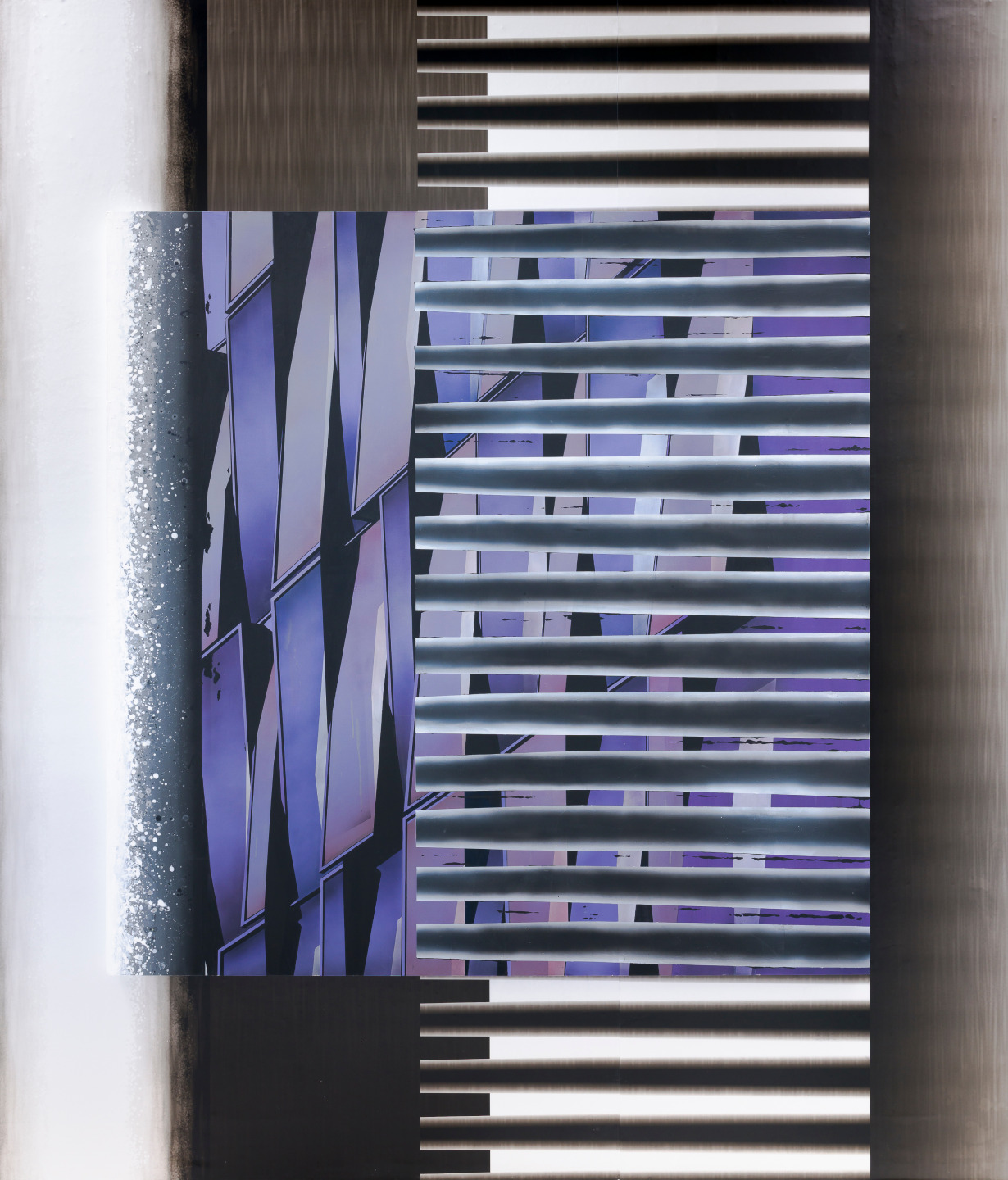
landscape. Meanwhile, 〈Sheet〉
conjures the image of a monochrome garden shrouded in black mist. Large-scale
wall drawings made with airbrush techniques create forms that blend urban and
natural elements.
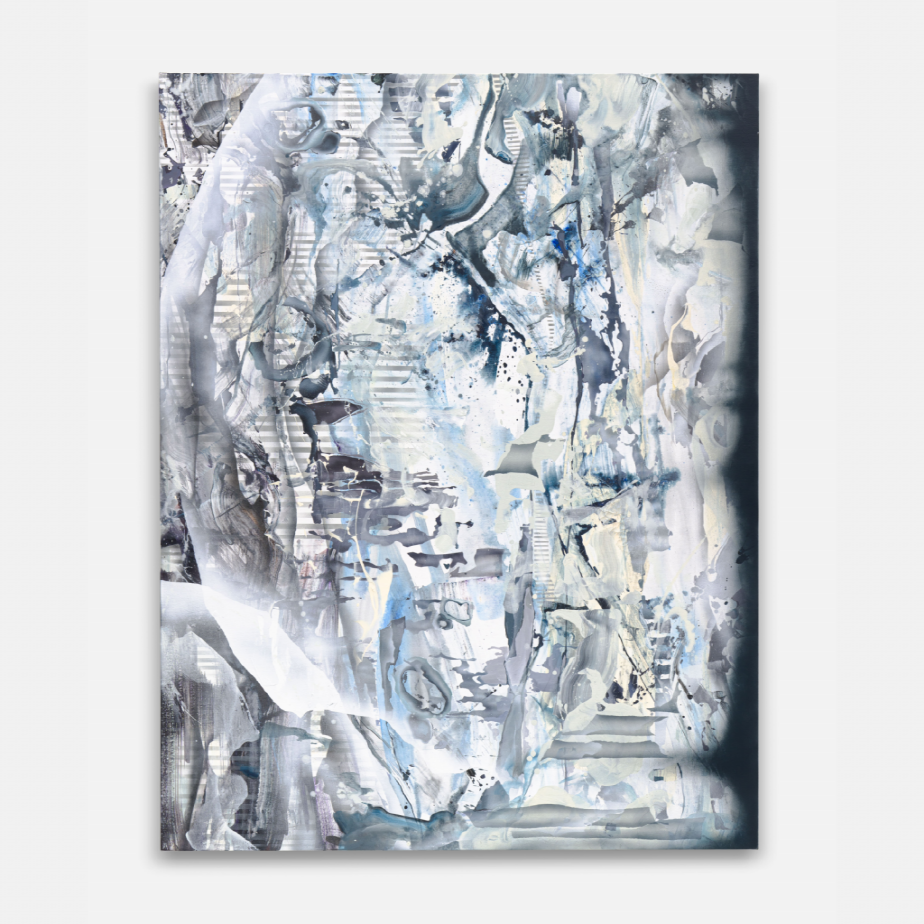
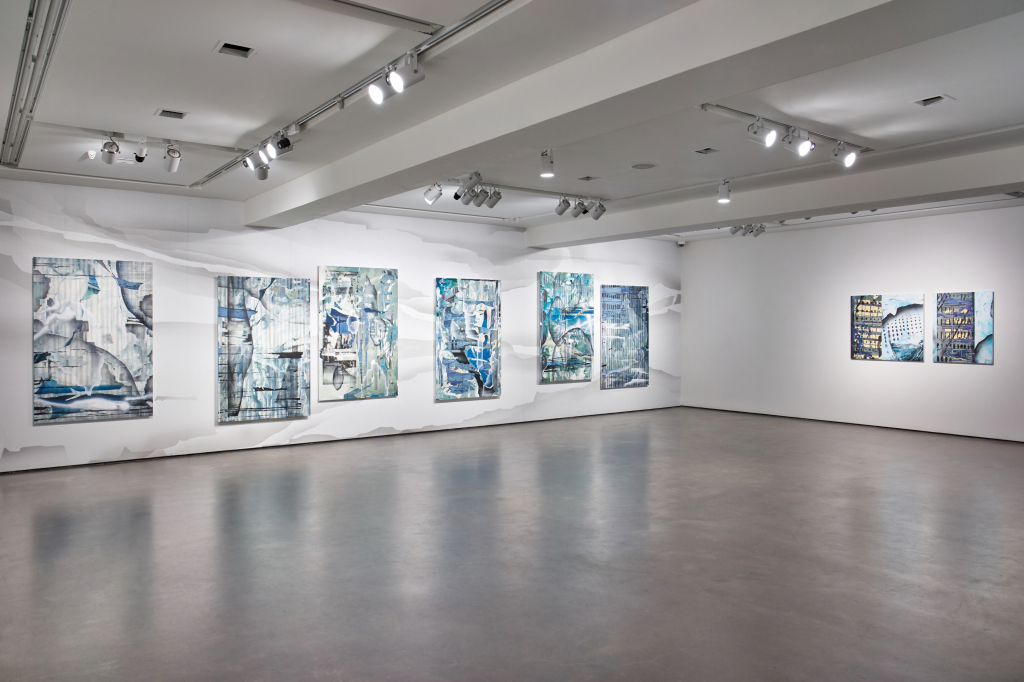
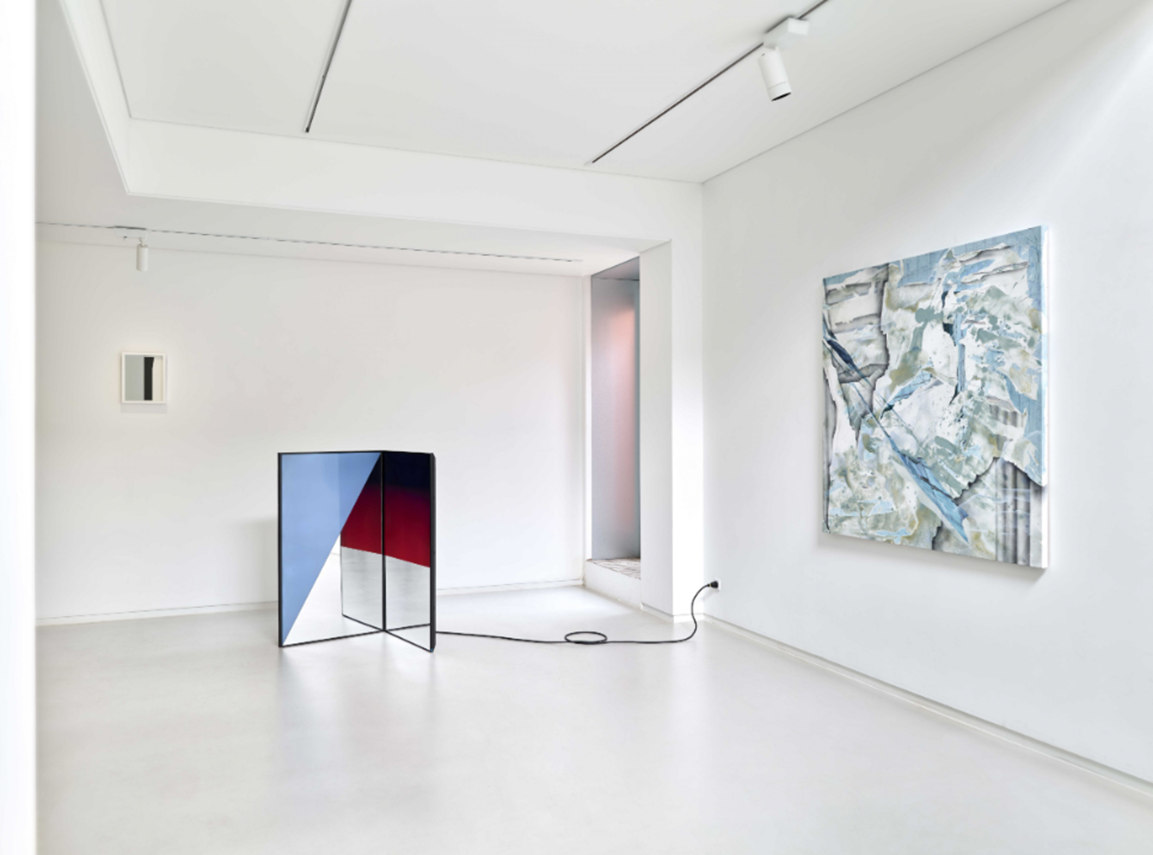
In the inner section of the gallery, the titular work 〈Modular Vision〉—“the illusion of the
module”—brings together the artist’s compositional energy, previously confined
to square canvases, and expands it through drawing. Attempting to capture
three-dimensional urban imagery on a flat surface, the piece uses a mix of techniques
and materials including drawing, airbrush, translucent sheets, and screentone,
creating an optical illusion of dimensionality within the viewer’s perception.
Through these works, Hwang encourages viewers to reflect on and reinterpret
their experience of the city.
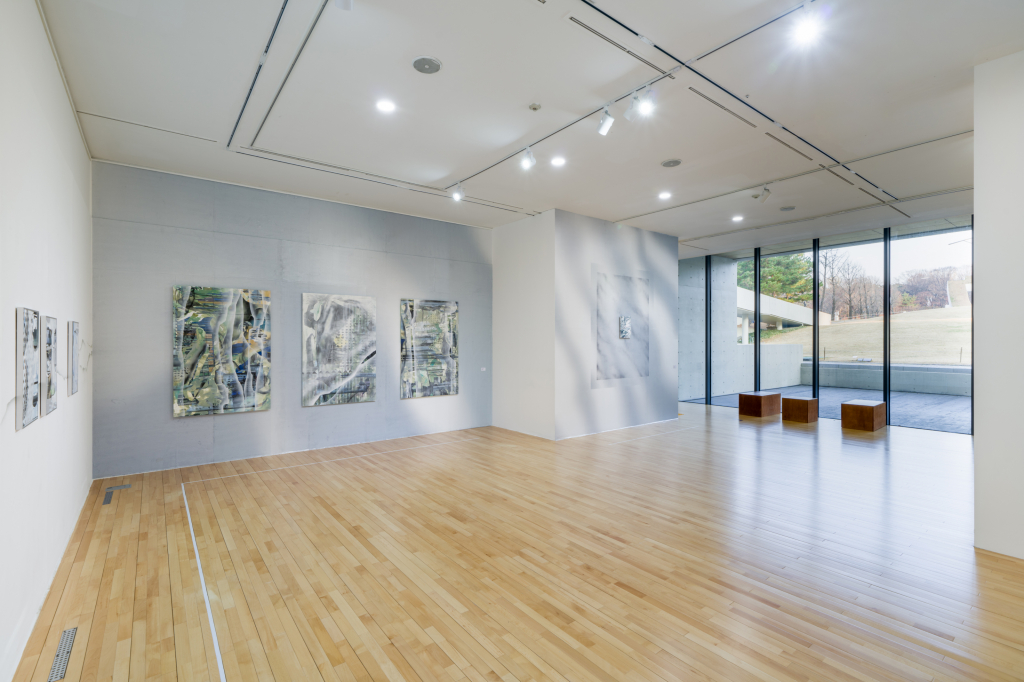 Installation view ©SOMA
Hwang Wonhae has lived for many years in Sangsu-dong, Seoul. The
Mapo-gu area, centered around Hongdae, lies at the heart of consumer
capitalism. Shops that didn’t exist yesterday open today, while long-standing
establishments with decades of history suddenly disappear. Buildings are
demolished and rebuilt overnight. Hwang has long observed and responded to the
rapidly transforming environment and character of this urban setting.
The city is dynamic and compelling, yet simultaneously a
fragmented landscape embedded in individual memory. The ever-changing scenery
of the metropolis—its crowds, its roads—becomes layered through recollection.
After a process of reinterpretation, the artist distills these impressions into
abstract paintings.
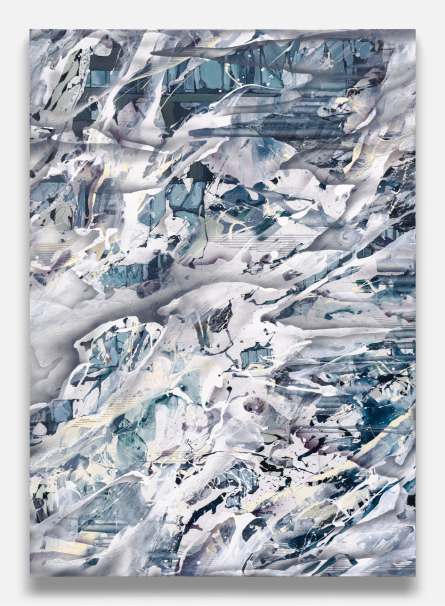
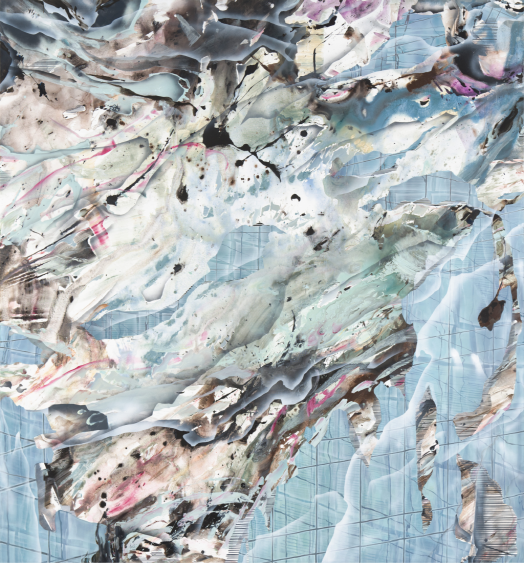
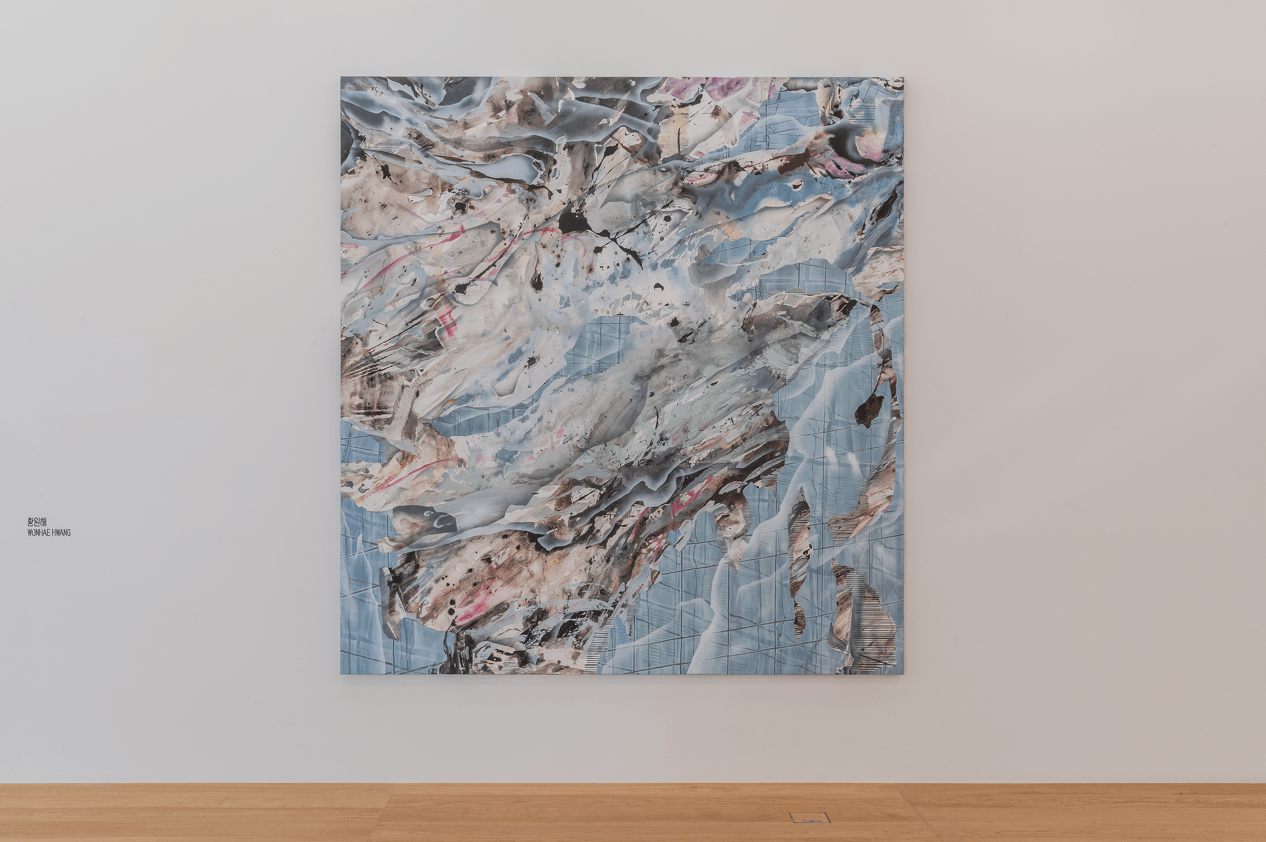
Hwang interprets the city through images like the reflections on
glass windows of tall buildings, the shimmering surfaces of puddles after rain,
or a skyline cloaked in fog. The city, in its constant flux, produces ambiguous
images. Through the use of modular square canvases, translucent layers, subtle
color tones, and drawn elements, these images become abstracted expressions of
the urban experience.