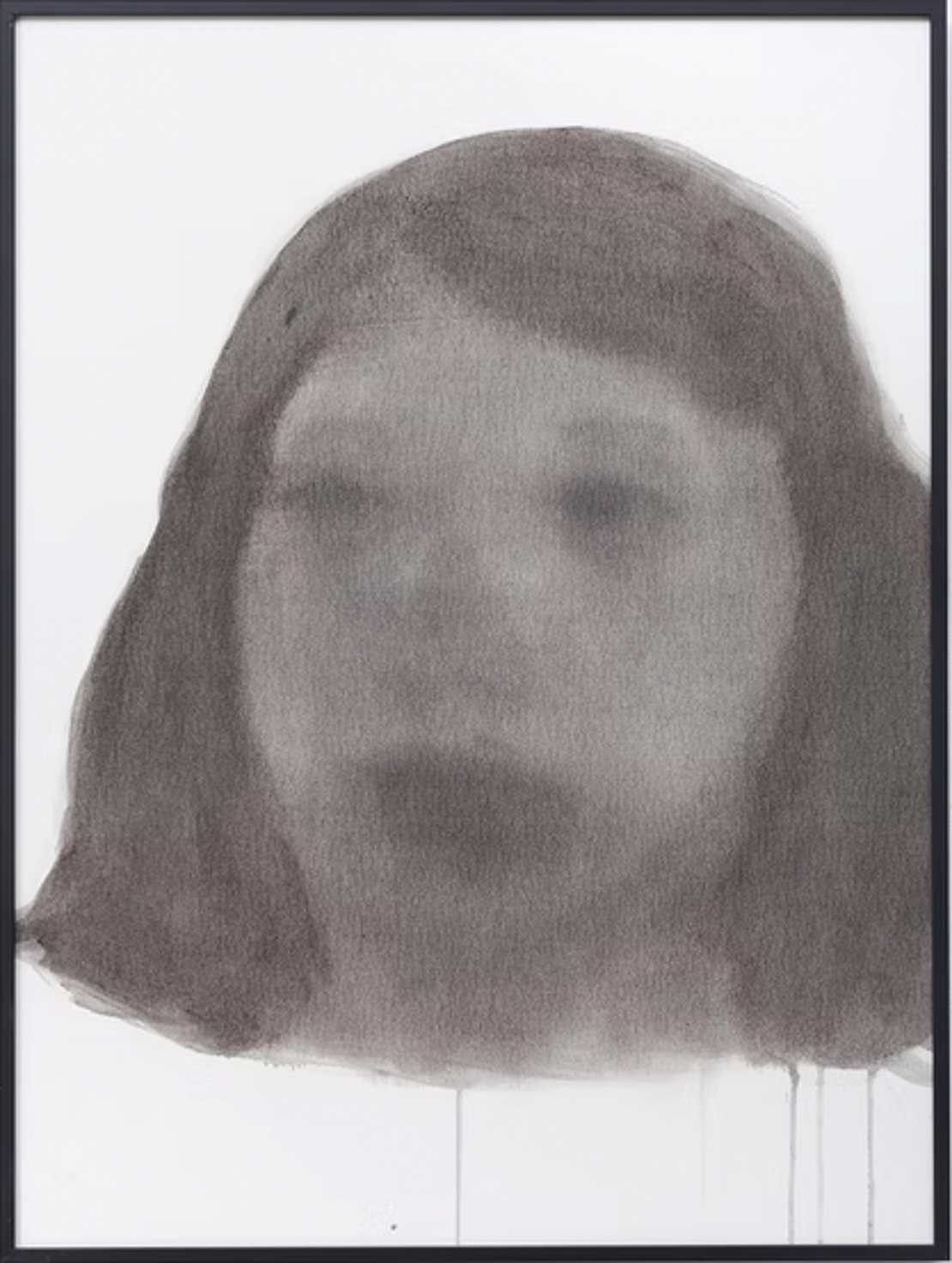
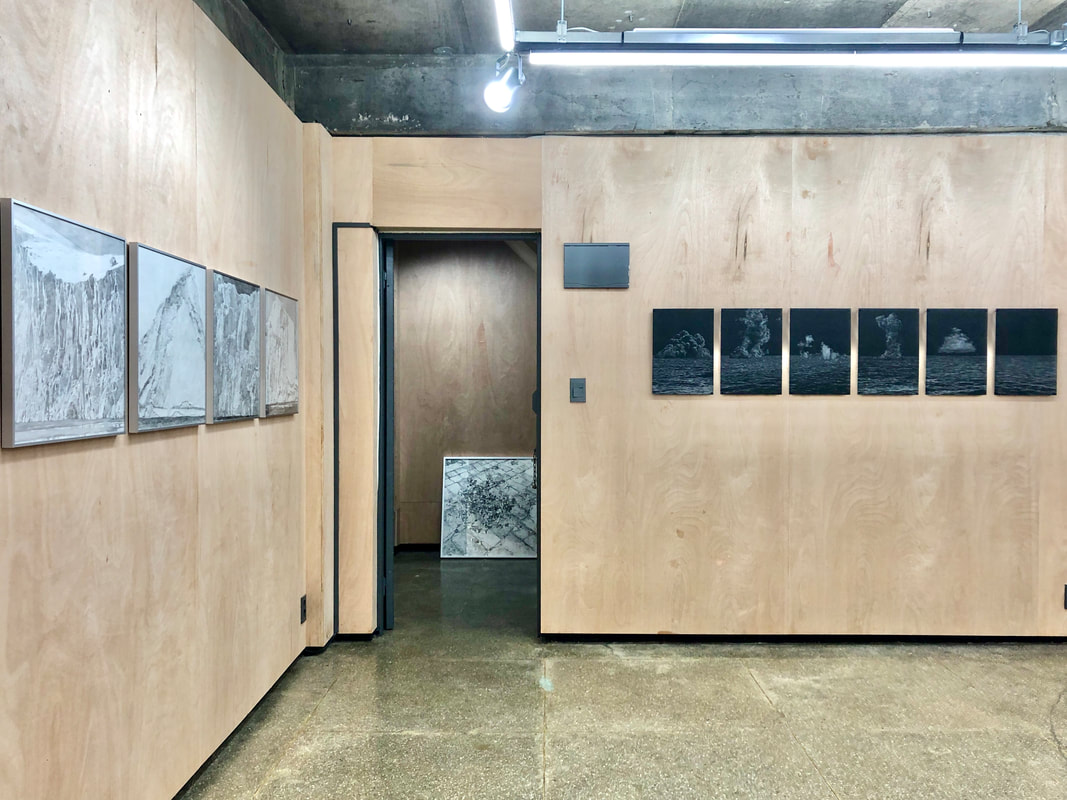
Jaehyoung Im's paintings may be the present state of something that physically existed recently but is now vanished. Given that his works are images related to the memories which trace back a certain period of time, his process of work serves to track the original form and function of his subjects. In other words, by drawing out the external form of the subject and portraying the shell that's left behind, IM's work activates a different sense of the original materiality.
I reflects on the word "molt" in the title of his solo exhibition 《Tracing on Emptiness》, held at Onsu Gong-gan in 2020. The term "molt" refers to the surface tissue of part of the body that is shed for the metamorphosis of specific creatures. This dead tissue is no longer organic, but it proves the time and existence of the past that once functioned as skin. Soon after, the skin texture that has stopped growth, oxidizes and crumbles.
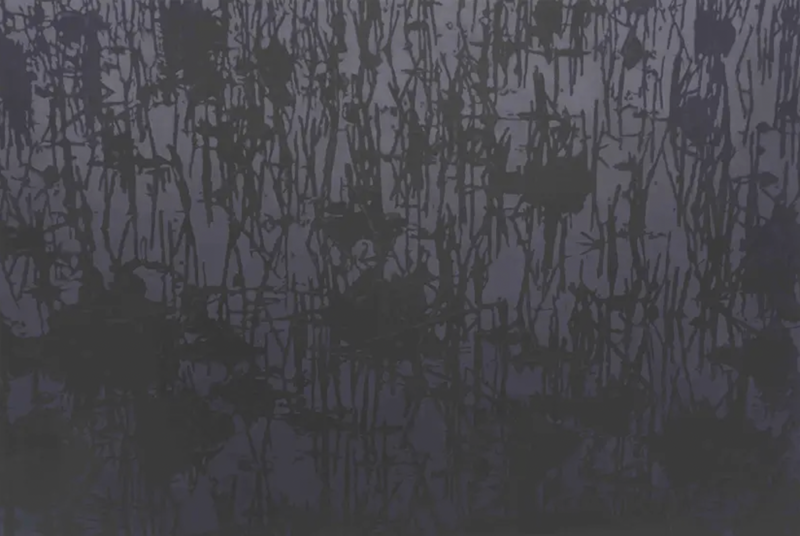
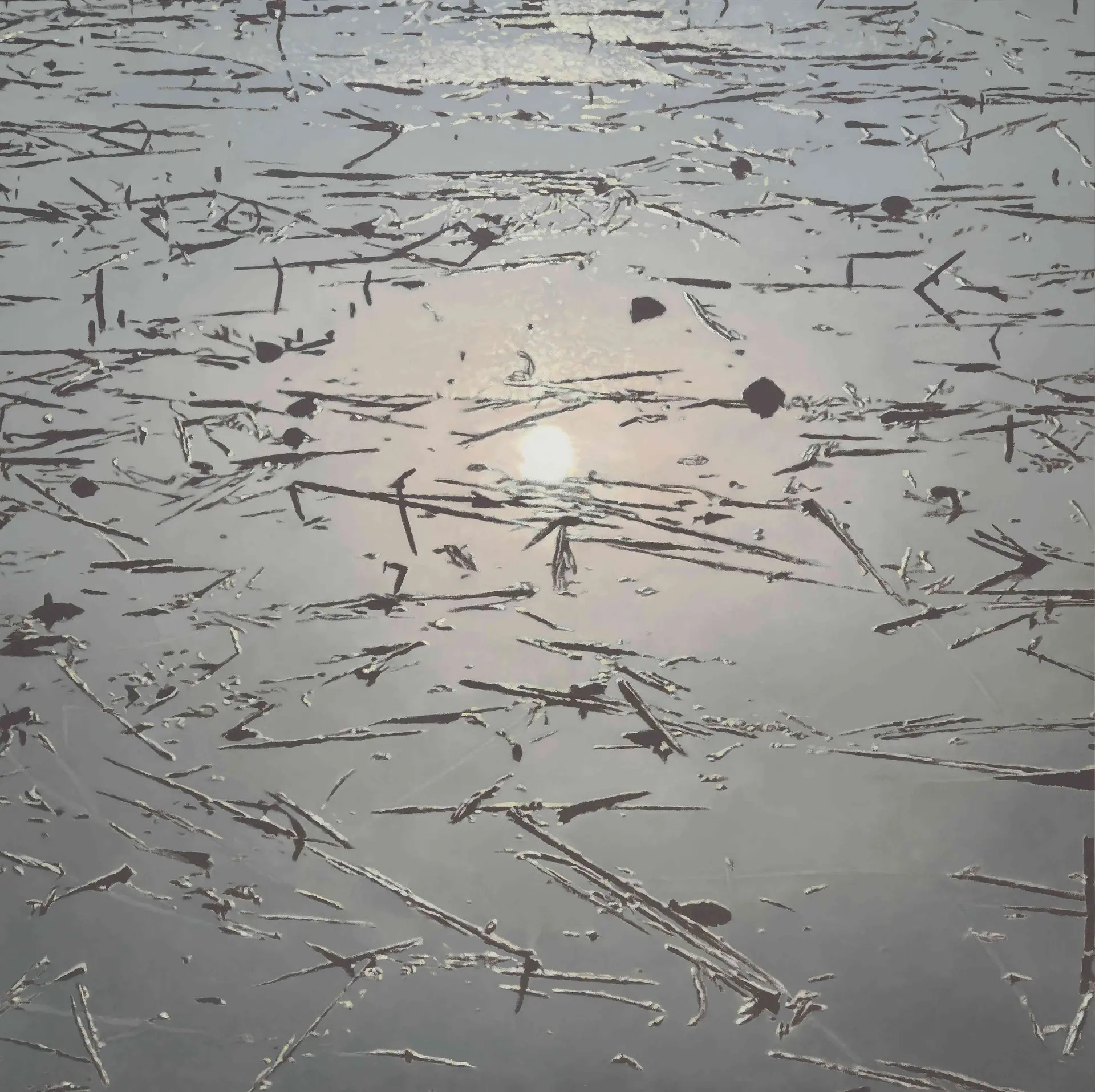
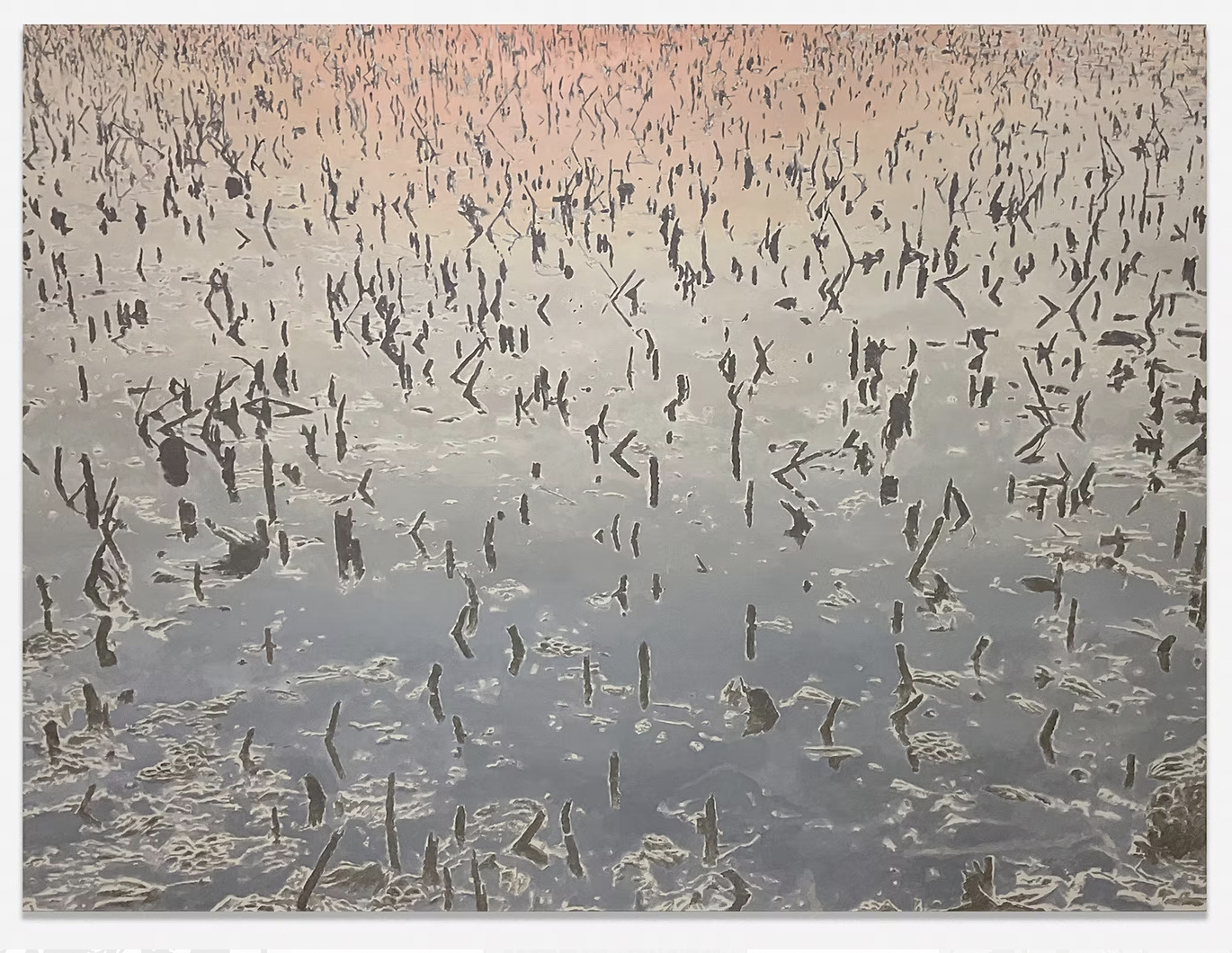
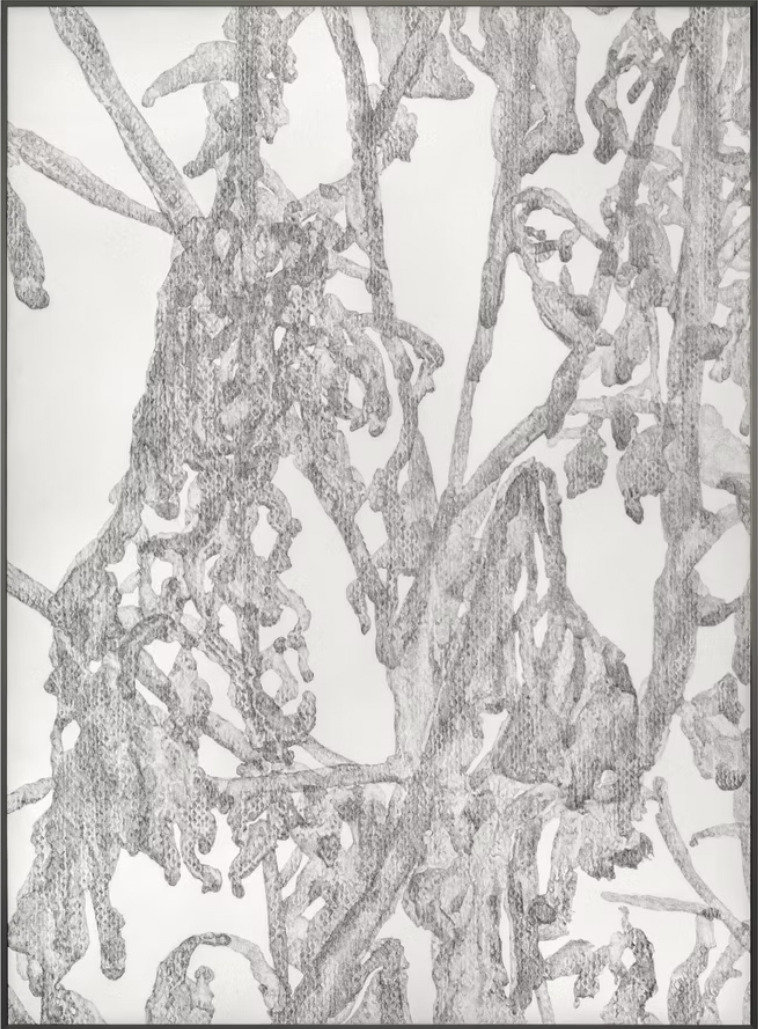
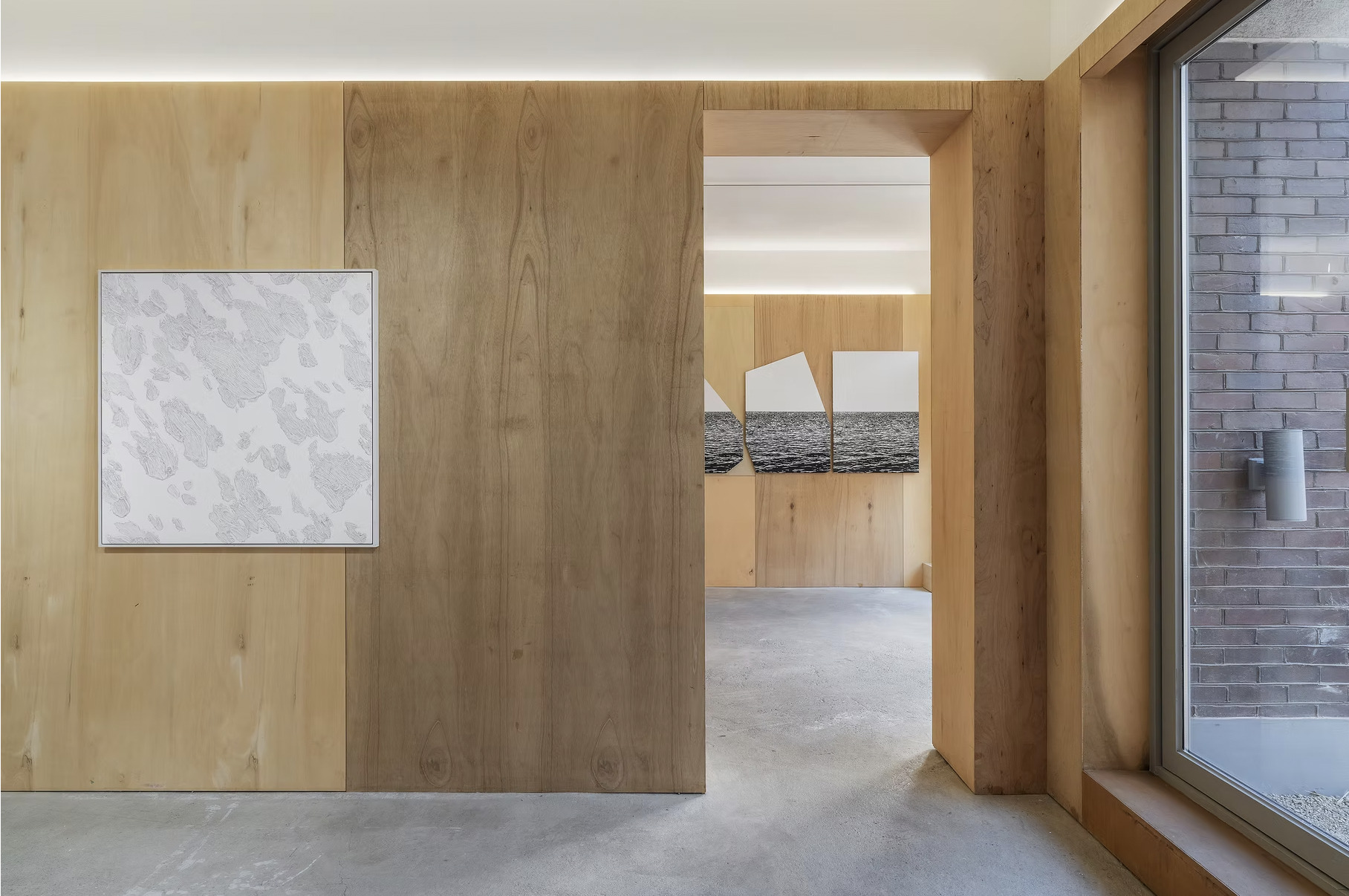
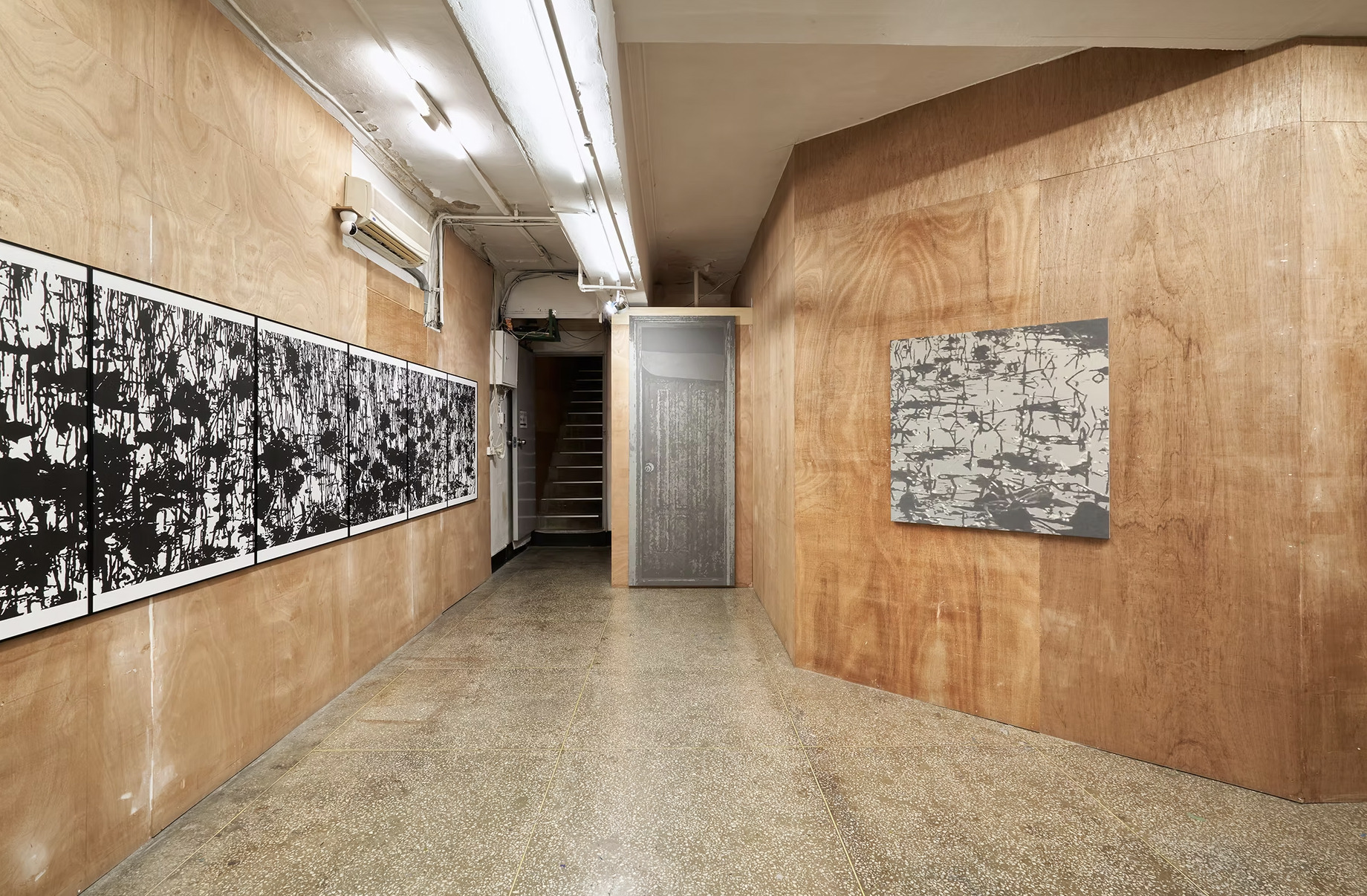
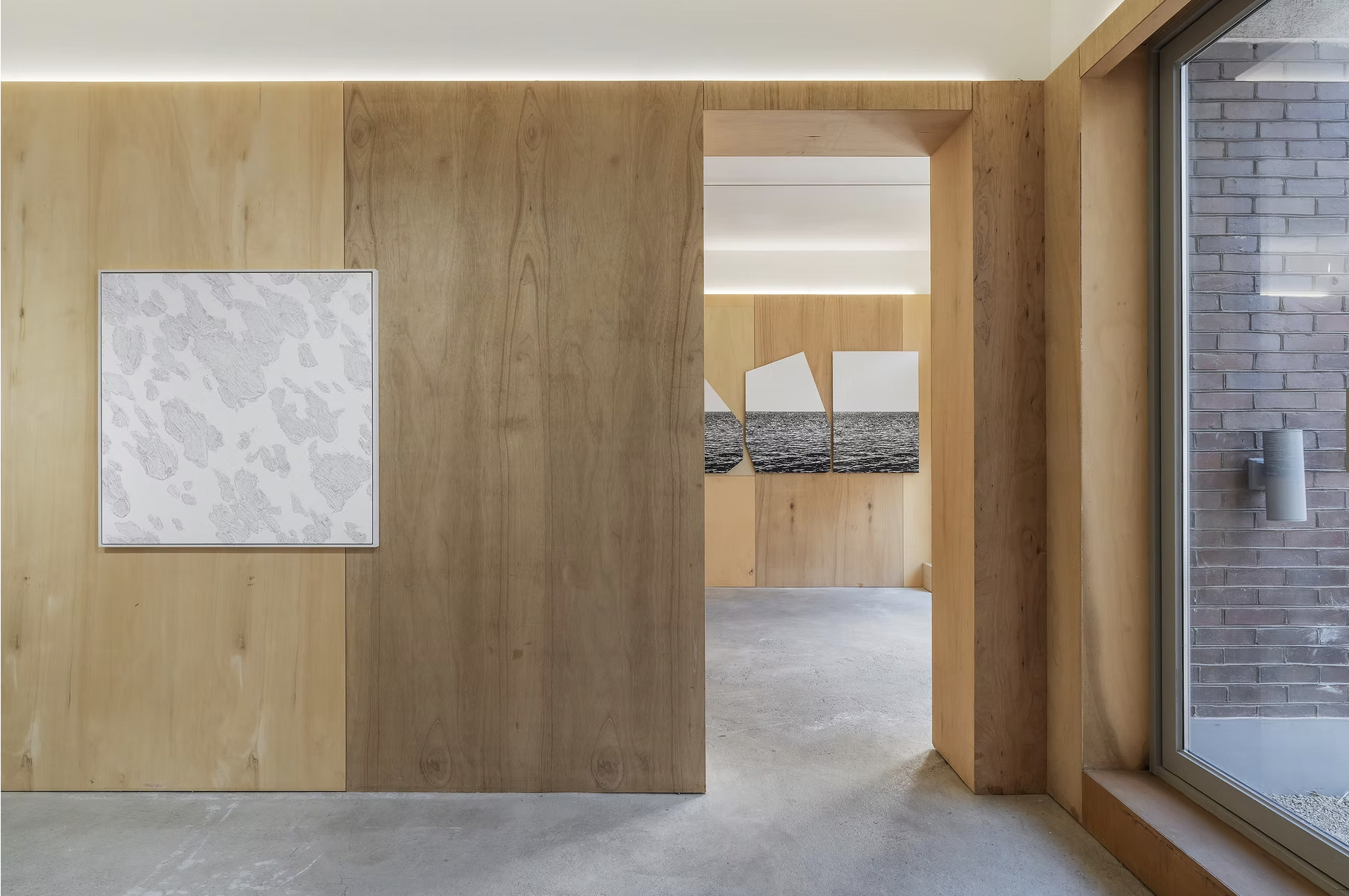
‘Withered Strokes’(2020) series, consisting of four parts shown in his 2020 solo exhibition, are images that reproduce magnified parts of watercolor paintings of plant stems. This is a work completed by literally "transcribing" the image by hand, expressing the texture of the medium and its support by magnifying the watercolor paintings of the subject.
In other words, the artist observed the rough texture of the weighty oil paper, and the area that once contained the water of the paint and the saturation of the areas where the paint brush left its trace. A mechanical illustration like a black and white photograph, the outcome simultaneously makes both abstract and representational senses as the image is drastically magnified so that the actual form becomes an abstract image.
The simple process of seeing and drawing the subject absolutely required a difficult period of time to reproduce a shell-like image which no longer functions, and also provided the time for an original subject to be re-constructed as a presence that can be read as an image of a different dimension.
Such "transferring" process is quite significant considering the fact that IM double-majored in printmaking as well as painting. In printmaking, the image is first drawn on the original plate, then goes through different processes according to the type of printmaking method before reaching the final stage on paper.
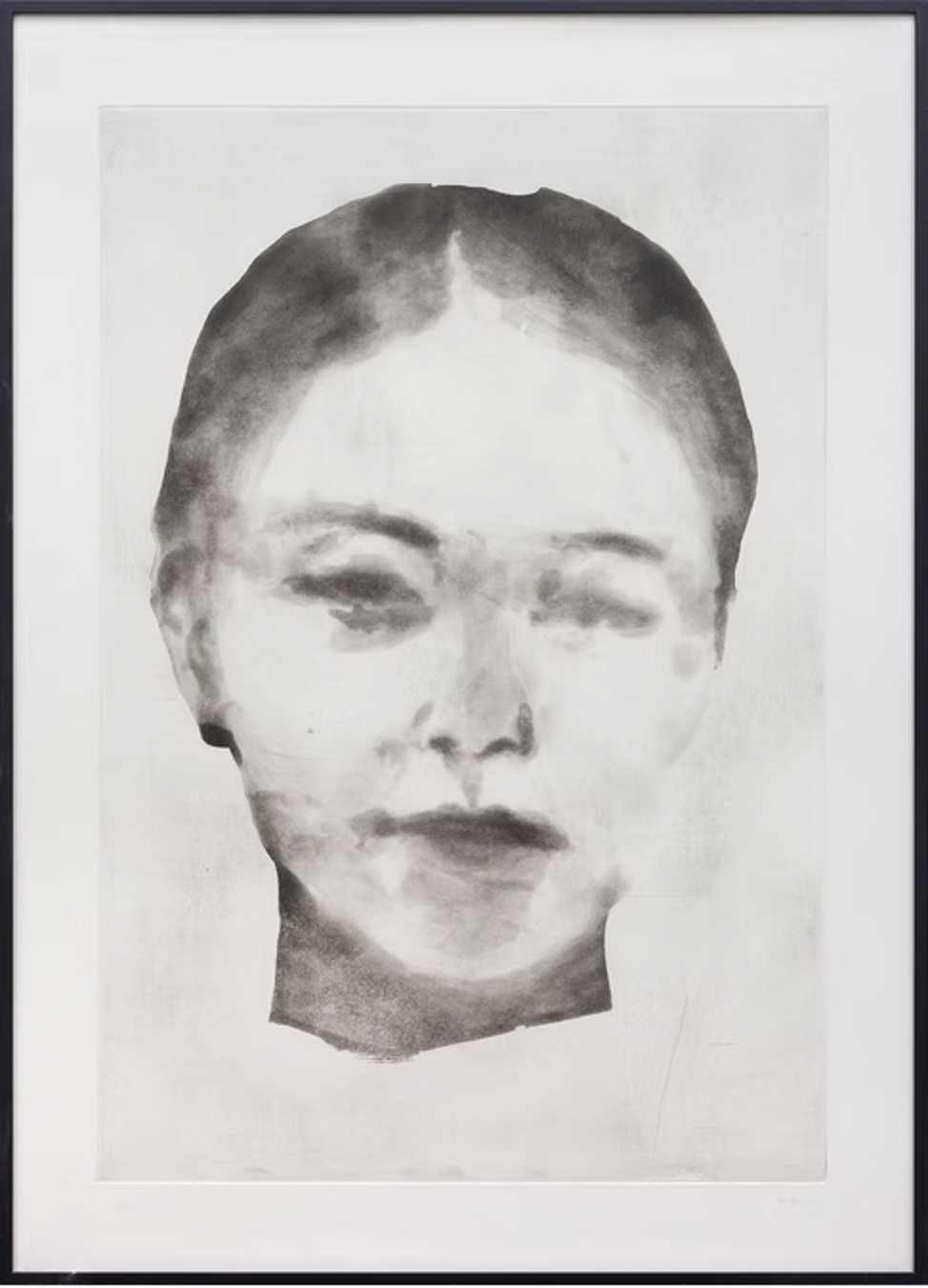
It is noteworthy to highlight that most of IM's work does not transfer the subject to the work right away, but goes through a preliminary process of becoming an image first. This intermediate process also provides the time for the artist to recompose his work for the final stage, as well as a method through which to remove the direct narrative and personal feelings surrounding it.
In other words, the act of selecting and processing an image to remind one of an event that is not narrative yet specific —such as by depicting it as a small drawing, cutting an image, or adjusting the colors —resembles the property of printmaking which separates only the intended image from the original plate and mechanically transfers it elsewhere.
The subject of his work, which regenerates and preserves memories, touch upon incidents of vanishing through a series of events. One of the subjects he worked with reflected a sense of depression and helplessness in the irreversible Sewol ferry disaster of 2014. To deal with this subject, IM would have had to control his own fierce anger as he witnessed the vanishing of so many lives.
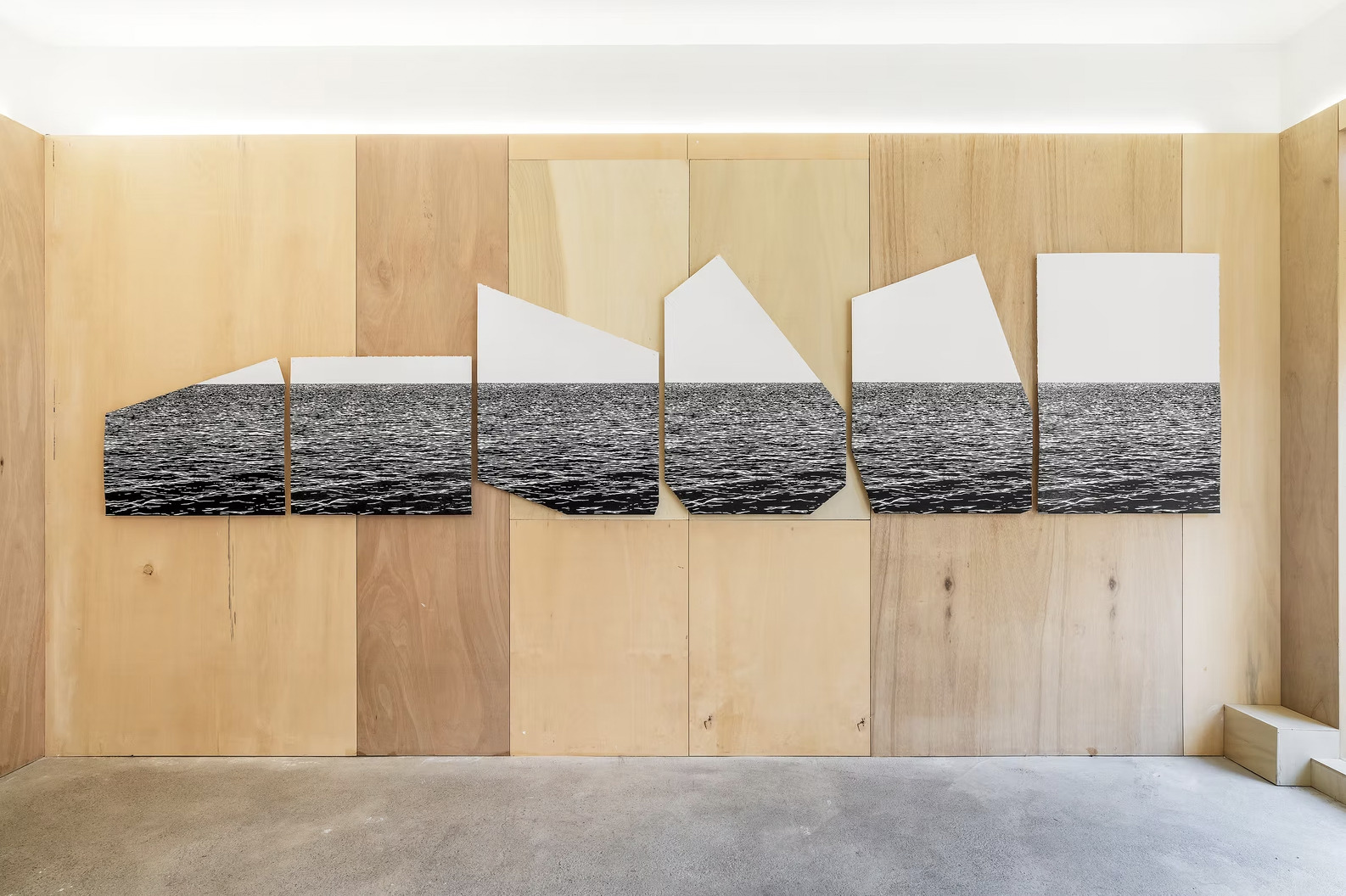
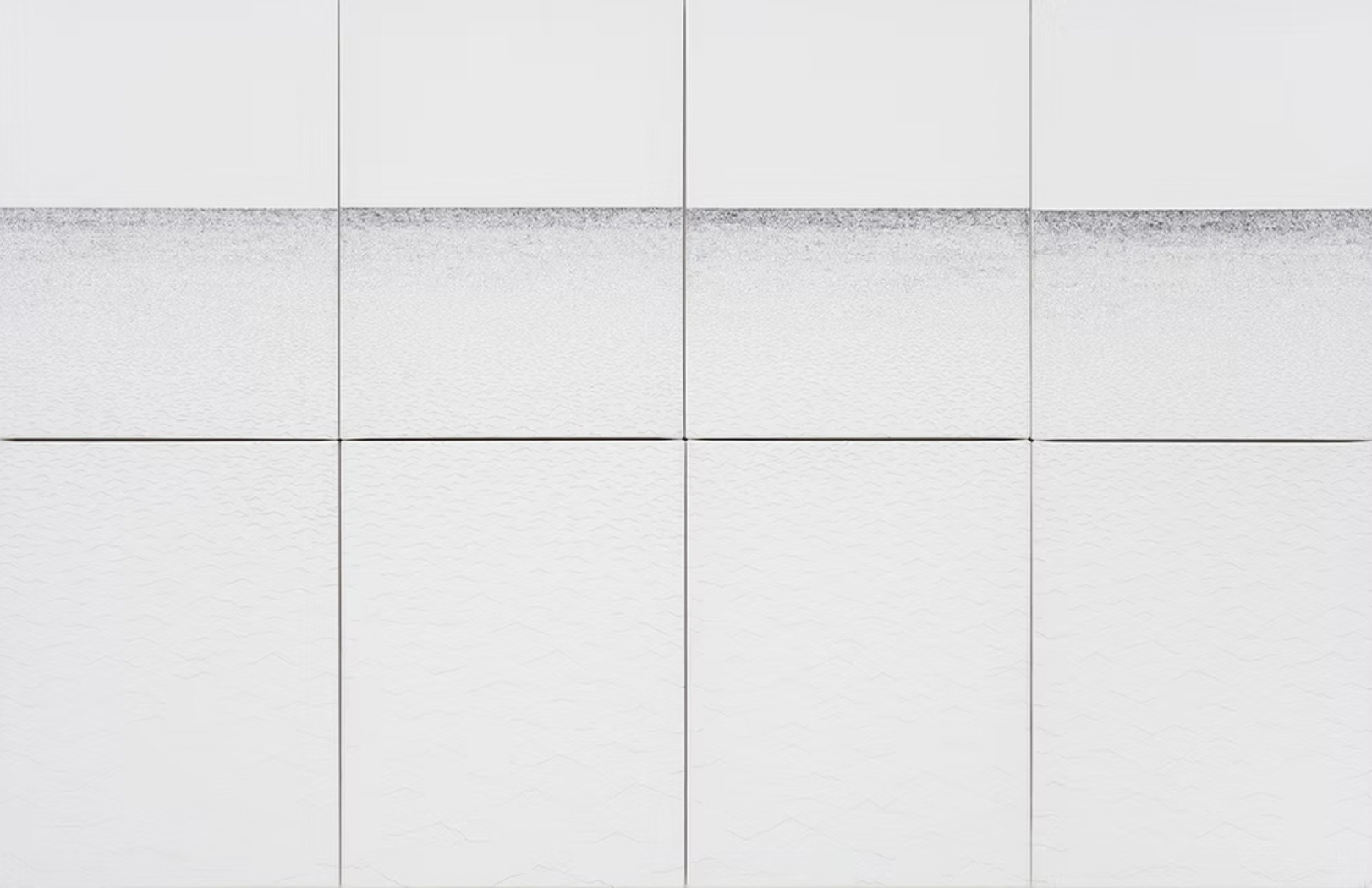
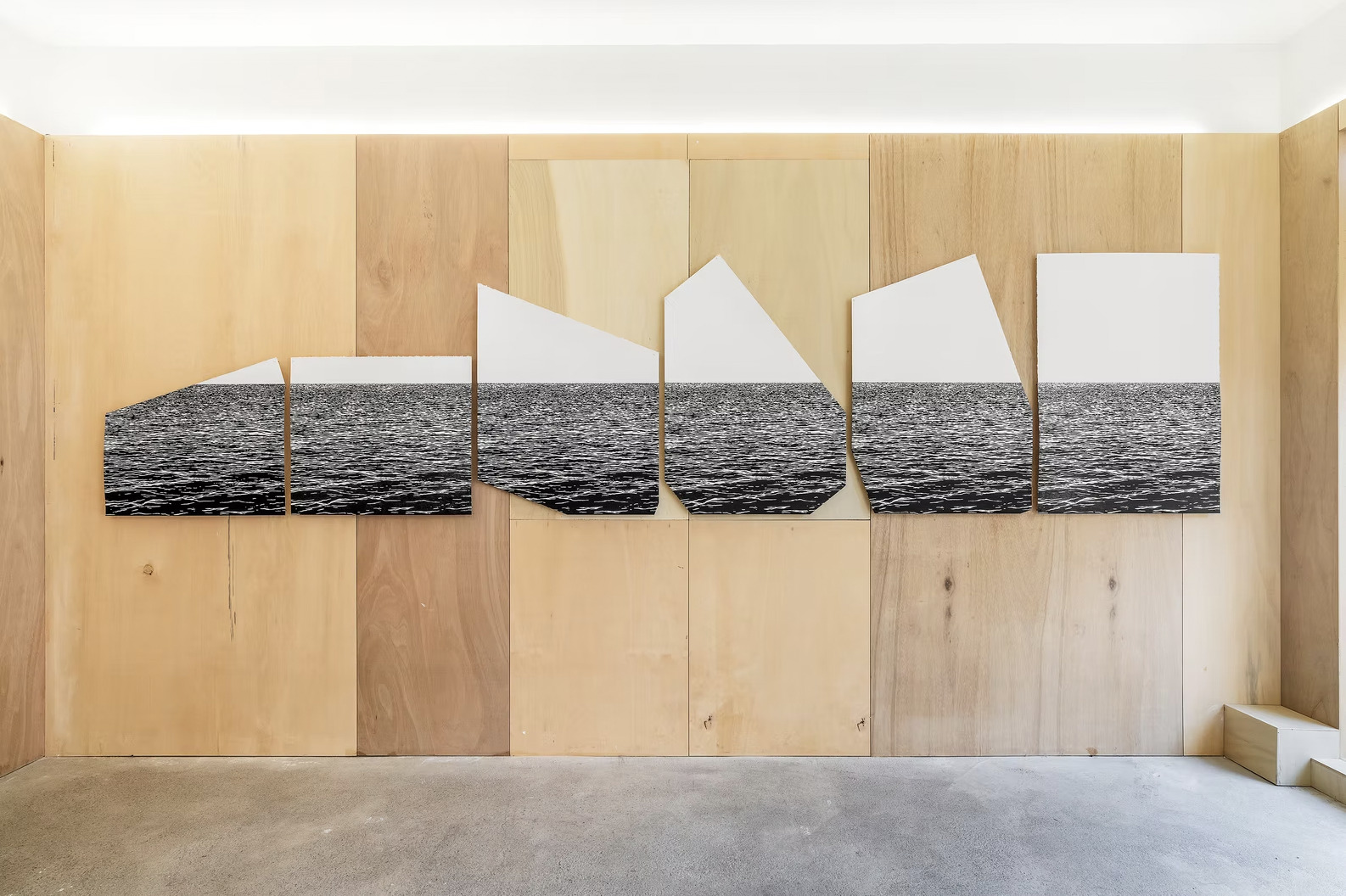
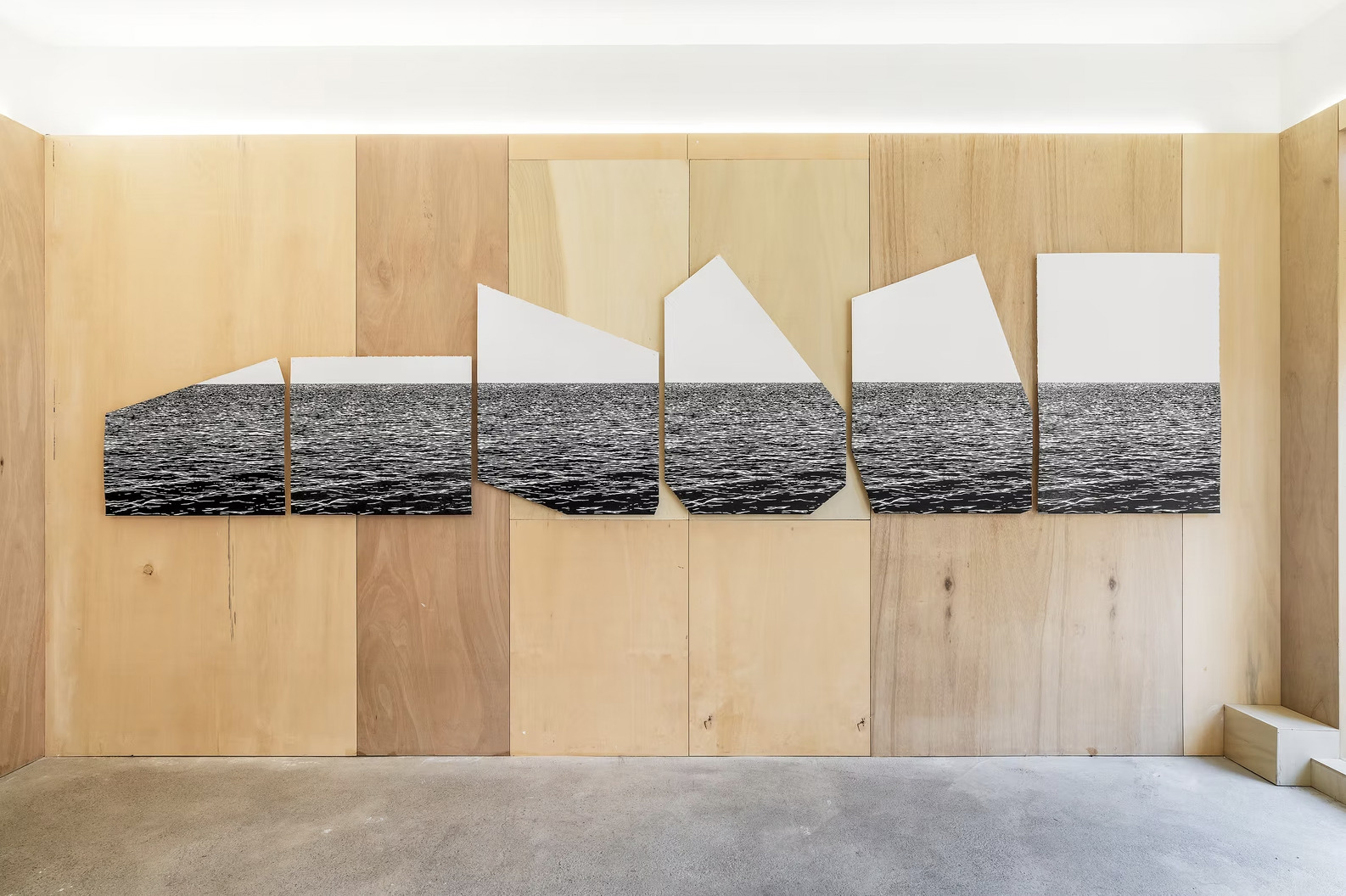
For example, the woodprint Equilibrium shown in his 2020 solo exhibition, portrays the record of a national disaster through a quiet seascape. He expressively carved his feelings of helplessness and sorrow on a woodblock while witnessing the ferry tilting and sinking into the water in real time on live broadcasts.This was finally transferred onto six sheets of paper in different shapes, with the horizon of the black sea maintained in continuation through the six pieces of work.
The Clock(2019), presented in the same exhibition, is also charged with the artist's emotions. In close observation of this work, one will find that it is only the square wall image that is crooked, and that the vertical and horizontal of the numbers on the clock are accurately maintained to the viewers in real space.
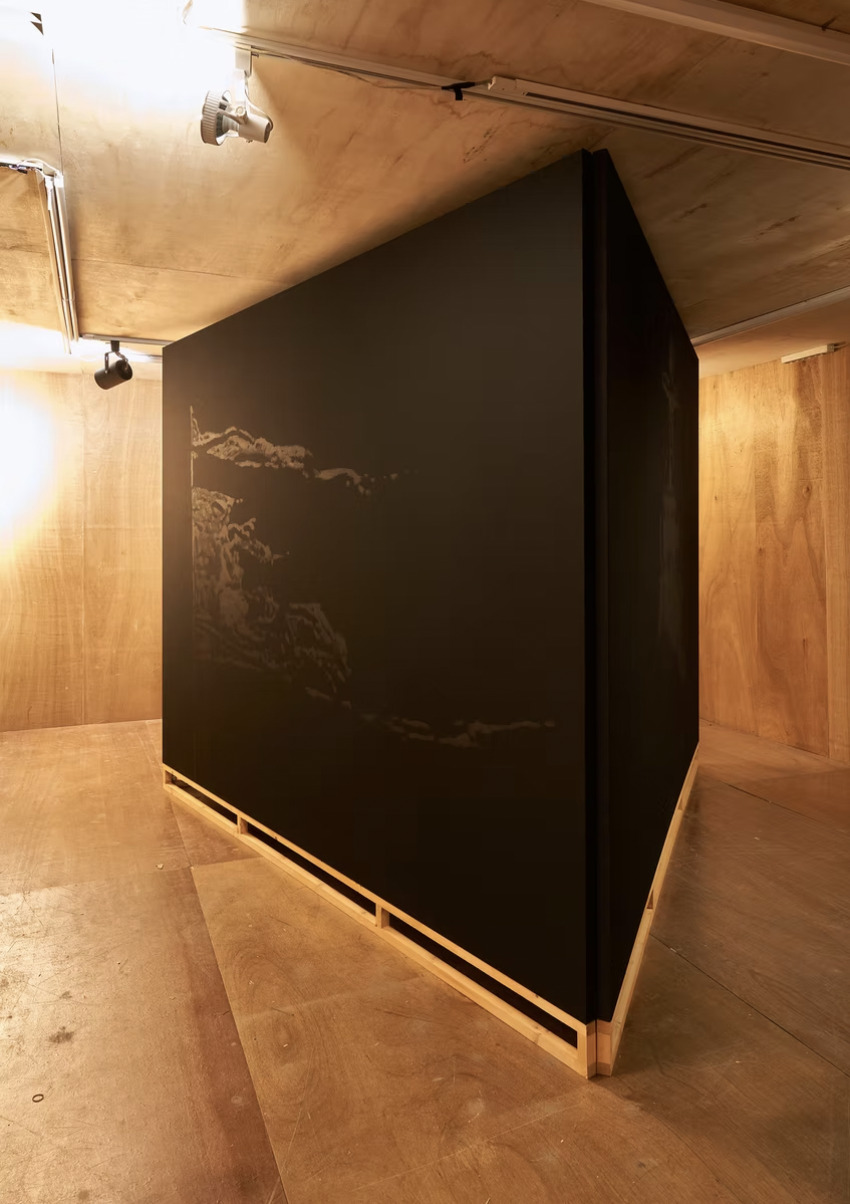
"Loss" was the most important keyword in organizing IM's solo exhibition 《The Sea, Smoke and Shade》, held as part of the 2022 Incheon Art Platform Residency Artist Project. The three subjects in the title have the property of disappearing quickly and continuously changing their form while reacting sensitively to the environment. Focusing on the shell that remains from the actual essence, the artist goes beyond his previous works which created different times.
Through a more aggressive painterly methodology, he is describing "presence and absence" using elements that are by nature not solid in terms of material. On the other hand, just before arriving at the final stage of the work, there still remains the form that intervenes as various attempts to determine the final image.
Maintaining the restructuring method from the original image demonstrates the continuation of the attitude to avoid direct narrative in expressing the subject. This exhibition reflects on the memories of narratives composed in extension of the diverse image works on time, generation, death and trace which IM has continually worked with. It also consists of a series of images depicting the existing shell.
The artist reflects his feelings of vague familiarity for the things from his real world that he took for granted, including the destruction of a grandiose cathedral, and the death of his grandparents and what has been left behind. Such signs of absence surrounding presence juxtapose with each other, shedding light on the meaning of loss.
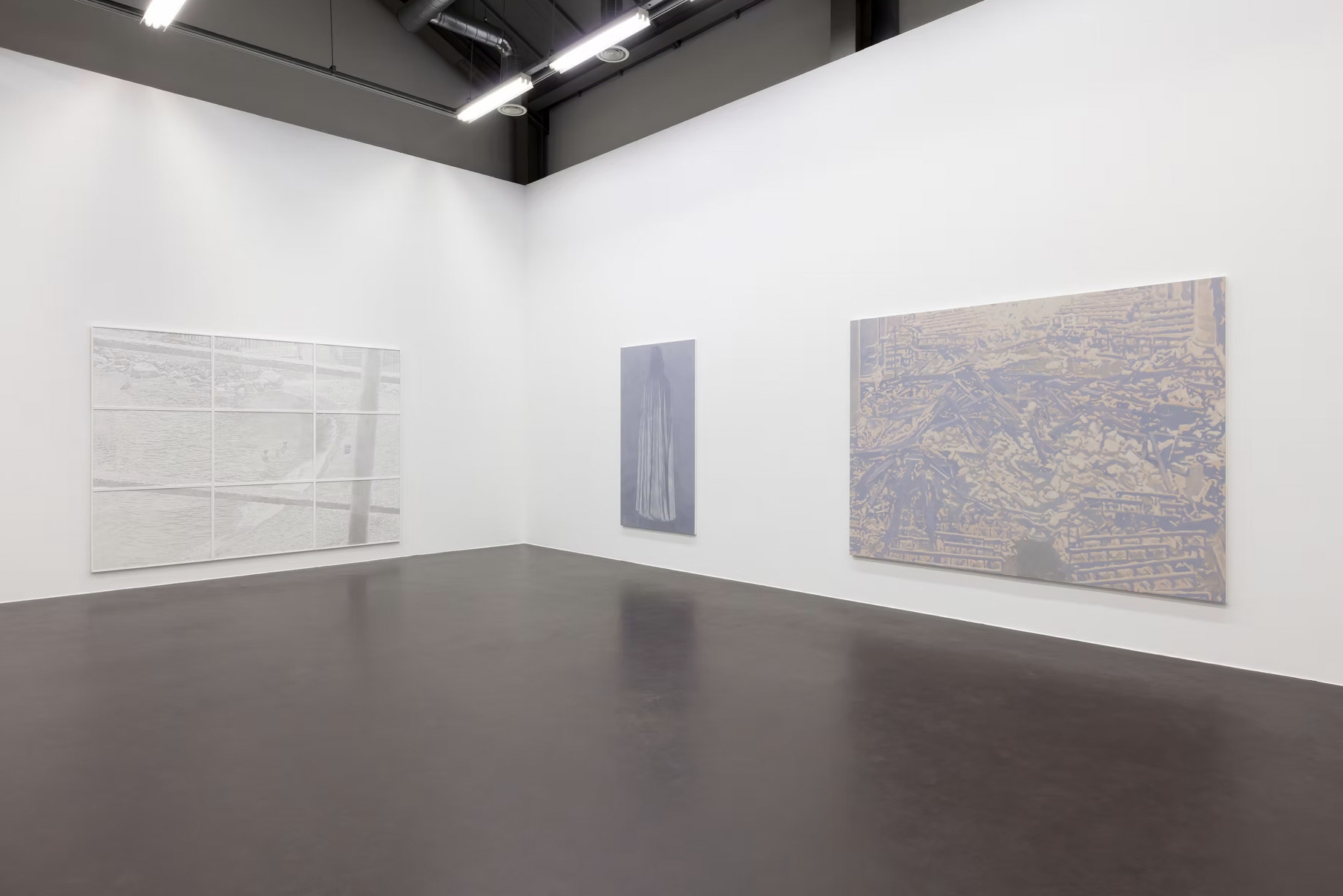
In other words, the artist, who reflected his personal feelings through events that emerged as social problems in the last exhibition, included more personal and direct daily events in this exhibition. The series of paintings like A Heap(2022) an Occurrence(2022) are images taken from site photographs immediately after the Notre Dame Cathedral fire in 2019.
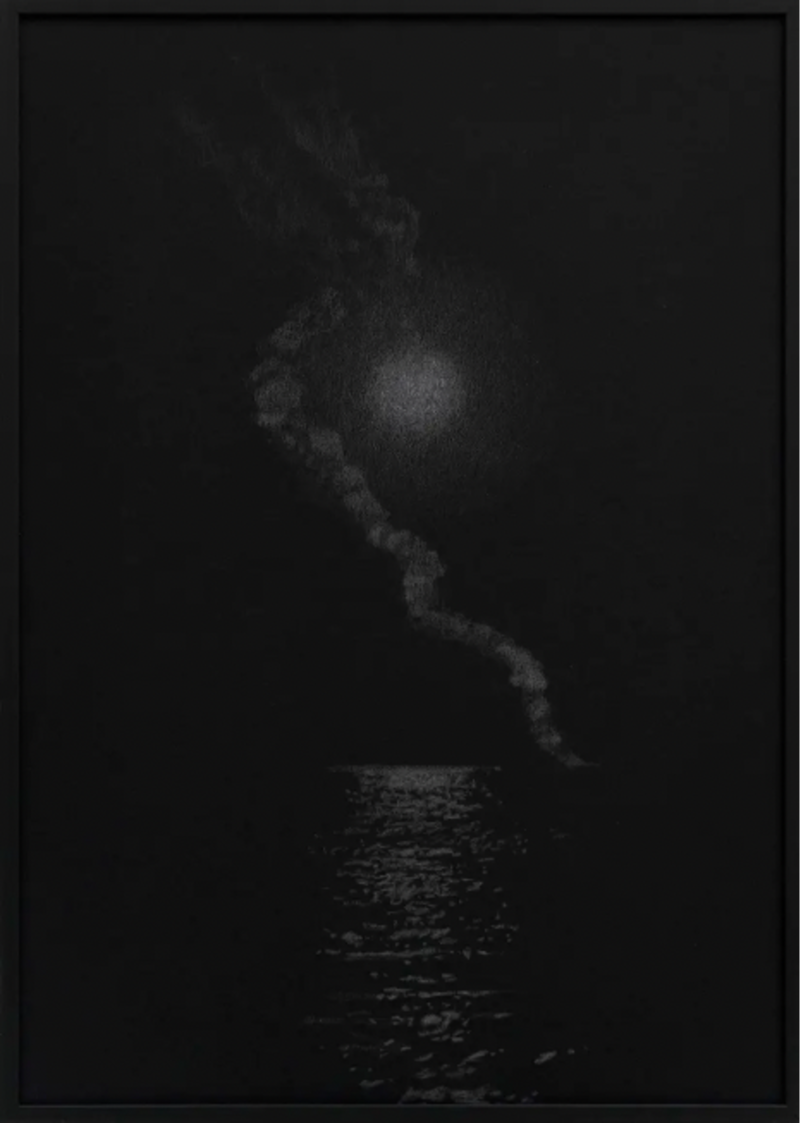
The work shows remnants covered in black soot right right after the fire and gray smoke rising from it. The sight of debris, resulting from an overnight collapse of a building revered for hundreds of years, reminds one of the death of an individual. The ruins of the Notre Dame Cathedral reminded the artist the death of his grandfather on his mother's side.
The artist remembers the afterimage of the smoke that rose from the crematorium on the day his grandfather died and his body was cremated. This smoke, left in the photograph, is overlapped with the smoke that slowly rose from the ruins of the Great Notre-Dame Fire. And the rising smoke, which momentarily floated in the air before disappearing without a trace, became a phenomenon that made us recognize it as a symbol of a physical presence that existed just before.
In addition, IM's grandmother's small statue of St. Mary, which stayed at home while his grandmother was unavoidably taken to a nursing home, became a medium that recalls memories, or a smoke-like symbol that can be recognized as a presence of a different dimension like an apparition in IM's paintings.
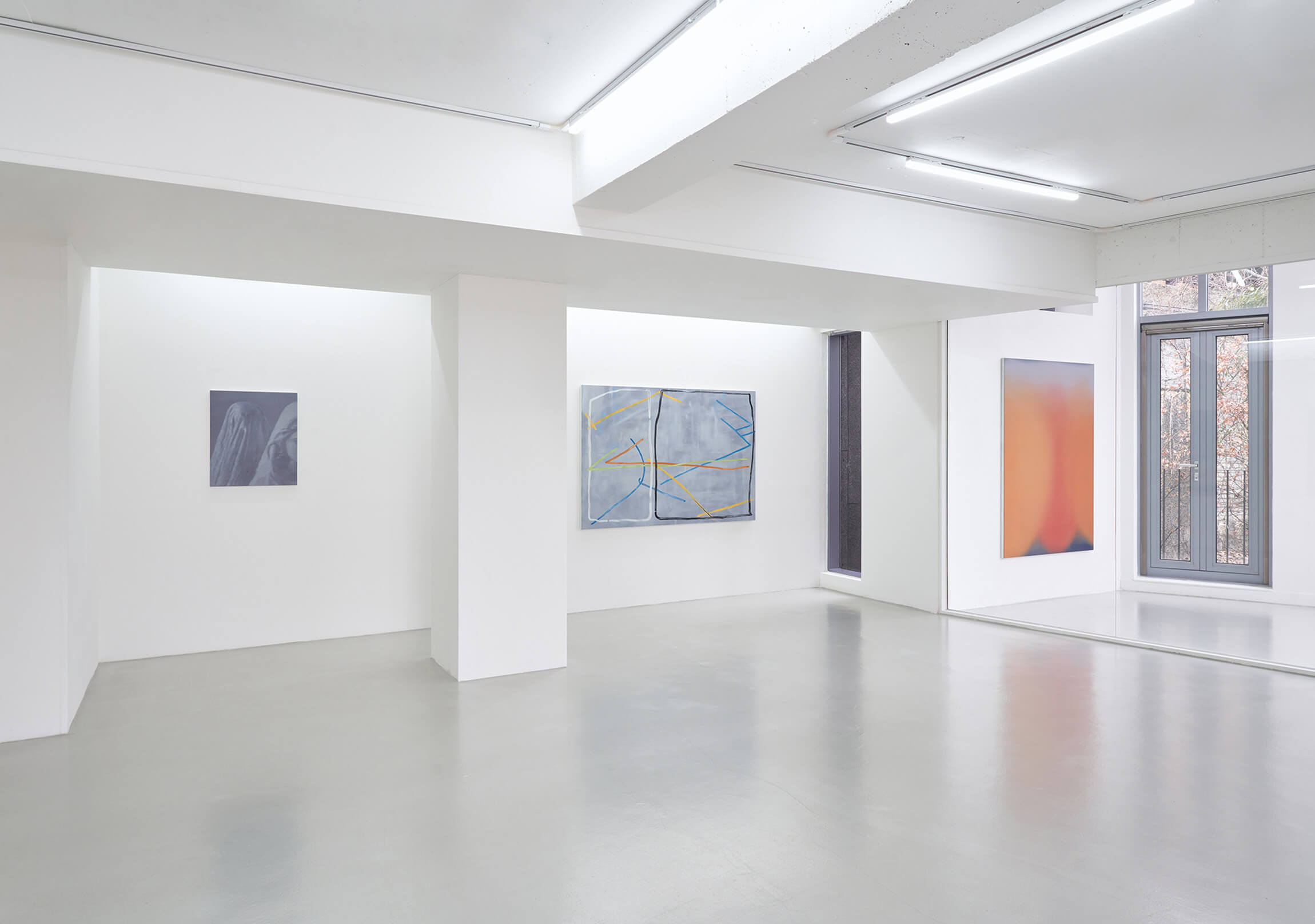
The statue of St. Mary, which was naturally placed on the artist's grandmother's dressing table, was moved to a largesized canvas, creating an unfamiliar form of tension and aura in its uncanny state, with the achromatic image creating a dramatic effect. The neutral black and white colors in most of the paintings amplify the sentiment of the afterimages left upon the ceasing of existence.
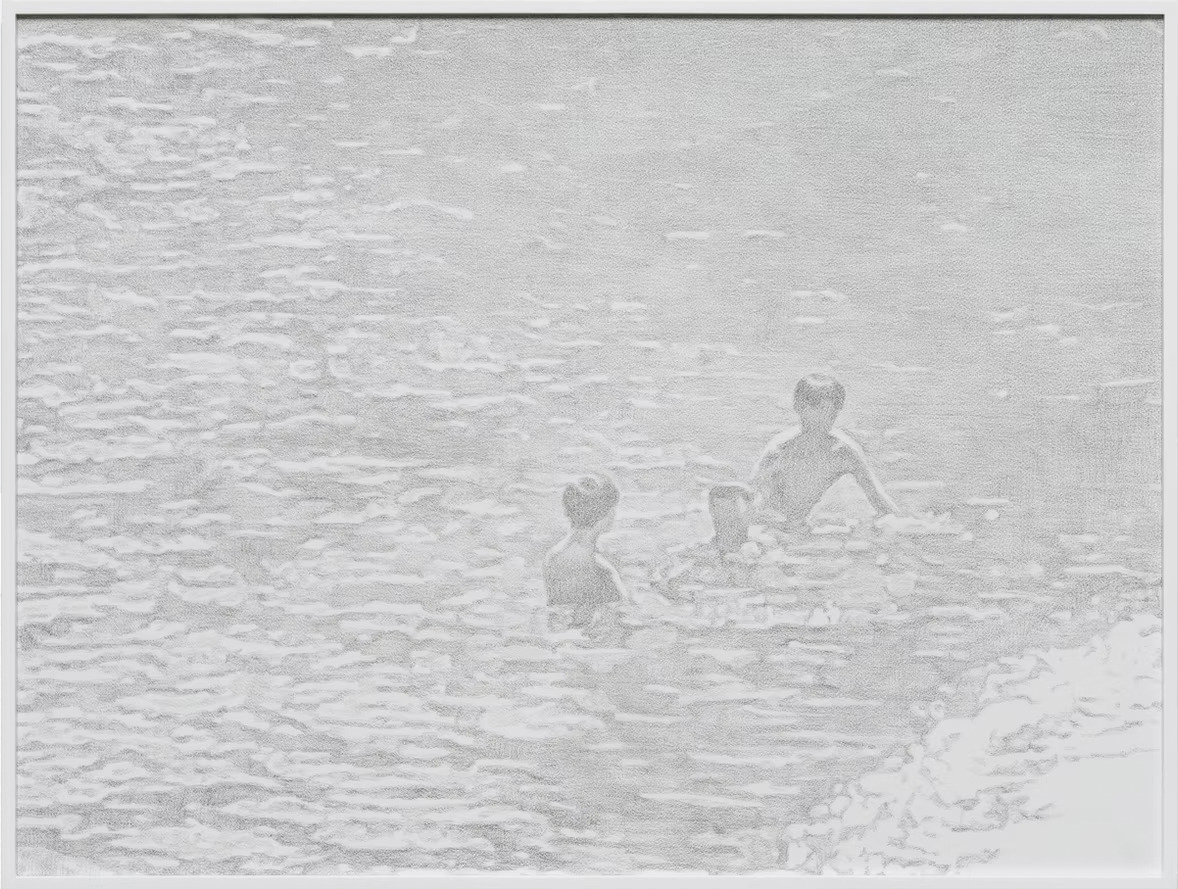
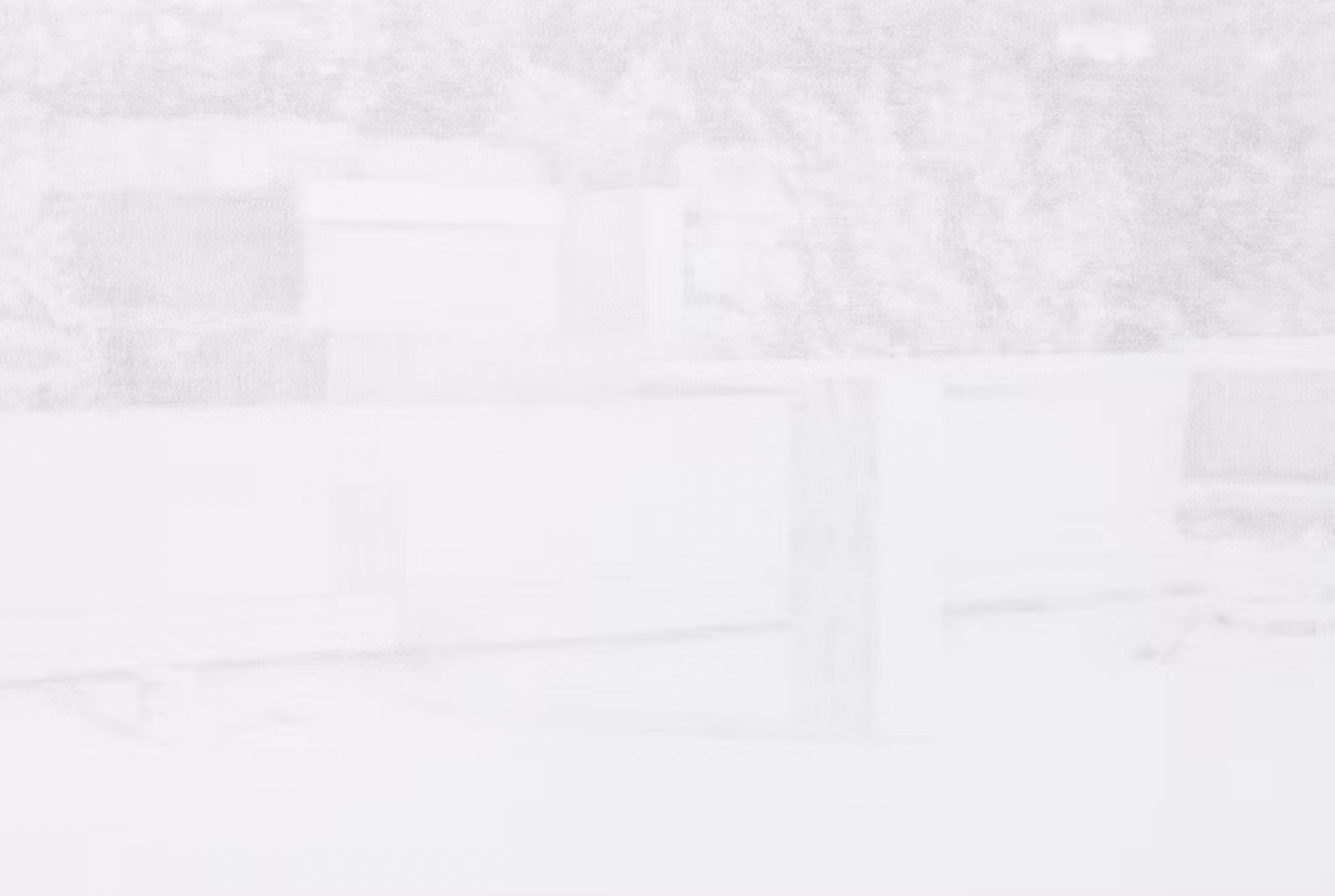
The flow of time one can feel from Generation(2022), drawn like a faint afterimage, reincarnates into another form the time that suddenly disappeared and the artist or whatever that existed in that time. This work, composed of 9 paintings in graphite, is a landscape depicting young boys playing on the beach. Water, which symbolizes time, is a subject that often appears in IM's paintings.
This scene of boys playing in the water may be from some point not so long ago. Or it might go back to the past by evoking nostalgia in the older generation with their childhood memories.
Although not presented in this exhibition but continues to appear in the artist's work, the landscape of water provides a narrative that can stimulate common emotions between generations and demonstrate somewhat romantic sensibilities. Perhaps it is the beginning of other possibility to bring forth the narratives he has been deleting.