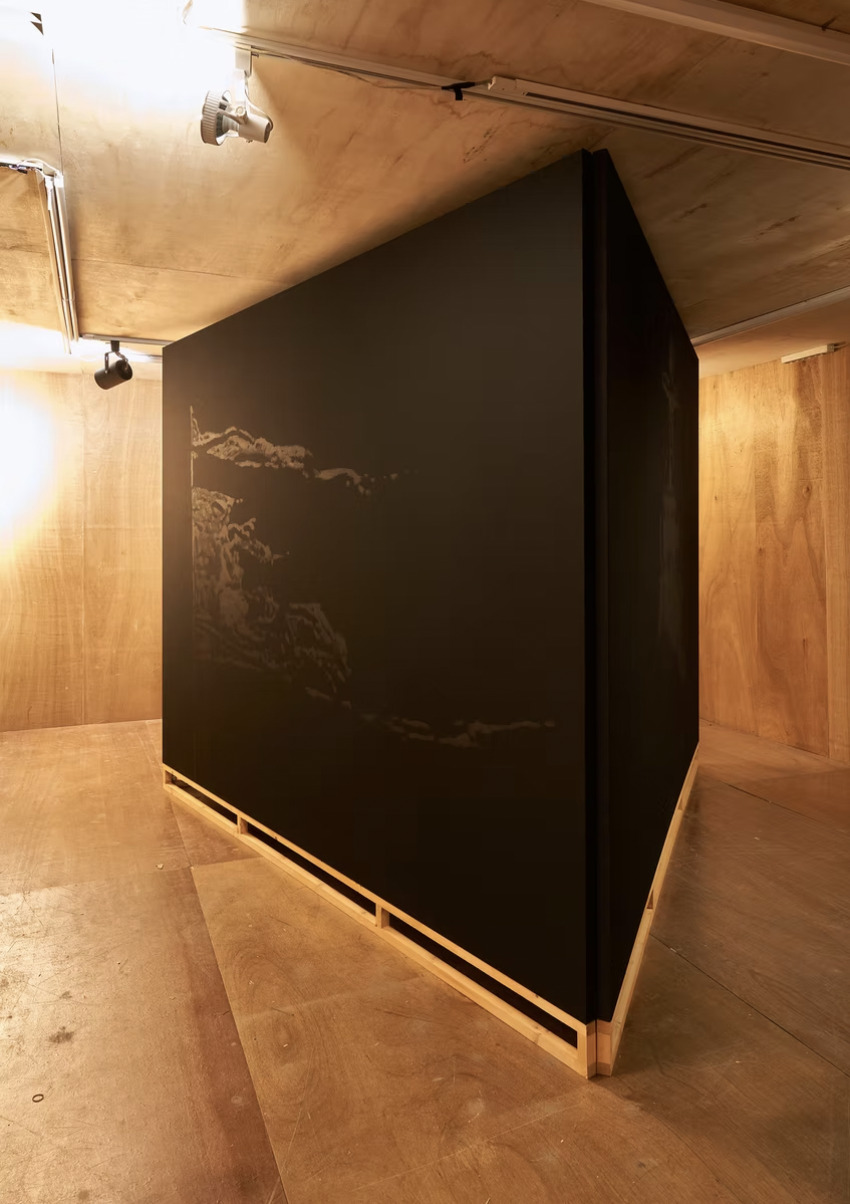
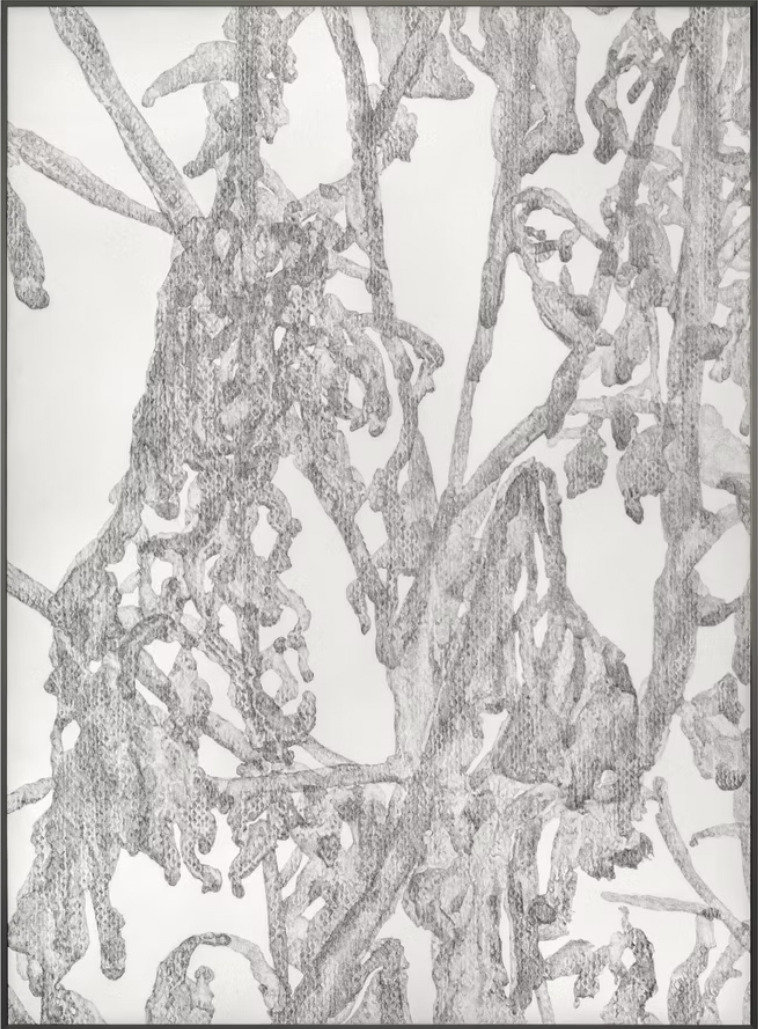
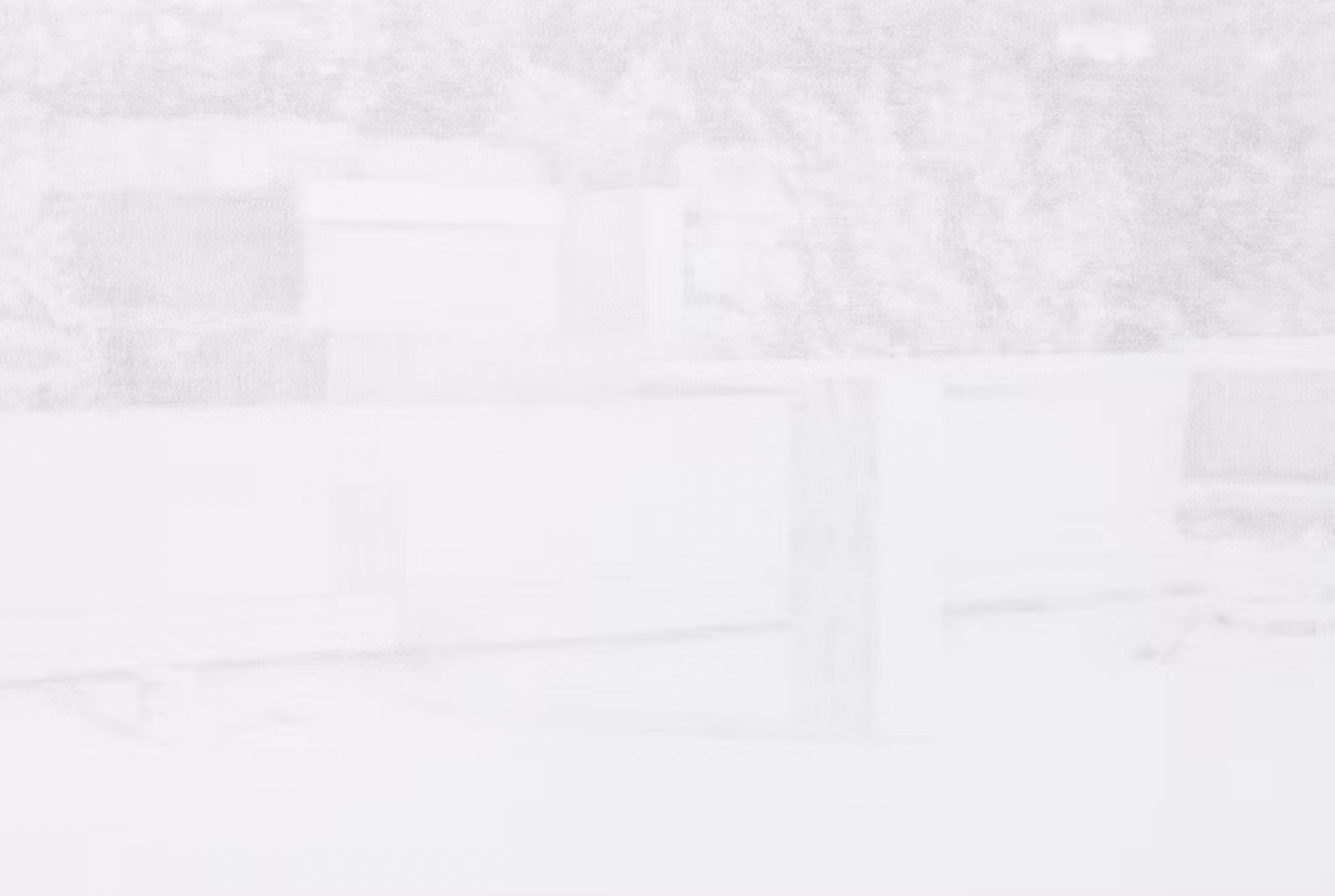
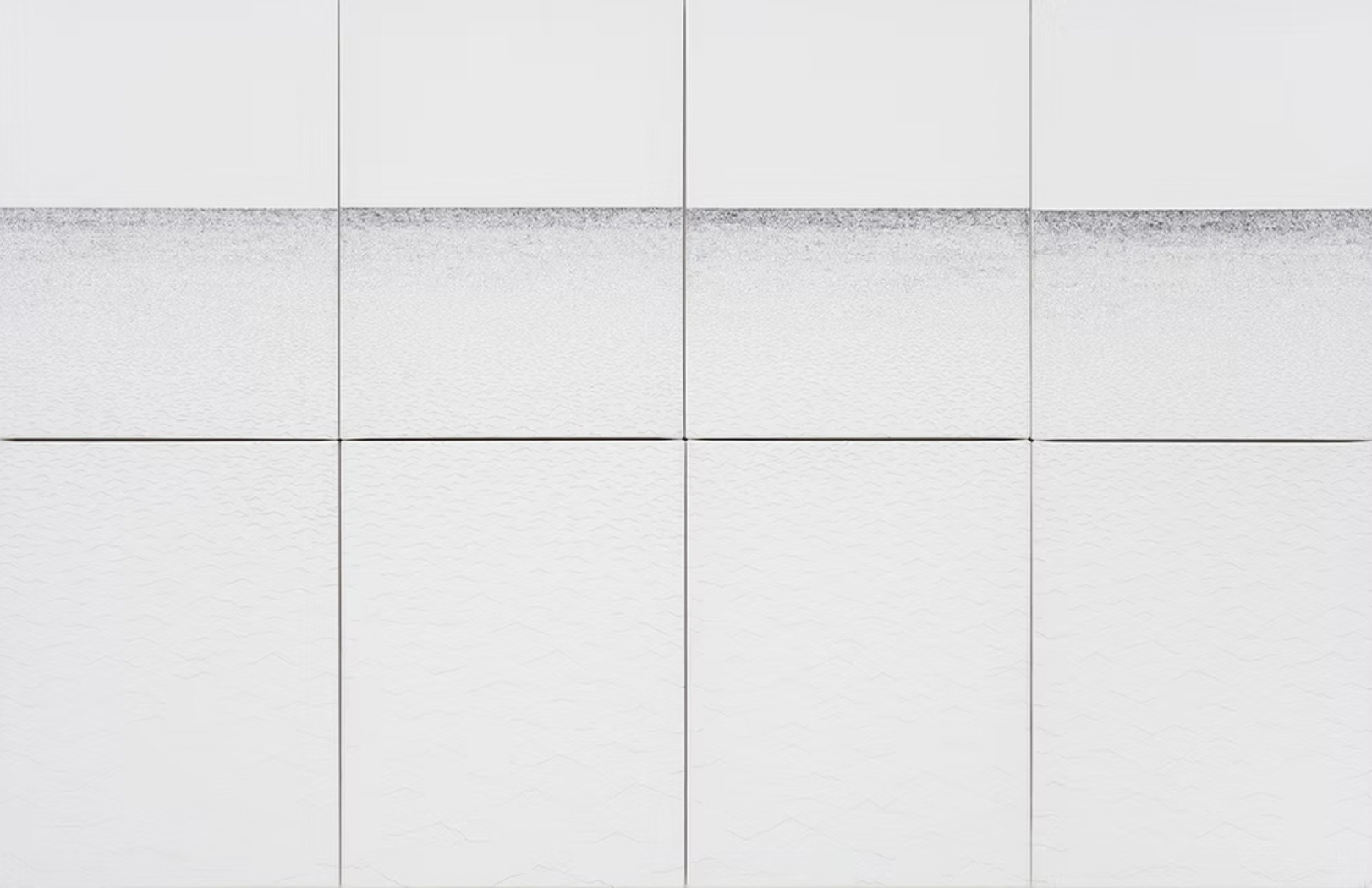
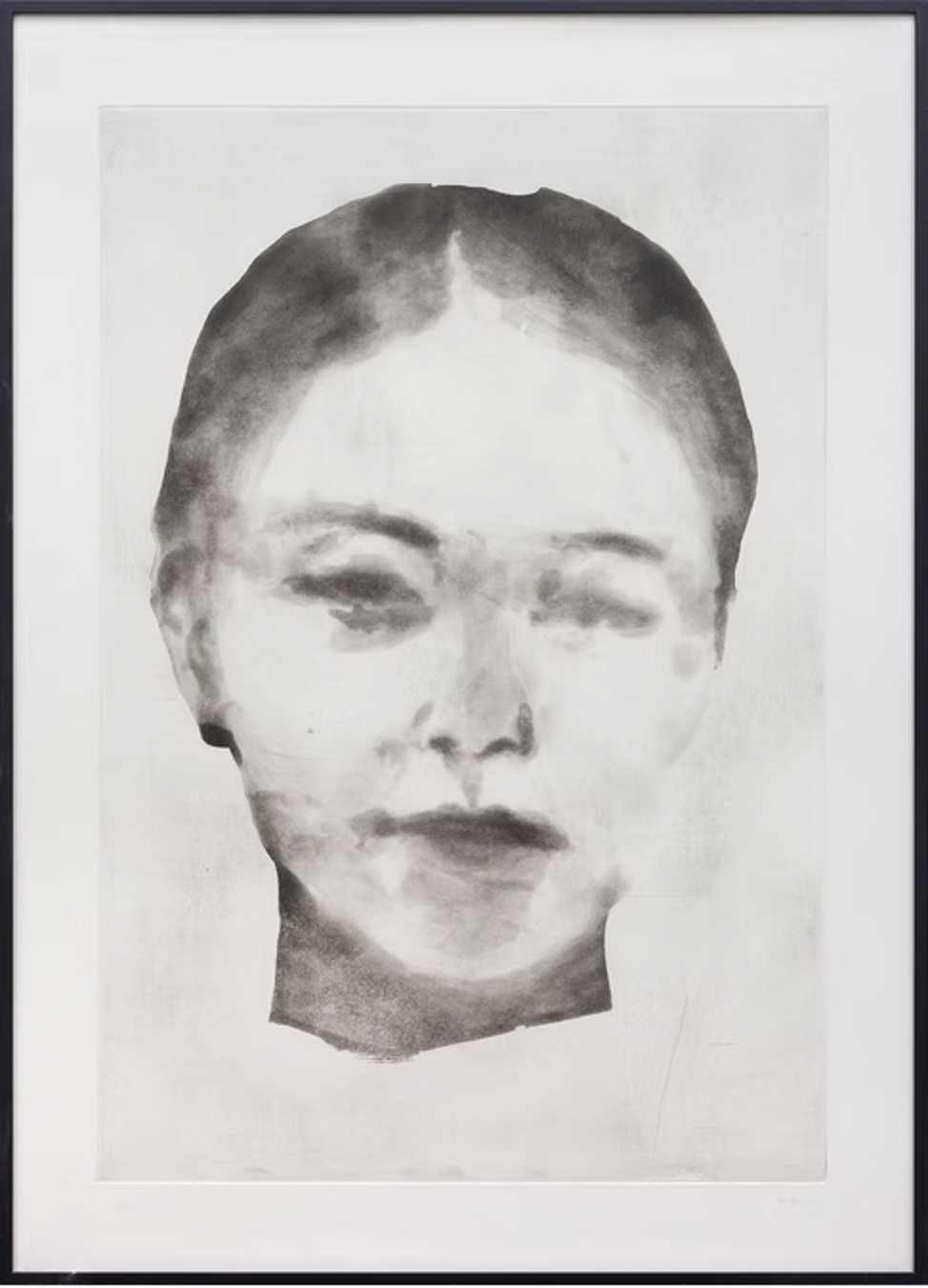
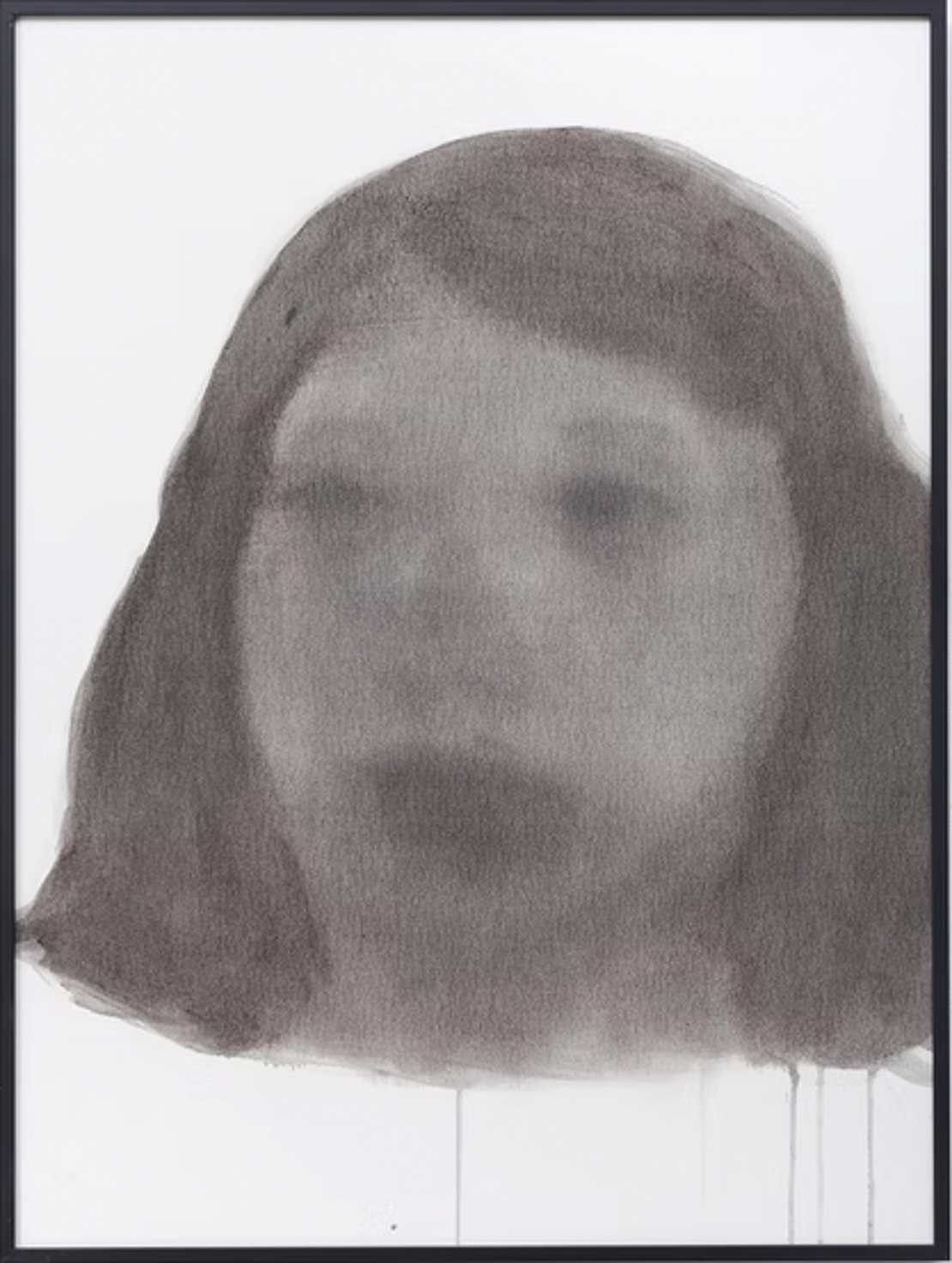
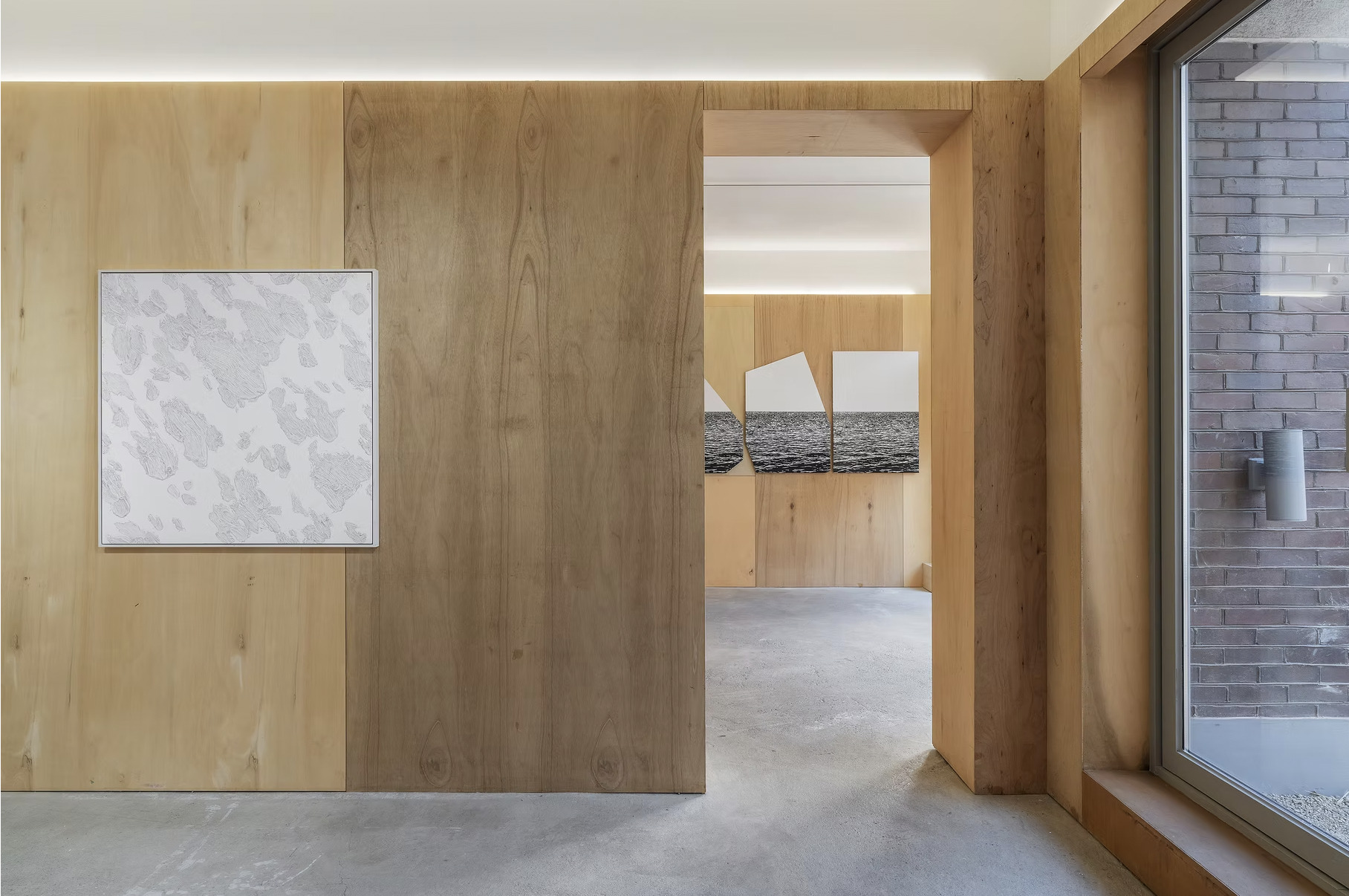
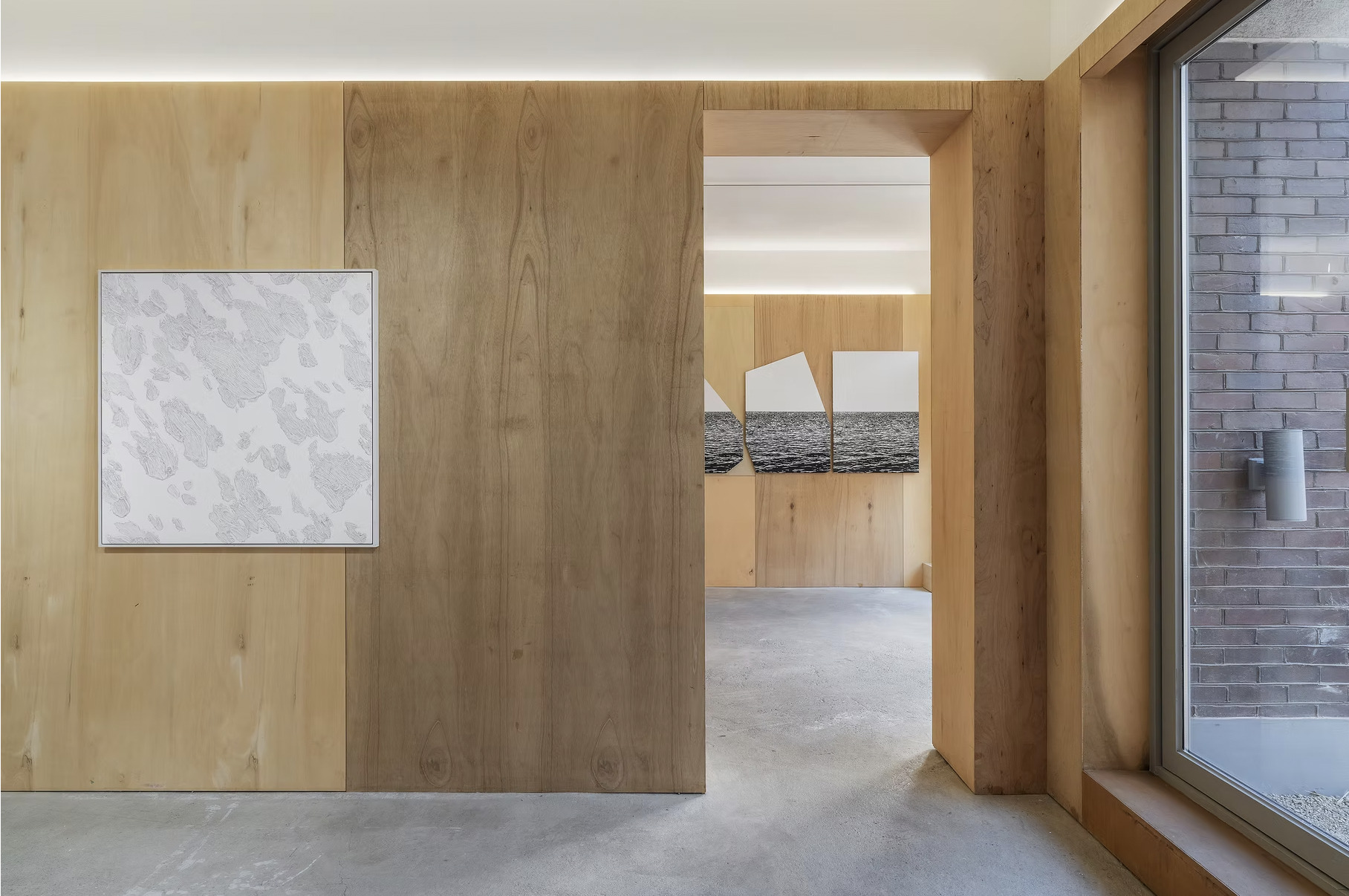
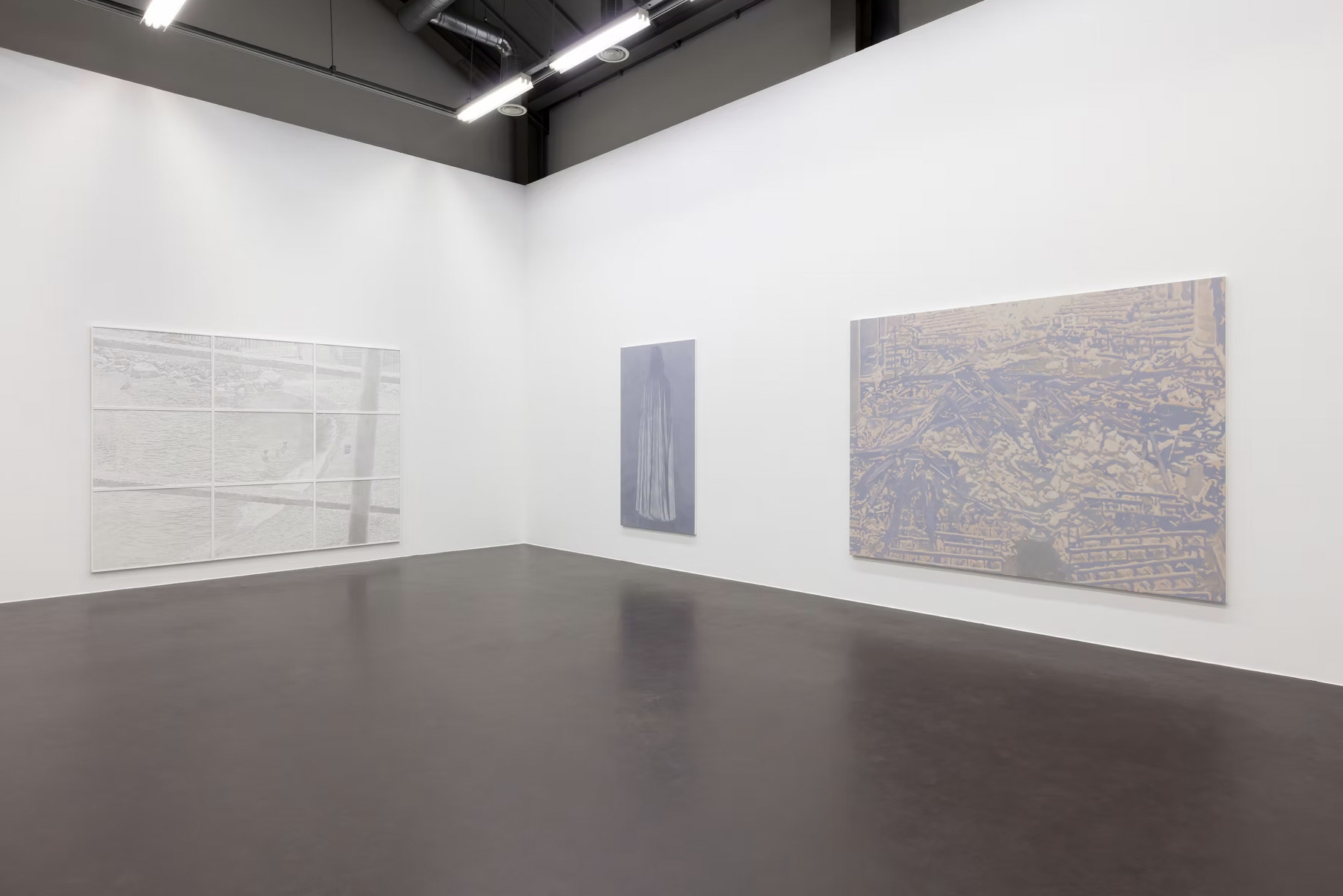
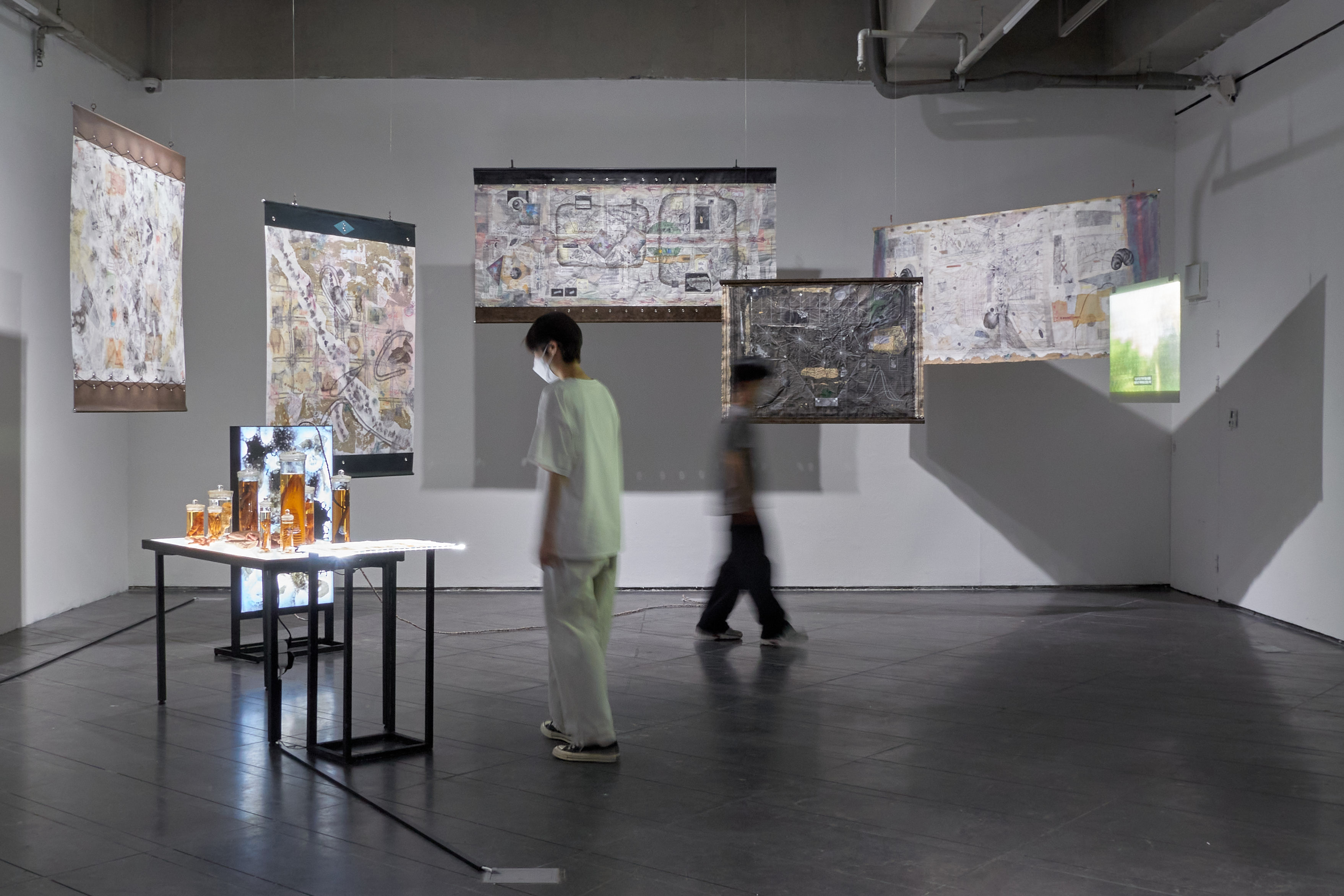
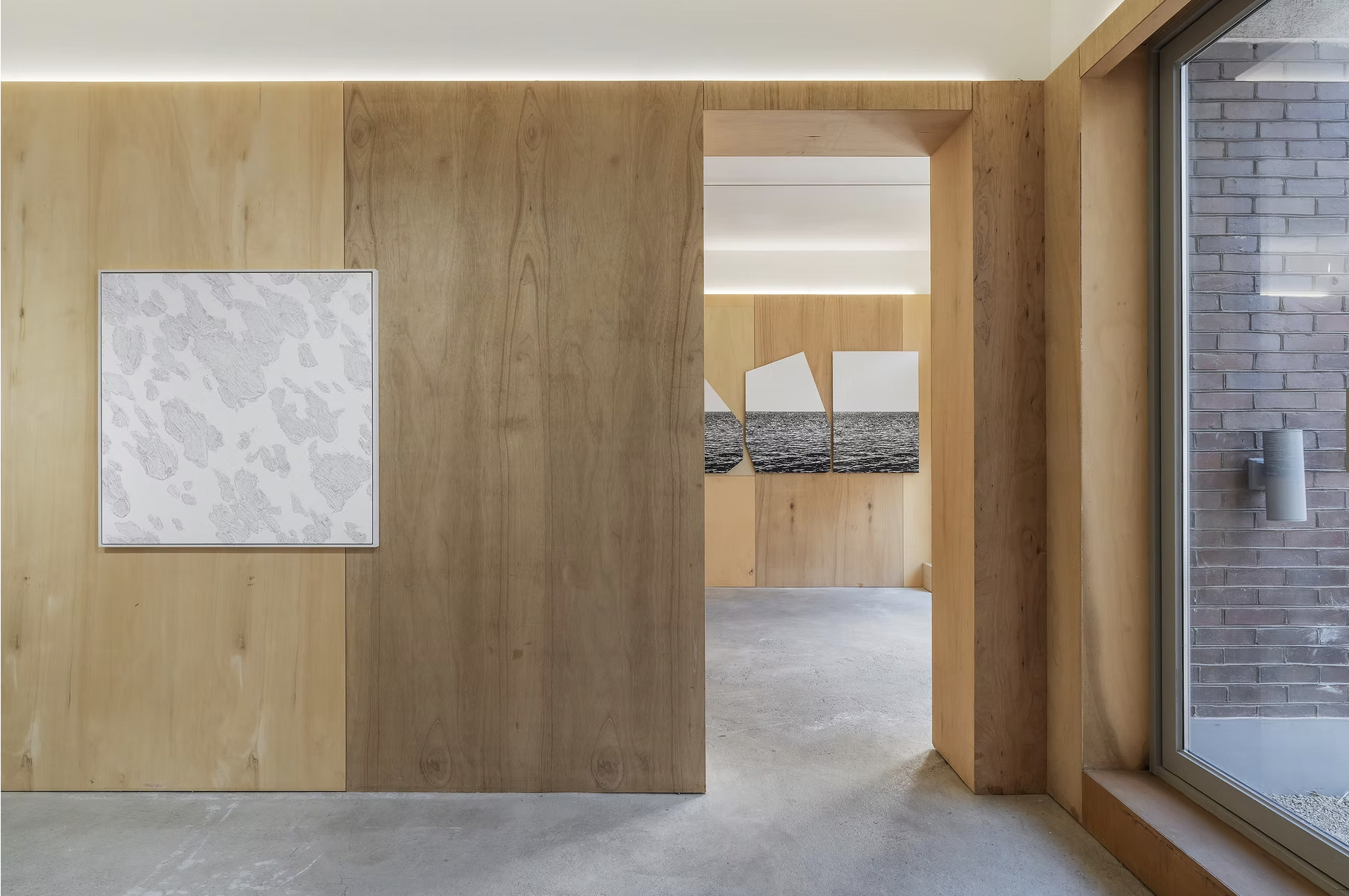
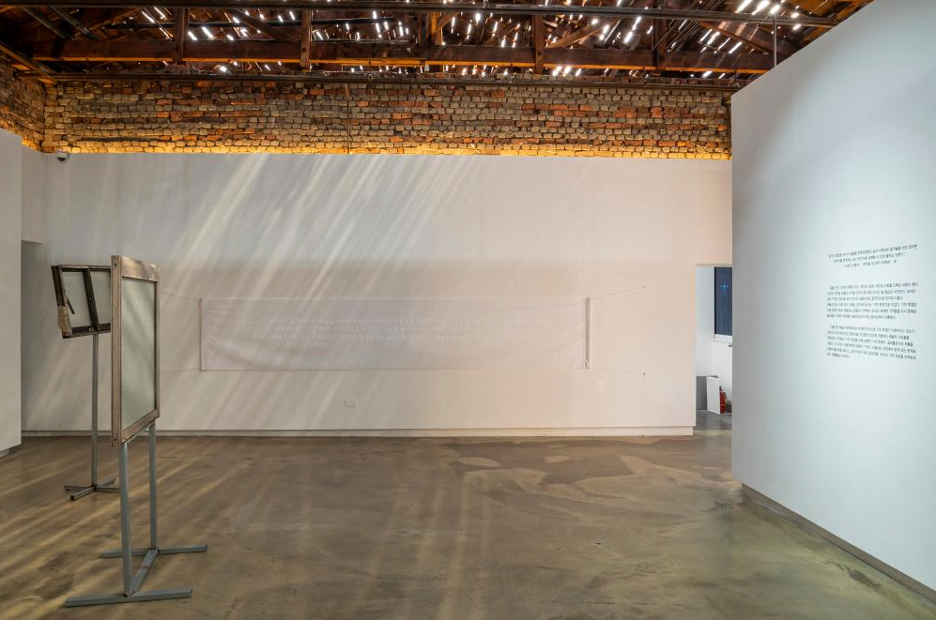
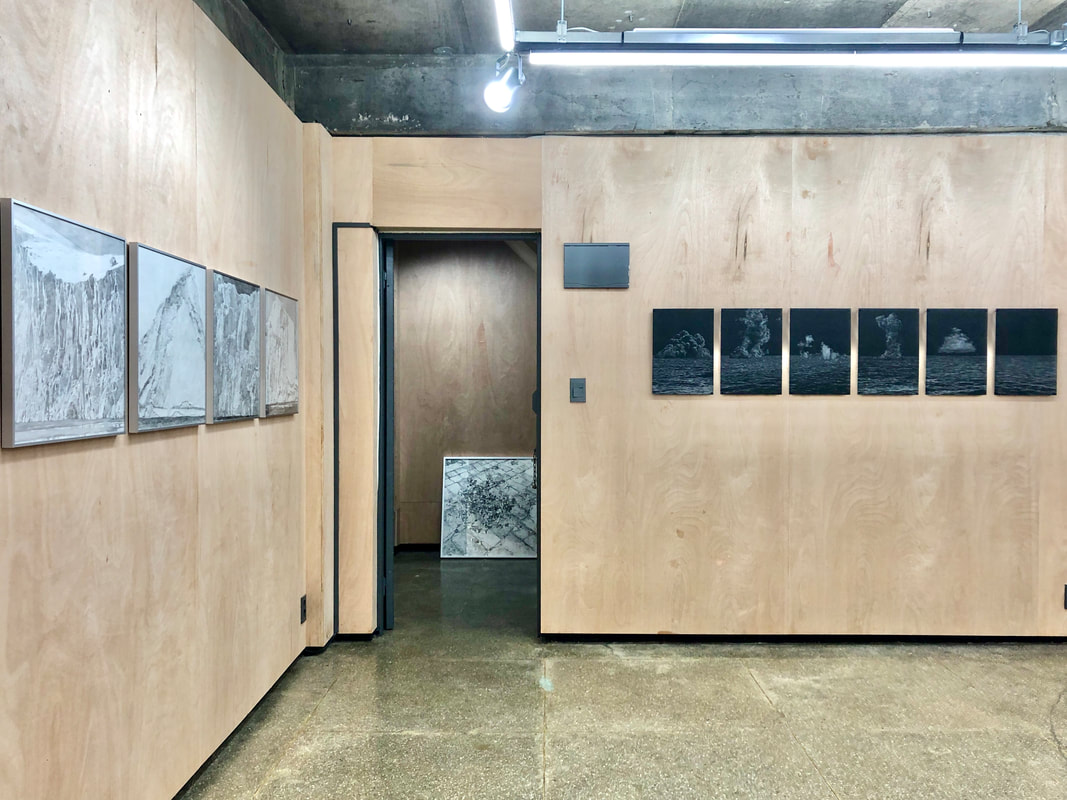
Installation view of 《Tracing on Emptiness》 (ONSU-GONGGAN, 2020) © Jaehyoung Im

There are certain things that cannot be kept intact once they are spitted out. It is when we can no longer embrace what recklessly hovers about amid the verbal spit−outs. Closely looking at the pale, silent, slow−paced paintings of Jaehyoung Im, we can fathom that he is trying to protect the words yet to be spitted out.

He hides them in many ways because he does not want to recklessly spit them out. He often leaves subtle clues on “looking at” paintings maybe because he finds it rather easy to hide the modes of reasoning in many layers due to difficulties in verbalizing them immediately.


Traces: Tracing 

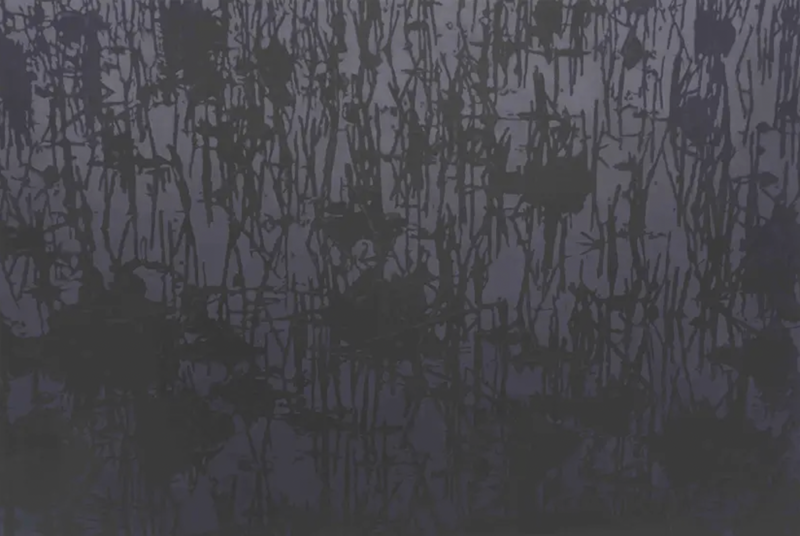
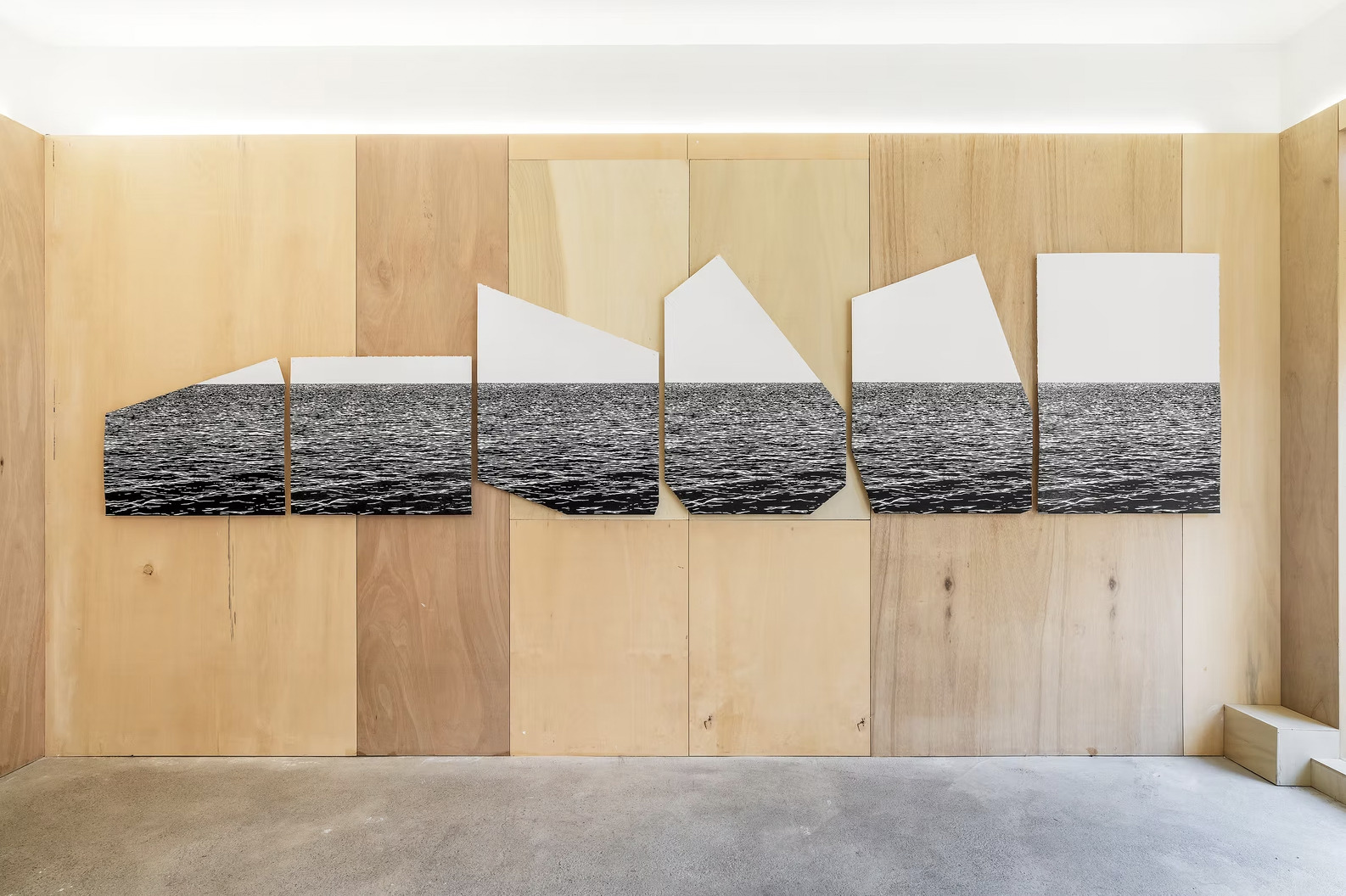
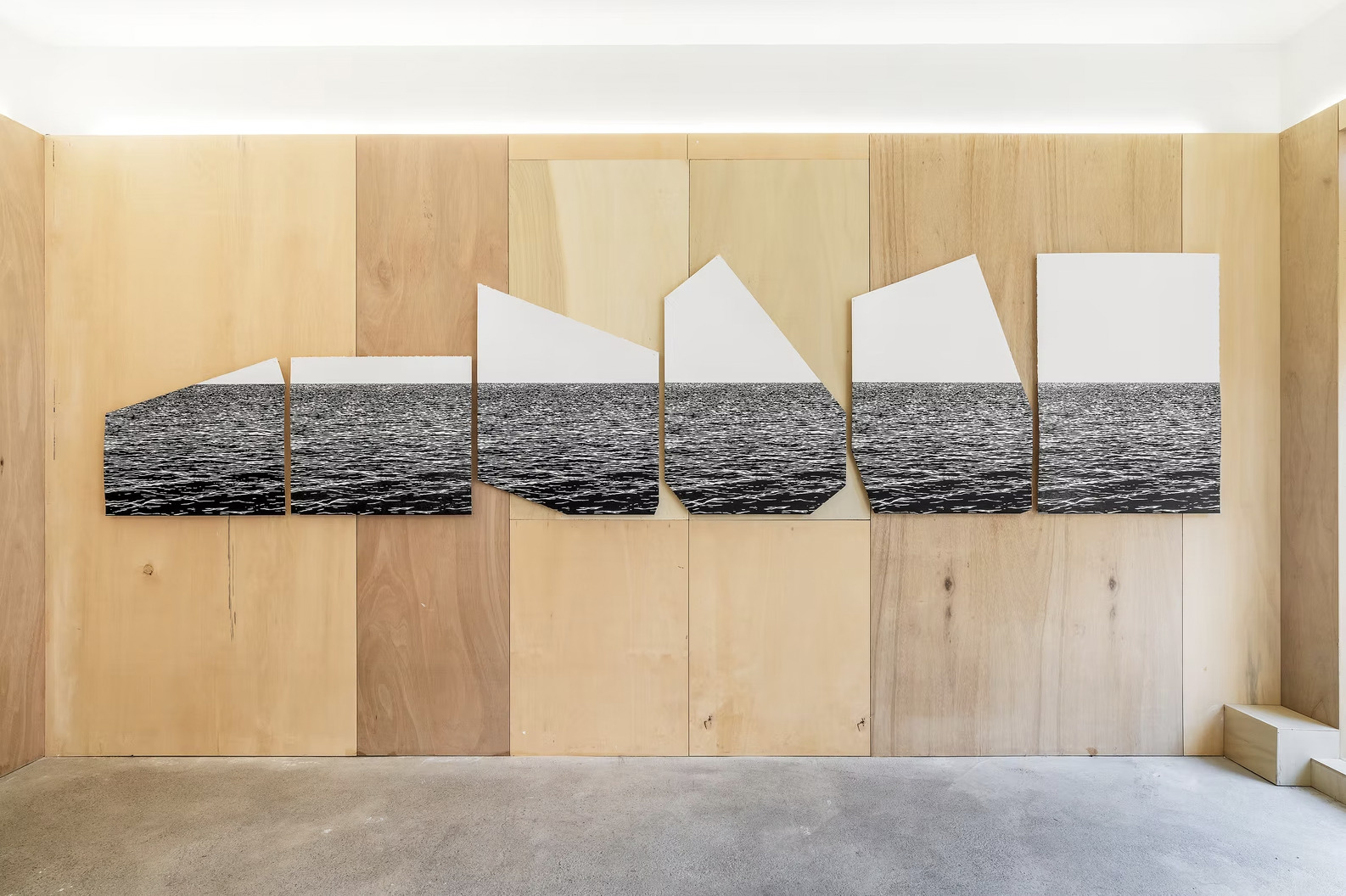
In his works, we can discover the layers of the subtly hidden beyond the visible. Upon encountering Equilibrium, the outline that is obliquely cut out grab attention, and the sea within is tranquil and even to the point of making us forget about the atypical outline. Once closely looked at even to the point of forgetting about the horizon of the sea, the countless marks of a chip carving knife seem like the wounds on the sea. 

Scar hung opposite from this piece once again reminds of the wound. While the wound was shown as the ink intervened in cracks on Equilibrium, Scar is a work where pressure is imposed on the same plate – instead of painting it – to make sure that the mark of the wound is made noticeable like a relief. The Clock exhibited in the same space also seems unstable at a glimpse.

Only the plate−mark is skewed, but the frame is properly fixed, and the tilted ‘wall clock’ found its own direction. The paint marks flowing down to the side gives a clue that Im painted it slantly at the beginning.

I conjure up his time spent to take out the overlapping traces one by one, and deal with the wooden plate as he held a cutter – the time of painting numerous ‘wounds’ with black ink, and the time of gazing at the paint flowing down outside the tilted clock.

Also, the time of silent gazing at what has been turned around at the ‘108.1 degrees’ being tilted to the moment when the ‘ship’ is submerged in the water, and leaving it as depth and a mark. I take a closer step to the painting which has left a trace to the extent of having returned from a rotating shaft, and touch it with my eyes.


Extinction: Generation

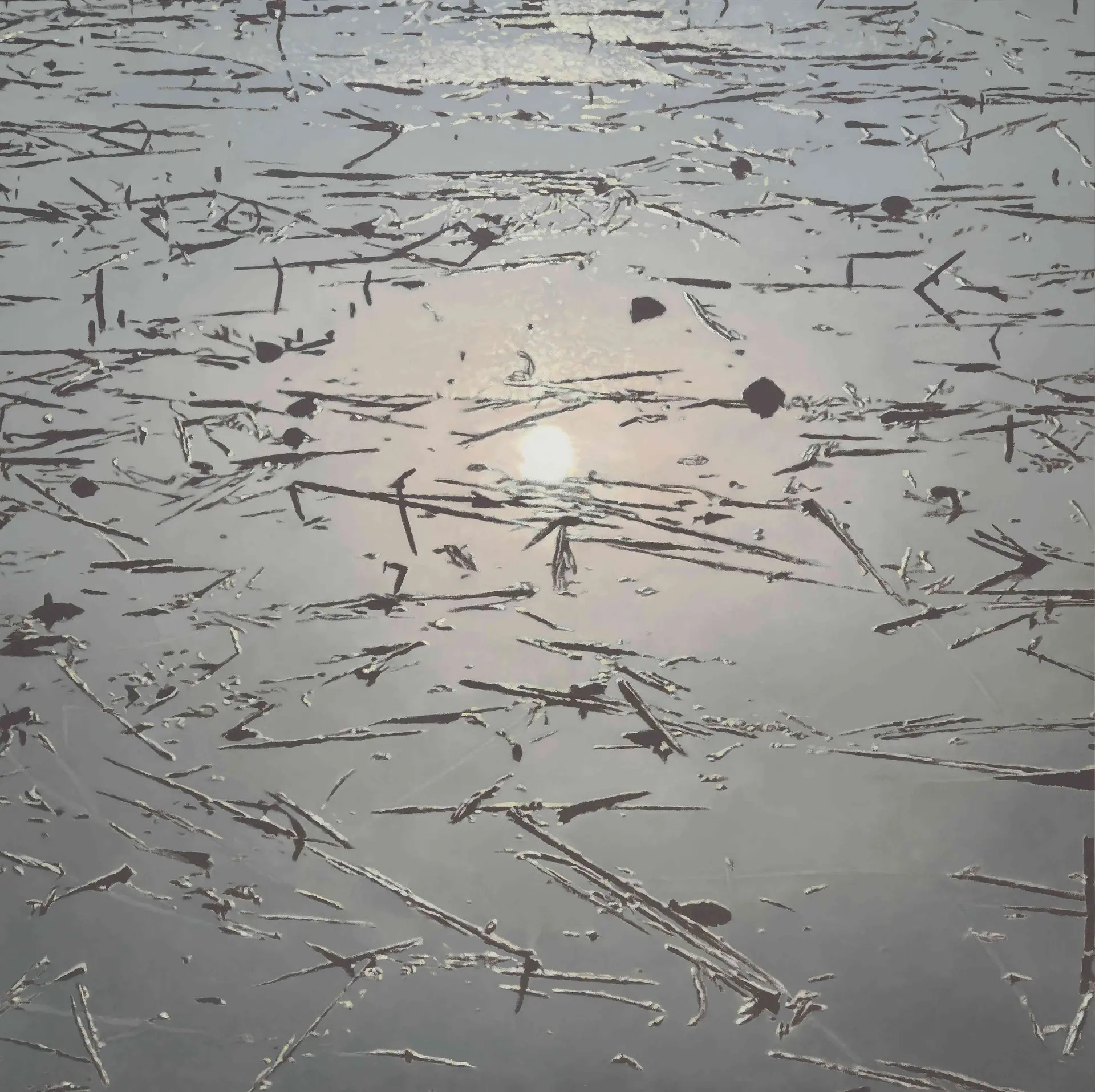
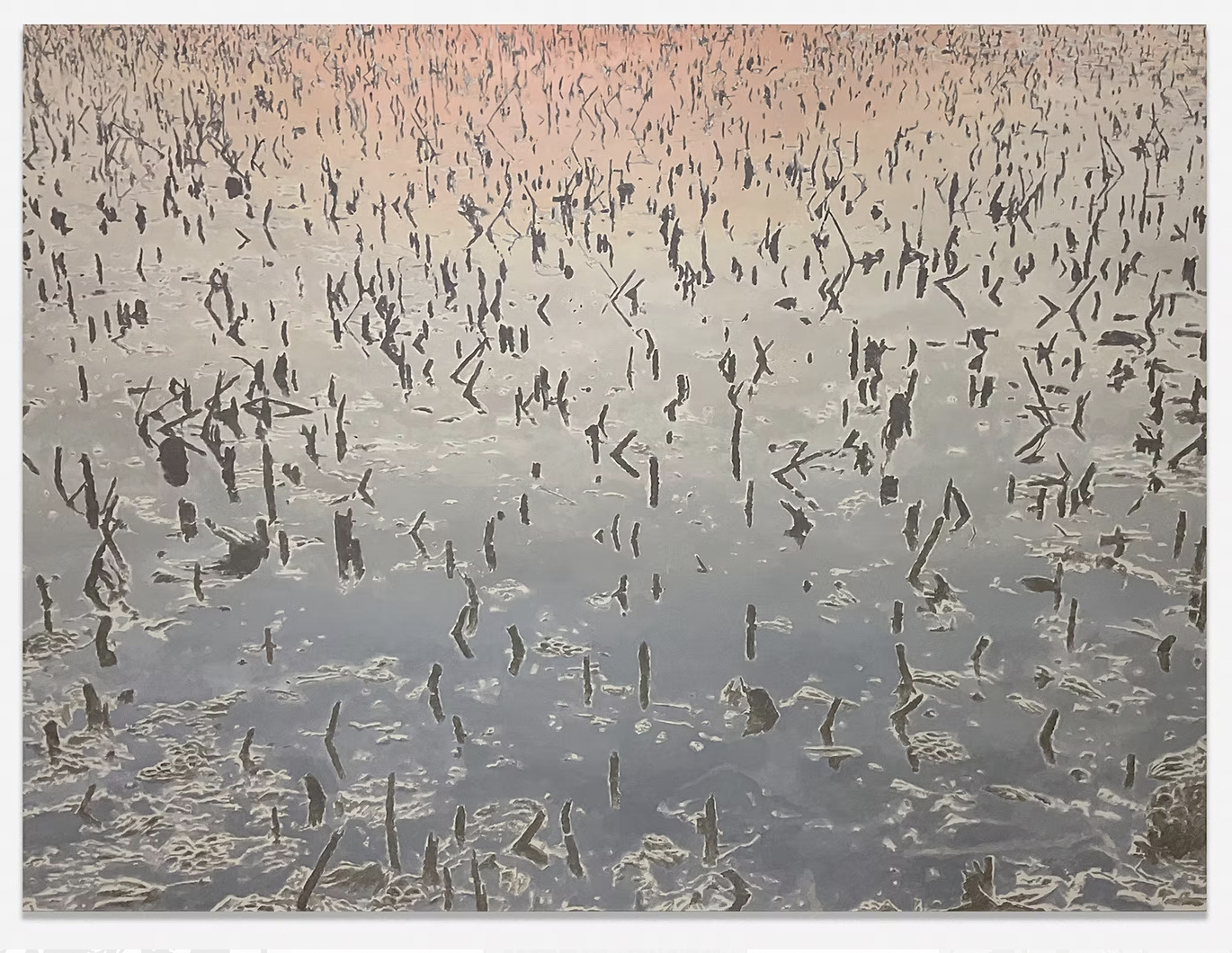
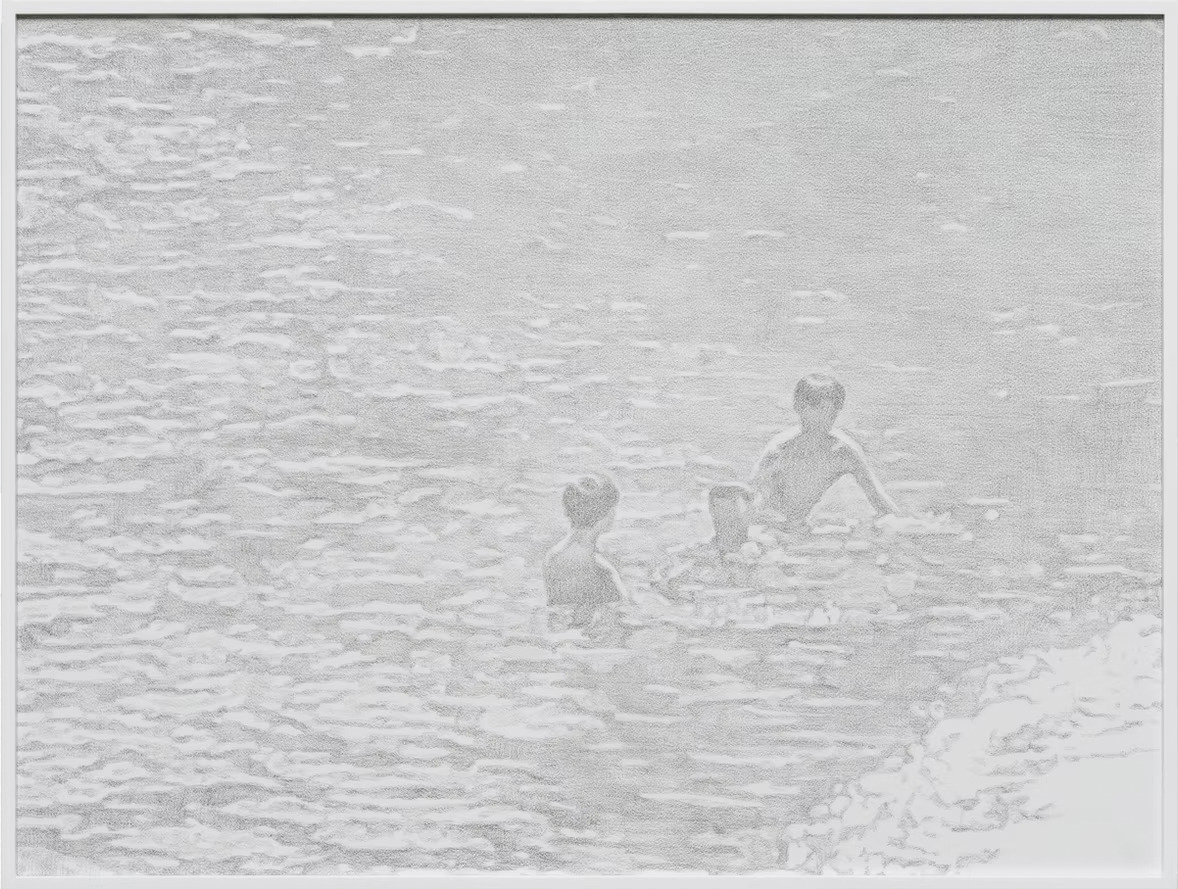
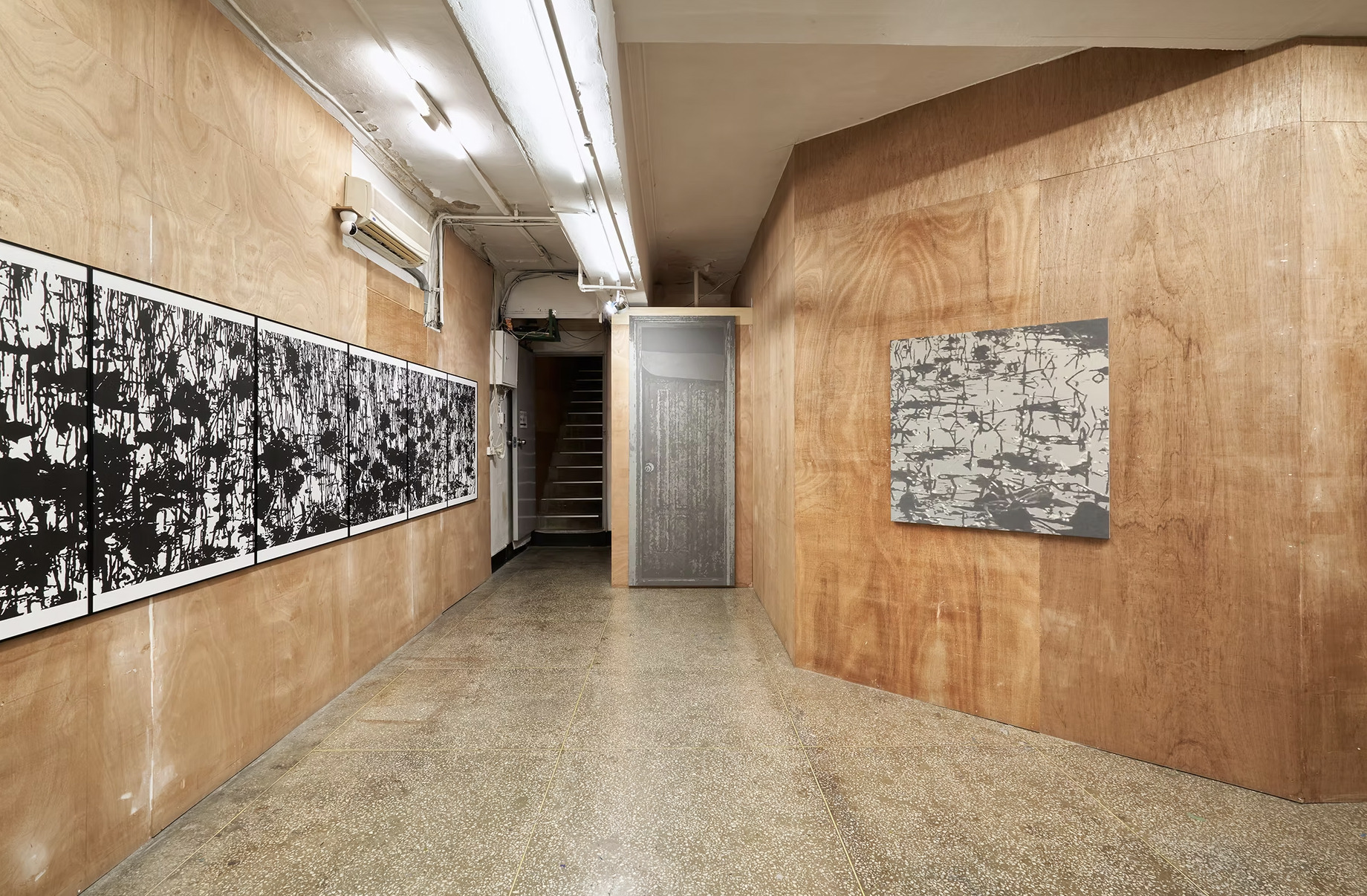
While the aforementioned works are those in consideration of the mechanism of action, Withered Strokes and Heavy Snow are the ones where he “drew again” on once completed works. He used fluid materials to partially expand the works, and re−drew them by fully reflecting the property and texture of the prior materials used with a pencil rather unnecessarily, blandly and slowly.

The objects for each work – wilted plants and snowflakes – disappear soon or later. This time, I imagined Jaehyoung Im’s time of leaving fluid marks by drawing dry leaves with water paints, imposing weight on the rich and thick paints and texture before the falling snow melt away soon, and representing in pencil the property of the paintings which recorded it – the time that has been relentlessly accumulated.

I might mention an unfamiliar time given to him recently. There was an occasion when a house supposedly with people was empty. The marks left in the empty house by those that have just left it for another house have remained as objects for him. Taking out and painting the photos he collected then is an act to contemplate on the disappearing energy he confronted in The Last Home and the unfamiliar sense intervening in it.

The objects are gone, but the paintings he has scooped up remain. I cautiously bring up the time he experienced back then, when I write this, after I heard such a story from him. Looking at the emptiness of a house he left in a painting, I conjured up the traces of the space left off as nobody’s, and assumed the sense he projected and the energy consumed as a result.

Then, I gaze at a new layer of traces shedded off in the course, that is, languages and paintings which can be chanted or grasped with words and paintings. ‘Nothingness’ remaining in the house has turned into something which is not a complete ‘nothing.’

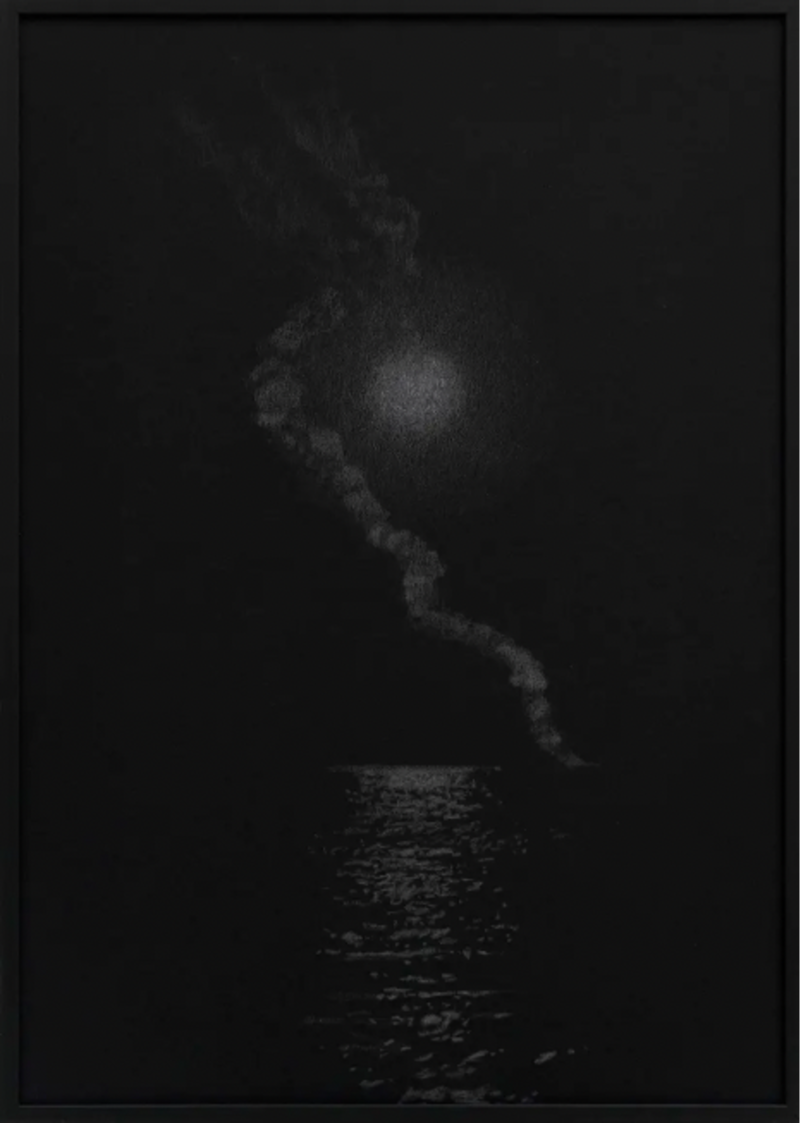
This time, I return to the dark sea again. The sea of equilibrium mentioned above contains wounds(counter relief) and scars(relief) (He expressed the relief of such scars as “negatives of numerous wounds.”1 ) Meanwhile, what is embedded in Light in the Distance is a soon−to−disappear light reflecting on the sea. Another silhouette appeared paradoxically as he painted each strand of light on the surface of the water.

The darkness emerging in contrast (negative) with the light as well as the vanishing light itself are in an endless repetition. Im temporarily grasps the time which lingered on as it intervened in the crack of this robust order. The light generated on canvas makes a firm presence.


Unawakened time

As the time he paints through groping is structuralized into thicker layers, the audience would slowly grope for the things Im has left for them. A series of traces he has left are calmly stacked up as if not to recklessly cut out or consumed away with some words. 

We gently take out an instant moment passing by through the noise he scooped out or the words which could be managed to be chanted and the paintings that remain. Various types of ‘traces’ left by Im visualize his thoughts to hold on to the time he has encountered. He seeks to “reconstruct (artist note)” his attitude of trying hard not to miss out on peripherals surrounding ‘absence’ through drawing.

It is to starkly trace the rationale of drawing to densely examine the meanings of representing the Topos of absence. He draws in order to cast suited sense and modes of expression by groping for the traces of bygones, although such casting cannot be done explicitly. While his exhibition in summer titled 《Whereabouts》 was an attitude to grope for a place where the vanishing come to gather or the traces of the hidden, 《Tracing on Emptiness》 could be his desperation to scoop out eternity by transcending each moment interwoven within.

His efforts for search continue on despite nothingness or absence – it would be better to say that he draws because it does not exist. Loss cannot be welcomed, but it is distant from an attitude of passing it by, which makes him continue to intervene in the objects that break down and move away.

At the same time, he tends to take a posture of distancing himself from them – showing his attachment to the surroundings of what is disappearing with a vague mindset of covering up the objects but not wanting to be detached from them.

Thus, despite of his tricks to disguise – painting so thinly for the audience to even forget that it is an oil painting, (re)painting through tilting, and mimicking water−based paints through realistic pencil drawing, I have a desire to thoroughly relate to his sense (seemingly taking a step back) by layering thicker lenses for a closer look. On the surface he left, a thoroughly neutralized sense – instead of a narrative – grabs attention and lingers on.

Thus, when I first encounter his works, I was thinking about how to guard his attitude instead of how to interpret his attitude of ‘not being detached.’ In retrospect post to the exhibition, some scenes are dashing through my mind where his paintings stimulated audiences to pose a question on end, and stand in front of them for long.

This is my recap for the long contemplation I have had about the exhibition: the distance of his paintings and audiences was repetitively getting closer and farther away.

Jaehyoung Im, Will to Restore and Its Impossibility, Monthly Art Magazine, Jan. 2021, p.84.

References