Jaehyoung Im (b. 1988) has developed a painting practice that explores the emotional dimensions of loss and the ways in which individuals respond to it. Approaching the concept of absence through the language of painting, he investigates how intangible emotions and indistinct memories can be rendered visually and spatially through the medium of painting.


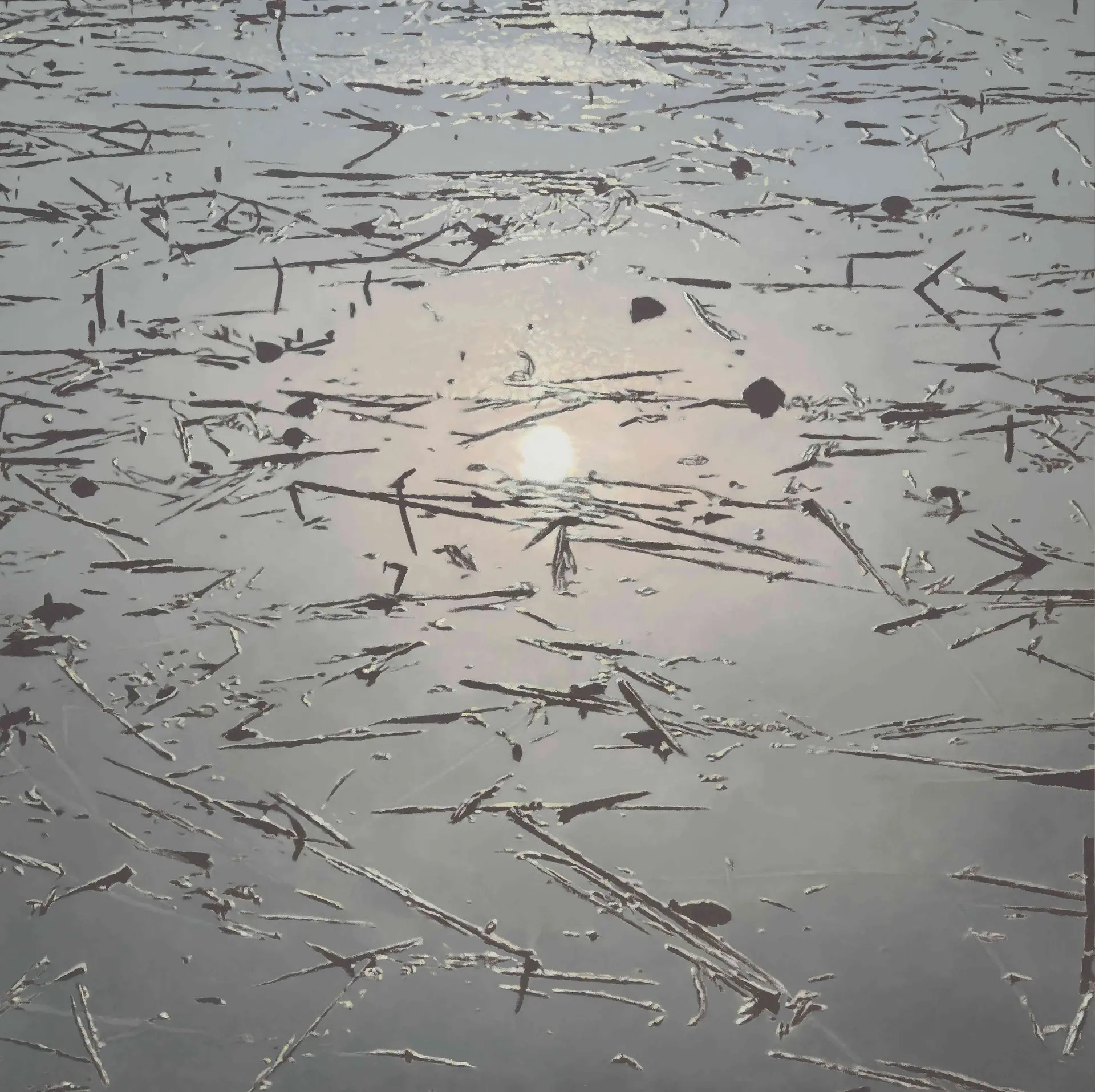
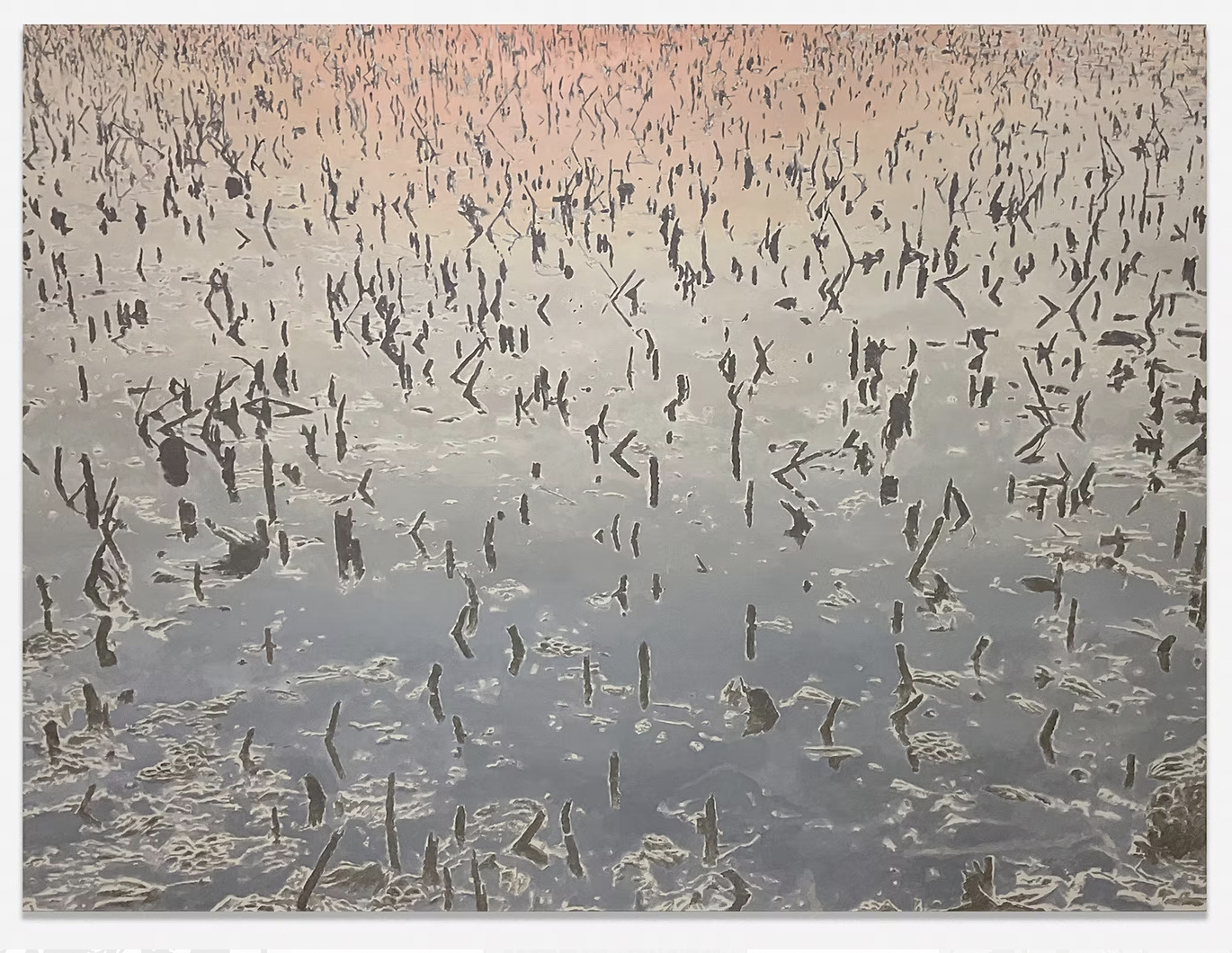
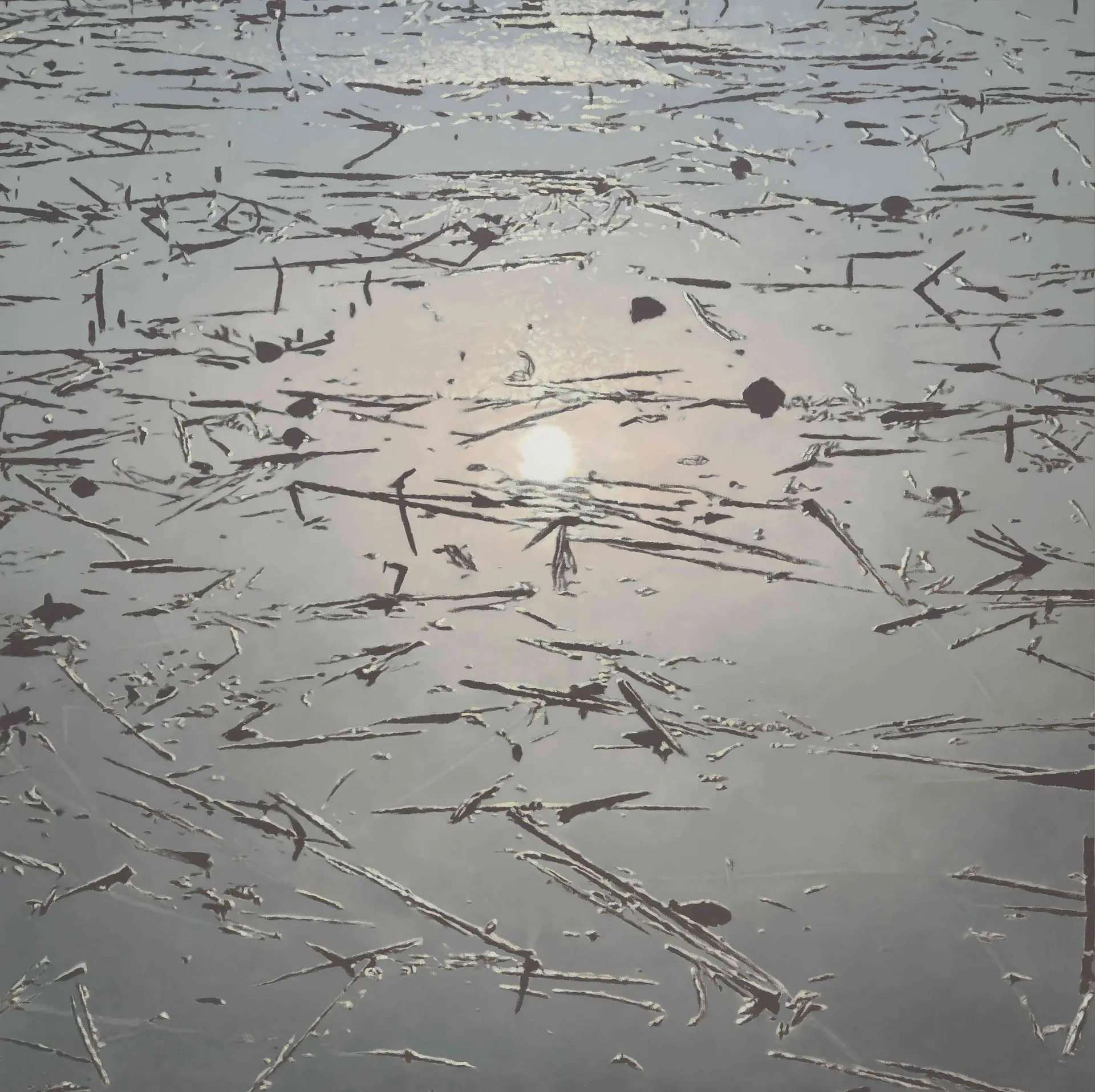
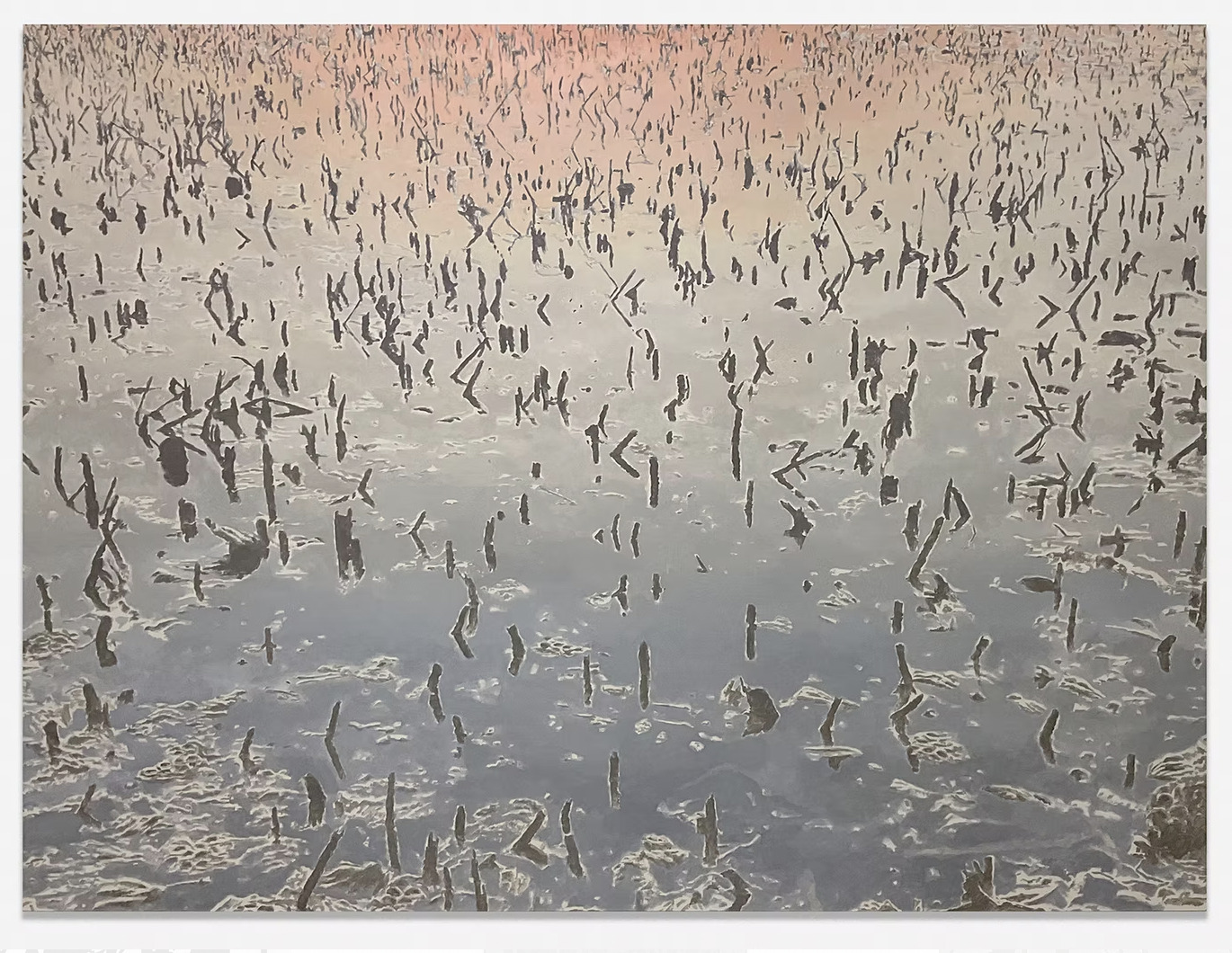
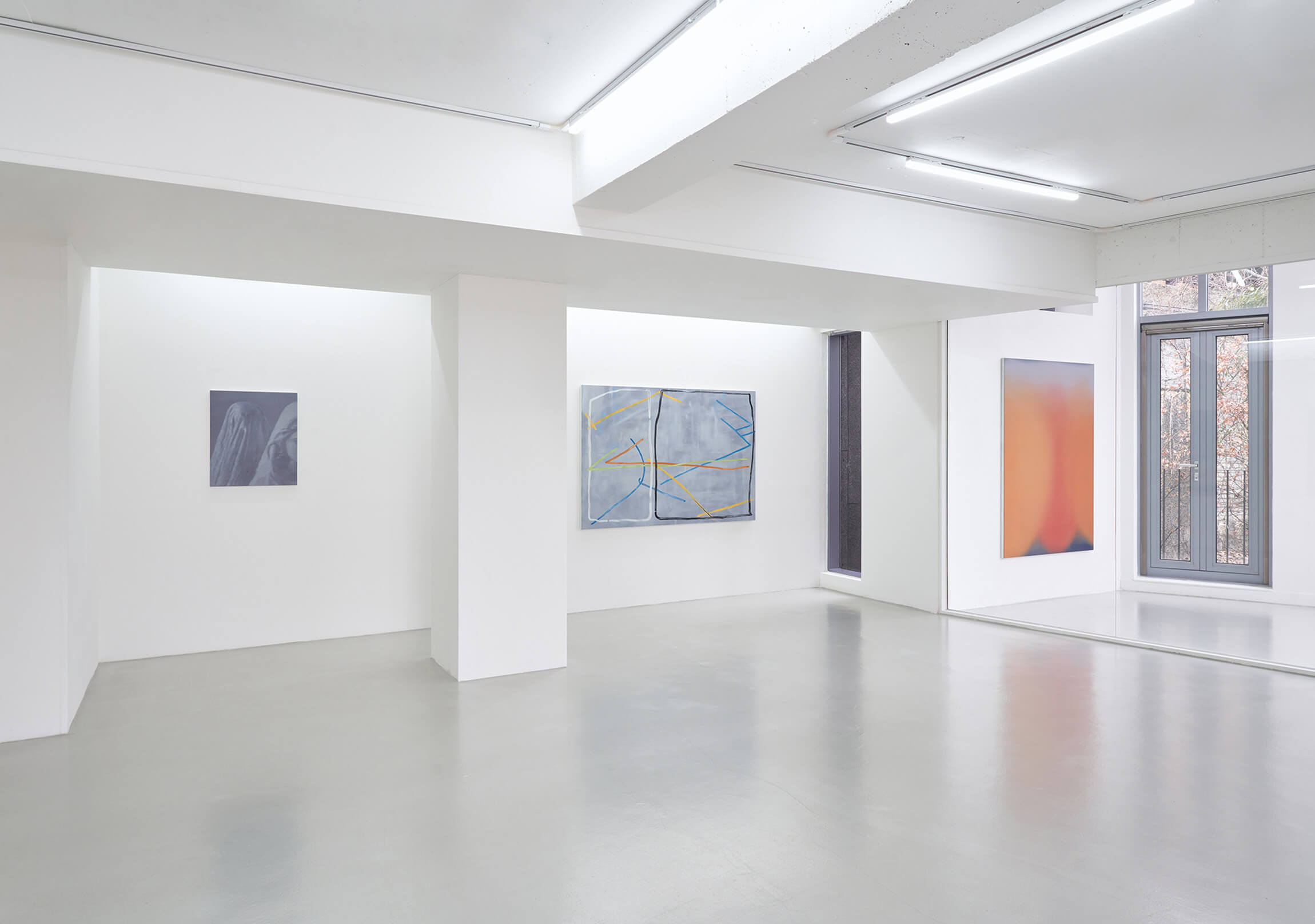
Jaehyoung Im, Eternity and a Day, 2024, Acrylic and oil on canvas, 182x182cm © Pipe Gallery

Im’s practice begins with a simple yet fundamental question: whether it is possible to record something that resists definition or categorization. Among such subjects, he is particularly drawn to tracing the sensations of what once existed and what has since disappeared, capturing their lingering traces and afterimages on the canvas.
 
The artist repeatedly engages with liminal landscapes—such as watersides, fog, and shadows—and evokes the sensations of loss and memory through fluid contours that refuse fixed form. Rather than depicting explicit narratives or identifiable subjects, Im has developed a distinctive visual language grounded in silence, emptiness, and the subtle residues of emotion.


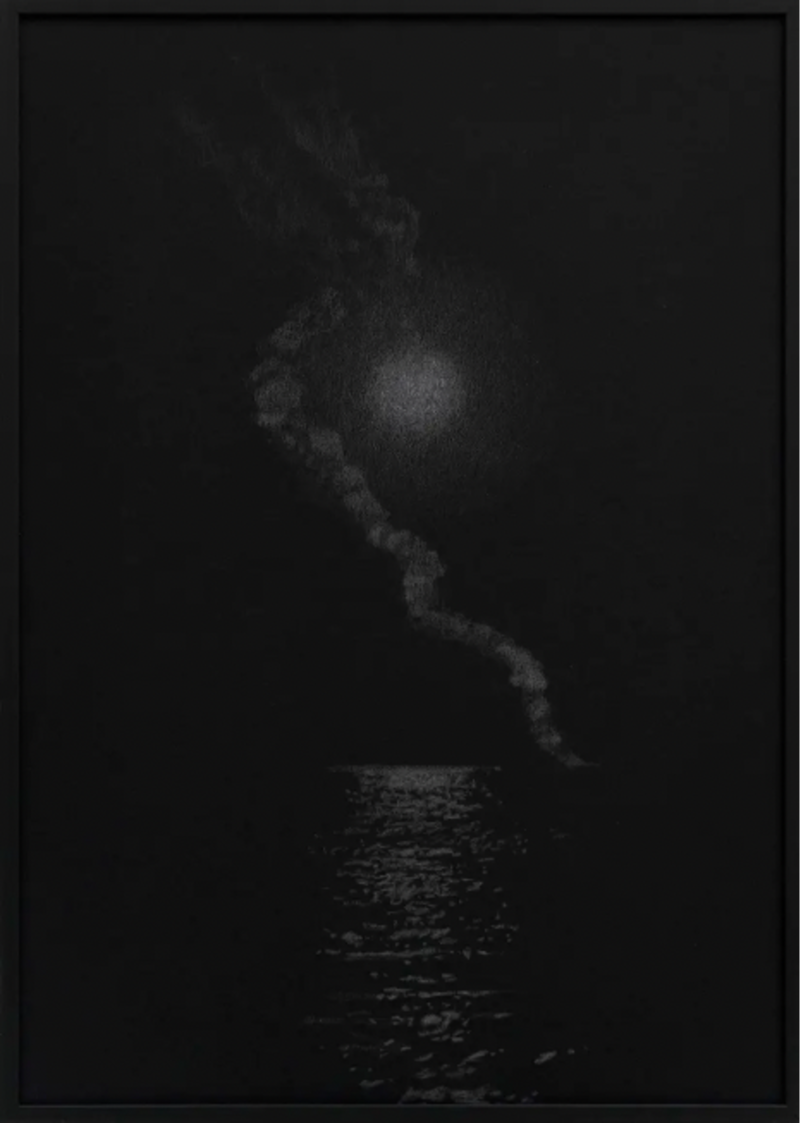
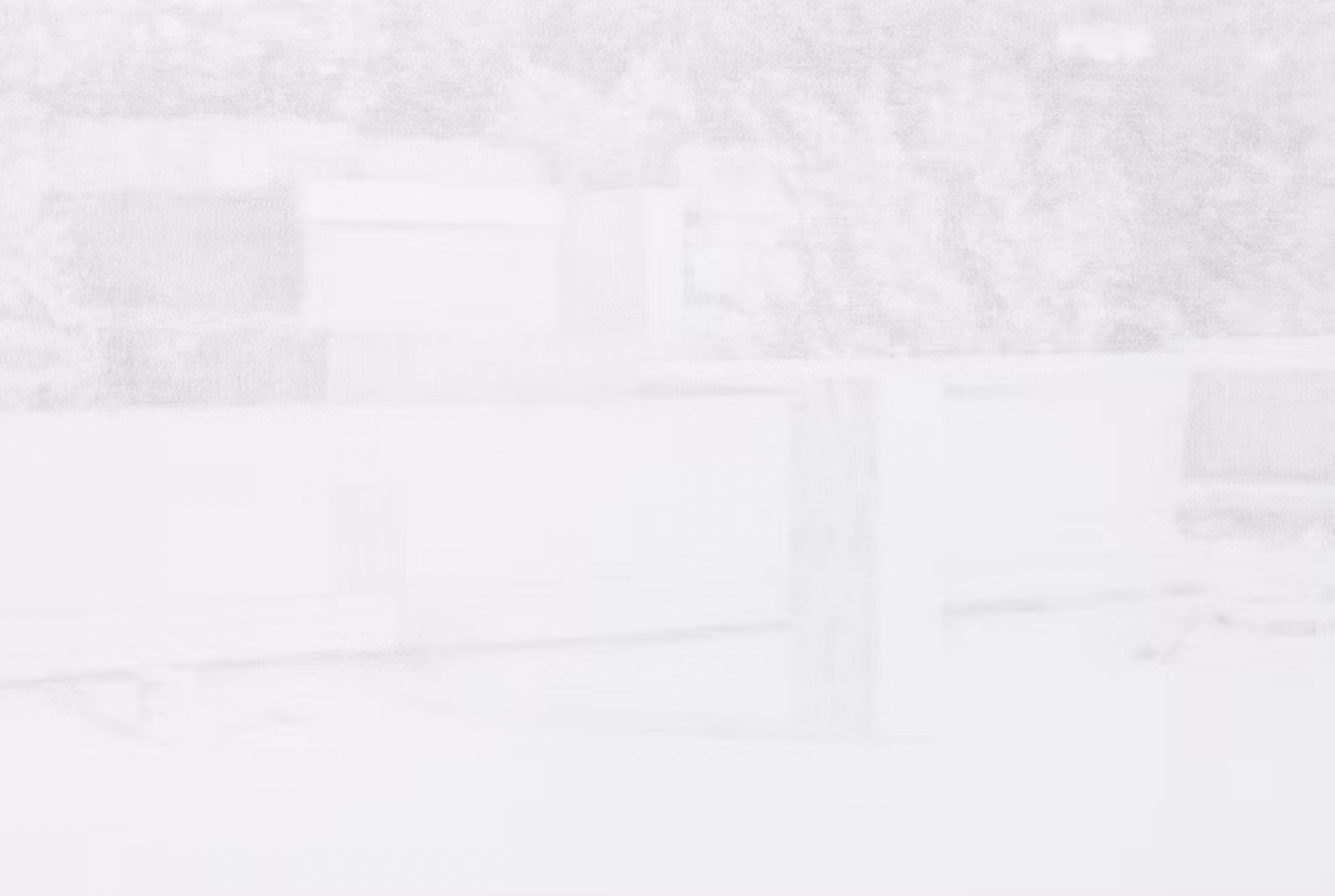
Jaehyoung Im, Empty Place, 2014, Pencil on paper, 98x65.6cm (1 of 4 pieces) © Jaehyoung Im

For instance, Im’s early series ‘Empty Place’ (2014) and ‘Graduation’ (2014) reveal his contemplation of irretrievable individuals or moments through the depiction of vacant spaces.
 
The source images for these drawings were snapshot photographs of specific people. Preserving the original proportions and composition of the photographs, the artist removed the figures themselves, leaving only the surrounding spaces rendered on the picture plane.
 
Through the medium of photography—which serves to preserve moments that have already passed—Im revisited his own emotions and perceptions of those who are no longer present, inscribing these traces onto paper.


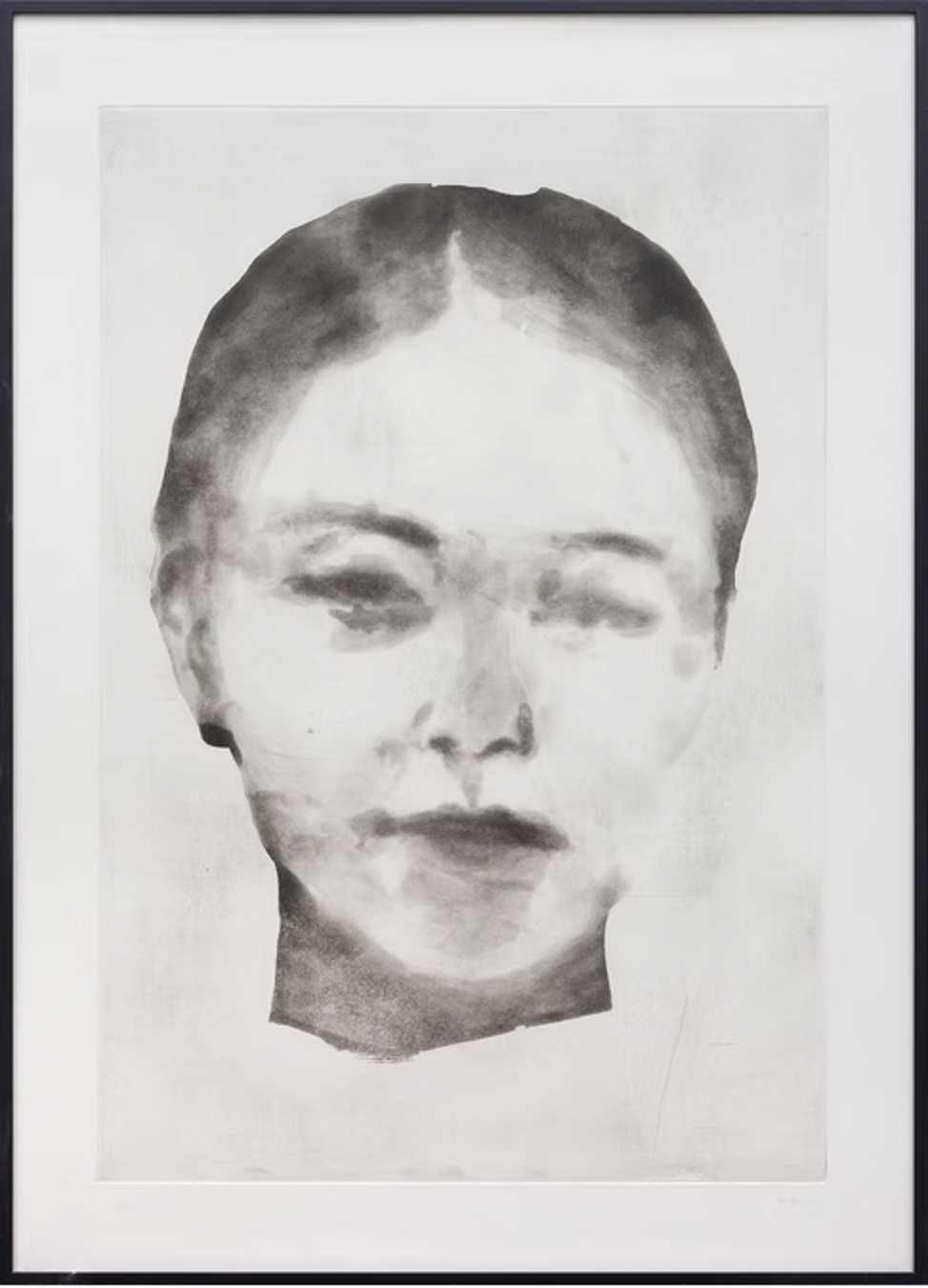
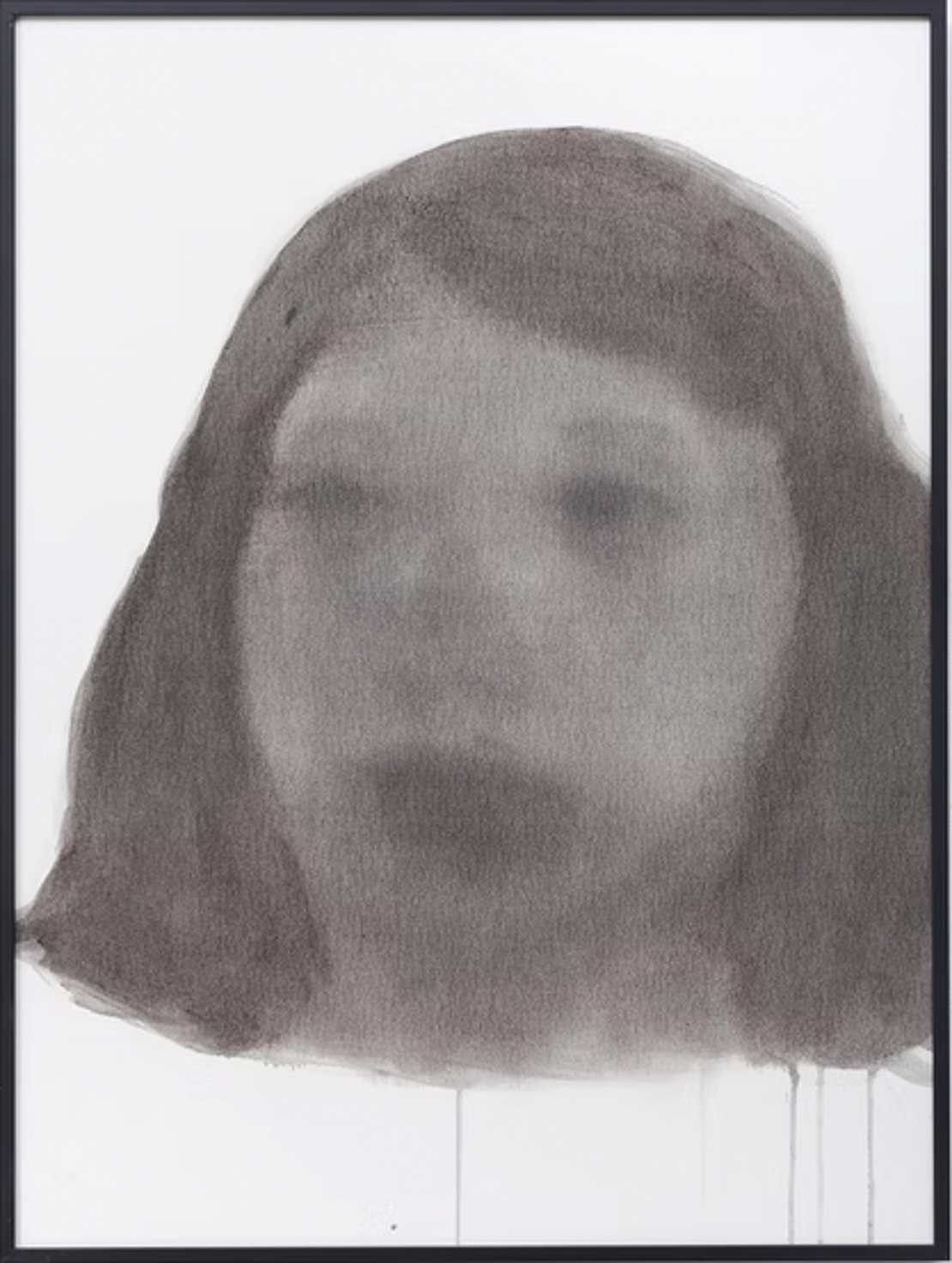
Jaehyoung Im, Missing, 2014, Graphite on canvas, 127.2x81.8cm © Jaehyoung Im

Meanwhile, in the ‘Missing’ (2014) series, Im records the emotions and sensations associated with an absence that has not yet been confirmed through the act of drawing itself.
 
To address the emotional oscillation between hope and despair, expectation and resignation, belief and doubt that arises from the uncertainty of disappearance, the artist painstakingly inscribed fine lines one by one, either over carbon paper or on the reverse side of the drawing surface.
 
This method of working compels the artist to grope forward without ever fully knowing what is being drawn or how the image is taking shape. Within these conditions of making, he continuously moves between various psychological states—frustration, anxiety, impatience, anticipation, and uncertainty.
 
As a result, countless lines that escape complete control accumulate to form a space that is simultaneously dense and empty, distant yet never entirely out of reach.


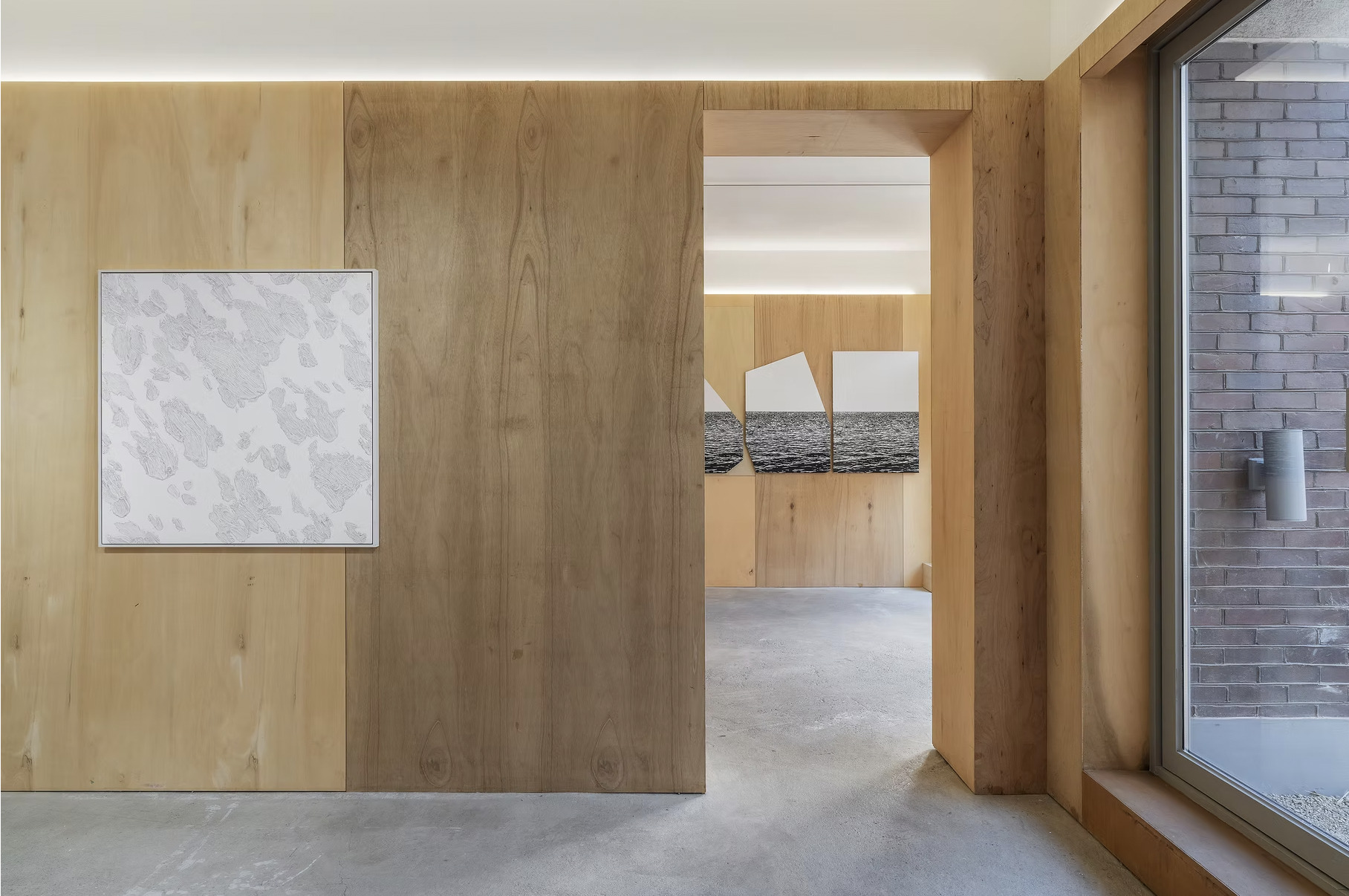
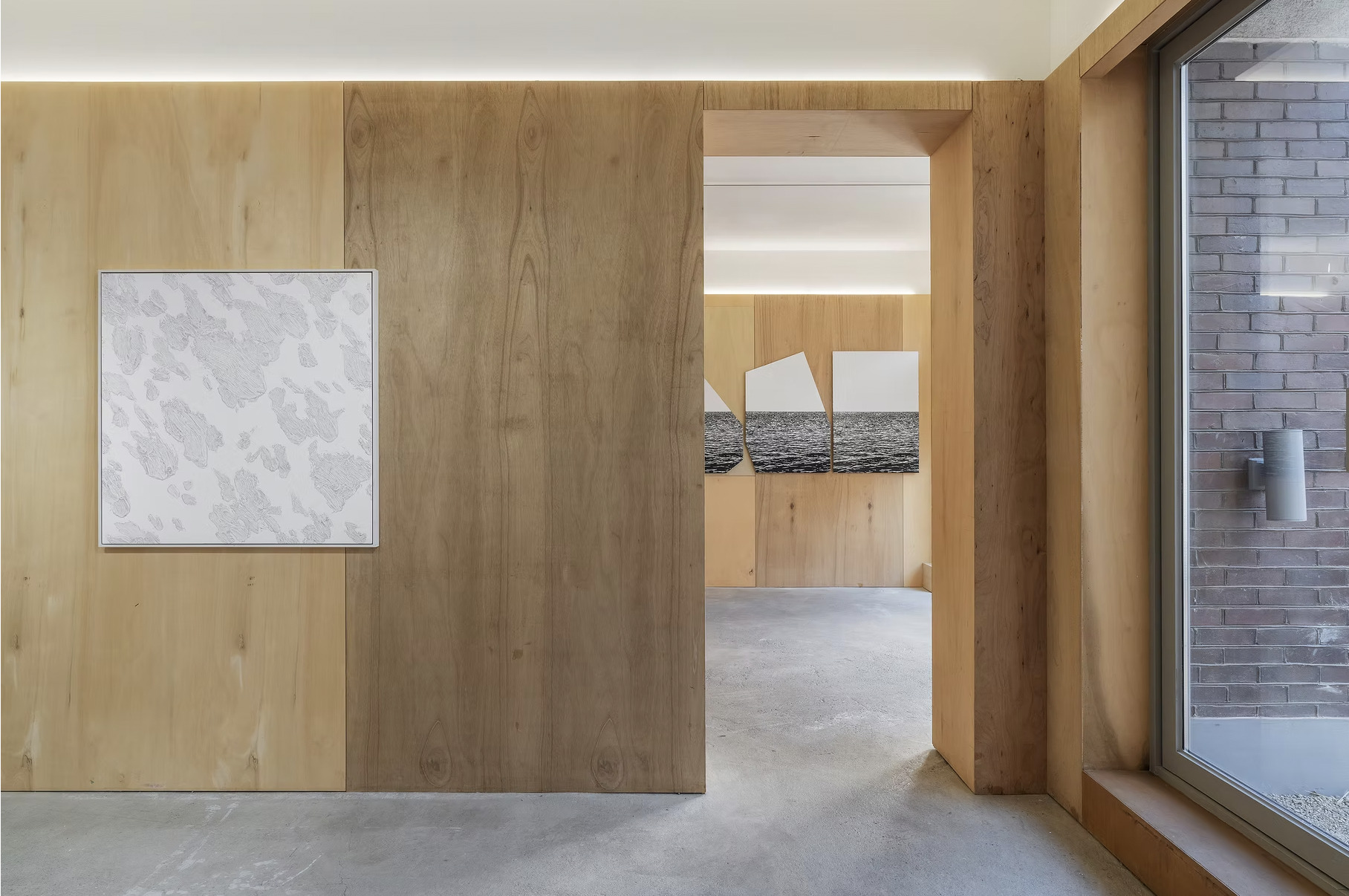
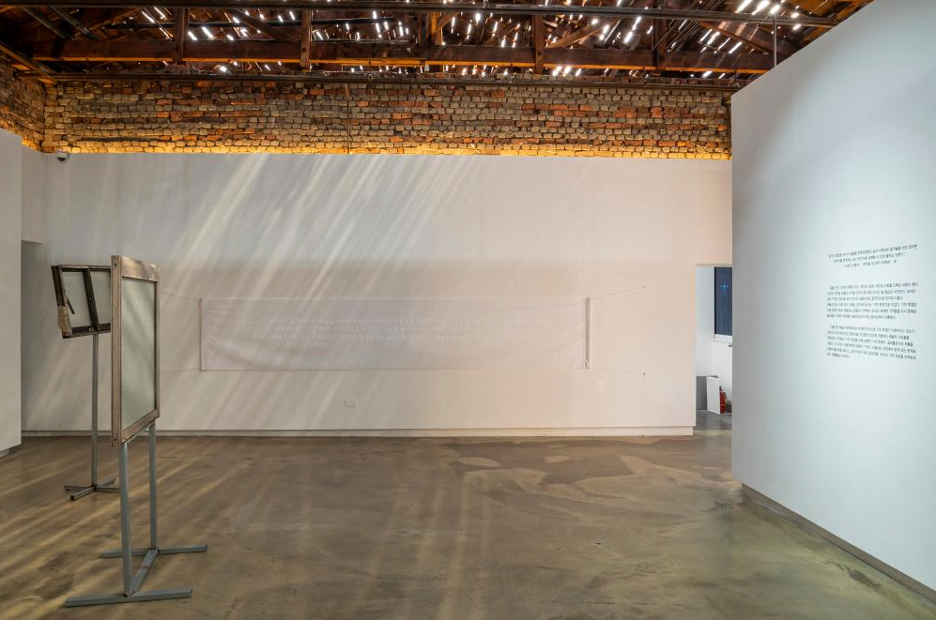
Installation view of 《Tracing on Emptiness》 (ONSU-GONGGAN, 2020) © Jaehyoung Im

In this way, Im has continually traced the remnants of what has disappeared, searching for forms of perception and modes of expression capable of addressing such absence. This pursuit stems from his longstanding inquiry into the necessity of drawing itself, driven by a persistent desire to examine the meaning of representing absence with greater depth and precision.
 
In his 2020 solo exhibition 《Tracing on Emptiness》 at ONSU-GONGGAN, the artist likened the act of leaving behind a past existence in the form of a painting to the notion of a “shed skin.”
 
A shed skin refers to the outer layer of an organism that is discarded during the process of transformation. Although this dead tissue no longer functions as part of a living body, it nevertheless bears witness to a past existence and to the time during which it once served as skin.


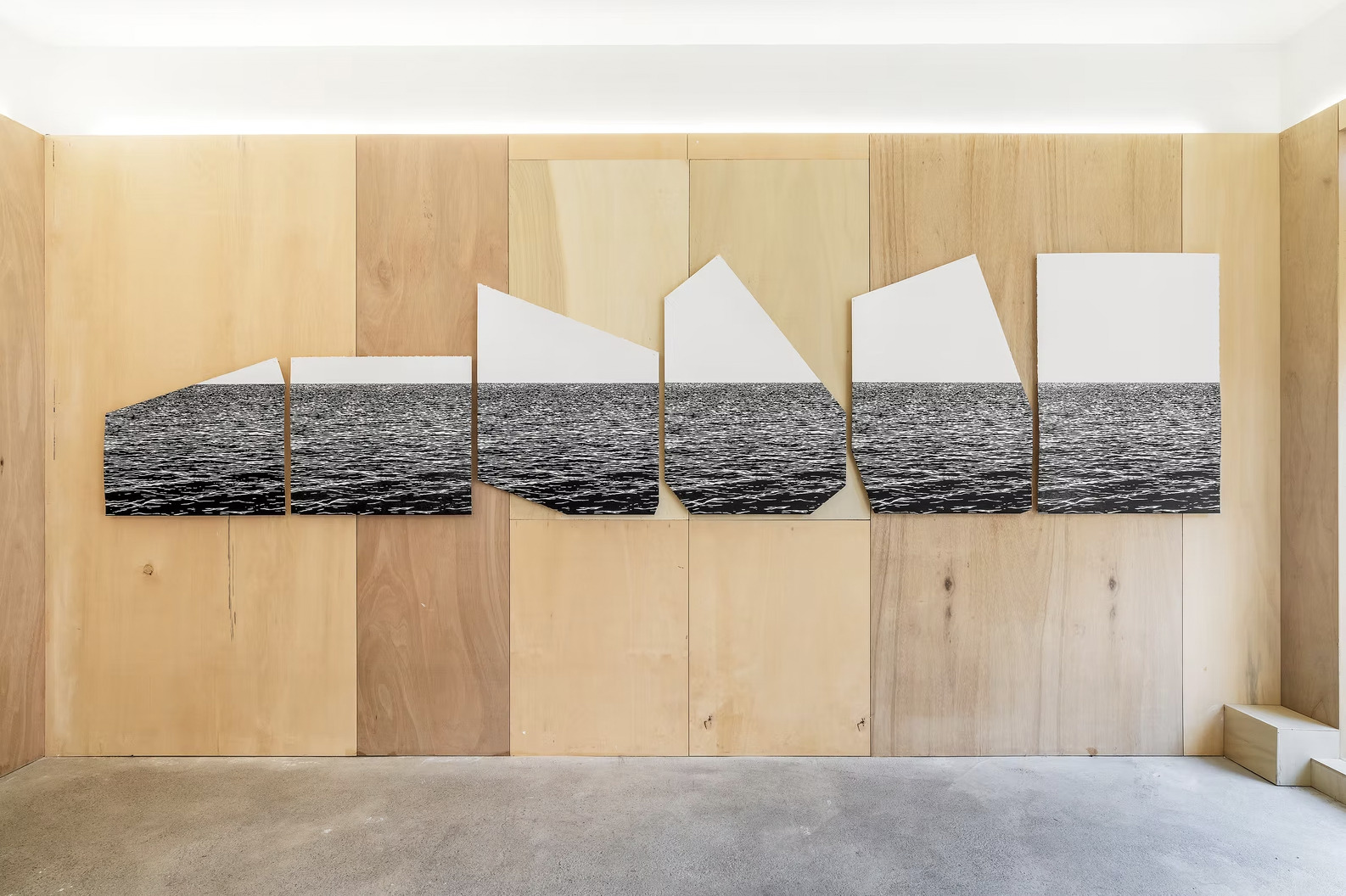
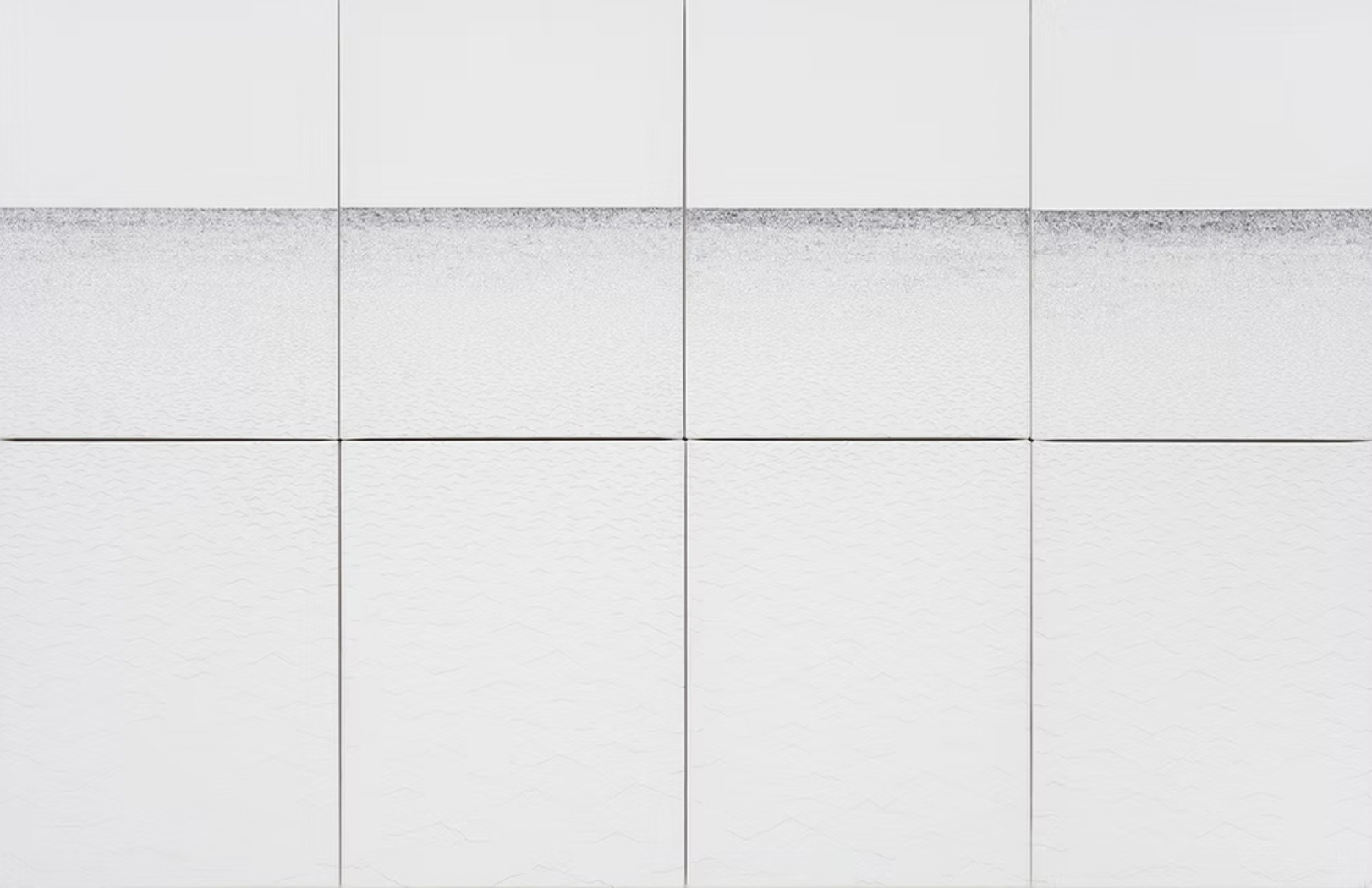
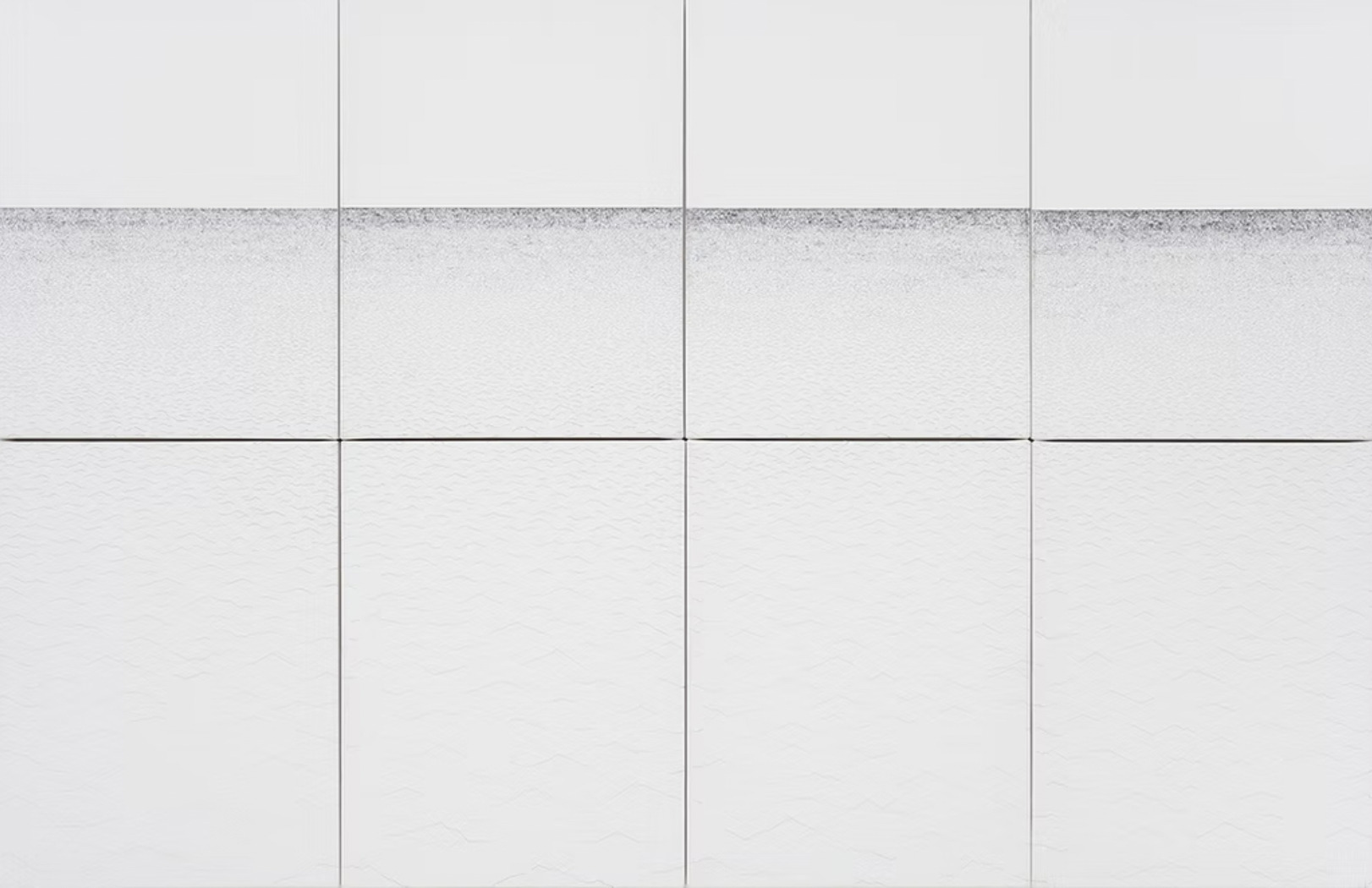
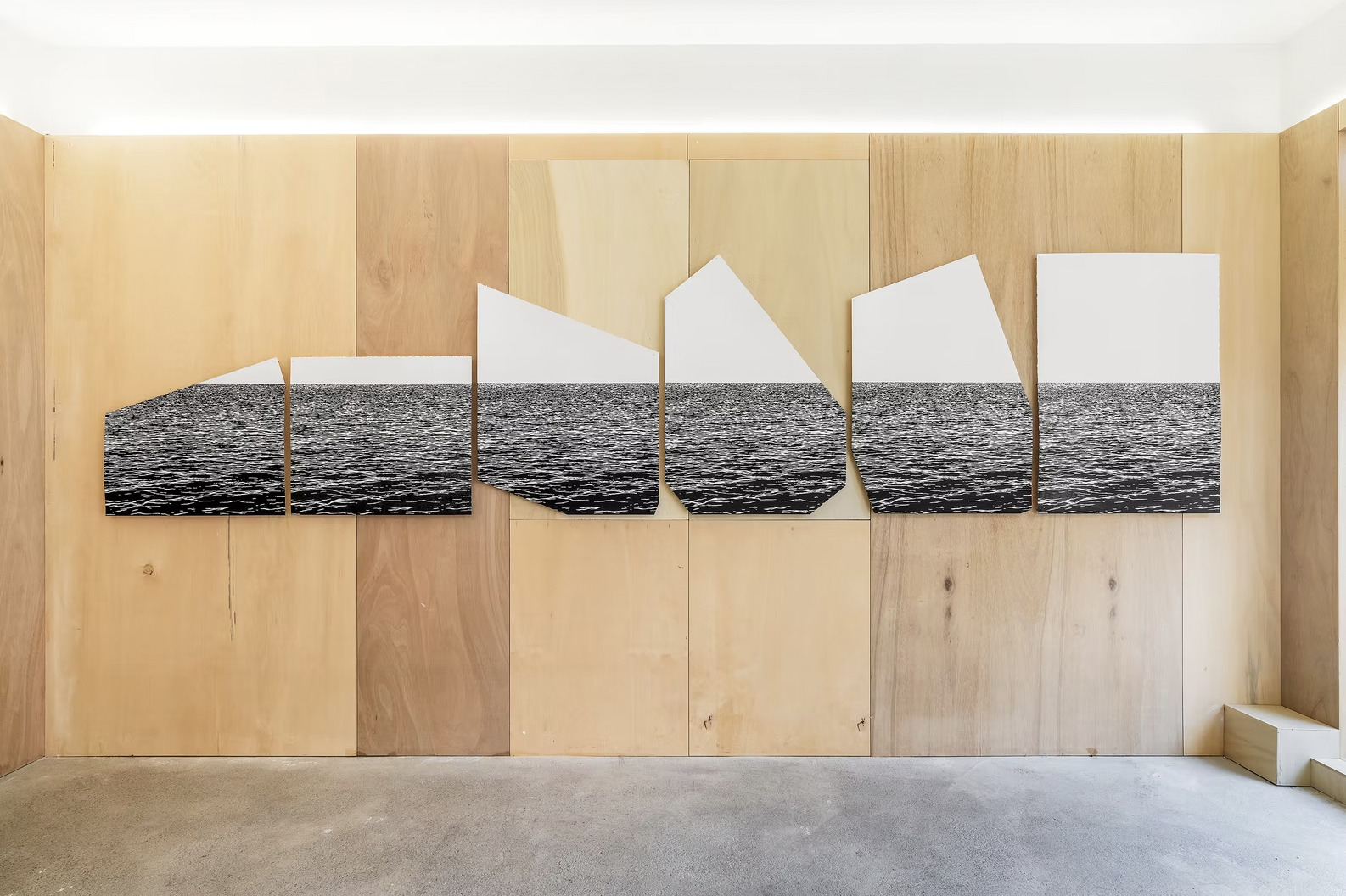
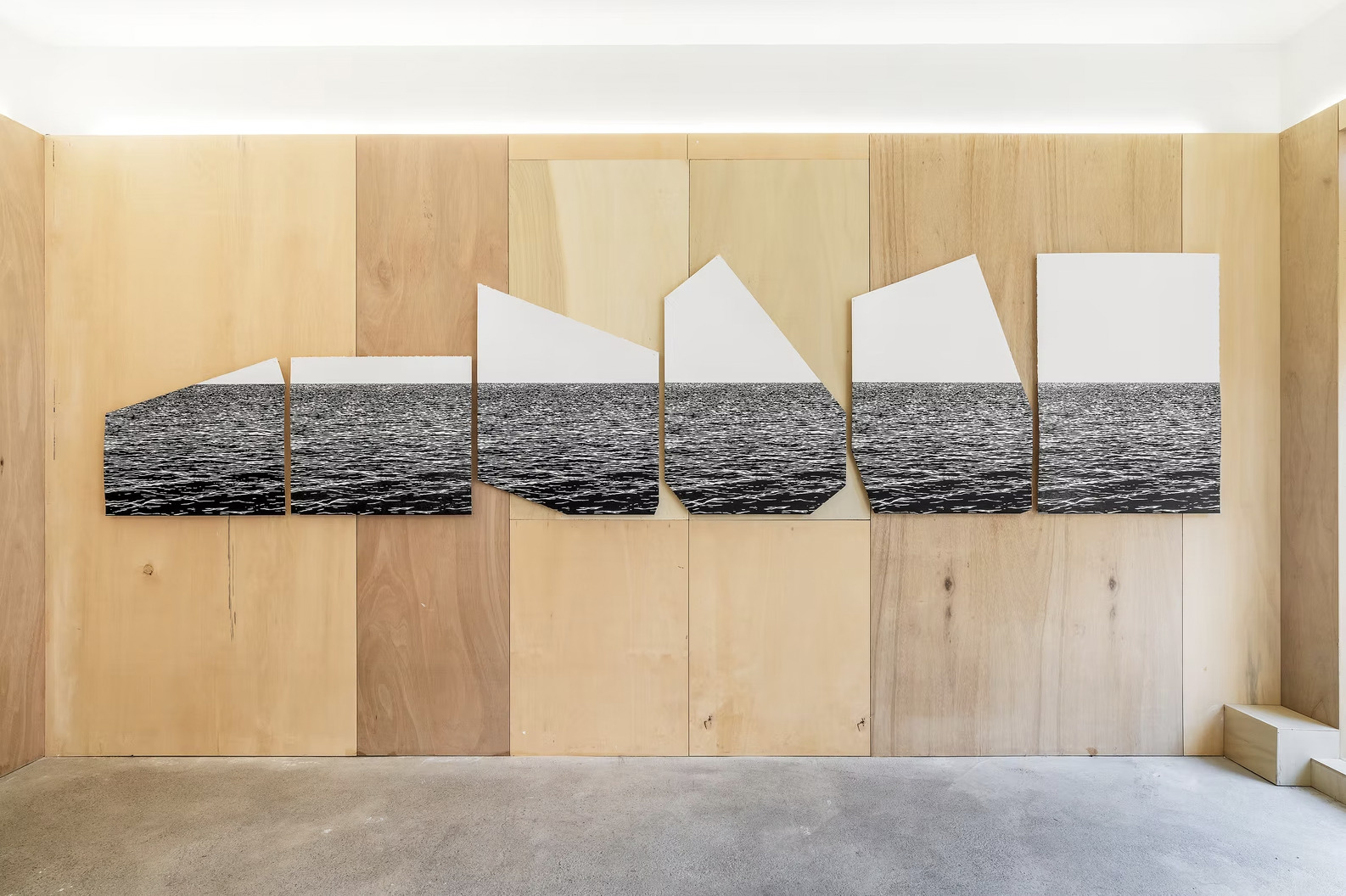
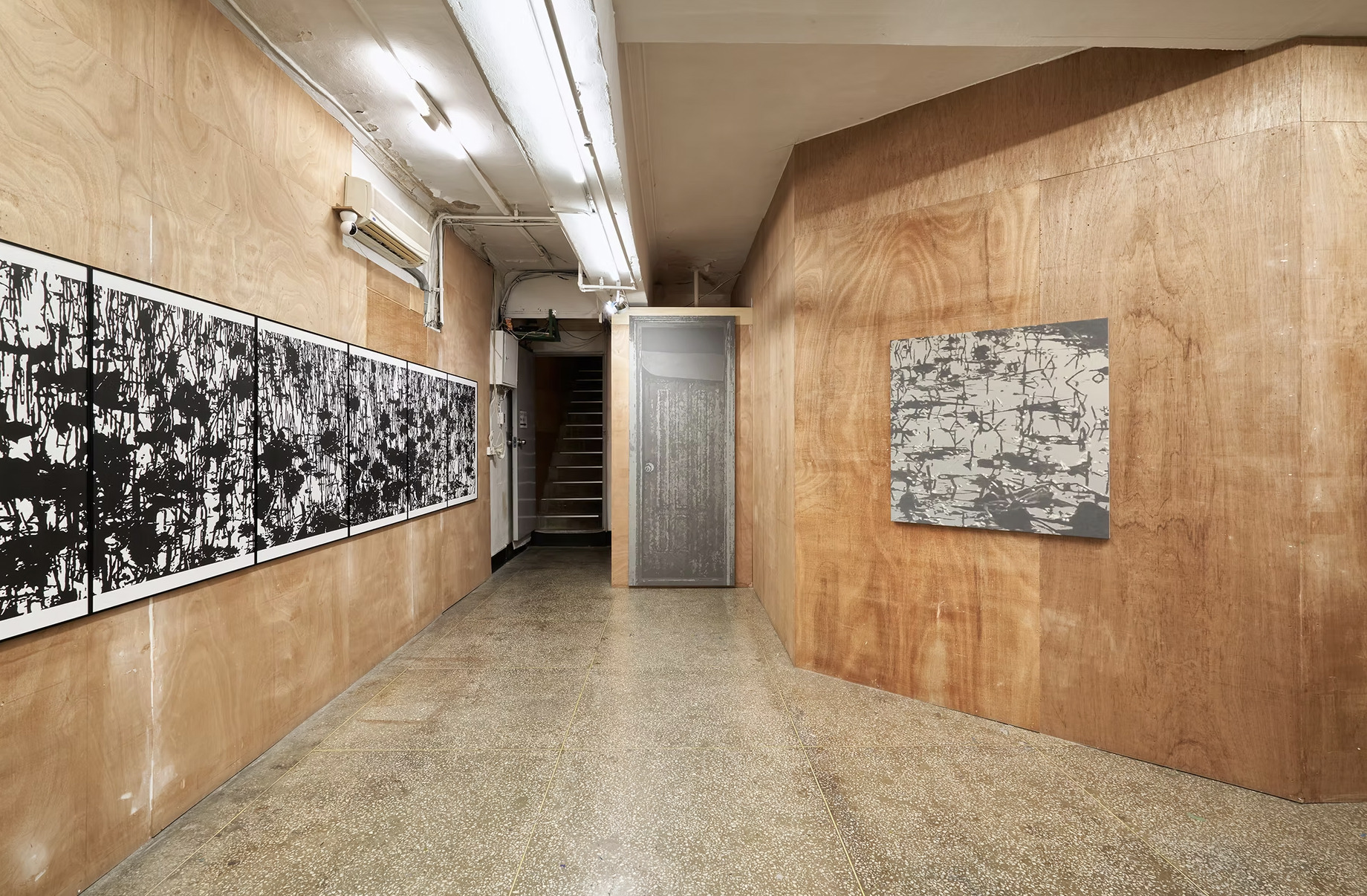
Jaehyoung Im, Equilibrium, 2020, Woodcut on paper, 100x430cm © Jaehyoung Im

Through surfaces built up slowly and delicately in thin layers, Im leaves behind what might be understood as the shed skins of past presences. His works often reveal subtle strata of what lies obscured beyond immediate visibility.
 
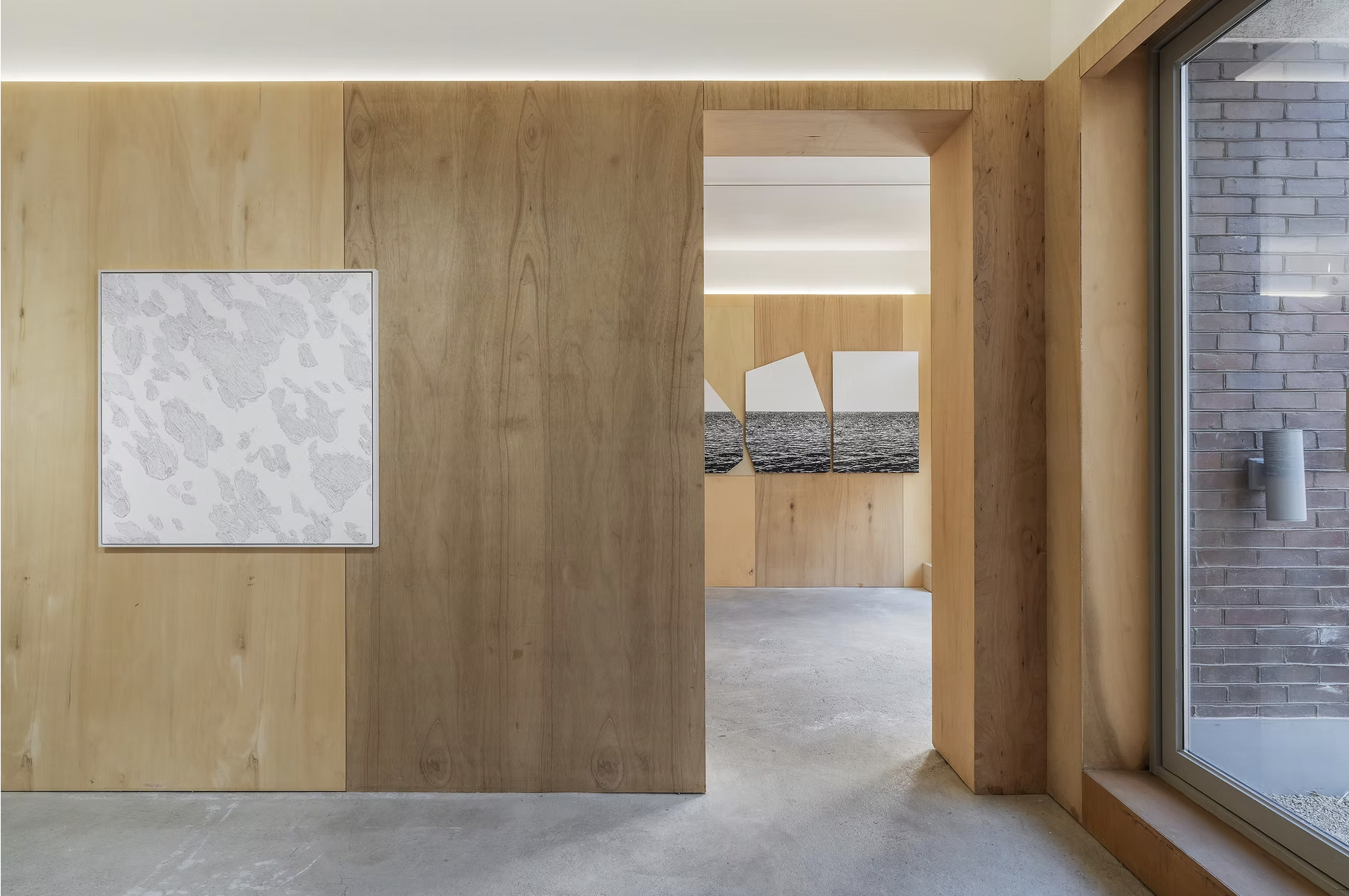
For instance, Equilibrium (2020), a woodcut print reflecting feelings of helplessness and anger in response to the Sewol ferry disaster, presents a horizon line across the sea within an obliquely cut frame.
 
At first glance, the horizon appears calm and orderly, to the extent that one may momentarily forget the irregular shape of the background. Yet upon closer inspection, countless marks left by carving tools emerge across the surface, resembling wounds etched into the sea itself.


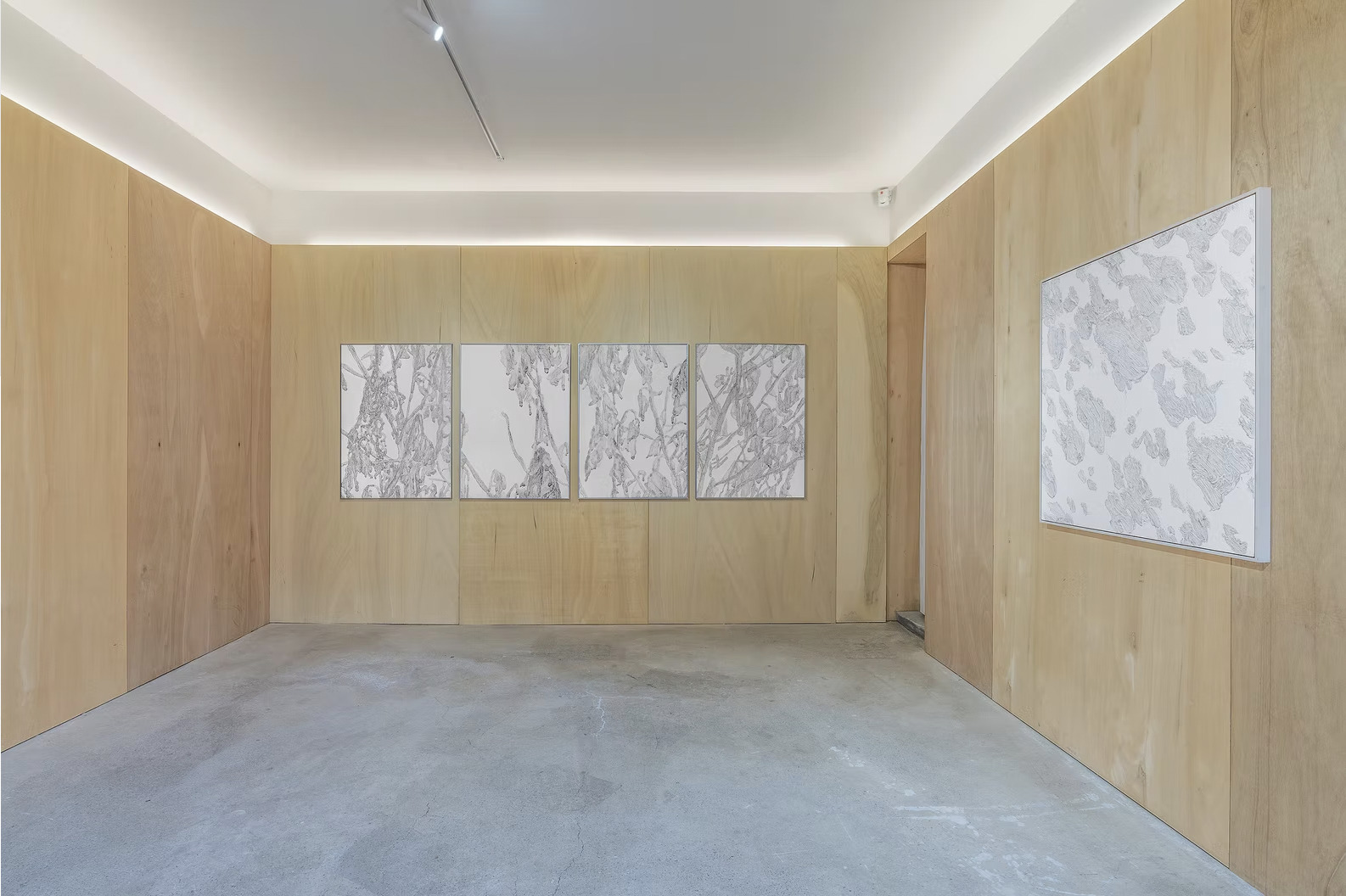
Installation view of 《Tracing on Emptiness》 (ONSU-GONGGAN, 2020) © Jaehyoung Im

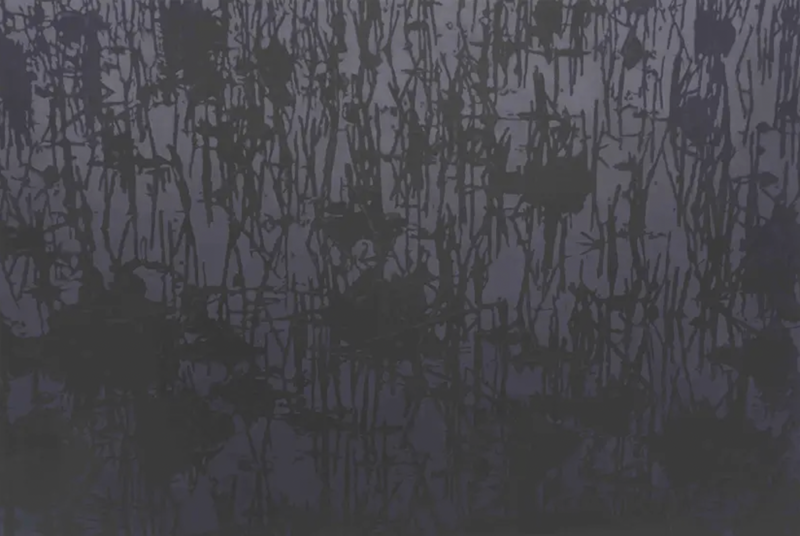
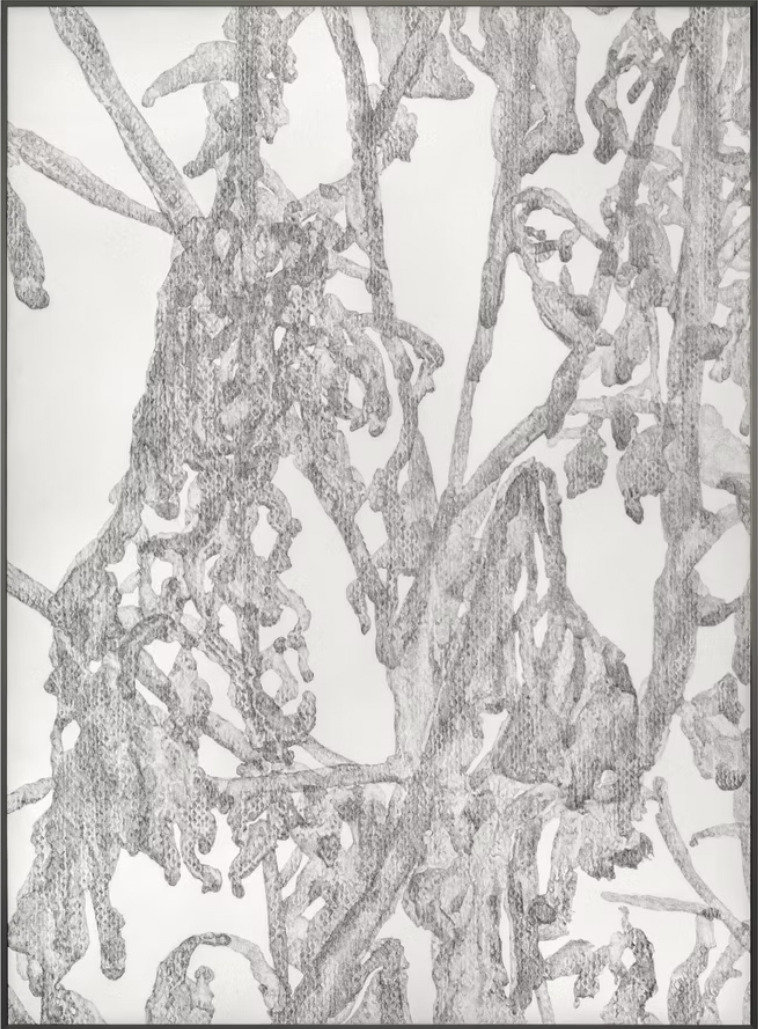
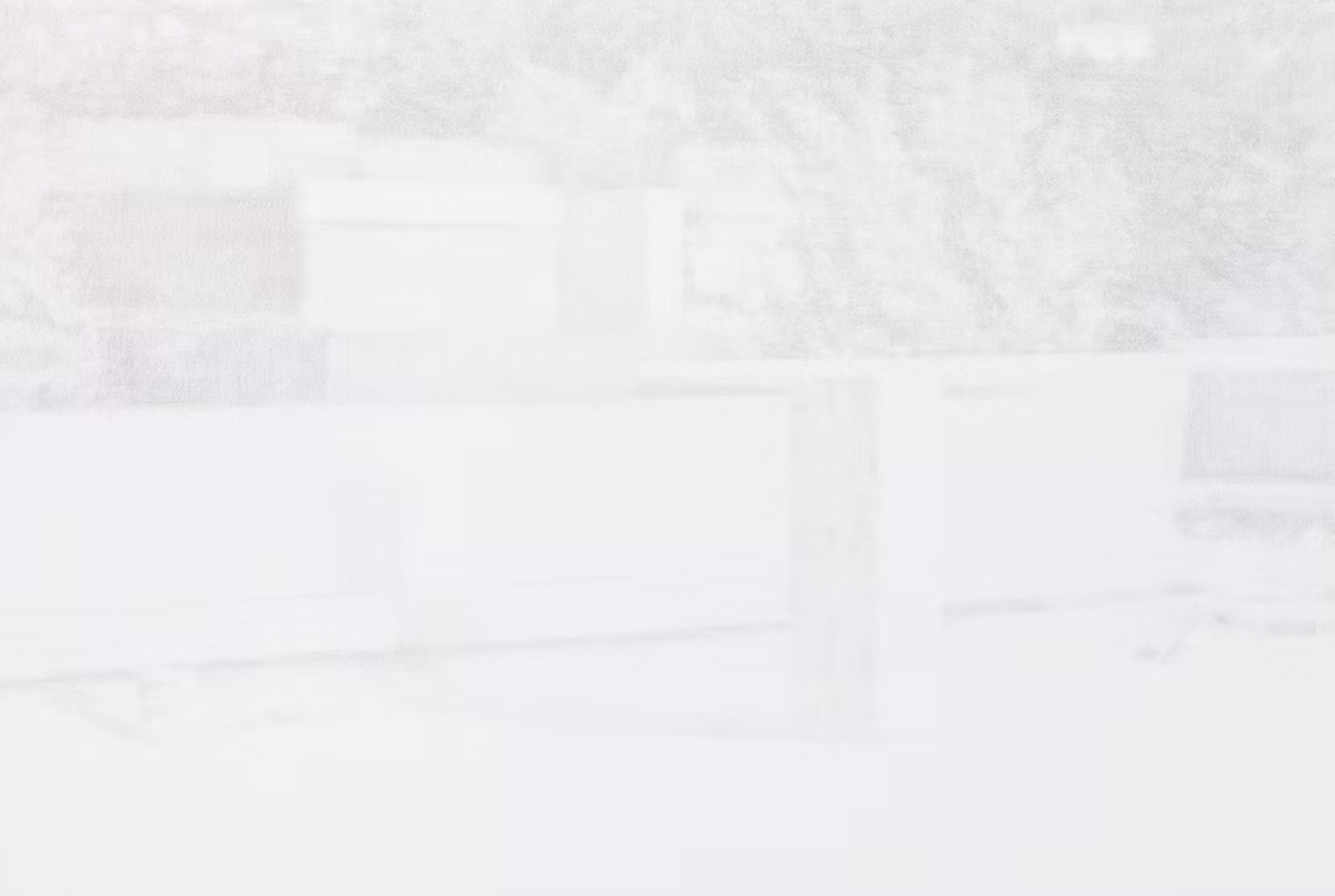
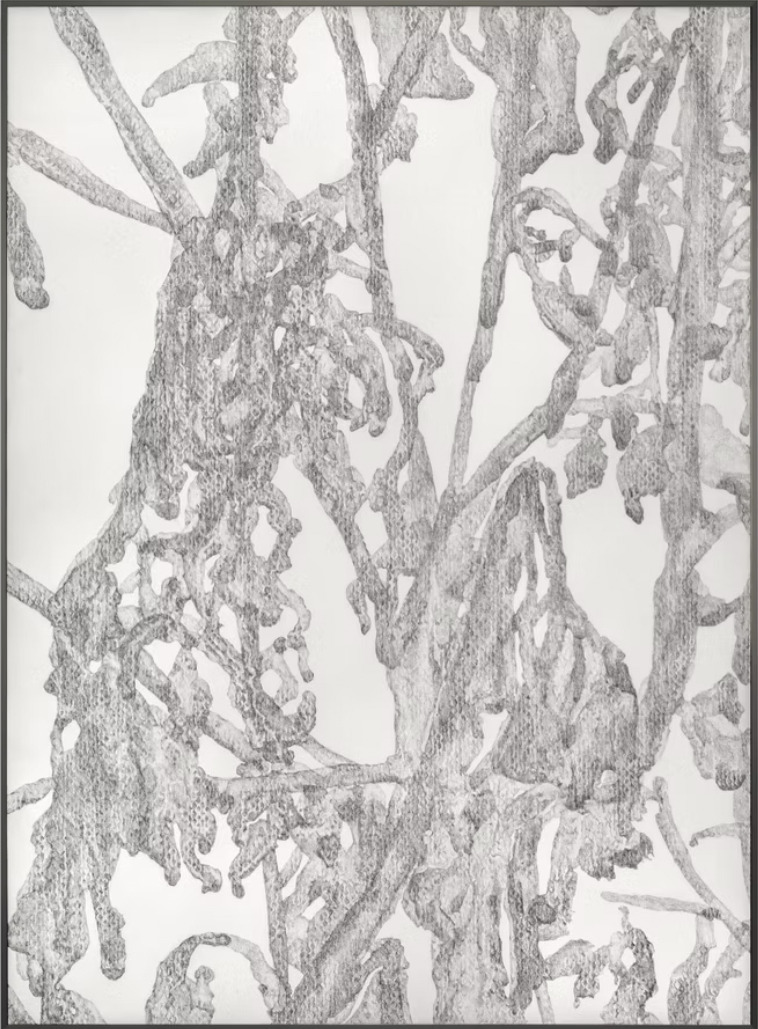
Another group of works in the exhibition, ‘Withered Strokes’ (2020) and ‘Heavy Snow’ (2019), visualizes the passage of time associated with things that have disappeared or are on the verge of disappearing by redrawing an image that has already been made.
 
The artist enlarges fragments of works that were originally executed quickly with fluid materials and painstakingly recreates them in pencil on paper. Rendered slowly and dryly, these drawings faithfully preserve the material qualities and textures of the original medium.


Jaehyoung Im, Withered Strokes, 2020, Pencil on paper, 98x70cm (1 of 4 pieces) © Jaehyoung Im

The subjects of these works—withered plants and snowflakes—are themselves things that have either already passed through a certain span of time and disappeared, or are destined to vanish soon.
 
Im painted dried plants with water-based materials, leaving behind flowing traces, while snow, which would soon melt away, was rendered with thick, viscous paint. At a later stage, he revisited and recreated the material qualities of these recorded images in pencil.
 
As the layers of time that the artist traces and redraws become increasingly stratified, viewers are invited to linger more slowly over the things that once accompanied him, carefully retracing their presence through the accumulated passages of time.


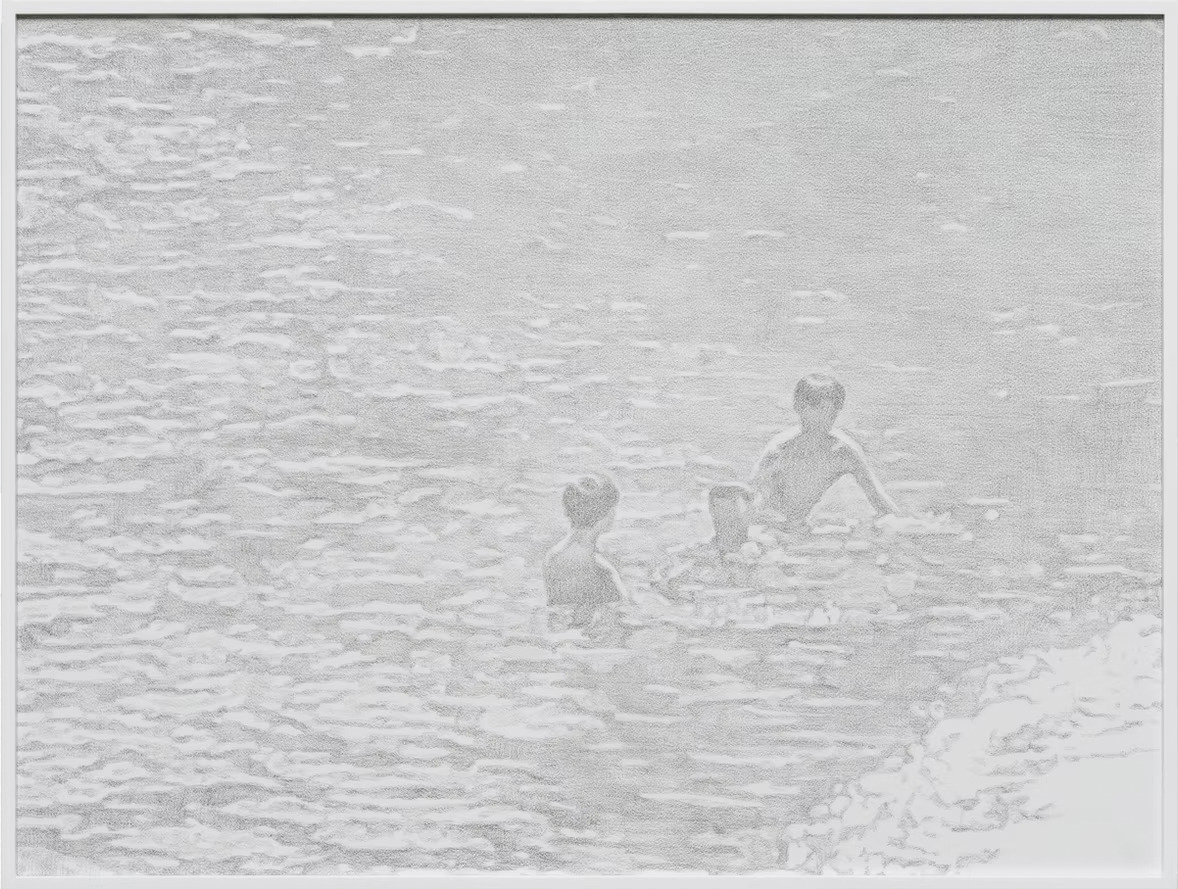
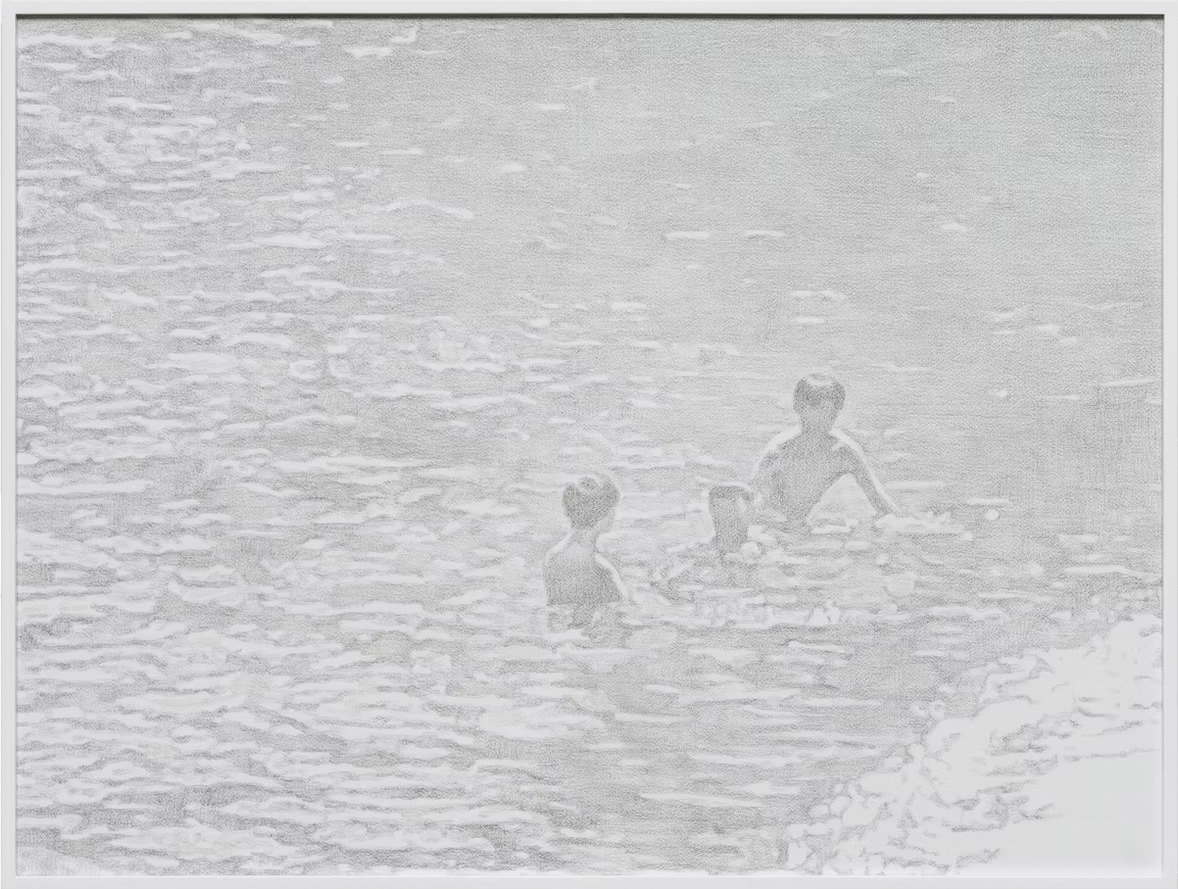
Jaehyoung Im, Generation, 2022, Pencil on paper, 72x91cm (1 of 9 pieces) © Jaehyoung Im

In this way, Im has continually reflected on the meaning of drawing by formalizing attitudes toward loss, dedicating himself to the question of how to depict what is absent and how to give form to its significance.
 
During his residency at the Incheon Art Platform in 2022, the artist began developing a new body of work centered on the theme of “generation.”
 
Defined as a group of people of a similar age who share a common consciousness shaped by living in the same era, the concept of generation became a framework through which Im examined the ways individuals, families, and even broader cultural communities are categorized and differentiated according to shared experiences and temporal conditions.
 
Focusing on the emotions and perspectives that circulate around generations—the sharing or rupture of viewpoints formed through common experiences, the inclusion and exclusion that arise from such dynamics, and the psychological responses of those who observe these phenomena—the artist explores layers of temporality. In doing so, he considers the repeated emergence and disappearance of particular ways of seeing the world across time.


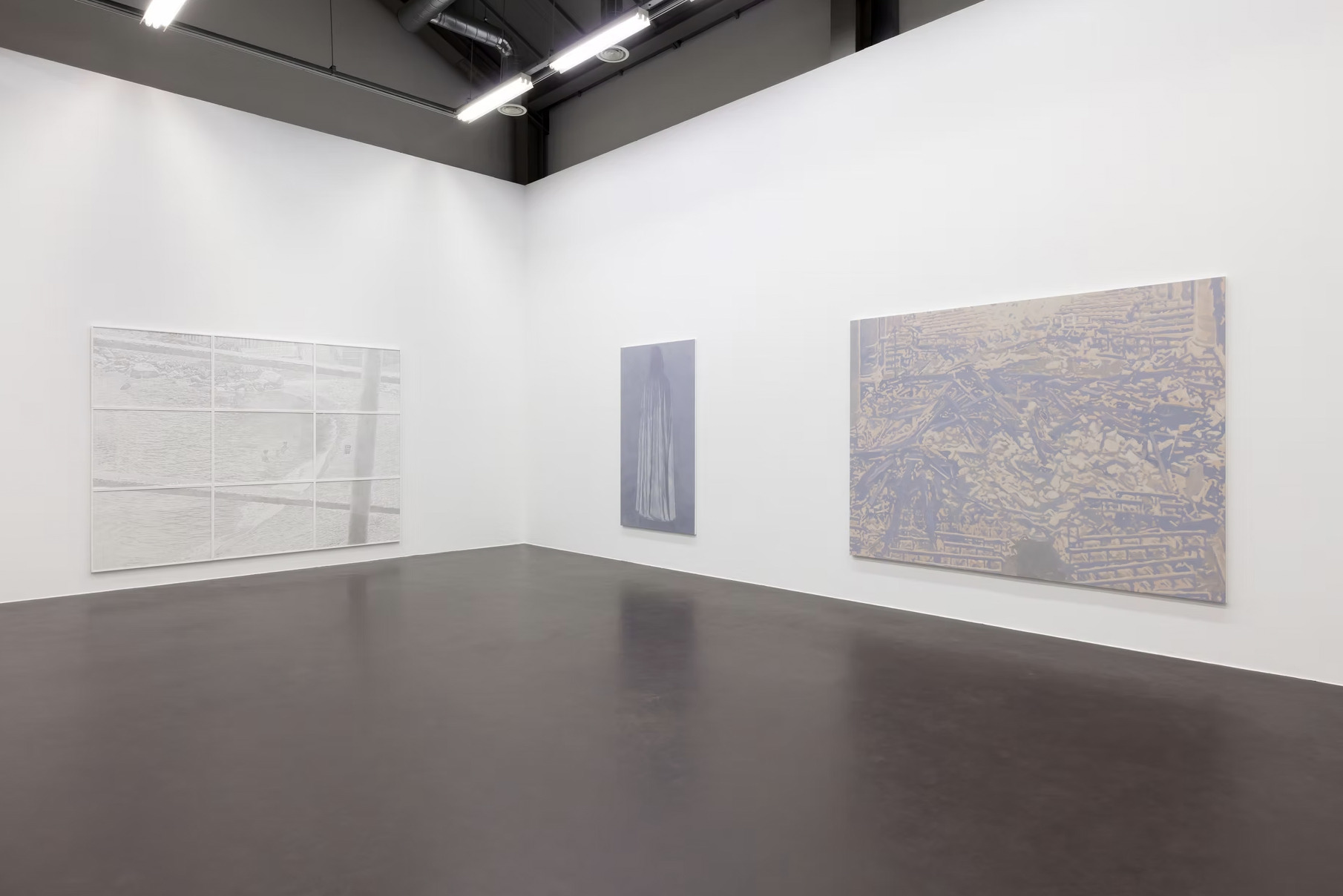
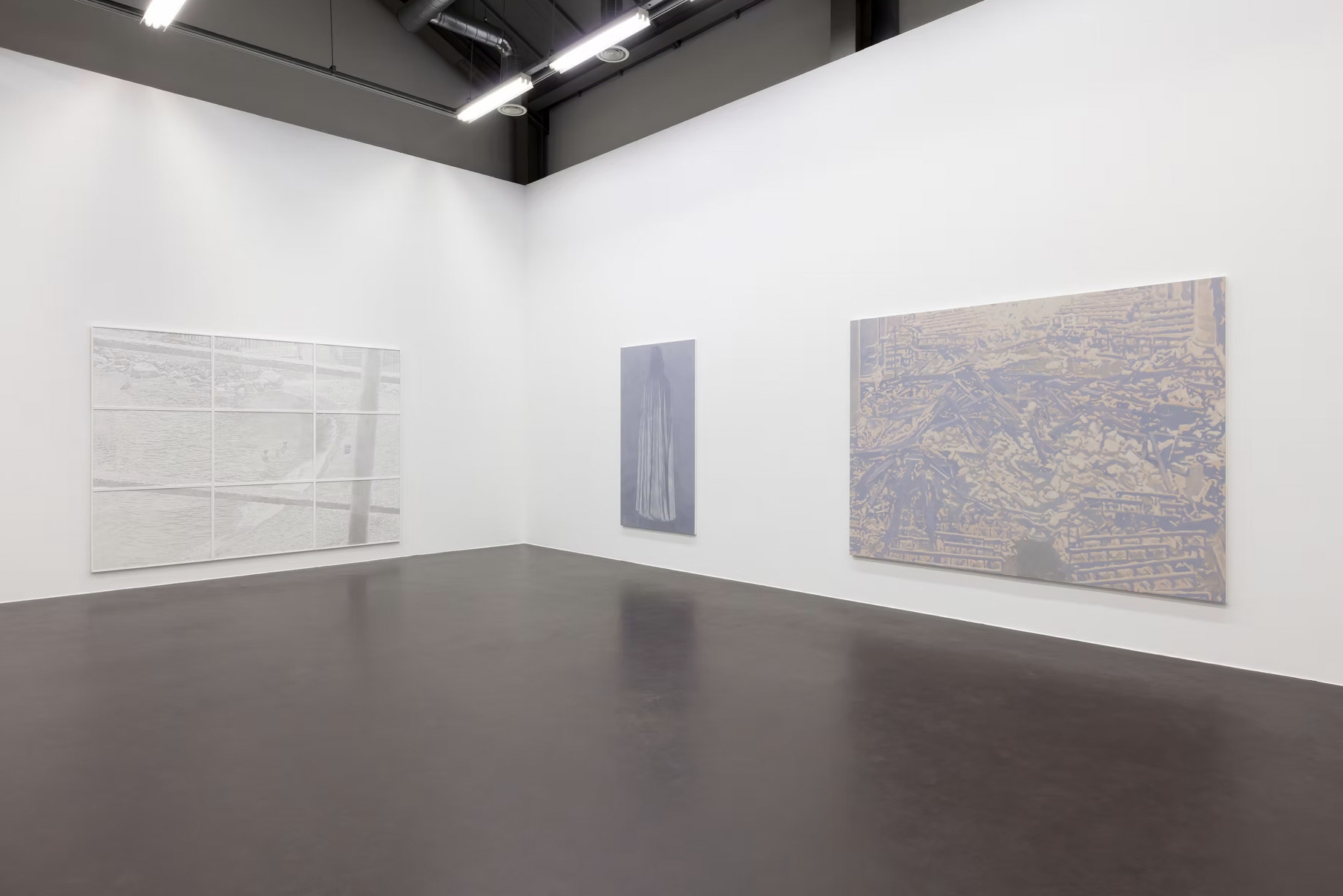
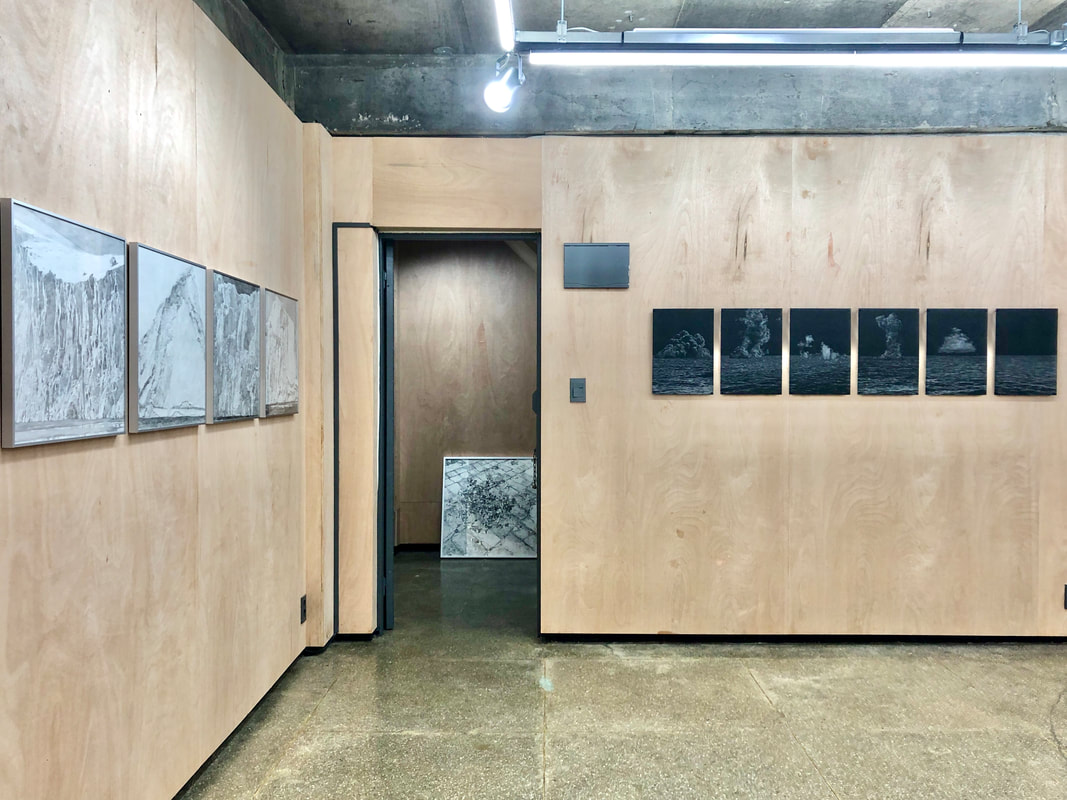
Installation view of 《The Sea, Smoke and Shade》 (Incheon Art Platform, 2022) © Jaehyoung Im

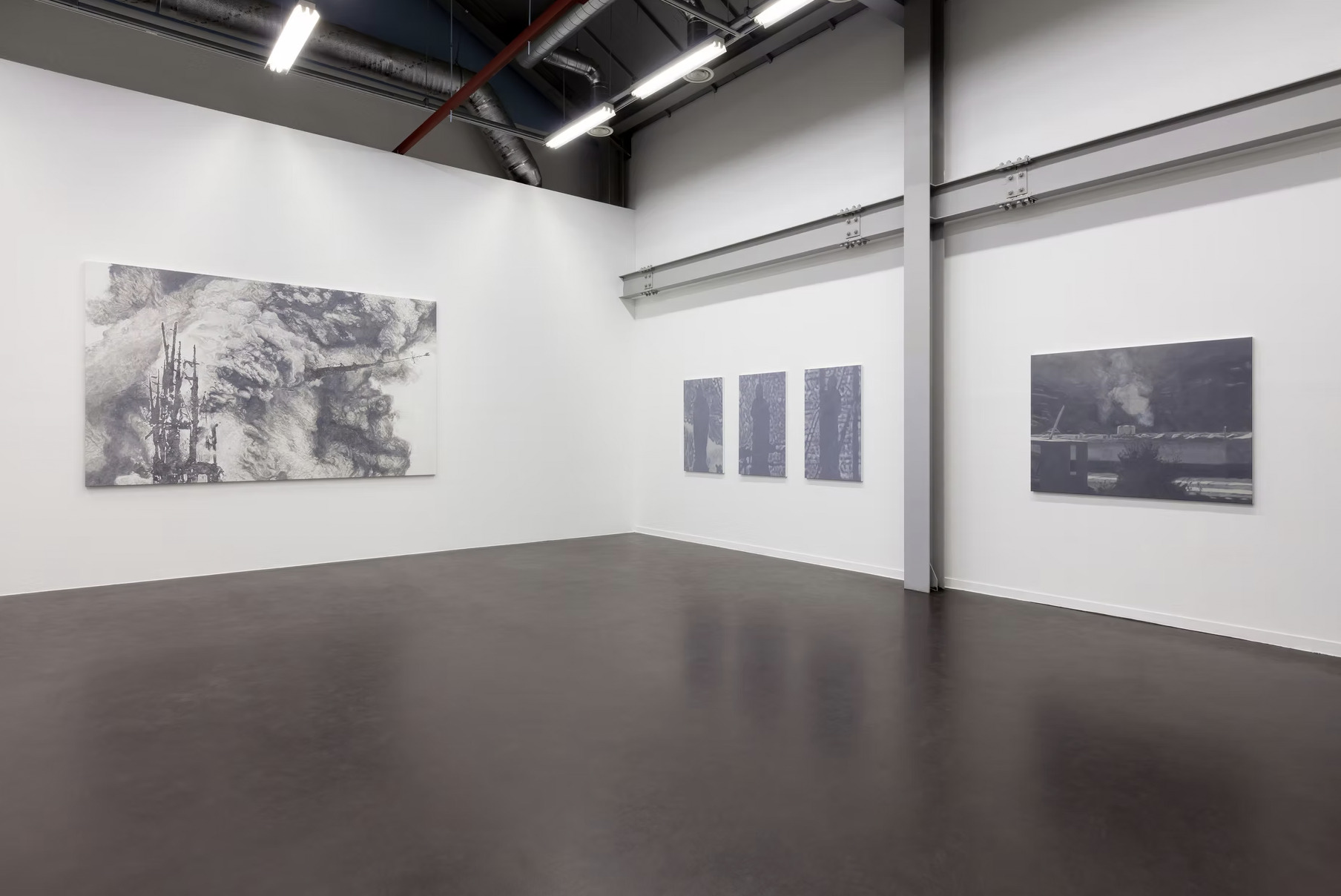
For example, in his solo exhibition 《The Sea, Smoke and Shade》 (Incheon Art Platform, 2022), Im presented works that encompassed experiences of both social and personal loss, including the Sewol ferry disaster and the everyday life that followed it, the fire at Notre-Dame Cathedral, and the death of a family member.
 
The images that emerge in these works may be understood as stories about “events experienced by the same generation,” “stories that will be passed on to future generations only as images,” and “members of previous generations who gradually depart one by one.”
 
When dealing with subjects that are either emotionally close or distant, the artist carefully considers what constitutes an appropriate ethical distance and strives to maintain that distance in his work. As a result, some paintings appear so indirect that their subject matter becomes ambiguous. For Im, reflecting on the usefulness and significance of such an approach to painting is itself an essential part of his artistic practice.


Installation view of 《The Sea, Smoke and Shade》 (Incheon Art Platform, 2022) © Jaehyoung Im

The three words that make up the exhibition title—The Sea, Smoke and Shade—refer to amorphous presences that appear either directly or implicitly throughout the works. They are entities that are constantly changing or on the verge of disappearing.
 
Their formlessness emerges through their relationships with forces and phenomena of different natures: the sea is shaped by the moon’s pull, which causes the tides; smoke by the act of combustion; and shade by the presence of a source of light.
 
By capturing and fixing a fleeting moment of change or disappearance, the artist’s paintings paradoxically evoke the quality of the formless and the transient. In this sense, the sea, smoke, and shade may be understood as metaphors for impermanence.


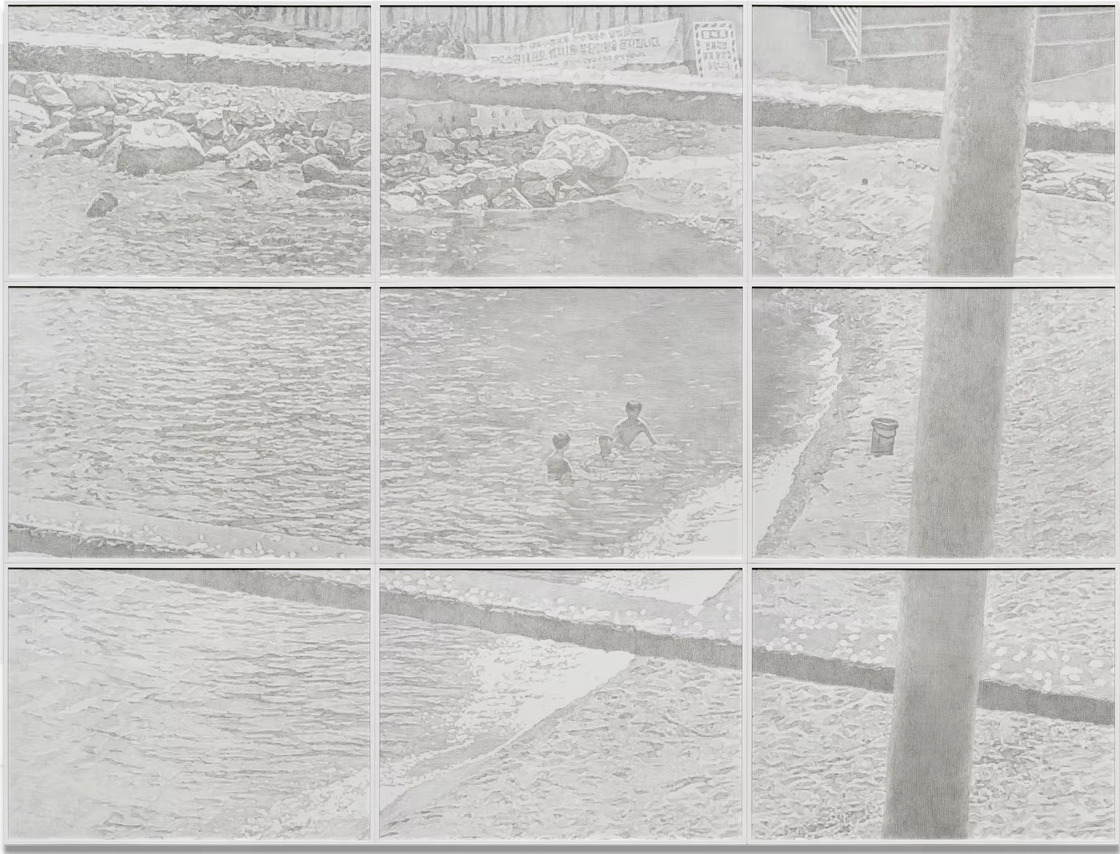
Jaehyoung Im, Generation, 2022, Pencil on paper, 216x285cm (9 pieces, each 72x91cm) © Jaehyoung Im

Because the sea, smoke, and shade are phenomena commonly encountered in everyday life, they serve as mediating elements that evoke different places and people while creating associations between seemingly unrelated events.
 
Through these motifs, the artist reflects on the differing meanings that the sea may hold for a child playing in the water and for himself. He also contemplates the stark contrast between “countless deaths” and “no deaths at all” by considering two events that occurred on the same date five years apart.
 
Likewise, he juxtaposes the destruction of a globally recognized religious landmark with the death of an unknown religious devotee, using this comparison to reflect on the differing ways loss is perceived and remembered.
 
In this process, the time of painting becomes a slow and contemplative duration during which the artist repeatedly questions and reconsiders the relationships and meanings that emerge between intuitively selected subjects.


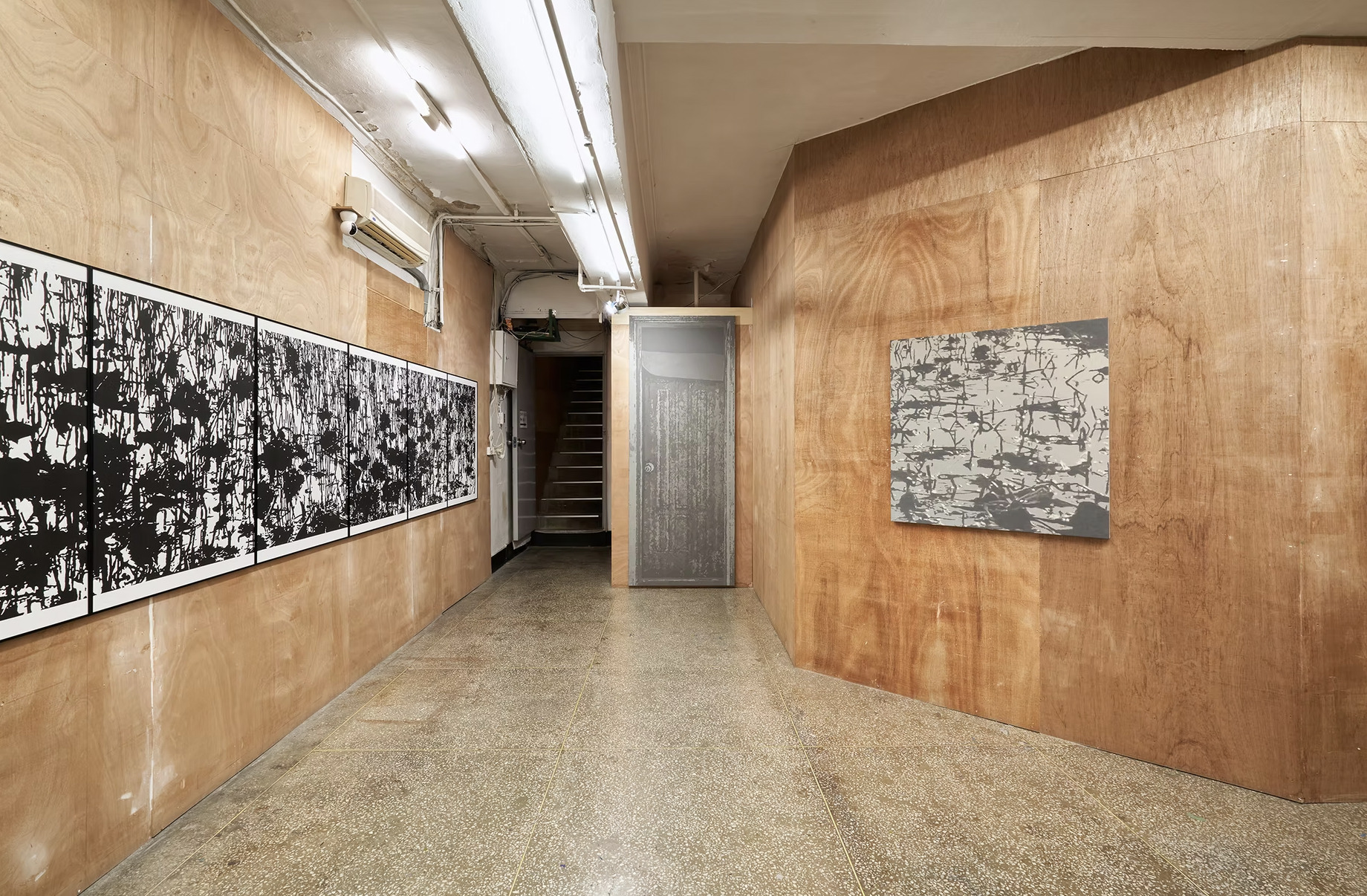
Installation view of 《The Furthest Way》 (Sahng-up Gallery, 2024) © Jaehyoung Im

The works presented in Im’s 2024 solo exhibition 《The Furthest Way》 at Sahng-up Gallery emerged from the artist’s encounter with a winter pond, where severed branches protruded from the water and seemed suspended in time. Within this landscape, traces of previous generations coexisted with the promise of those yet to come.
 
Surrounded by a scene filled with what has departed, what has not yet arrived, and what is currently passing by, the artist traced the forms of branches as though transcribing an unreadable text. He then gradually filled the surface of the water with color, carefully attending to the reflections of the ever-changing sky, much as one measures the spacing between letters and lines in a manuscript.


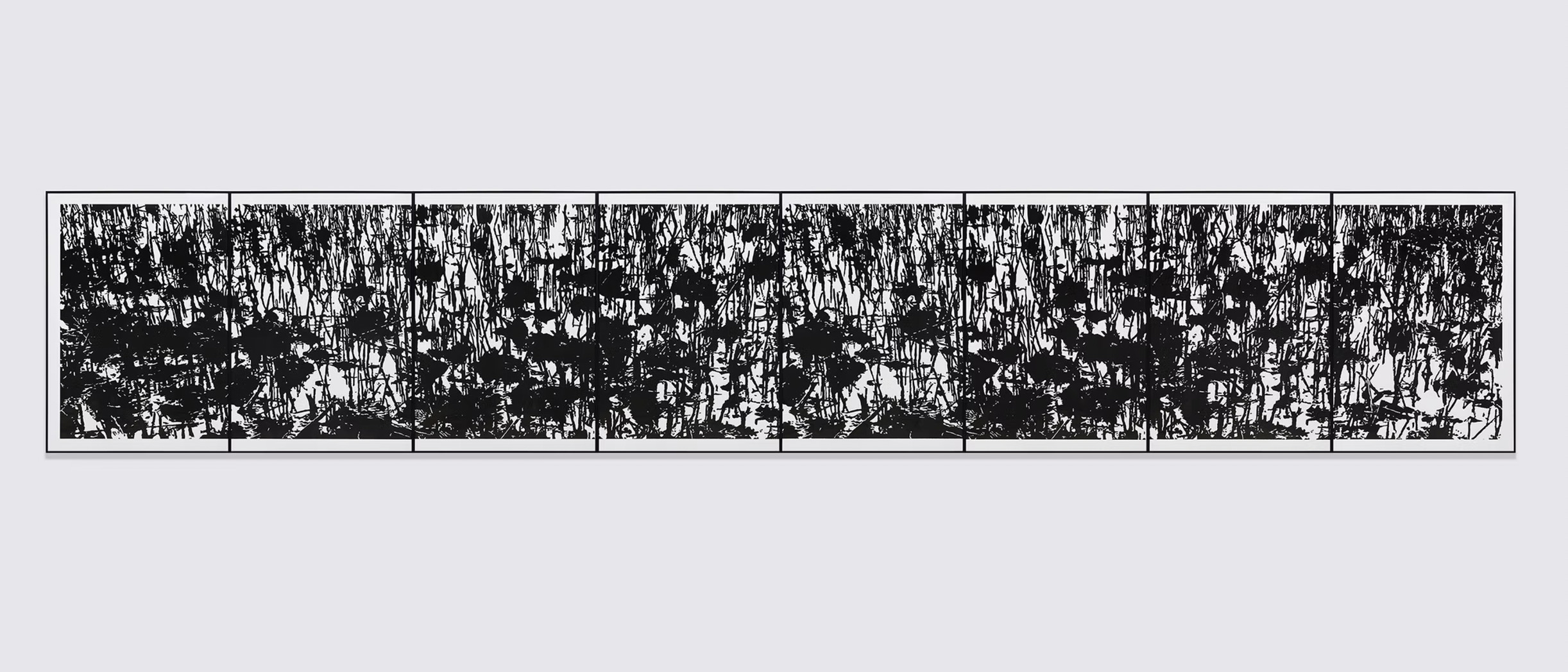
Jaehyoung Im, Day to Day, 2024, Woodcut on paper, 100x560cm © Jaehyoung Im

Among these works, Day to Day (2024) consists of eight paintings arranged in a structure where three images are repeated between the first and the last panel. This composition serves as a metaphor for the recurring cycles of day and night, the changing seasons, and the rhythms of everyday life that unfold between the singular beginning and end of a human life.
 
The title “Day to Day” likewise refers to the repetition of daily existence while emphasizing that each day remains a distinct and irreducible moment in time.
 
Within the paintings, black and white, presence and absence, branch and non-branch, water and non-water share the same boundaries and exist in direct relation to one another, each defining the form of the other through their adjacency.


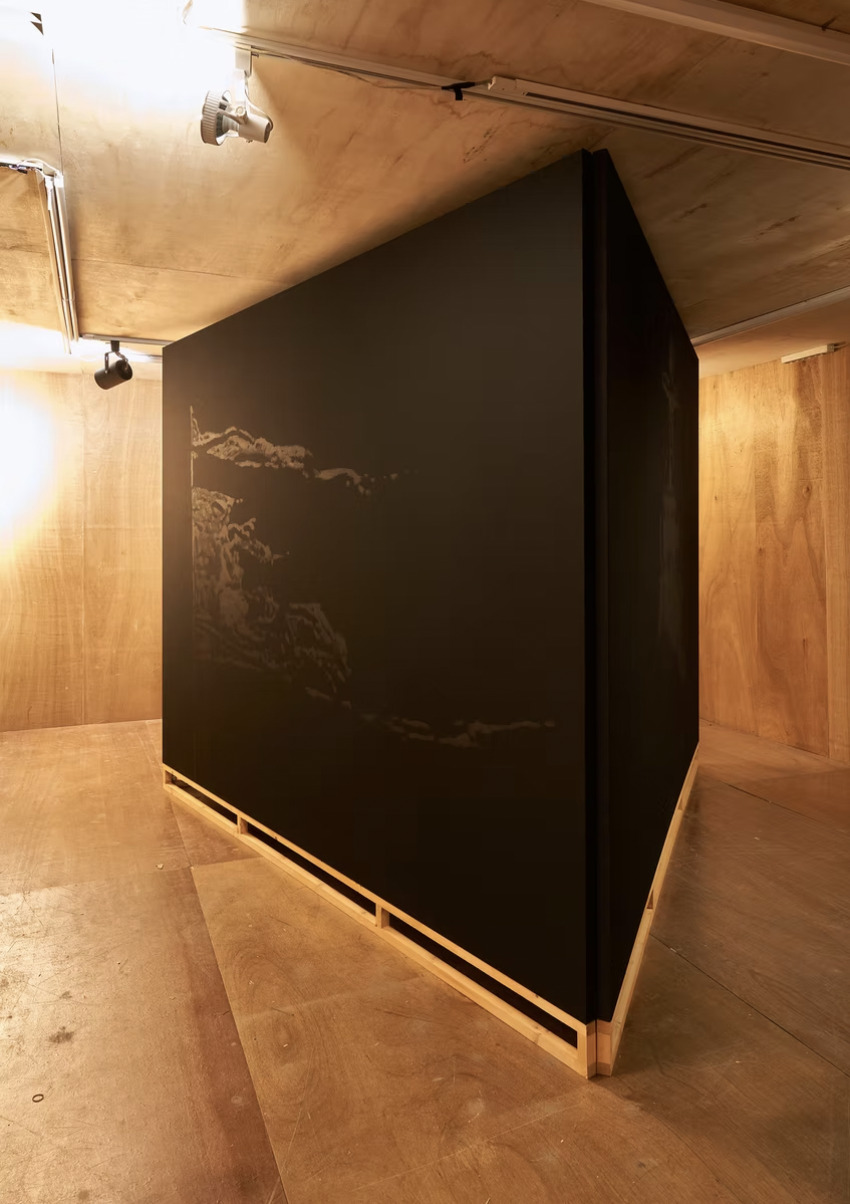
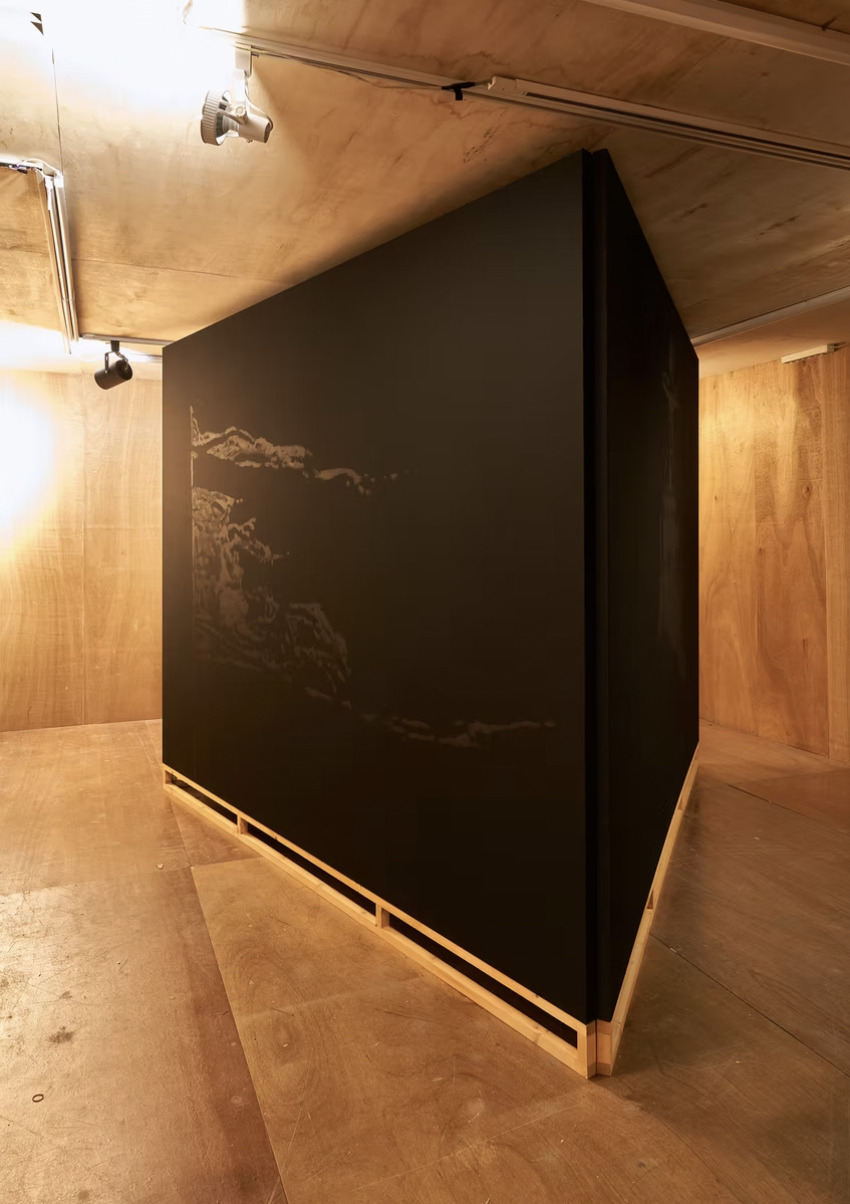
Jaehyoung Im, Montage, 2023, Acrylic on canvas, each 194x259cm (3 pieces) © Jaehyoung Im

Meanwhile, the ‘Montage’ (2023) series explores how individuals construct systems of meaning by connecting seemingly unrelated experiences. Installed on a triangular structure, the paintings are presented without a predetermined sequence, allowing viewers to see only one image at a time. Rather than forming a fixed narrative, the works invite viewers to move between images, establish their own associations, and generate meaning through the act of looking.
 
The various bodies of work that comprise the exhibition are likewise interpreted in relation to one another. Depending on which image serves as a point of reference, a pond landscape may come to signify death, while a window or doorway may evoke the everyday life that follows loss.
 
In this way, meaning remains unfixed; each work is continually reconfigured within different contexts according to the experiences and perspectives of the viewer.


Jaehyoung Im, Pond, 2023, Acrylic and oil on canvas, 194x259cm © Jaehyoung Im

In this way, Im has collected images of personal and collective loss, exploring the relationship between disappearance and the act of painting through a wide range of approaches. His paintings privilege faint silhouettes and expanses of emptiness over explicit representation, inviting viewers to confront the sensation of absence itself.
 
His works extend beyond the depiction of landscape, functioning instead as sites where the traces of time and the emotions embedded within them are made visible. As a result, Im’s paintings move beyond representation to create a contemplative space in which viewers can reflect on the relationship between presence and absence.

”Pictures with indifferent or placid impressions seem to be there rather than insisting on their meaning or trying to convey something. Therefore, they may feel like puzzles that can never be fully grasped. This could induce an unresolved discomfort or a curiosity to look again and again depending on the viewer.” (Jaehyoung Im, Artist’s Note)


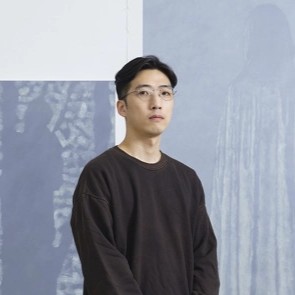
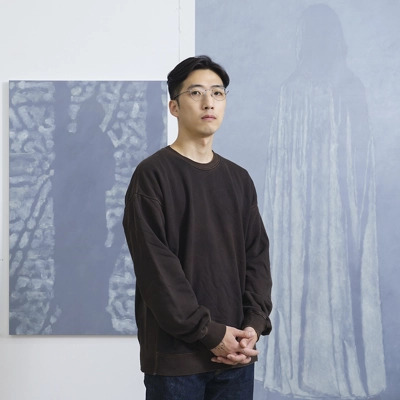
Artist Jaehyoung Im © Artue

Jaehyoung Im graduated from the Department of Western Painting at Seoul National University and received an MFA in Printmaking from the university’s Graduate School of Western Painting.
 
His solo exhibitions include 《Blank Reading》 (PS CENTER, Seoul, 2024), 《The Furthest Way》 (Sahng-up Gallery, Seoul, 2024), 《The Sea, Smoke and Shade》 (Incheon Art Platform, Incheon, 2022), 《Tracing on Emptiness》 (ONSU-GONGGAN, Seoul, 2020), and 《Whereabouts》 (Show and Tell, Seoul, 2020).
 
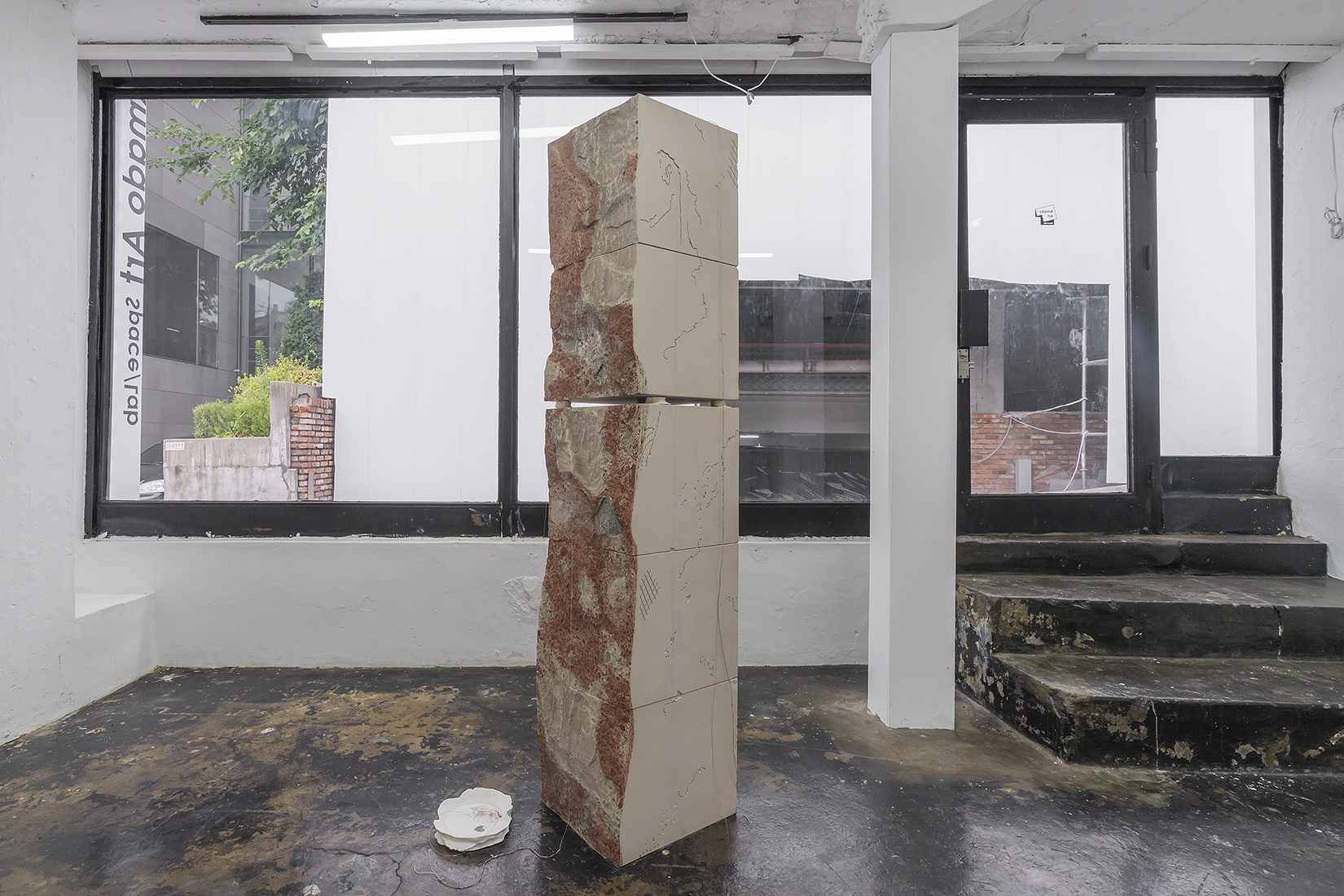
He has also participated in numerous group exhibitions, including Intangible 《Intangible Boundaries》 (Pipe Gallery, Seoul, 2025), 《Paint it Black》 (Amado Art Space, Seoul, 2024), 《Paranormal Opera》 (Alternative Space LOOP, Seoul, 2022), 《International Triennial of Contemporary Graphics in Novosibirsk》 (Novosibirsk State Art Museum, Novosibirsk, Russia, 2021), and 《About Your K》 (SeMA Storage, Seoul, 2020).
 
Im has additionally been selected for several residency programs, including the Cheongju Art Studio (2024), Suwon Art Space Pureunjedae Changjakseamteo (2023), and Incheon Art Platform (2022).
   

References