The dawn of the garden looking at the balance - K-ARTIST

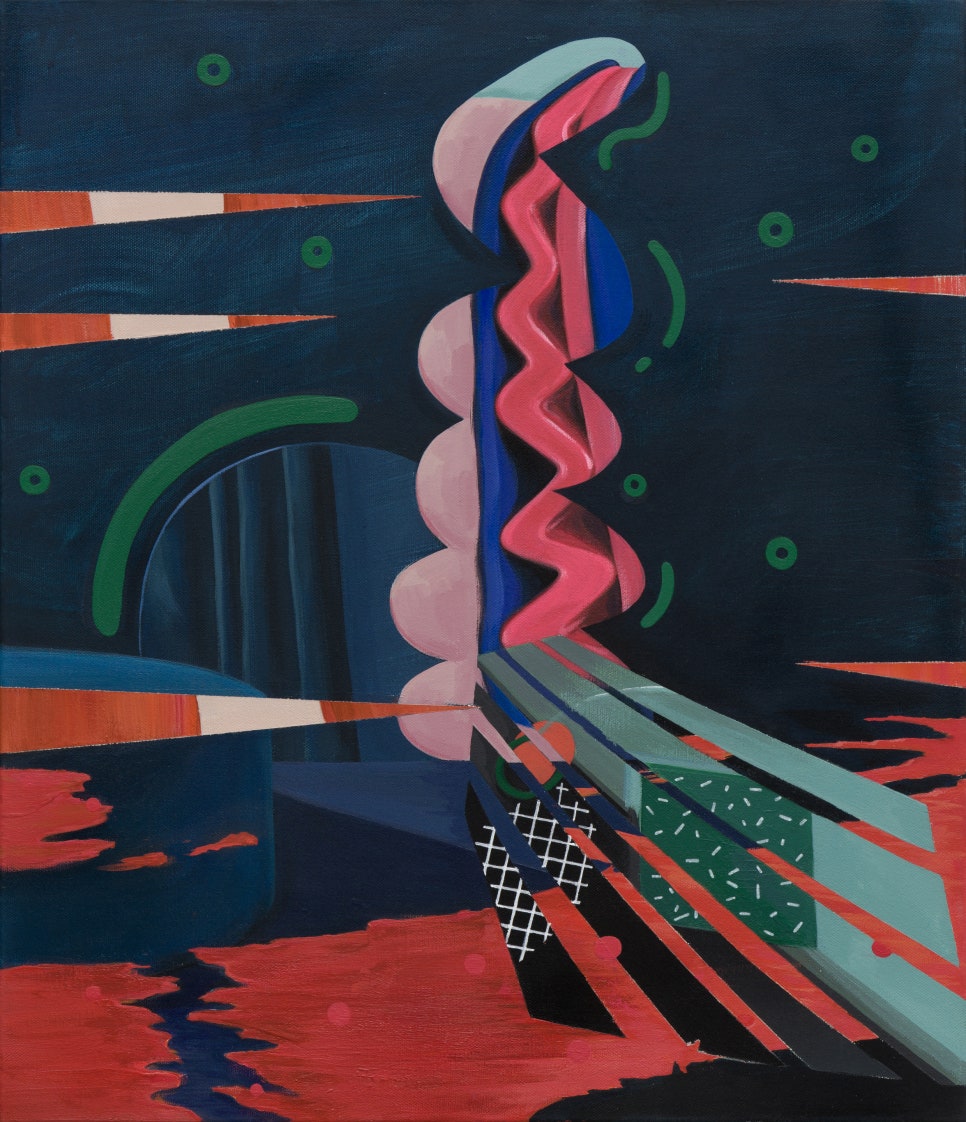
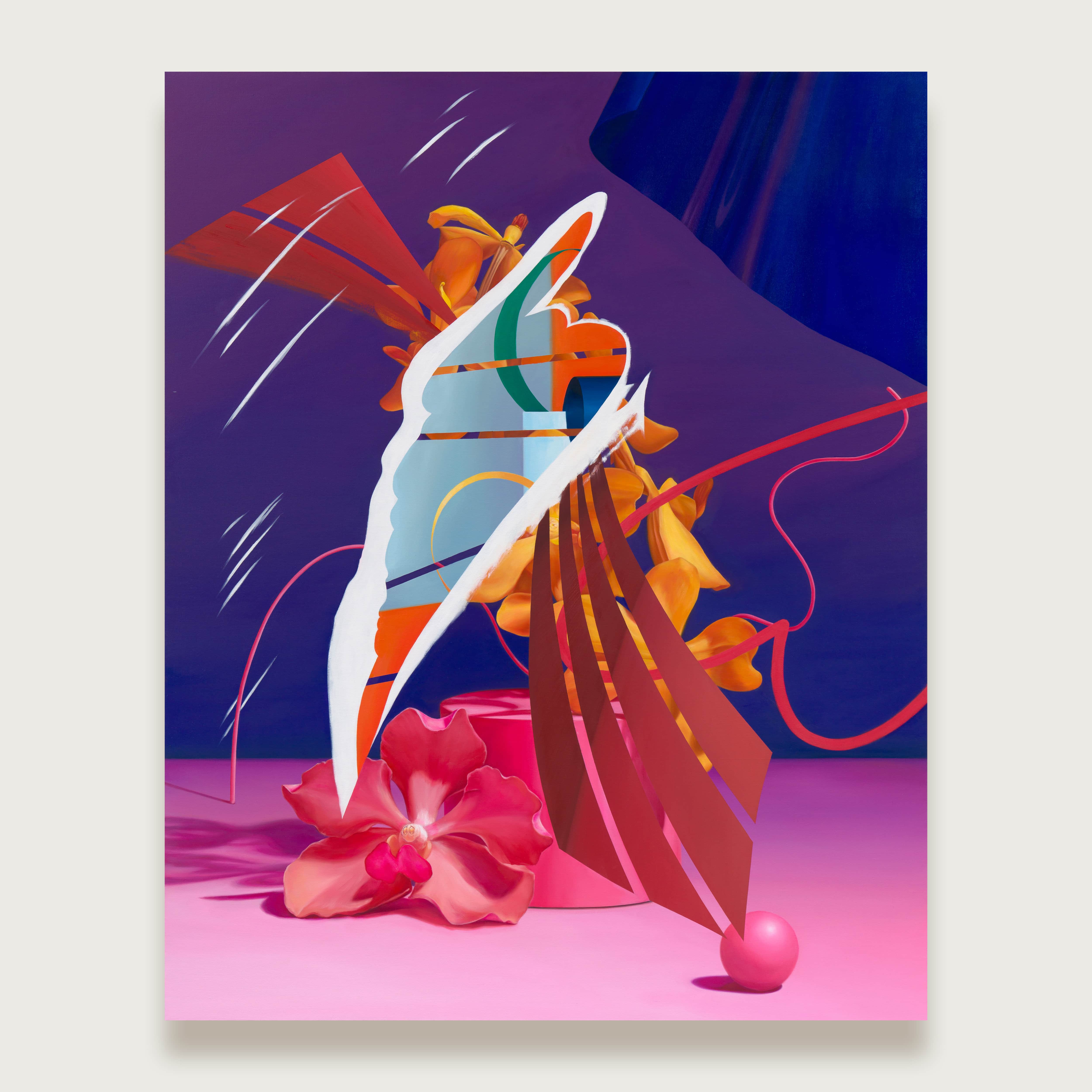
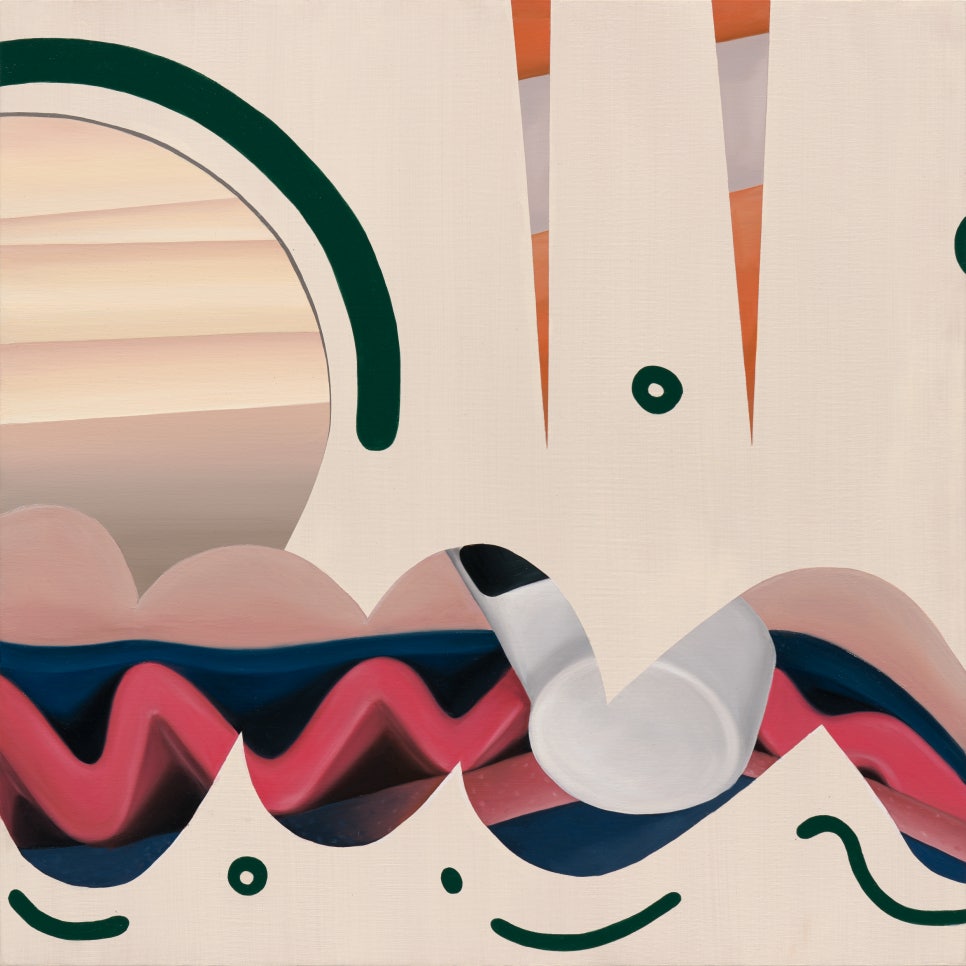
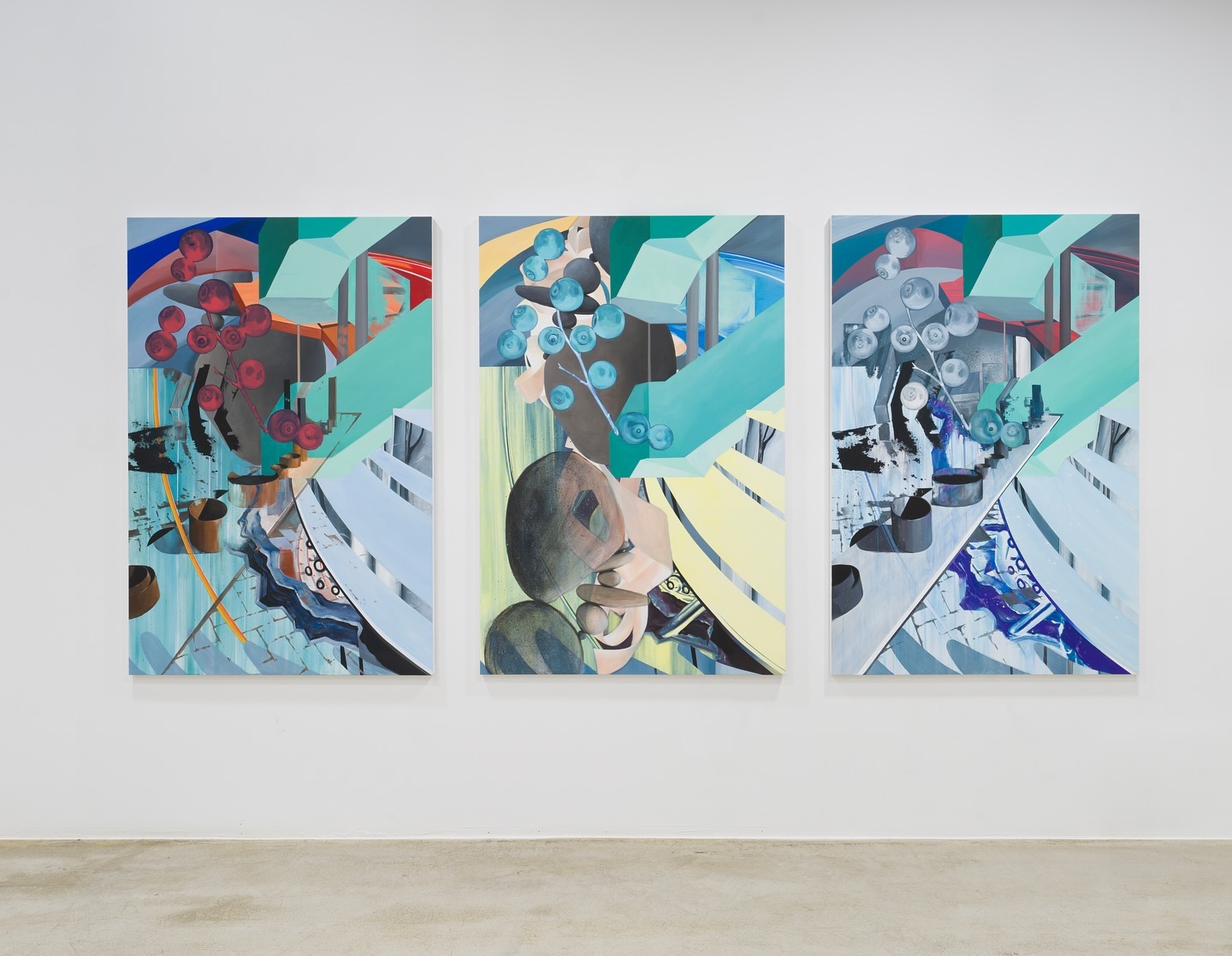
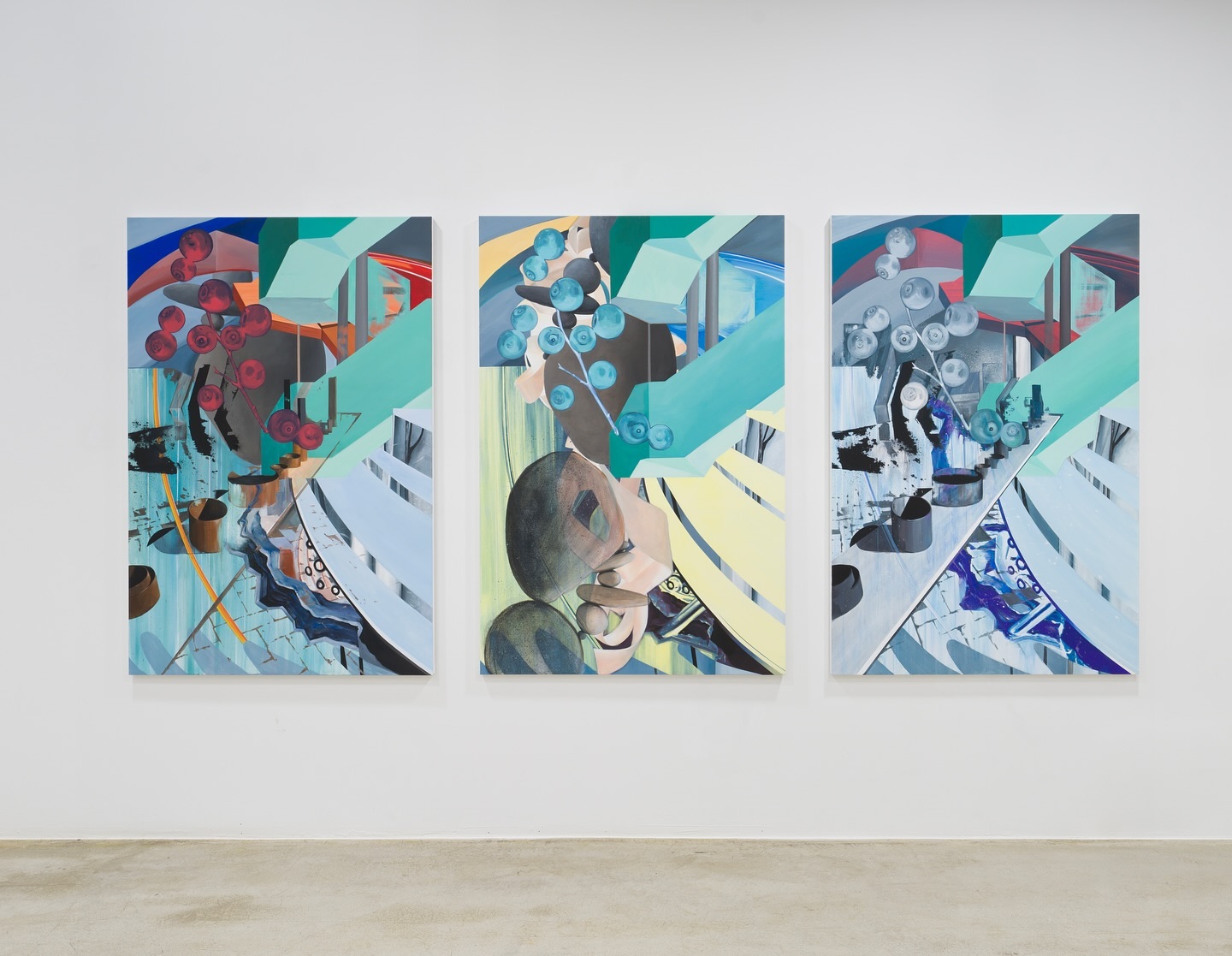
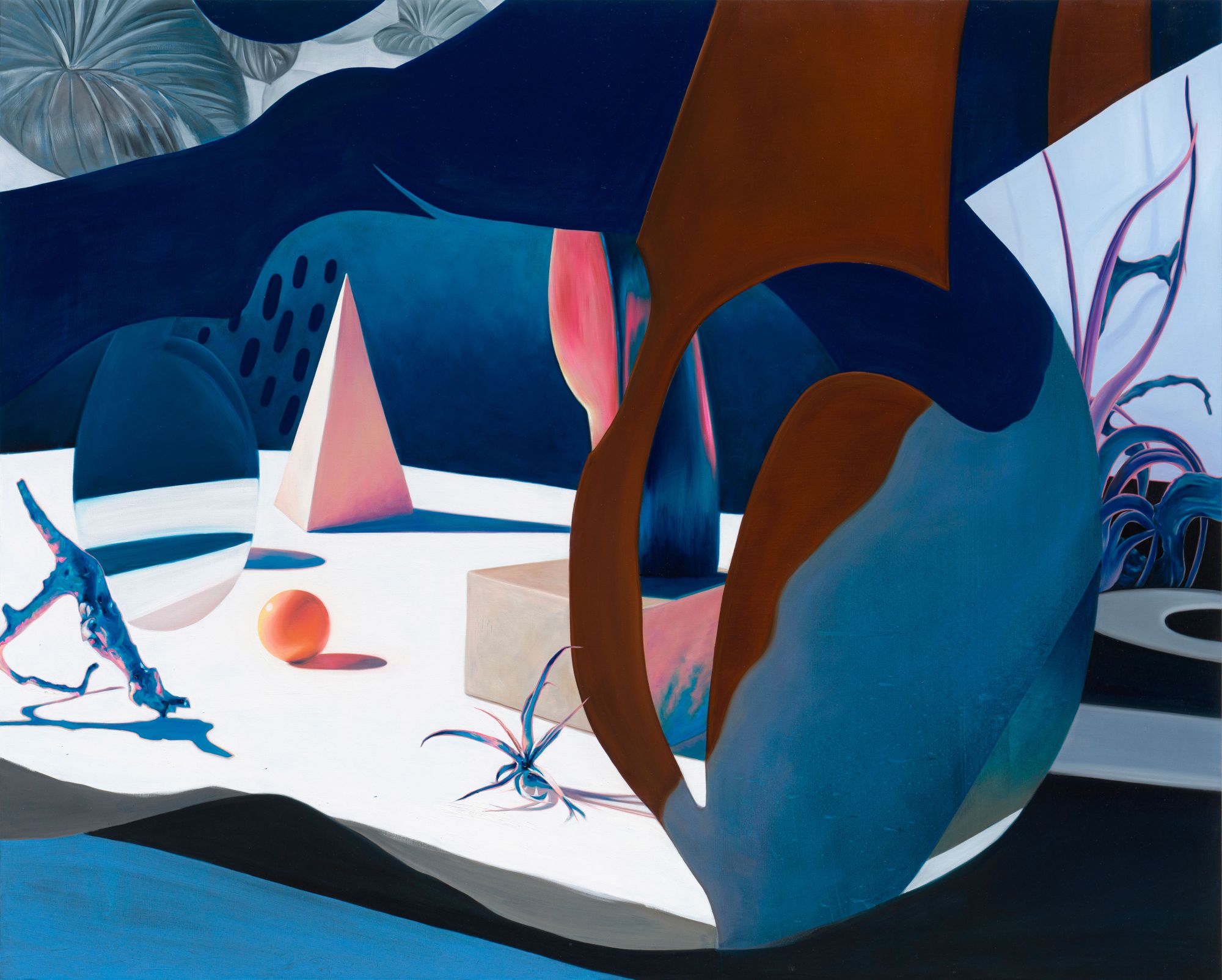
The dawn of the garden looking at the balance

2023
Oil on canvas
130.3 x 162.2 cm
About The Work

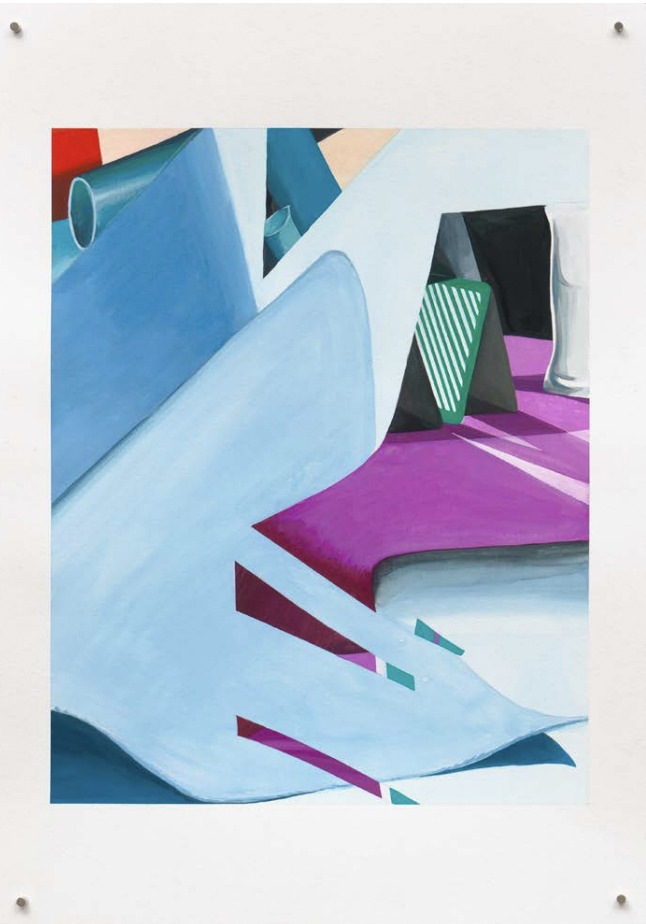
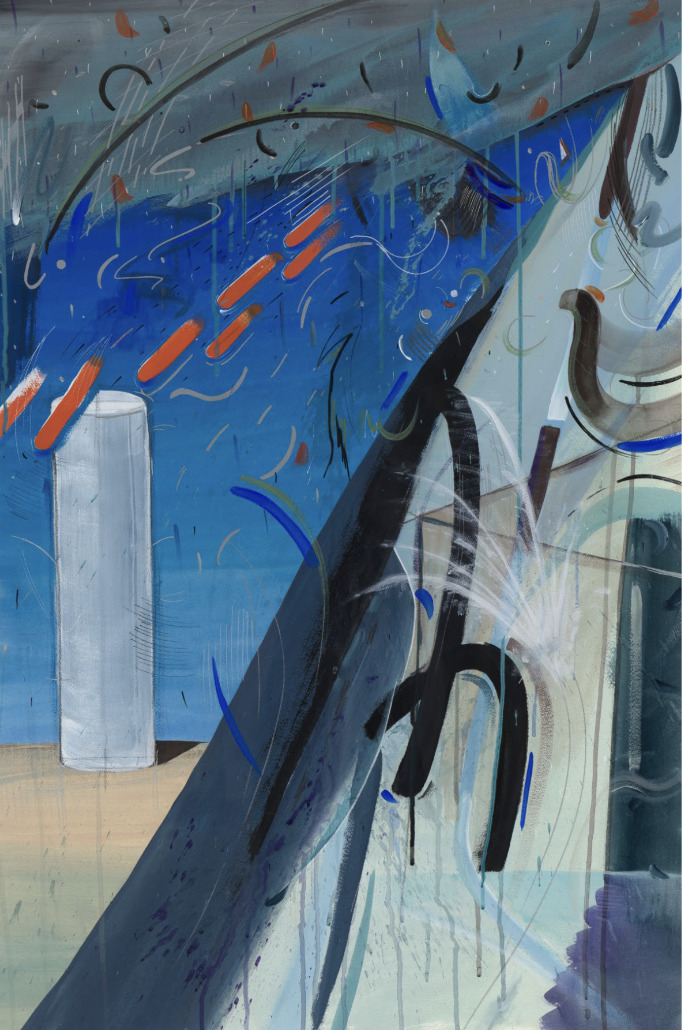
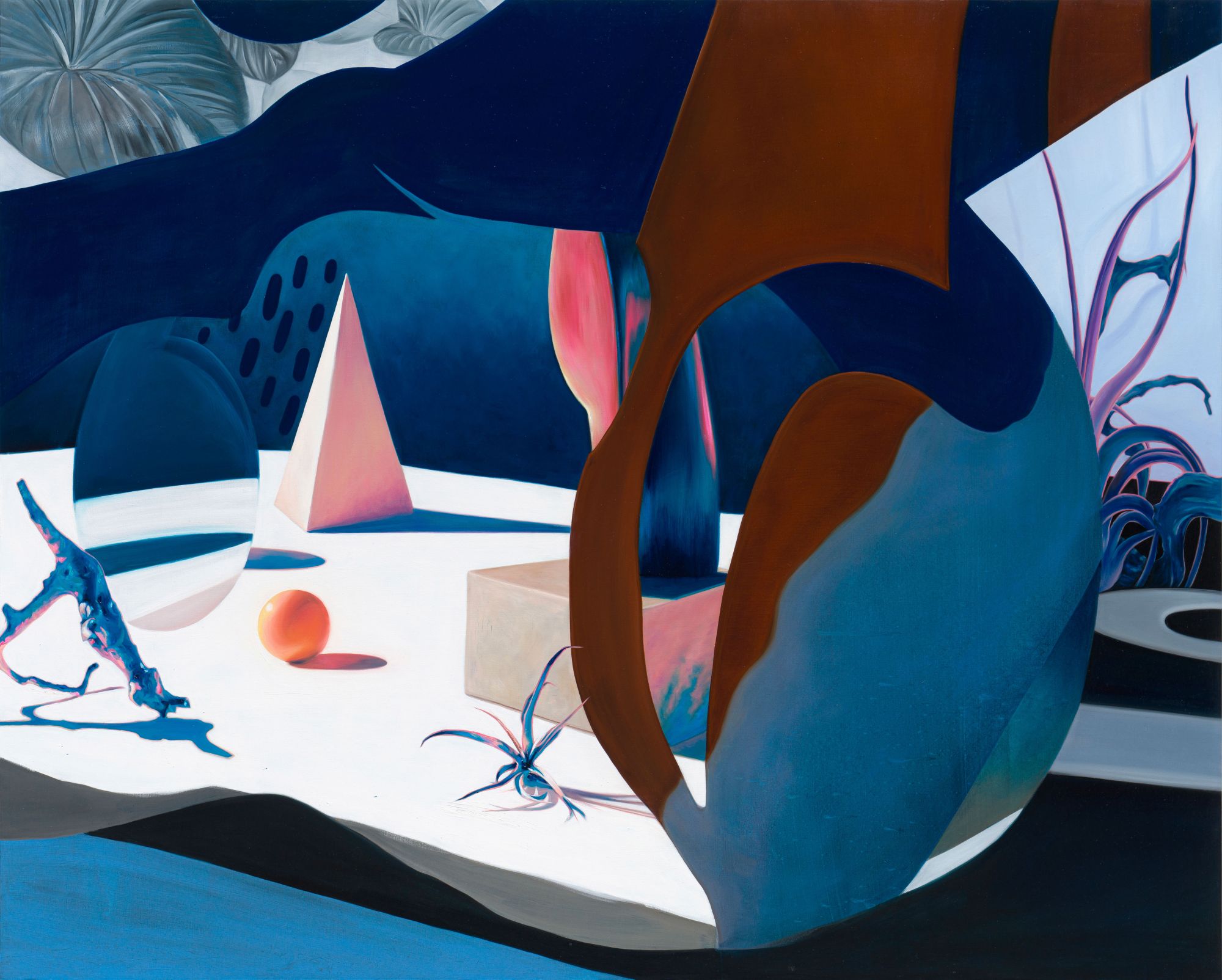
Bokyung Kim has long been interested in the lingering feelings of regret that arise at moments of choice, the afterglow of passing scenes, and the subtle disjunctions of perception. She collects images from fleeting moments in time and irretrievable spaces, continuously reassembling them into painterly structures. Moving fluidly between painting, drawing, and installation, her practice visualizes the density of sensation and the rhythms of time.

Kim’s practice begins with fleeting moments that pass in an instant yet remain vividly lodged in memory. The artist gathers, cuts, and transforms fragments of time and space—such as scenes that linger in memory or objects that have lost their original function—converting them into new painterly forms. The resulting compositions emerge as both new landscapes and constituent elements of the artist’s own visual language.

The composition of Kim’s paintings is guided by the sensory rhythms embedded within the images themselves. She believes that perception does not always operate at a uniform pace or in a consistent manner, and seeks to capture the fleeting speed of sensation that emerges within these moments of disjunction, transforming it into painterly time.
 
As a result, a single scene is reshaped into a different structure within memory, and that structure is subsequently reconfigured on the canvas through new rhythms and densities. Constructed through processes of delay and displacement, her paintings capture the subtle tremors and lingering afterimages of moments that resist easy explanation.

In this way, Bokyung Kim's paintings demonstrate how, in an age when digital images rapidly reshape everyday perception, acts of selection and memory, objects and landscapes, chance and balance can be sustained within a single pictorial order.

Solo Exhibitions (Brief)

Bokyung Kim Has held solo exhibitions including 《Landscape Construction》 (Incheon Art Platform, Incheon, 2025), 《Accidental Order》 (Artplug Yeonsu, Incheon, 2024), and 《The Balance That Seems to Be Collapsing but Stable》 (Dongjak Art Gallery, Seoul, 2023).

Group Exhibitions (Brief)

Kim has also participated in numerous group exhibitions, including 《On Flowing Things》 (Gallery Bakyoung, Paju, 2025), 《RADAR: The World-Detecting Eye》 (Incheon Art Platform, Incheon, 2024), 《Youth》 (Whitestone Gallery, Seoul, 2024), 《When it's calmly swirling》 (Gallery Hoho, Seoul, 2024), 《Implosion》 (Kimi Art, Seoul, 2023), 《PERFORM 2019: Linkin-Out》 (Ilmin Museum of Art, Seoul, 2019), and 《3rd New Drawing Project》 (Yangju City Chang Ucchin Museum of Art, Yangju, 2018).

Residencies (Selected)

Kim was an artist-in-residence at Incheon Art Platform in 2024 and was selected for Korea International Art Fair (KIAF) ZOOM-IN Edition 5 in the same year.

Works of Art

Reconstructing the Afterglow of Fleeting Moments

Originality & Identity

Bokyung Kim’s practice begins with the way we relate to images today. The artist collects visual information that is consumed in everyday life, such as fashion magazines, interior catalogues, SNS, Reels, and Google images, then selects particular forms, colors, and patterns from them and recombines them on the surface.

Early works such as 8-2015(2015), the ‘Layered color’(around 2017) series, and Layered color 2017-4 (Recombination)(2017) clearly show this point of departure. In this period, images are less representations of specific objects or scenes than fragments of information composed of planes, lines, and colors, which the artist rearranges through her own gaze to create a painterly structure.
 
Kim later expanded the issue of image selection beyond simple collection or documentation into questions of “unconscious selection” and “accidental order.” In 《The Balance That Seems to Be Collapsing but Stable》(Dongjak Art Gallery, 2023), she presented scenes in which different forms lean against one another’s boundaries, achieving harmony and balance.

The Speed of Sensation(2022), Expansion in Weightlessness(2022), The Wildflowers of Angels(2023), and The dawn of the garden looking at the balance(2023) all reveal that images are not formed only through consciously planned order, but through momentary sensation, accidental choice, and the psychological rhythm that remains after such choices.
 
By the time of 《Accidental Order》(Artplug Yeonsu, 2024), the artist more clearly shows how multiple gazes and scenes can coexist within a single surface. Images taken from magazines or SNS are varied into multiple versions through editing tools, and selected fragments are then transferred back into painting.

In this process, works such as Accidental Order-COLD(2024), the ‘Accidental Order-BLANK’(2024) series, Barely(2024), and Thoughts Rising Late at Night(2024) show how a single image can be one among many choices while also becoming a complex space that contains other scenes. For Kim, the surface is not a place where images are simply arranged, but a site where collection and editing, selection and suspension, randomness and balance operate together.
 
In her recent solo exhibition 《Landscape Construction》(Incheon Art Platform, 2025), the artist’s interest moves more deeply from the formal reconstruction of digital images toward personal memory and the sensation of place. Recalling childhood memories from Busan within the urban context of Incheon, she constructs landscapes where familiarity and unfamiliarity overlap.

The ‘Correspondence’ series, the ‘Sea Fog’(2025) series, the ‘Erosion’ series, Two or Three White Statues(2024), Through the Crumbled Wall(2024), On the Surface of a Deep Pond(2024), and Shimmering Waves Caught in the Net(2025) capture the incomplete sensations that arise when scenes from memory overlap with landscapes seen in the present.

In this way, Kim’s practice began with the combination of images, but has gradually expanded into painterly landscapes that encompass memory, place, objects, and emotional afterimages.

Style & Contents

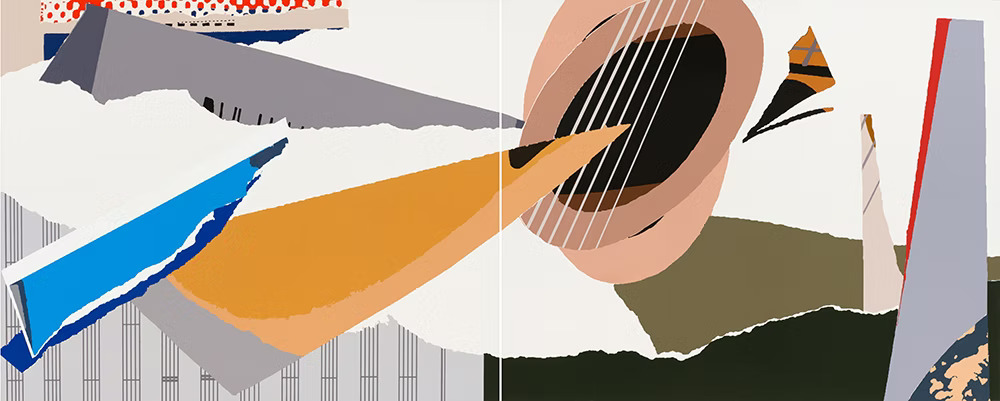
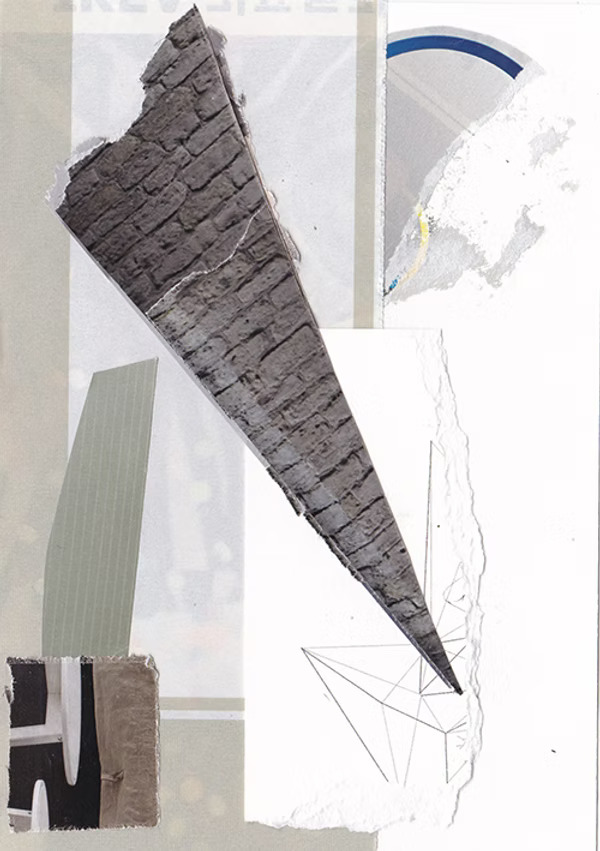
The main format Bokyung Kim uses is “collage drawing.” The artist tears and combines images from fashion, interior, and art magazines, transforms them into digital images, and then transfers them back into painting. In this process, the original function of the image weakens, while formal information such as color, line, plane, and pattern is emphasized.

As seen in 8-2015 and the ‘Layered color’ series, the artist cuts out particular parts from completed advertising images or catalogue images, creating atmospheres and structures different from the originals. The collected images are no longer bound to the context of their sources, but operate as a new formal language within painting.
 
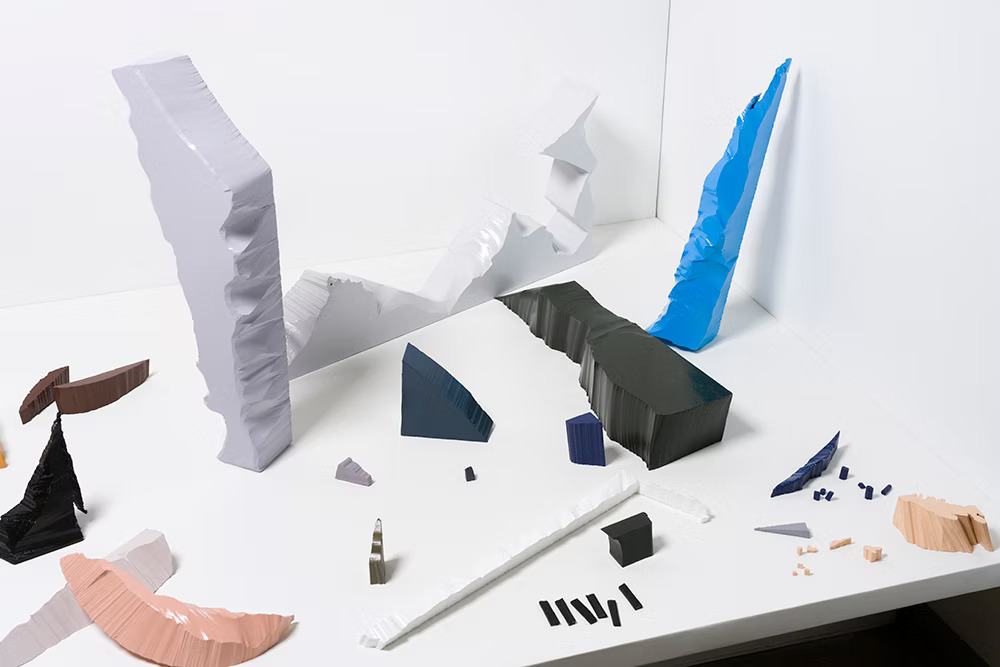
This method leads to the problem of transformation between media through the ‘Convert A to B’ series and Pieces Components(2018). Kim observes what disappears and what newly emerges when a single image moves across collage, digital drawing, painting, printmaking, and three-dimensional work.

When a digital image is converted into coordinate values or color values and then becomes a hand-painted work, perfect reproduction is impossible. The artist focuses precisely on this loss and displacement. The smooth and flat surface may appear to have been digitally produced, but it is in fact made by hand; within this difference, digital and analog sensations overlap.
 
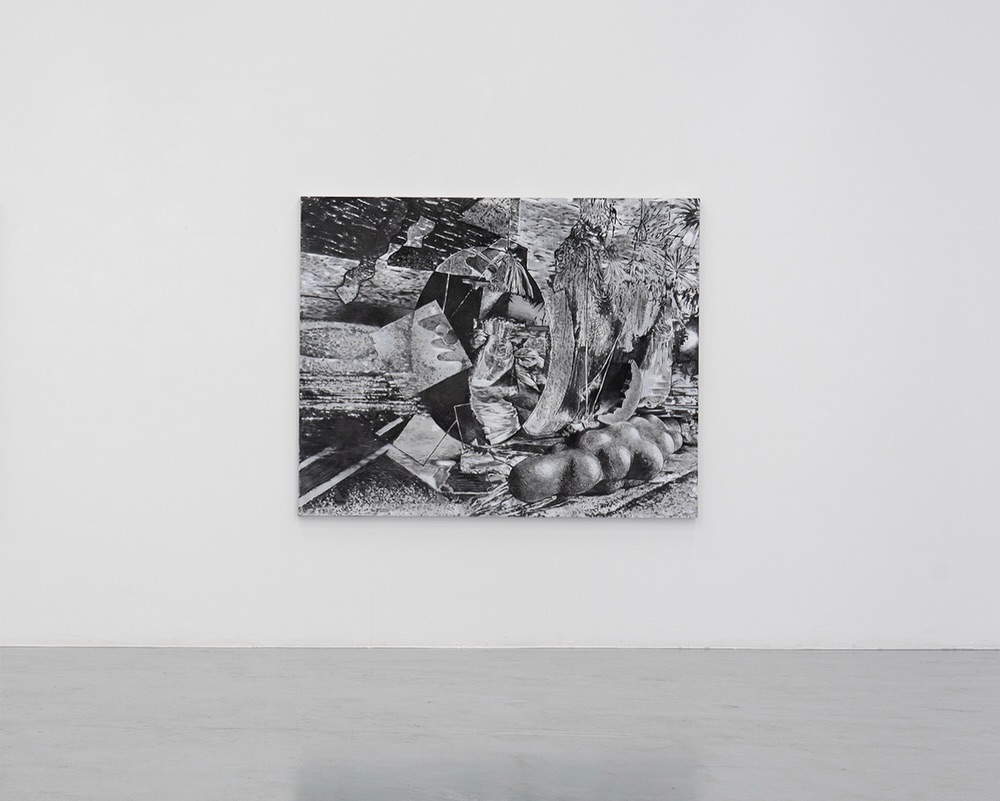
In works made after 2023, painterly density increases as shadows, volume, semi-abstract forms, and still-life-like images are added onto geometric and flat structures. The Speed of Sensation deals with the moment when form approaches first as a rhythm of sensation before it becomes fixed as structure or meaning, while The Wildflowers of Angels begins with the artist’s father’s trophies and reconstructs the emotional density left behind by disappeared objects as abstract forms.

One-Table Island
(2023) and Moon Flower Blooming Here(2024) may appear to be a kind of still life, but in fact they translate psychological changes and emotional structures observed within routinized everyday life into images. In this period, the surface is composed through forms that seem randomly scattered yet maintain balance through subtle tensions between them.
 
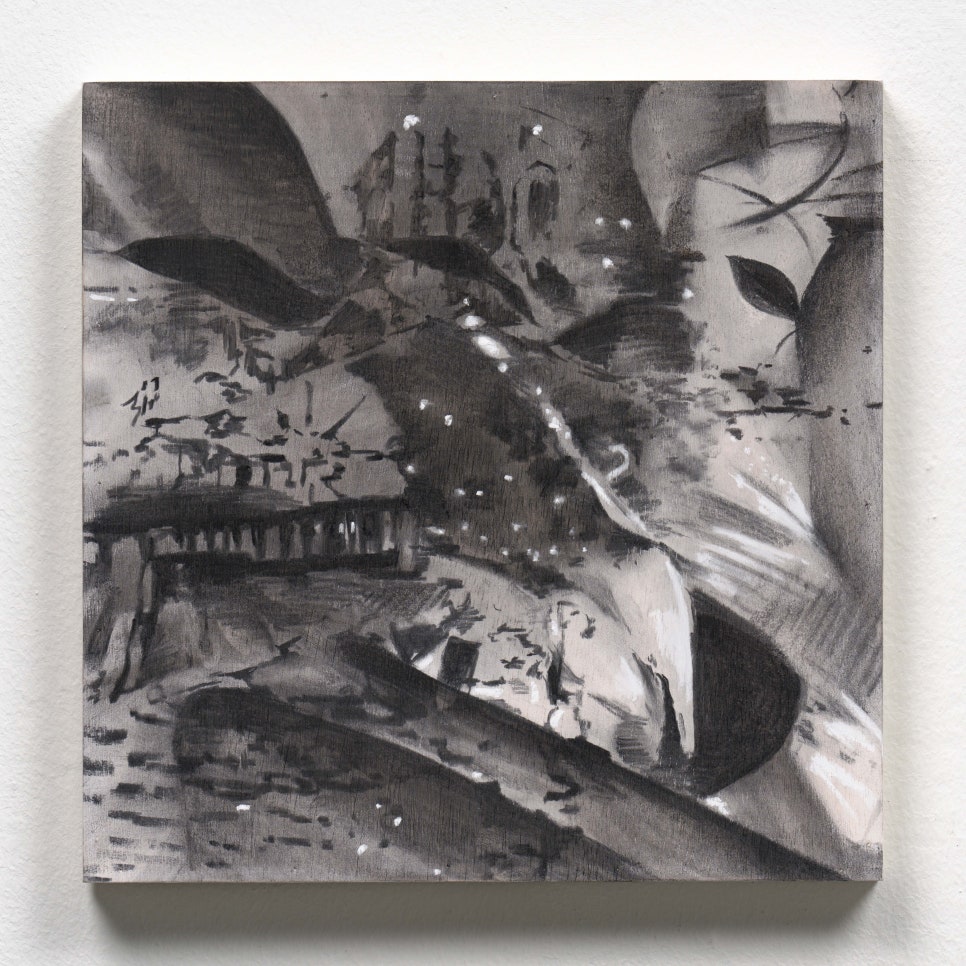
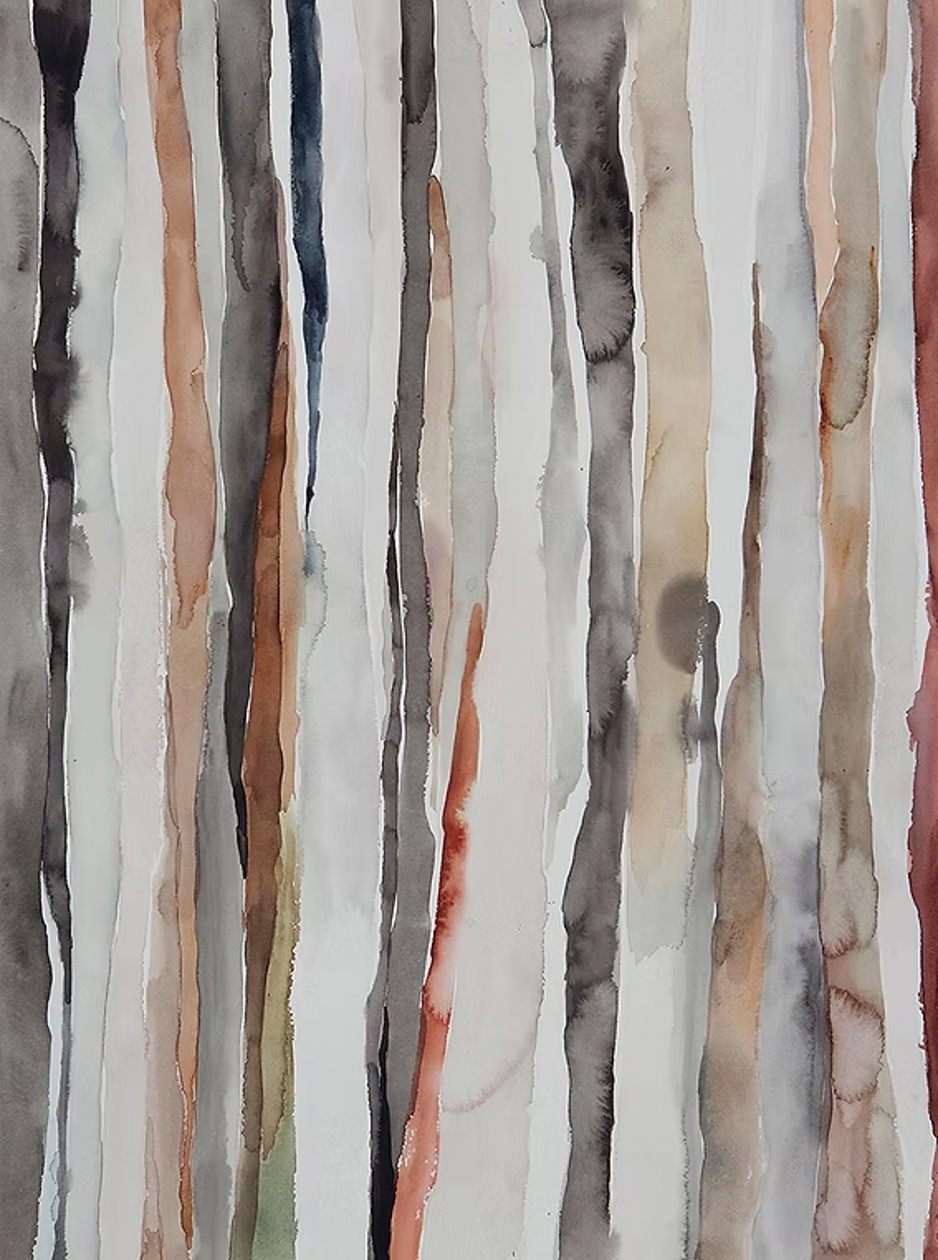
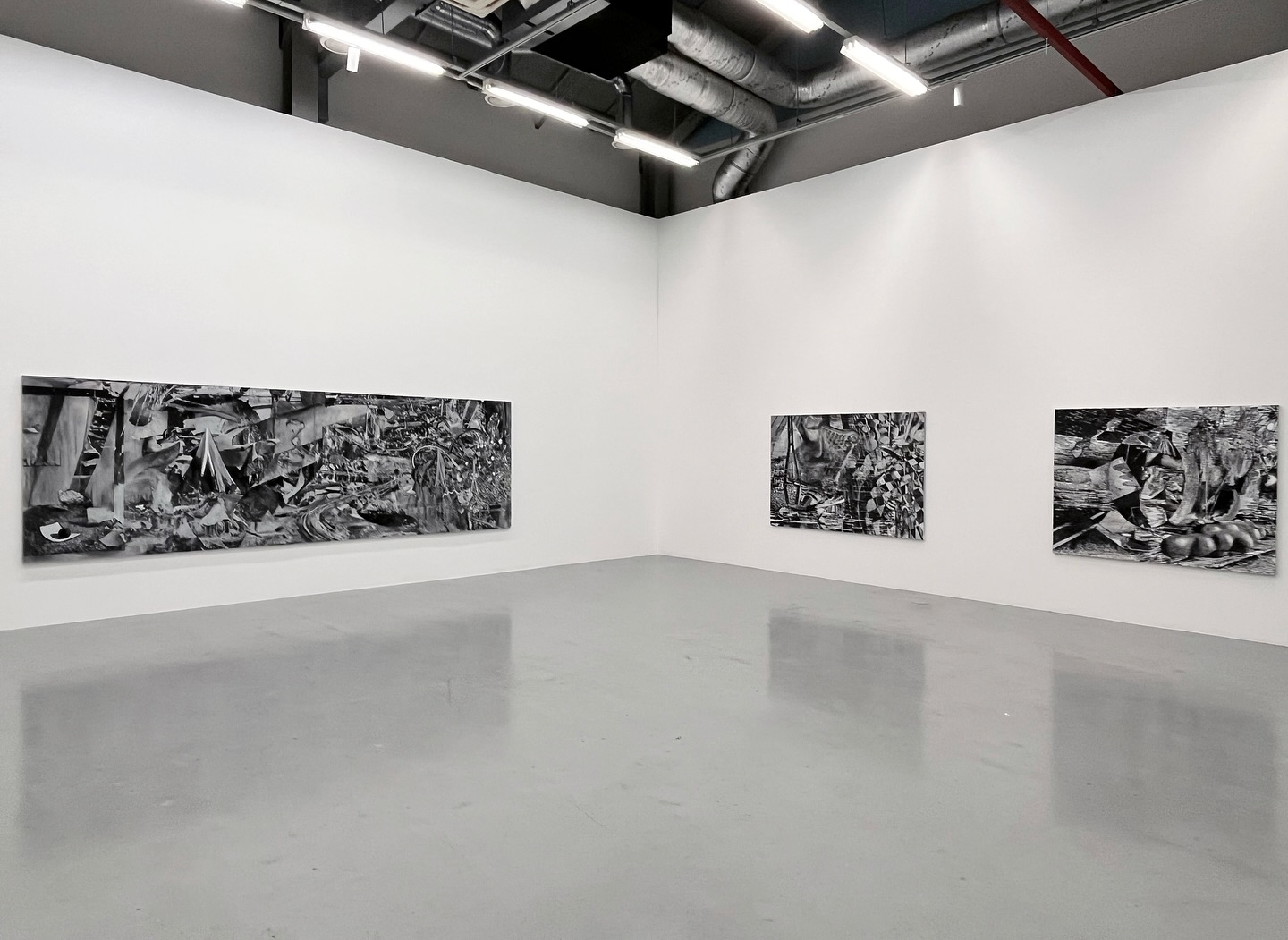
In recent works, the artist reduces color and emphasizes black-and-white or low-saturation surfaces using charcoal, pastel, and acrylic gouache. The ‘Sea Fog’ series captures with charcoal and pastel the sensation of clarity and blurriness that arises when a past scene overlaps with a present landscape, while the ‘Erosion’ series follows the changes of forms that are erased and added onto.

Two or Three White Statues questions the boundaries of form through an indeterminate image that appears to be two, yet carries the afterimage of three, while On the Surface of a Deep Pond creates a scene in which the position of objects continues to waver between surface and depth.

By reducing color, the surface reveals the layers of sensation more finely, showing that Kim’s painting is moving from vivid combinations of images toward an exploration of the density of memory and emotion.

Topography & Continuity

Although Bokyung Kim’s work deals with the contemporary image environment, it does not remain at the level of simply criticizing the excess or consumption of digital images. In an age when images disappear because there are too many of them, she asks why certain images remain for a long time and why certain scenes are not easily erased.

This question begins with her early collage drawings and continues through collection and editing, and the reconstruction of memory and place. At the moment of choosing an image, the artist accepts the lingering regret left by the images not chosen, as well as the displacement and imbalance that arise after selection, as important conditions of painting.
 
While many artists who similarly use image collection and collage focus on media critique or the appropriation of visual culture, Kim returns the process to personal sensation and psychological rhythm. What matters in her work is not where the image was taken from, but at what speed and with what texture it is reconstructed through the artist’s hand and gaze.

Scenes that begin from digital editing tools, magazine images, or SNS acquire a new balance within the surface, and random selection is transformed into order through a trained formal sensibility. In this sense, Kim’s painting contains both the rapid circulation of digital images and the slow time of hand-painted painting.
 
Beginning with collage drawing and experiments in color fields, then moving through media transformation and three-dimensional work, the artist has focused on unconscious selection, balance, the rebirth of objects, and the speed of sensation. More recently, she has expanded her practice toward the multiplicity of images and gazes, as well as the sensations of city and memory, place and nostalgia, and black-and-white surfaces.

In this process, her painting has gradually shifted from the recombination of external images toward the construction of inner landscapes. Yet at its foundation remains a consistent interest in the selection, transformation, displacement, and balance of images. Bokyung Kim is expected to continue exploring how, in an age when digital images rapidly alter the sensations of everyday life, choice and memory, objects and landscapes, chance and balance can remain as a painterly order.

Works of Art

Reconstructing the Afterglow of Fleeting Moments

Articles

Exhibitions

Activities