Bokyung
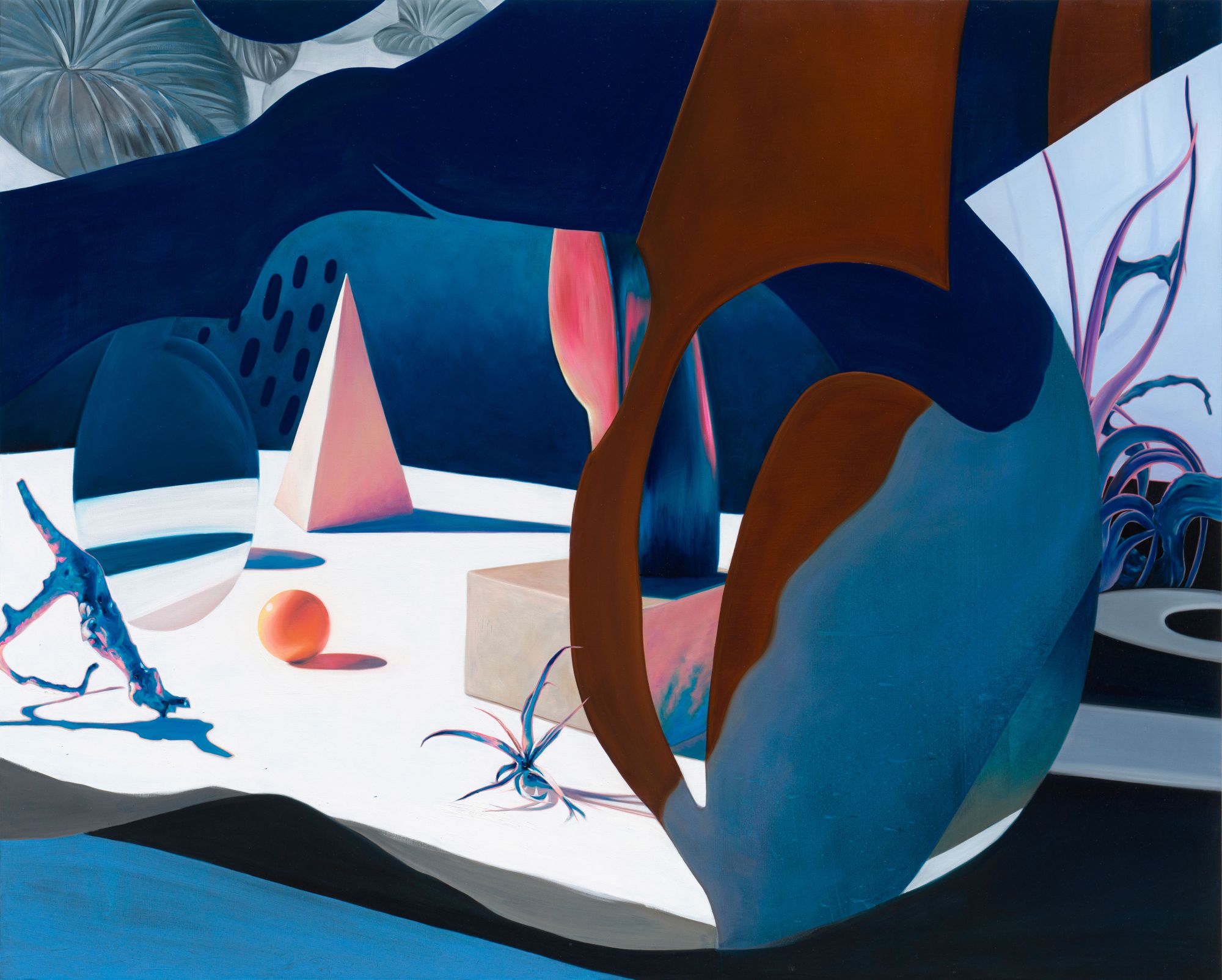
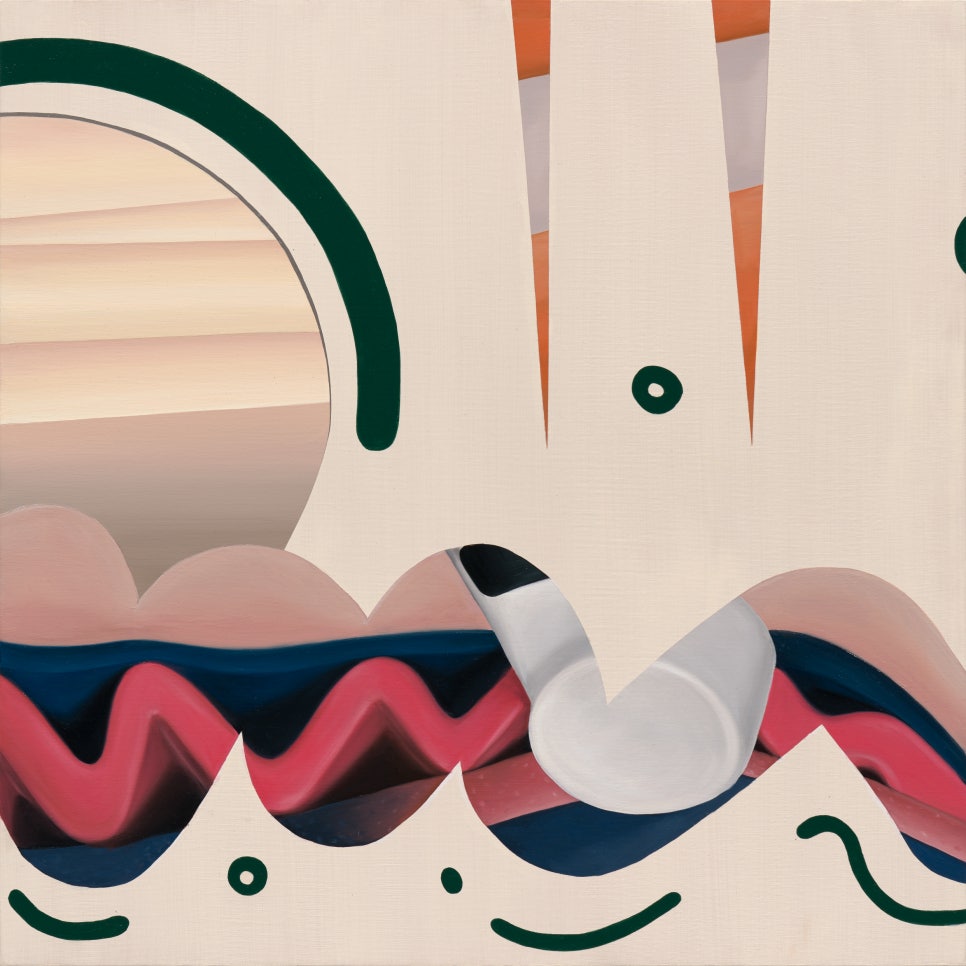
Kim’s practice begins with the way we relate to images today. The artist
collects visual information that is consumed in everyday life, such as fashion
magazines, interior catalogues, SNS, Reels, and Google images, then selects
particular forms, colors, and patterns from them and recombines them on the
surface.
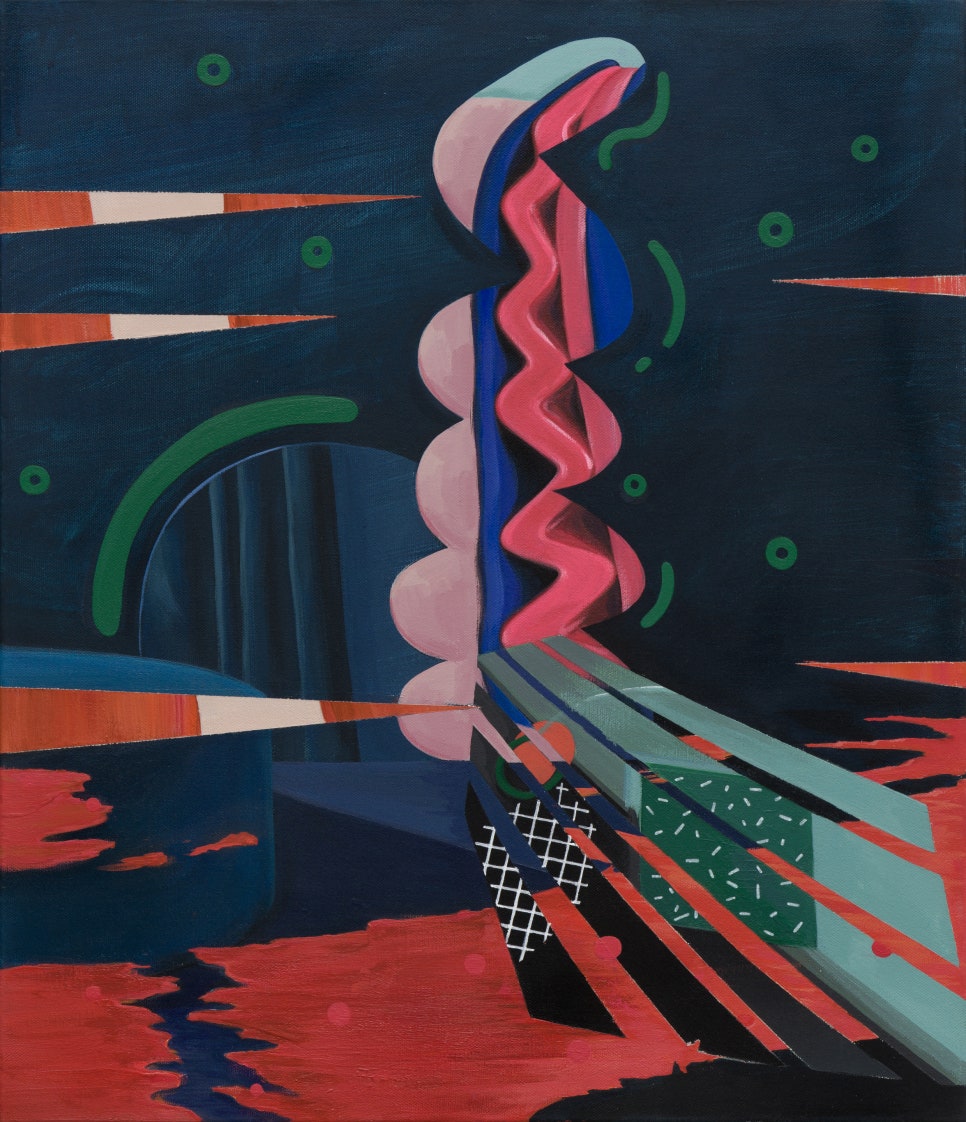
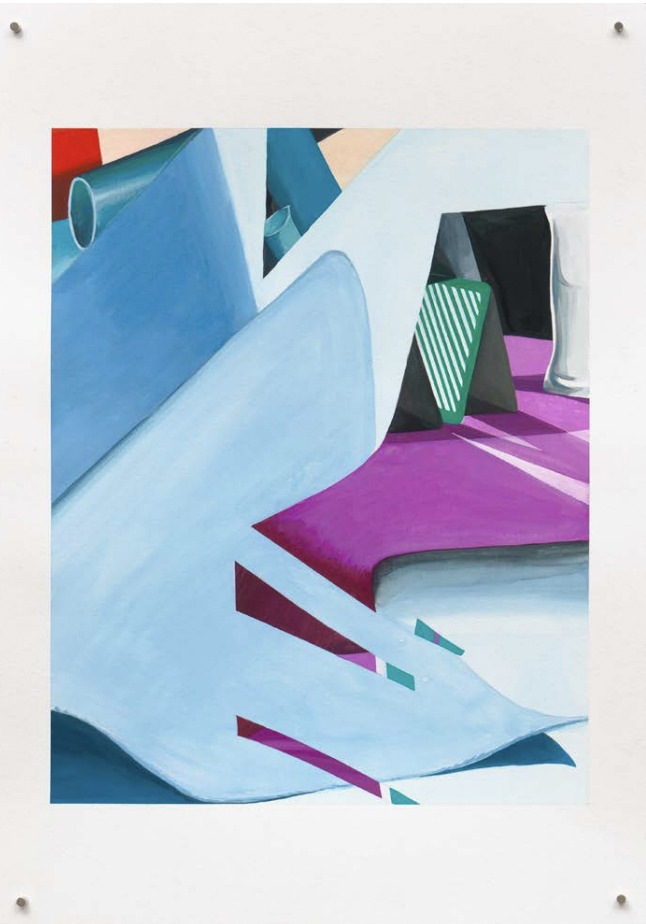
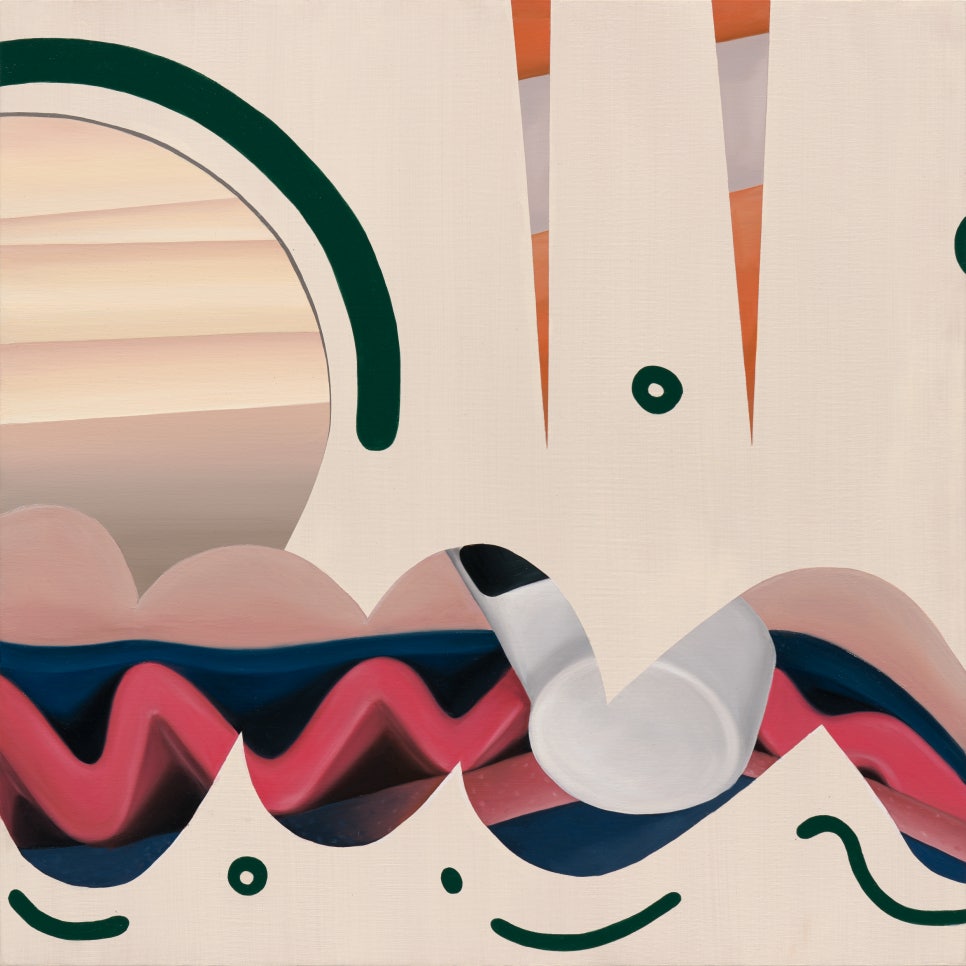
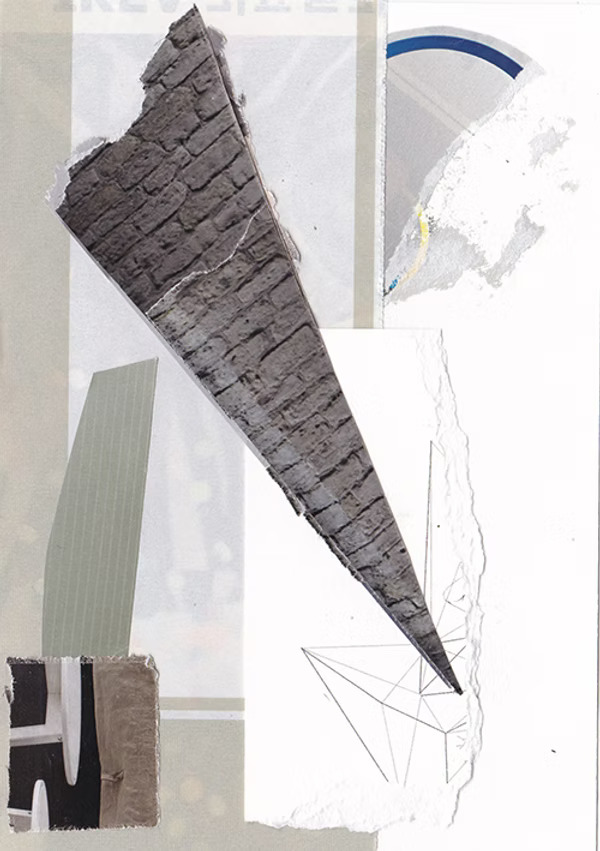
Early works such as 8-2015(2015), the ‘Layered
color’(around 2017) series, and Layered color 2017-4
(Recombination)(2017) clearly show this point of departure. In this
period, images are less representations of specific objects or scenes than
fragments of information composed of planes, lines, and colors, which the
artist rearranges through her own gaze to create a painterly structure.
Kim later
expanded the issue of image selection beyond simple collection or documentation
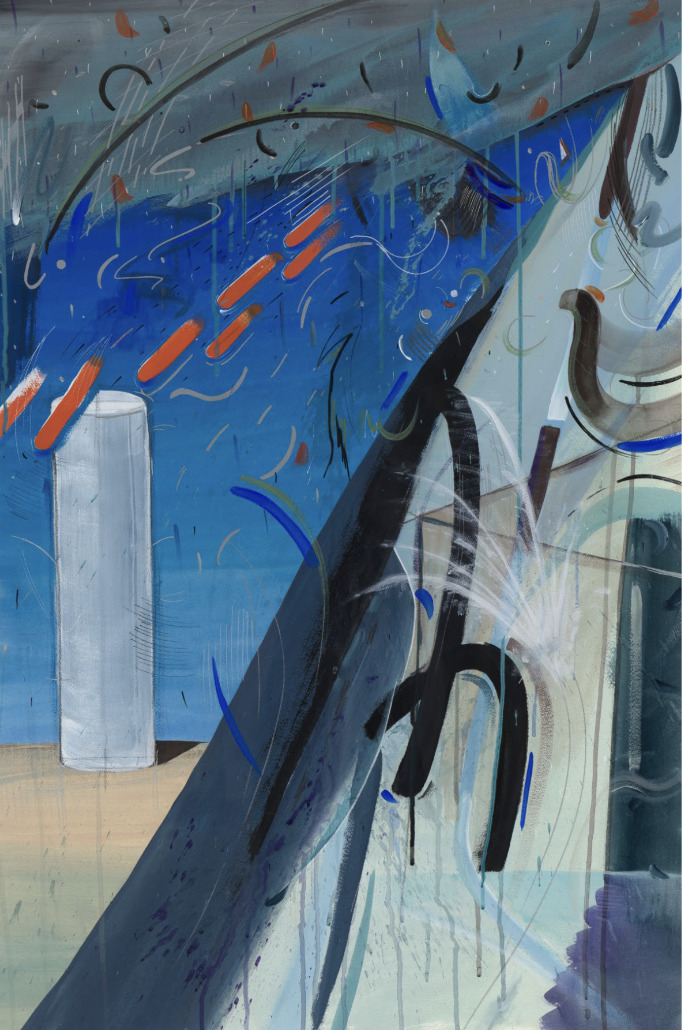
into questions of “unconscious selection” and “accidental order.” In 《The Balance That Seems to Be Collapsing but Stable》(Dongjak Art Gallery, 2023), she presented scenes in which different
forms lean against one another’s boundaries, achieving harmony and balance.
The Speed of Sensation(2022), Expansion in
Weightlessness(2022), The Wildflowers of
Angels(2023), and The dawn of the garden looking at the
balance(2023) all reveal that images are not formed only through
consciously planned order, but through momentary sensation, accidental choice,
and the psychological rhythm that remains after such choices.
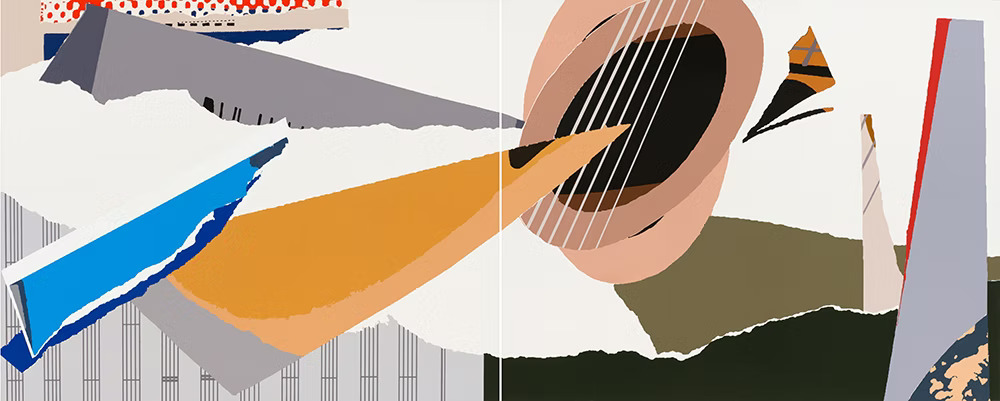
By the
time of 《Accidental Order》(Artplug
Yeonsu, 2024), the artist more clearly shows how multiple gazes and scenes can
coexist within a single surface. Images taken from magazines or SNS are varied
into multiple versions through editing tools, and selected fragments are then
transferred back into painting.
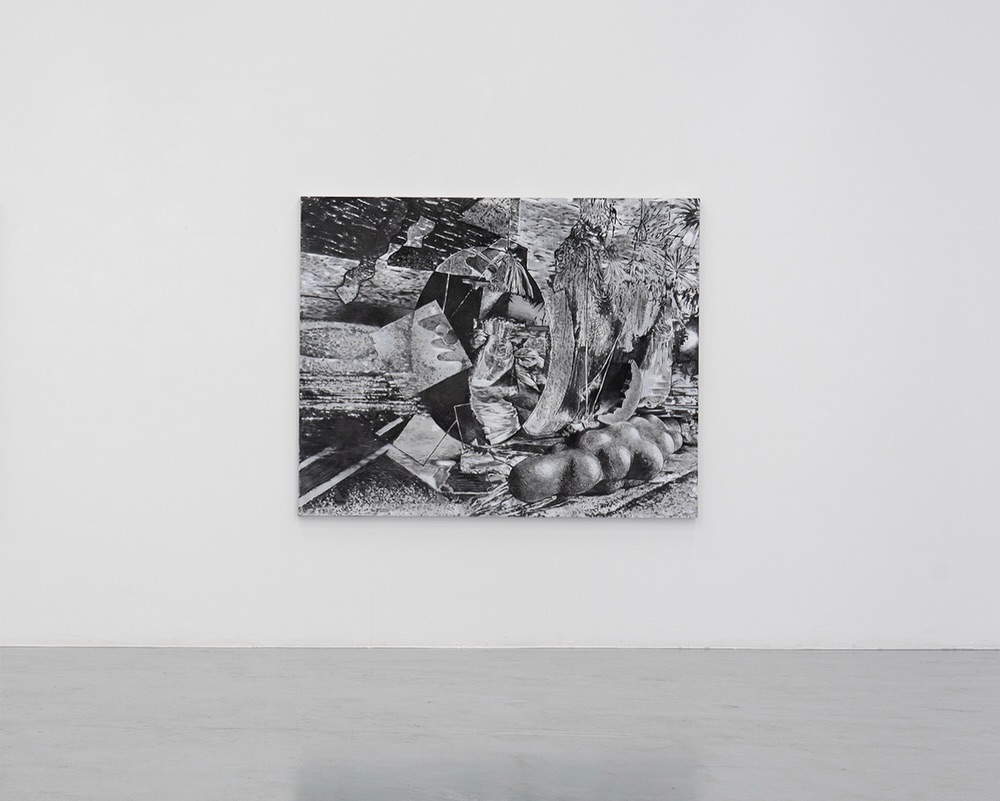
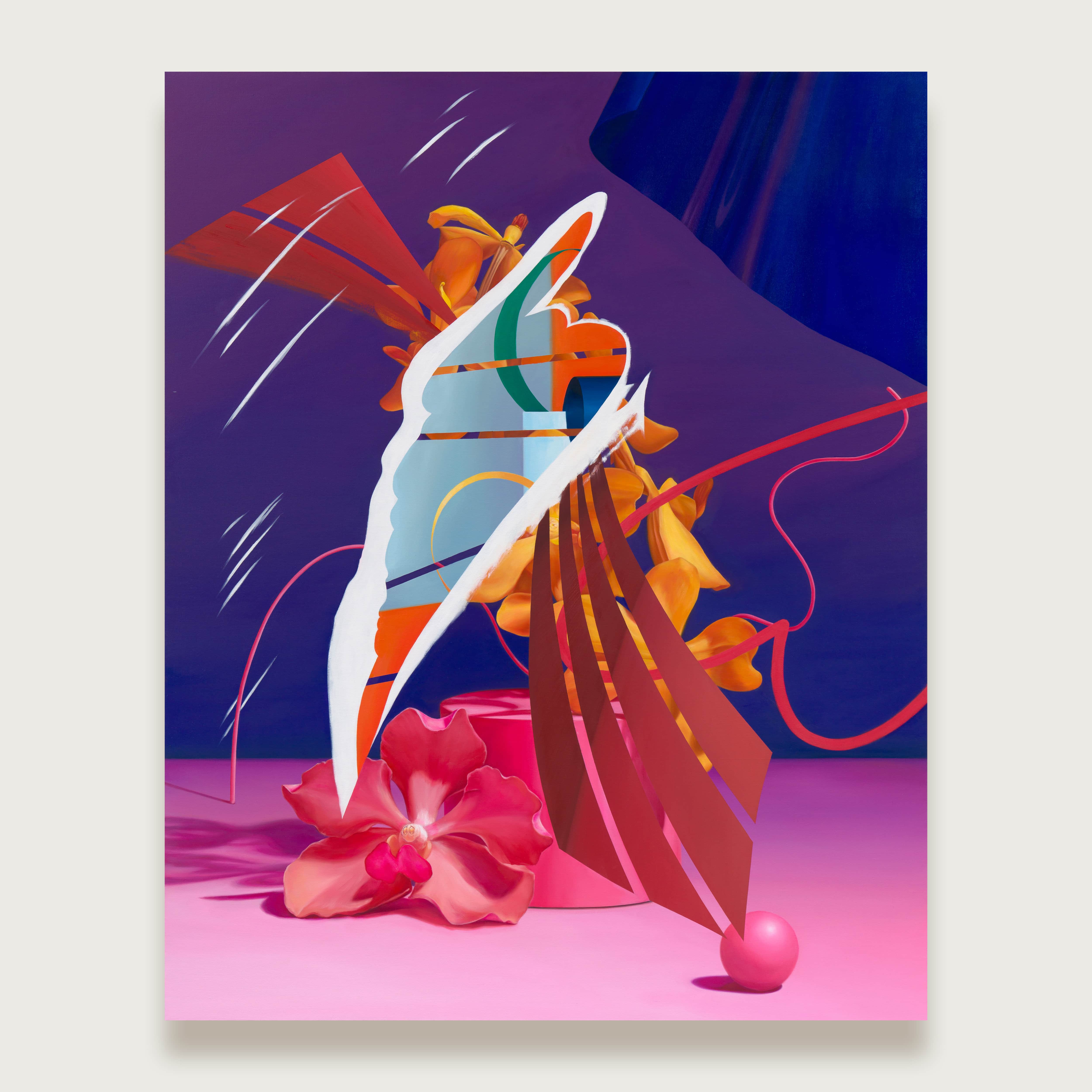
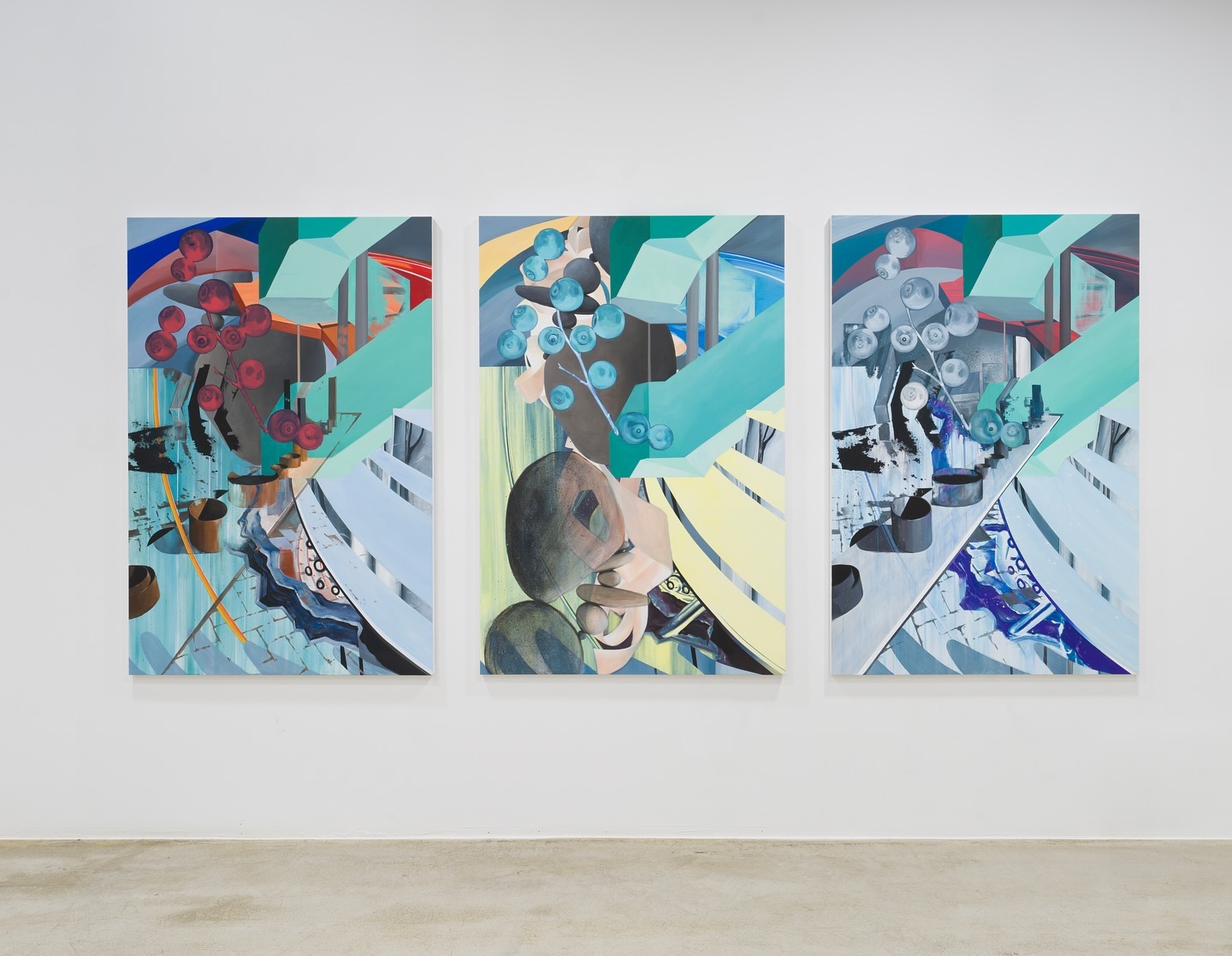
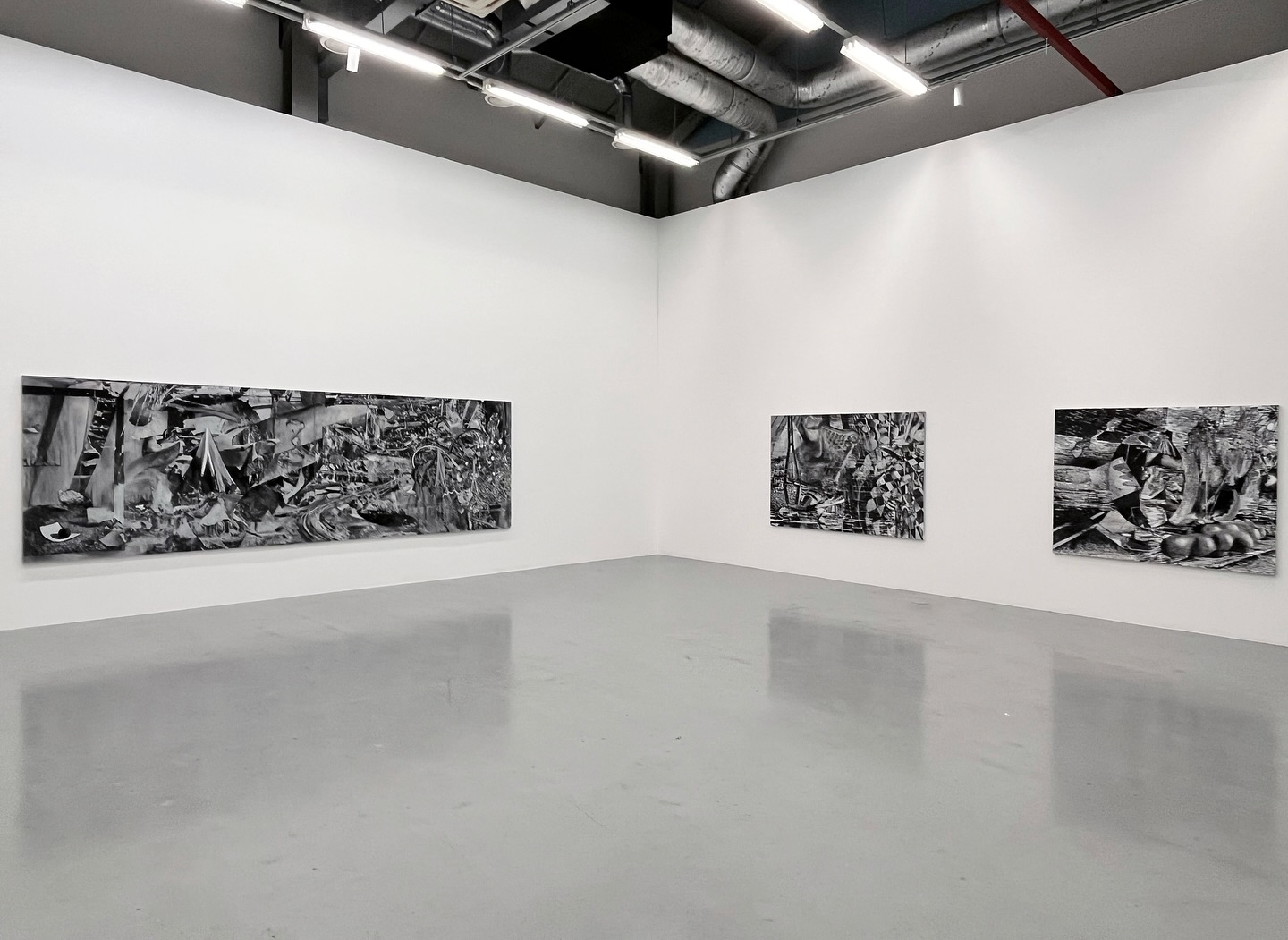
In this process, works such as
Accidental Order-COLD(2024), the ‘Accidental
Order-BLANK’(2024) series, Barely(2024), and
Thoughts Rising Late at Night(2024) show how a single image can
be one among many choices while also becoming a complex space that contains
other scenes. For Kim, the surface is not a place where images are simply
arranged, but a site where collection and editing, selection and suspension,
randomness and balance operate together.
In her
recent solo exhibition 《Landscape
Construction》(Incheon Art Platform, 2025), the artist’s
interest moves more deeply from the formal reconstruction of digital images
toward personal memory and the sensation of place. Recalling childhood memories
from Busan within the urban context of Incheon, she constructs landscapes where
familiarity and unfamiliarity overlap.
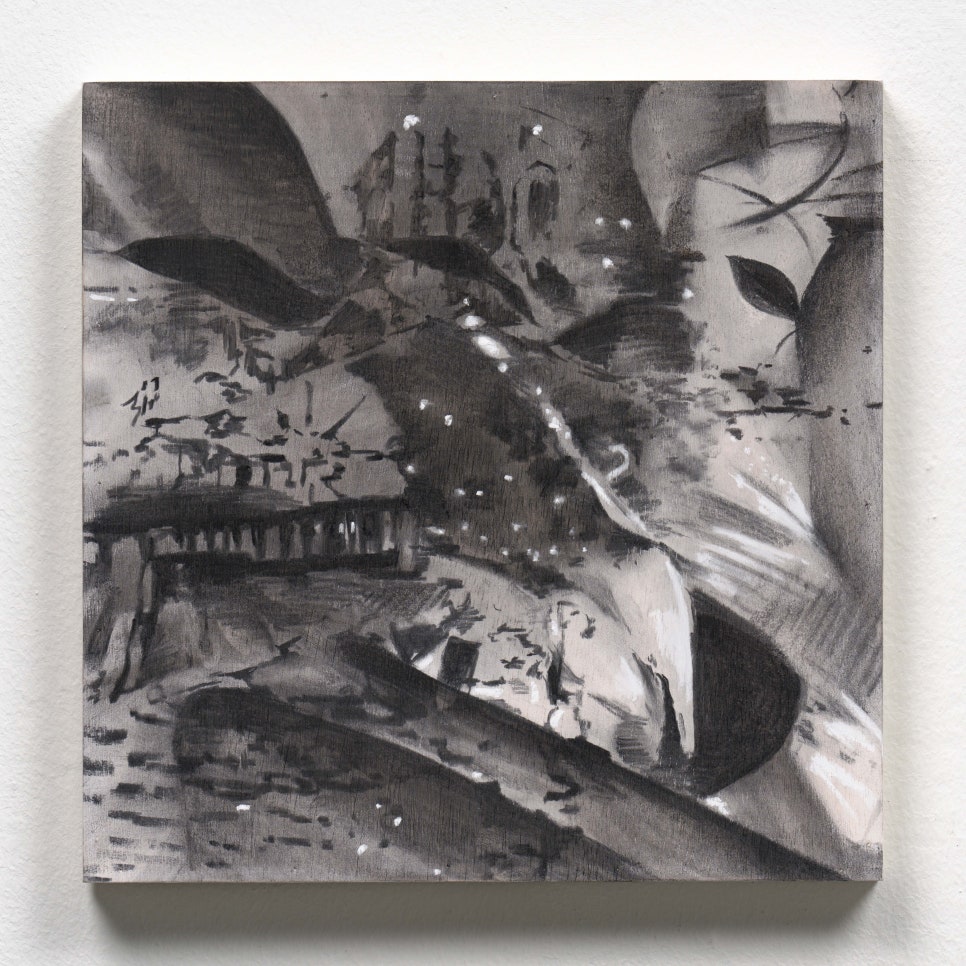
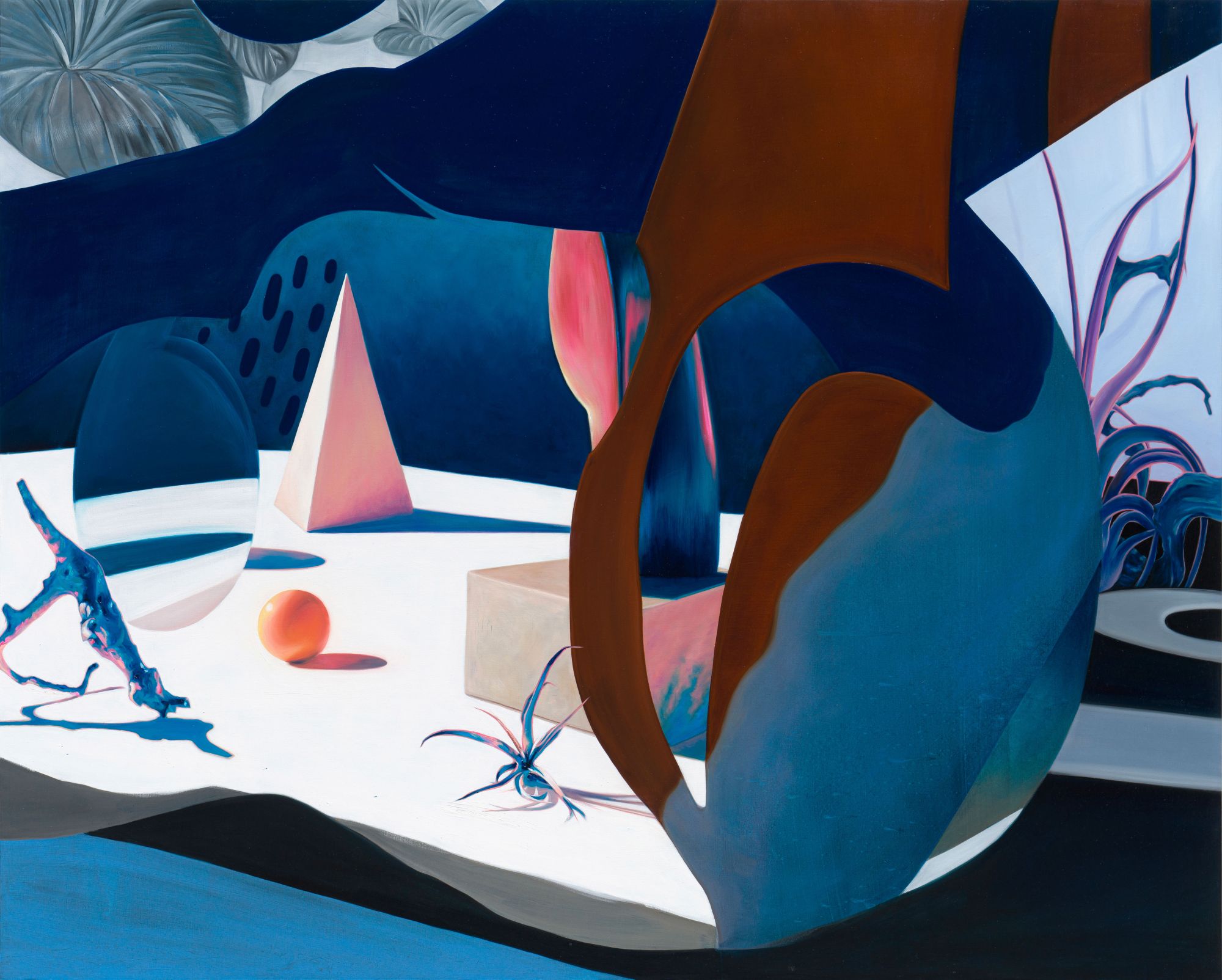
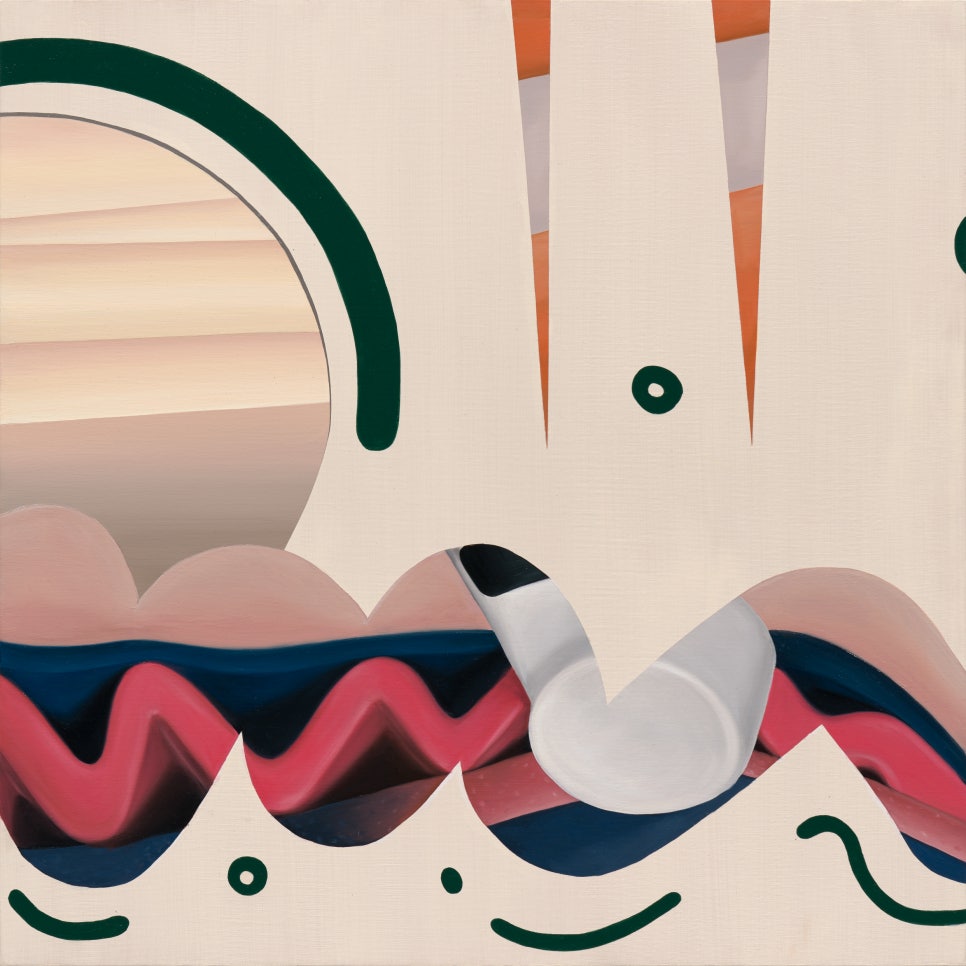
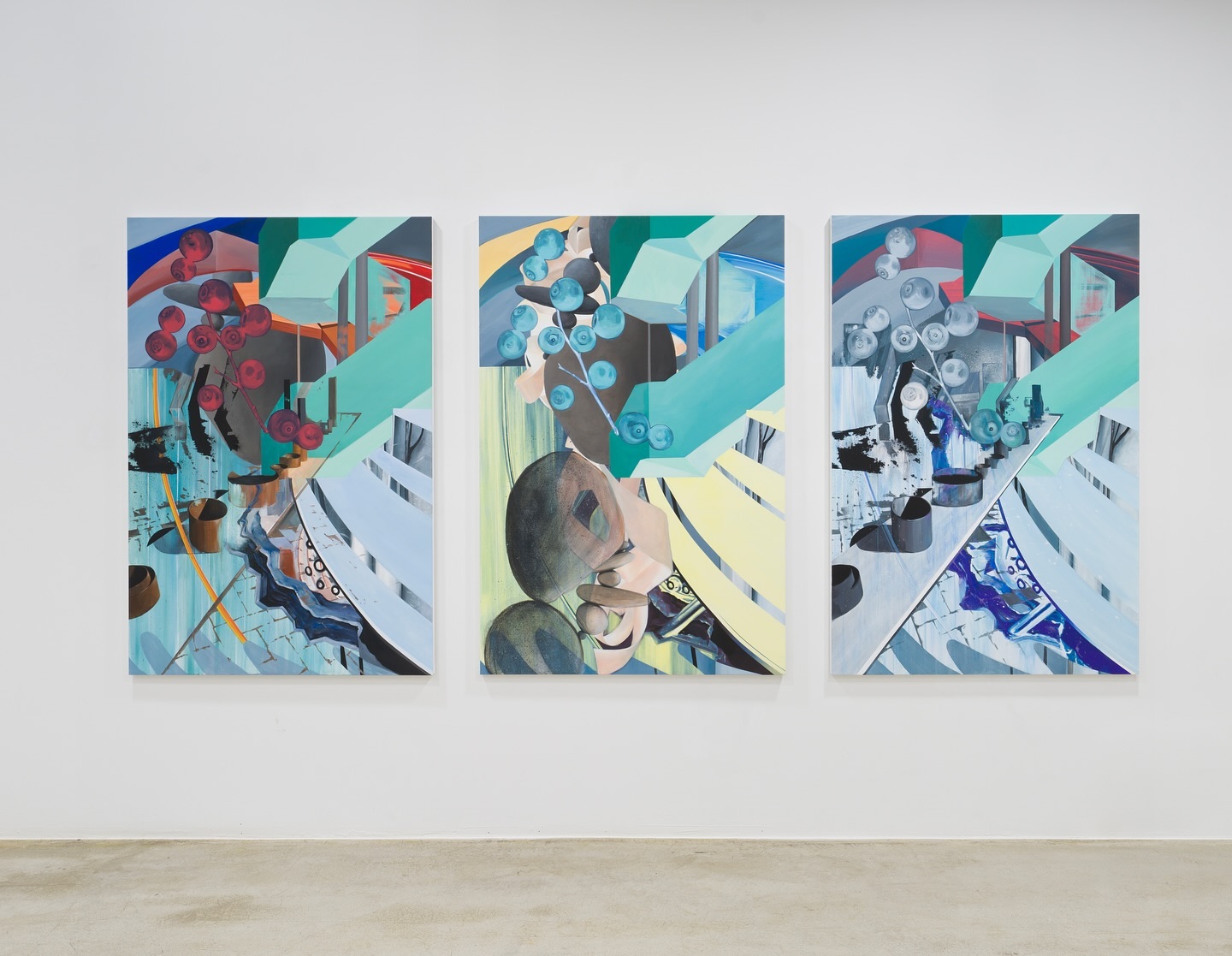
The ‘Correspondence’ series, the ‘Sea
Fog’(2025) series, the ‘Erosion’ series, Two or Three White
Statues(2024), Through the Crumbled Wall(2024),
On the Surface of a Deep Pond(2024), and Shimmering
Waves Caught in the Net(2025) capture the incomplete sensations that
arise when scenes from memory overlap with landscapes seen in the present.
In
this way, Kim’s practice began with the combination of images, but has
gradually expanded into painterly landscapes that encompass memory, place,
objects, and emotional afterimages.