Jaehyoung
Im’s practice begins with the question of how to record the sensations that
remain after loss. Rather than directly representing people or events that have
disappeared, he spends a long time looking at the traces, empty spaces,
afterimages, and peripheral objects left in their wake. His early works
People Around Me(2013), Empty
Place(2014), and Missing(2014) clearly show this
concern.
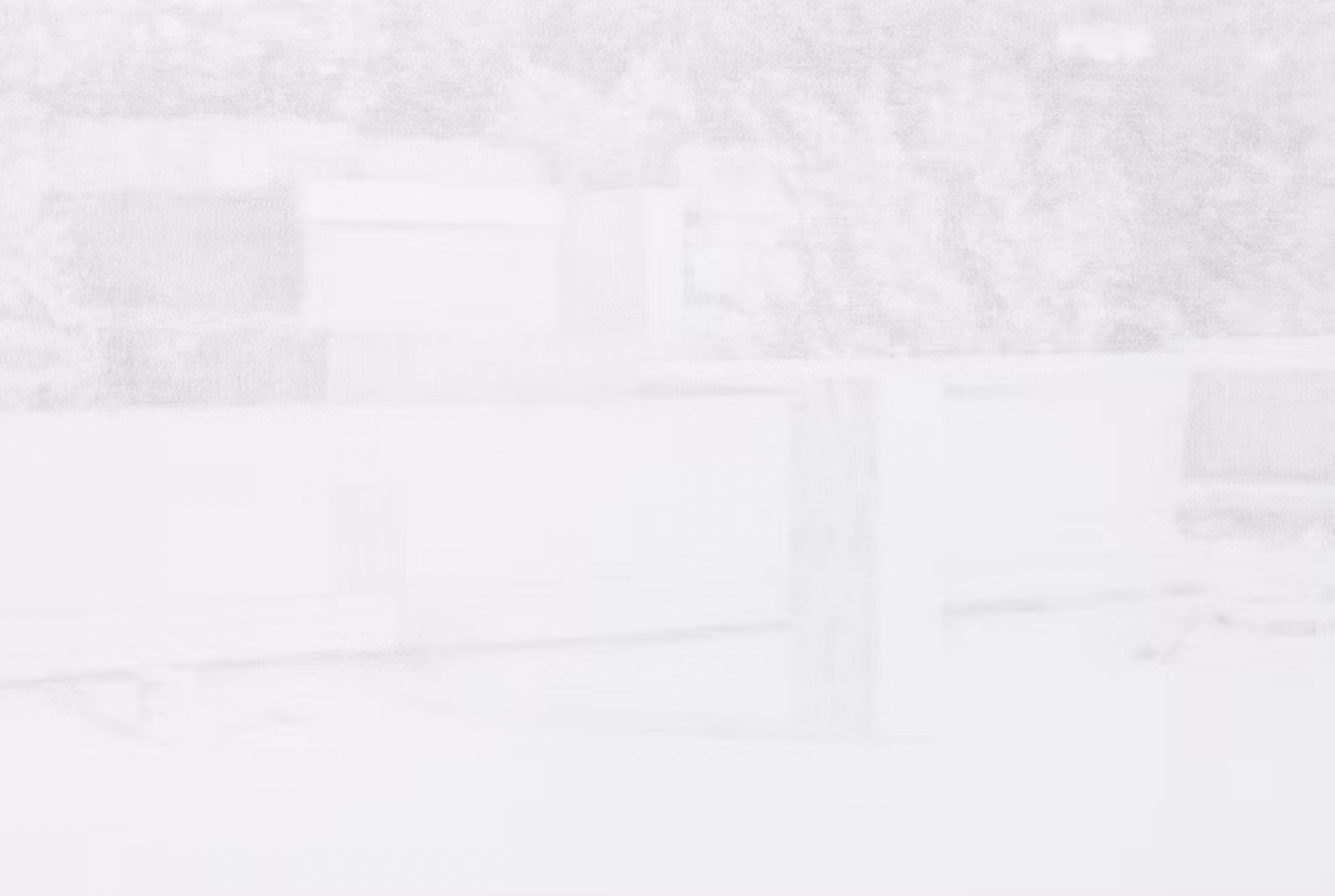
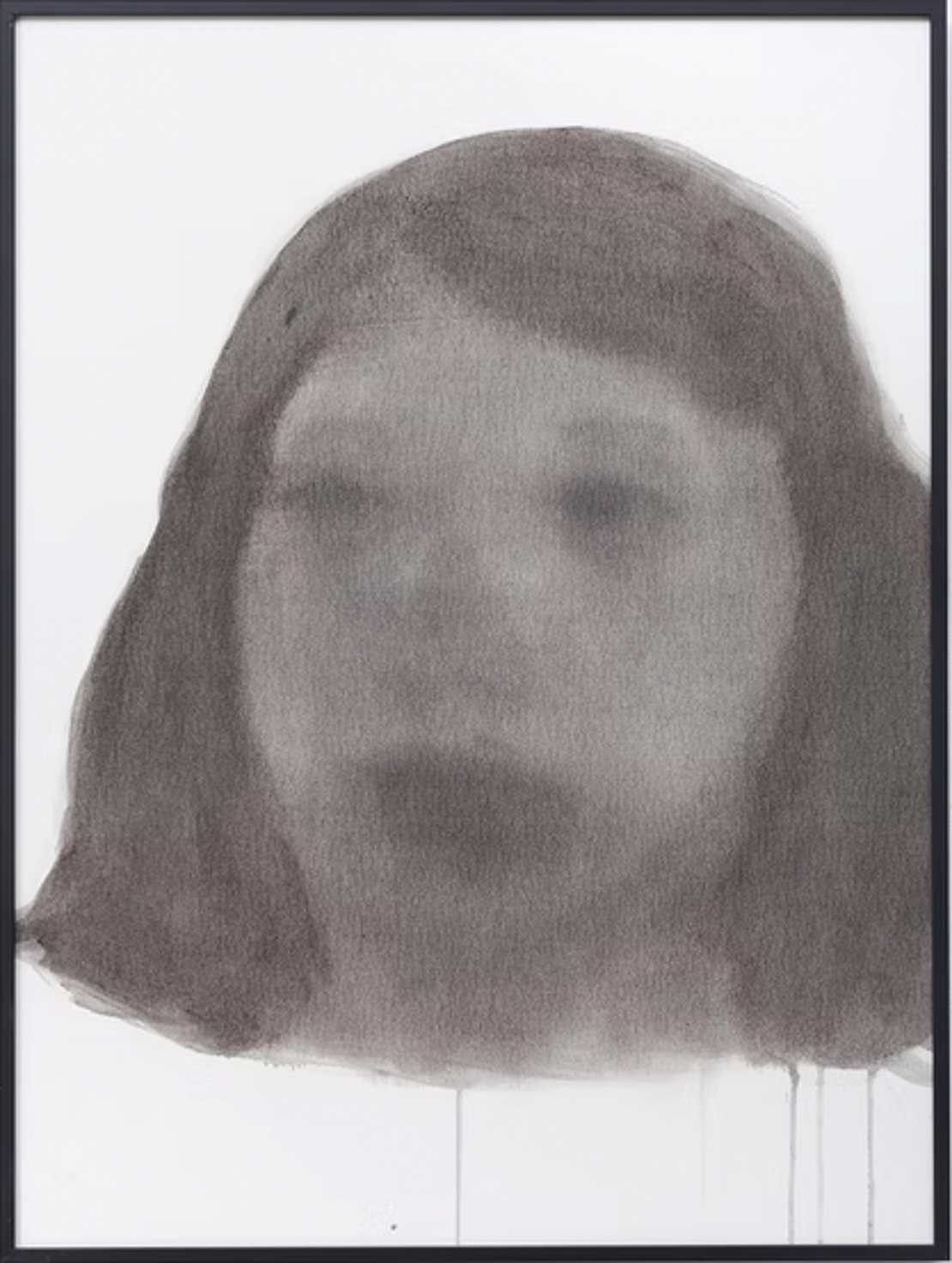
In Empty Place, the artist removes the figures from
photographs and leaves only the surrounding spaces, preserving within the empty
image the sensation of a person or time that can no longer return. In
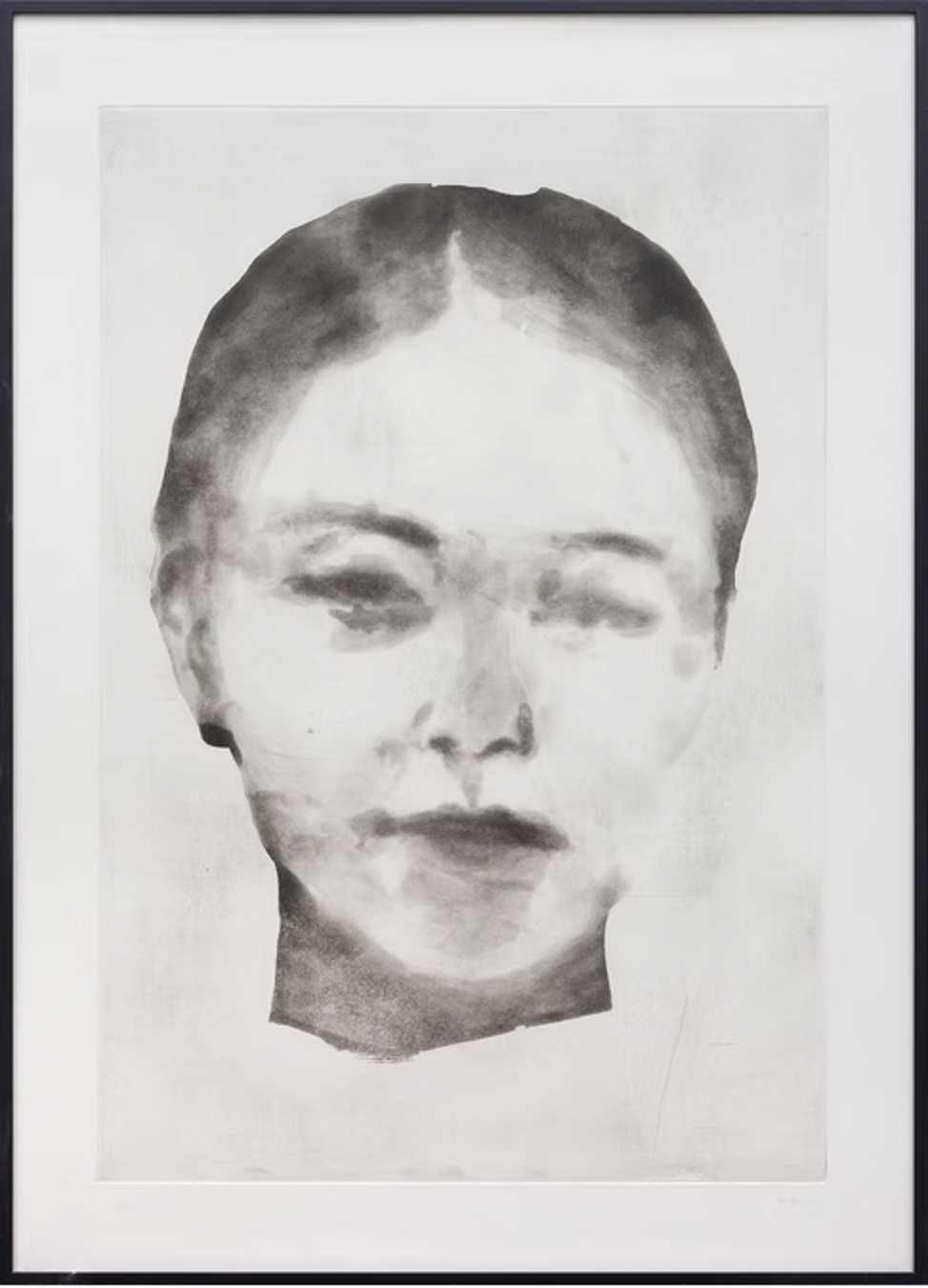
Missing, he reveals the anxiety, expectation, resignation,
belief, and doubt produced by an unconfirmed absence through the accumulation
of countless thin lines.
Im later
came to consider “drawing” itself in relation to an attitude toward loss. In
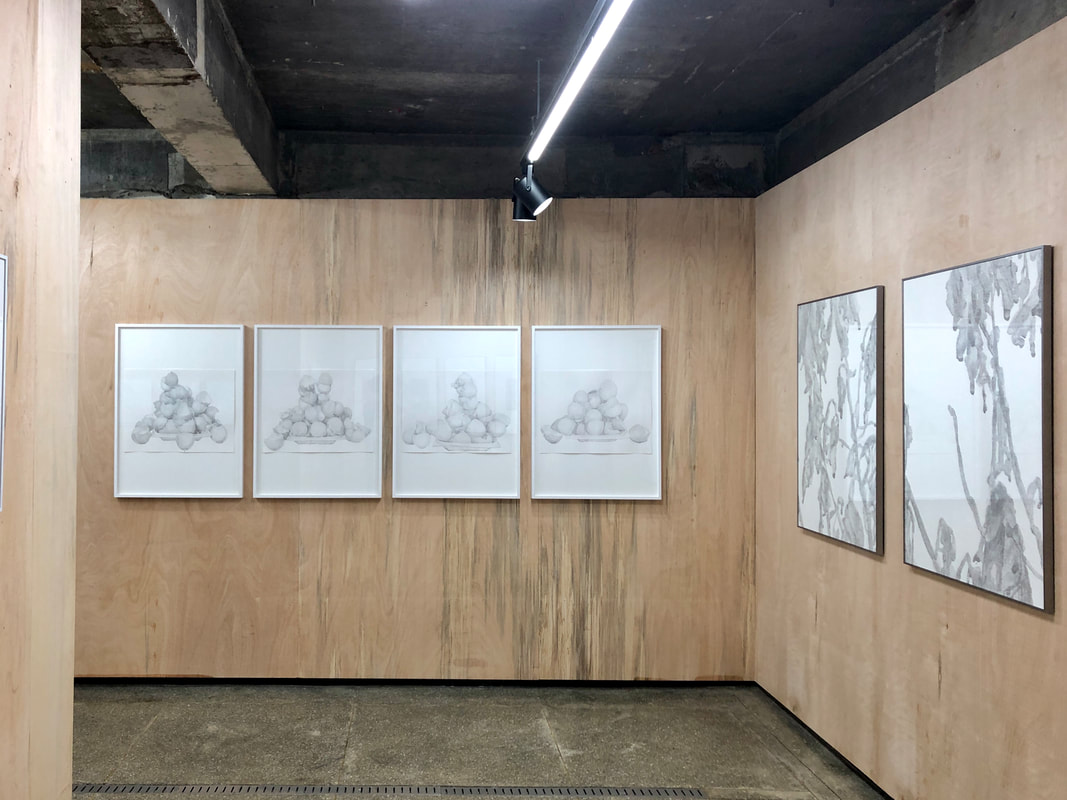
his solo exhibition 《Whereabouts》(Show and Tell, 2020), he says that he draws what remains after
something has disappeared, what is before his eyes but will soon disappear, and
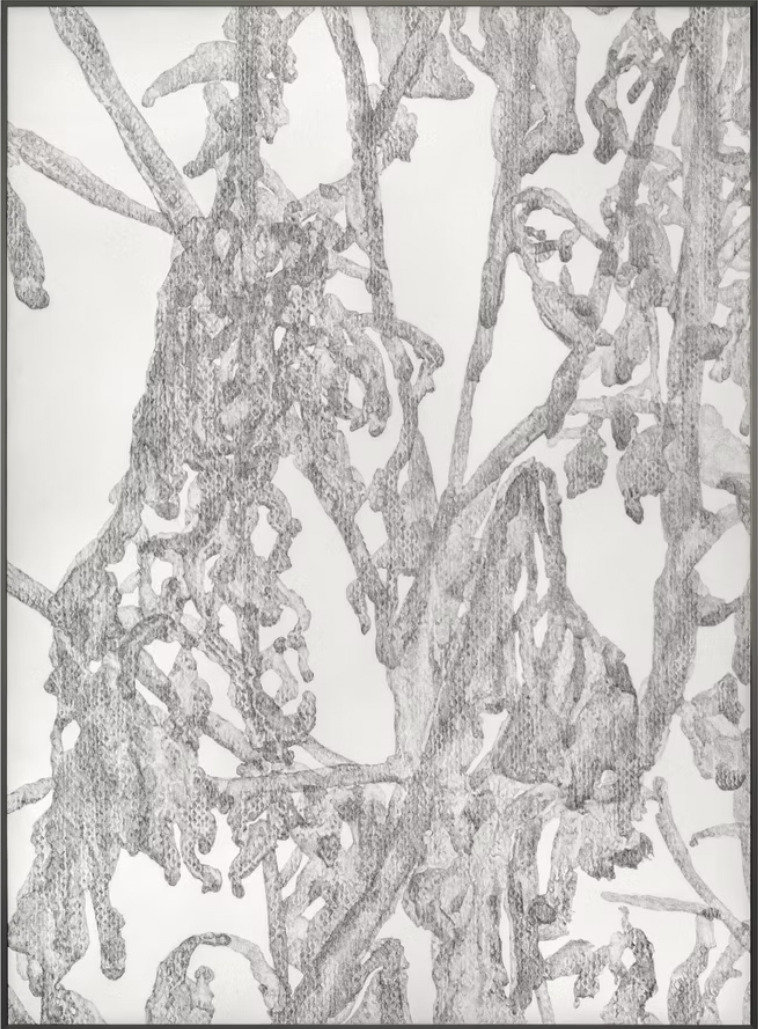
what may have already disappeared. Dried plants, eggshells, snowflakes,
icebergs, and clouds are not loss itself, but things that hover around loss and
linger before his eyes.
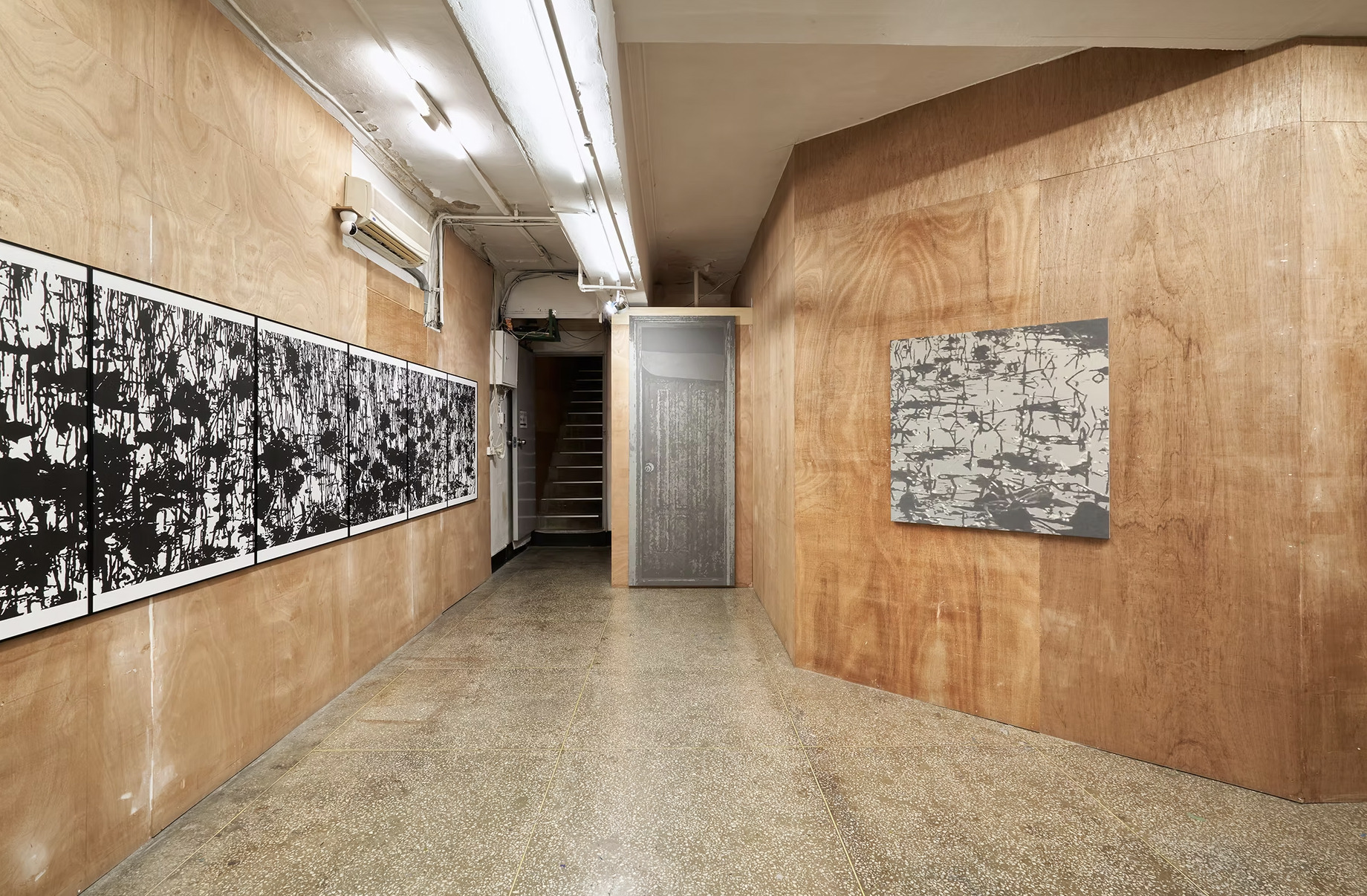
This attitude becomes more concrete in his solo
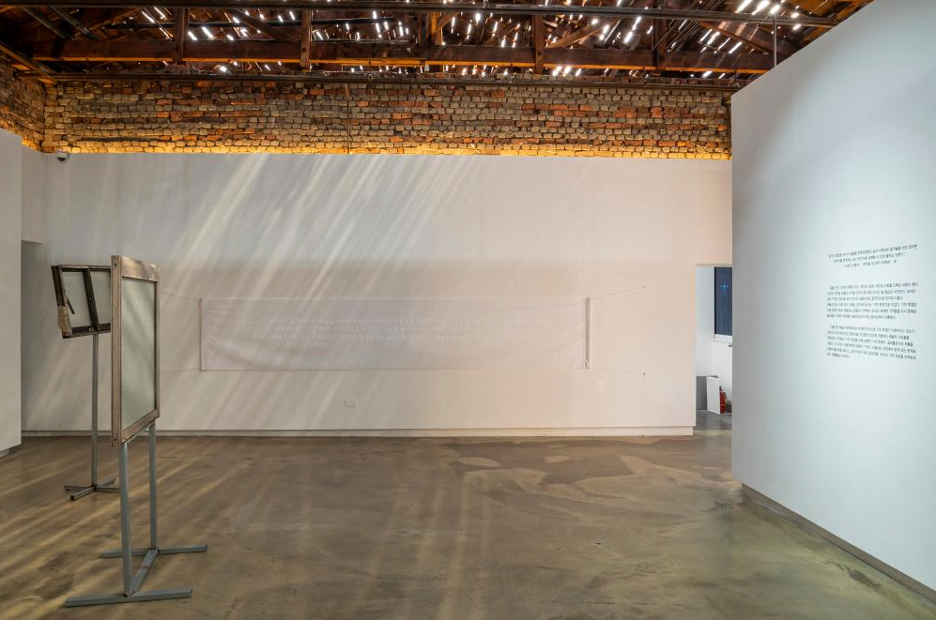
exhibition 《Tracing on Emptiness》(ONSU-GONGGAN, 2020). The artist compares the act of leaving behind
a past existence as another material reality called painting to a “shed skin,”
holding onto the trace of what is no longer part of a living body but once
formed the surface of existence.
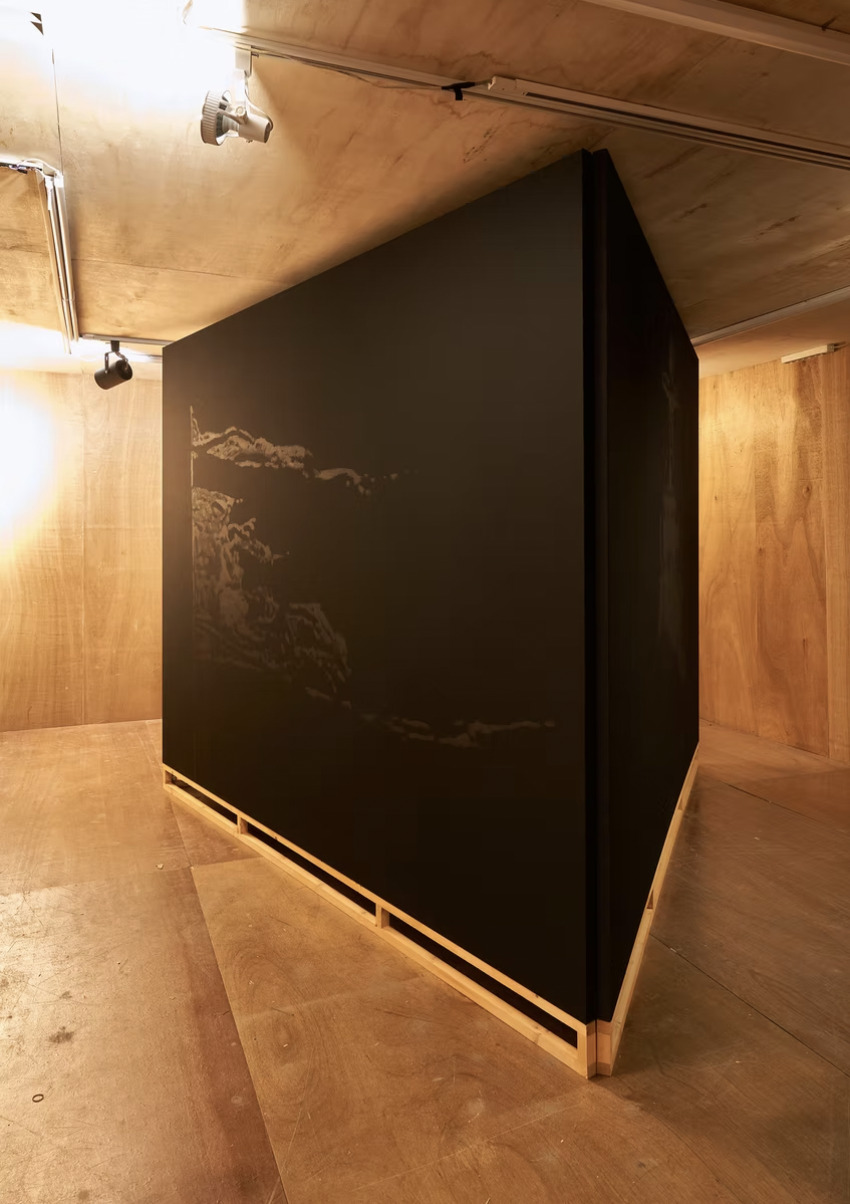
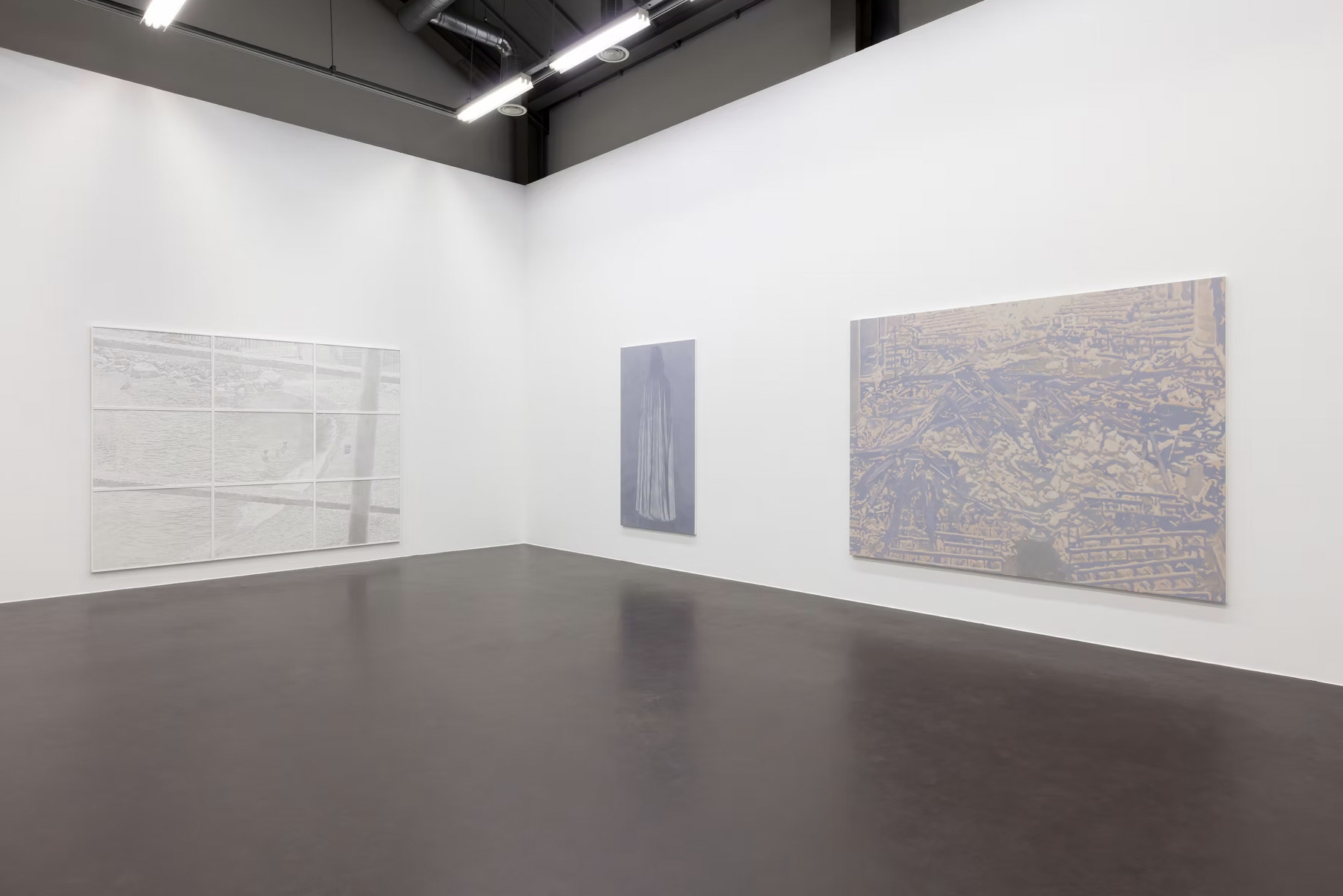
In another
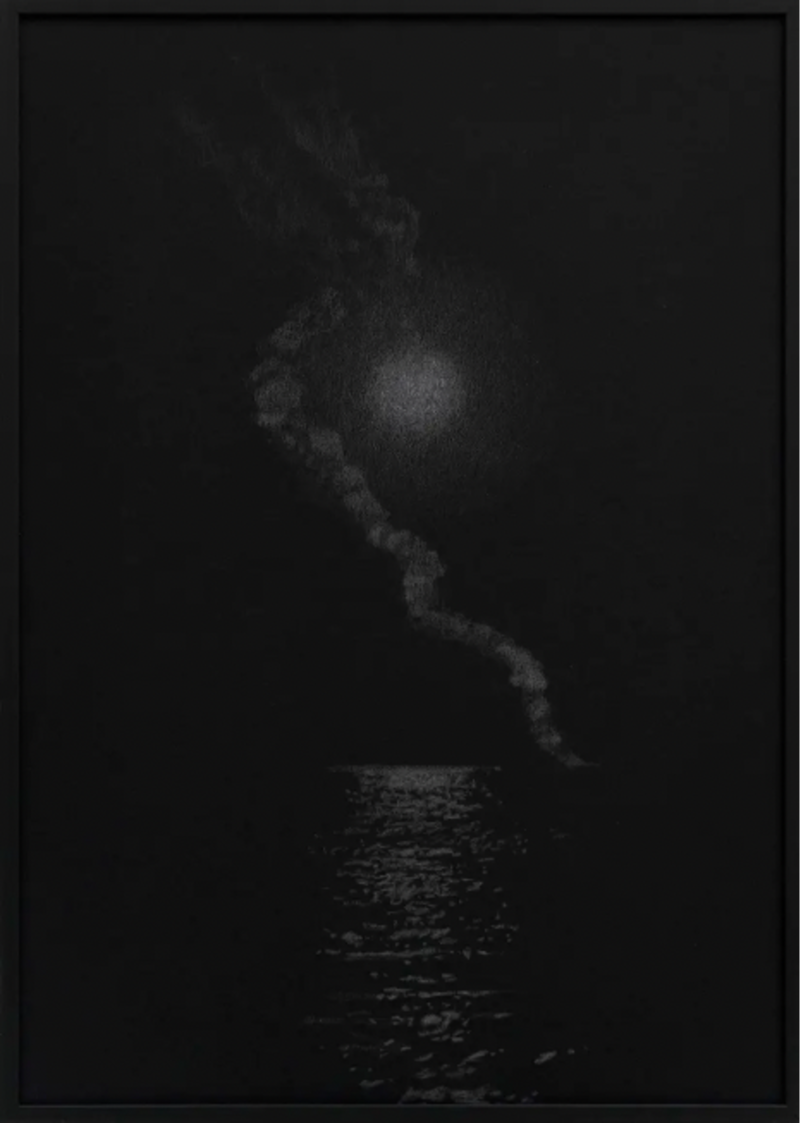
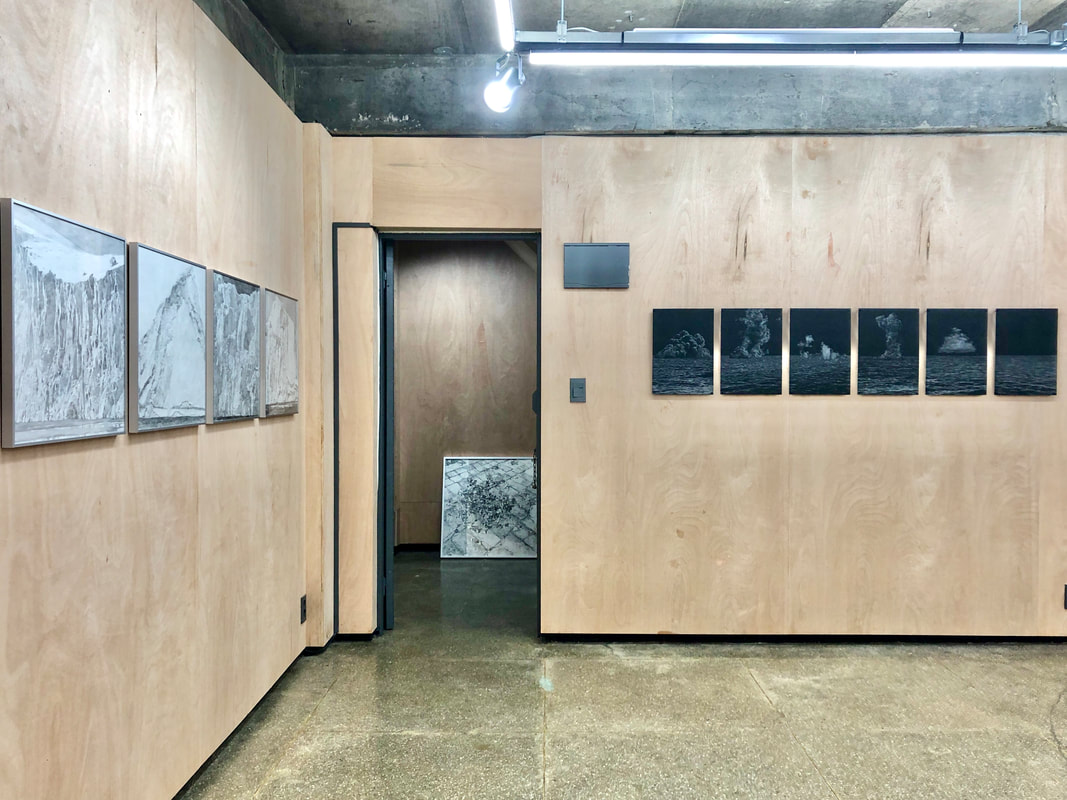
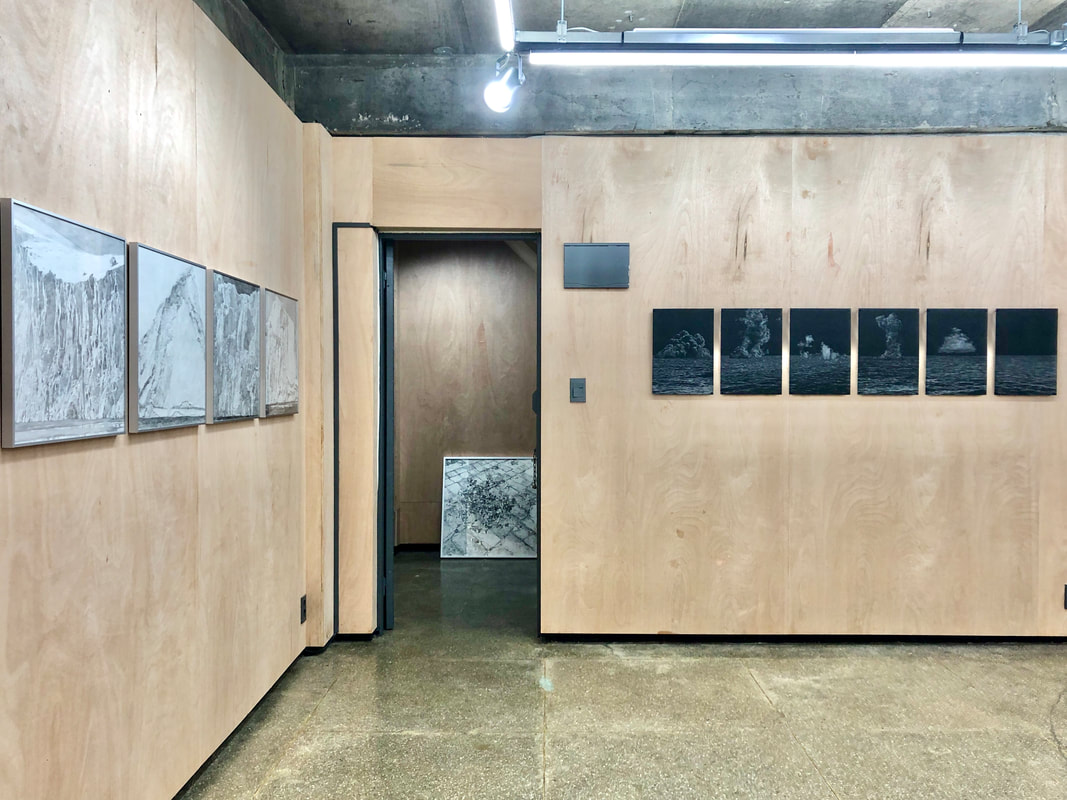
solo exhibition, 《The Sea, Smoke
and Shade》(Incheon Art Platform, 2022), personal loss
and social loss are addressed together. The Sewol Ferry disaster and the
everyday life that followed, the fire at Notre-Dame Cathedral, and the death of
a family member are different events, yet the artist views them through the
temporal unit of “generation.”
Generation(2022) evokes the
experiences of people who have passed through the same time, events that will
be handed down to the next generation only as images, and members of a previous
generation gradually departing one by one. Here, the sea, smoke, and shade
appear as things without fixed forms, constantly changing or disappearing, and
through these amorphous subjects, the artist quietly traces the relationships
between loss and memory, presence and absence.
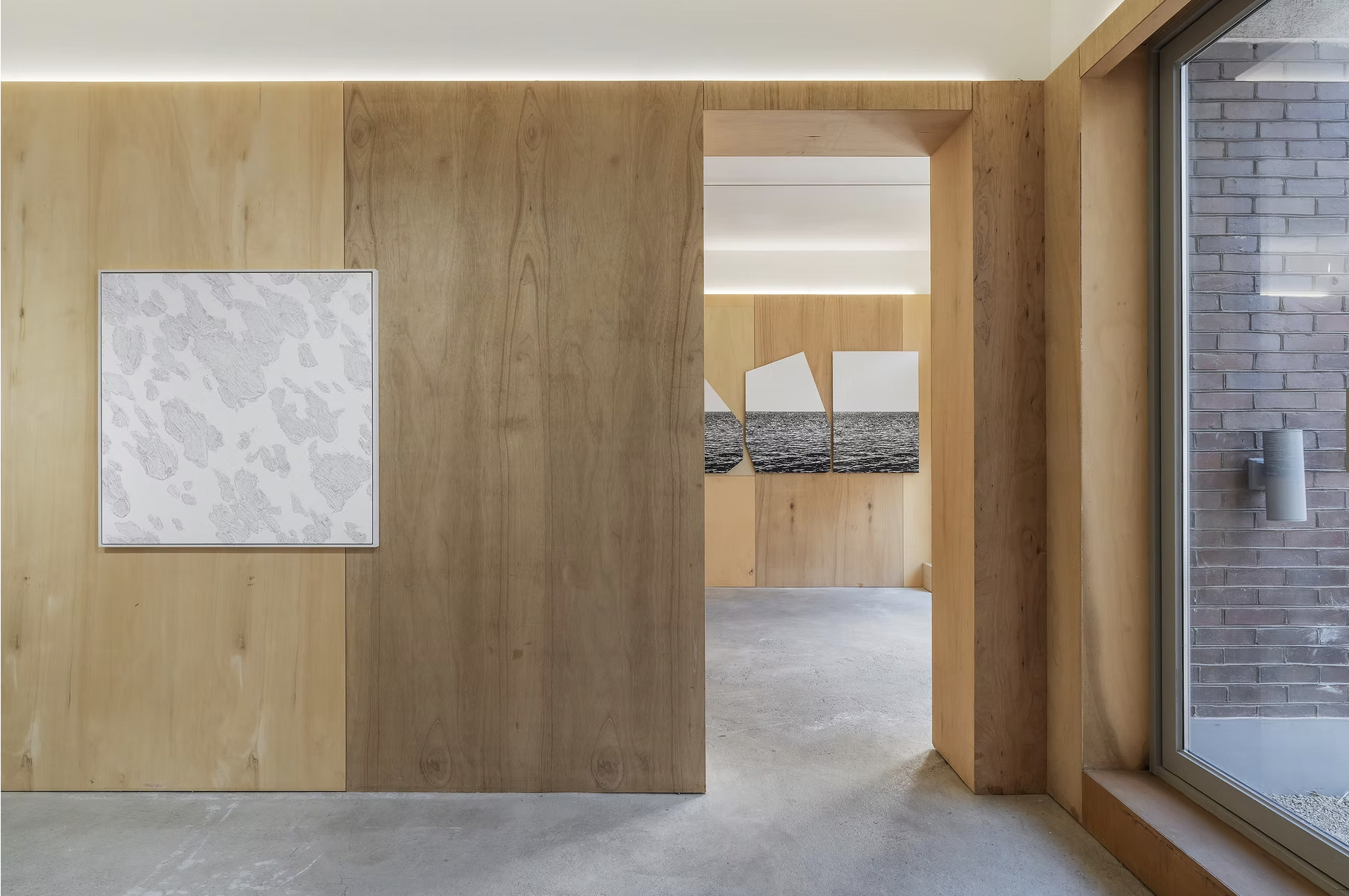
By the
time of his recent solo exhibition 《The Furthest Way》(Sahng-up Gallery, 2024),
Im’s interest expands toward what has disappeared and what has not yet arrived,
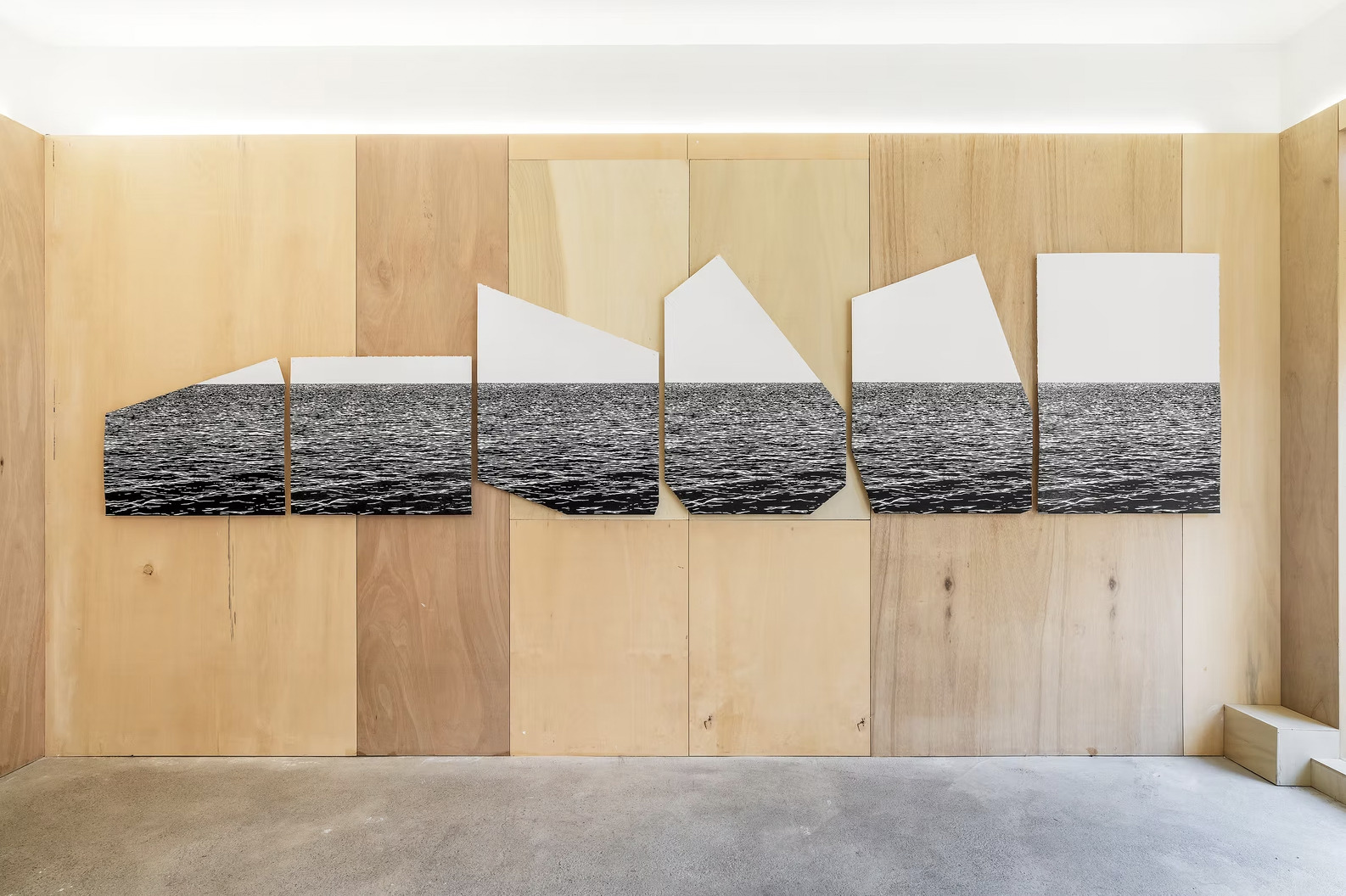
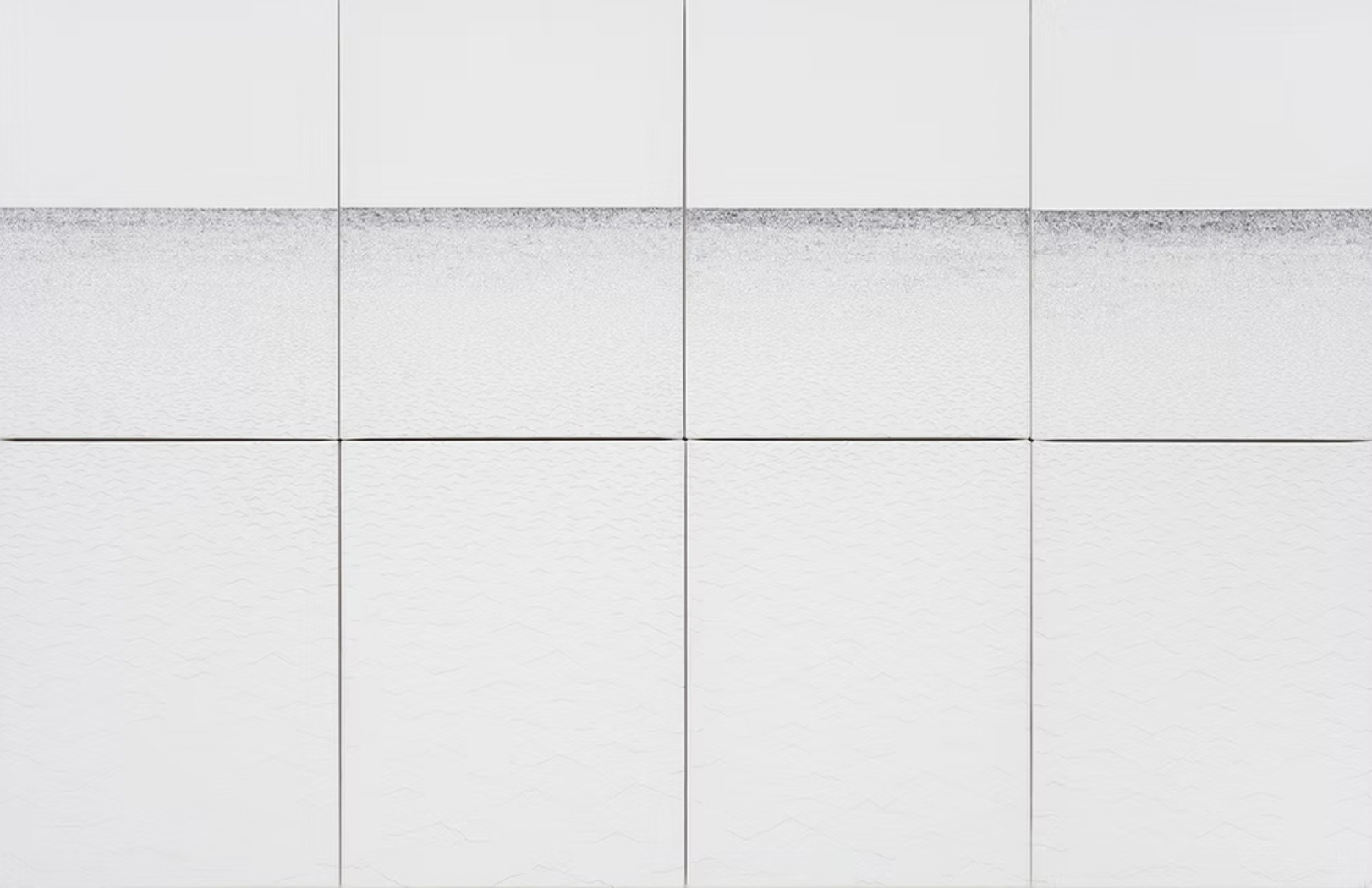
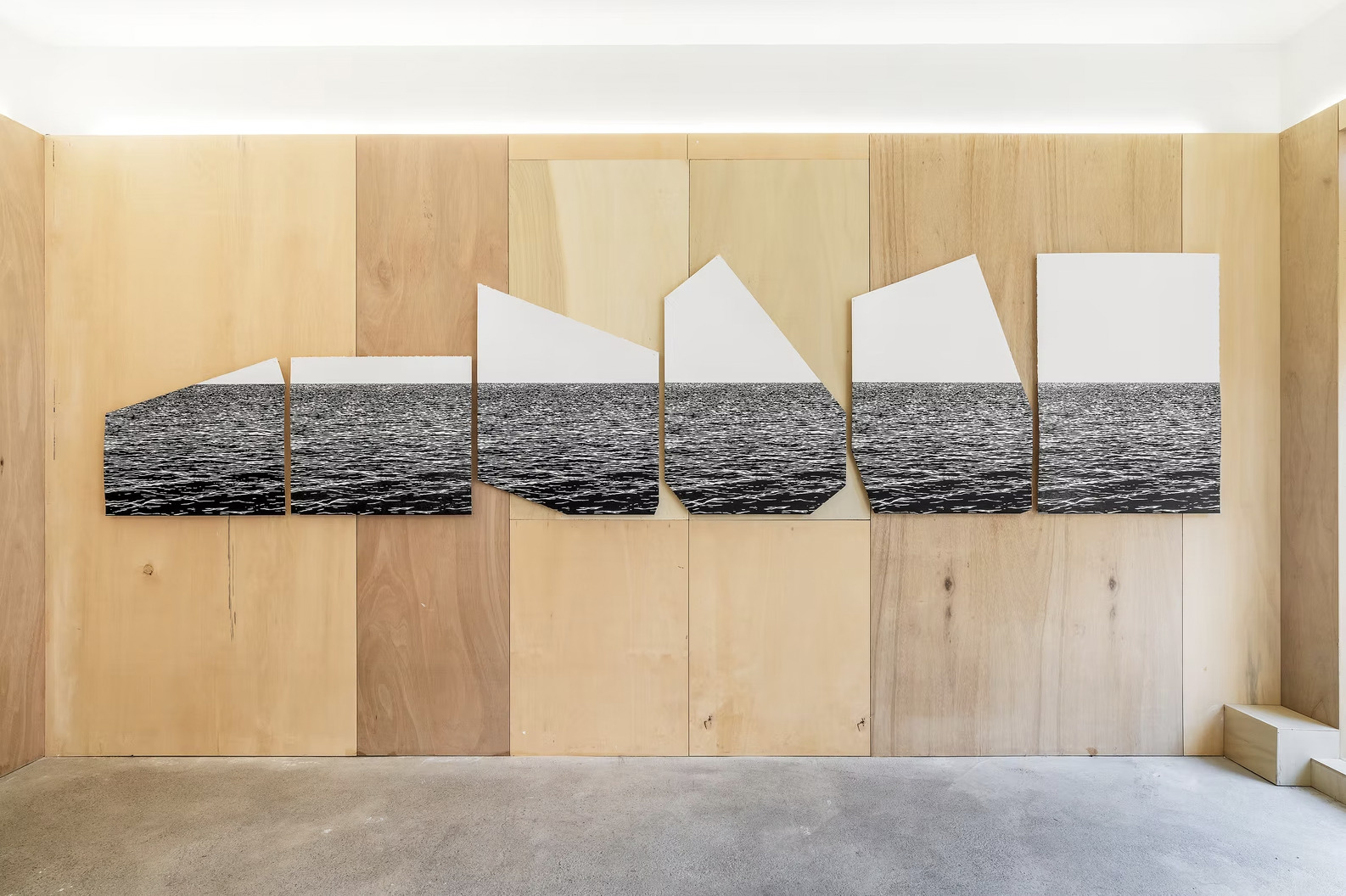
repeated days and the singular time of life. Day to
Day(2024) uses a structure in which three images are repeated between
the first and last panels to metaphorically suggest the days and nights,
seasons, and everyday time that recur between the beginning and end of life.
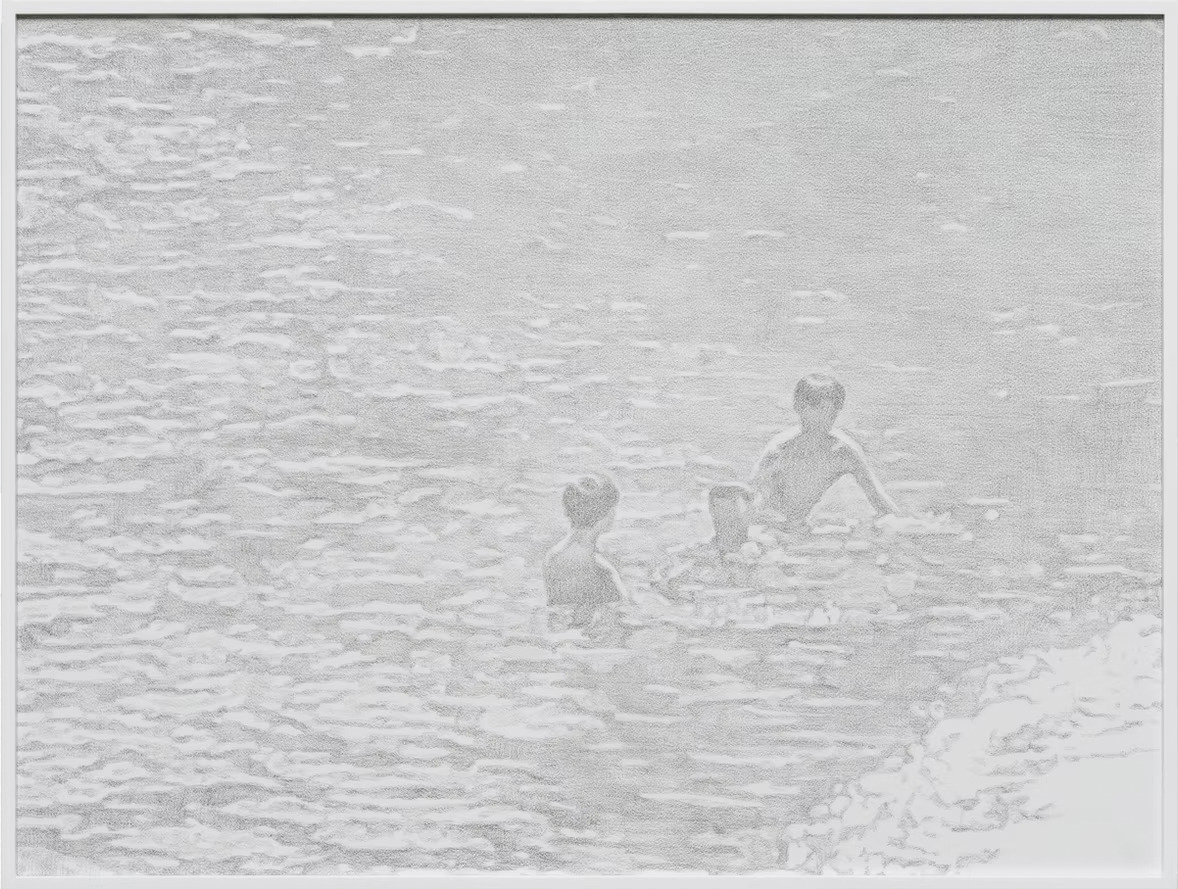
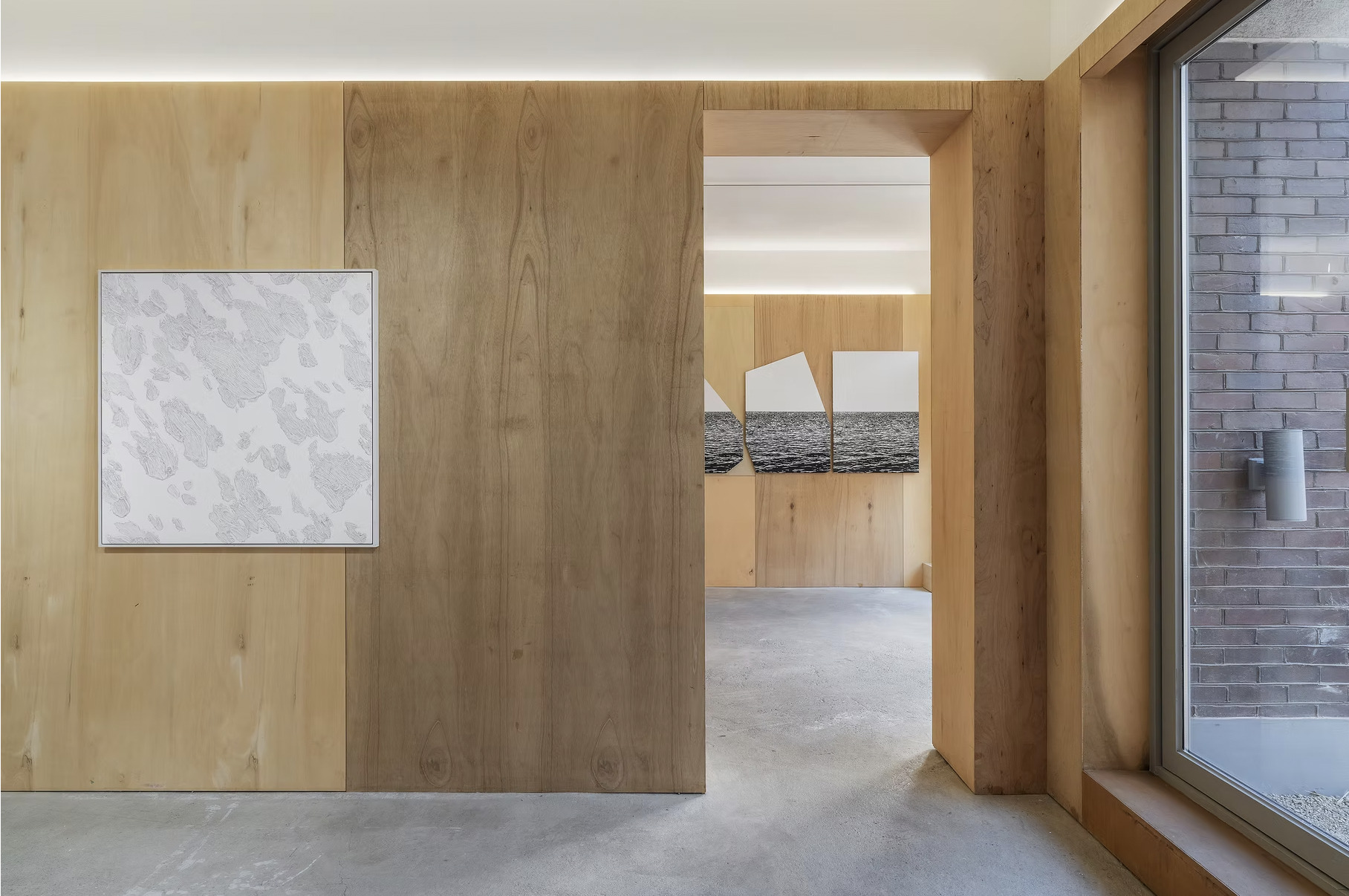
Montage(2023) shows how seemingly unrelated experiences enter
into relation and produce meaning through the viewer’s gaze, while
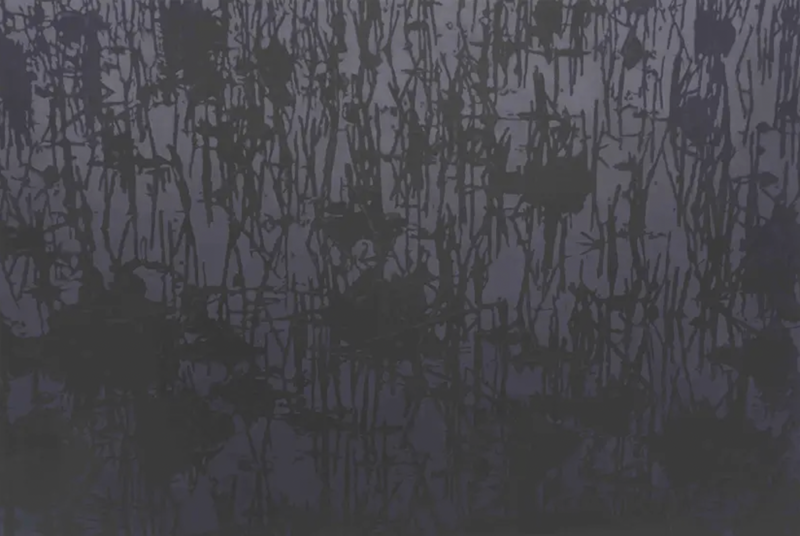
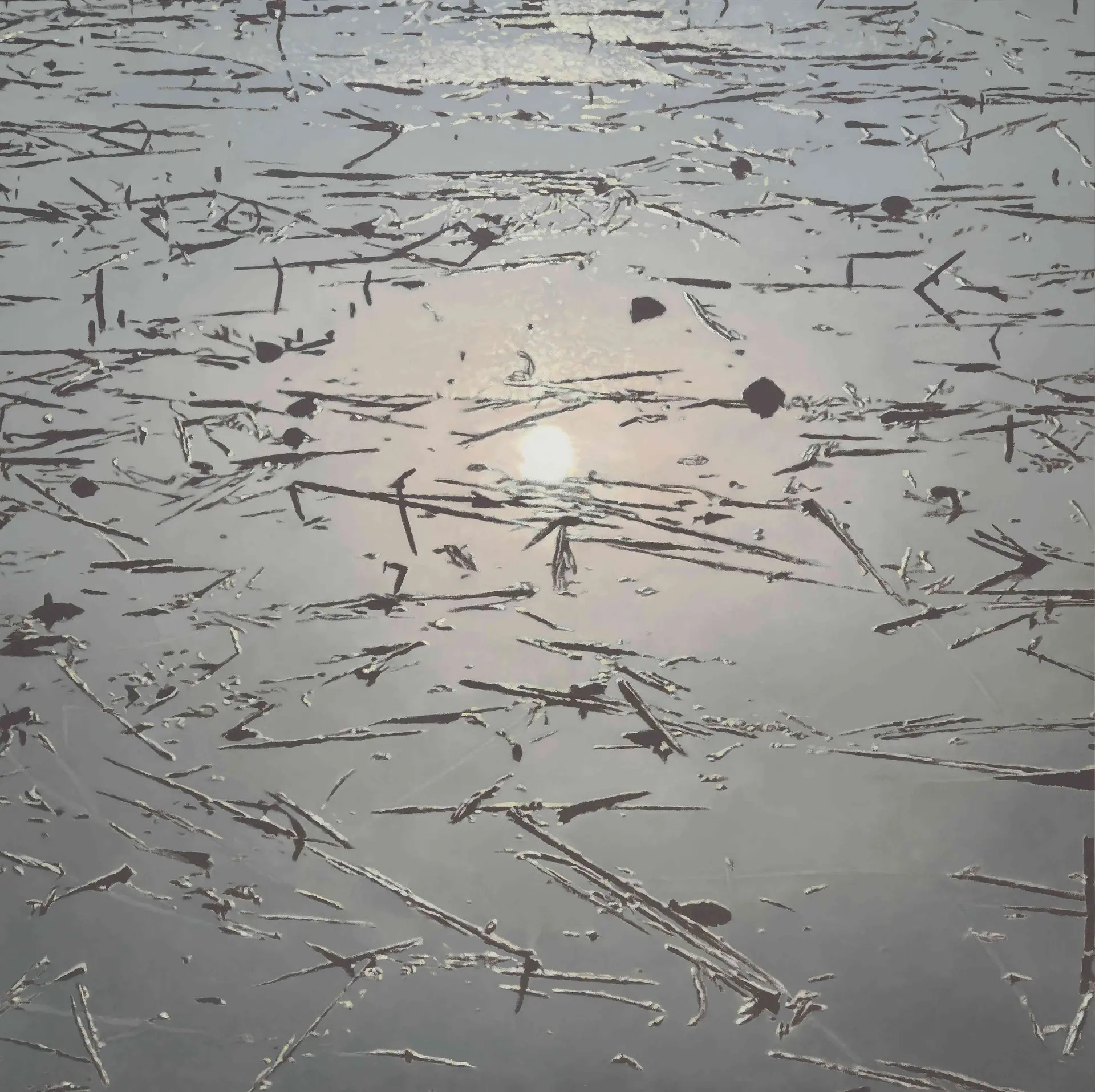
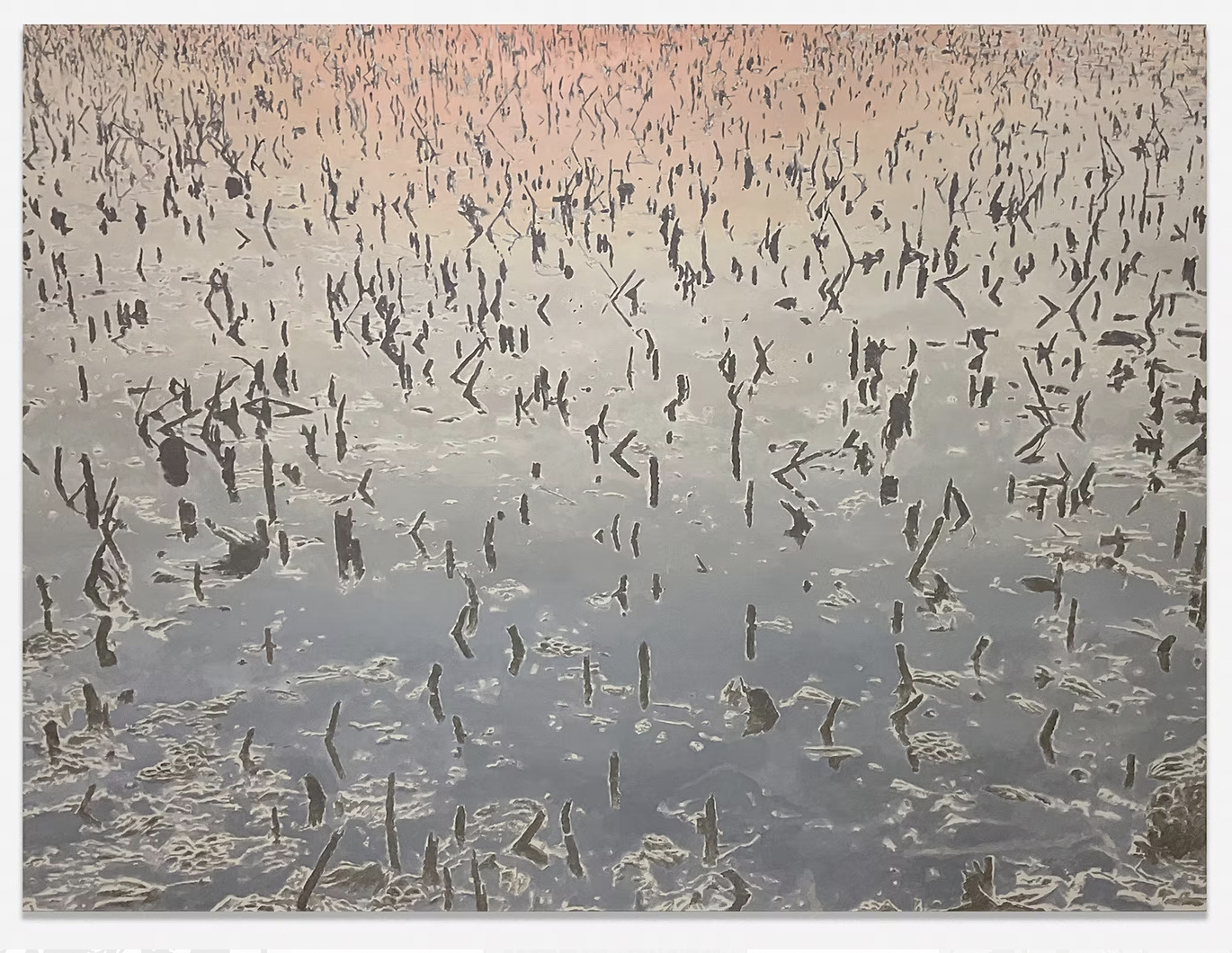
Pond(2023), Pond(2024), and
Eternity and a Day(2024) treat landscape not as a simple
scene, but as a place where time, memory, and absence overlap.