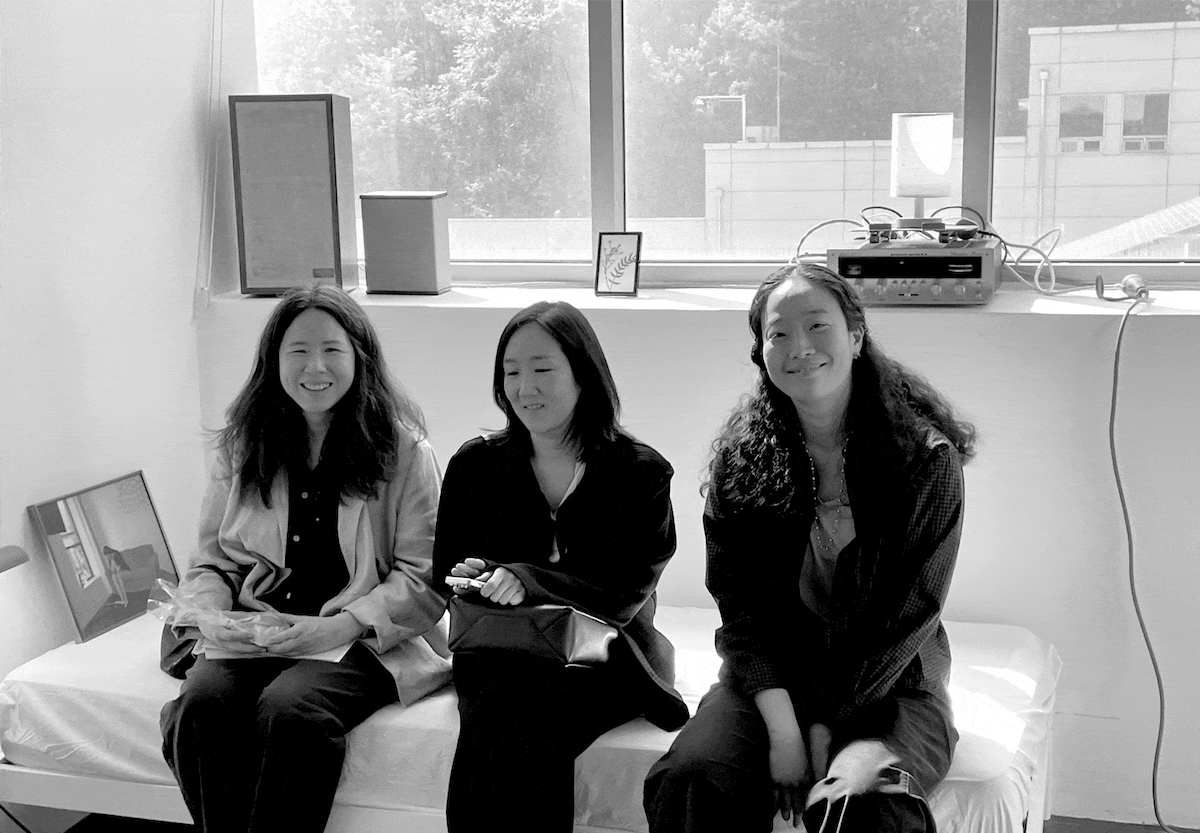
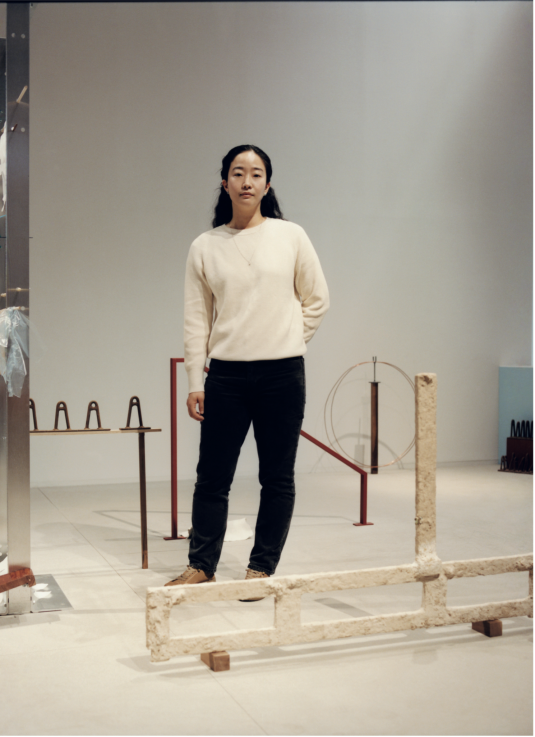
We met the artists participating in the
Samsung Foundation of Culture’s Leeum Museum of Art exhibition 《Art Spectrum 2022》.
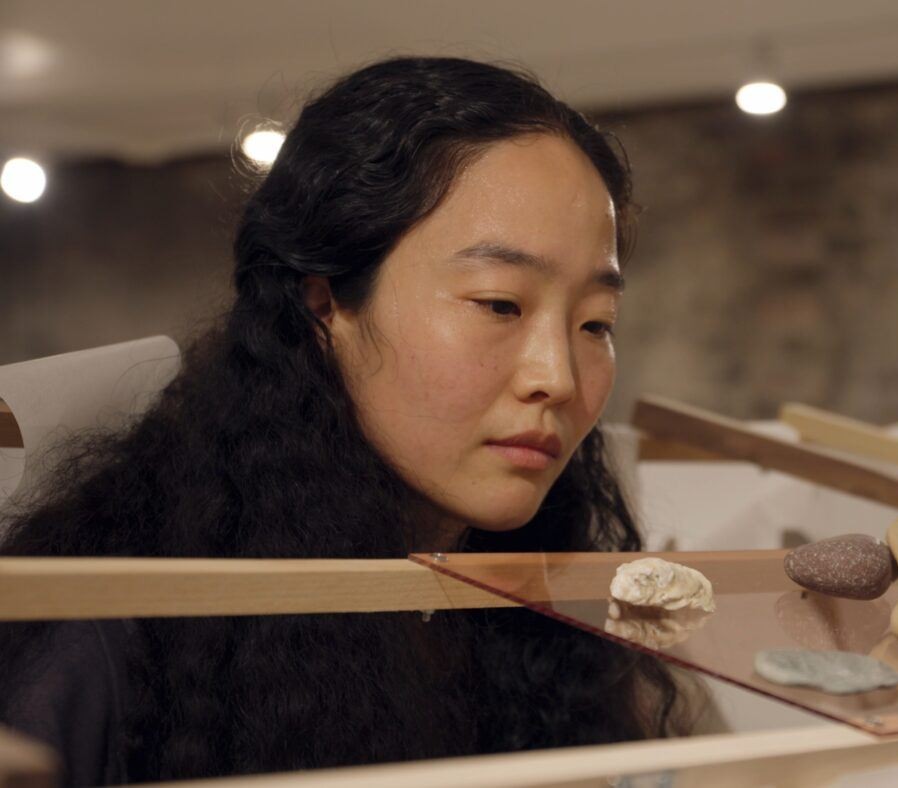
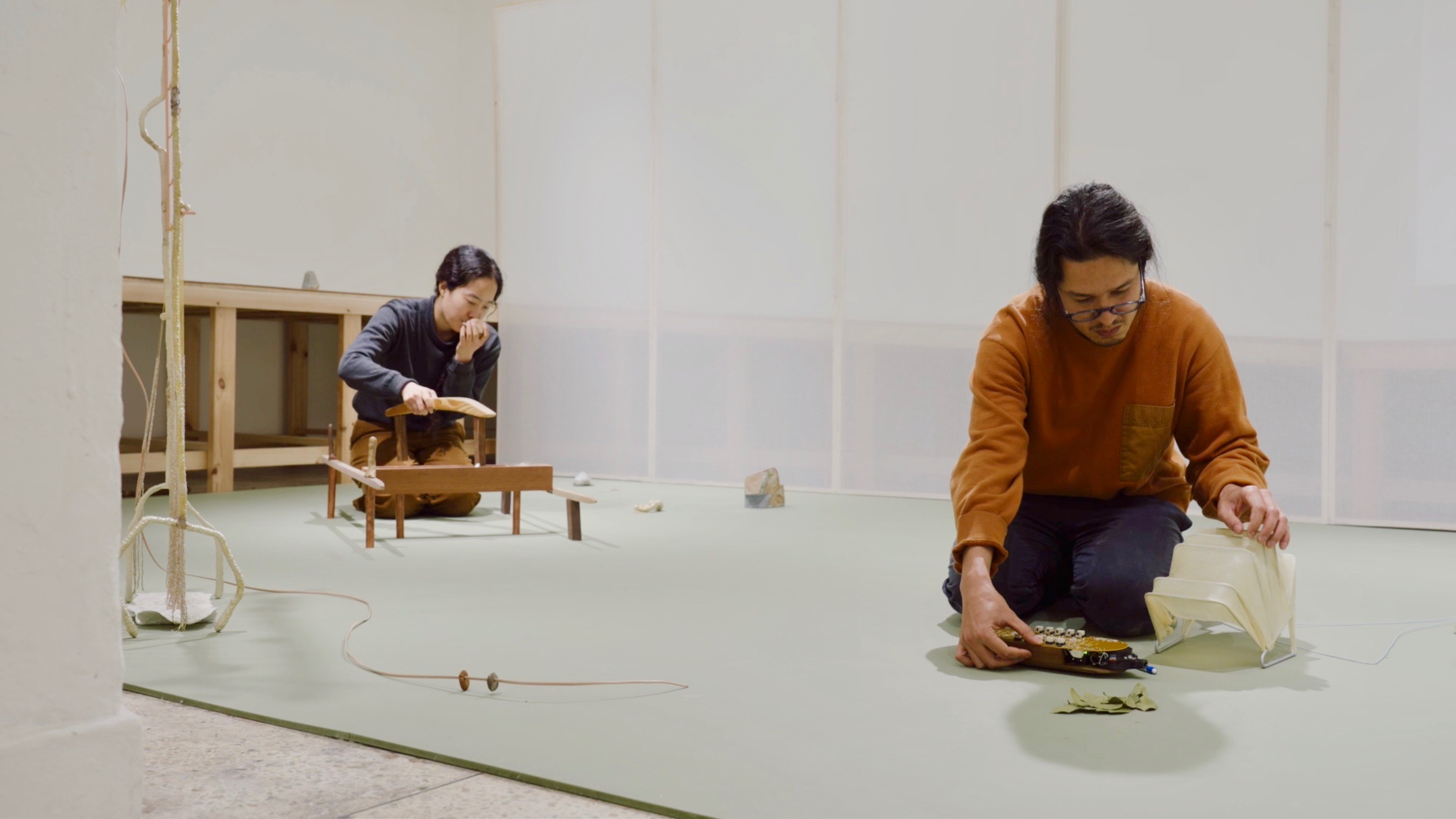
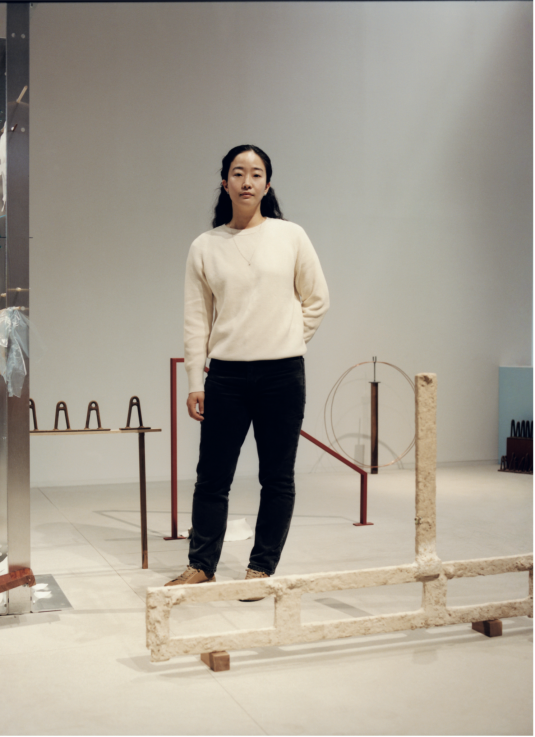
Artist Hyeree Ro has explored the weaving
of the personal and the social through performances that combine objects made
of various materials, bodily movement, and language. The work
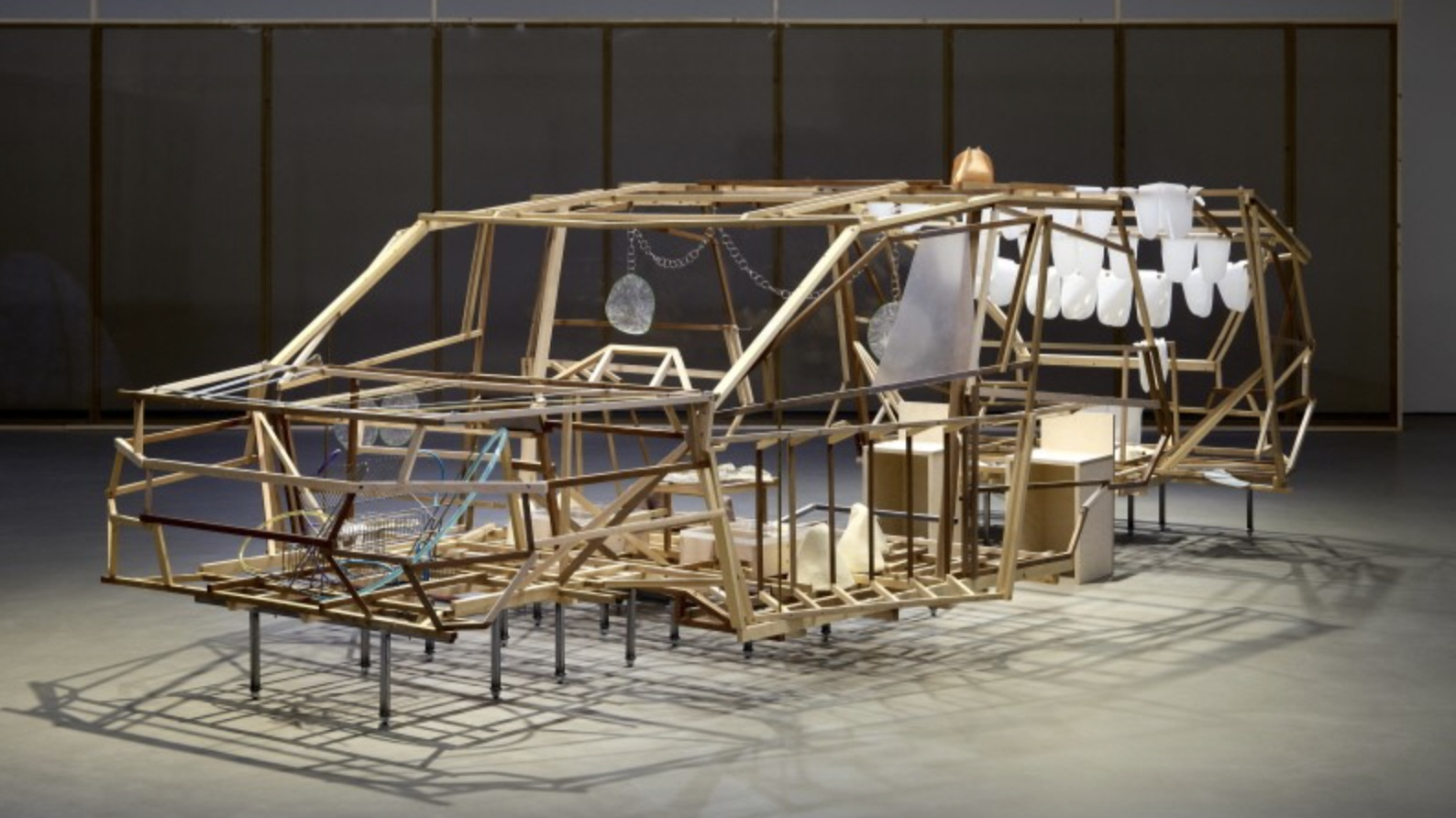
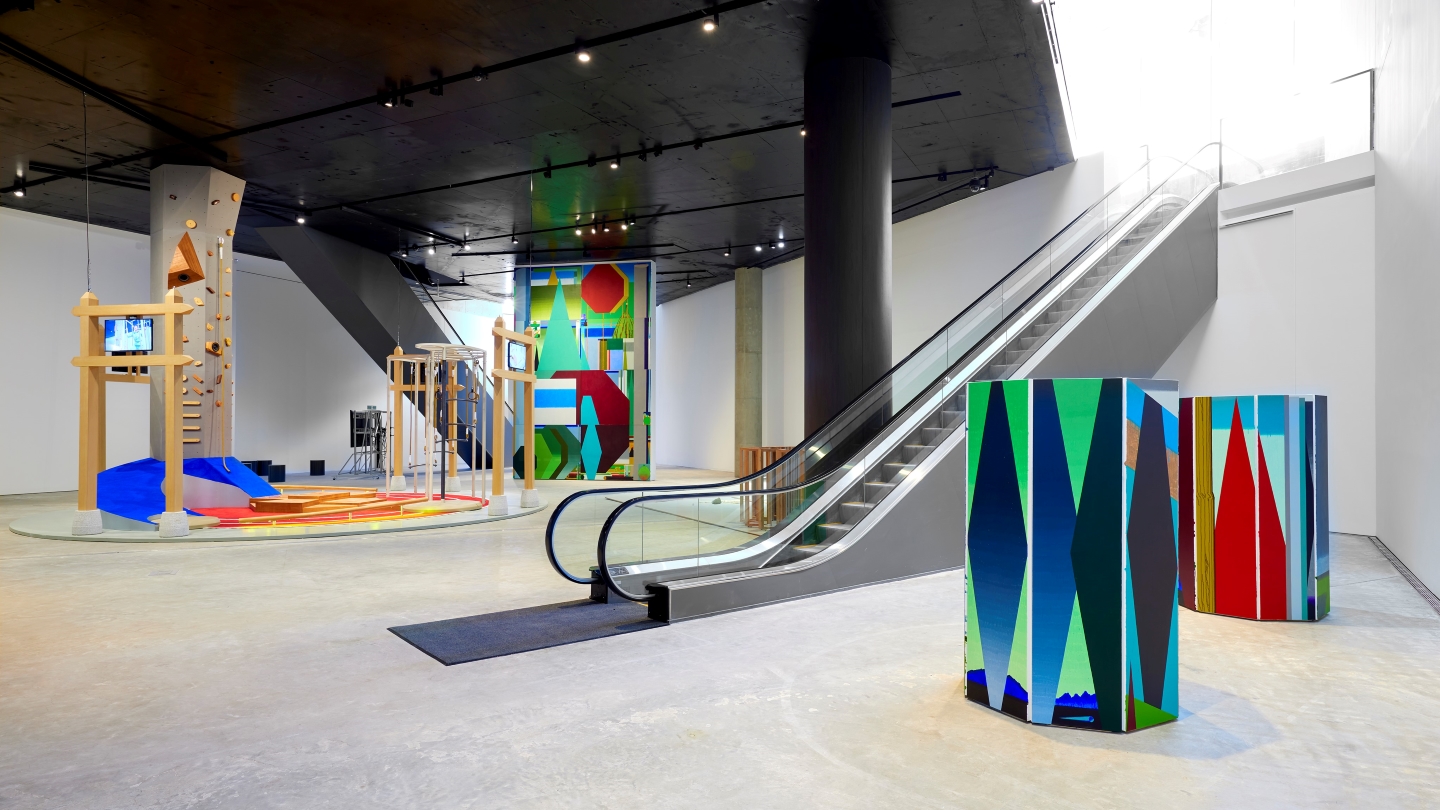
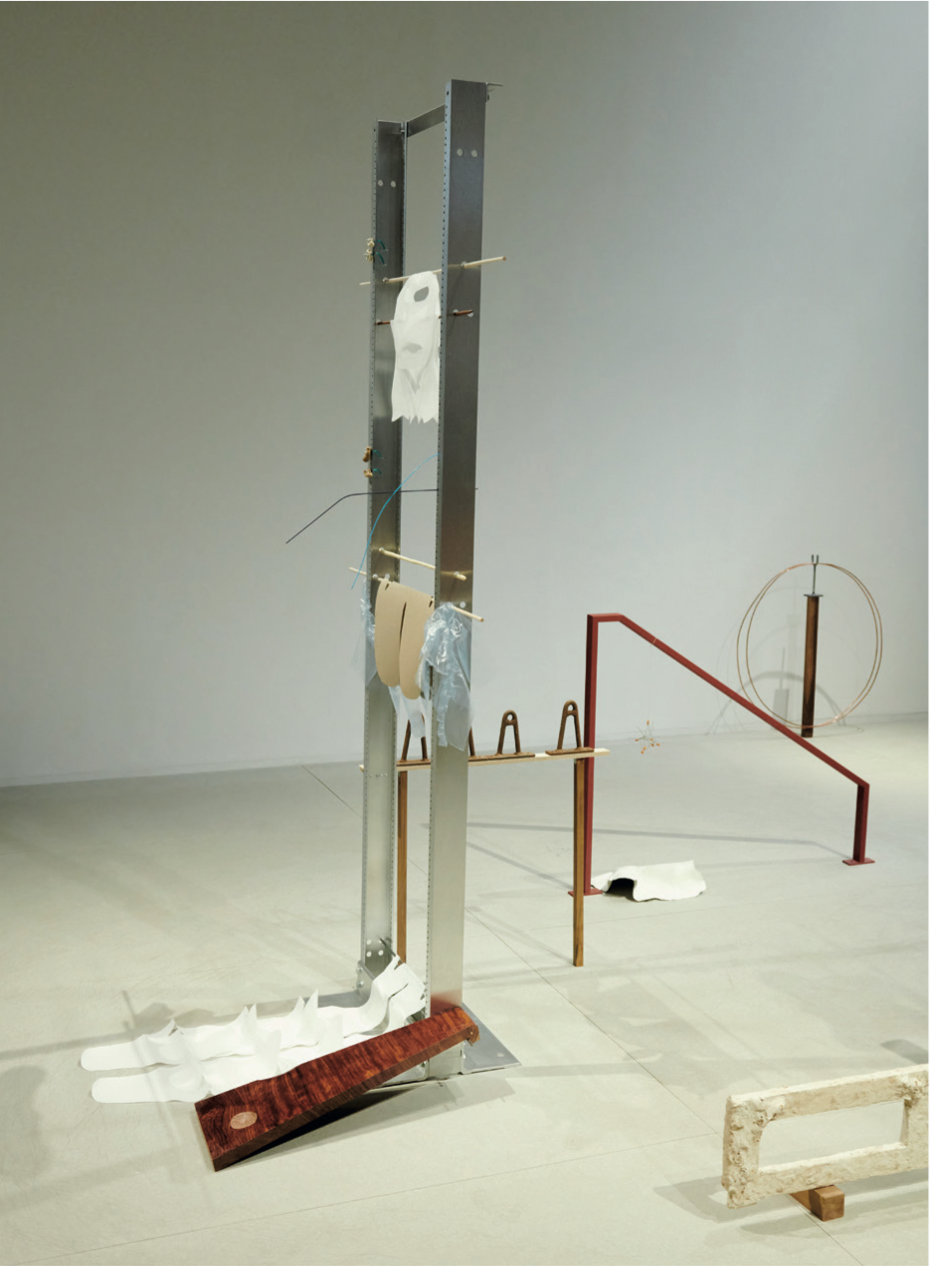
Falls that she presented in 《Art
Spectrum 2022》 began from an experience when she traveled
across the United States with her father, who had been living alone as an
immigrant in Los Angeles, and did not visit Niagara Falls located near the
national border. Through this work, the artist addresses three events: the
financial crisis of 1997, the September 11 attacks of 2001, and the beginning
of former U.S. President Donald Trump’s term in 2017. Thinking about things
that descend violently like a waterfall, Ro discovers the value of solidarity
that crosses the boundaries established by humans.
I’d like to first ask how Niagara
Falls became the starting point of Falls.
When I was young, my father moved to Los
Angeles alone, and we lived apart for about ten years. Later, in 2017, when he
said he wanted to travel across the United States from Los Angeles to New York,
the two of us set out on a trip together. At that time my father did not want
to go to Niagara Falls, because the waterfall is located on the border between
the United States and Canada. Meanwhile, 2017 was also the year former
President Trump began his term, when strong immigration restriction policies
were introduced and there were many cases of people referred to as undocumented
immigrants being arrested by U.S. Immigration and Customs Enforcement (ICE).
Thinking about this situation led me to make Falls.
I heard that
Falls deals with three events: the 1997 financial crisis,
the September 11 attacks of 2001, and the beginning of former President Trump’s
term in 2017.
Each of the three events is embedded in
the meaning of Falls in different ways. The title of the
work refers to Niagara Falls, but it also suggests a situation in which
something is falling or descending. In 1997 the exchange rate plunged, in 2001
buildings collapsed, and in 2017 the status of immigrants in the United States
declined after the start of Trump’s presidency.
My own family history also
connects to these events: our family immigrated together to the United States
in 1998, but in early 2002 my father remained there while the rest of us
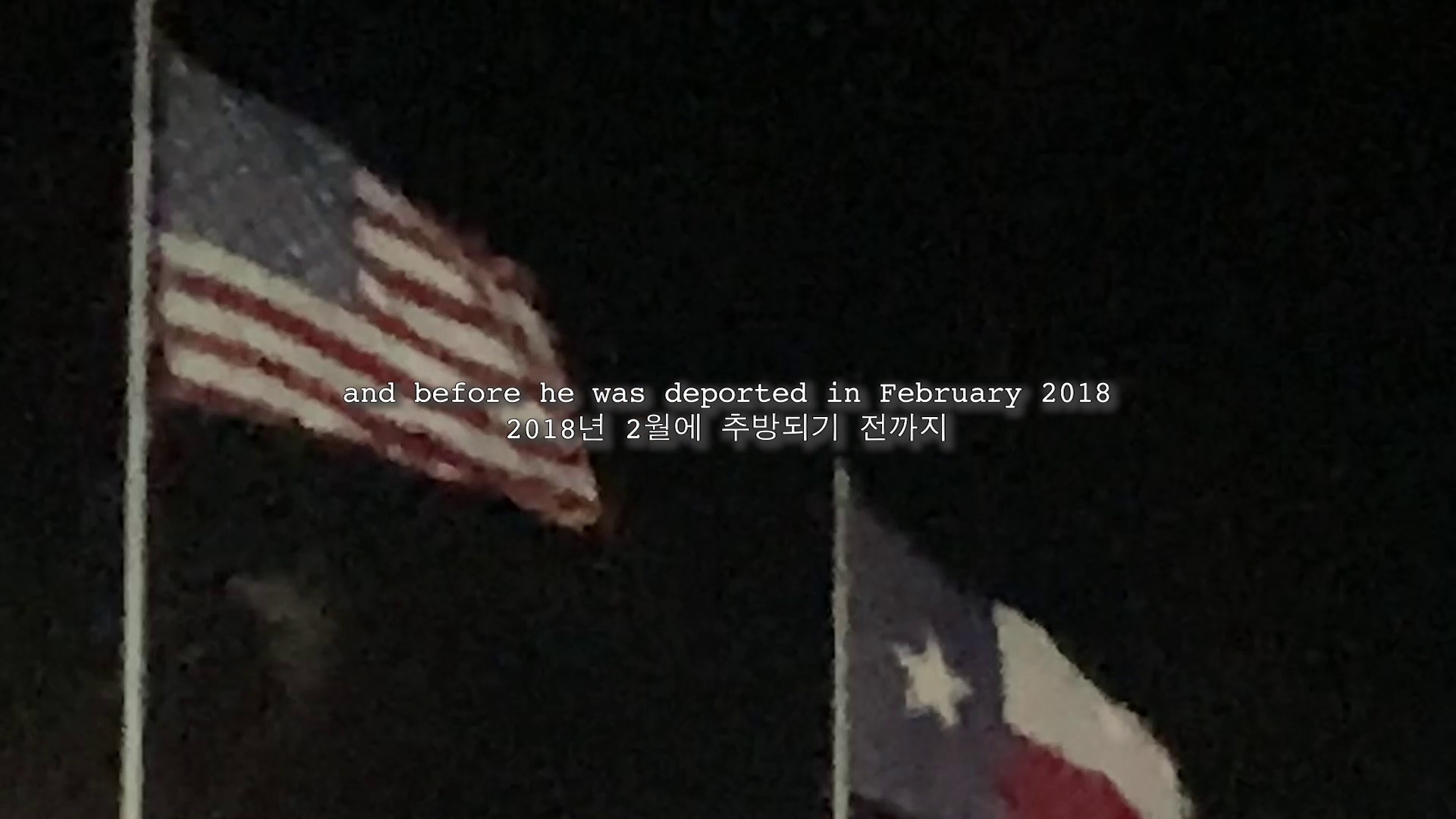
returned to Korea. In the video Falls Interview, which plays
in one corner of the museum, eight people speak about their memories related to
these three events. While making this video, I realized that my family’s story
was not purely personal.
How did you select the eight
participants?
The criteria were clear: people who were
born outside the United States and immigrated to the U.S. in the 1990s. As a
result, most of them were born in the 1980s, and their nationalities
vary—Korean, Japanese, Filipino, Mexican, and others. As immigrants living in
the United States, they share similar emotional experiences.
I noticed that you used many
different materials in this work.
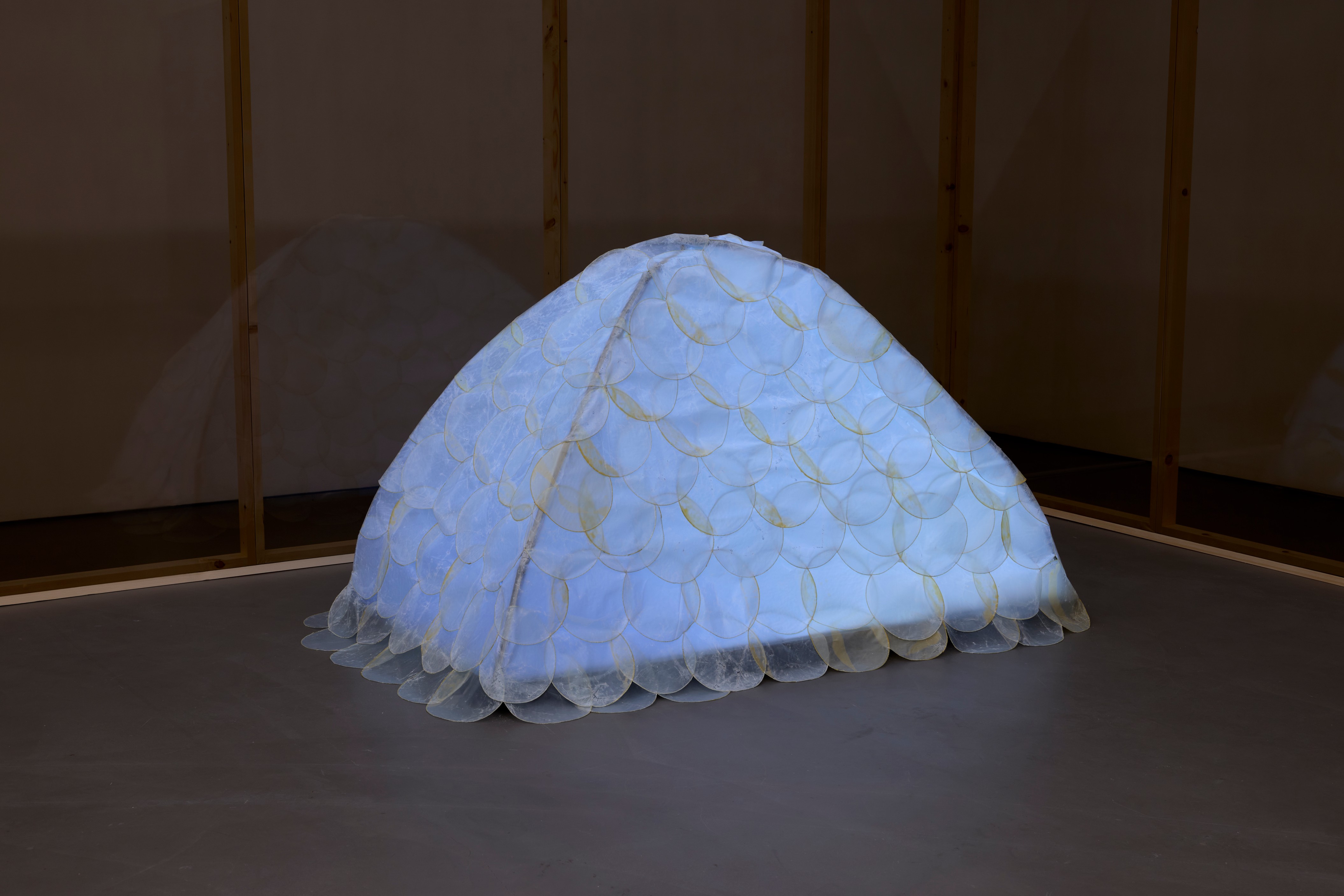
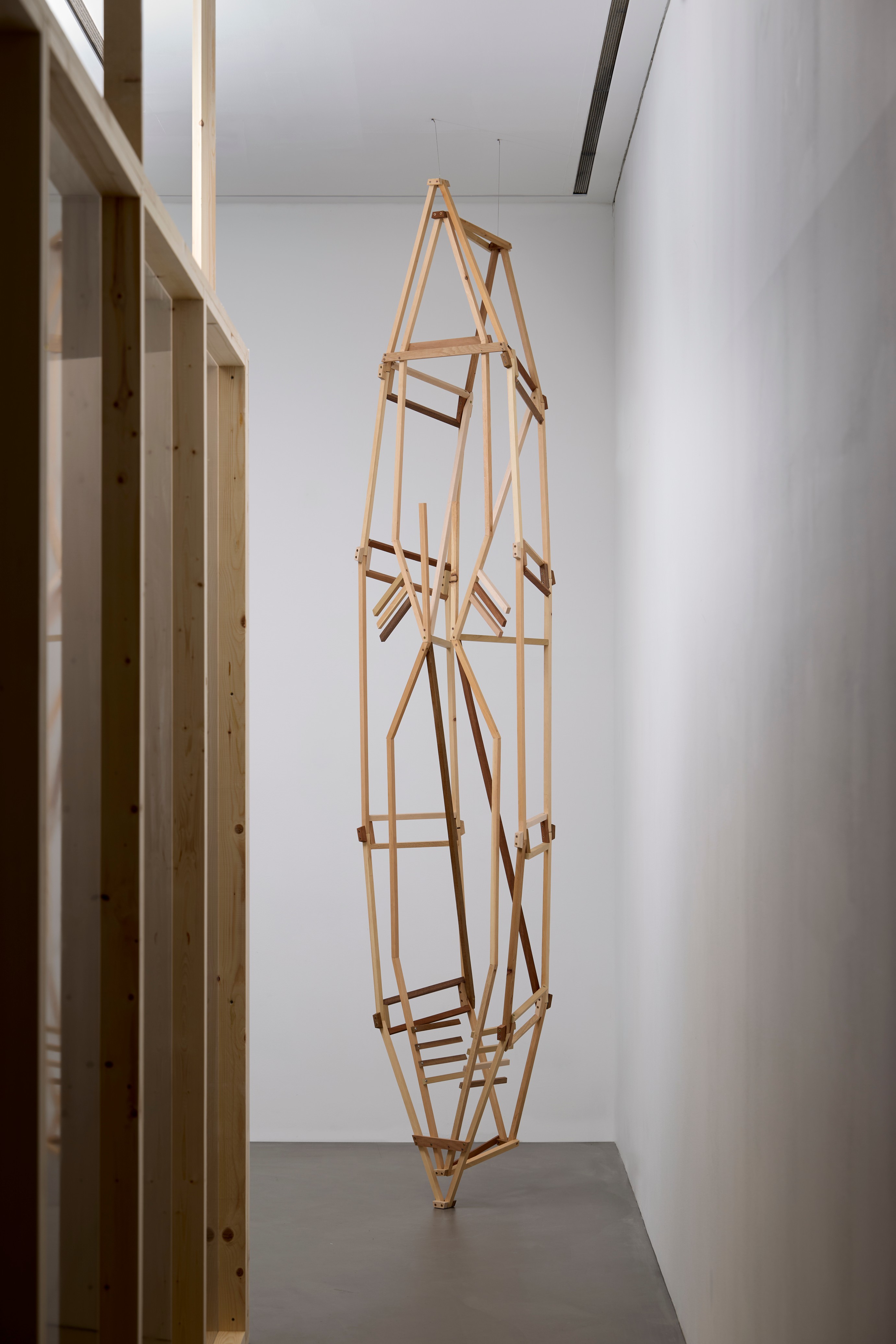
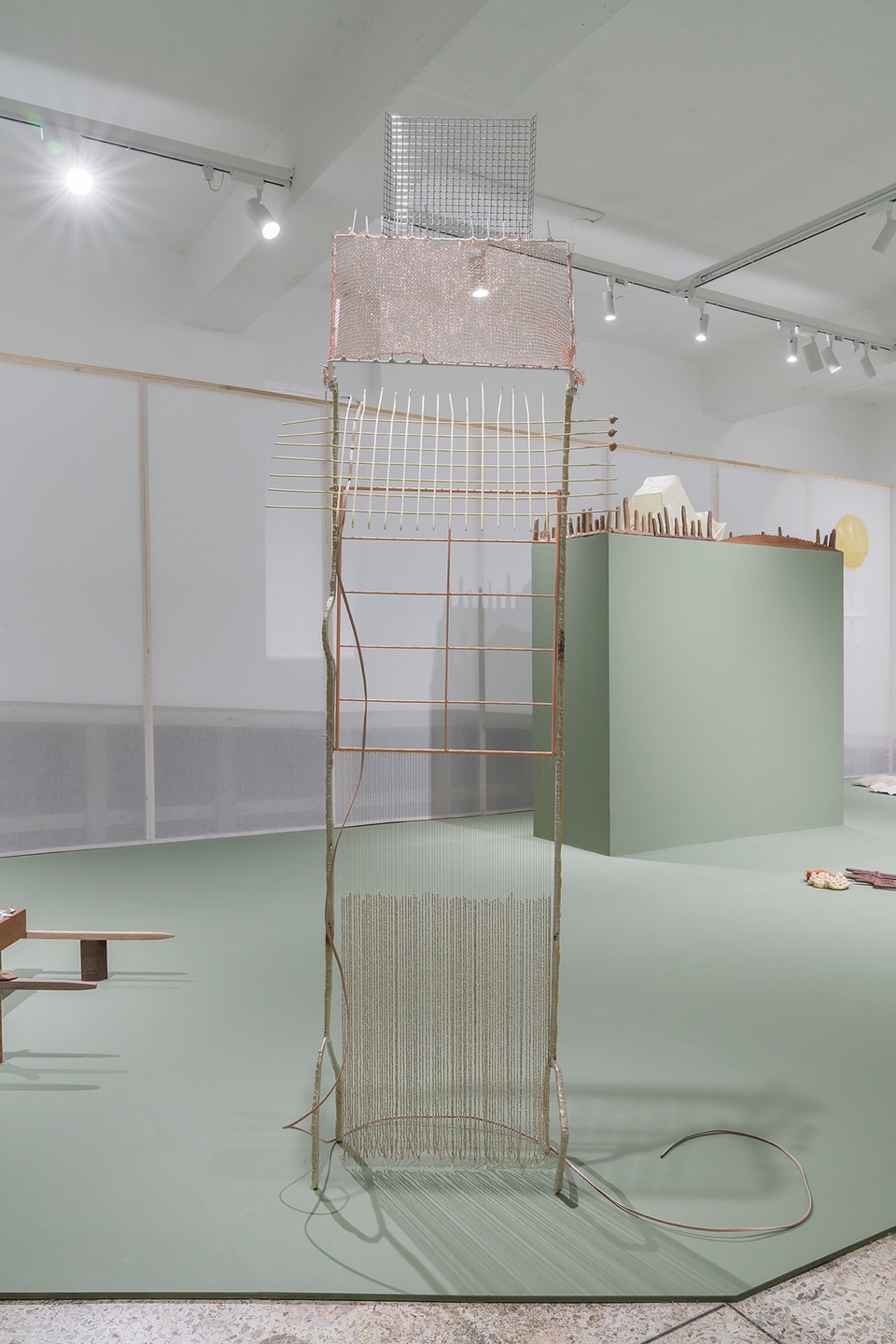
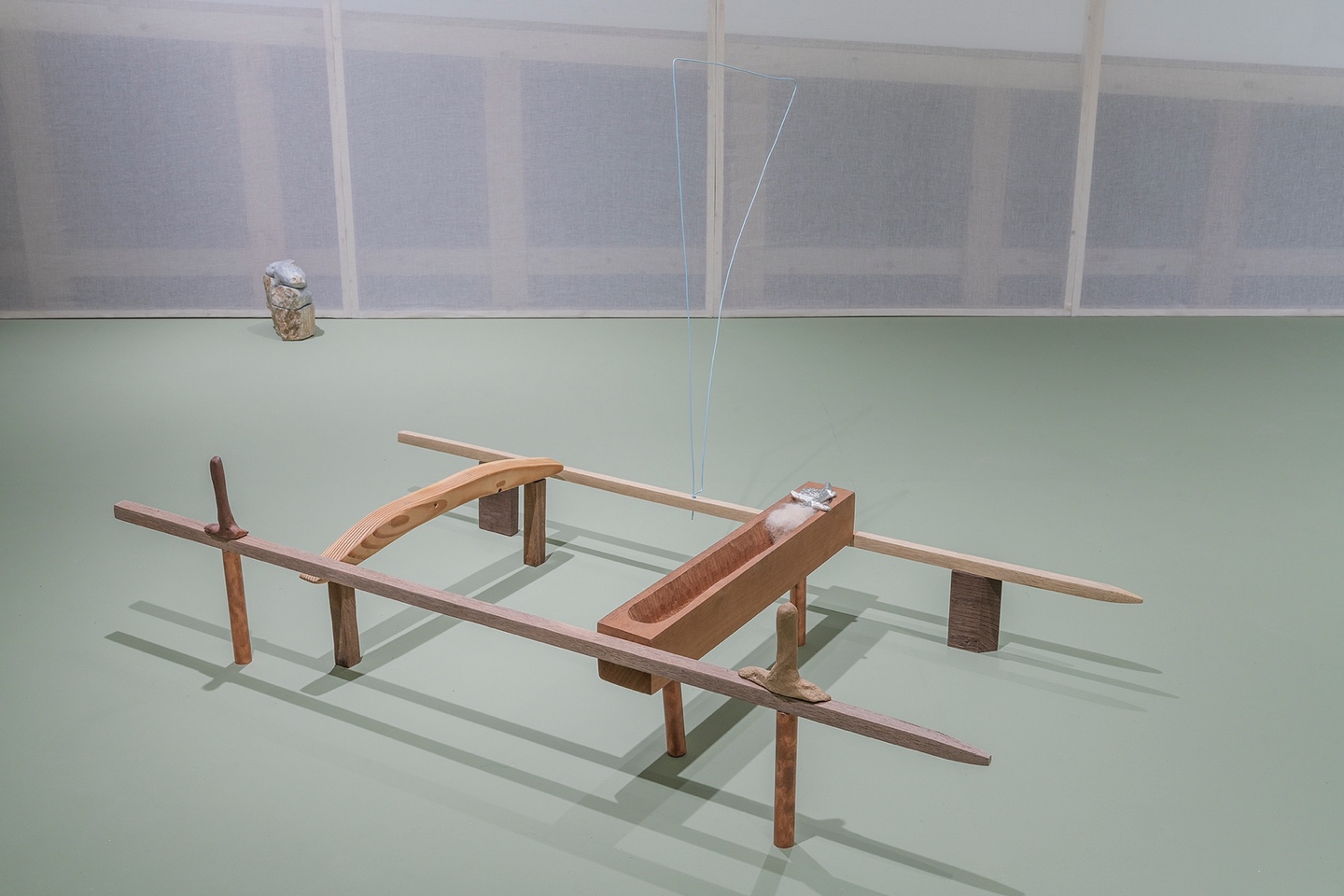
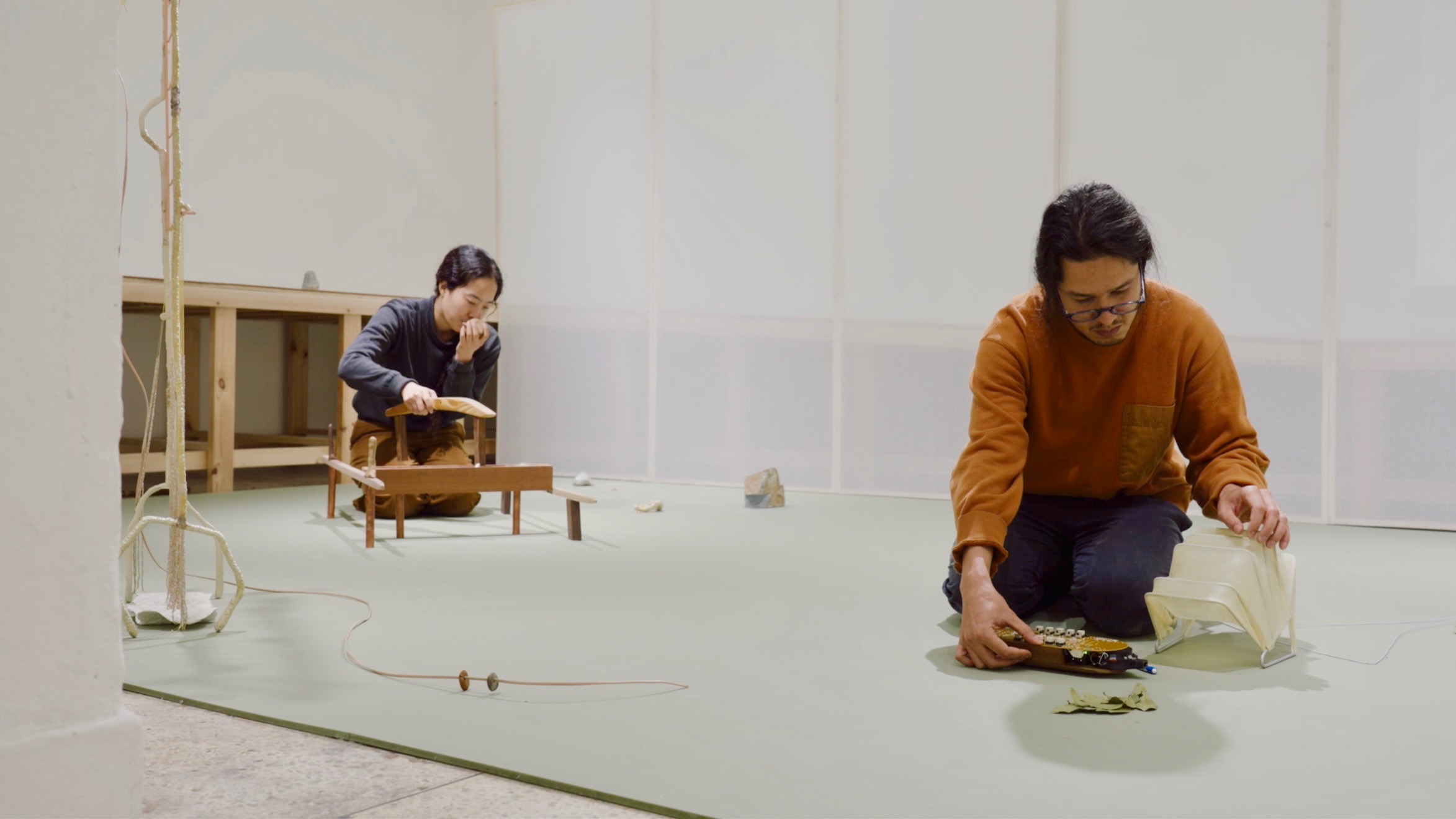
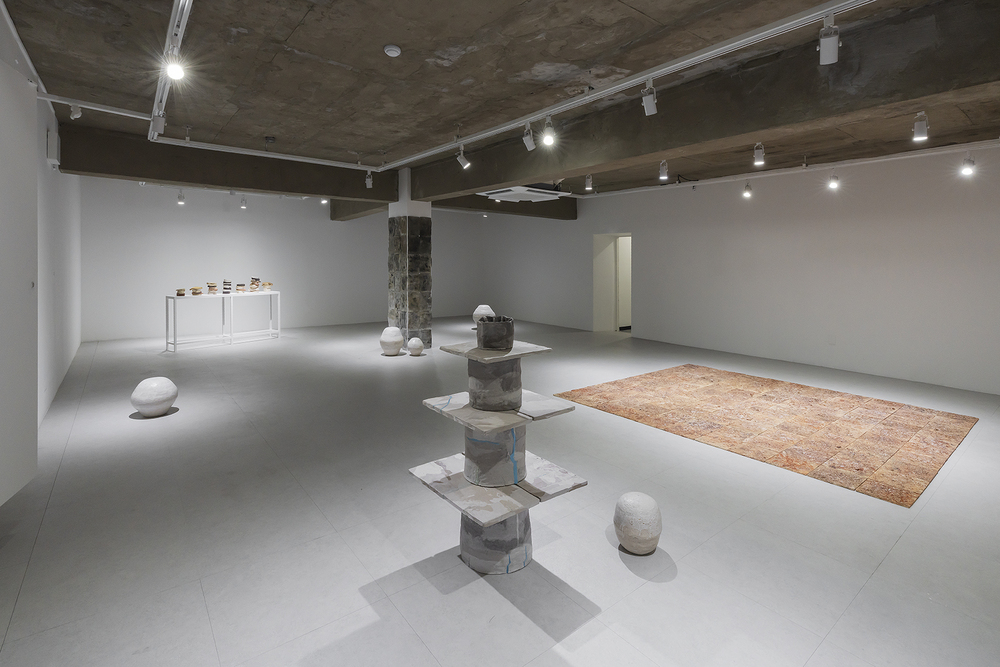
I used a wide range of materials including
wood, aluminum, ceramics, glass, iron, and stone. When I work, I tend to focus
less on reproducing specific forms or approaching things symbolically, and more
on the visual materiality created when different textures, shapes, and colors
come together. In Falls, however, elements related to water
and paper are also included. For instance, glass shaped like cascading water,
paper inspired by the term “undocumented,” which is used to describe immigrants
without official papers, and a type of wood called “waterfall bubinga.”
Looking at your Instagram, I saw
photos gathered under the title “THINGS I PICK UP.” Do you often draw
inspiration from everyday objects?
When I discover objects that create
interesting combinations, I tend to photograph them. Rather than serving as
direct references, inspirations from many such photos seem to naturally seep
into my work. They accumulate in my mind like data and eventually reappear in
other forms.
Falls is
composed of multiple objects. I imagine you also thought carefully about the
arrangement of the objects and the exhibition space.
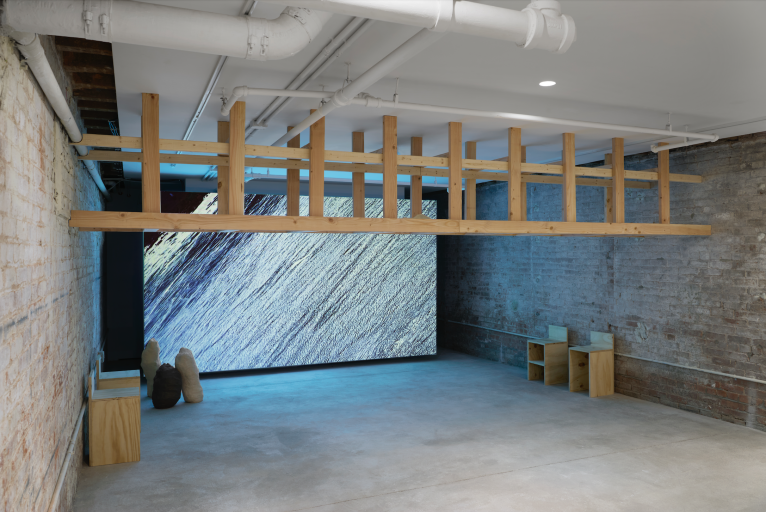
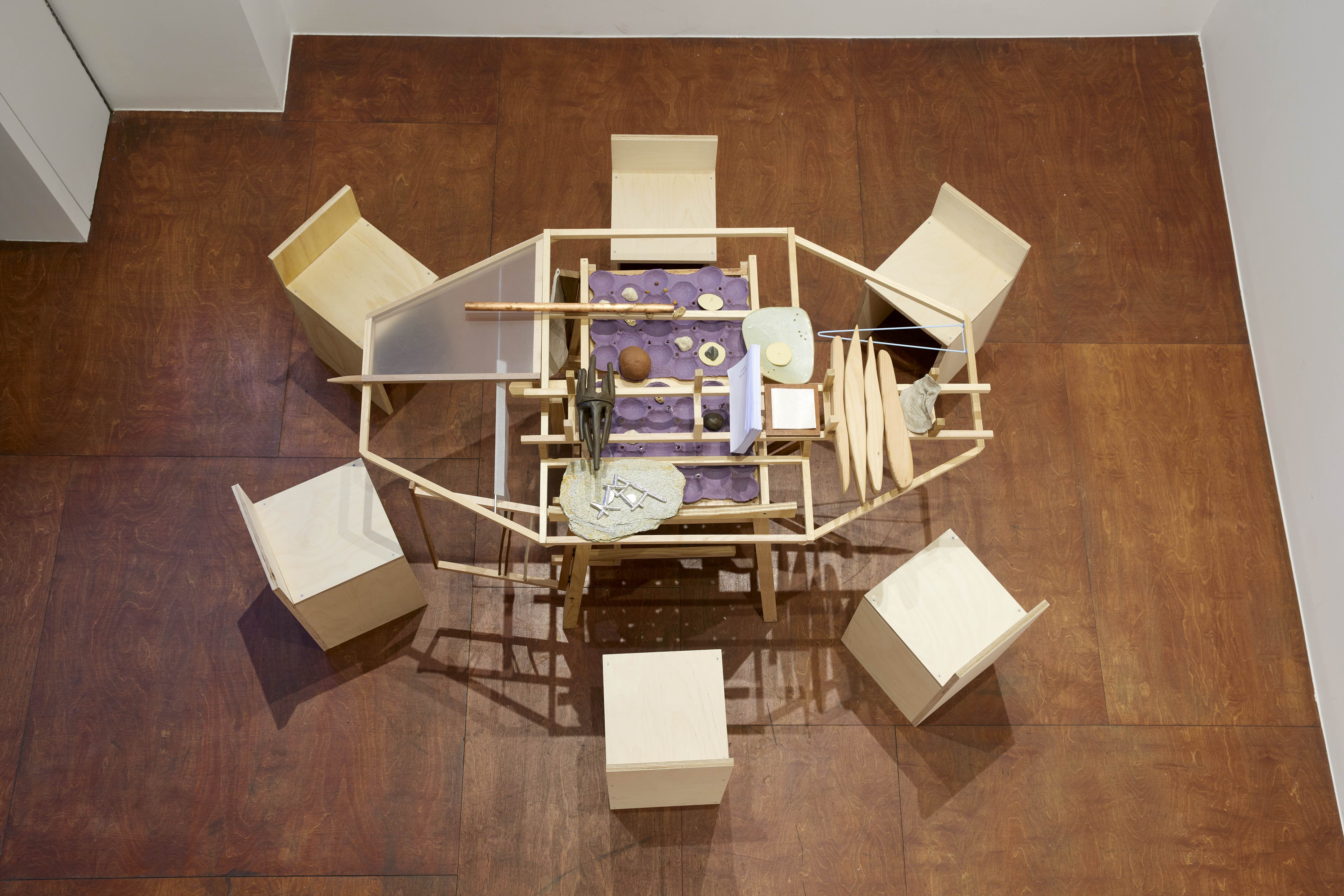
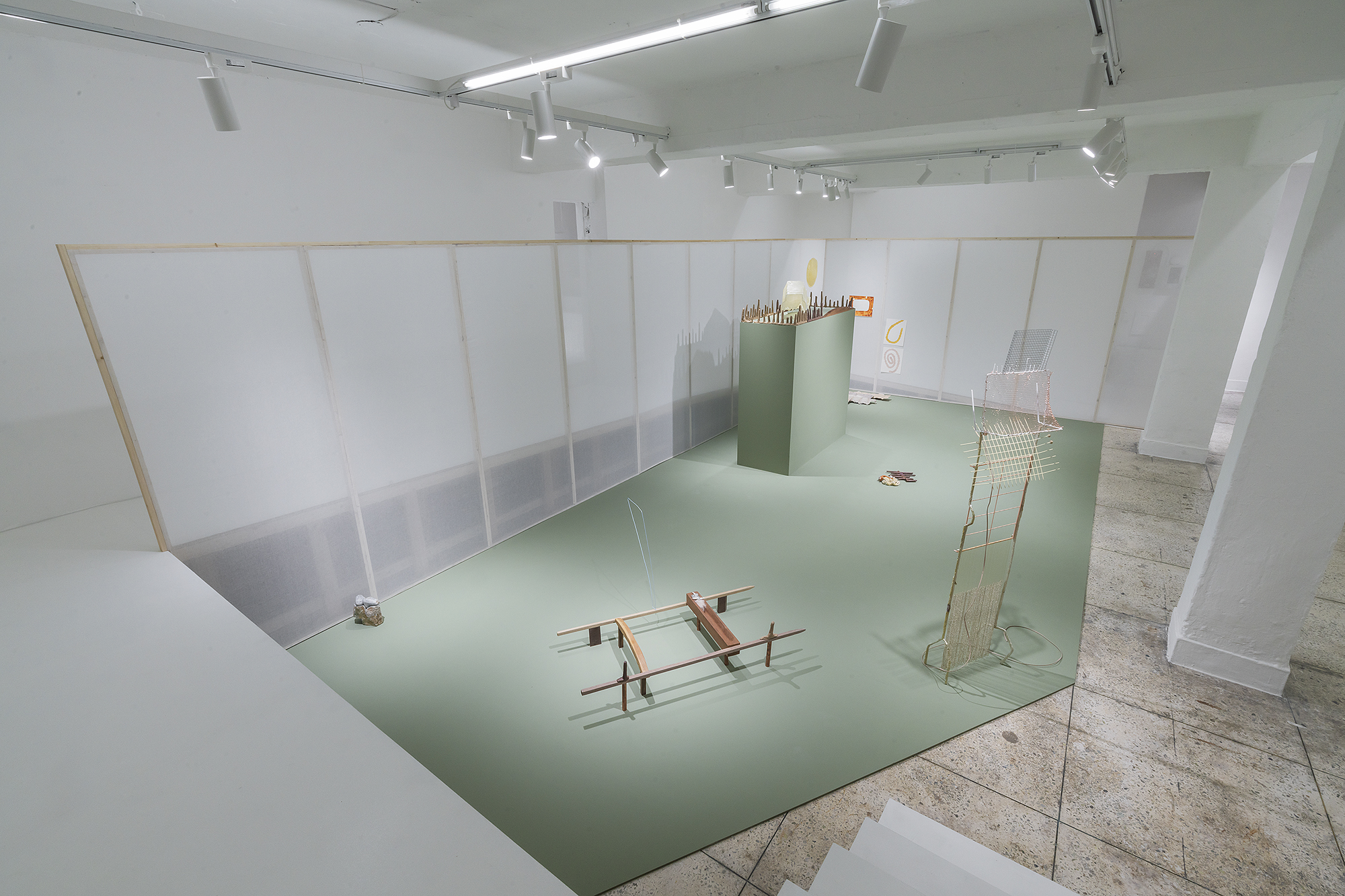
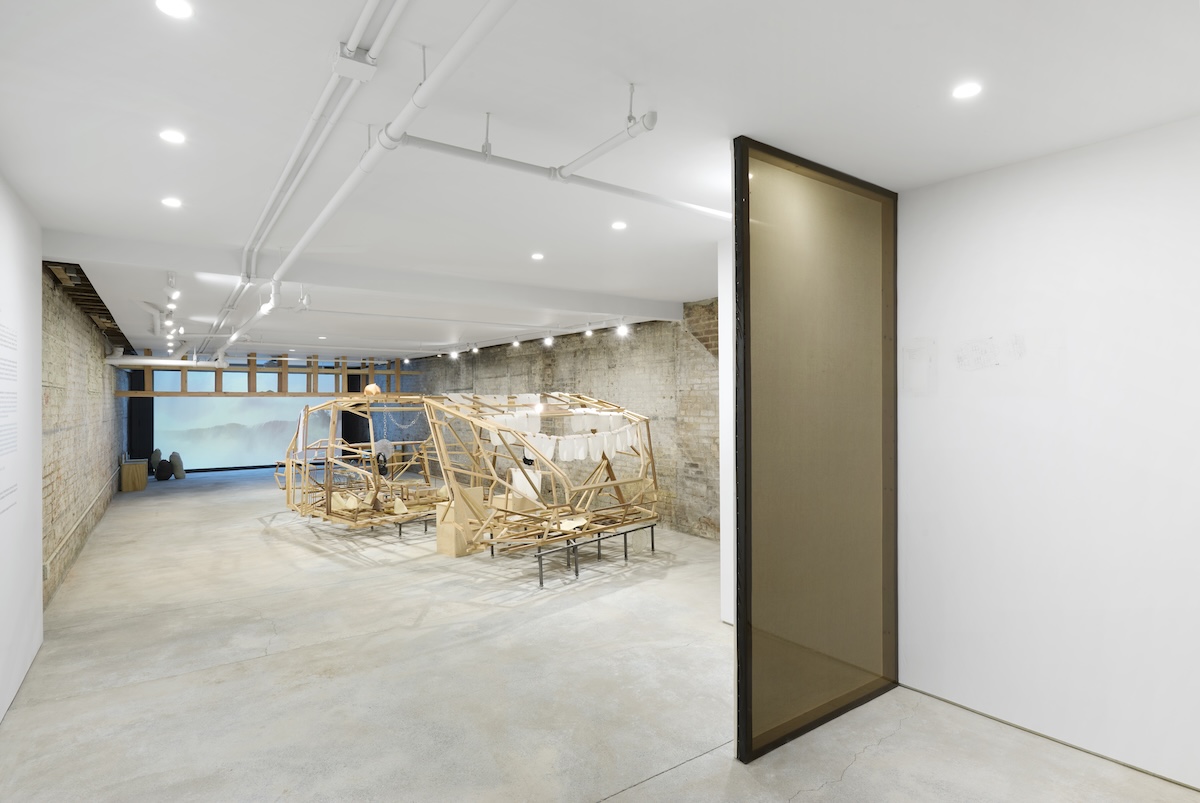
Because it is an installation rather than
a sculpture, I thought a lot about the space itself. When working on
Falls, I also considered viewpoints from above rather than
only at eye level. I hoped that when viewers came down the museum escalator and
looked at the work, the lines and planes would come together to appear like a
kind of landscape. I arranged the objects while imagining images such as maps
or graphs that condense events occurring in reality.