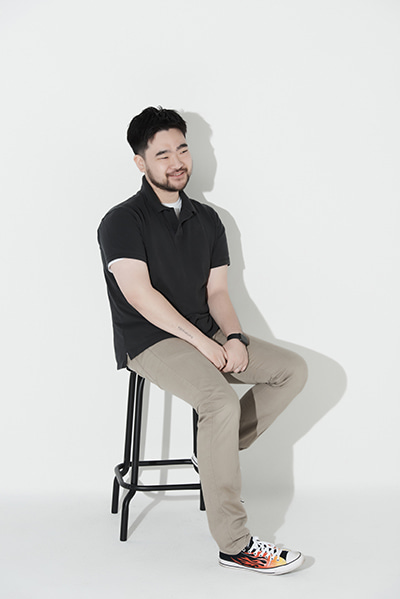
Ahn
Kwanghwee’s work begins by calling the external language of “hip-hop” into the
art institution, asking what defines art and what position the artist occupies.
For him, hip-hop is not simply a musical genre, but a critical device that
reveals the institution, media environments, the artist’s livelihood and
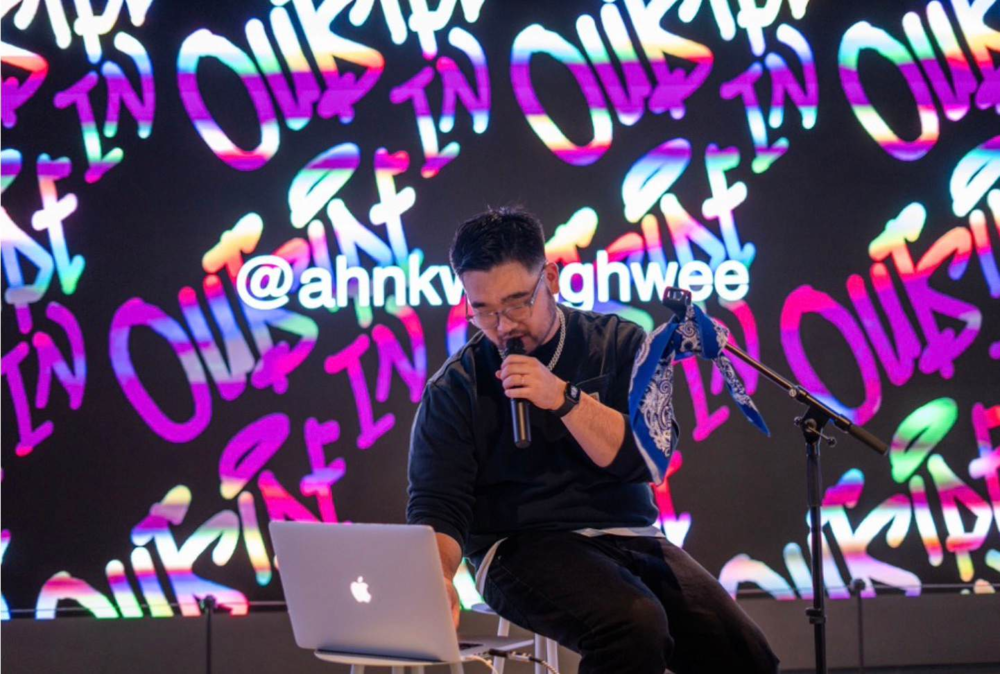
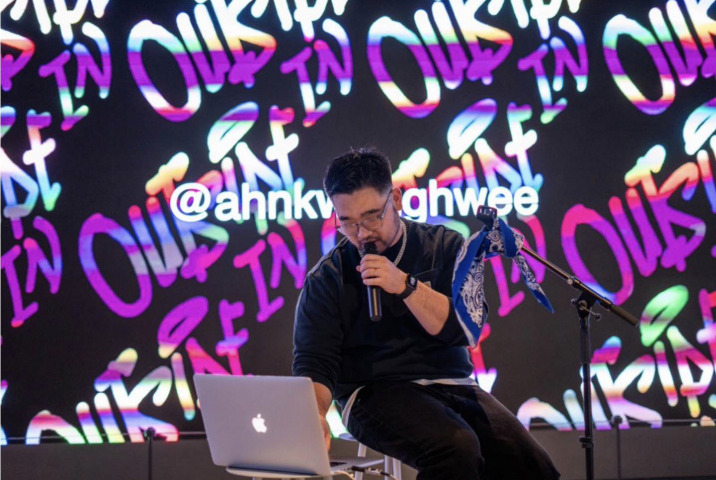
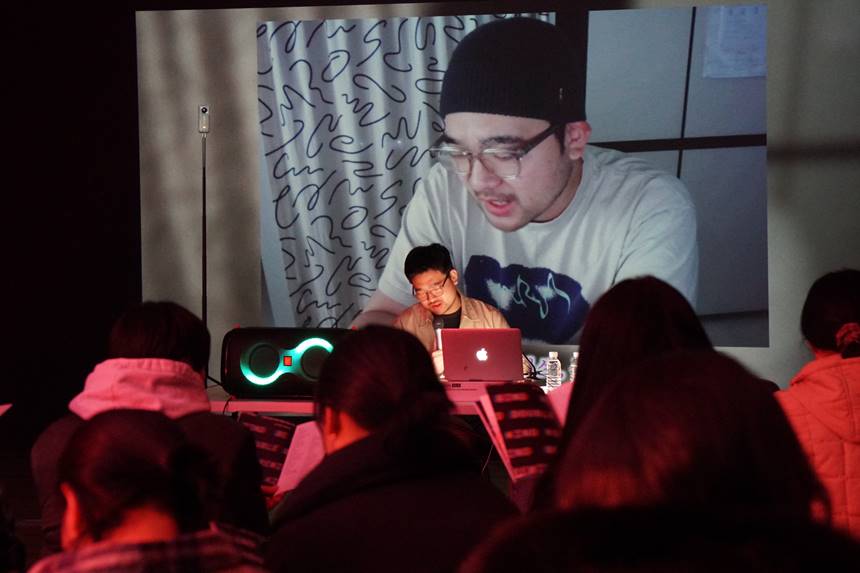
identity, and the relationship between center and periphery. By placing rap,
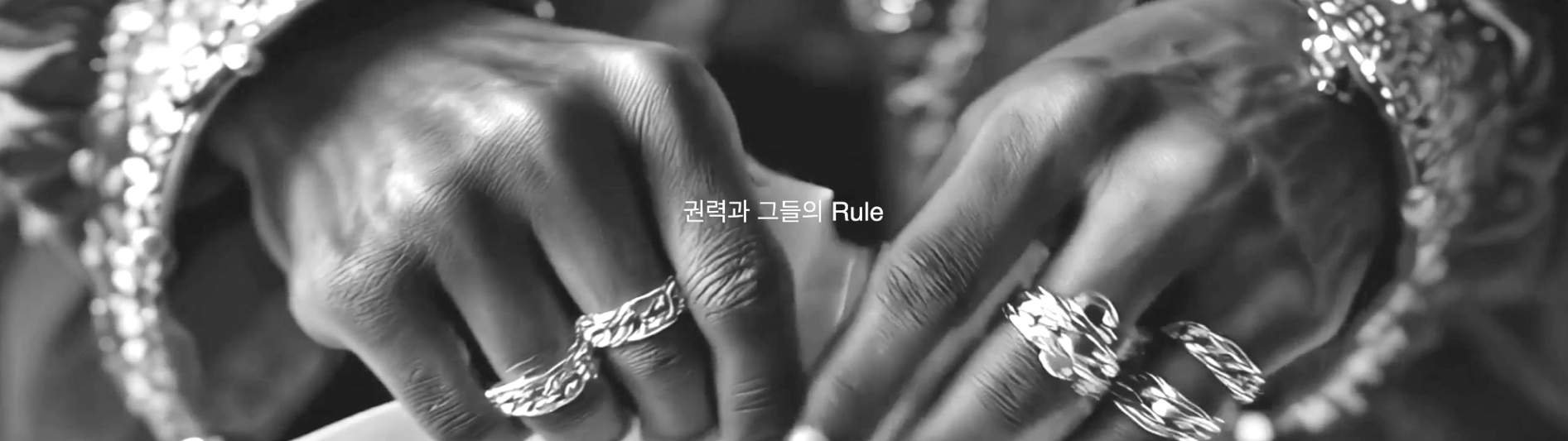
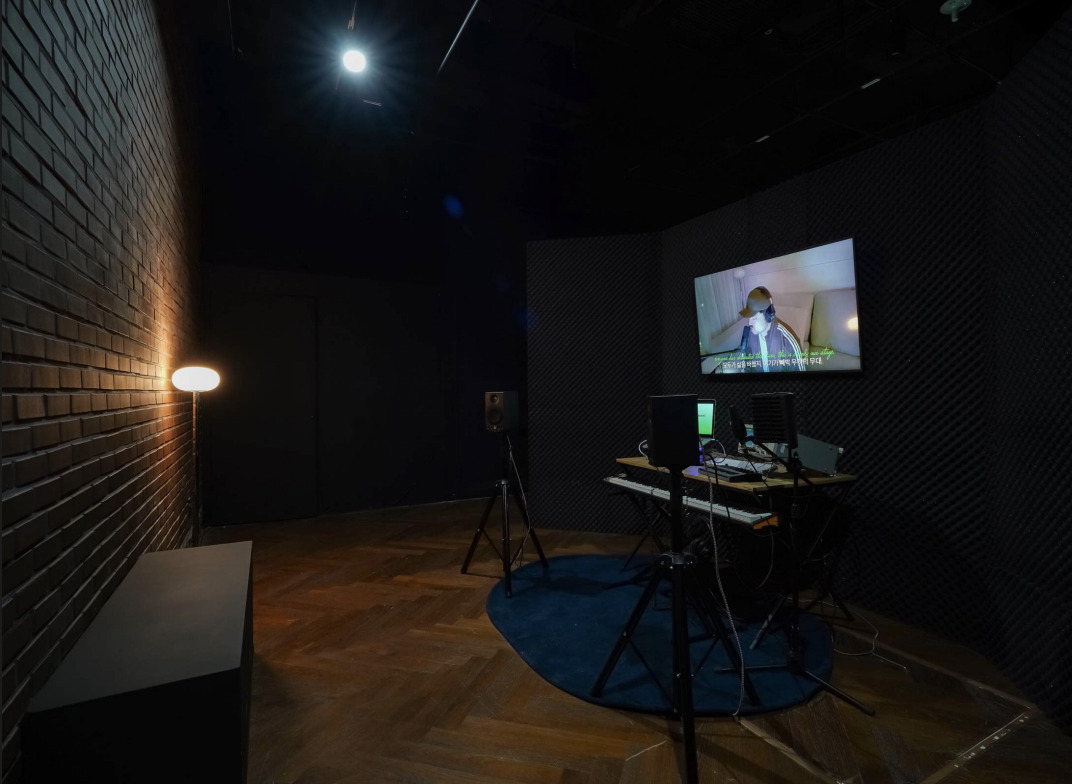
beats, lyrics, video, and subtitles within the exhibition space, Ahn shows the
process through which hip-hop music is decontextualized and recontextualized
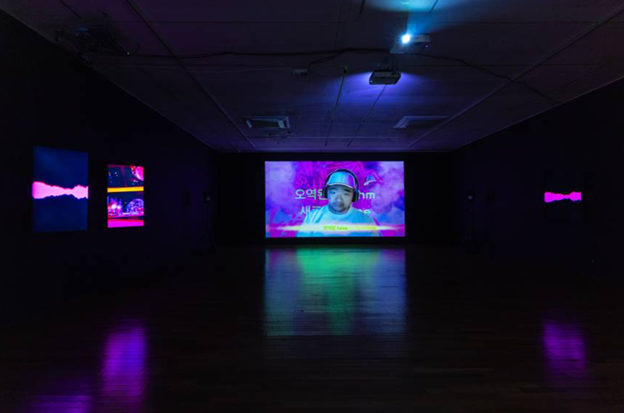
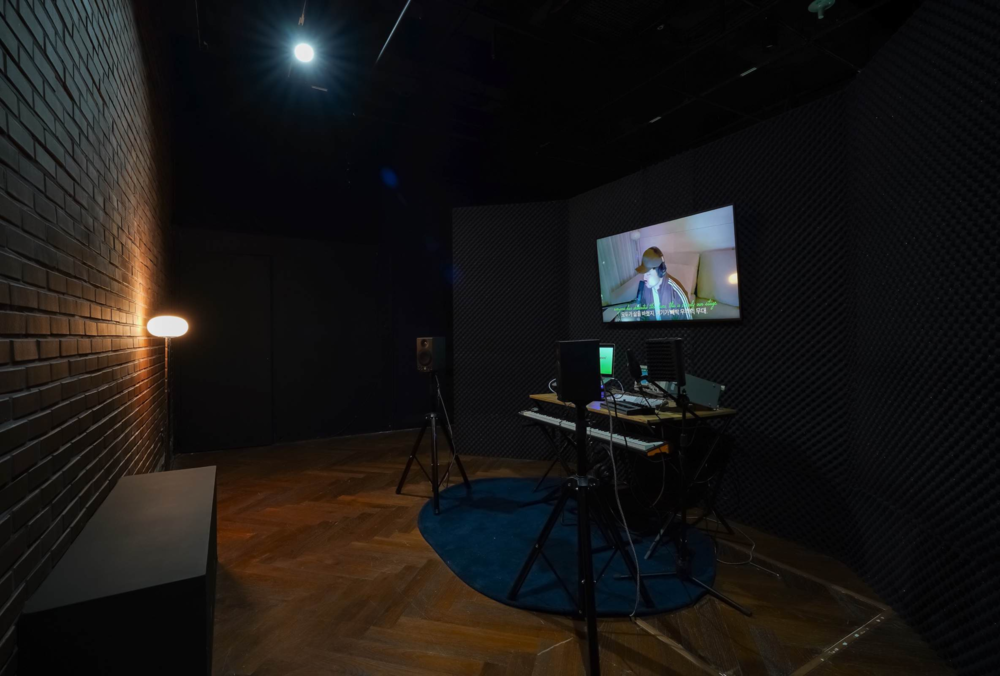
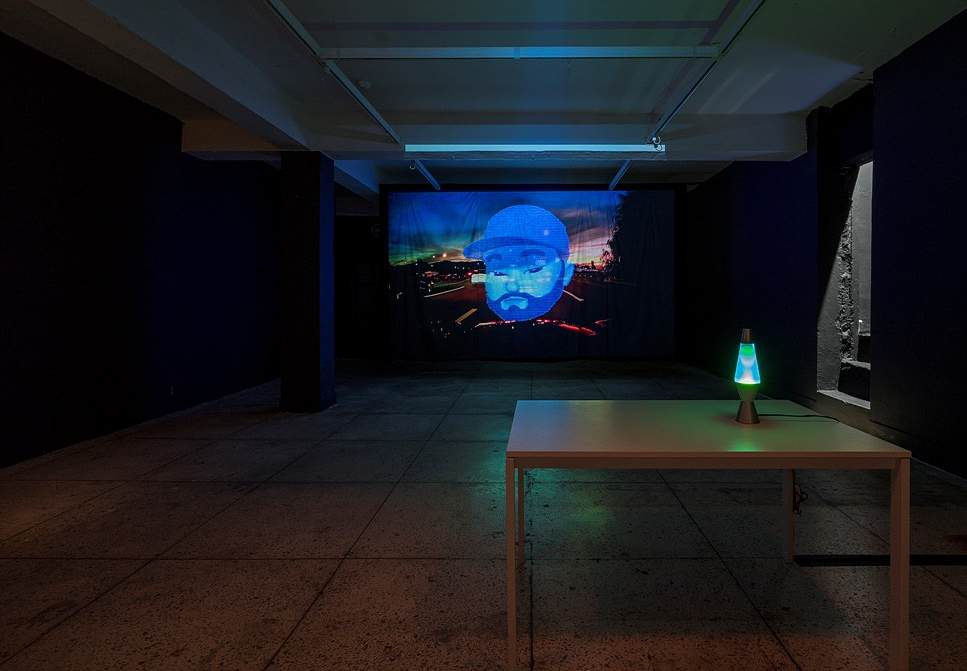
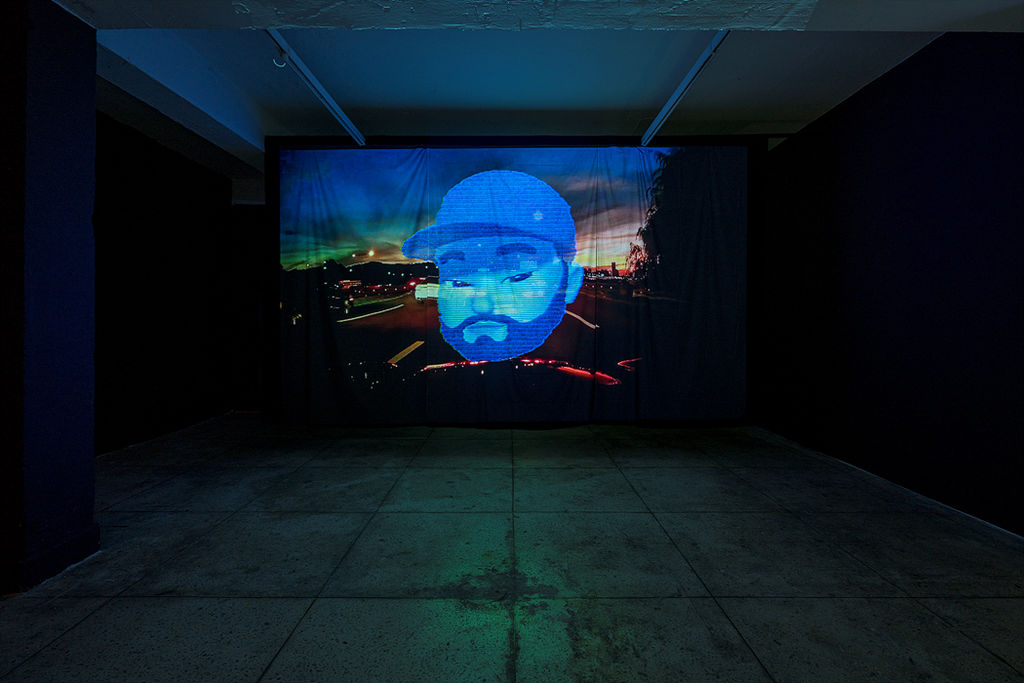
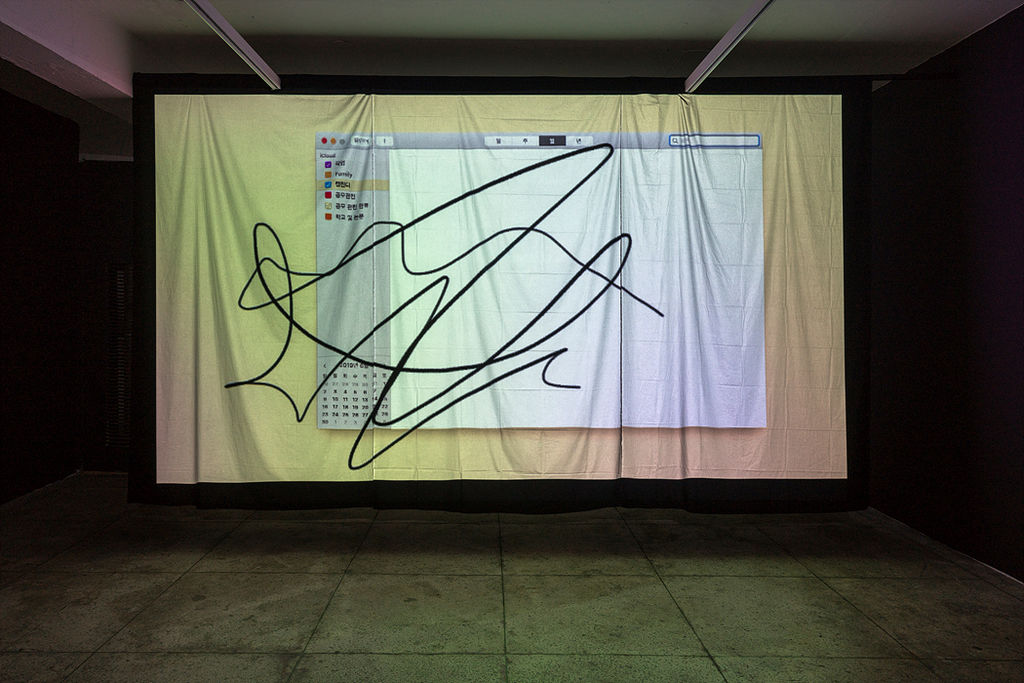
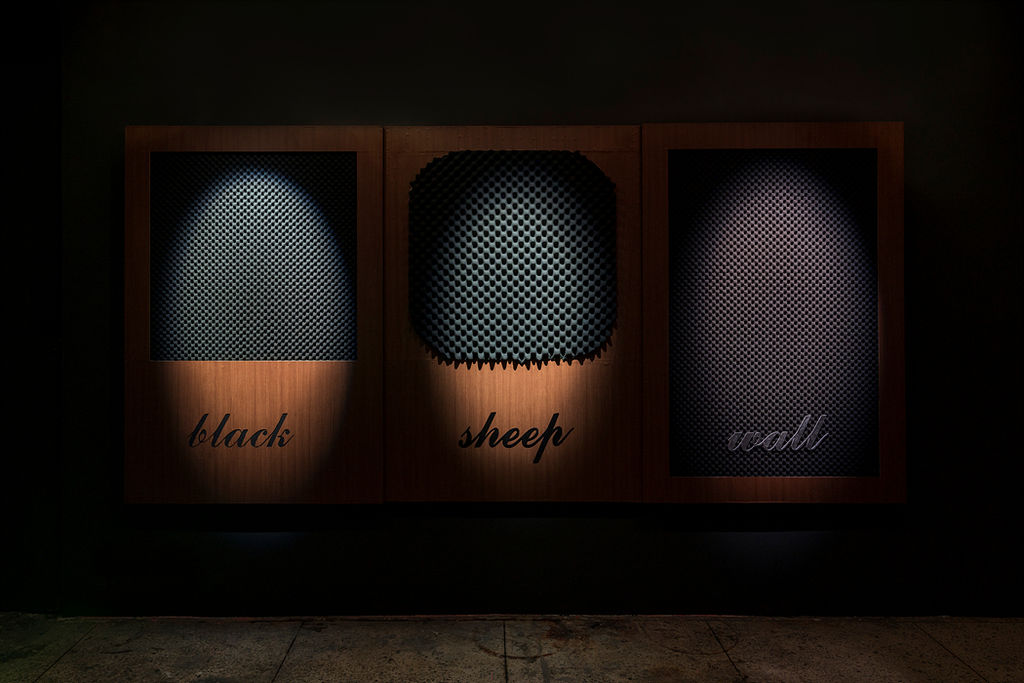
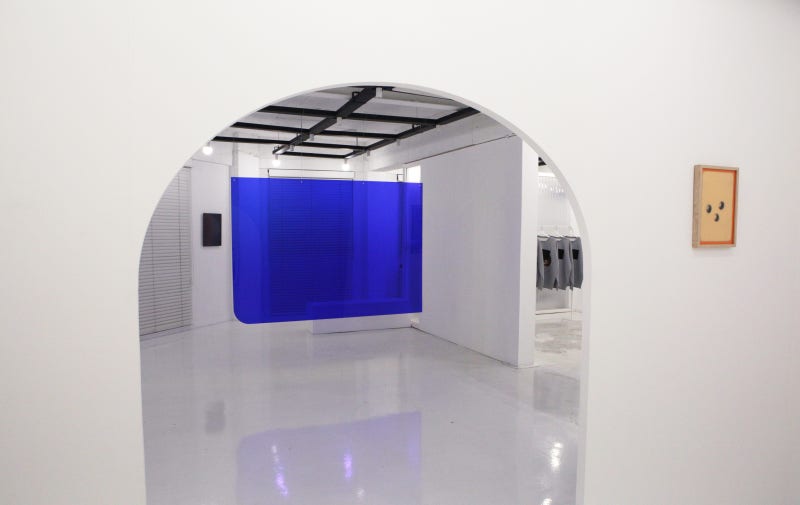
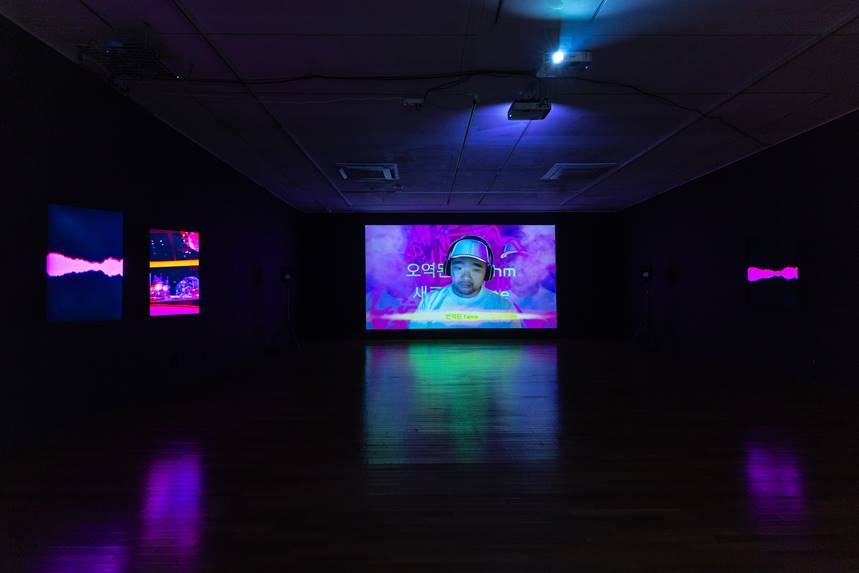
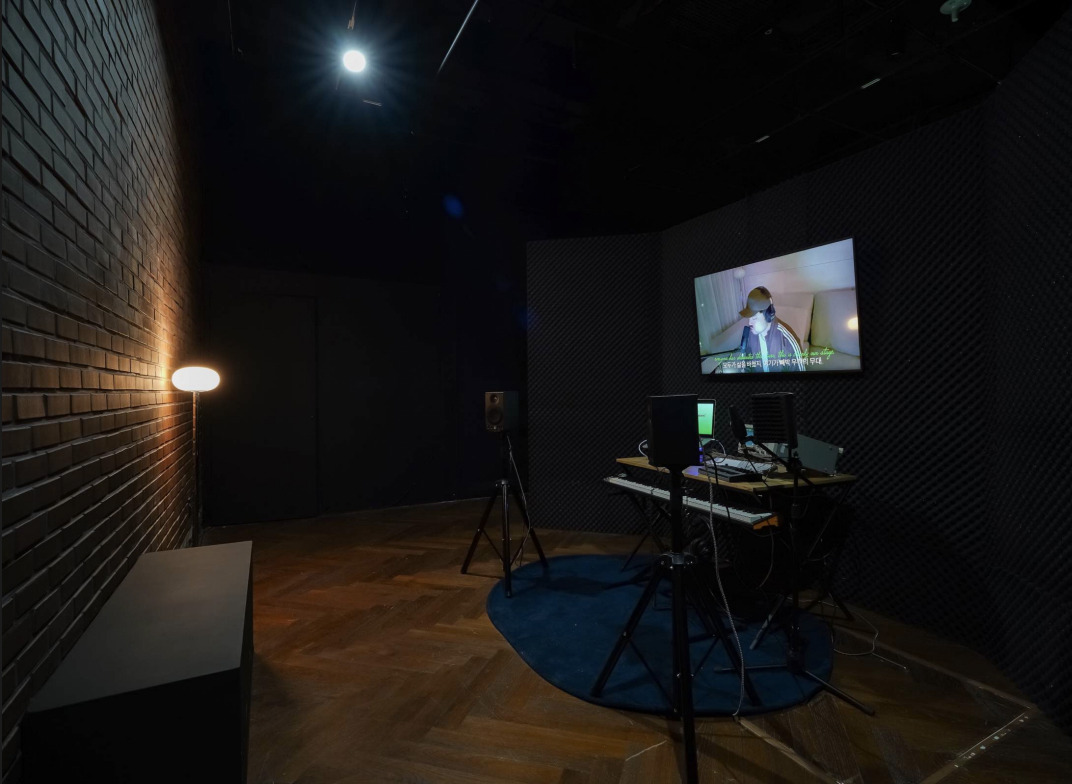
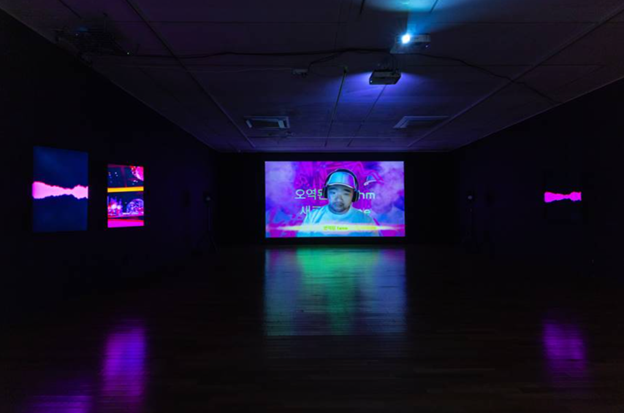
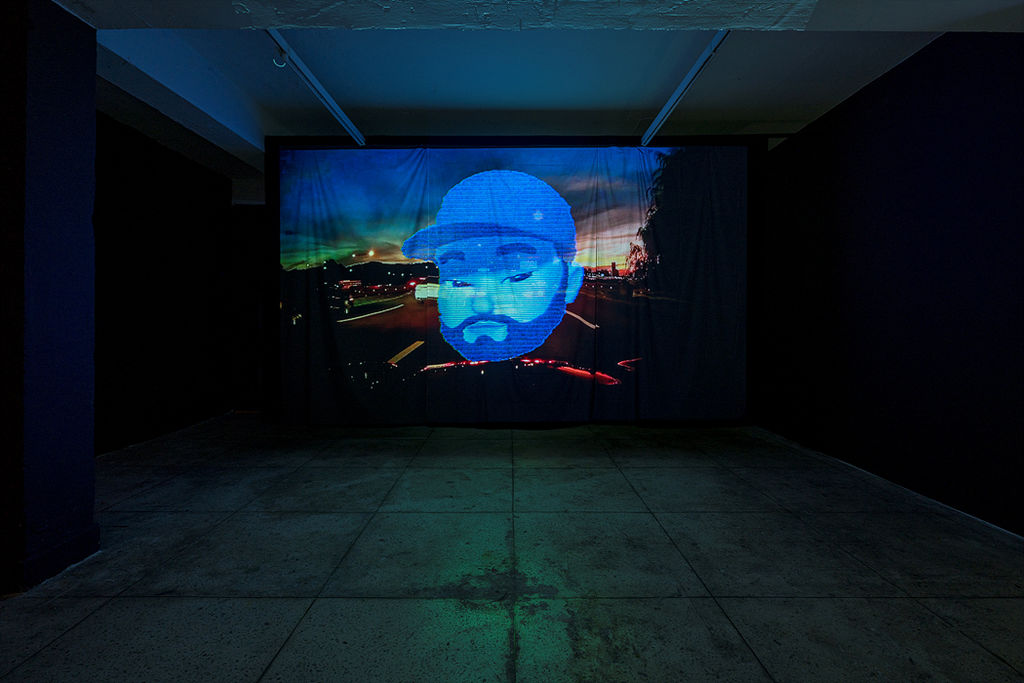
within the art institution. 《Noise
Cancelling》(Project Space Sarubia, Seoul, 2019) is a
solo exhibition in which this line of inquiry fully emerged, with the artist
using the methodology of hip-hop to compose internet images, memes,
autobiographical narrative, and the conditions of the art institution into a
single exhibition experience.
Ahn
Kwanghwee’s focus on hip-hop is also connected to the generational and media
environment he experienced. The early to mid-2000s, when the artist spent his
childhood, was a period when cable television, the internet, and personal
music-sharing platforms expanded, making underground and independent music
scenes visible to a broader public. Ahn encountered hip-hop within this
environment, becoming familiar with arbitrarily interpreting and recombining
images and sounds circulating online, as well as cultural fragments stripped of
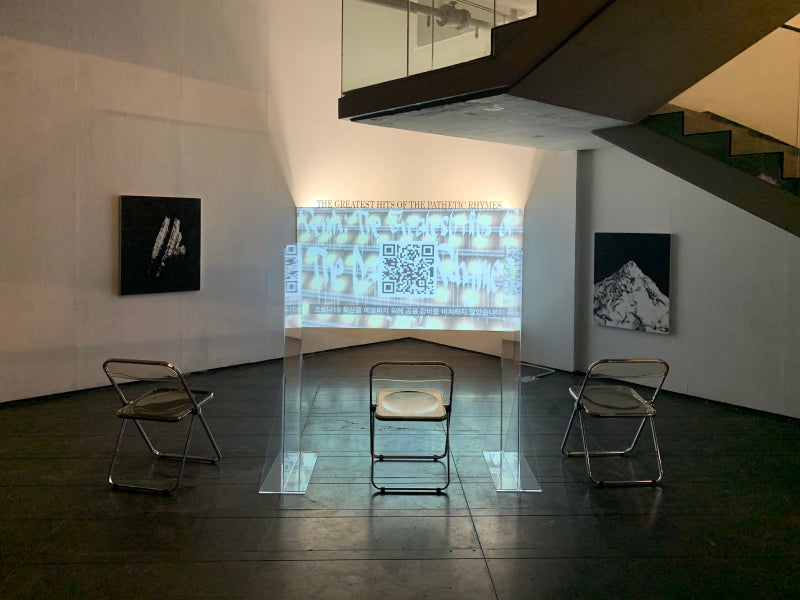
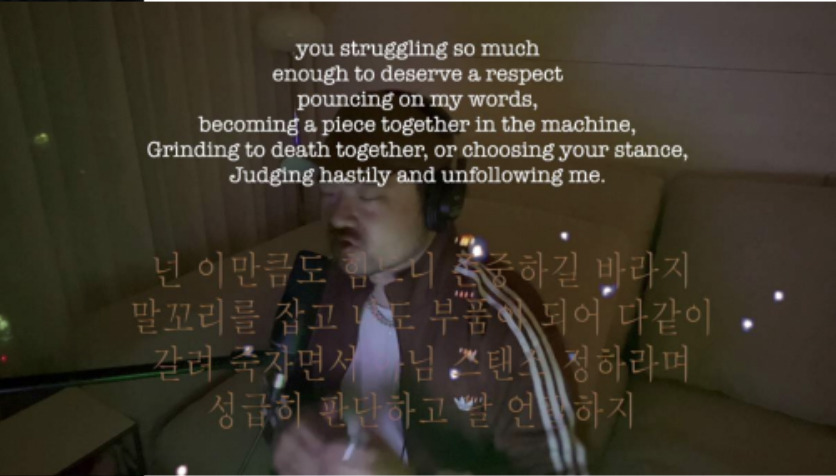
context. This experience leads to works such as 《The Pathetic Rhymes》(Instant Roof, Seoul,
2017), 《Show Down》(ThisWeekendRoom,
Seoul, 2020), and Remix: Greatest Hits of The Pathetic
Rhymes(2021), becoming the basis for transforming the frustration,
self-deprecation, pressure of livelihood, and distance from the institution
that he feels as an artist into the language of hip-hop.
What
matters in his work is not the fact of translating hip-hop into art itself, but
the cracks and mistranslations that occur in that process of translation. Ahn
does not regard the fact that he does not belong to the generation or region
that directly experienced block parties, nor to the mainstream hip-hop scene,
simply as a lack. Rather, he takes the disjunctions that arise from indirect
experience, misunderstanding, and arbitrary interpretation as the driving force
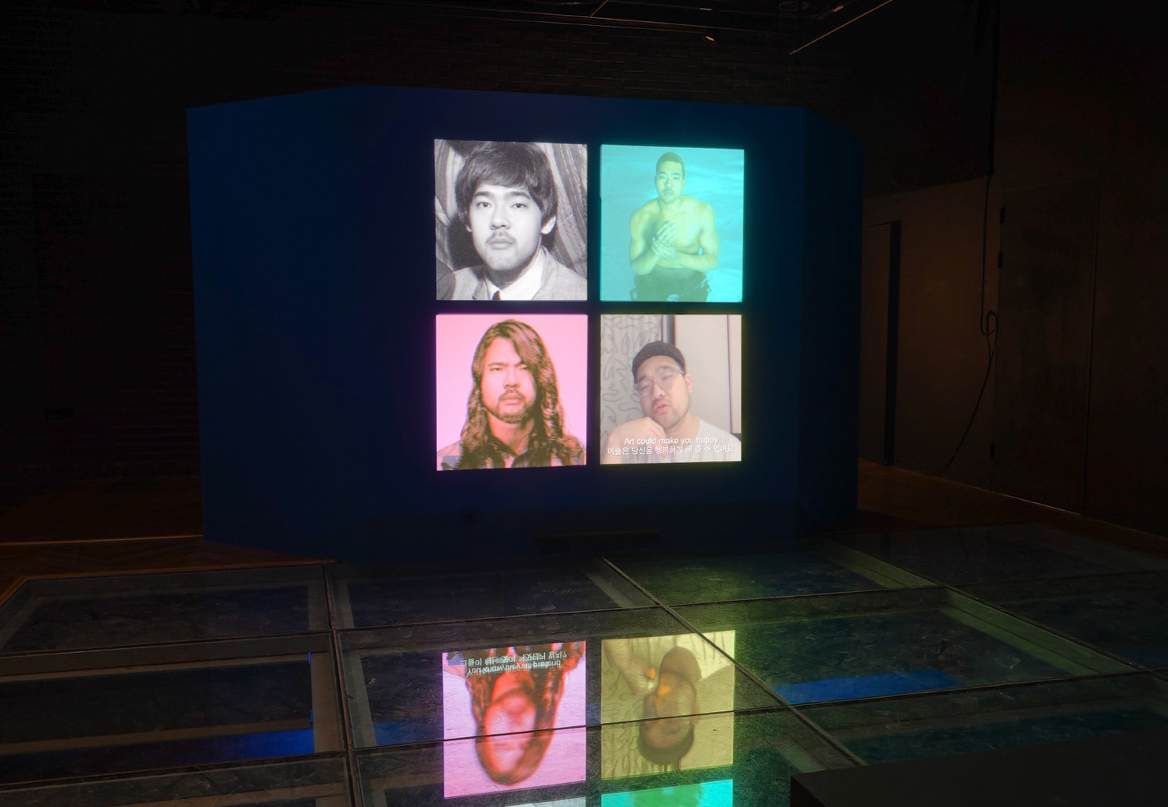
of his work. In 《The Pathetic
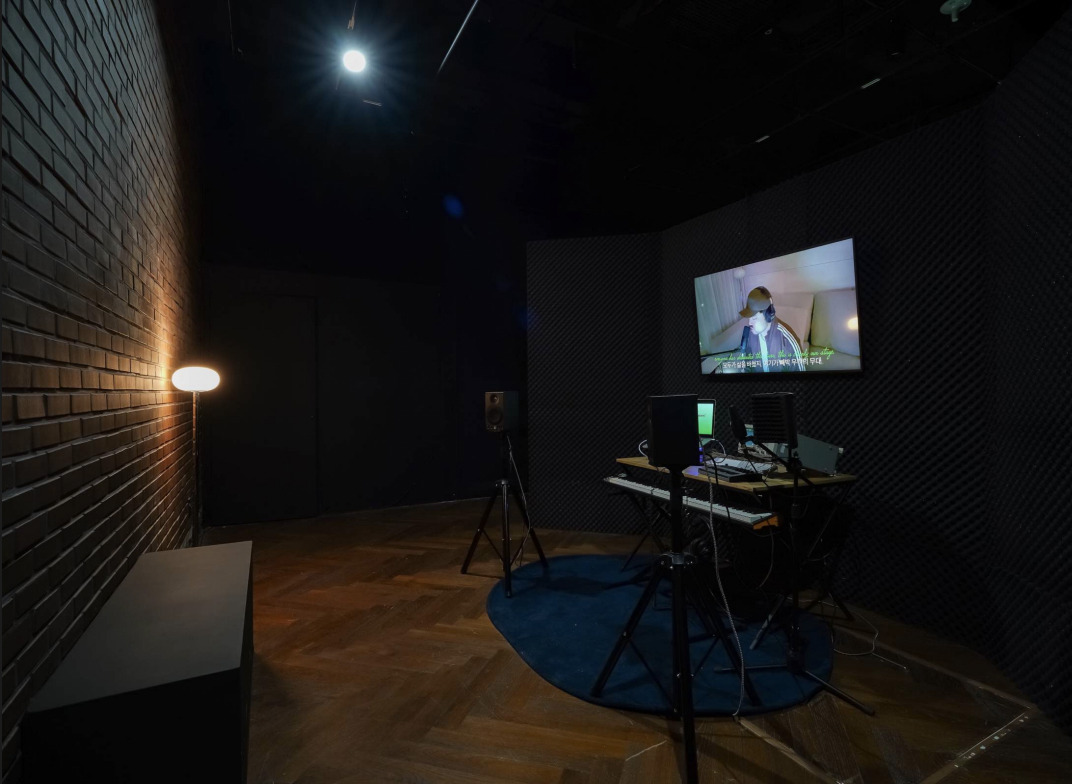
Studio of The Pathetic Label》(Seoul Art Space
Geumcheon, Seoul, 2022), following the block party, he establishes a fictional
institution called the “label studio,” calling relatively homogeneous members
of the art world together as a kind of “minority group.” Here, the exhibition
space becomes not so much a public sphere open to everyone, but a closed yet
fluid stage for a community operating within specific institutions, tastes, and
networks of relationships.
In recent
works, Ahn Kwanghwee more directly unsettles the language of the art
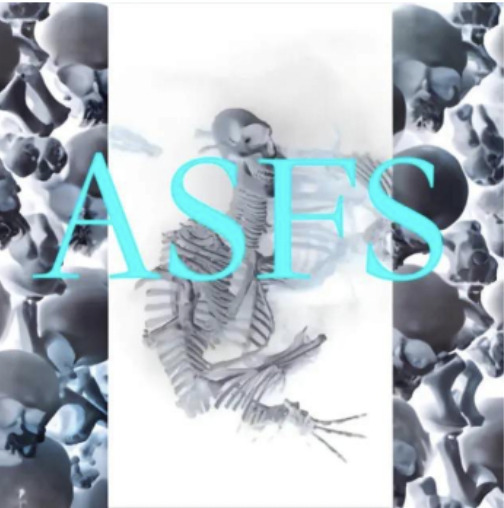
institution itself. The single ASFS(2024) transforms
the artist biography, an essential institutional document, into the form of
rap, fragmenting the structure that demands clear and logical artist statements
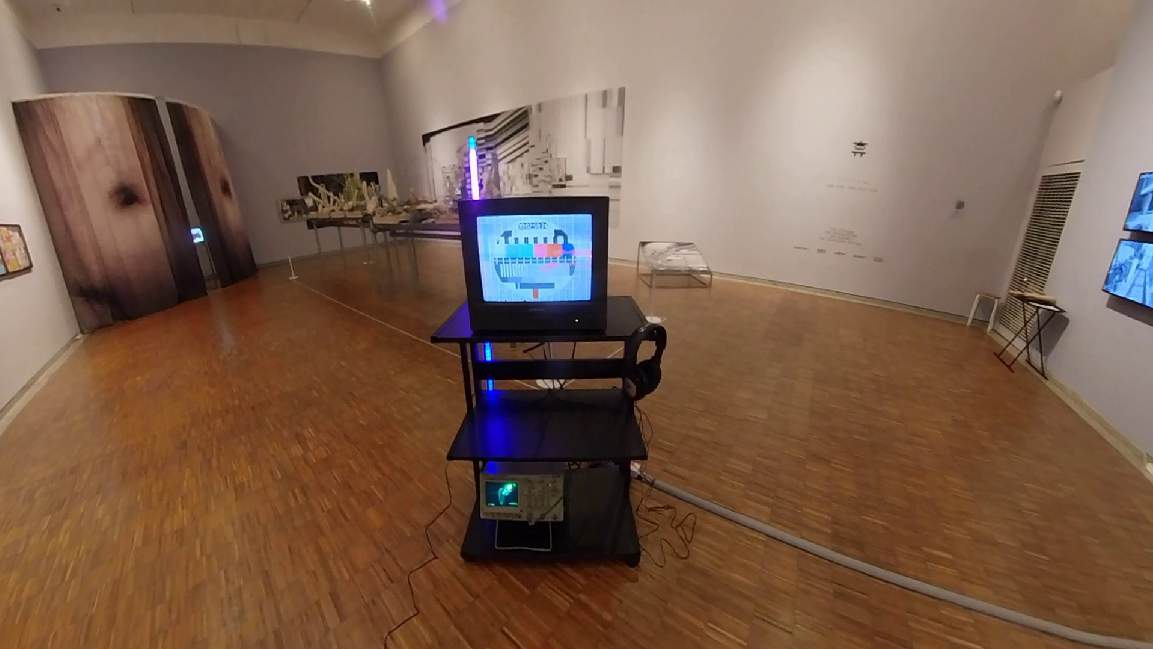
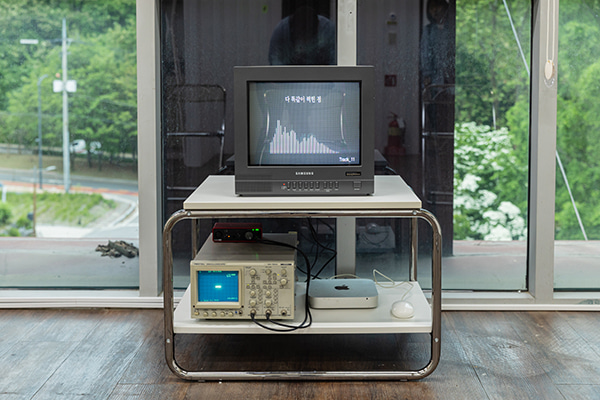
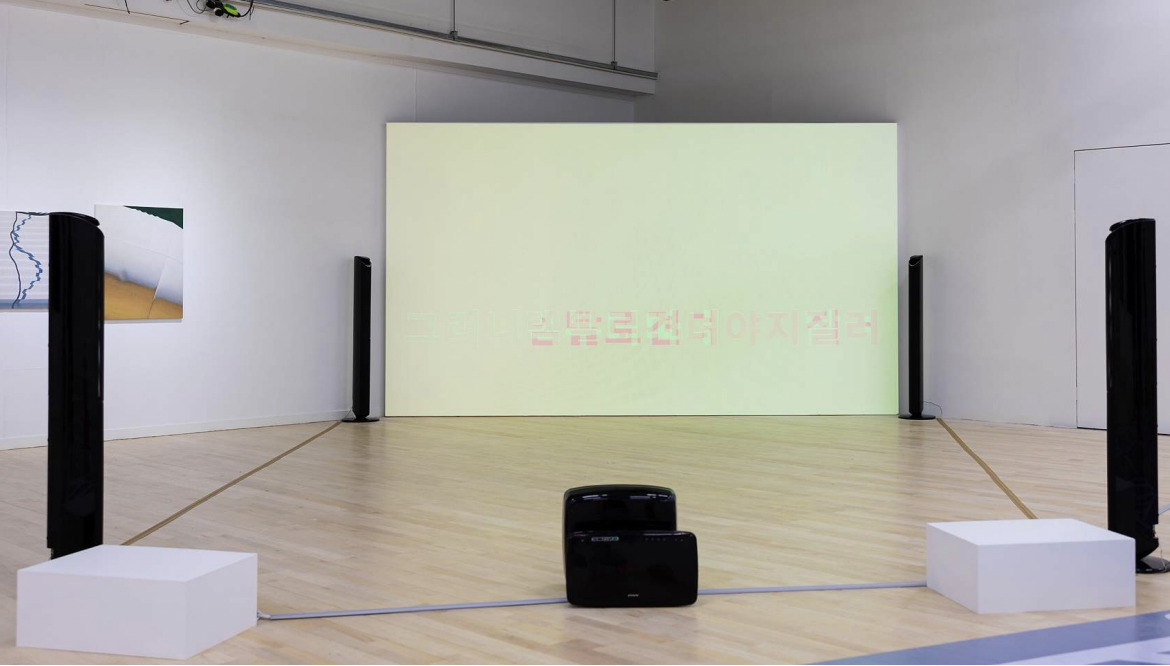
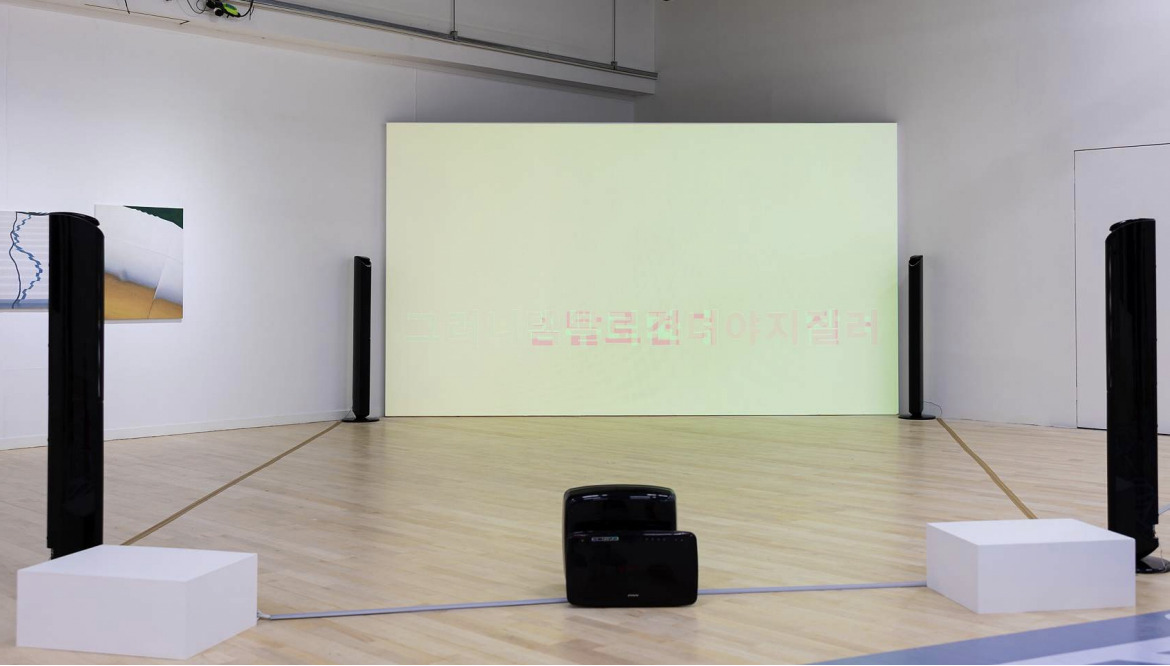
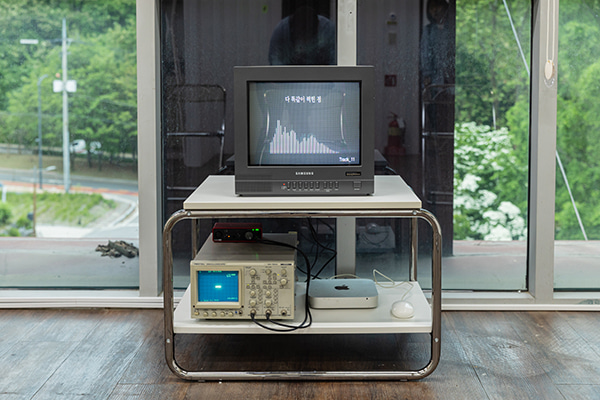
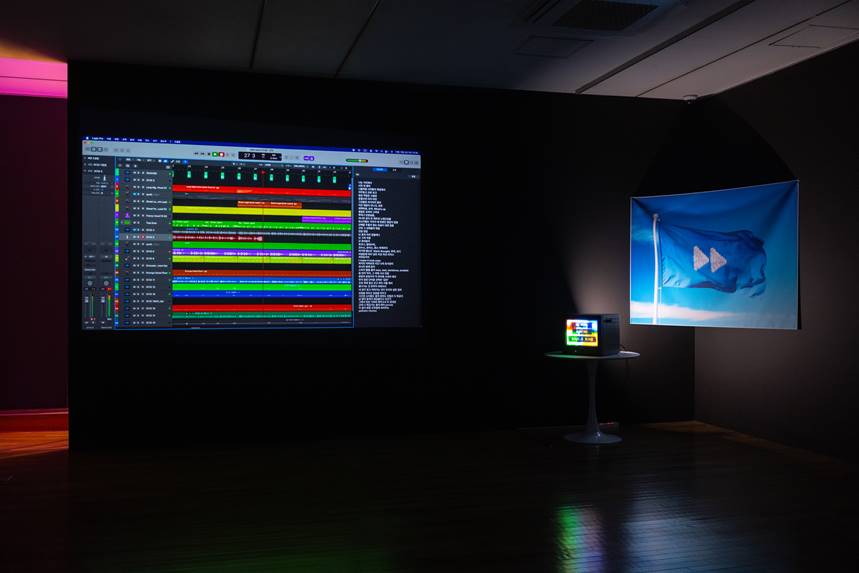
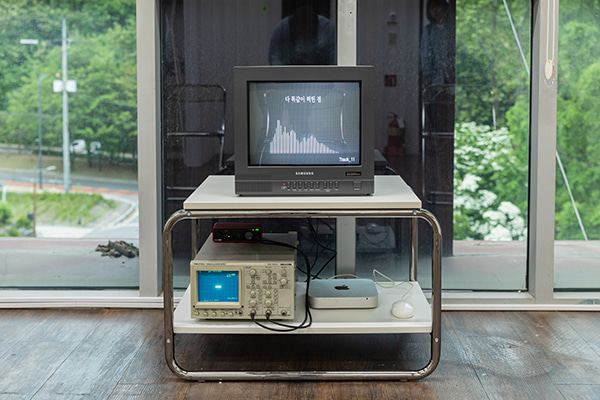
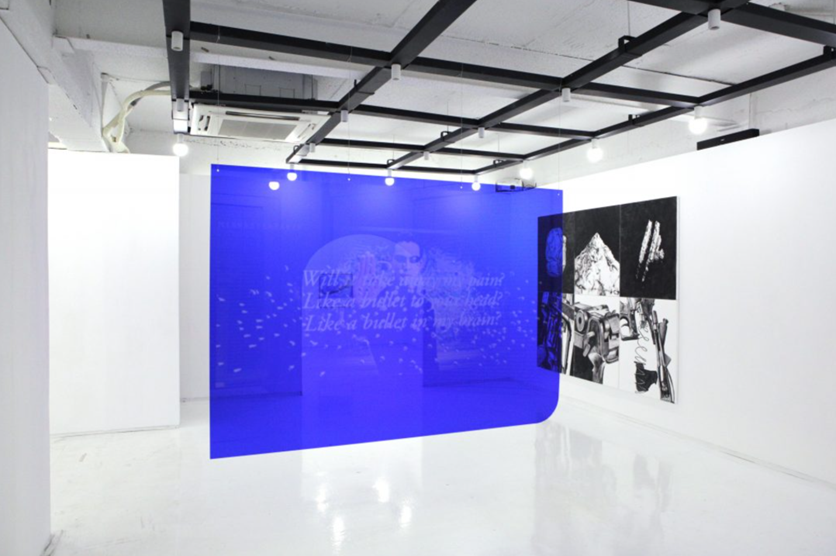
through beats, rhythm, and leaps in meaning. Untitled 13 Tracks –
Nanji(2025) further expands this strategy, creating a state in which
meaning does not settle among documents, music, video, and the exhibition environment.
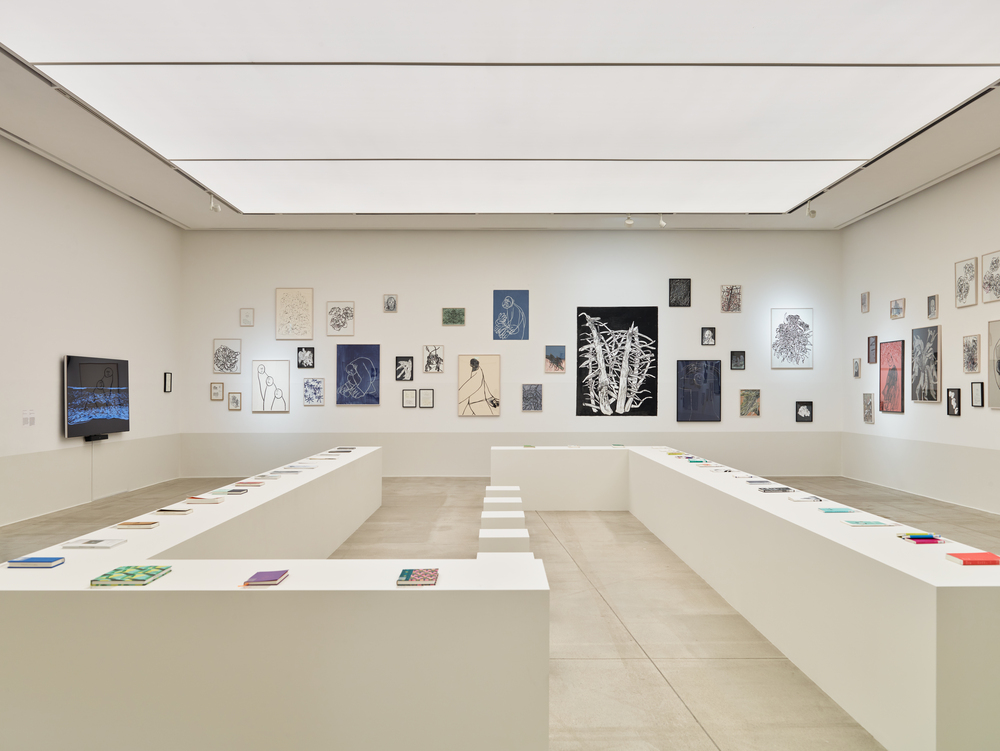
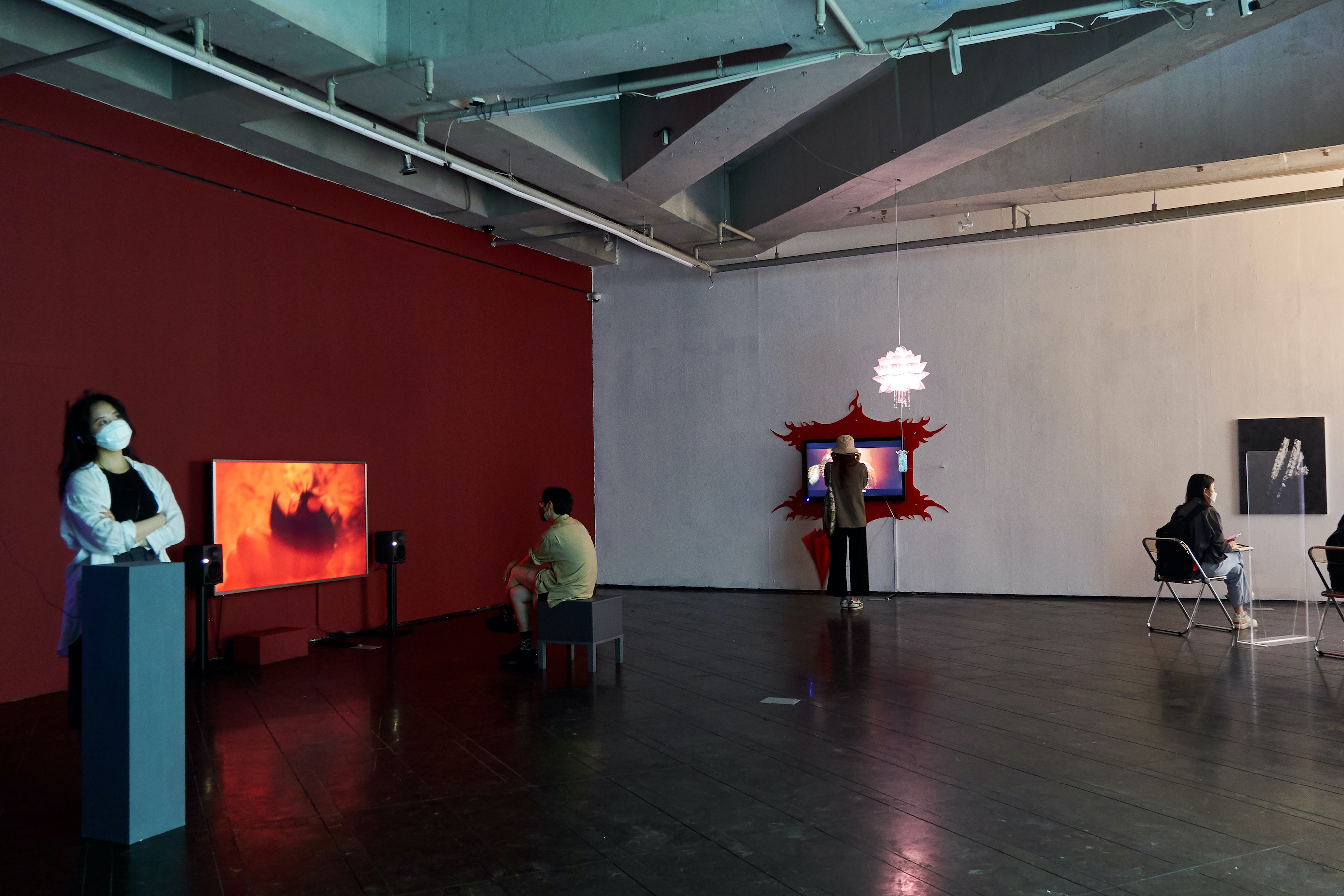
In 《BE KIND, REWIND, DOUBLE BIND》(Coreana Museum of Art, Seoul, 2026), he overlaps the ways Western
art history and hip-hop culture have been received in Korea, accepting the
double-bind situation that arises between the “fake” and the “rootless” as a
condition of artistic practice. Rather than resolving this dilemma, Ahn shows
how the inside and outside of the institution unsettle one another within it.