
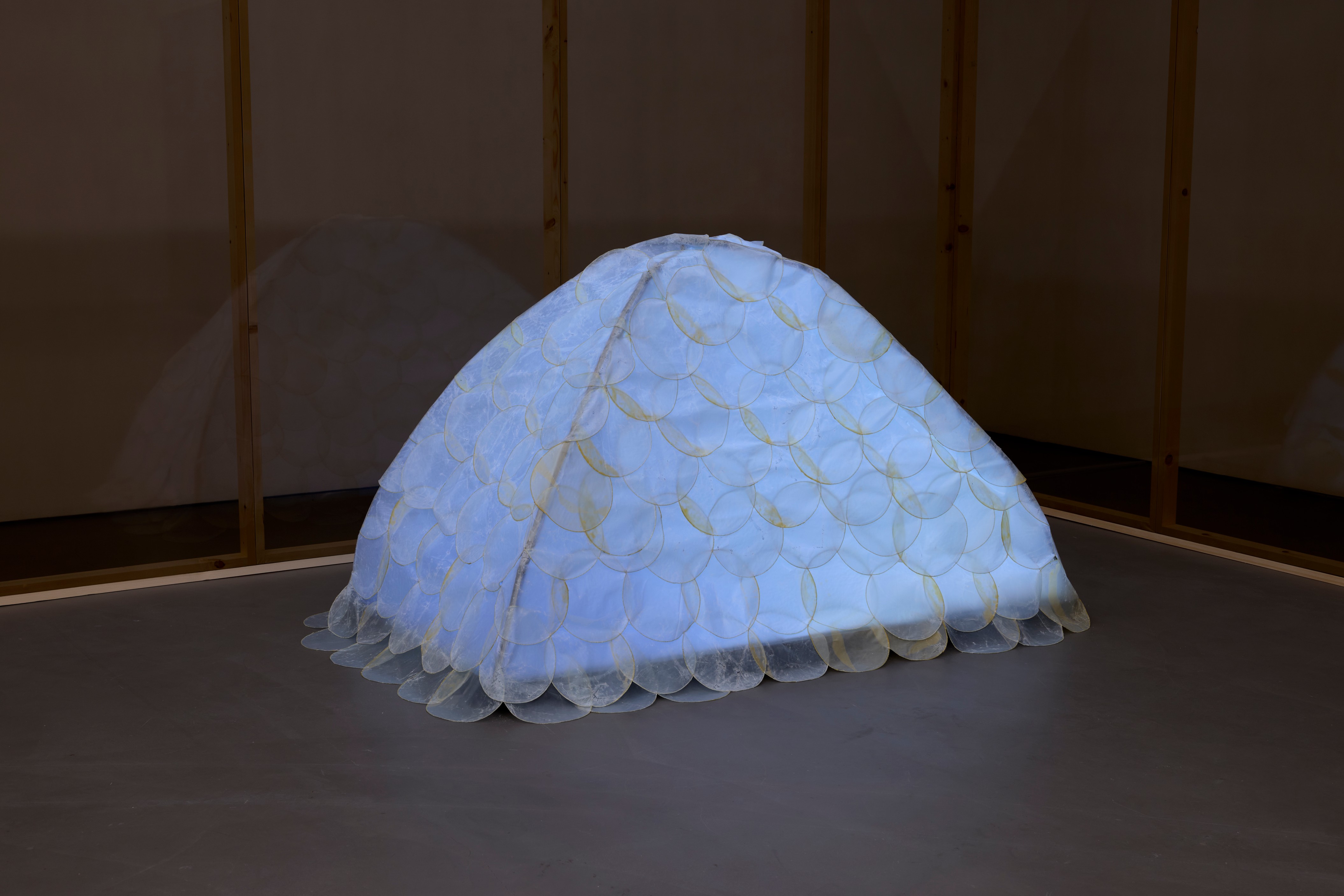
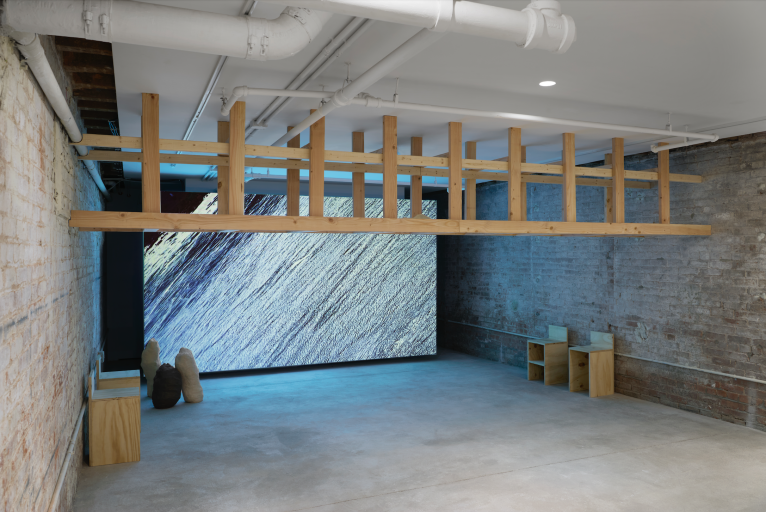
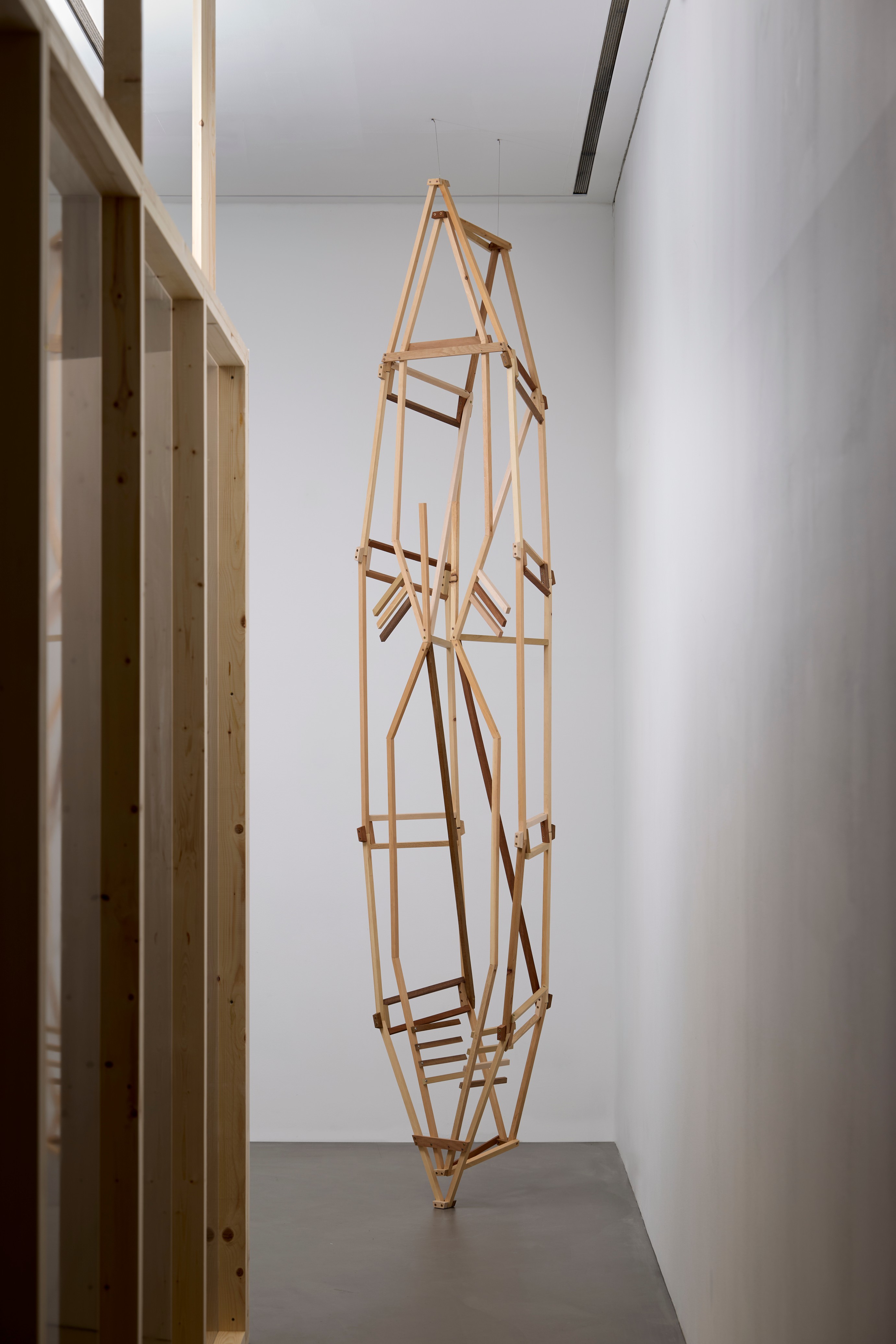
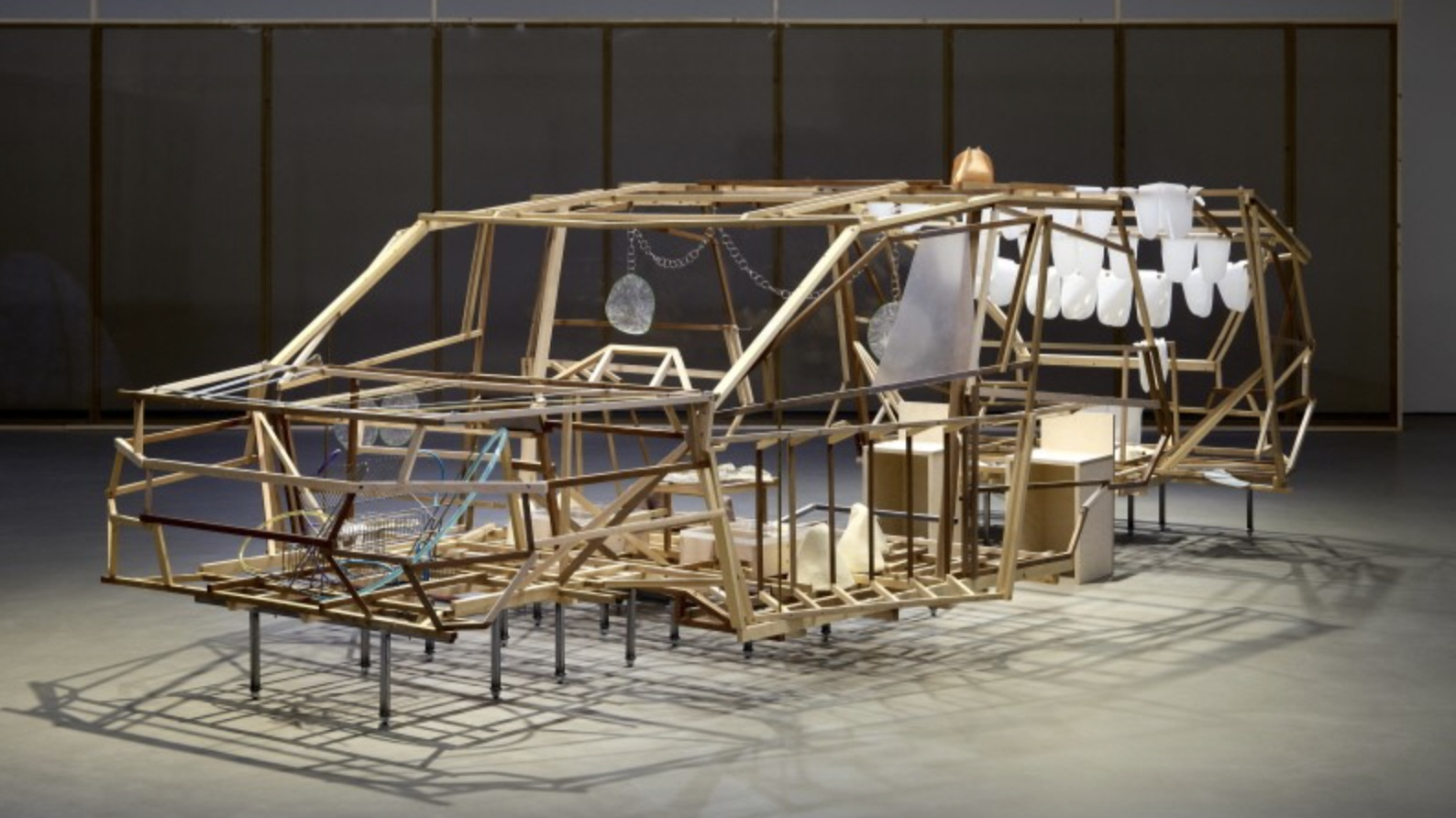
Solo Exhibitions (Brief)
Beginning
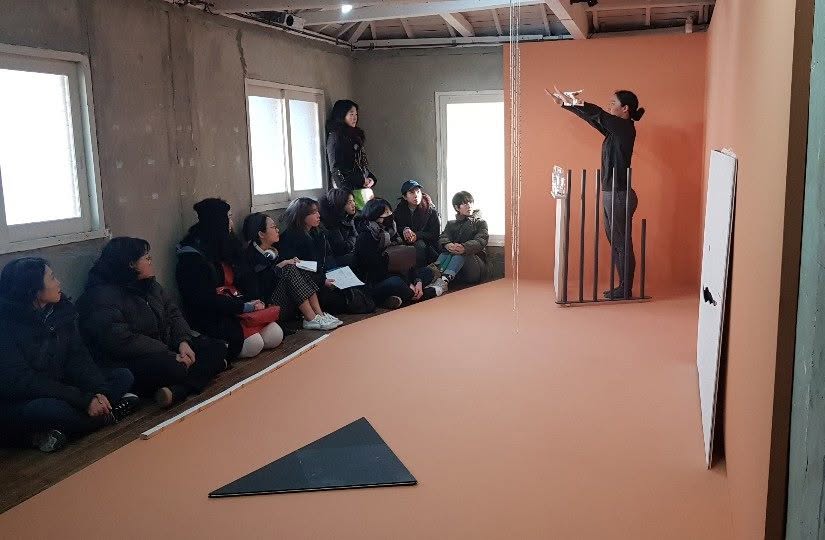
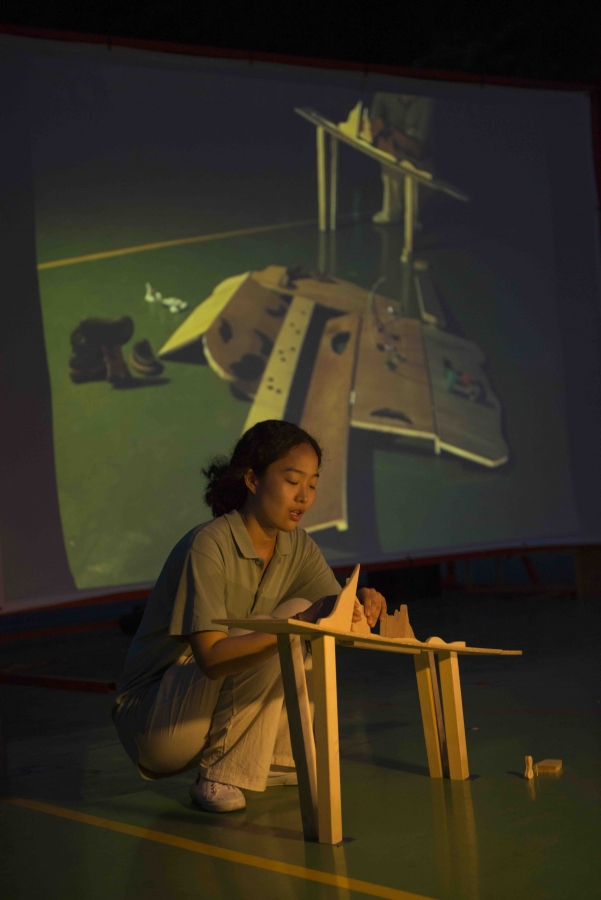
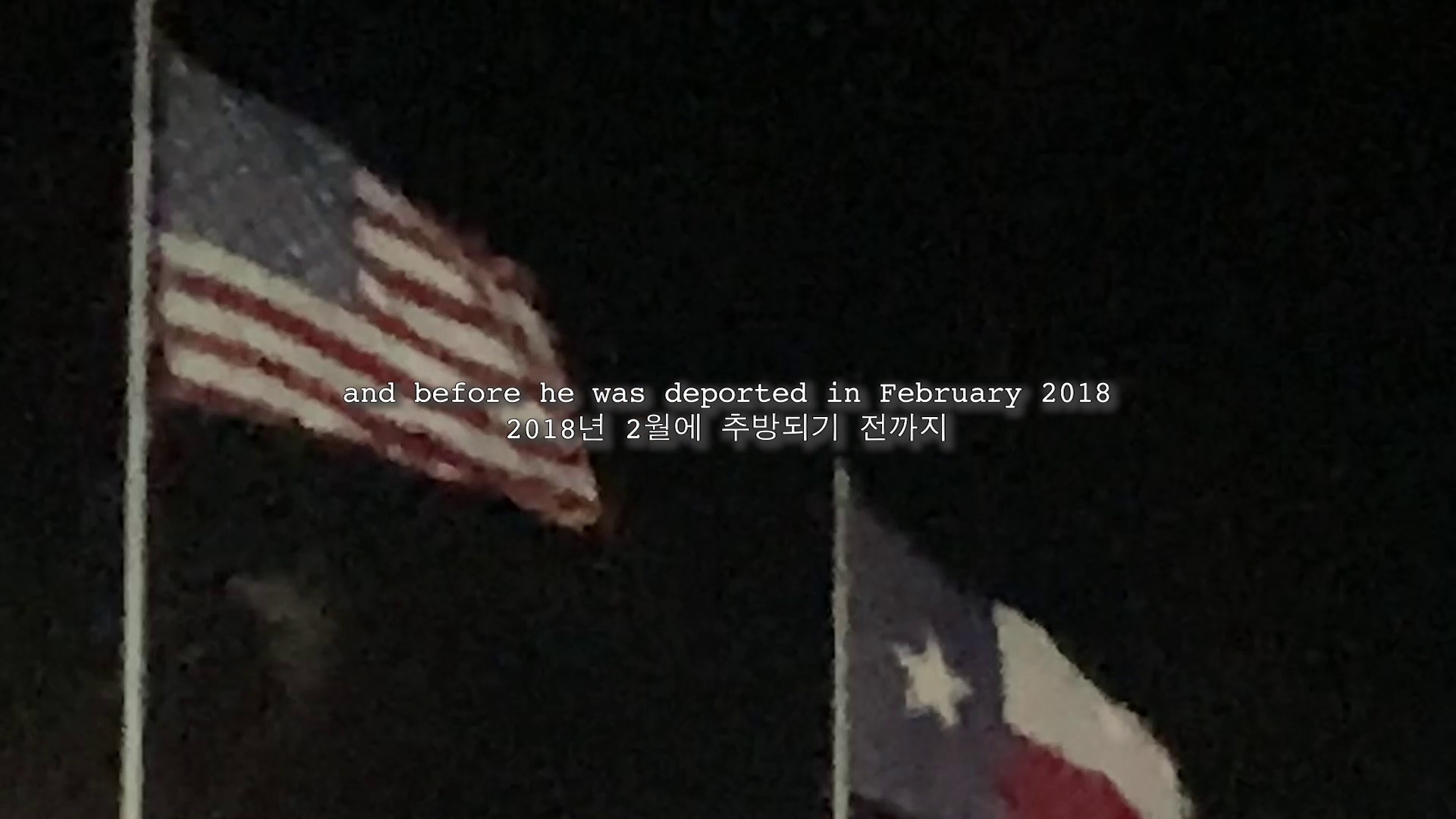
with 《LA-Sung》 (Yangju 777 Gallery, Yangju, 2017),
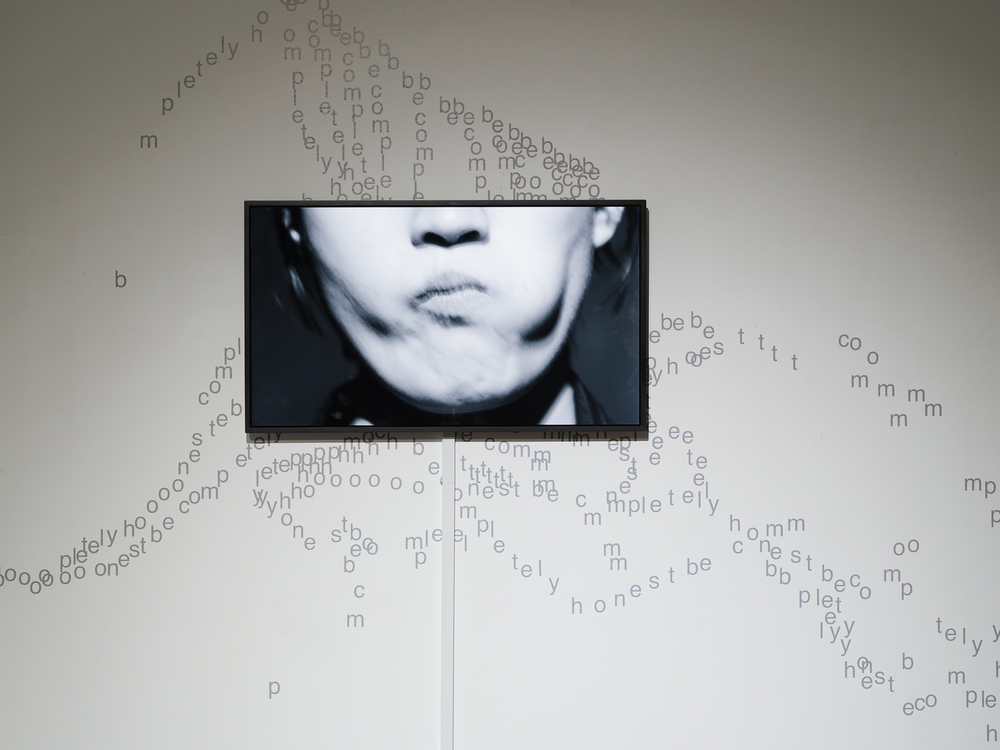
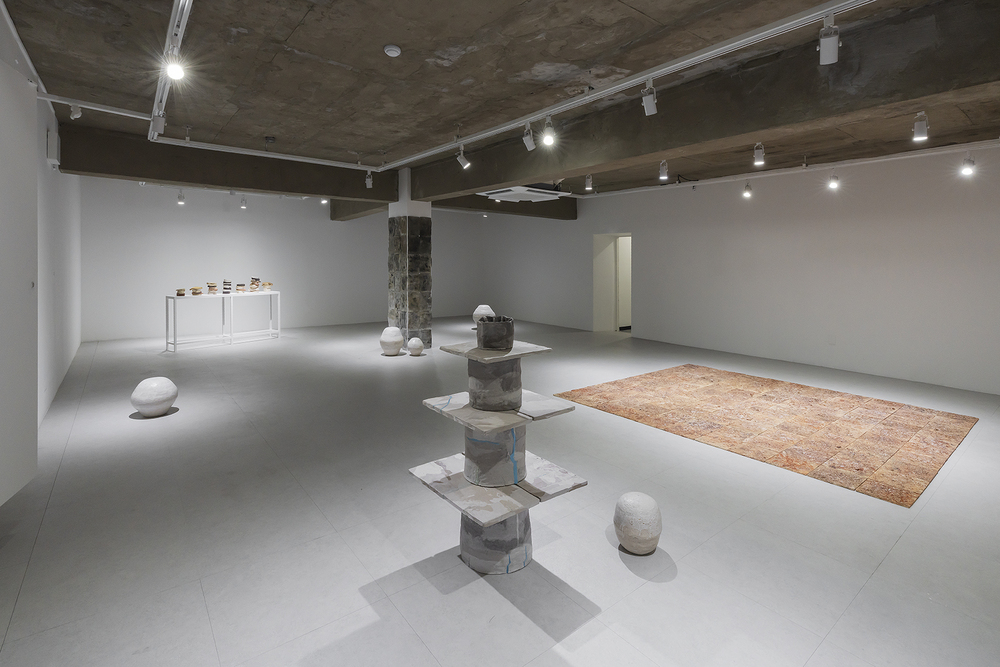
Hyeree Ro has continued to explore themes such as the memory of migration, the
clash between body and language, and the materiality of objects through solo
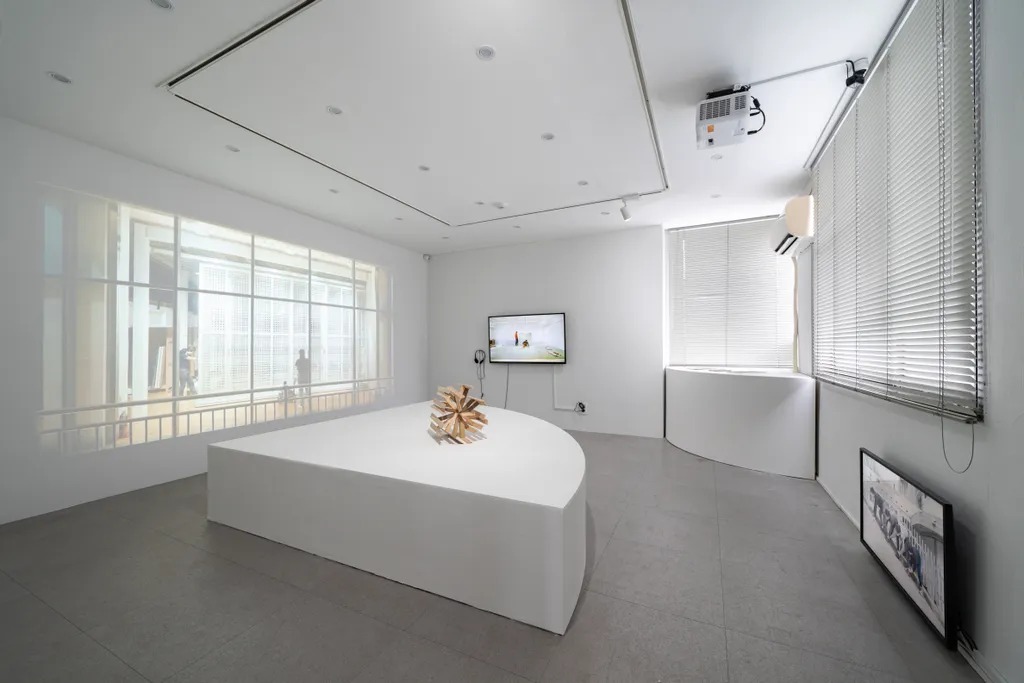
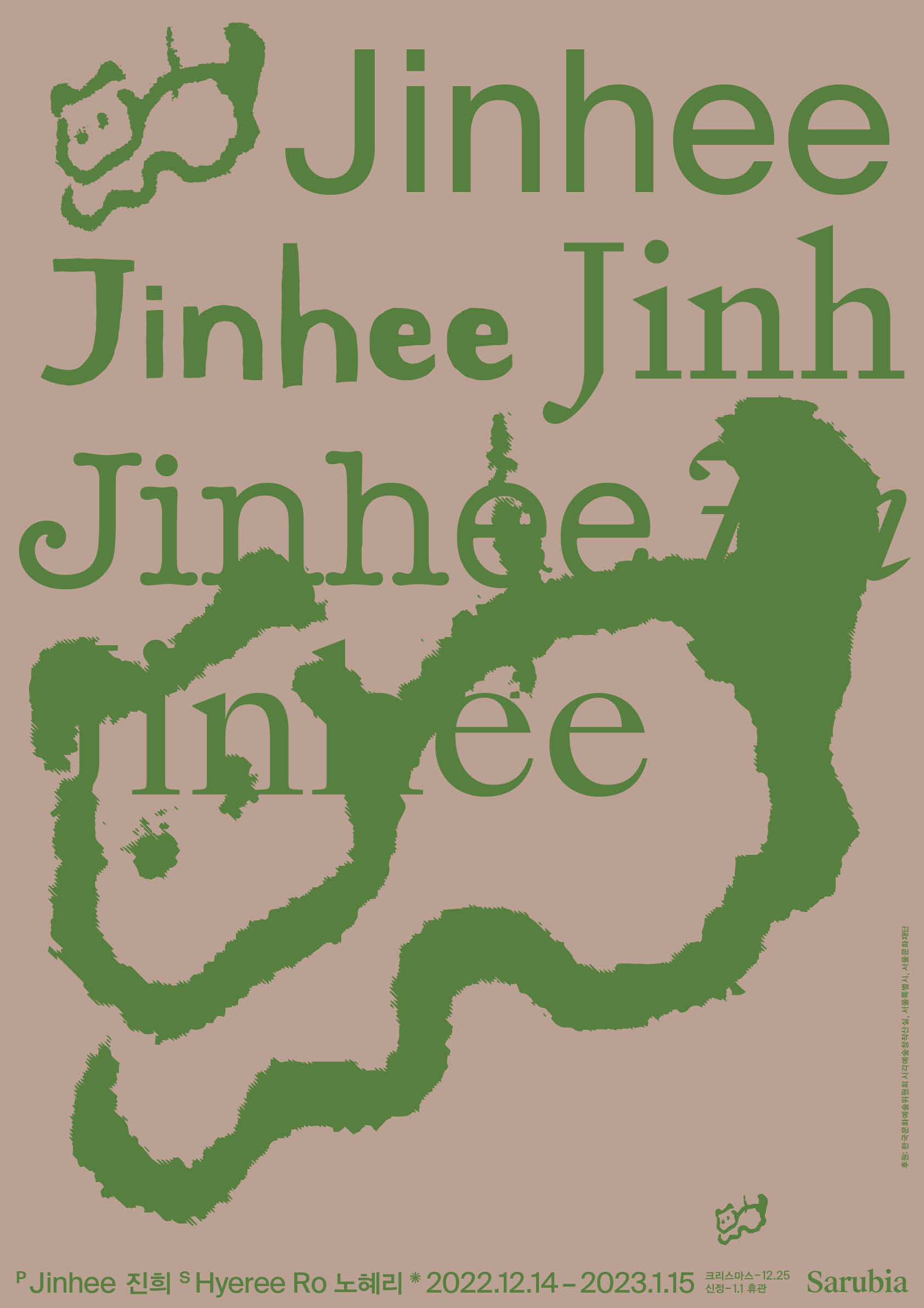
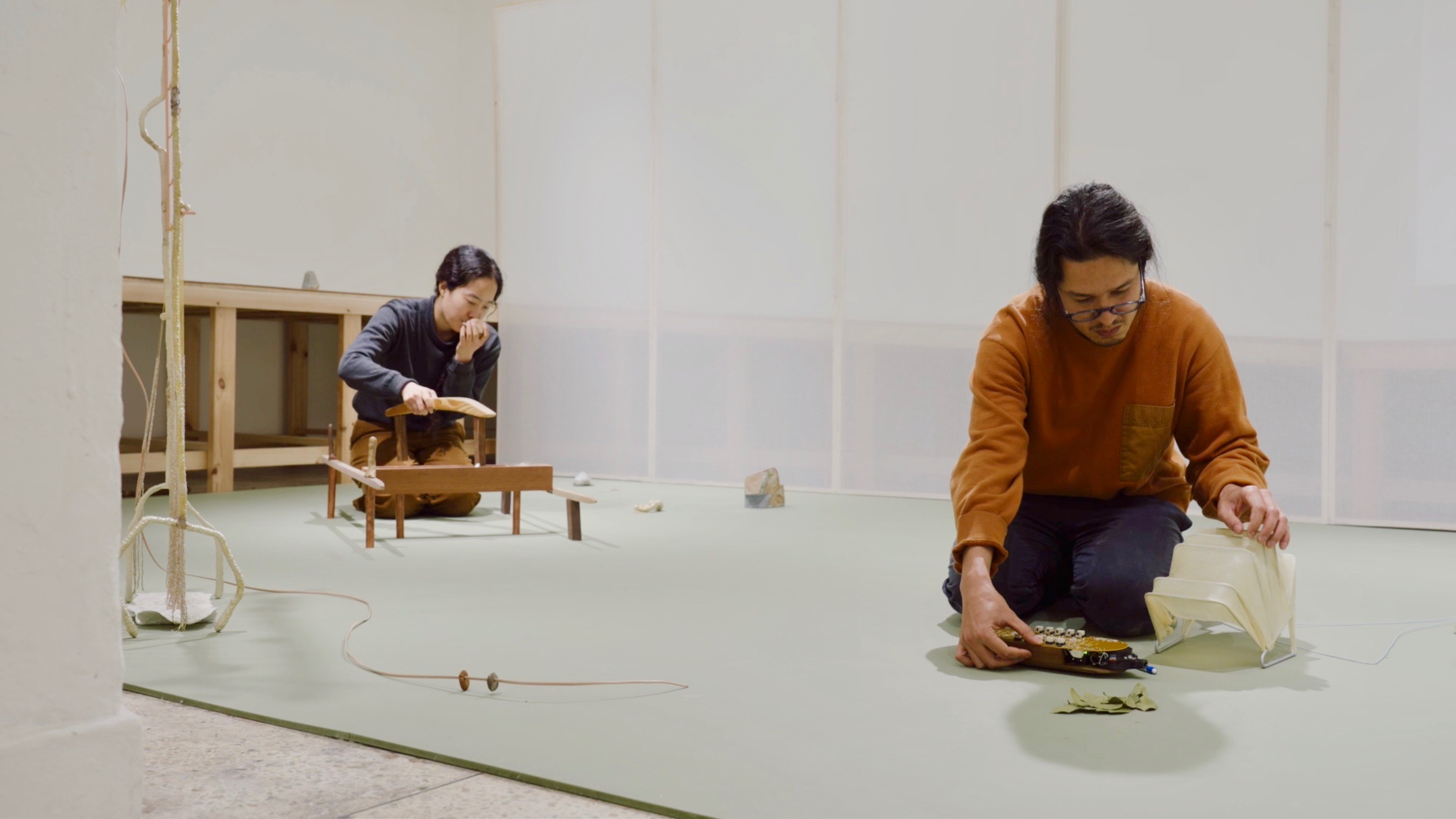
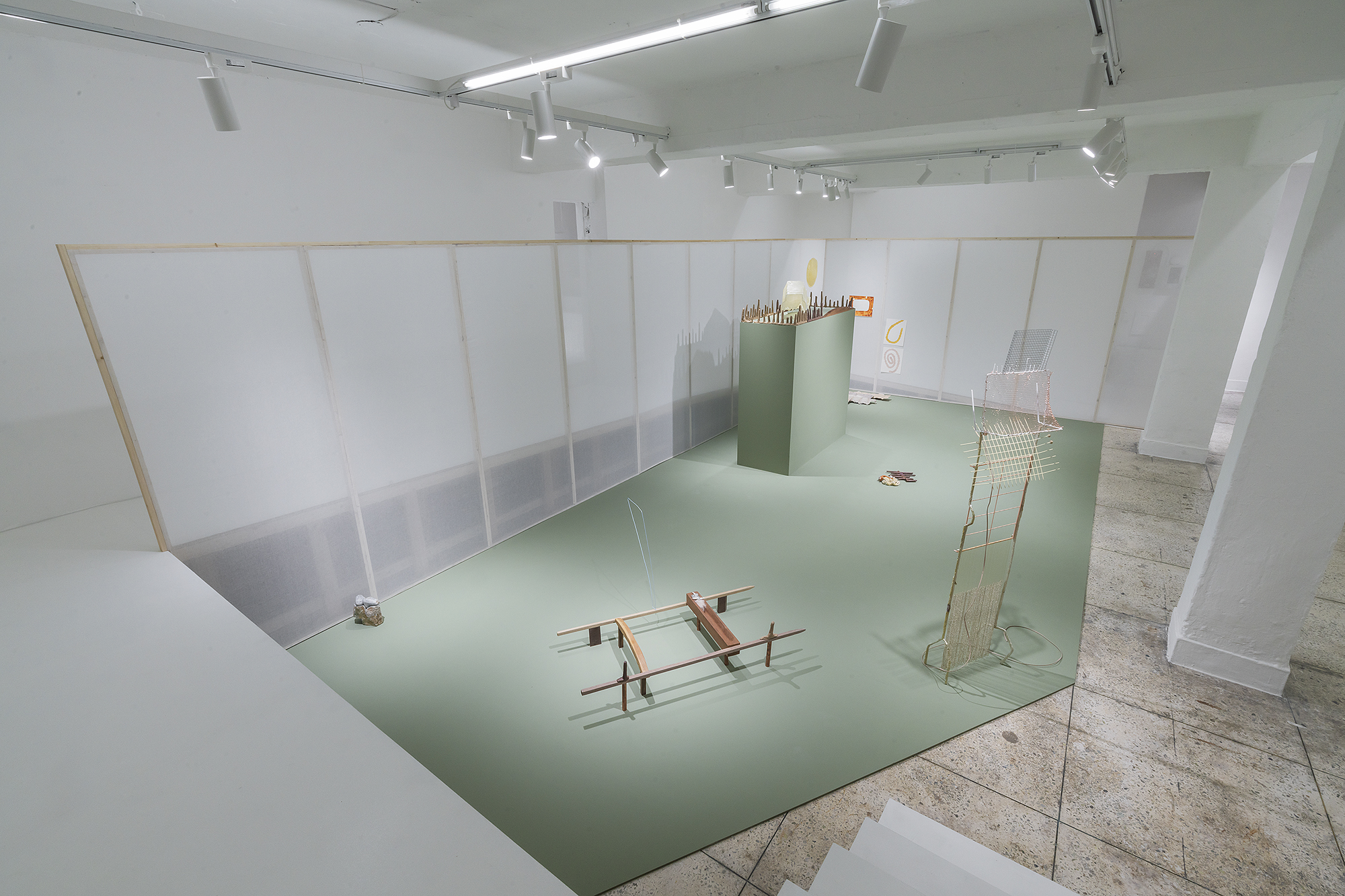
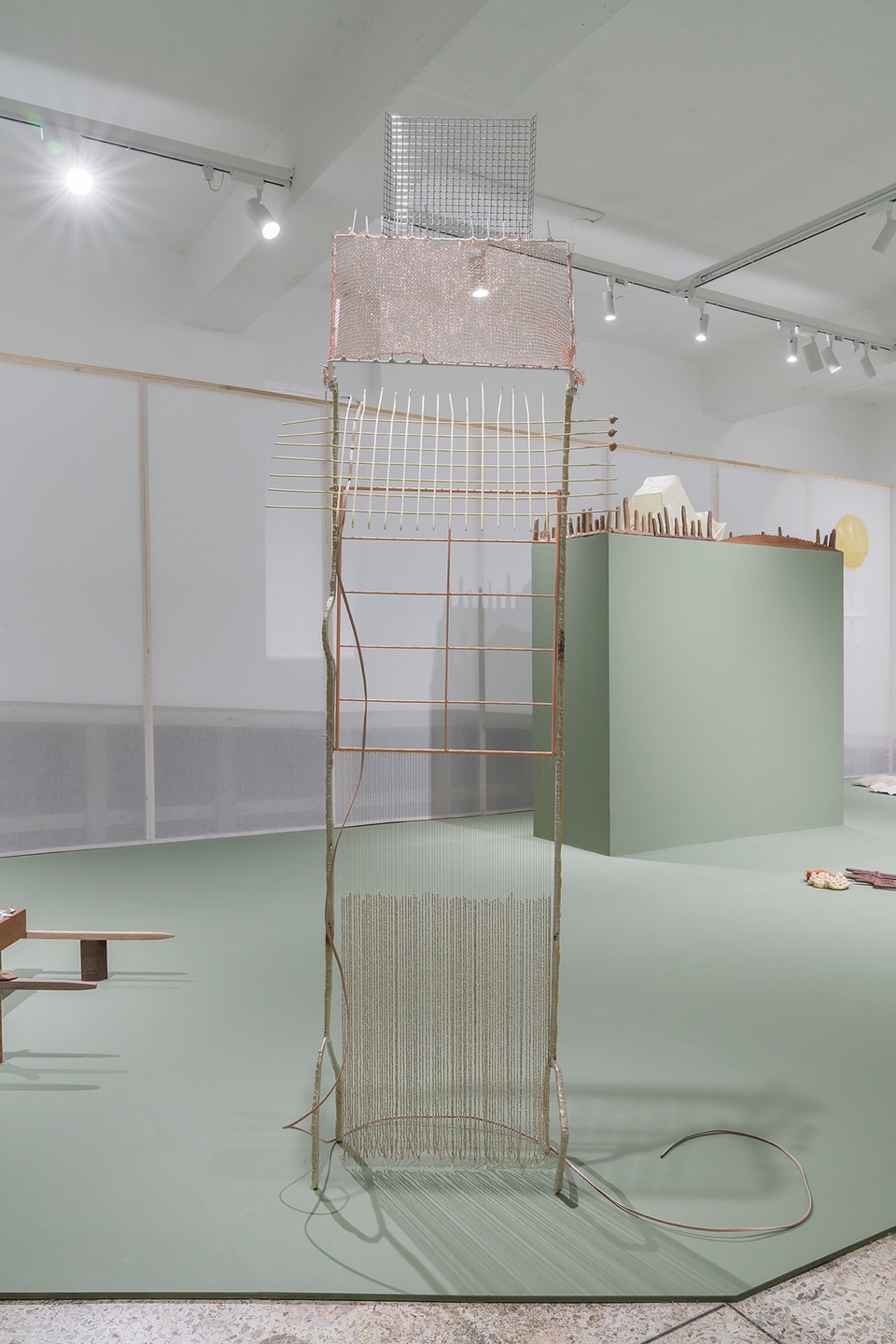
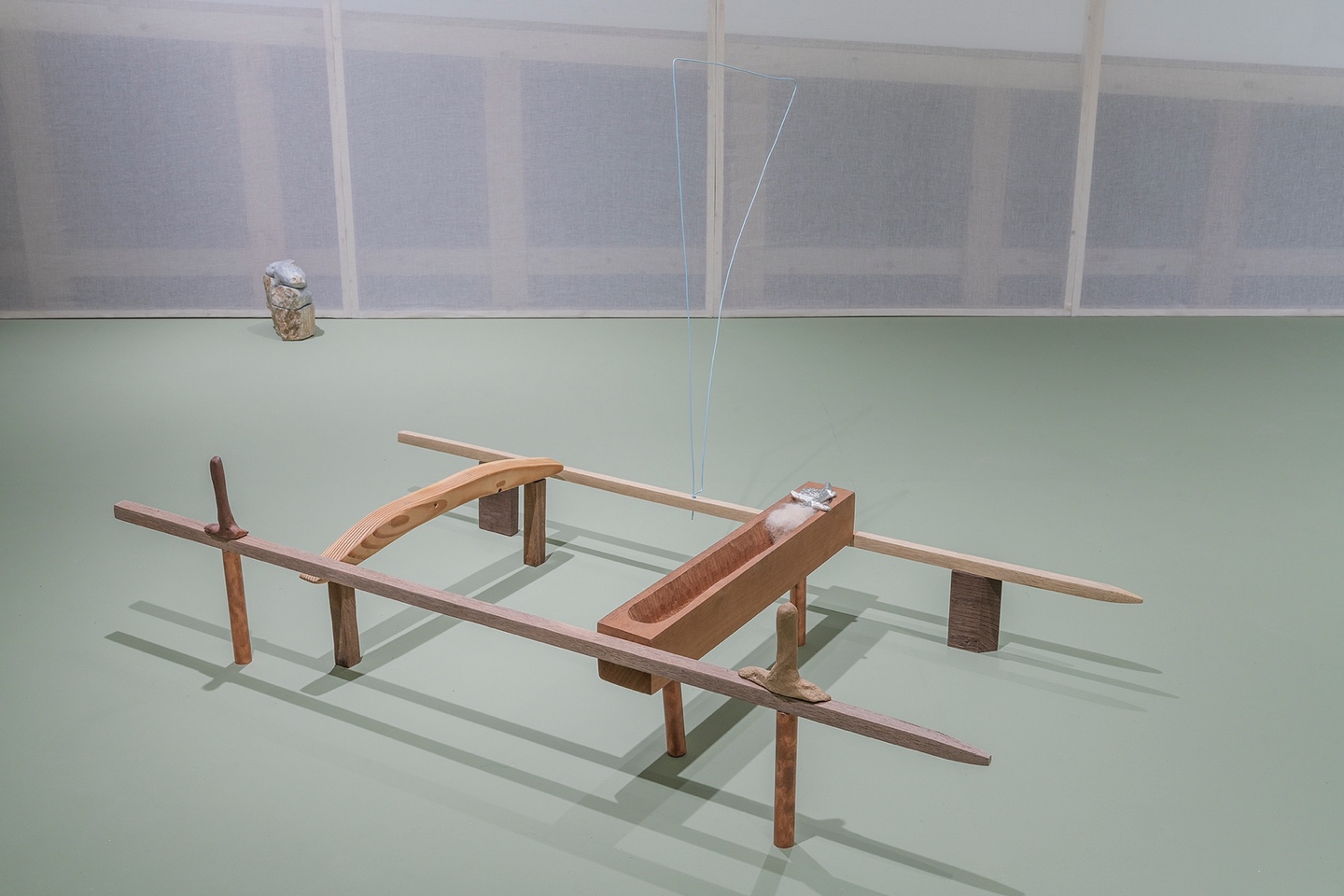
exhibitions including 《Jinhee》
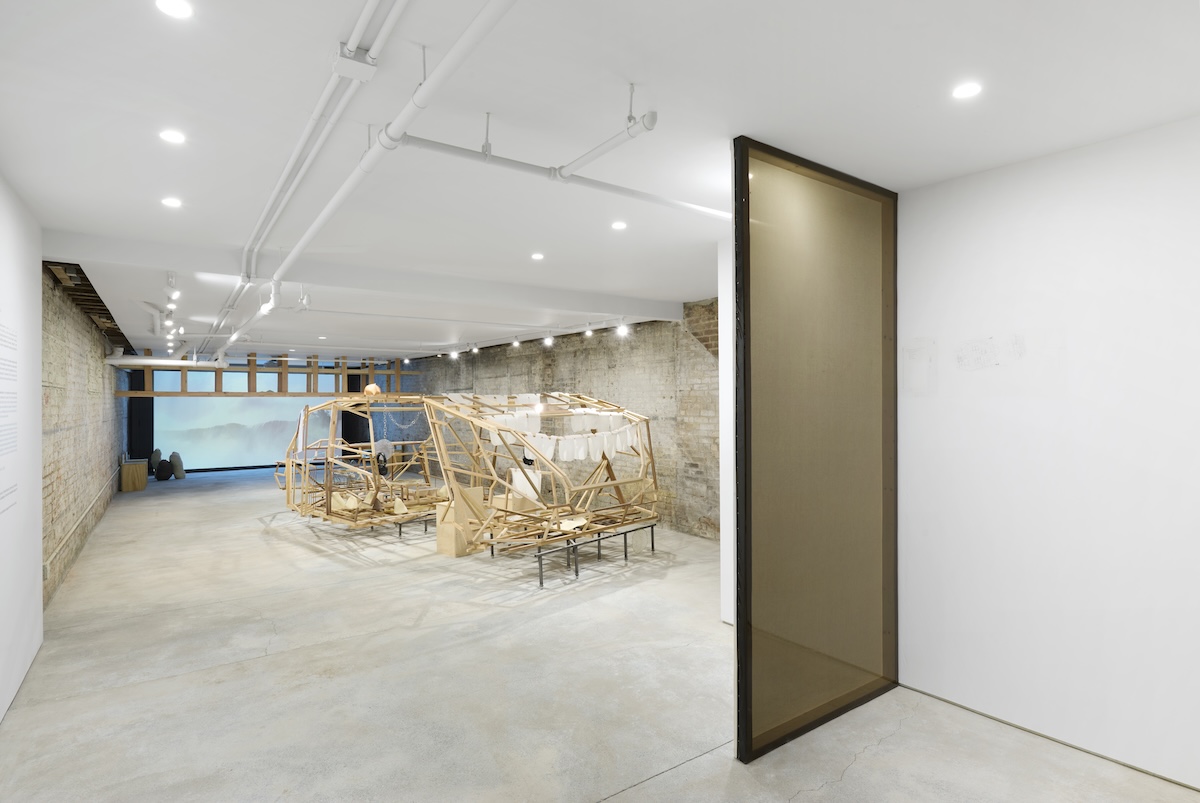
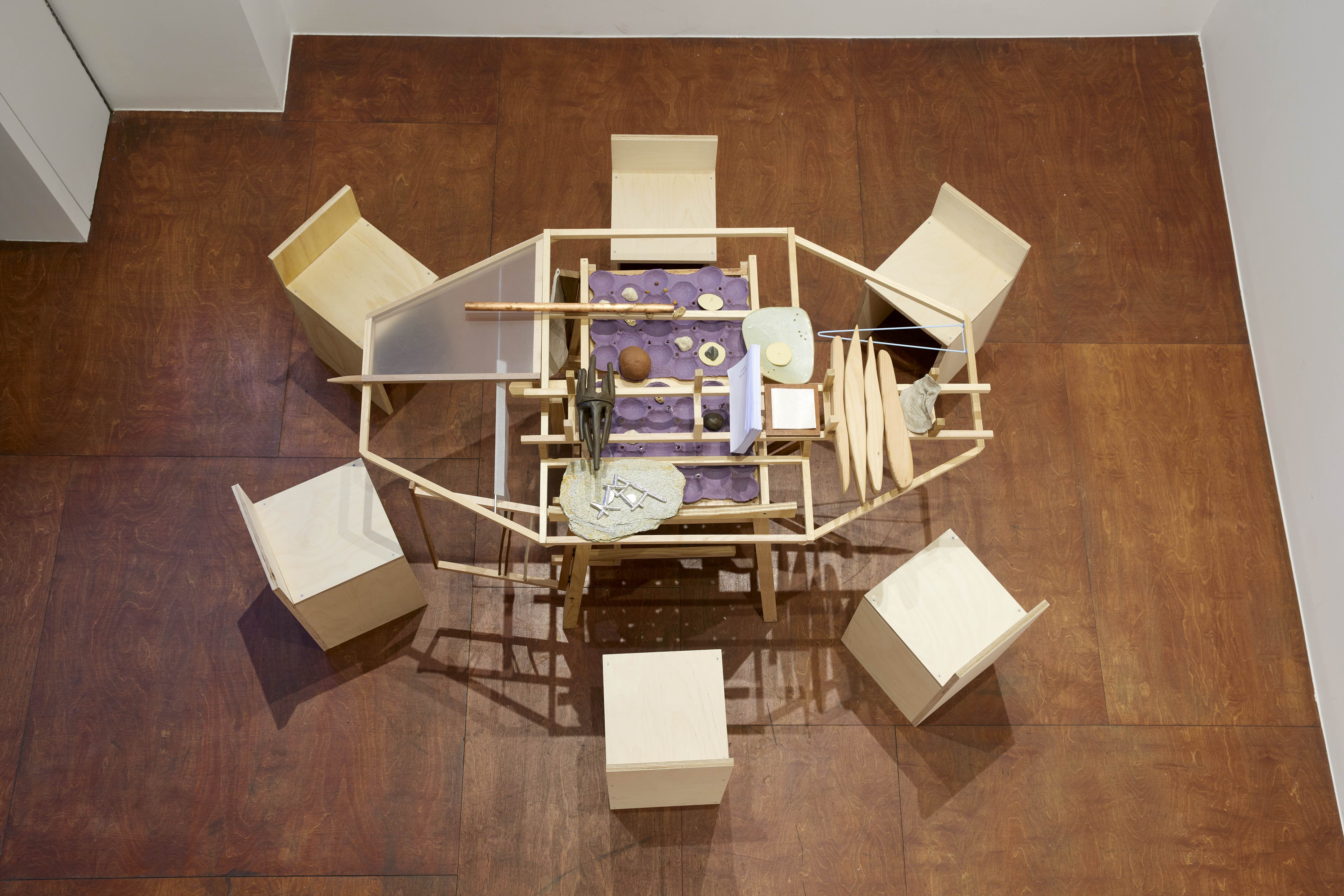
(Project Space Sarubia, Seoul, 2022), 《Niro》 (Canal Projects, New York, 2024), and 《August
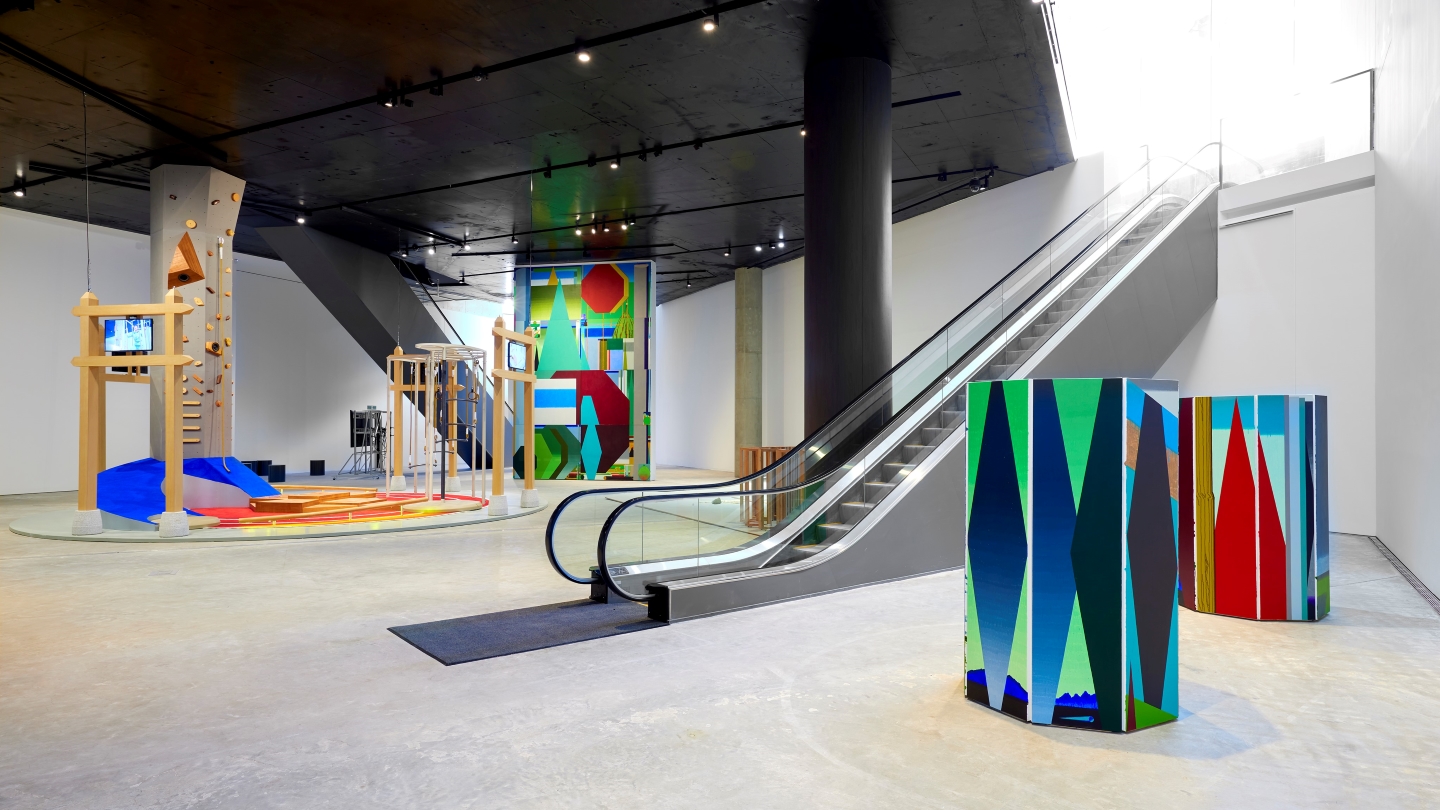
is the cruelest》 (DOOSAN Gallery, Seoul, 2025).
Group Exhibitions (Brief)
Ro participated
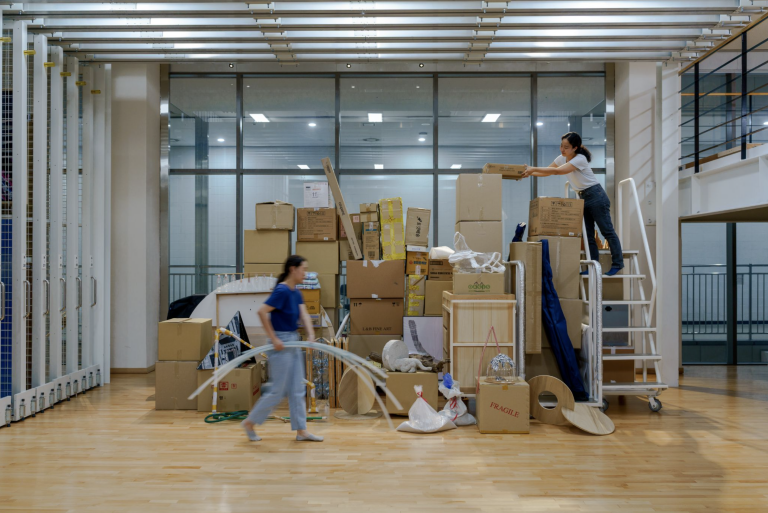
in numerous group exhibitions at both domestic and international institutions,
including 《Art Spectrum》 at Leeum Museum of Art (2022), as well as Ilmin Museum
of Art, the National Museum of Modern and Contemporary Art in Cheongju, HITE
Collection, and Akiyoshidai International Art Village. More recently, she has
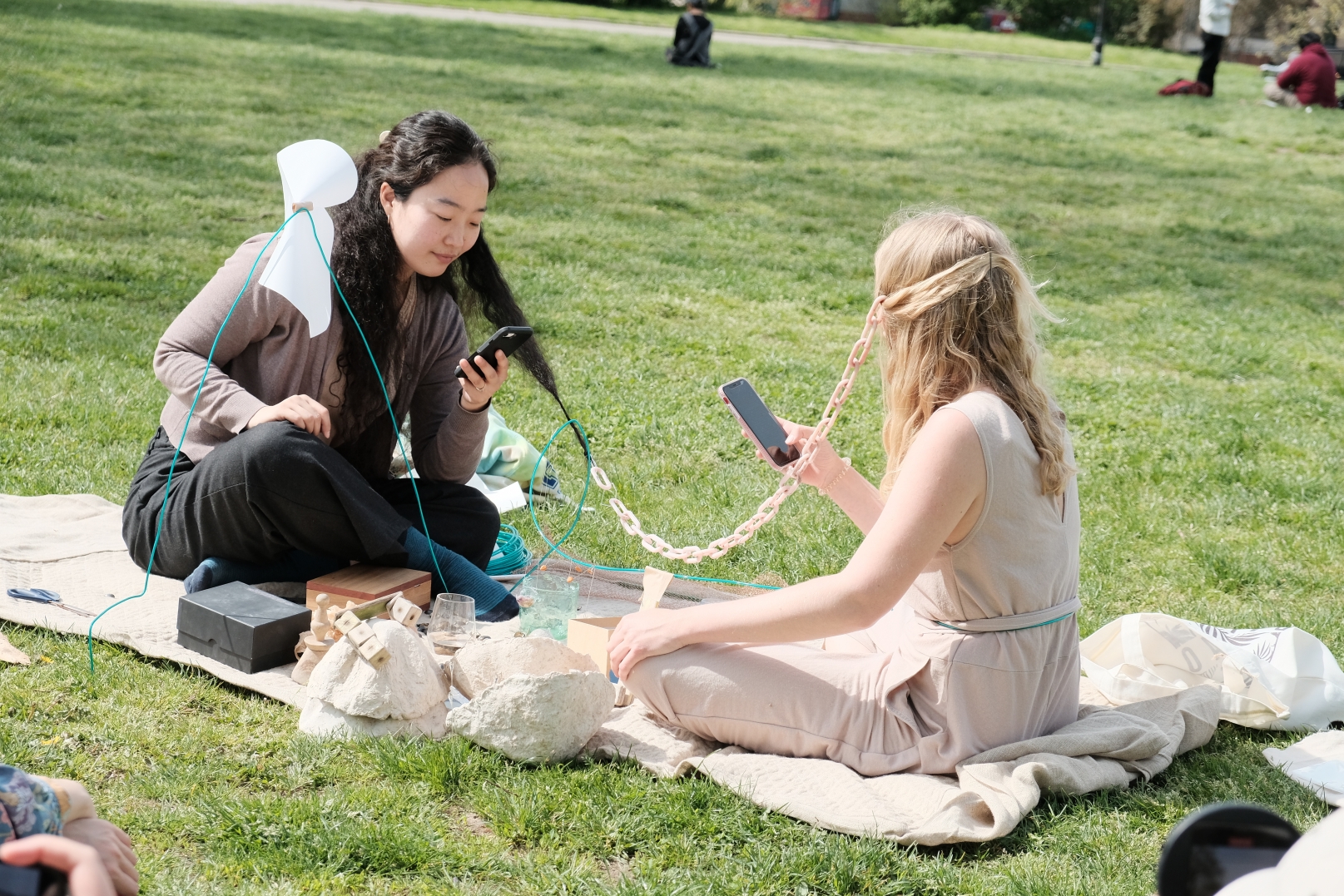
actively engaged in collaborative and cross-cultural projects with
multinational artists at venues such as AHL Foundation Gallery (New York),
Billytown (The Hague), Sulim Cube (Seoul), and Subtitled NYC (Brooklyn).
Awards (Selected)
In 2020, she received the Susan H. Whedon
Award from Yale University. She was later selected for several international
support programs, including the Emerging Artist Grant from the Leema Holtmann
Foundation (New York, 2023) and the Jenny Crane Grant (New York, 2024). Ro has
also been a recipient of multiple grants from the Seoul Foundation for Arts and
Culture and the Arts Council Korea.
Residencies (Selected)
Ro was
selected as a resident artist at the Nanji Residency of the Seoul Museum of Art
for 2025. She has also completed residencies at the NAS Foundation
International Residency (Brooklyn, 2022), the Field Projects Ceramic Residency
(Brooklyn, 2023), and the Yangju 777 Residency (2017–2018), among others, both
in Korea and abroad.