Generation - K-ARTIST

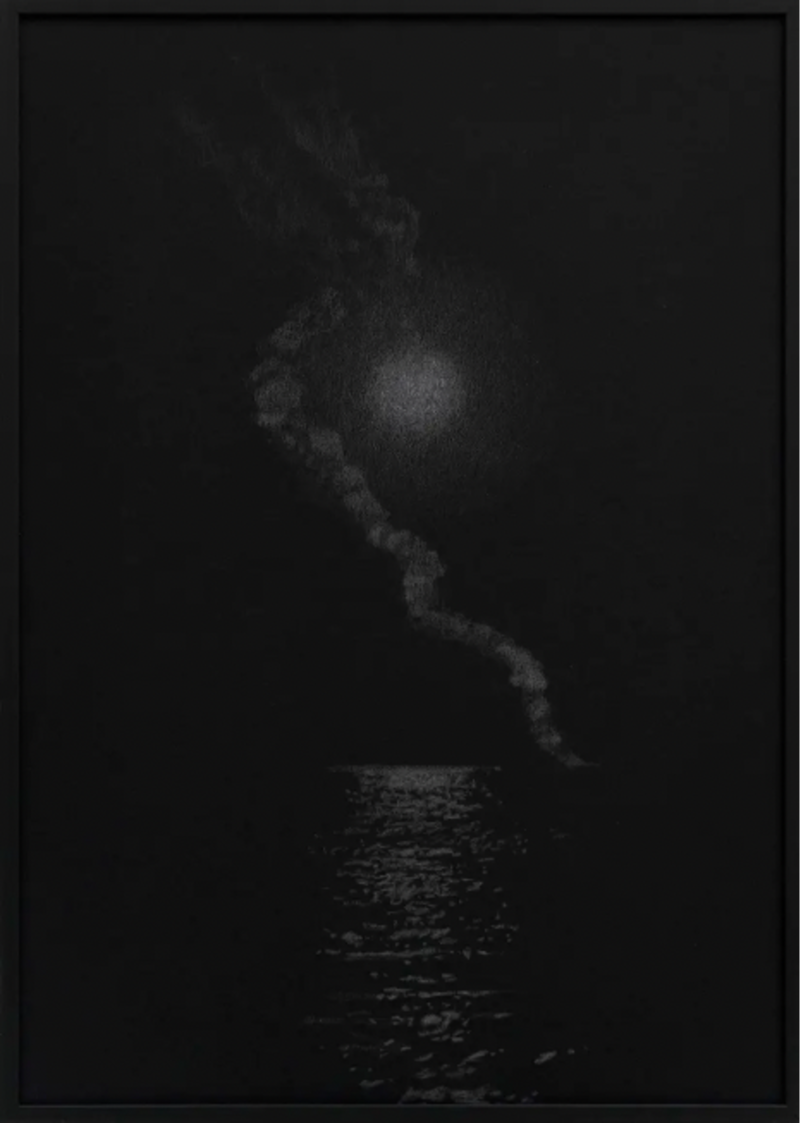
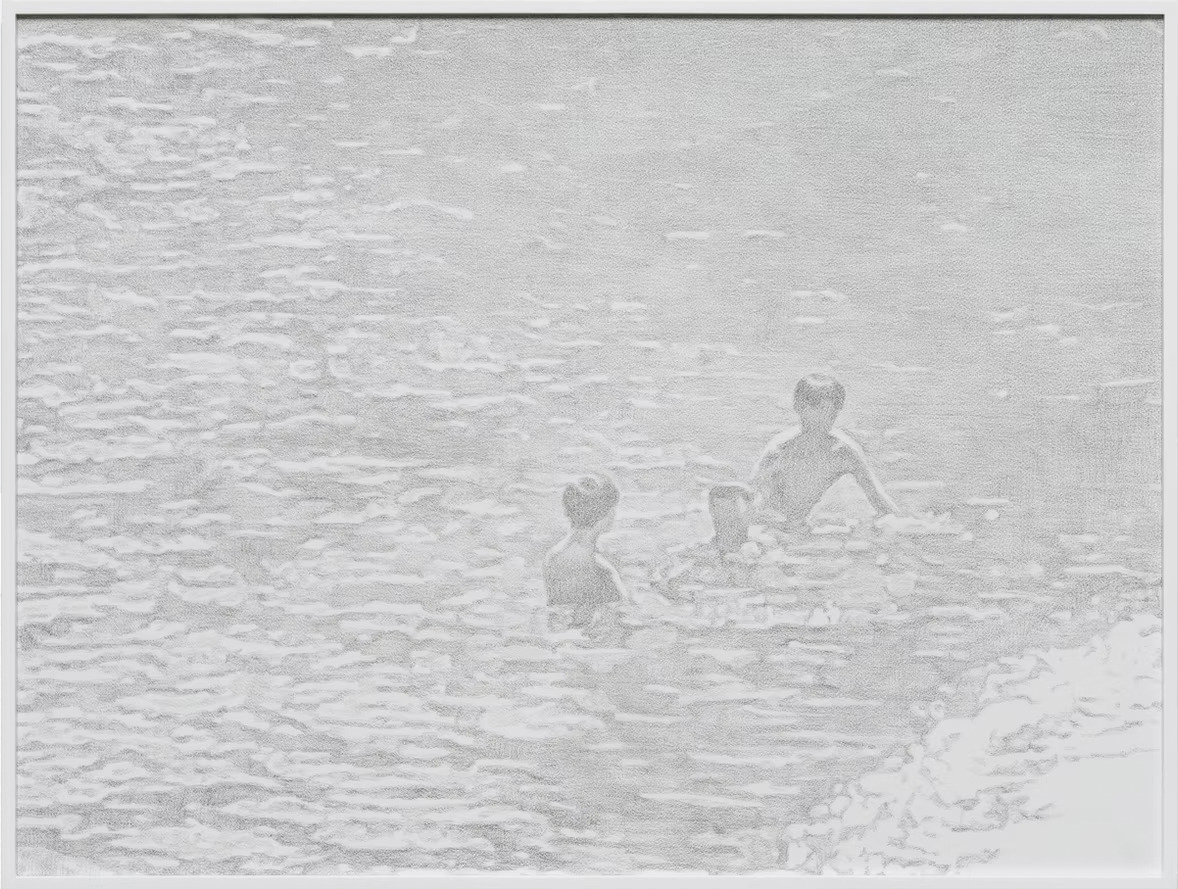
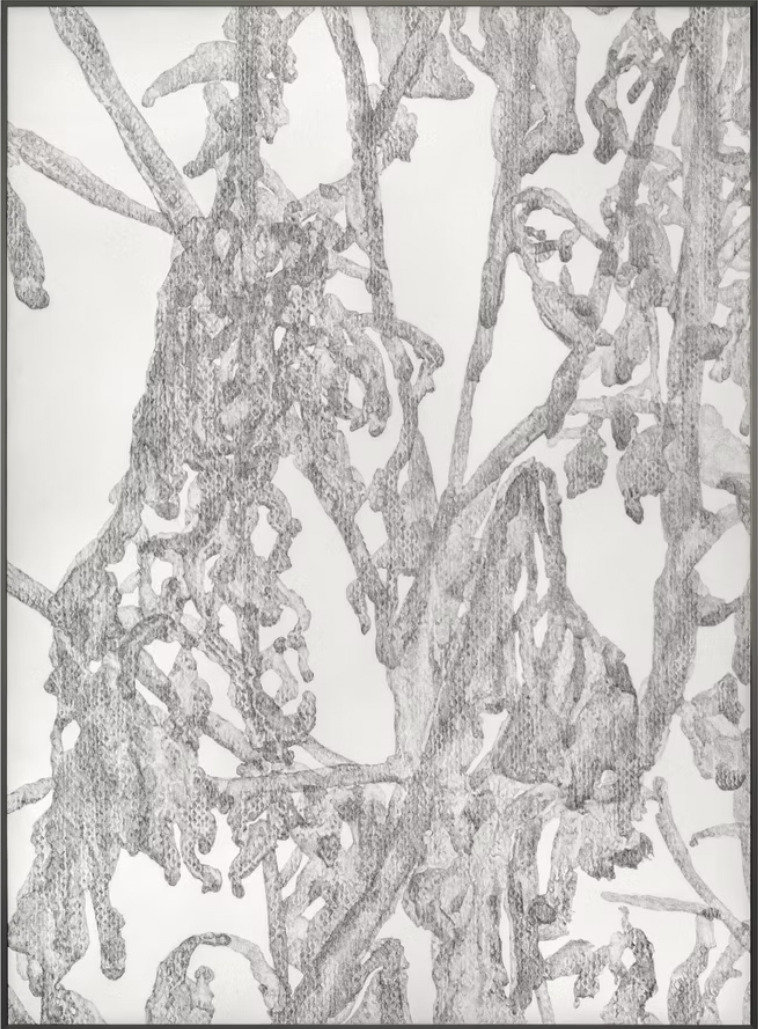
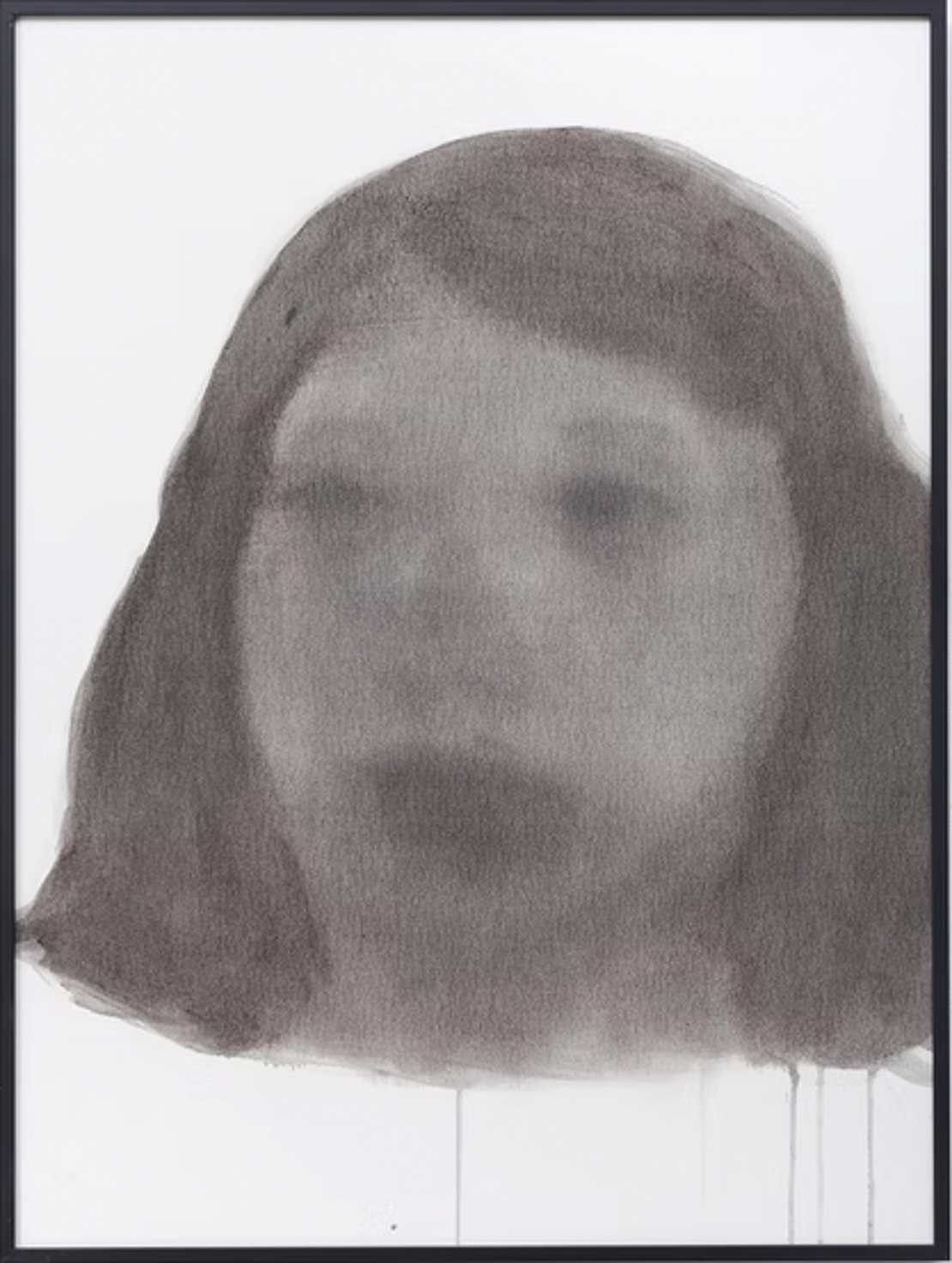
Generation

2022
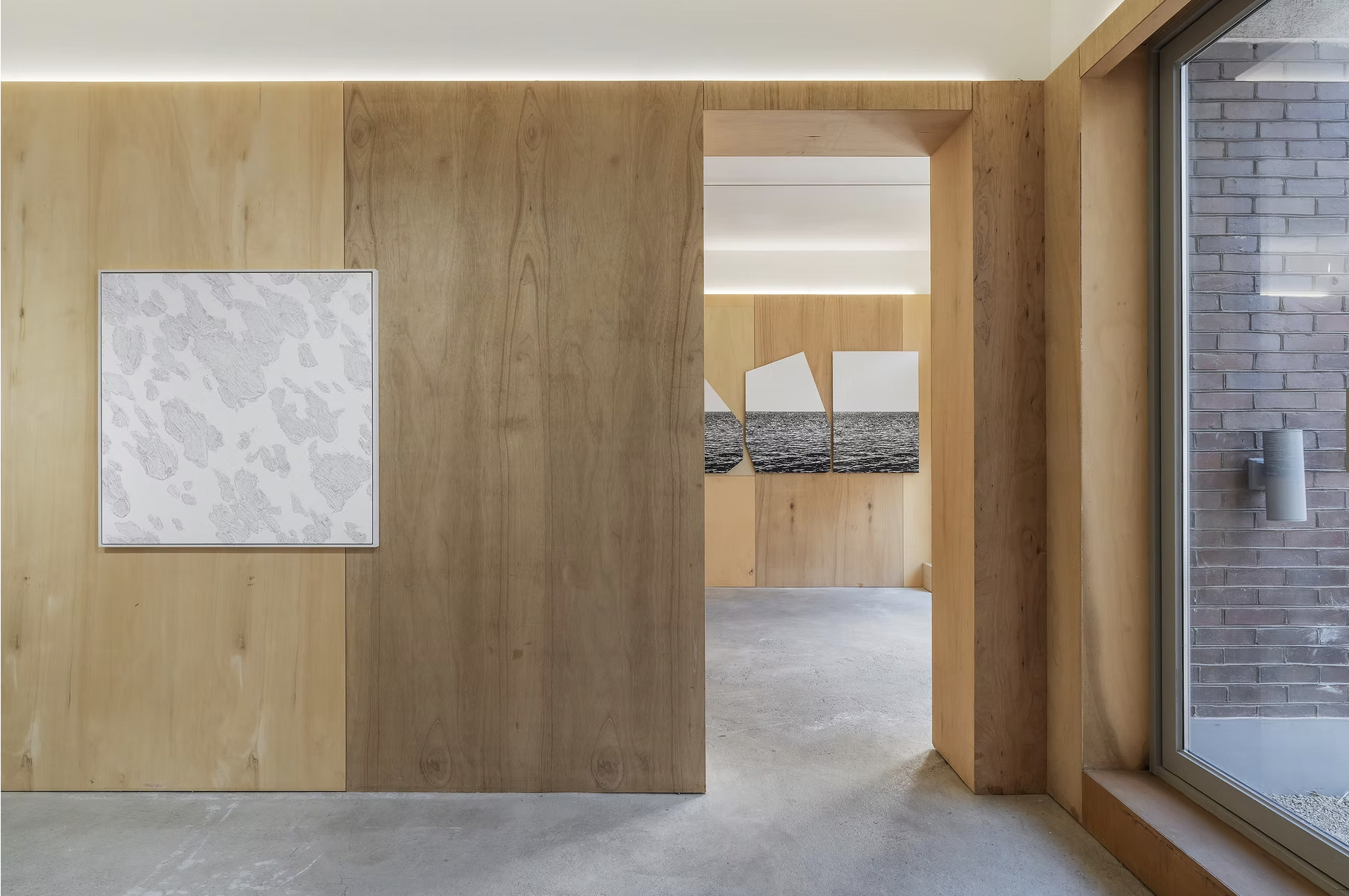
Pencil on paper
72 x 91 cm (1 of 9 pieces)
About The Work

Jaehyoung Im has developed a painting practice that explores the emotional dimensions of loss and the ways in which individuals respond to it. Approaching the concept of absence through the language of painting, he investigates how intangible emotions and indistinct memories can be rendered visually and spatially through the medium of painting.

Jaehyoung Im’s practice begins with the question of how to record the sensations that remain after loss. Rather than directly representing people or events that have disappeared, he spends a long time looking at the traces, empty spaces, afterimages, and peripheral objects left in their wake.

Empty places, traces of absent figures, stopped clocks, knife marks on the horizon, withered plants, snow before it melts, and light on water are all peripheral images surrounding absence. Through these images, the artist does not explain loss, but allows viewers to slowly approach the sensation of it. 

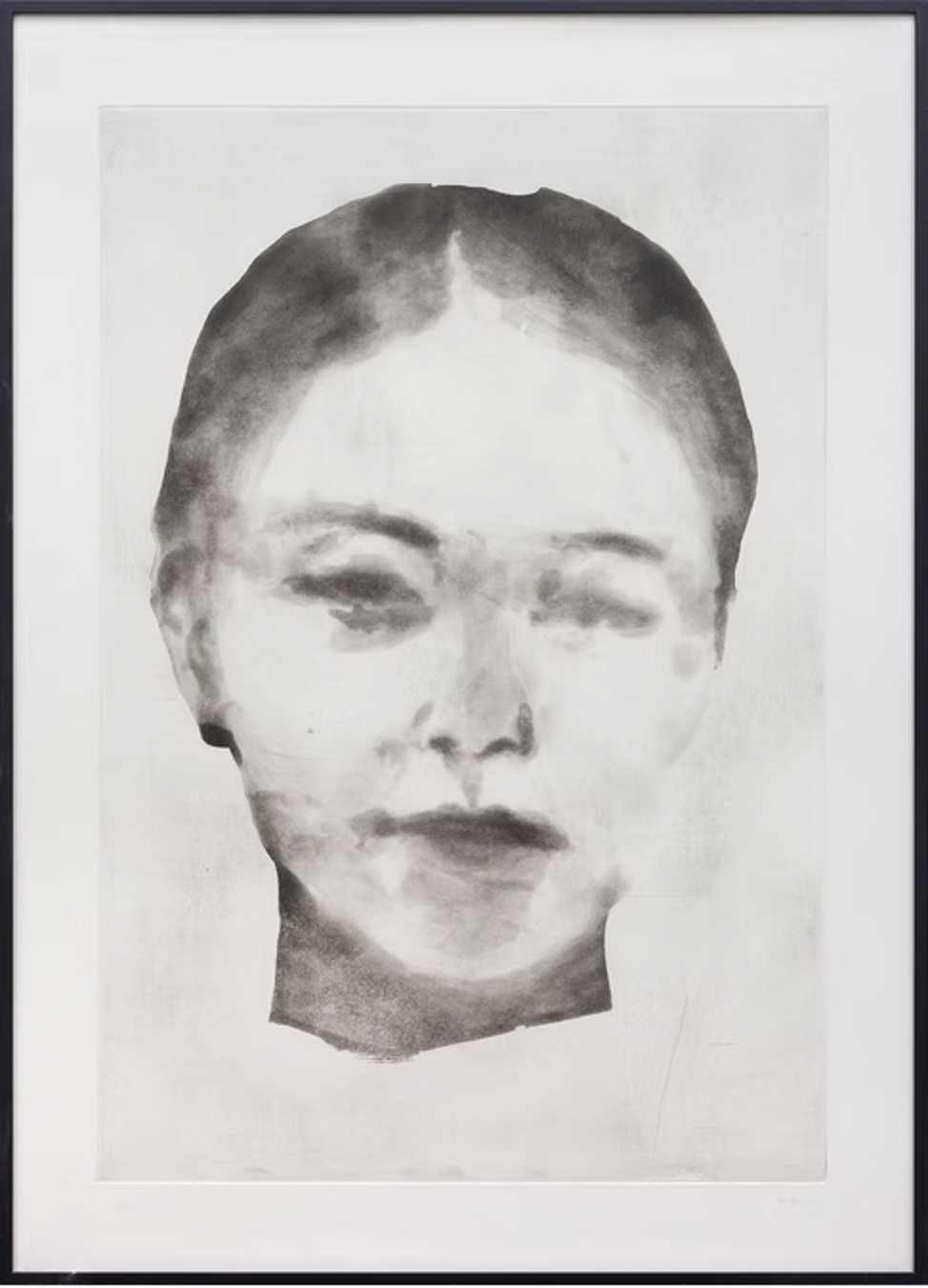
Im has collected images of personal and collective loss, exploring the relationship between disappearance and the act of painting through a wide range of approaches. His paintings privilege faint silhouettes and expanses of emptiness over explicit representation, inviting viewers to confront the sensation of absence itself.
 
His works extend beyond the depiction of landscape, functioning instead as sites where the traces of time and the emotions embedded within them are made visible. As a result, Im’s paintings move beyond representation to create a contemplative space in which viewers can reflect on the relationship between presence and absence.

Solo Exhibitions (Brief)

Im had held solo exhibitions including 《Blank Reading》 (PS CENTER, Seoul, 2024), 《The Furthest Way》 (Sahng-up Gallery, Seoul, 2024), 《The Sea, Smoke and Shade》 (Incheon Art Platform, Incheon, 2022), 《Tracing on Emptiness》 (ONSU-GONGGAN, Seoul, 2020), and 《Whereabouts》 (Show and Tell, Seoul, 2020).

Group Exhibitions (Brief)

Im has also participated in numerous group exhibitions, including Intangible 《Intangible Boundaries》 (Pipe Gallery, Seoul, 2025), 《Paint it Black》 (Amado Art Space, Seoul, 2024), 《Paranormal Opera》 (Alternative Space LOOP, Seoul, 2022), 《International Triennial of Contemporary Graphics in Novosibirsk》 (Novosibirsk State Art Museum, Novosibirsk, Russia, 2021), and 《About Your K》 (SeMA Storage, Seoul, 2020).

Residencies (Selected)

Im has additionally been selected for several residency programs, including the Cheongju Art Studio (2024), Suwon Art Space Pureunjedae Changjakseamteo (2023), and Incheon Art Platform (2022).

Works of Art

Painting the Sense of Absence

Originality & Identity

Jaehyoung Im’s practice begins with the question of how to record the sensations that remain after loss. Rather than directly representing people or events that have disappeared, he spends a long time looking at the traces, empty spaces, afterimages, and peripheral objects left in their wake. His early works People Around Me(2013), Empty Place(2014), and Missing(2014) clearly show this concern.

In Empty Place, the artist removes the figures from photographs and leaves only the surrounding spaces, preserving within the empty image the sensation of a person or time that can no longer return. In Missing, he reveals the anxiety, expectation, resignation, belief, and doubt produced by an unconfirmed absence through the accumulation of countless thin lines.
 
Im later came to consider “drawing” itself in relation to an attitude toward loss. In his solo exhibition 《Whereabouts》(Show and Tell, 2020), he says that he draws what remains after something has disappeared, what is before his eyes but will soon disappear, and what may have already disappeared. Dried plants, eggshells, snowflakes, icebergs, and clouds are not loss itself, but things that hover around loss and linger before his eyes.

This attitude becomes more concrete in his solo exhibition 《Tracing on Emptiness》(ONSU-GONGGAN, 2020). The artist compares the act of leaving behind a past existence as another material reality called painting to a “shed skin,” holding onto the trace of what is no longer part of a living body but once formed the surface of existence.
 
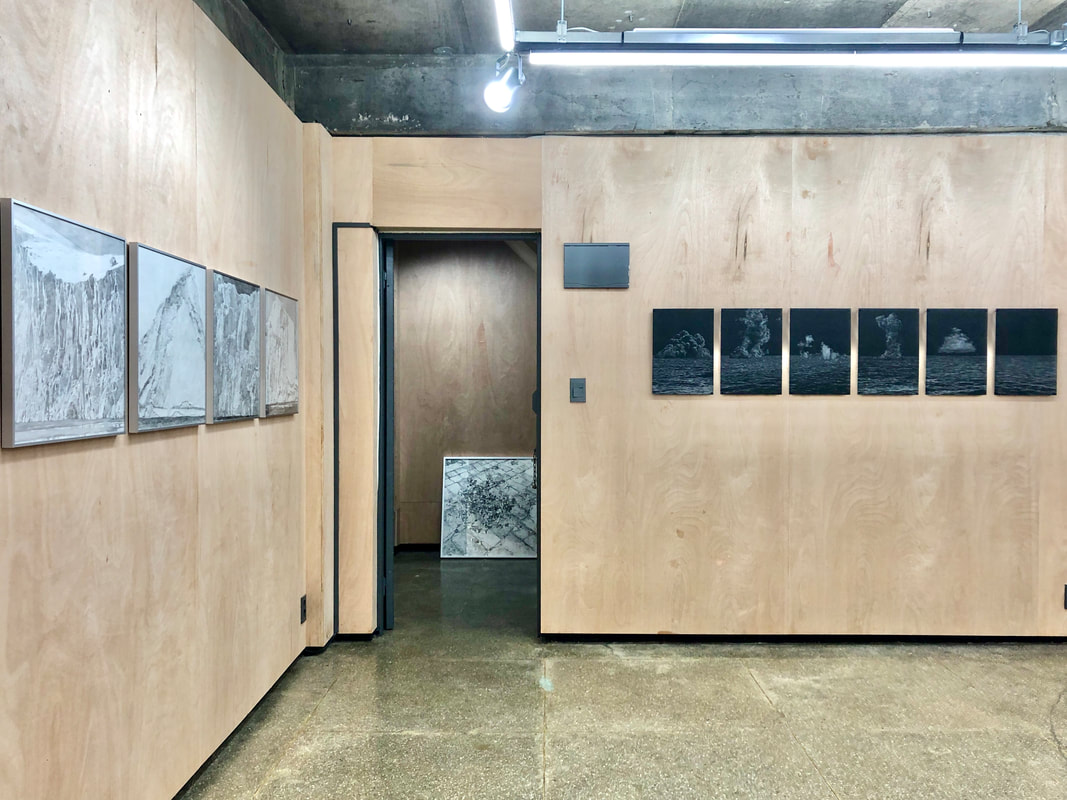
In another solo exhibition, 《The Sea, Smoke and Shade》(Incheon Art Platform, 2022), personal loss and social loss are addressed together. The Sewol Ferry disaster and the everyday life that followed, the fire at Notre-Dame Cathedral, and the death of a family member are different events, yet the artist views them through the temporal unit of “generation.”

Generation
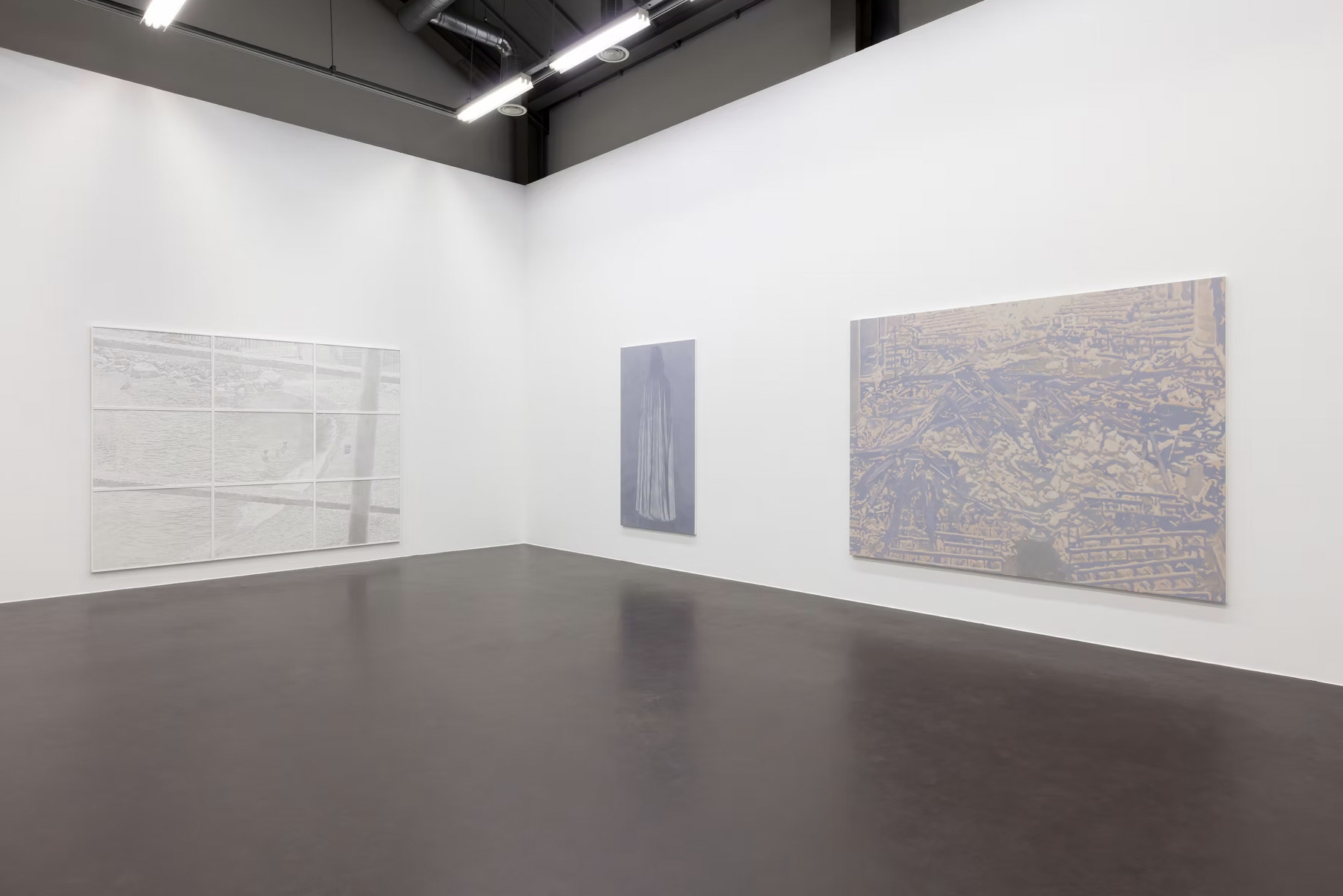
(2022) evokes the experiences of people who have passed through the same time, events that will be handed down to the next generation only as images, and members of a previous generation gradually departing one by one. Here, the sea, smoke, and shade appear as things without fixed forms, constantly changing or disappearing, and through these amorphous subjects, the artist quietly traces the relationships between loss and memory, presence and absence.
 
By the time of his recent solo exhibition 《The Furthest Way》(Sahng-up Gallery, 2024), Im’s interest expands toward what has disappeared and what has not yet arrived, repeated days and the singular time of life. Day to Day(2024) uses a structure in which three images are repeated between the first and last panels to metaphorically suggest the days and nights, seasons, and everyday time that recur between the beginning and end of life.

Montage
(2023) shows how seemingly unrelated experiences enter into relation and produce meaning through the viewer’s gaze, while Pond(2023), Pond(2024), and Eternity and a Day(2024) treat landscape not as a simple scene, but as a place where time, memory, and absence overlap.

Style & Contents

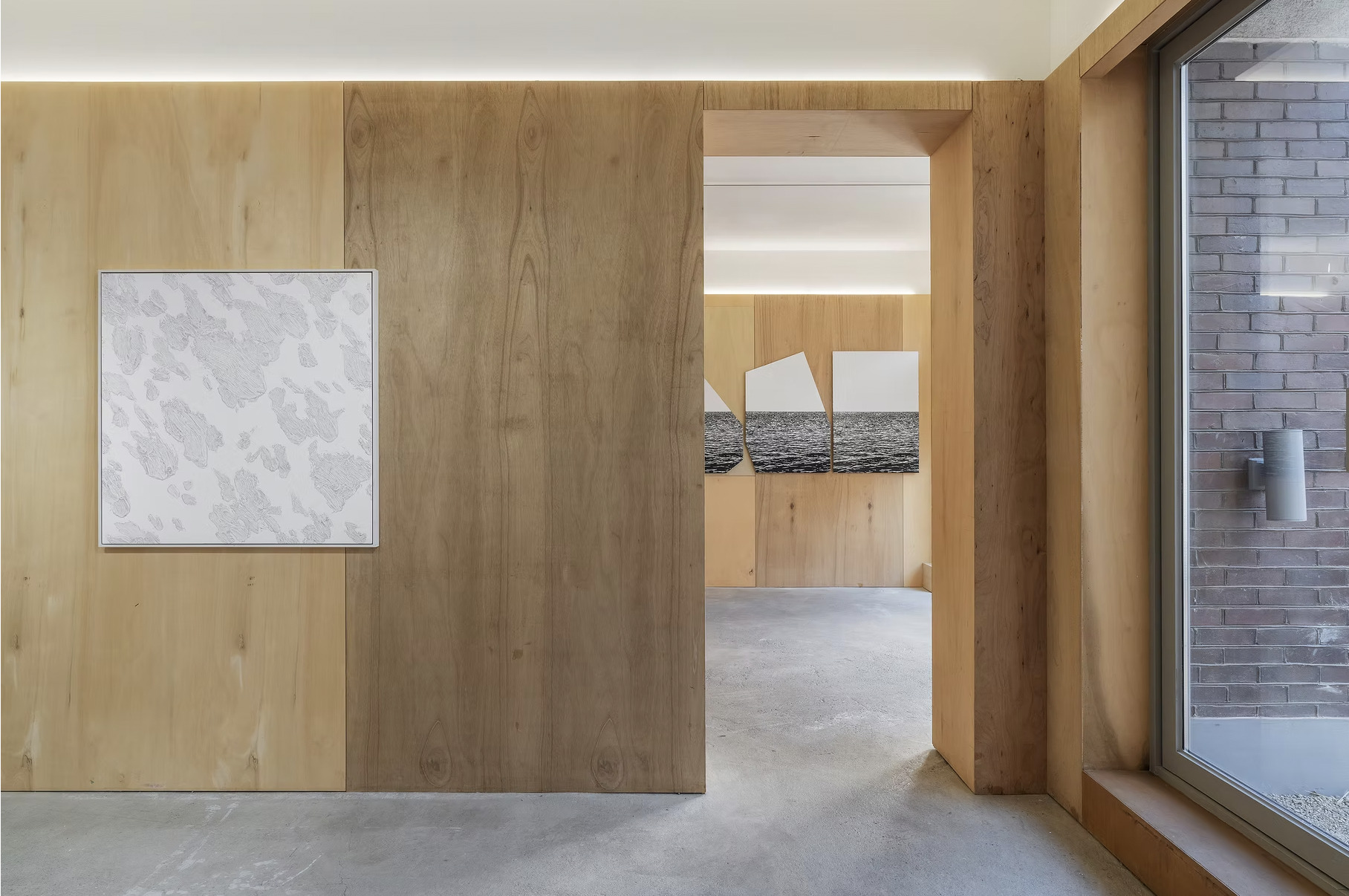
Jaehyoung Im’s practice uses a range of media, including pencil, graphite, woodcut, acrylic, and oil, while being grounded in the slow and delicate time of drawing. Rather than immediately depicting a subject, he reconstructs the image through intermediate stages such as photography, previously drawn images, traces of paint, and the pressure of printmaking.

In Empty Place and Missing, photographs serve as points of departure that recall those who have disappeared, but the artist does not draw the people themselves. Instead, he leaves the sensation of absence on the surface through empty spaces, the state of an unconfirmed disappearance, and the repeated lines of an uncertain search.
 
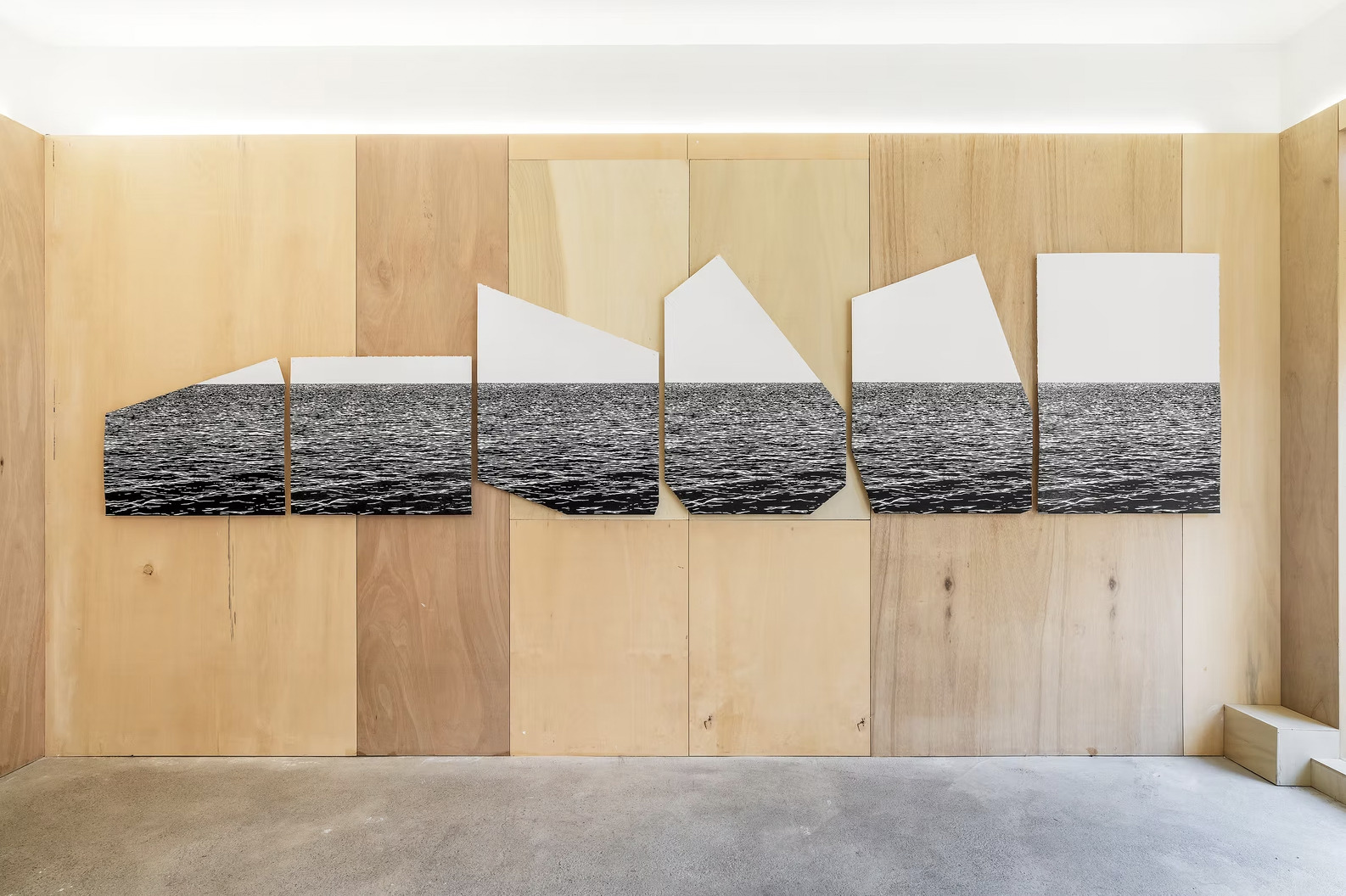
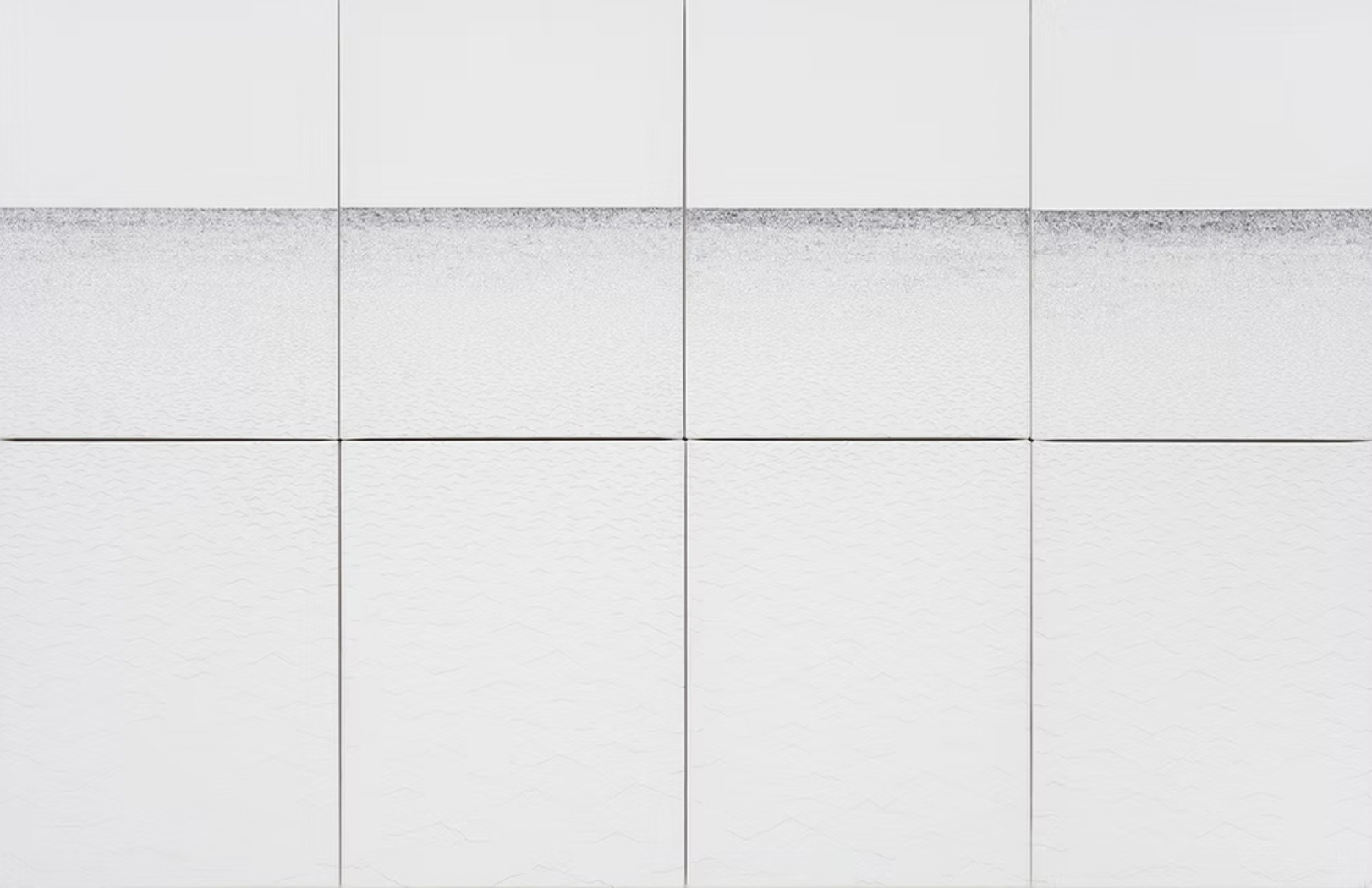
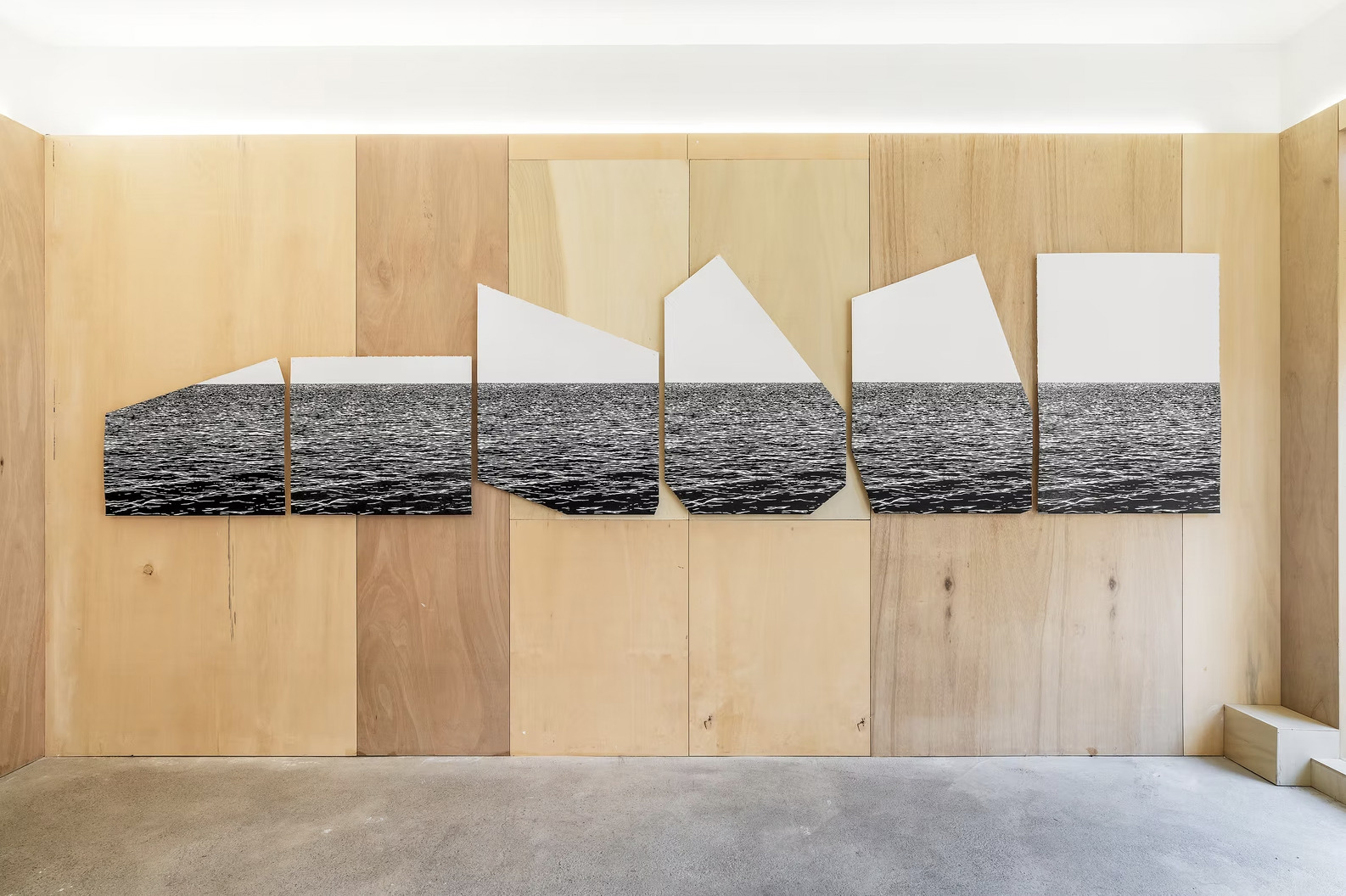
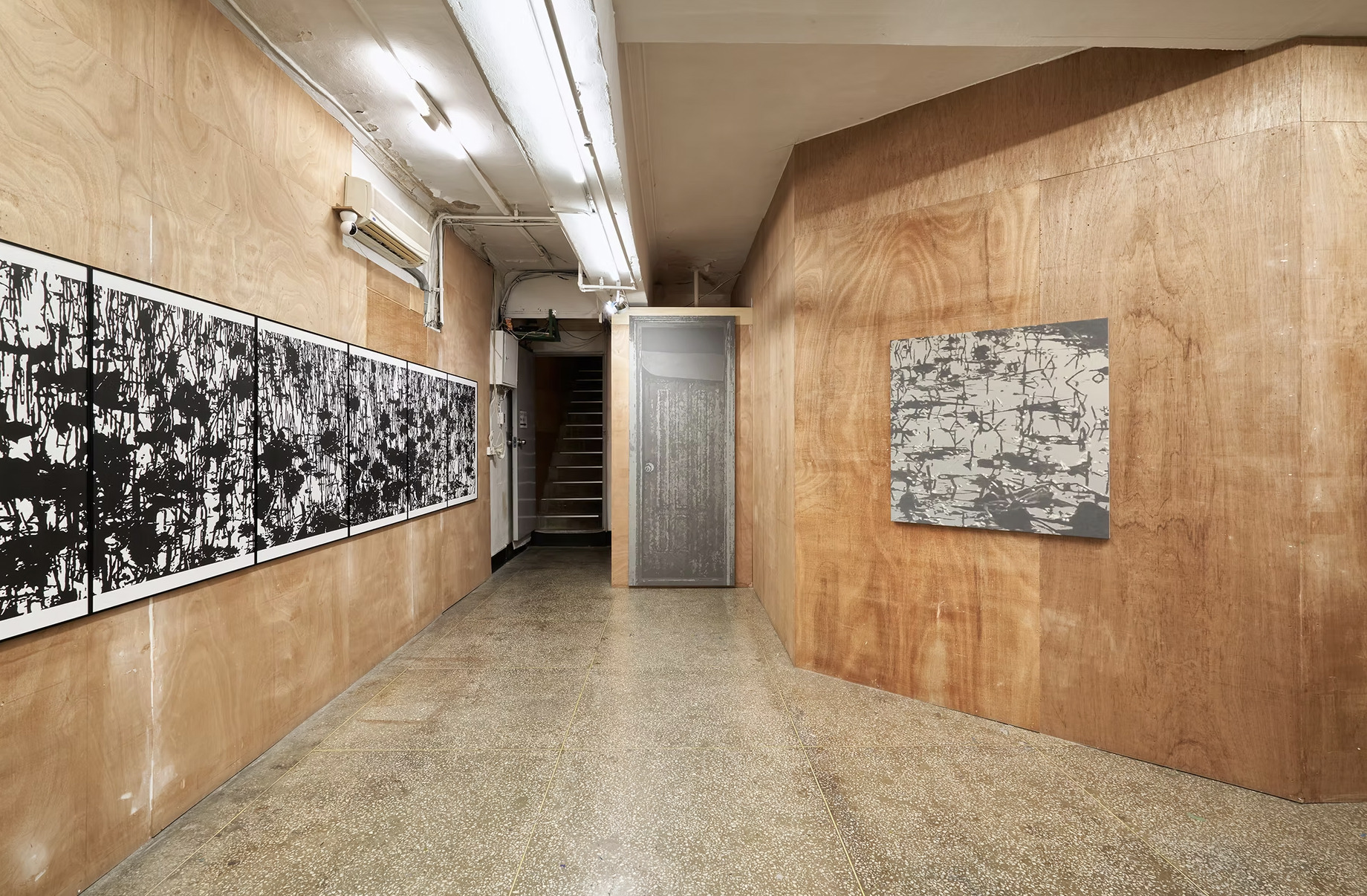
In 《Tracing on Emptiness》, this method deepens through “redrawing” and printmaking-based thinking. Equilibrium(2020) is a woodcut work that translates the helplessness and anger surrounding the Sewol Ferry disaster into the horizon of the sea. From a distance, it appears like a calm seascape, but upon closer inspection, the marks of the carving knife emerge like wounds.

The Clock
suggests tilted time and an irreversible event through the image of a clock, while Withered Strokes(2020) and Heavy Snow(2019) layer the time of things that have disappeared or will soon disappear by transferring once-drawn images again in pencil. What matters in these works is not only what has been drawn, but the process of drawing it again, slowing it down, transferring it, and holding onto it.
 
After 《The Sea, Smoke and Shade》, the artist’s images begin to contain broader structures of events and time. The sea, smoke, and shade are subjects without fixed forms, but through them, the artist connects different scenes of loss, such as social disaster, the destruction of a religious symbol, and the death of a family member.

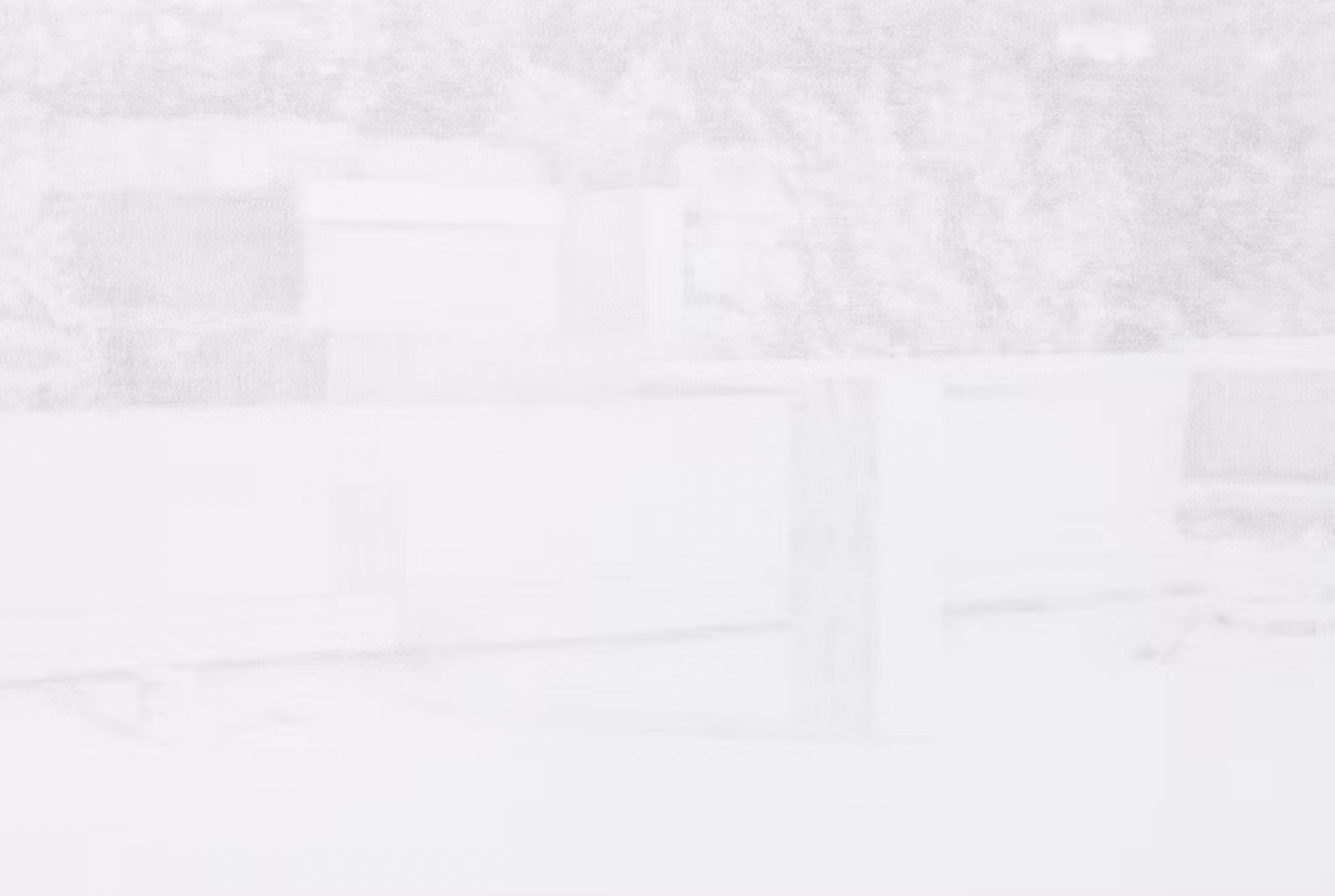
Generation evokes both personal memory and the sensation of generational time through the image of children playing by the sea, while A Heap(2022) and Occurrence(2022) visualize the aftermath left by vanished matter through the black debris and smoke following the fire at Notre-Dame Cathedral. In the works from this period, smoke, water, and shade are not simply natural elements, but media through which one senses the moment when something that once existed disappears.
 
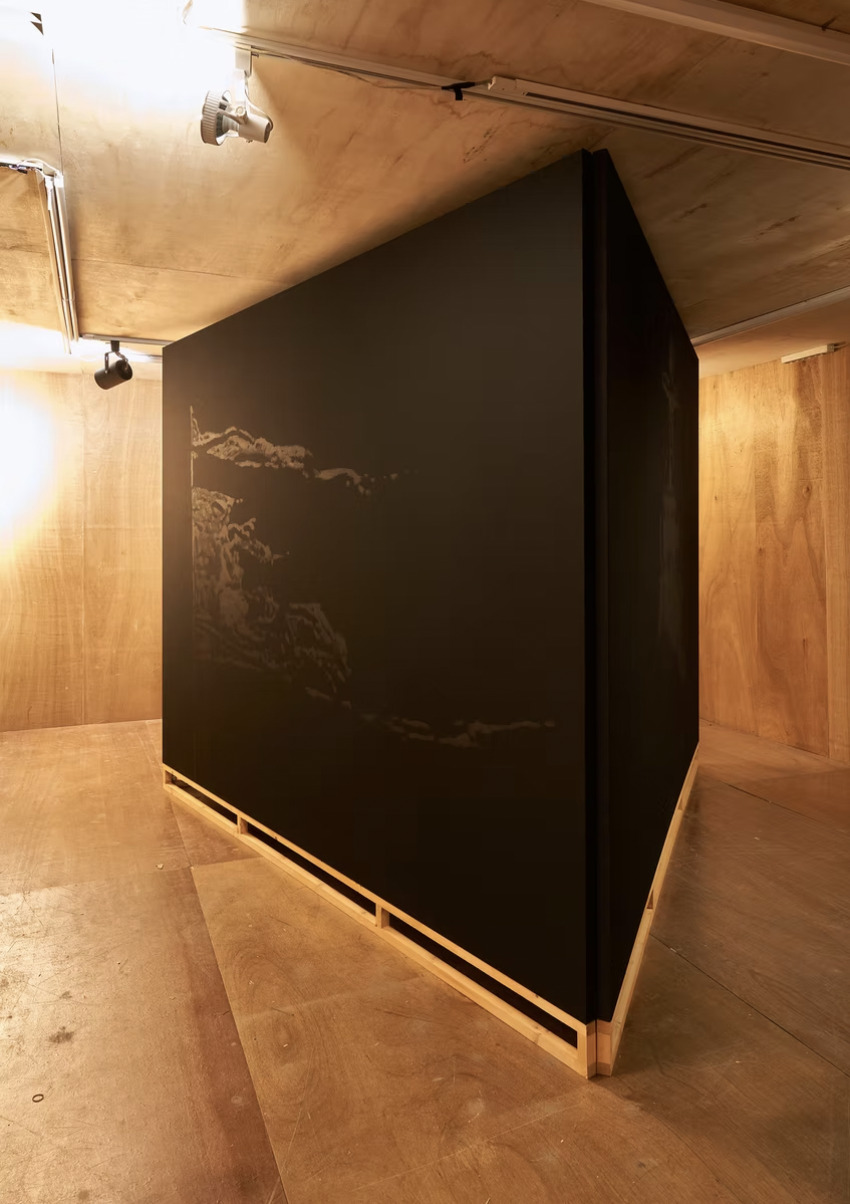
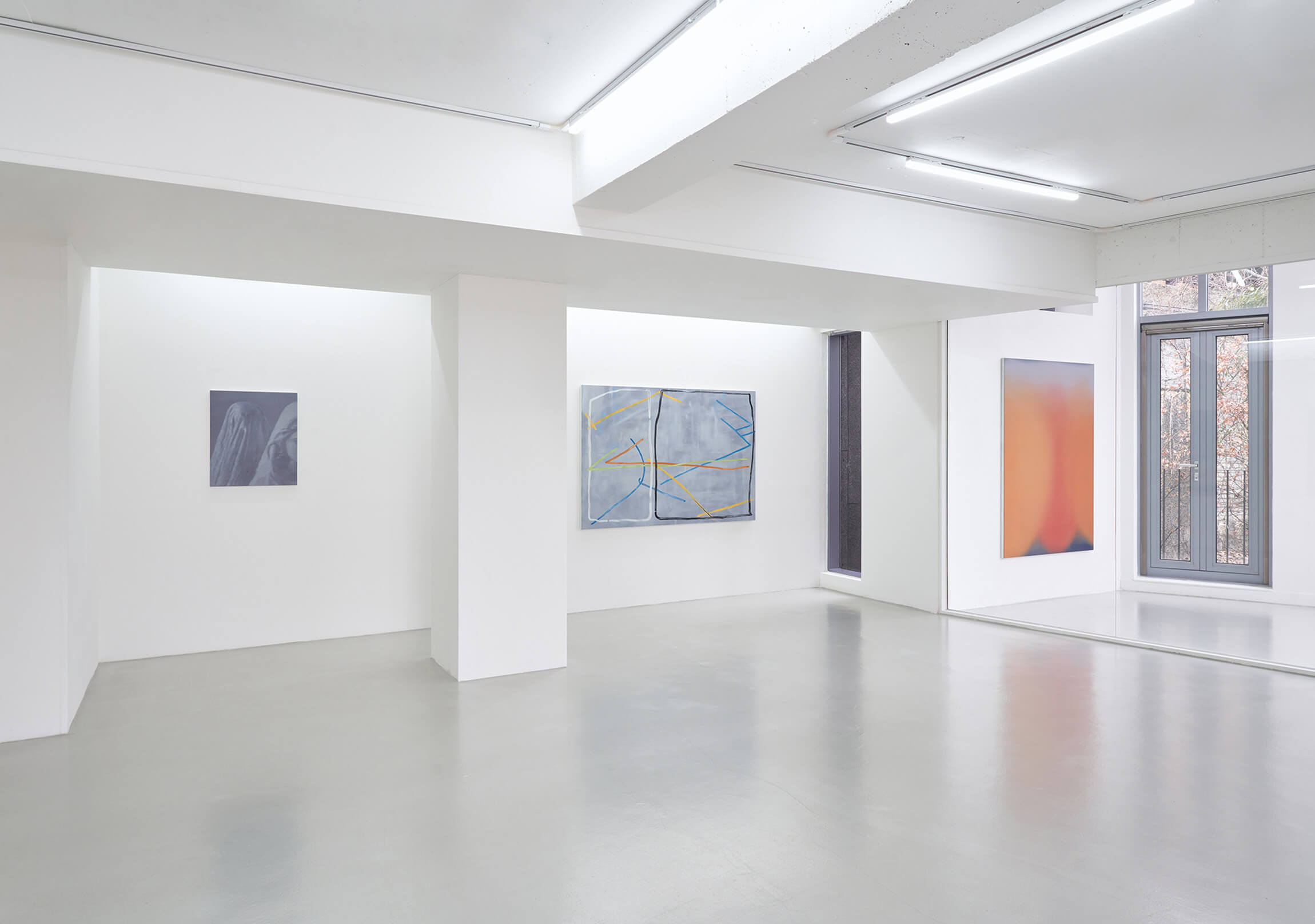
In the works after 2023, painterly color fields, composition, and installational arrangement become more prominent. Montage is installed on a triangular structure, allowing viewers to see only one scene at a time, and the relationships between images are formed through the viewer’s movement and memory.

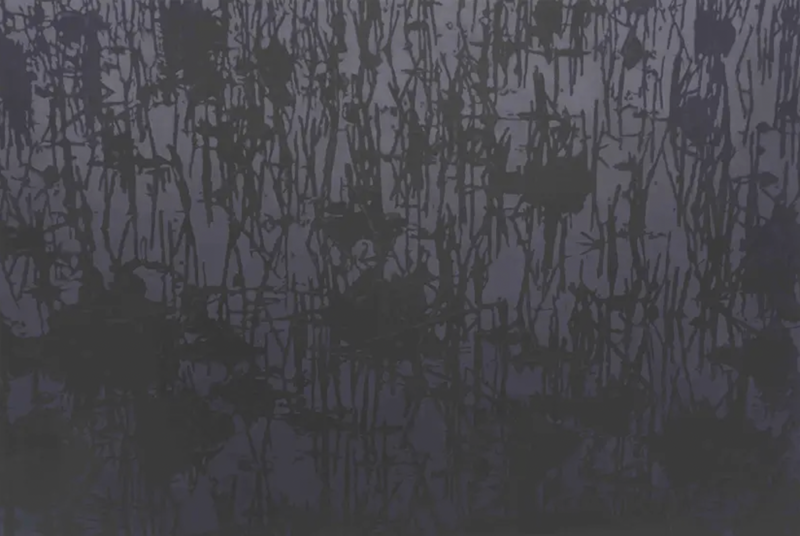
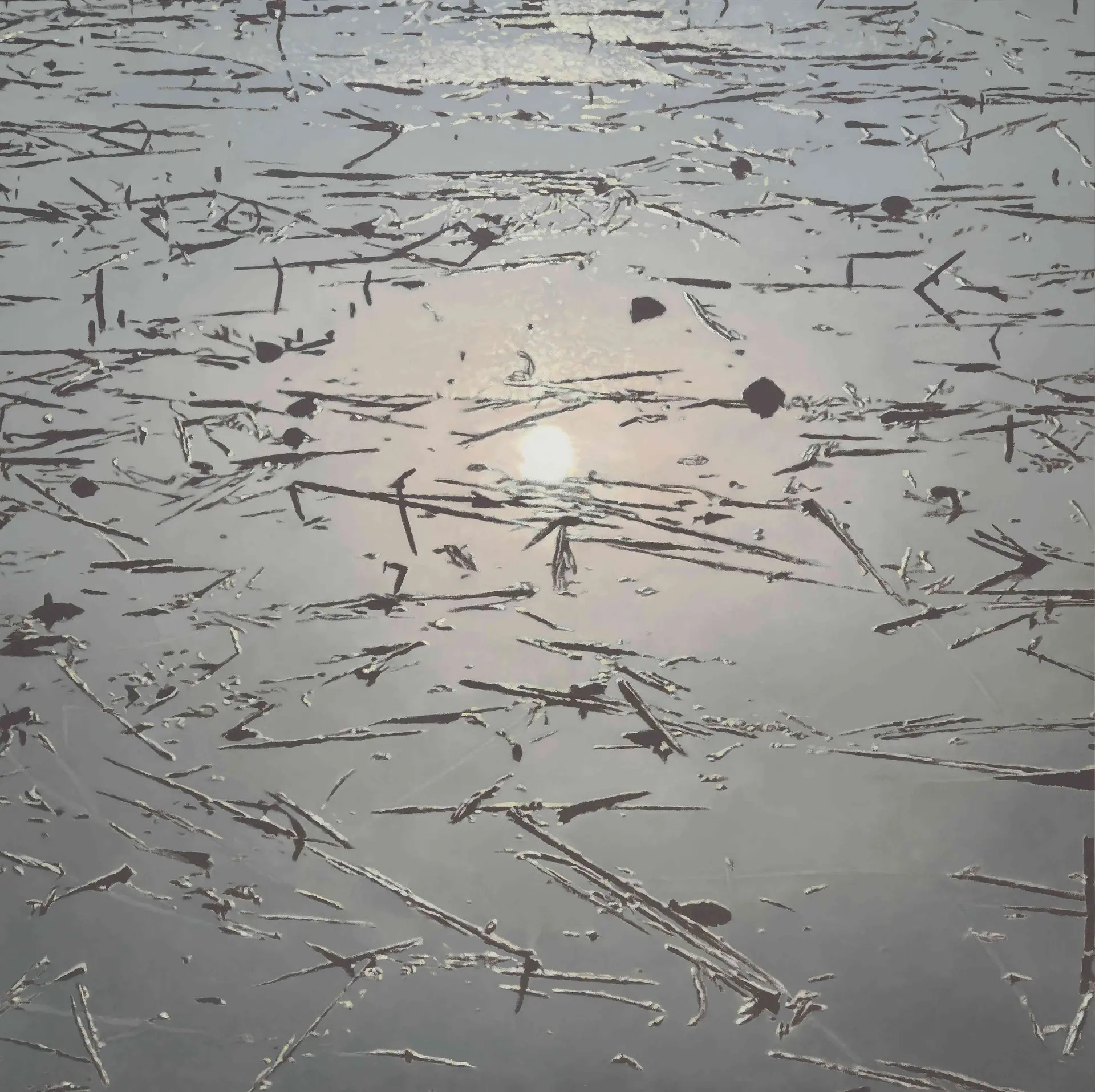
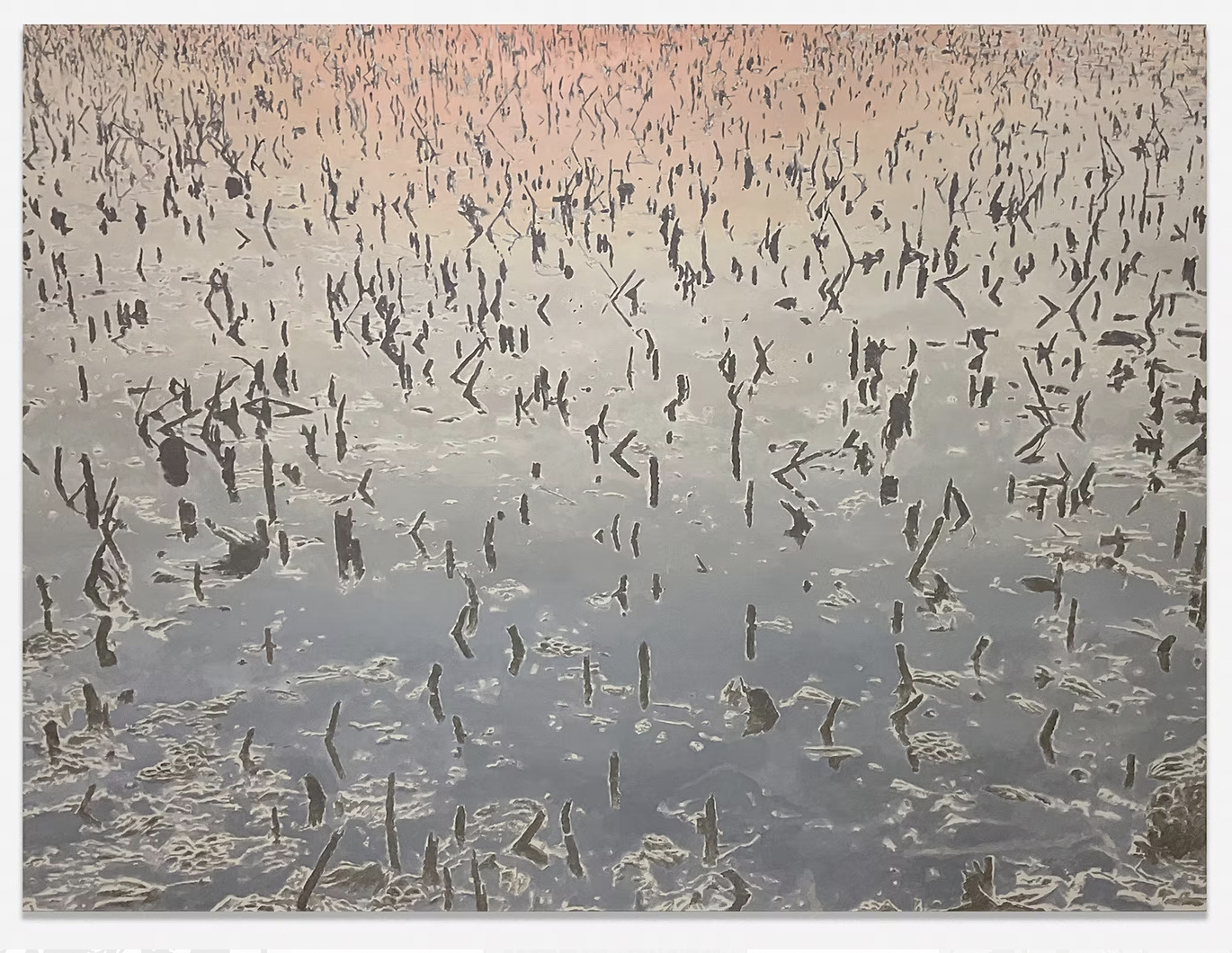
The two works titled Pond create scenes where existence and nonexistence meet through landscapes in which the surface of water, branches, light, and darkness define each other’s boundaries. Recent works using colored pencil, acrylic, and oil, such as Never Enough(2024) and Eternity and a Day, maintain the low density and restrained sensibility seen in his early graphite and pencil drawings, while expanding time and landscape into a larger painterly scene.

Topography & Continuity

Jaehyoung Im does not approach loss through direct narrative or emotional eruption. Even when speaking about disappeared people, events, or times, he does not aim directly at the center of the subject, but instead spends a long time observing the objects and scenes that remain around it.

Empty places, traces of absent figures, stopped clocks, knife marks on the horizon, withered plants, snow before it melts, and light on water are all peripheral images surrounding absence. Through these images, the artist does not explain loss, but allows viewers to slowly approach the sensation of it.
 
If many paintings that deal with memory and absence strongly foreground narrative scenes or symbolic images, Im works from the opposite side. His paintings appear calm and quiet, yet the closer one looks, the more the accumulation of time and the density of emotion emerge. The carving marks of woodcut, the repetition of pencil lines, the traces of flowing paint, and redrawn surfaces all show the artist’s attitude of maintaining a certain distance from the subject while never fully letting it go.

This distance is also an ethical one. When dealing with losses both large and small, such as the Sewol Ferry disaster, the fire at Notre-Dame Cathedral, and the death of a family member, the artist draws indirectly, leaves things ambiguous, and allows viewers to approach the empty place in their own way, rather than consuming or defining the event.
 
Looking at the trajectory of his practice, Im began with the sensations of personal absence and disappearance in his early works; in 《Tracing on Emptiness》, he explored methods of drawing that hold onto past presences; in 《The Sea, Smoke and Shade》, he expanded loss into questions of generation and social memory; and in 《The Furthest Way》, he came to encompass repeated time and the sensation of a future that has not yet arrived.

In this process, his painting has developed less around the question of “what to draw” than around “from what distance and at what speed one can sense again what has disappeared.”
 
The landscapes he deals with are no longer simply scenes of nature, but become places of thought where time and memory, loss and expectation overlap. In short, his work has continued to hold onto the sensations of things that disappear through the slow time of painting, printmaking, and drawing. The artist is expected to continue creating broader scenes by connecting personal memory and social events, natural change and generational time.

Works of Art

Painting the Sense of Absence

Articles

Exhibitions

Activities