I Came for the Flowers - K-ARTIST

I Came for the Flowers

2025
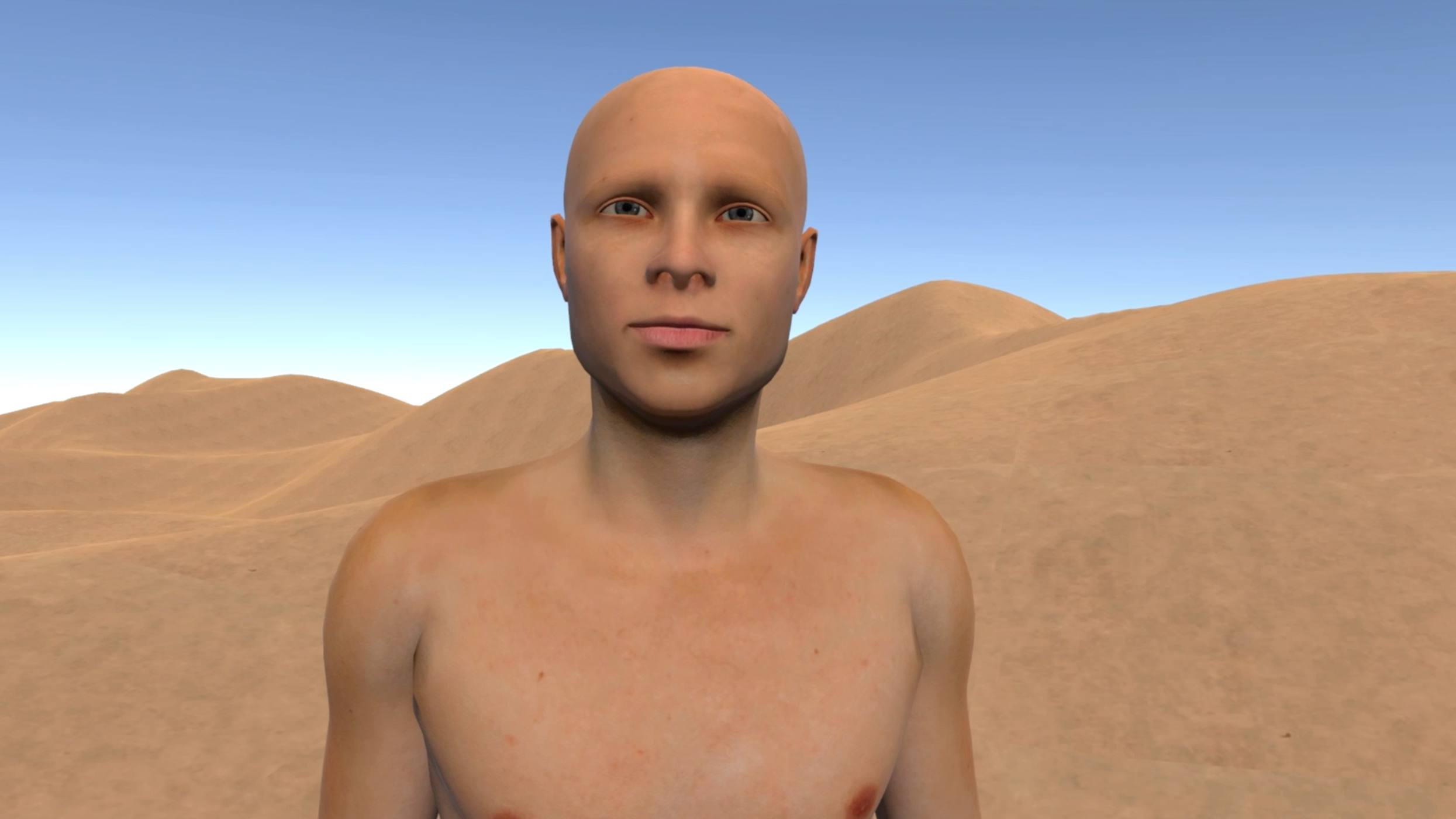
Single channel video, square HD, stereo, color
9min
About The Work

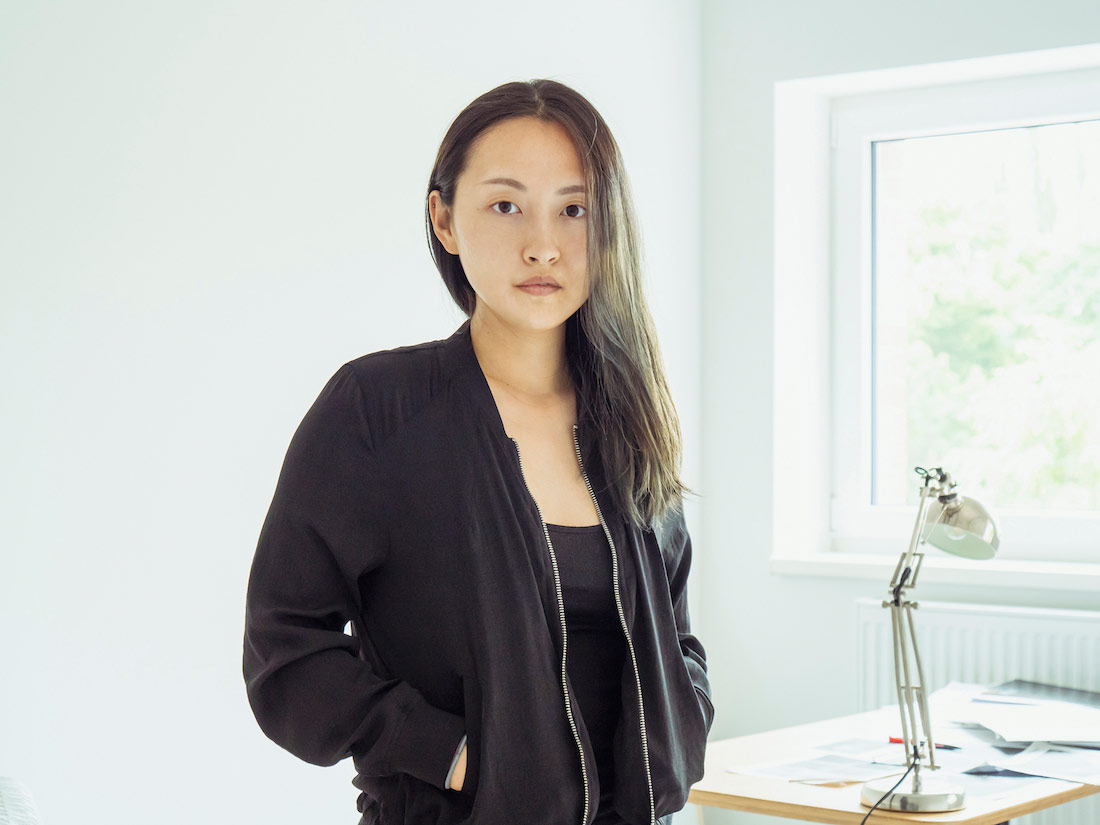
Hana Yoo has developed a practice focusing on othered subjects, their entangled political contexts, and states of psychological fragmentation. She visually investigates the instability arising from contemporary polarization and processes it through experimental narratives that parody reality, thereby probing and subverting the psycho-political landscape.

Hana Yoo works across experimental video, short film, machine learning-based images, game engines, and installation. Rather than delivering a single linear story, her videos create unstable narratives by juxtaposing different materials and voices, virtual scenes and archival images.

Here, storytelling is less a device for emotional immersion than a method for making the structures of reality appear twisted and displaced. Actual events, scientific experiments, news articles, archives, folktales, and theoretical concepts collide within the works, and the viewer encounters uncomfortable connections across multiple layers rather than a clear conclusion.

Hana Yoo’s work begins from the question of how artificial the ways humans understand and classify the world are, and how such classification produces discrimination and exclusion. The artist does not accept familiar divisions such as human/nonhuman, subject/object, inside/outside, and normal/abnormal as they are. Instead, she follows the moments when such boundaries become unstable or collapse how today’s society creates, conceals, and manages others. 

In Yoo’s work, the other appears not simply as a vulnerable being to be protected, but as a presence that asks what the order we have created has chosen not to see. For this reason, her work does not simplify questions of animal rights, ecology, technological critique, and political othering into a single direction, but allows them to be understood within an intertwined structure. Hana Yoo continues to expand her practice between Seoul and Berlin as an experimental video practice dealing with life and technology, political othering, and the sensibility of nonhuman beings.

Solo Exhibitions (Brief)

Hana Yoo has held solo exhibitions including 《Elbow Room》 (Acud Galerie, Berlin, 2022), 《Chambers》 (Post Territory Ujeongguk, Seoul, 2021), and 《Hysteric C》 (Diskurs, Berlin, 2020).

Group Exhibitions (Brief)

Yoo has also participated in numerous group exhibitions, including 《A Place Never Fully Held》 (KW Institute for Contemporary Art, 2025), 《Vision and Perspective 2025》 (Sungkok Art Museum, 2025), the 38th transmediale (near) 《(near) but – far》 (Haus der Kulturen der Welt, Berlin, 2025), 《Elsie and Marshall》 (Alternative Space LOOP, 2024), and 《Becoming Machine》 (Artsect DAO Gallery, London, 2023).

Awards (Selected)

Yoo was awarded the Berlin Art Prize in 2022.

Residencies (Selected)

Yoo has been selected as an artist-in-residence at the ÖRES Residency(Örö Island, Finland, 2022) and Künstlerhaus Lukas(Germany, 2025), among others.

Collections (Selected)

Yoo’s works are included in the Collection of Contemporary Art of the Federal Republic of Germany.

Works of Art

A Parody of a Contemporary Polarization

Originality & Identity

Hana Yoo’s work begins from the question of how artificial the ways humans understand and classify the world are, and how such classification produces discrimination and exclusion. The artist does not accept familiar divisions such as human/nonhuman, subject/object, inside/outside, and normal/abnormal as they are. Instead, she follows the moments when such boundaries become unstable or collapse, exploring through video and installation how today’s society creates, conceals, and manages others. Anthropology of Dead Body(2019) reveals how classification and hierarchy operate through the concept of the “corpse,” which is positioned between human and nonhuman, material and immaterial, the precious and the discarded.
 
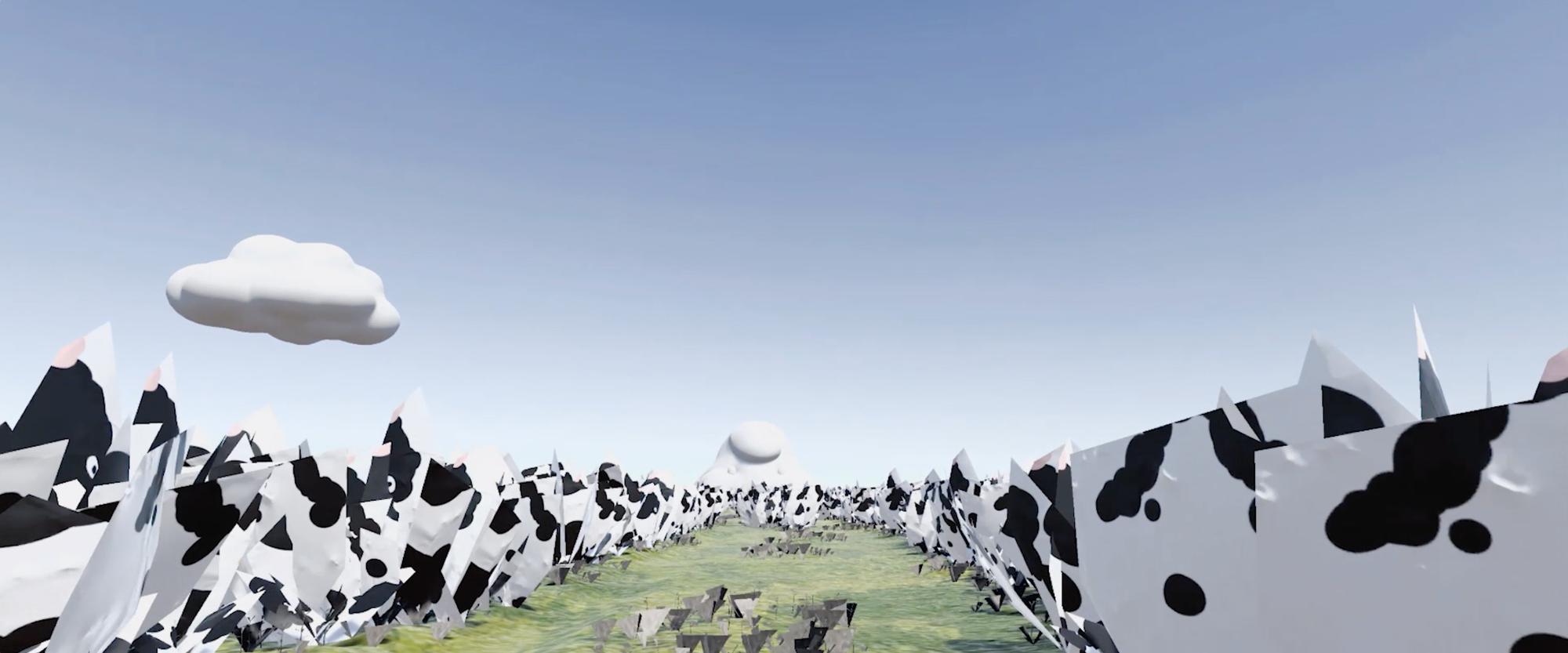
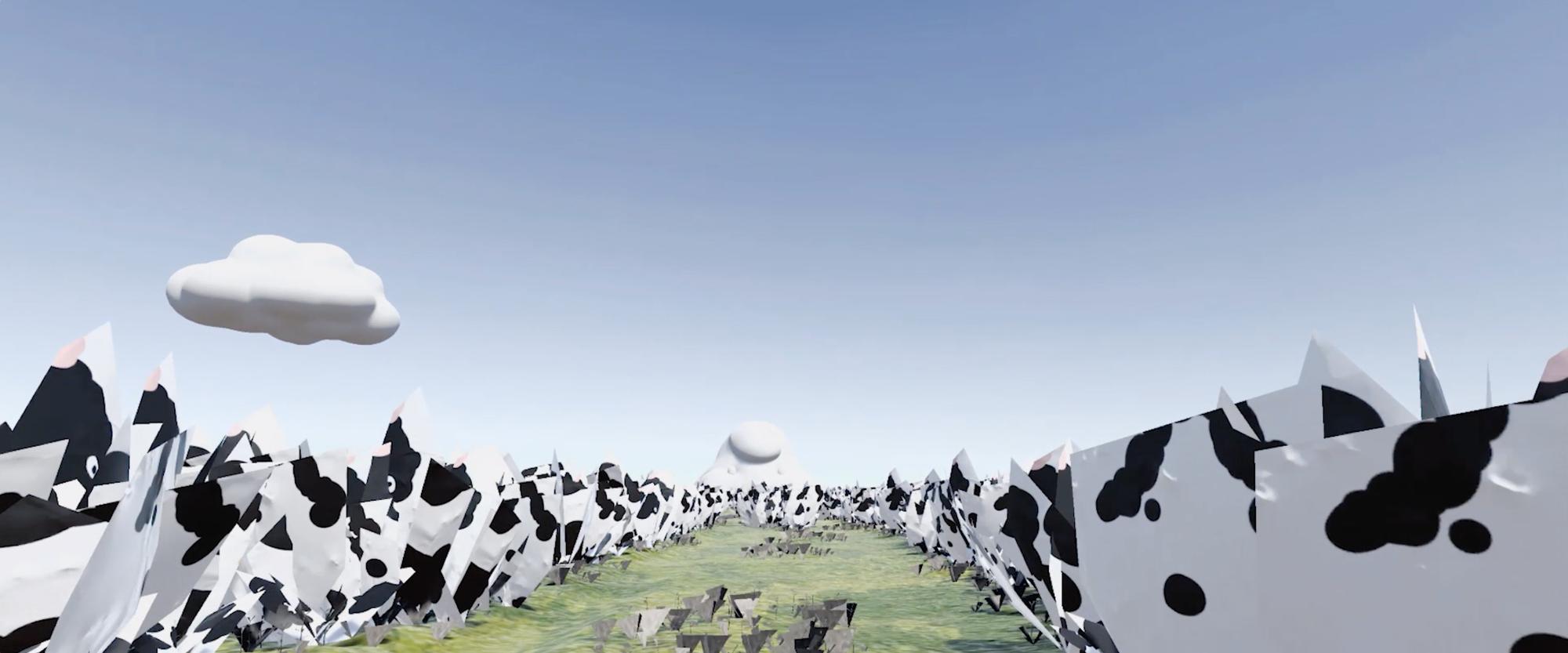
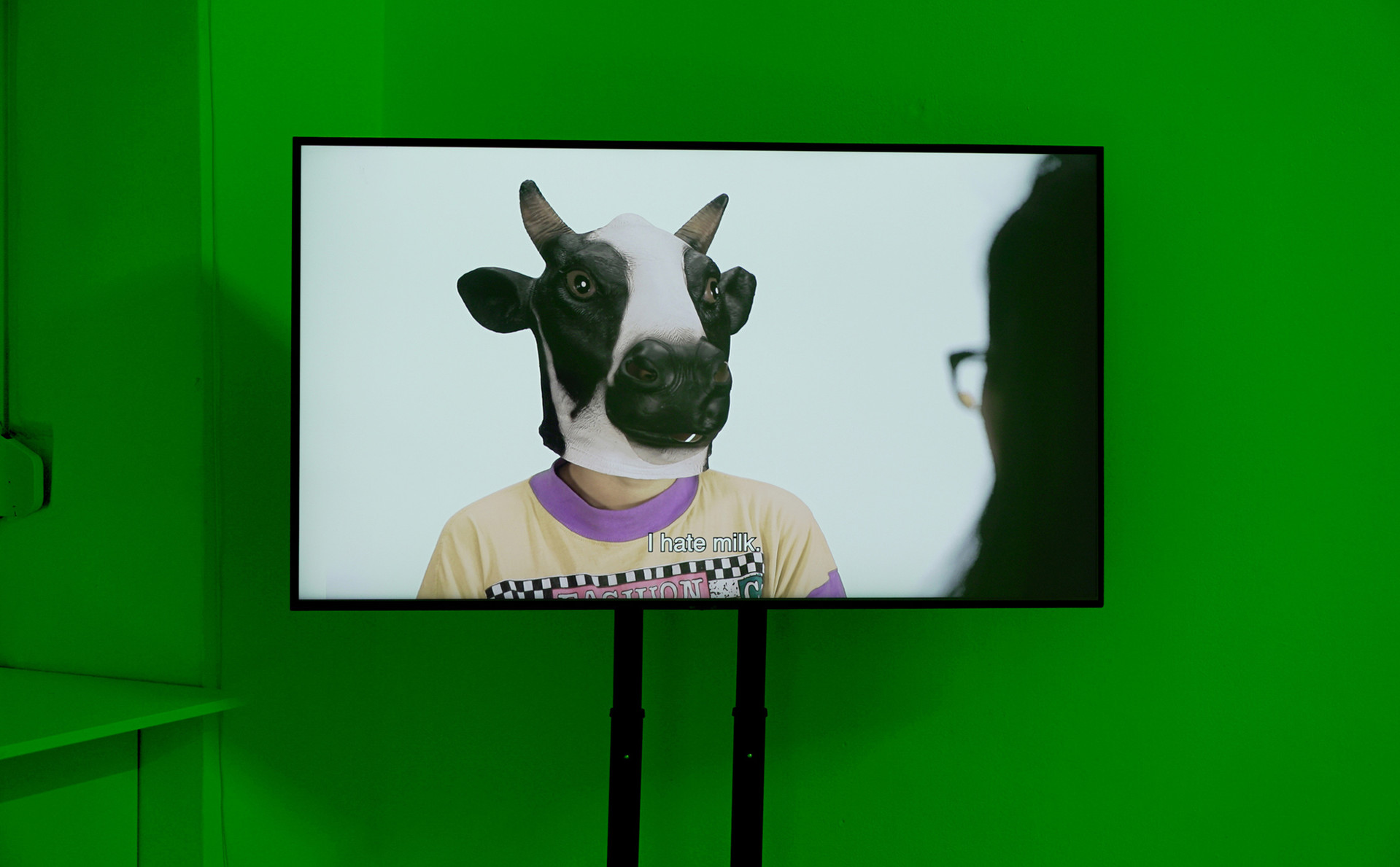
This line of inquiry continues into works that deal with the relationships between animals and humans, technology and life, control and anxiety. Splendour in the Grass(2020) begins from an experiment at a Russian dairy farm in which cows were fitted with VR headsets and shown virtual images of green pastures. Yoo does not treat this incident simply as a technological case, but reconstructs it as a speculative story in which the positions of cow and scientist, patient and counselor, human and animal become intertwined. In the work, the cow receives counseling and is prescribed virtual reality, but as time passes, she enters a state in which she can no longer know whether she is human or animal, patient or counselor. This confusion shows that the technological apparatus designed to manage nonhumans and increase productivity is ultimately also connected to modes of control within human society.
 
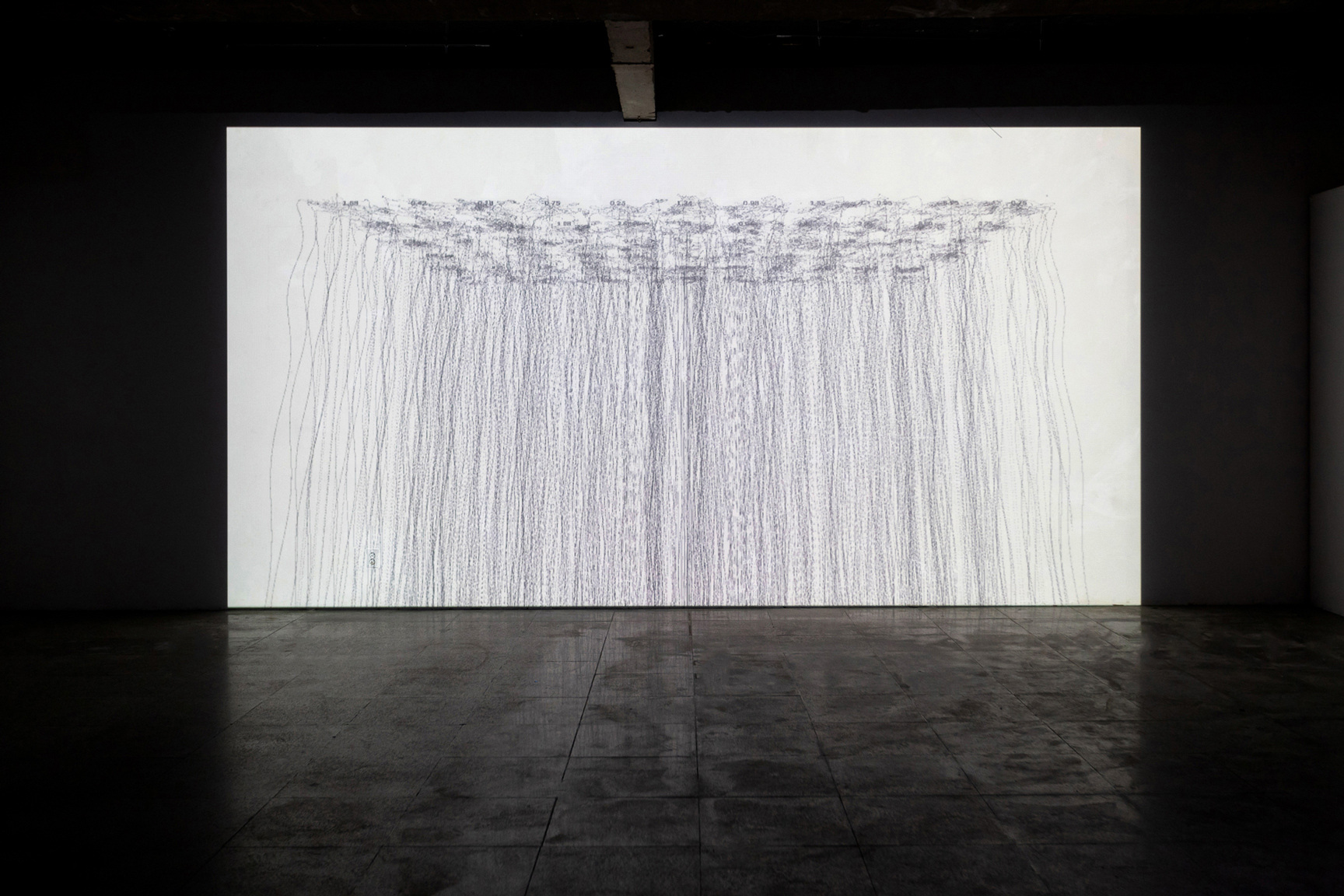
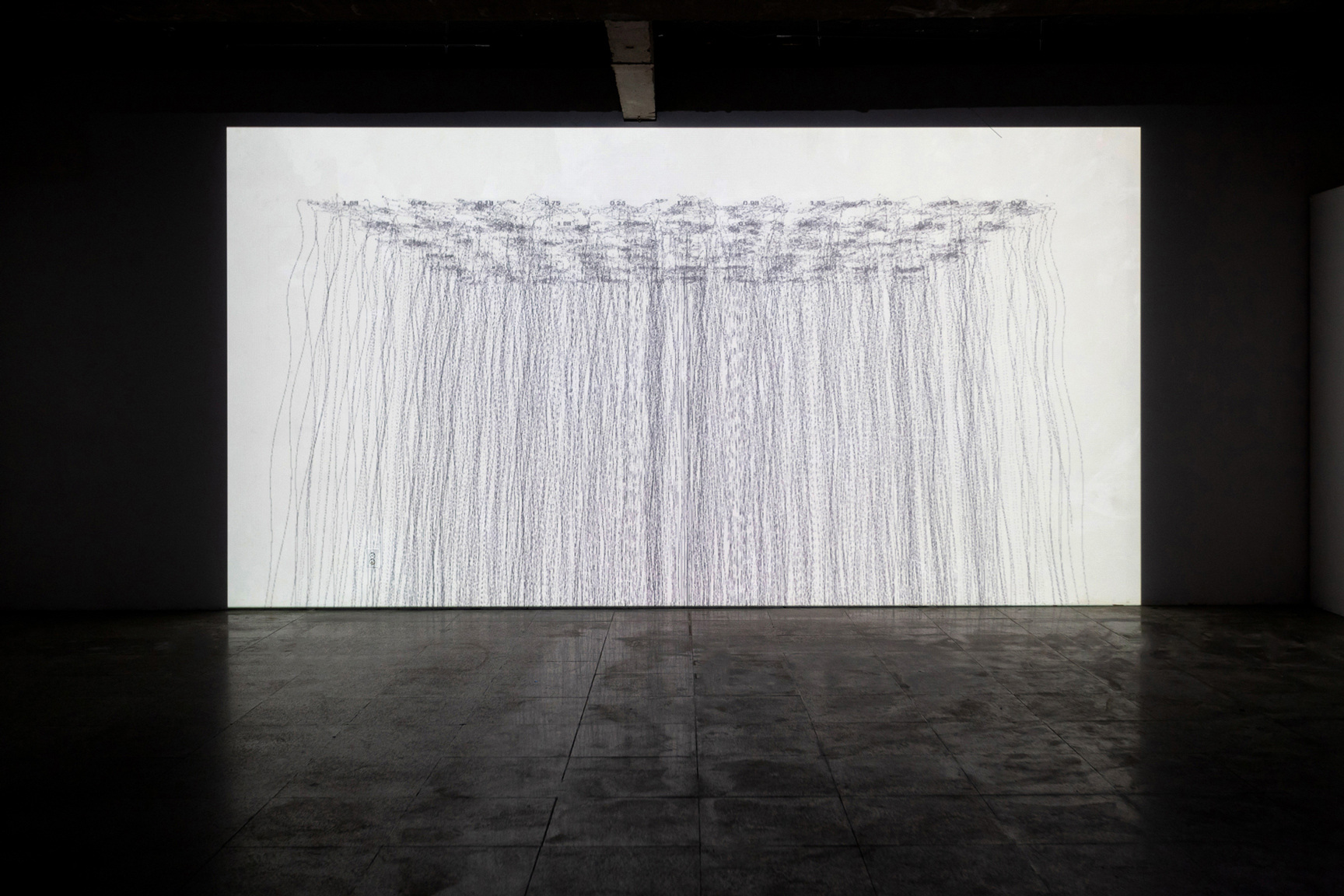
The solo exhibition 《Chambers》(Post Territory Ujeongguk, Seoul, 2021) structurally expands the question of boundaries that Yoo has long explored. “Chambers” refers to rooms, laboratories, institutions, and enclosed spaces, while also presupposing the distinction between inside and outside. Through this spatial concept, the artist addresses situations in which living beings are placed, observed, and experimented on within specific zones, and at times eliminated or made to deviate. In The Fall(2021), virtual rats trained through machine learning perform tasks inside 66 rooms, but some deviate outside the rooms and soon experience a massive fall. Here, deviation is not a simple failure, but an event that reveals the danger and uncertainty assigned to life that leaves a fixed system.
 
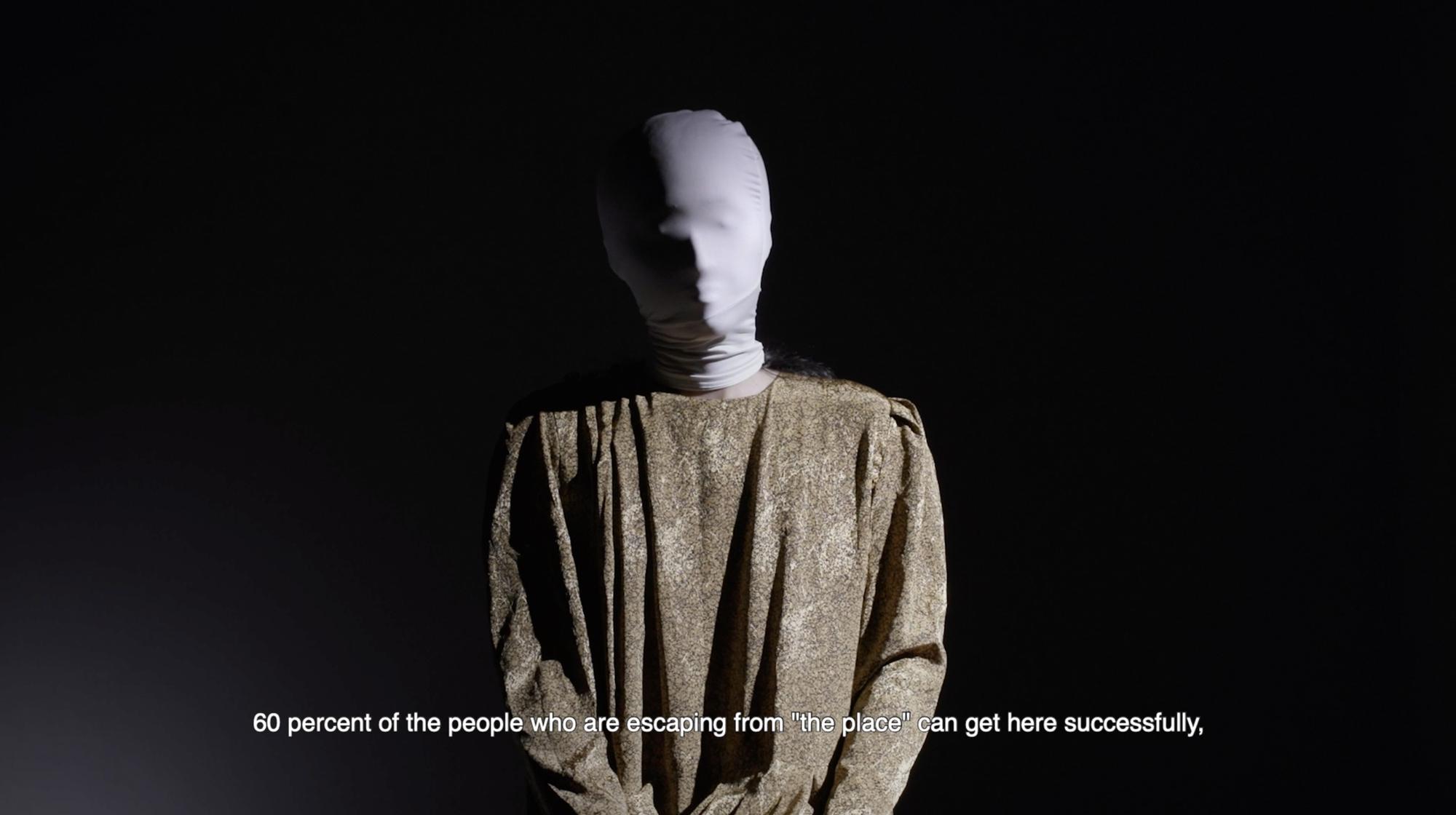
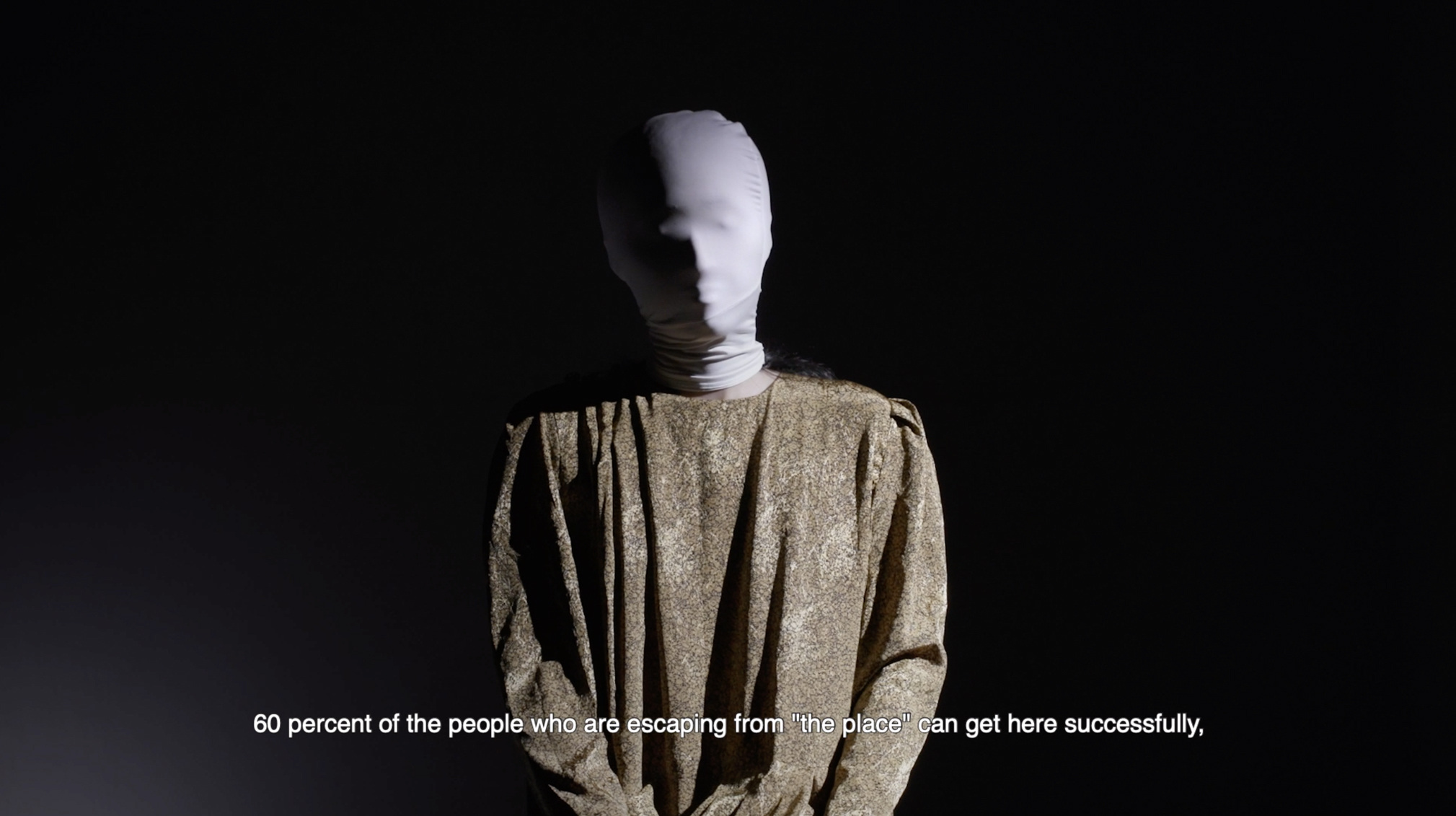
In more recent works, Yoo more directly addresses the violence and dissonance that arise where different historical and political contexts collide. Bare Life(2021) juxtaposes AI technology that detects the pain of laboratory rats with the narrative of a North Korean-born woman whose face is covered, visualizing the pain of faceless beings. Anatomy Class (Chap.2)(2023-2025) connects memories of frog dissection experiments from different cultural contexts with archives of Unit 731 of the Japanese military, asking how education, science, violence, and species difference are repeated across different scales and contexts. In Yoo’s work, the other appears not simply as a vulnerable being to be protected, but as a presence that asks what the order we have created has chosen not to see.

Style & Contents

Hana Yoo works across experimental video, short film, machine learning-based images, game engines, and installation. Rather than delivering a single linear story, her videos create unstable narratives by juxtaposing different materials and voices, virtual scenes and archival images. Here, storytelling is less a device for emotional immersion than a method for making the structures of reality appear twisted and displaced. Actual events, scientific experiments, news articles, archives, folktales, and theoretical concepts collide within the works, and the viewer encounters uncomfortable connections across multiple layers rather than a clear conclusion.
 
Anthropology of Dead Body clearly shows these formal characteristics as an early work. Although the work deals with the heavy subject of death and the corpse, the narration proceeds instead like a simple and naive educational video. This cold tone and excessive mode of classification reveal the violence produced by classification itself rather than mourning for the subject. In Splendour in the Grass as well, the artist takes the actual event of a VR experiment at a Russian dairy farm as a point of departure, combining counseling scenes, an anthropomorphized cow, pastoral images, and technological devices. Through this, the structures of productivity, control, and exploitation behind the surface justification of nonhuman animal welfare are revealed.
 
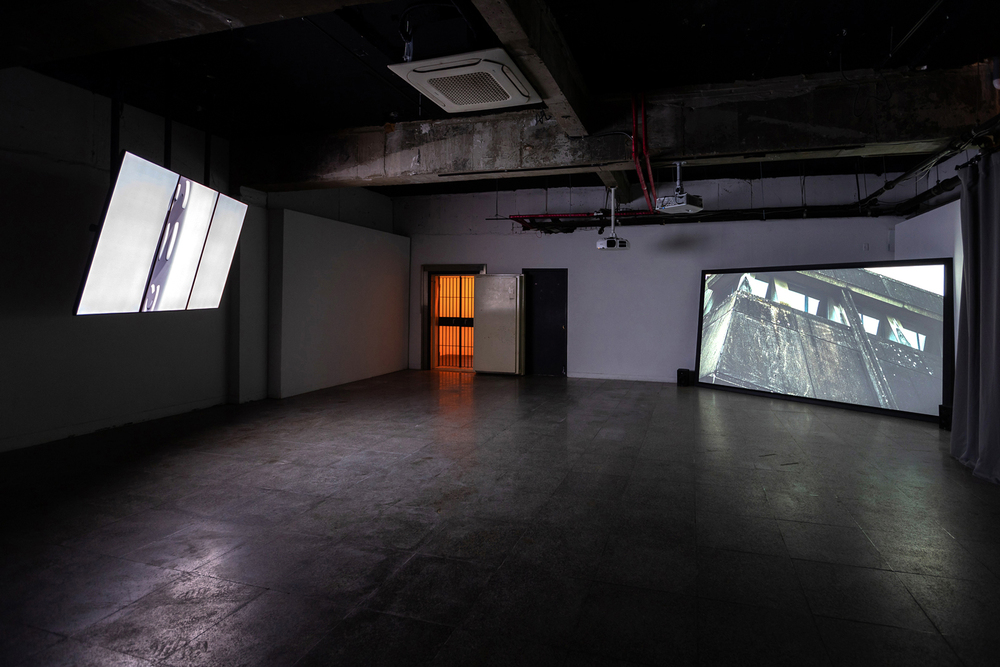
The works in 《Chambers》 actively use the spatial conditions of video and installation. The Fall is a moving image generated based on Unity and machine learning, in which the movements of rats remain as trajectories of black lines and unfold across the exhibition wall. Viewers experience a sensation that moves between a viewpoint that seems to look down on a virtual experiment and the position of beings that fall. In this work, the movement of the rats is not simply data or a behavioral pattern, but operates as a line that leaves a controlled space, a line where failure and survival overlap, and a line that briefly reveals the outside of the system. Arbitrary Radius Circle(2021) references a Korean folktale about a rat’s transformation and Yi Sang’s novel Abnormal Reversible Reaction, dealing with the point where distinctions between circle and straight line, nature and artifice, human and animal begin to shake.
 
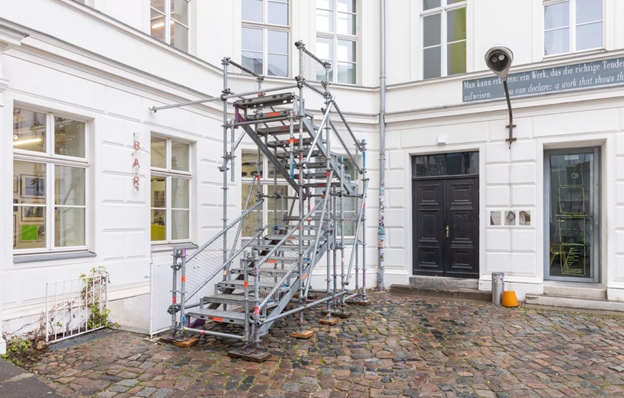
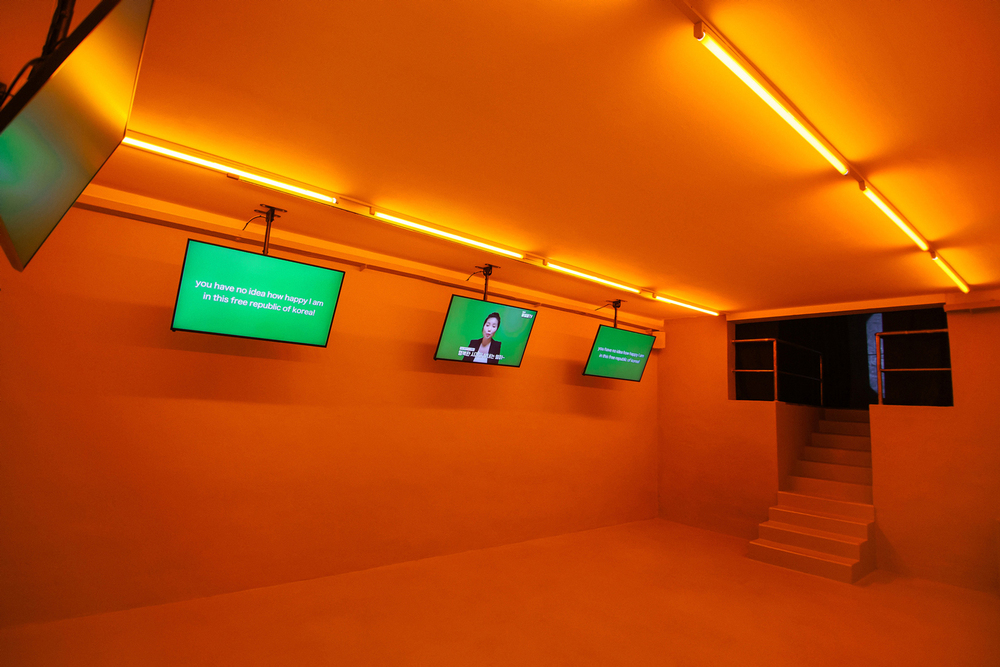
Bare Life and Your Freedom Song(2022) more clearly reveal the political contexts Yoo addresses. Bare Life weaves together AI experiment footage that reads the pain of rats, air gun demonstration footage for pest control, and the testimony of a North Korean-born woman, showing how beings situated on different layers of reality are concealed and objectified in similar ways. Your Freedom Song, presented together in 《Elbow Room》(Acud Galerie, Berlin, 2022), satirically deals with South Korean political values, patriotic images, YouTube culture, and the spectacle of war and violence. In these works, video moves between record and fiction, testimony and parody, reality and online performance, creating a structure in which anxiety and discomfort are repeated.

Topography & Continuity

Hana Yoo focuses on what technology makes visible and invisible, and how that technology reorganizes the relationship between humans and nonhumans. Scenes in which AI detects the pain of rats, VR manages the anxiety of cows, and machine learning makes virtual rats perform tasks may all appear to be examples of technological progress. However, through these scenes, Yoo instead reveals how control, productivity, emotional management, and hierarchical judgments about life operate.
 
Looking at the trajectory of her practice, if Anthropology of Dead Body questioned anthropocentric systems of classification and the hierarchies within them, Splendour in the Grass expanded the relationship between humans and animals, technology and productivity into a speculative fable. Afterwards, 《Chambers》 and The FallArbitrary Radius Circle, and Bare Life explore how the distinction between inside and outside defines life through structures such as the laboratory, prison, boundary, escape, and fall. In Anatomy Class (Chap.2), this interest expands into memories of science education, archives of war crimes, and questions of violence across species. This trajectory shows that Yoo has not simply repeated specific subjects, but has traced, through various forms, how boundaries are created, maintained, and collapsed.
 
While many similar new media works tend to focus on the immersive quality of technological images or visual novelty, Yoo also reveals the institutional and political conditions under which images are produced. In her work, virtual rats, a cow receiving counseling, a woman with her face covered, dissected frogs, and laboratory animals all exist on different levels, but they are commonly named, positioned, and managed within certain systems. Yoo does not group them together as objects of sentimental compassion, but presents them as unstable states that emerge in the gaps between different boundaries. For this reason, her work does not simplify questions of animal rights, ecology, technological critique, and political othering into a single direction, but allows them to be understood within an intertwined structure. Hana Yoo continues to expand her practice between Seoul and Berlin as an experimental video practice dealing with life and technology, political othering, and the sensibility of nonhuman beings.

Works of Art

A Parody of a Contemporary Polarization

Articles

Exhibitions

Activities