Hana Yoo
works across experimental video, short film, machine learning-based images,
game engines, and installation. Rather than delivering a single linear story,
her videos create unstable narratives by juxtaposing different materials and
voices, virtual scenes and archival images. Here, storytelling is less a device
for emotional immersion than a method for making the structures of reality
appear twisted and displaced. Actual events, scientific experiments, news
articles, archives, folktales, and theoretical concepts collide within the
works, and the viewer encounters uncomfortable connections across multiple
layers rather than a clear conclusion.
Anthropology
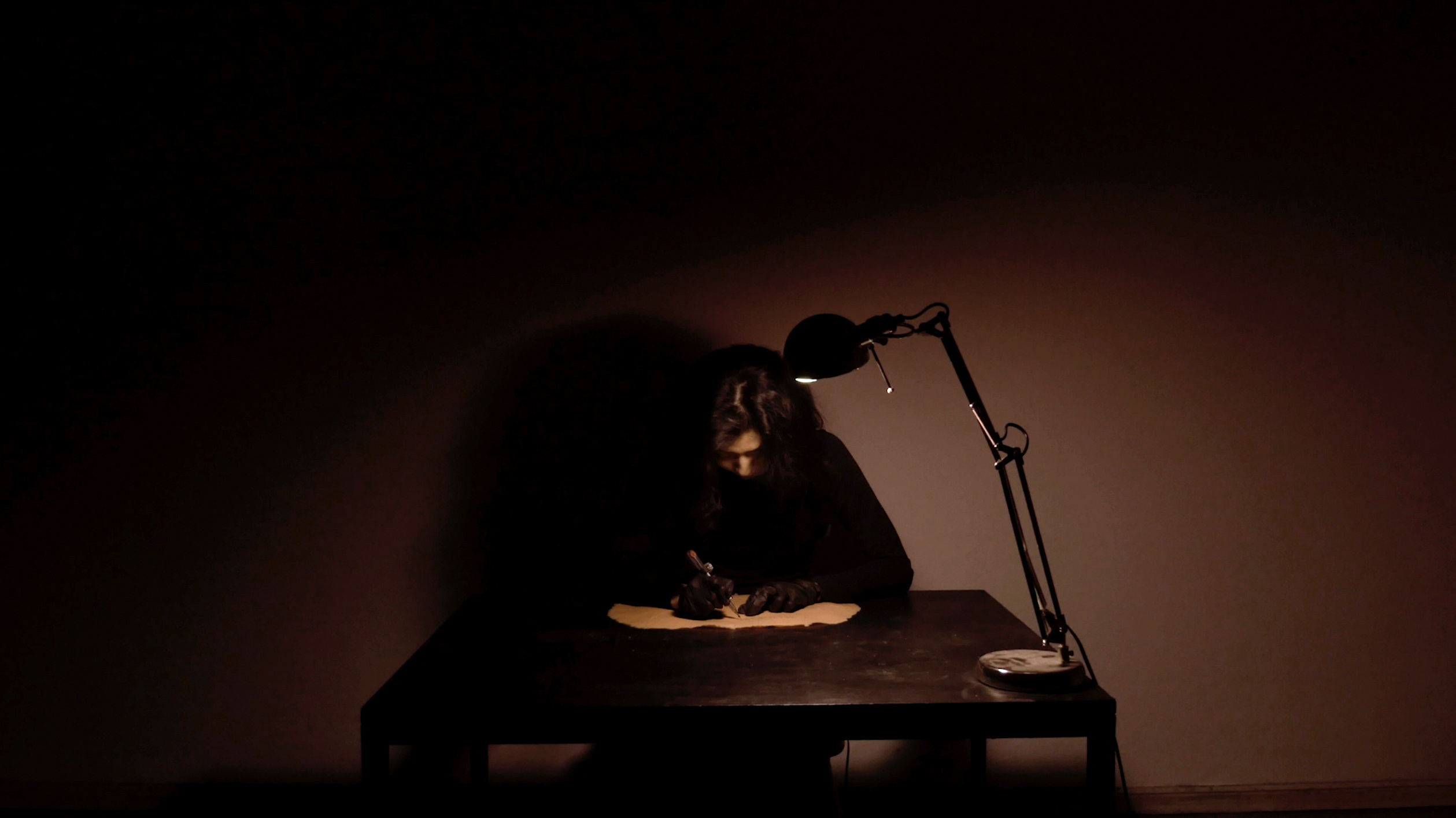
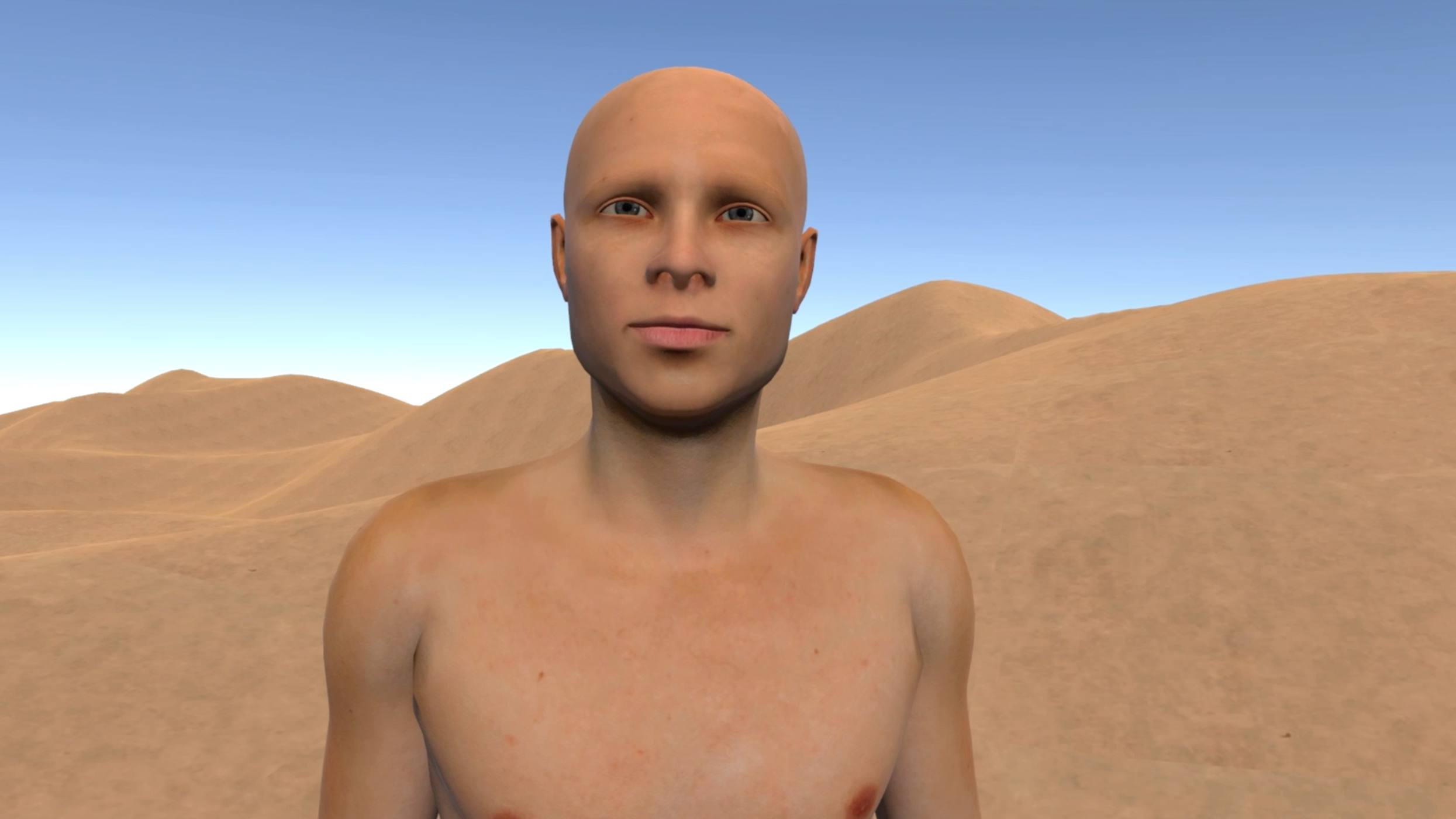
of Dead Body clearly shows these formal characteristics as an
early work. Although the work deals with the heavy subject of death and the
corpse, the narration proceeds instead like a simple and naive educational video.
This cold tone and excessive mode of classification reveal the violence
produced by classification itself rather than mourning for the subject.
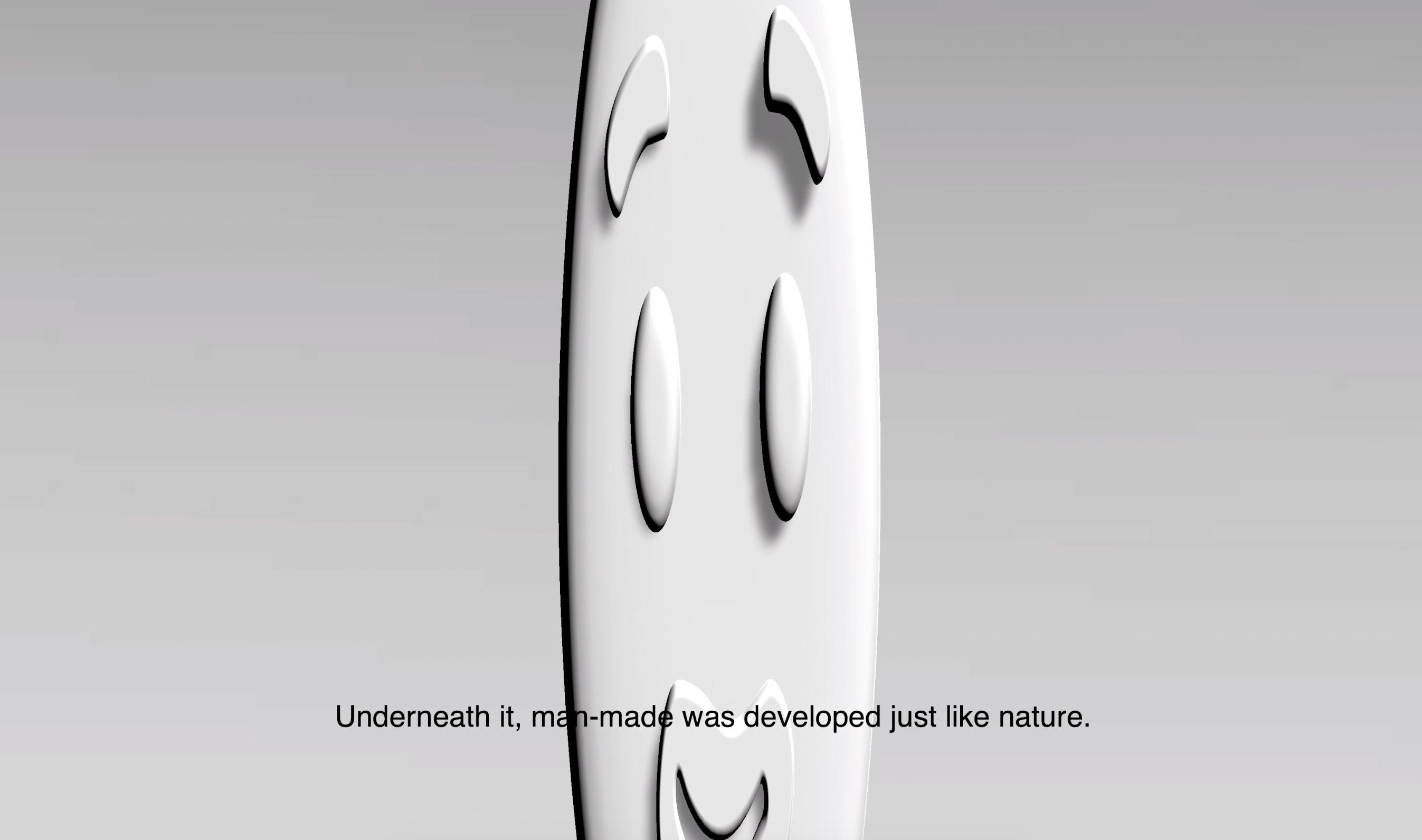
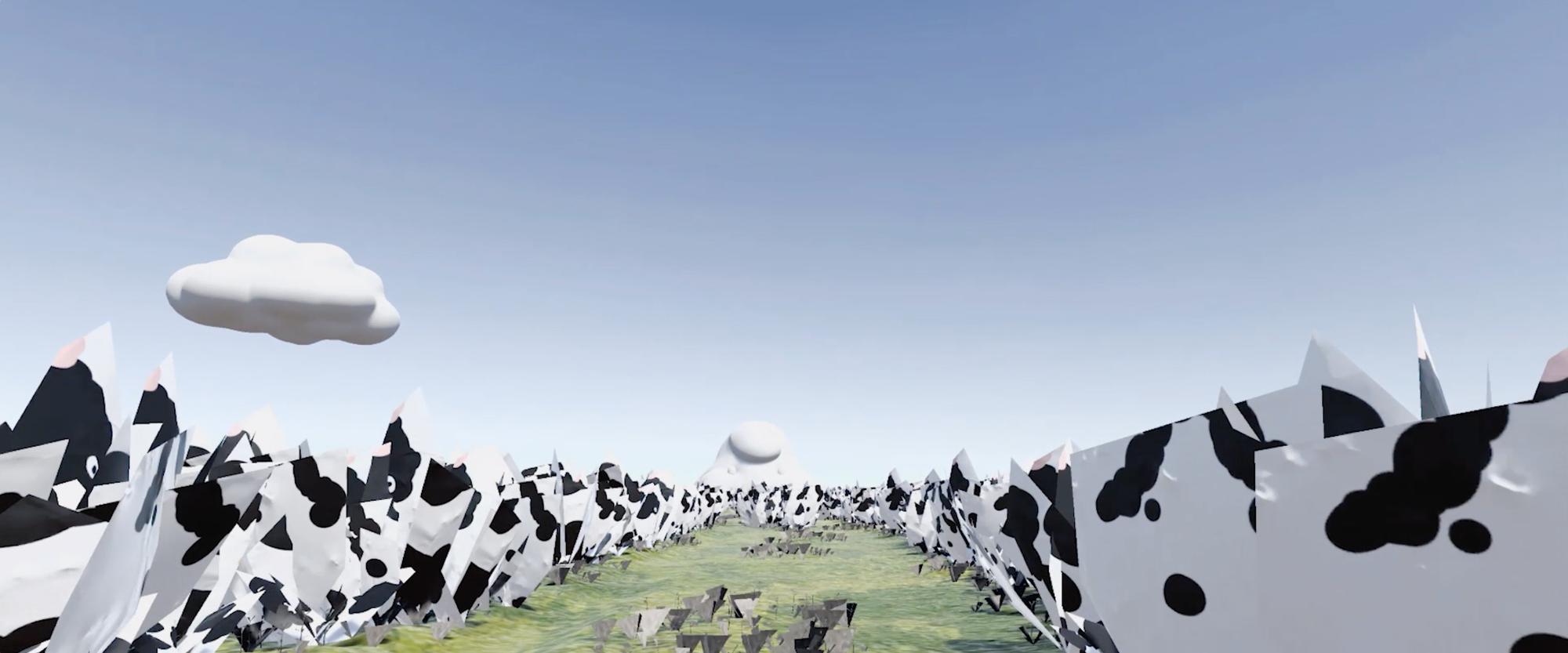
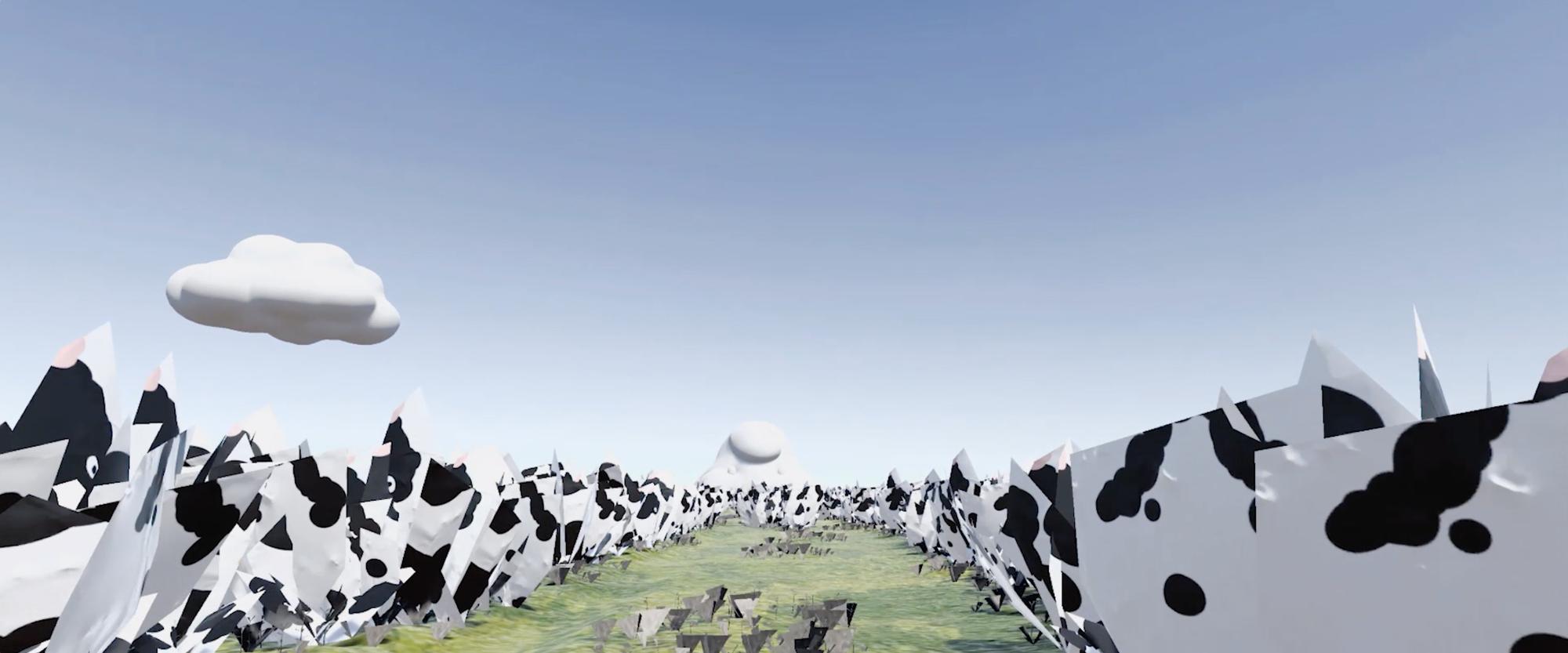
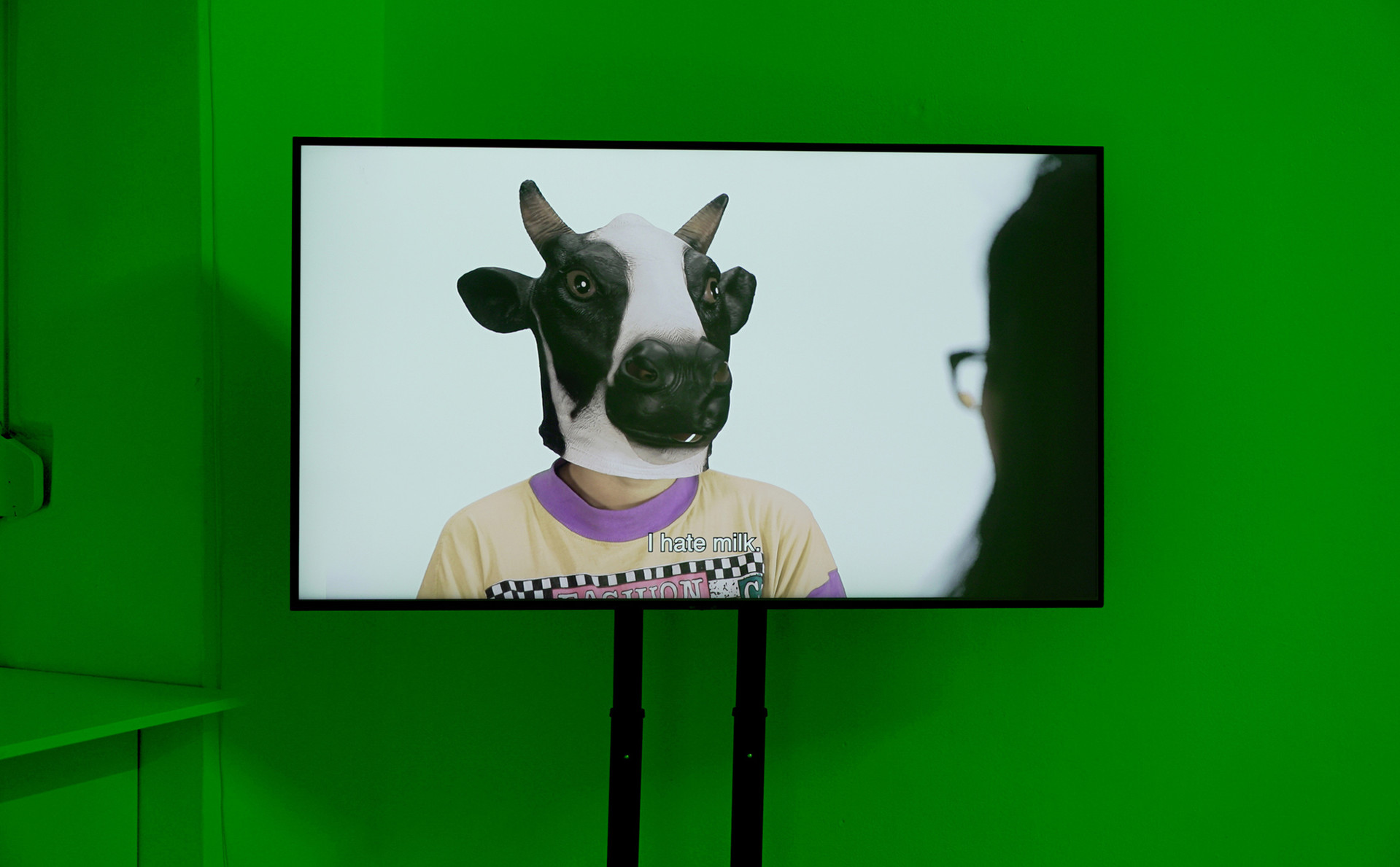
In Splendour in the Grass as well, the artist
takes the actual event of a VR experiment at a Russian dairy farm as a point of
departure, combining counseling scenes, an anthropomorphized cow, pastoral
images, and technological devices. Through this, the structures of
productivity, control, and exploitation behind the surface justification of
nonhuman animal welfare are revealed.
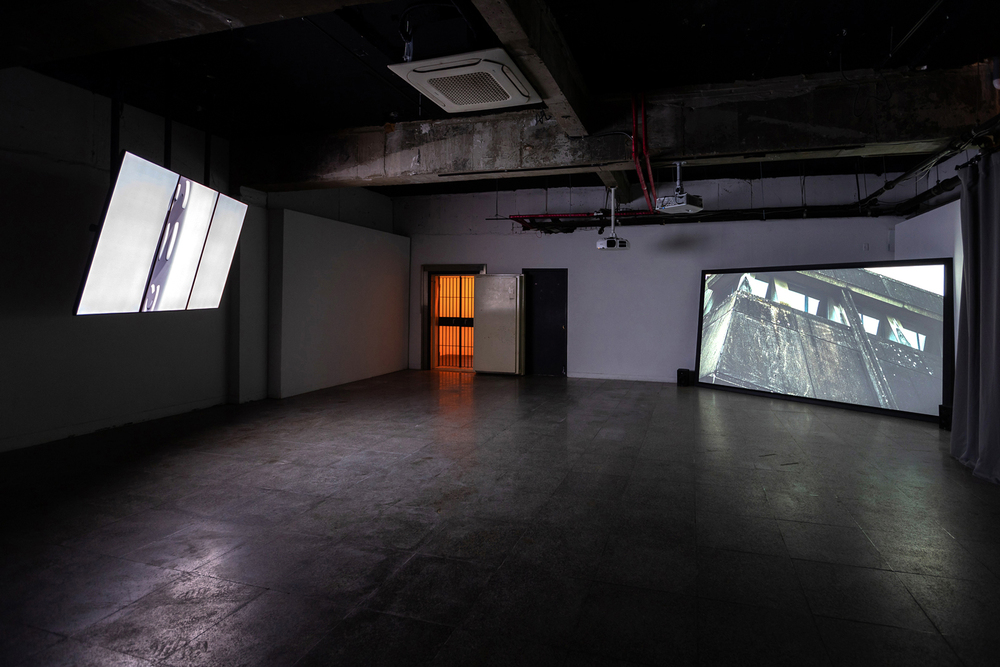
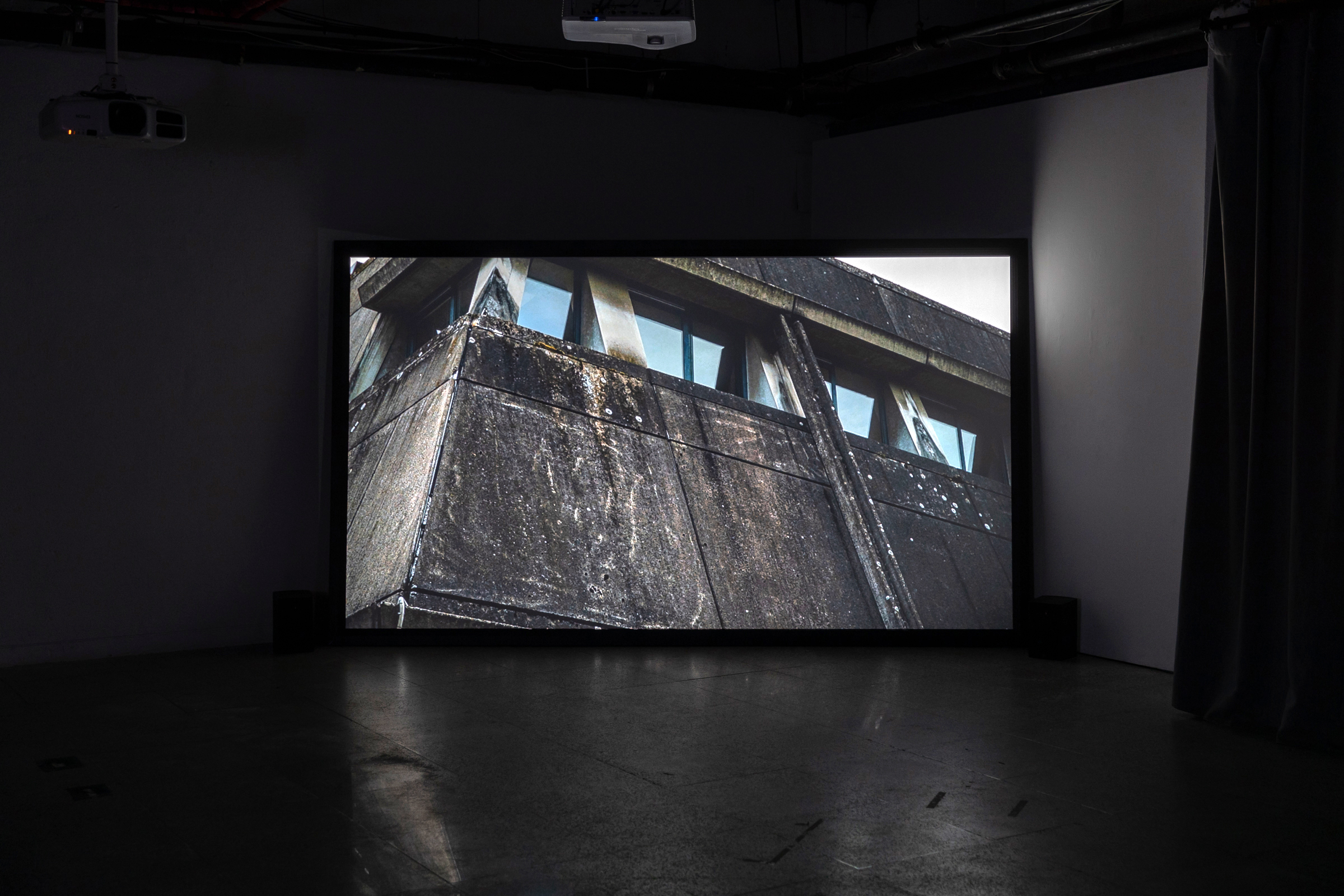
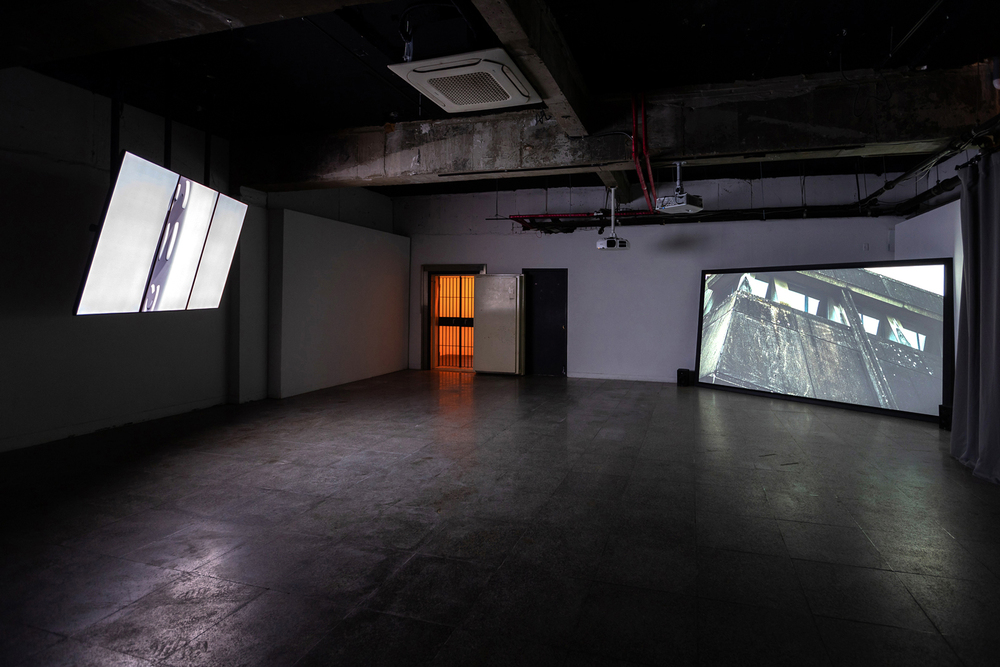
The works
in 《Chambers》 actively use
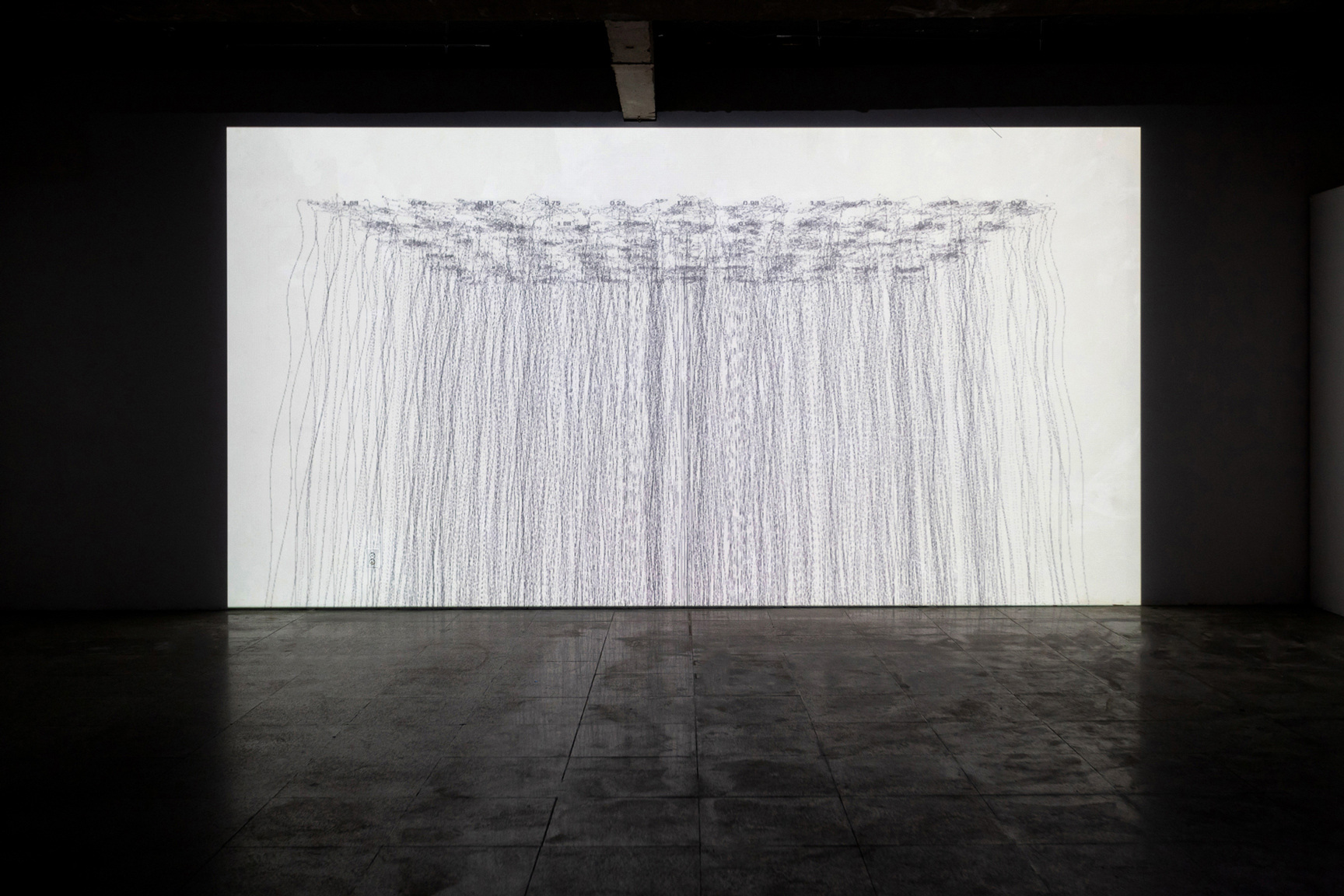
the spatial conditions of video and installation. The
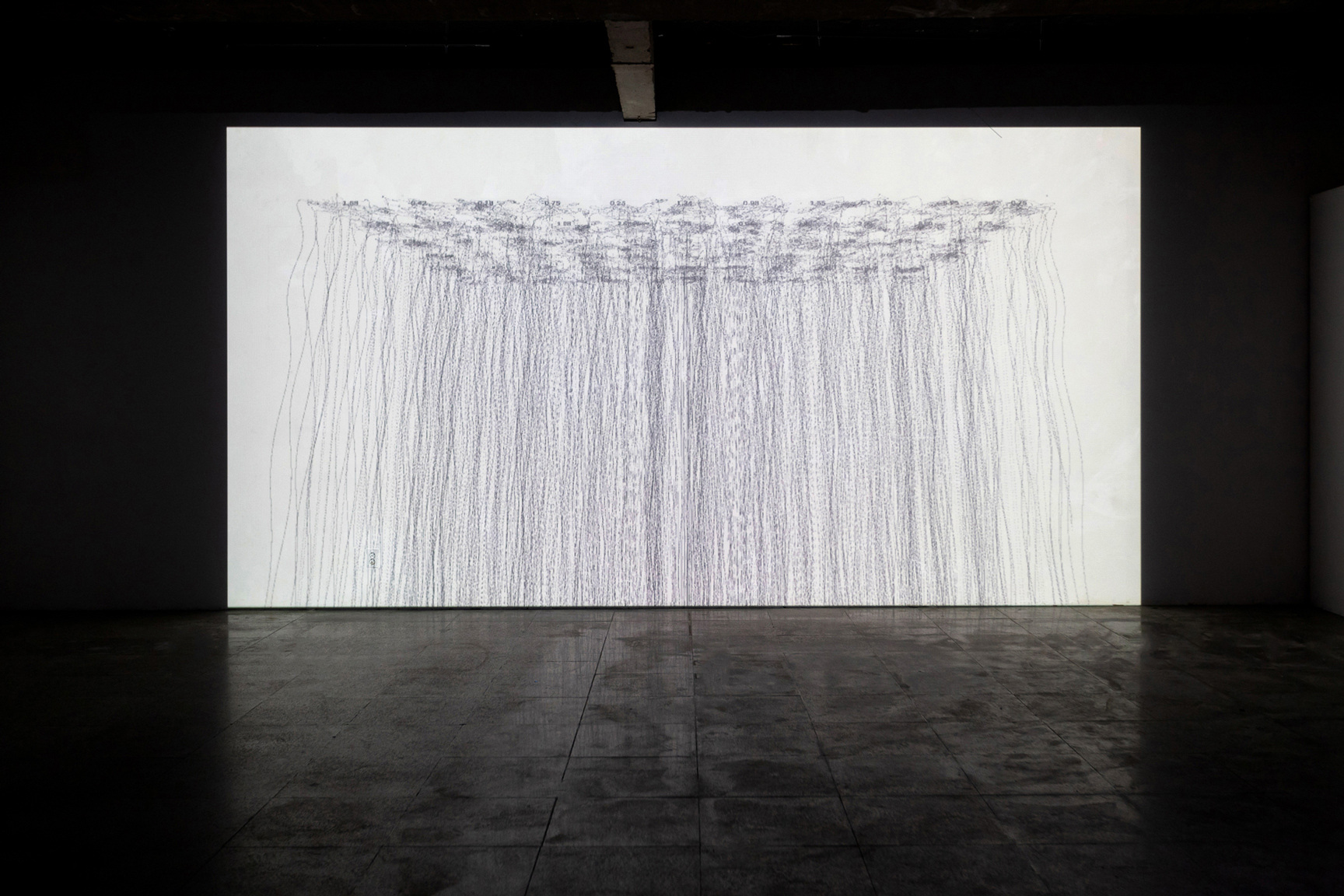
Fall is a moving image generated based on Unity and machine
learning, in which the movements of rats remain as trajectories of black lines
and unfold across the exhibition wall. Viewers experience a sensation that
moves between a viewpoint that seems to look down on a virtual experiment and
the position of beings that fall. In this work, the movement of the rats is not
simply data or a behavioral pattern, but operates as a line that leaves a
controlled space, a line where failure and survival overlap, and a line that
briefly reveals the outside of the system. Arbitrary Radius
Circle(2021) references a Korean folktale about a rat’s transformation
and Yi Sang’s novel Abnormal Reversible Reaction,
dealing with the point where distinctions between circle and straight line,
nature and artifice, human and animal begin to shake.
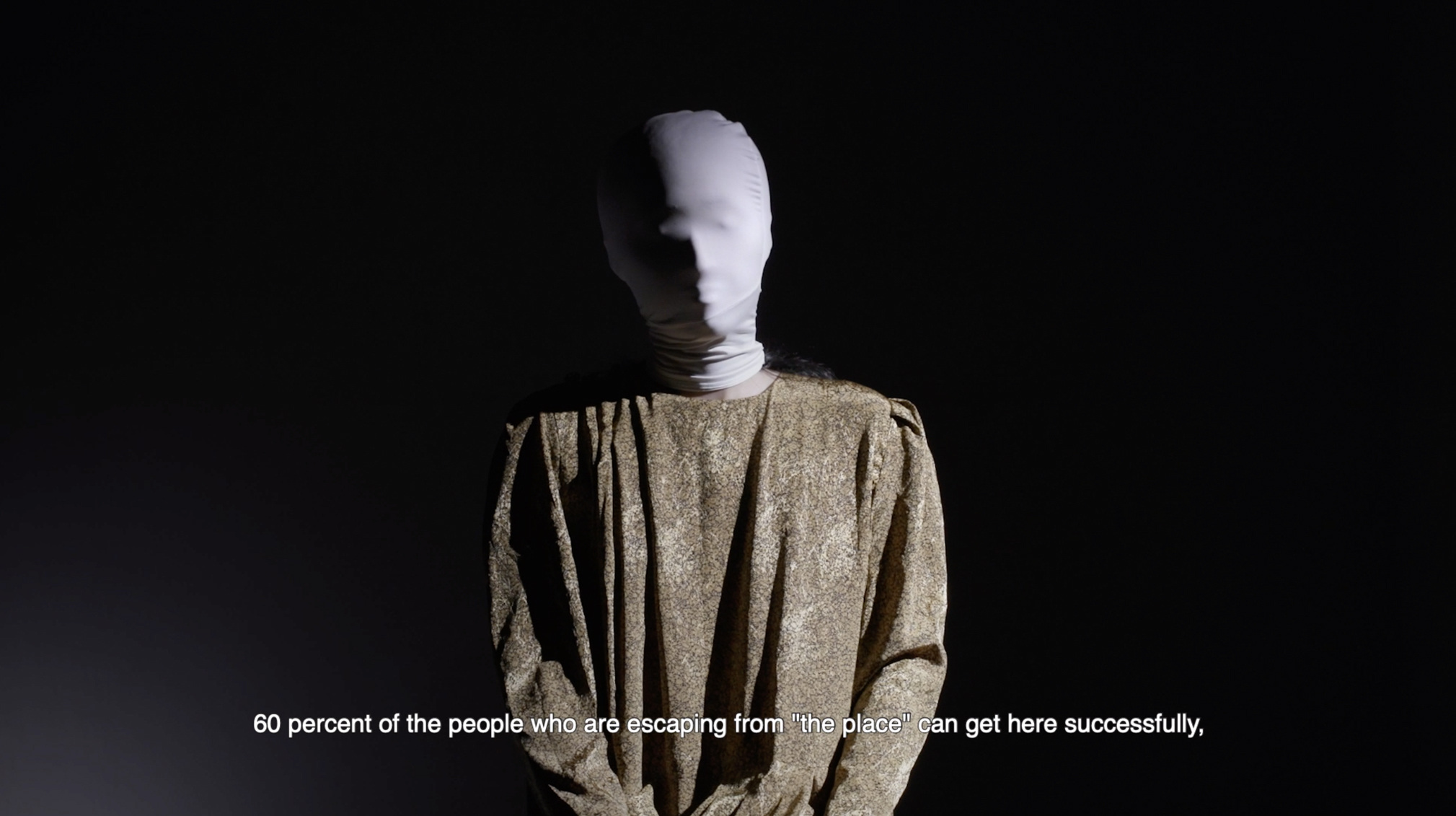
Bare
Life and Your Freedom Song(2022) more
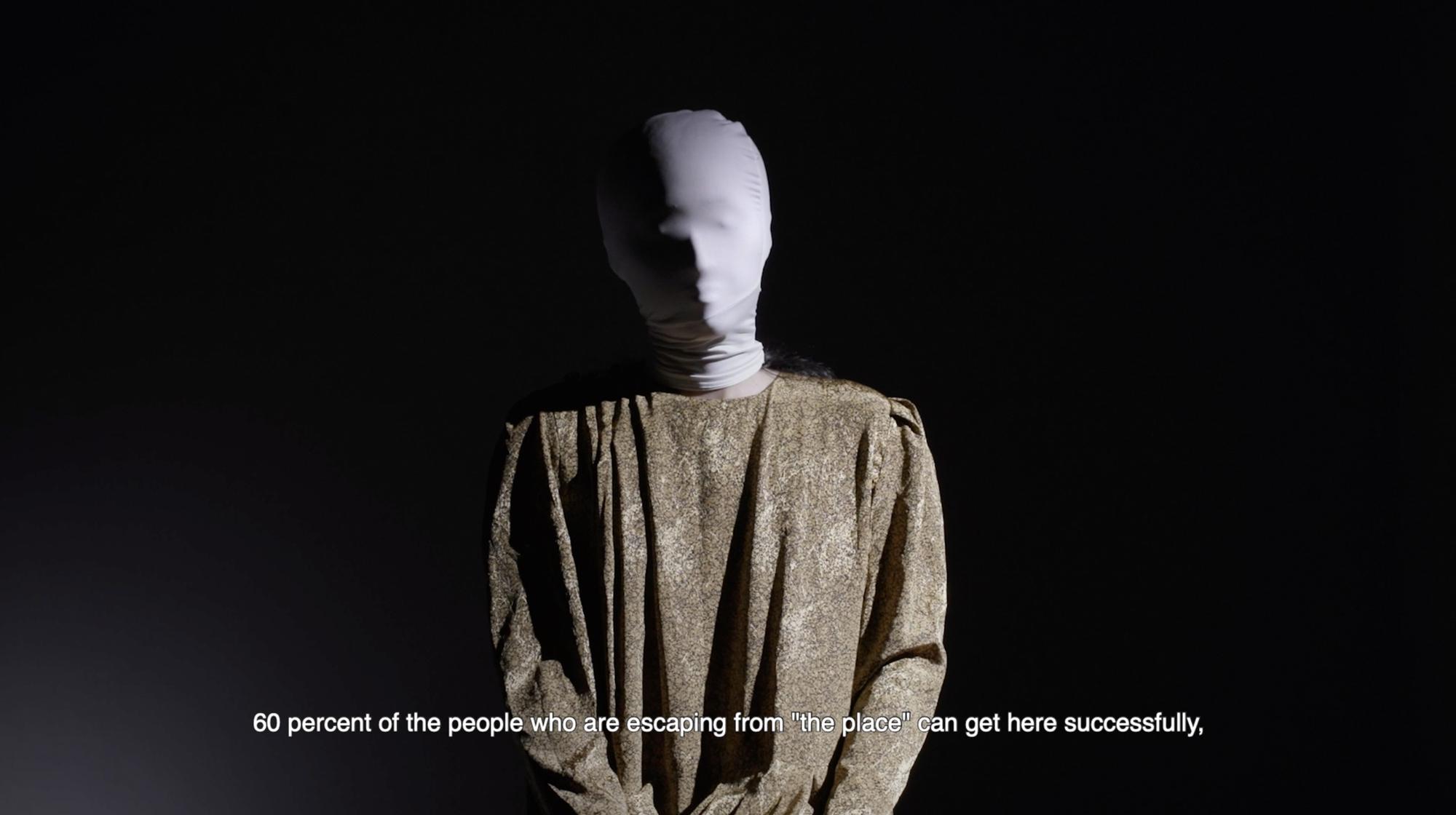
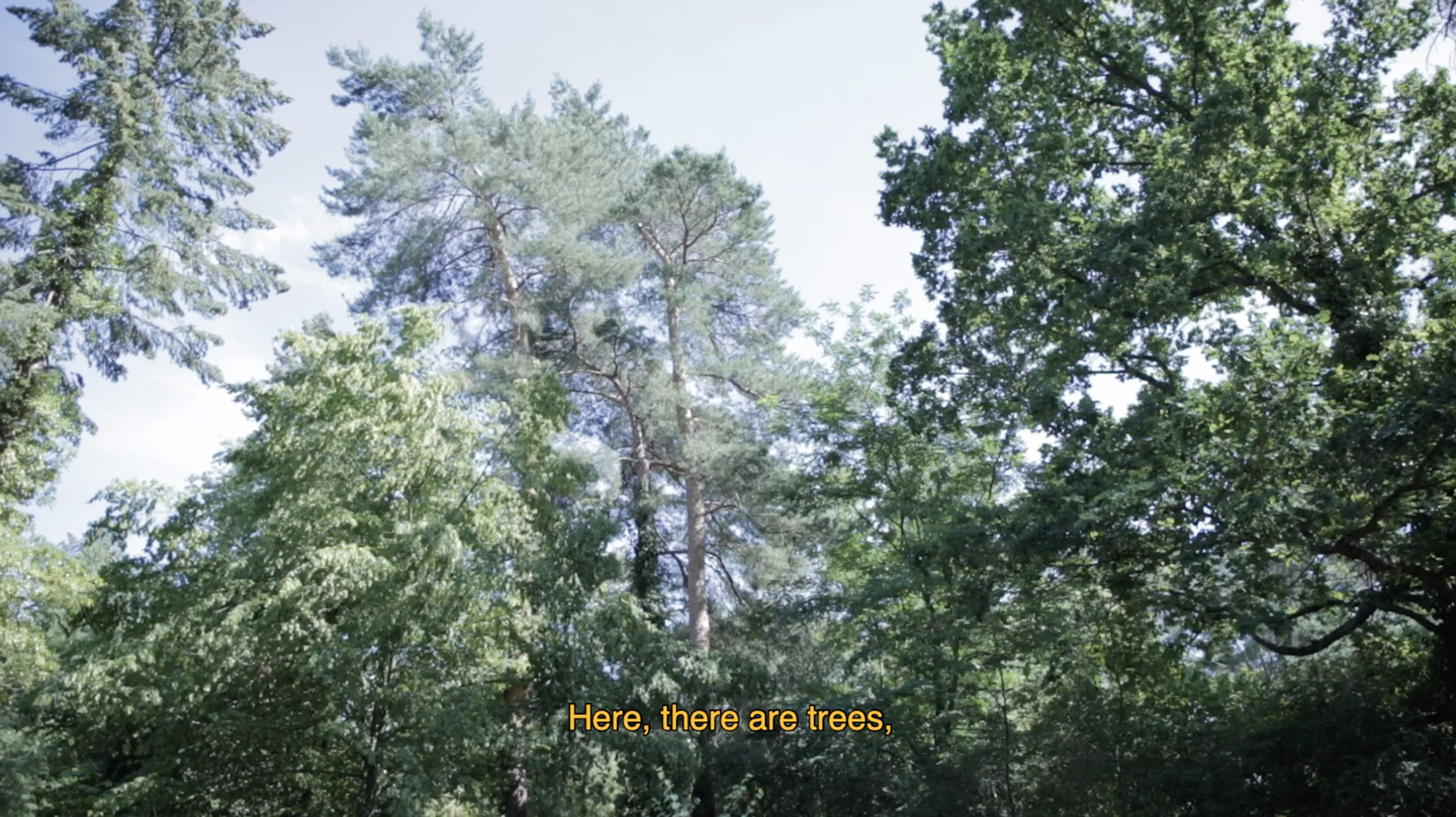
clearly reveal the political contexts Yoo addresses. Bare
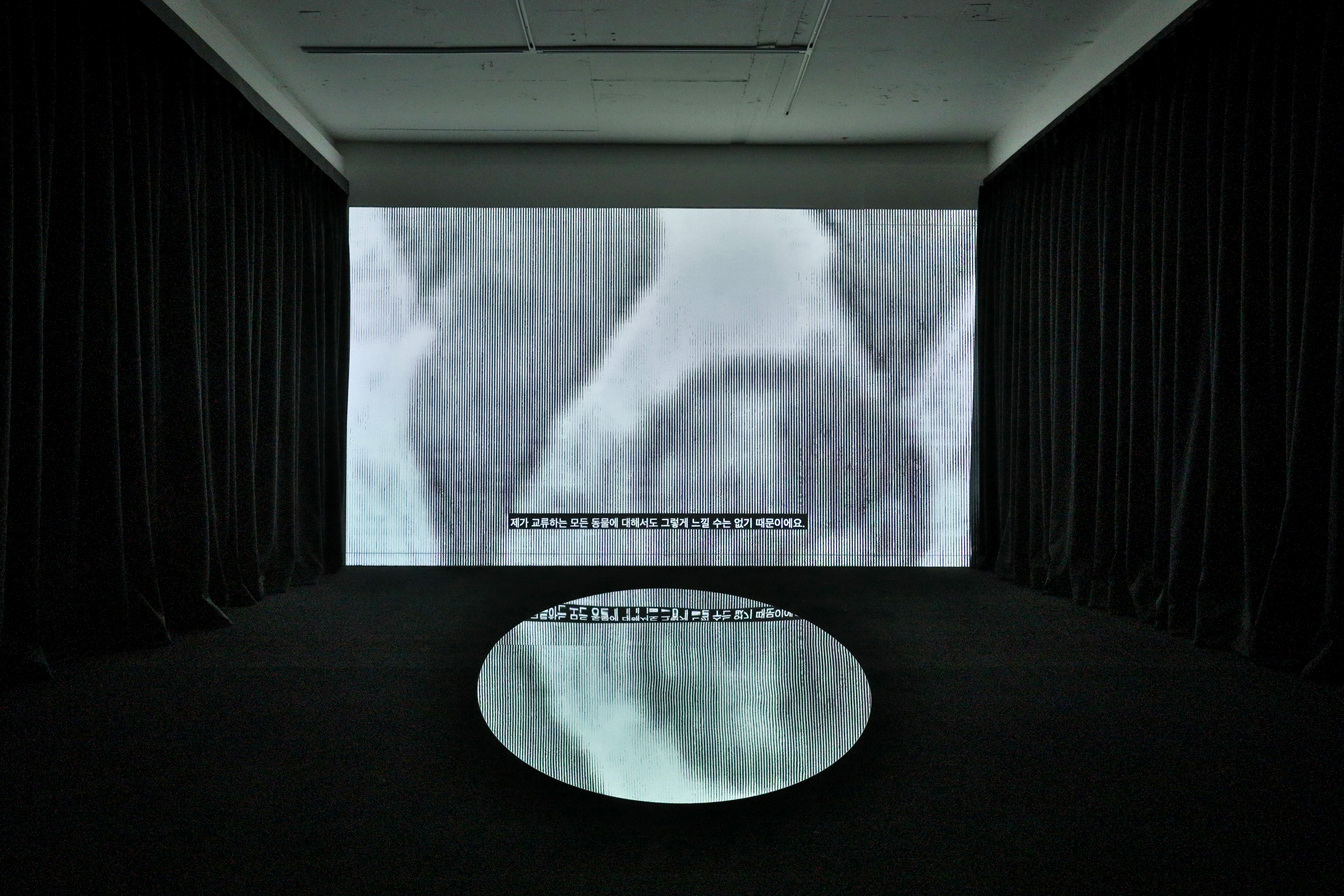
Life weaves together AI experiment footage that reads the pain
of rats, air gun demonstration footage for pest control, and the testimony of a
North Korean-born woman, showing how beings situated on different layers of
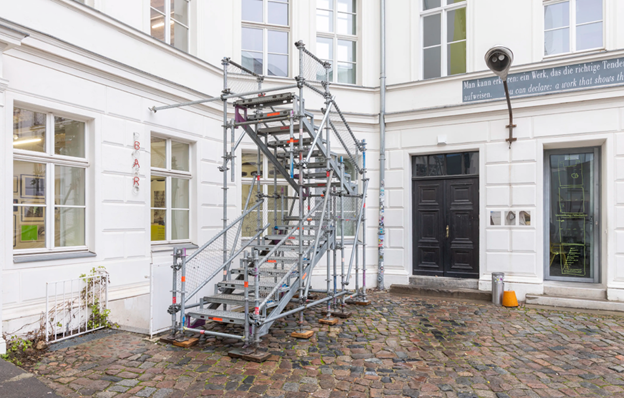
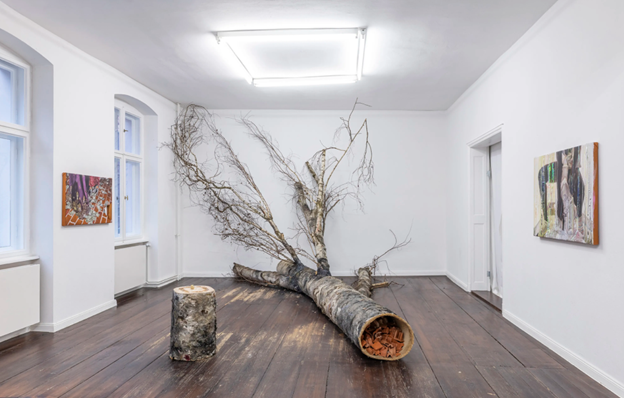
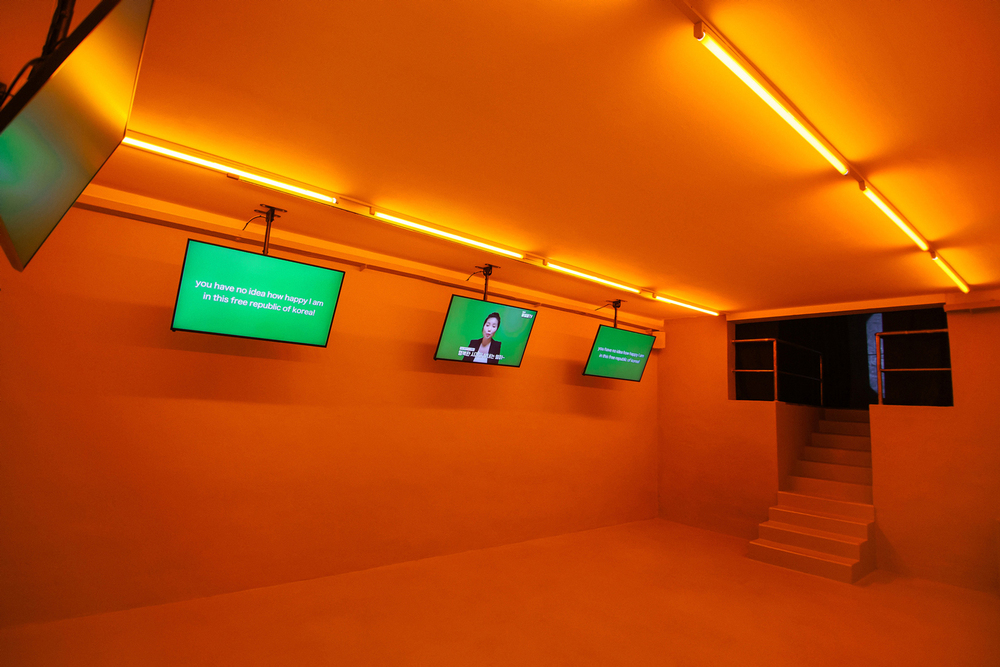
reality are concealed and objectified in similar ways. Your
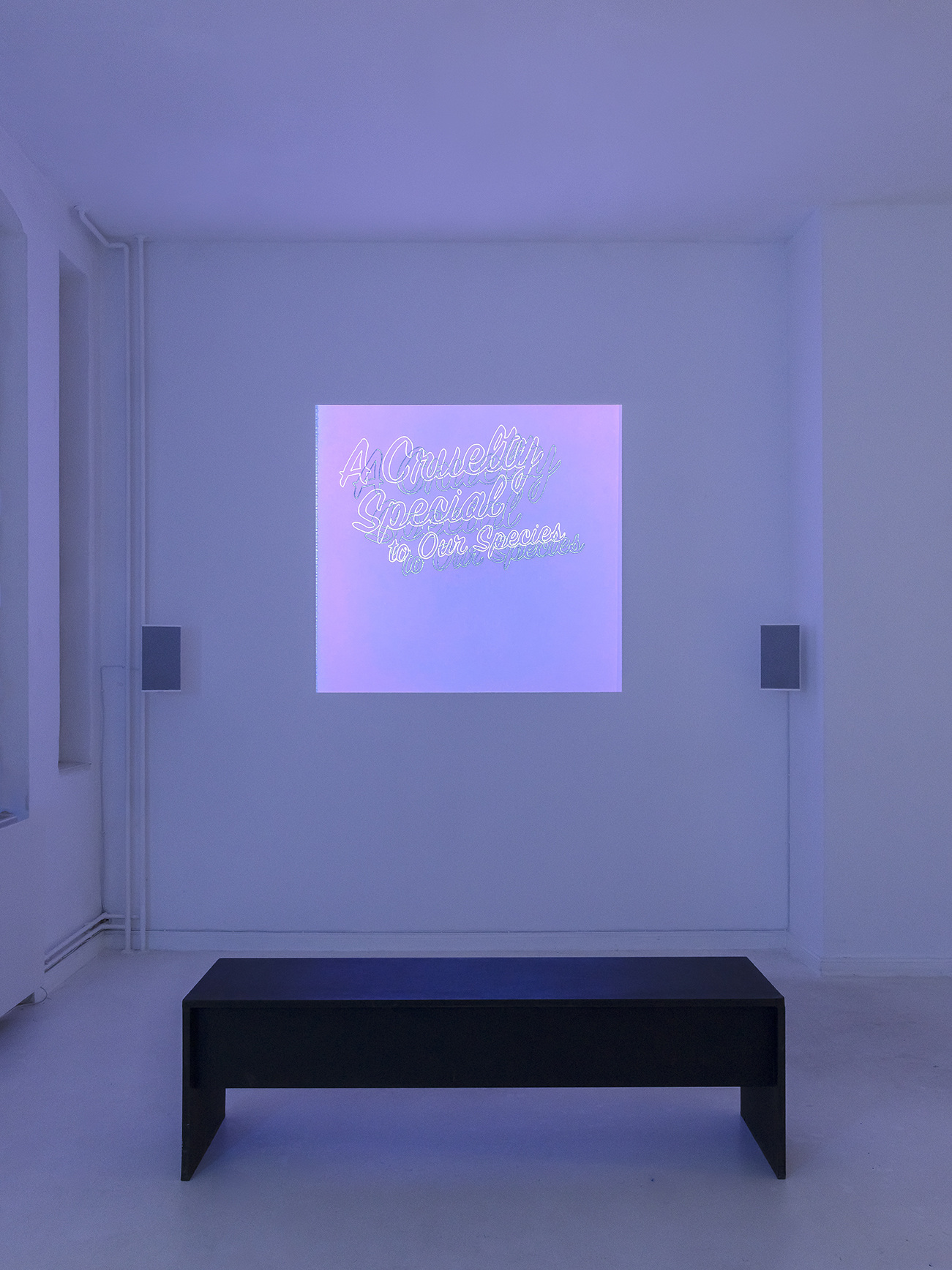
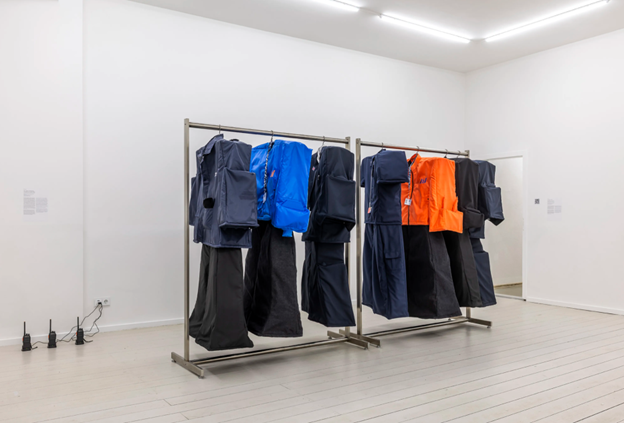
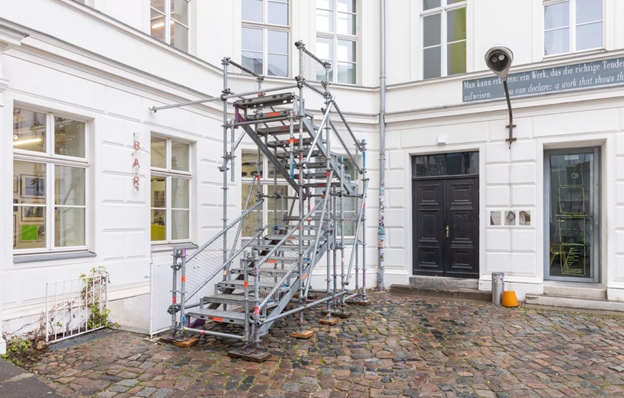
Freedom Song, presented together in 《Elbow Room》(Acud Galerie, Berlin, 2022),
satirically deals with South Korean political values, patriotic images, YouTube
culture, and the spectacle of war and violence. In these works, video moves
between record and fiction, testimony and parody, reality and online
performance, creating a structure in which anxiety and discomfort are repeated.