Exhibitions
《Night, and Then》, 2026.03.11 – 2026.04.04, Gallery Jiwooheon
February 19, 2026
Gallery Jiwooheon
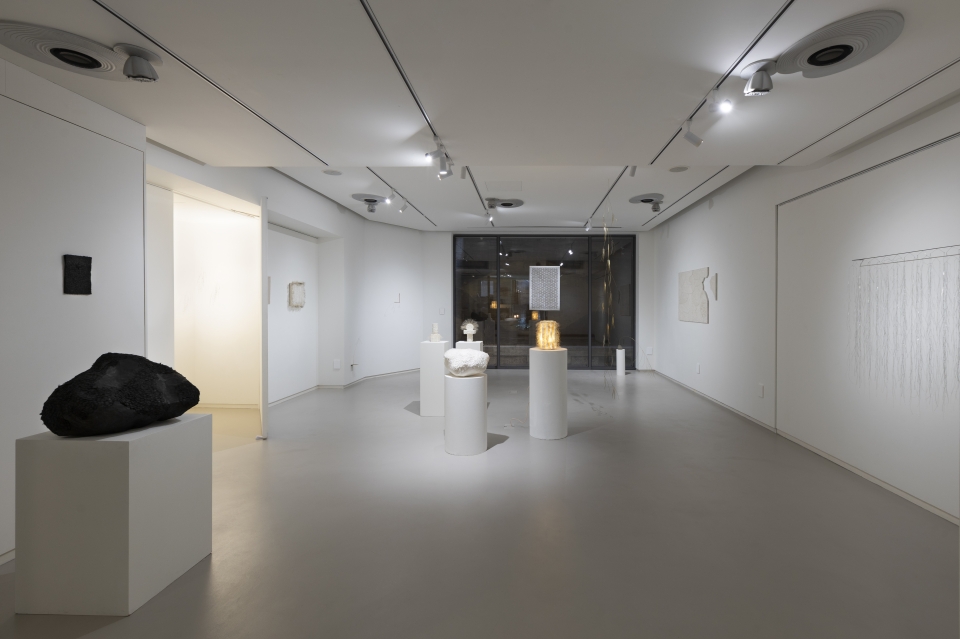
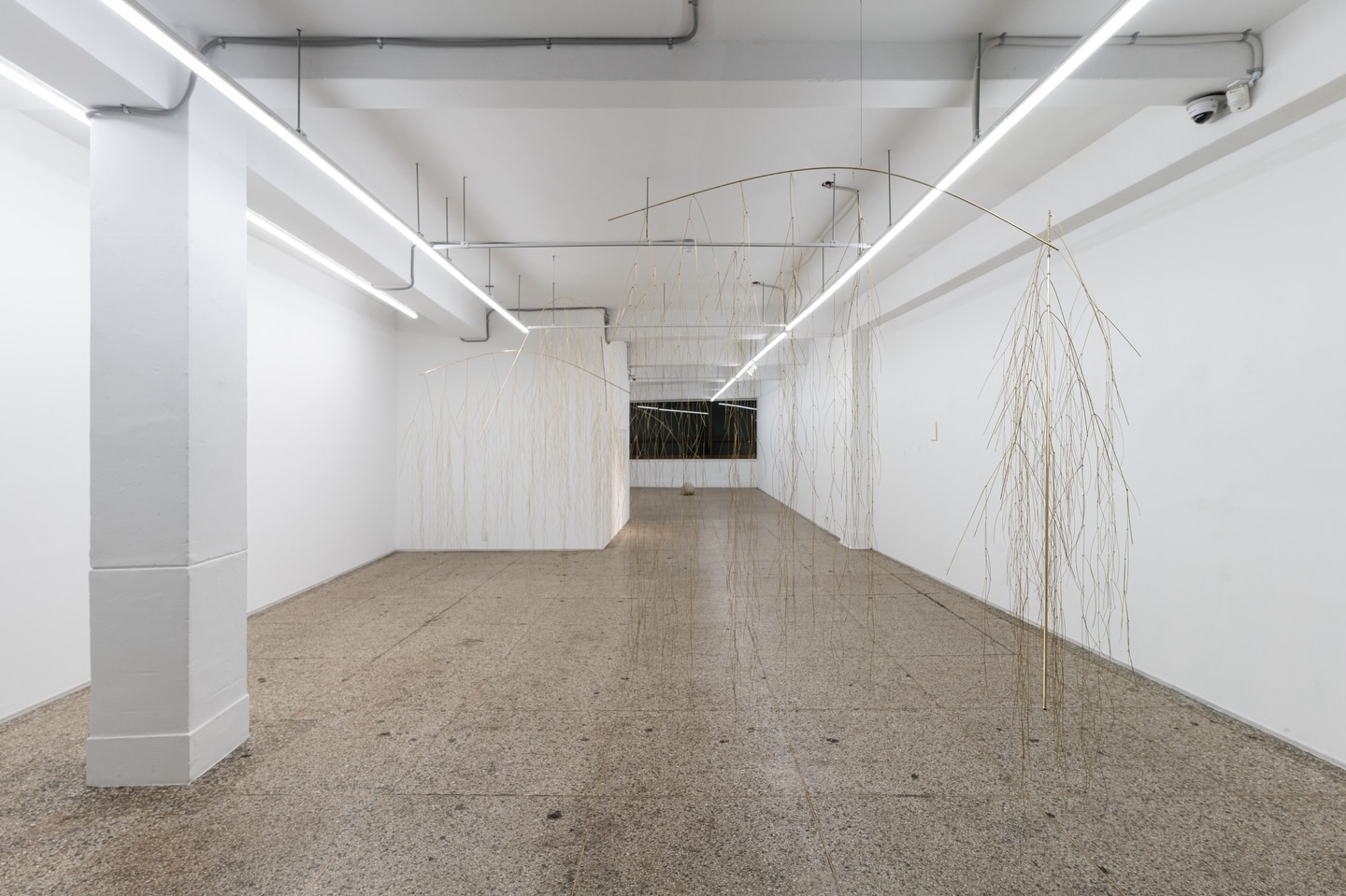
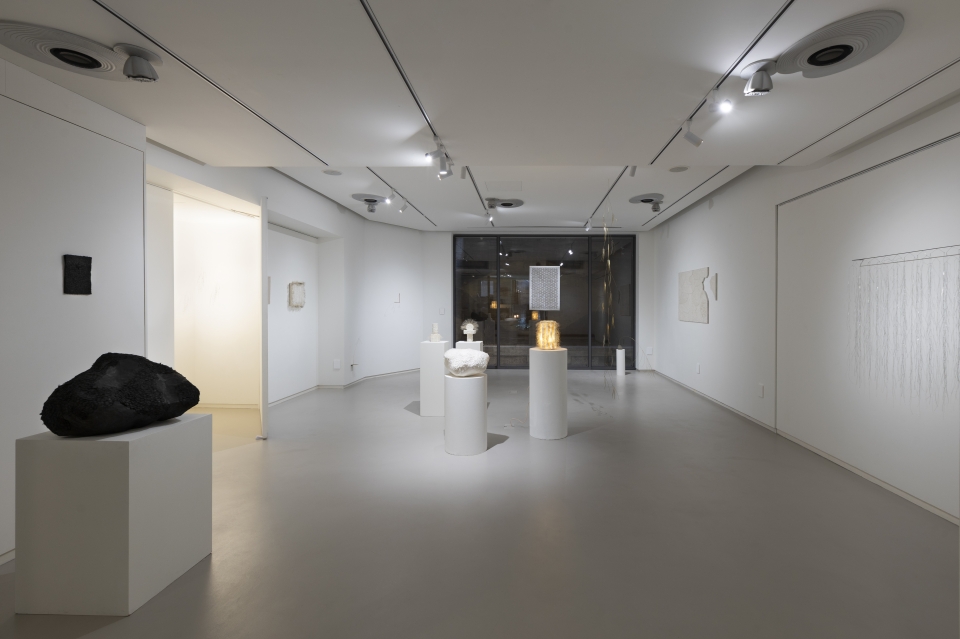 Installation view of 《Night, and Then》 © Designhouse
In the rapid rhythms of daily life, we tend to fix our gaze on what sits at the center, while the subtle traces and relationships dwelling at the periphery are quietly pushed into the background. Yet when we slow our looking, even briefly, we find that the background holds not what has vanished, but another layer of the world — one that has simply not yet received enough attention.
The two-person exhibition 《Night, and Then》 by Lee Sun and Donghae Kim begins from an exploration of this invisible layer. As the title suggests, if daytime is when the forms of things are rendered sharp and clear, then night is when what could not be seen in that bright field of vision slowly rises to the surface. The exhibition is an attempt to look again at the texture of a world we have too easily passed by — through the sensibility of night.
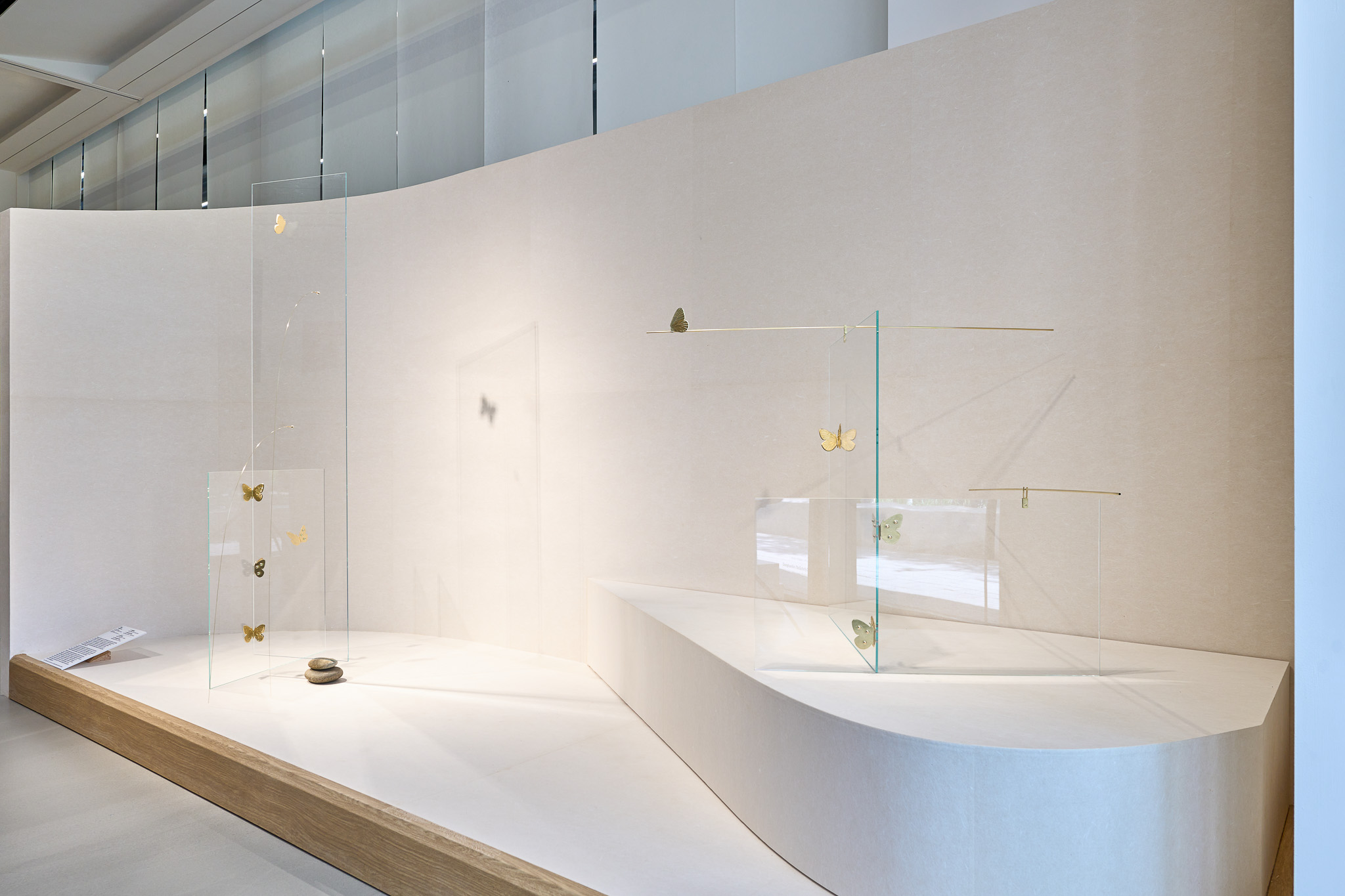
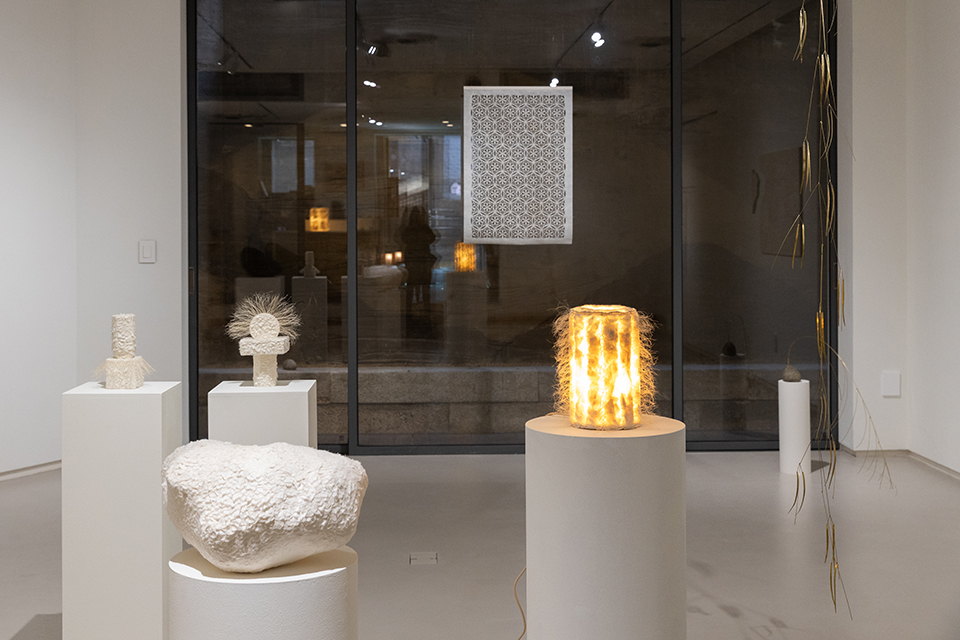 Installation view of 《Night, and Then》 © Designhouse
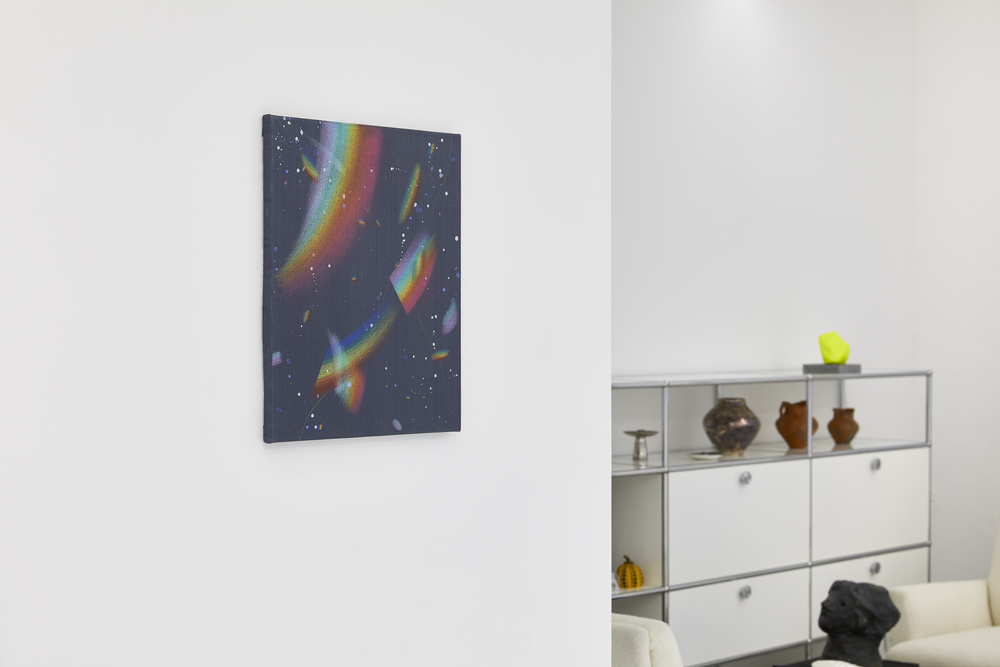
Lee Sun turns attention to materials and traces that have been pushed aside as valueless within the logic of rapid production and efficiency. Working primarily with traditional hanji, she builds her pieces through a process of layering, tearing, and breaking down — and in doing so, accepts the material's residual grain as part of the work itself. Totem, Feather Hanji — works in which the inner structure of hanji fibers is revealed through tearing — and Padding-Fur, assembled from leftover fragments gathered in the course of making, are pieces that embody this approach well. In the repeated act of gathering and accumulating what might otherwise be discarded or overlooked, the traces of time and labor are quietly deposited into the material itself.
This exhibition presents Hanji Tower, a body of work developed since 2023, alongside Doltap, a new work that extends it into a new form. Where Hanji Tower builds layers of hanji into a solid mass, Doltap breaks that mass into irregular, flattened fragments. Both works call to mind the old communal practice of stacking stones to make a shared wish, while extending their gaze to the way stone-stacking is consumed today as personal interest and passing trend. Encountered side by side, the two works quietly reveal how the forms of tradition are endlessly re-formed.
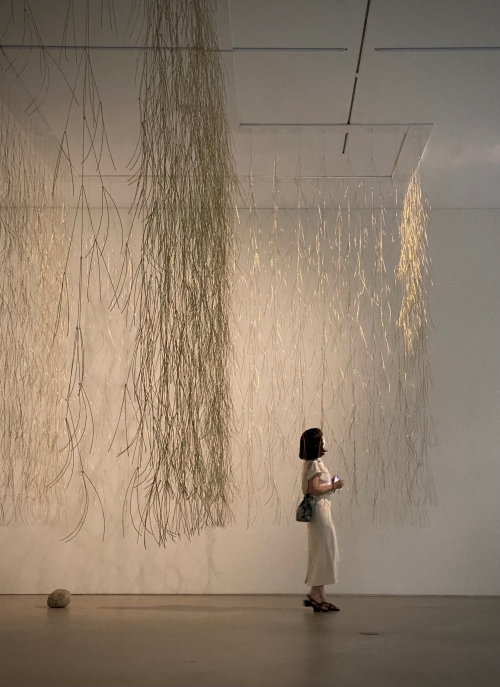
 Installation view of 《Night, and Then》 © Designhouse
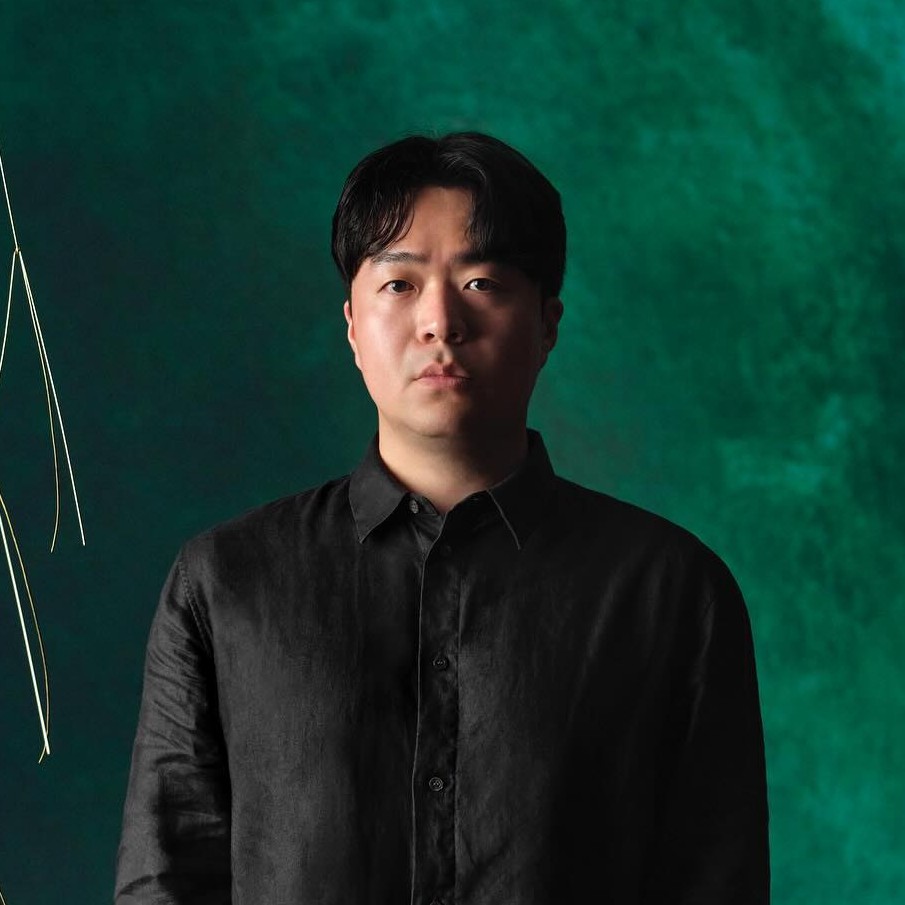
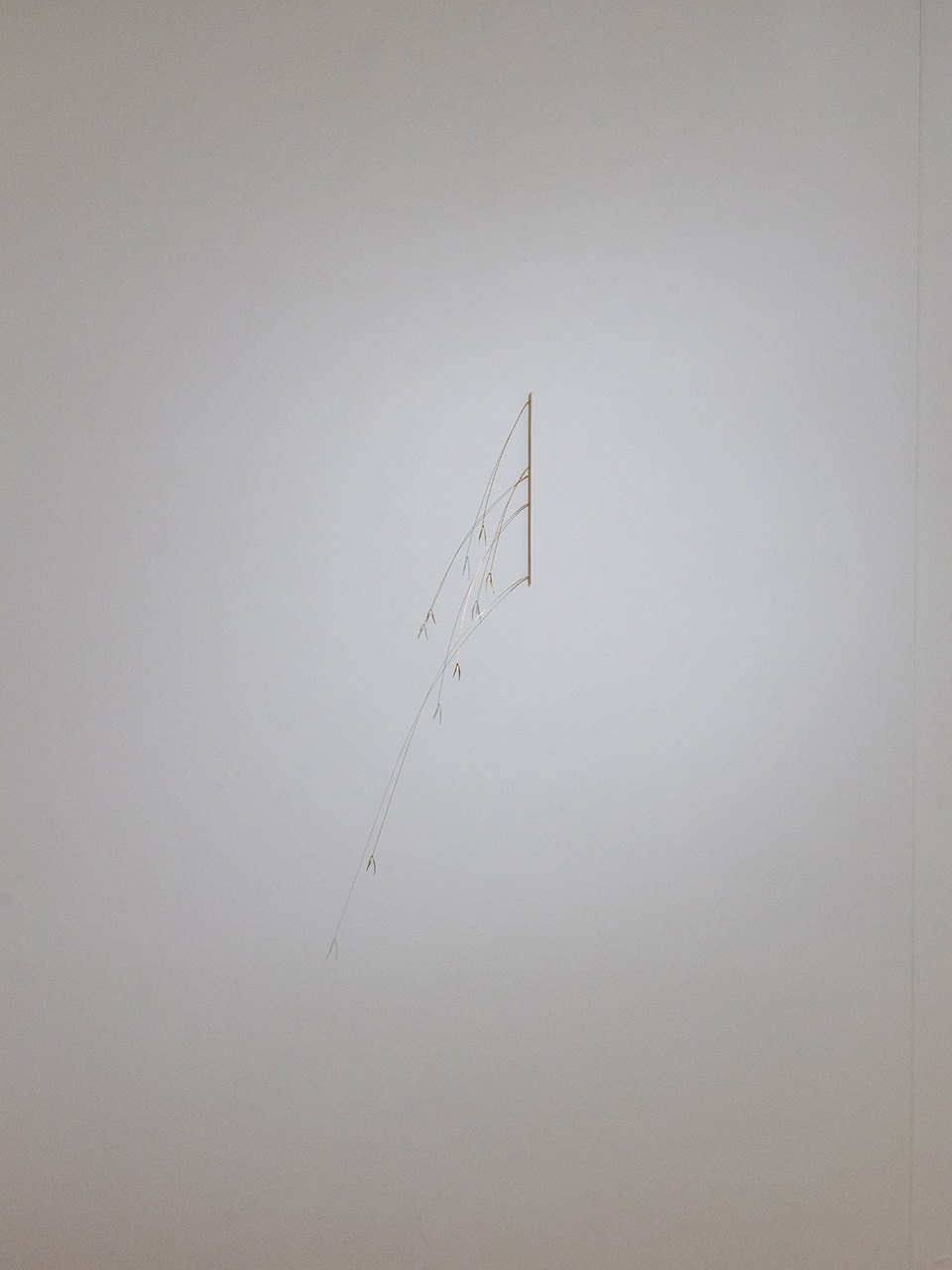
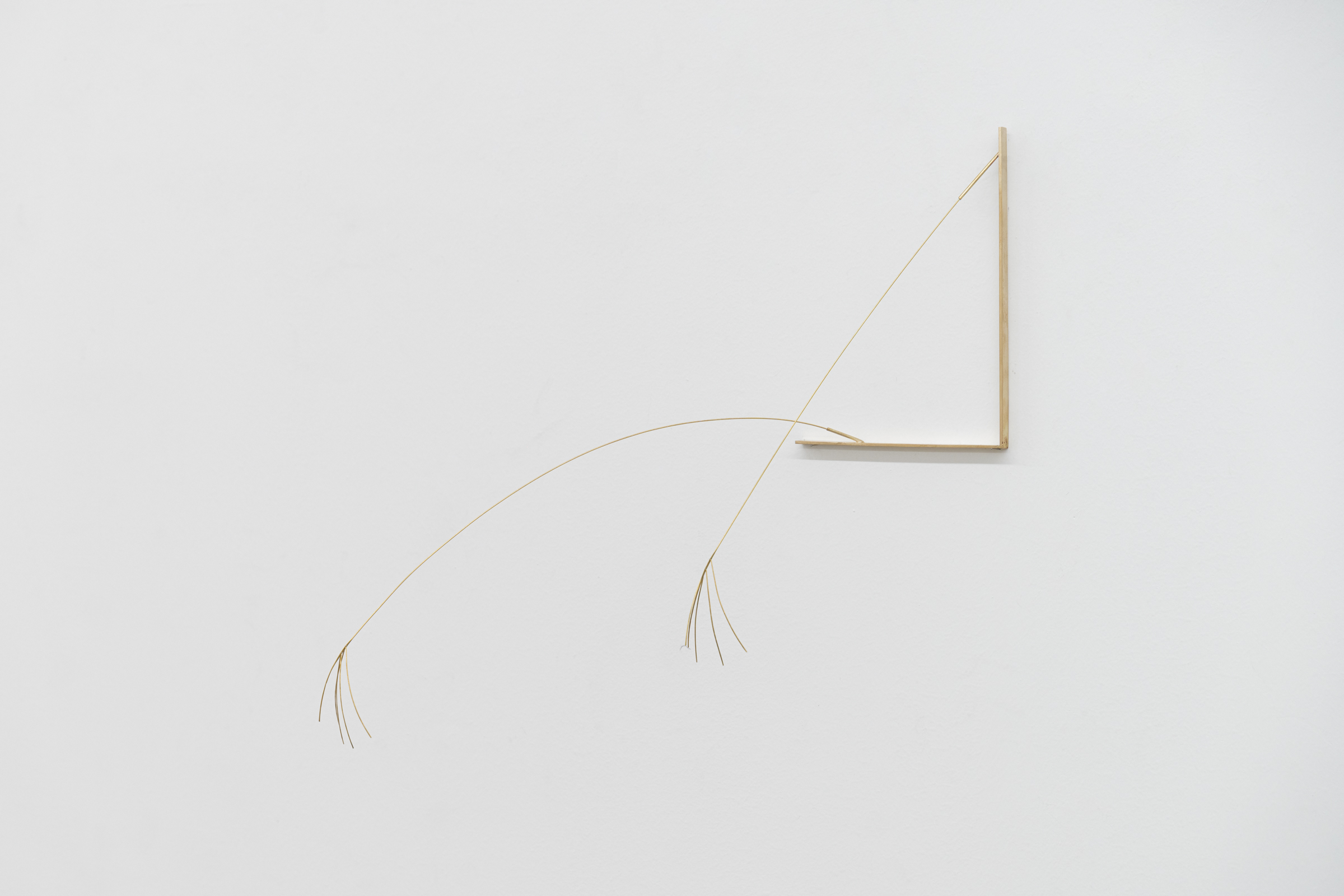
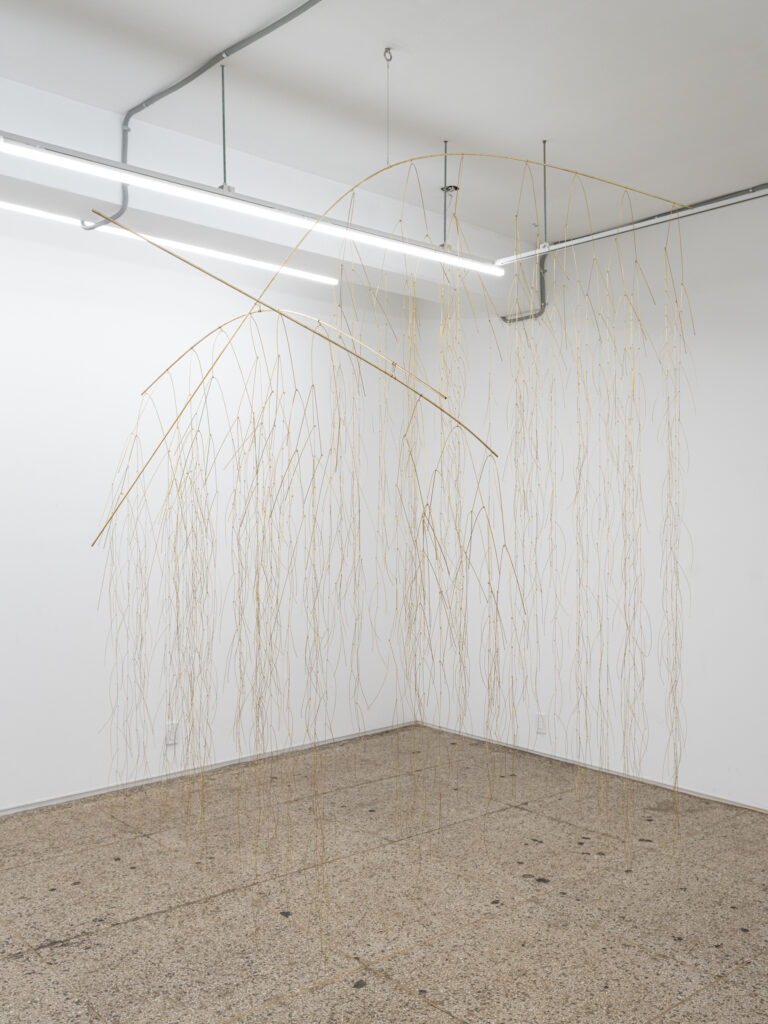
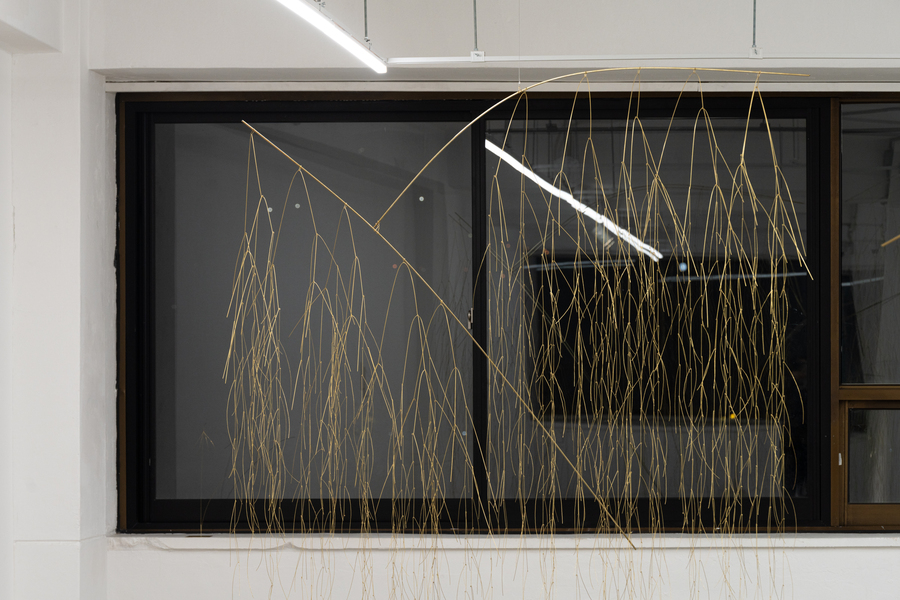
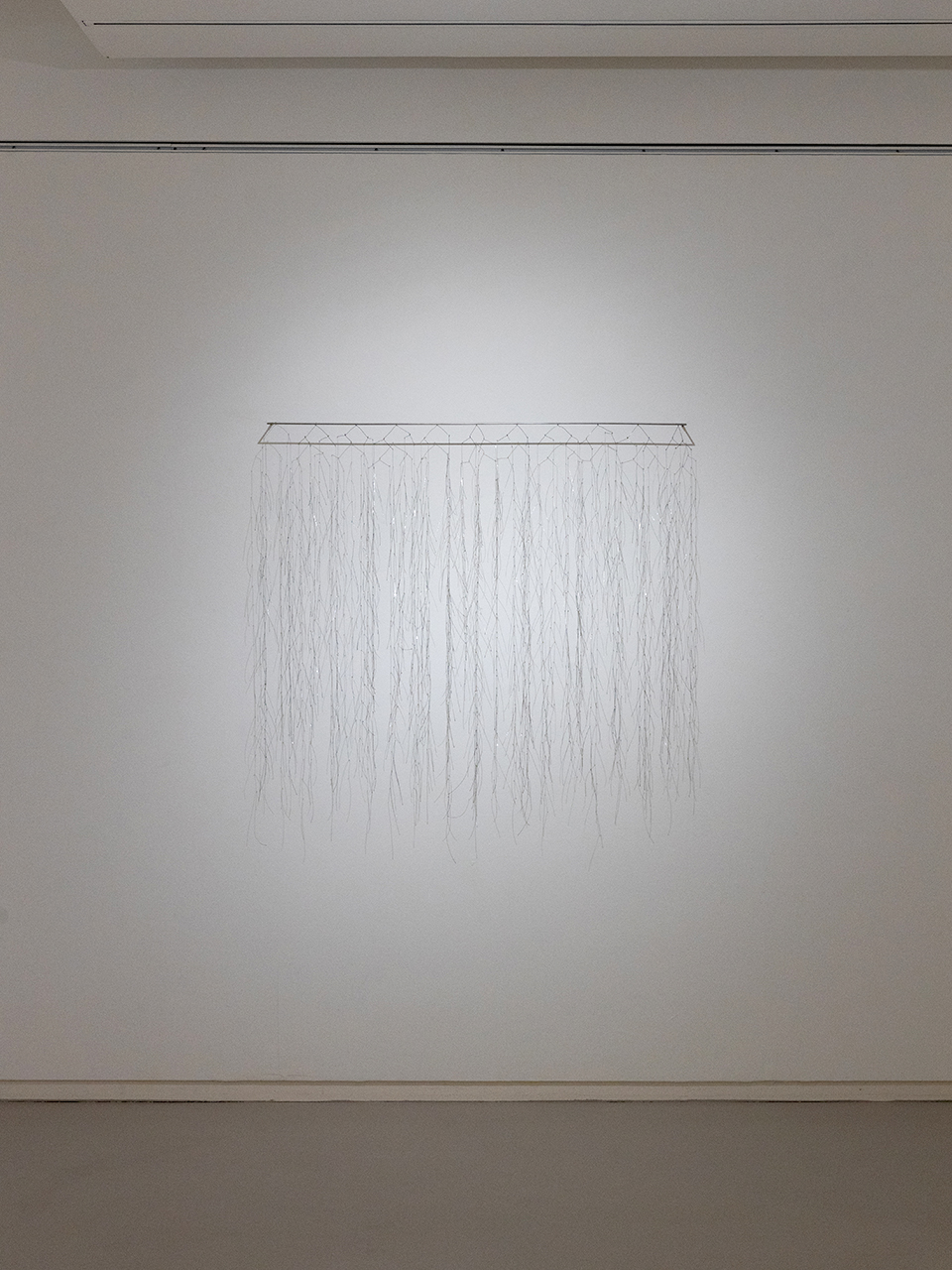
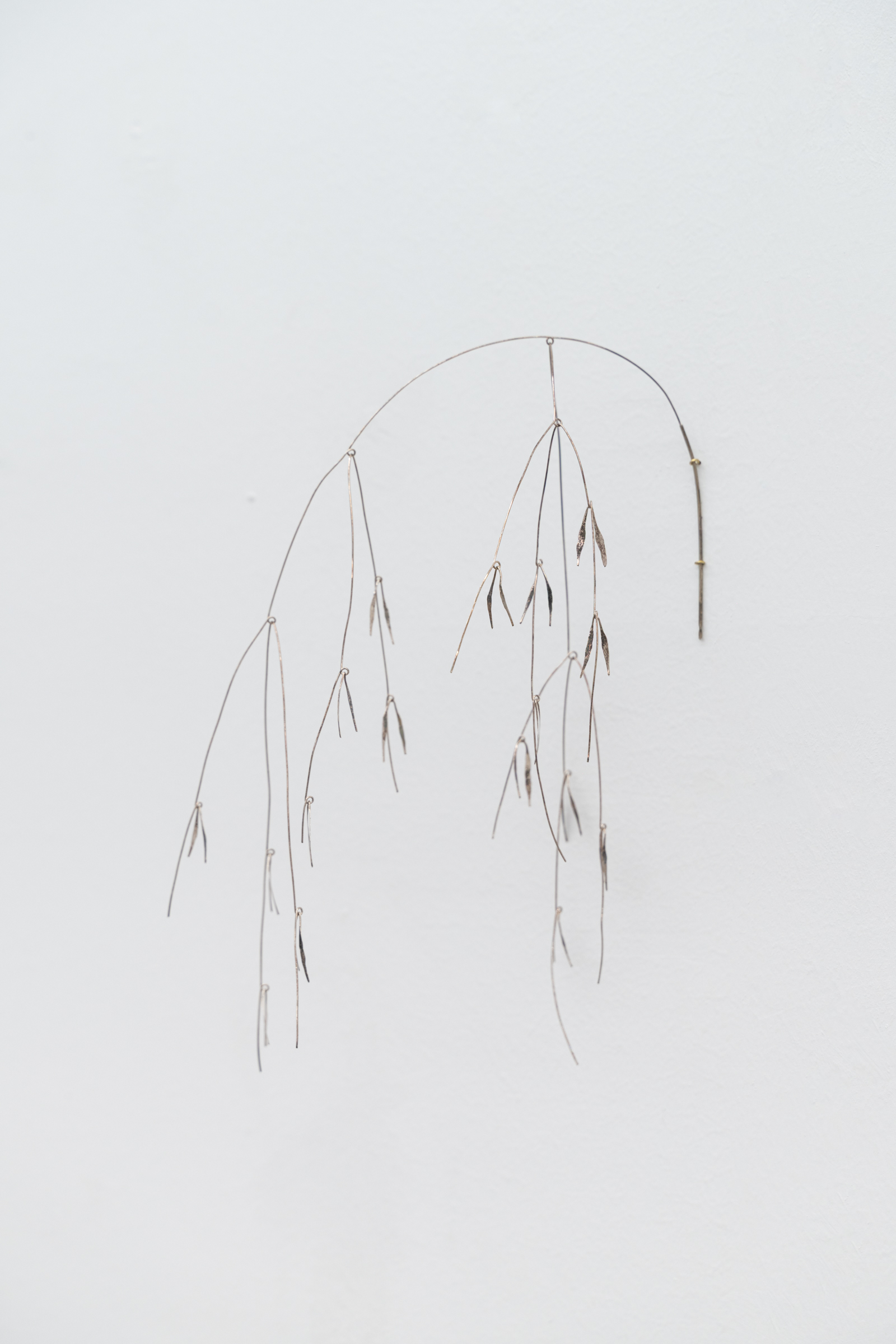
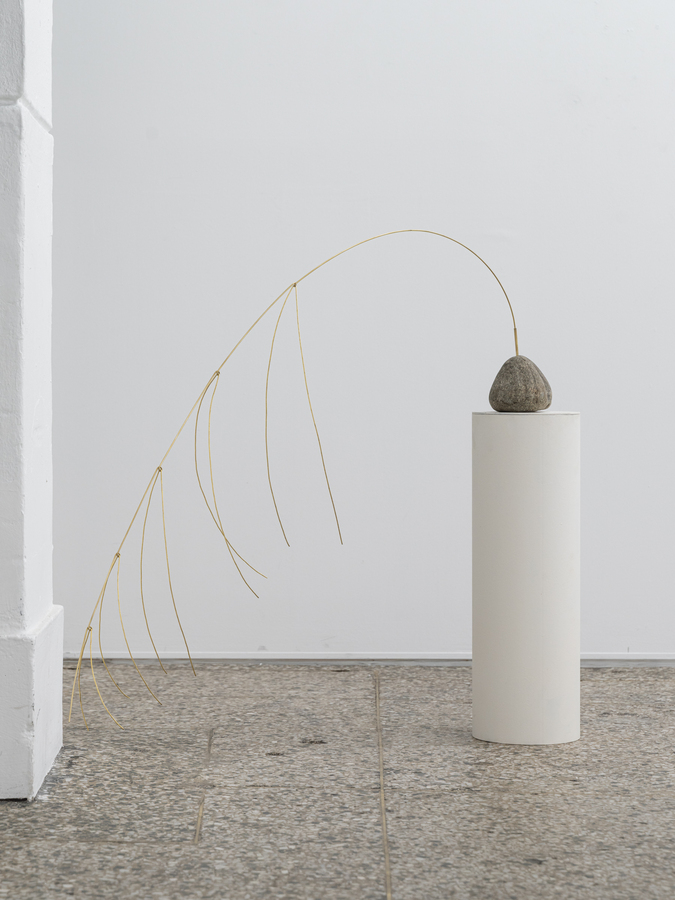
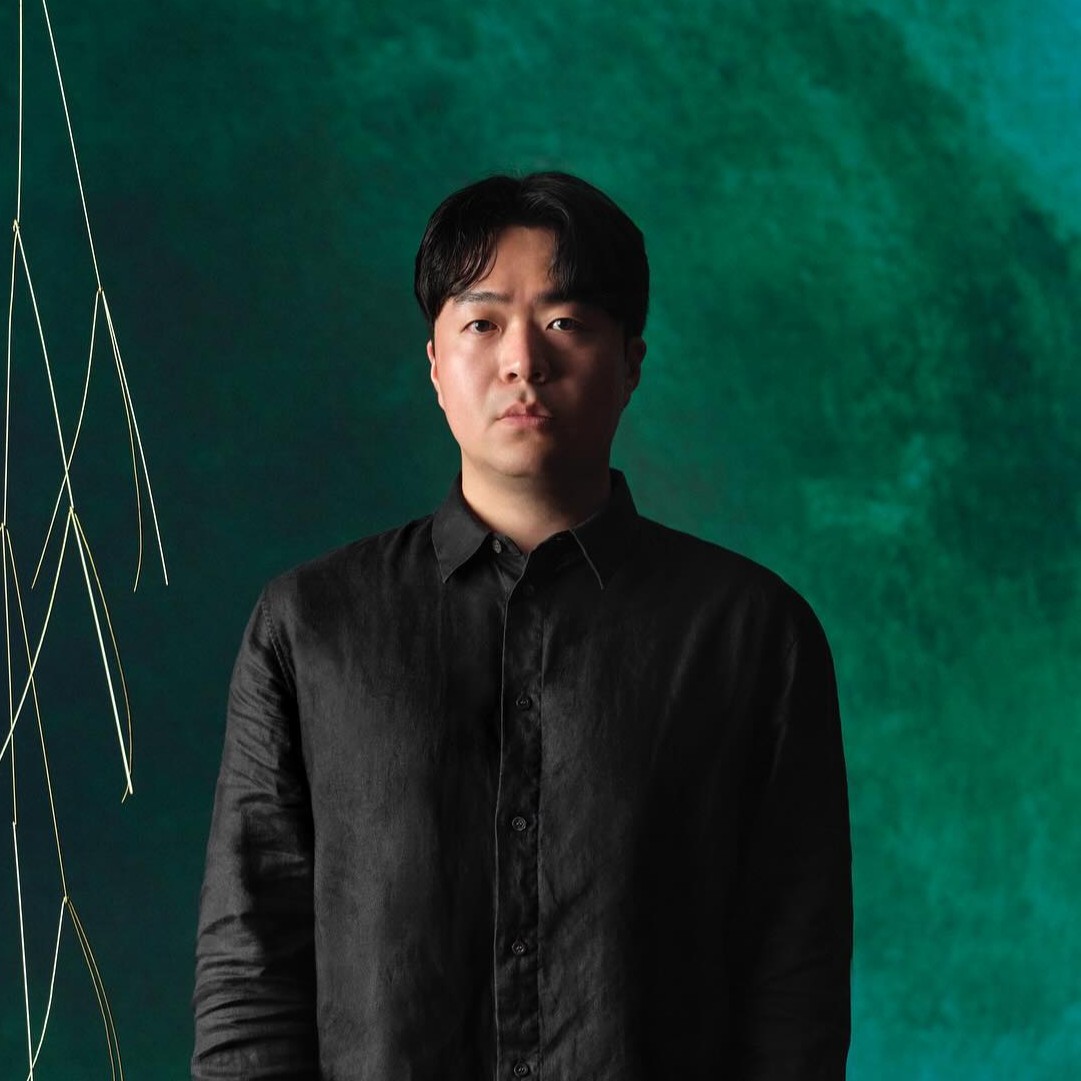
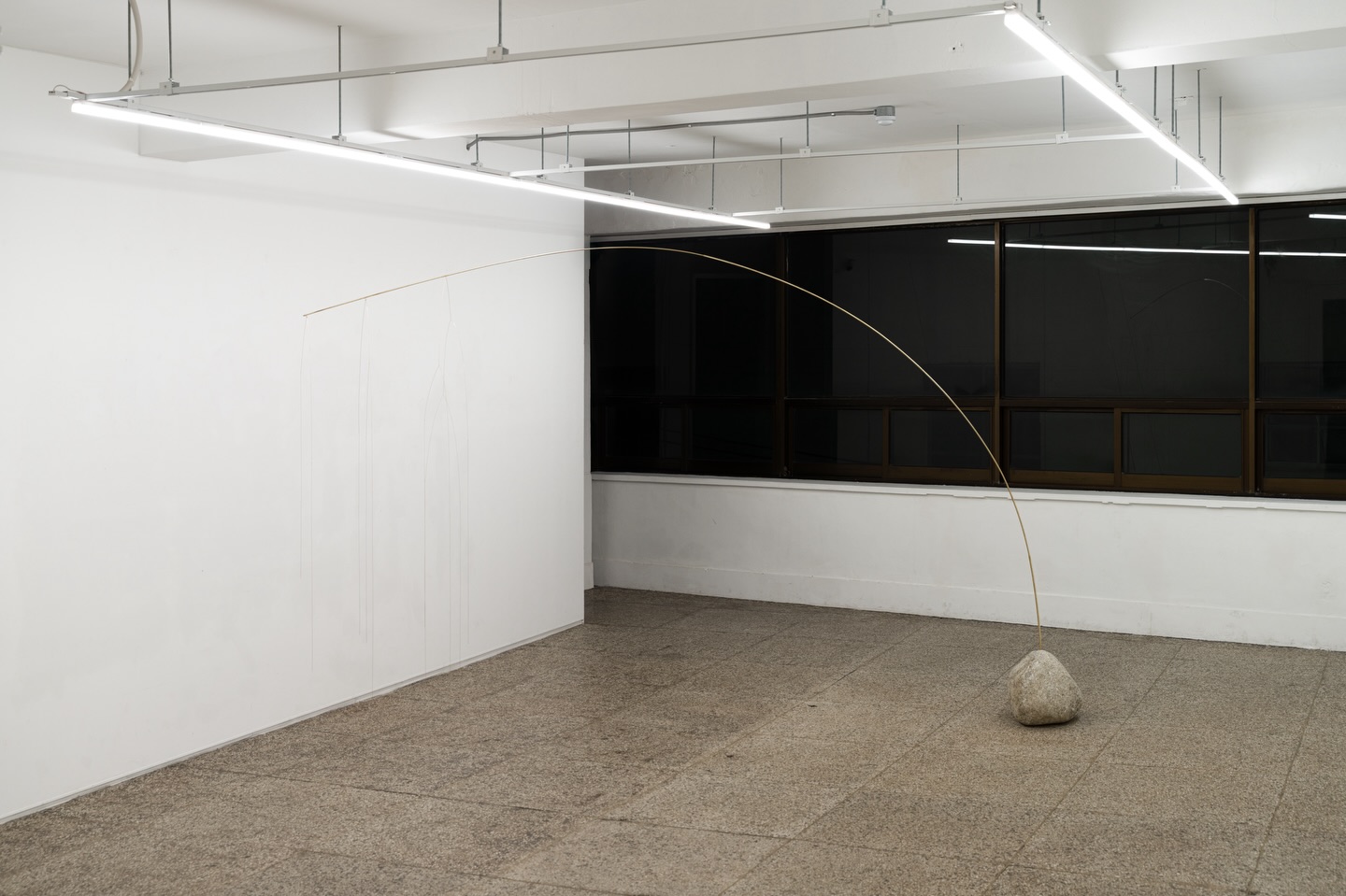
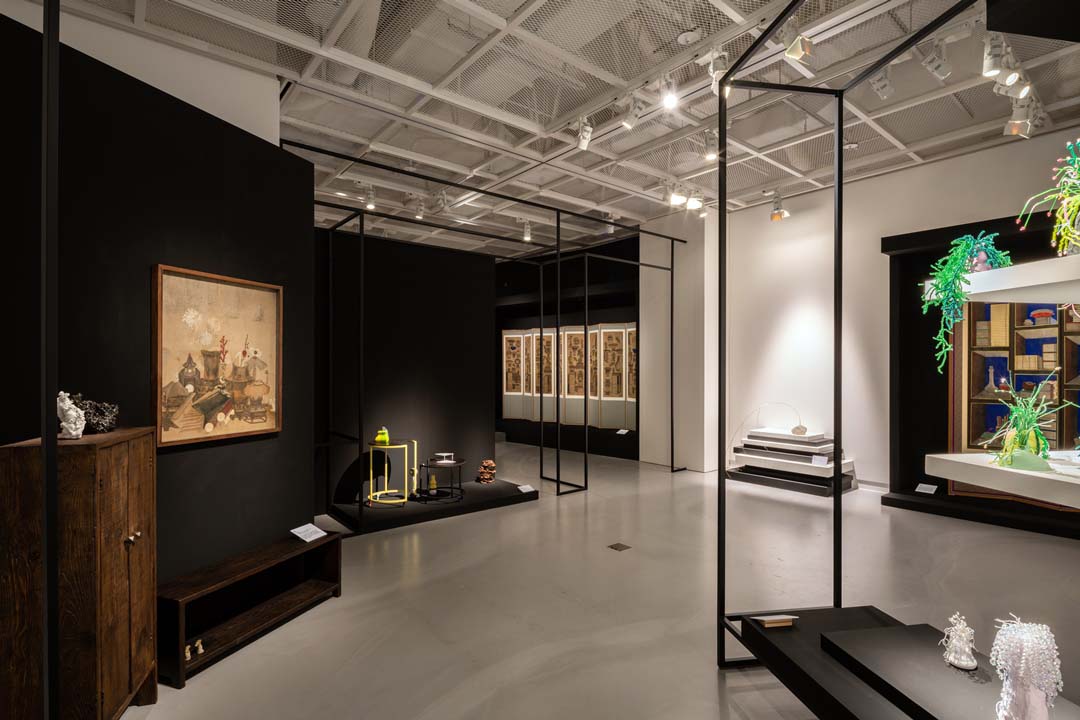
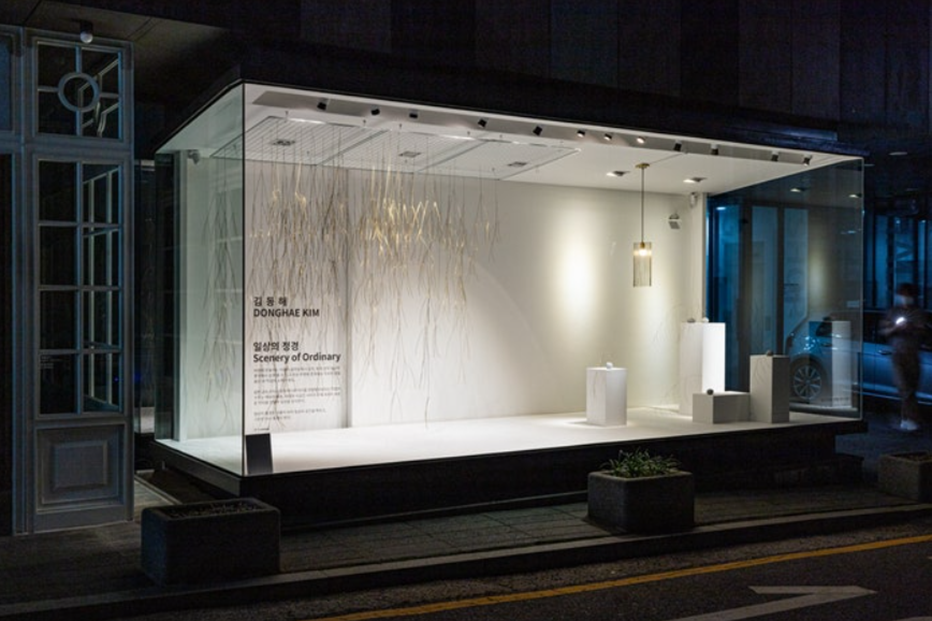
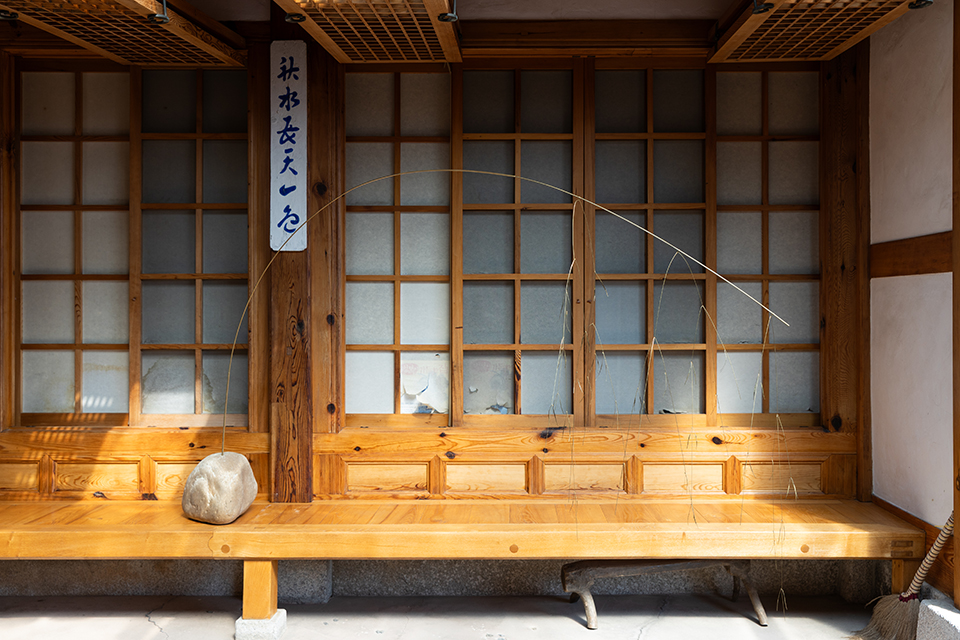
Donghae Kim, meanwhile, attends not to objects themselves but to the environments and relationships that surround them. Light and shadow, wind, gravity — natural forces that resist easy visibility — form the starting point of his practice. Structures made by bending and connecting fine metal wire move imperceptibly in response to the currents of air in the exhibition space, entering into dialogue with it. Stillness, which hangs from the ceiling and falls toward the floor like the branches of a tree, is a work that makes visible the way rigid metal responds to and traces unseen air.
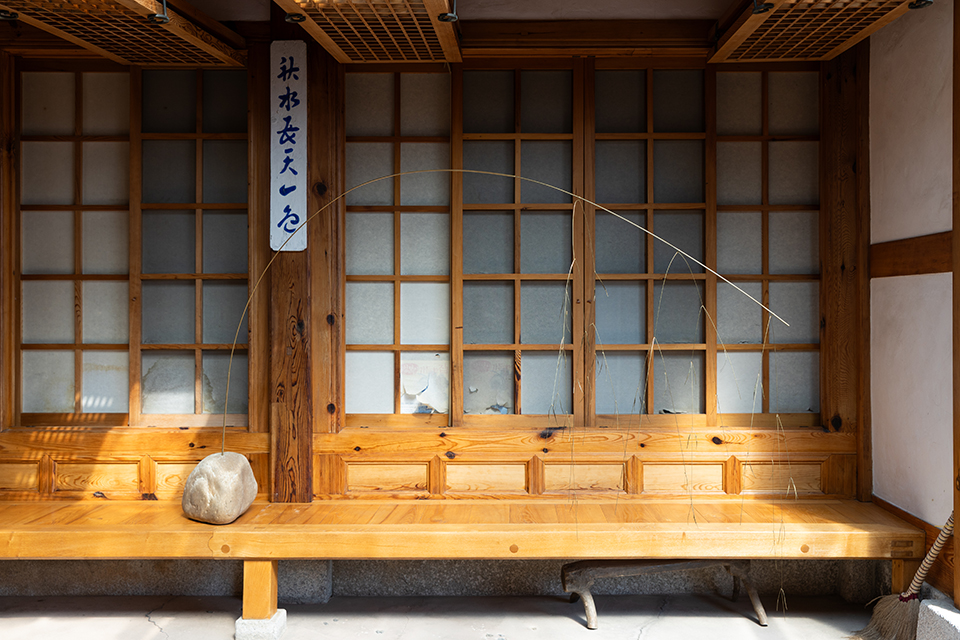
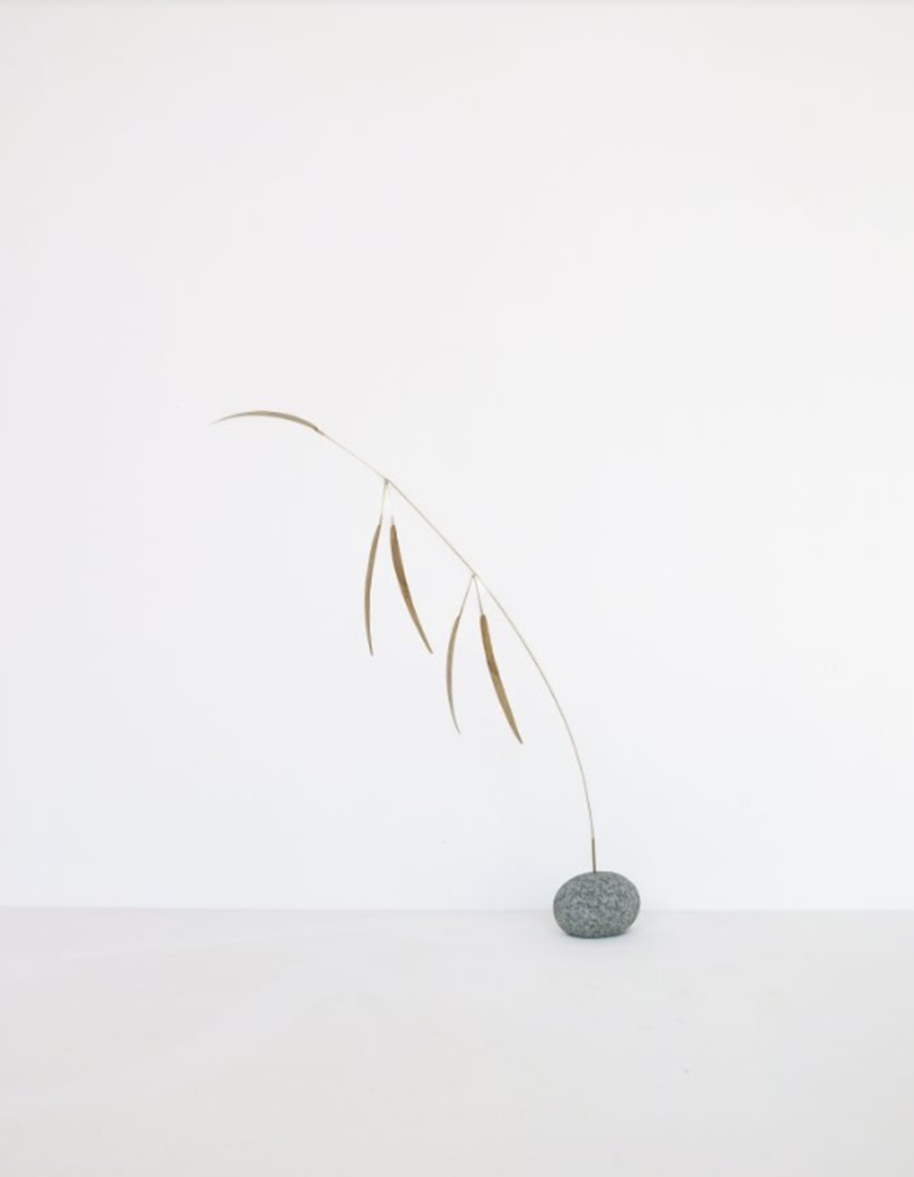
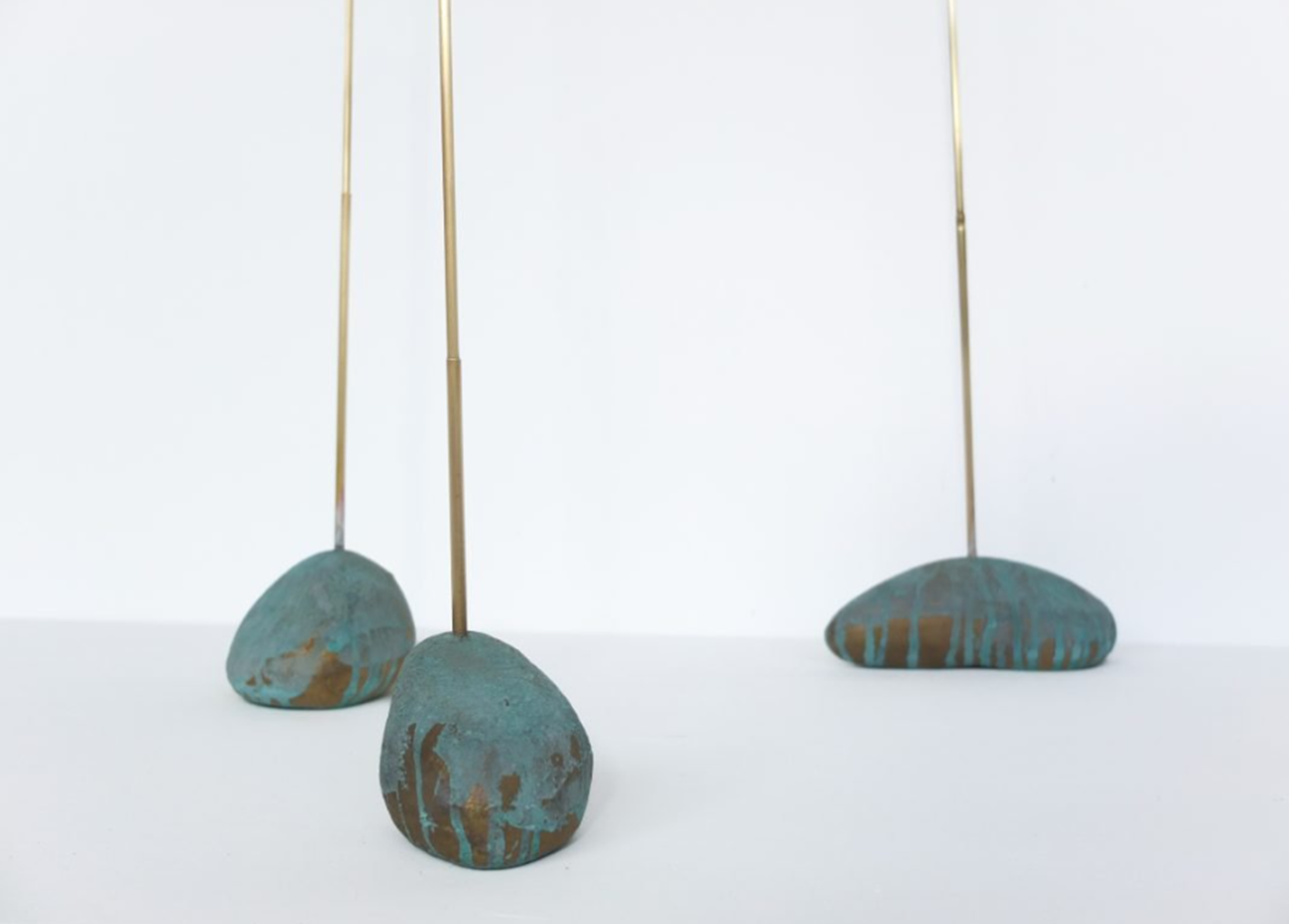
Landscape(quiet) and A Whisper of Wind — both made by fitting metal into natural stone — draw the surrounding negative space into the work through the minimum of line. As the artist likens it to the empty space in ink wash painting, the spare lines and open structures are the result not of adding, but of considering what to take away. His works are less finished objects than scenes — landscapes that only fully form when one stops, stands still, and looks.
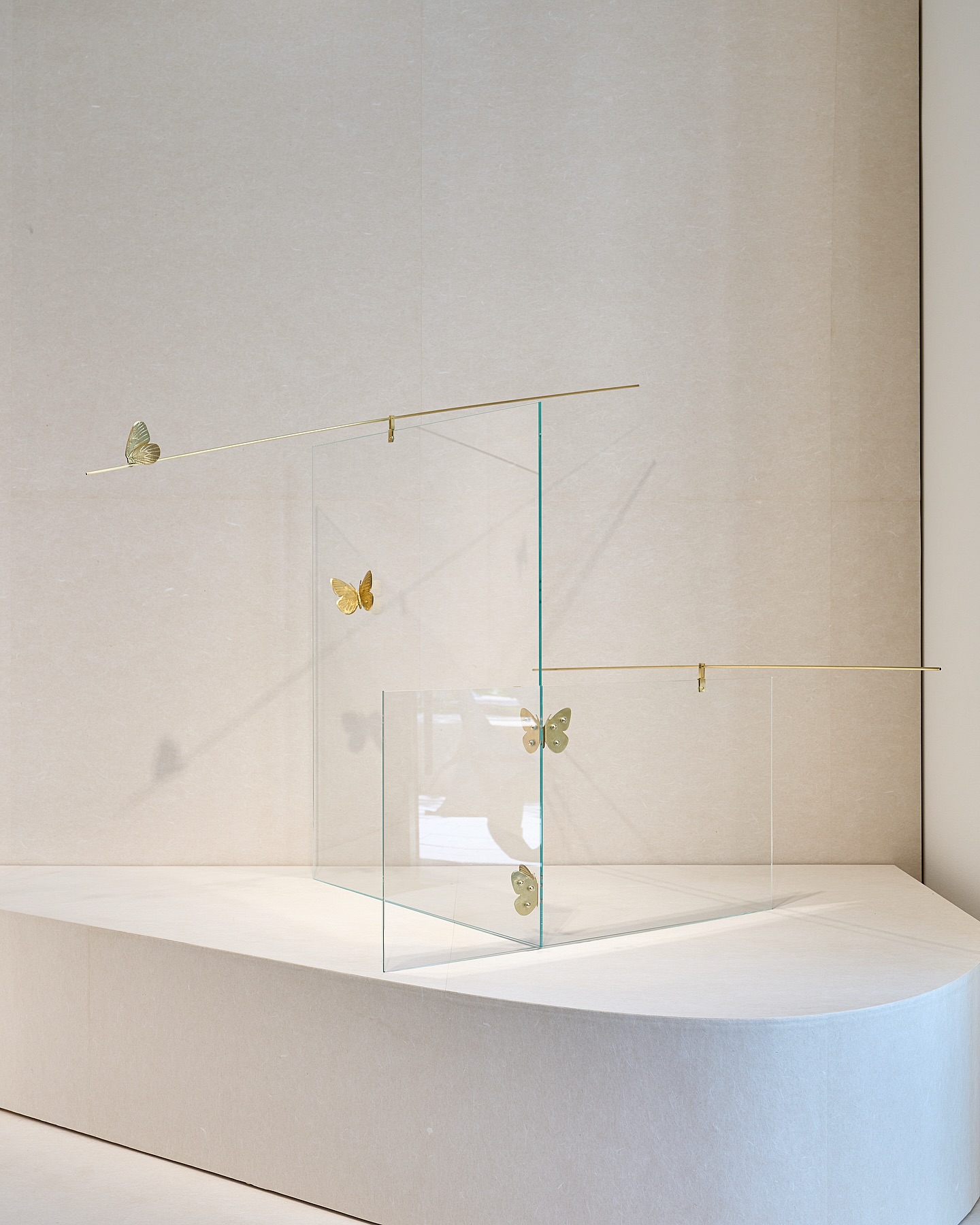
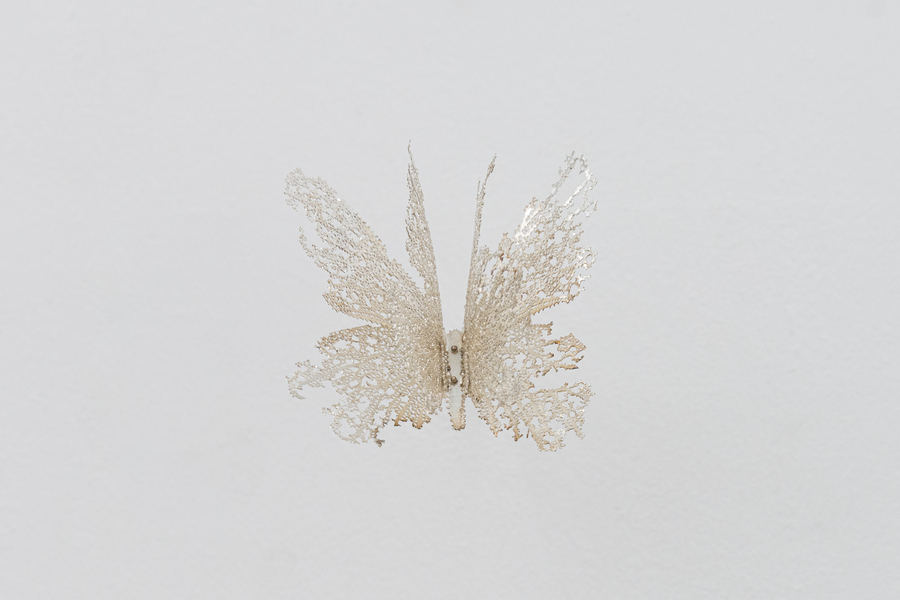
This sensibility extends to his approach to material. The brass he primarily works with is itself an alloy — copper and zinc, two different metals brought together into one. Just as two metals meet to form a single property, the artist understands his practice as a whole as a process in which different kinds of existence arrive at equilibrium through relationship. The act of bending and connecting metal wire is, in this sense, not merely formal composition, but the visualization of connection itself.
The practices of Lee Sun and Donghae Kim depart from different directions, yet arrive at the same point: an invitation to look again at the world we have passed by. One works through the accumulated traces of time and labor in material; the other, through the delicate relationships flowing through space. Together, they bring into visibility a layer of the world we had not quite registered.
Night, and then — what had been resting in the background quietly rises.