Exhibitions
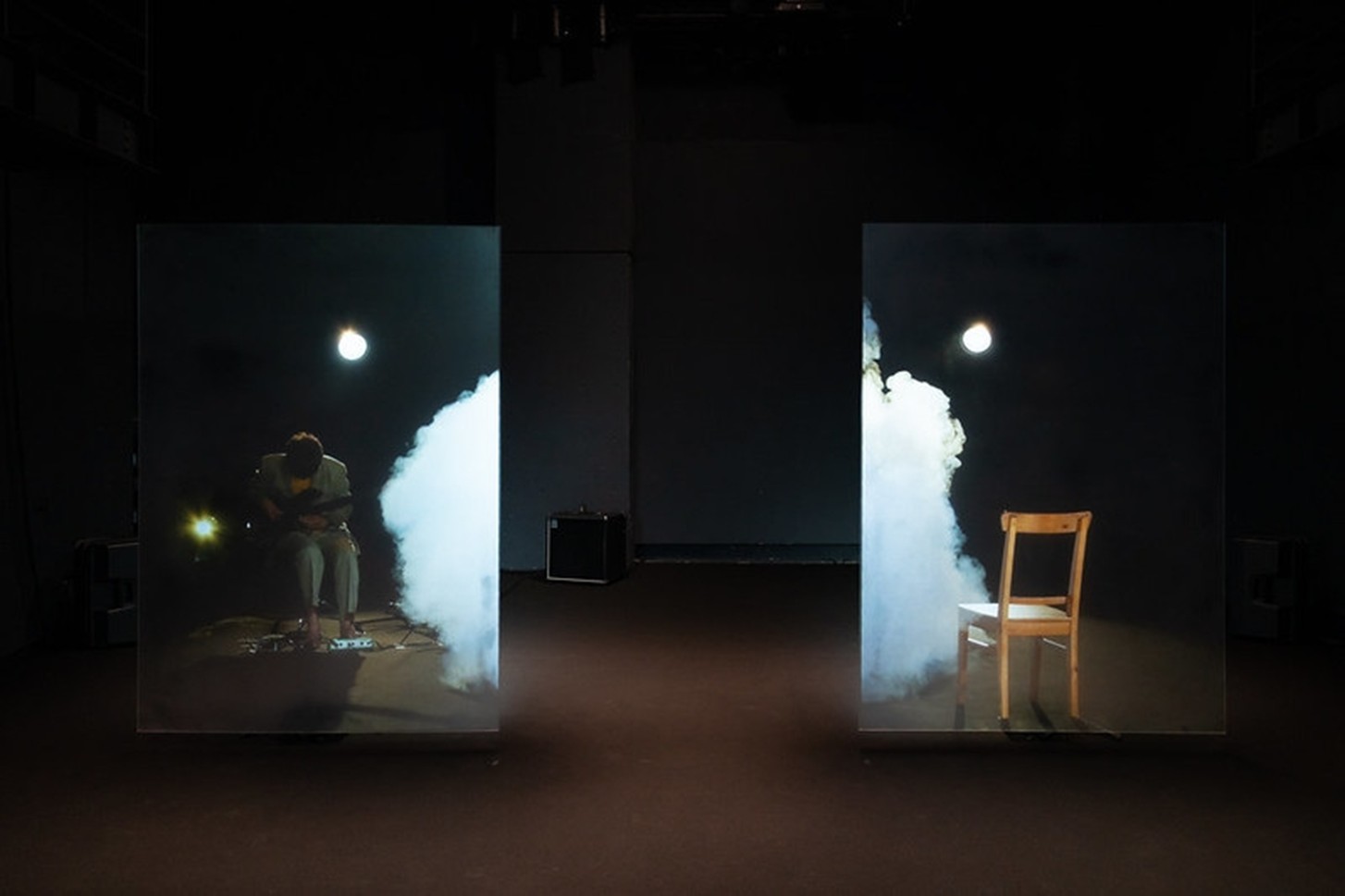
《Afterbody》, 2024.12.06 – 2024.12.07, Seoul Cultural Tank T1
December 06, 2024
Seoul Cultural Tank T1
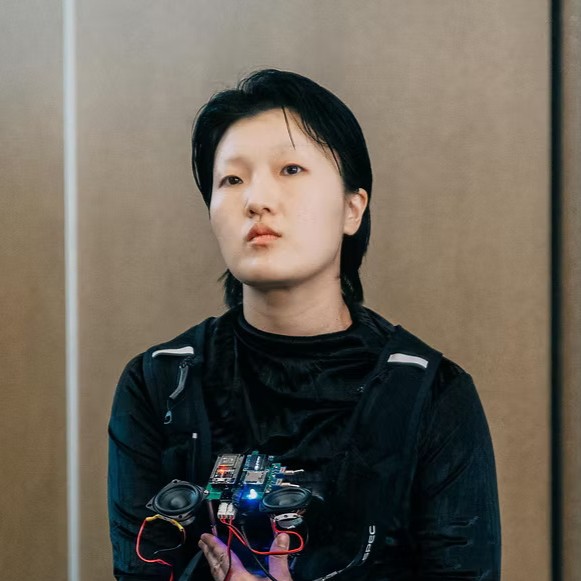
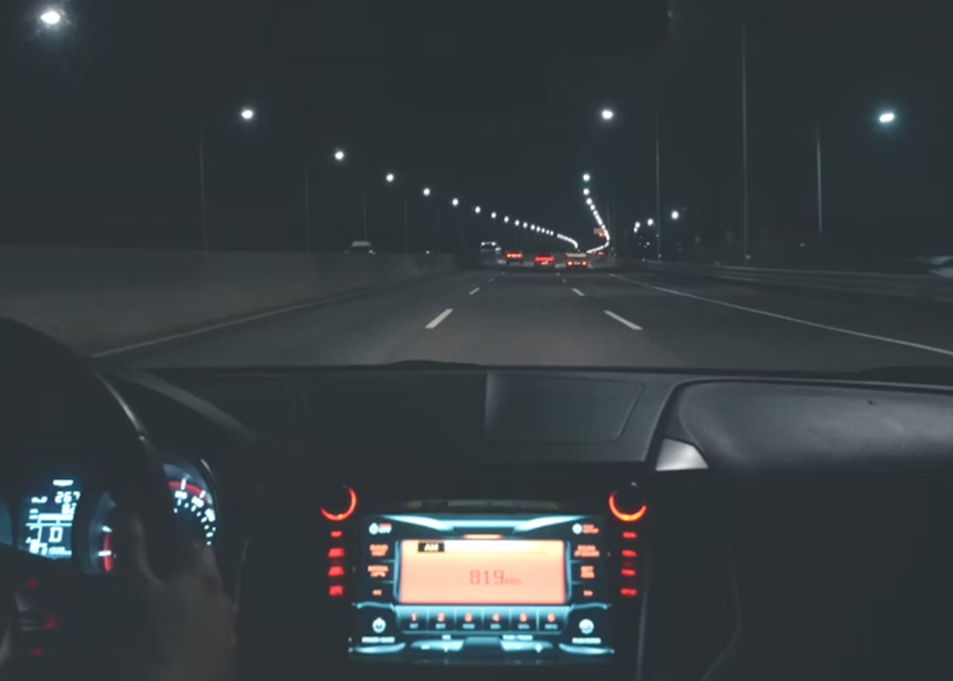
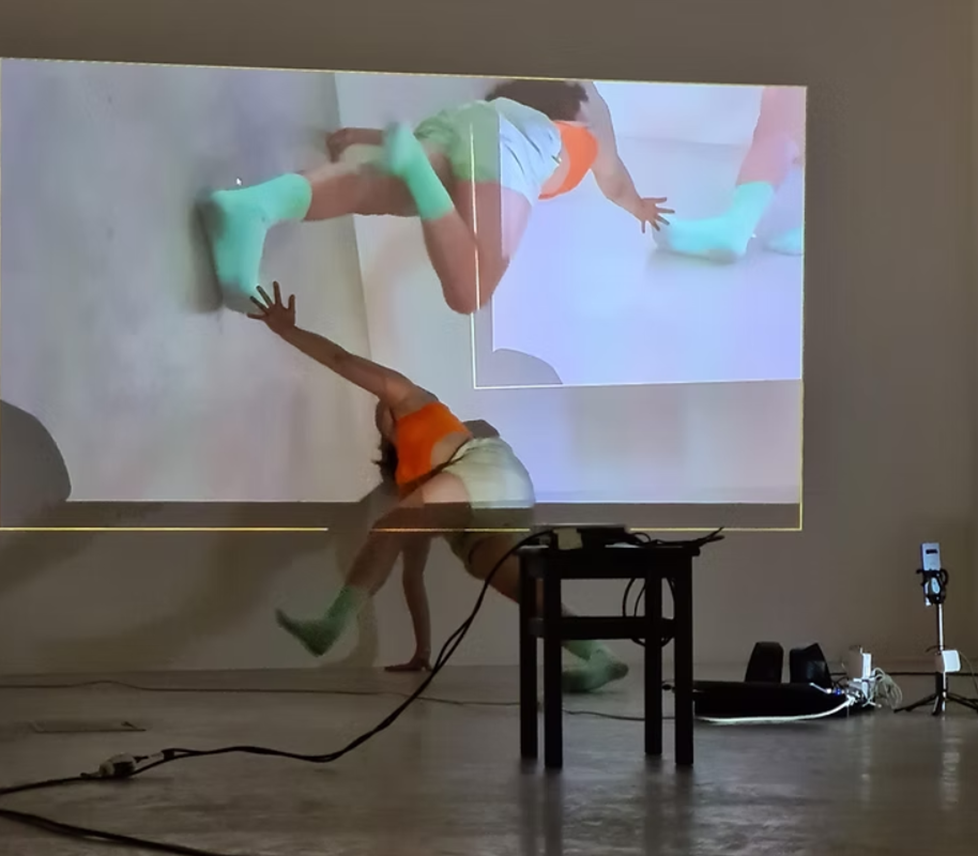
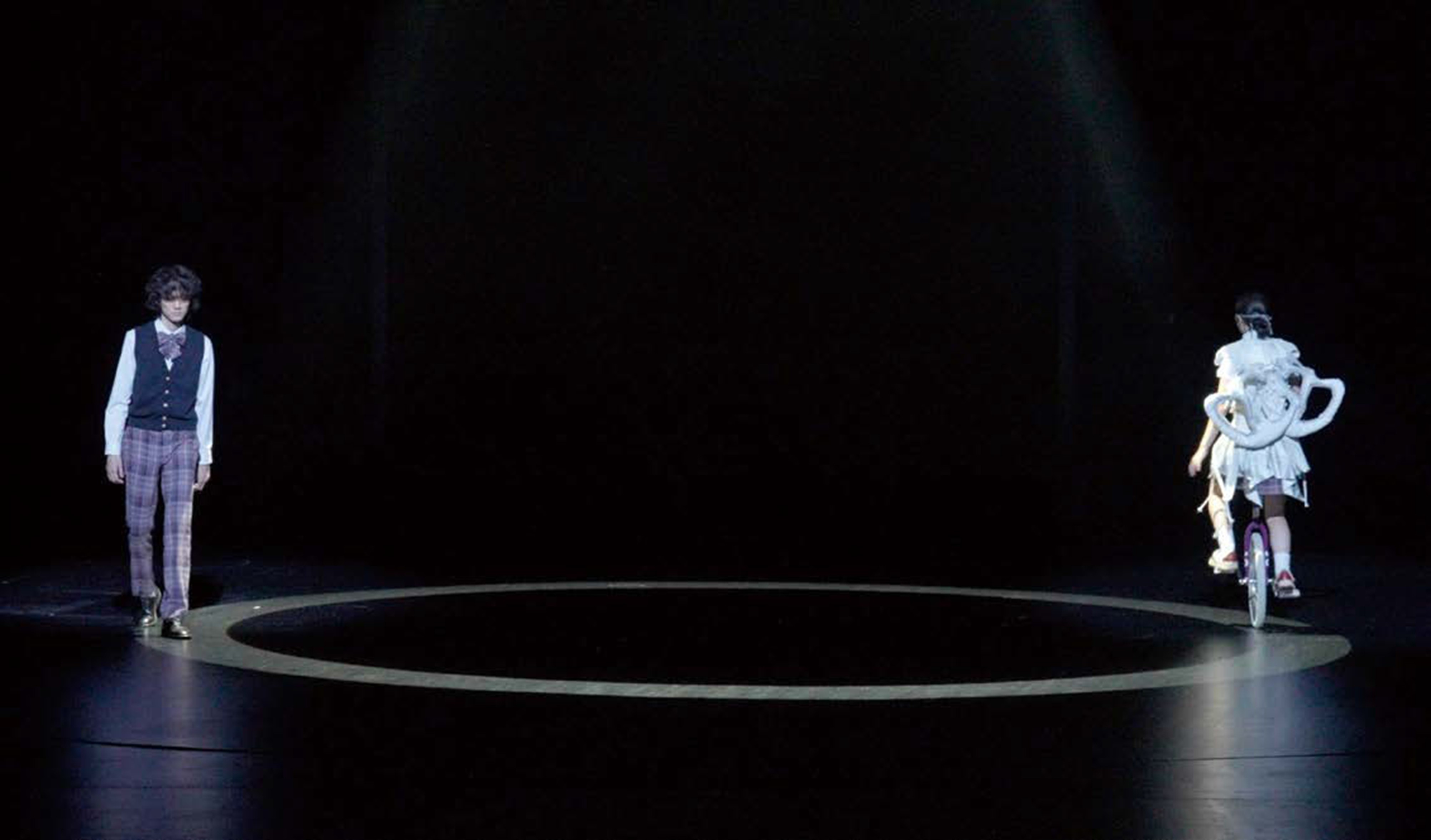
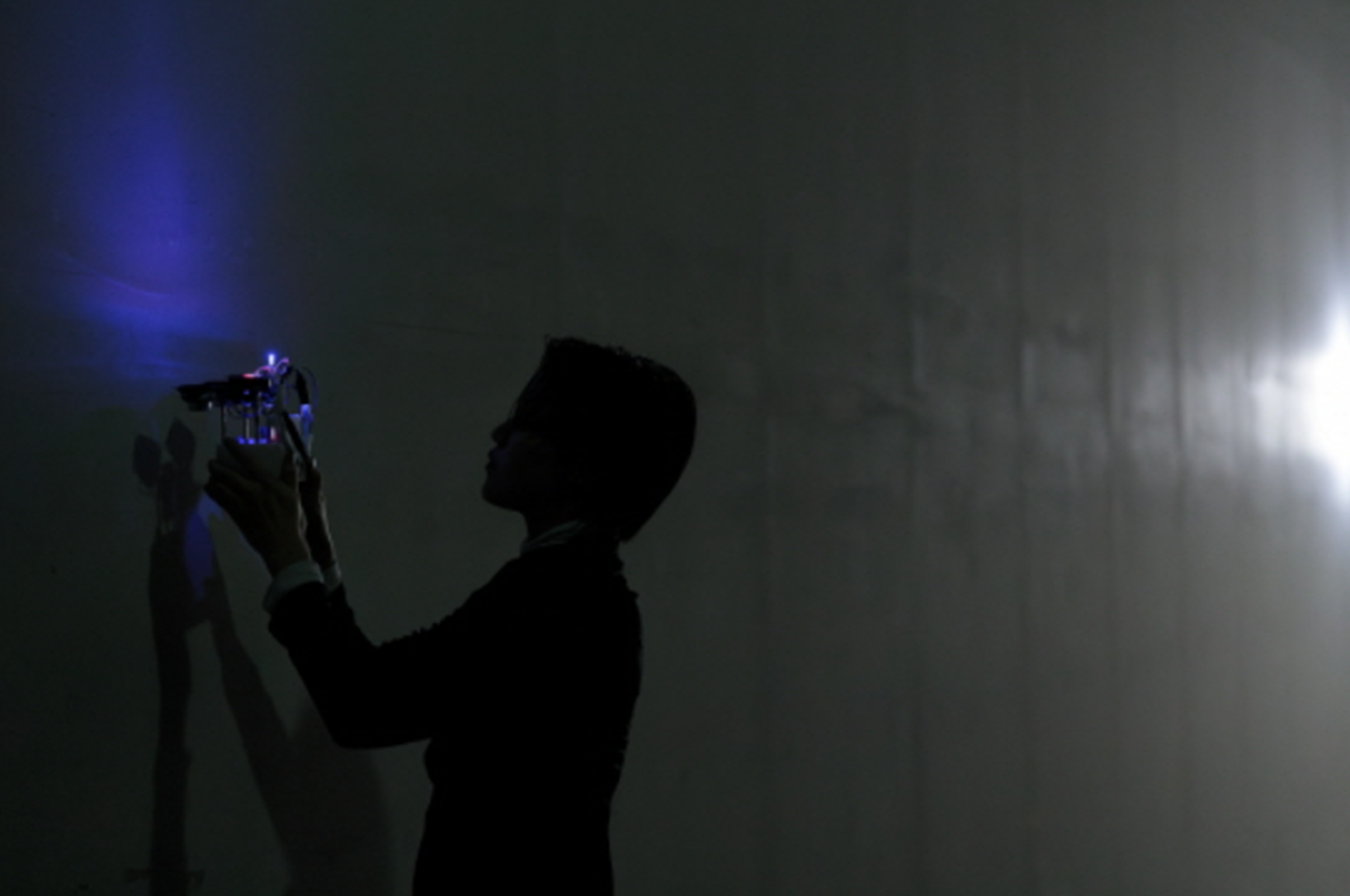 Suhwa Kim, Afterbody,
2024 © Suhwa Kim
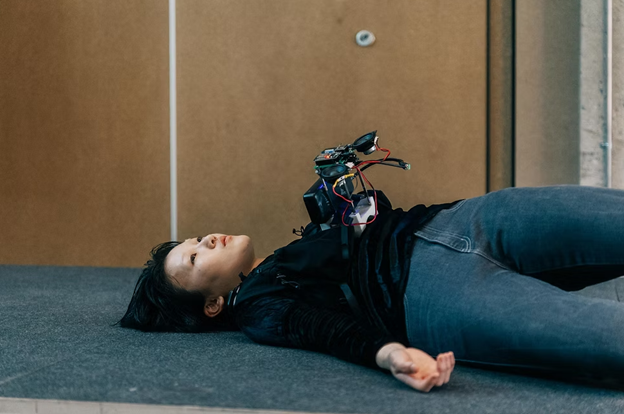
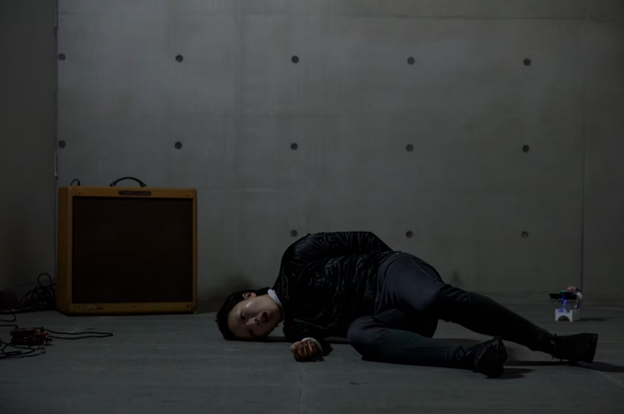
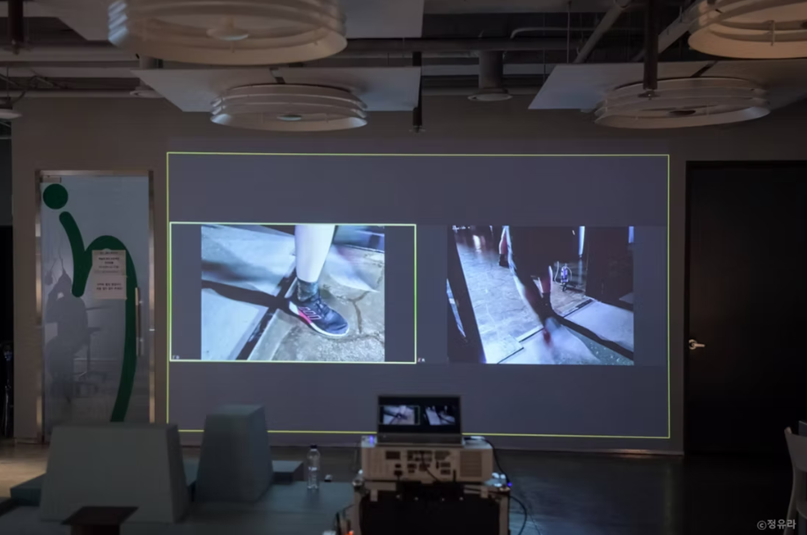
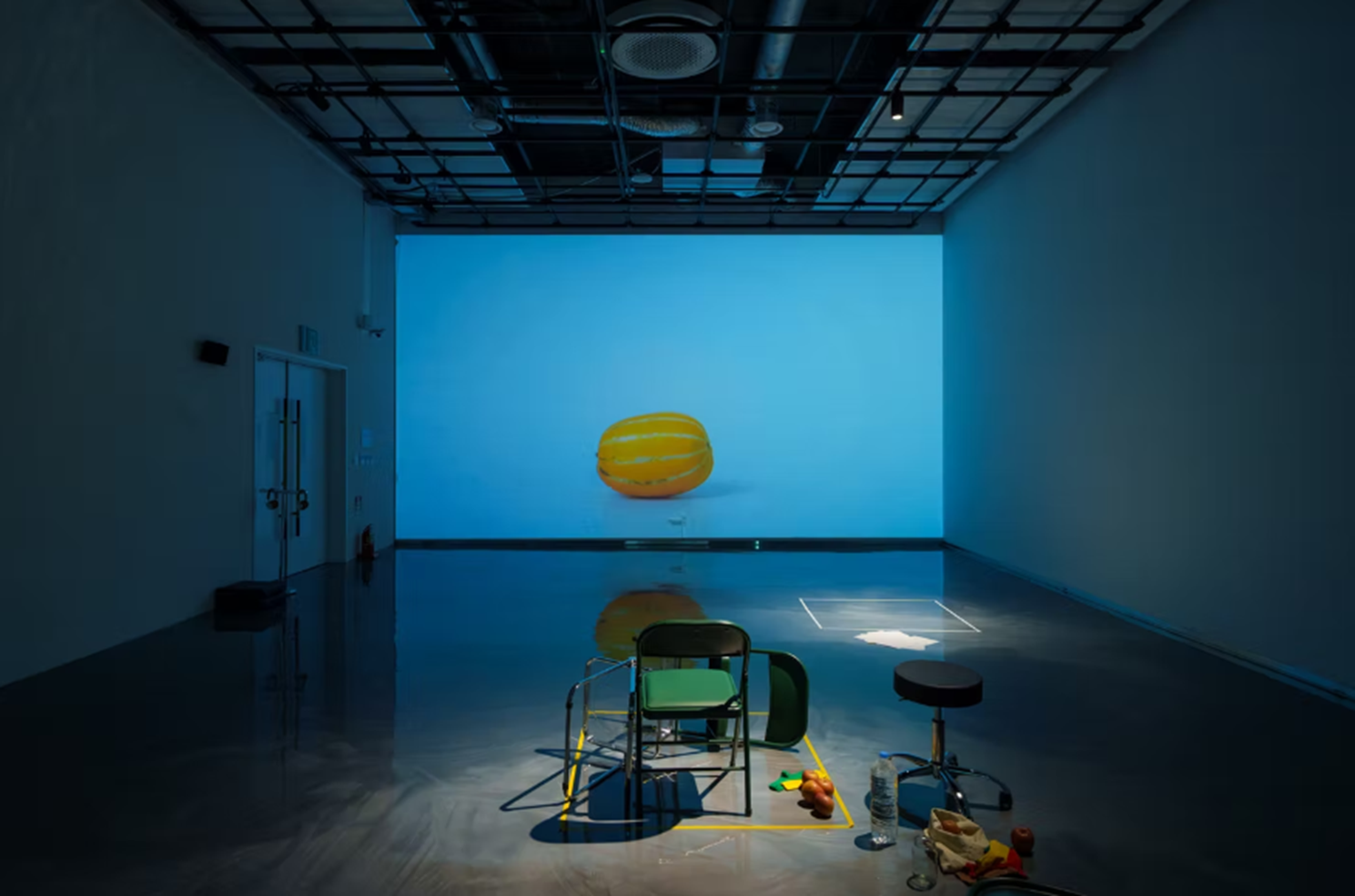
Suhwa Kim, Afterbody,
2024 © Suhwa Kim
The "Afterbody" is the
rear fuselage of a fighter jet or aircraft, controlling its direction and
balance. The word itself can be interpreted as "afterbody"; "after-body,"
"temporally finished or future body," "after-existence."
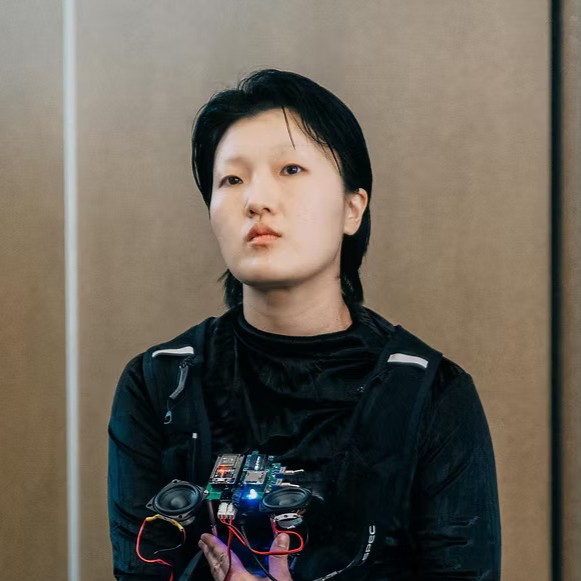
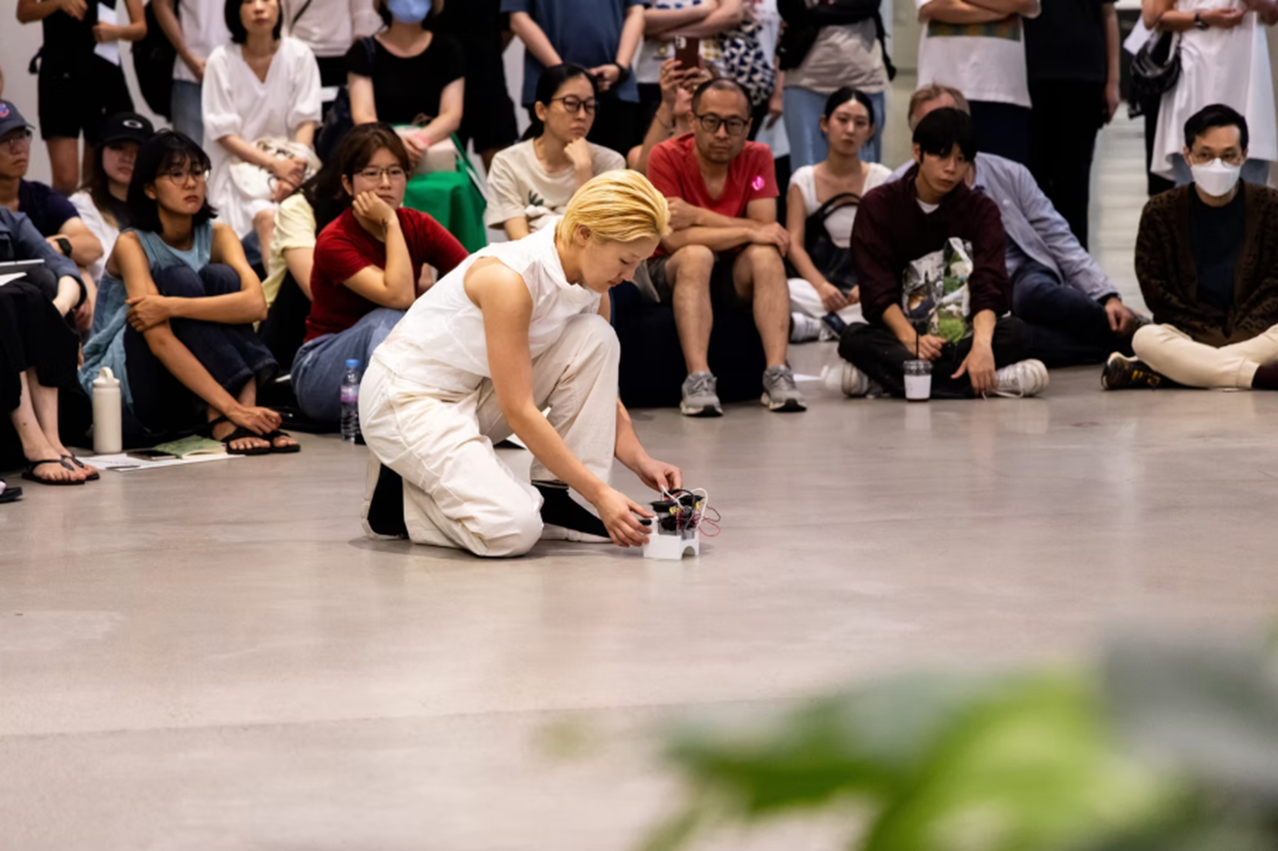
The performance stage features a small router that generates a specific Wi-Fi
signal and a sensor that detects it and plays pre-recorded sounds.
The random
sound compositions that erupt at unpredictable times according to the signal
strength represent the real-time changing stage environment. This is because
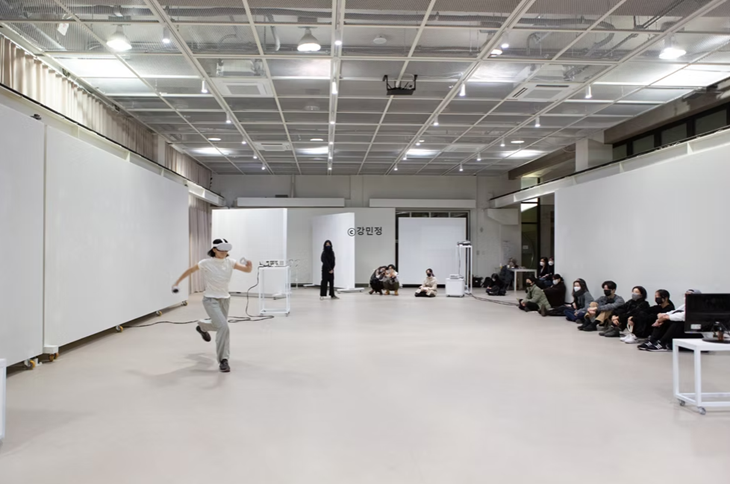
the positions and postures of all bodies in the performance hall, architectural
elements like concrete and glass walls, and natural environmental factors like
light, temperature, and humidity all contribute to the holistic variation in
signal strength.
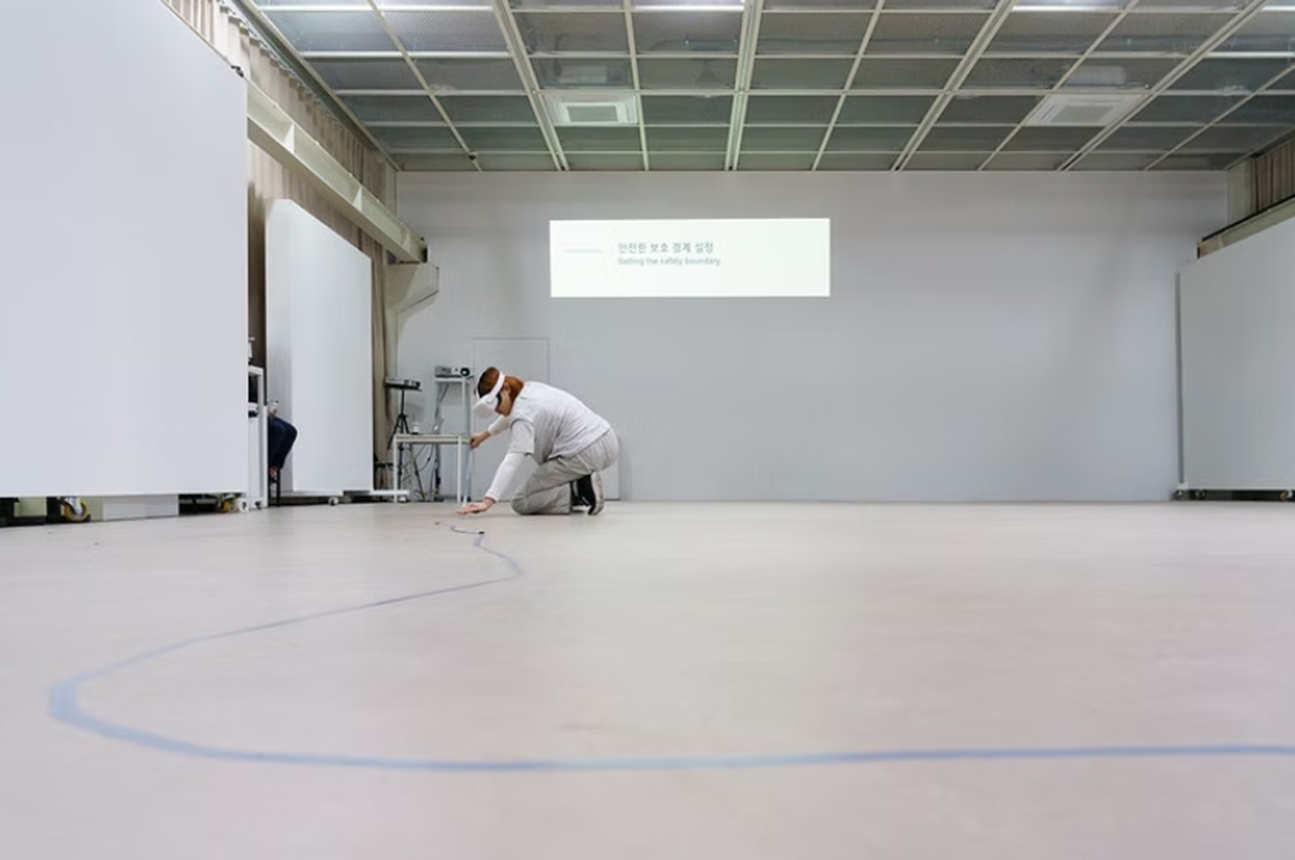
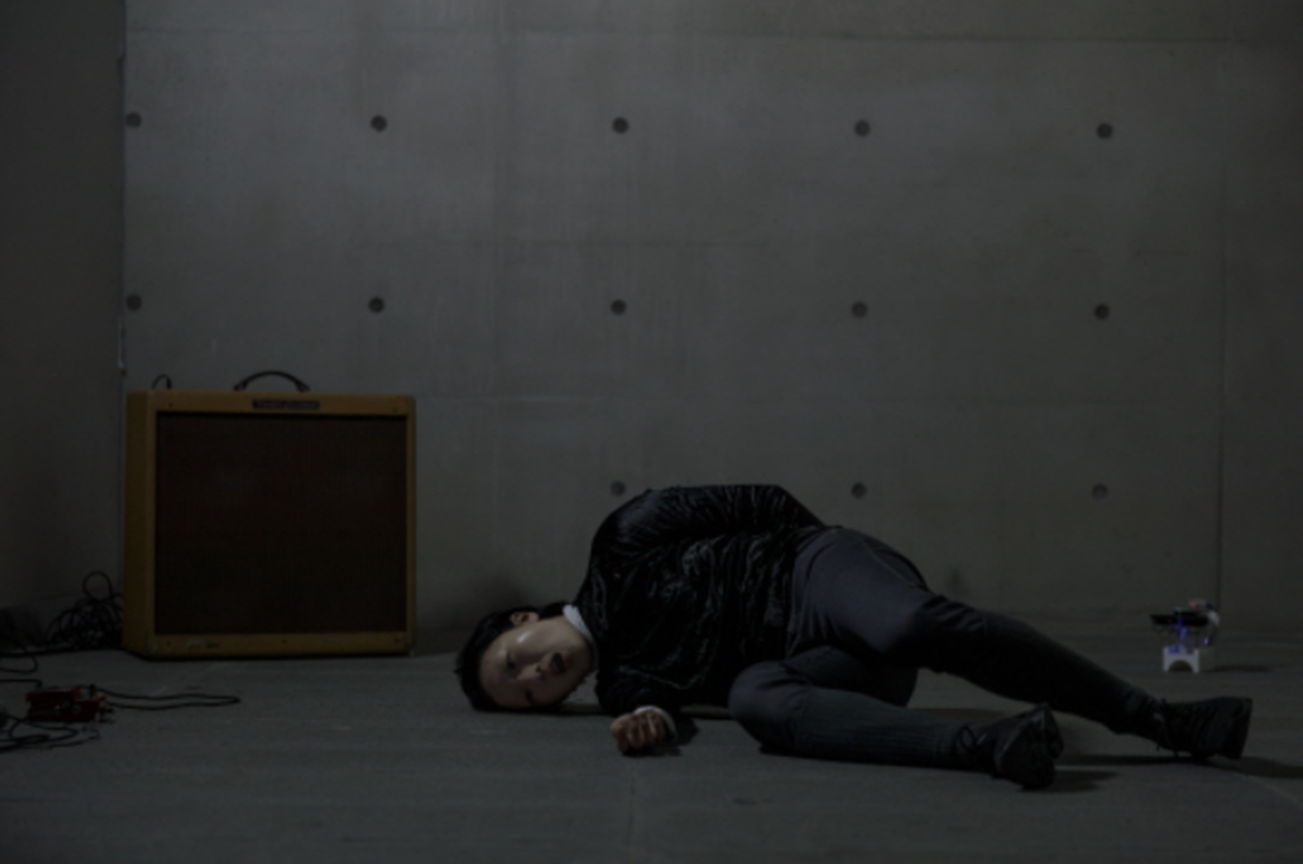 Suhwa Kim, Afterbody,
2024 © Suhwa Kim
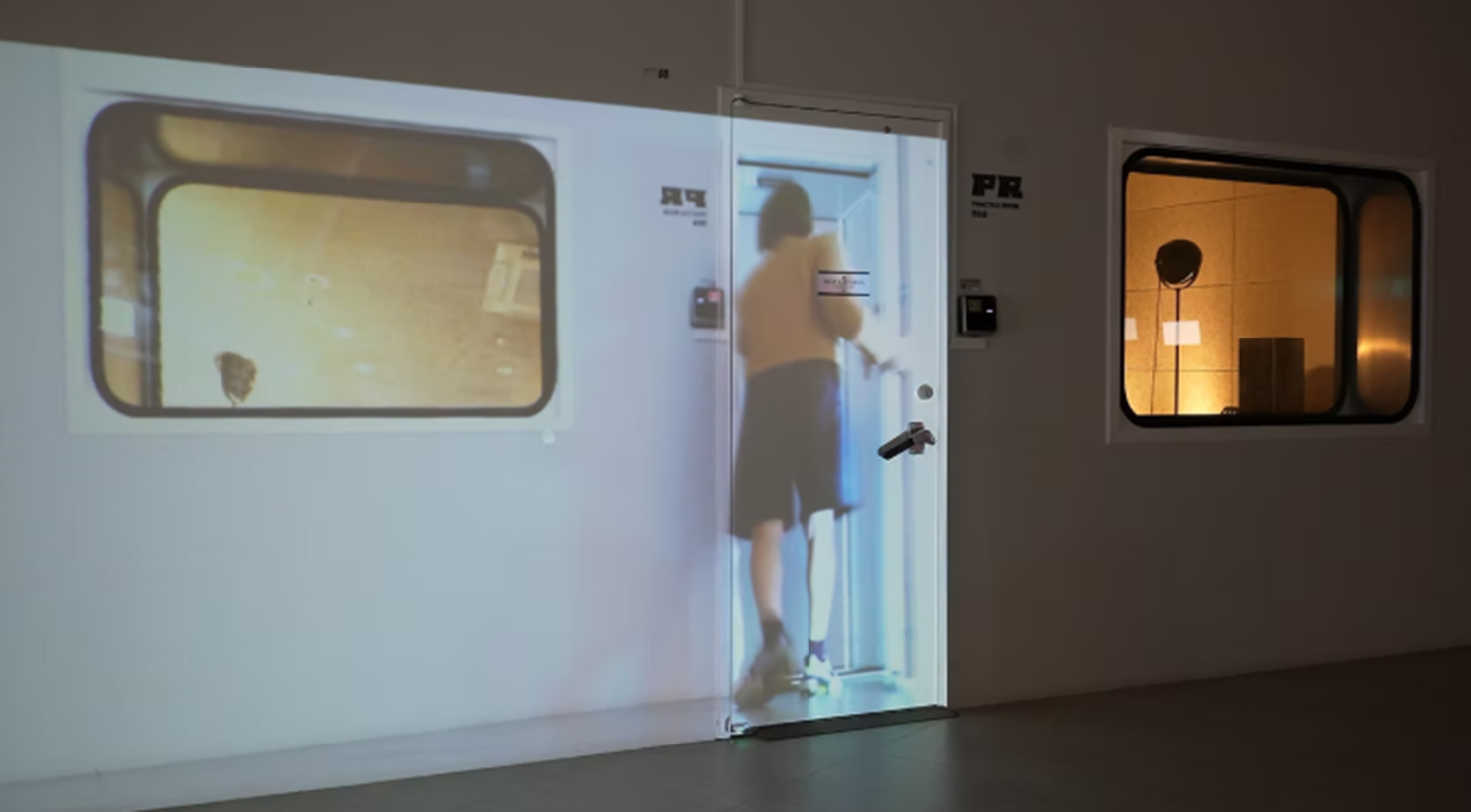
Suhwa Kim, Afterbody,
2024 © Suhwa Kim
The performer intervenes in,
contemplates, and resonates with invisible signals, attempting to become a body
of control and conditions. However, the more they try, the more the intentions
and outcomes become ambiguous, prompting questions about the very act of
striving itself.
The accessibility of information is abundant, and we are more
easily connected than ever before. But how is it that we so quickly come to
believe in things we cannot sense? And just as quickly, how can we forget them?
Rather than seeking certainty, I
yearn to become a body that revels in unpredictability and embraces the ability
to lose my way. Can I become a body that gazes into the dense void, drifts in
new directions rather than forward, and resonates with scattered vibrations?