





Solo Exhibitions (Brief)
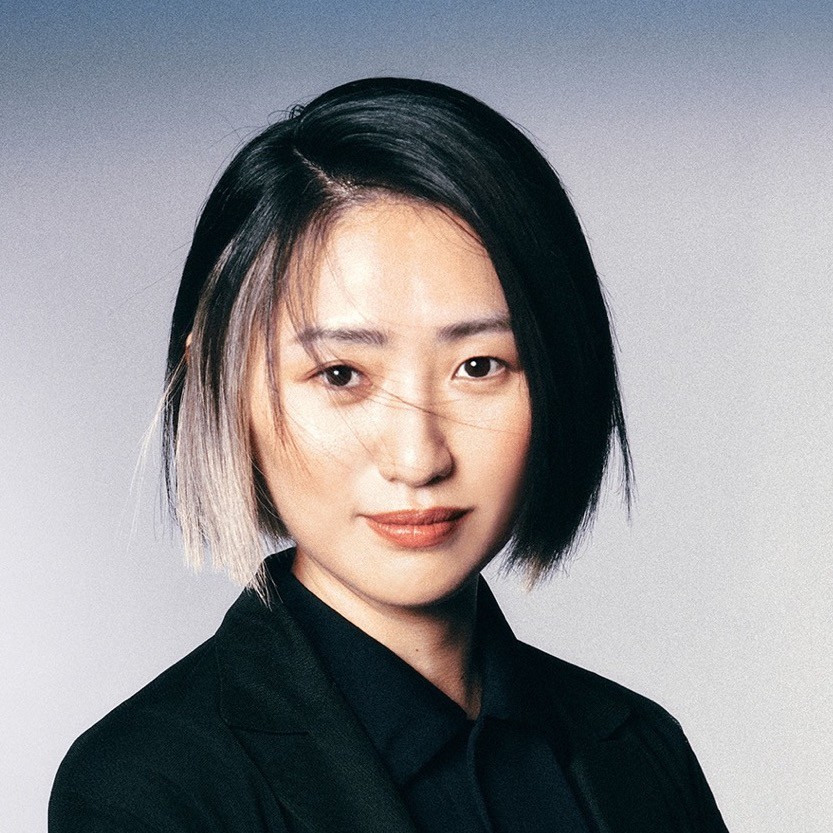
Yaloo’s
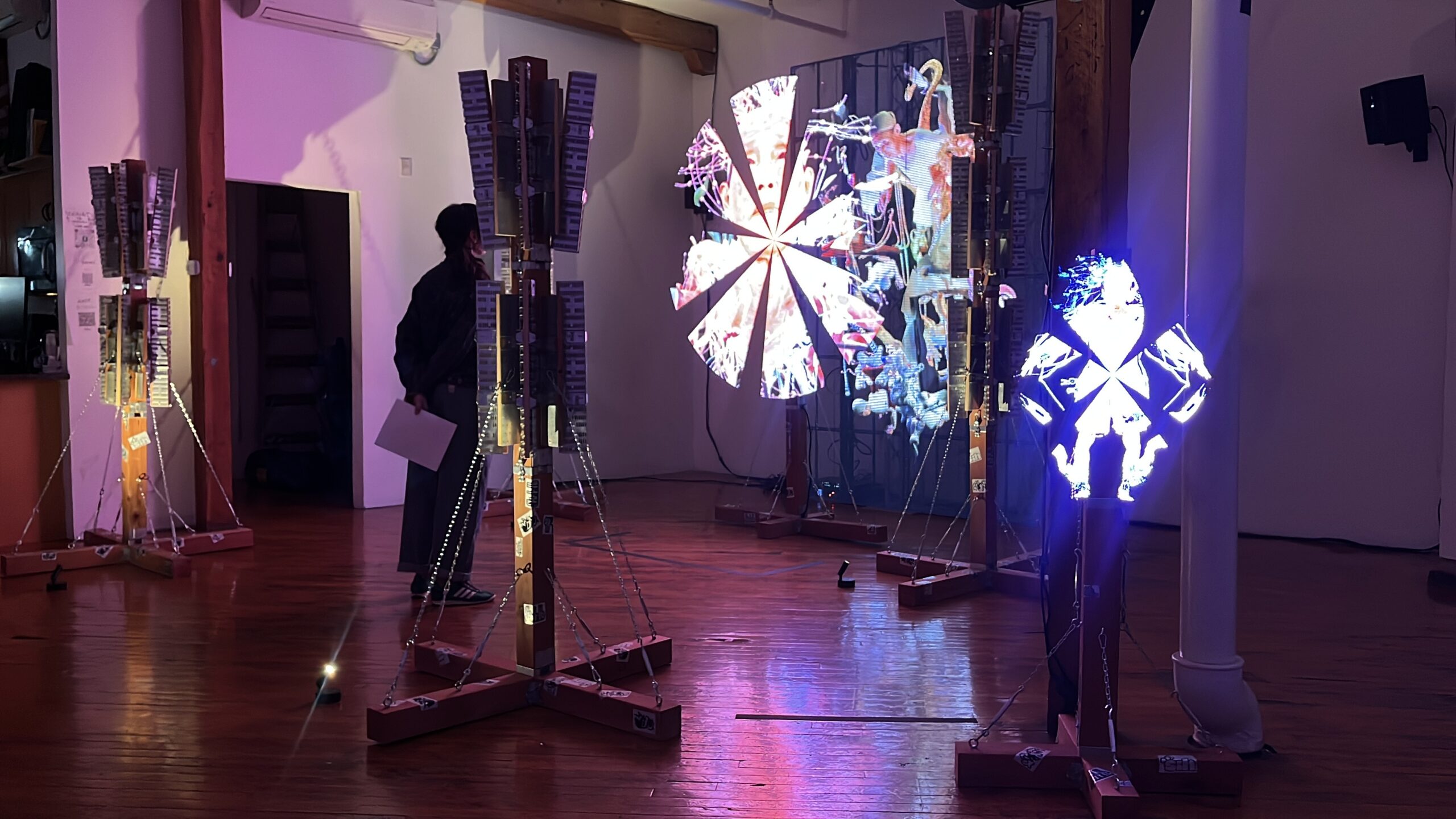
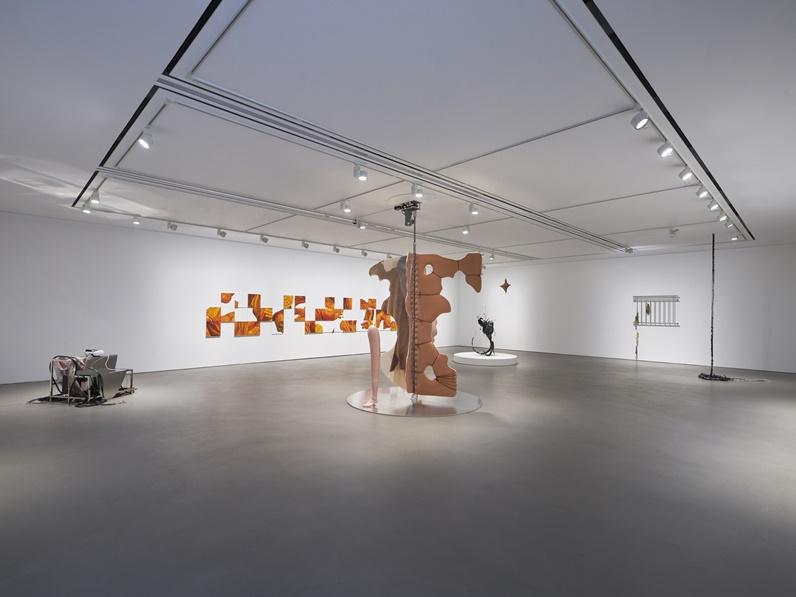
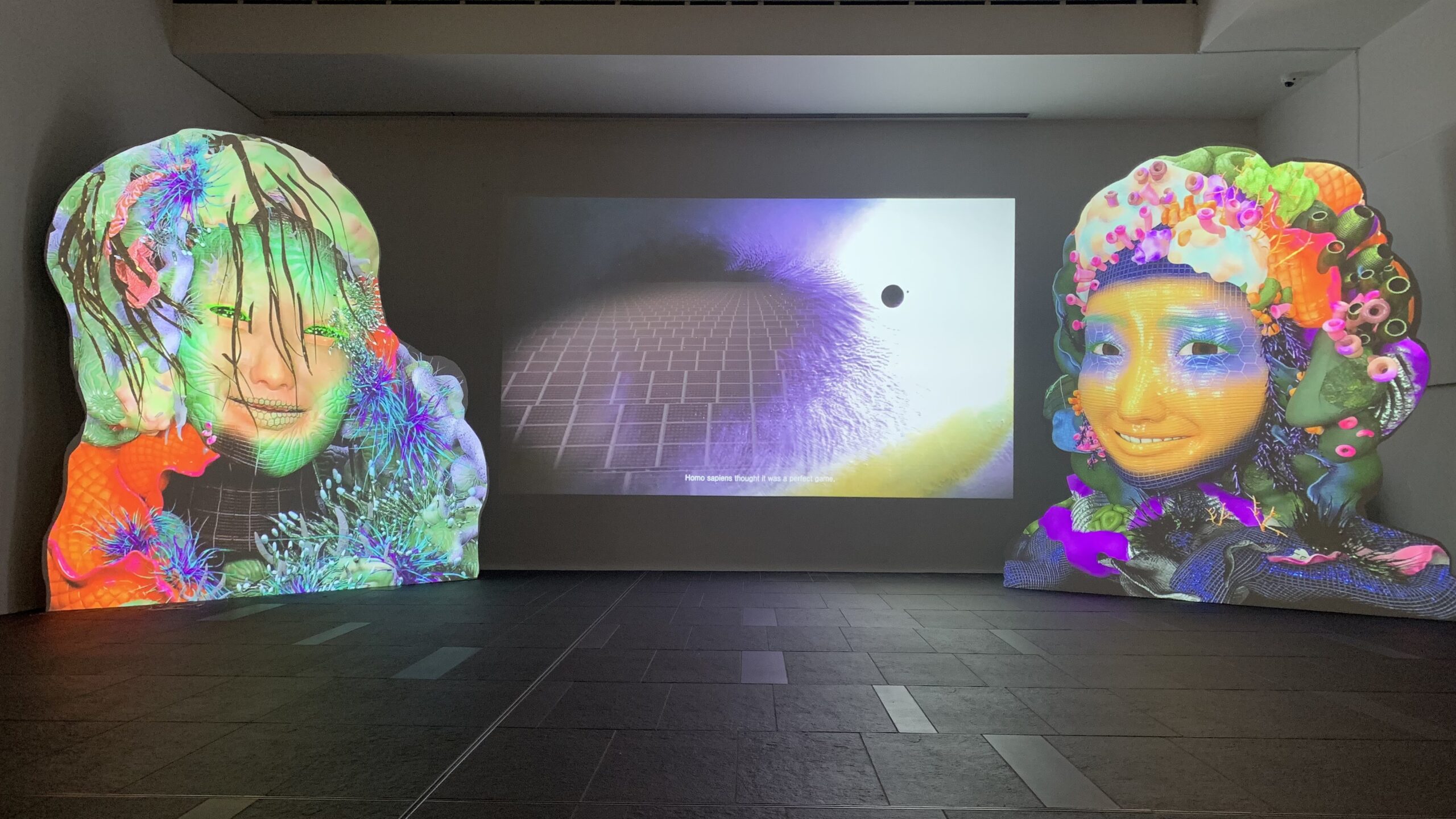
solo exhibitions include 《Shininho Docking》 (RIP Space, Los Angeles,
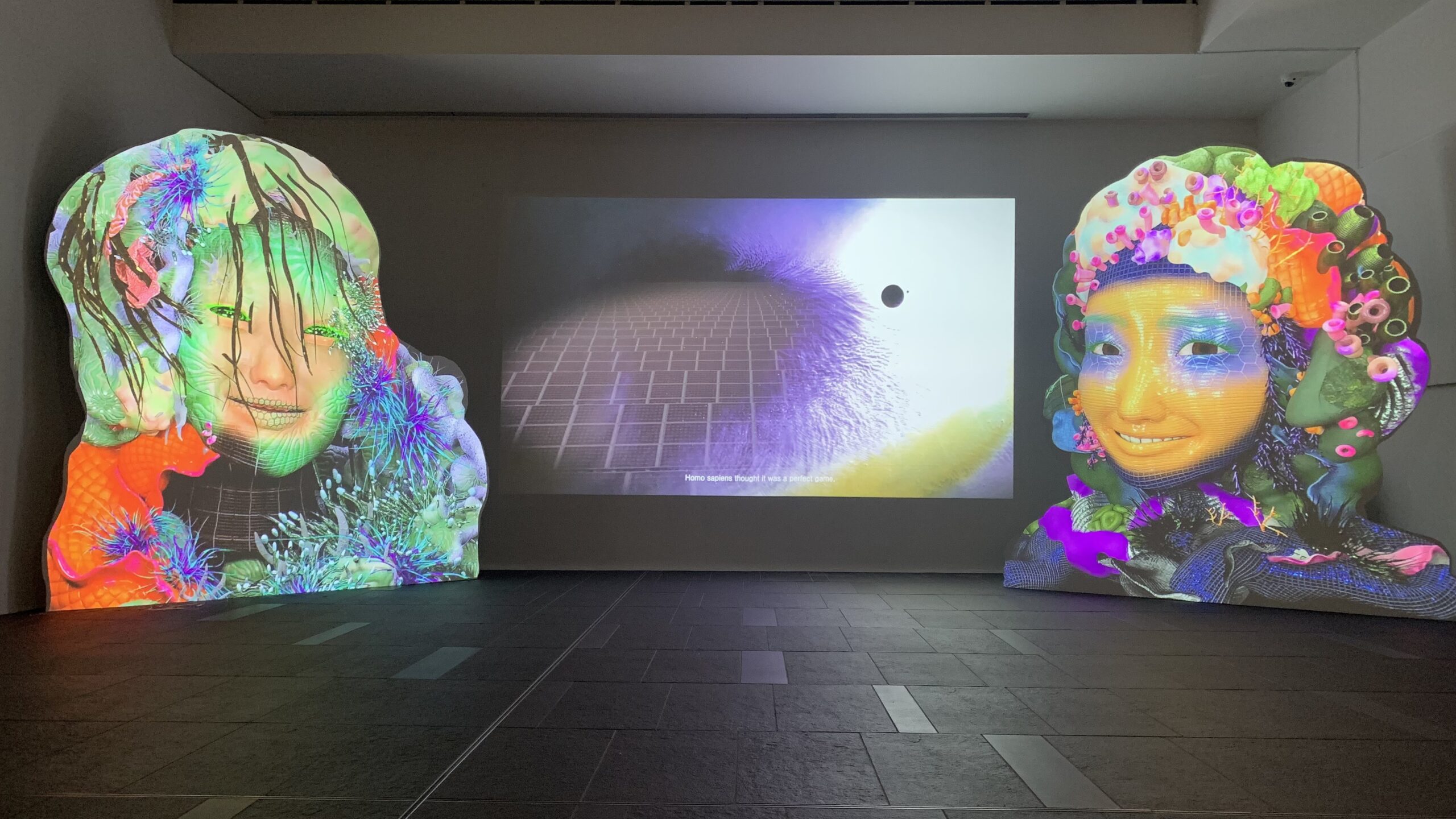
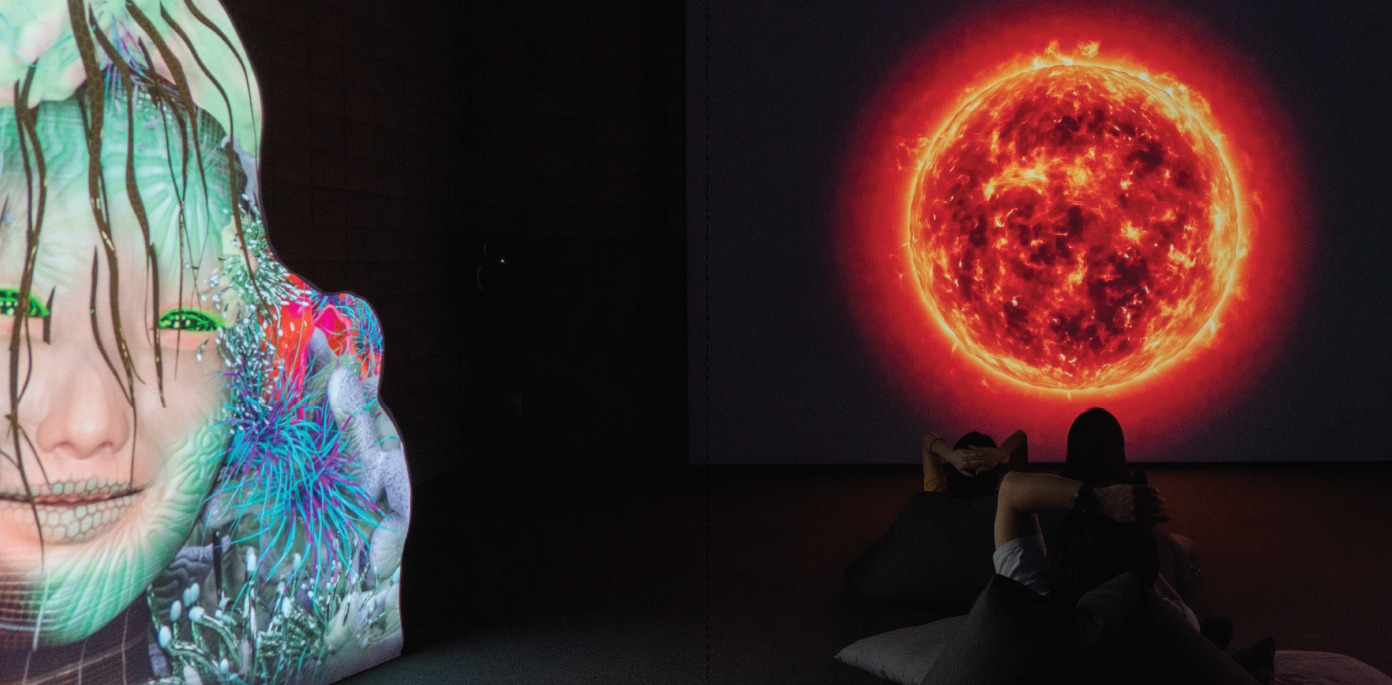
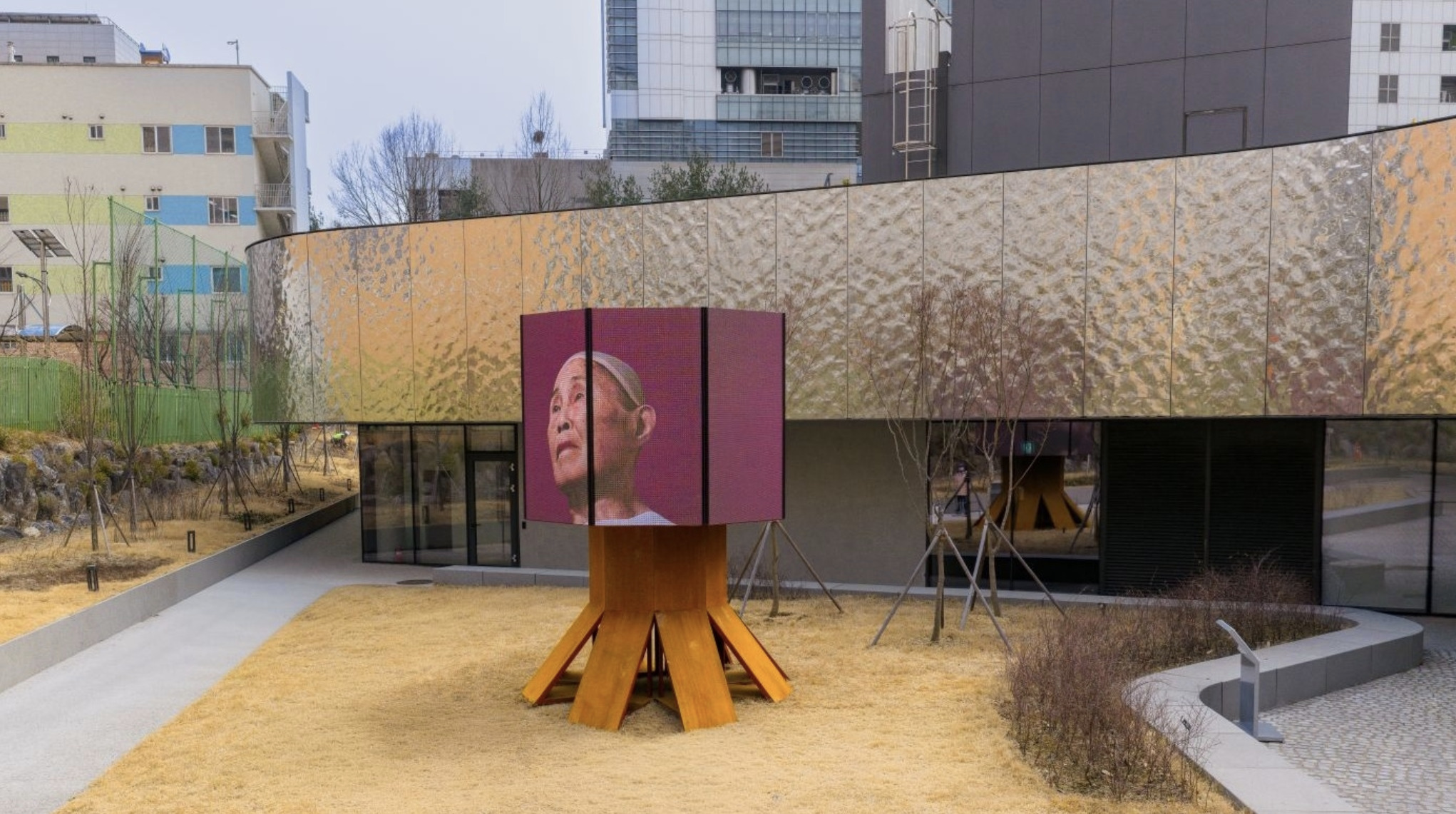
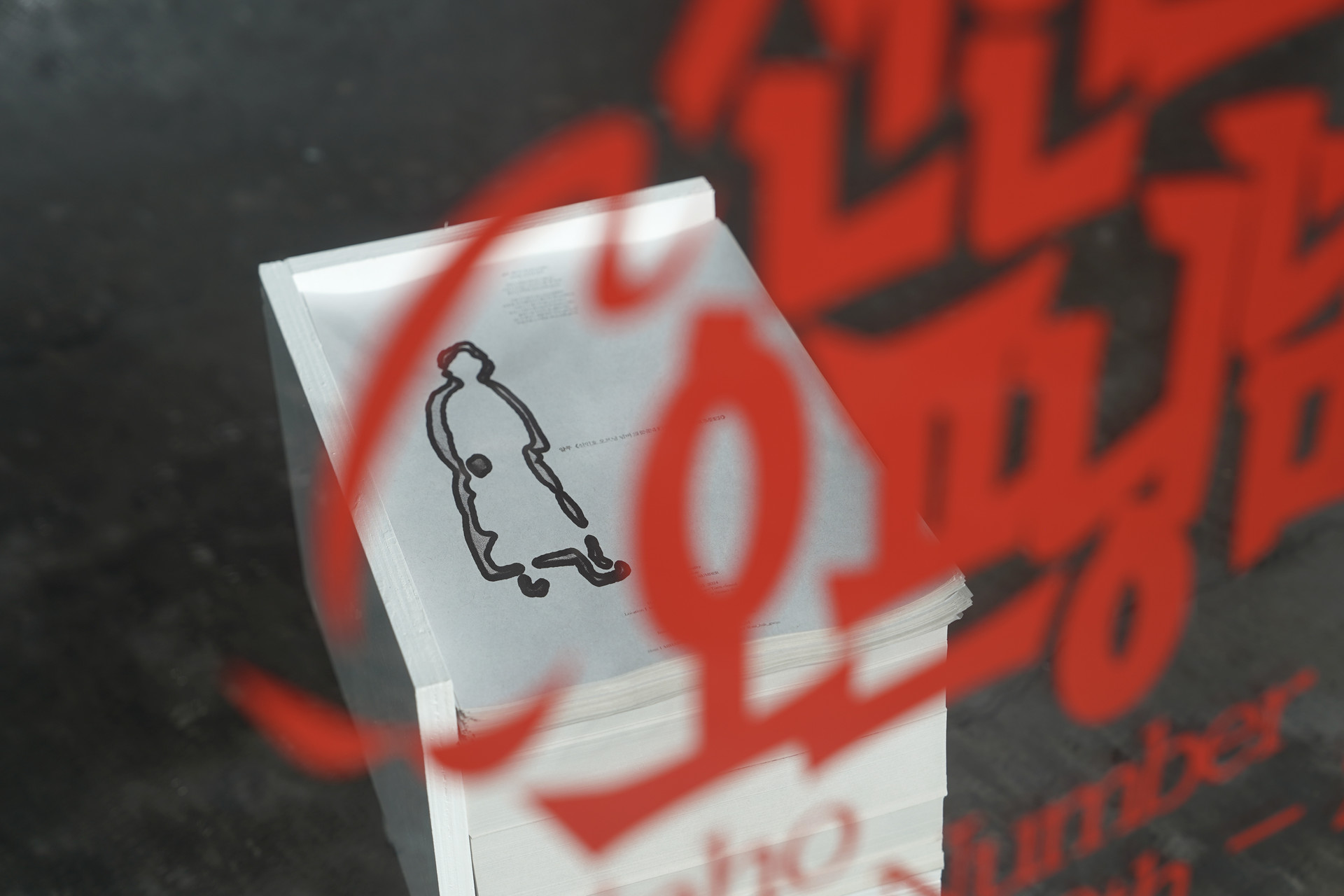
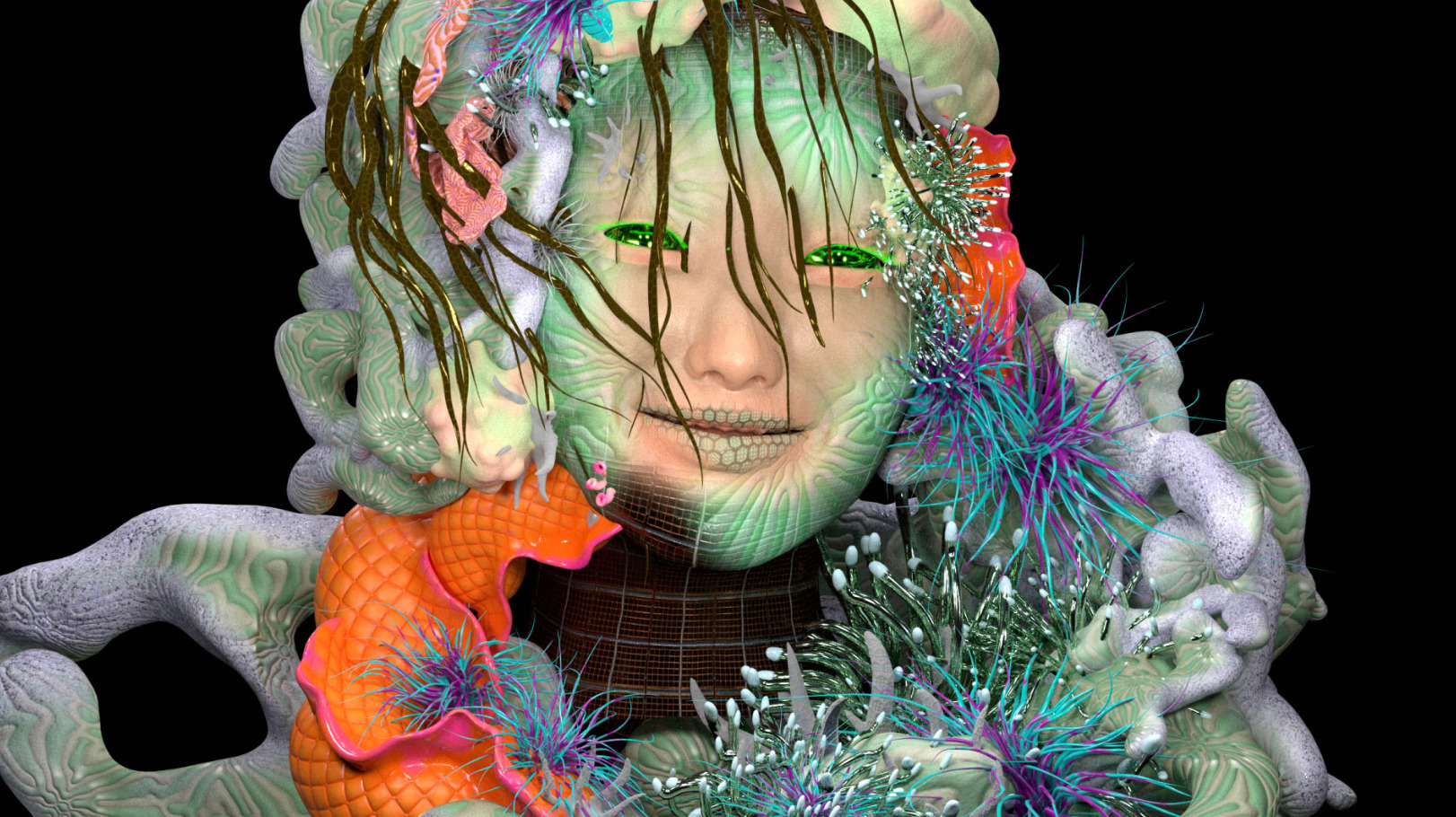
USA, 2025), 《Shininho Opening Number》 (Mihakgwan, Seoul, 2024), 《Yaloo》 (Gyeonggi Museum of Modern Art, Ansan, South Korea, 2024), 《Wicked Ocean》 (Elektra Gallery, Montreal,
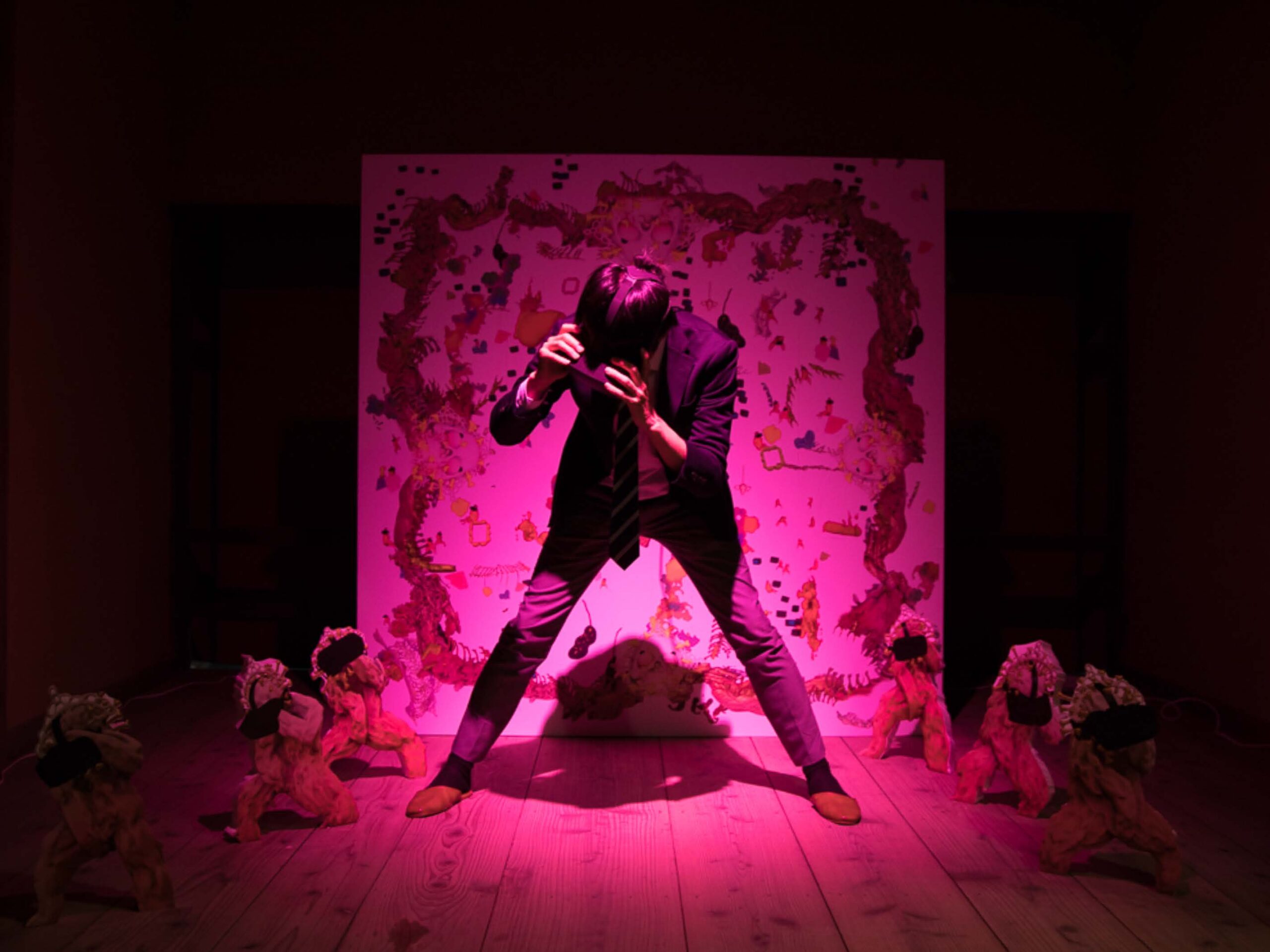
Canada, 2023), and 《Homo Paulinella the Lab: Don’t You
Cry, Dear Zarathustra》 (Platform-L, Seoul, 2020).
Group Exhibitions (Brief)
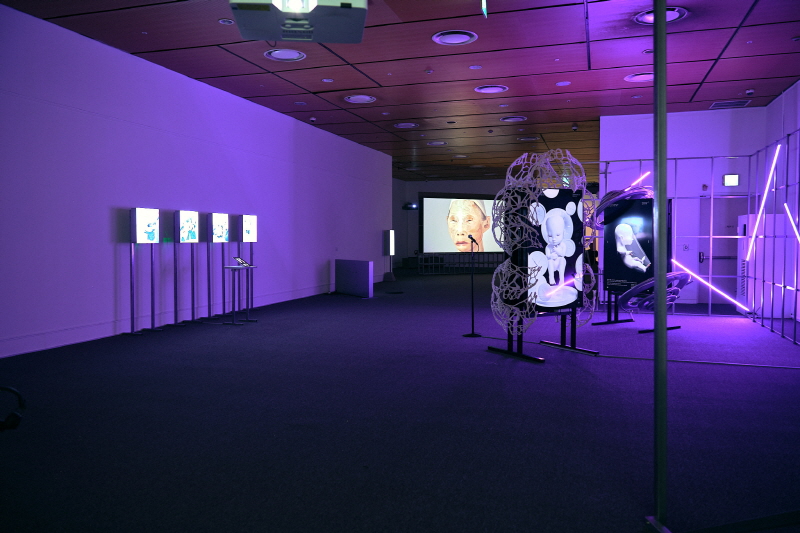
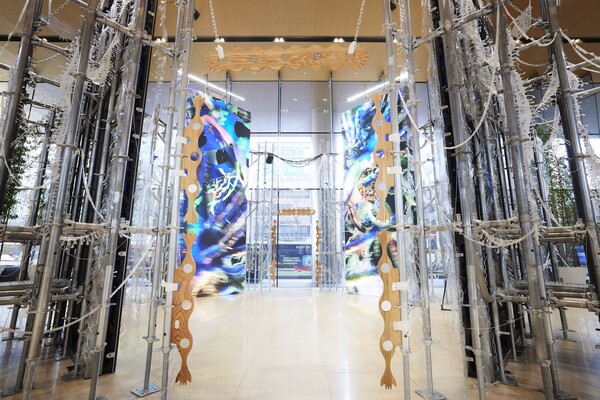
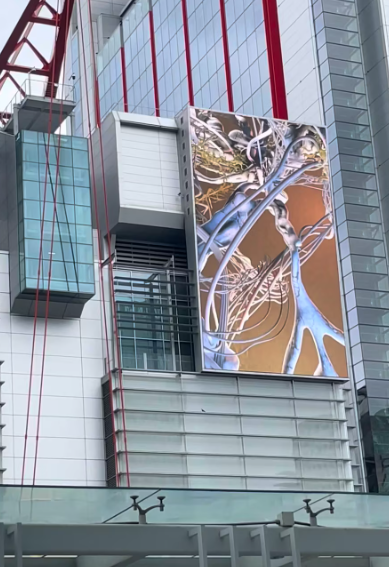
Yaloo has also participated in numerous group exhibitions, including 《The 24th SONGEUN Art Award Exhibition》 (SONGEUN, Seoul, 2024), 《Positive Feedback》 (Gallery BHAK, Seoul, 2024), Future Media Festival (Taiwan Contemporary Culture Lab (C- Lab), Taipei, Taiwan, 2024), 《City of Gaia》 (Asia Culture Center, Gwangju, 2023), and the 《DOOSAN Art Lab Exhibition 2023》 (DOOSAN Gallery, Seoul, 2023).
Awards (Selected)
Yaloo’s awards include the GMoMA & IBK
Young Artists Awards (2024) and the 1st H/ART AveNEW New Media Art competition
(2023).
Residencies (Selected)
Yaloo has also participated as a resident artist at 836M (San Francisco, USA, 2024), Pier 2 (Kaohsiung, Taiwan, 2024), Hyundai Motors’ ZER0NE (Seoul, 2022), and the Asia Culture Center’s Creators in Lab (Gwangju, 2019).
Collections (Selected)
Yaloo’s works are included in the collections
of the Gyeonggi Museum of Modern Art.