





Solo Exhibitions (Brief)
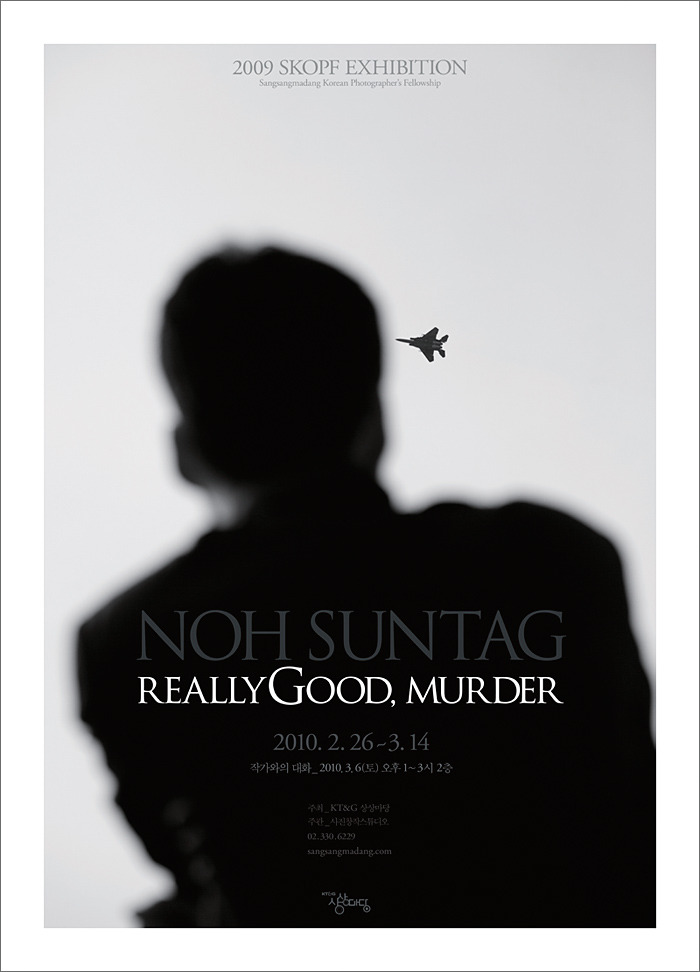
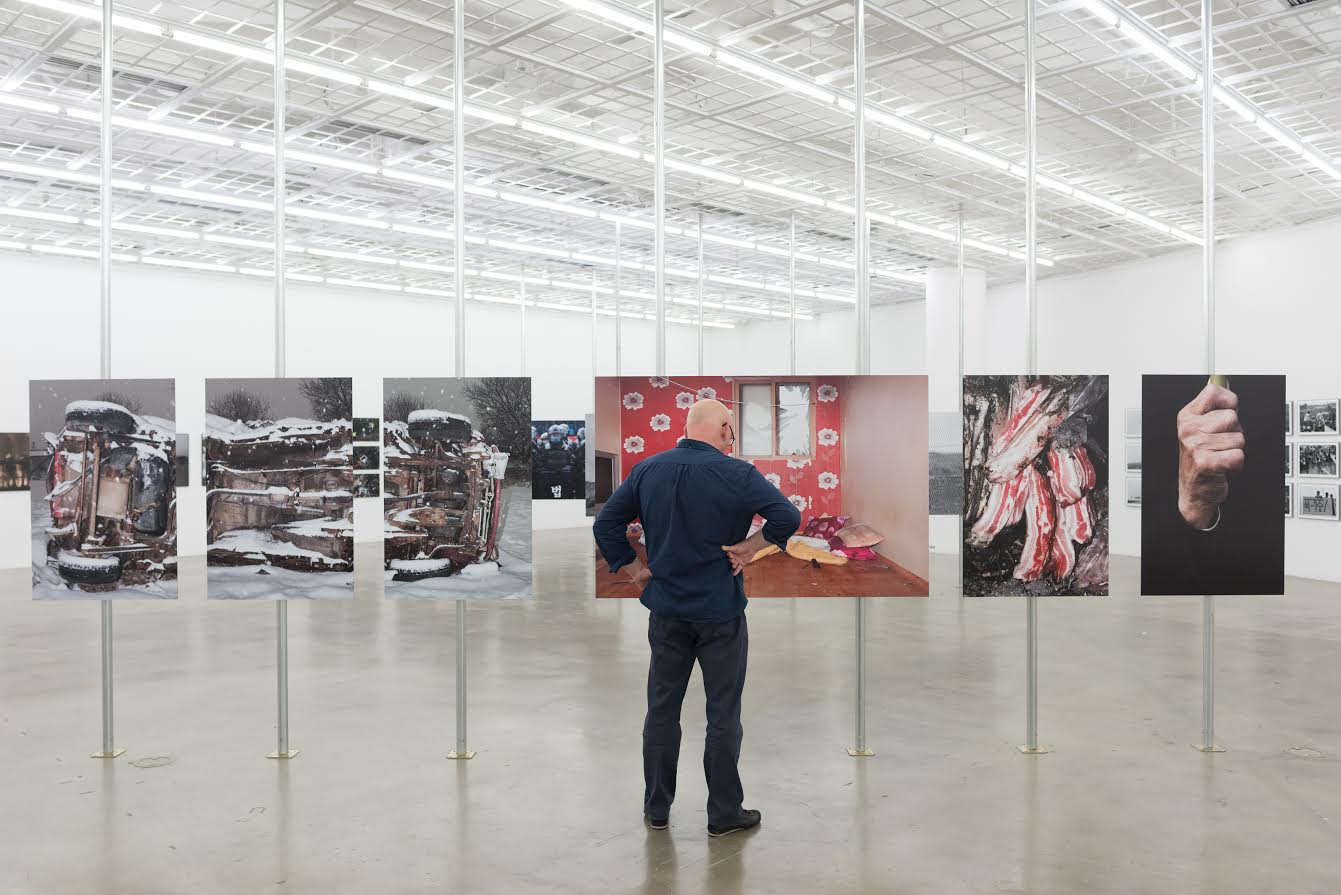
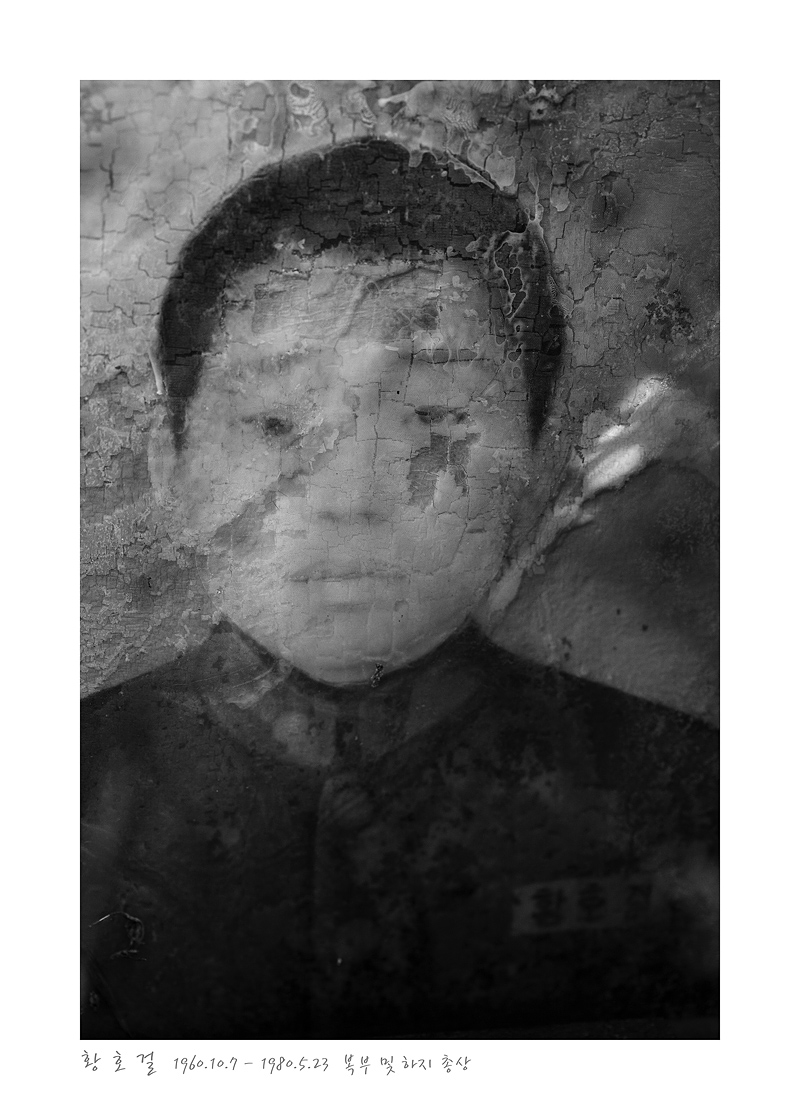
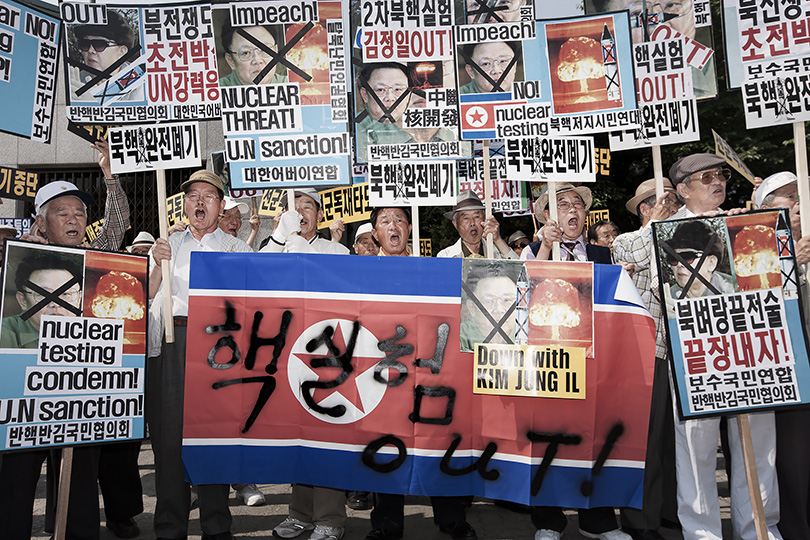
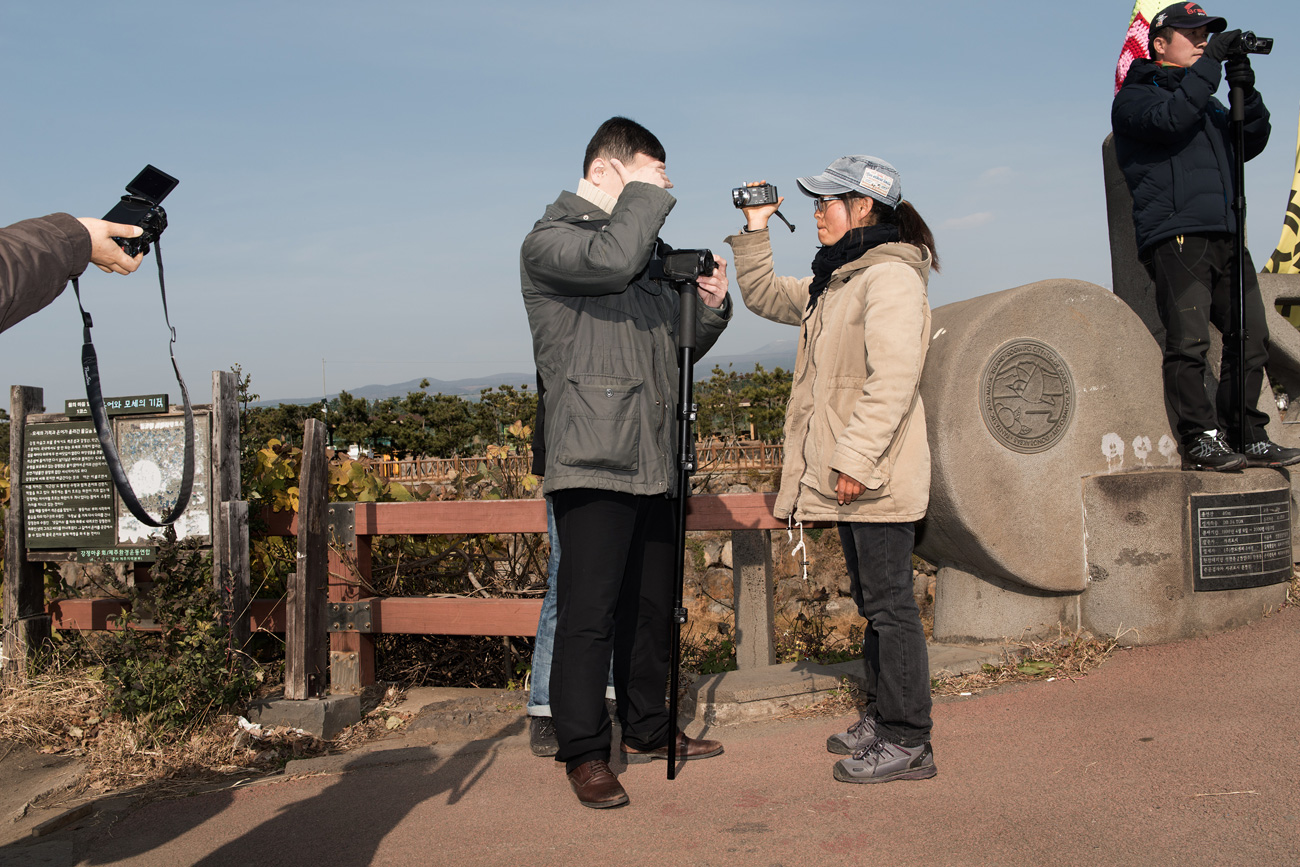
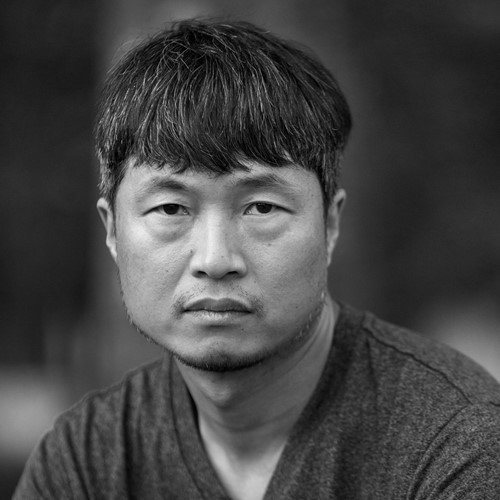
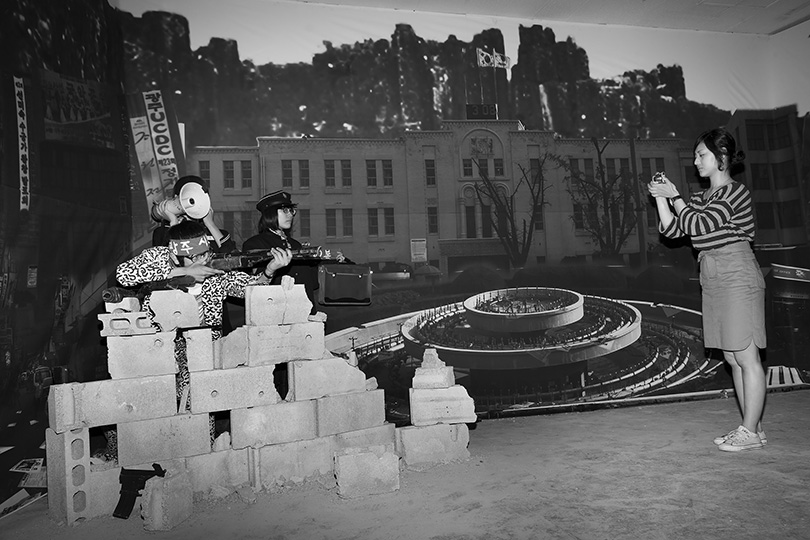
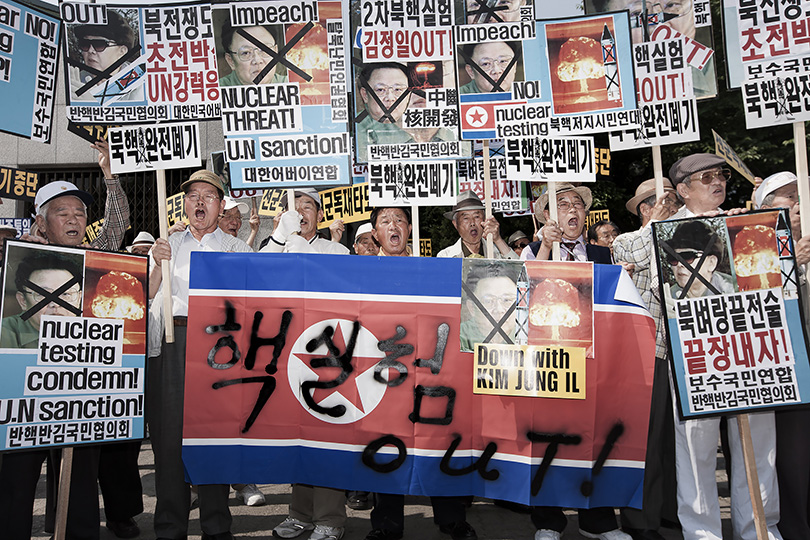
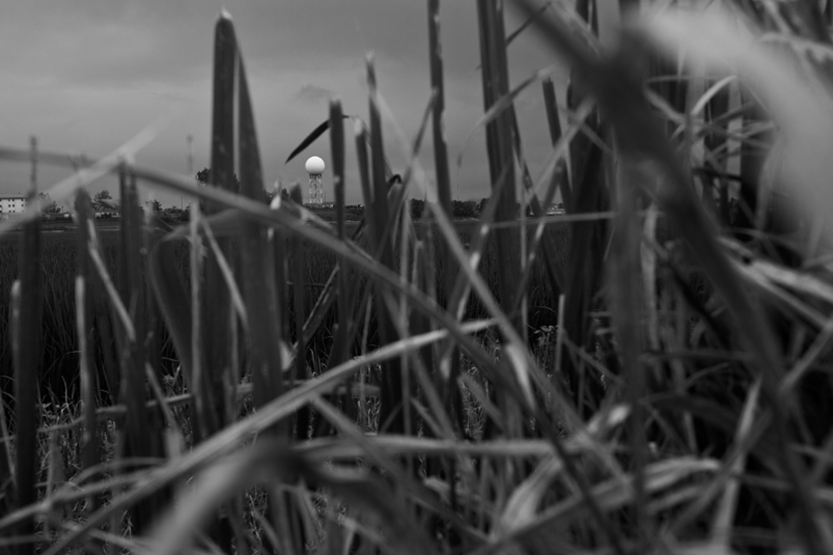
Starting as a photojournalist, Noh Suntag has held solo exhibitions at major domestic institutions, including the Art Sonje Center, the Goeun Museum of Photography, the Donggang Photo Museum, the Gwangju Museum of Art, and Hakgojae, as well as international venues in the UK, Spain, and Japan. He also has held a large-scale solo exhibition titled “State of Emergency” at the Württembergischer Kunstverein in Germany in 2008.
Group Exhibitions (Brief)
Noh has participated in group exhibitions at the National Museum of Modern and Contemporary Art, the Seoul Museum of Art, the Gyeonggi Museum of Modern Art, Atelier Hermes, the Museum of Contemporary Art in Canada, and the Kaohsiung Museum of Fine Arts.
Awards (Selected)
In 2014, he became the first photographer to receive the Korea Artist Prize award from the MMCA. In 2009, his photo book published by Hatje Cantz received the Silver Award for German Photo Book Prize in Germany. In 2012, he was awarded the 11th Dong Gang Photography Award.
Collections (Selected)
Noh Suntag’s works are included in the collections of the National Museum of Modern and Contemporary Art(Gwacheon, Korea), Seoul Museum of Art(Seoul), Daejeon Museum of Art(Daejeon, Korea), Gwangju Museum of Art(Gwangju, Korea), Daelim Museum(Seoul), The Museum of Photography(Seoul), Coreana Museum of Art(Seoul), Dong Gang Museum of Photography(Yeongwol, Korea), The May 18 Memorial Foundation(Gwangju, Korea), and the F.C. Gundlach Collection(Germany).