Landscape - K-ARTIST

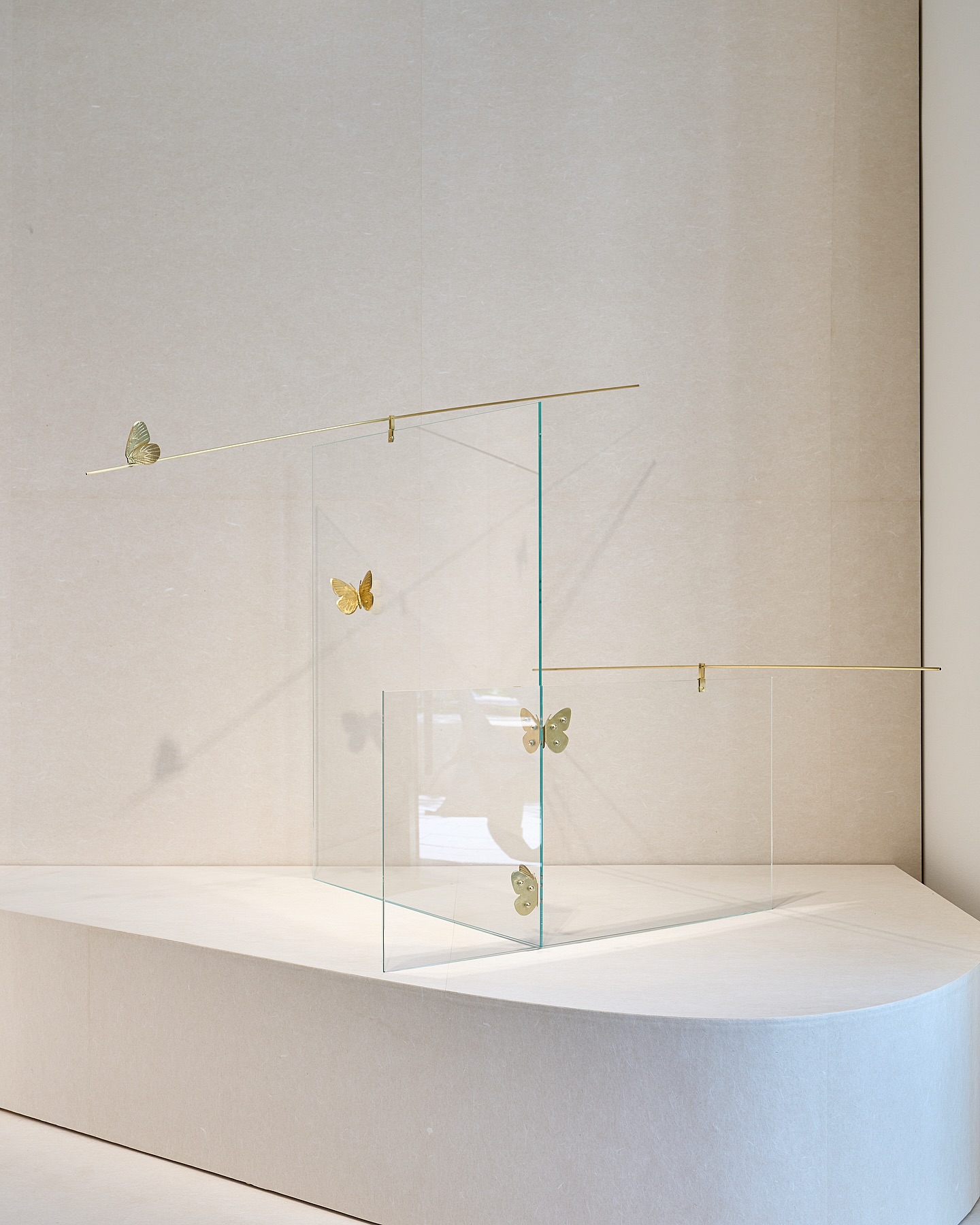
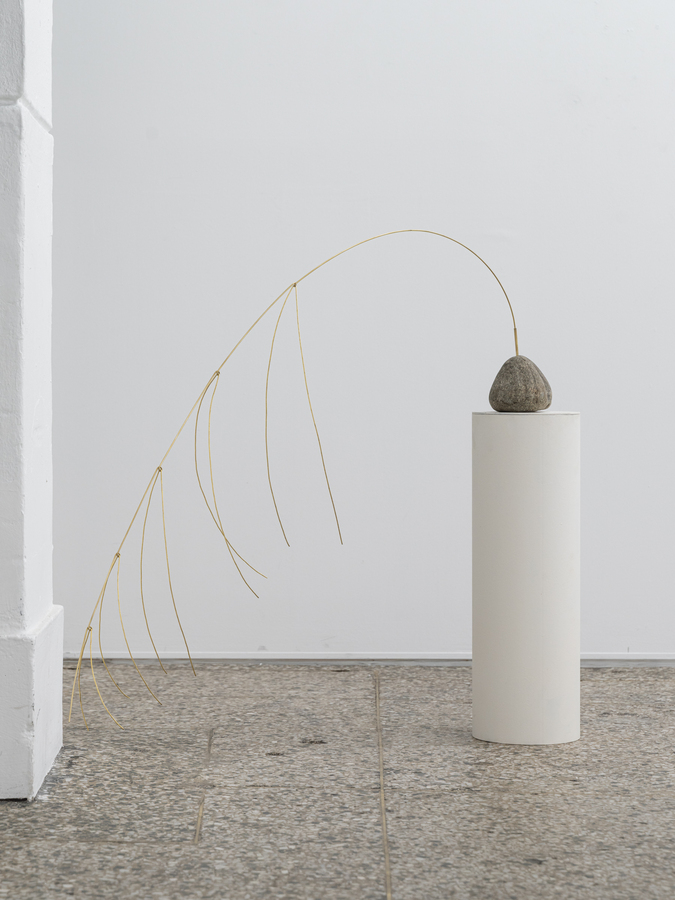
Landscape

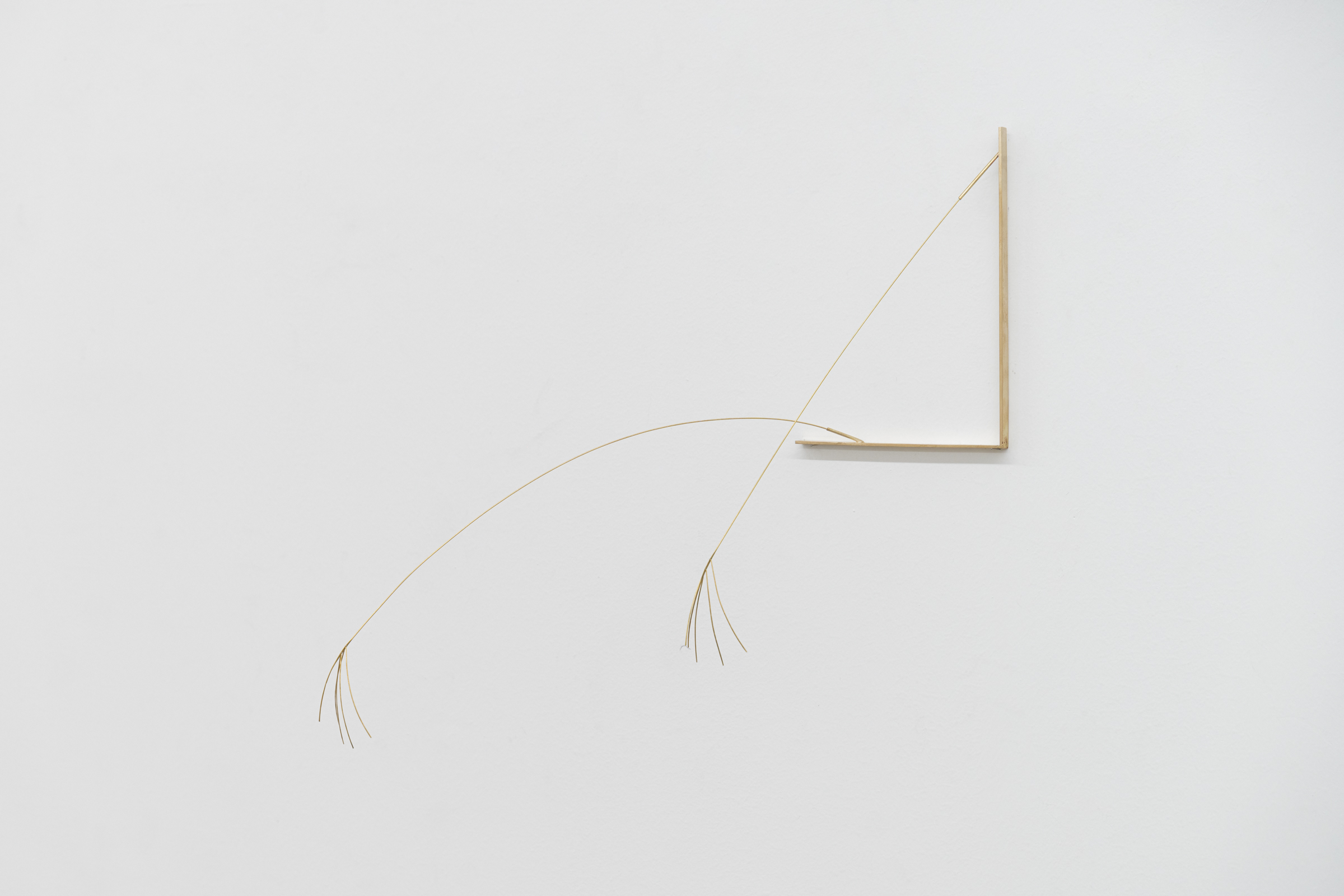
2024
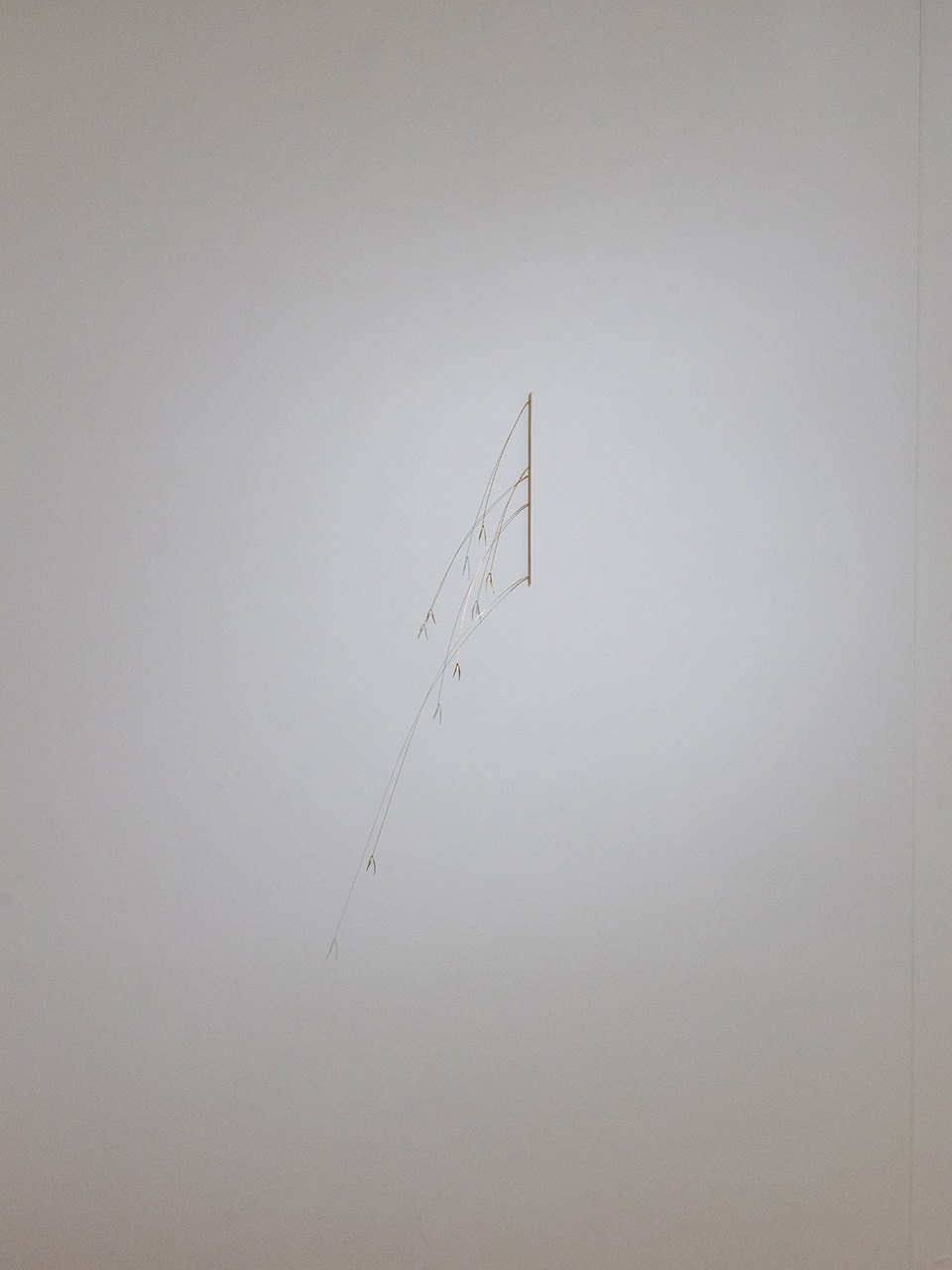
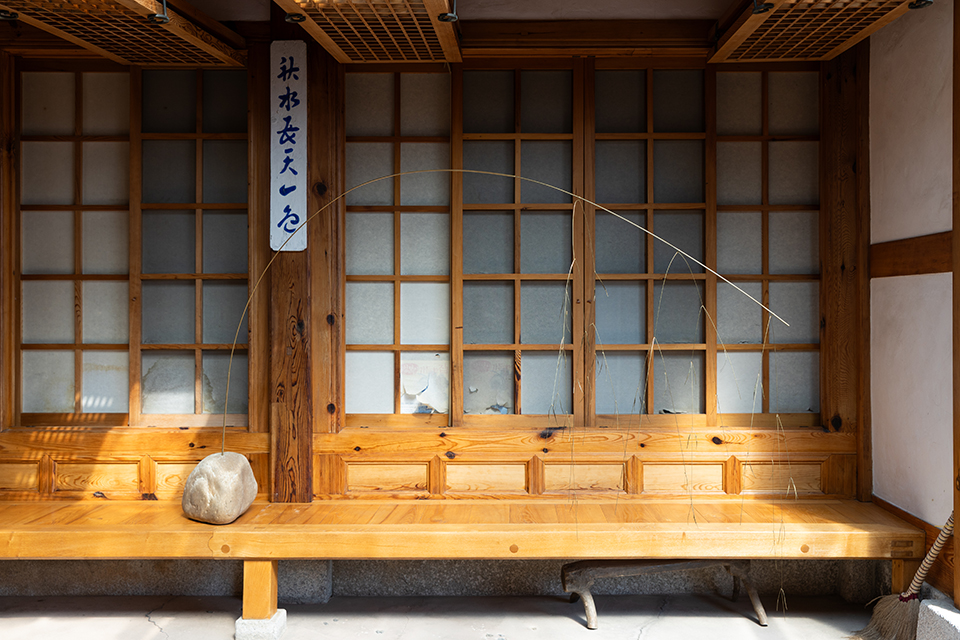
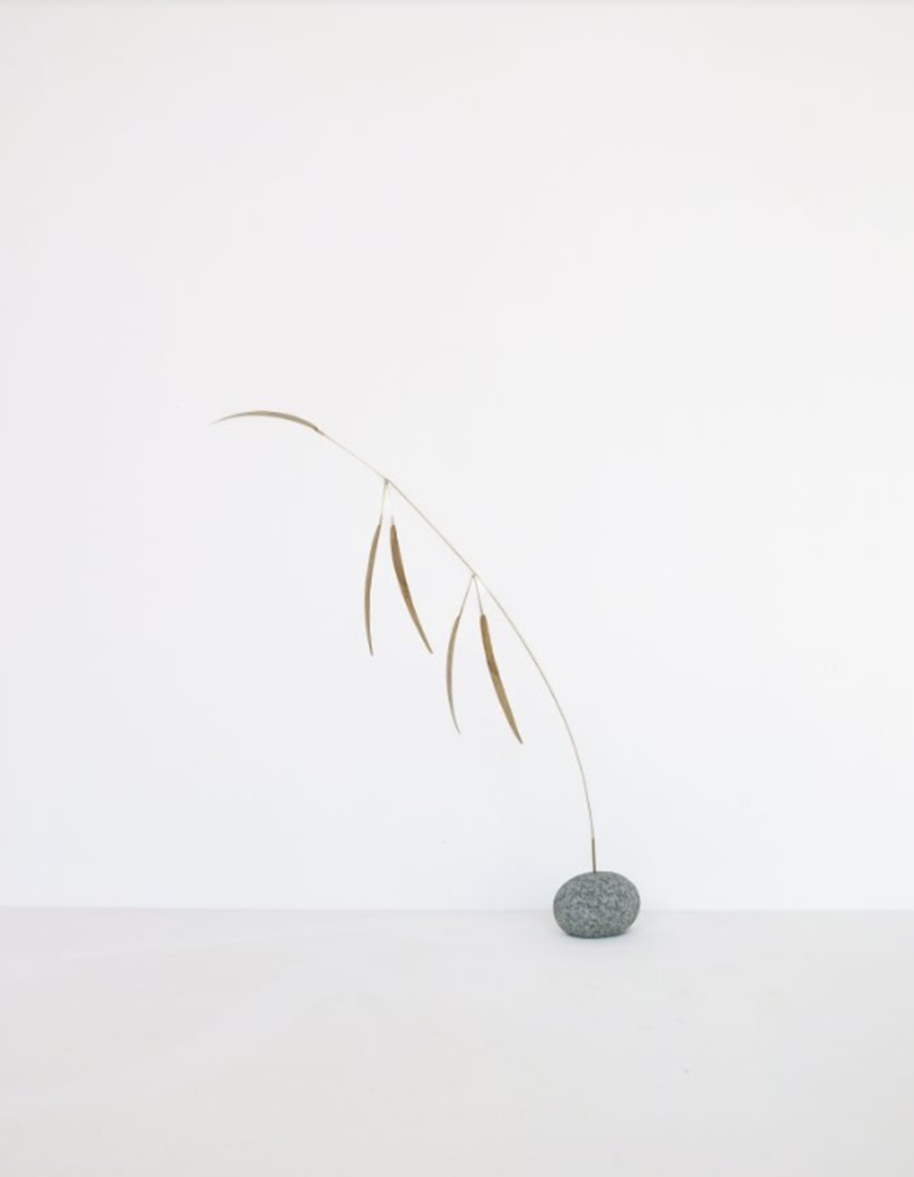
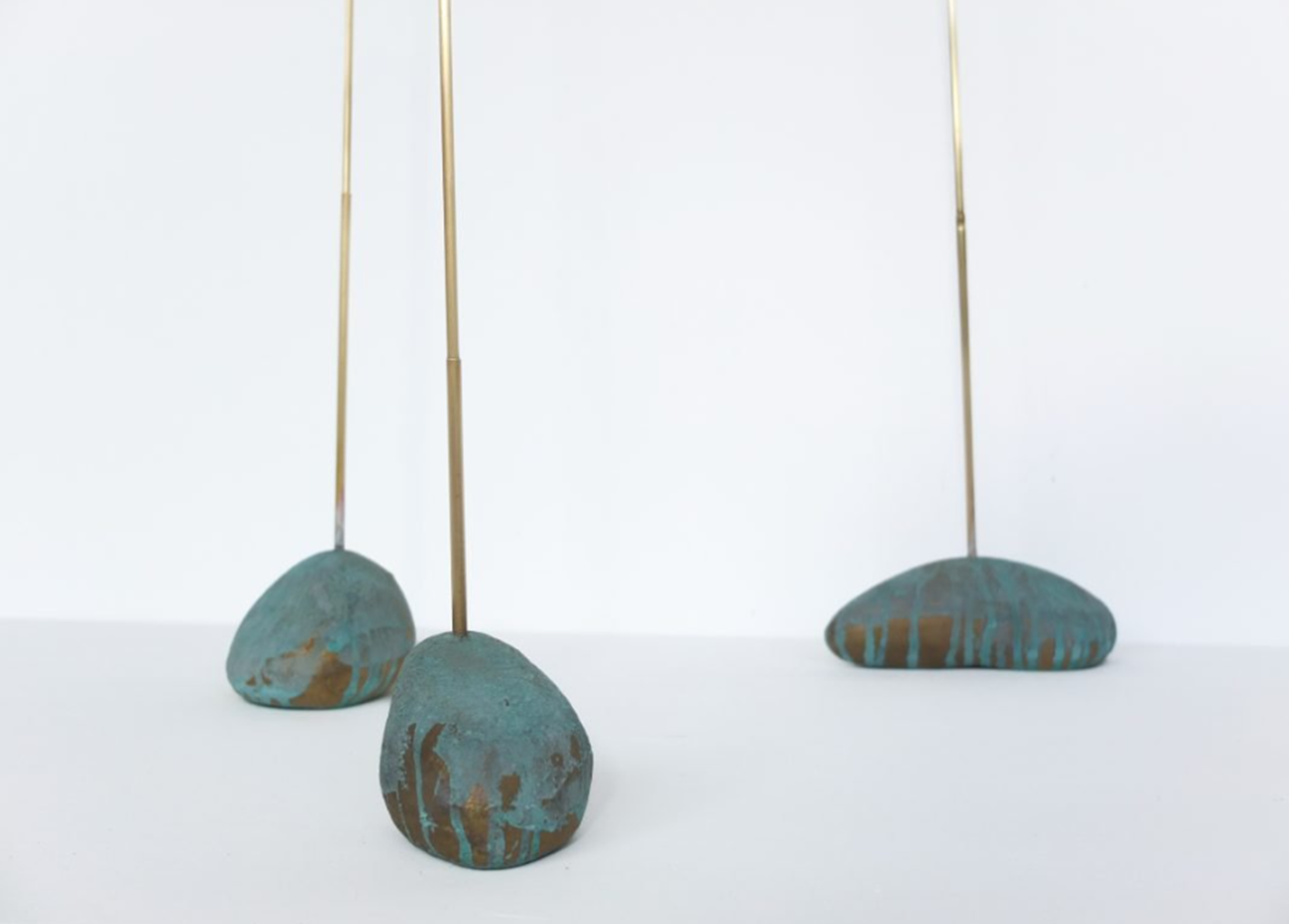
Standing mobile, brass, stone
55 x 30 x 10 cm
About The Work

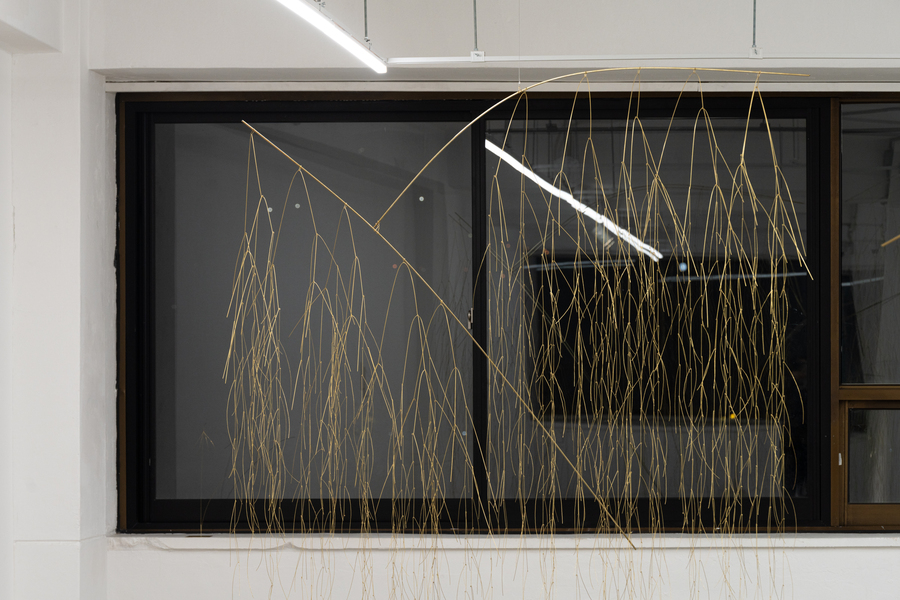
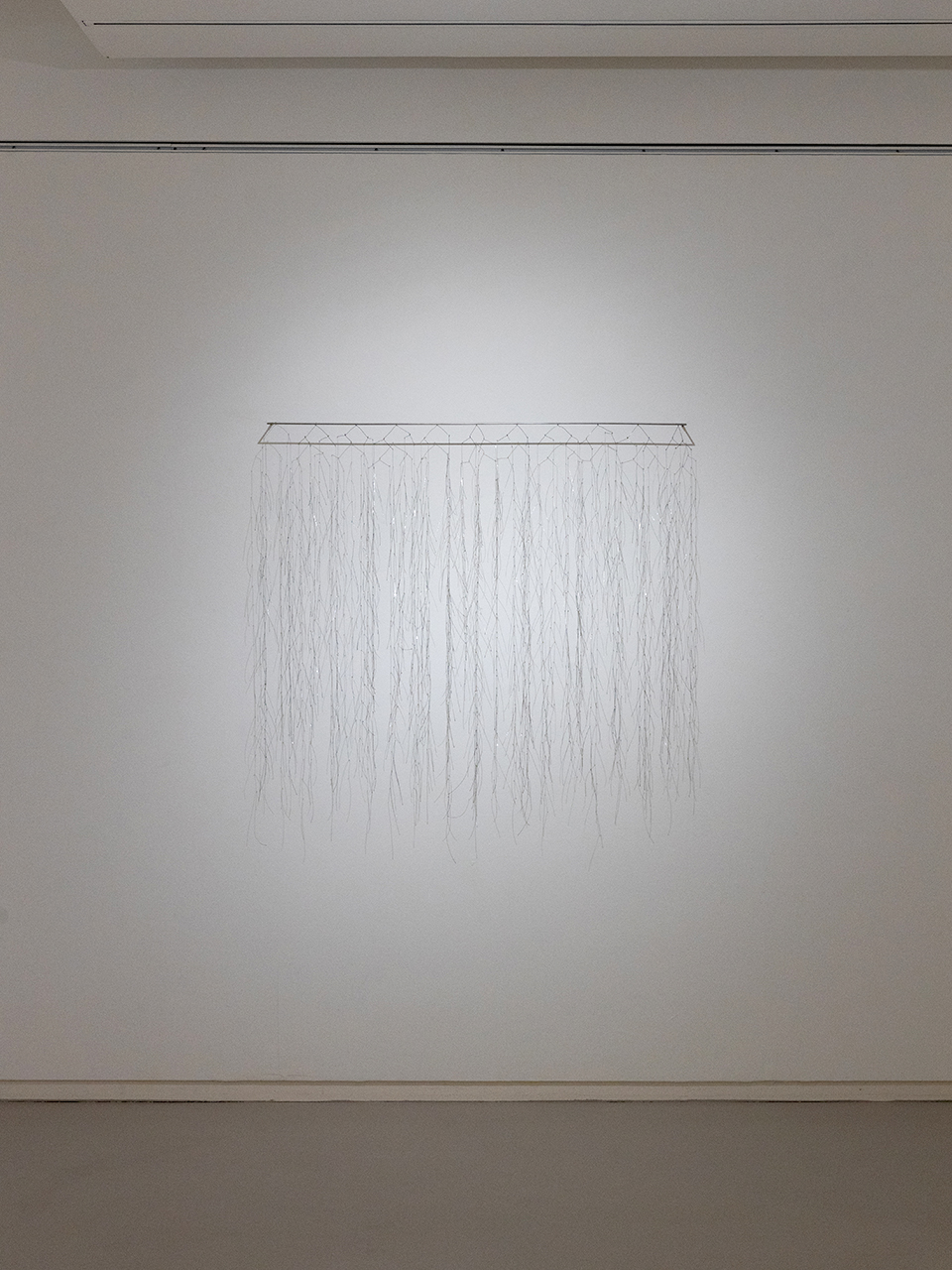
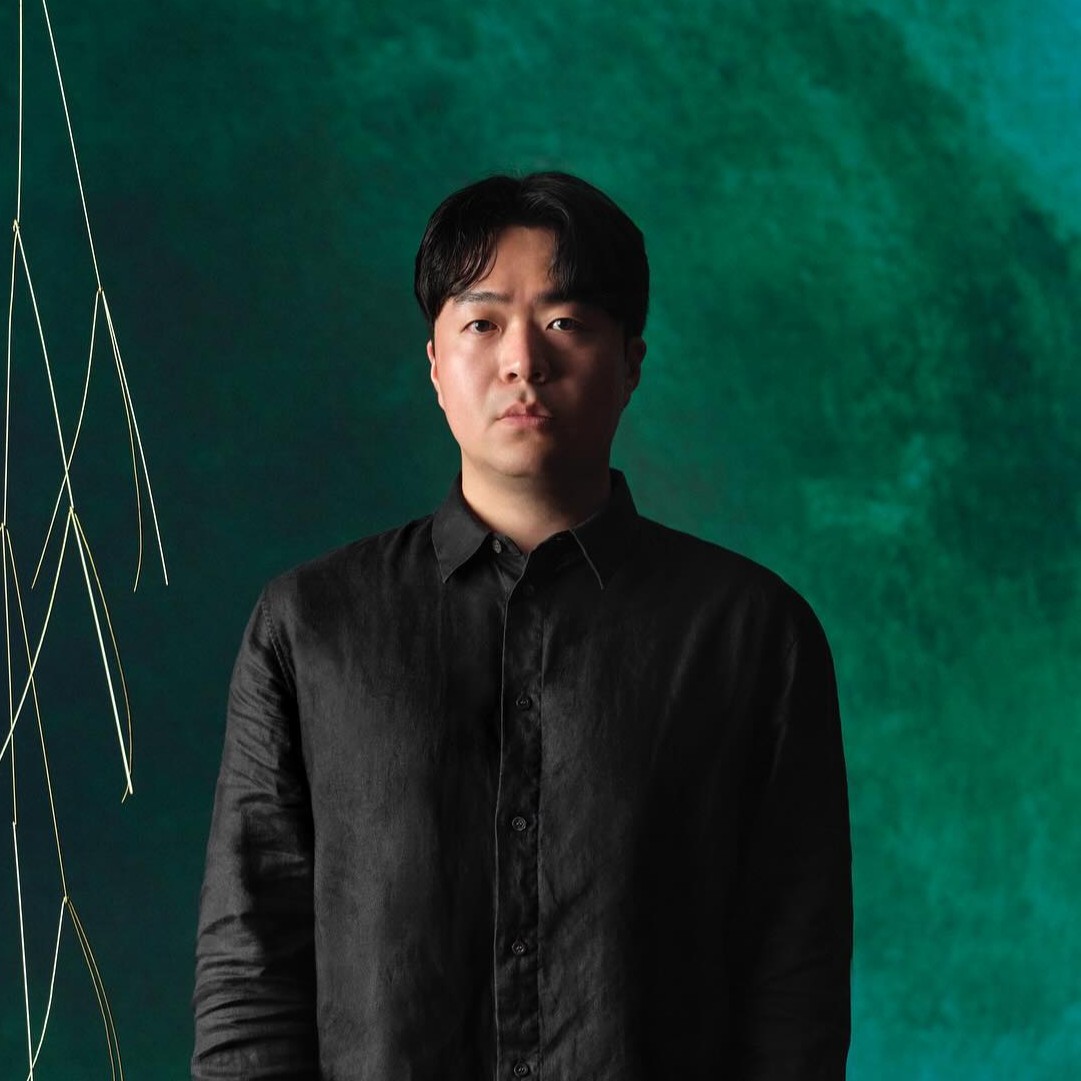
Donghae Kim primarily works with metal materials such as brass, silver, and iron, creating works that visualize the rhythms and structures he perceives from nature—grass, trees, and wind. Beginning with close observation of both the material and immaterial elements that constitute the natural world, the artist translates these into his own sculptural language.
 
Kim’s work begins from sensing the relationships between the material and immaterial elements that constitute nature. Rather than viewing phenomena he repeatedly encounters in daily life—such as grass, trees, wind, and light—as simple landscapes, he focuses on the constantly shifting and entangled relations and flows within them. 

This perspective leads to an understanding of nature not as a fixed object but as a field of interaction and circulation, and his work develops toward revealing these relationships themselves rather than reproducing specific forms. 

From this process emerge broader inquiries: how the overall forms and structures—constructed by bending and hammering slender metal wires and sheets into connected segments—relate to time and space, and how fragments of memory created through his actions resonate and breathe with the viewer, opening up a range of possibilities. 

In this way, Donghae Kim’s work is not completed as a self-contained object; rather, its meaning emerges through the complex interplay of various material and immaterial elements—such as surrounding air, wind, light, and the presence of the viewer. His work renders perceptible the often-invisible connections among the many elements that surround us. 

Solo Exhibitions (Brief)

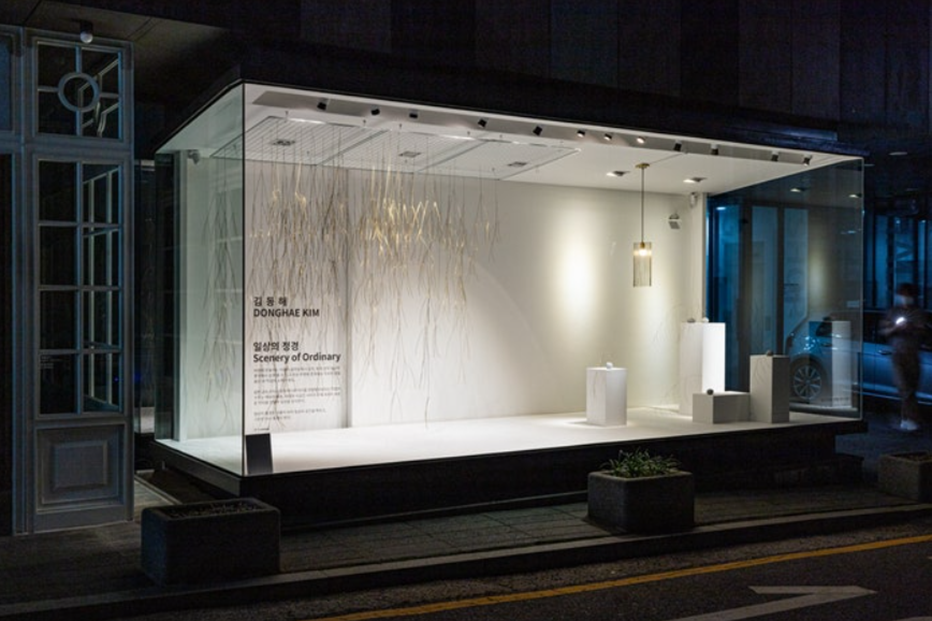
Kim has held solo exhibitions including 《Silent Entanglement》 (Gallery SoSo, Seoul, 2025), 《Hidden Connection》 (Sikmulkwan PH, Seoul, 2022), and 《Scenery of Ordinary Life》 (KCDF Window Gallery, Seoul, 2021).

Group Exhibitions (Brief)

Kim has also participated in numerous group exhibitions, including 《Night, and Then》 (Gallery Jiwooheon, Seoul, 2026), 《MICRO HISTORY》 (Space-so, Seoul, 2025), 《Bridging the Unseen》 (Wooran Foundation, Seoul, 2025), 《Meets: A Timeless Harmony》 (Changdeokgung Palace Complex, Seoul, 2024), 《Parallax》 (Caption Seoul, Seoul, 2024), 《Rabbit Hole》 (Boan1942, Seoul, 2023), and 《Captured Moments》 (Gallery Kabinett, Seoul, 2022).

Awards (Selected)

In 2013, Kim was selected for the award program of the Cheongju International Craft Biennale, 《Something Old Something New》.

Works of Art

Rhythms and Structures Sensed from Nature

Originality & Identity

Donghae Kim’s work begins from sensing the relationships between the material and immaterial elements that constitute nature. Rather than viewing phenomena he repeatedly encounters in daily life—such as grass, trees, wind, and light—as simple landscapes, he focuses on the constantly shifting and entangled relations and flows within them. This perspective leads to an understanding of nature not as a fixed object but as a field of interaction and circulation, and his work develops toward revealing these relationships themselves rather than reproducing specific forms.
 
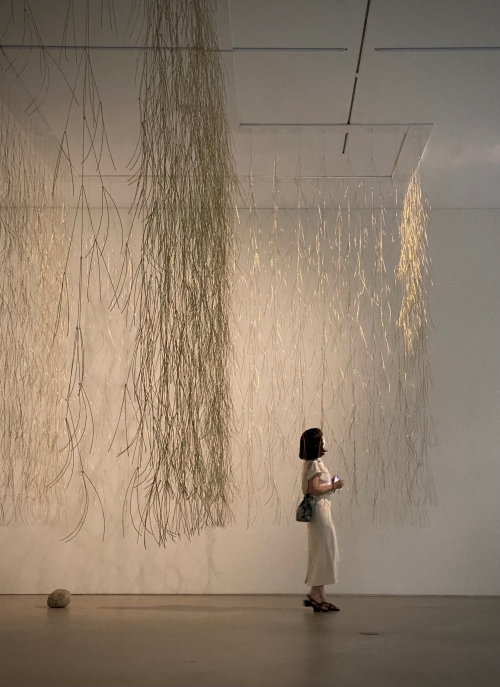
As seen in works such as Landscape (quiet) #1(2020) and Weep #1(2024), the artist does not directly imitate parts of nature but instead translates impressions retained in memory and sensation into sculptural form. Subtle and easily overlooked elements—such as the movement of plants swaying in the wind, minute changes in light and shadow, and the flow of air—become key points of departure in his work. Here, nature functions not only as an object of observation but also as a medium through which the artist’s perception and consciousness connect.
 
This interest gradually expands into an awareness of “relations” and “events.” In the solo exhibition 《Hidden Connection》(Sikmulkwan PH, 2022), he focused on structures in which visible and invisible relationships influence one another, presenting natural scenery as a field of interaction. By concentrating not on objects themselves but on the conditions, flows, and changes that occur around them, he constructs a sensibility in which beings do not exist independently but coexist in interconnected states.
 
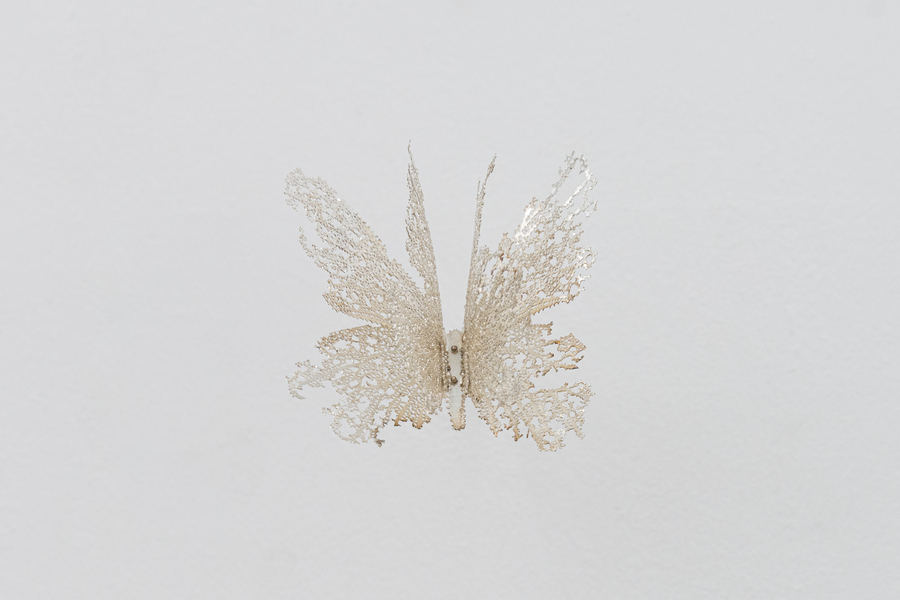
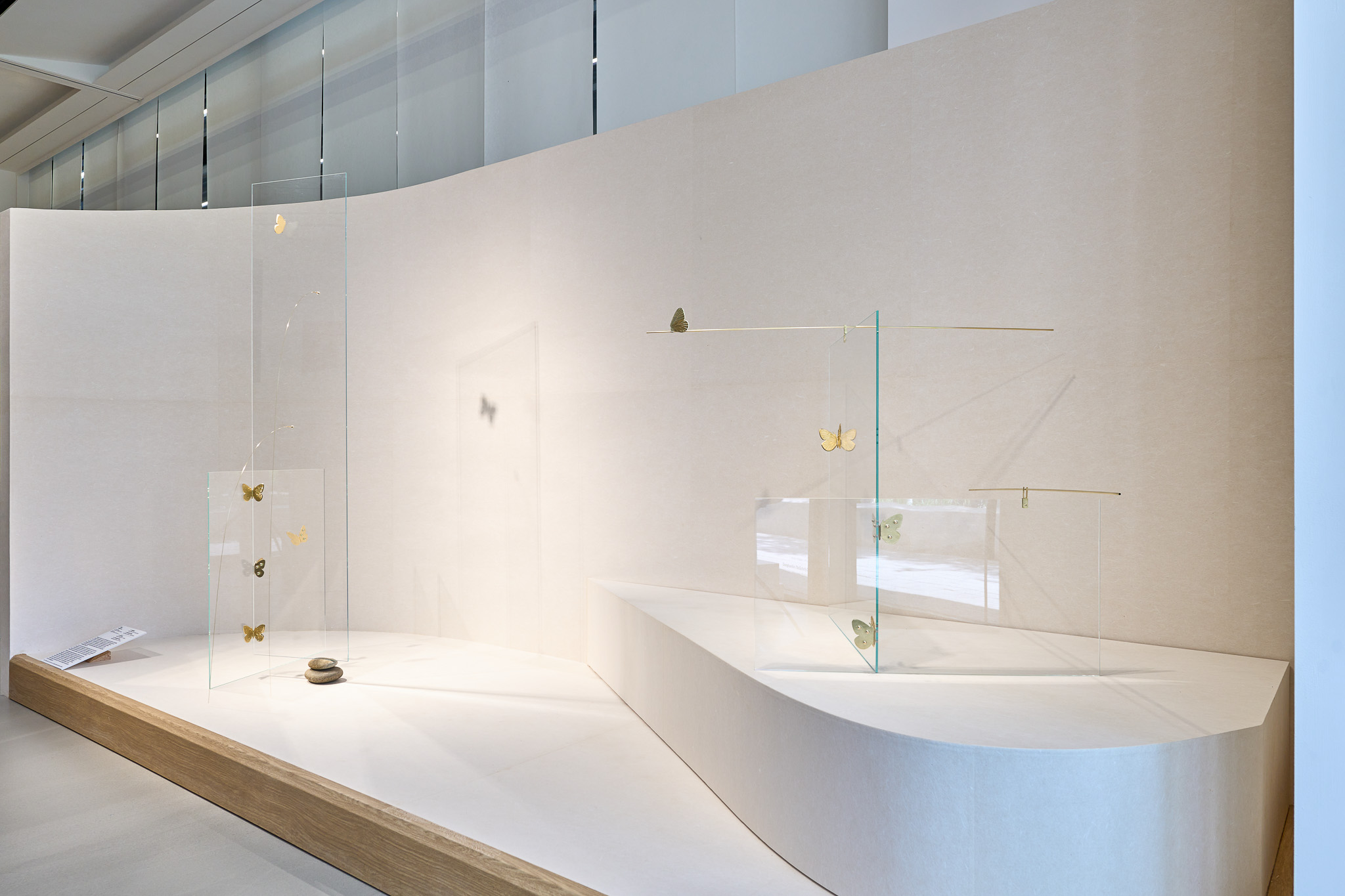
In recent works, this line of inquiry extends further into more specific symbolic and narrative dimensions. In The Butterfly Dream (胡蝶之夢)(2025), drawing from Zhuangzi’s parable, he explores the boundaries between self and other, reality and dream, while simultaneously evoking a sense of loss and alienation through the motif of endangered butterflies. In this way, Kim’s work begins with nature, expands into questions of relation and perception, and ultimately develops into a broader reflection on the ways in which beings and the world are interconnected.

Style & Contents

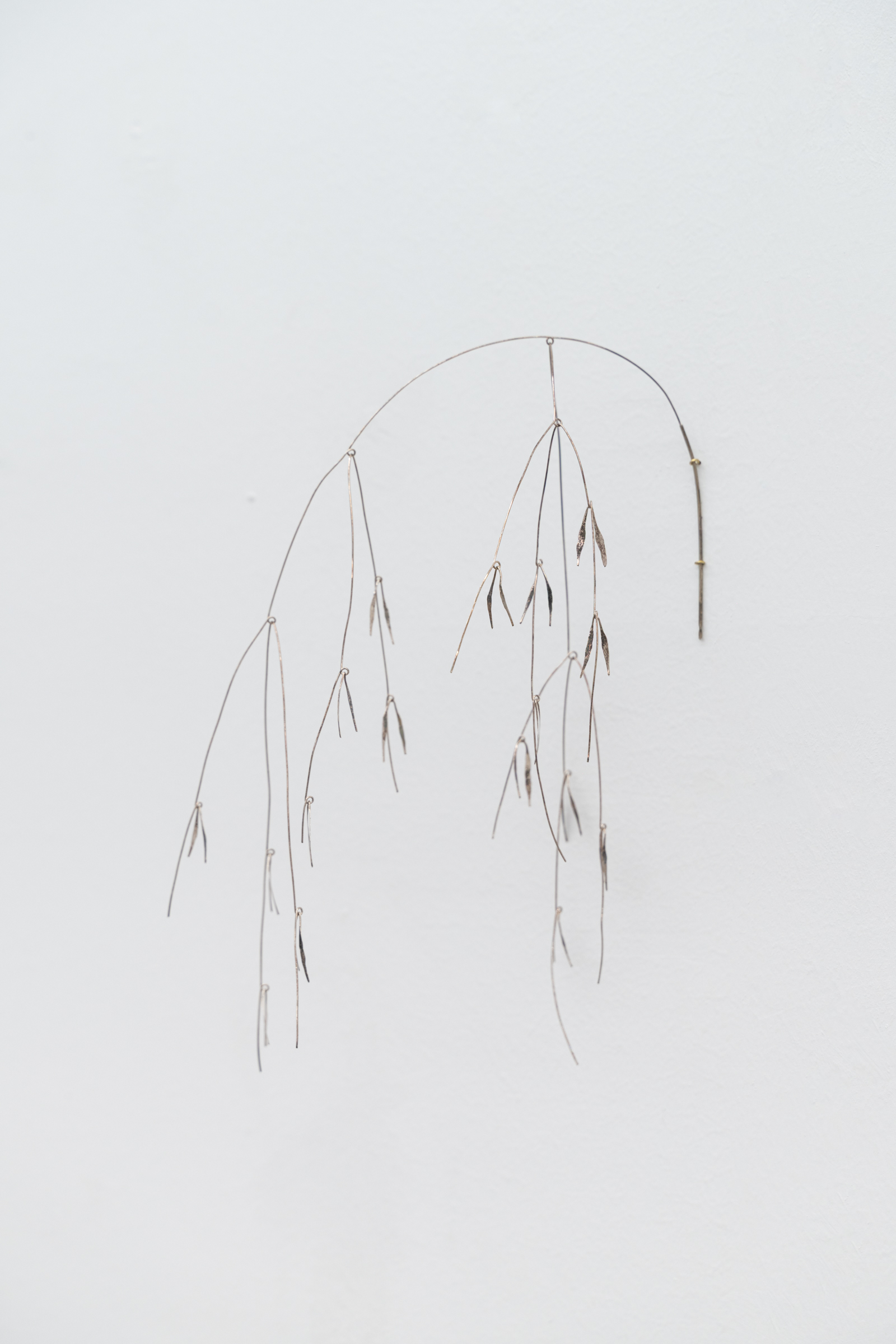
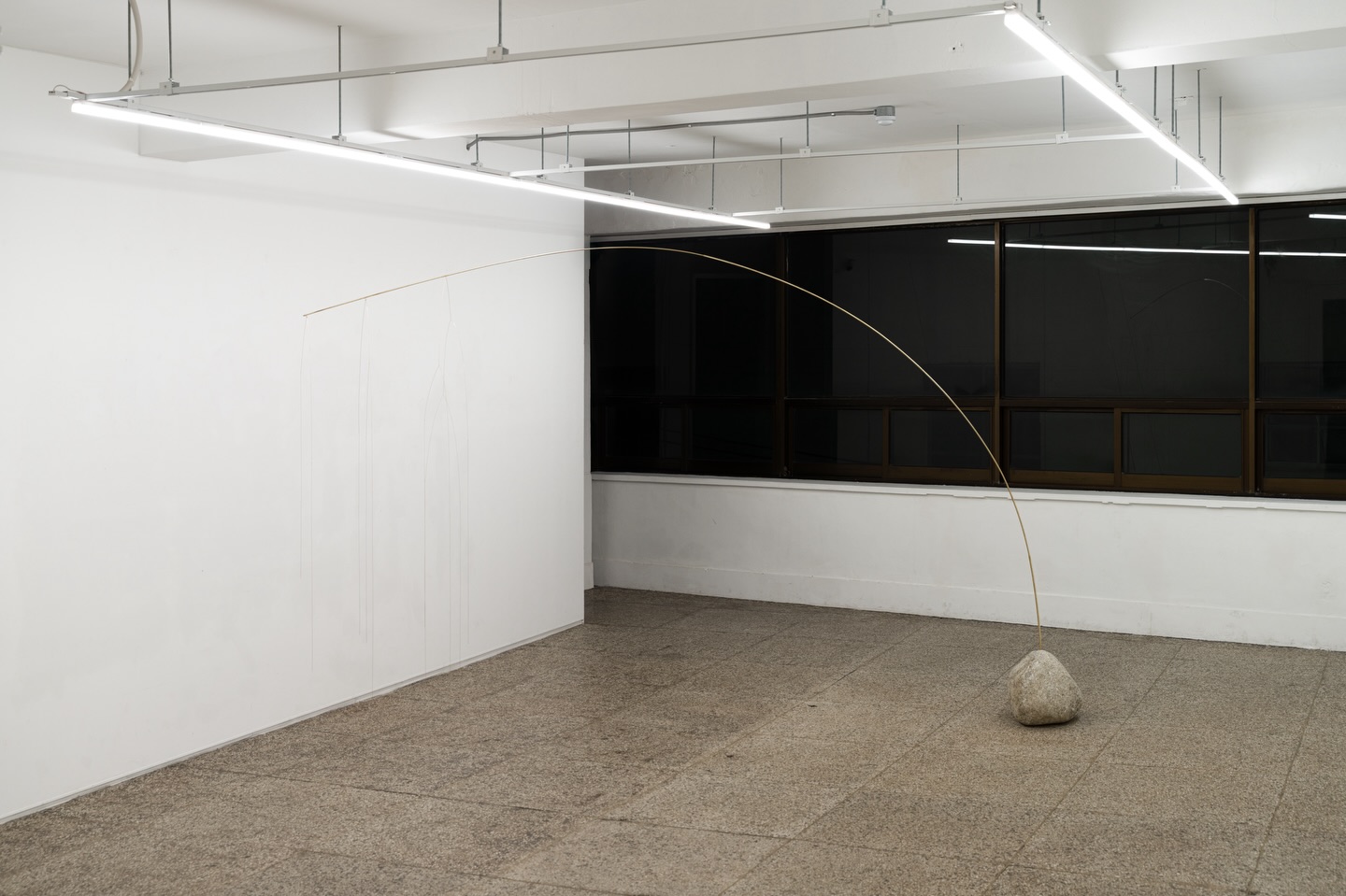
Kim’s work is grounded in metal as a primary material, yet it places greater emphasis on the relationships and transformations that material generates rather than on its inherent properties. He works with metals such as brass, silver, and iron in the form of slender wires or thin sheets, bending and connecting them to construct overall structures. This process goes beyond mere form-making, revealing the ways in which disparate elements come together to achieve balance and connection.
 
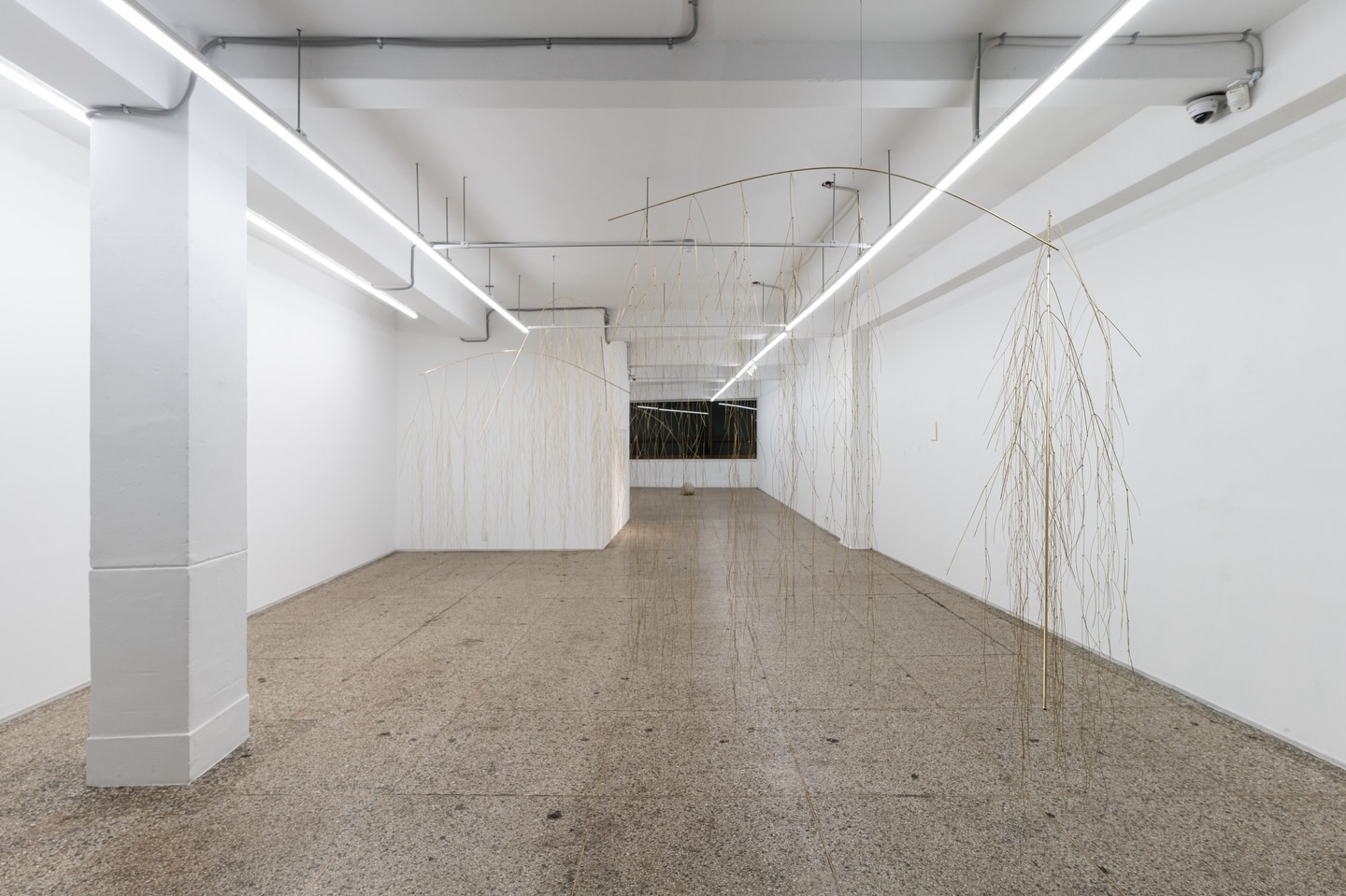
A key aspect of this process is “movement” and “responsiveness.” His works are less like fixed sculptures and more like structures that interact with their surrounding environment. For instance, in 《Scenery of Ordinary Life》(KCDF Window Gallery, 2021), the works subtly sway in response to air currents and continuously produce shifting visual moments as they react to light. The trembling and shimmering of metal lines extend beyond visual perception, creating sensory experiences that verge on the auditory.
 
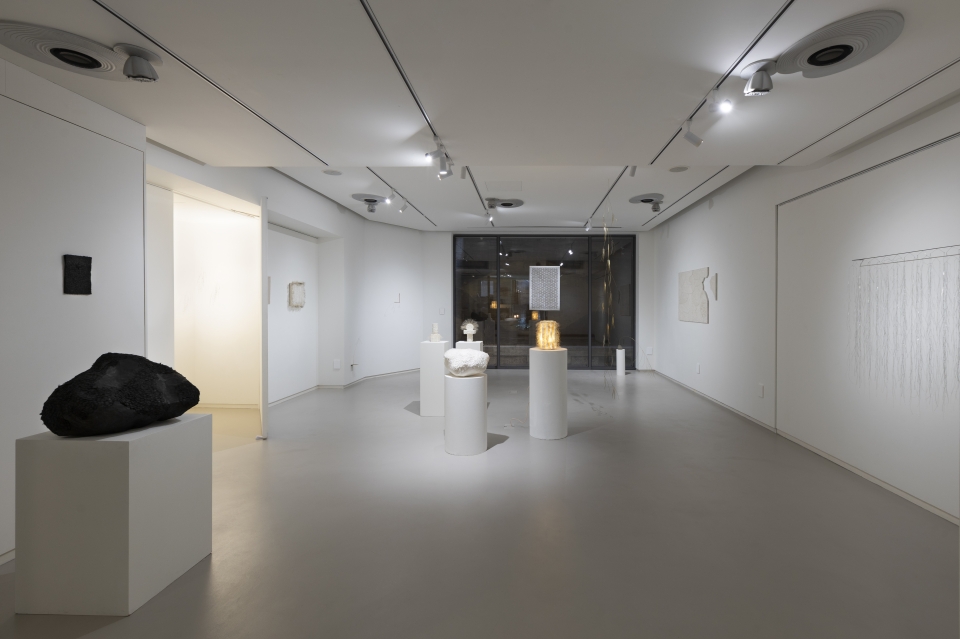
Another important element in his work is “emptiness.” The spaces left between structures are not mere voids but function as zones where immaterial elements such as light, air, and time intervene. In 《Captured Moments》(Gallery Kabinett, 2022), metal structures arranged within a frame present the flow of nature as a “captured memory,” while simultaneously emphasizing the invisible movements occurring within it.
 
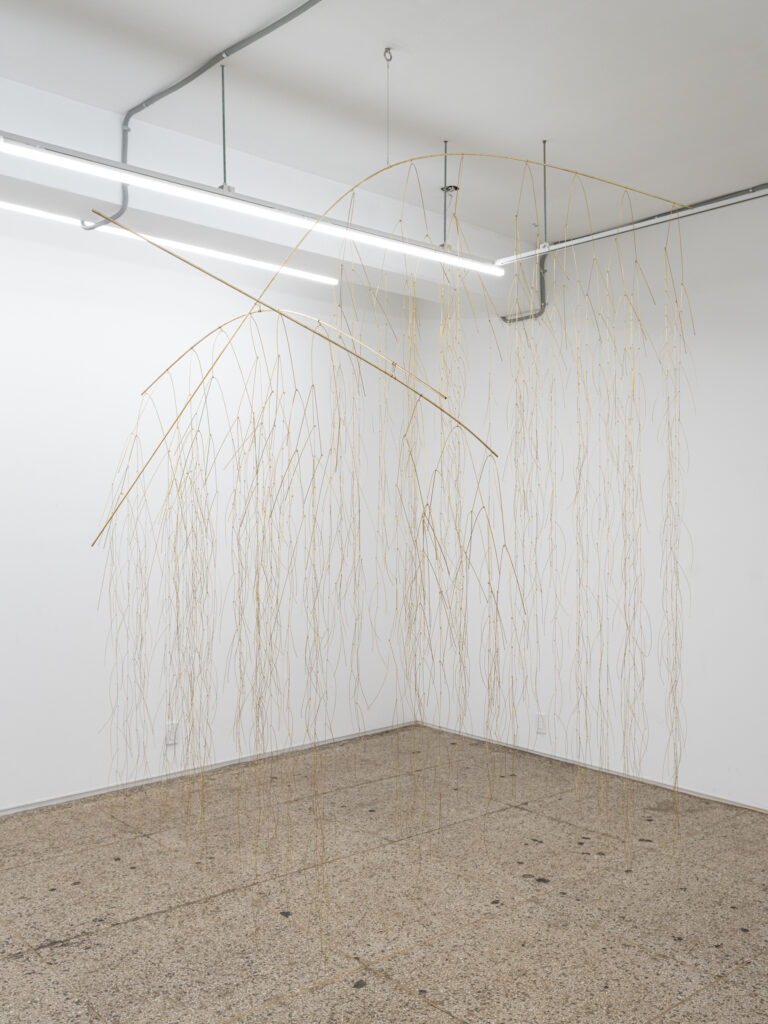
In more recent works, this formal language expands into more complex configurations. In 《Silent Entanglement》(Gallery SoSo, 2025), the installation extends across the entire space, with metal structures evoking trees or plants while maintaining an open form that does not replicate specific shapes but instead accommodates external conditions. The metal bends, crumples, and transforms over time, and the work remains in a state of ongoing change rather than a completed form. In this way, Kim’s formal language is continually renewed through the interplay of material, environment, and time.

Topography & Continuity

A defining characteristic of Kim’s work is his understanding of nature not as “form” but as “relation.” Rather than directly representing plants or landscapes, he translates the flows, connections, and subtle changes that constitute them into his sculptural language. In this process, the solidity of metal paradoxically serves as a medium for revealing transformation and responsiveness, creating points where the material and immaterial intersect.
 
While many contemporary sculptural practices emphasize the physical properties of materials or structural completeness, Kim’s work tends toward a condition of “continuity” rather than completion. Wind, light, time, and the movement of viewers all become integral components of the work, which exists not as a fixed object but as a field that evolves in relation to its environment. In this regard, his practice occupies a distinctive position across the boundaries of sculpture, installation, and craft.
 
At the same time, his work maintains a unique balance in that it engages the external world while originating from personal perception and memory. Although it deals with natural phenomena, these are not objectively represented but emerge from accumulated experiences and impressions, situating the work at an intersection of interior and exterior, sensation and structure. This approach allows the work to expand in multiple directions without being confined to a singular image or form.
 
Within this trajectory, Kim’s practice does not converge into a single formal resolution but continues by retaining its underlying structures while incorporating new conditions and sensibilities. The connected framework of metal lines, the use of open space, and the responsiveness to the environment persist as foundational elements, while the layers of relations and perception they engage gradually expand. Rather than arriving at a definitive conclusion or fixed form, this approach leaves the work in an open state, continually reconfiguring relationships within changing conditions.

Works of Art

Rhythms and Structures Sensed from Nature

Articles

Exhibitions

Activities