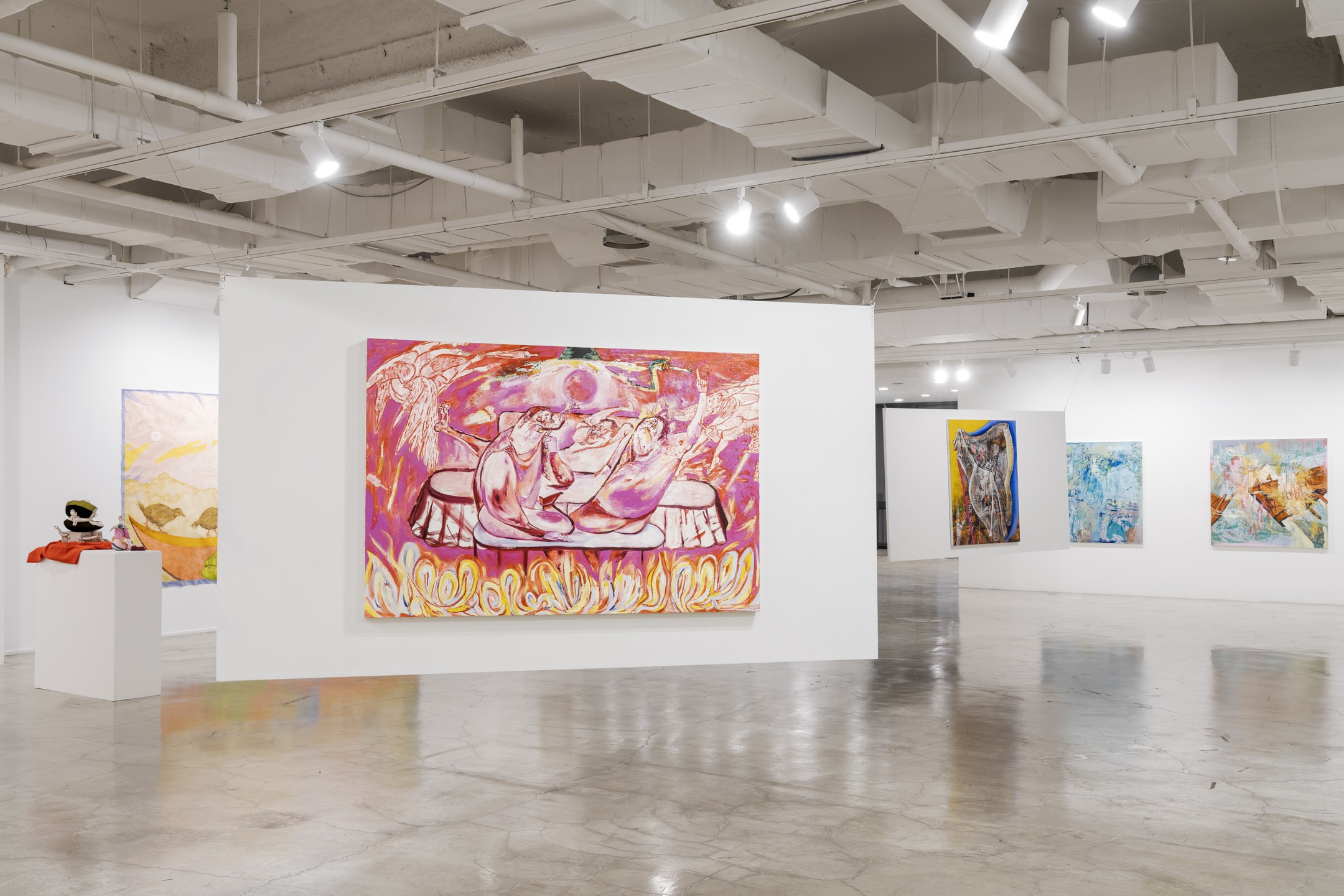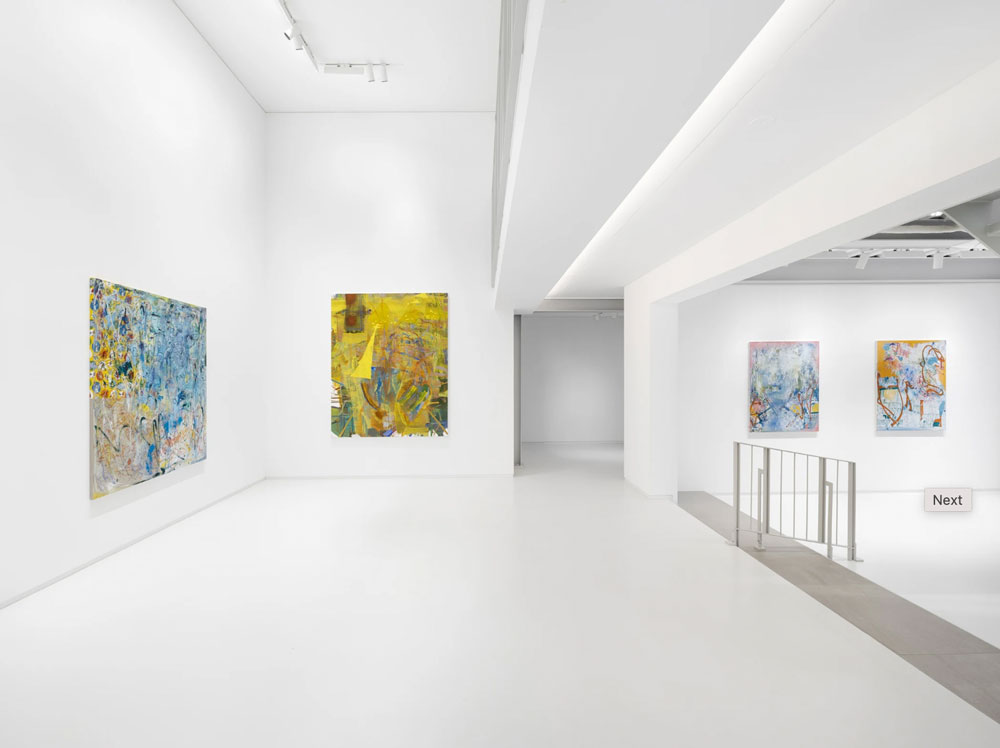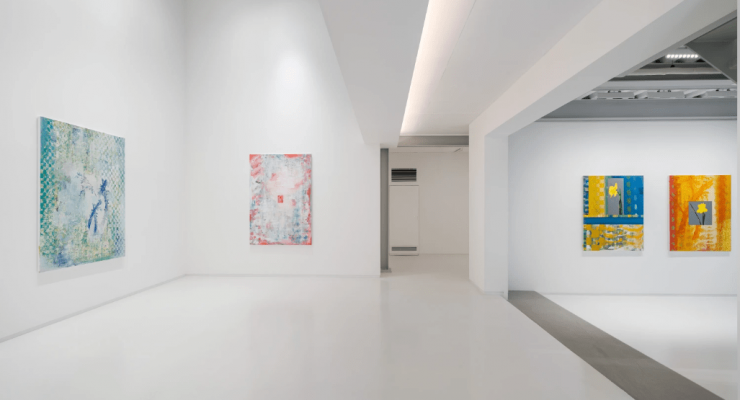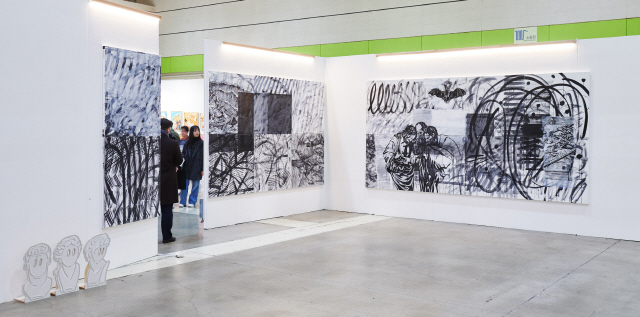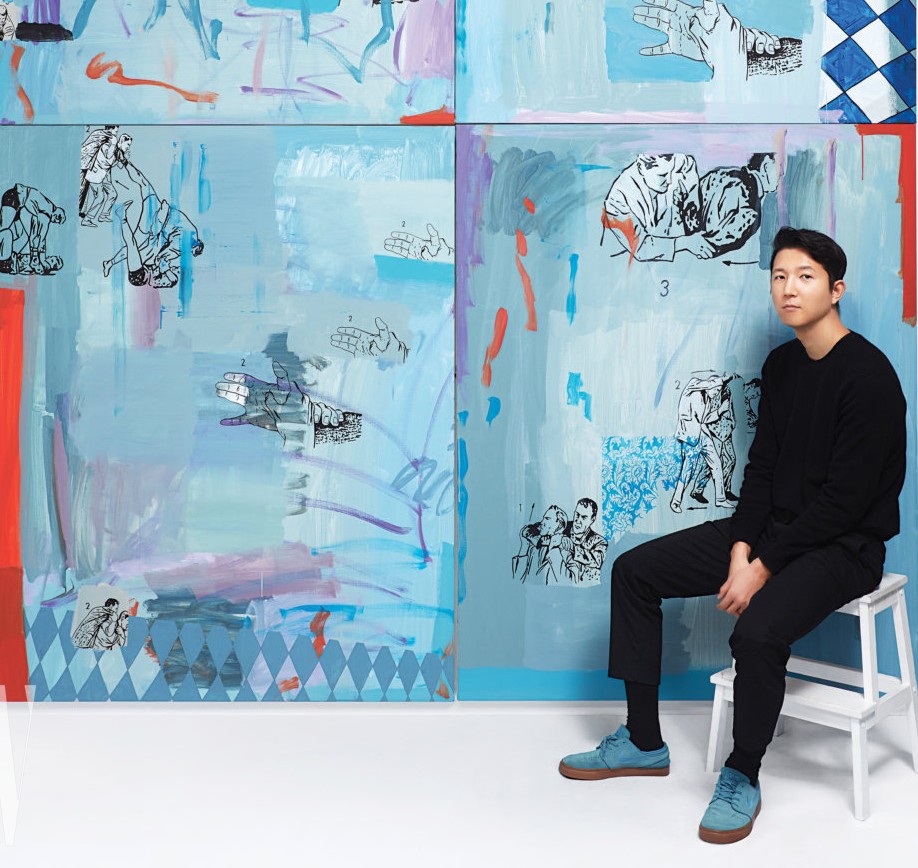


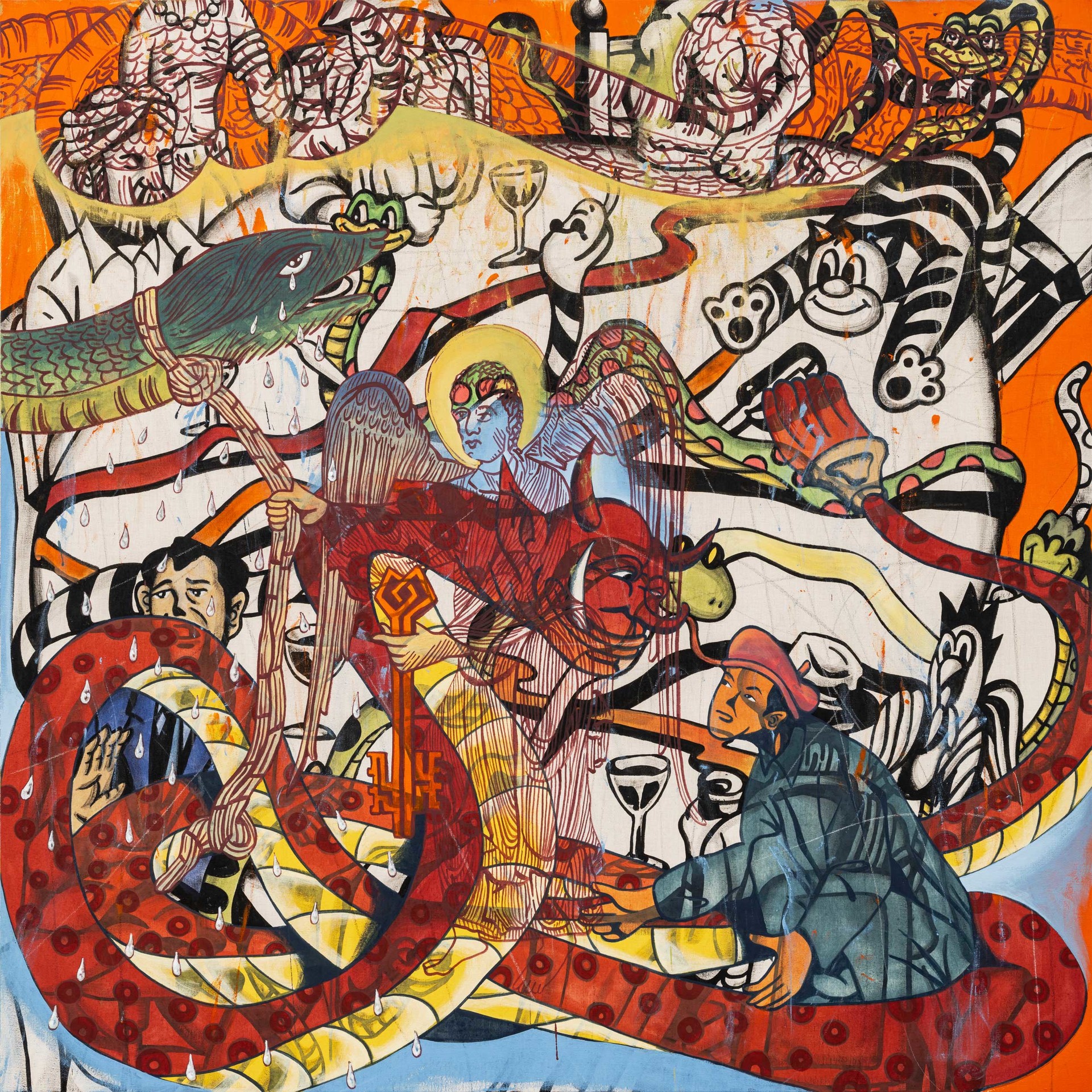
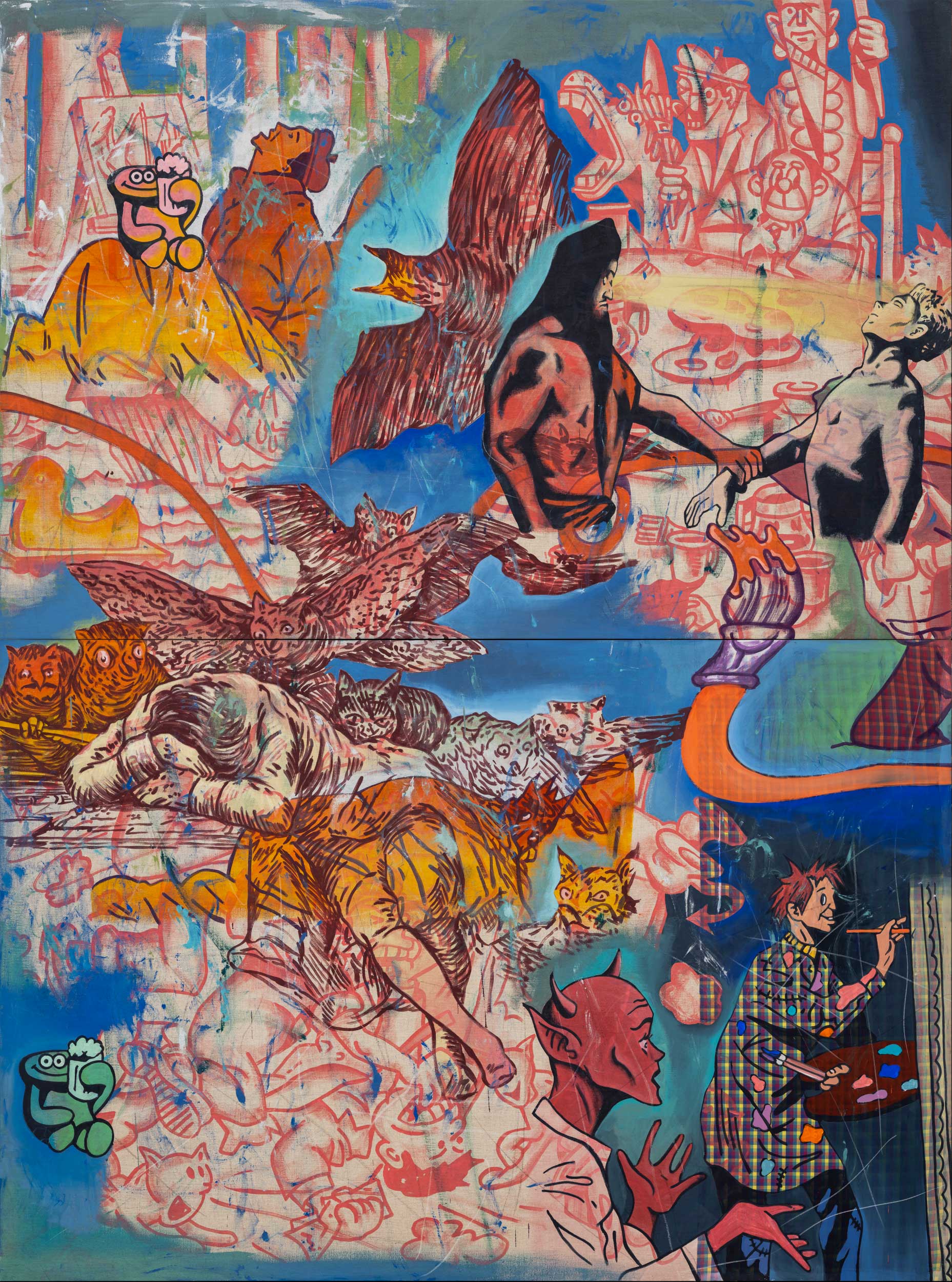
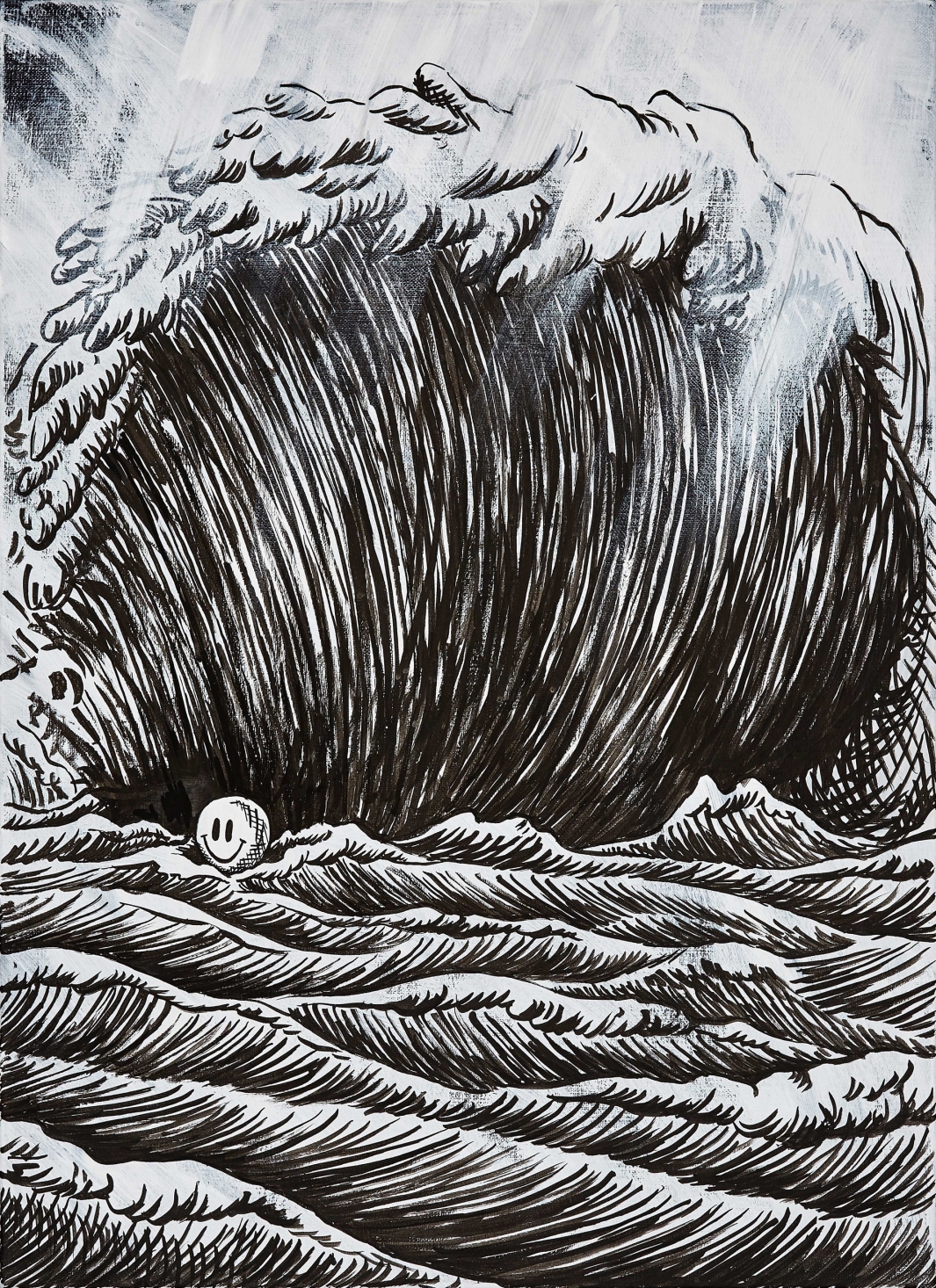
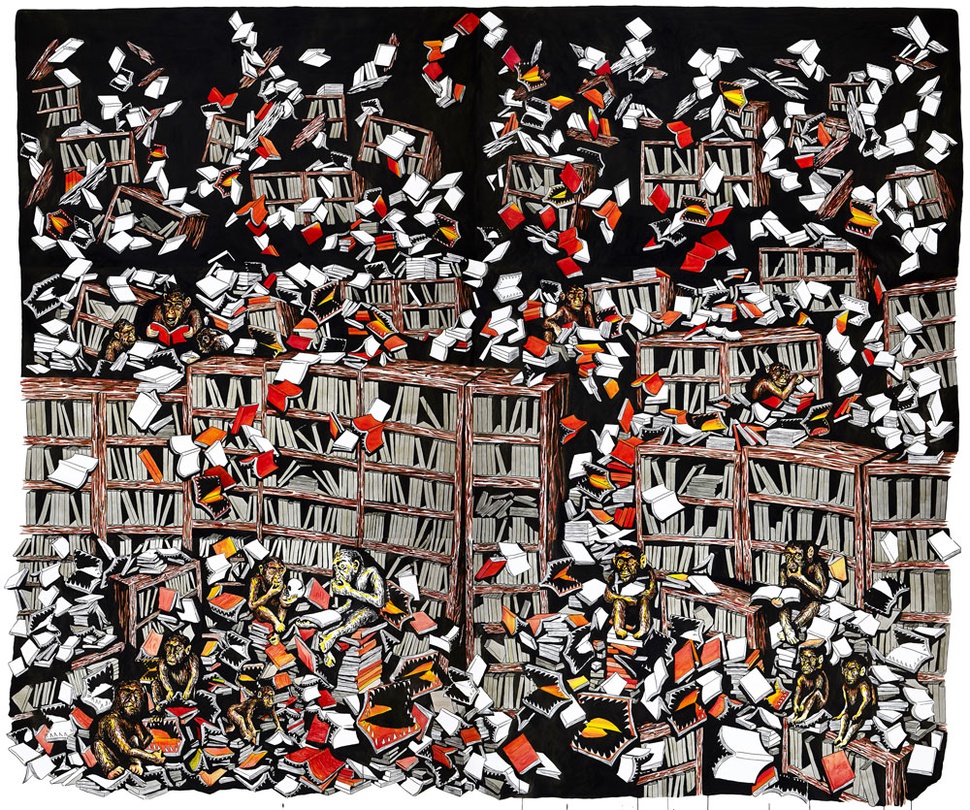
Installation view © SeMA

Seoul Museum of Art's curatorial project 《Compulsion to Repeat》, or 《Compulsion2》 explores how a simple concept of "repetition" takes shape in contemporary art, highlighting the psychological obsessions that make and possess us. Various aspects of life are imbued with repetition; visible or not, iteration has a stronghold over how a good portion of the world, as well as physical and mental activities within it is structured. In general, repetition indicates "doing the same thing over and over again."

Yet the term is subject to negative connotations, leaning more towards duplication or imitation than to the origin, creation, and newness. However, the essential aspect of repetition since postmodernism is not subsumed under the mechanism of identity, or the return to sameness. Instead, it has emerged as the source of creation, socially and politically reinterpreted based on the contemporary perspective that "difference is the result of iteration." Based on this notion, this exhibition explores the "compulsion," a psycho-pathological manifestation, not as a personal concern but in terms of the social and structural matter. 

Compulsion indicates a "form of repetitive behavior that is compelled by the internal urge." This exhibition highlights the repetitive trait of compulsion while pointing to the very repetitiveness as a potential of overcoming it. In an era where the capitalist system has consumed the prospect of life, 《Compulsion to Repeat》 attempts to become the testing ground of critical thinking where nine participating artists interpret and question the world around them based on the compulsive circumstances of today’s people represented by the pursuit of a meaningful life.

From this ground of ample potential, the artists set out to find an opportunity of implosion instead of looking for an innovative solution from the outside. A way out of compulsion lies not on the outside – violation of the norm or inauguration of alternatives – but on the inside. The drive to repeat oneself within the habitual compulsion, or the "compulsion of compulsion" or “compulsion x compulsion” is the strategy of artistic appropriation that runs through the exhibition. In this sense, "Compulsion2" is a singular mark that indicates how repetition is the inherent nature of compulsion.

Repetition is the only move that could open up a gap within the compulsion of the era, and a critical element of art as a compulsive act. Nine participating artists who repeat a piece of reality in variations with various mediums including painting, video, photography, and sculpture reflecting the multiplicity of the world we live in. The exhibition demonstrates individual works in temporal and spatial, thematic and structural repetition to experiment and explore how repetition leads to creation. 

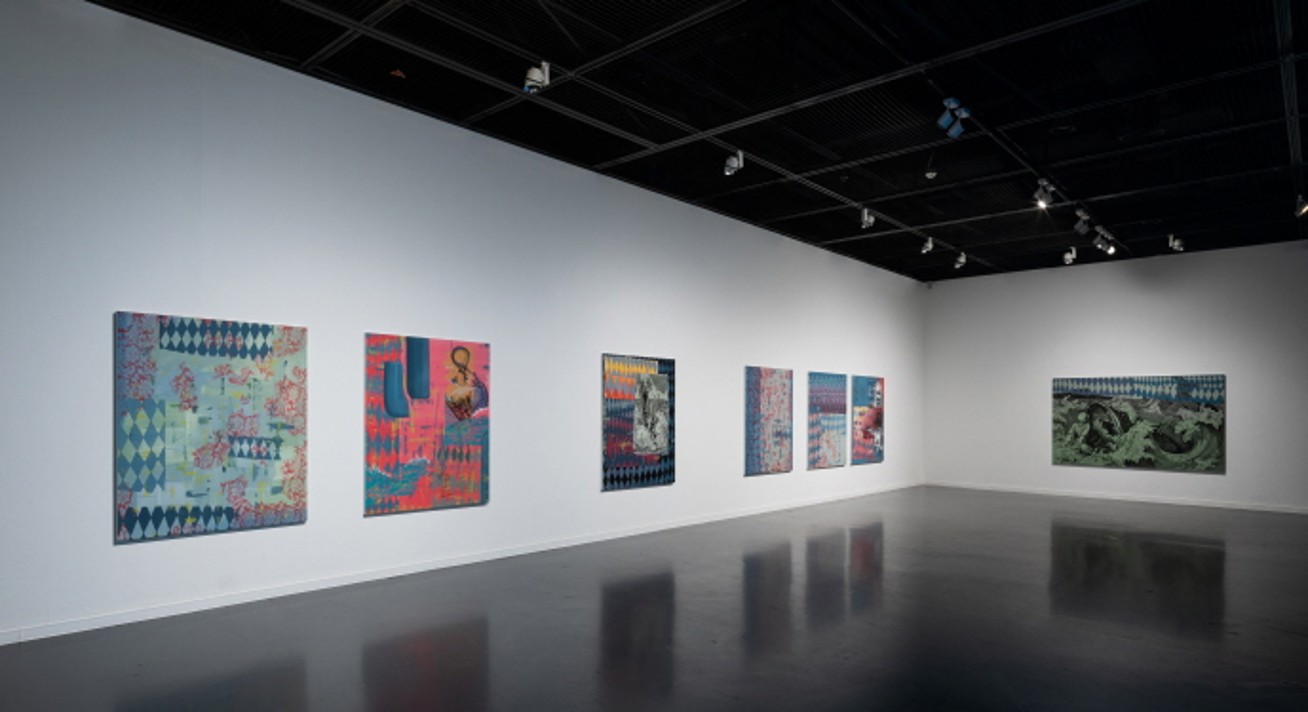
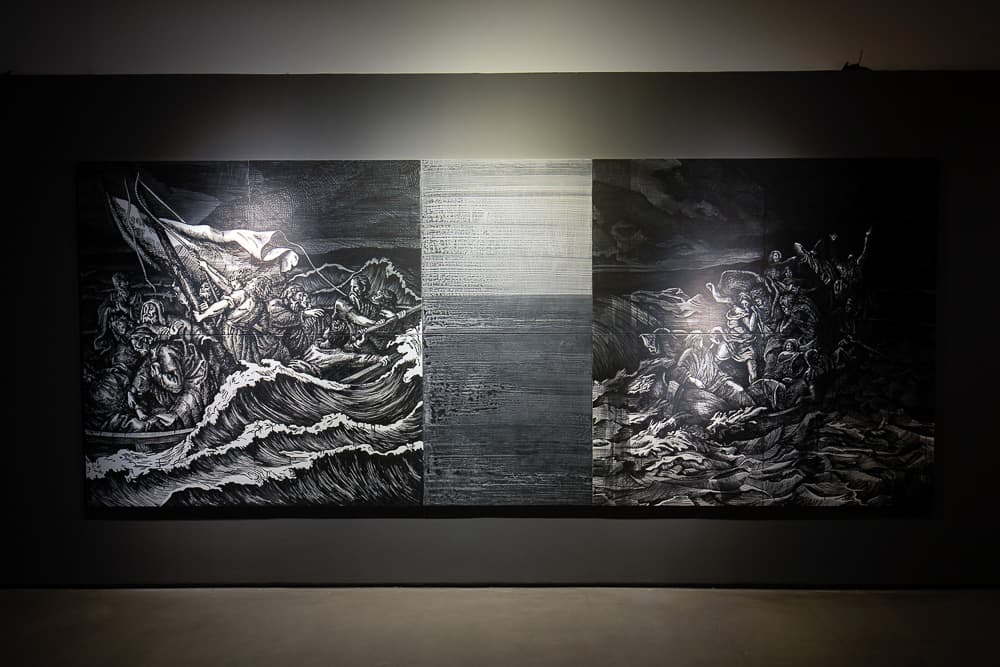
Installation view of works by Jeongsu Wu © SeMA

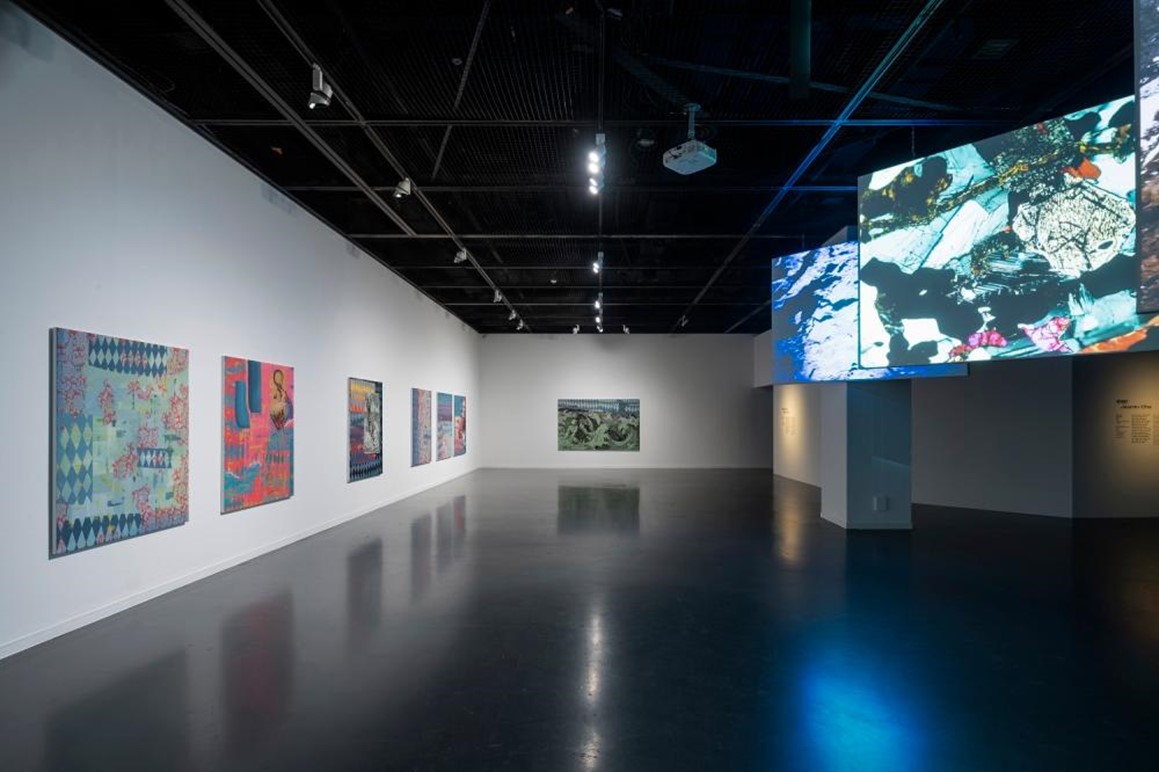
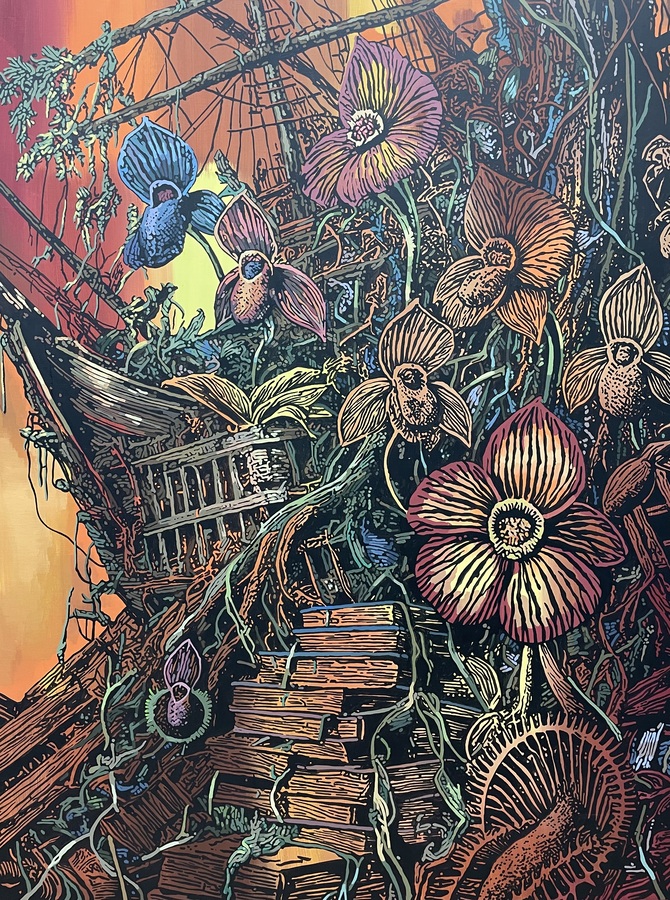
Jeongsu Woo presents works under the theme of the ocean, adventure, and romanticism, appropriating motifs from classics and the bible such as the Book of Jonah, Moby Dick, and Odyssey. Woo's works perceive the fixed image or narrative as the limited condition, adjust and transform it. In this way, parts transform the whole, generating new interpretations.

Painting that dismantles the conventional relationship between the story and image highlights still objects and patterns that do not embody stories. Icons fraught with multiple meaning are consumed like patterns, regardless of the context and relationships. The unique romanticism derived from such an approach is due to the fantasy that repeats itself in reality.

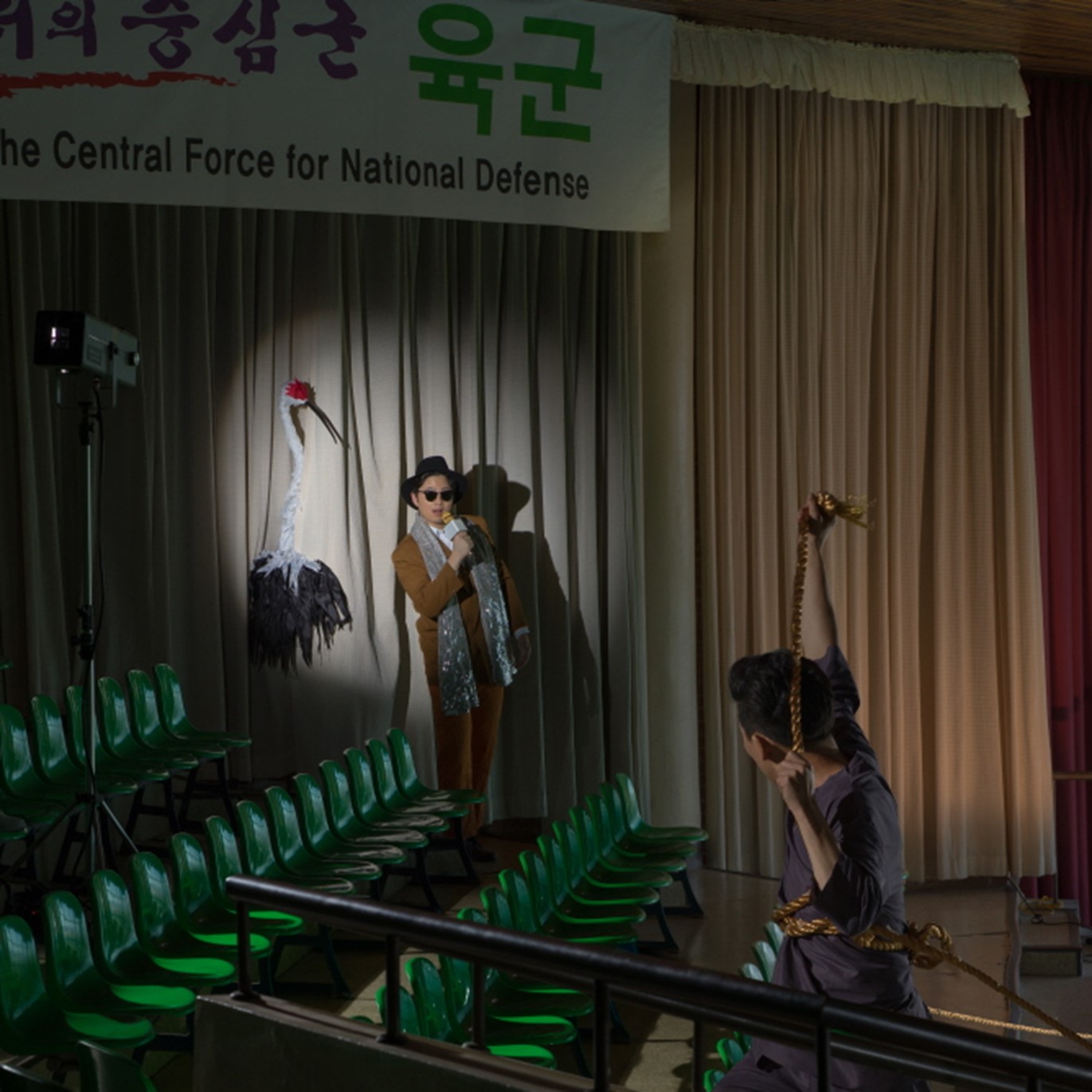
Yeondu Jung, ‘DMZ Theater’ Series - Dora Theater © SeMA

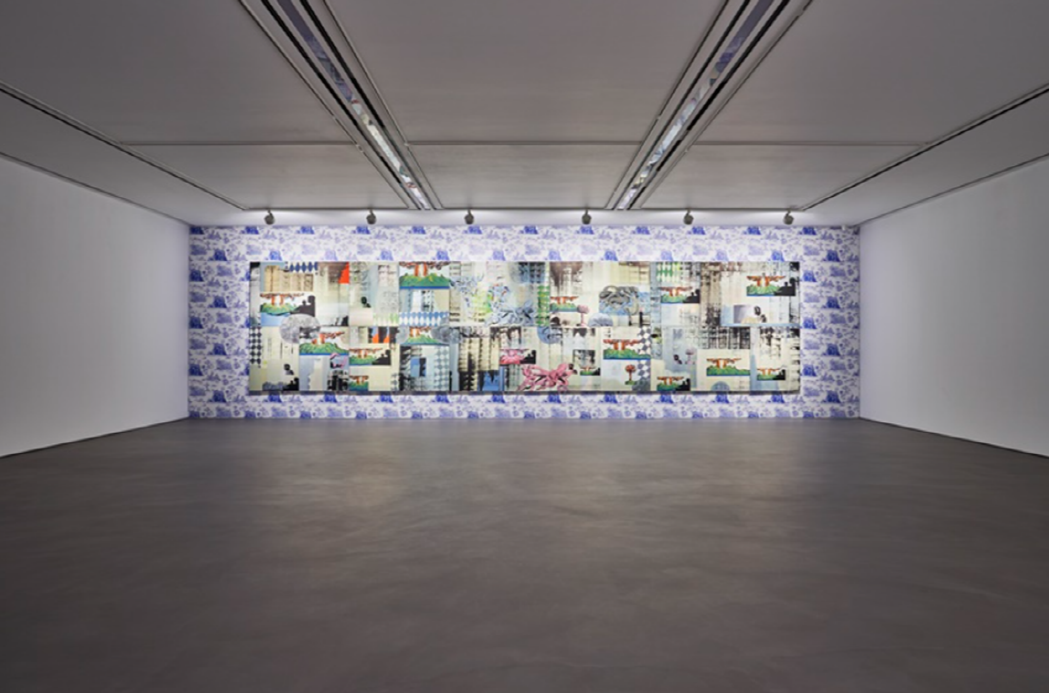
Made in collaboration with the producer Surya, Yeondu Jung’s ‘DMZ Theater’ Series - Dora Theater is one among a series of photograph installation works that capture the DMZ observatory from thirteen regions from Ganghwado Island to Goseong. Through the glass wall facing the audience at Dora Observatory, the scenery of DMZ unfolds like a panorama.

The observatory is at once a symbolic place that points to the history of division and fruit of capitalist ideology, built with the purpose of tourism of unification and national security. Jung took panoramic multiexposure pictures that overlap a number of photographs in one to produce a scene where reality and imagination overlap and coexist. This unique theater of reality imagines a third place that has not existed so far by repeating in medium and theme this era’s compulsion of the “reality of division or unification.”


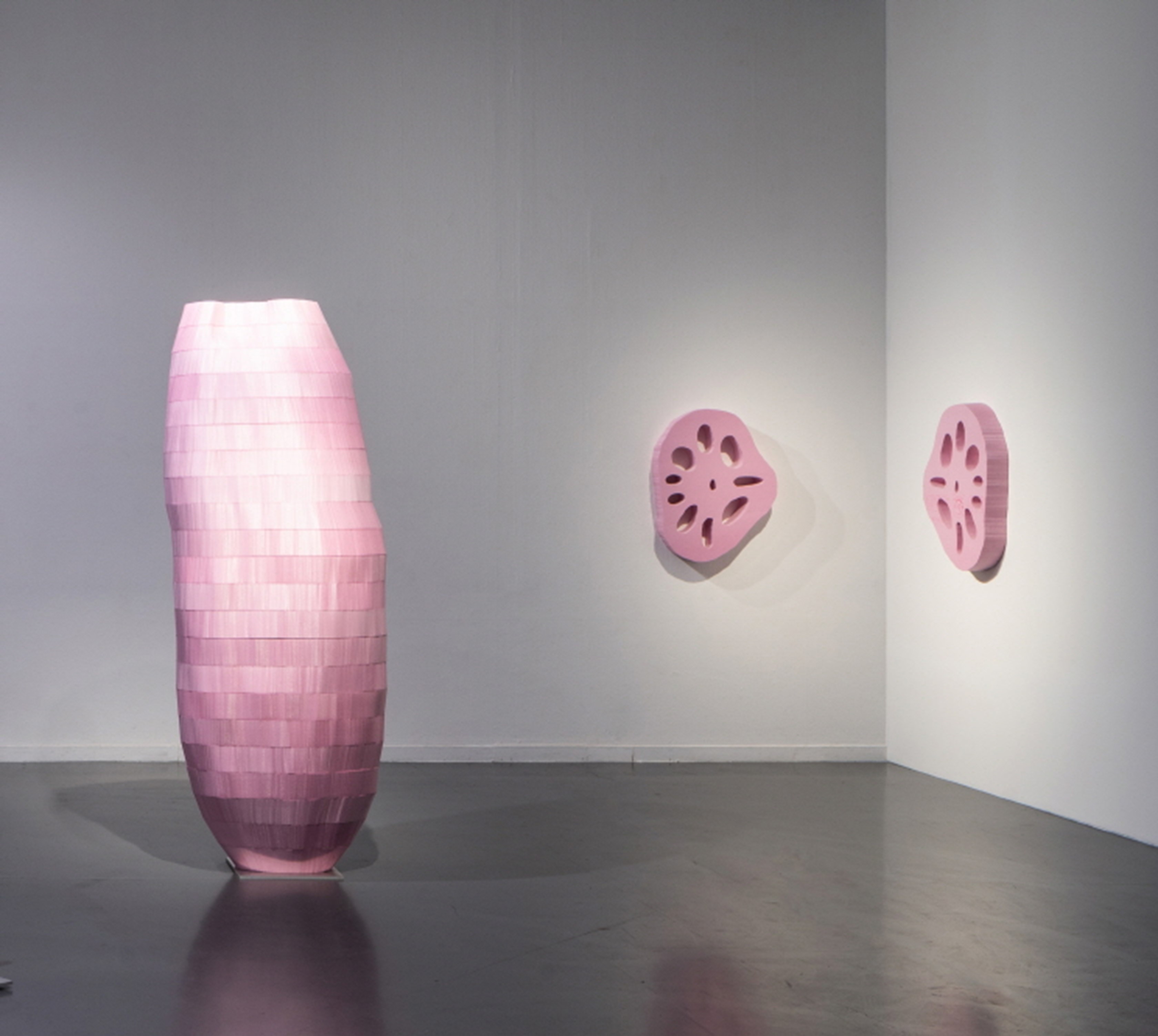
Inbai Kim, Untouched Side © SeMA

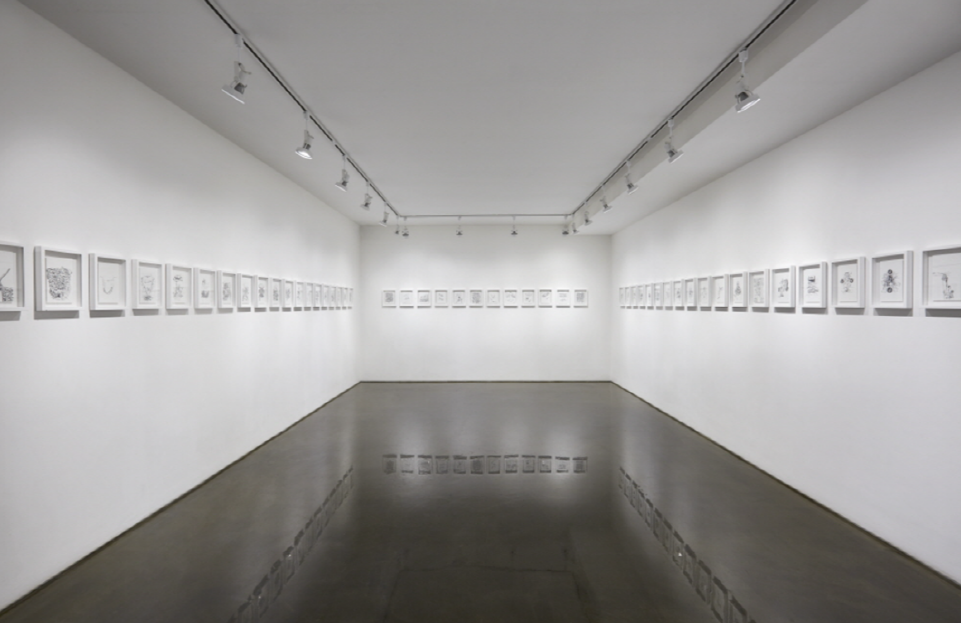
Untouched Side by Inbai Kim embodies the artist's distinct approach in interpreting repetition and expressing it. Kim explores the lotus root as a new object under the bigger theme of "compulsion" or "repetition compulsion." Kim came up with a way to obtain the whole lotus root (the way it should have been before being sliced) from the plant that he had first seen it (as it has already been cut).

The belief that supports this work is that one cannot fathom the whole but repeating what is in front may ultimately complete it. This work is the substantiality of the sensation with the image of the lotus root slices, repeating and lifting one another up.


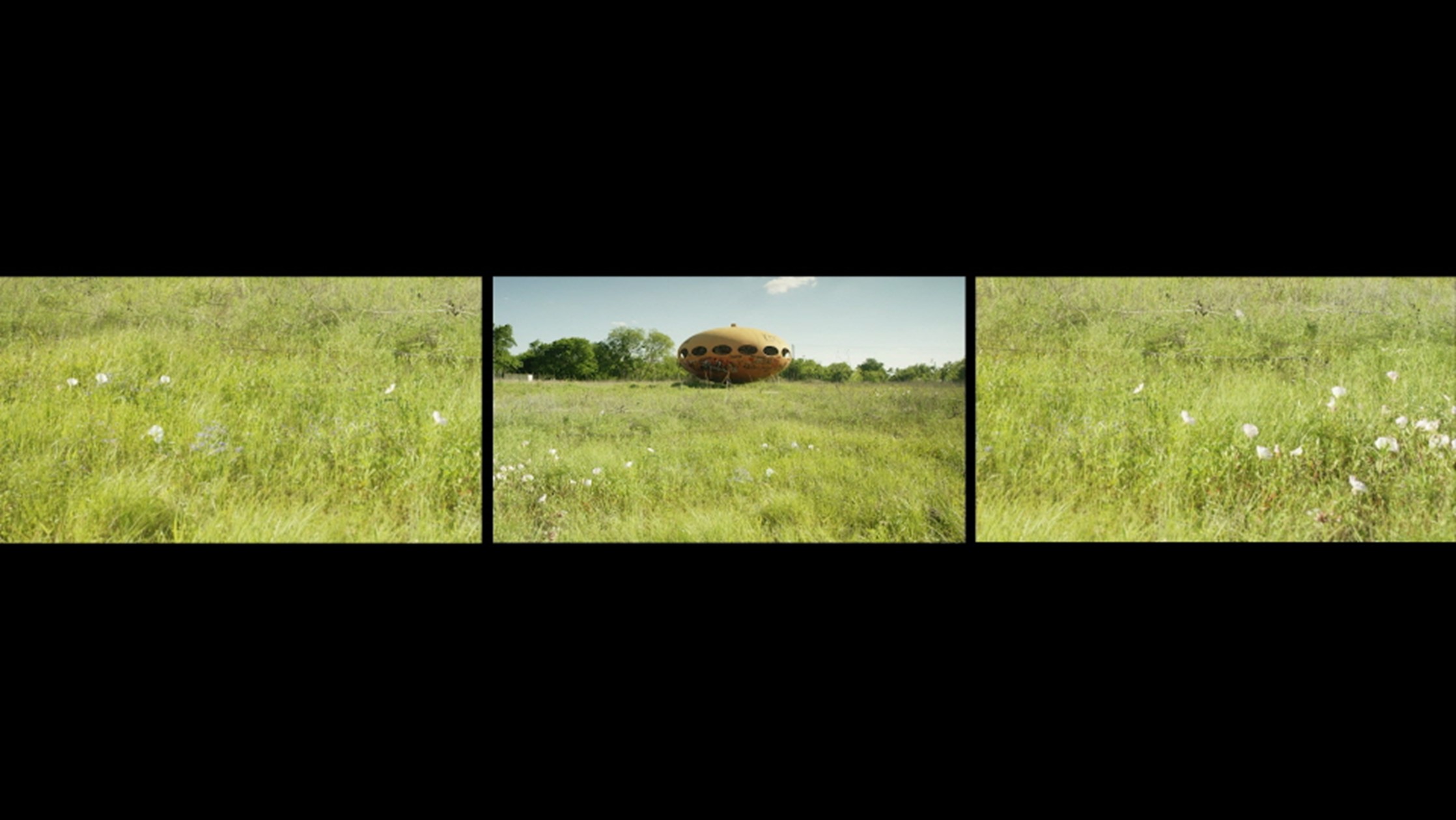
Jaye Rhee, Once Called Future (Still image) © SeMA

Once Called Future by Jaye Rhee is a three-channel video work shot in Royse City of Texas and Corsicana. It unfolds against the backdrop of the Futuro House (mobile home in the shape of an oval flying saucer) abandoned by the highway. The Futuro House, a retro-futuristic relic, embodies a future that was once anticipated but never arrived or passed us by in a “futuristic” form realized in the 20th century.

This work embodies the truth that the present could only be captured in the gap between the “always already” and “not yet,” materializing the essence of contemporaneity by inscribing the past on the present in the form of the future.


Yongkwan Kim, A New Wave © SeMA

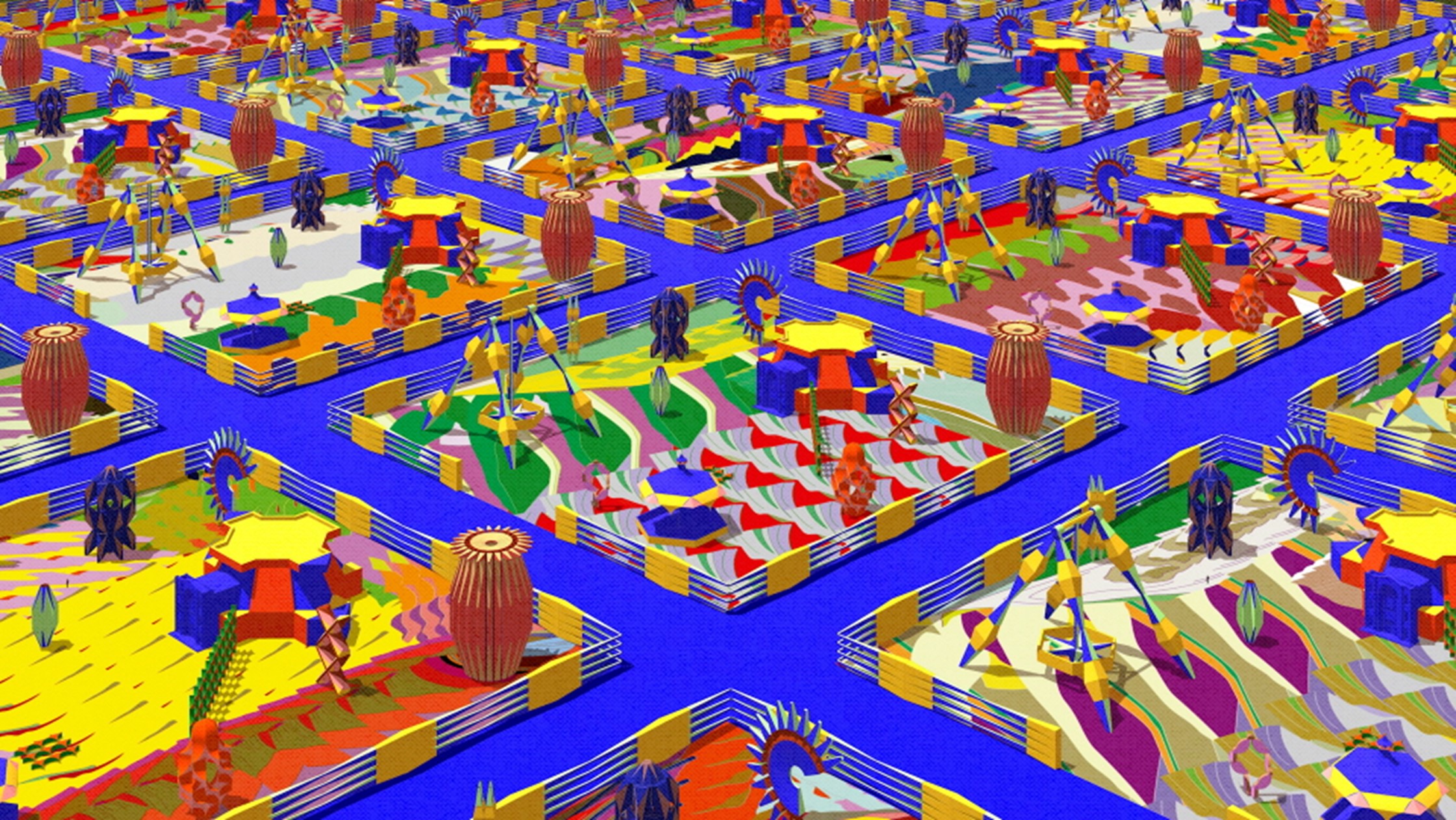
Yongkwan Kim has questioned the absoluteness or necessity of the system and strives to vertically rearrange the conventional values. He explores images of the story or the story of the image, or in other words, the relationship between the images and stories derived from a space and time that is established based on a particular set of rules.

A Voyage Clockwise, Ruins of Mimesis, Mimesis of Ruins, and New Wave form a trilogy on "infinity" which is a subject he has pursued for a long time. These works could be called "visual novels" or "art fiction (AF)" that deals with art, death, and compulsion.

New Wave is an animation under the premise that a game reviewer from the future is playing New Wave. The scenes take the form of an outdated game screen, repeatedly portraying birth and demise against the backdrop of a future where humans, love, and capitalism have maintained the way they are now.

References