Hee Vaak (b. 1987) takes as the central theme of her practice the tracing of human desires that emerge from beliefs passed down through generations. Beginning with personal narratives surrounding religious faith, her work has expanded into an exploration of Korea’s pantheistic traditions of wish-making and supplication, examining the conditions under which belief arises and the processes through which it unfold.


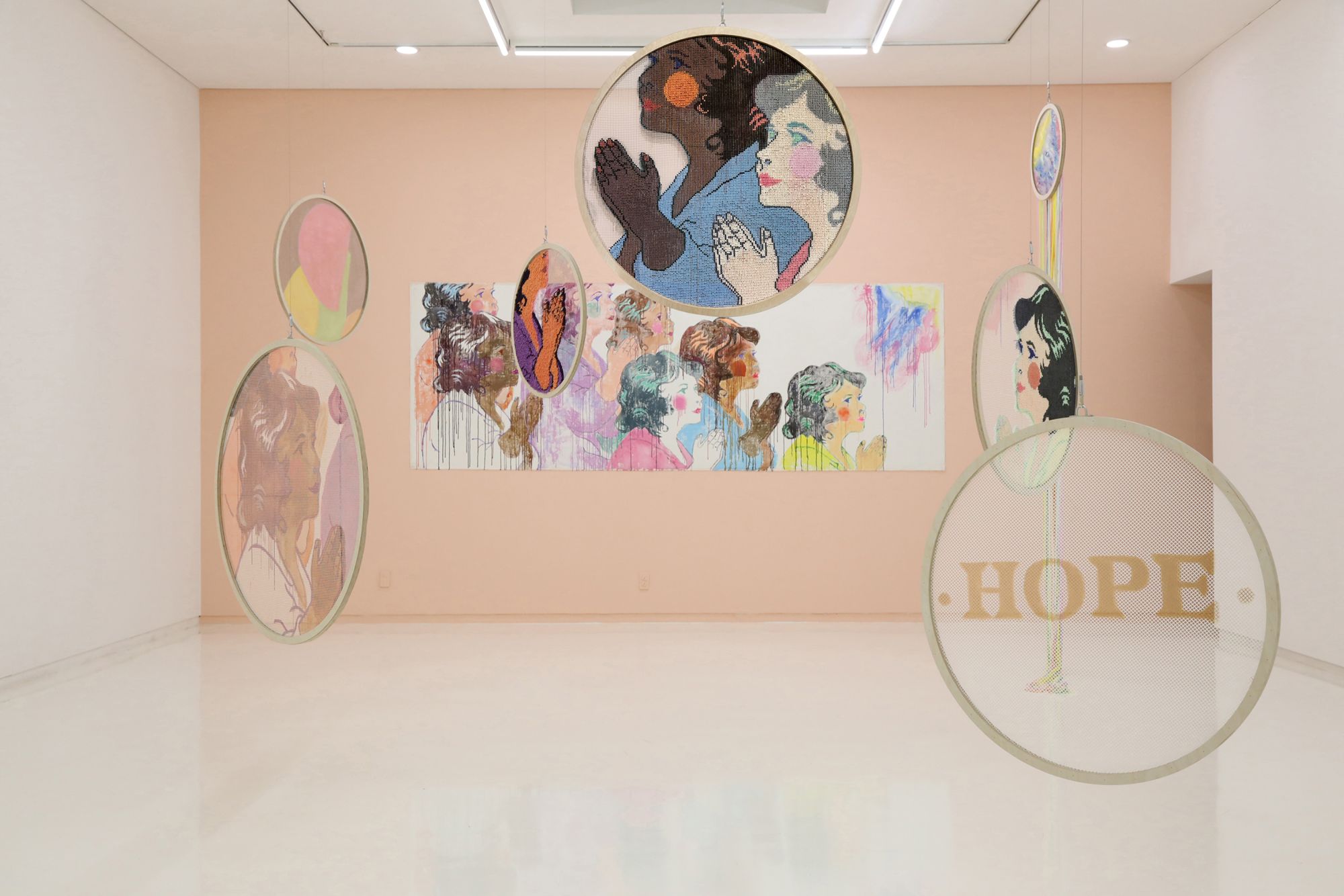
Installation view of 《New Independent : Crossword》 (Yangpyeong Museum of Art, 2025) © Hee Vaak

Hee Vaak is less concerned with belief itself than with how belief and desire have been passed down across generations, and how they have gradually permeated and transformed within everyday life. This inquiry began with tracing the genealogy of faith and longing inherited through the artist’s maternal line — from her grandmother and mother, who first encountered Catholicism through Dapdong Cathedral, to the artist herself.
 
Accordingly, through her work, Hee Vaak attempts to draw up the intimate memories of her childhood in order to reveal the substance of fervent beliefs and desires handed down through generations.


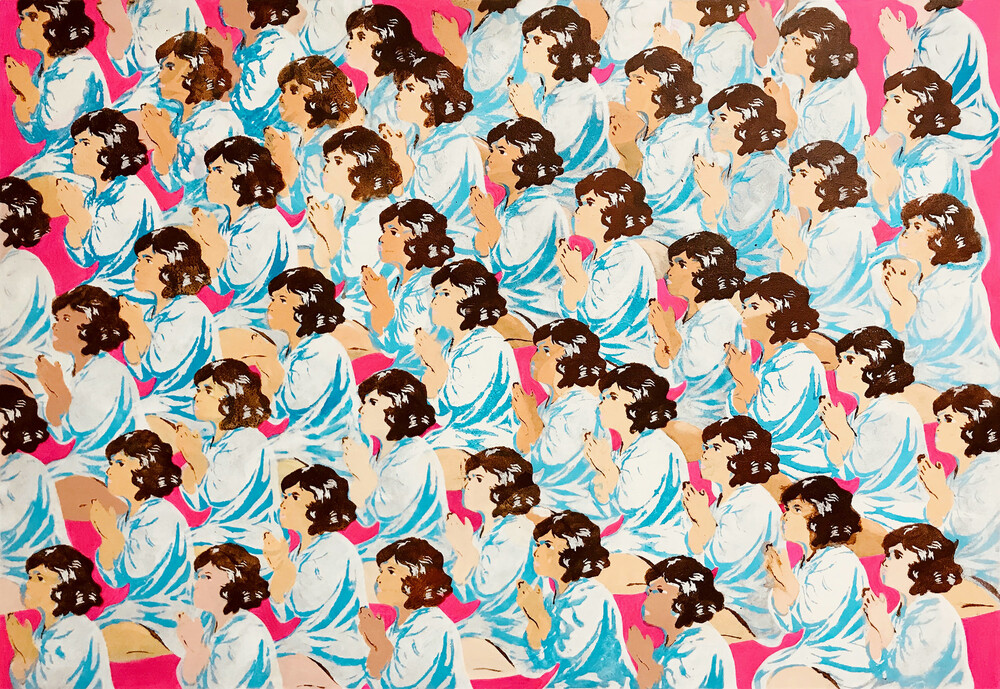
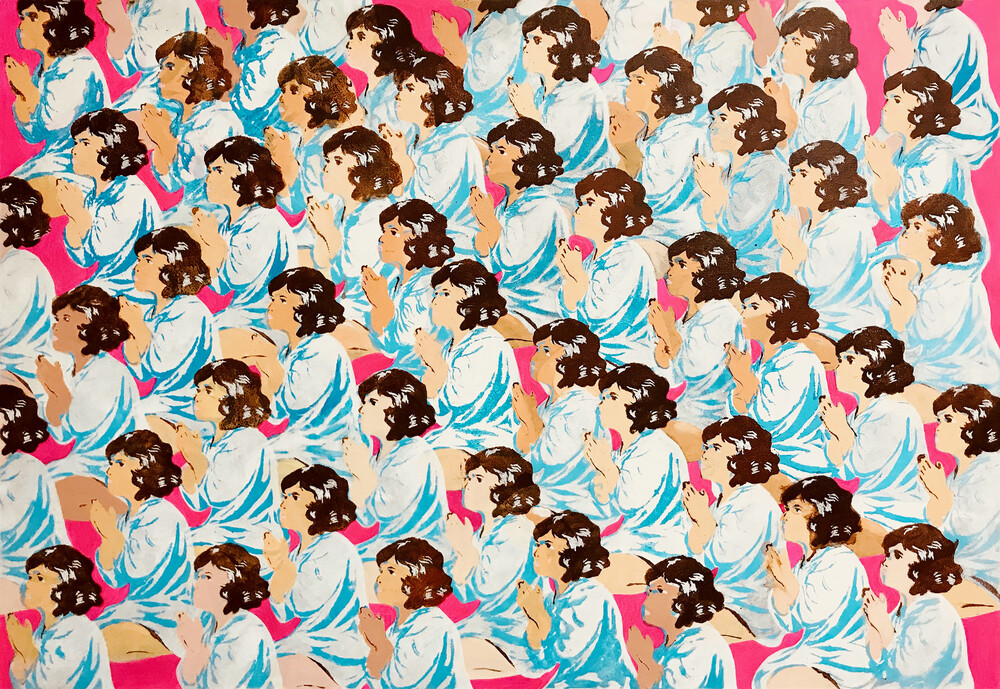
Hee Vaak, Hoping for a Safe Day, 2009, Acrylic stencil on canvas, 91x116.8cm © Hee Vaak

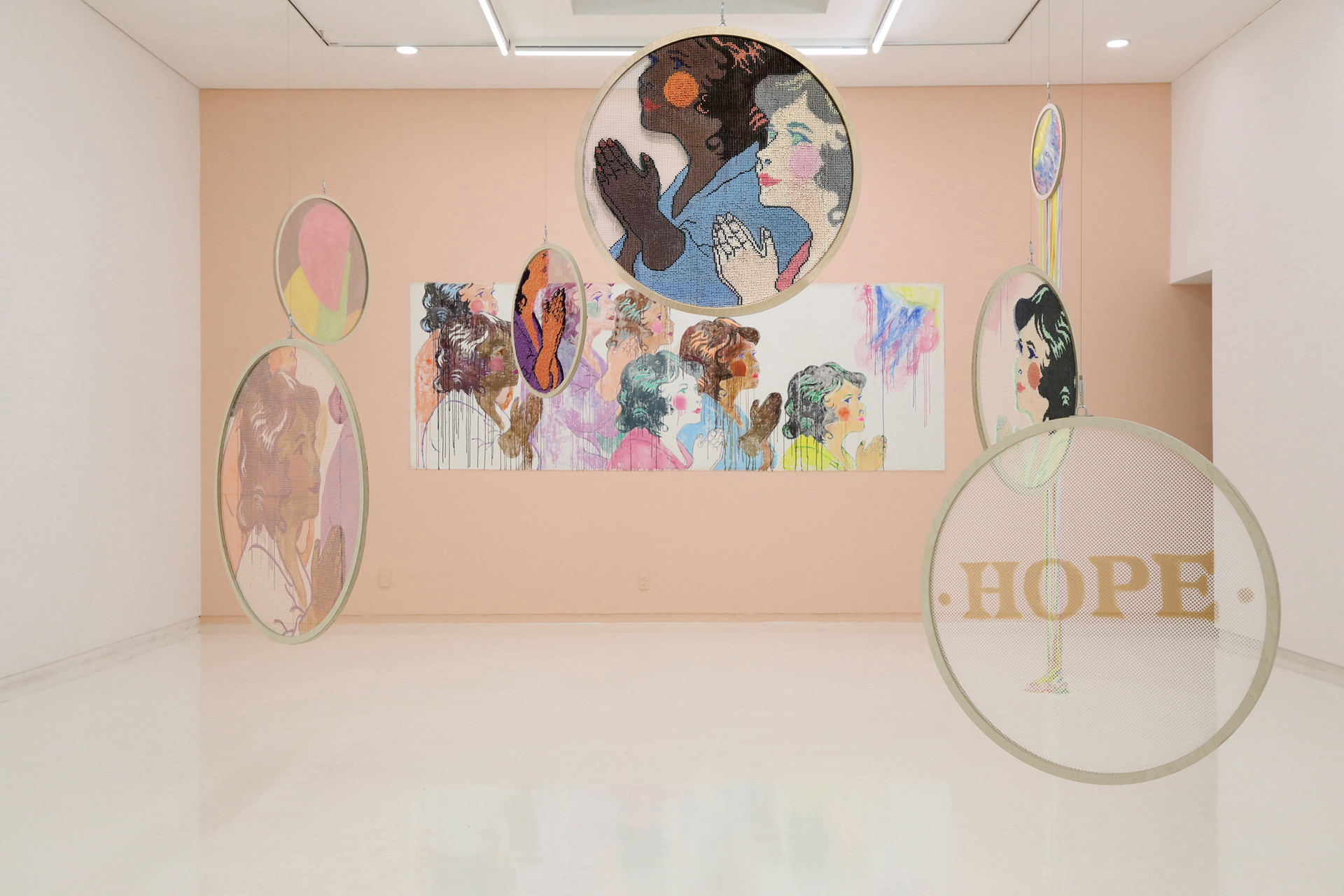
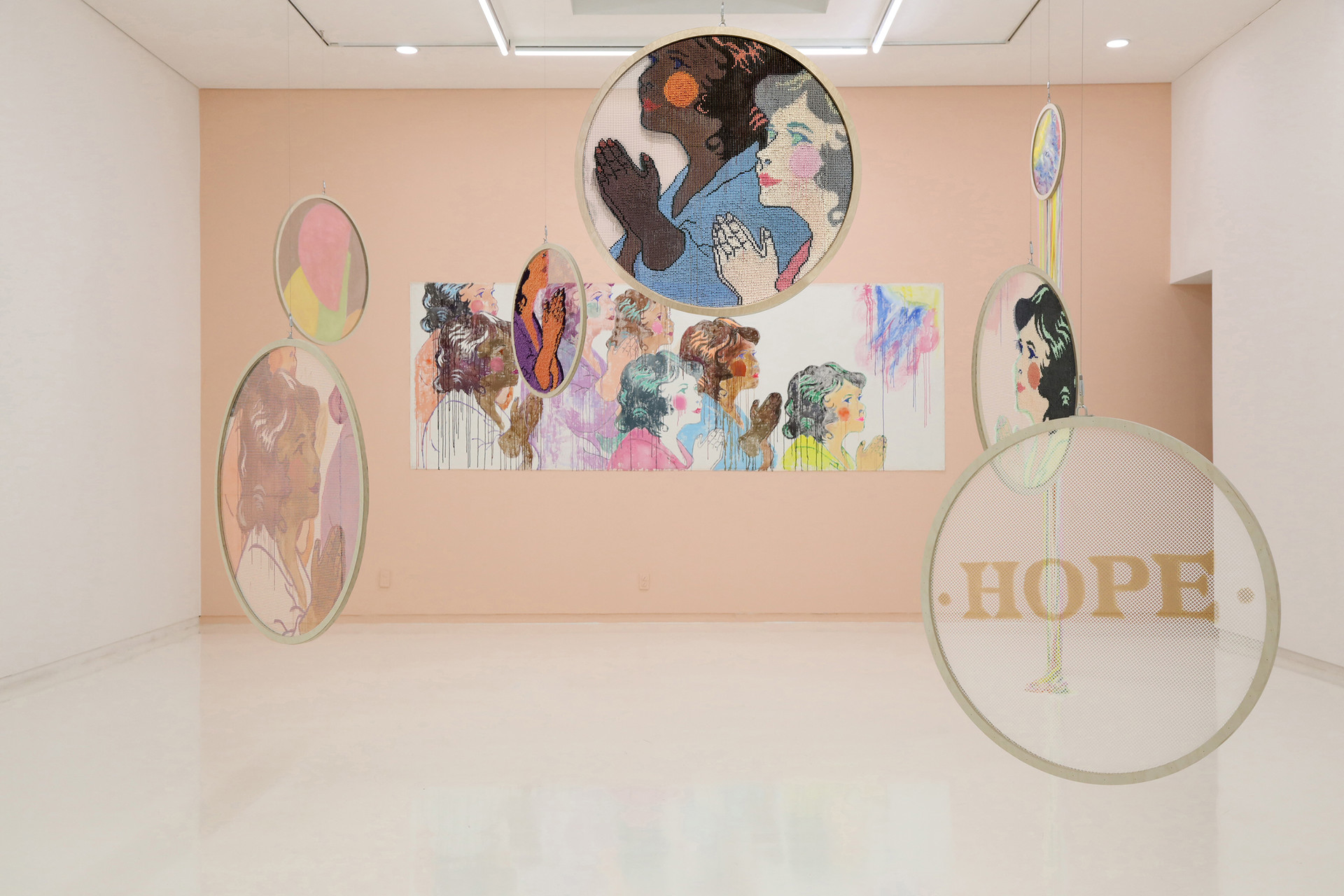
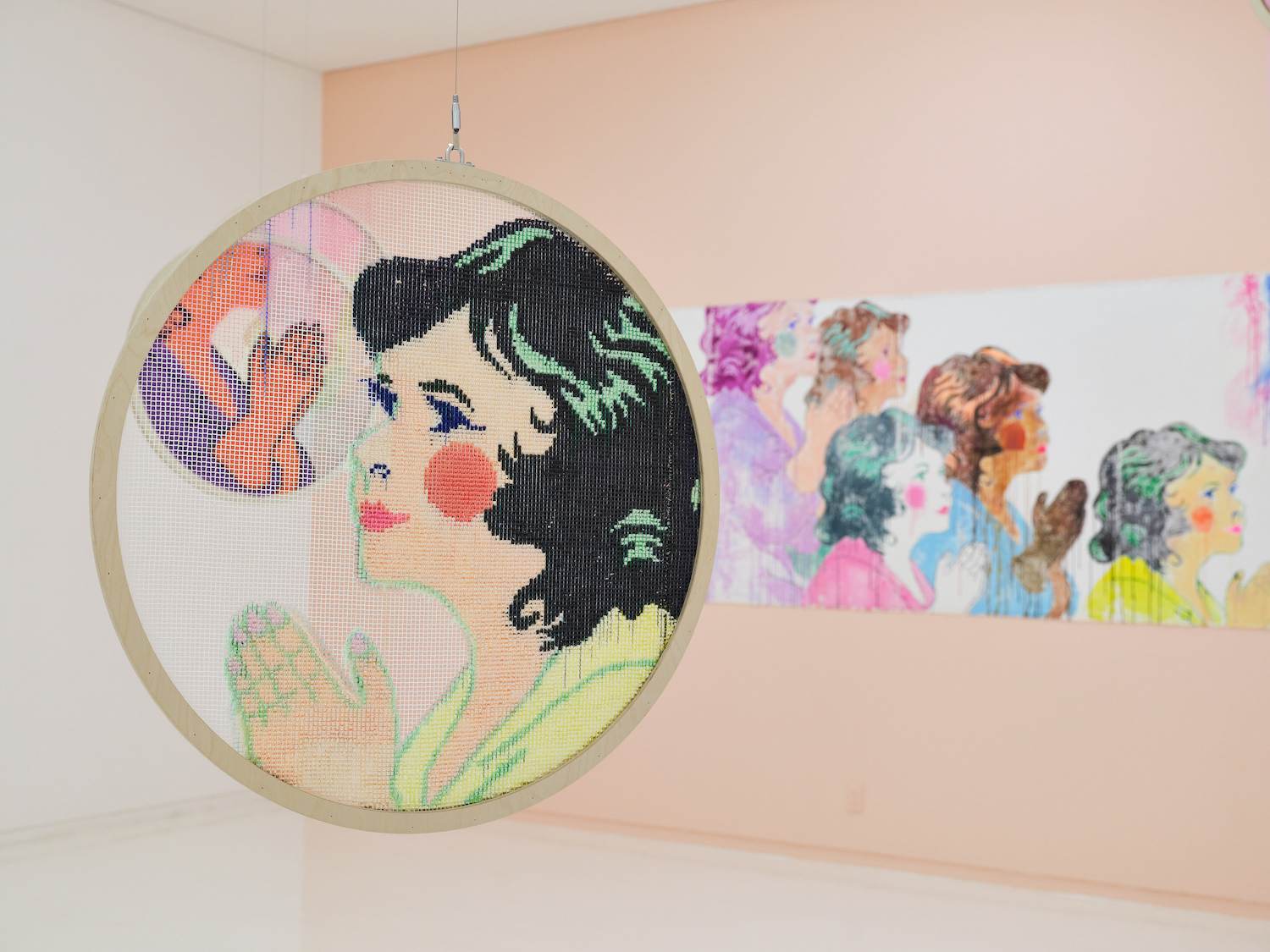
For example, the image of the “praying girl,” which the artist encountered throughout her childhood, has repeatedly appeared in her practice from her early paintings to her recent sculptural works. Depicting a white-skinned girl with curly black hair in prayer, the “praying girl” is one of the specific iconographic images that were adapted and widely reproduced within Korean Christian and Catholic visual culture.
 
Such imagery has long functioned both as a reminder of the importance of a prayerful life and as a representation of an innocent child receiving divine grace. Reproduced through photographs, paintings, and other forms of media, these images became widely disseminated throughout Korea.


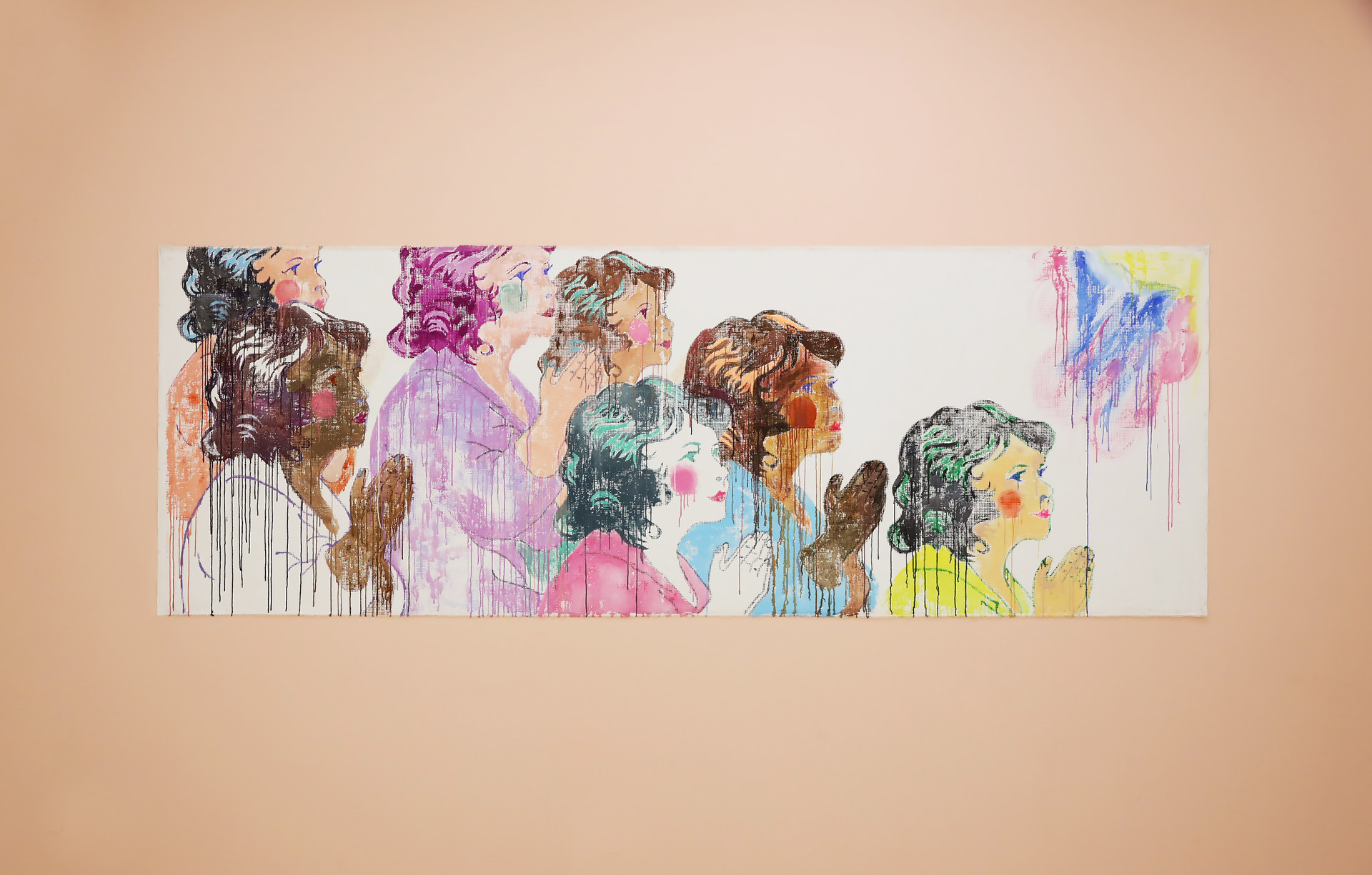
Hee Vaak, A world that works by faith, 2022, Acrylic on canvas, 142x408cm © Hee Vaak

Hee Vaak has also drawn reference from the stylized kitsch paintings of the “praying girl” image that could easily be found in small shops and households in Korea during the 1970s. These images originally derived from Joshua Reynolds’s The Infant Samuel. While the original painting depicts a praying boy, the figure became transformed into a girl after arriving in Korea, and through processes of mass reproduction, circulated in increasingly crude and degraded forms.
 
Rather than seeking authenticity or sacredness within the image itself, Hee Vaak became interested in understanding why such imagery could become so widespread in Korean society. Through the iconography of the praying girl, she ultimately attempts to examine the human desire to seek comfort and pray for blessings within a harsh and uncertain world.


Installation view of 《Hoping for a Safe Day》 (Cheongju Art Studio, 2022) © Hee Vaak

Hee Vaak appropriated this imagery into her own practice, naming it an “icon of solace,” and sought to continue the genealogy of desire through performative forms of labor, such as repeatedly reproducing the image with stencil techniques or stitching it through machine embroidery.
 
Alongside this, Hee Vaak has continued a body of work documenting the life and labor of her maternal grandmother, Choi Oksoon, who lived as an ordinary citizen through the Japanese colonial period and the Korean War. Having traveled to Japan in search of work, her grandmother lived as a foreigner there, yet even after returning to Korea following liberation, she continued to live a “life without speech,” having forgotten much of her Korean language.


Installation view of 《Artist Prologue 2022》 (Art Centre Art Moment, 2022) © Hee Vaak

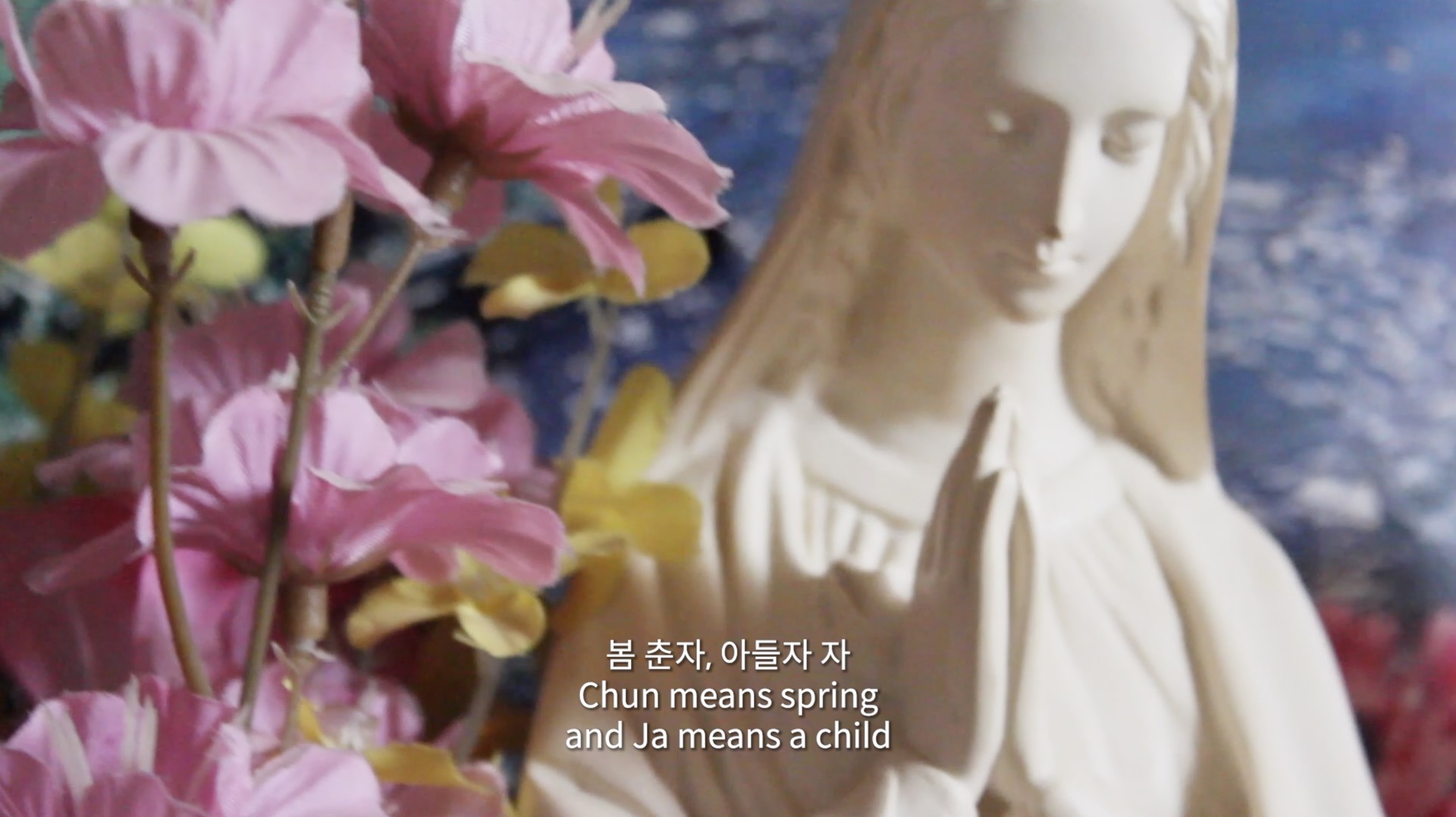
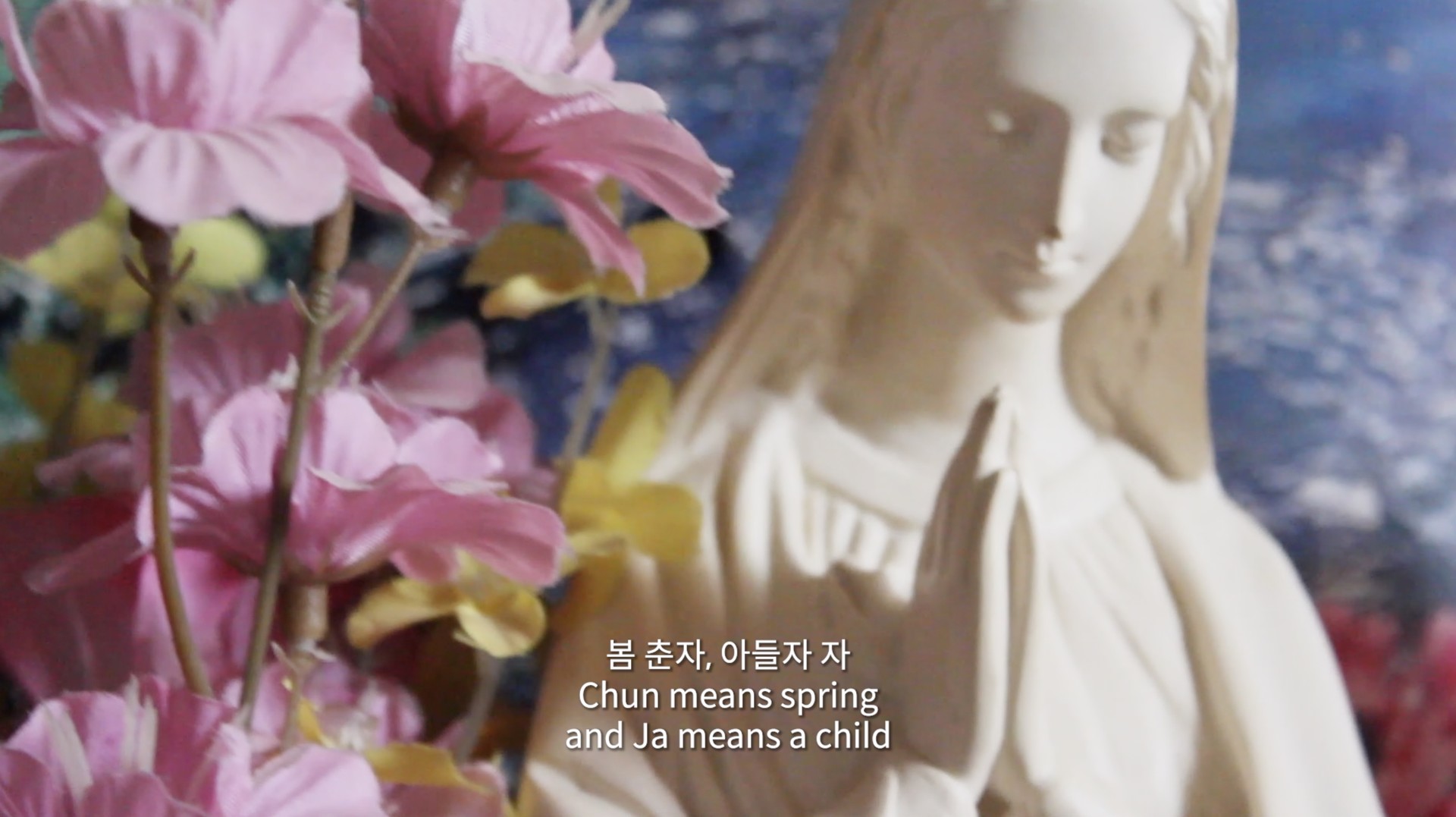
This body of work tracing Oksoon’s life began when Hee Vaak learned that her grandmother had lived under several different names in addition to Oksoon — including Saikyokujun, Chunja, and Haruae. Embedded within Hee Vaak’s work are the stories of Chunja, a young girl raised by a French priest at Dapdong Cathedral who dreamed of becoming a nun; Saikyokujun, a young woman who endured the turmoil of her era while working in factories in Manchuria and Osaka; and Oksoon, an elderly woman who quietly attended Mass every week.


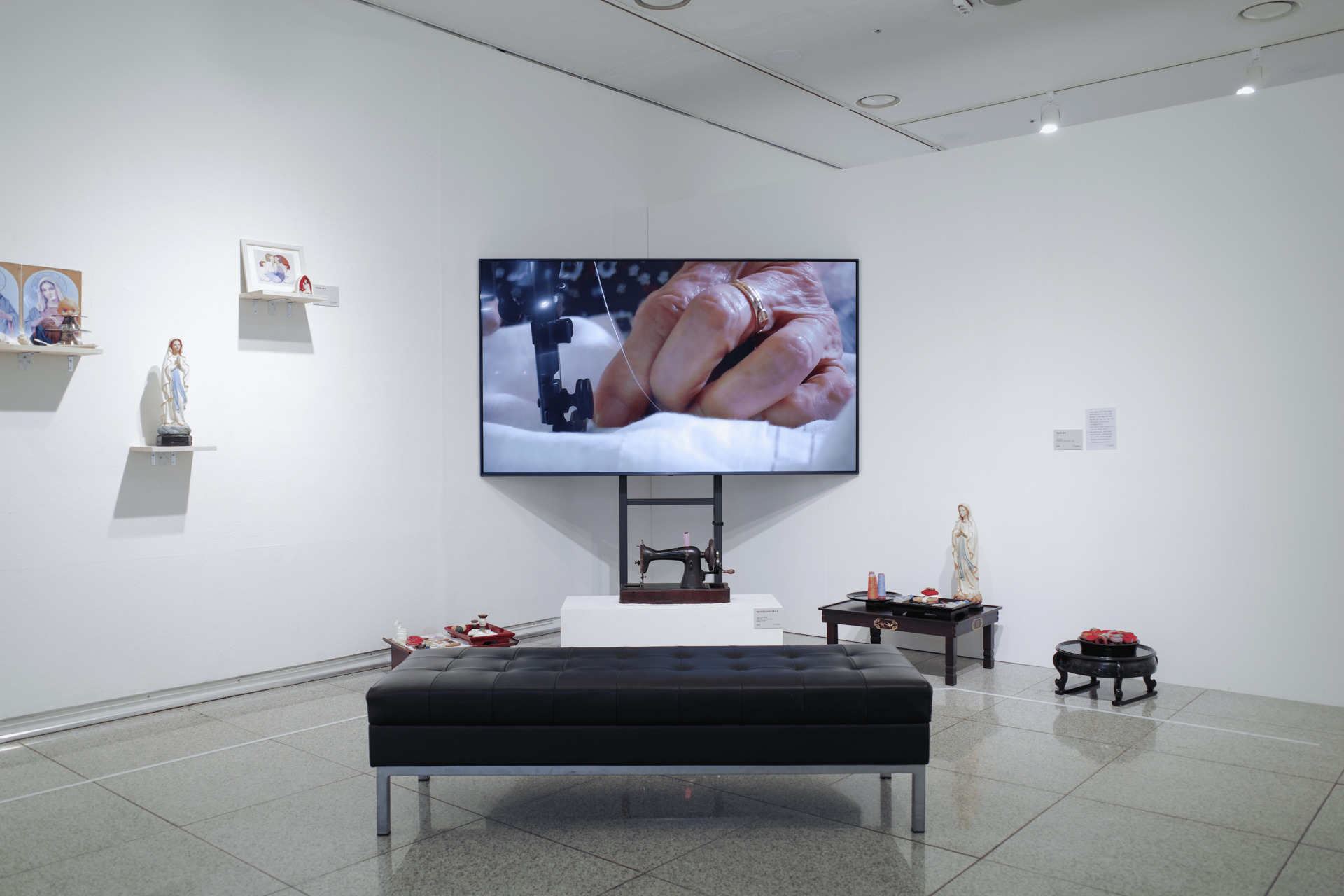
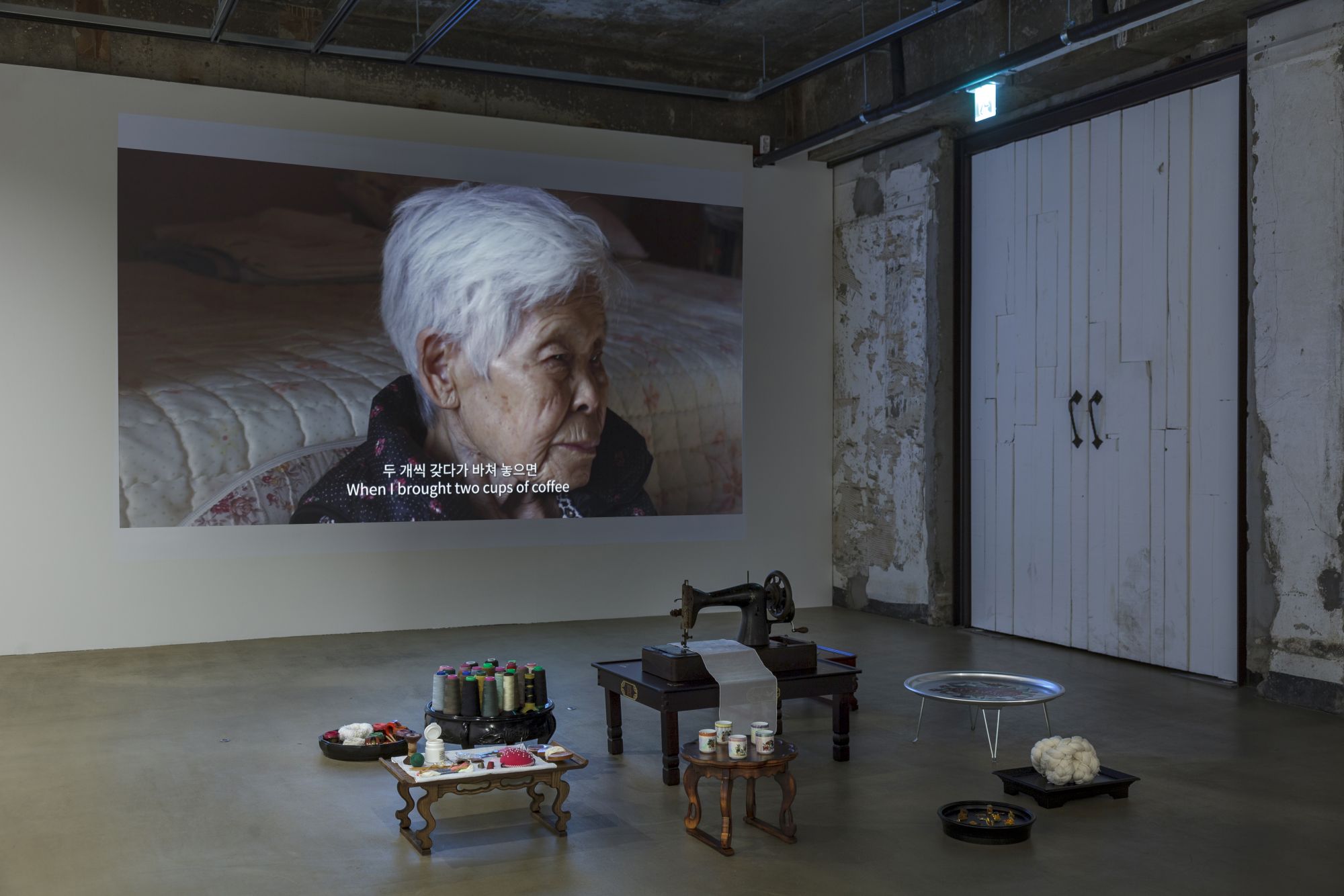
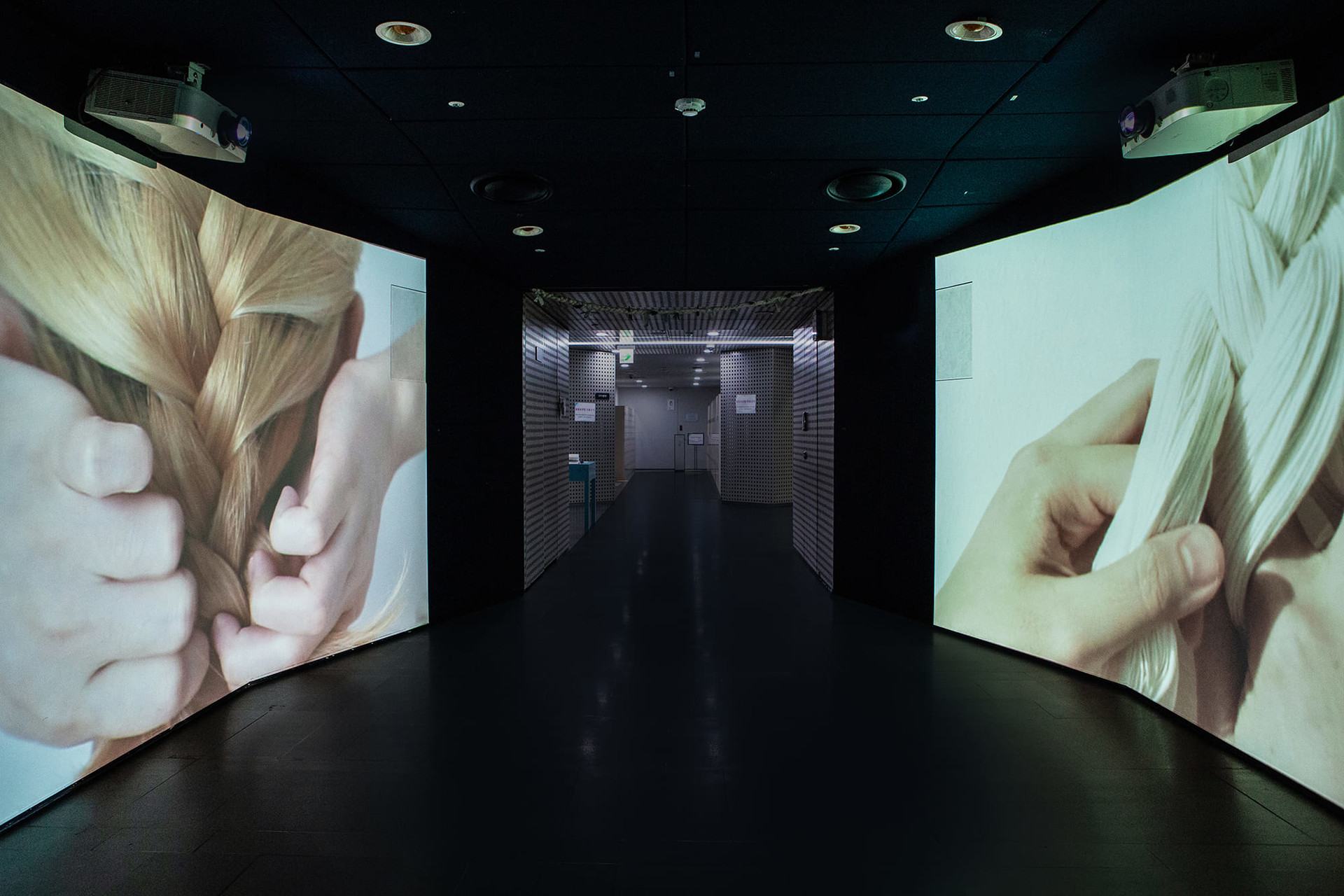
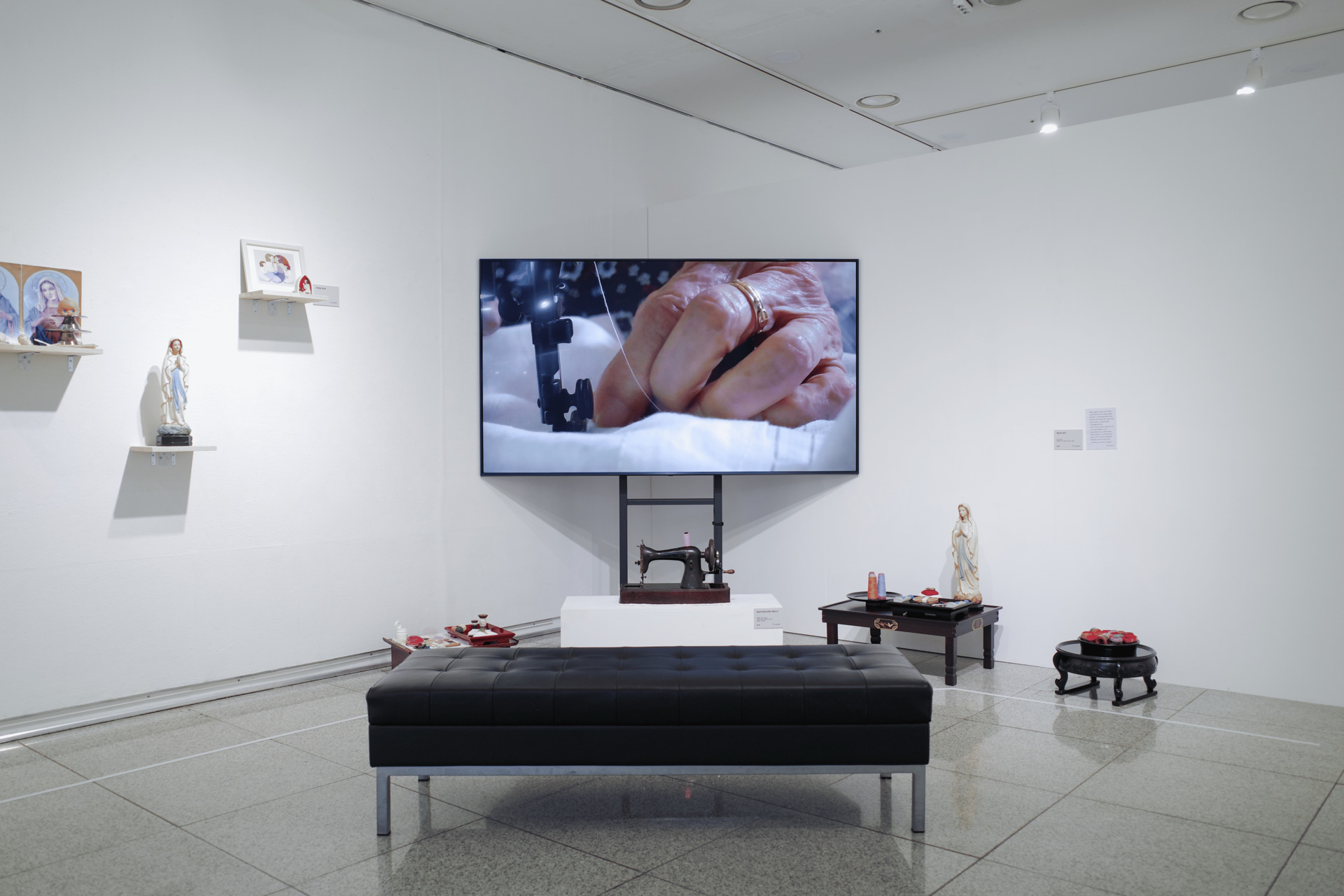
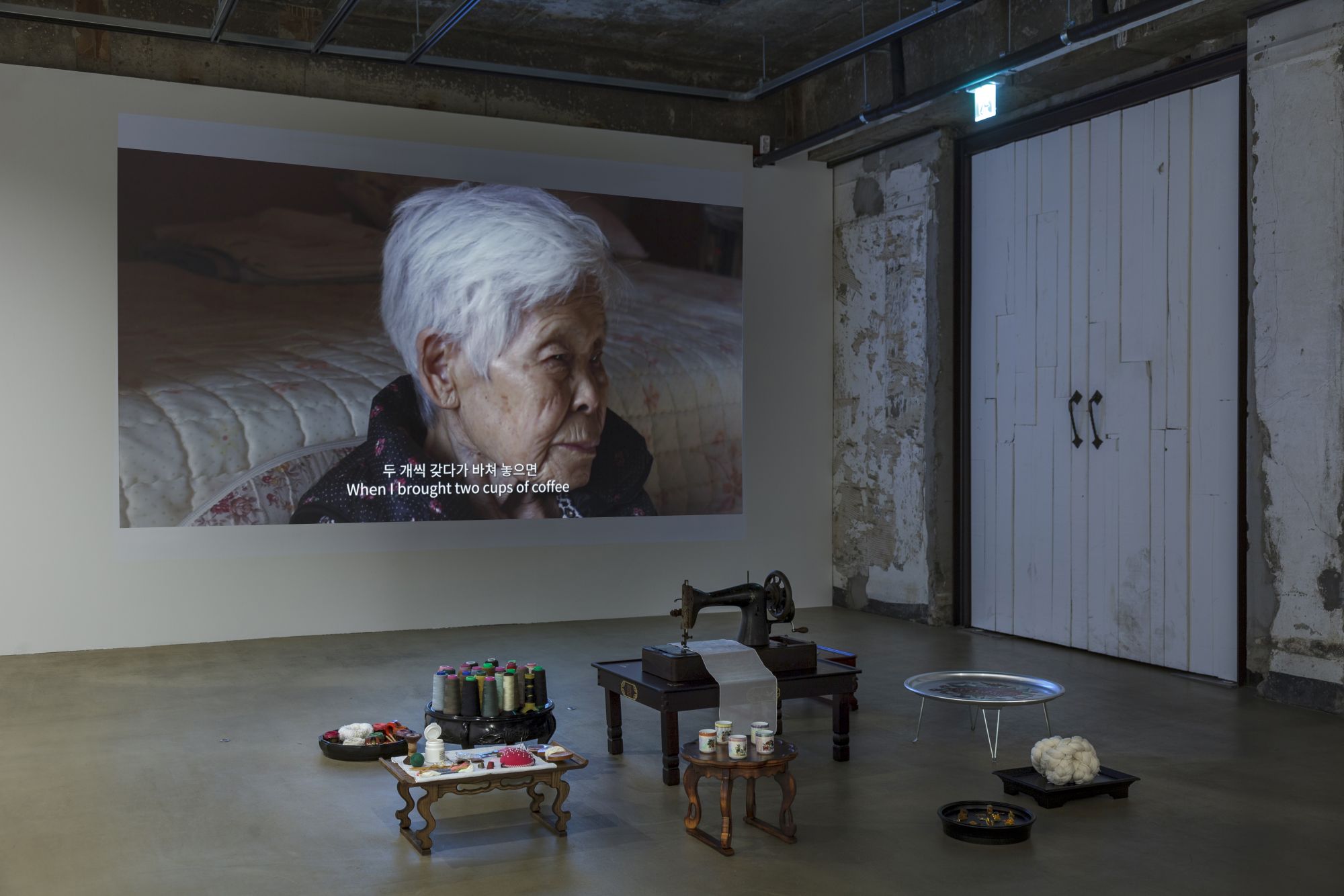
Hee Vaak, Pieces of Oksoon, 2023, Single-channel video, FHD, color, sound, 21min. © Hee Vaak

Hee Vaak thus calls her maternal grandmother — who lived her life under multiple names — before the camera, attempting to capture the traces of her life through various forms of artistic practice. Rather than employing strategies of visualization that convey a fixed message, however, the artist leaves Oksoon’s figure and the remnants of her life in an ambiguous state, drifting like floating signifiers.


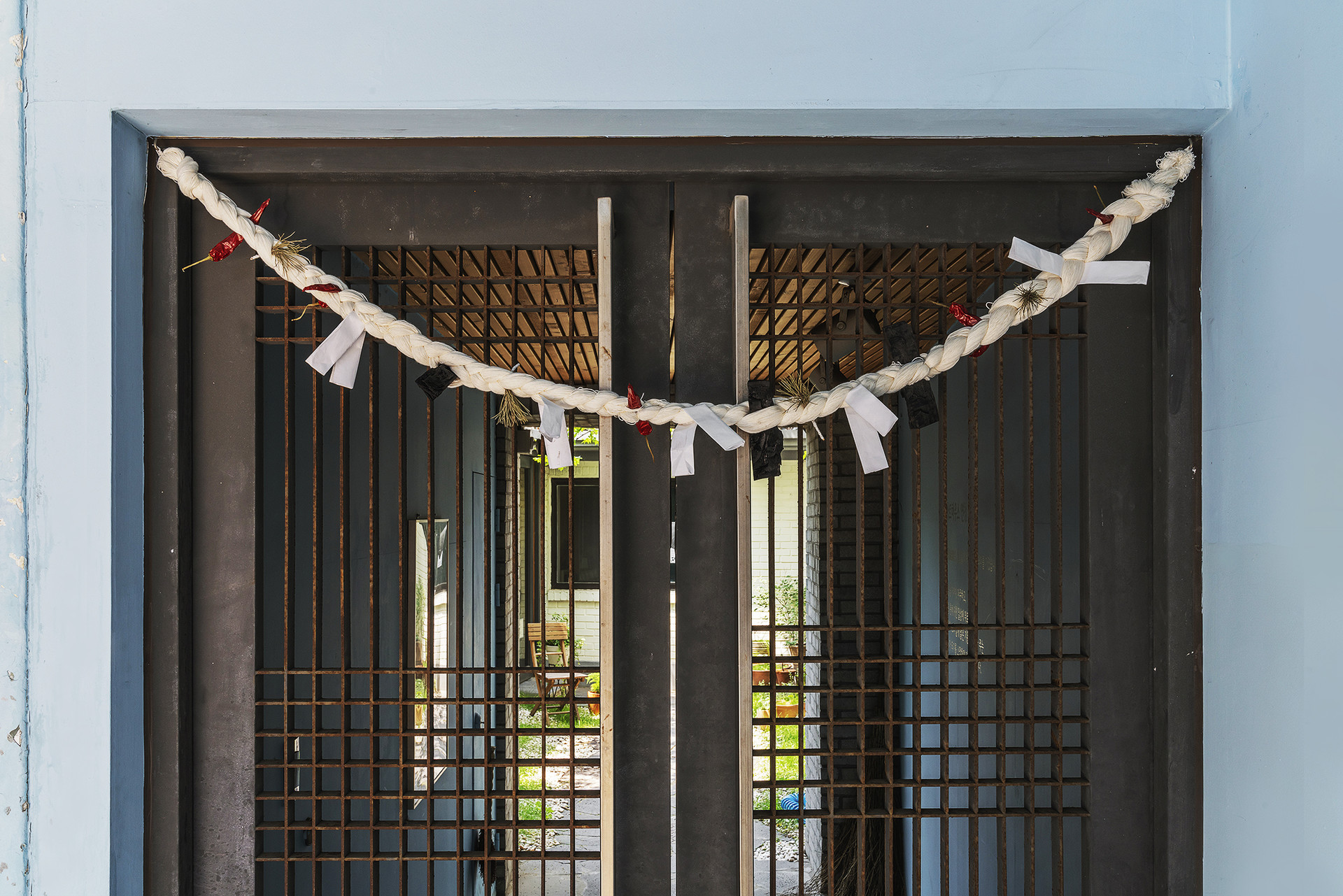
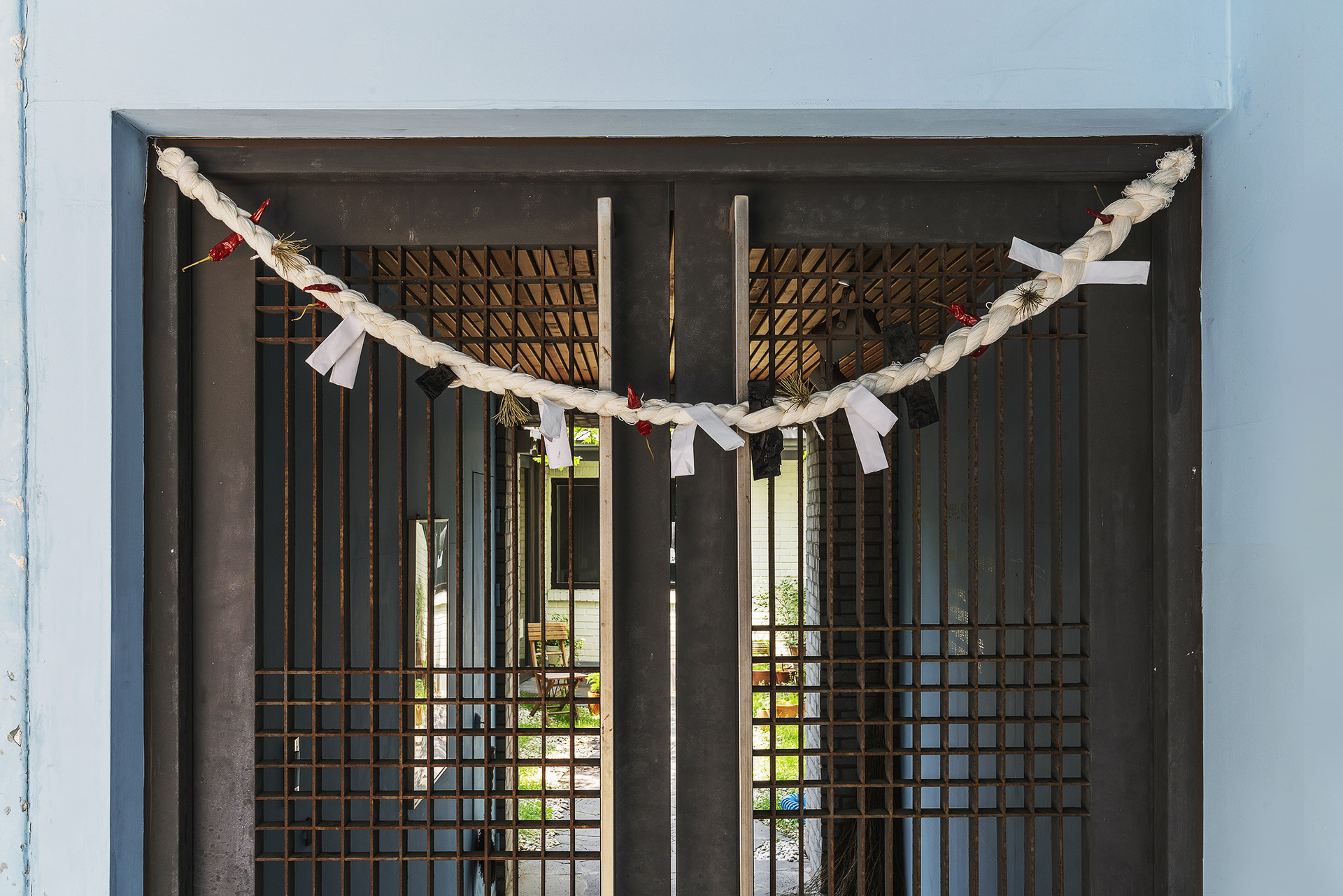
Hee Vaak, Oksoon’s Geumjul, 2021, Made of Oksoon's silk thread, Chili pepper, charcoal, pine needle, hanji, Variable size © Hee Vaak

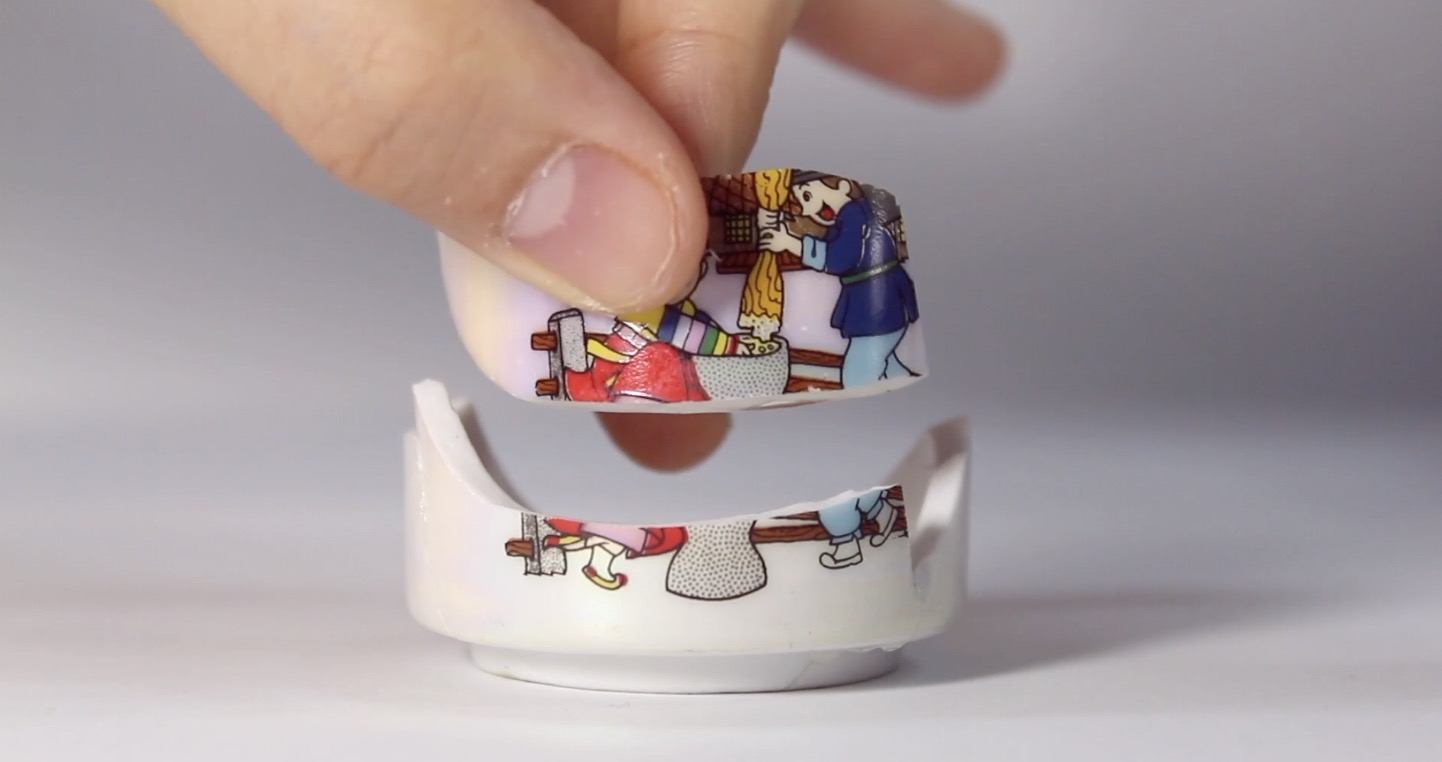
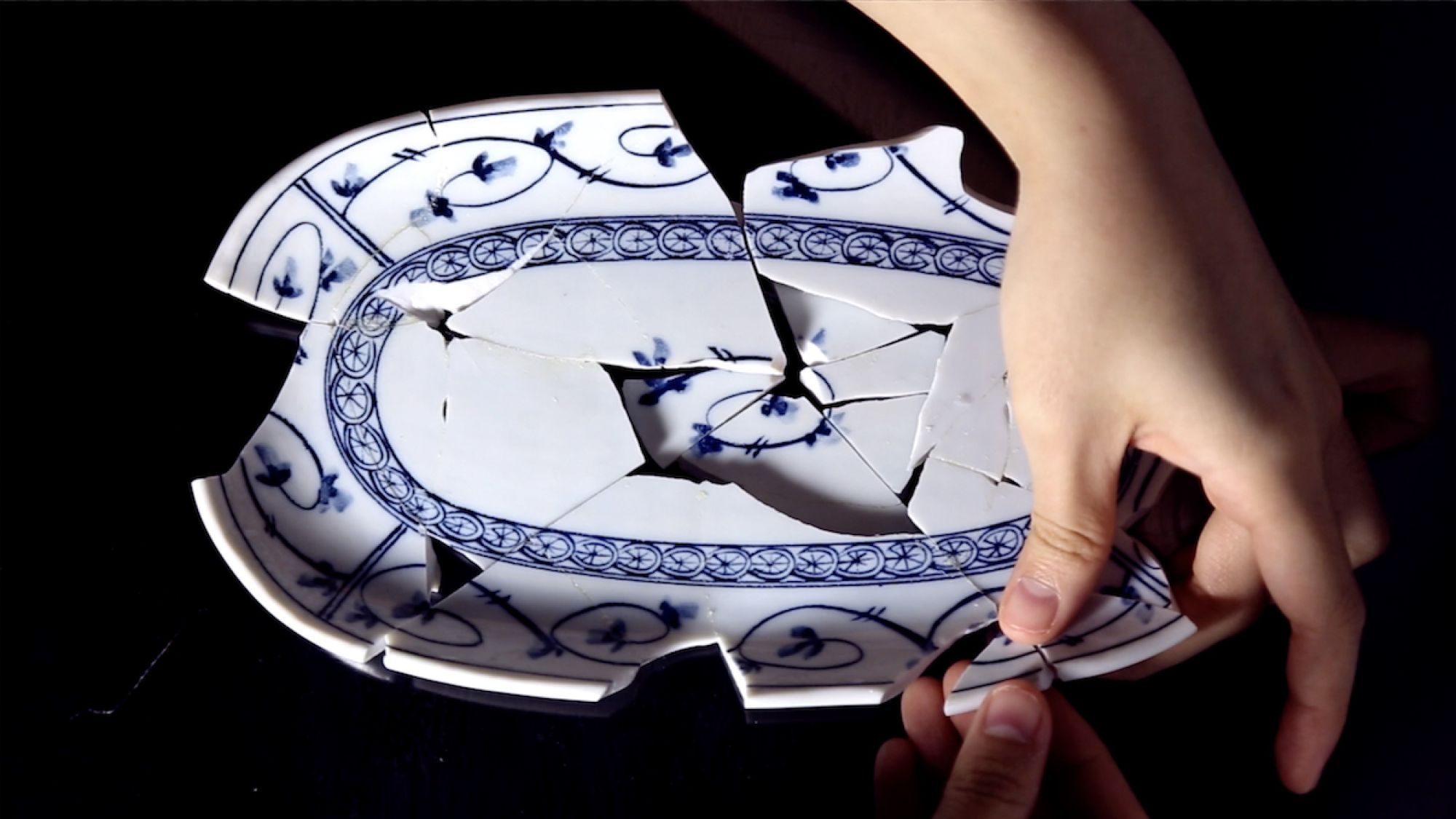
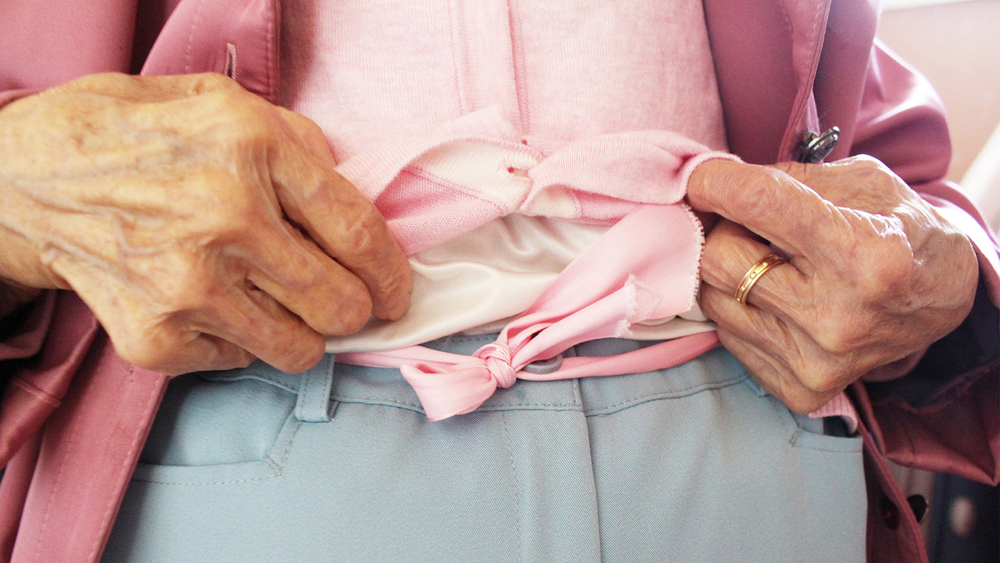
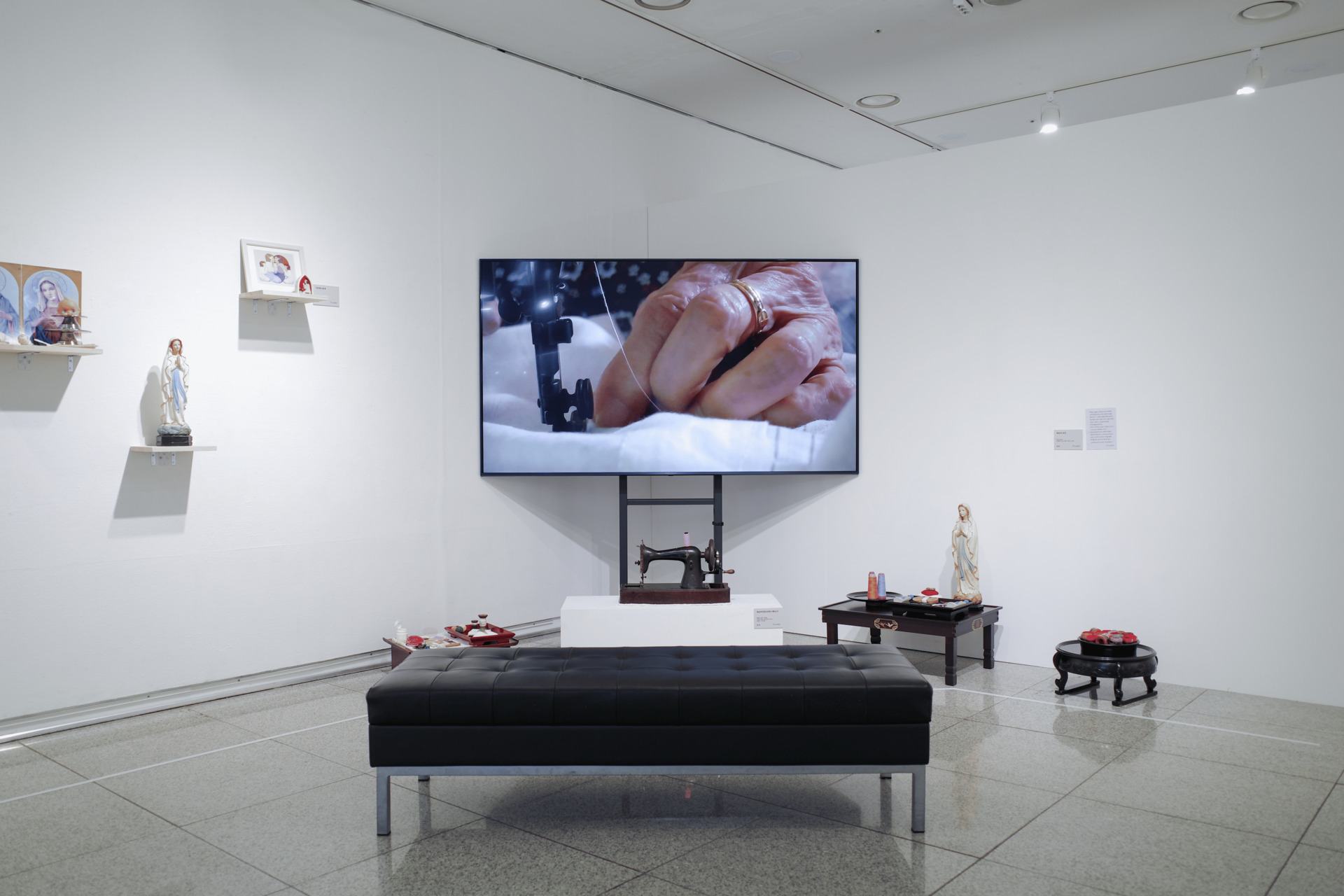
For instance, Hee Vaak arranges material objects associated with “sewing” — the labor Oksoon undertook to make a living — such as sewing baskets, tools, sewing machines, and blankets. She also engages in handcraft practices such as twisting sacred ropes herself using silk threads left behind by Oksoon, or mending broken ceramic vessels with the manual skills inherited from her grandmother.
 
Through these performative forms of labor, rather than pursuing some grand truth, the artist looks closely at the fragments of Oksoon’s life to uncover a sincere way of living, and within it, recognizes a modest desire for peace and the hope for an uneventful day.
 
Likewise, the documentary work Pieces of Oksoon (2023), which records Oksoon’s voice and presence, does not attempt to deliver a clear or didactic message. Instead, it quietly observes the figure of Oksoon — who lived through multiple names — and the rhythms of her everyday labor with a contemplative gaze.


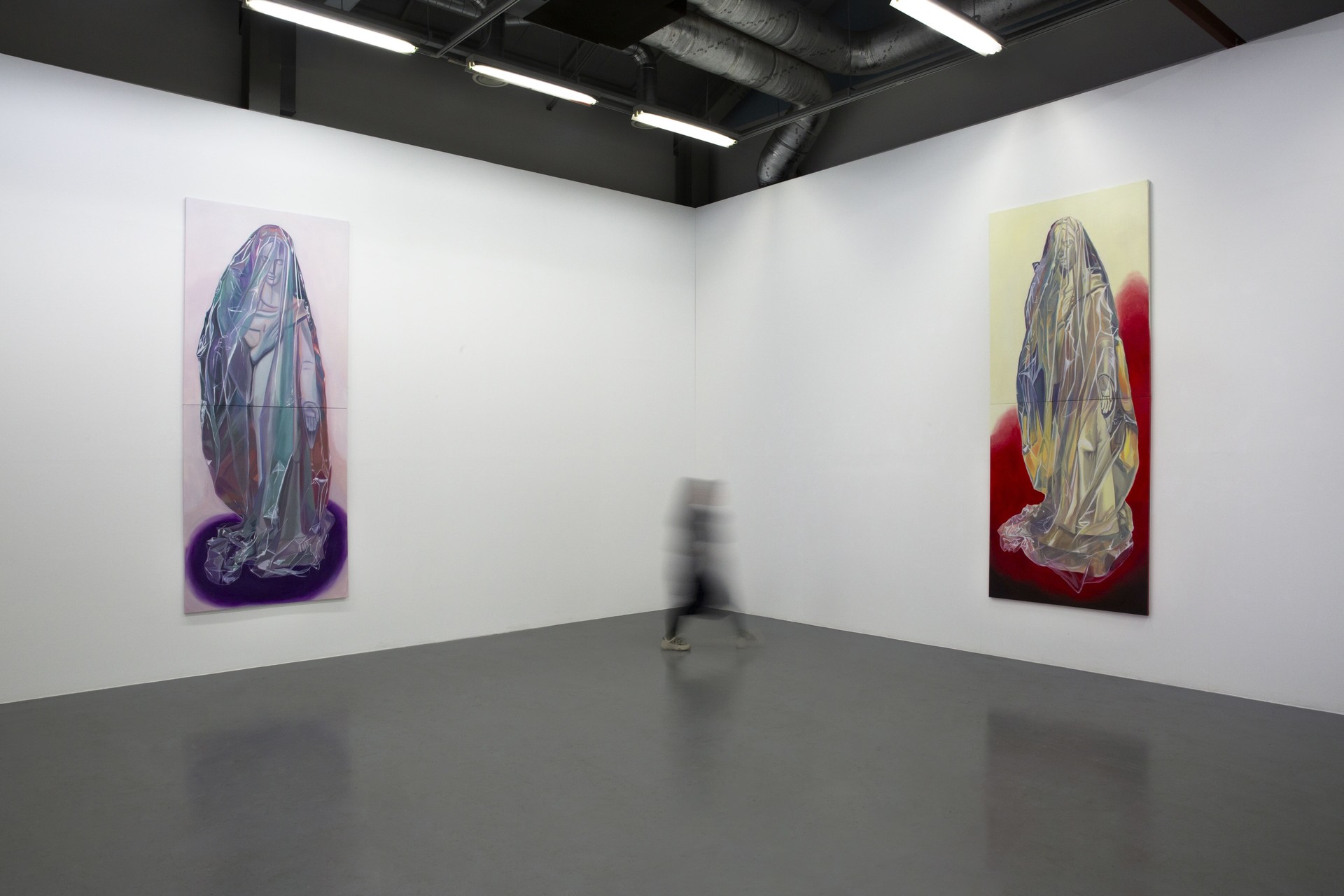
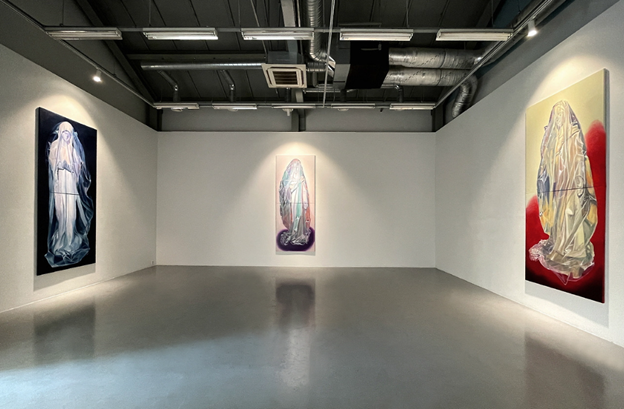
Installation view of 《There is no gold that does not decay》 (Incheon Art Platform, 2025) © Hee Vaak

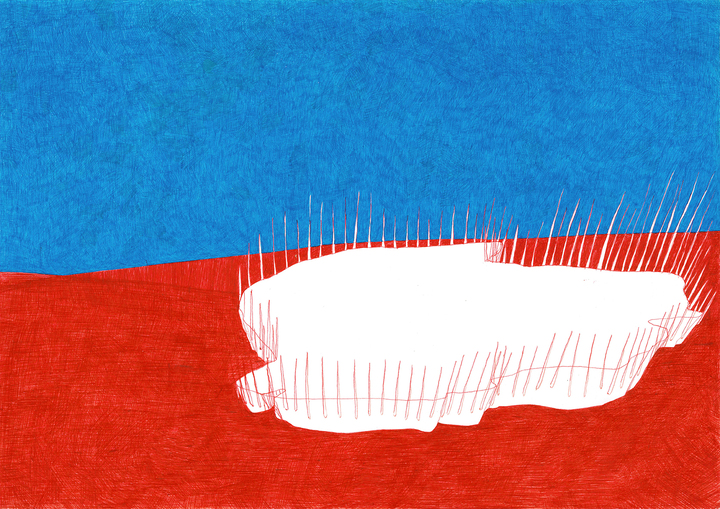
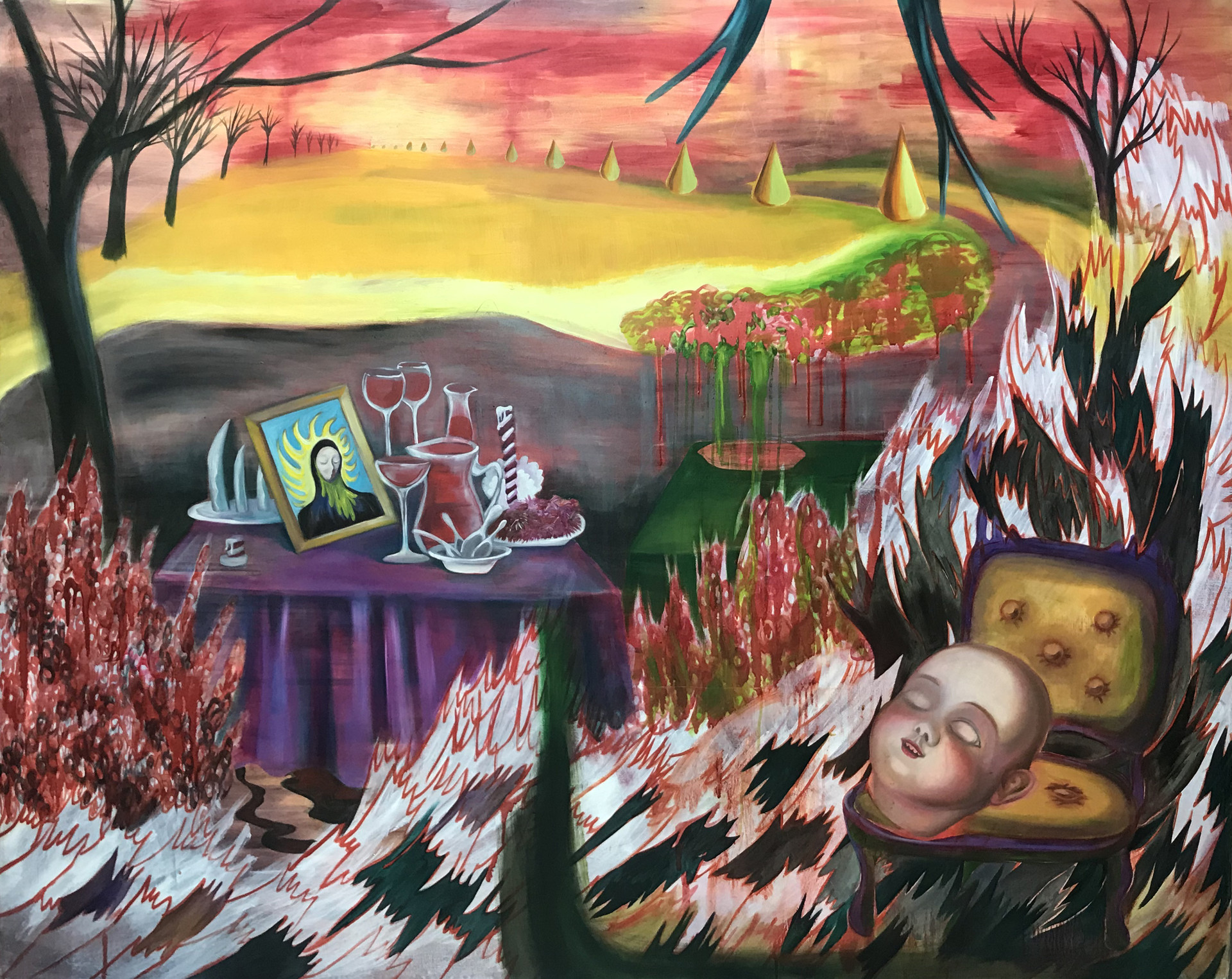
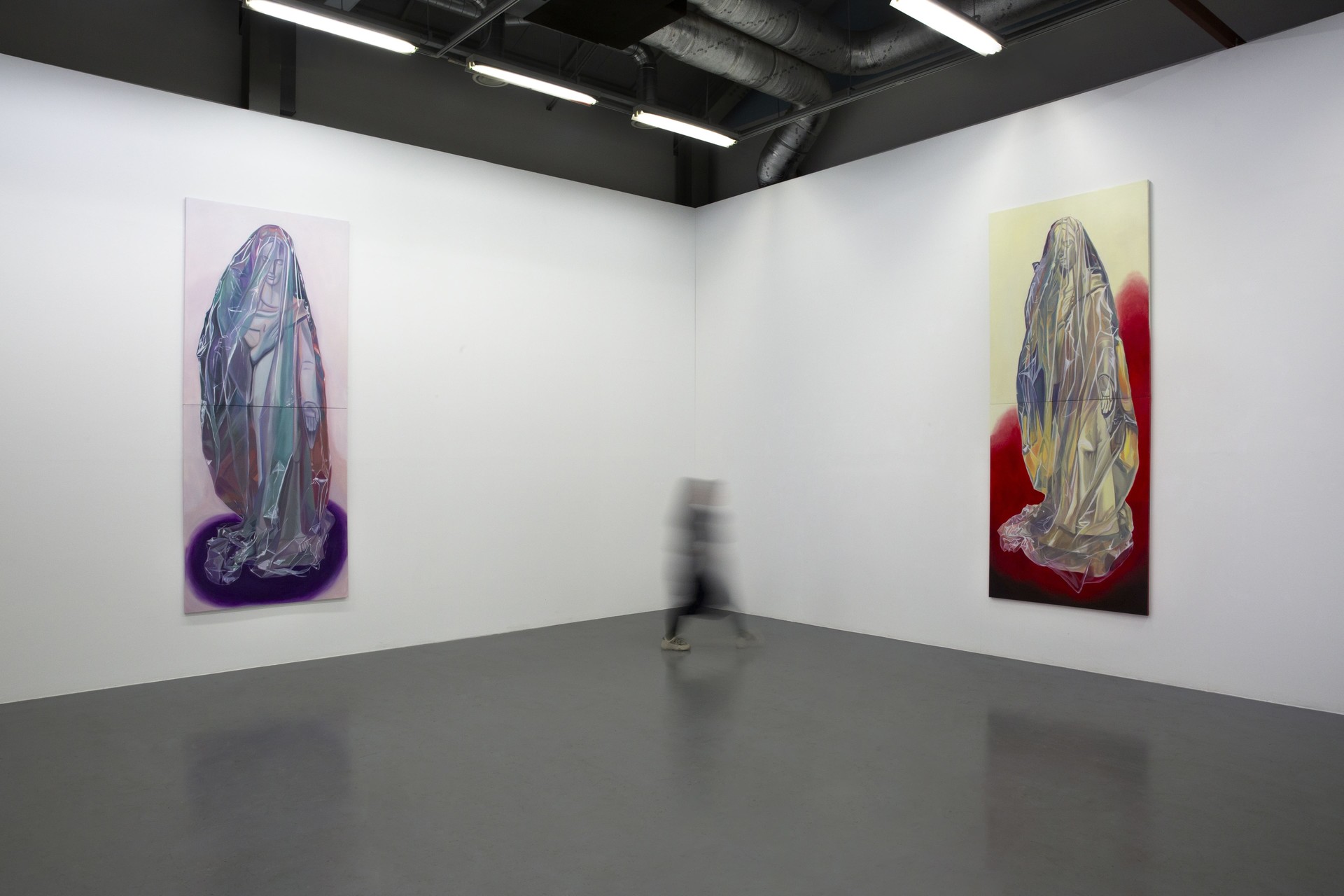
Meanwhile, in her 2025 solo exhibition 《There is no gold that does not decay》 at Incheon Art Platform, Hee Vaak translated the family narratives and religious experiences she had previously explored through video, two-dimensional works, sculpture, and installation into the medium of painting, rendering them as images that were less narrative-driven yet more psychologically intense and emotionally charged.
 
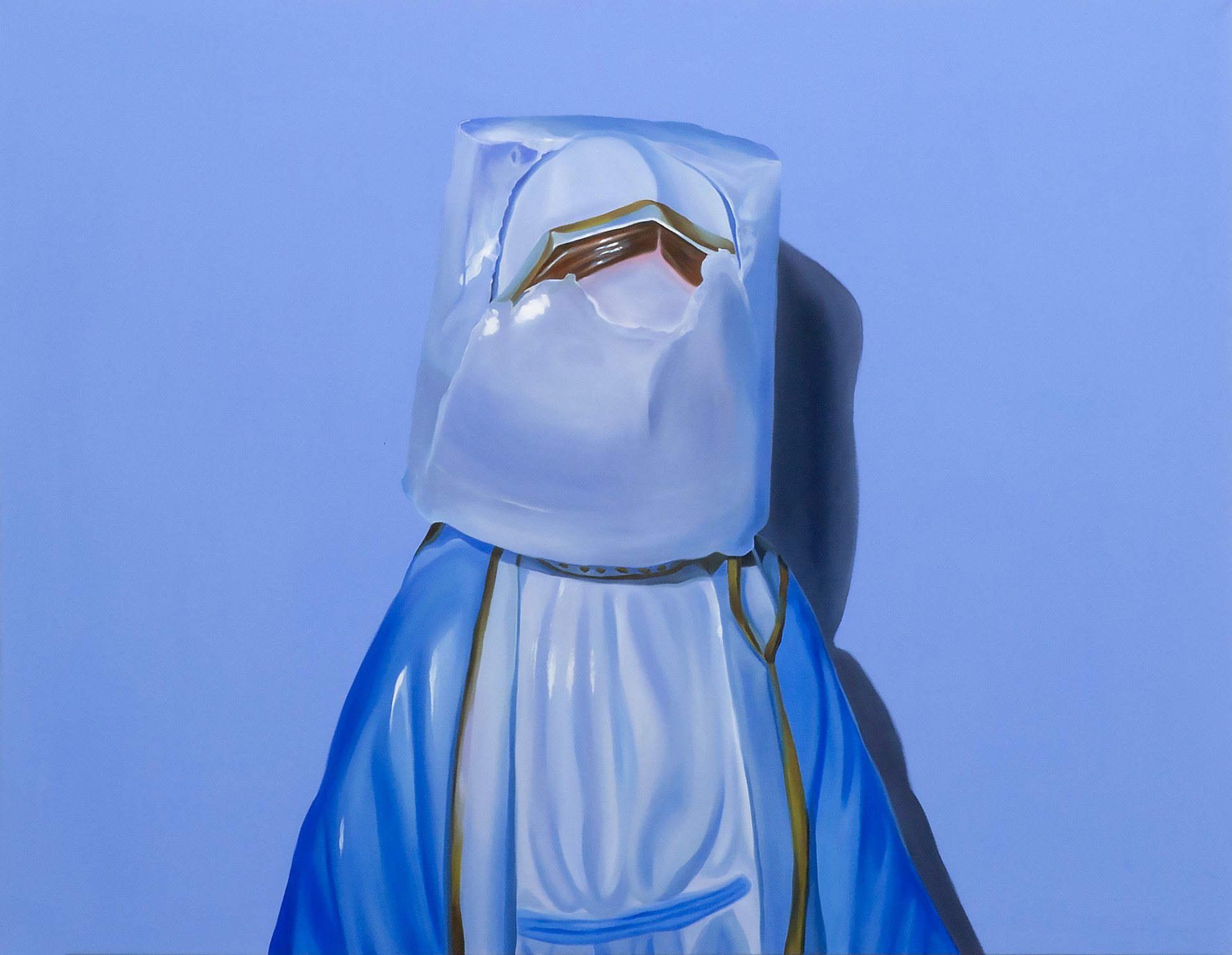
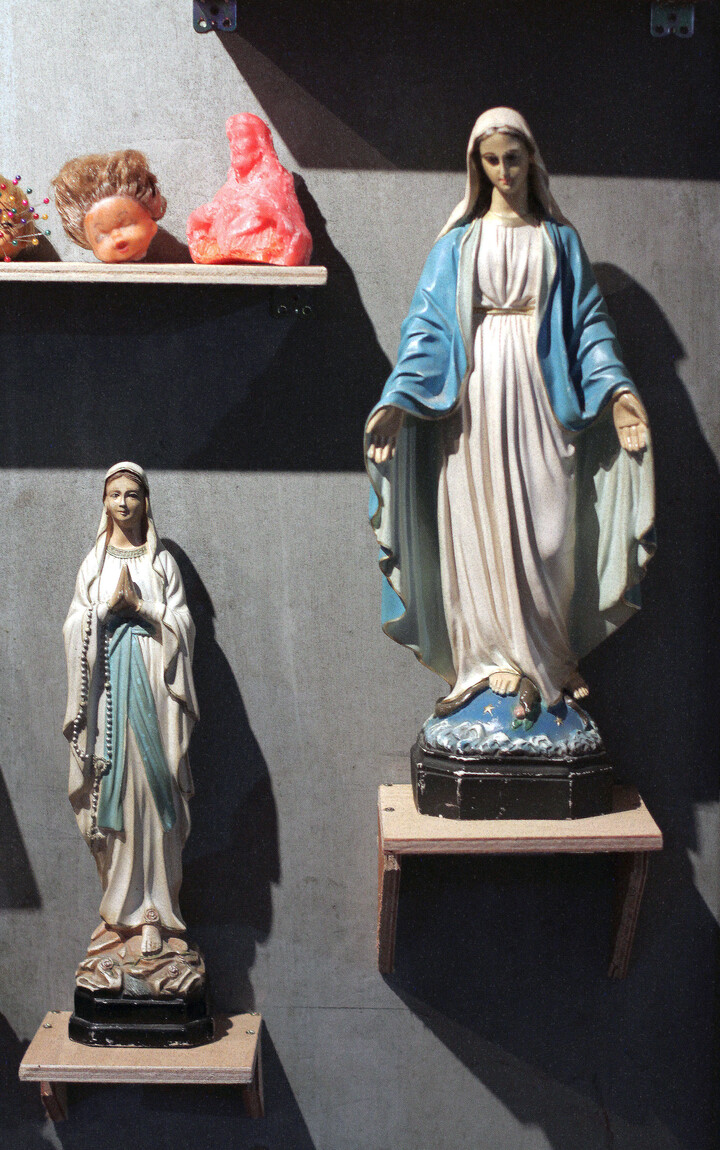
In particular, the series depicting Virgin Mary statues wrapped in plastic reflects the memories and emotions the artist internalized while growing up within the framework of Catholic faith. For the artist, whose childhood was shaped by her grandmother’s devotion, prayers, and influence in the absence of patriarchal authority, the Virgin Mary became both the most radiant and the heaviest of icons.
 
Rather than being transparently rendered under natural light, the divided images of the Virgin Mary are fragmented once again through artificial tones, creating the illusion of shards of colored glass pieced back together. These expressions reveal a fervent inner projection that is less a cultural reflection on religious imagery than an intense manifestation of the artist’s own memories and psychological landscape.


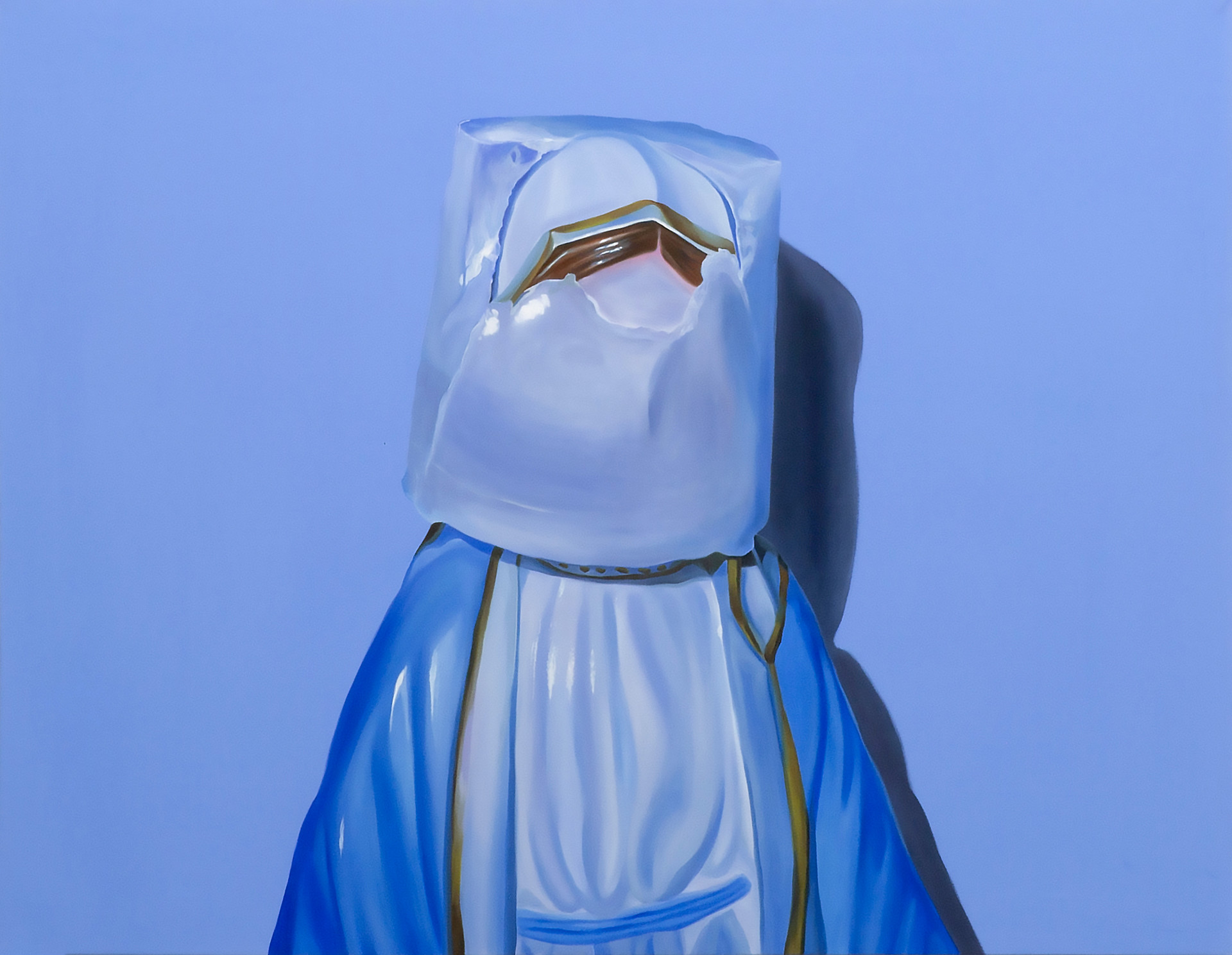
Hee Vaak, Maria, 2025, Oil on canvas, 112.1x145.5cm © Hee Vaak

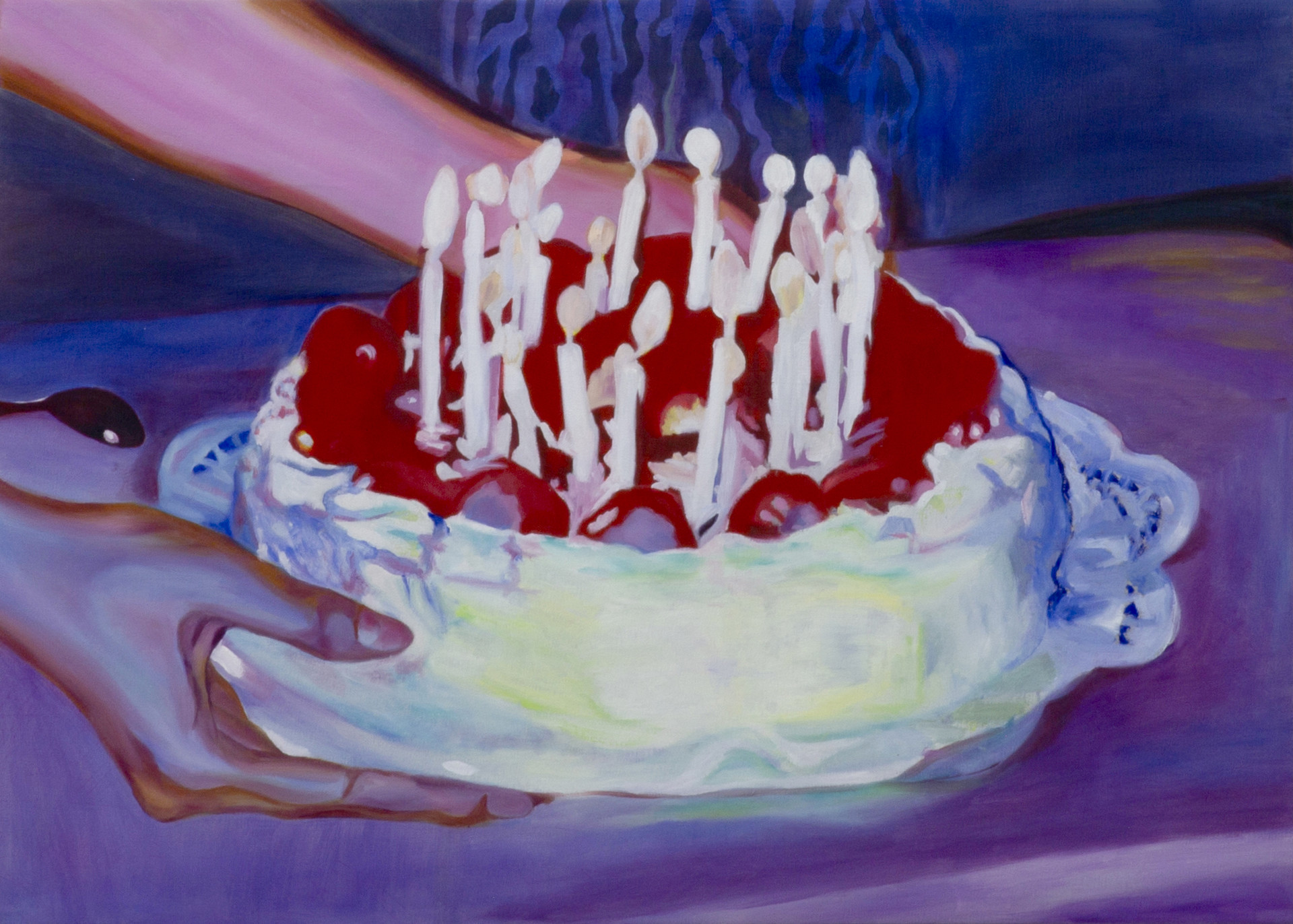
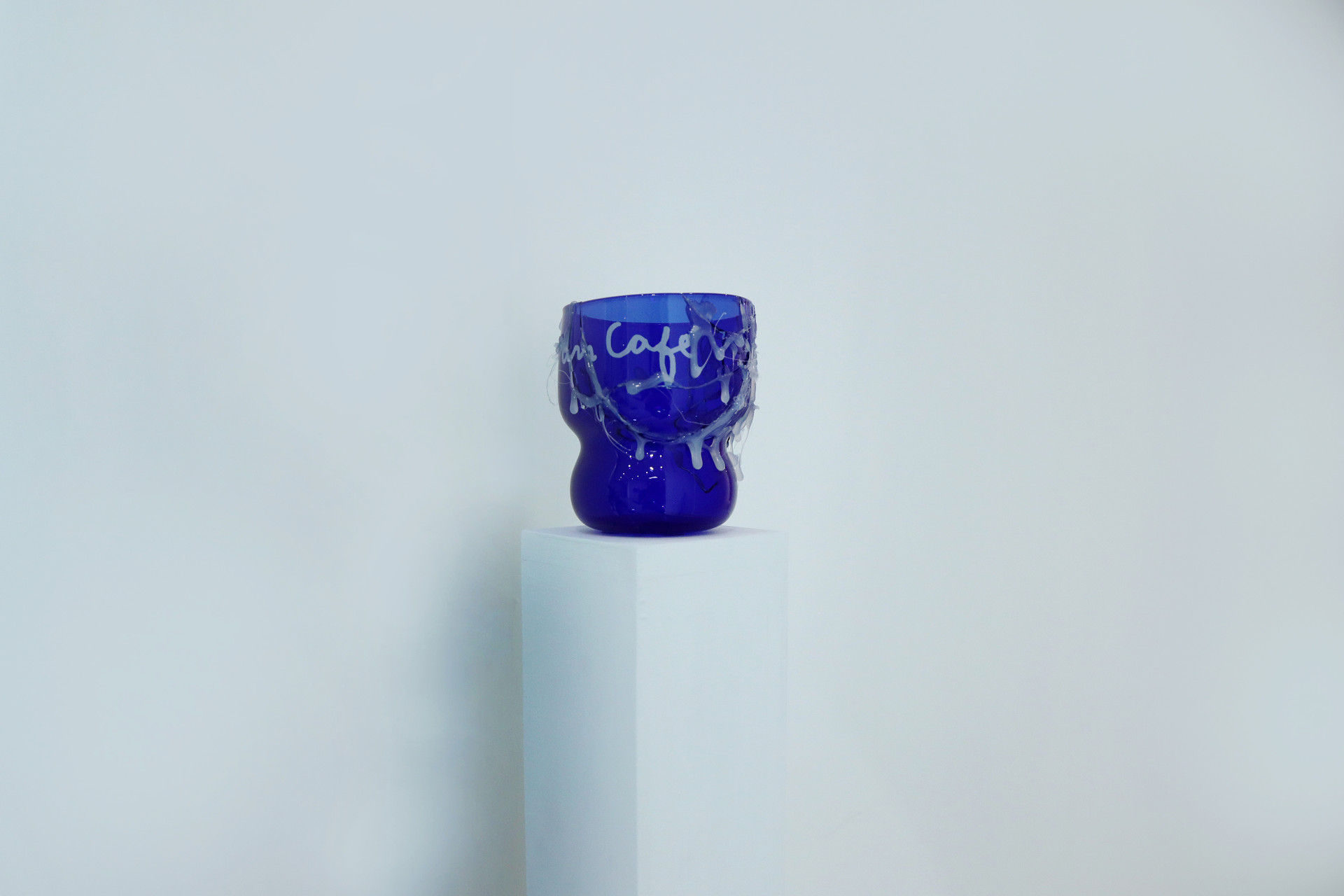
Another recurring motif that runs through Hee Vaak’s recent paintings is the candle. For instance, Maria (2025) preserves the image left behind during the artist’s process of casting a Virgin Mary statue in wax. Following her grandmother’s passing, the artist spent a period collecting leftover Advent candles and birthday candles from churches, stacking them like stone cairns in works such as Praying Heart (2024), or melting them down again to cast partial bodily forms of sacred figures.
 
As an instrument of prayer that can be endlessly reshaped and reproduced into any form, the transformation of wax simultaneously evokes both permanence and transience.


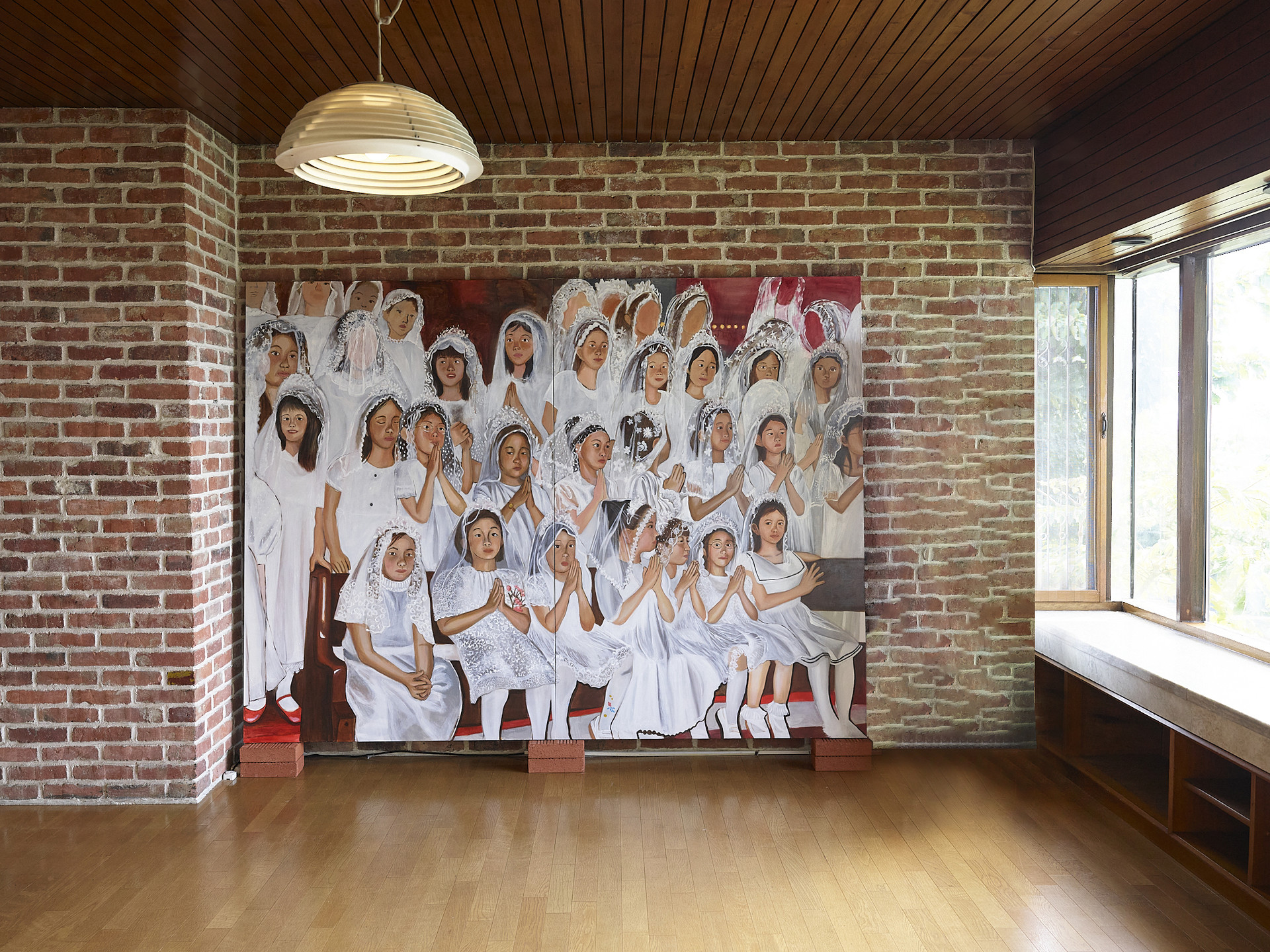
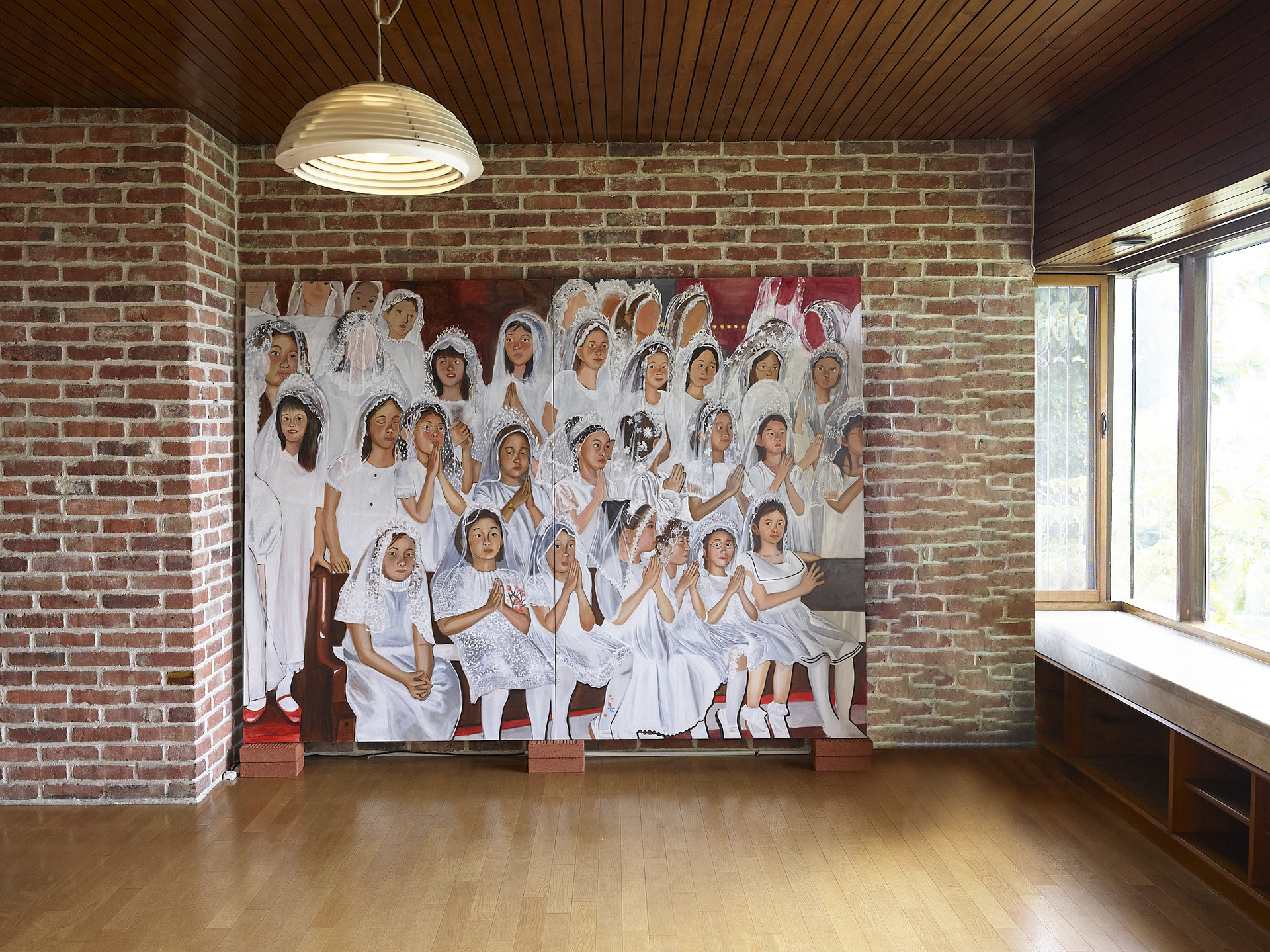
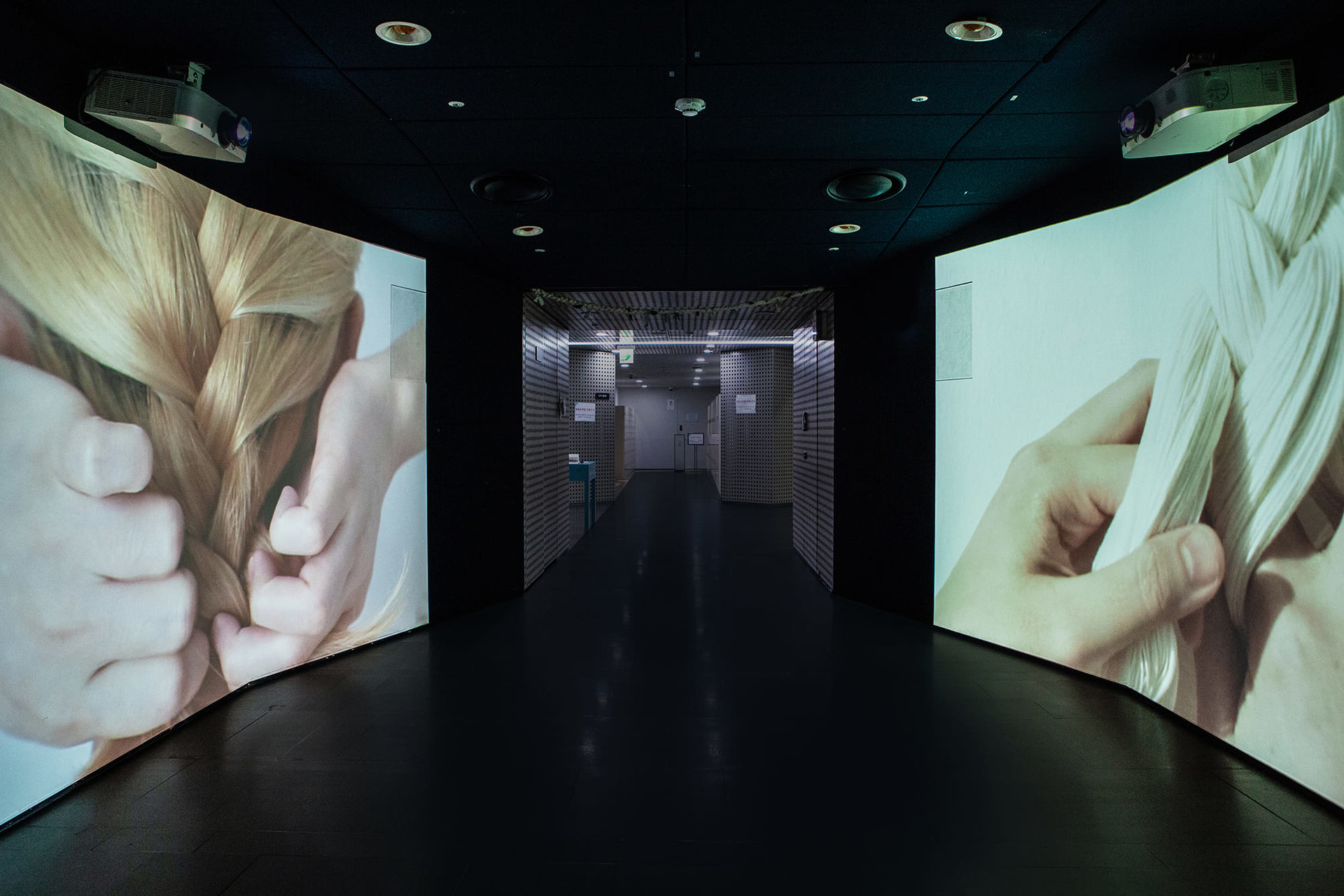
Installation view of 《Girlhood》 (Ieum 1977, 2025) © Hee Vaak

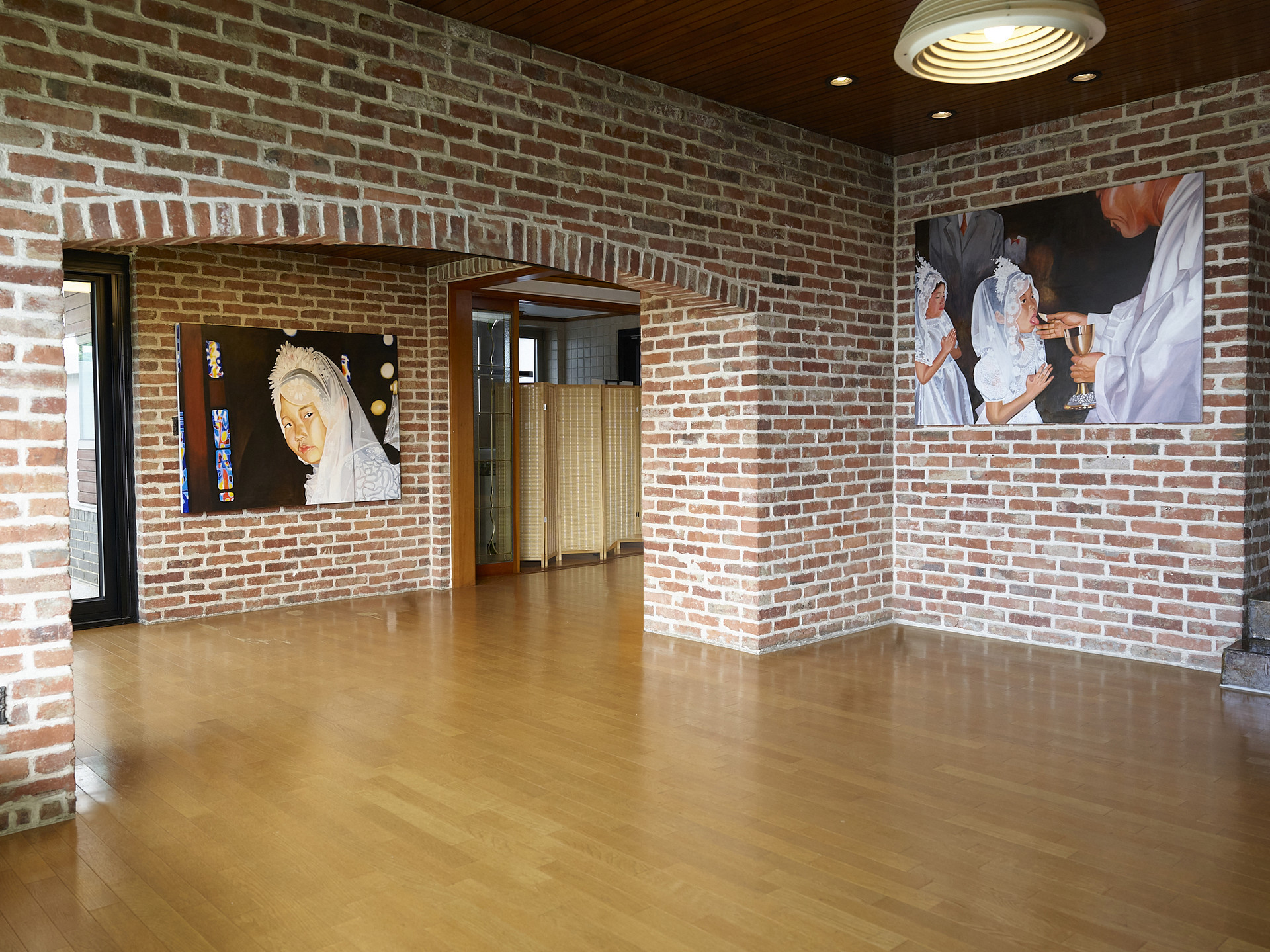
Furthermore, through her solo exhibition 《Girlhood》, held the same year, Hee Vaak sought to revisit the foundational images of her practice by retracing memories of childhood that had perhaps become dulled through familiarity — rather than simply recalling or reproducing religious faith.
 
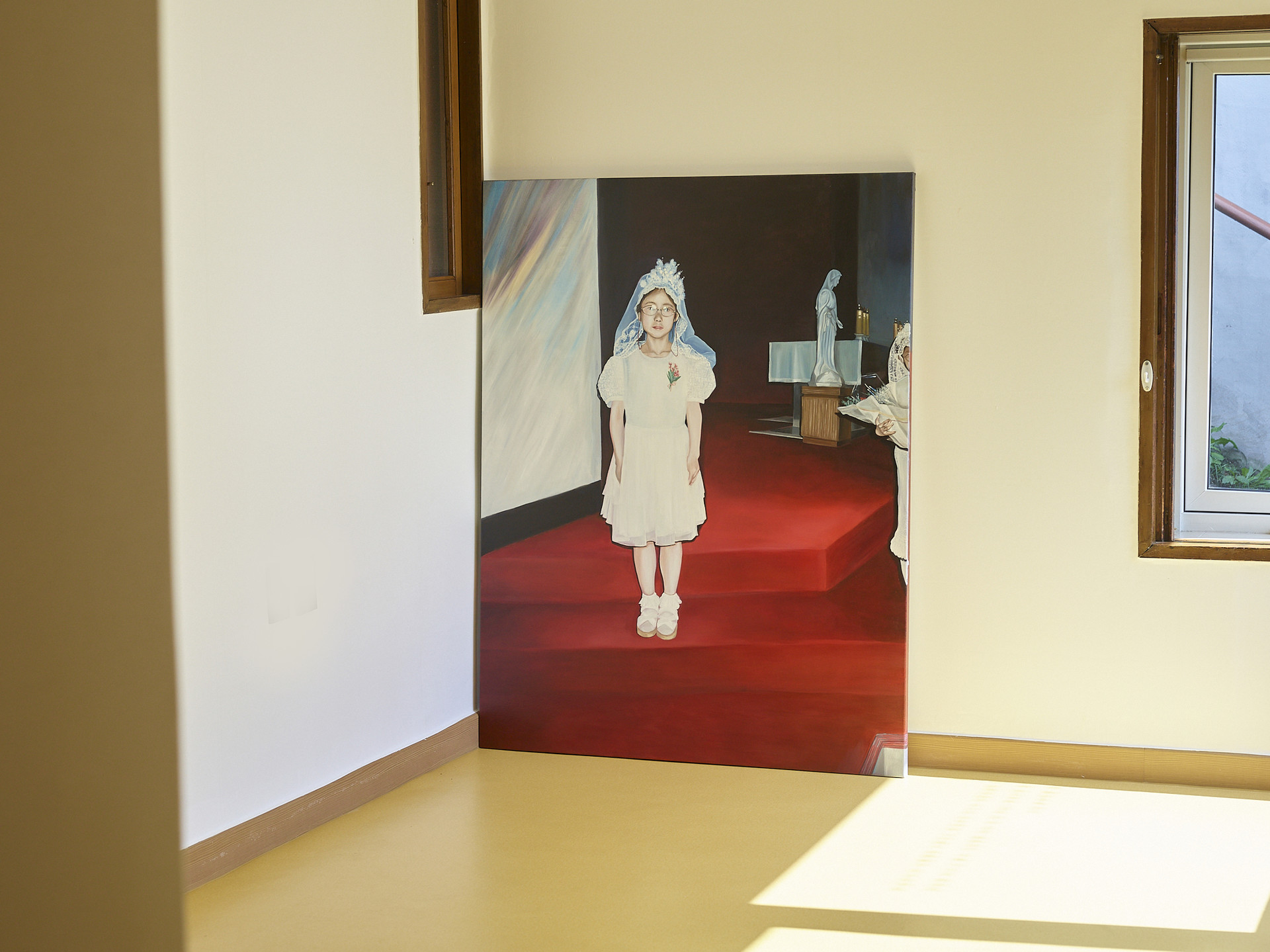
The paintings depict scenes and expressions from First Communion ceremonies, which had marked particularly significant moments in the artist’s childhood. Children dressed in pure white gowns and wearing veils that seemed to bestow a sense of sacredness are portrayed with innocent and candid expressions. Looking back on these memories, the artist recalls a sense of discomfort that existed within such strict and immaculate systems, as though her body had become physically constrained within them.
 
Through these sprawling and unsettled scenes, Hee Vaak reinscribes onto the pictorial surface memories in which sacredness and unease, reverence and kitsch, coexisted around figures who themselves could not fully comprehend the meanings imposed upon them.


Installation view of 《Girlhood》 (Ieum 1977, 2025) © Hee Vaak

For Hee Vaak, such scenes from childhood remain fragmentary yet deeply formative memories shaped by the wishes and aspirations of her family. As a child, she was less the subject of faith than a proxy onto whom familial desires were projected, expected to conform to religious ideals and prescribed models of devotional life.
 
Art critic Jinsil Lee notes that, against this background, the sacred figures and religious iconography that appear throughout Hee Vaak’s practice produce “a strangely cool yet fervent tone, like multi-layered sedimentations crystallized over time.”

Installation view of 《Girlhood》 (Ieum 1977, 2025) © Hee Vaak

She further explains that these iconographic images appear “less like signs or objects than something that has attached itself to the artist — something awkward yet precious, something that seems impossible to remove, visible only when reflected back through a mirror.” Within the work, she notes, “the act of illuminating these images expands into the projection of memory, confession, or at times an impulsive form of avoidance or longing.”

Installation view of 《Oksoon’s Thread》 (Citizen Hall Sound Gallery, 2021) © Hee Vaak

In this way, Hee Vaak traces the genealogy of belief and desire passed down from her maternal grandmother Oksoon to her mother, and ultimately to herself, unfolding these invisible yet persistent forces through works across a variety of media.
 
She also draws from childhood experiences of witnessing how Catholicism — an imported religion — became localized within Korean society through its entanglement with Confucian culture, wish-fulfillment practices, and everyday superstition.
 
Based on these observations, Hee Vaak collects cases in which Korean sensibilities have permeated and transformed religious forms, extracting from them metaphorical expressions and symbolic structures that she rearticulates through her work.


Hee Vaak, Pieces of Oksoon, 2023, Single-channel video, FHD, color, sound, 21min. © Hee Vaak

Ultimately, Hee Vaak’s practice leads to fundamental questions about the human mind itself. Rather than remaining fixed on specific images of belief or desire, her work directs attention toward the deeply human inclination to seek comfort, pray for well-being, and place hope in something beyond oneself.

“I am interested in the emotional texture of Korean faith, transformed through the infiltration of Confucianism, wish-making practices, and traditional culture as foreign religions settled in Korea after the opening of the ports. Through this, I trace the substance of fervent belief and desire passed down from my grandmother to my mother, and from my mother to myself.” (Hee Vaak, Artist’s Note)


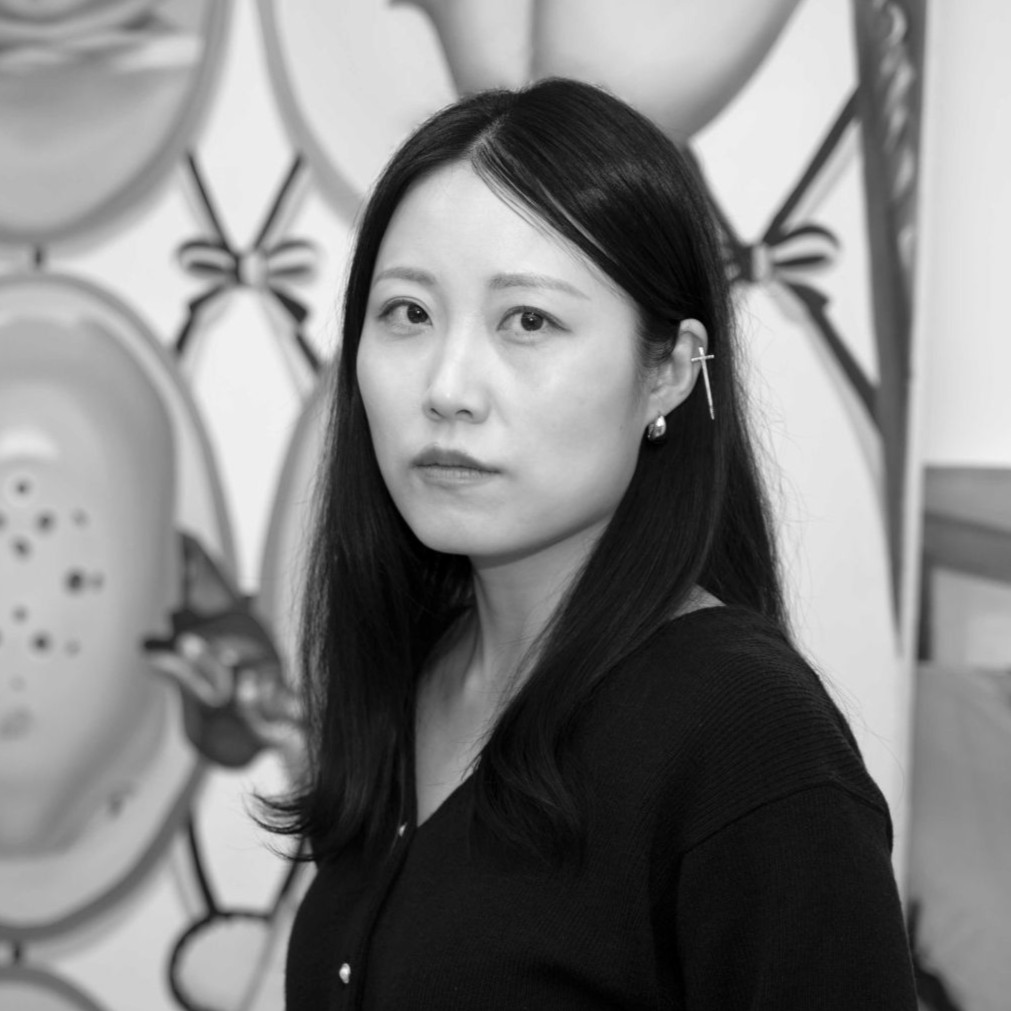
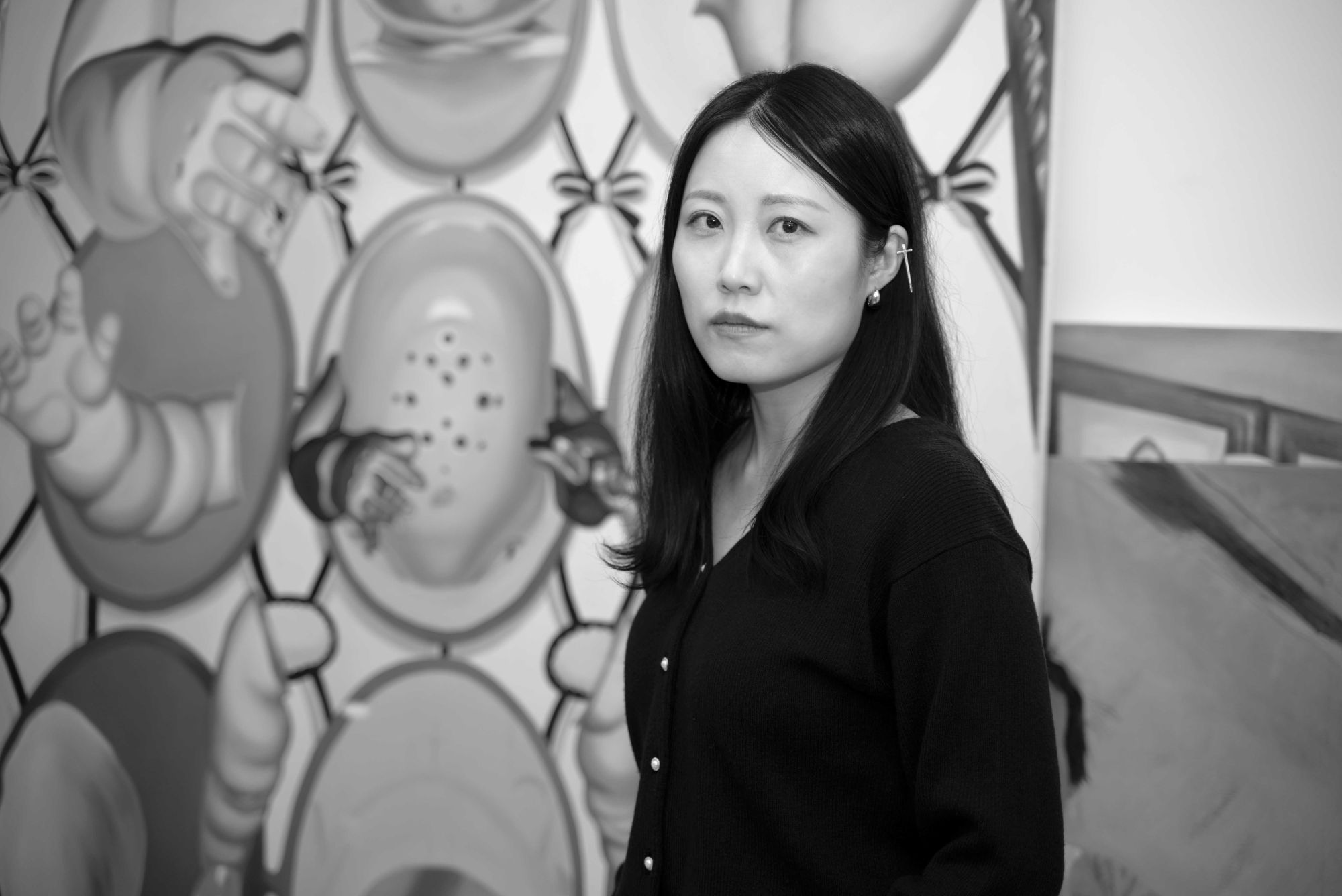
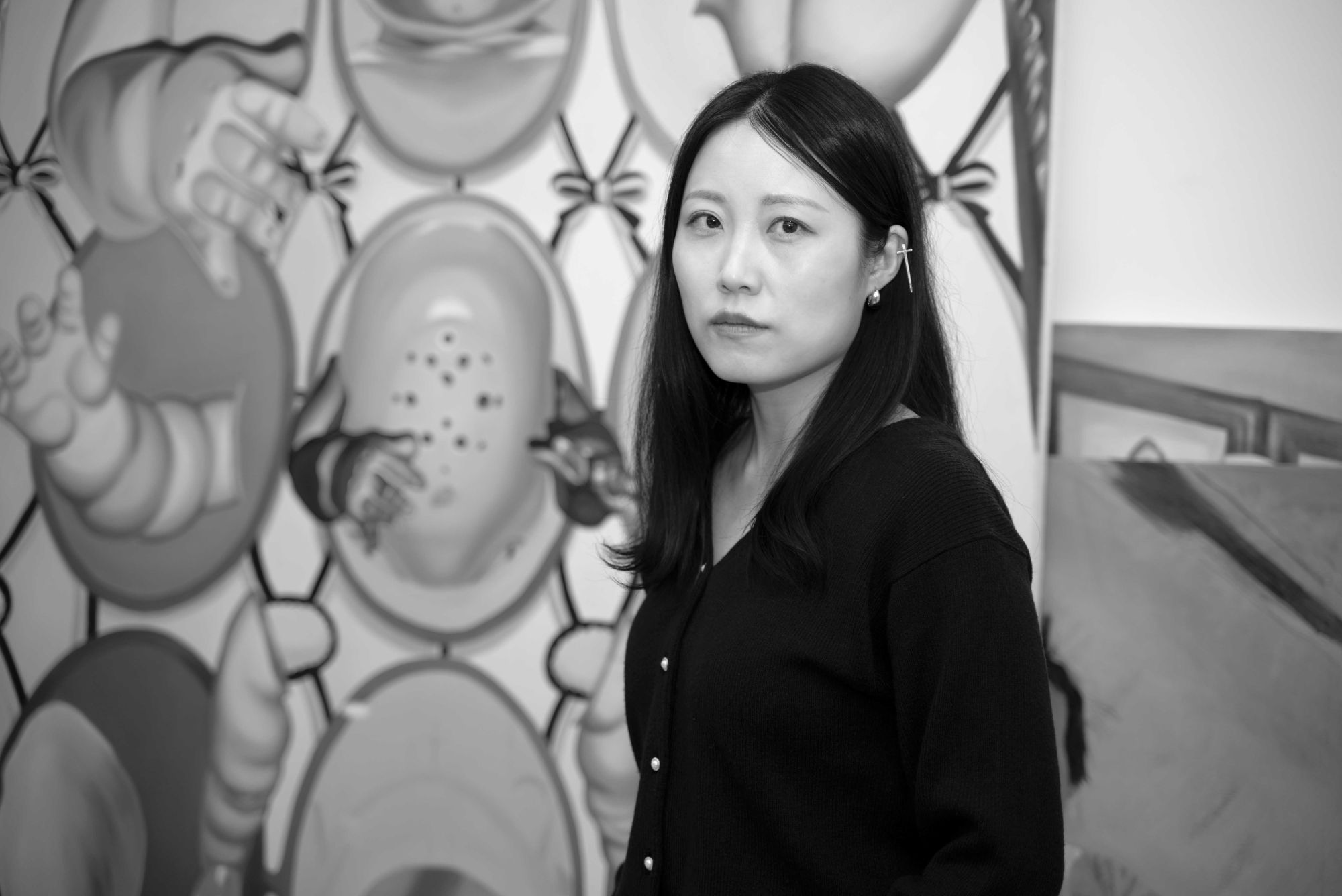
Artist Hee Vaak © Incheon Art Platform

Hee Vaak graduated from the Department of Painting at the College of Fine Arts, Kyungwon University. Her solo exhibitions include 《Girlhood》 (Ieum 1977, Incheon, 2025), 《There is no gold that does not decay》 (Incheon Art Platform, Incheon, 2025), 《Hoping for a Safe Day》 (Cheongju Art Studio, Cheongju, 2022), and 《Oksoon’s Thread》 (Seoul Citizens Hall Sound Gallery, Seoul, 2021).
 
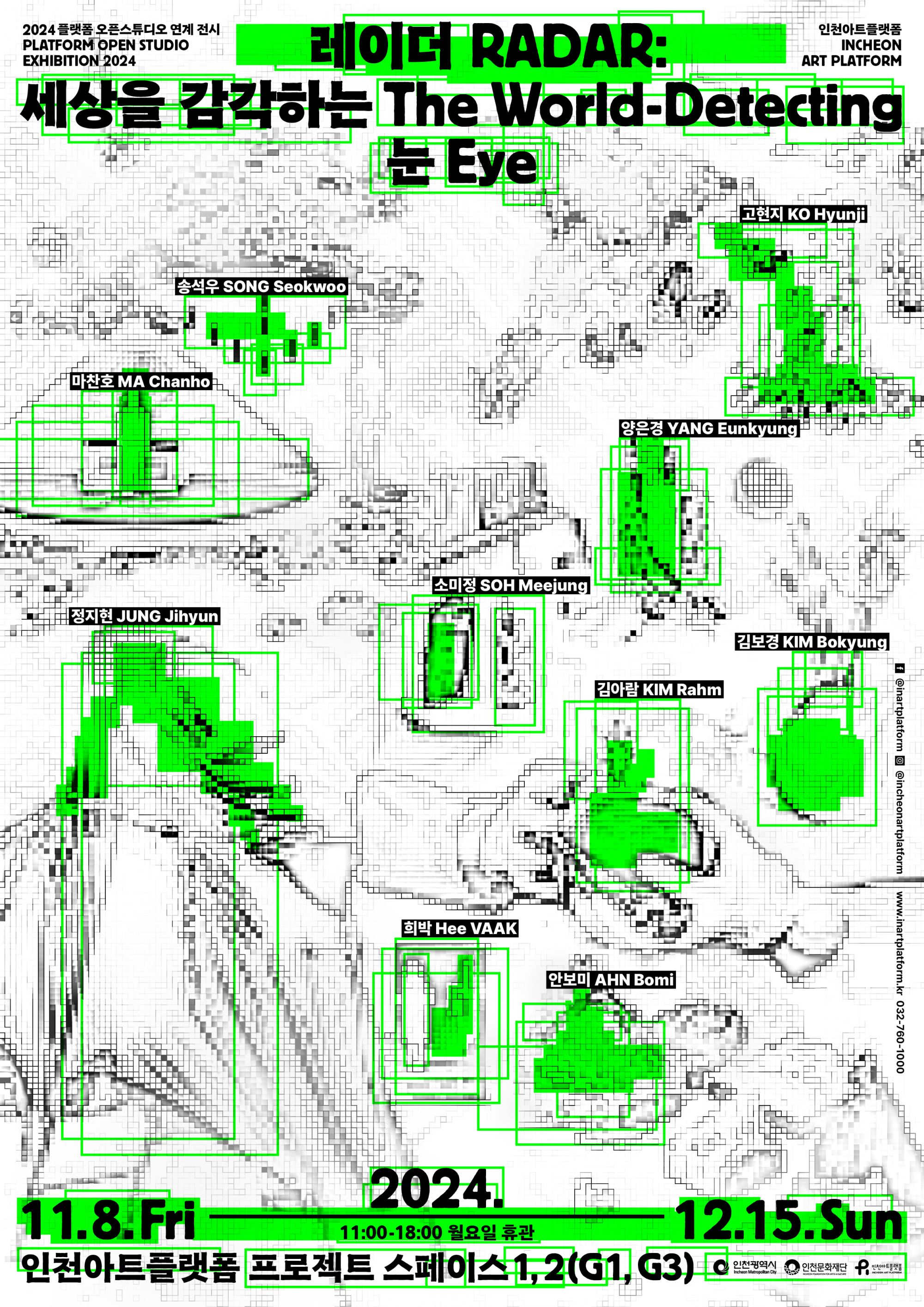
She has also participated in numerous group exhibitions, including 《Busan, Connected》 (Busan Mordern & Contemporary History Vault Art Museum, Busan, 2025), 《New Indépendant : Crossword》 (Yangpyeong Museum of Art, Yangpyeong, 2025), 《Drawing-Growing》 (Artspace Boan, Seoul, 2025), 《RADAR: The World-Detecting Eye》 (Incheon Art Platform, Incheon, 2024), 《Tillering》 (WREATH AND TOWEL, Seoul, 2023), and 《Artist Prologue 2022》 (Art Centre Art Moment, Seoul, 2022).
 
Hee Vaak has participated in residency programs at Incheon Art Platform (2024) and Cheongju Art Studio (2022). Her works are included in the collections of the Incheon Foundation for Arts and Culture, Bupyeong District Office, and Art Centre Art Moment.

References