Exhibitions
《Books and Things》, 2022.01.05 – 2022.04.13, Wooran Foundation
January 05, 2022
Wooran Foundation
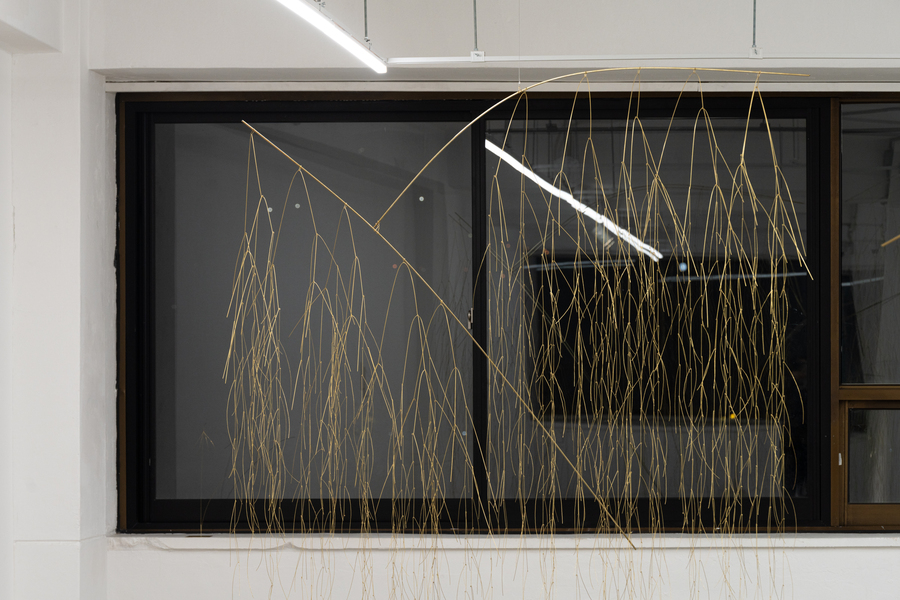
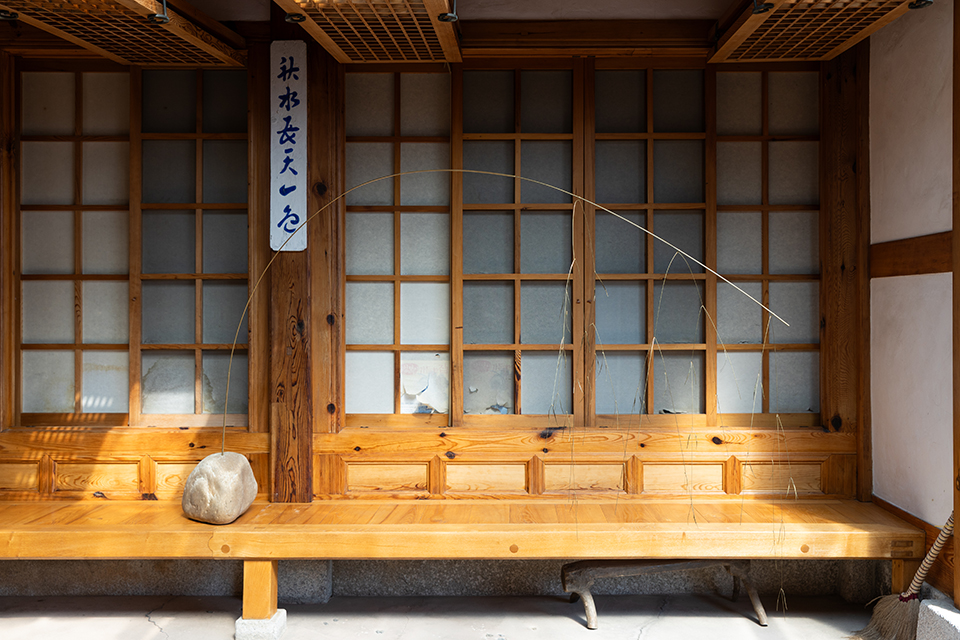
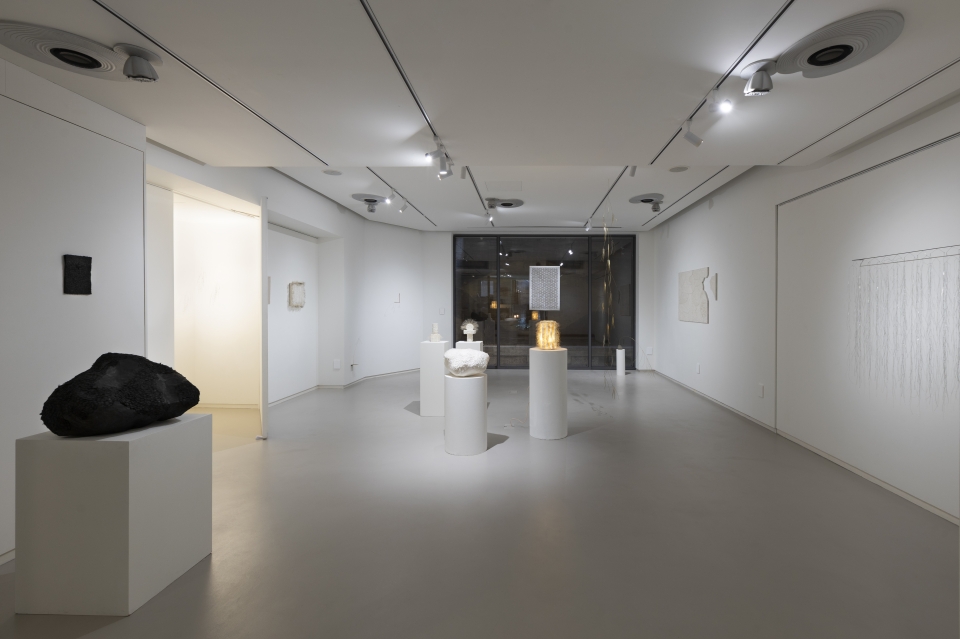
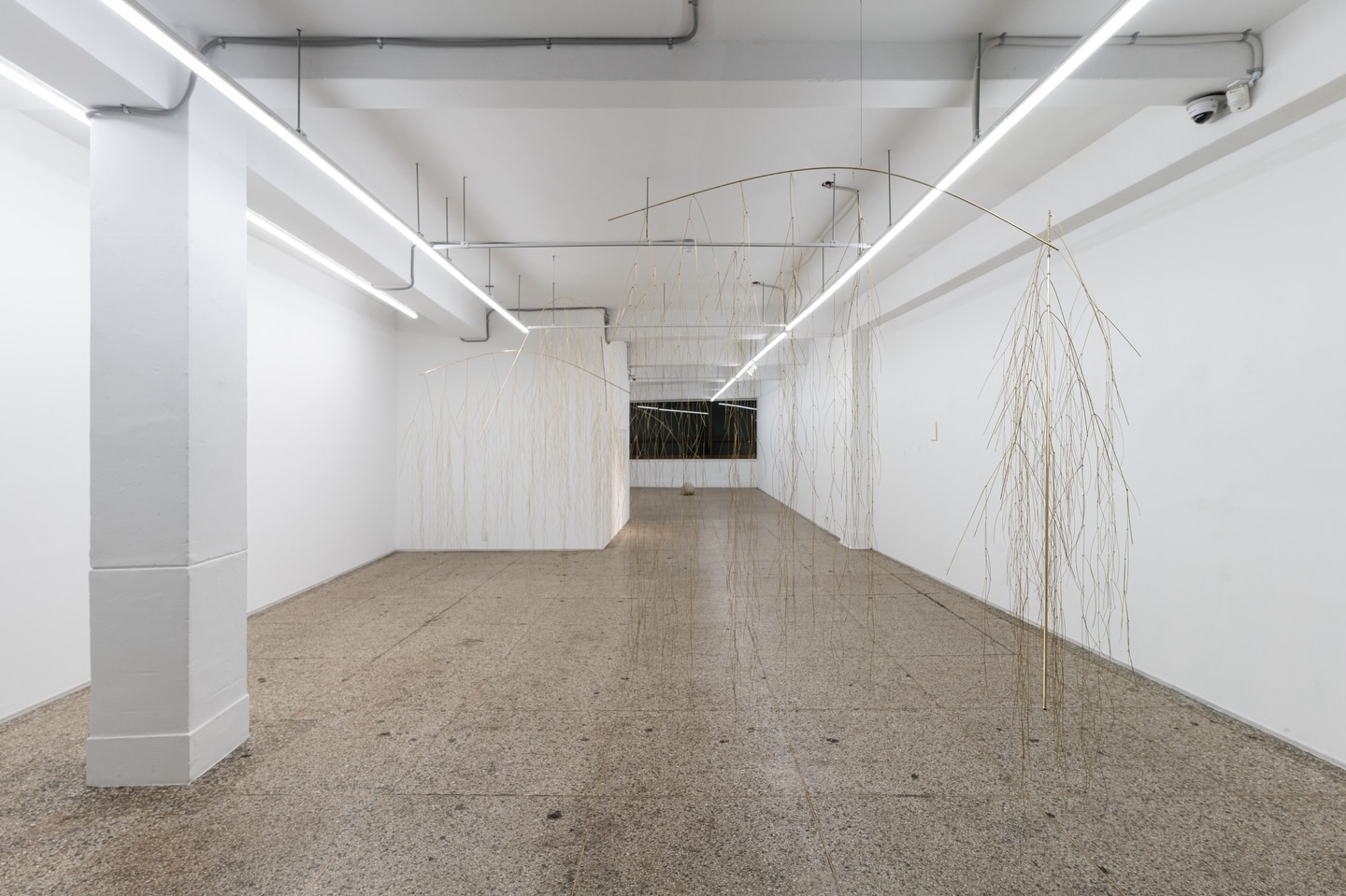
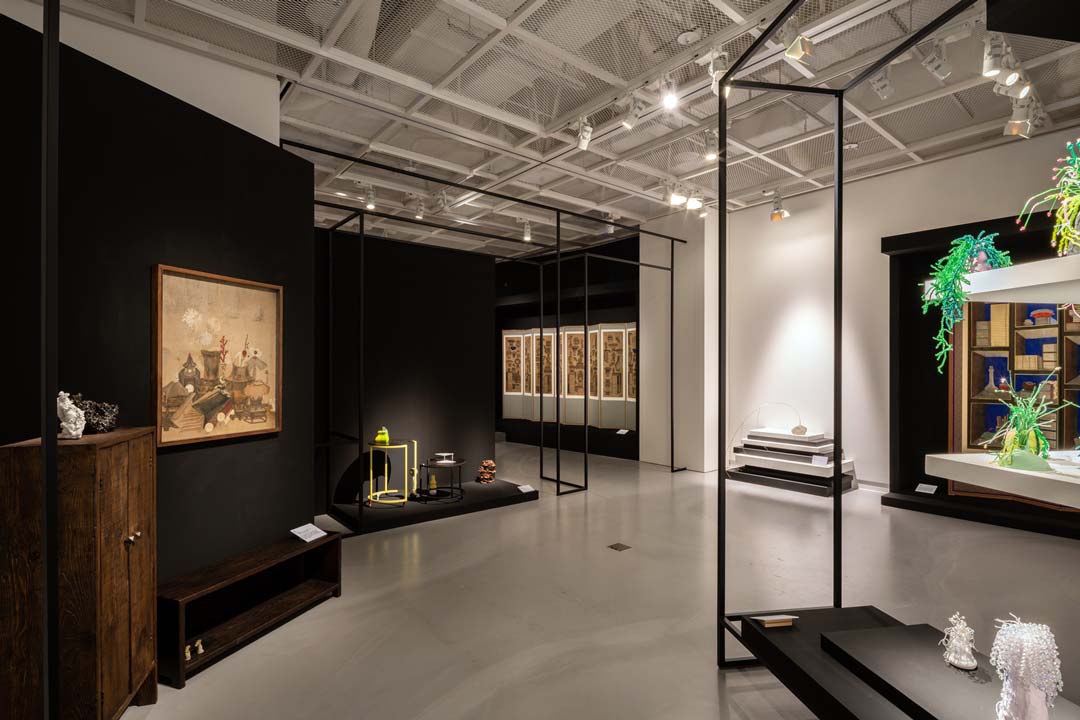 Installation view of 《Books and Things》 © Wooran Foundation
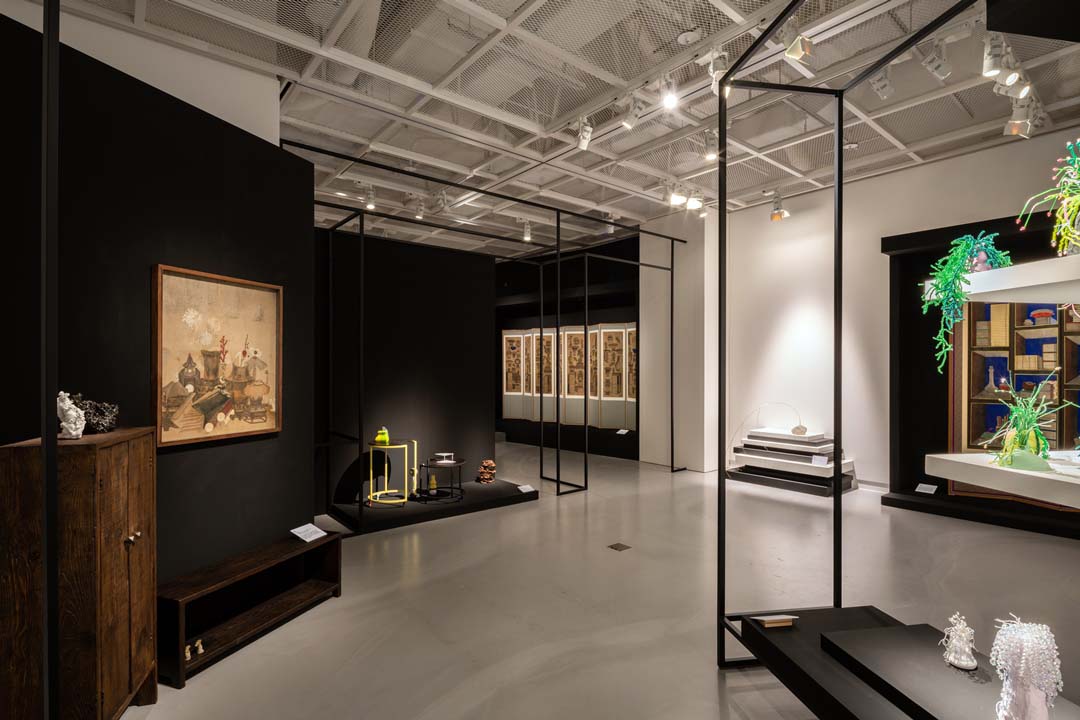
Wooran Foundation presents its first exhibition of the Year of the Tiger, 《Books and Things: Unity of Things and Self》. This exhibition examines contemporary perspectives through the lens of Joseon Dynasty folk paintings, specifically chaekgeori (books and objects paintings), viewing them as a means of expressing personal taste. During the later period of the Joseon Dynasty, a society once dominated by spiritual values began to express a growing desire for material culture. Chaekgeori emerged as a symbolic visual form within this historical shift.
This exhibition reflects on the dual cultural nature of this imagery while exploring the new possibilities and meanings of chaekgeori that remain compelling today.
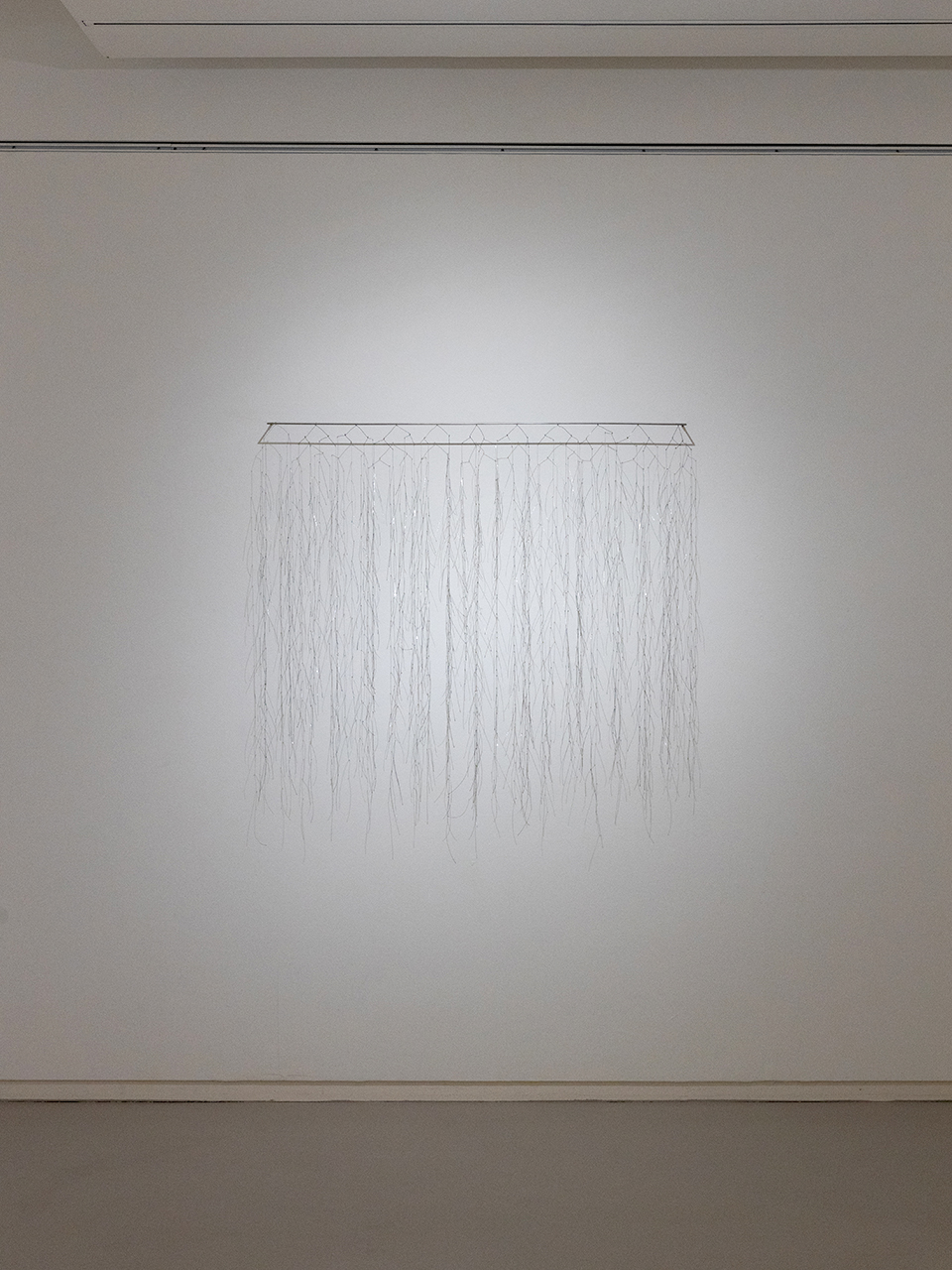
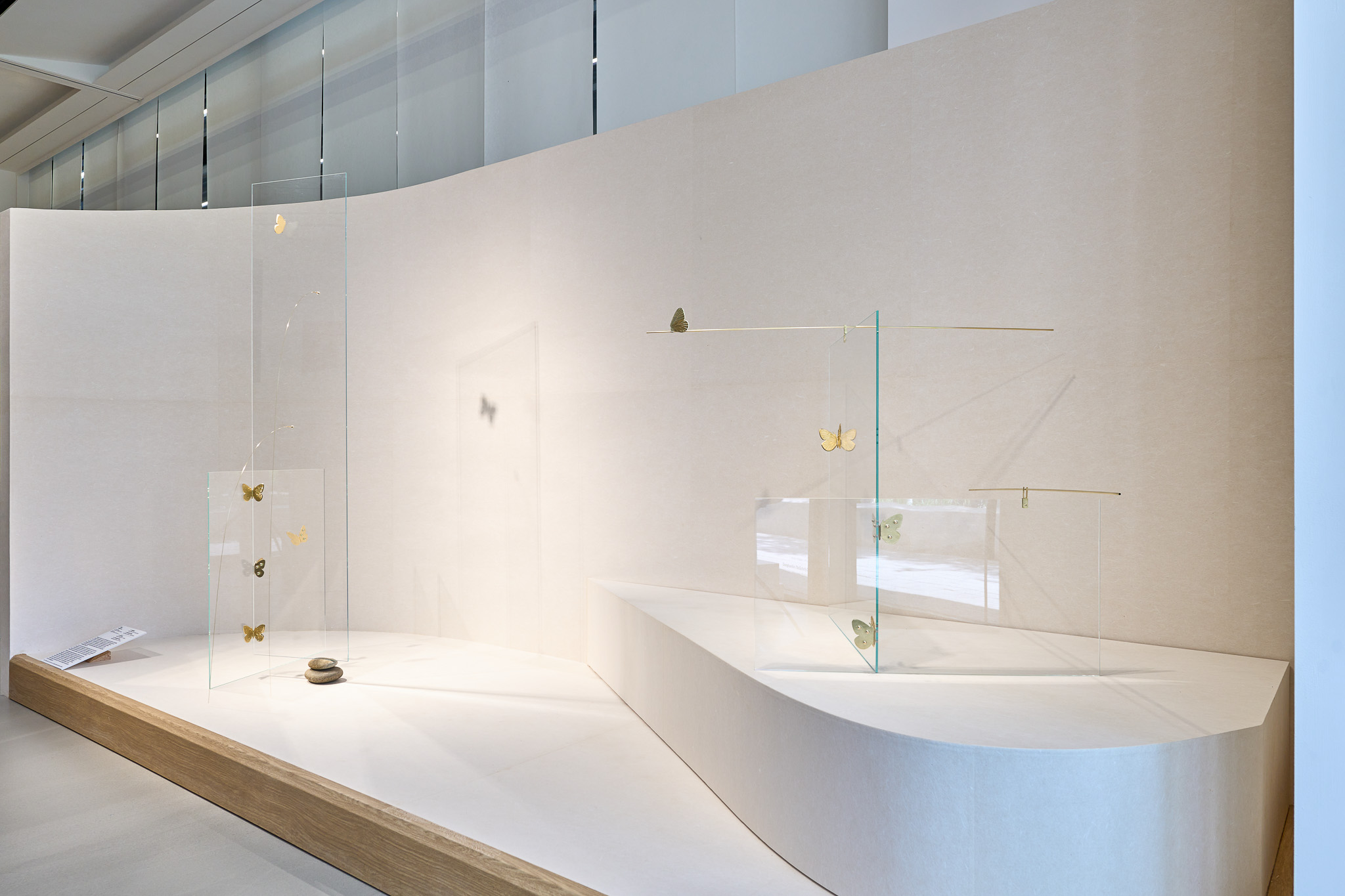
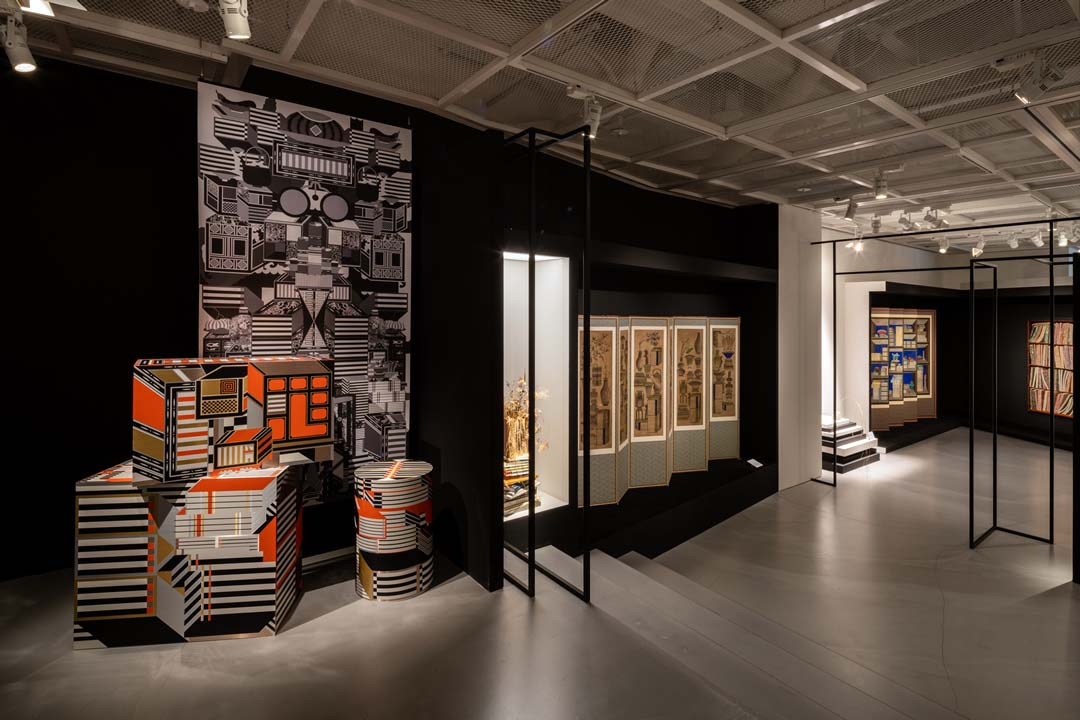 Installation view of 《Books and Things》 © Wooran Foundation
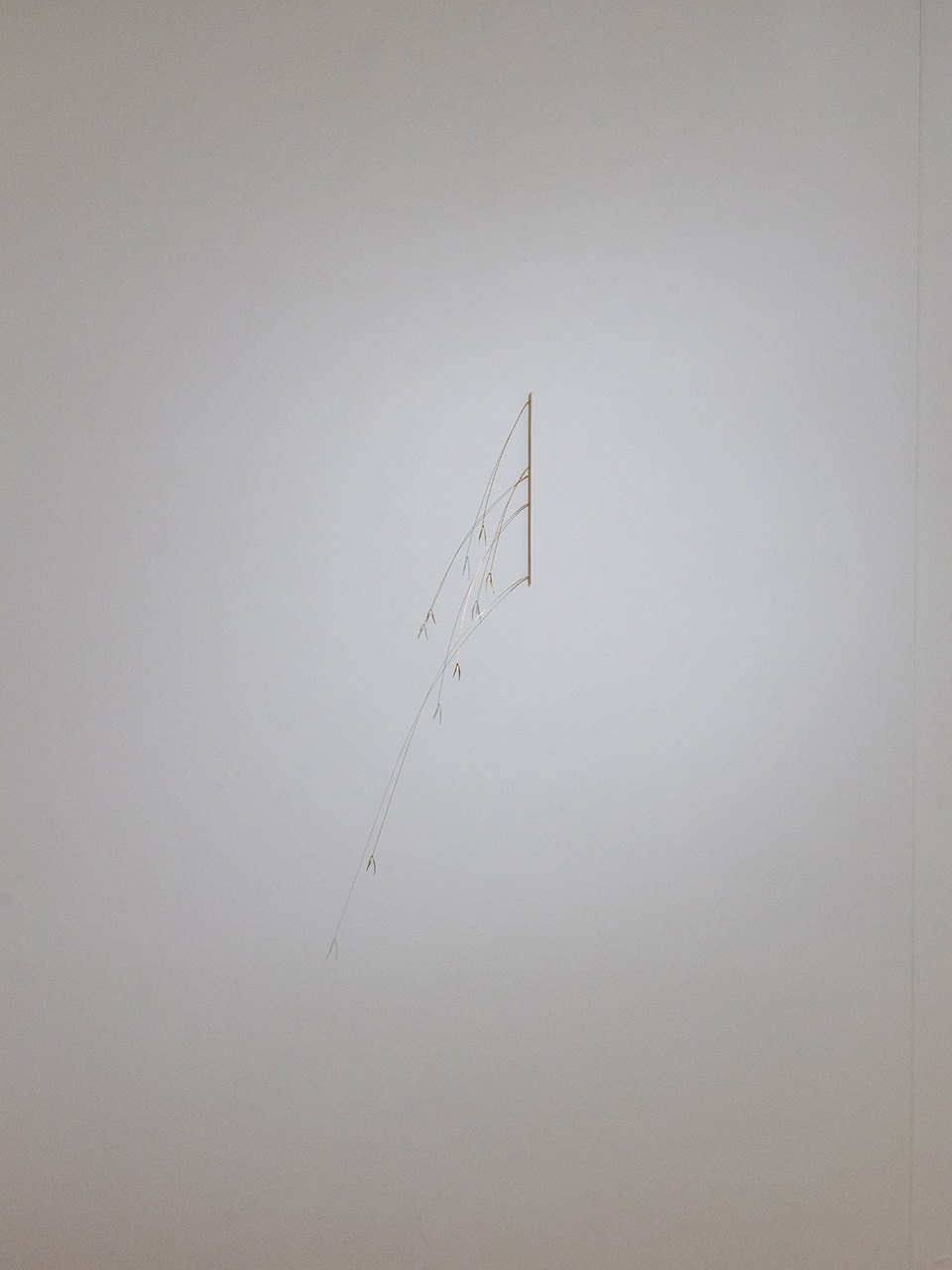
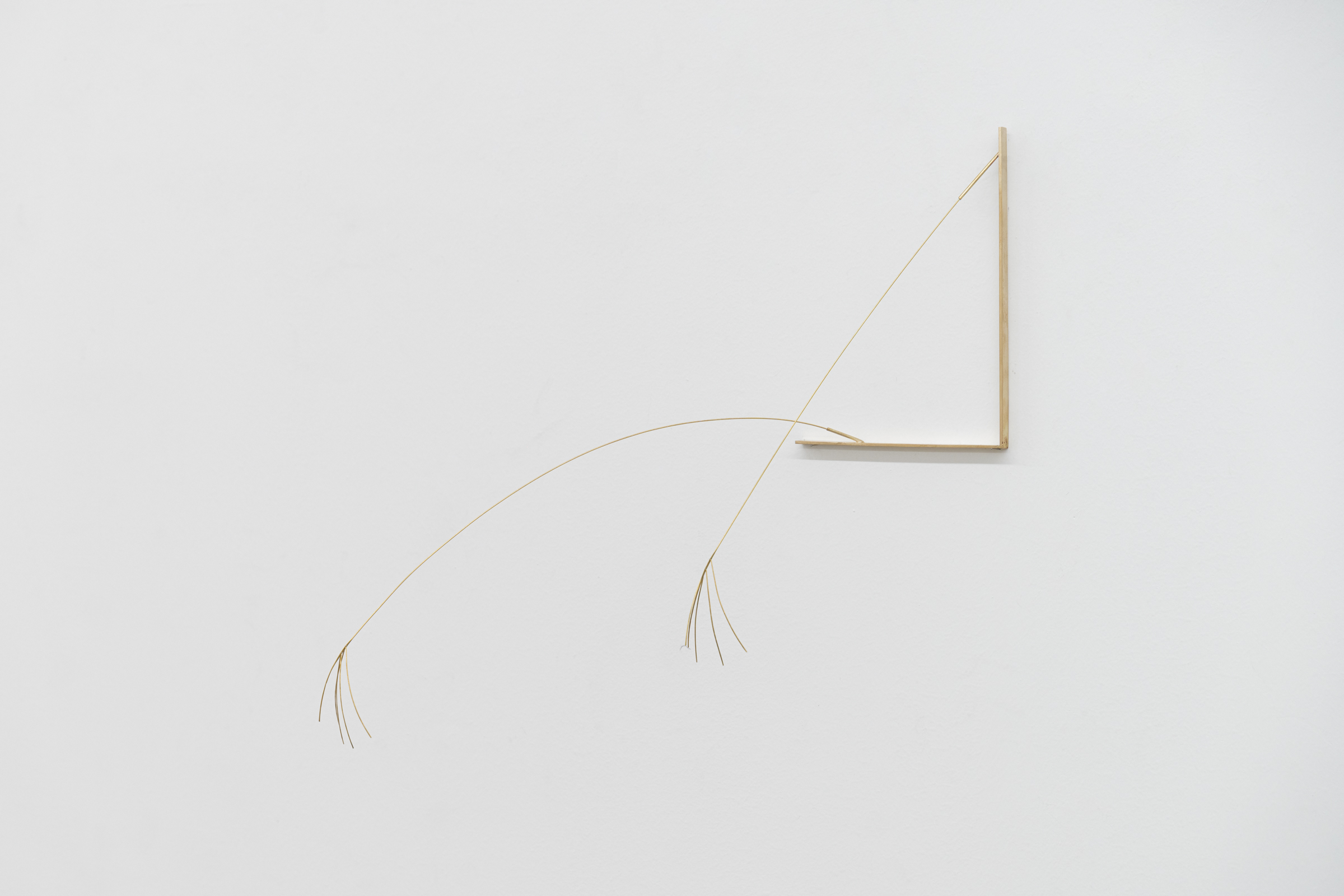
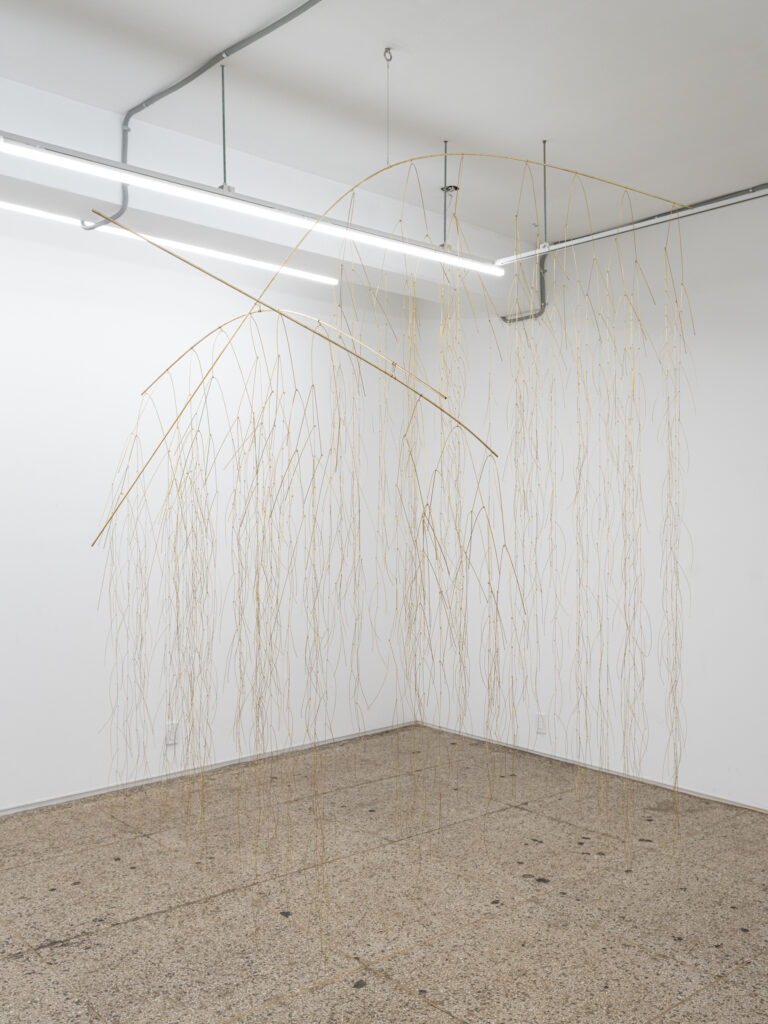
The exhibition presents one court-style chaekgado from the late Joseon period, three folk chaekgado/chaekgeori paintings, and over thirty works by six contemporary artists who reinterpret them. Using books—a subject that anyone can own and arrange freely, thus fully embodying individual taste—artist Deokyong Kim expresses contemporary sensibilities through painting, while Seongyeon Cho approaches them through photography.
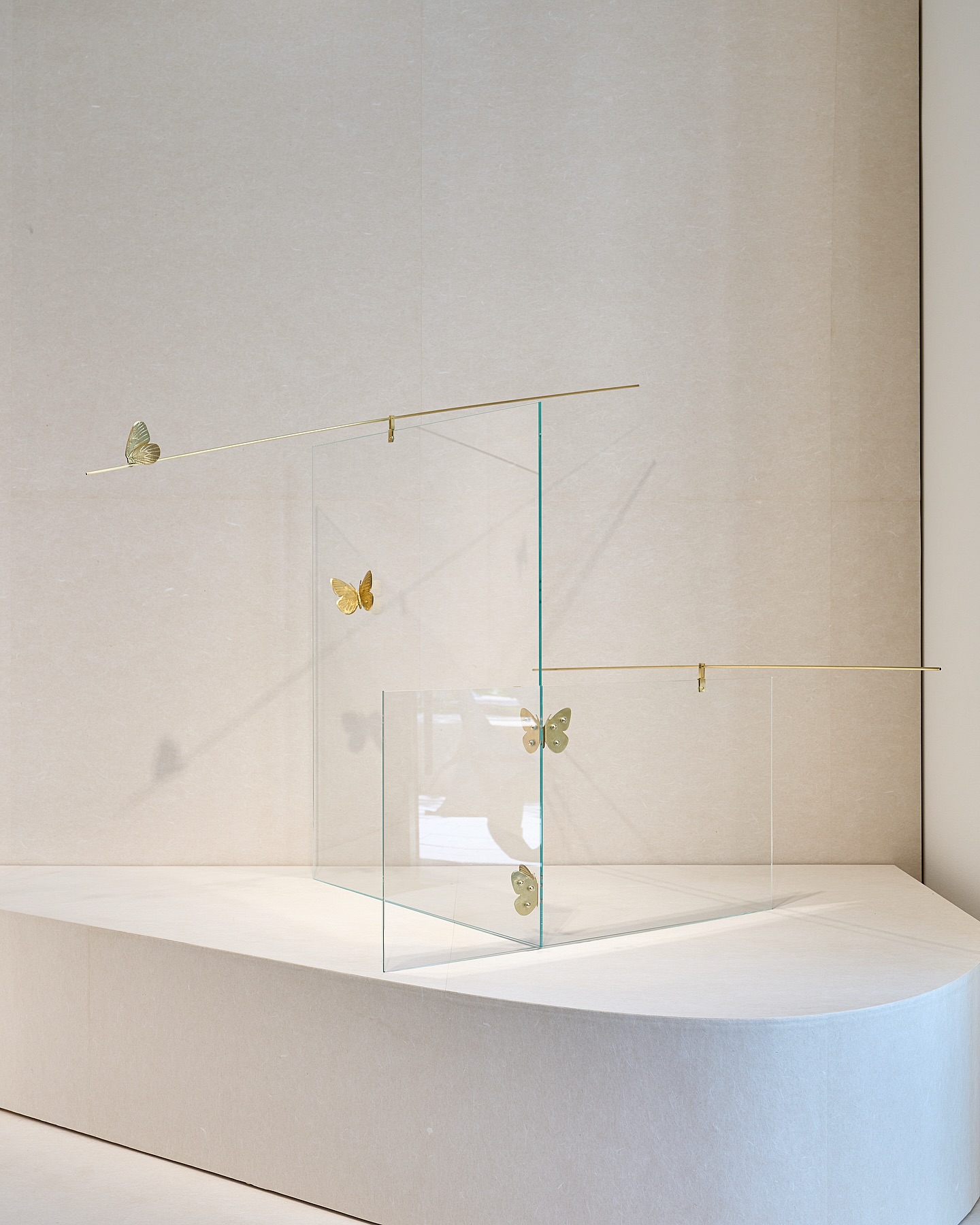
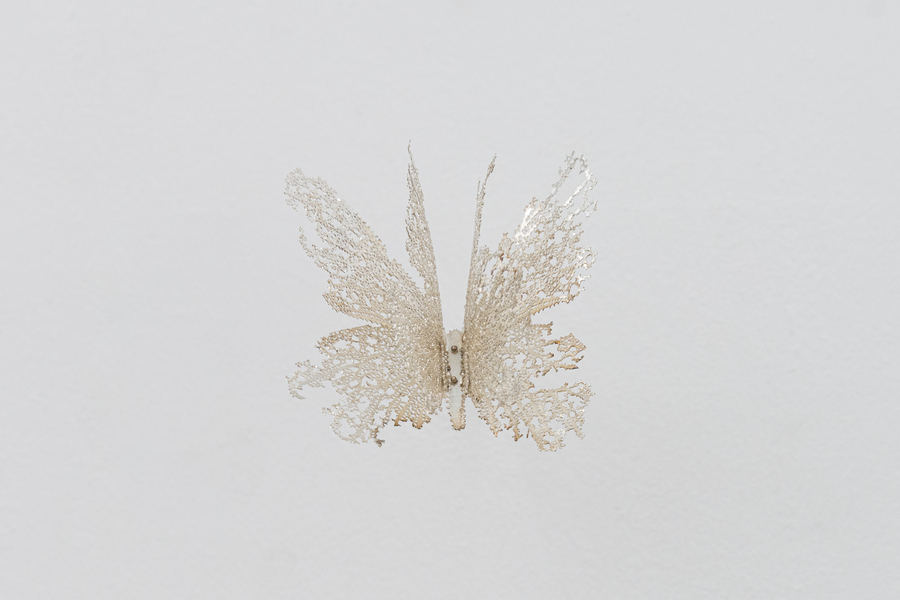
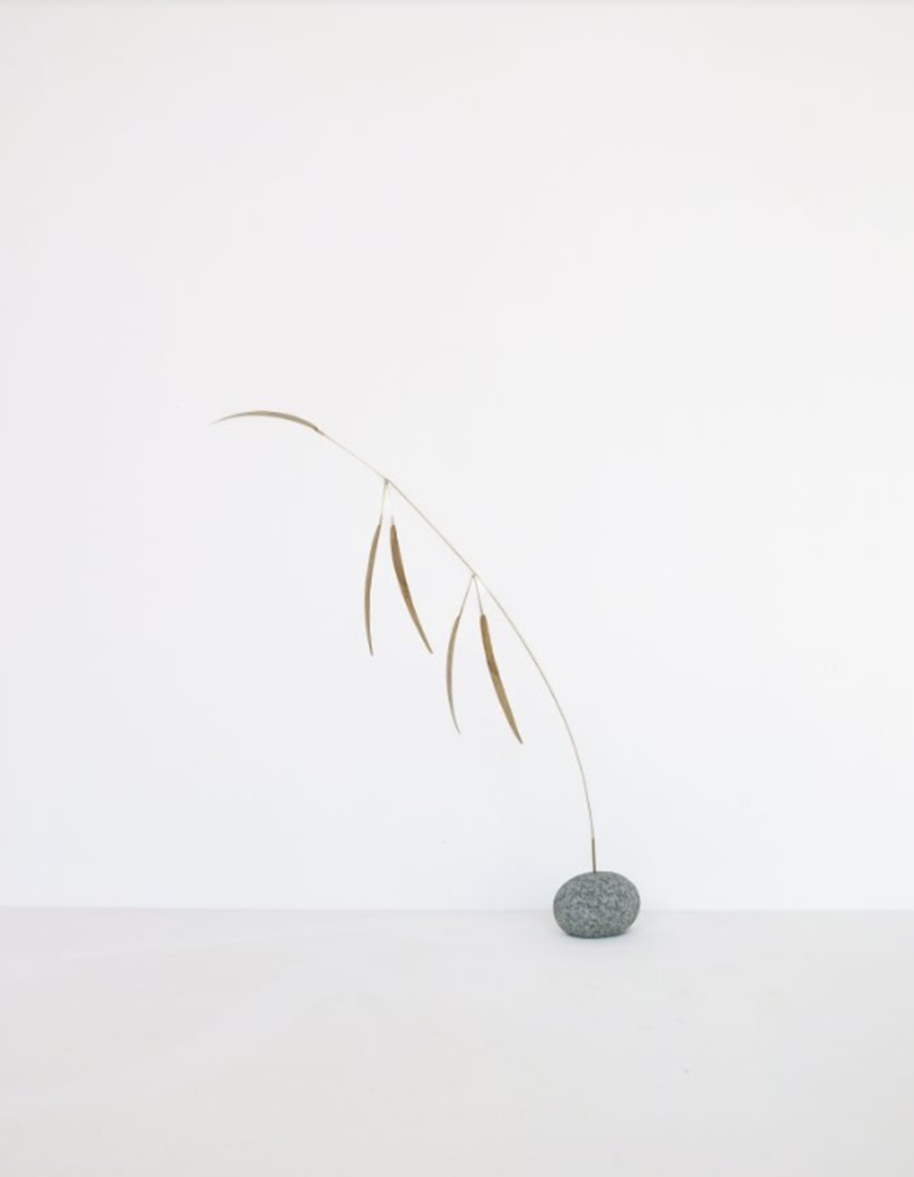
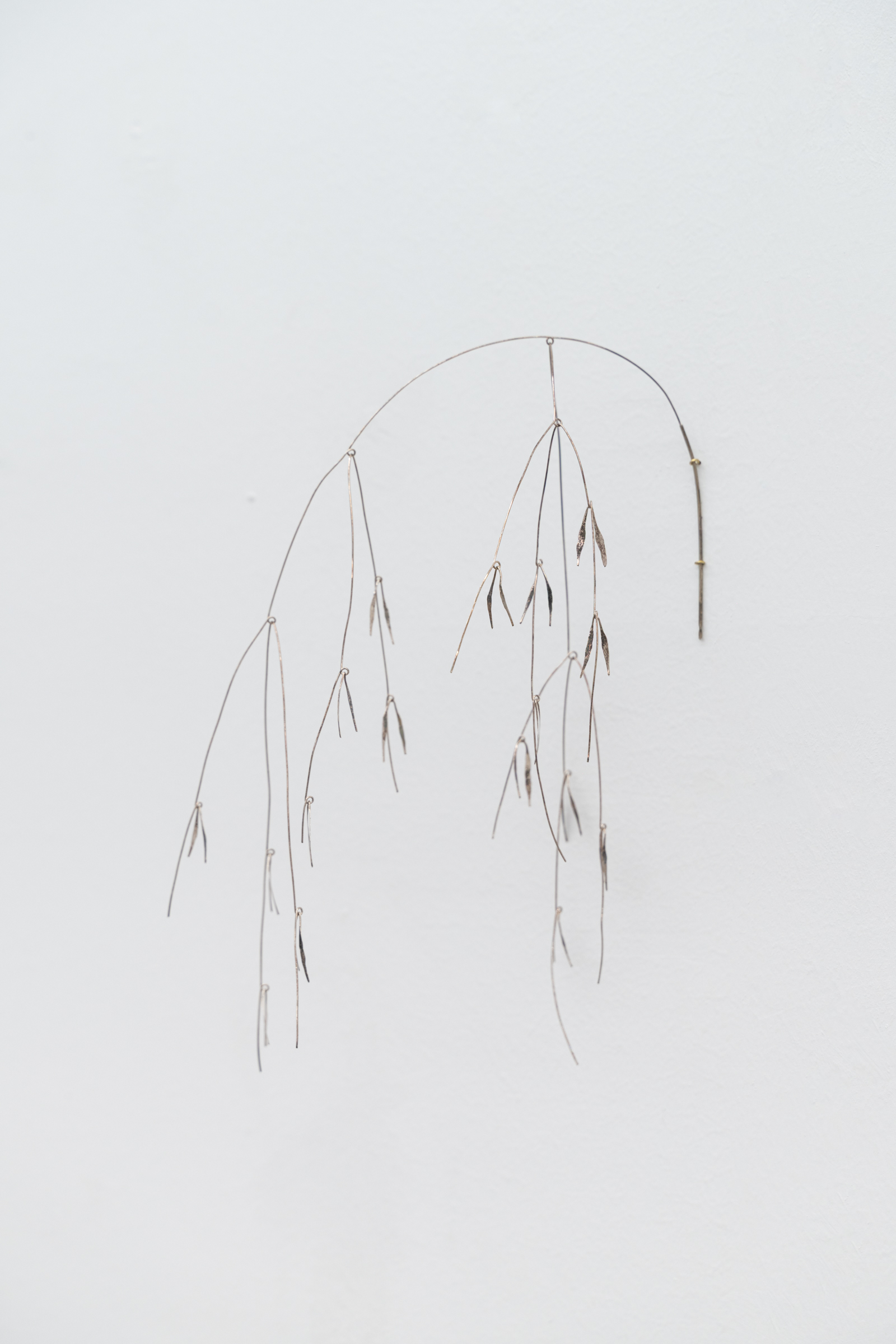
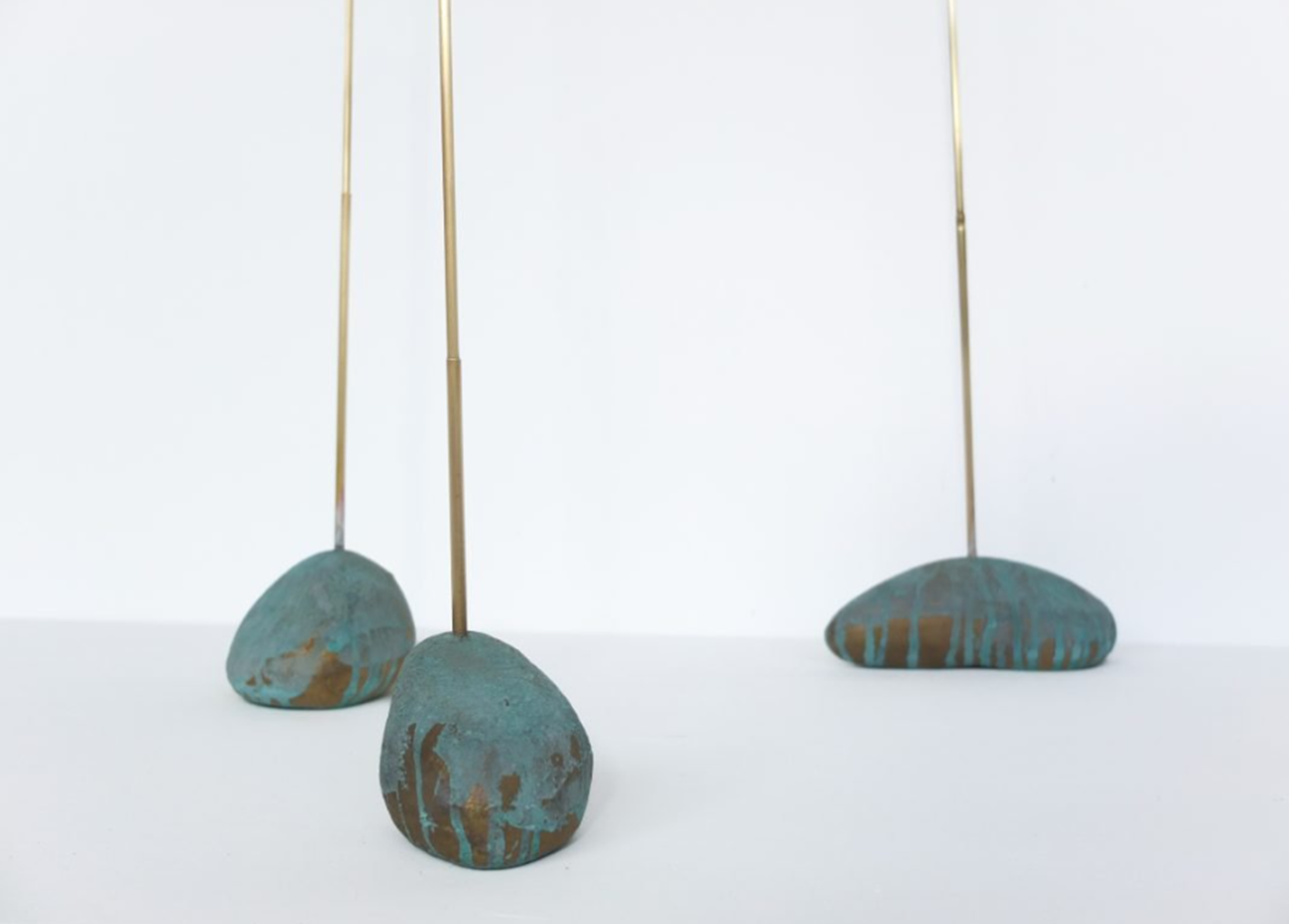
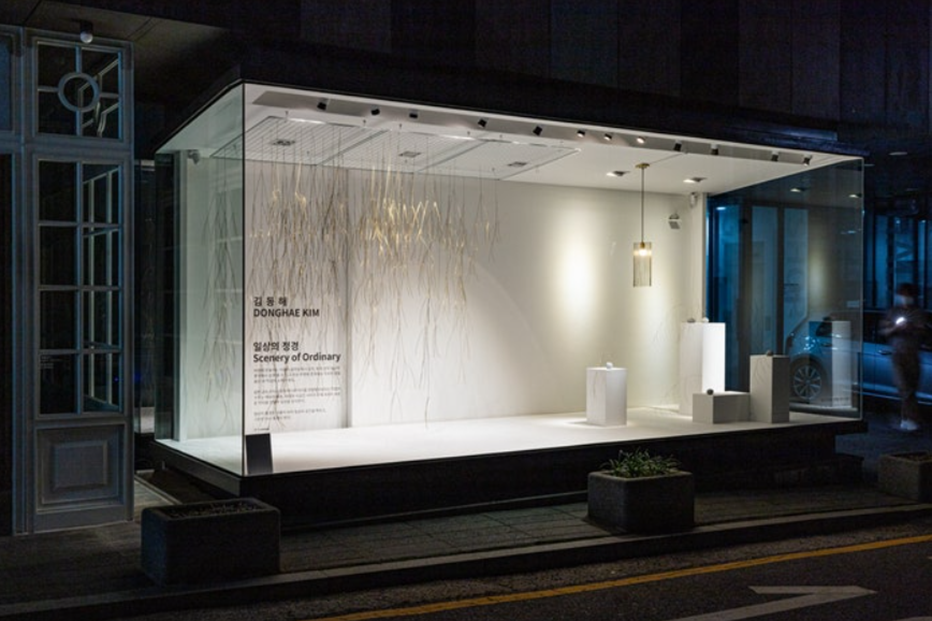
Donghae Kim, who depicts everyday scenery through craft-based works, and Great Minor, who pursues the joy of daily life through pure forms, present installation and object works that prompt viewers to imagine contemporary life in contrast with everyday scenes of the past. Designer Byeongrok Chae expands the core ideas and values embedded in chaekgado through textile-based graphic works. Finally, the work of artist Yesung Lee, using augmented reality, positions itself within the exhibition as an embodiment of the concept of unity between object and self, inviting encounters between the past and present.
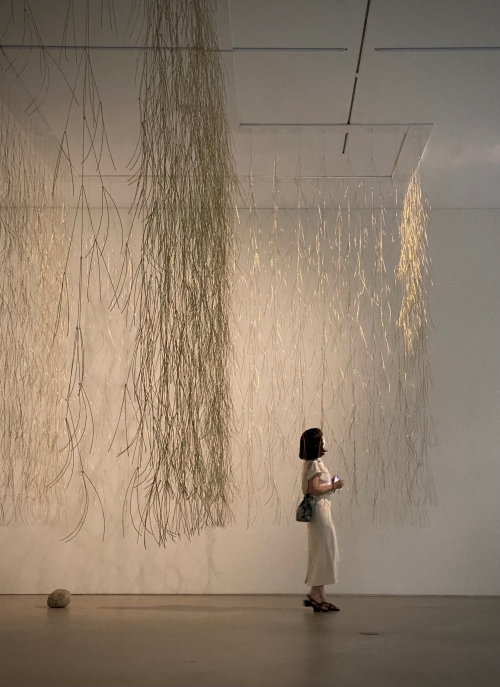
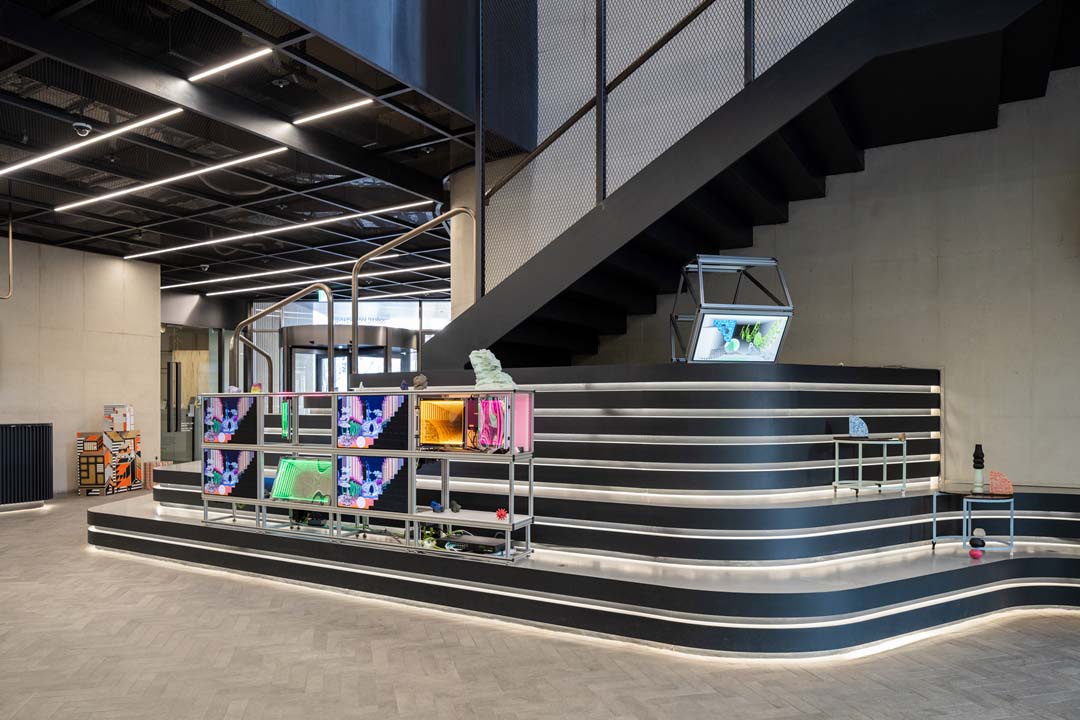 Installation view of 《Books and Things》 © Wooran Foundation
Along with this exhibition, we hope it offers a moment to both honor chaekgado/chaekgeori works—once popular in the past and still widely appreciated today—and to explore their new possibilities and contemporary relevance.
At this moment, what if we aspire to the ideal life once pursued by scholars of that era? A life of “munbang cheongwan,” where one sits by a bright window and a clean desk, burns incense, brews tea, appreciates calligraphy and paintings, and cherishes fine inkstones and brushes—an elegant life devoted to scholarly refinement.