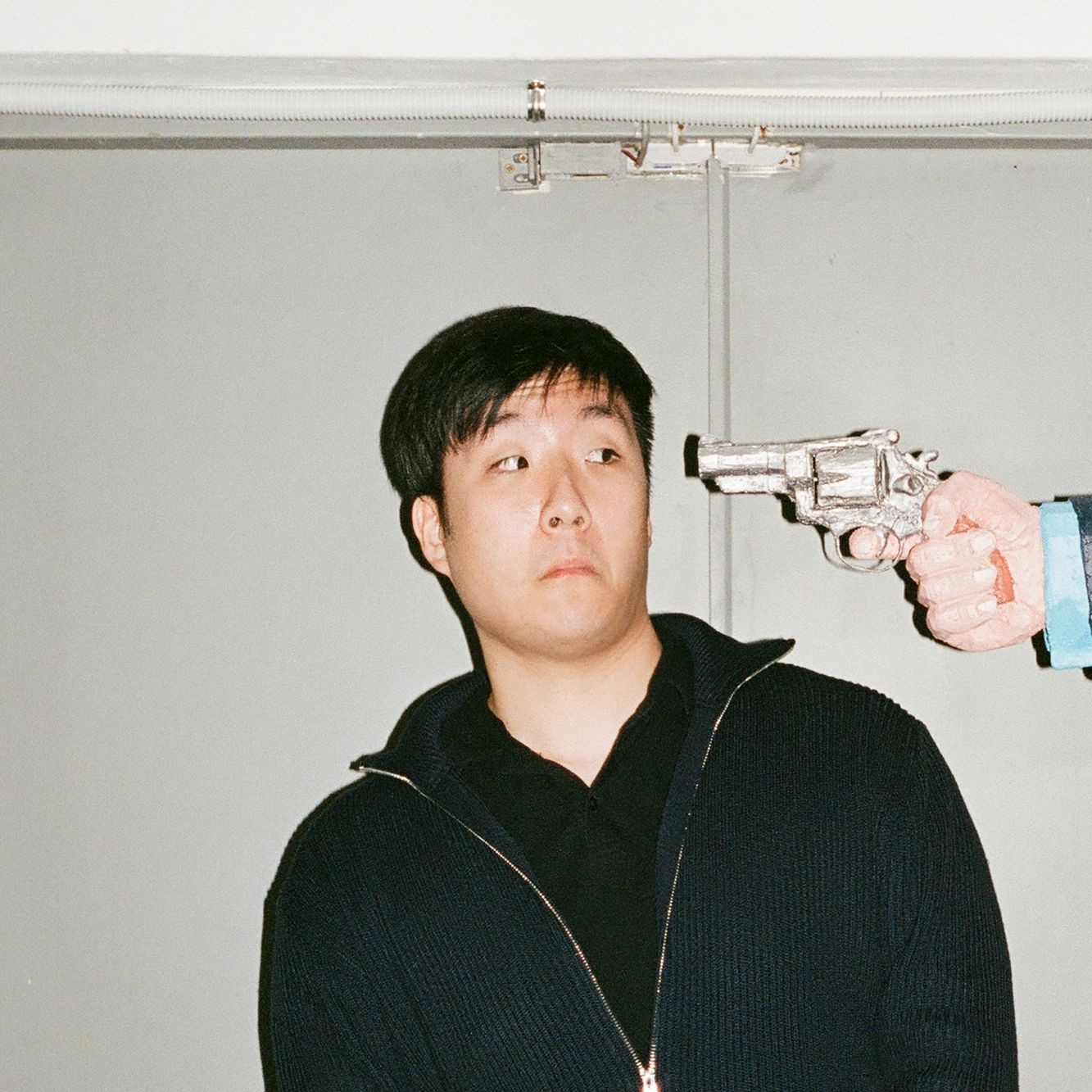
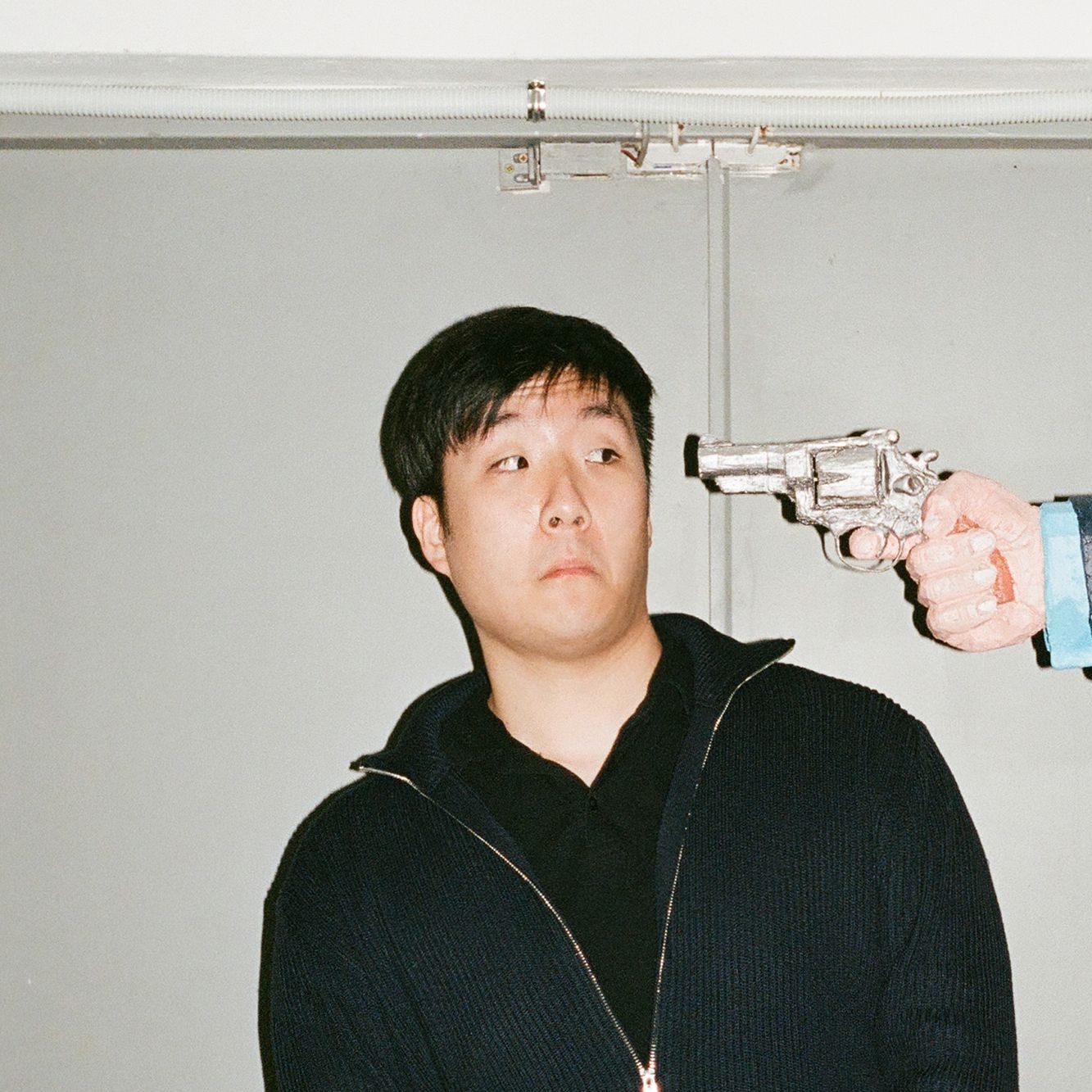
Dahoon Nam studied Art History at the University of Toronto. He currently lives and works in Seoul.

To
mark its 10th anniversary, the Suwon Museum of Art is presenting the special
exhibition 《For Everyone: Chocolate,
Lemonade, and a Party》. While museum exhibitions may
feel engaging and enjoyable to some, they can appear unfamiliar or difficult to
others. This exhibition was conceived as an attempt to shed the solemnity and
opacity often associated with museums.
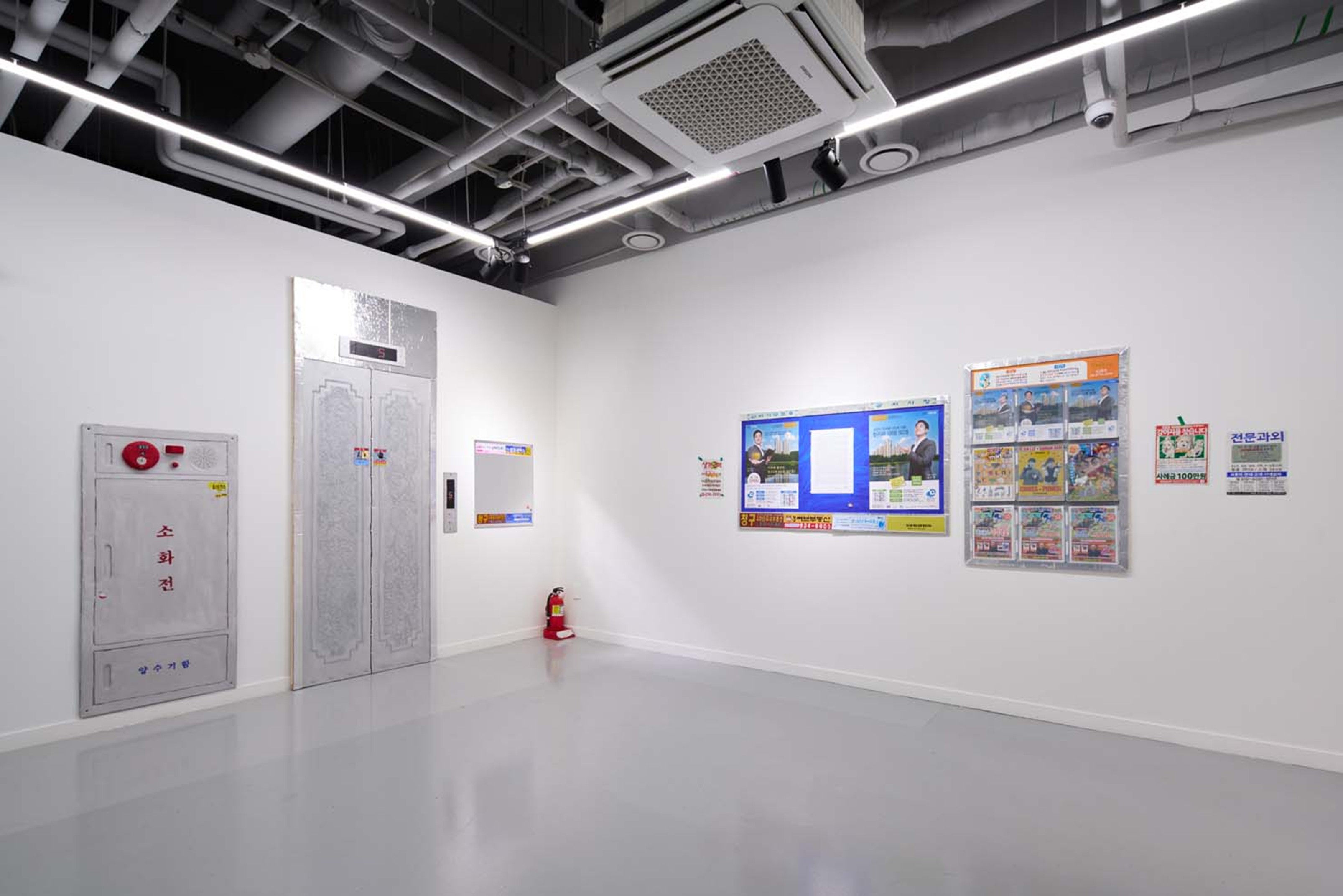
Among
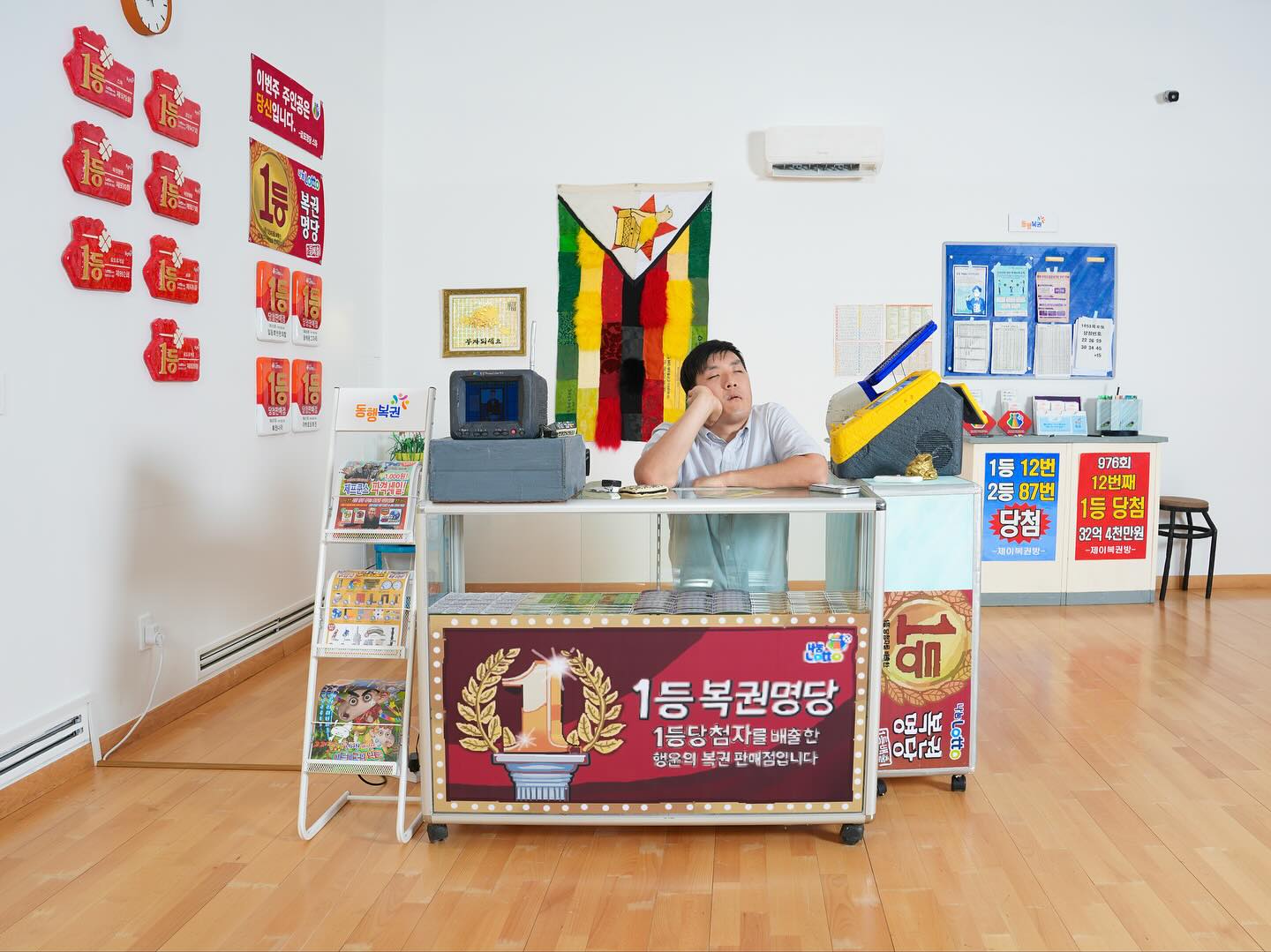
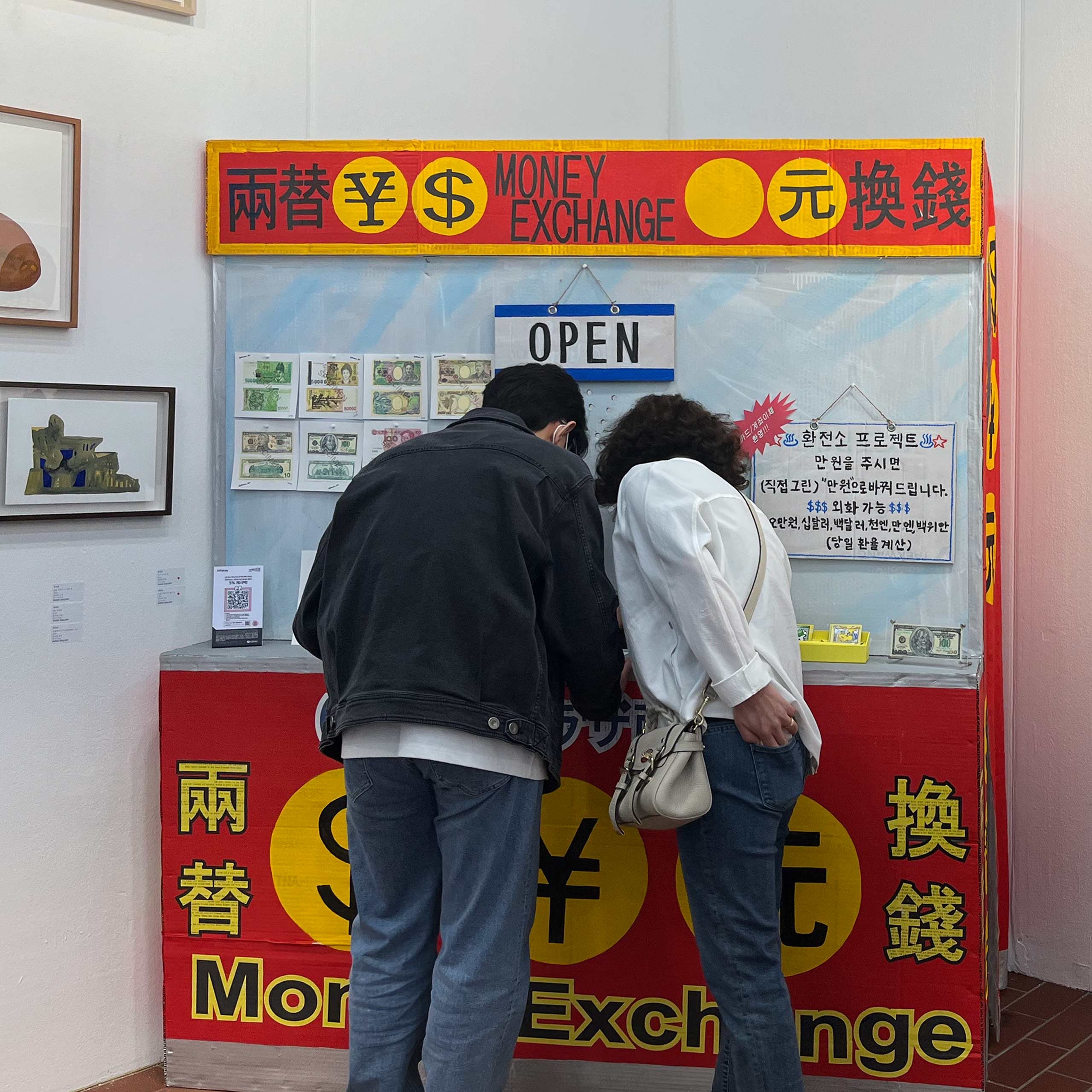
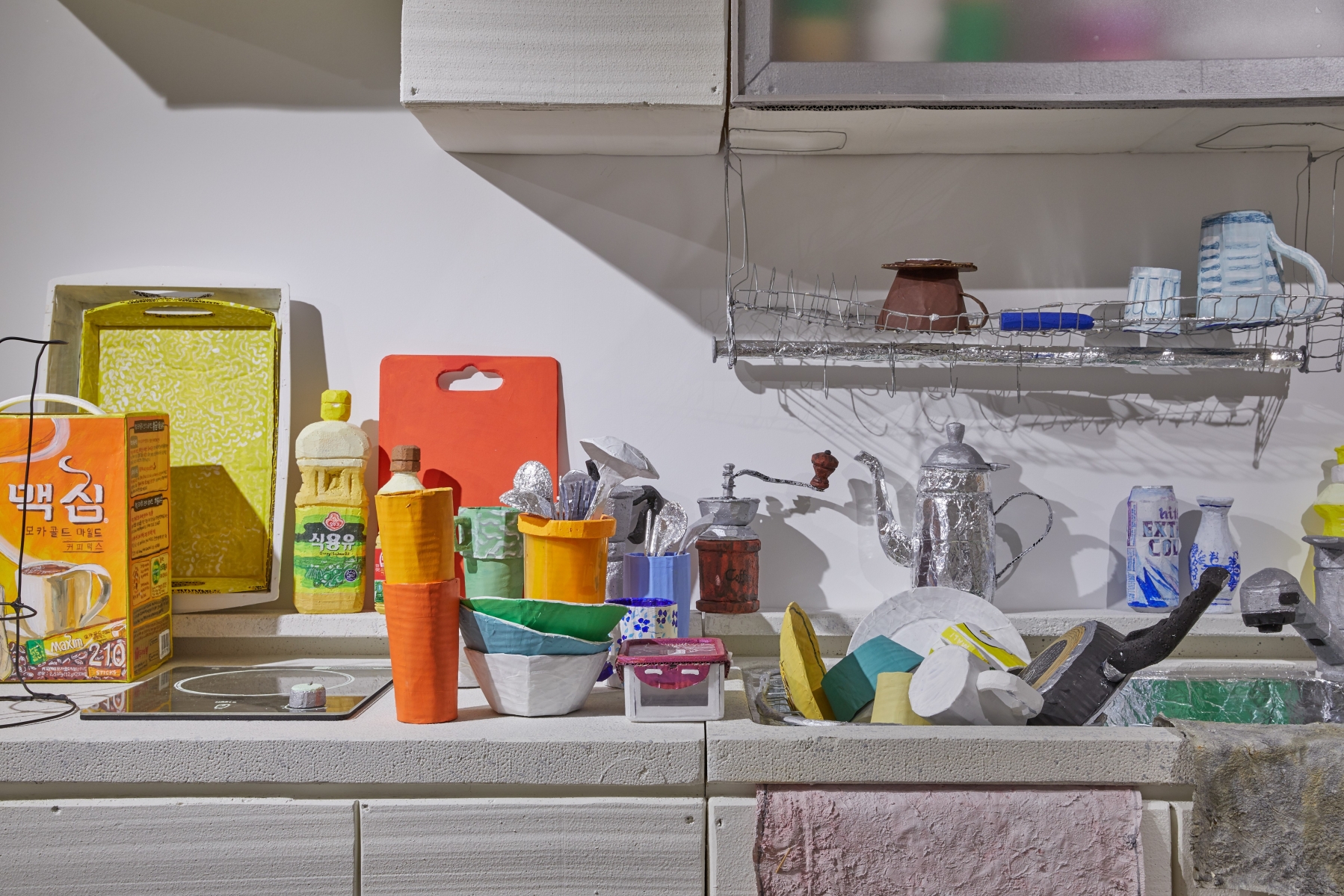
the participating artists, Dahoon Nam draws attention to the economic
attributes of artworks commonly regarded as masterpieces through ‘MoMA
from TEMU ‘(2024). He reconstructs high-priced canonical works from art
history using inexpensive mass-produced goods purchased from stores such as
Daiso, Temu, Coupang, and IKEA, as well as discarded everyday materials.
In
doing so, he exposes the gap between the intrinsic value of art and the
economic value assigned to it by the market. By stripping away the myth of art
as something “noble and sublime” or “the pinnacle of intellectual creation,”
Nam asks what, exactly, determines the monetary value of an artwork.
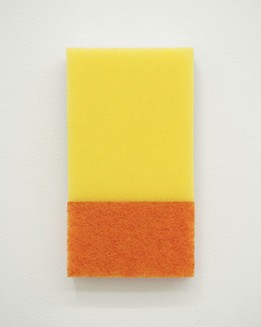
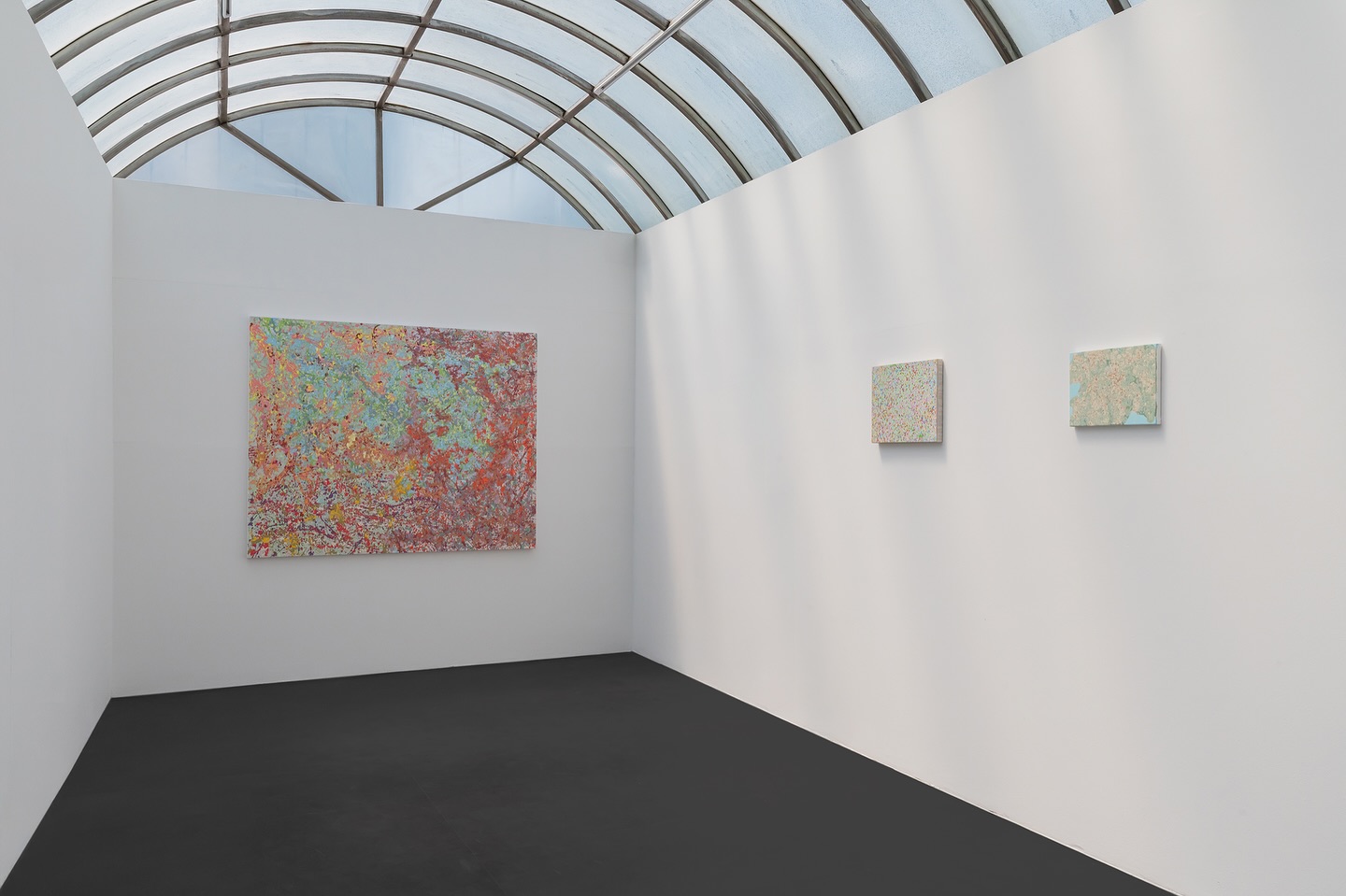
Mark Rothko’s Color-Field Abstraction, Recreated with Sponge
Scrubbers
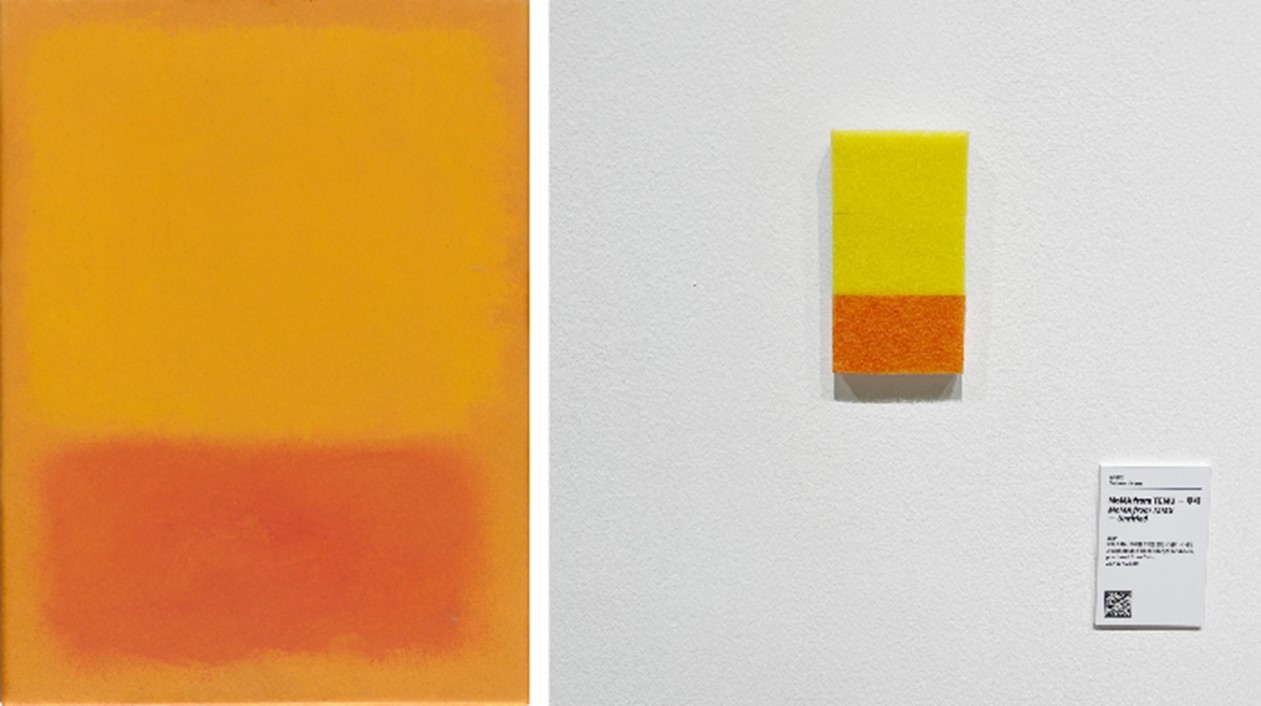
Mark
Rothko is a leading figure of Abstract Expressionism, and his works possess
immense market value—one of his paintings was auctioned for 100.2 billion KRW.
Nam playfully recreates Rothko’s Untitled using a
three-pack of double-sided sponge scrubbers purchased from Daiso. By employing
inexpensive everyday materials, this work highlights the disparity between the
cost of materials and the price of art, twisting the illusion of value produced
by the label “masterpiece.”

The Colors of the American Flag and Nurungji-Flavored Candy
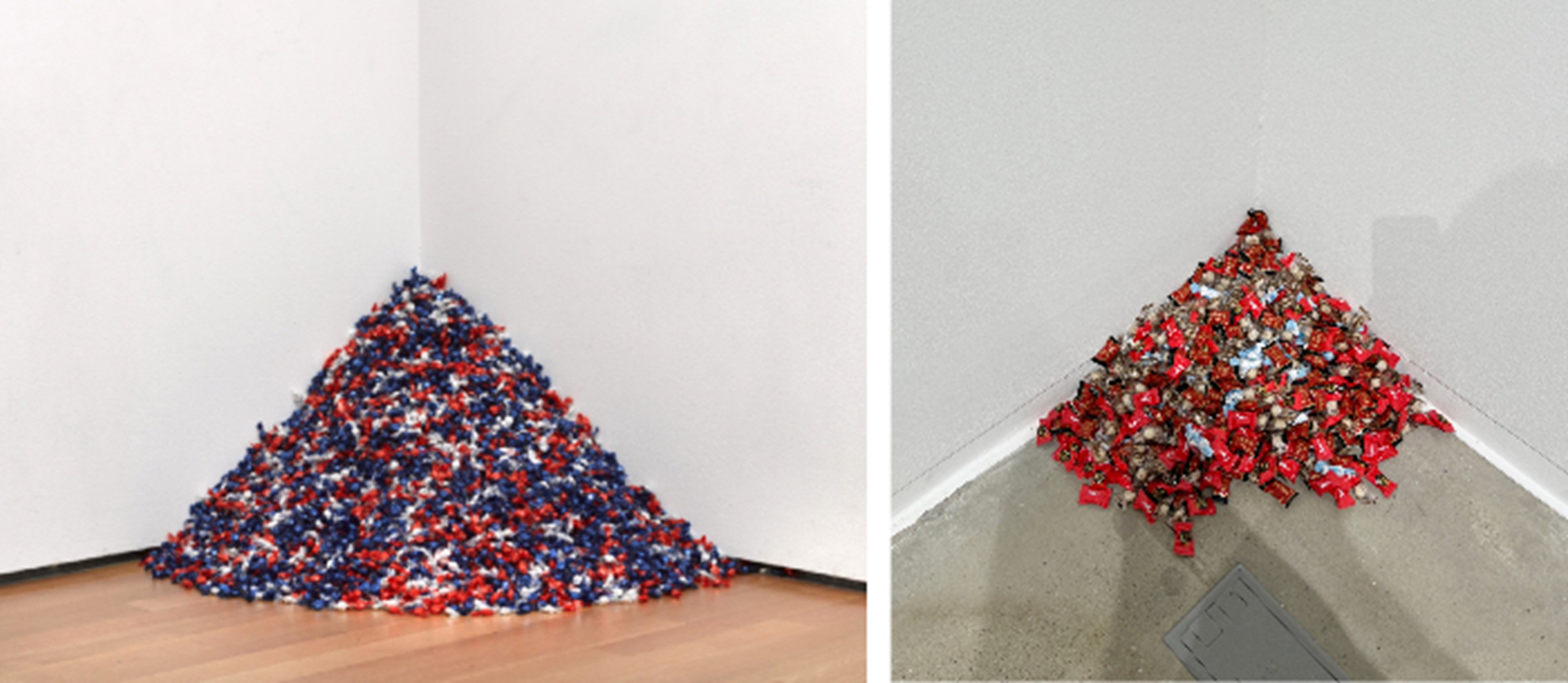
Felix
Gonzalez-Torres’s Untitled (USA Today) is an
installation in which viewers are invited to take candies, gradually causing
the work to disappear. The candies—red, blue, and silver—evoke the colors of
the American flag, while the title references USA Today, a daily newspaper
known for presenting news in an accessible format and, by extension, for
symbolizing America itself.
Through
these candies, Gonzalez-Torres raises questions about consumption,
disappearance, and national identity. Nam reconstructs this work using Korean
red ginseng candies and nurungji-flavored candies, preserving the emotional
tenor of the original while introducing a distinctly Korean element that lends
the work renewed freshness.

Donald Judd Completed with “As-Is” IKEA Shelves
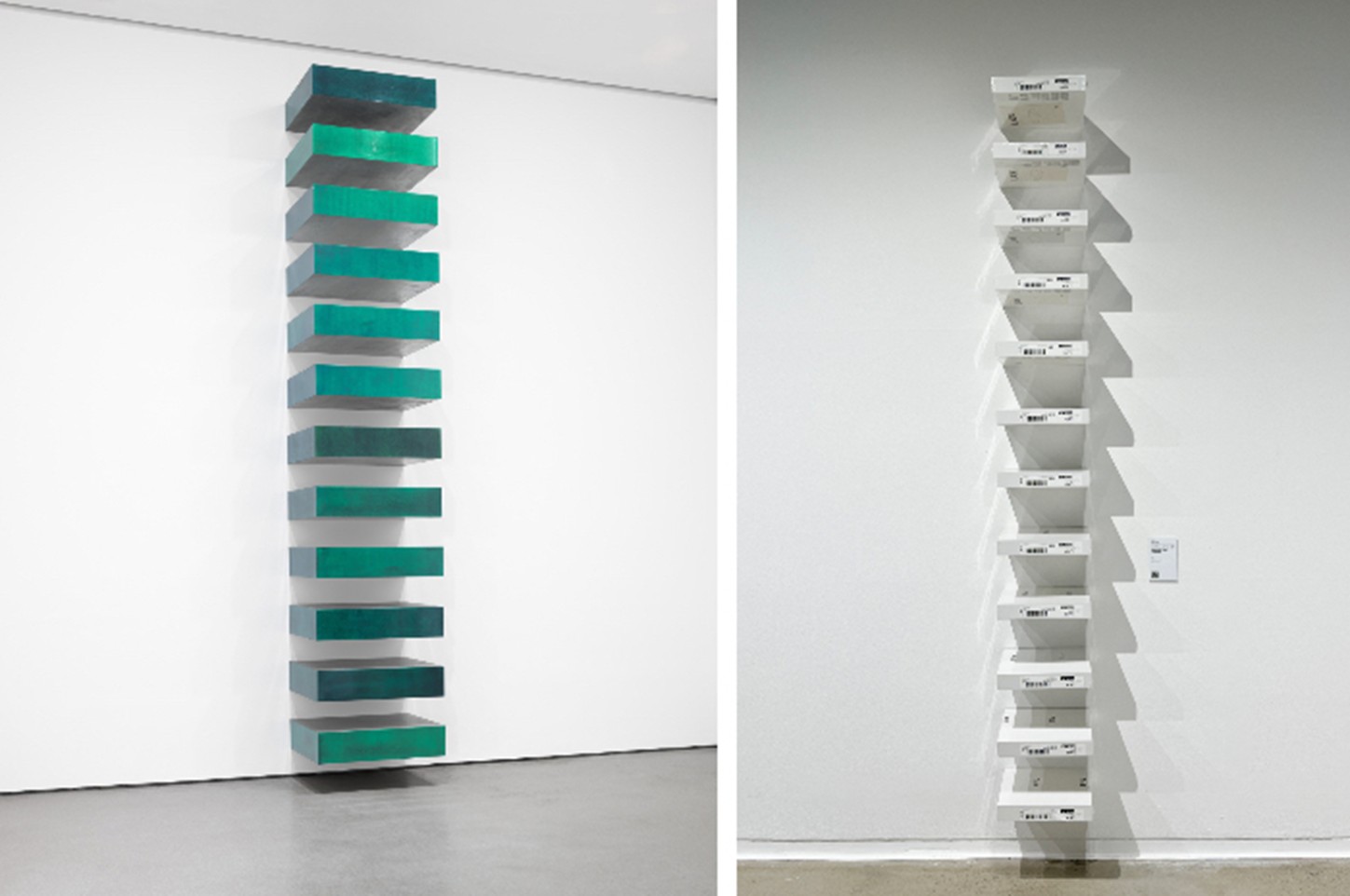
Donald
Judd, a key figure of Minimalism, broke away from traditional handcrafted
painting and sculpture by realizing art through industrial production. He did
not fabricate his works himself but had them manufactured in factories,
approaching art as structure rather than emotion.
To reinterpret Judd’s Untitled,
Nam repeatedly installs IKEA shelves in the exhibition space without even
removing their packaging. This approach follows Judd’s pursuit of “objectivity”
and “impersonality,” while simultaneously revealing a mechanized mode of
artistic reproduction through the direct use of mass-produced brand products.

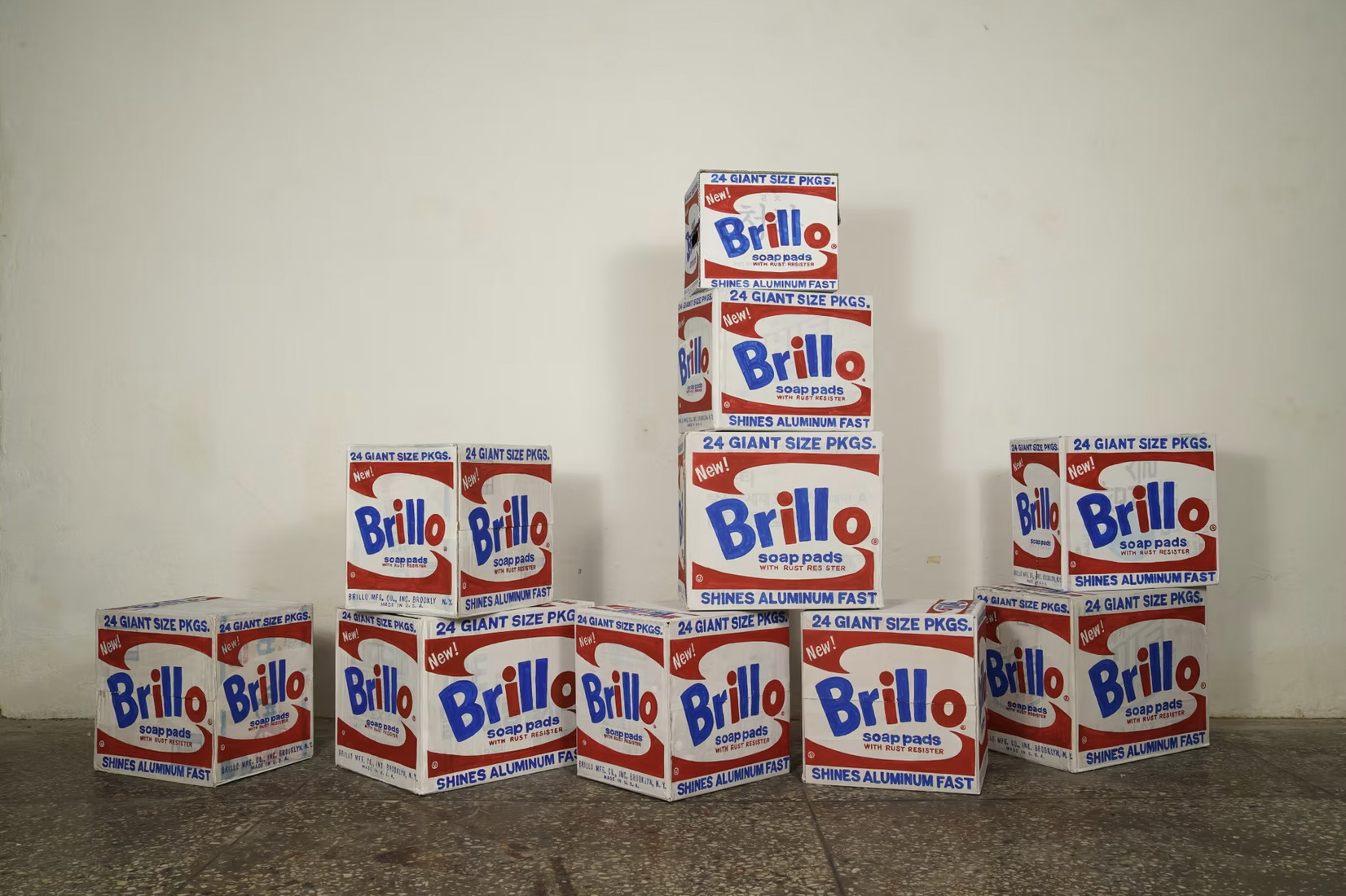
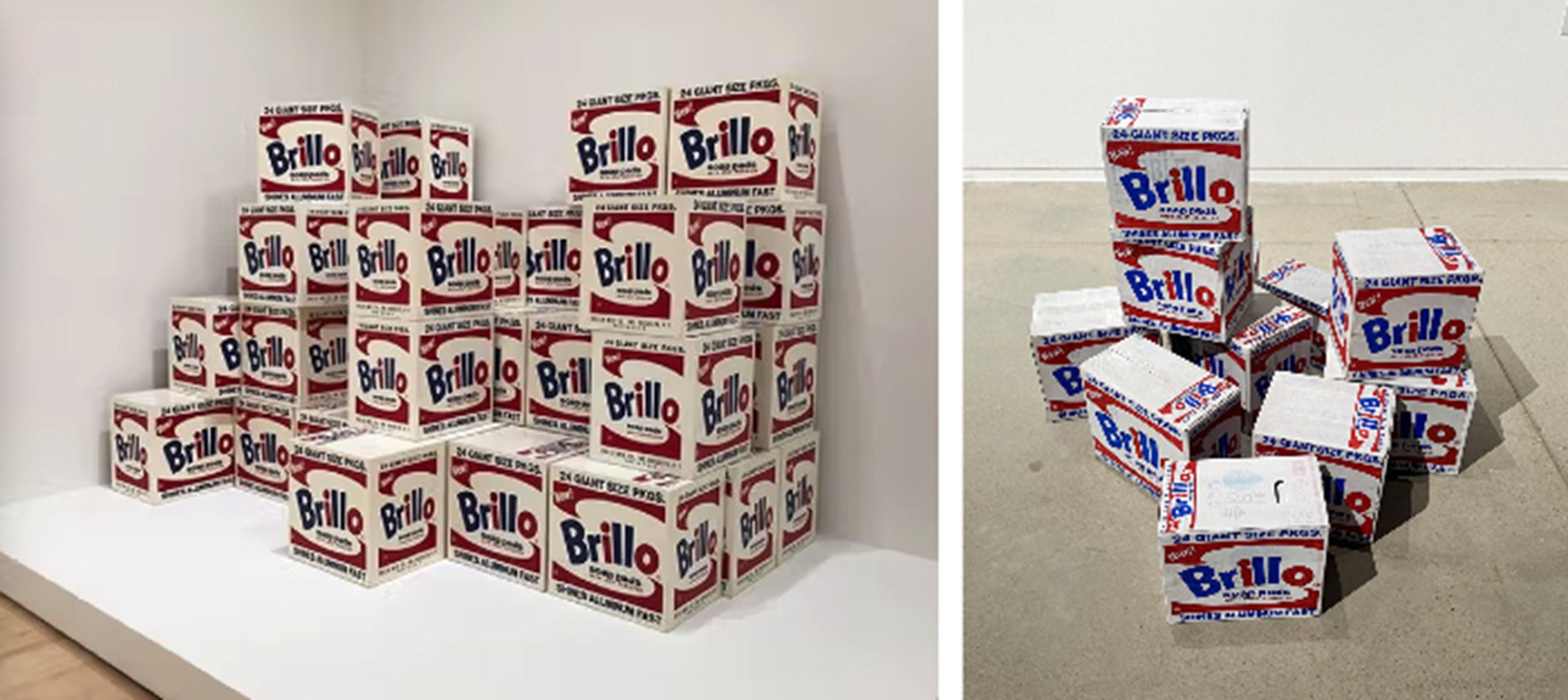
Brillo Logos Painted on Chungha and Bibim-myeon Boxes
Andy
Warhol’s Brillo Box meticulously reproduces real
detergent boxes using silkscreen techniques. By bringing everyday,
mass-consumed products into the realm of art, Warhol dismantled the boundary
between high art and popular culture. Nam responds by creating a Korean version
of the Brillo box: he overlays the Brillo logo onto boxes labeled with Korean
brands such as Chungha soju and Bibim-myeon noodles. In doing so, he extends
Warhol’s enduring question—“What is art?”—into the context of contemporary
Korean consumer culture.

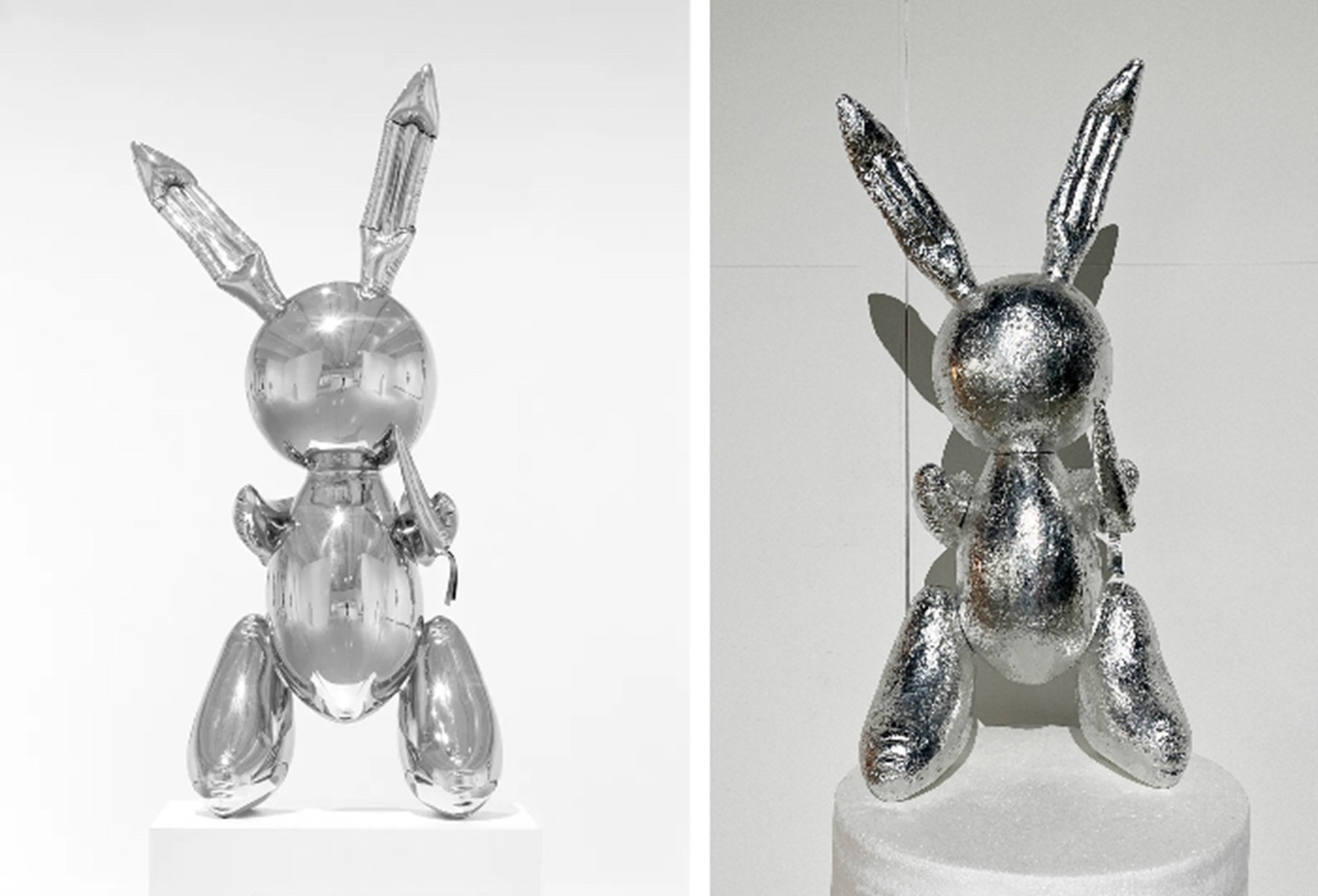
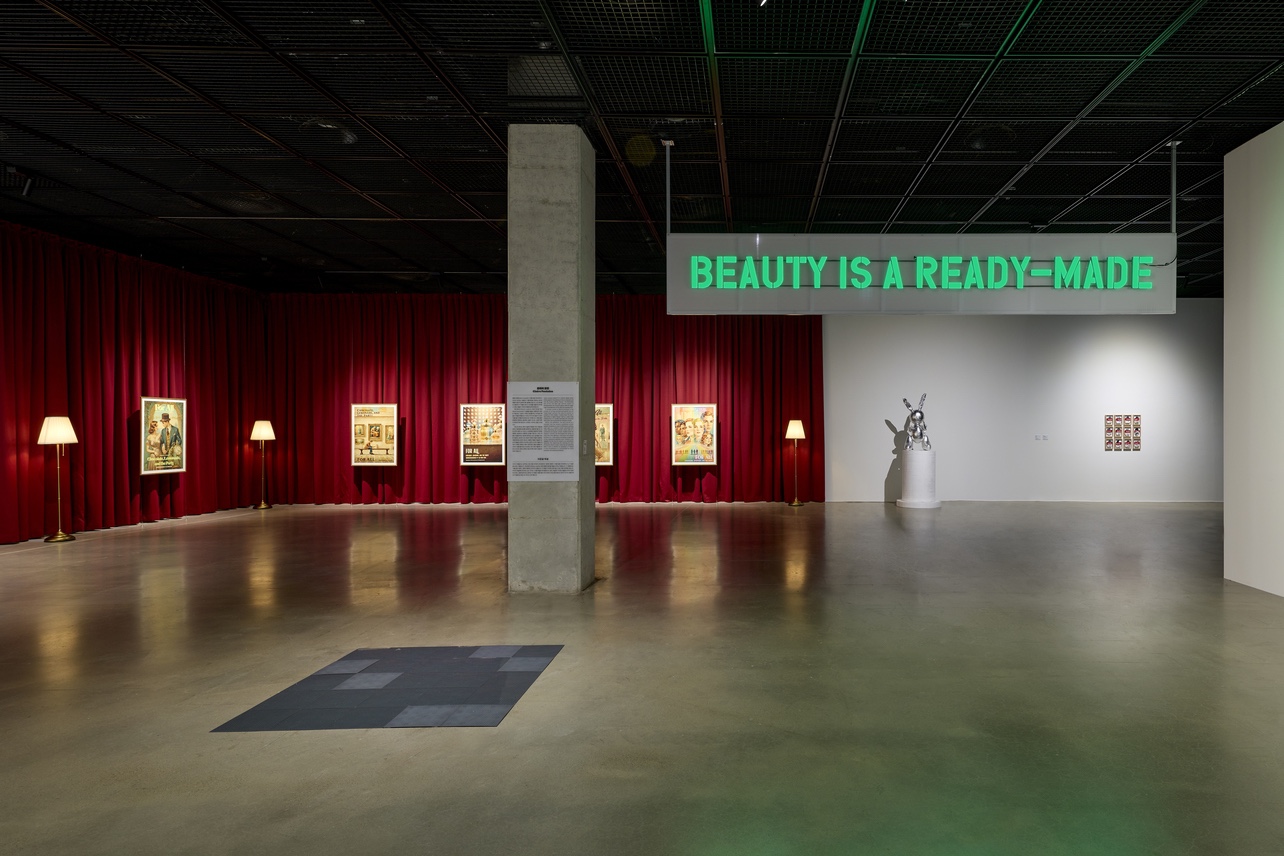
Mirror-Like Desire, Reborn as a Styrofoam Rabbit
Beyond ‘MoMA
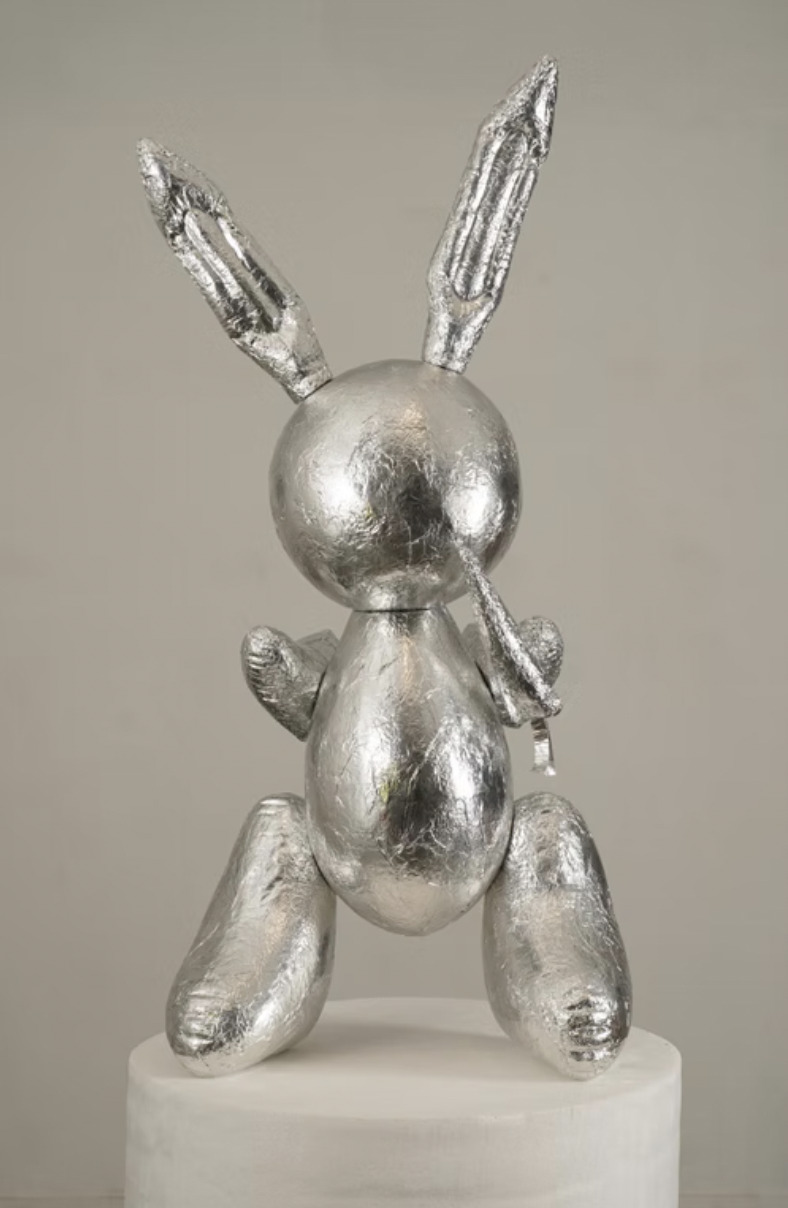
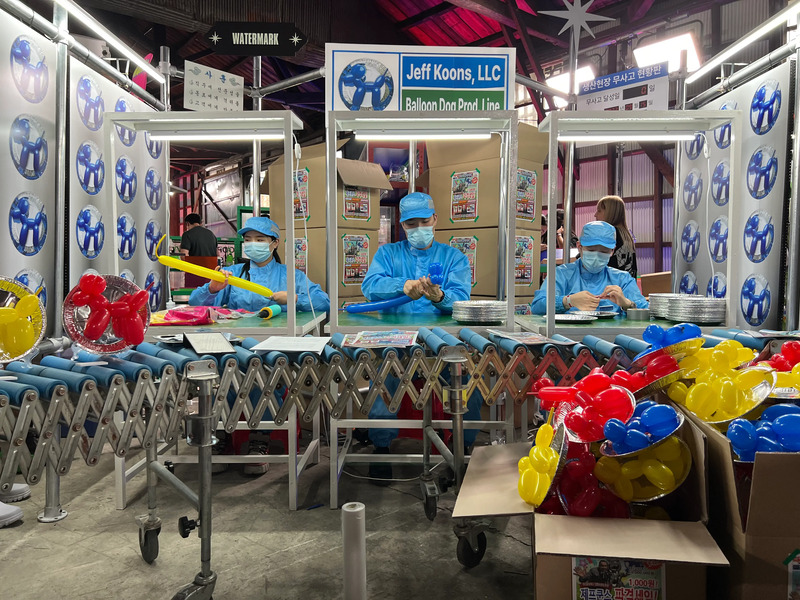
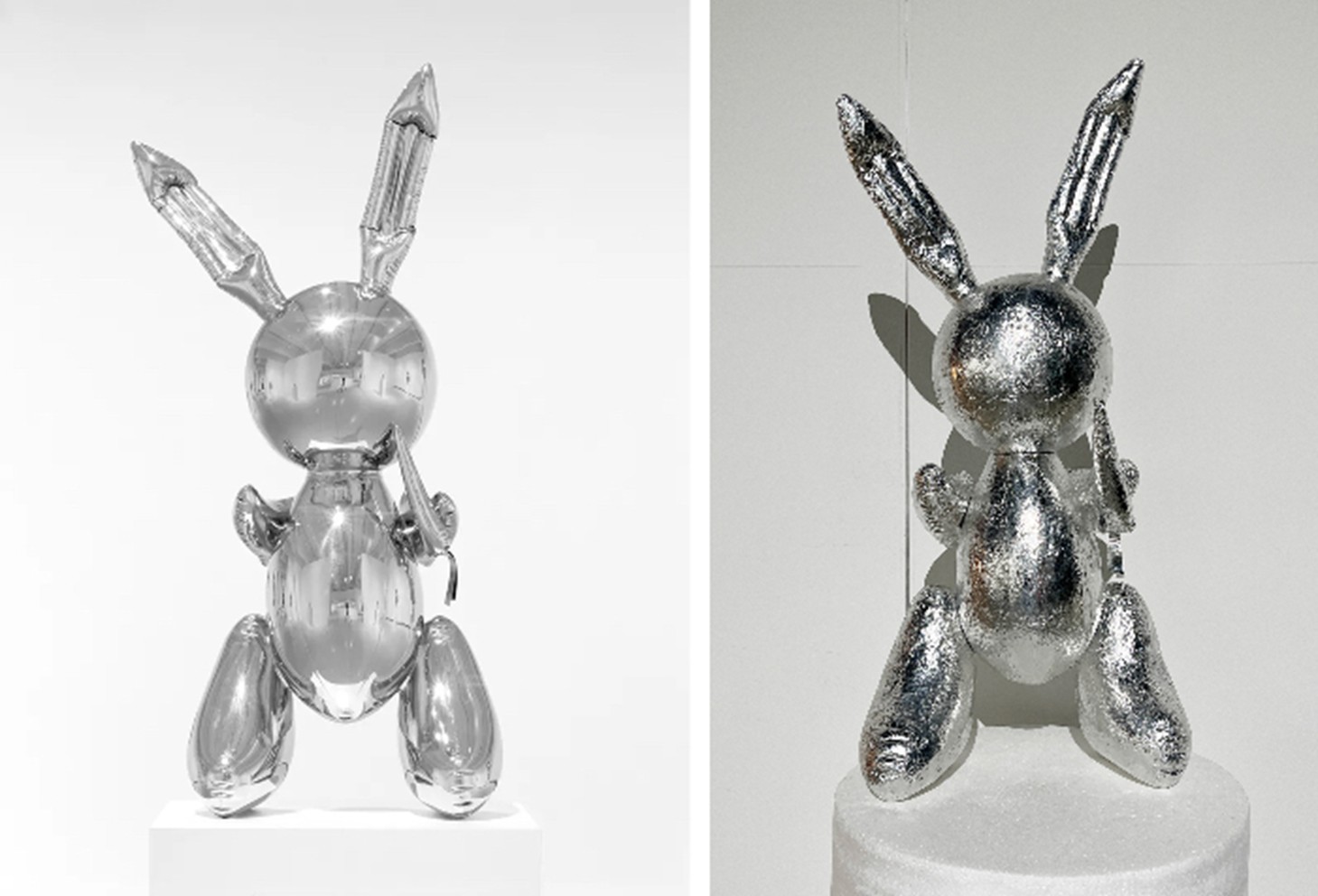
from TEMU’, Nam’s works appear throughout the exhibition. Jeff Koons’s Rabbit,
a silver rabbit sculpture made of stainless steel, symbolizes both modern
innocence and desire. Its mirror-like surface reflects the viewer, revealing a
constant desire for attention.
Nam
recreates this work using Styrofoam and aluminum foil. Instead of a perfectly
smooth surface, the uneven texture remains visible. This imperfection satirizes
the exaggerated desire embodied by the original’s gleaming surface, while
simultaneously dismantling the authority of the masterpiece through everyday
materials.
‘MoMA
from TEMU’ goes beyond simple parody to pose a challenge to the authority
of art institutions and the structures of capital. “Why is art art?” “Does
price equal value?” “Why is the work you are looking at important?” The project
raises questions about the mythologization and commodification of art, offering
approachable responses through familiar objects such as sponge scrubbers, red
ginseng candy, Chungha boxes, and IKEA shelves.
This
exhibition—where critical inquiry and play coexist—comes highly recommended for
a visit.