Dahoon
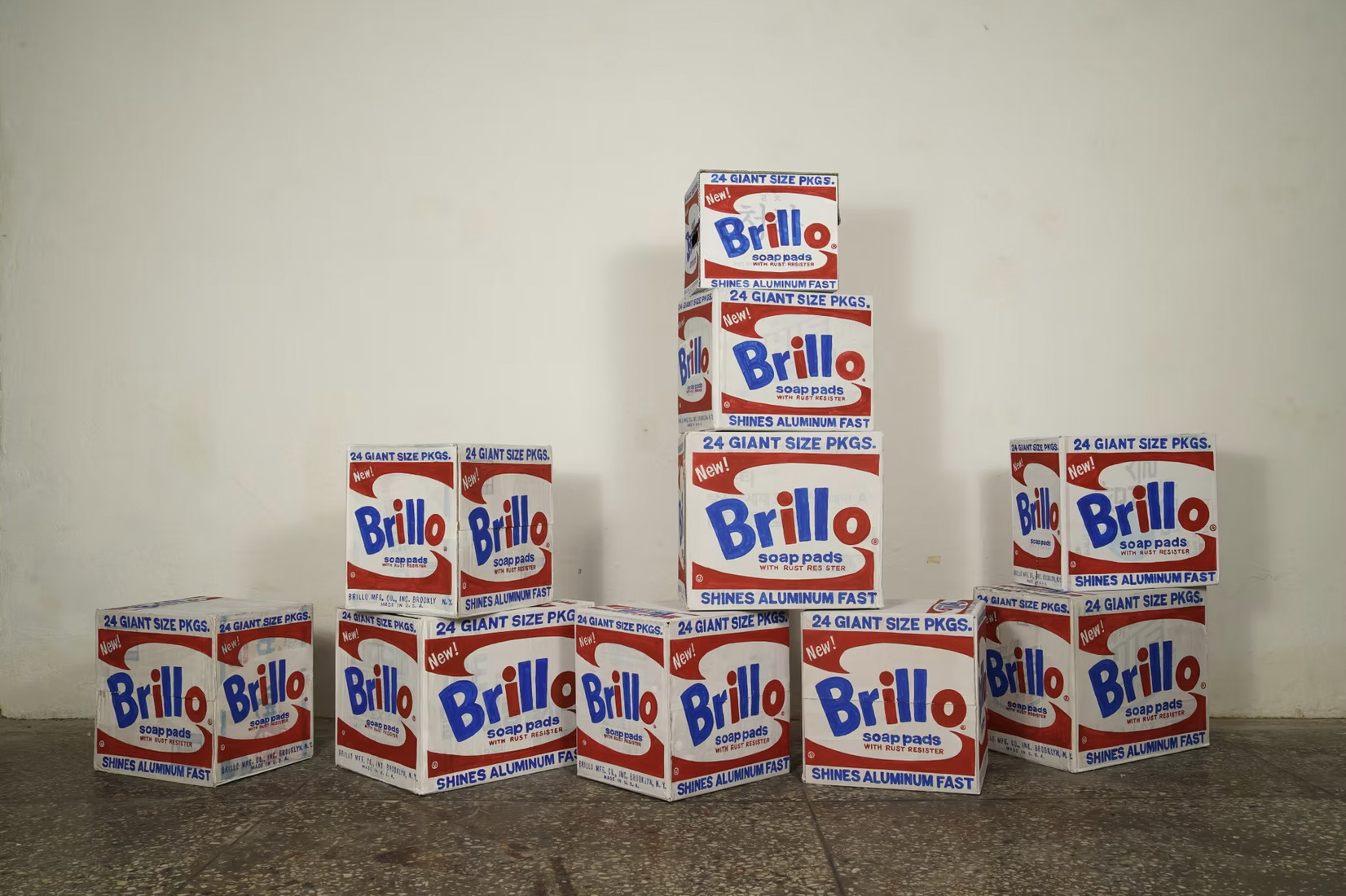
Nam’s practice begins by questioning the systems of value and structures of
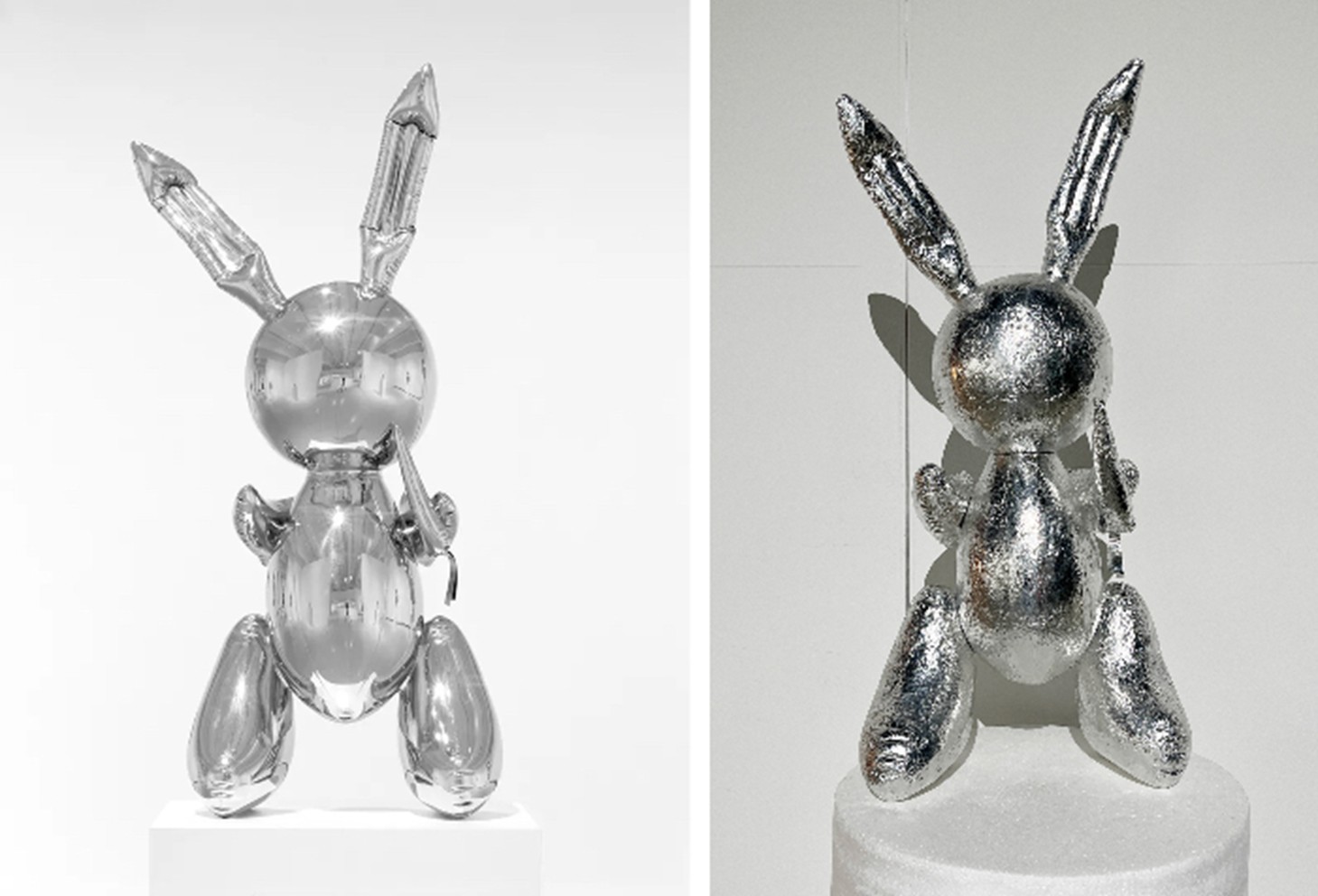
reality that we tend to accept as given, using replication as his
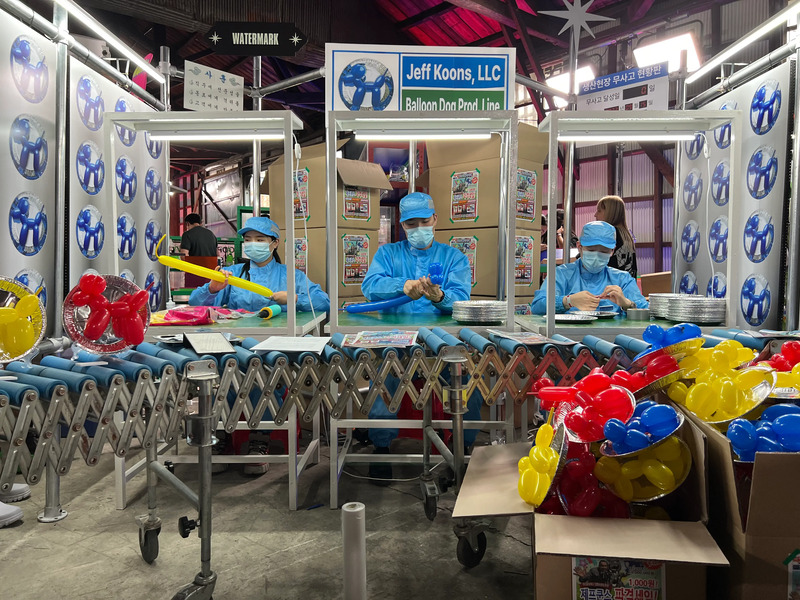
core strategy. Rather than employing replication as simple imitation or
reproduction, he presents objects that closely resemble reality yet ultimately
reveal themselves as “fake,” exposing the fissures between the real and the
fake, the original and the copy, value and price. This line of inquiry extends
beyond the art system to encompass consumer culture, capital, desire, memory,
and the broader structures of contemporary society.
In his
early works, Nam began by replicating books he personally admired in
two-dimensional formats, gradually turning his attention to spaces and objects
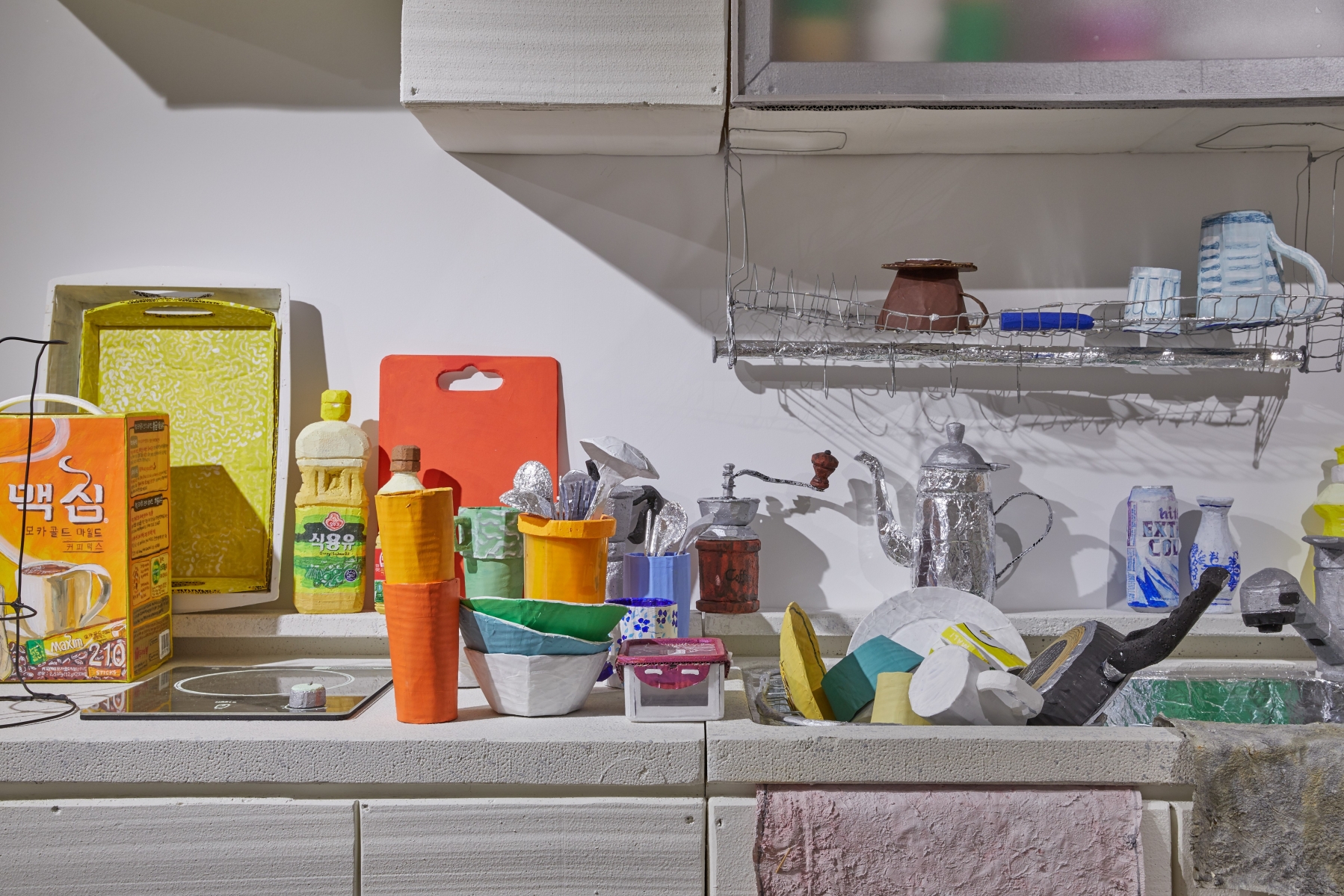
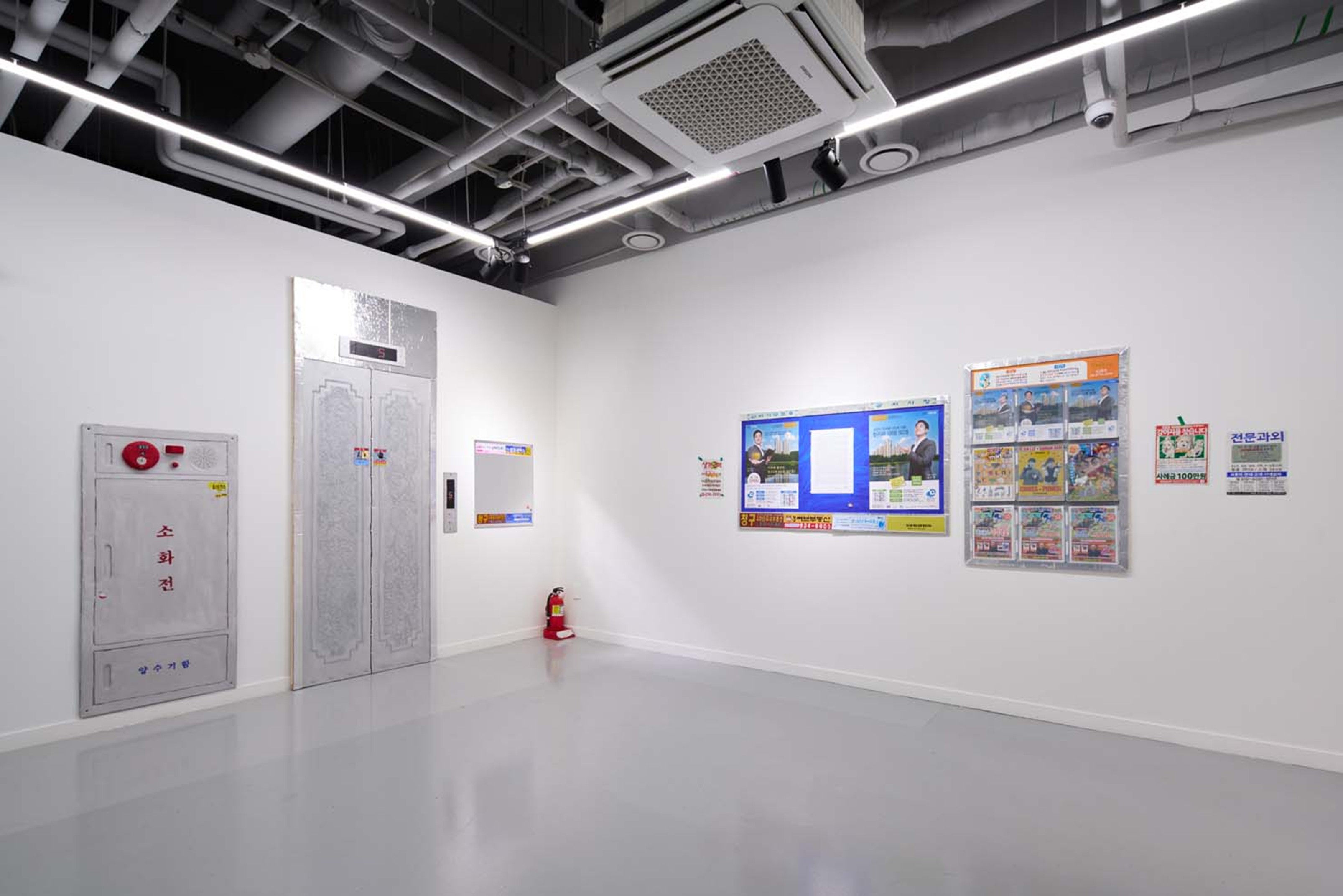
from everyday life that are easily overlooked. In his solo exhibition 《#21》(Rund Gallery, 2019), he replicated a
laundromat located across from the gallery, while in 《#22》(oh!zemidong Gallery, 2020), he recreated a subway ticket gate.
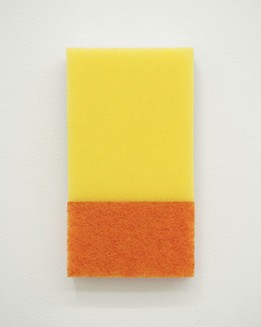
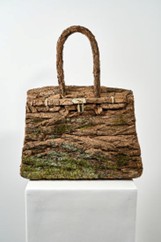
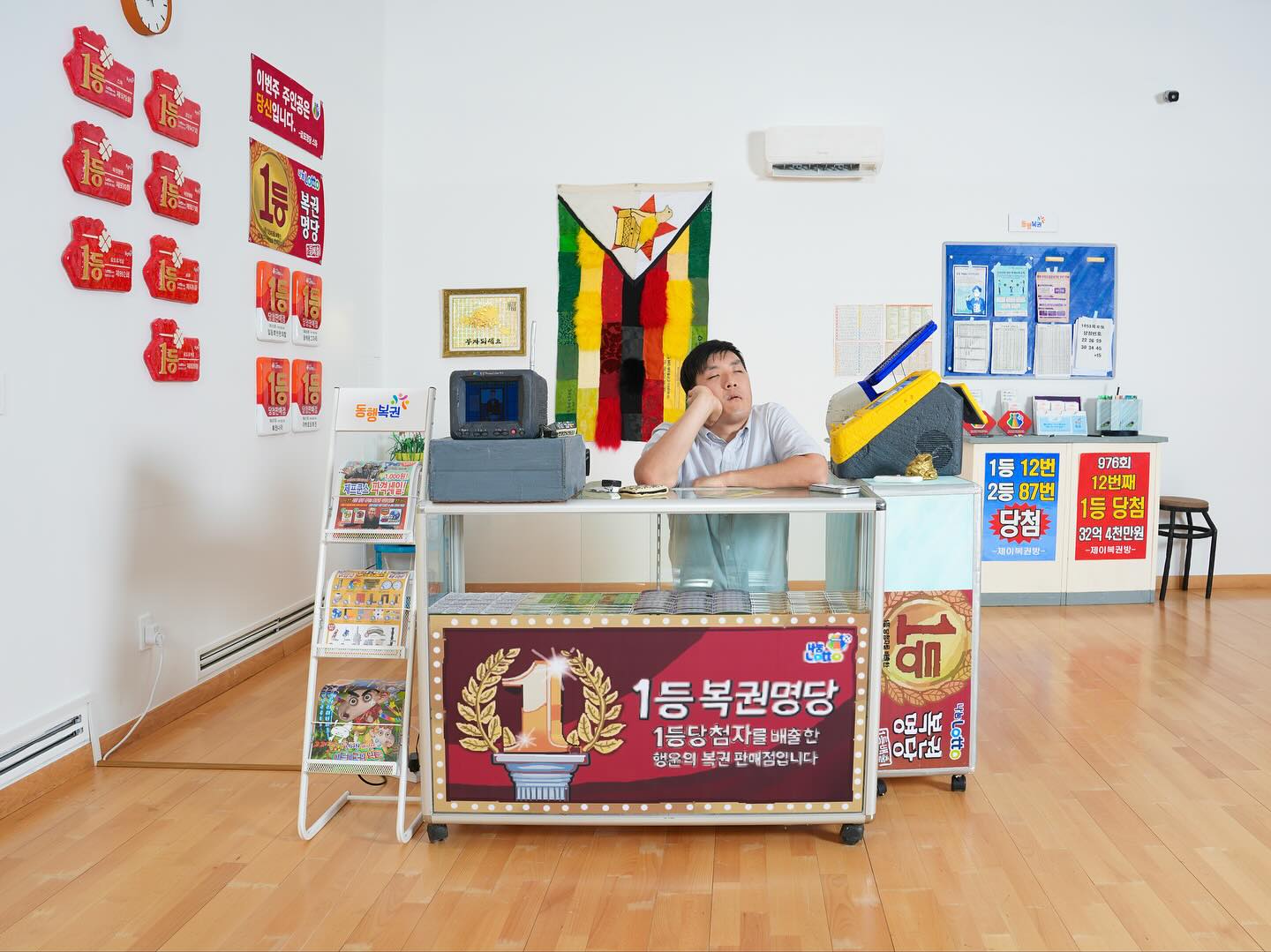
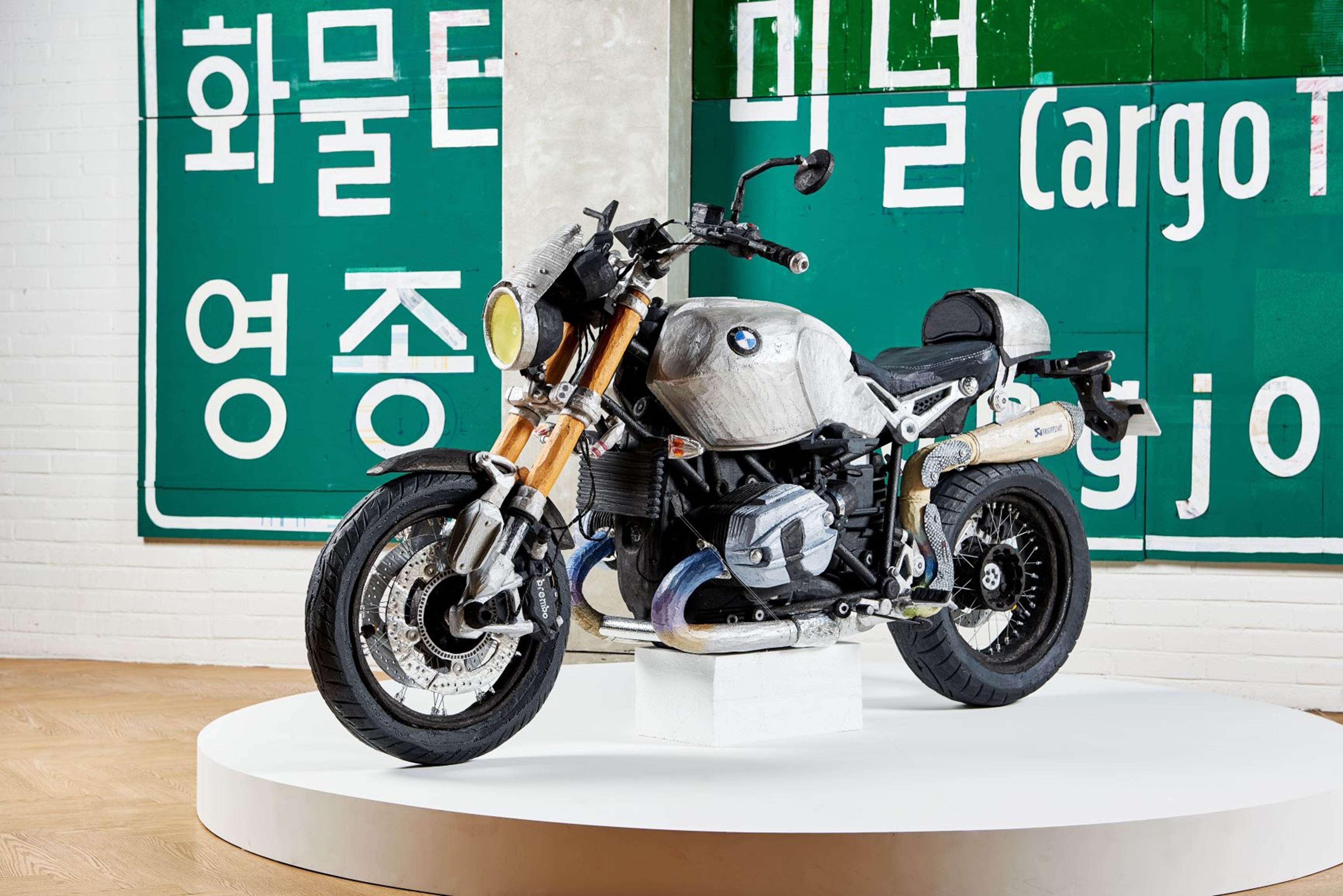
These works operate by rendering familiar reality unfamiliar. Though the
replicated objects closely resemble their originals, their use of lightweight
and fragile materials situates them in a state that appears real yet is
unmistakably not.
In the
solo exhibition 《#23》(Gallery Yoho, 2021), Nam expanded this approach to encompass life
in the aftermath of the pandemic, weaving personal experience and contemporary
conditions into a spatial narrative framed as “traces of travel.” The
exhibition structure, reminiscent of a guesthouse, metaphorically evokes
memory, movement, and the instability of identity, signaling a shift in
replication from objects toward emotional and experiential dimensions.
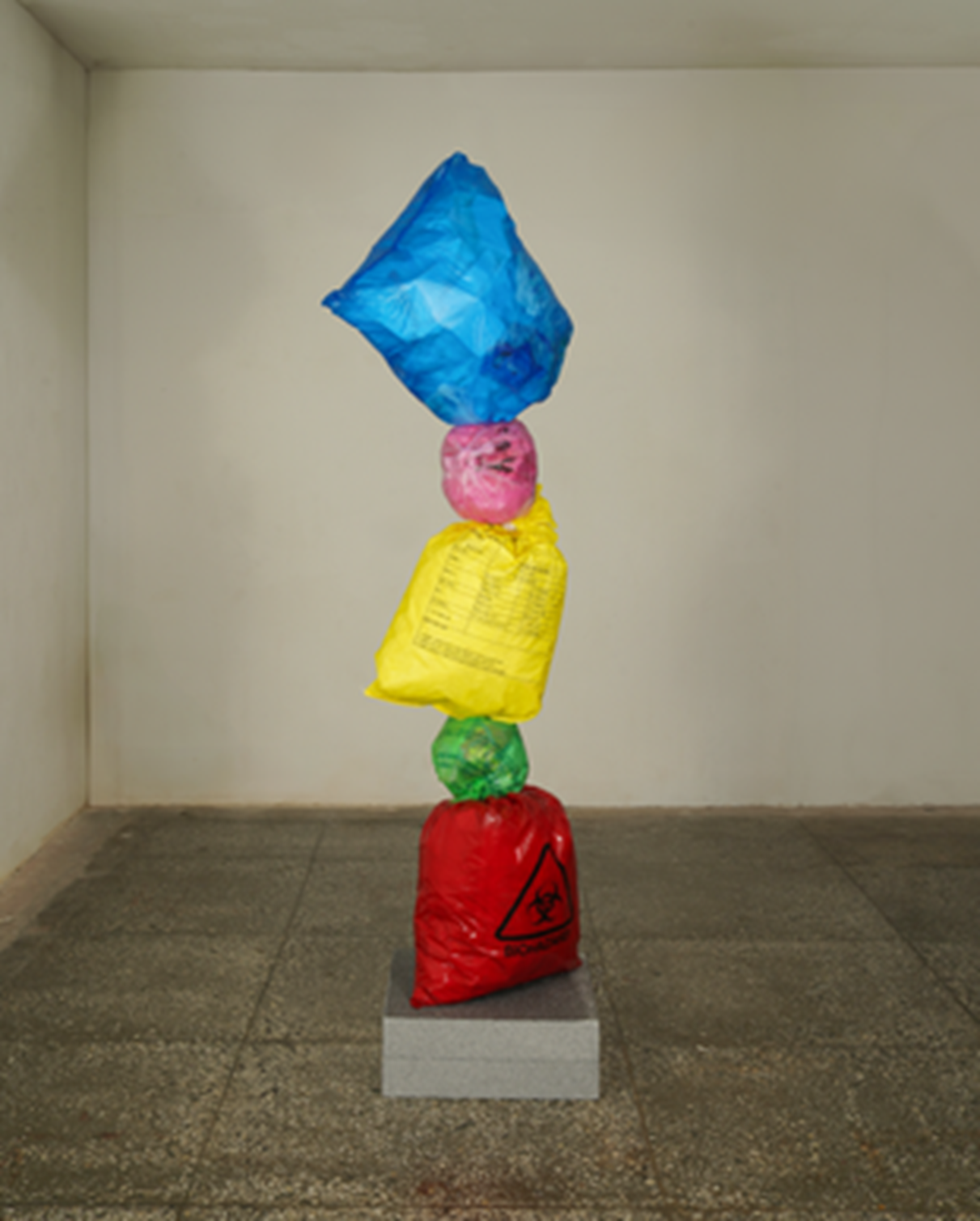
In more
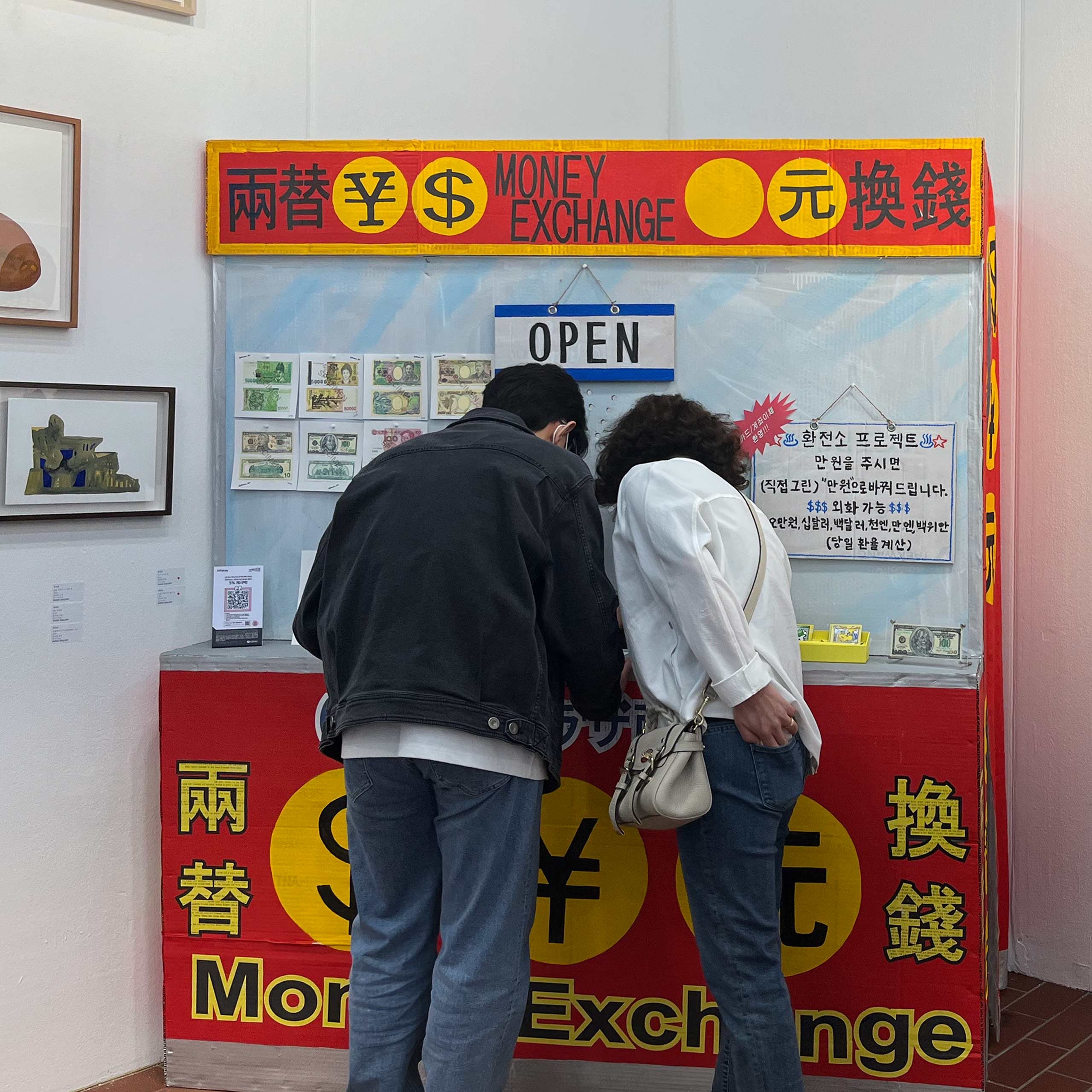
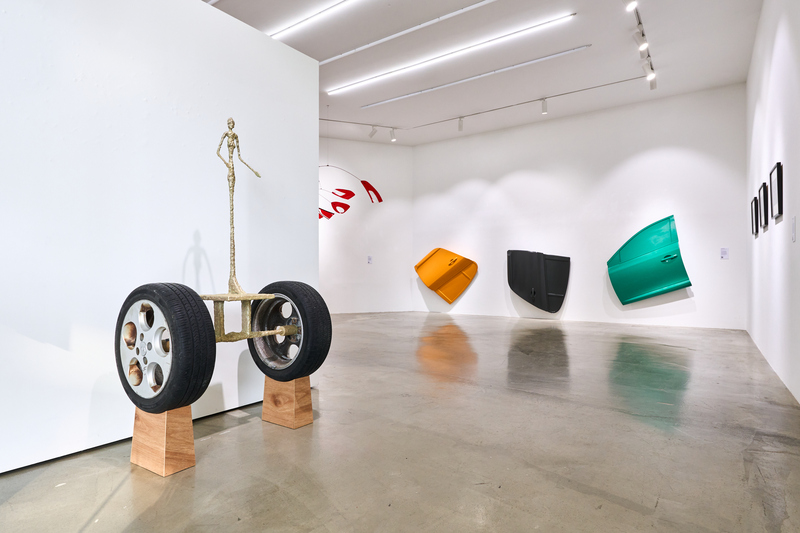
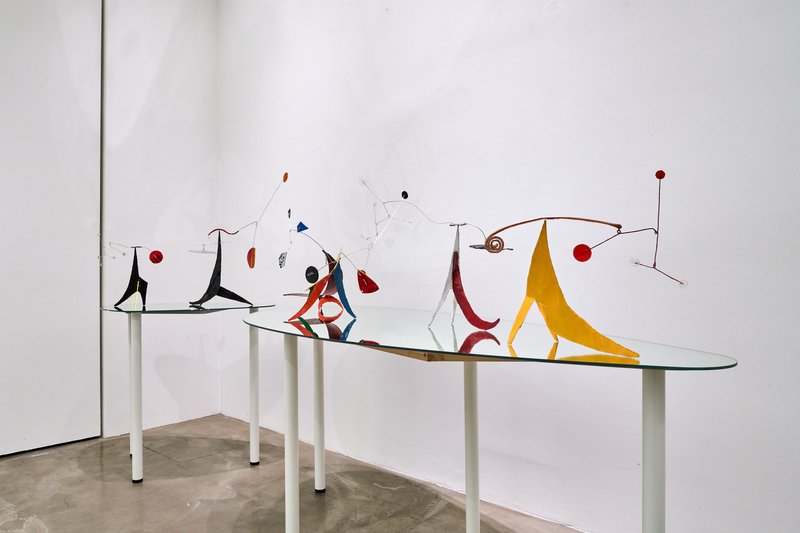
recent works, replication increasingly targets the structures of economic
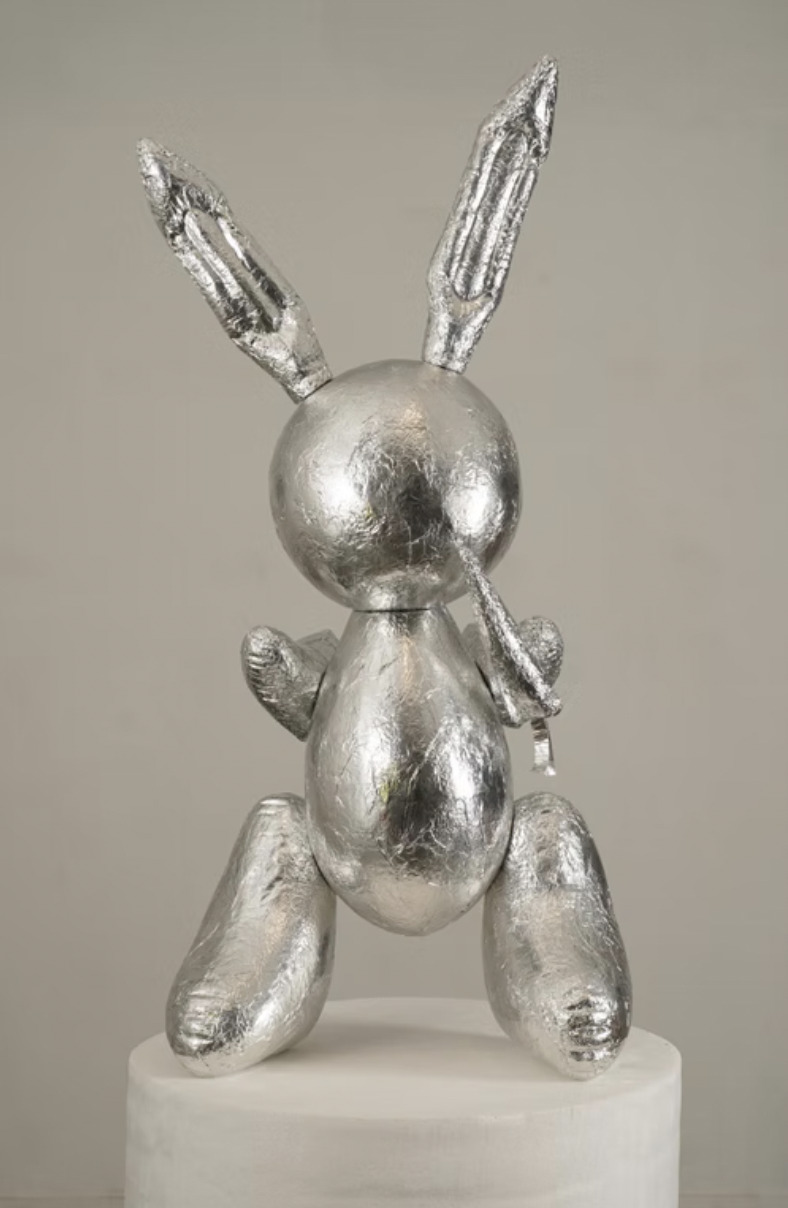
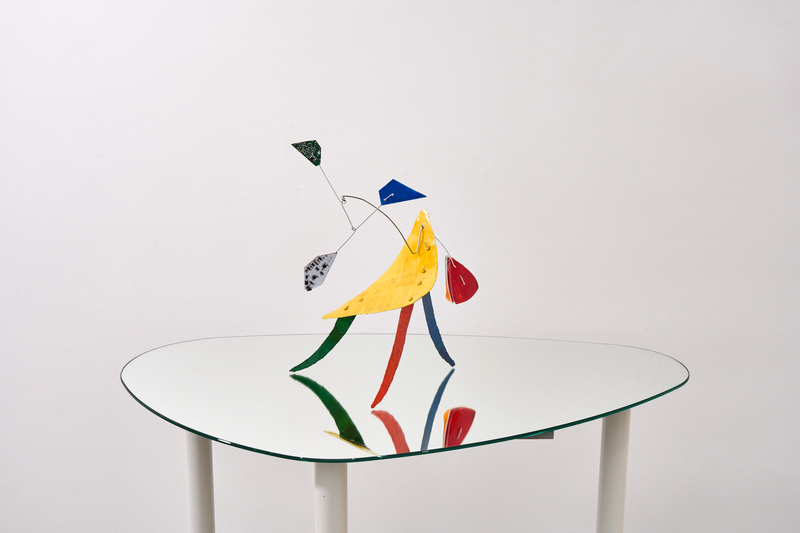
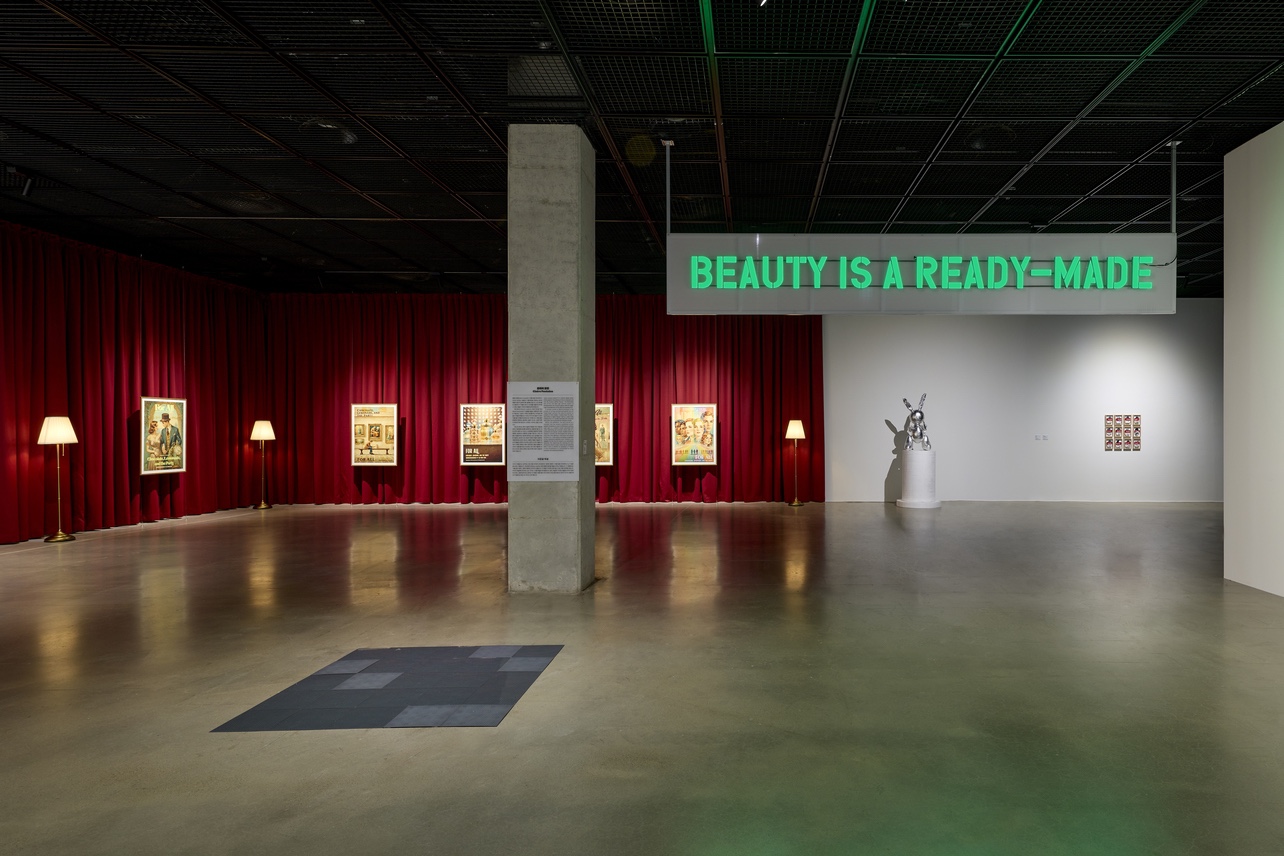
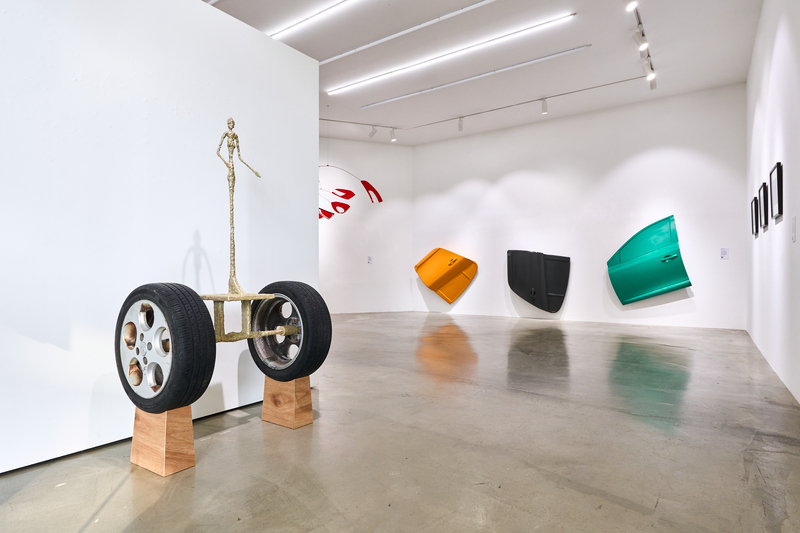
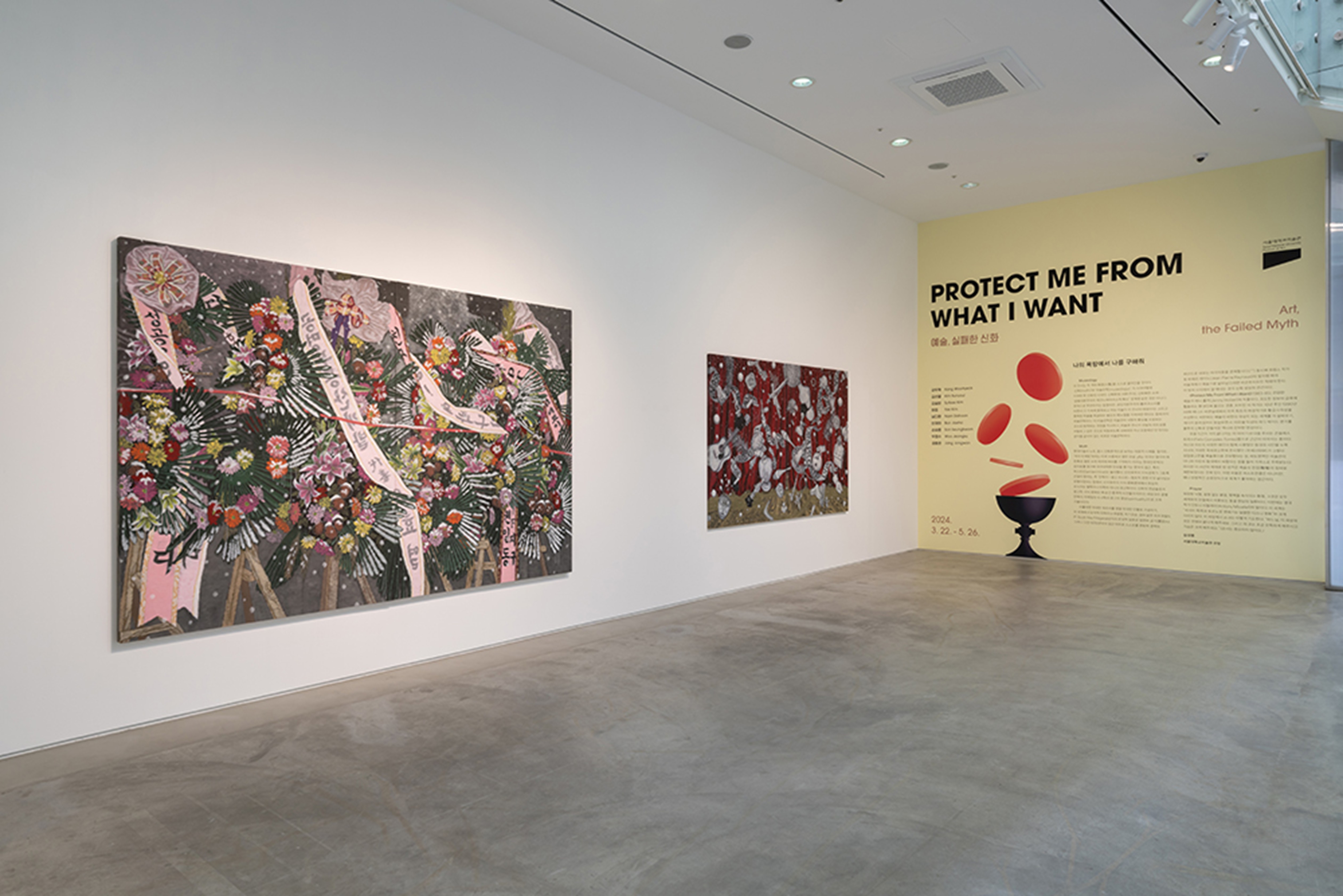
systems and art institutions directly. The ‘MoMA from TEMU’ (2024) series and
the solo exhibition 《National
Junkyard of Modern and Contemporary Art》(ATELIER AKI,
2025) foreground issues of masterpieces, institutions, and authority, asking
how artistic value is produced and consumed. In this process, Nam does not
avoid the position of the “fake” as something negative; rather, he actively
embraces it as a site of subversive potential.