Jinseon
Ahn explores moments of anxiety and vibration sensorially experienced within
urban environments. Beginning with Maps (2017),
her method of collecting scenes from the city from an observer’s perspective
captures the point where bodily sensations and the physical structure of the
city intersect. The artist does not define subtle bodily sensations produced by
the city—its sound, vibration, and tilting—as mere discomfort, but sees them as
a starting point for perception and as a point of transition that provokes
curiosity.
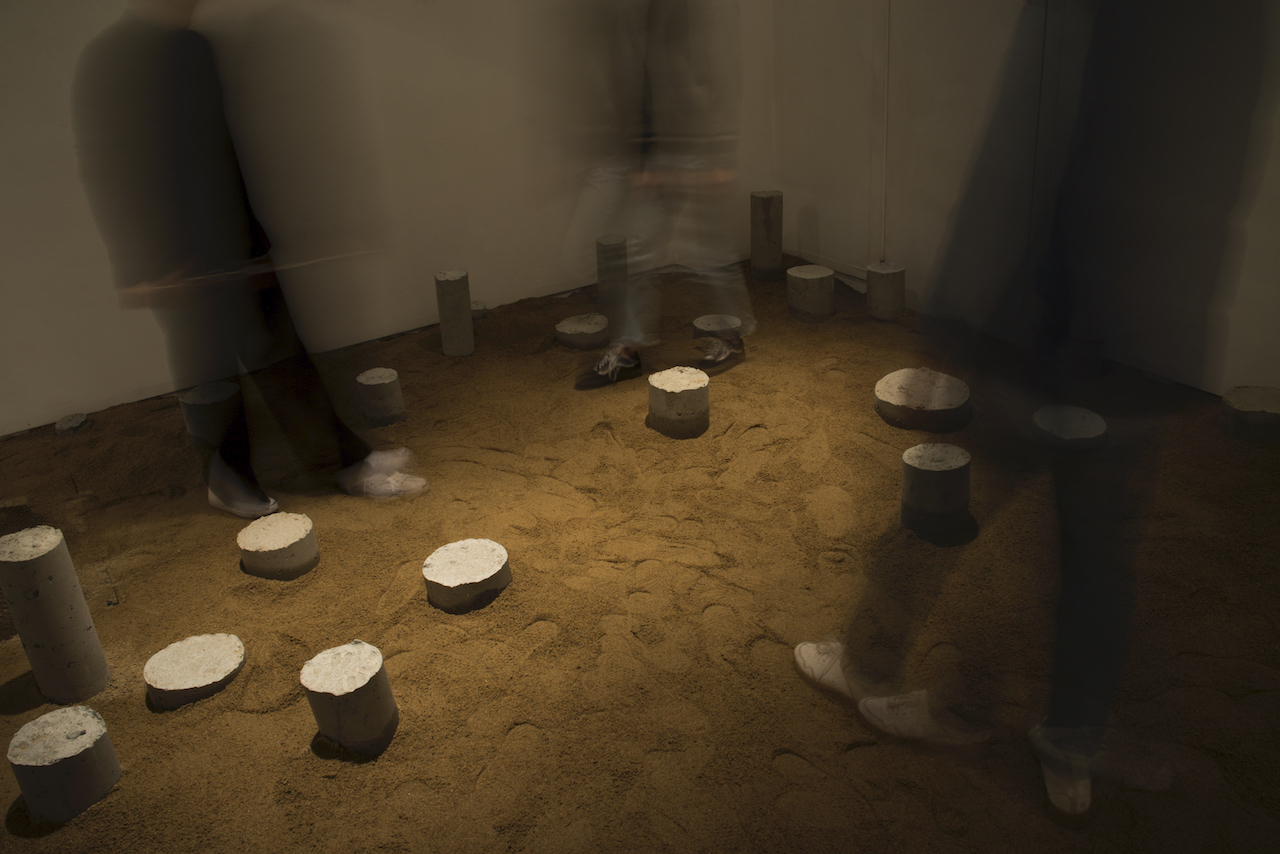
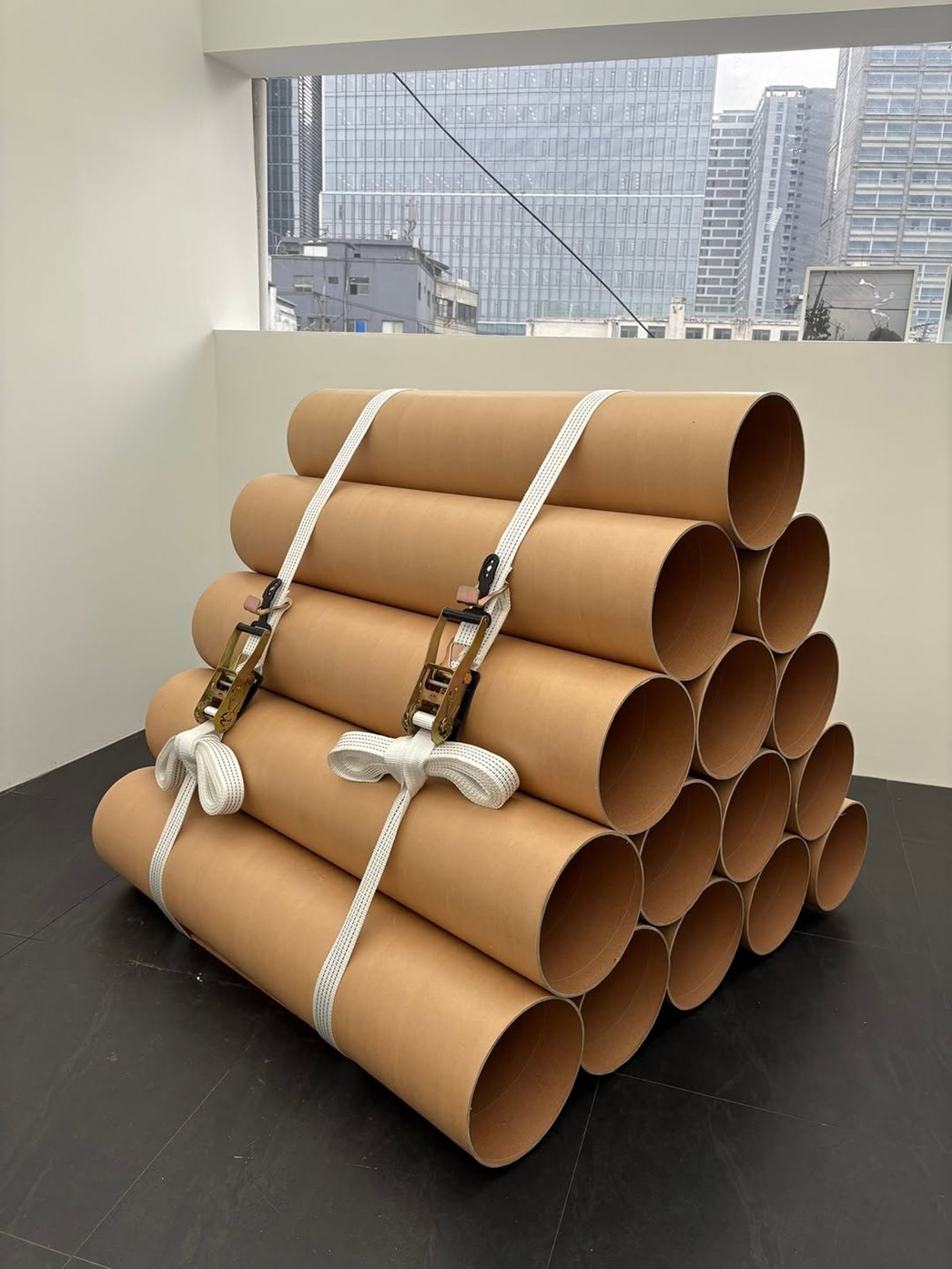
In her
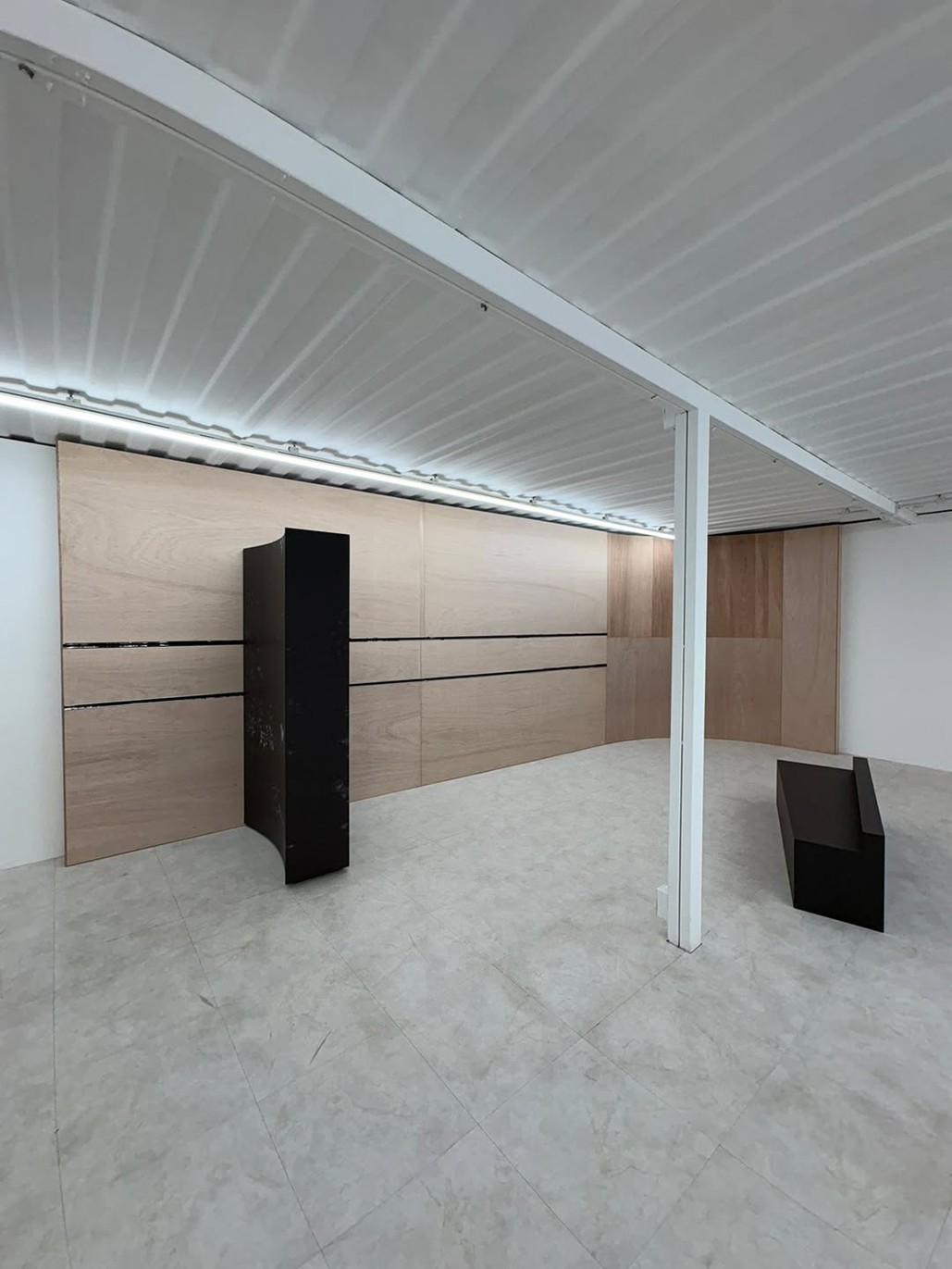
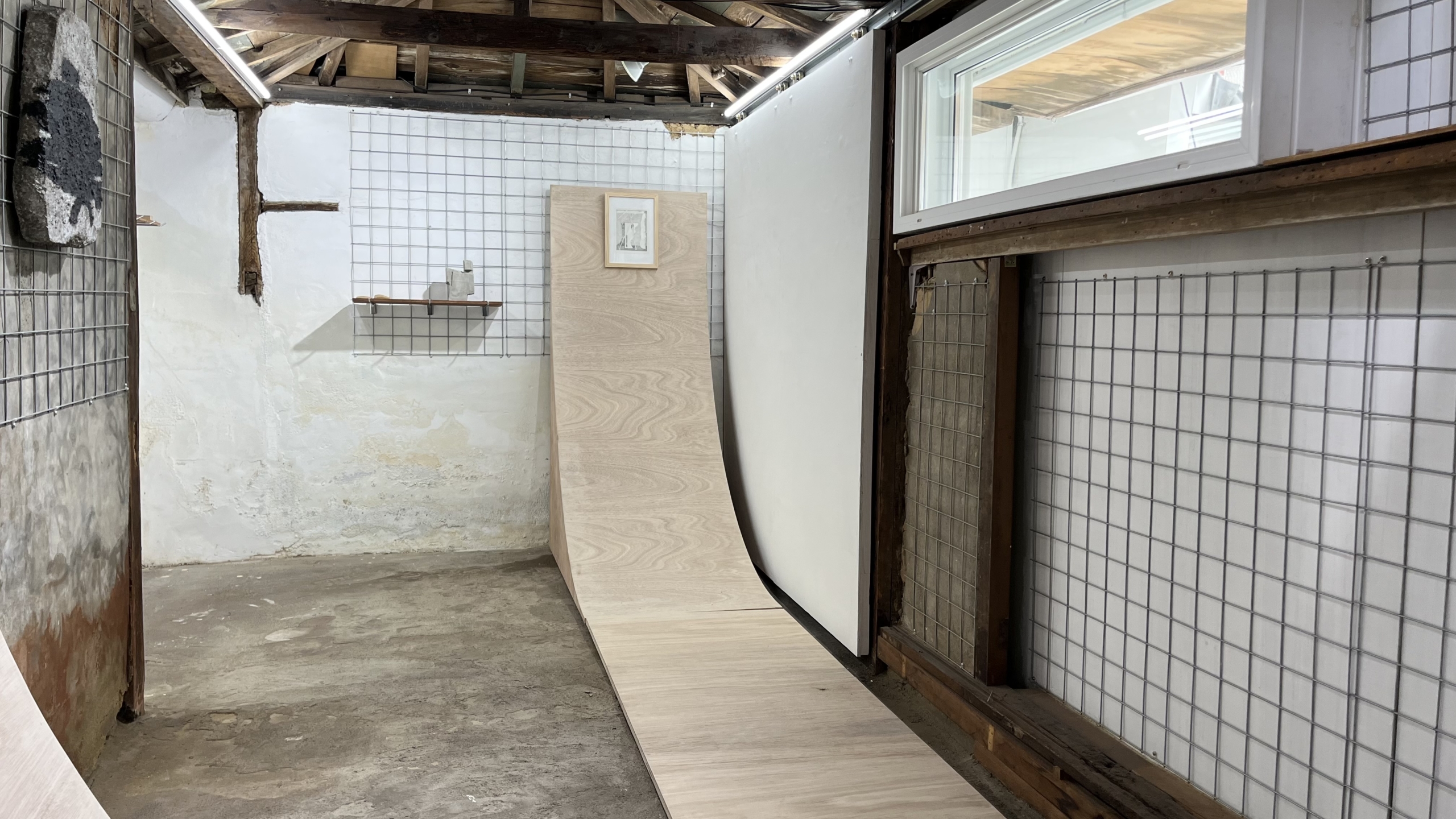
solo exhibition 《Throbbing,
Moving, Stopped》 (Mueumsanbang, 2023), this concern
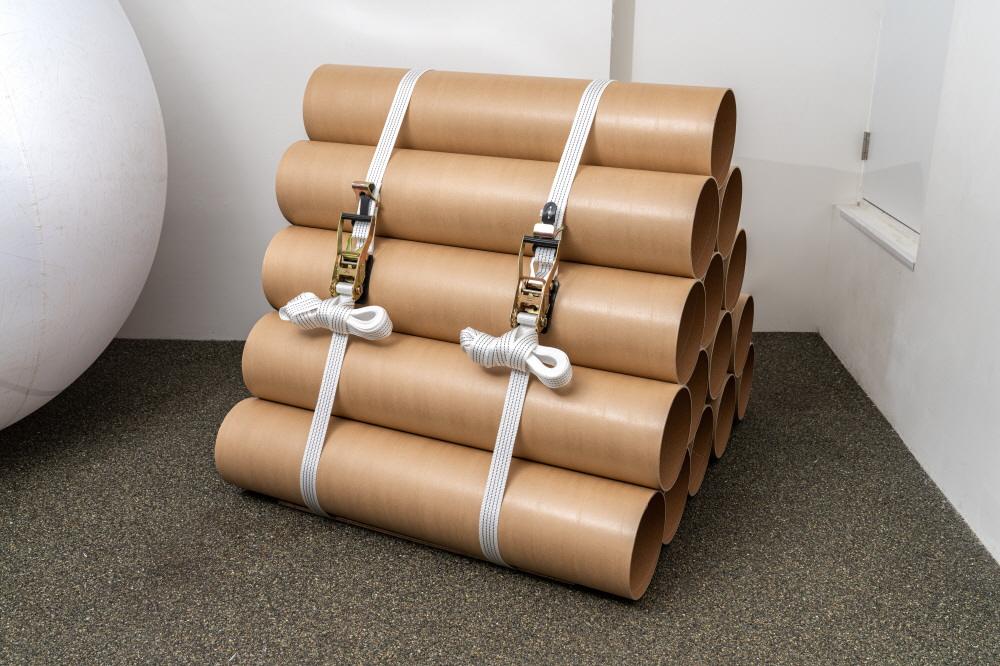
expands into a spatial sense of anxiety through the use of materials that
directly evoke urban experience—paper pipes, metal sheets, cement, and fabric.
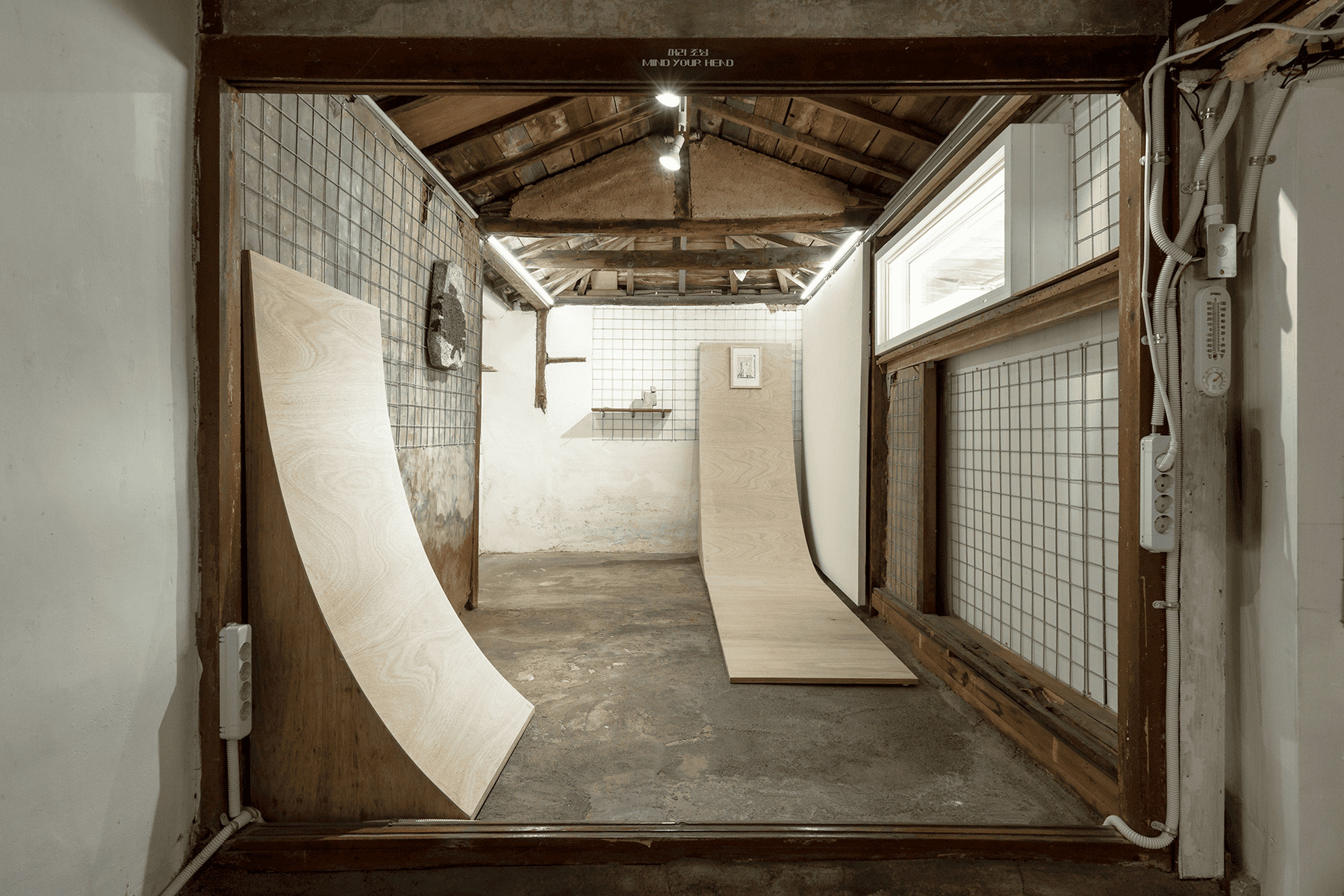
Works such as White Ball (2017), Throbbing
Ground (2023), and Viaduct (2023)
transform structural forms that resemble urban infrastructure into sensations
of trembling and drop, guiding the viewer back to an embodied experience of the
city.
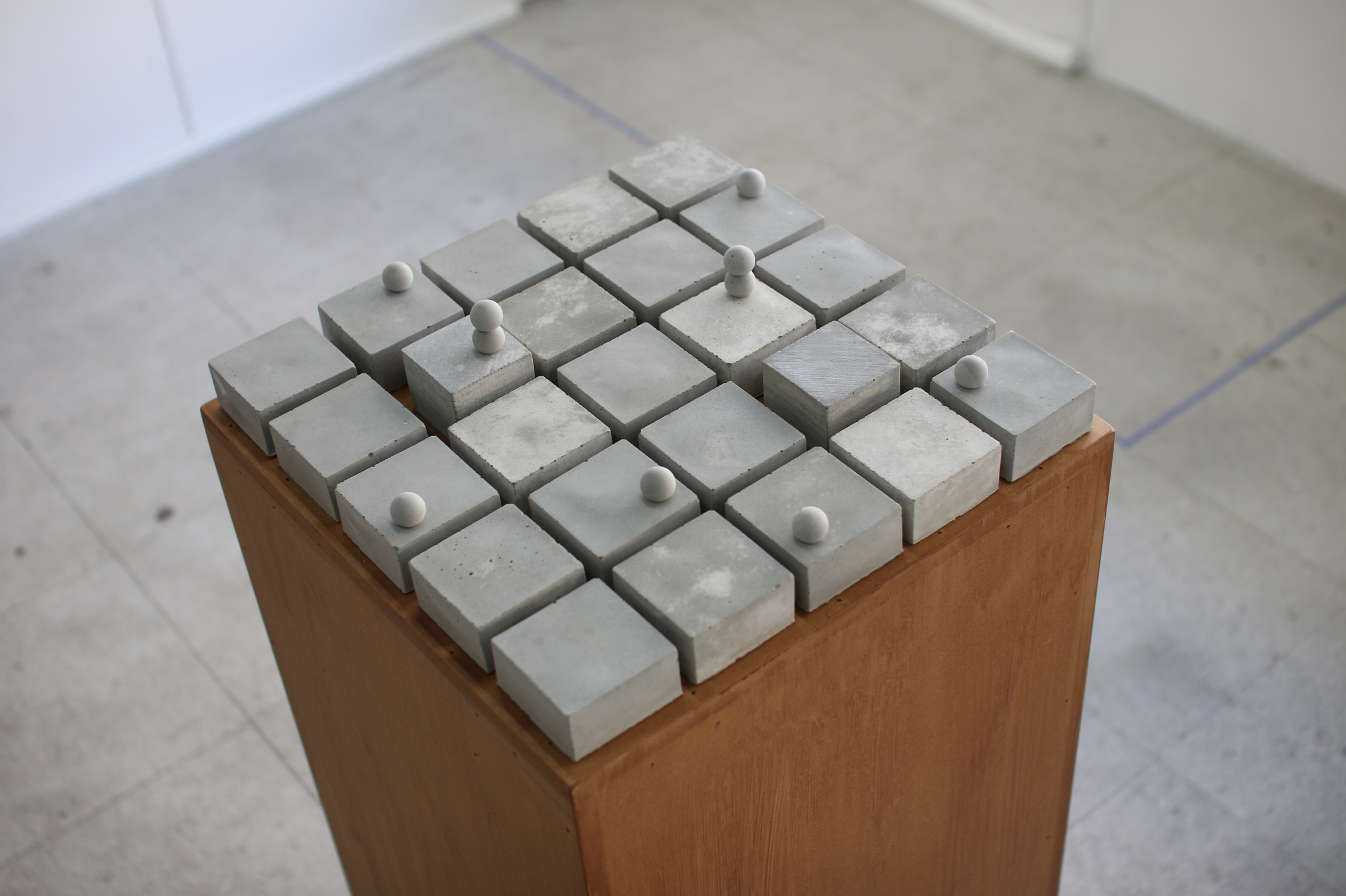
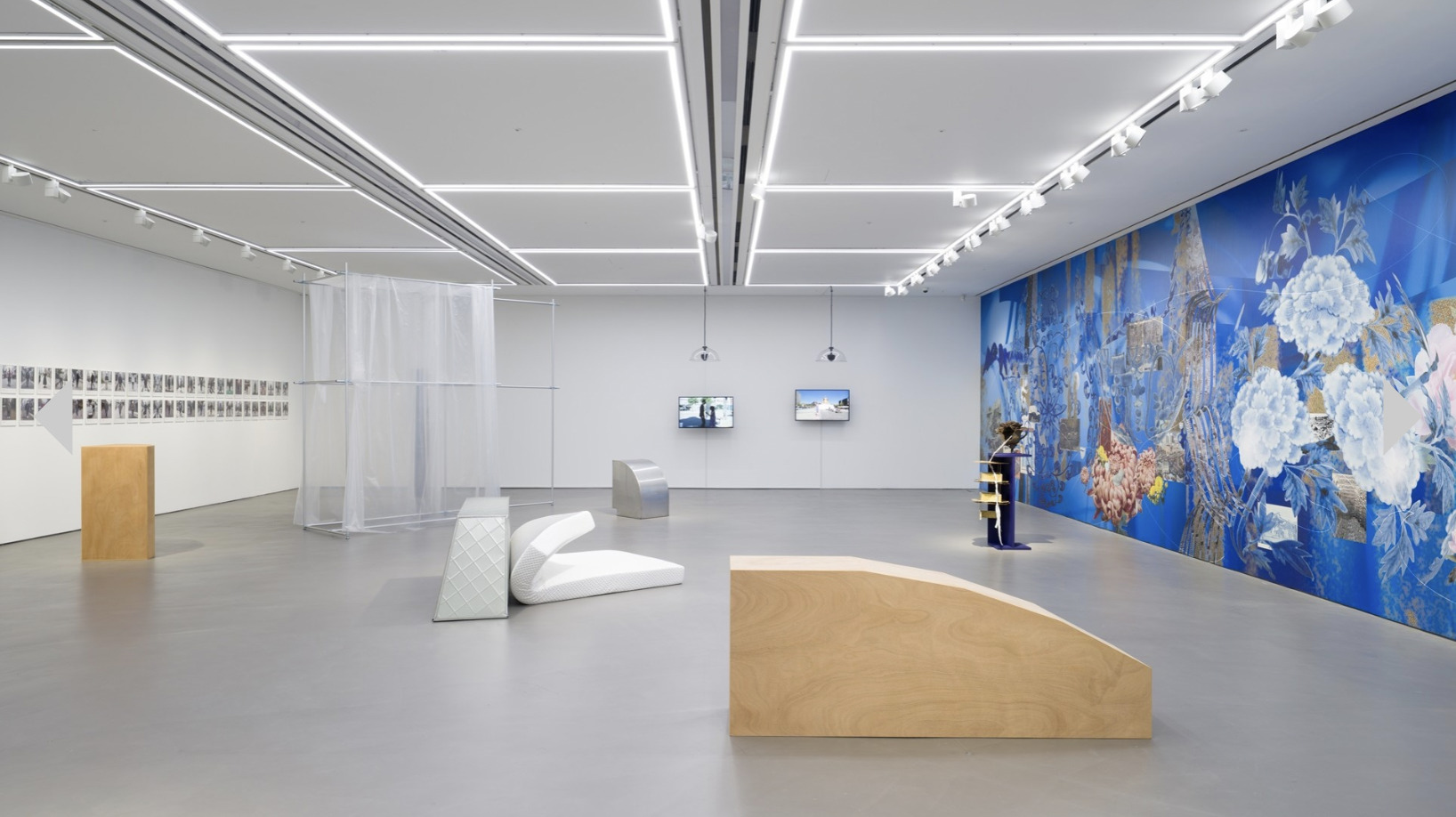
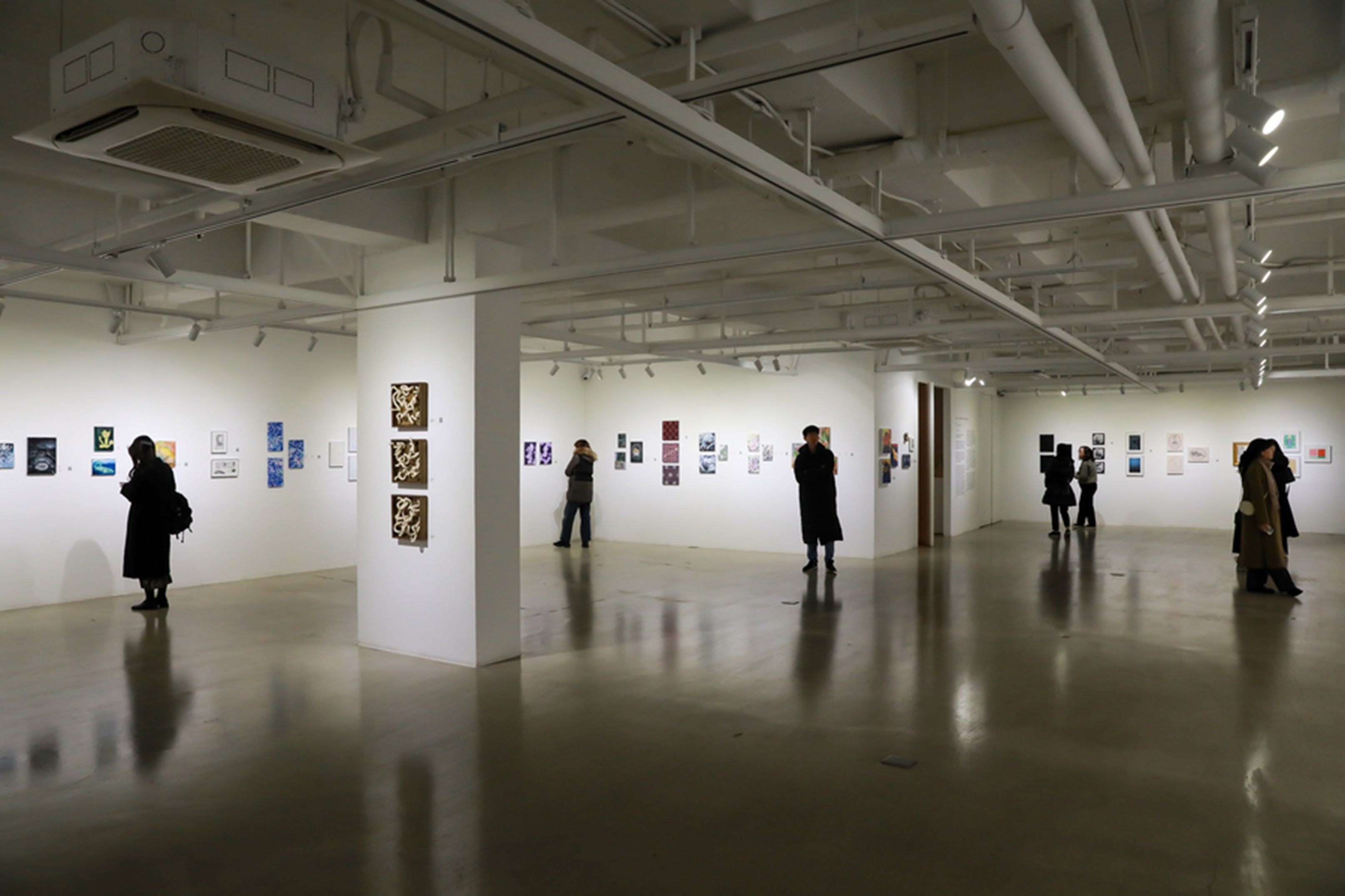
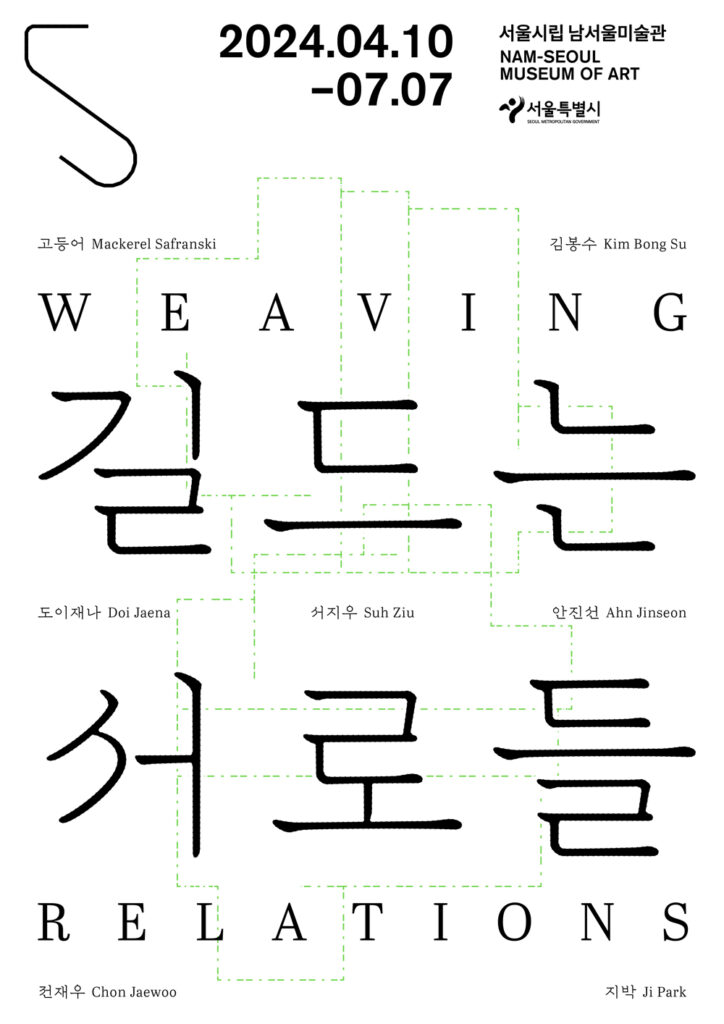
In the
recent group exhibitions 《Weaving
Relations》 (Nam-Seoul Museum of Art, 2024) and 《Solid, Weak, Temple》 (Chamber, 2023), the
artist’s focus shifts from bodily sensibility within urban space to the
landscape of reconstruction and rearrangement. For
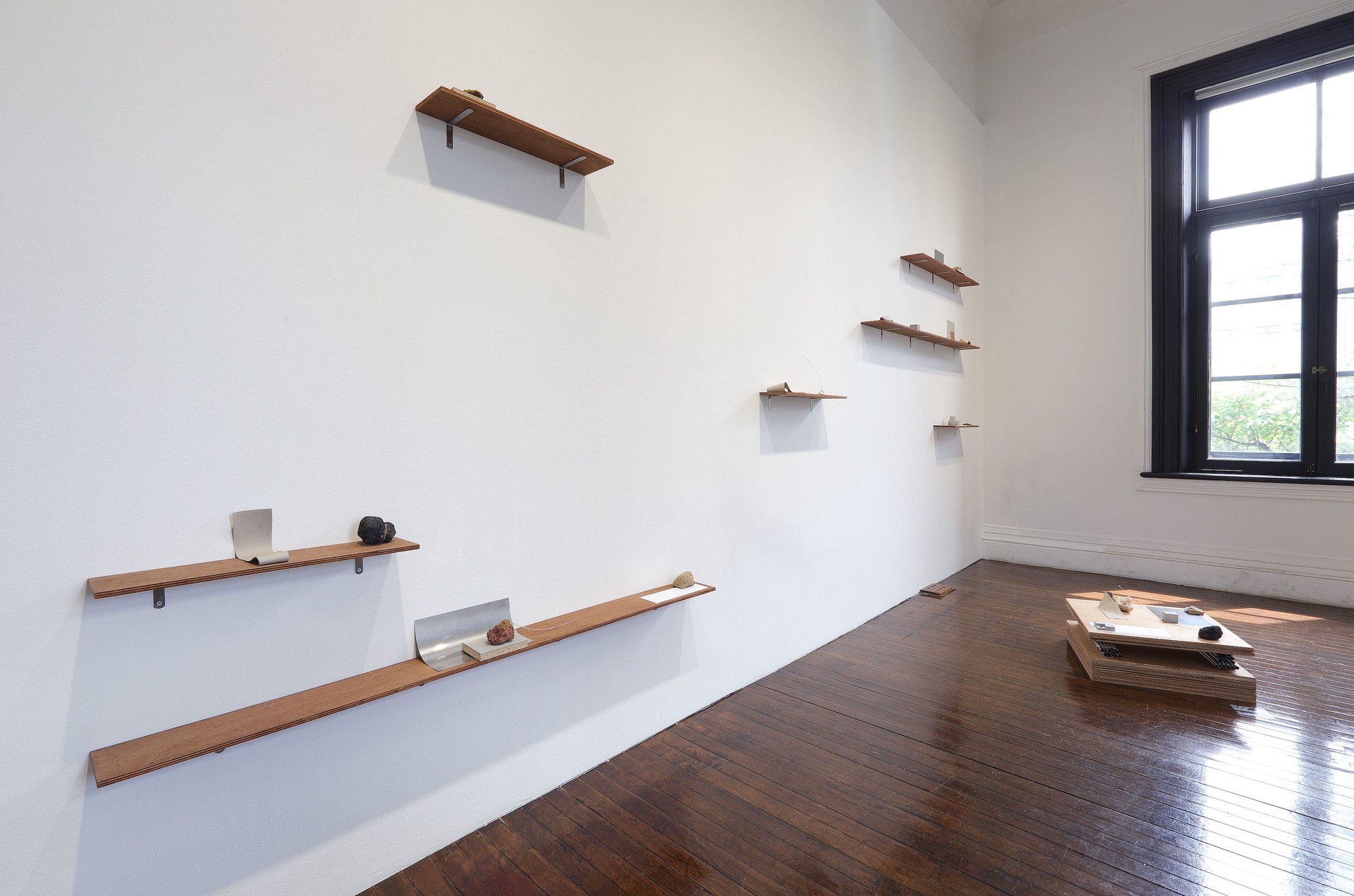
instance, Urban Model Study (2024) and the
‘Sliding Edge’ (2023) series reorganize structural and invisible elements of
the city into a new relational system. Furthermore, in 《Ringing Saga》 (DOOSAN Gallery Seoul, 2025),
this concern expands into observations on the repetitive collapse and
architectural cycles of the city. Works such
as Bookshelf (2025), Drawer
Cabinet (2025),
and Mattress (2025), named after objects collected
from the streets, emerge as metaphorical representations of the city’s life
cycle.
Thus,
Ahn’s practice starts from personal sensations and then rearranges the
structures, materiality, and landscape of the city, transforming the sensory
experience of anxiety and vibration into visual experience. The perspective
that reads the city as an ecological and social system forms a consistent
thread throughout her work.