Kim Uljiro (b. 1994) presents a range of media-based works using modeling programs, including 3D animation and augmented reality (AR). Kim is interested in how materials and immaterials in both reality and virtuality operate within different environments and interfaces, exploring methods of digitally reproducing real-world objects or creating fictional materials that break the laws of physics to bring new organisms to life in the digital realm.
 
In particular, the artist has been exploring ways to represent the little-known world of plants, their capabilities, and their interwoven networks through 3D technology, while also investigating the parallels between biological generative structures—such as fungal proliferation or plant growth—and the operating mechanisms of 3D graphics.


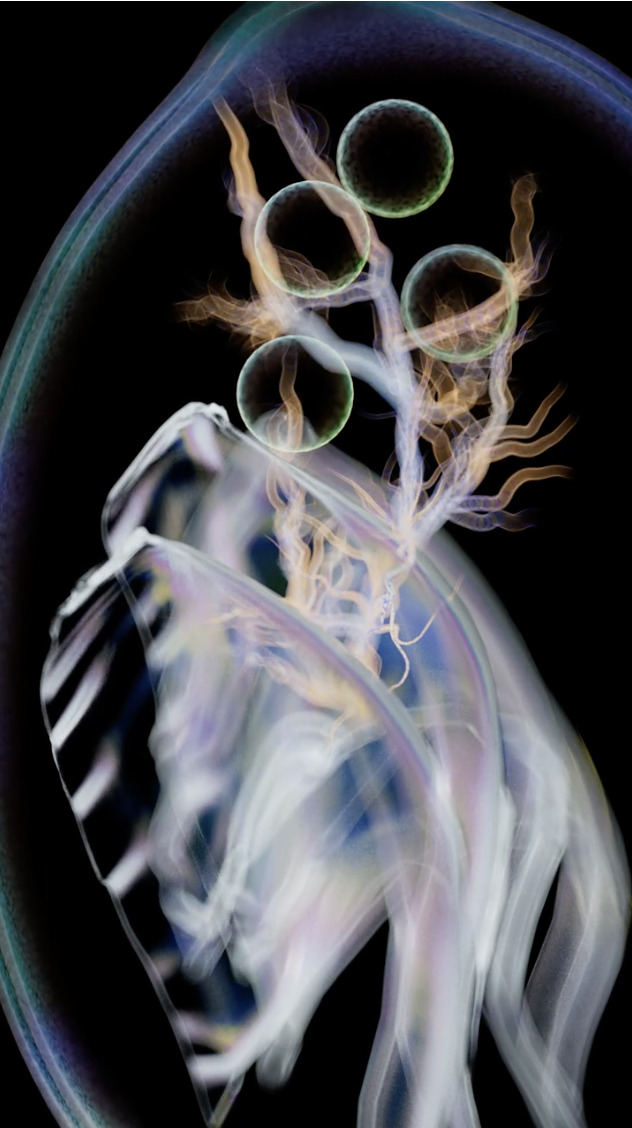
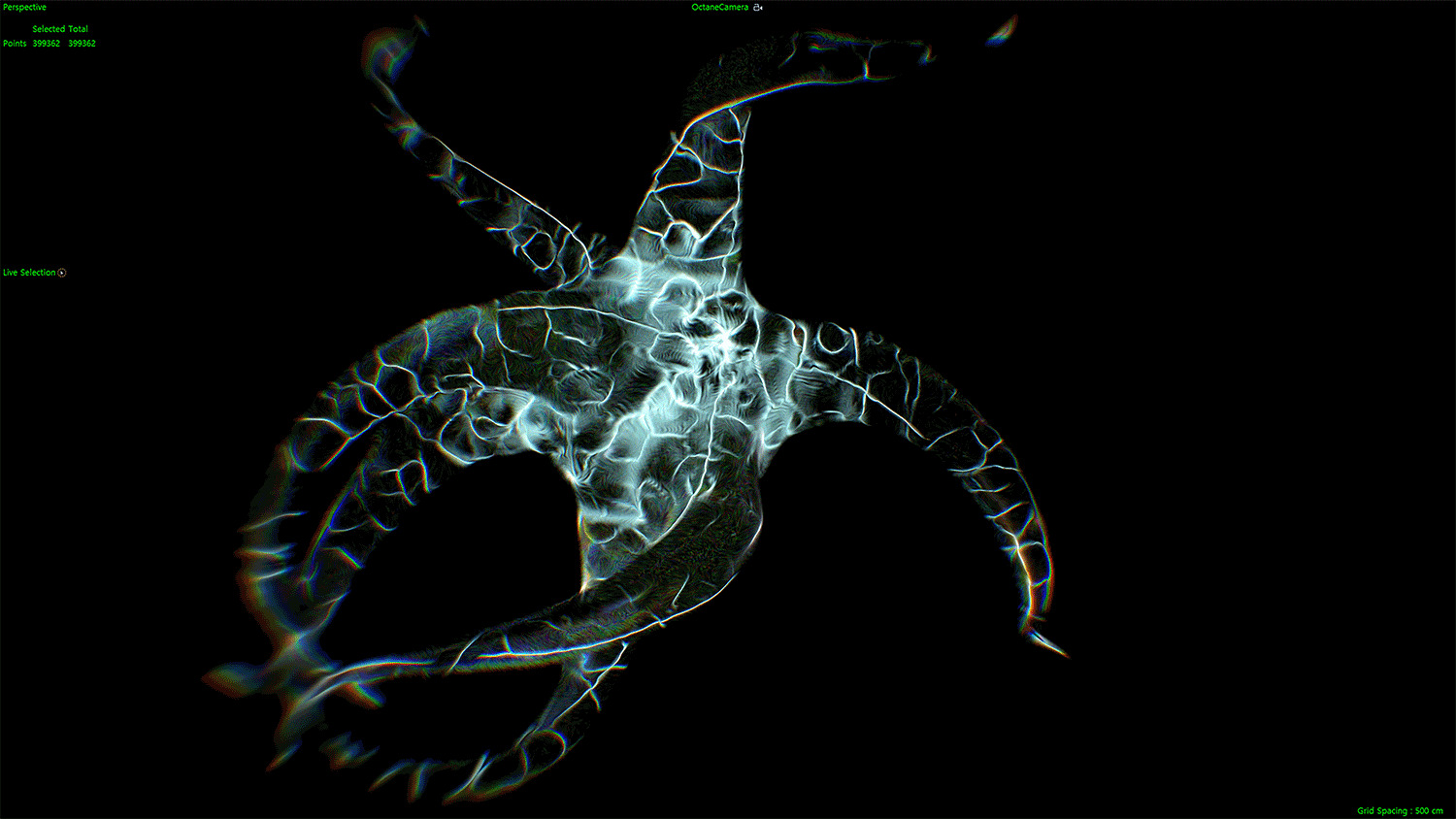
Kim Uljiro, 胞(Cell), side view, 2023, 3D animation, single-channel video, color, silent ©Kim Uljiro

Kim Uljiro has been using 3D software as her primary medium, fascinated by how processes such as modeling and rendering enable the reinterpretation of specific materials and physical phenomena. While acknowledging that 3D images, in their attempt to imitate reality, can never surpass it, she sees that plant or organism models created within a program—through designing animation, setting up lighting, or applying wind simulations—can acquire a context distinct from that of physical reality.


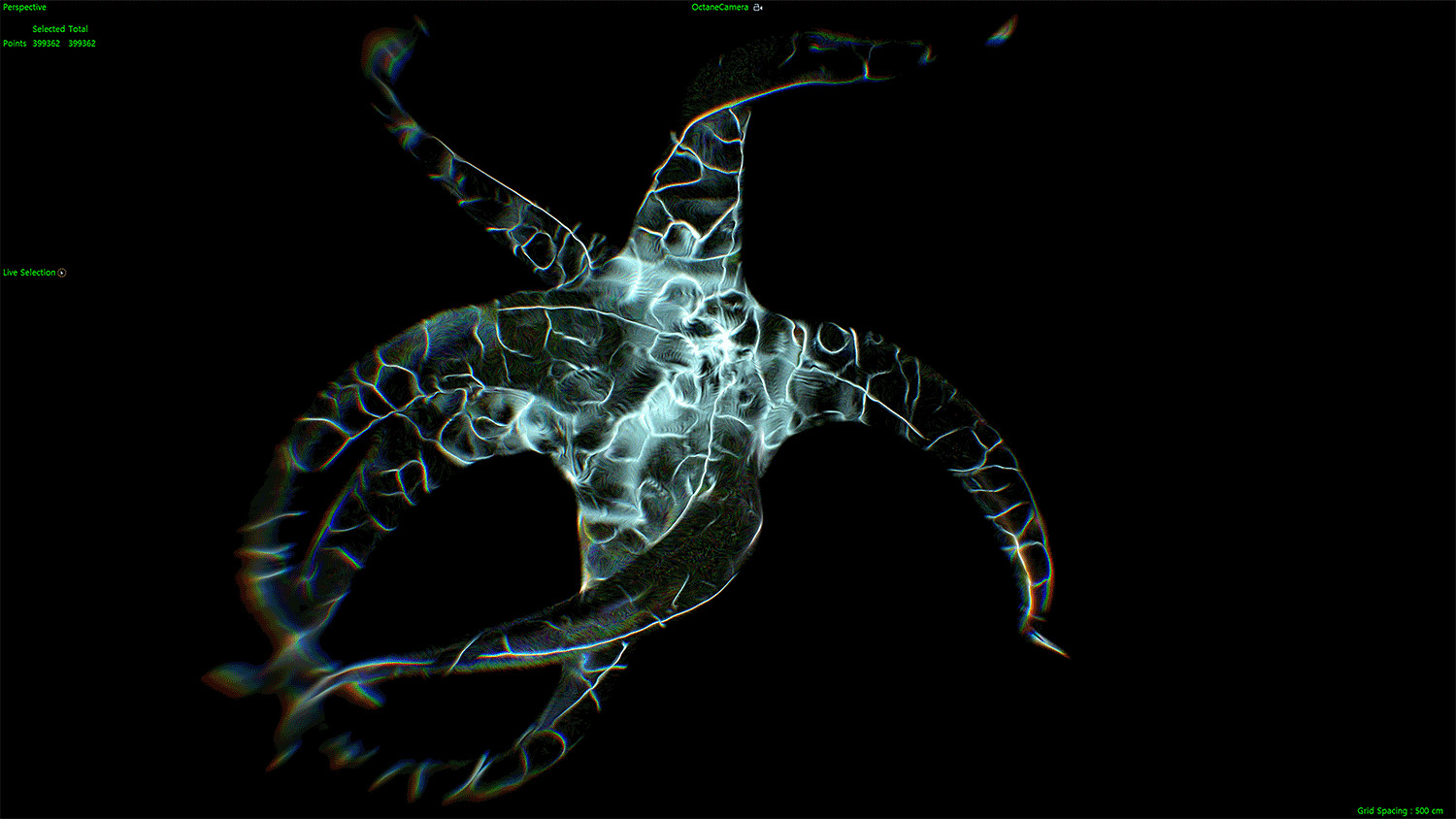
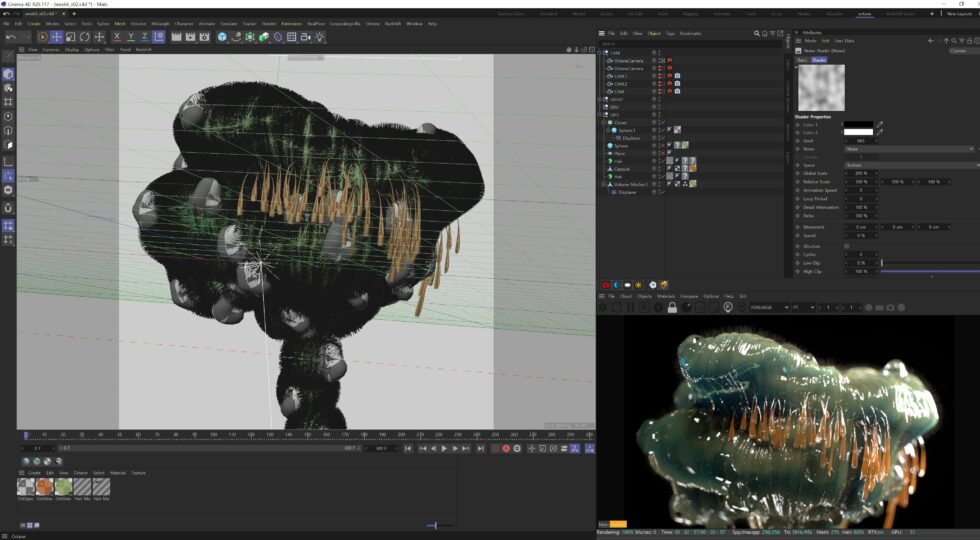
Kim Uljiro’s 3D working process ©Kim Uljiro

Within the 3D programs where her work unfolds, an almost infinite virtual space is generated. Yet the final outcome is determined by the camera perspective she sets within the program. Unlike real-world cameras, which are bound by physical limitations, the virtual camera can distort vision like that of a fish or even invert perspective, offering a nonhuman point of view.
 
Such 3D technology not only has the capacity to reproduce human-centered images, but in Kim’s work it also functions as a subversive tool—capable of dehumanizing or othering, depending on the perspective from which one approaches it.


Kim Uljiro,NULL player, 2020, AR program, color, silent ©Kim Uljiro

With the onset of the COVID-19 pandemic in 2020 and the emergence of a contactless society, many exhibitions were shifted online, often taking the boundary between reality and the virtual as their theme. Kim Uljiro also participated in such exhibitions, presenting AR works that overlay virtual layers onto physical spaces.
 
For instance, her 2020 AR work NULL player proposed a more effective form of contactless street campaigning at a time when political campaigns, constrained by the pandemic, were moving from in-person rallies to online platforms. The digital campaigners, or “NULL players,” could be summoned anytime and anywhere by activating an AR filter, staging silent, pollution-free, and eco-friendly rallies. The 3D animated movements superimposed on real spaces consisted of common, generic choreography that did not reference any specific political party.


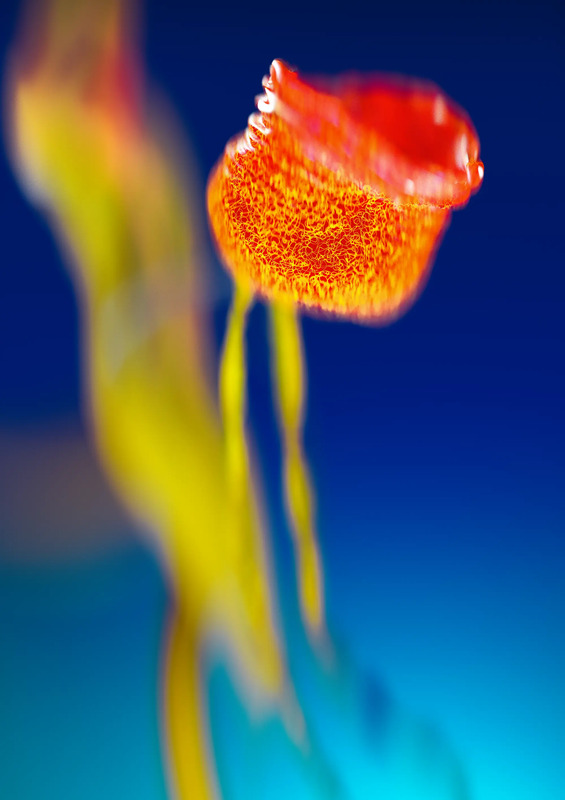
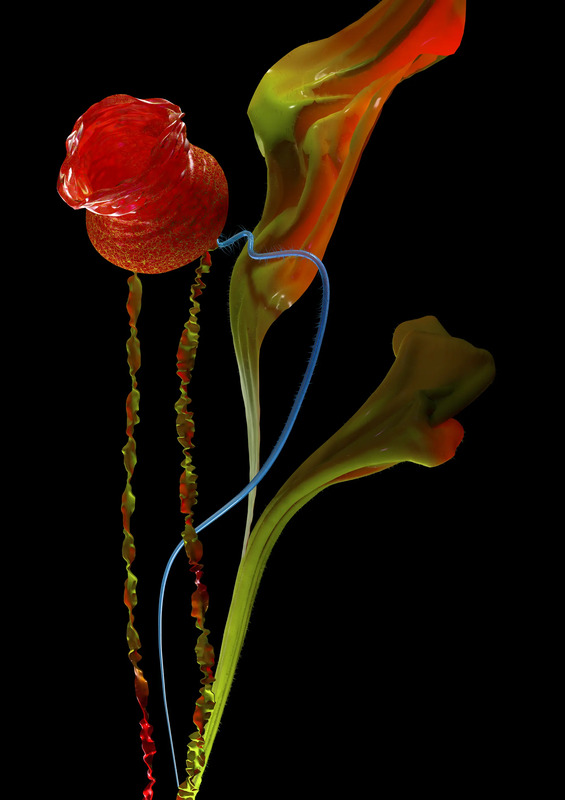
Kim Uljiro,N. rafflesiana sema, 2021 ©Kim Uljiro

During the pandemic, as places that could no longer be visited were recreated through 3D technology and prohibited actions were substituted through AR, Kim Uljiro began to ask: “What constitutes an image that is difficult to distinguish from reality?” This inquiry has continued to shape her practice, expanding into her current exploration of the similarities and differences between digital images and the processes of plant growth.


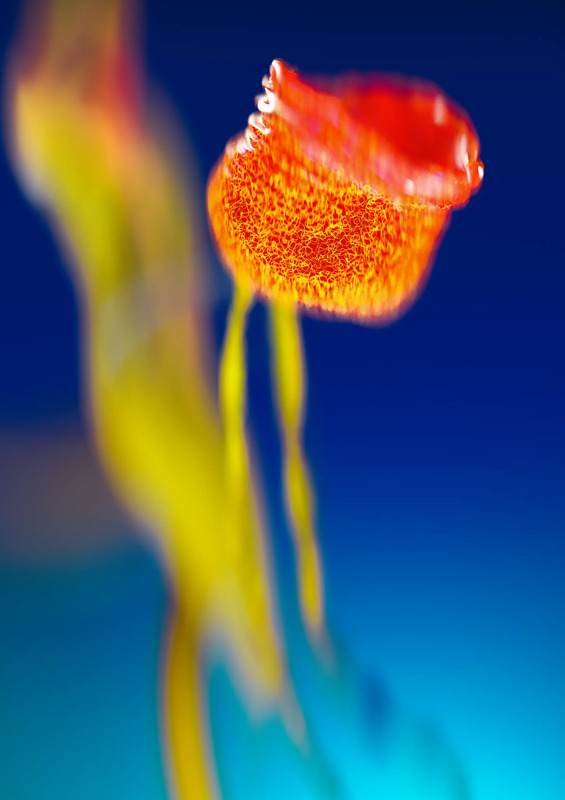
Kim Uljiro,N. rafflesiana sema-micro, 2021 ©Kim Uljiro

Since 2020, the artist has turned her attention to procedural modeling, often referred to as “procedural,” an approach well-suited for controlling repetitive forms and effects. By introducing random values into this process, Kim Uljiro has sought to capture emergent phenomena generated within it.
 
The resulting images she captures, though governed by logical rules, do not appear inanimate; instead, they evoke the imagery of pulsating cells.


Kim Uljiro, Hyper-morphogenesis β, 2022, Single-channel video, 50sec., loop ©Kim Uljiro

For example, her 2022 work Hyper-morphogenesis β is part of an exploration into the similarities between the forms of microbial ecosystems developed for minimal functionality and the immaterial worlds constructed through the virtual physics of 3D interfaces. The artist created physical environments within the software, then observed and documented the new species that emerged within the system.
 
The term “morphogenesis” refers to the concept of inferring origin through the form of an organism. By contrast, “hyper-morphogenesis” emphasizes the interplay between function and form in reverse, disrupting their usual correlation. The resulting microorganisms exist simultaneously and yet not at all, allowing one to speculate on the chemical reactions or morphological principles arising from the movements of data that do not exist in reality.

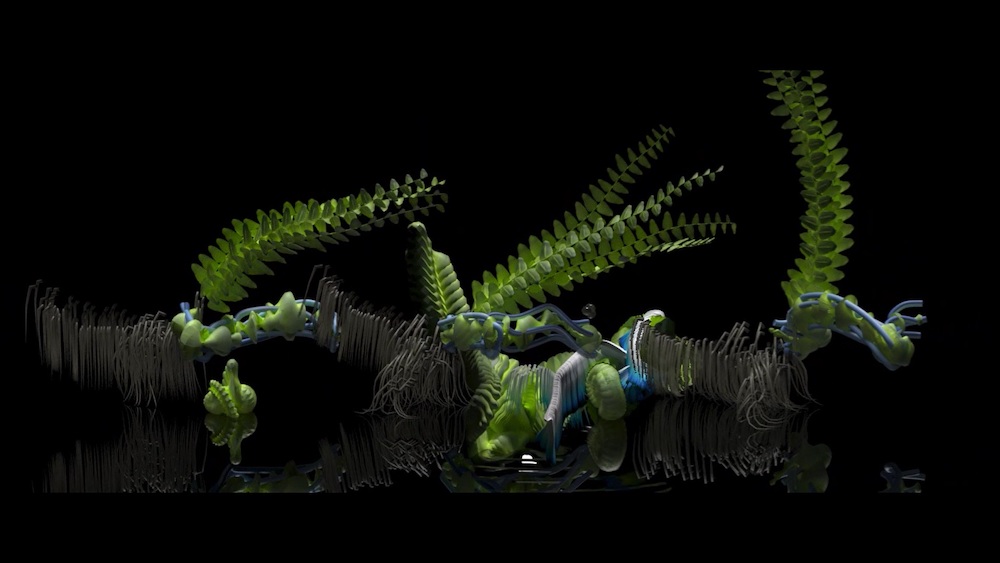
Kim Uljiro,The Trace of Ferns, 2022, Single-channel video, color, sound (stereo), 2 min. Commissioned by Asia Culture Center. Courtesy of the artist. Choreographer: Lee Jeun. L-system modeling: Jung Yeontae. Sound: Young Die. ©ACC

Meanwhile, her virtual plant work presented in the 2022 group exhibition 《BANDI WALK: One Step Closer to Our Earth》 at the National Asia Culture Center was developed from a sense of reverence for ferns, which settled on the planet long before humanity. Based on her curiosity about the self-replication and asexual reproduction of ferns, The Trace of Ferns (2022) was created by cultivating the morphological characteristics of ferns within a 3D program as a virtual incubator, and then animating their germination along the trajectories of human gestures.
 
To achieve this, the artist captured the movements of a dancer and generated plant imagery along those trajectories, creating a new hybrid. In this work, the human body becomes a substrate for spores, and the collision of the distinct timelines of two or more different species gives rise to the hybrid.


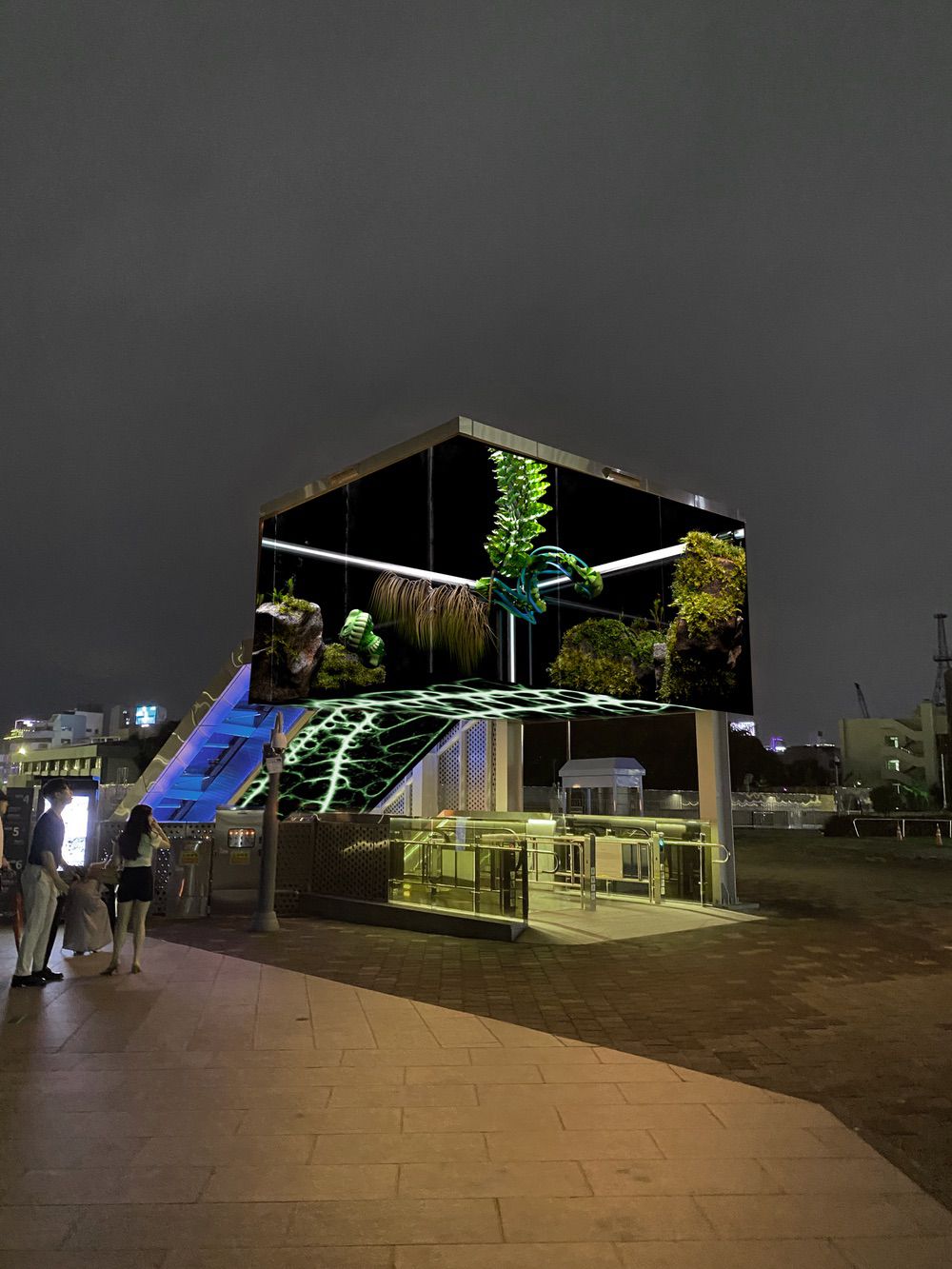
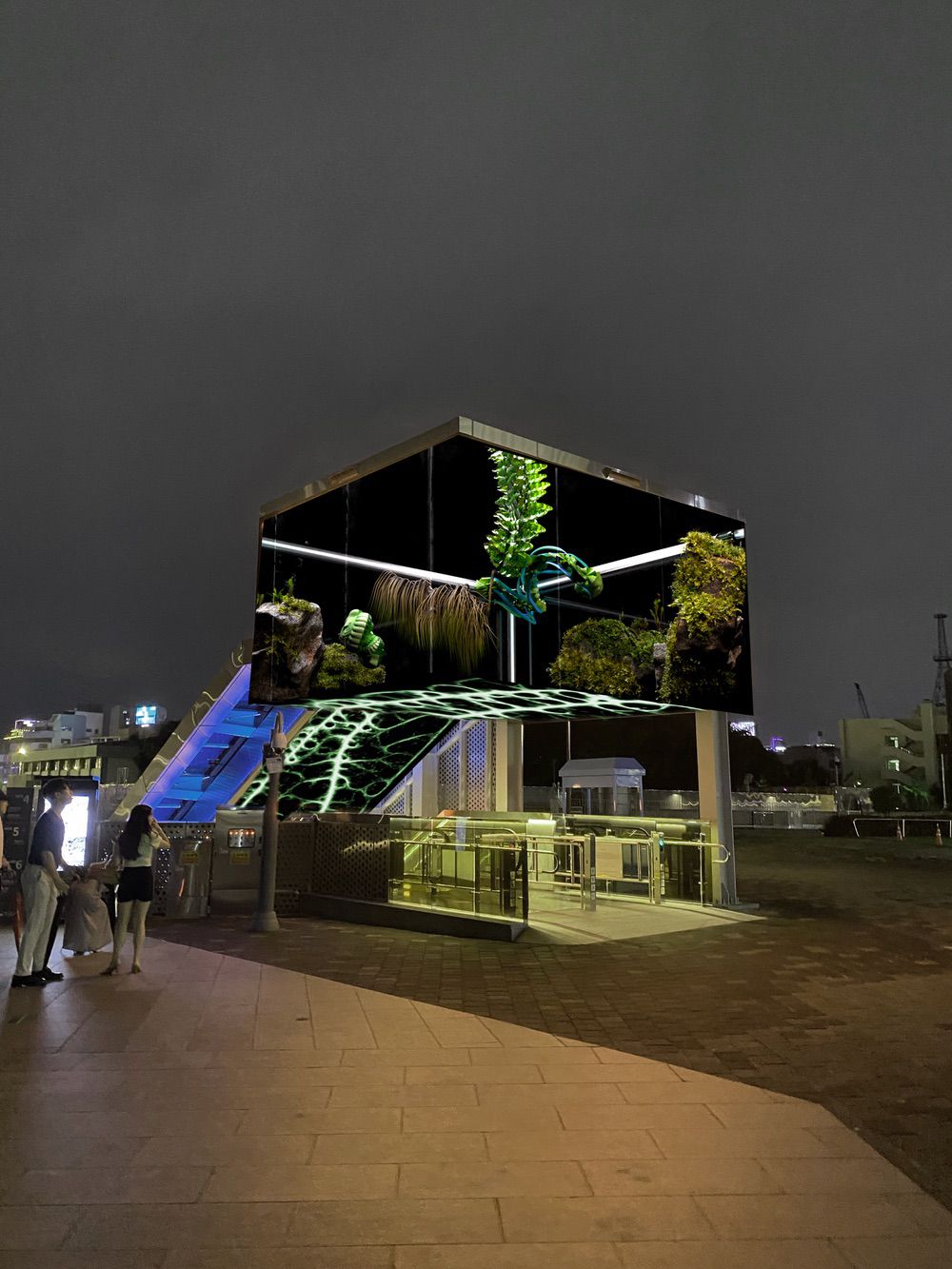
Kim Uljiro,A Three-dimensional Preparat, 2022, Four-channel video, color, sound, 3 min.Commissioned by Asia Culture Center. Courtesy of the artist. Choreographer: Lee Jeun. L-system modeling: Jung Yeontae. Sound: Yeong Die. ©ACC

In a continuation of this line of work, A Three-dimensional Preparat (2022) transplants the organisms cultivated in The Trace of Ferns into a virtual digital terrarium on the ACC Media Wall. The artist juxtaposes the characteristics of the sculptural installation—where information and images are emitted across both underground and aboveground sections—with the structure of plants that grow rooted in soil.
 
As a result, viewers navigating between the subterranean and surface levels of the installation assume the role of nutrients, feeding the organisms positioned aboveground.


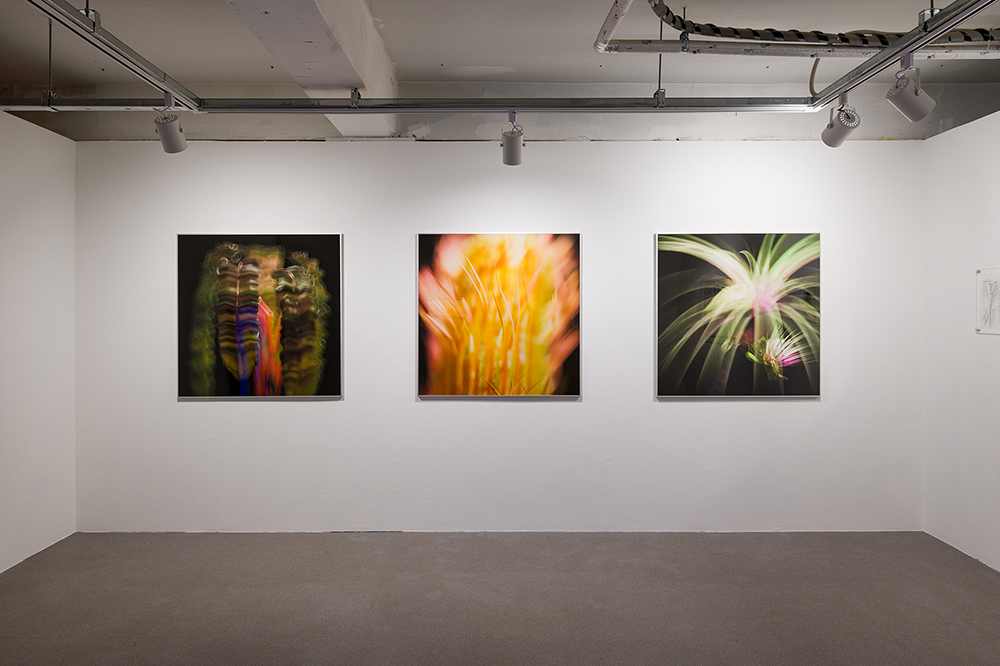
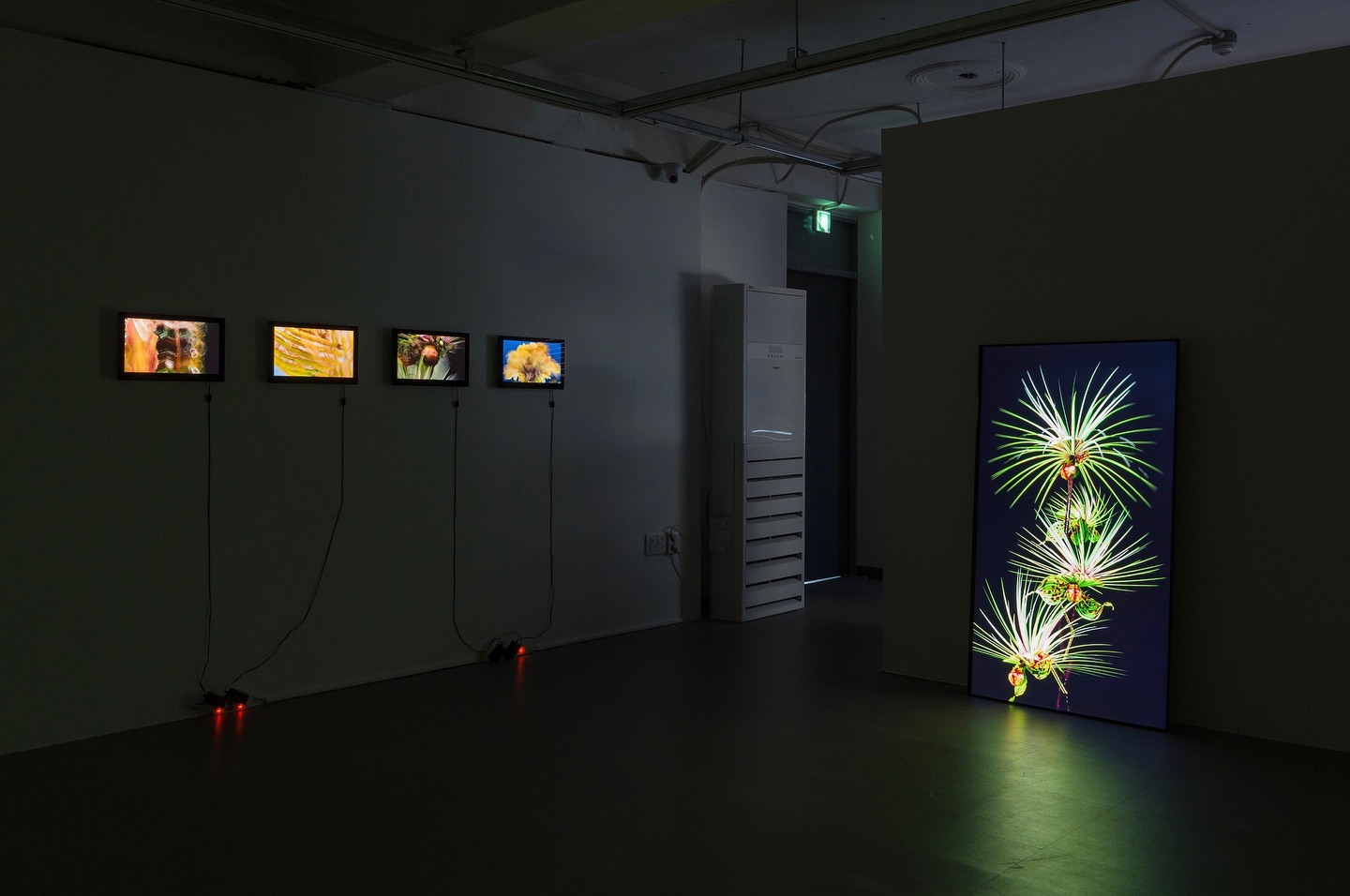
Installation view of 《Potting》 (RE:PLAT, 2023) ©RE:PLAT. Photo: Jinsol Kim

In her 2023 solo exhibition 《Potting》 at RE:PLAT, Kim Uljiro revisited her interests through modes of reproduction, deliberately exposing the limitations of 3D modeling surface density. She aimed to link the natural and the artificial, as well as the superficiality of digital images, with the characteristics of indoor plants.
 
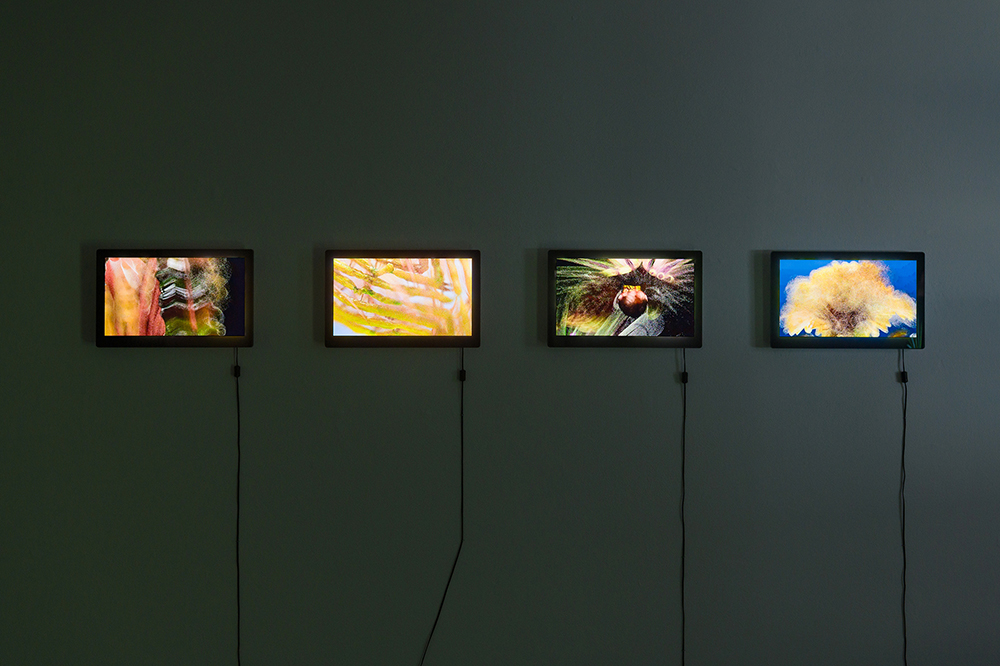
Through digital plants, the artist questioned whether it is truly “natural” for media-shared graphics to always appear polished and “perfect,” much like indoor plants whose genotypes are edited for aesthetic appeal. She encouraged viewers to reconsider the inherent qualities of 3D graphics. Furthermore, her video series ‘Soil Mixing’ (2023), which preserves glitches—usually removed during the 3D graphics process—makes this inquiry even more explicit.


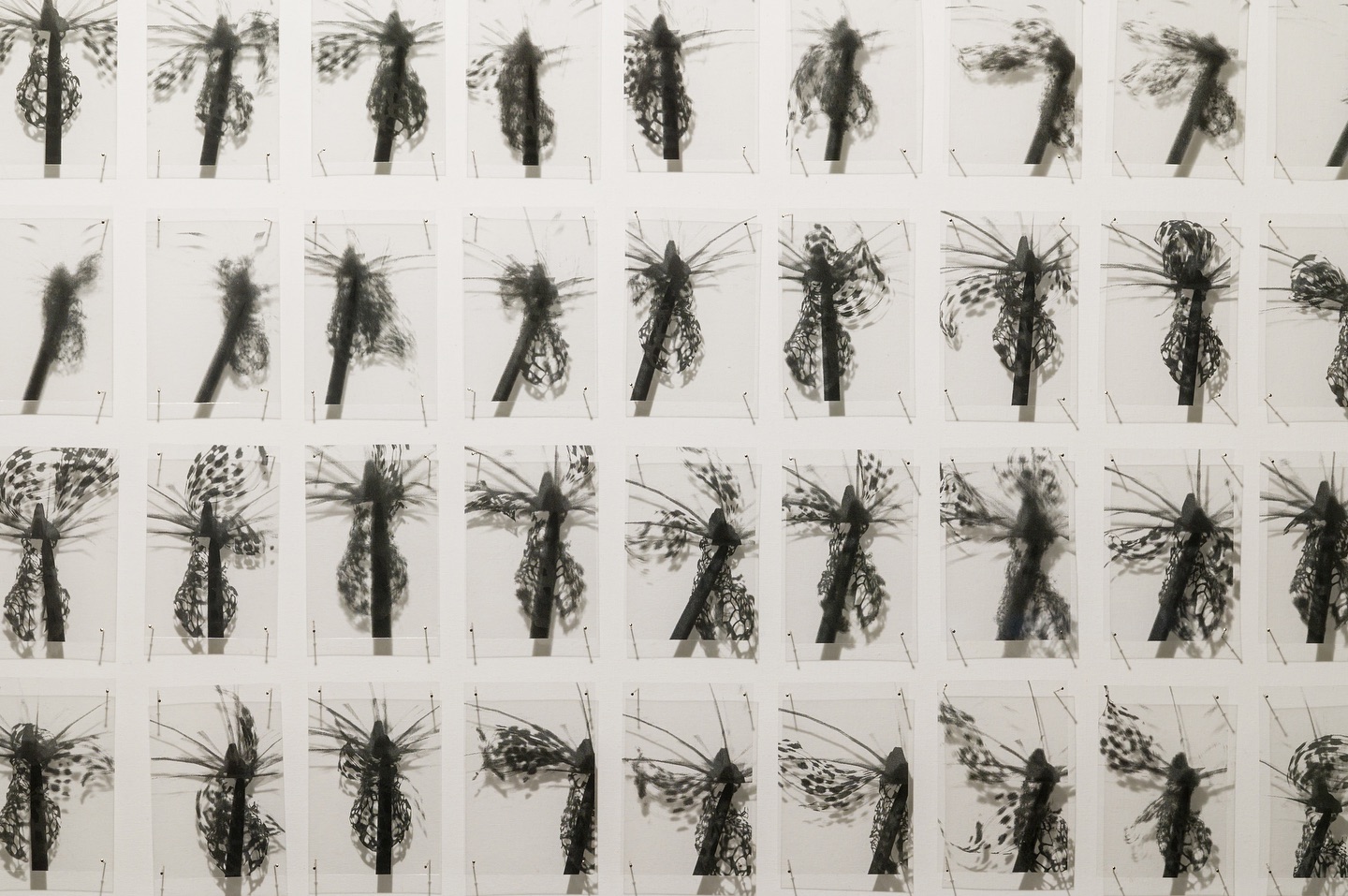
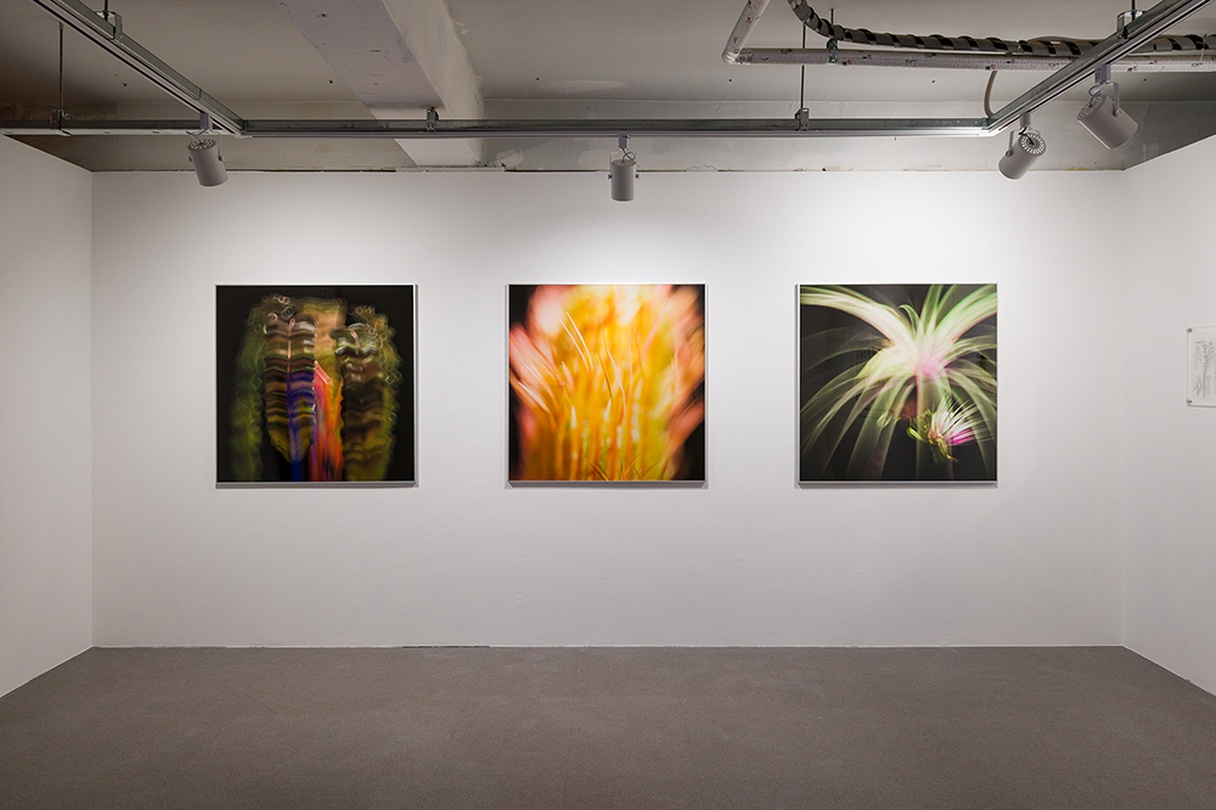
Kim Uljiro, Sequence, 2023 ©RE:PLAT. Photo: Jinsol Kim

In addition, the artist exhibited image sequences—byproducts of the graphic process—printed on translucent paper, evoking the appearance of laboratory specimens. Through this series of works, she invited viewers to imagine the untold stories of subjects that often remain overlooked, hidden beneath our visual desires.

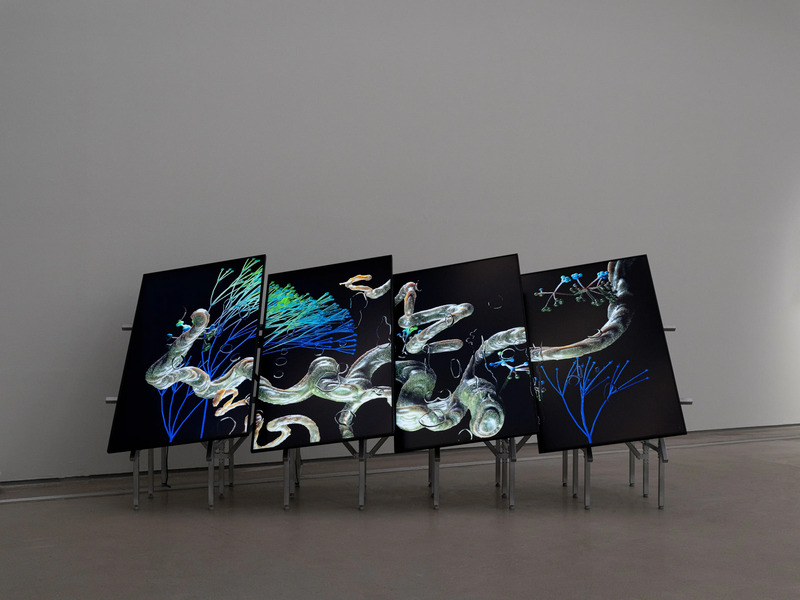
Kim Uljiro, Garden of Mechanical Sun, 2024, Four-channel video installation, color, sound, Installation view of 《What Things Dream About》 (MMCA, 2024) ©MMCA

Meanwhile, her work Garden of Mechanical Sun (2024), presented in the group exhibition 《What Things Dream About》 at the National Museum of Modern and Contemporary Art, Korea (MMCA), explores the parallels between 3D systems and plant structures by connecting solar panels with plants.
 
Referencing the history in which scientific advancements have allowed the processing of natural energy, Kim Uljiro’s 3D world envisions pixels living as organically as seeds. Like seeds, pixels grow, branch out, and differentiate to form units.
 
Much like a greenhouse cultivating plants through artificial nature, the artist nurtures the most primordial and natural elements within artificially constructed 3D environments. Through this, she suggests that things traditionally considered to belong to separate categories may in fact be the same, and that life and data might not be so different after all.


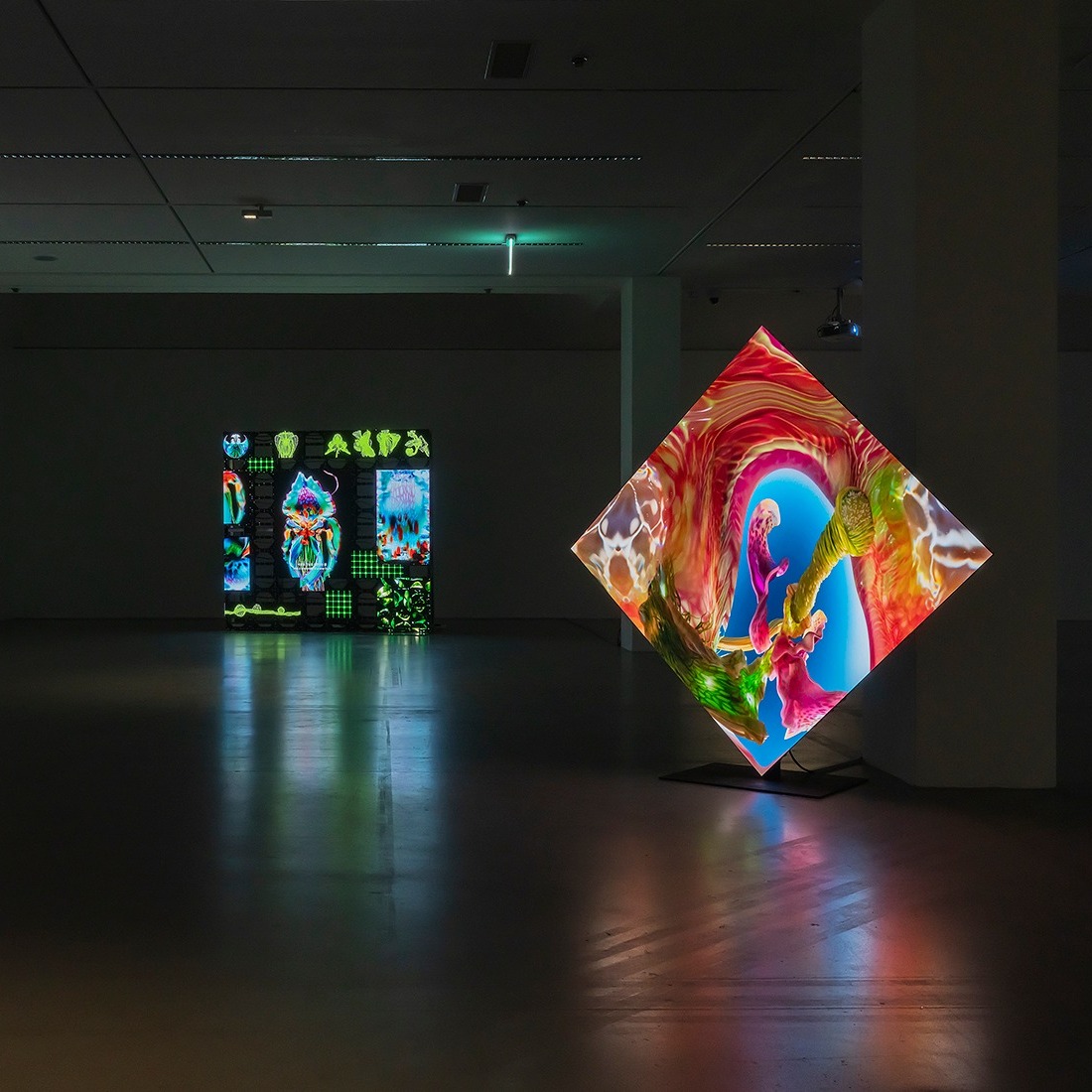
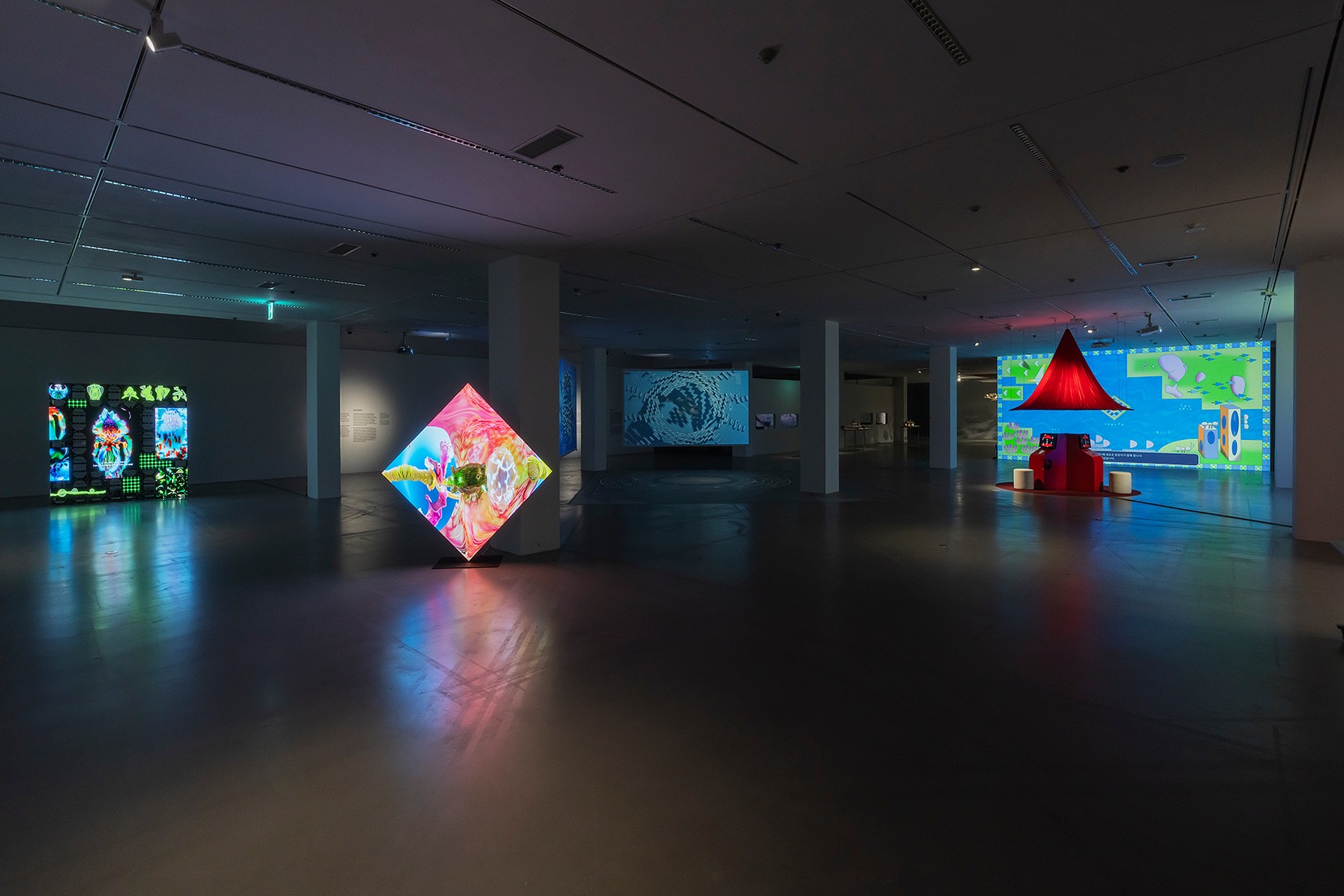
Kim Uljiro, Installation view of 《Young Korean Artists 2025: Here and Now》 (MMCA, 2025) ©MMCA

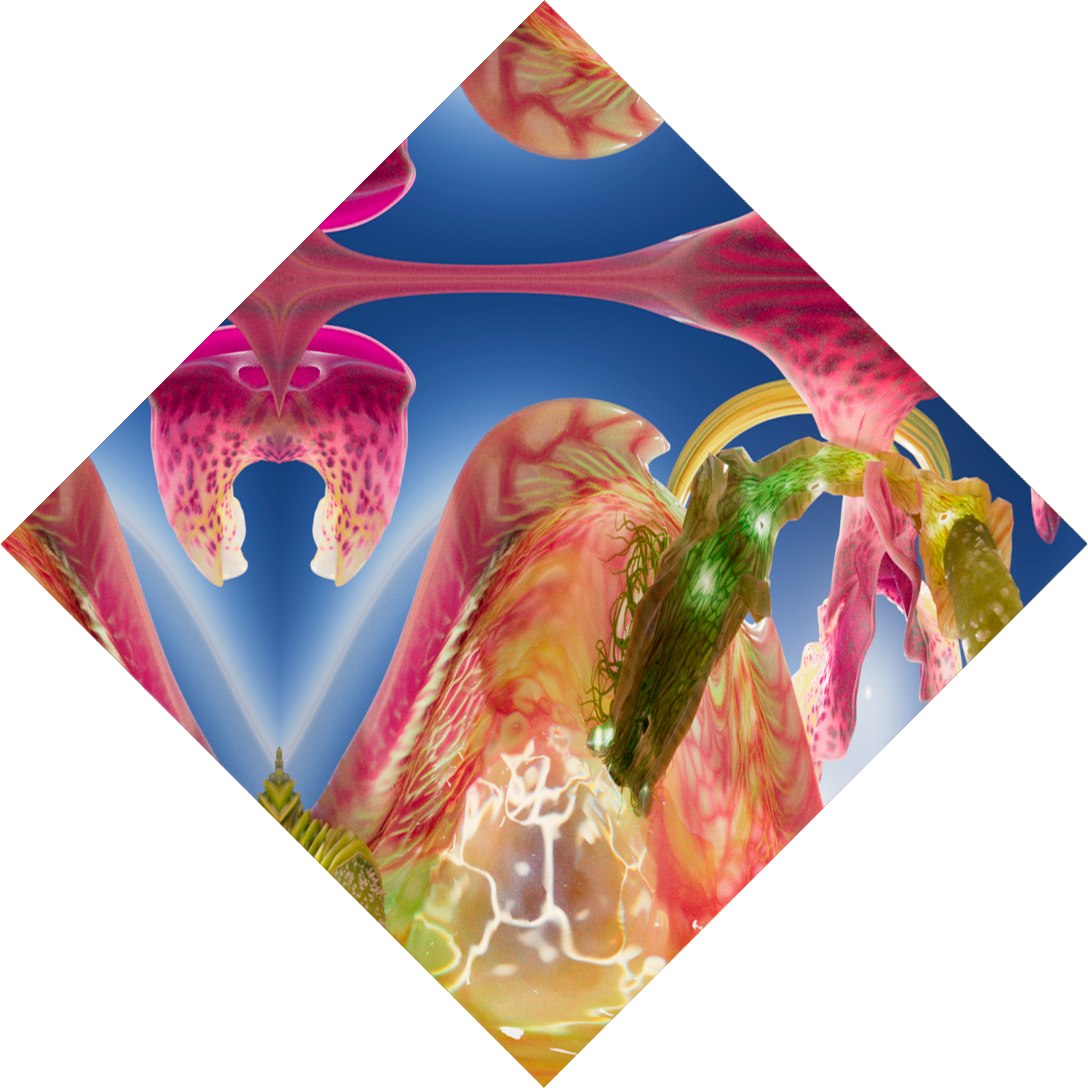
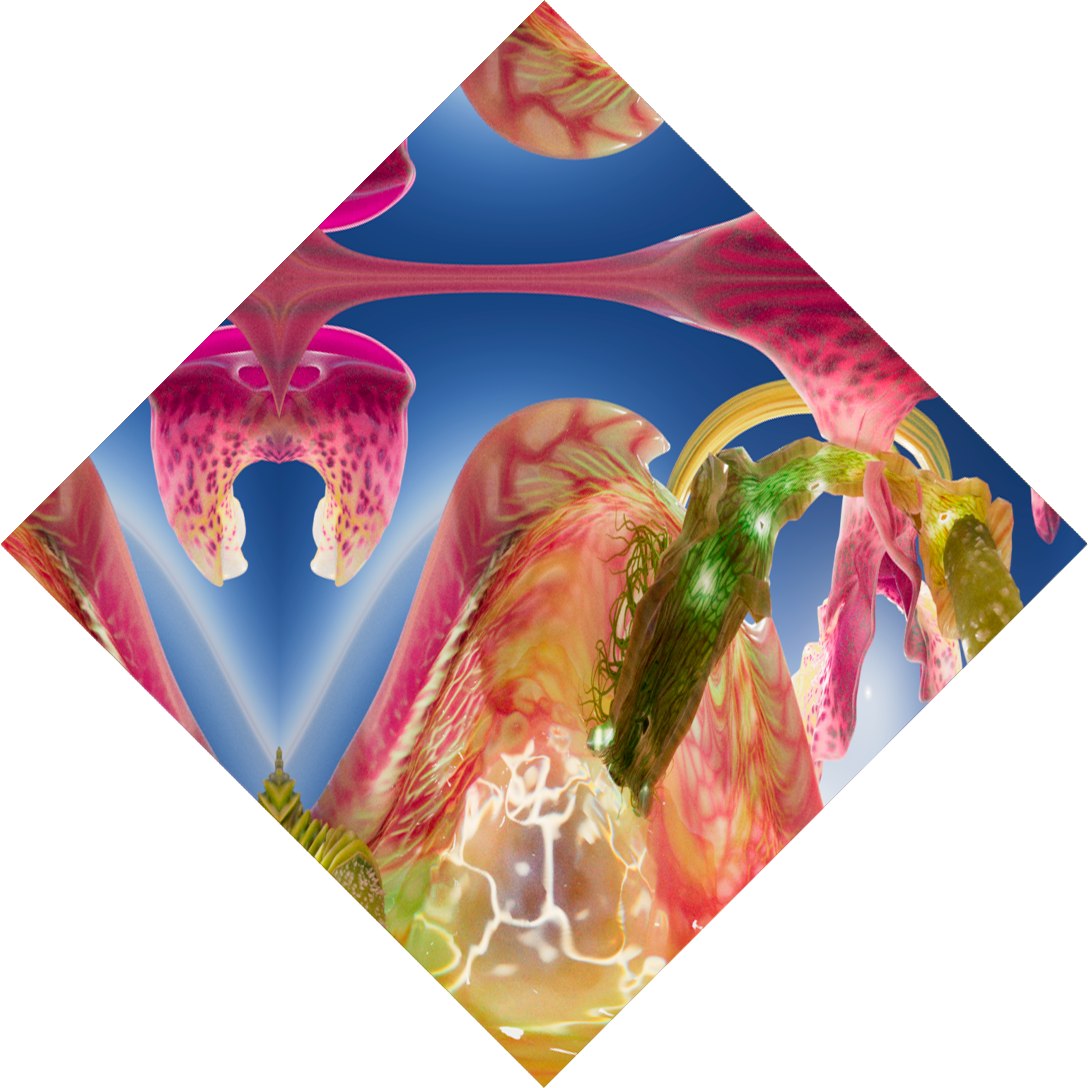
At the MMCA’s 《Young Korean Artists 2025: Here and Now》, Kim Uljiro presented new works focusing on the biology and historical context of orchids, expressing them through the nature of digital media. The biological characteristics of orchids, which cannot germinate without symbiotic fungi and require specific pollinators to reproduce, are cross-referenced with the mechanisms of digital image reproduction and the perceptual processes shaped by media.
 
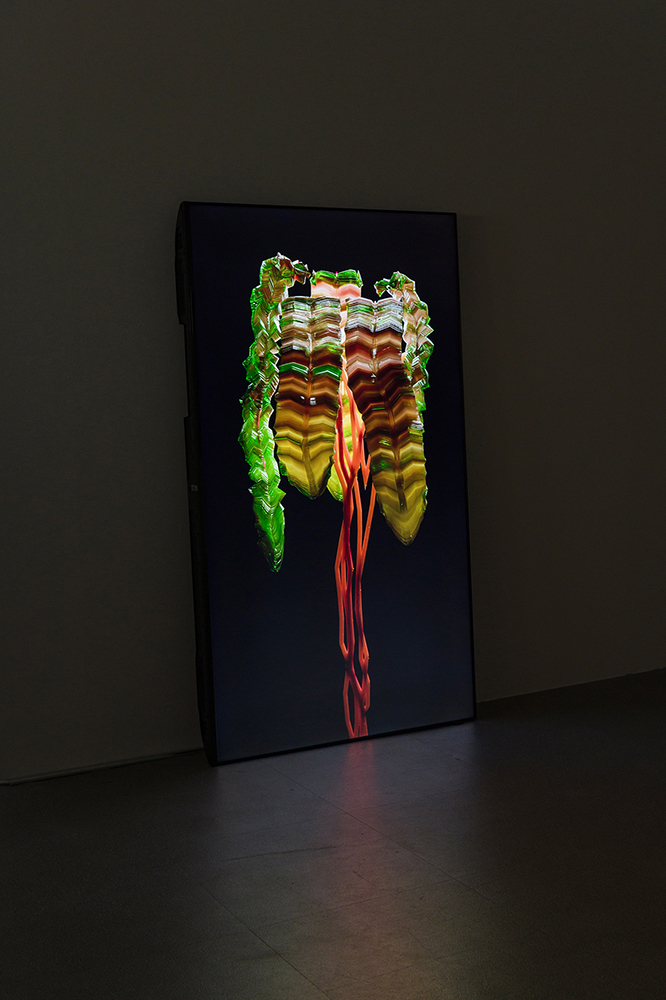
In her works, Similia Similibus Curantur (2025) analogizes the biological characteristics of orchids to the modes of existence in digital media; Herald of the Compound Eye (2025) represents the perspective of an insect trapped within an orchid; and Creeping Pulse (2025) traces the movement of roots crawling along the orchid’s creeping stem. Each work explores a different axis of the specificities of 3D video.


Kim Uljiro, Herald of the Compound Eye, 2025, Single-channel LED panel, color, 212.1×212.1×60cm ©MMCA

Similia Similibus Curantur proposes a new perspective that disrupts anthropocentric and binary modes of biological classification, while Herald of the Compound Eye recreates the visual field of an insect. In Creeping Pulse, she approaches the temporality and motility experienced by plants by elongating the flow of time, leaving traces as if in afterimages.
 
The digital plants and organisms cultivated in her virtual environments are hybrid beings germinated across multiple layers, occupying an intermediary position that moves between nature and technology, reality and the virtual. In doing so, they blur the boundaries between the natural and the artificial, posing the question, “What do we see and what do we believe?” while creating subtle fractures in the viewer’s perception.

 “I want to suggest that the digital provides an intriguing experimental space for rethinking reality and establishing new relationships. Within it, we can recalibrate our taken-for-granted senses and explore new possibilities for embracing the Other.”   (Kim Uljiro, interview for 《Young Korean Artists 2025: Here and Now》, MMCA) 


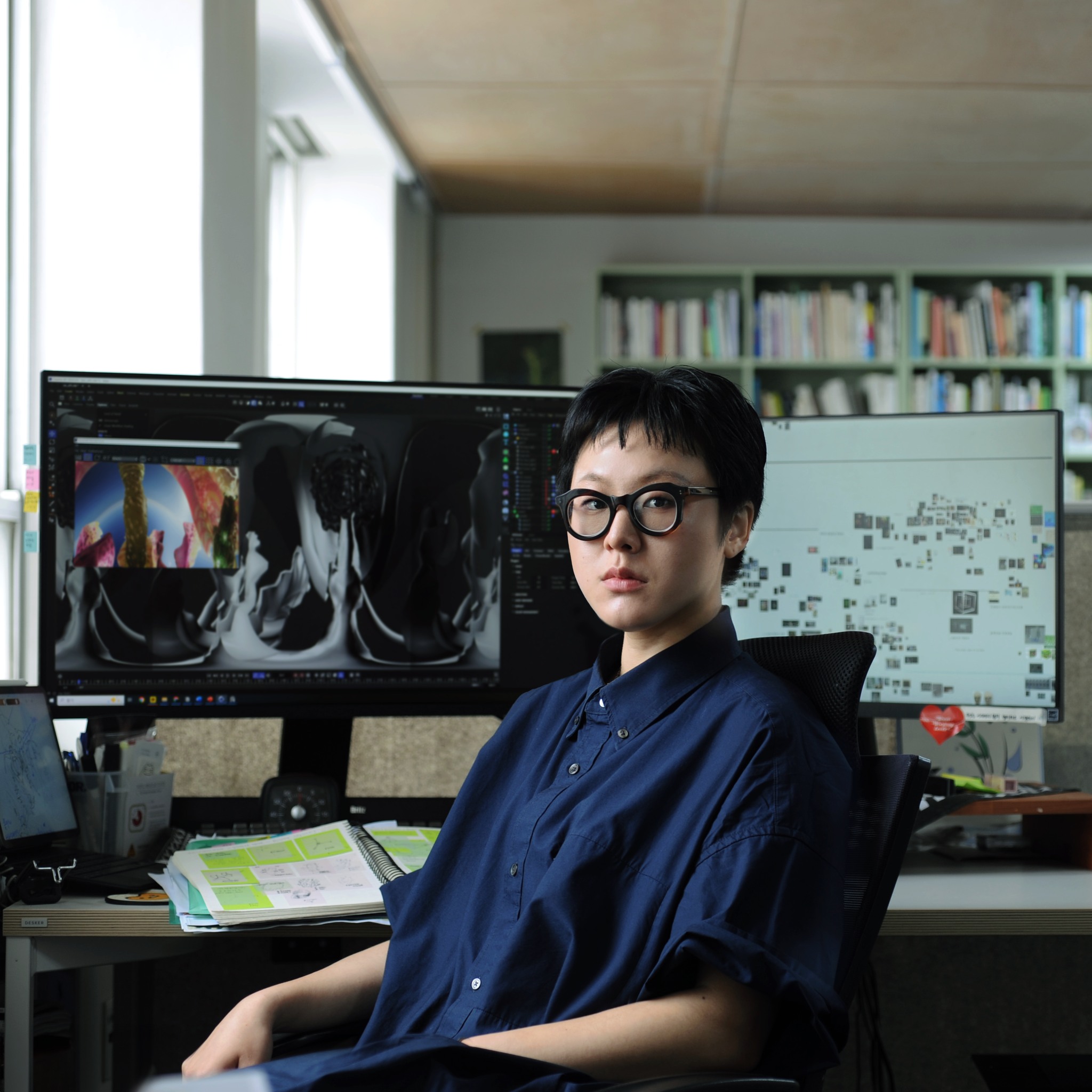
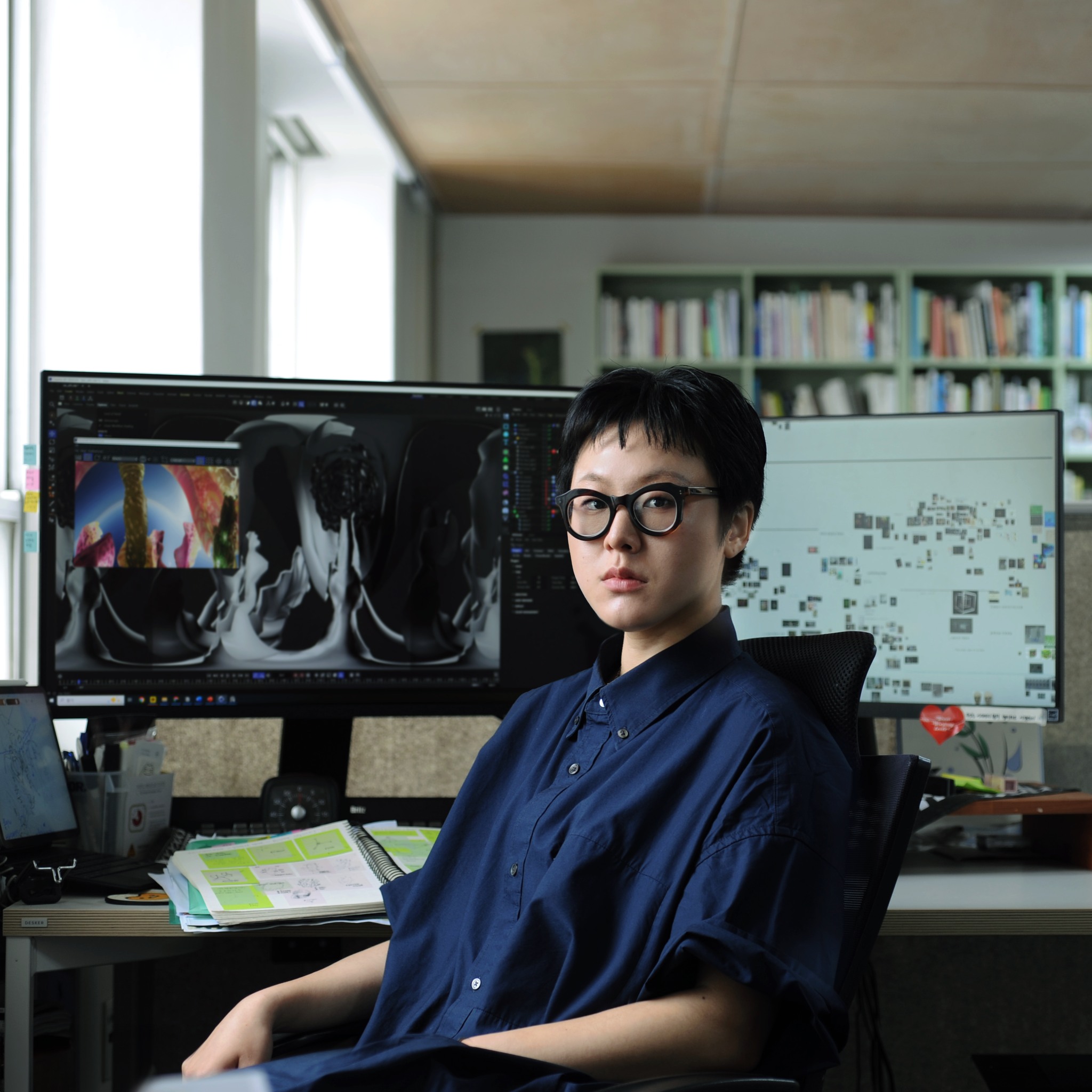
Artist Kim Uljiro ©MMCA

Kim Uljiro graduated with a BFA in Communication Design from Chung-Ang University and is currently pursuing an MFA in Media Art at Yonsei University Graduate School of Communication. She has held solo exhibitions including 《Potting》 (RE:PLAT, Seoul, 2023) and 《Sneak Peek》 (Online, 2021).
 
Her work has also been featured in numerous group exhibitions, such as 《Young Korean Artists 2025: Here and Now》 (MMCA, Gwacheon, 2025), 《What Things Dream About》 (MMCA, Seoul, 2024), 《Hacker Space》 (TINK, Seoul, 2023), 《BANDI WALK: One Step Closer to Our Earth》 (National Asia Culture Center, Gwangju, 2022), and 《The Better Man 1948–2020 : Pick Your Representative for the National Assembly》 (Ilmin Museum of Art, Seoul, 2020).
 
In addition, she has expanded the scope of work across areas where 3D graphics are interpreted, including visual directing for the web 3D content 《Quarantine Etudes》 and working as an Instagram AR creator.

References