Dongkyung Kwak (b. 1988) captures, through the camera, the histories that have fallen outside the mainstream in the course of modernity, as well as the distorted desires that have emerged from those processes.
 
Focusing on the binary conditions and marginalized figures produced by society, he seeks to position himself at the very center of these tensions, creating works that either narrow or widen the distance between opposing forces.


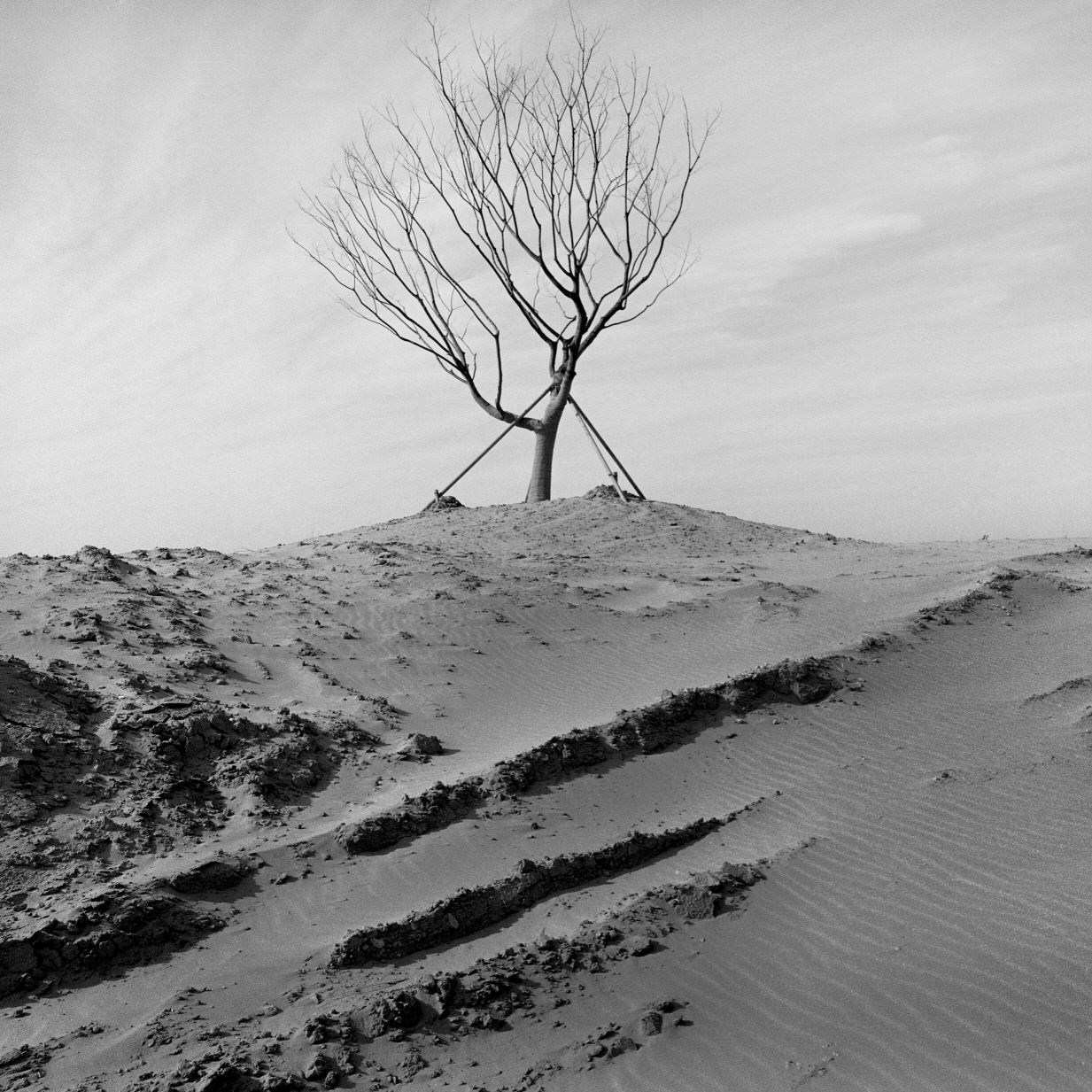
Dongkyung Kwak, Bezout theorem #5, 2021, Pigment print, 40.6x50.8cm © Dongkyung Kwak

Before studying photography, Dongkyung Kwak was trained in environmental engineering. His experience examining the relationships between the environment, human beings, and technology naturally led to a broader interest in the environments constructed by humans and the conditions they produce.


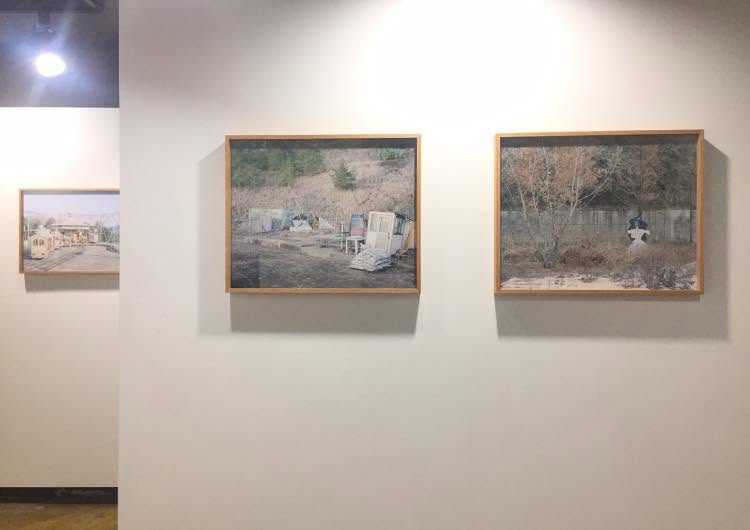
Installation view of 《Tyltyl Mytyl》 (Plan B Project Space, 2021) © Plan B Project Space

Against this backdrop, Kwak’s photographic practice has focused on the landscapes shaped by human activity and the realities that lie beneath their surfaces.
 
His first solo exhibition, 《Tyltyl Mytyl》 (Plan B Project Space, 2021), presented more than a decade of photographic work, organized into four major categories.

Dongkyung Kwak, 510kilometer #1, 2021, Single channel video, B&W, 3min 40sec. © Dongkyung Kwak

The ‘510 Kilometer’ series was produced during a period when the artist was grappling with the question of what to photograph. Having been taught that “photography should carry a social message,” Kwak spent three years walking along the Nakdong River with a film camera during the height of the Four Major Rivers Project.
 
Traveling solely on foot from Busan to Andong, where one of the Nakdong River’s major tributaries begins, he sought to investigate how social messages operate when embedded within photographic images.


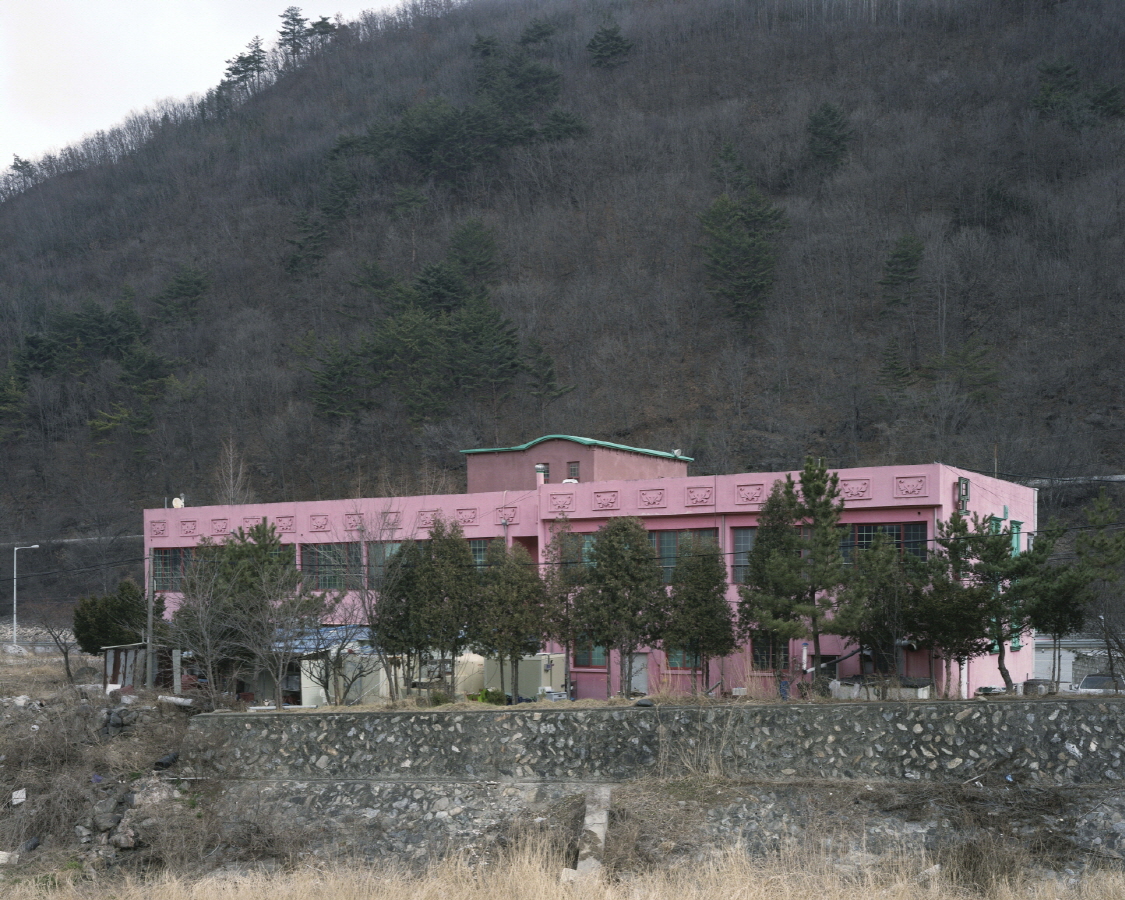
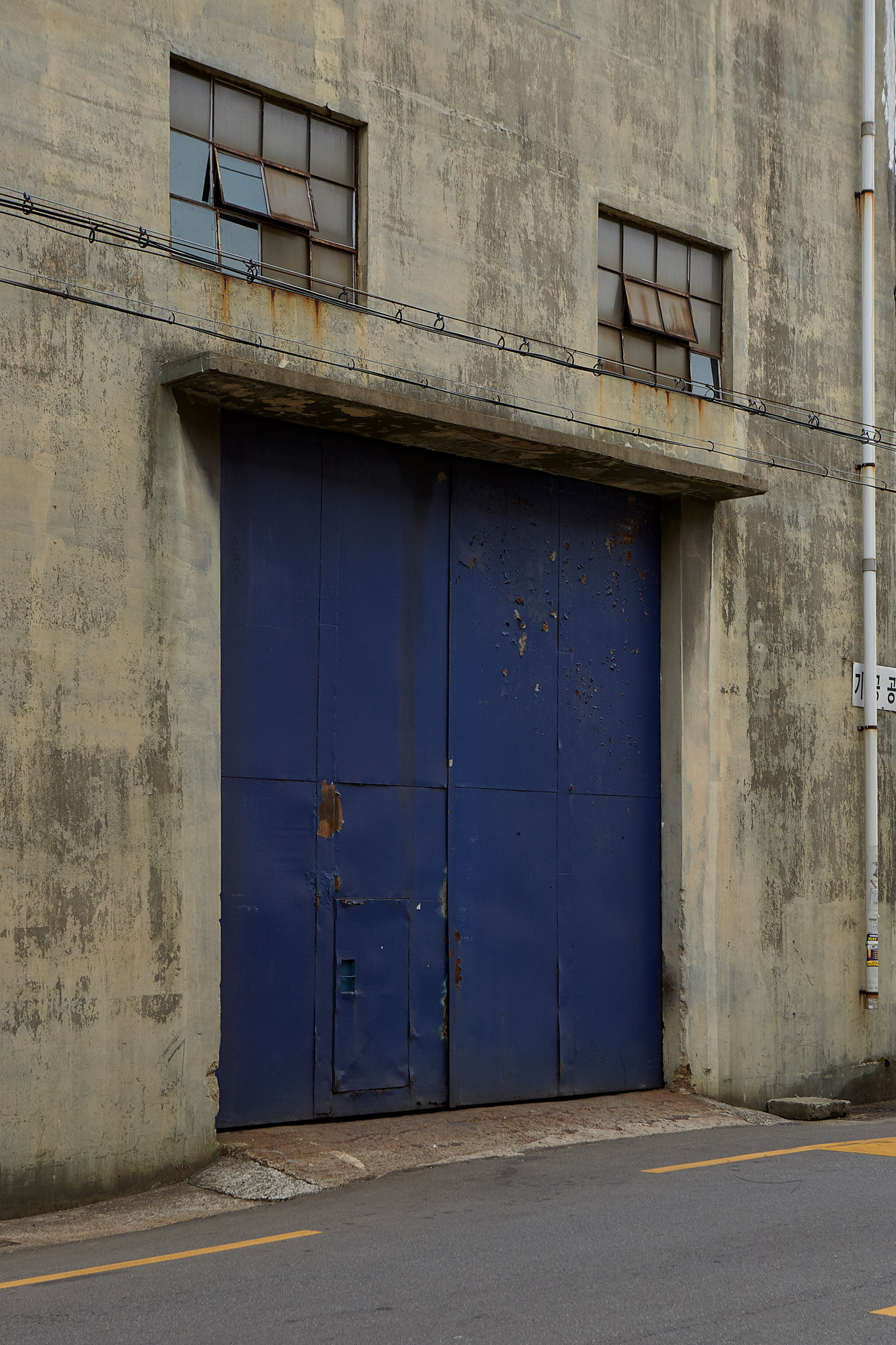
Dongkyung Kwak, Bezout theorem #3, 2021, Pigment print, 40.6x50.8cm © Dongkyung Kwak

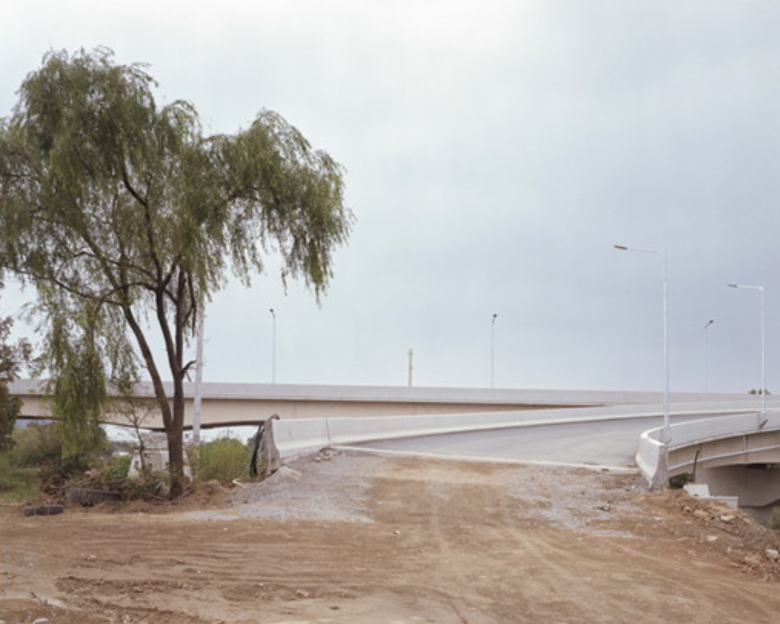
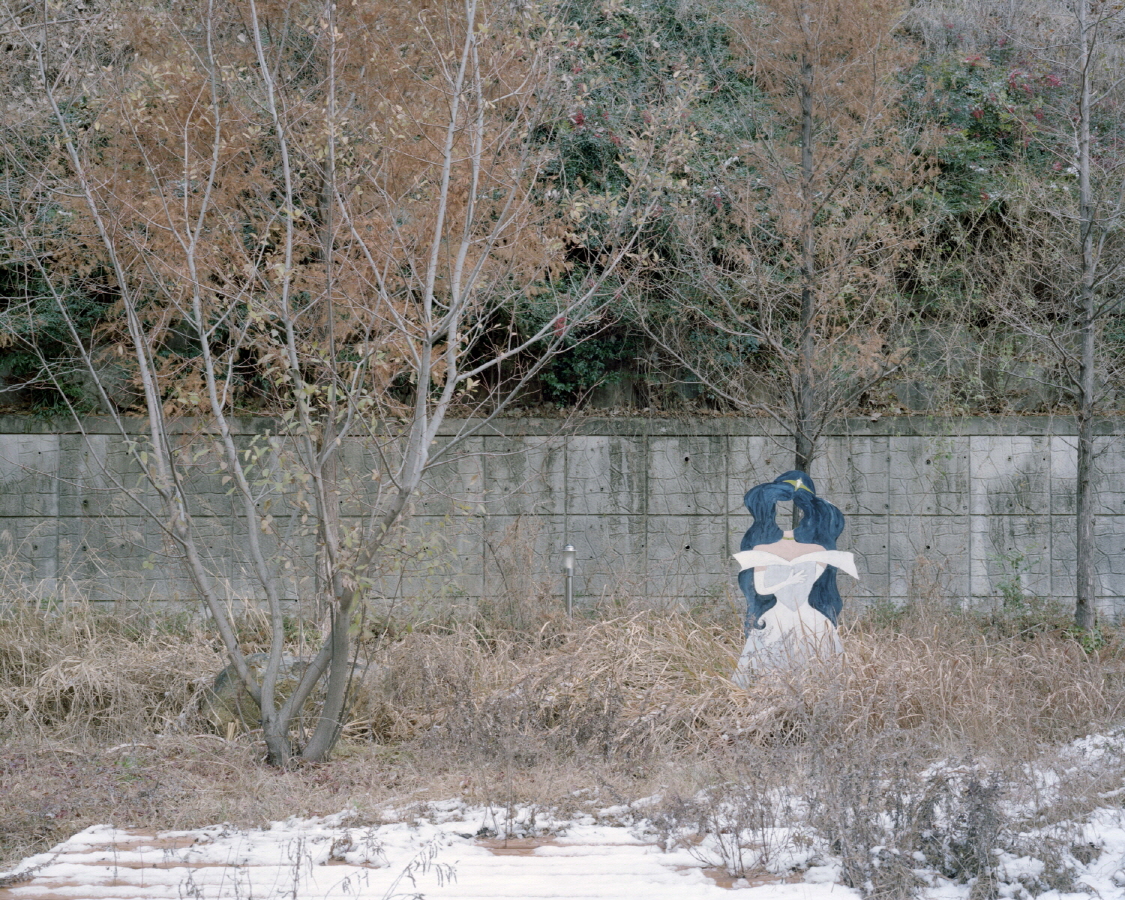
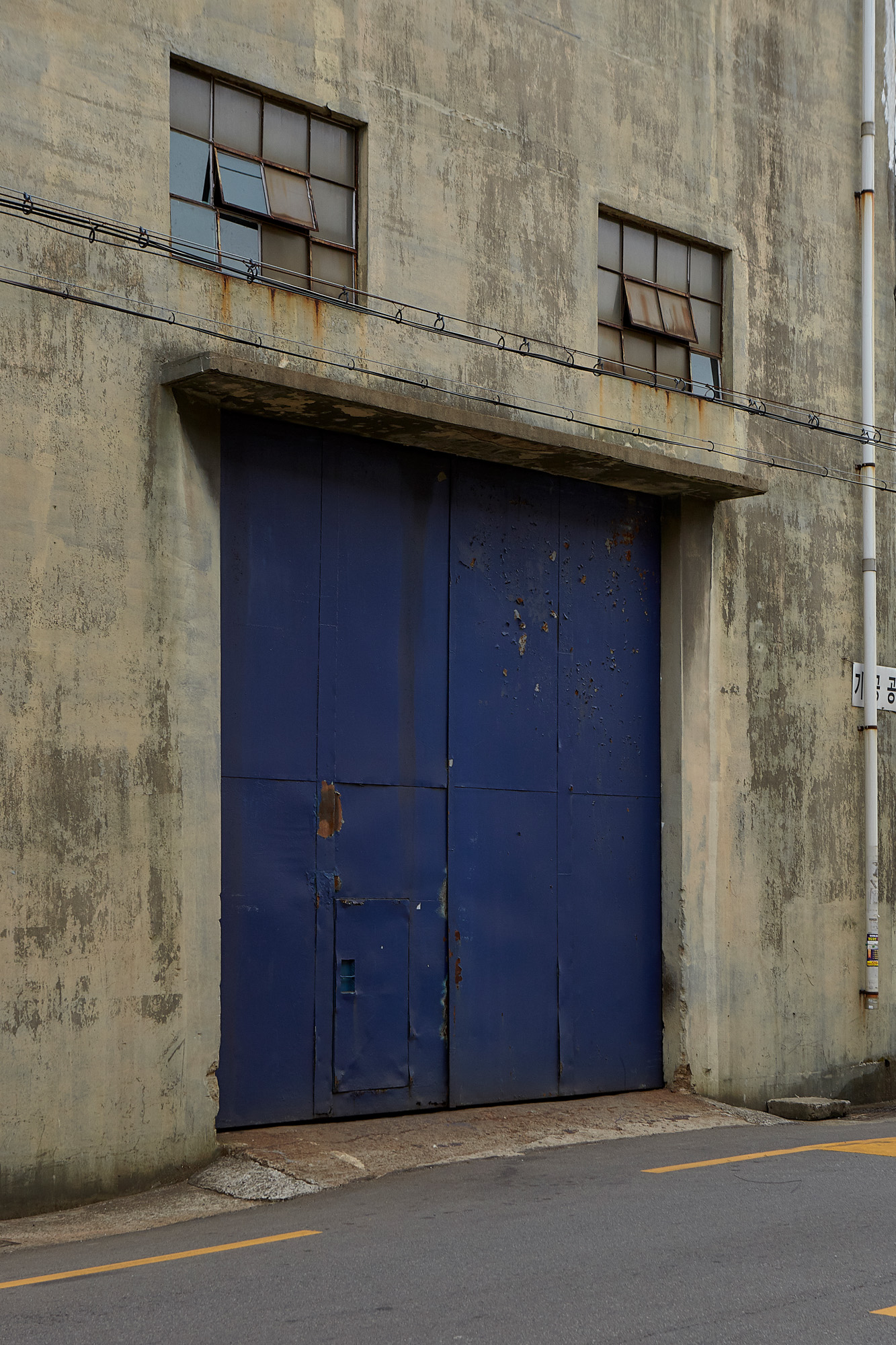
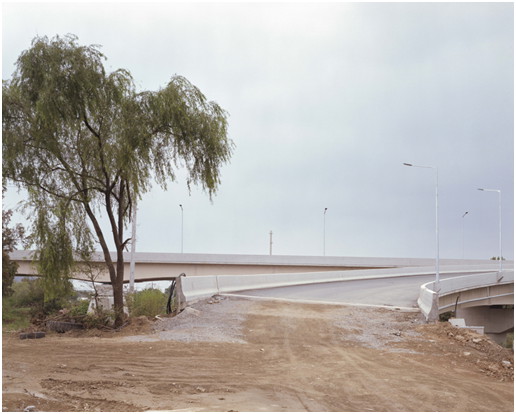
The series ‘Bezout Theorem’ (2021), which has been central to the artist’s practice since 2019, focuses on the “remainders” left behind within contemporary environments—things that seem unable to move forward or return, lingering in a state of suspension.
 
Among these works is a photograph of the railway apartments near Mindungsan Station, an area frequently criticized and reported as an eyesore left abandoned. Yet in Kwak’s photograph, the noise and controversy surrounding the site are stripped away, revealing a scene of unexpected calm.
 
The voices calling for redevelopment belong to people alone. The railway apartments and the trees growing alongside them remain indifferent to such disputes, existing quietly within their own temporal rhythms.


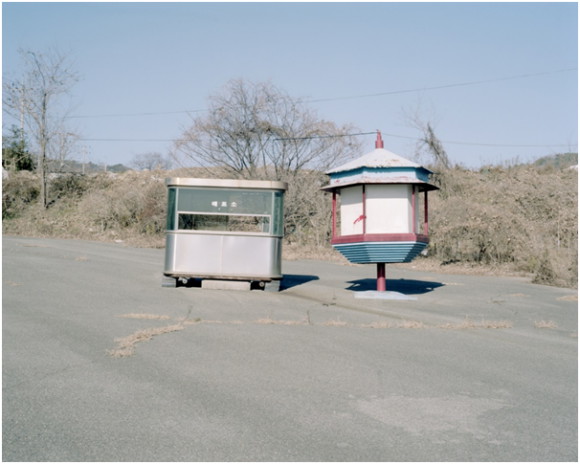
Dongkyung Kwak, LAND Landscape #7, 2021, Pigment print, 40.6x50.8cm © Dongkyung Kwak

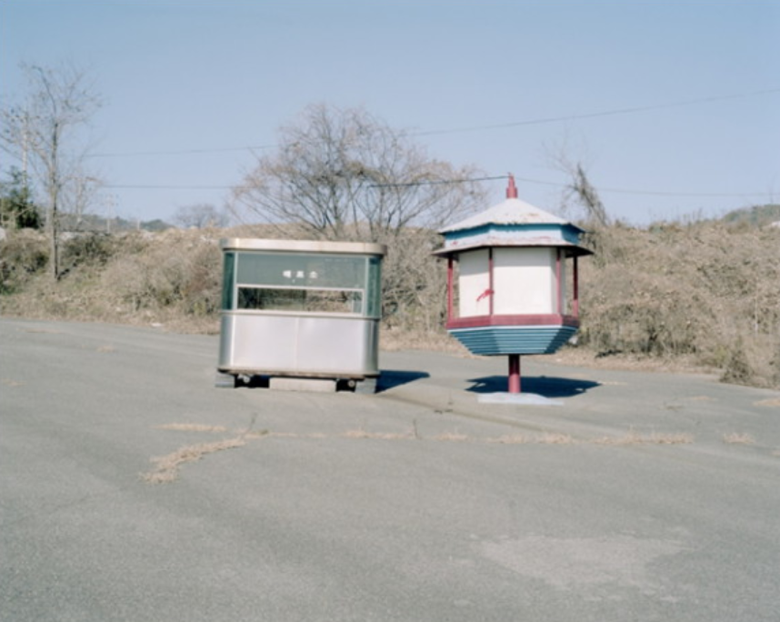
Meanwhile, the ‘LAND Landscape’ series (2021) depicts amusement parks across Korea that have fallen into decline. The project originated from the artist’s childhood memories of pleading with his father—who worked every day of the week without a day off—to take him to an amusement park.
 
Although rooted in a deeply personal experience, the series does not dwell on nostalgia or retrospective sentiment. Instead, Kwak turns his attention to the present condition of these amusement parks, documenting them as they exist today.
 
To achieve this, he deliberately photographed on overcast or foggy days, sought to reduce saturation as much as possible, and often undertook extensive post-production work to adjust images to the tonal qualities he envisioned.


Dongkyung Kwak, LAND Landscape #2, 2021, Pigment print, 40.6x50.8cm © Dongkyung Kwak

Yet throughout this process, Kwak sought to maintain the restrained language of landscape photography, deliberately avoiding excessive staging or sentimental perspectives rooted in the past.
 
As a result, his photographs present amusement parks not as sites fixed to memory, but as places situated within the continuous flow of time. Rather than inviting nostalgic consumption or functioning as retro imagery.


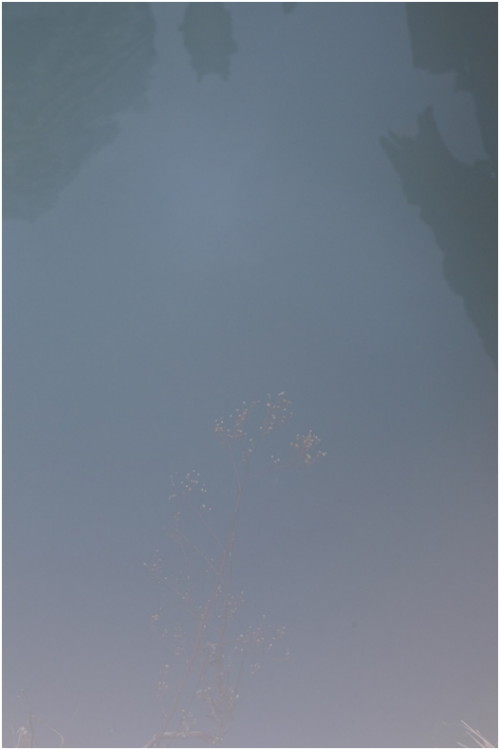
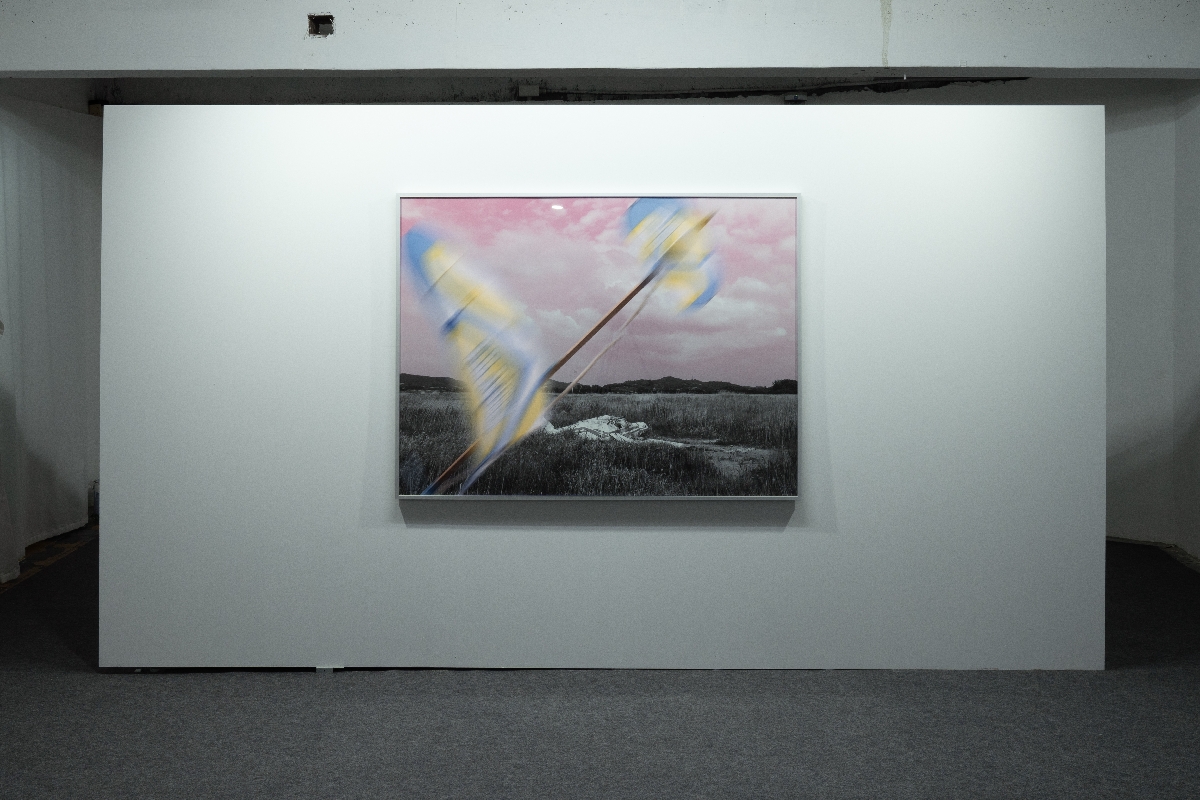
Dongkyung Kwak, Exhalation #1, 2021, Pigment print, 50.8x33.9cm © Dongkyung Kwak

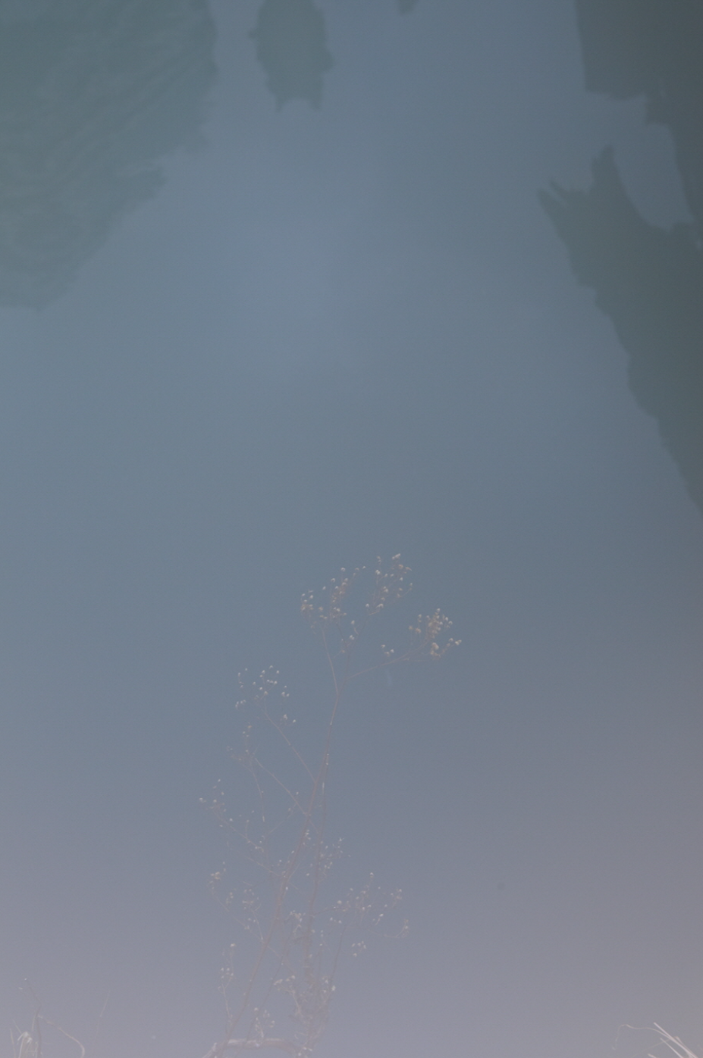
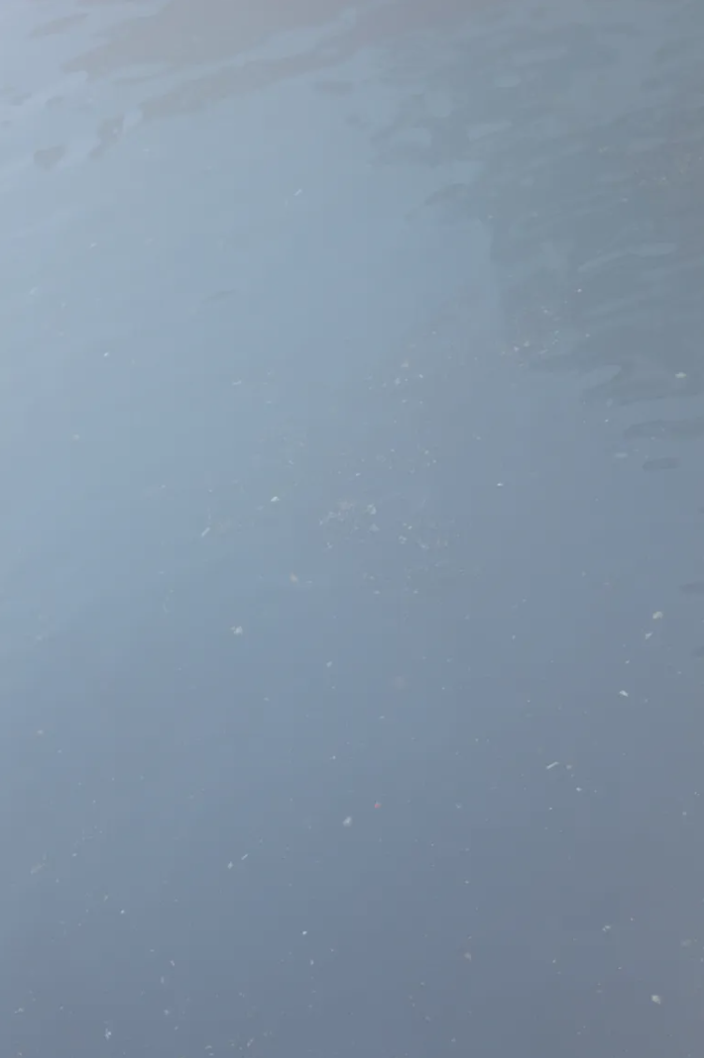
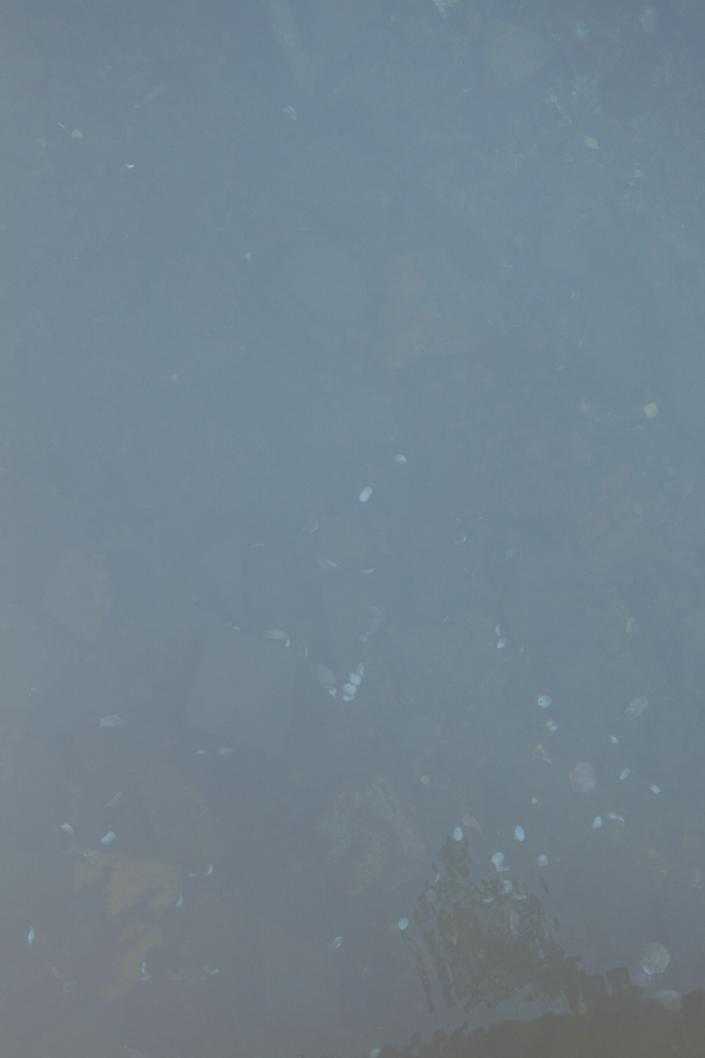
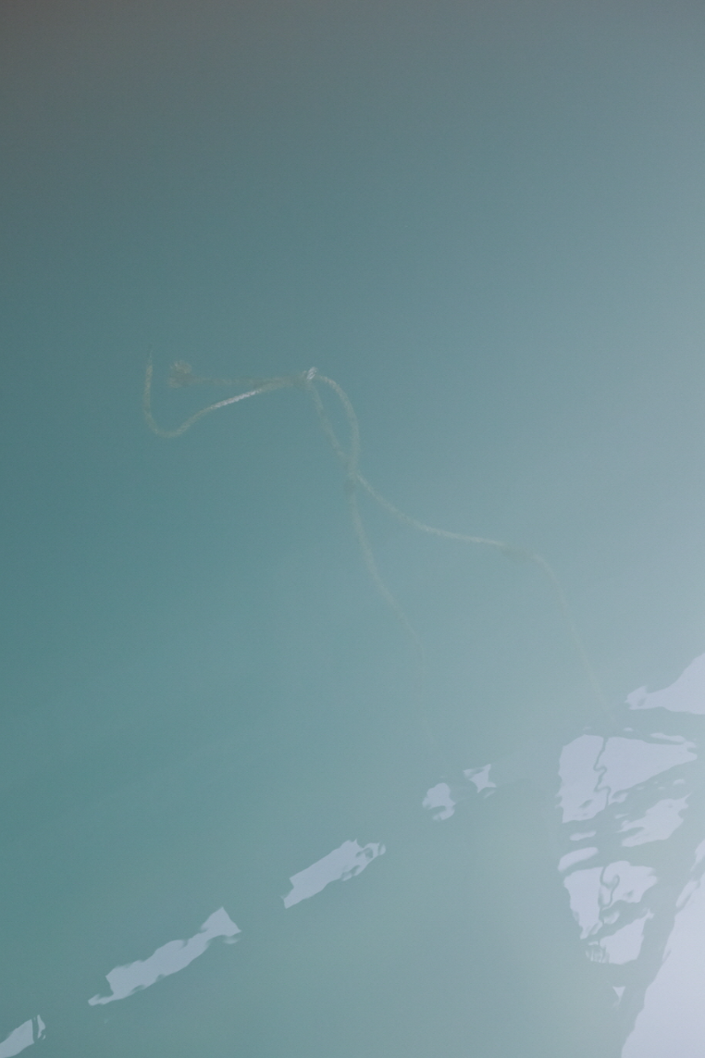
Positioned at the entrance of the exhibition, the ‘Exhalation’ series (2021) consists of seascapes photographed by breathing onto the camera lens to create a filter-like effect. The work was also the outcome of a research project on Yeongdo, Busan, conducted in collaboration with curator Kim Hyunju.
 
Rather than focusing on the modern and contemporary history of Yeongdo, Kwak turned his camera toward the harbor waters themselves—an element that has likely existed far longer than the human histories associated with the area.
 
As a result, the photographs do not foreground the site's historical narratives or social contexts; instead, they direct attention to the enduring presence of nature, suggesting a landscape that remains calm and unaffected amid the turbulence of human affairs.


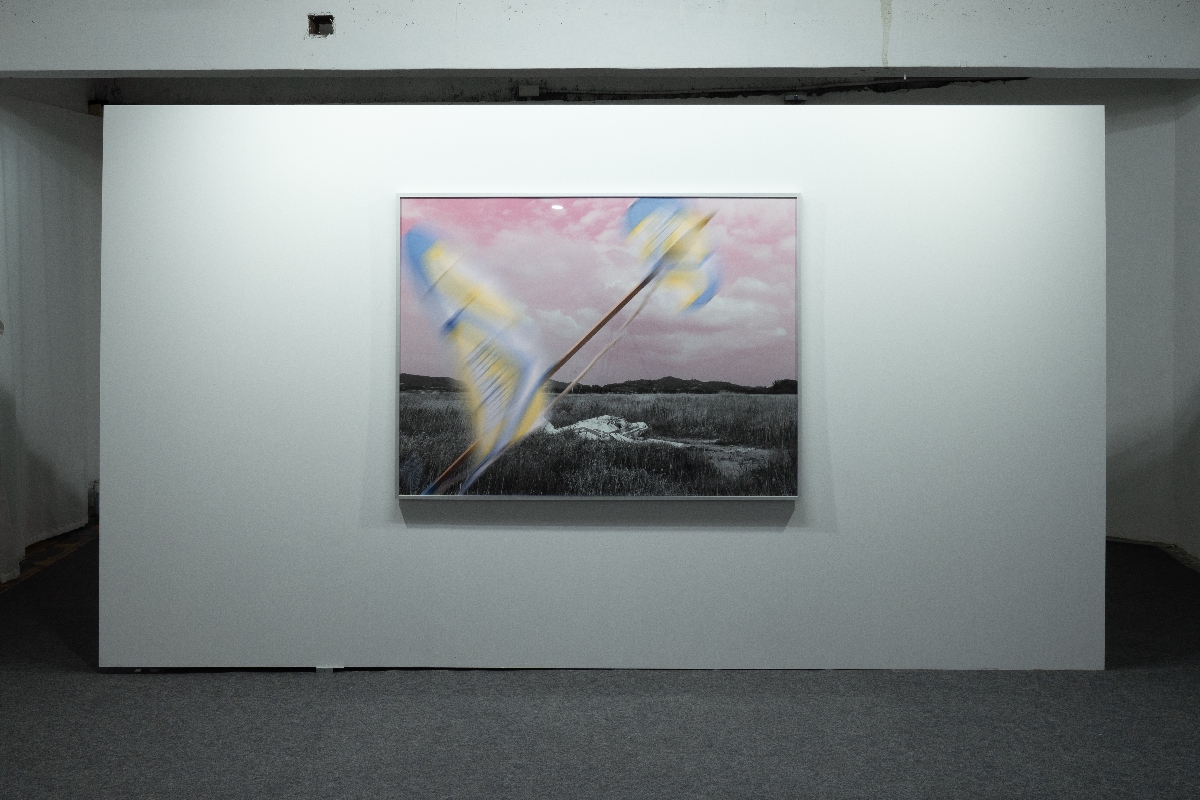
Installation view of 《I guess that’s not the problem》 (Space Heem, 2023) © Space Heem

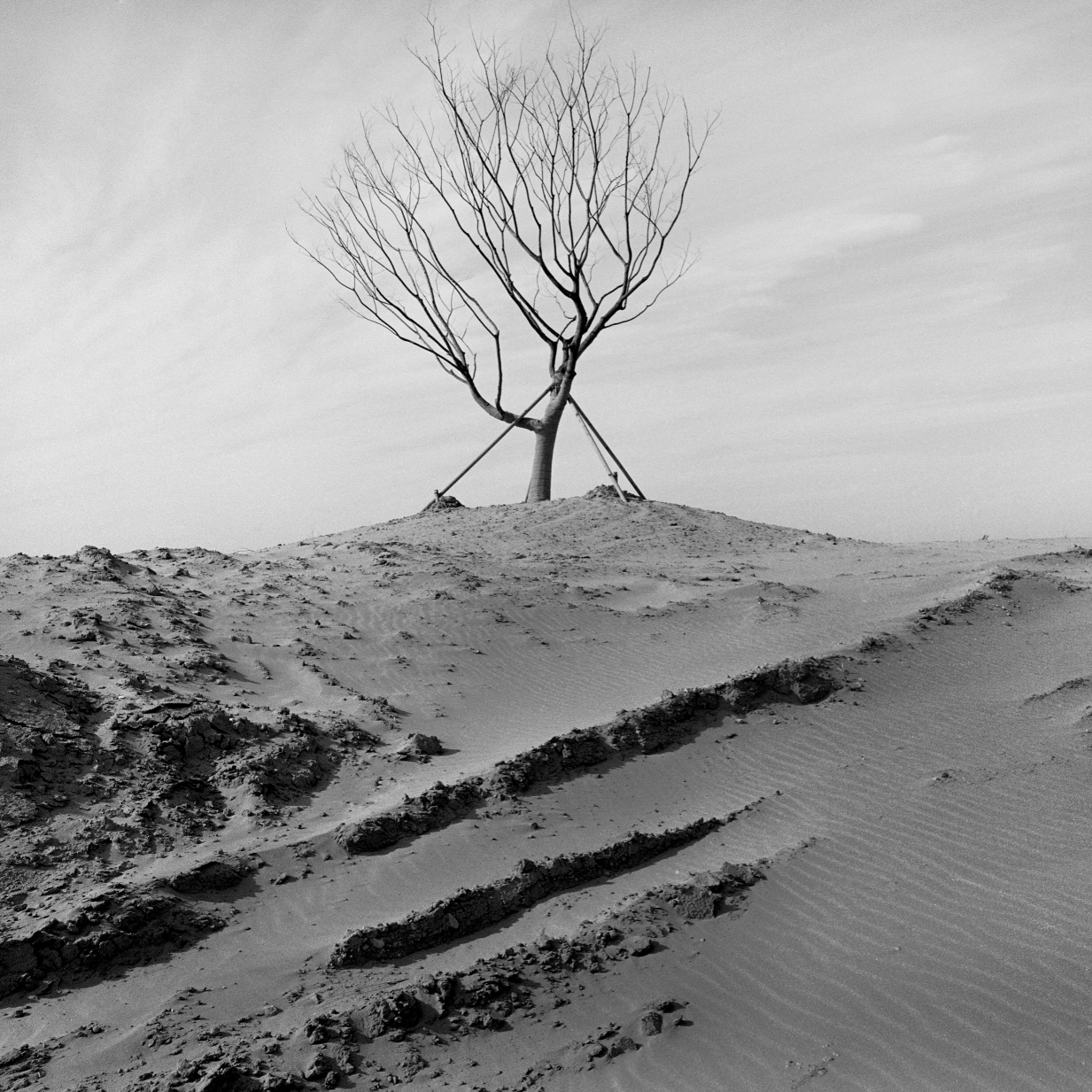
Subsequently, Kwak began developing works that capture the new colonial spaces constructed by contemporary capitalism, using the concept of industrial displacement as a metaphor for the laws of thermodynamics.
 
According to the laws of thermodynamics, total energy remains constant even as entropy increases. Kwak draws a parallel between this principle and the movement of industry: as industries relocate, certain places are left behind and become dislocated, while new myths and narratives emerge elsewhere.
 
Yet despite these transformations, the overarching logic of capital remains fundamentally unchanged. Through this analogy, the artist offers a critical reflection on the enduring structures of capitalism beneath the appearance of continual change.


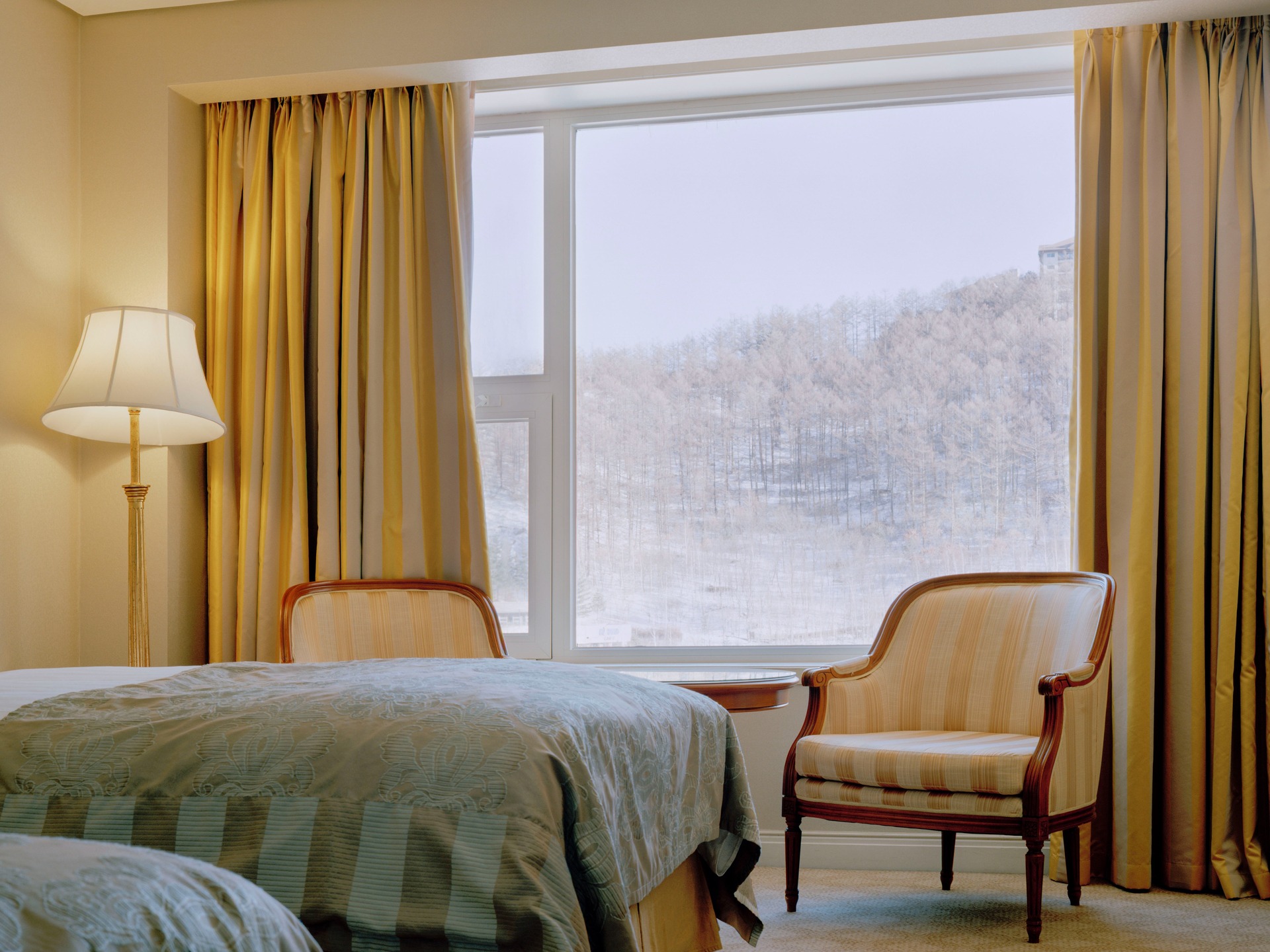
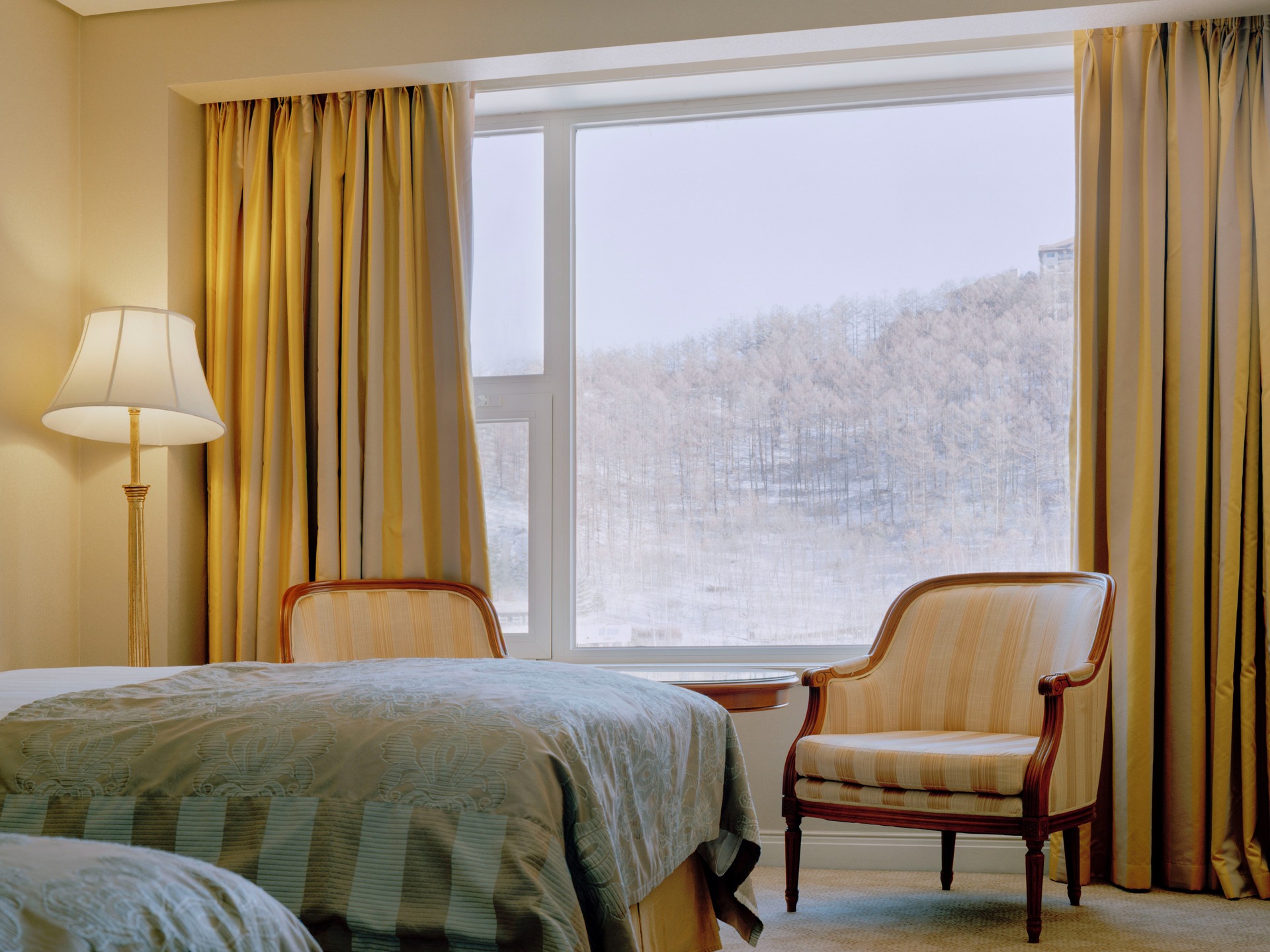
Dongkyung Kwak, High1 Grand Hotel, Main Tower, Standard Room, Sabuk-eup, Jeongseon-gun, 2022, Pigment print, 100x125cm © Dongkyung Kwak

For example, the ‘Slot’ series (2021–2024) visually traces the hidden mechanisms and dysfunctions of a regional economy. The project centers on Kangwon Land, the only casino in South Korea legally open to Korean nationals, established with public funding to revitalize former mining communities.
 
At Kangwon Land, visitors accumulate “comp” points in proportion to the time and money they spend gambling. Although these points cannot be used for gaming, they function much like cash within the area, redeemable at hotels, restaurants, and shops associated with the resort and its surrounding district.
 
Derived from the word “complimentary,” this point-based payment system appears beneficial to both local businesses and visitors. However, in practice, the points are often sold at heavily discounted rates by gambling addicts seeking immediate cash, exposing a less visible reality beneath the system’s intended economic benefits.


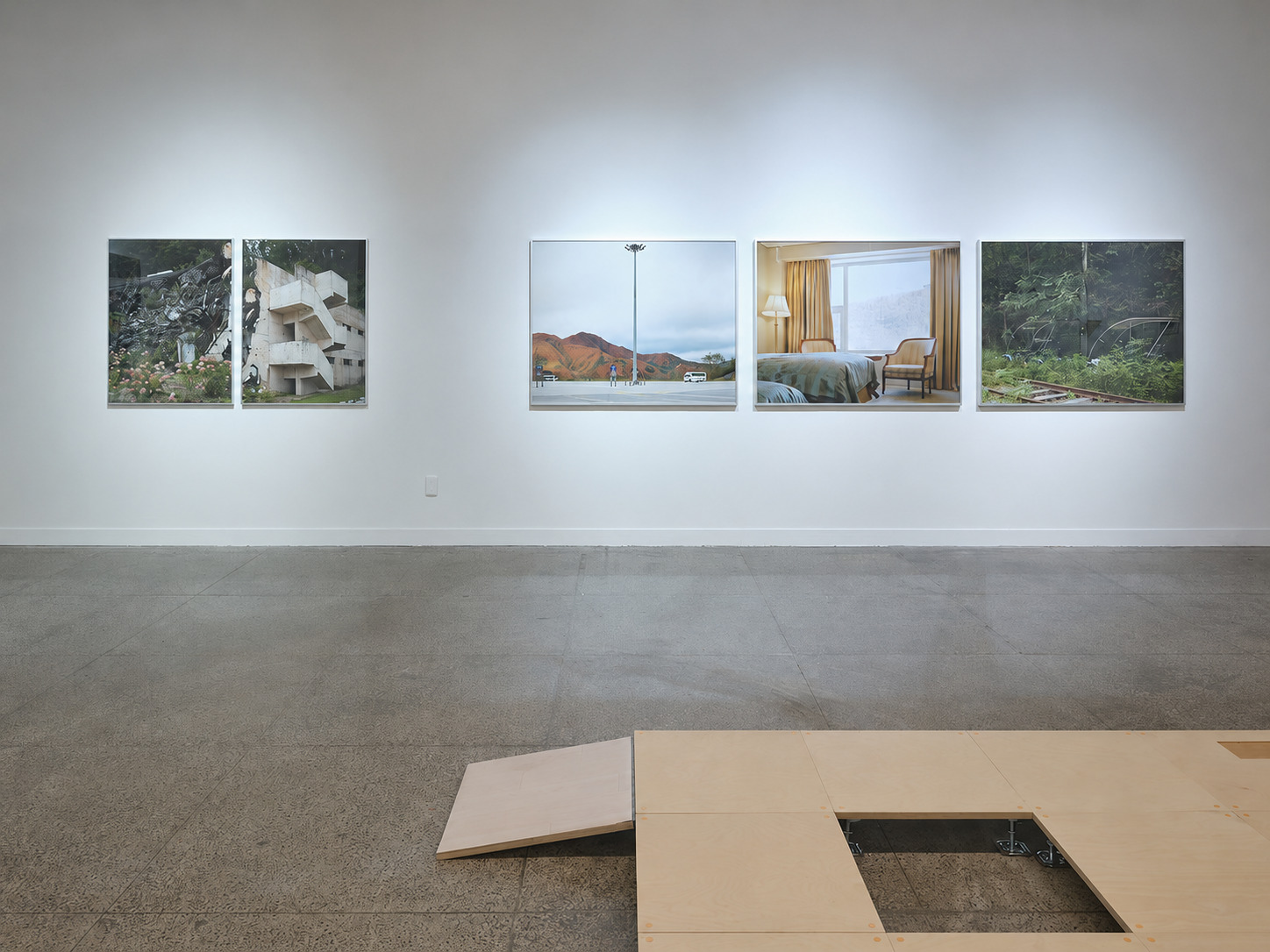
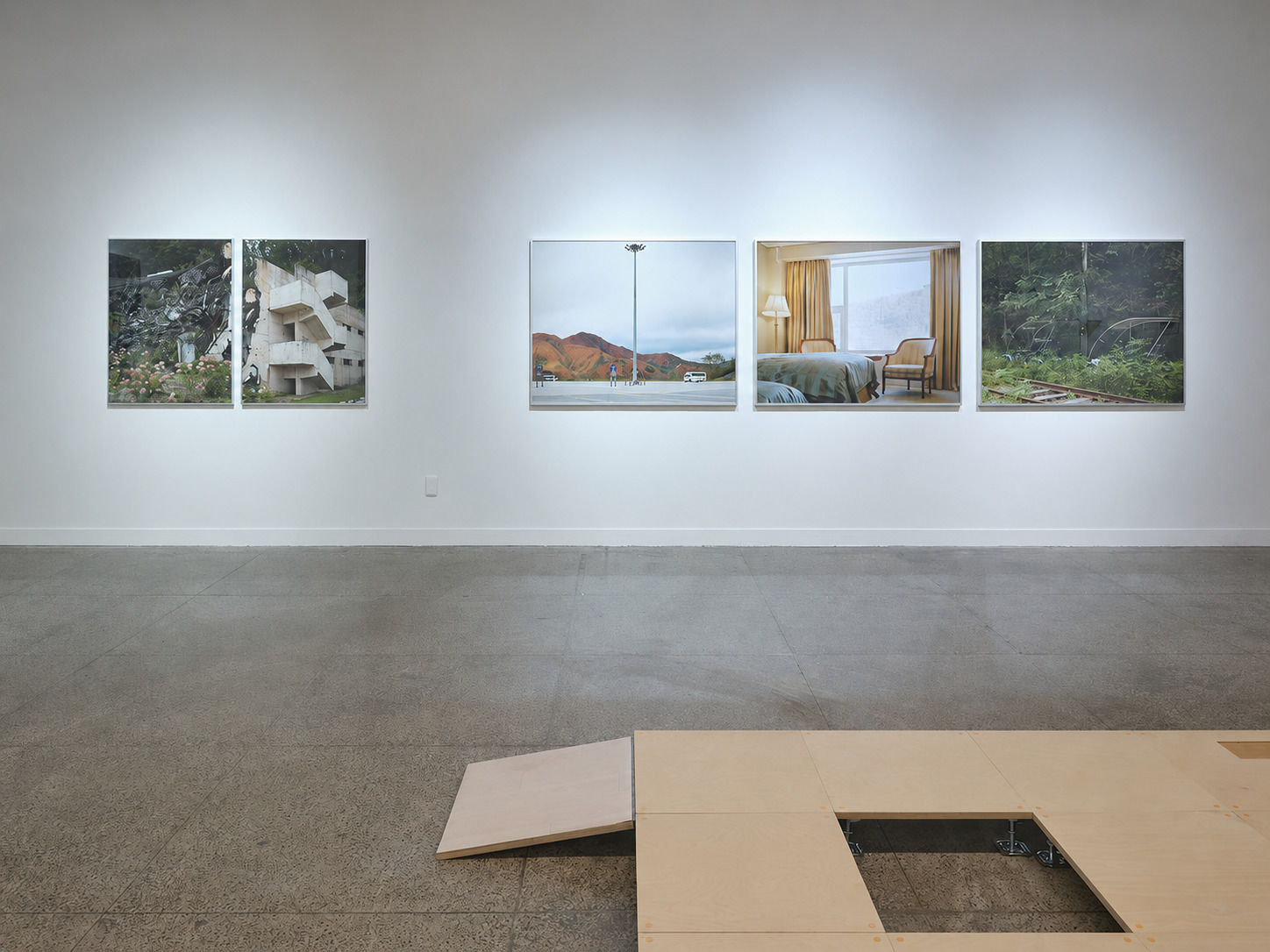
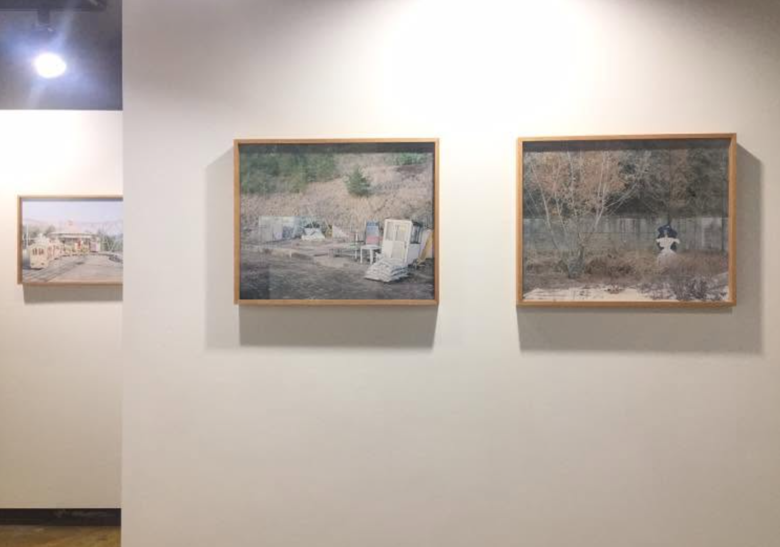
Dongkyung Kwak, ‘Slot’ Series, Installation view of 《Fill in the Blanks》 (Daejeon Museum of Art, 2025) © Daejeon Museum of Art

The ‘Slot’ series captures these hidden dimensions of the Kangwon Land area through the lens of the comp-point system, observing them with a restrained and matter-of-fact gaze. The photographs depict a range of landscapes shaped by economic ambition, speculation, and unintended consequences.

 
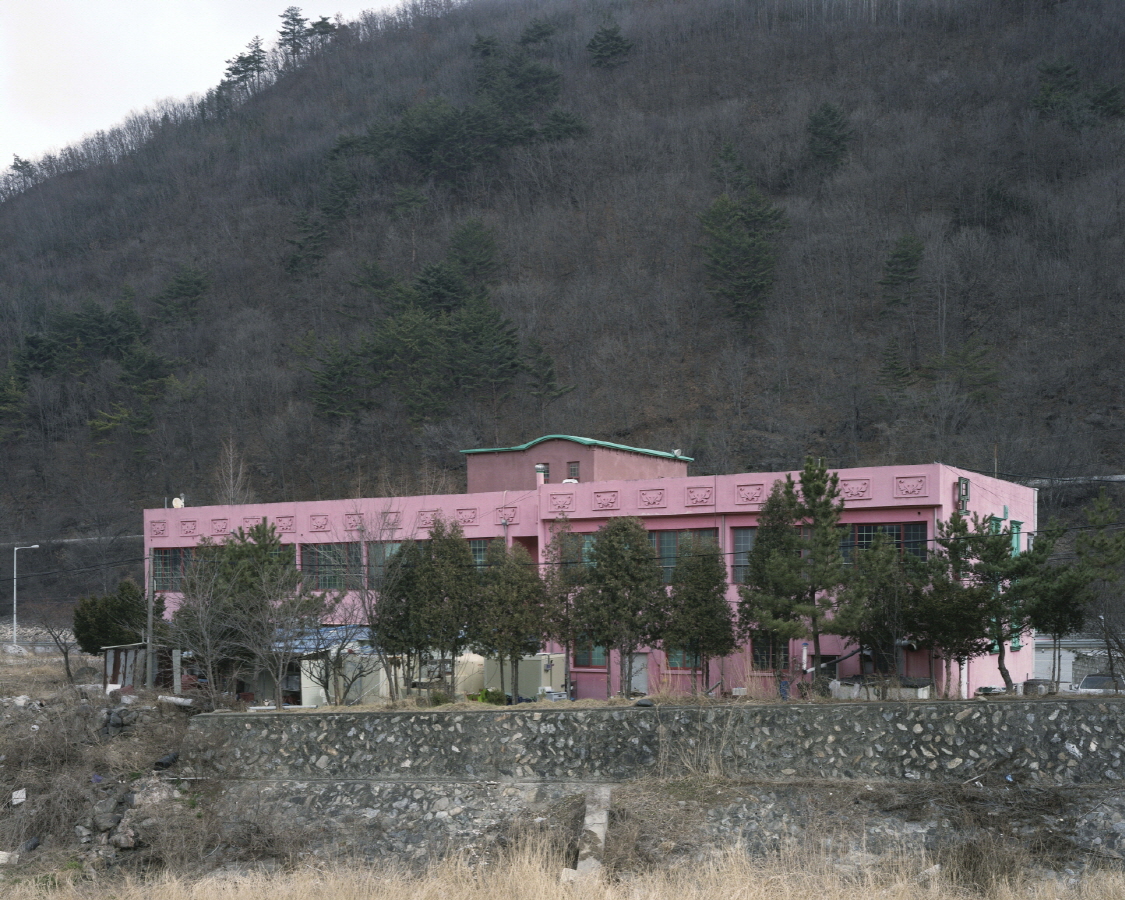
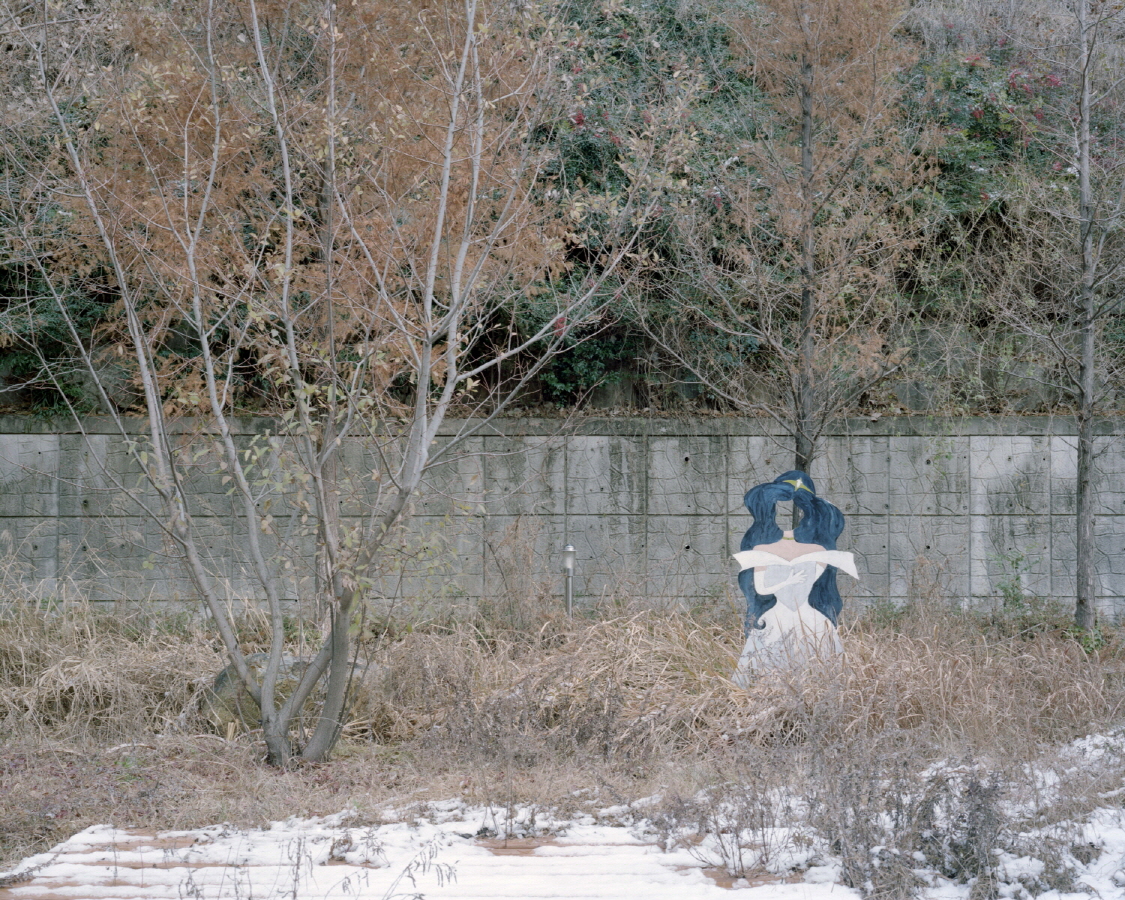
Among them are a theme park built around an original fairy tale created to attract tourists and promote local identity, only to fall into disuse and decay; a former miners’ bathhouse that had long been neglected as an eyesore but was later transformed into an artificial tourist destination after gaining popularity as a filming location for a well-known television drama; and vehicles repossessed from individuals struggling with gambling addiction.


Dongkyung Kwak, Repossessed Vehicles, Sabuk-eup, Jeongseon-gun, 2024 © Dongkyung Kwak

In a critical essay, curator Sujeong Song wrote that the scenes depicted in Kwak’s work—caught between small towns that dream of becoming glamorous tourist destinations like Las Vegas yet struggle to realize that vision, and people who arrive at casinos hoping for a life-changing windfall only to find themselves unable to leave—appear “unnatural or unfamiliar, and at the same time somewhat bitter.”


Dongkyung Kwak, Blue sensitive #3, 2021 © Dongkyung Kwak

In this way, Kwak has used his camera to capture the hidden dimensions of places closely intertwined with the dynamics of human society, focusing on what he calls “things without meaning” or “the remainders of meaning.”
 
His photographs largely exclude overt symbolism and specific historical narratives, directing attention instead to the ordinary and continuous aspects of everyday reality rather than to spectacular imagery.
 
Deliberately minimizing intervention and staging, the artist maintains a measured distance from his subjects. Rather than imposing his own voice upon the image, he leaves space for the photographs to speak for themselves.
“If a photograph speaks of history, perhaps it is not I who am speaking, but the photograph itself.” (Dongkyung Kwak, Artist’s Note)


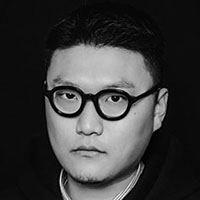
Artist Dongkyung Kwak © SisaIN

Dongkyung Kwak graduated from the Department of Photography, Video and Media at Sangmyung University and later studied Visual Culture at the Graduate School of Korea University. His solo exhibitions include 《Cherry Orange Plum》 (Caption Seoul, Seoul, 2024) and 《Tyltyl Mytyl》 (Plan B Project Space, Seoul, 2021).
 
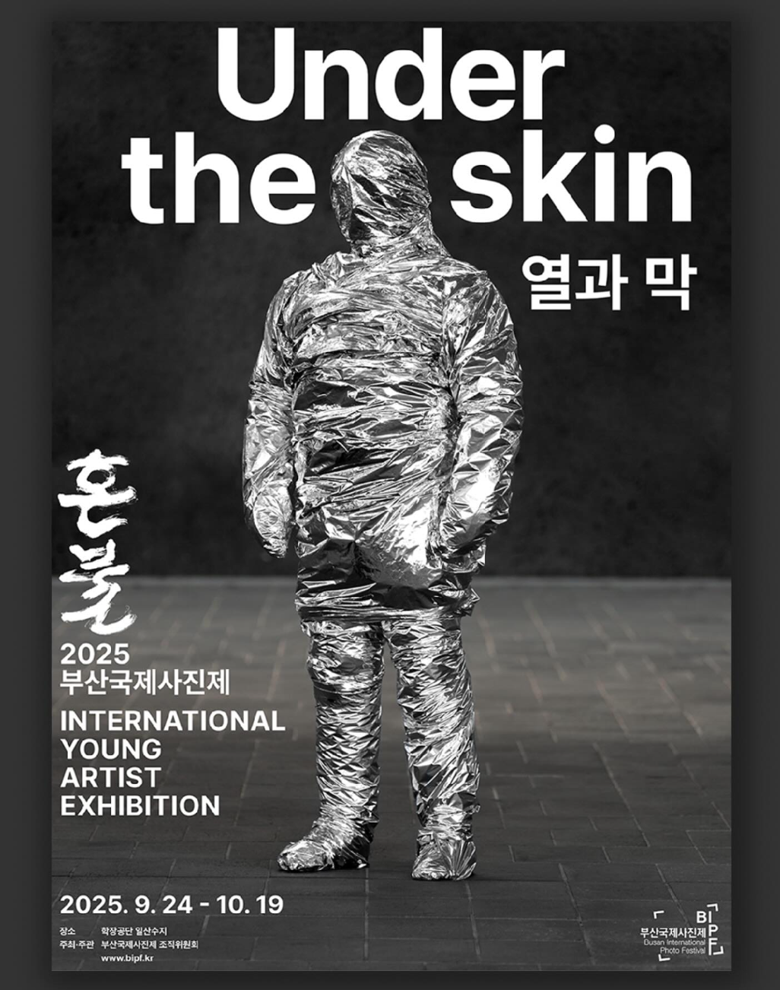
He has also participated in numerous group exhibitions, including 《Under the Skin: Heat and Membrane》, the 2025 Busan International Photo Festival (Ilsansuji, Busan, 2025); DMA Camp 2025 《Fill in the Blanks》 (Daejeon Museum of Art, Daejeon, 2025); 《I guess that’s not the problem》 (Space Heem, Busan, 2023; Post Territory Ujeongguk, Seoul, 2022); and 《Toad House》 (New Space, Seoul, 2021).
 
Kwak was selected as one of the participating photographers for ‘Photo of the Year 2024,’ an annual project organized by SisaIN.

References