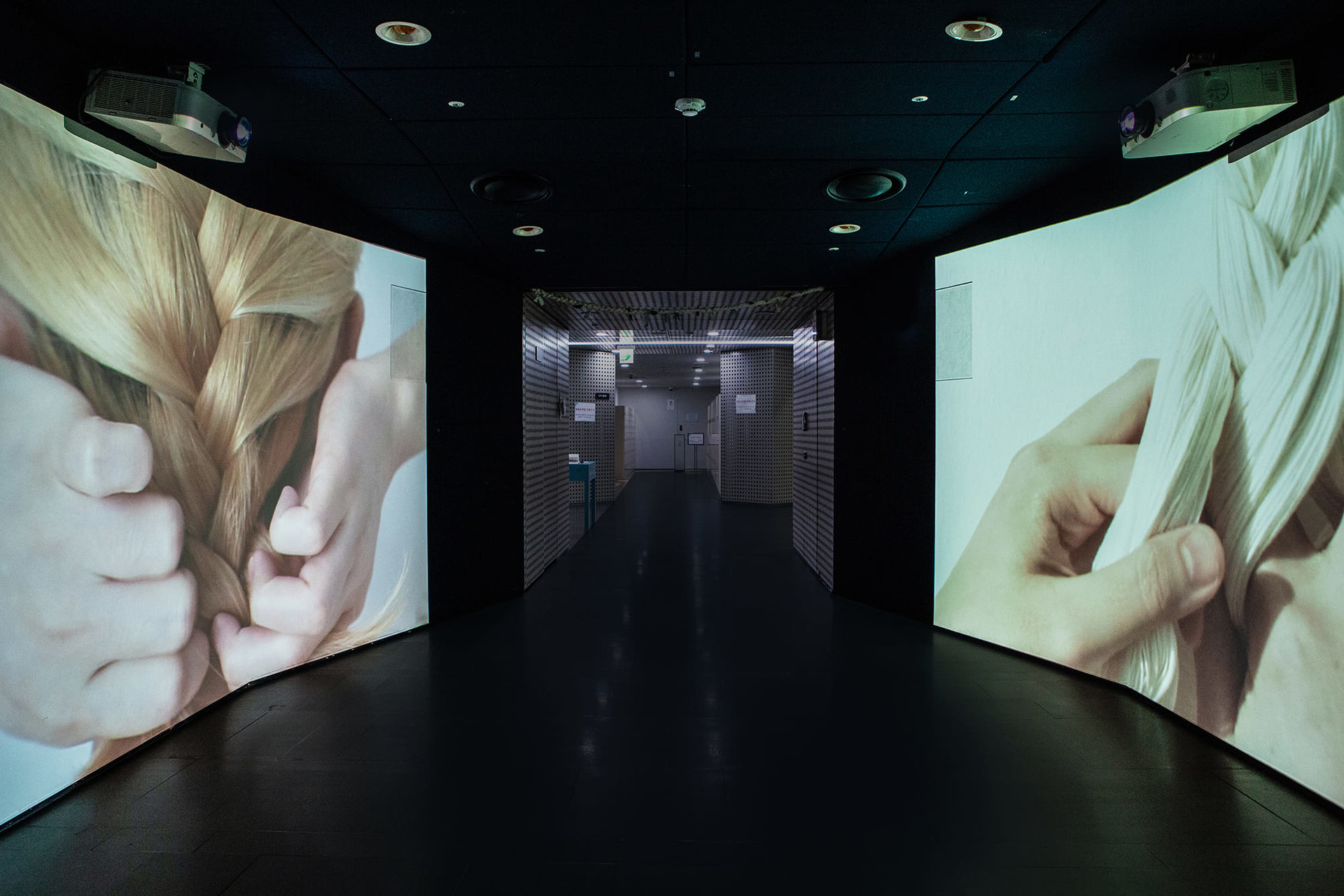
1. Hee Vaak deals not with devout faith itself, but with the conditions under which faith arises and the course it takes. For this reason, focusing only on sacred images in her work is insufficient for understanding Hee Vaak’s world. Rather, the core lies in how she handles art, and in what that method can expose in us.
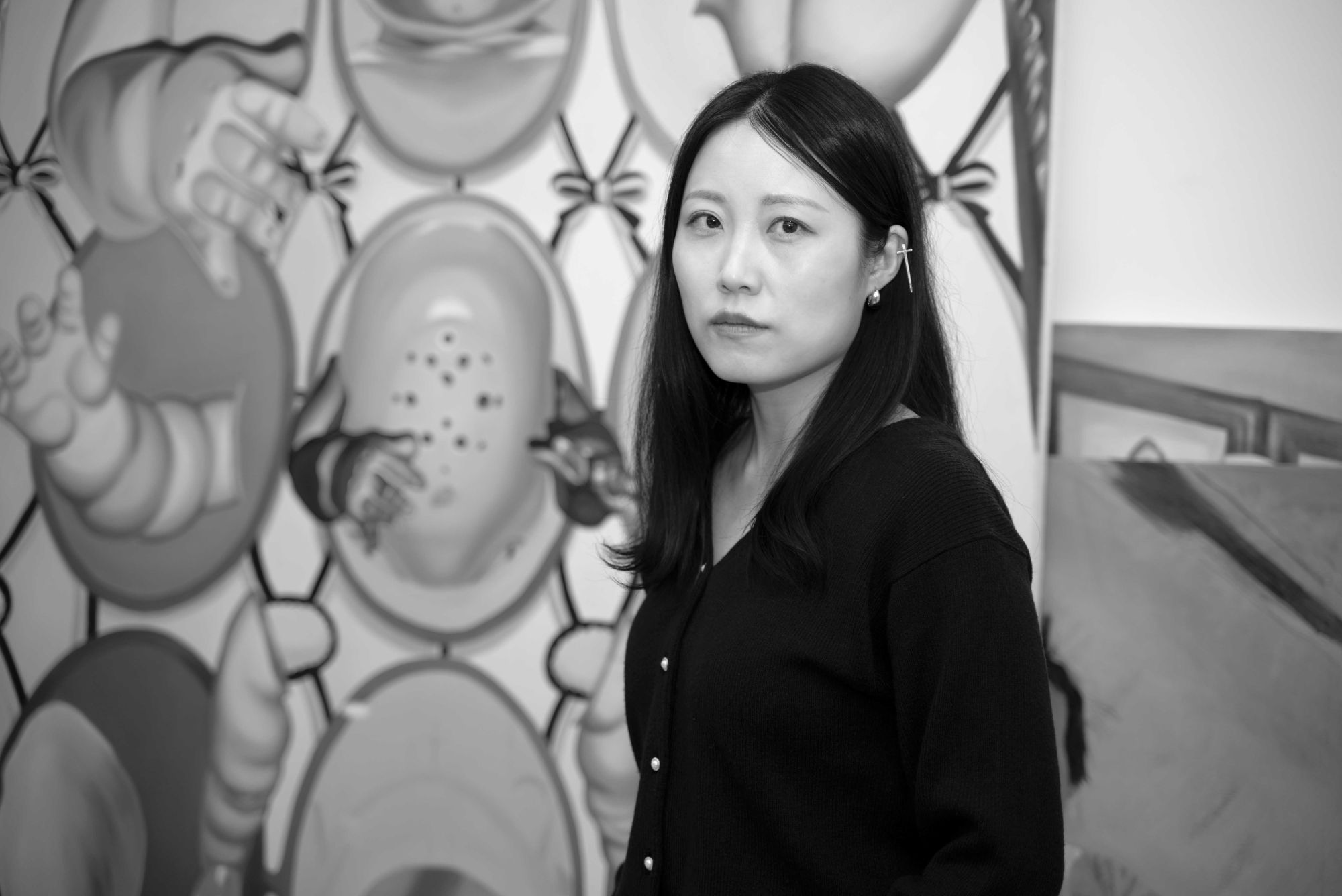
Unlike many artists who deal with contemporary religion, Hee Vaak is more humble than witty, and she seeks reflection rather than controversy. She appears to understand well what the symbols she handles may mean to others. This is probably because Hee Vaak’s iconography begins from the memory of childhood, when she sincerely wanted to become a nun.
Beginning not from propositions and declarations but from intimate experience — this is the point that distinguishes Hee Vaak from countless contemporary works that “speak.”
2. Many contemporary artworks speak. They usually contain contents that can be summarized in the form of propositions. So we can appreciate them and summarize them into one or two propositions. The problem lies here. Let us call the set of contents that can be summarized from speaking artworks A.
If the purpose of an artwork is the delivery or acquisition of A, is there any necessary reason why A must be delivered or acquired through an artwork? If the purpose of the work is such, it would be better in many ways to read a paper or report that organizes the elements of A well. Speaking art is often accompanied by a blind and dogmatic attitude, and this is sometimes packaged under the name of enlightenment.
In Lee Kwang-su’s 『Mujeong』, Hyeongsik cries, “Science! Science!” and this ruins the work at a decisive moment. If the purpose is to know about enlightenment, it is better in many ways to read Kant’s 『An Answer to the Question: What Is Enlightenment?』. There is no special reason why art should be sacrificed for a proposition. Speaking art, in the end, does not need itself.
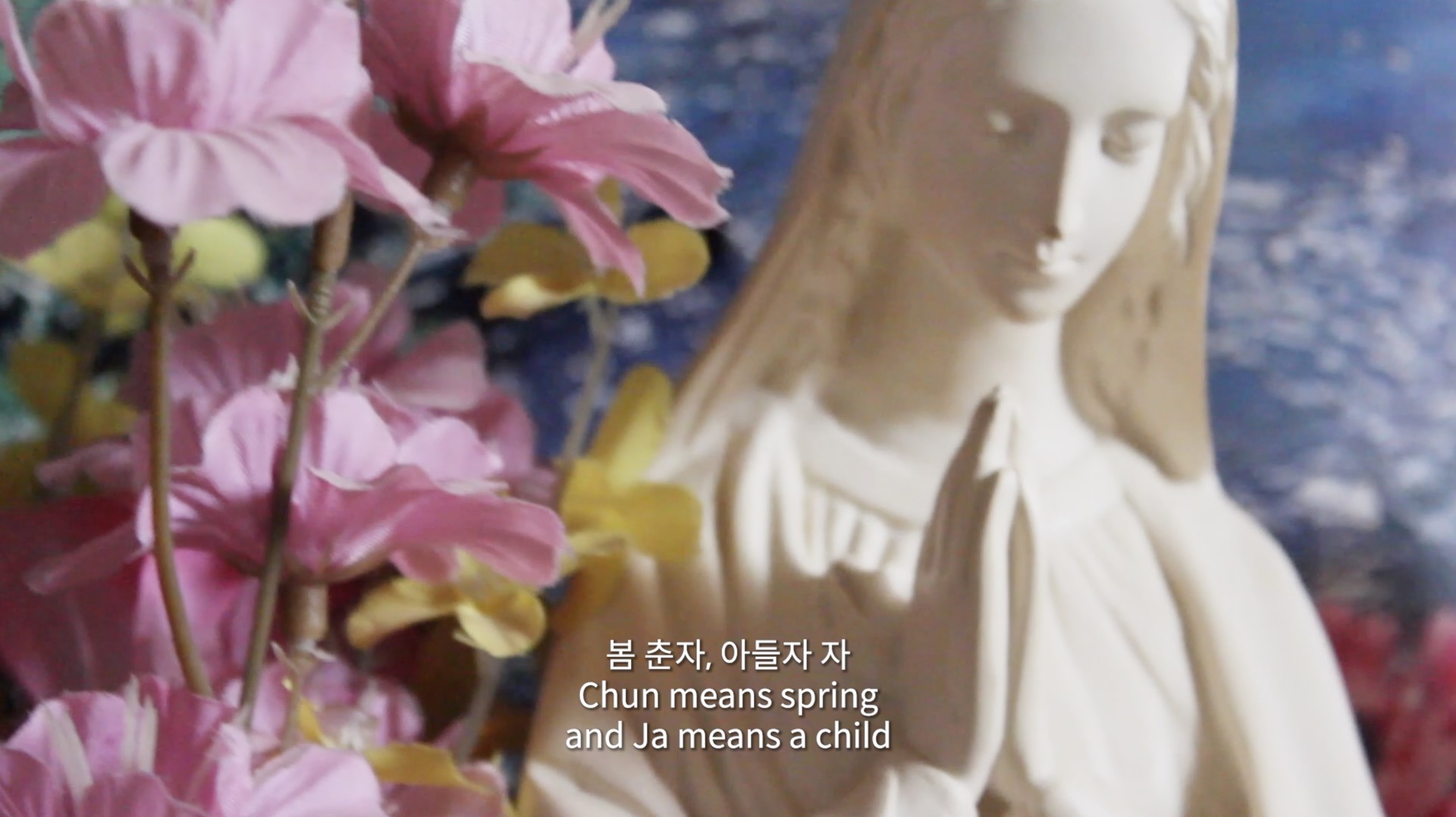
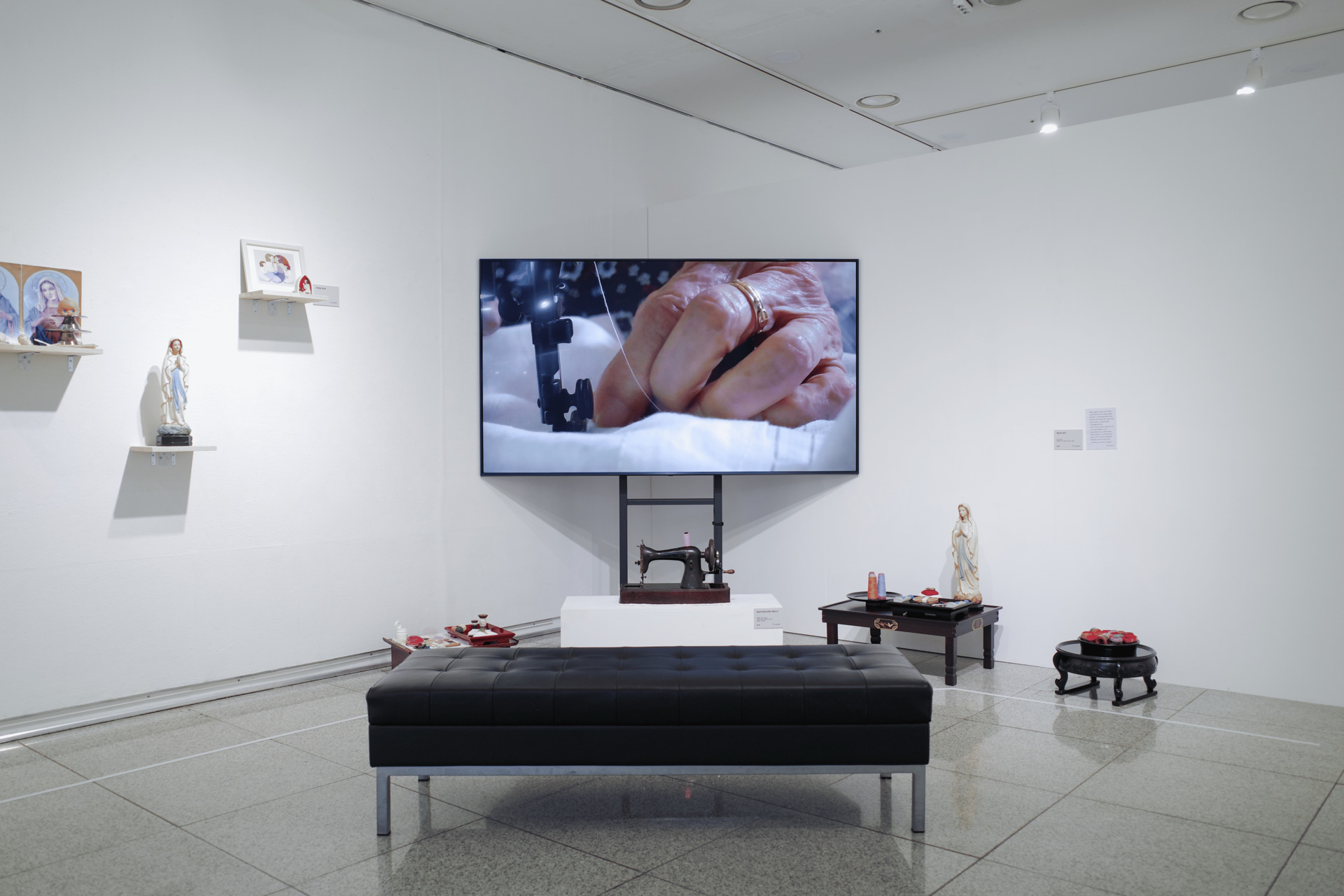
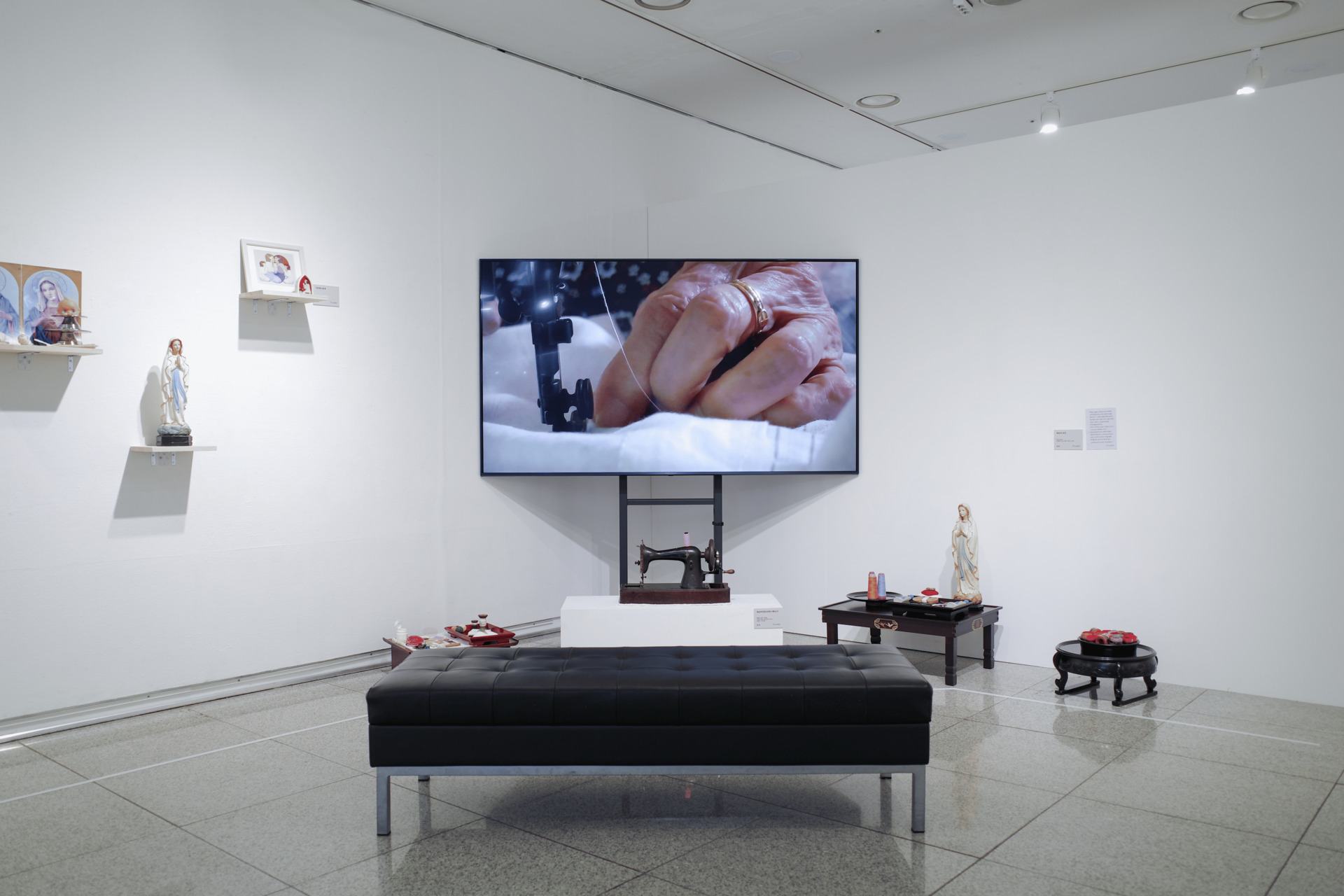
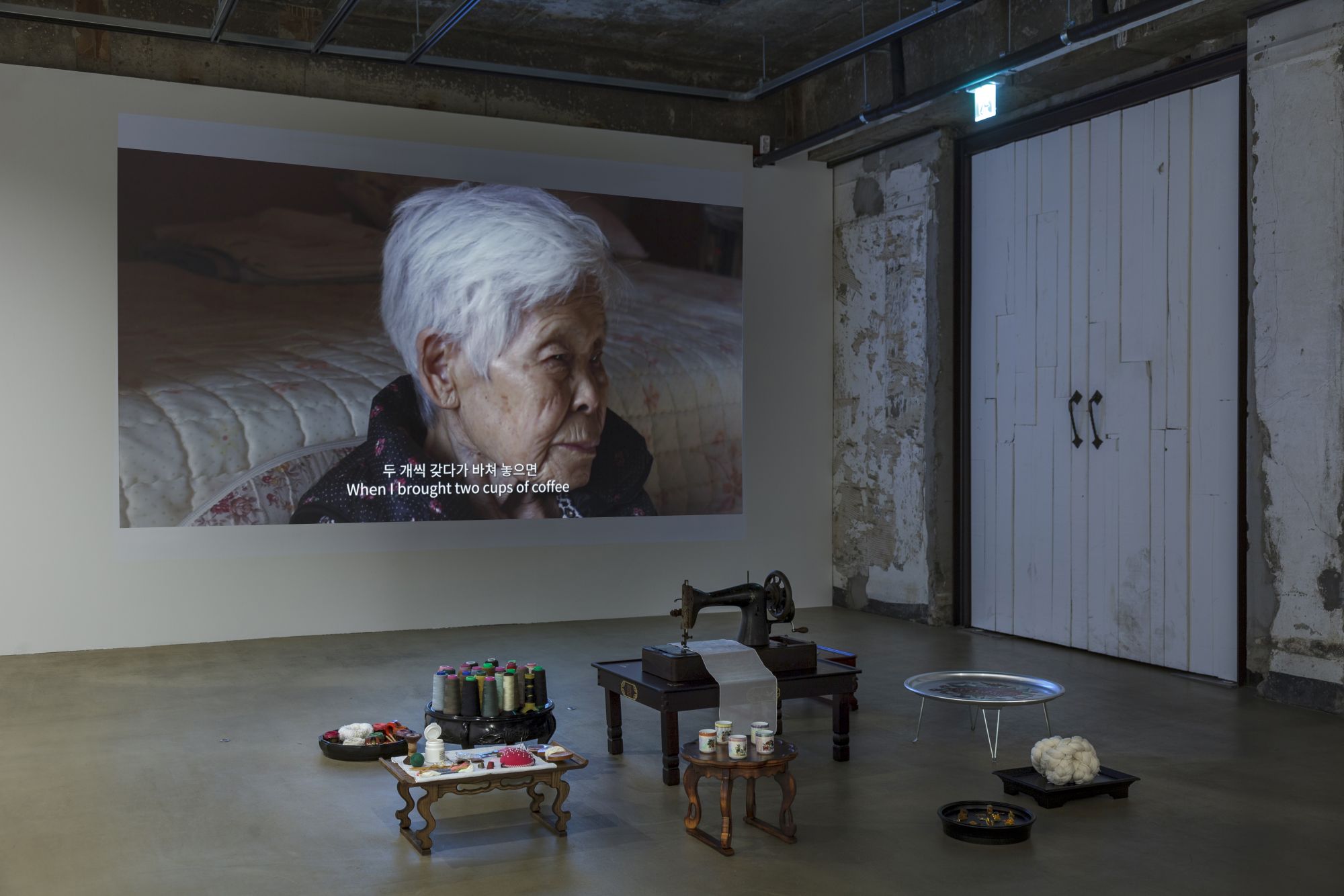
Hee Vaak stands on the opposite side of “speaking art.” In the short film Pieces of Oksoon, she traces her maternal grandmother for a very long time. Hee Vaak’s camera begins rolling from the moment she learns that her grandmother had other names besides Oksoon: Saikyokujun, Chunja, and Haruae.
There is the story of Chunja, a girl who grew up under a French priest at Dapdong Cathedral and wished to become a nun; of Saikyokujun, a young woman who endured the turbulent times in factories in Manchuria and Osaka; and of Oksoon, an elderly woman who quietly attended Mass every week at church. Is there a clear claim in Pieces of Oksoon? There is not. Hee Vaak simply walks quietly alongside Oksoon.
Nevertheless, we can see propositions there, we can see ethics, and we can see the trajectory through which our world has been established. Some art calls upon figures for the sake of ideology, while some art encounters the world together with figures. Contemplation is the first way of showing without speaking, and a more refined way of using one’s own intellect. Hee Vaak’s work resembles good literature.
3. Speaking art does not need itself, but not all speaking art is blind or dogmatic. Some speaking art, as sociology does, uses its speech as an “exposure” of the world. Some works by Barbara Kruger or Jenny Holzer are like this.
There, words crack the “belief system,” the set of justified beliefs that we have already accepted. “Things do not exist as we see them.” This is the first insight sociology gives us. The condition under which one can call an artwork sociological depends on whether it can expose.
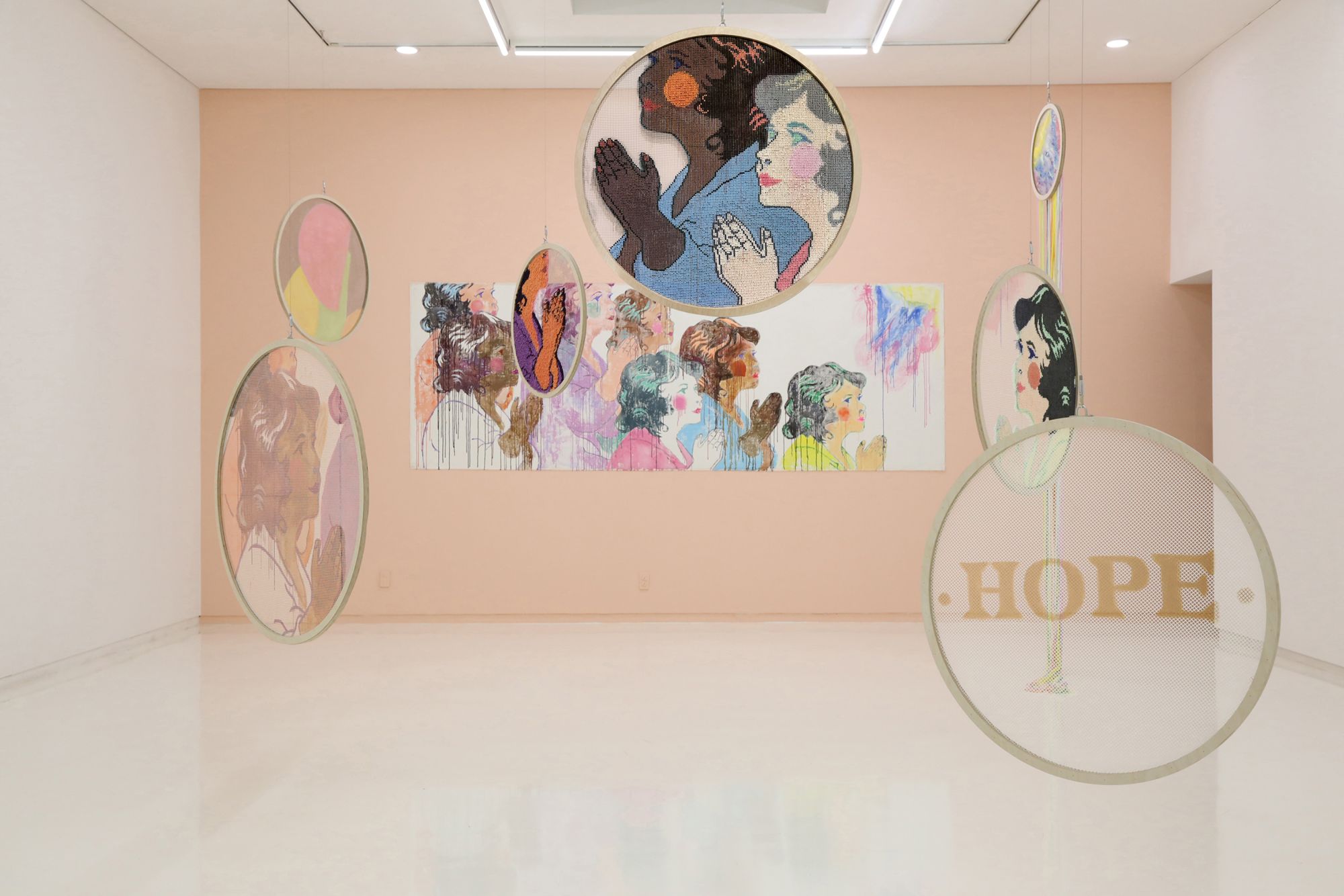
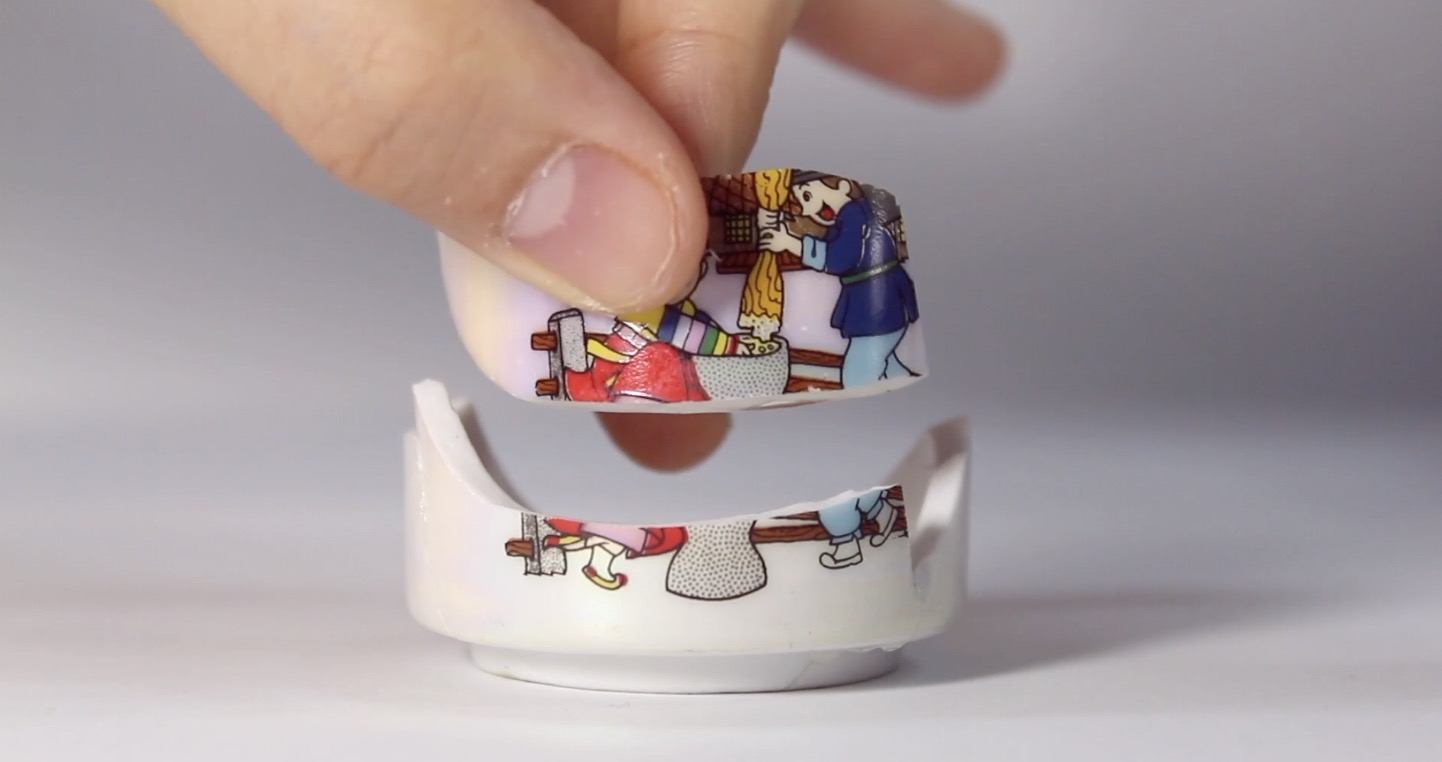
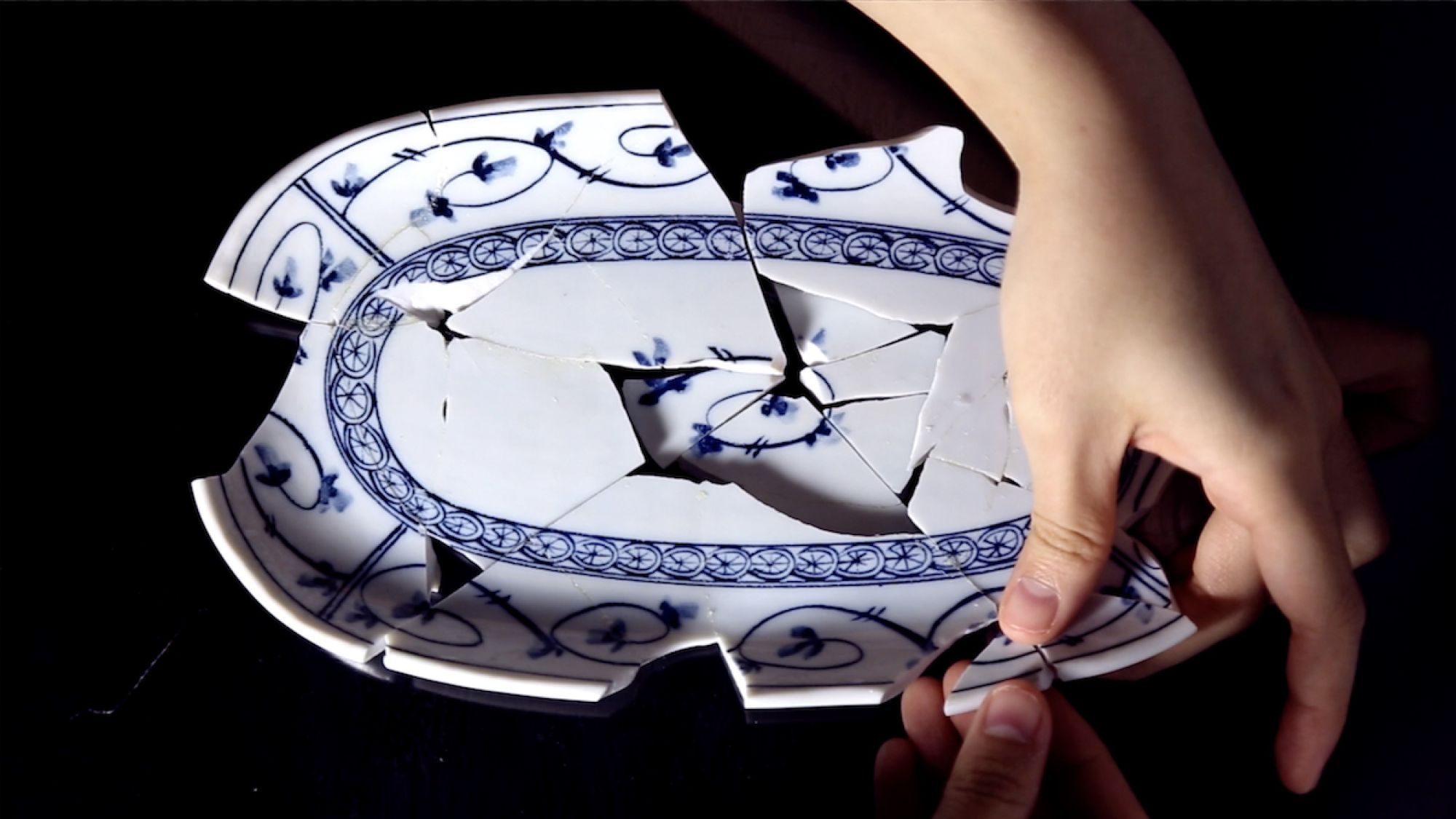
However, our Hee Vaak shows that one can expose plenty without speaking. What she shows is the world after faith, the secularized contemporary. Occupying one side of the exhibition space, A world that works by faith exposes, just as its title says, that our world may not be built upon self-evident foundations. There, Hee Vaak separates the process of believing from the result that follows.
Only when there is faith does the world begin to operate. In fact, faith, as Hee Vaak’s work shows, is faith only when it has been “justified.” Justification is a process, and faith is its result. And the collection of these constitutes our world. Of course, there is no guarantee that the collection of our beliefs is true. That is a separate issue.
For Hee Vaak, who separates the process and result of faith, faith is not self-evident but merely a cognitive process of the mind. “A belief system operates only when one believes.” This is the mode of thought of a secularized world that has abandoned strict foundationalism and chosen coherentism.
In a world that has lost religion, religion is not a self-evident foundation in itself, but one worldview — that is, one among many belief systems. Therefore, it can differ, and not criticizing difference becomes a virtue of the times. The Constitution of Korea also guarantees freedom of religion(Article 20). Hee Vaak’s work is sufficiently sociological.
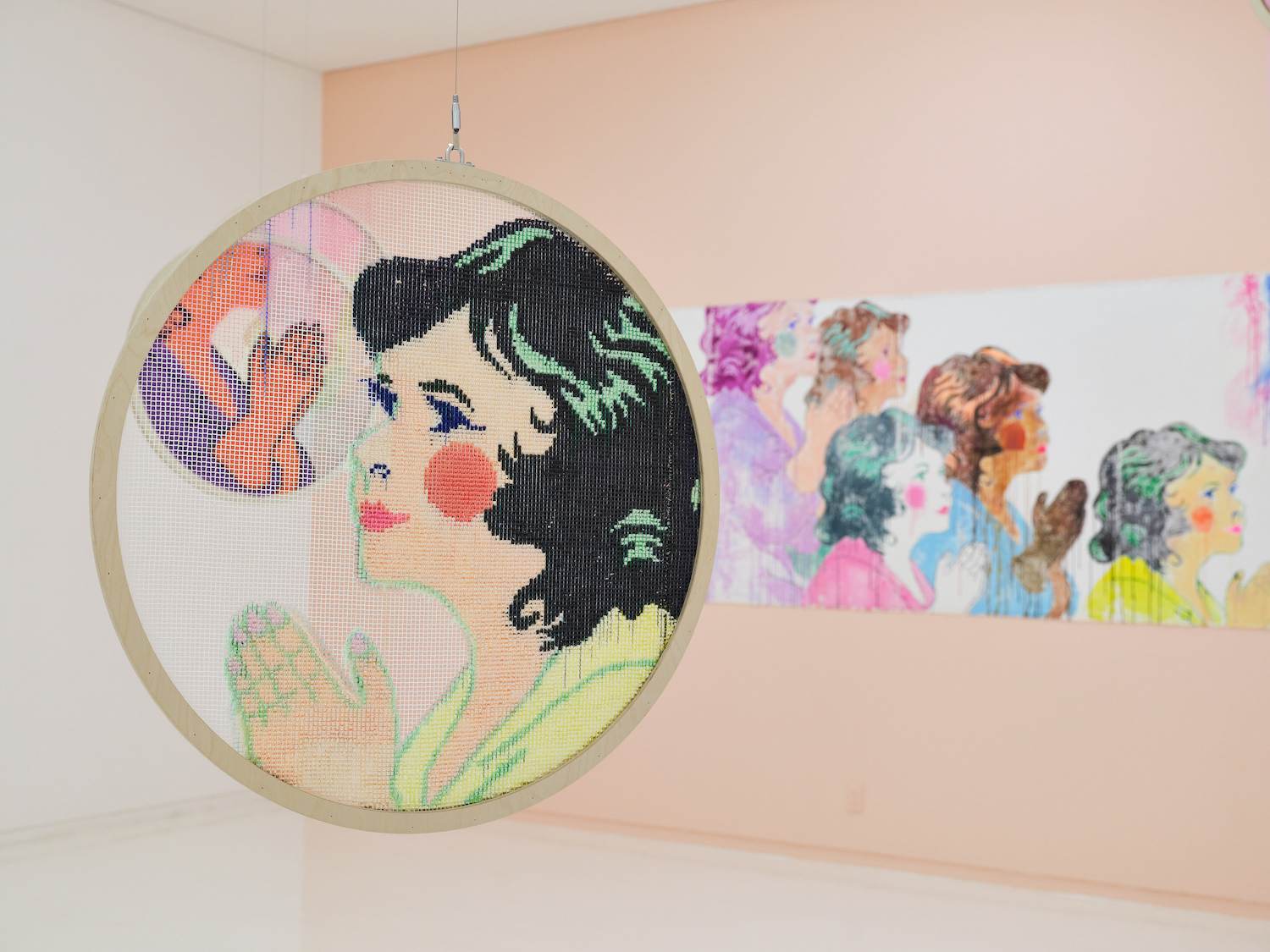
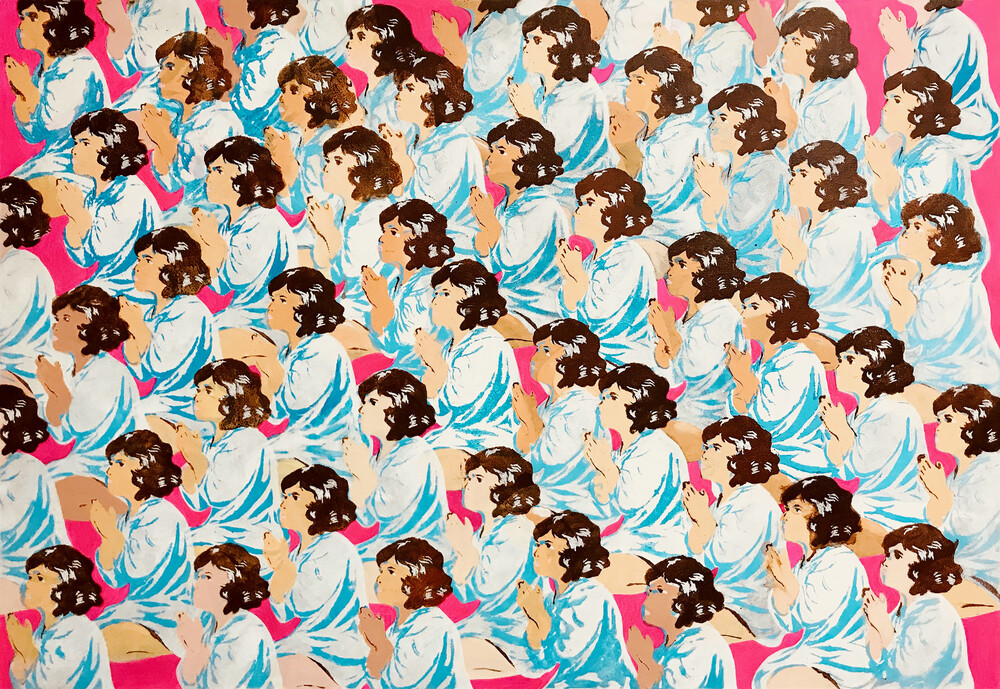
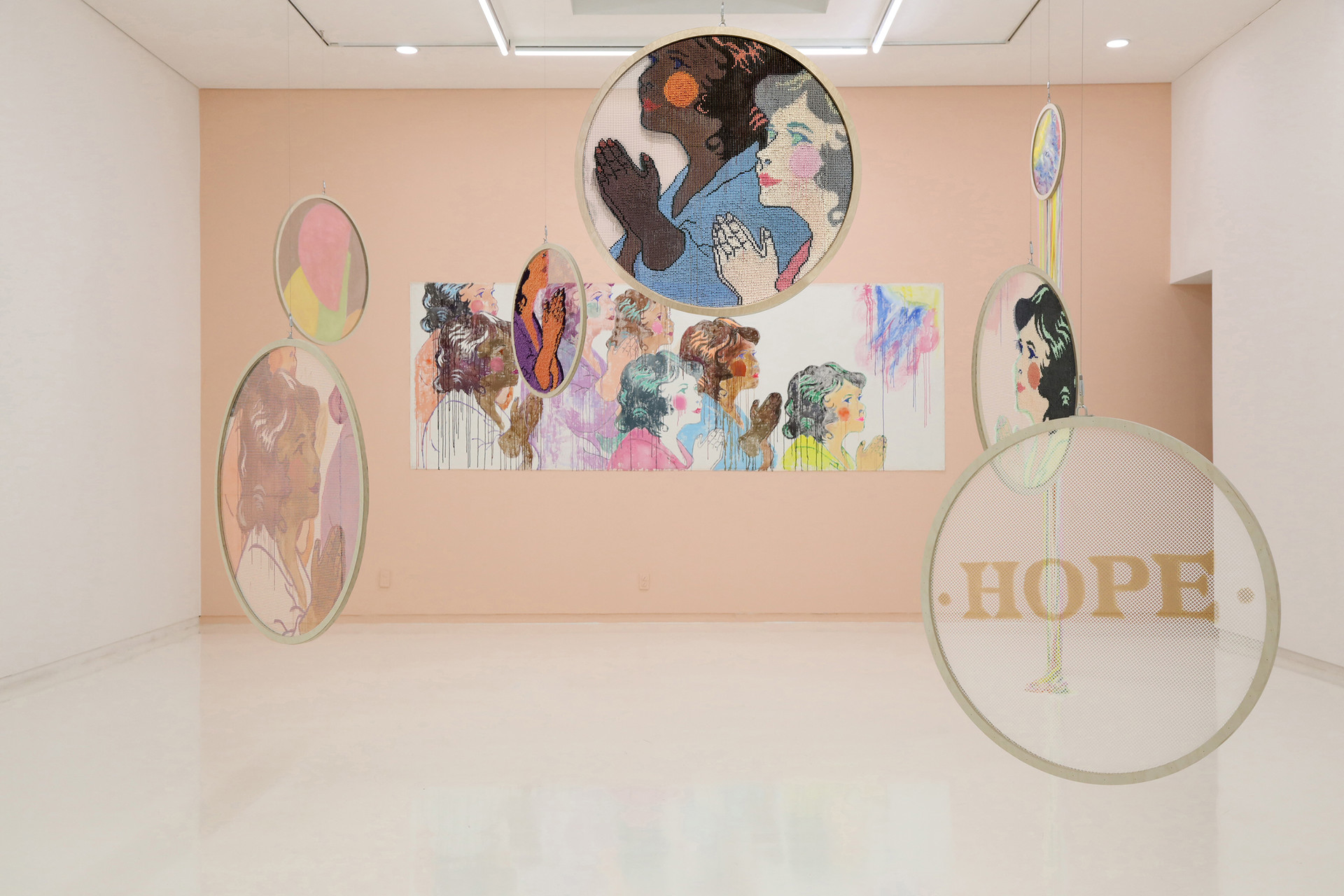
From a dry secularist position, Hee Vaak seriously observes the course of things that can become the foundations of the world. In Hoping for a Safe Day, The image was originally Joshua Reynolds’s The Infant Samuel. Samuel in the original work is a devoutly praying boy, but after coming to Korea, he became a girl and was mass-distributed in increasingly crude forms through mass production.
There, Hee Vaak sees neither religious doctrine that forbids prayers for worldly blessings, nor the authenticity or sanctity of the image. Hee Vaak finds the reason this image could become popular in the natural tendency of the human mind to “wish for safety and pray for blessings” in a harsh world.
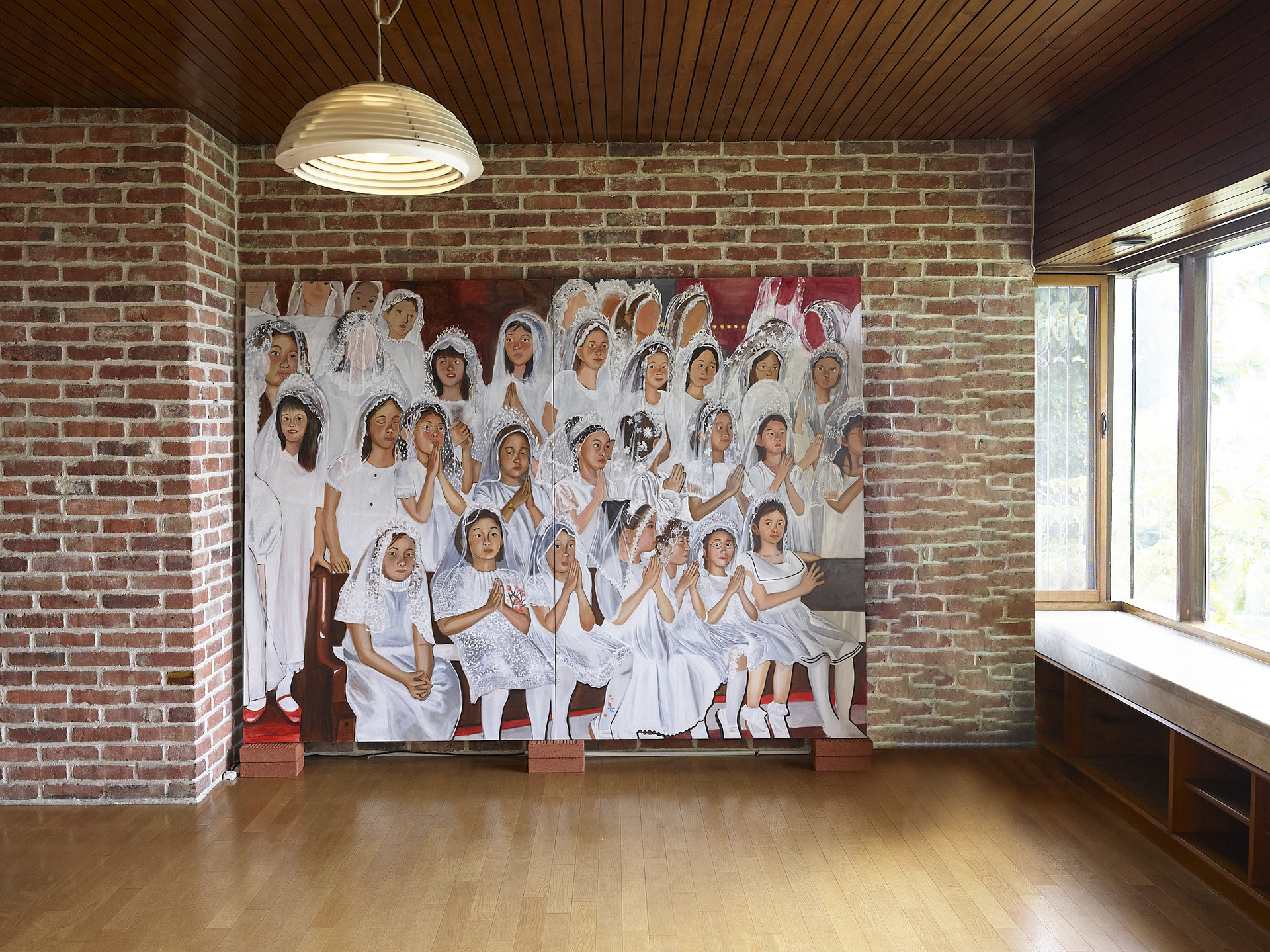
When her work deals with the human being who becomes the condition of faith rather than devout faith itself, Hee Vaak’s work resembles contemporary ethnographic studies. The relationship between image and faith is the core of the “praying girl” works. Hee Vaak excellently reinterprets one branch of the philosophical debate on medieval icons.
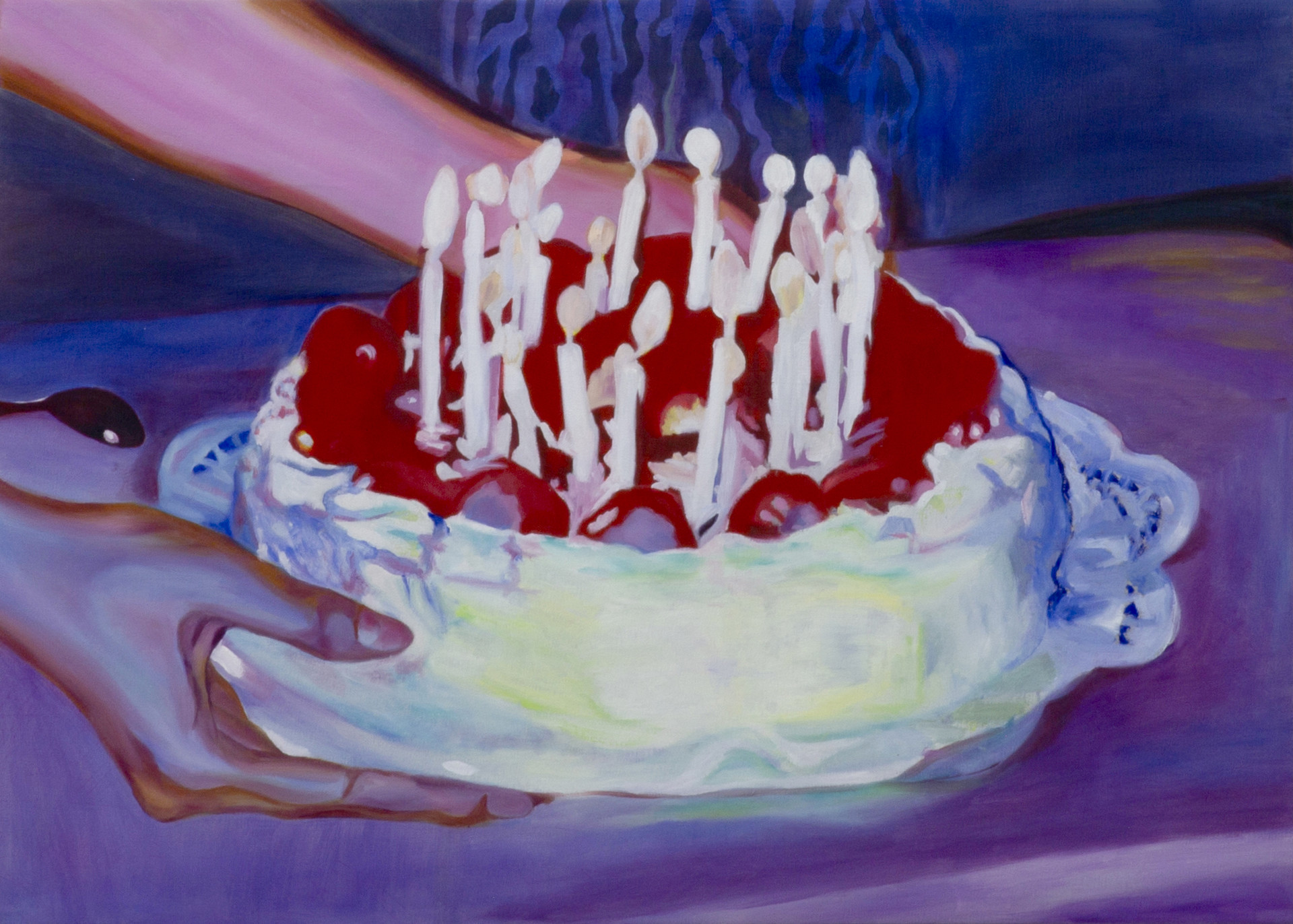
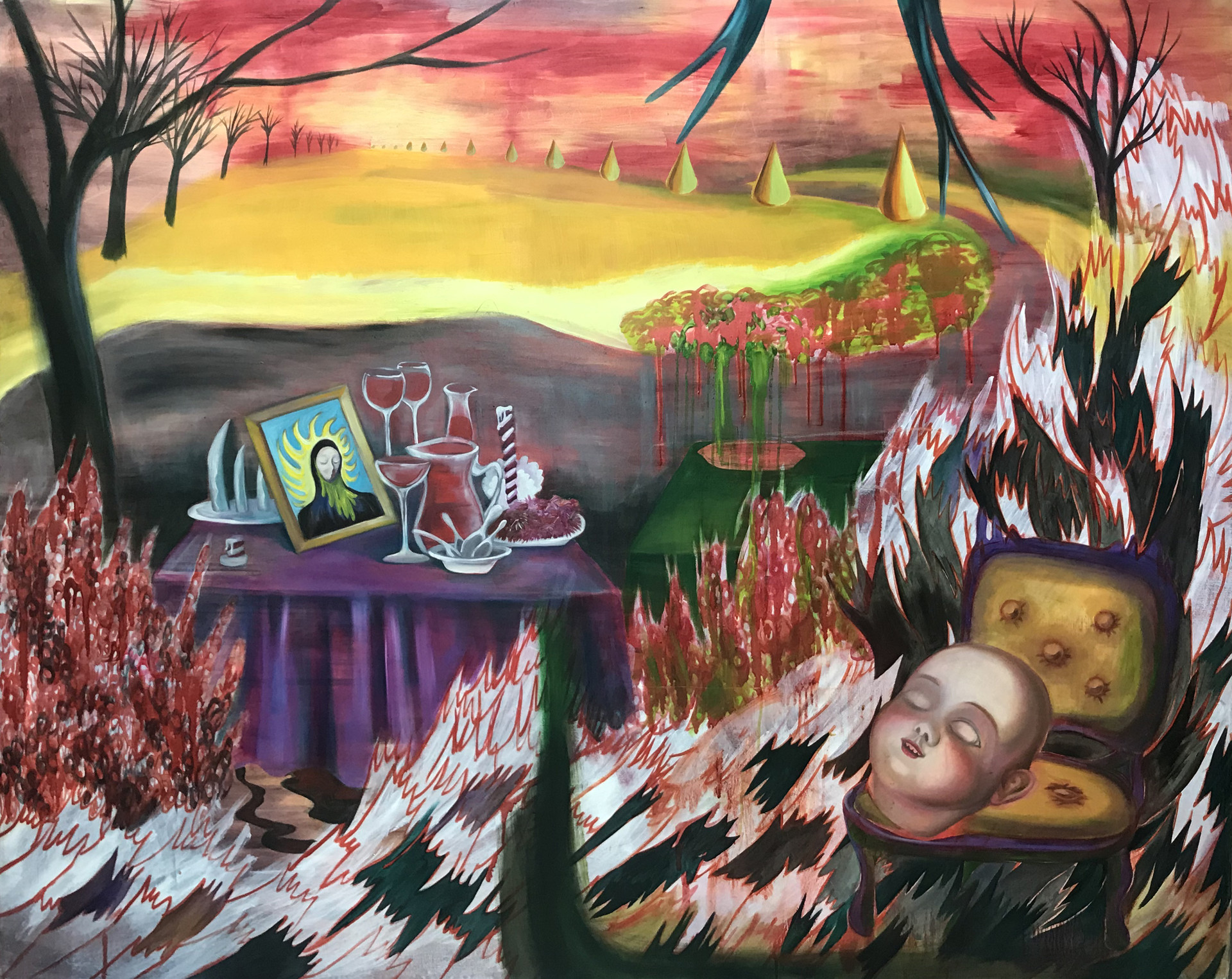
4. Hee Vaak no longer wants to become a nun. She sees that memory as a memory of oppression, using expressions such as “inherited through generations” along the line of grandmothers, or “forced upon herself.” The blurry image of the first 1996 painted in 2009 is probably what Hee Vaak thinks of as her childhood. Hee Vaak recalls the day when she did not go to church and yet was not struck by lightning.
A conditional statement is false only in the single case where the antecedent is true and the consequent is false. After the day she was not struck by lightning, she says, “There is no gold that does not decay.” Perhaps that is almost the same as saying, “Nothing eternal exists.”
Although it cannot be denied that Hee Vaak has such a dry secularist gaze, it is difficult to see this as kitsch or as close to blasphemy. This is because Hee Vaak’s work is humble, and appears to seek reflection rather than controversy.
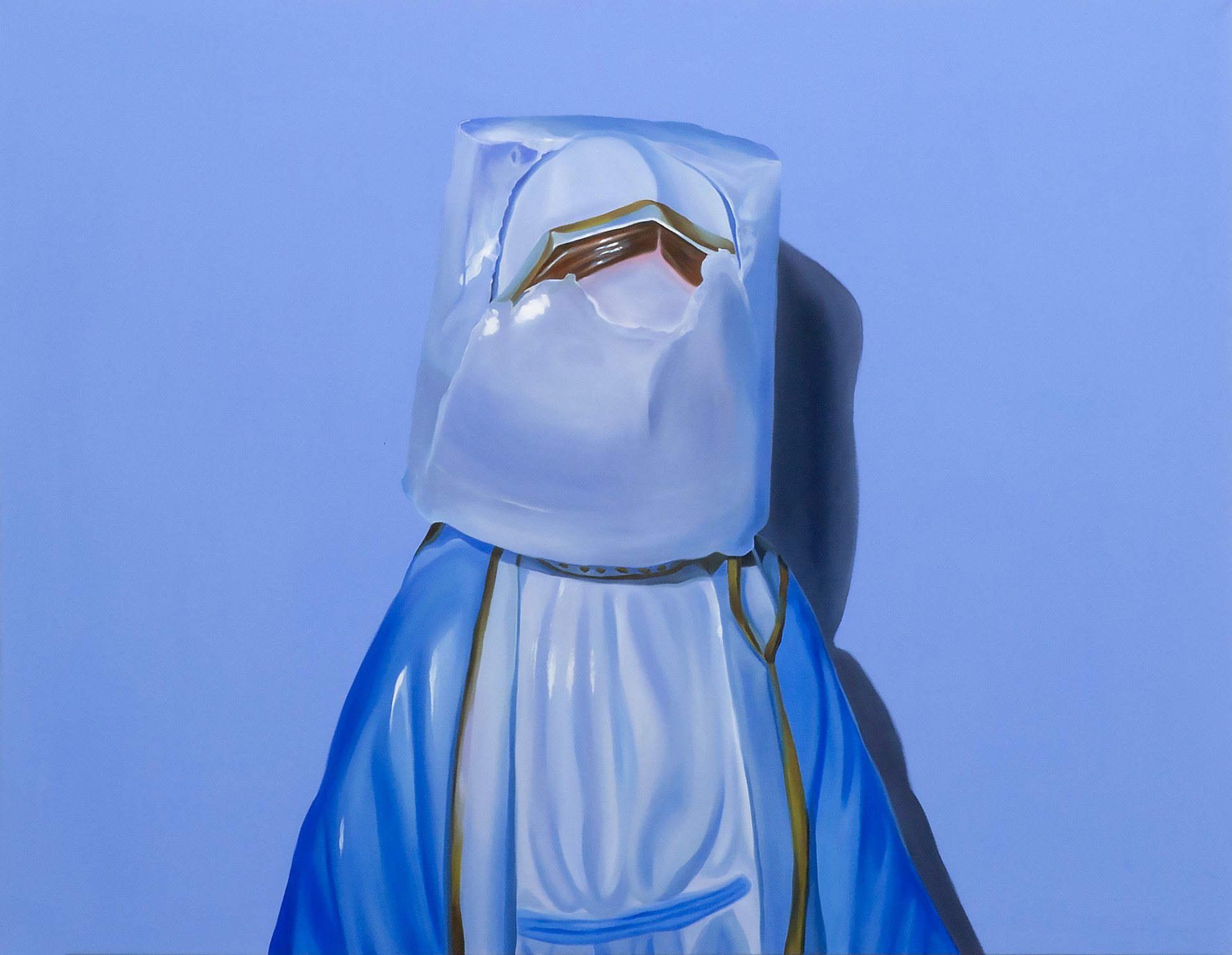
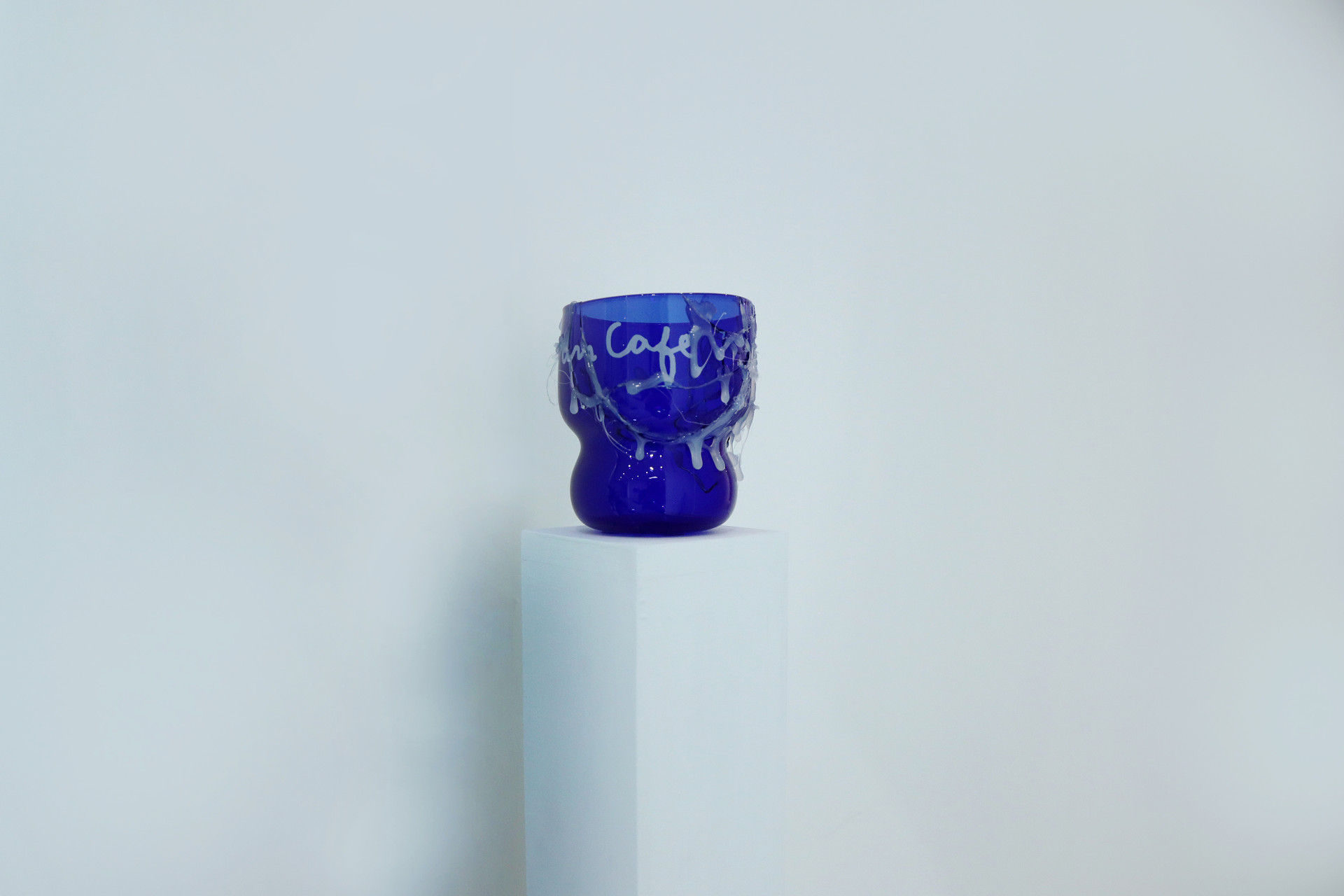
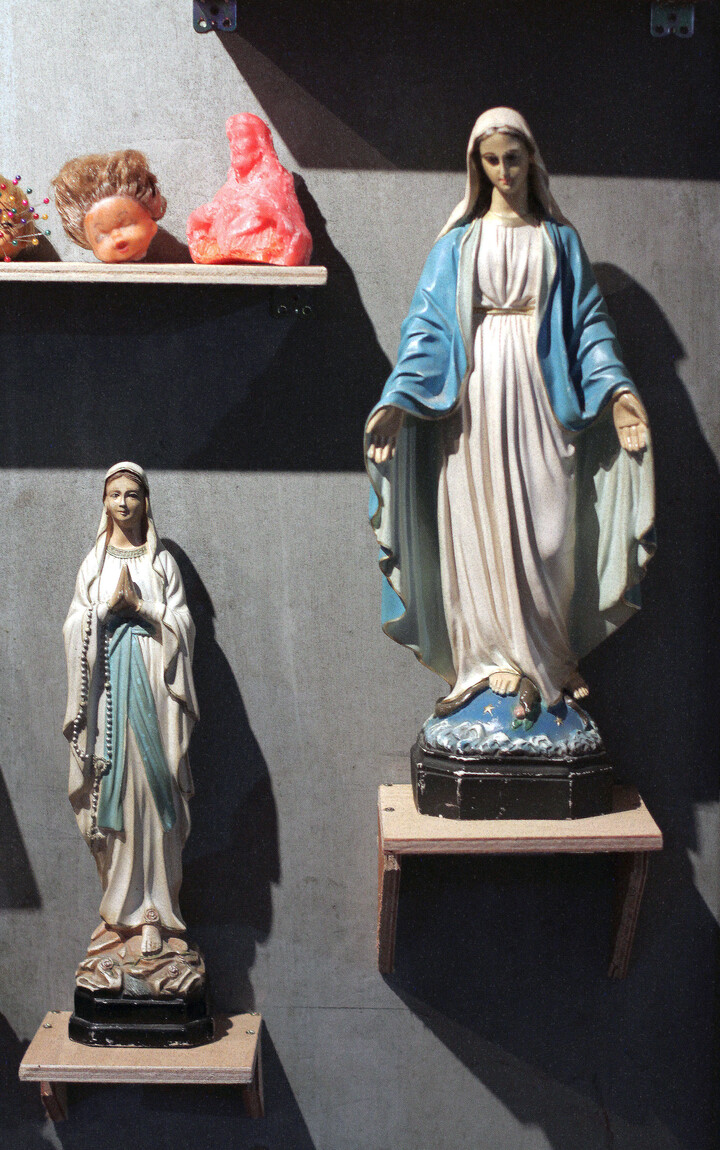
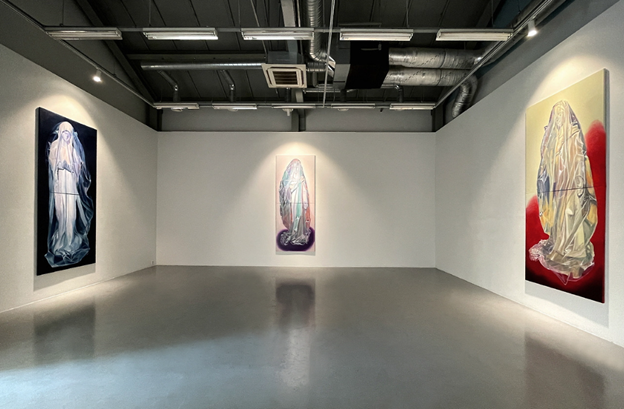
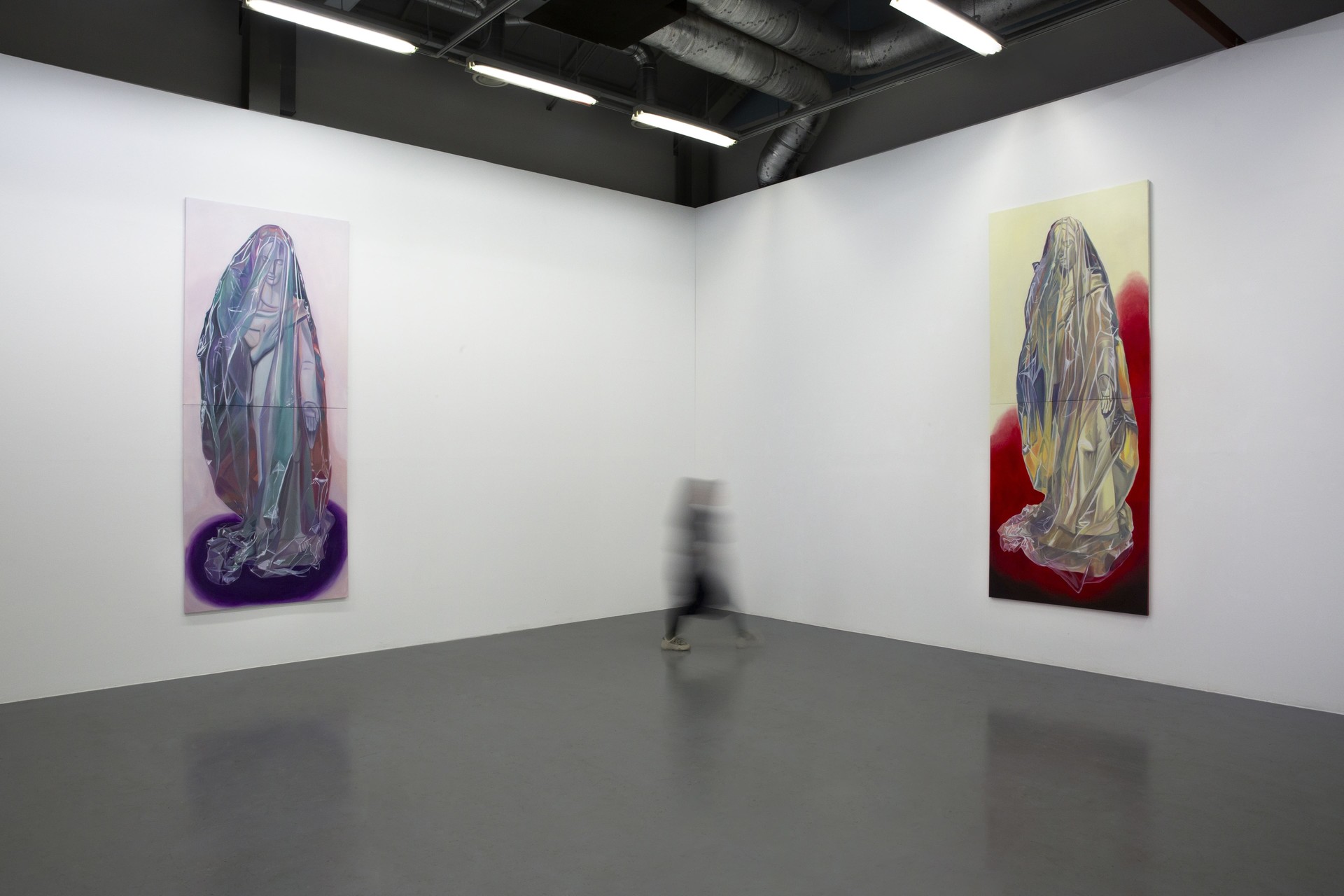
Hee Vaak’s ambivalent feelings toward religion seem to determine the strange impression of each work. Hee Vaak’s Pink to Purple is a statue of the Virgin Mary wrapped in plastic packaging before being blessed as a sacred object in church. In the object inside the packaging, she sees at once a secular industrial product and a sacred devotional object.
This double gaze, which sees two opposing attributes in a single object, shows that she still retains respect for religion. Hee Vaak’s dual attitude appears a little clearer in the very quiet-looking blue Maria.
There, the faceless Virgin Mary seems to metaphorize the human mind that fears facing the sacred(Exodus 33:20). Hee Vaak, who resembles literature, says something similar to what the English literary figure Philip Larkin said in Church Going: “Just because I do not believe now does not mean it is not sacred.”
The attitude in Hee Vaak’s work that appears to oppose blindness and dogmatism applies equally to “negation.” Rather than declaring that something does not exist, she suspends judgment. This is what is distinctive and strong about Hee Vaak’s treatment of contemporary religion in a secularized world.
The proposition “one does not get struck by lightning even if one does not go to church” is true, but Hee Vaak’s experience only confirms the truth value of that sentence and guarantees nothing more.
Ultimately, what Hee Vaak’s work shows is not a firm negation of faith, but doubt toward the habitual and blind attitude of accepting faith. It is closer to a fundamental question about our minds: what can human beings believe in and live by, even in a world after faith that appears empty?
¹ Lee Kwang-su, Mujeong, (Apple Books, 2014), 446.
² Peter L. Berger, Invitation to Sociology: A Humanistic Perspective, (New York: Anchor Books, 1963), 23.
³ The first analytic proposal to distinguish the process of believing from the result that follows was made by Alvin Goldman. See the following work: Alvin I Goldman, “What is Justified Belief?” in Justification and Knowledge, ed. George Pappas (Boston: D. Reidel, 1979), 1-25.