1.
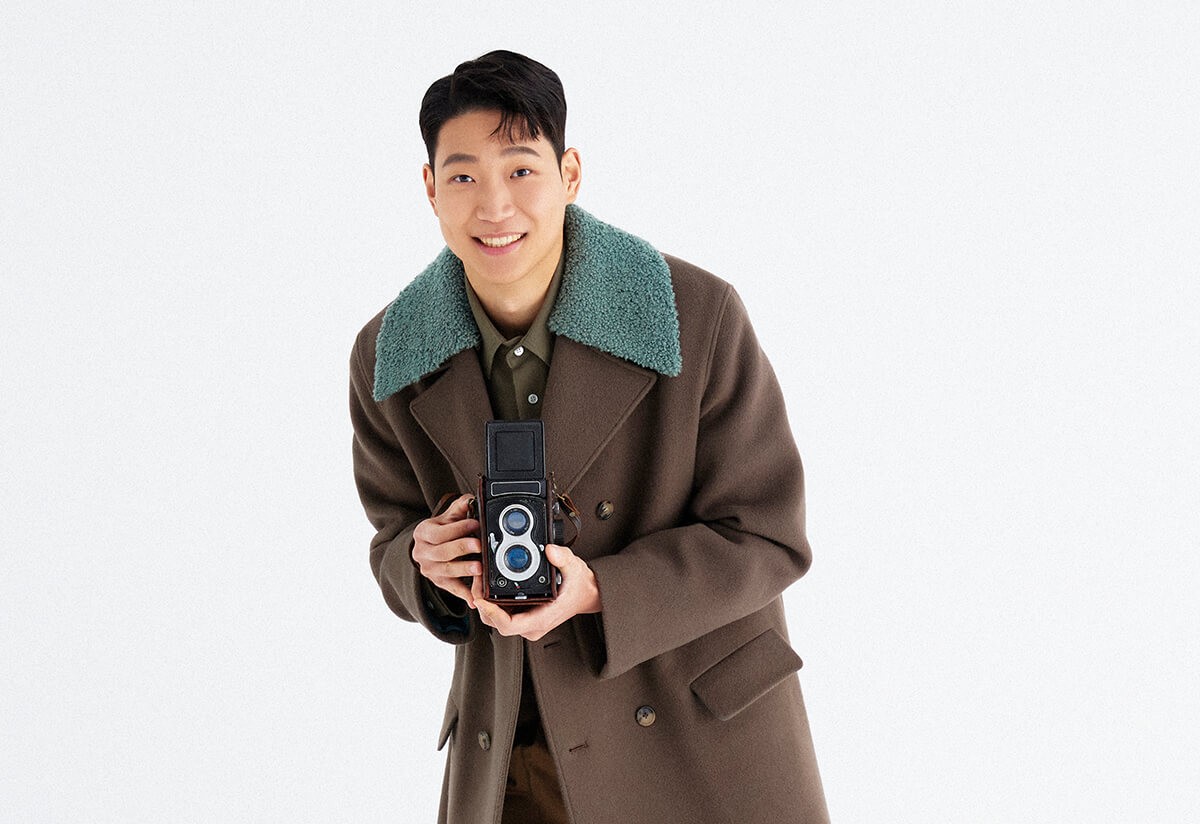
He works like an elite athlete challenging a world record. If one were to make a comparison, wrestling or pole vaulting would be appropriate. He steadily refines his techniques and, based on a trained body and tactical understanding, advances little by little toward his goal.
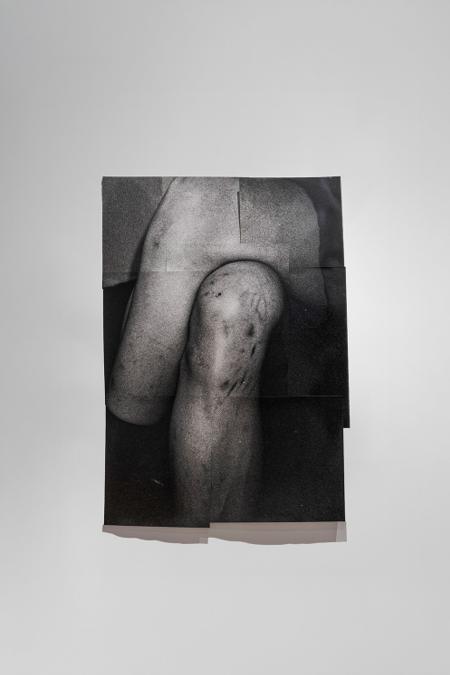
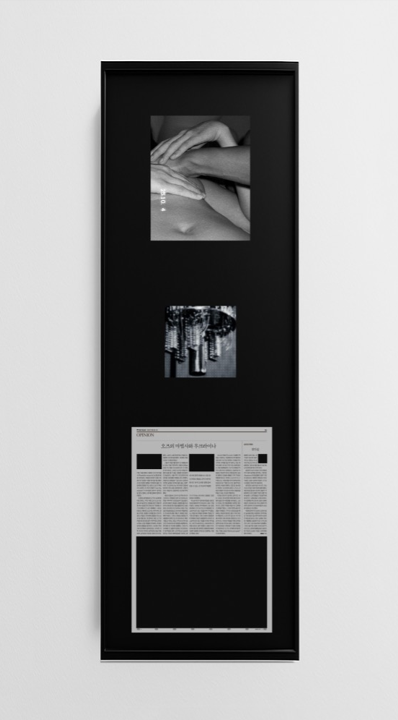
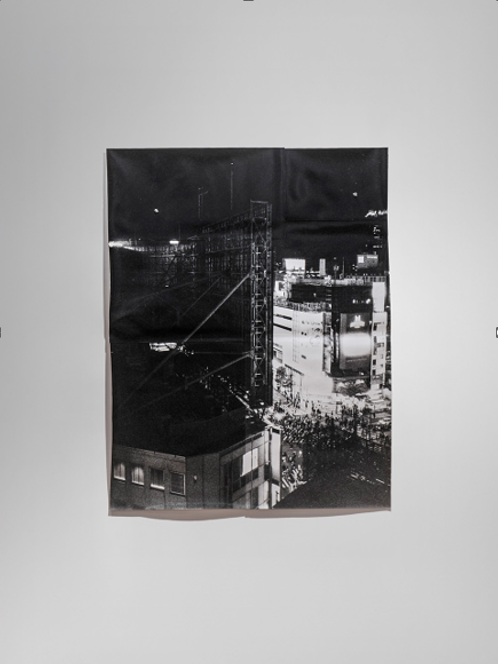
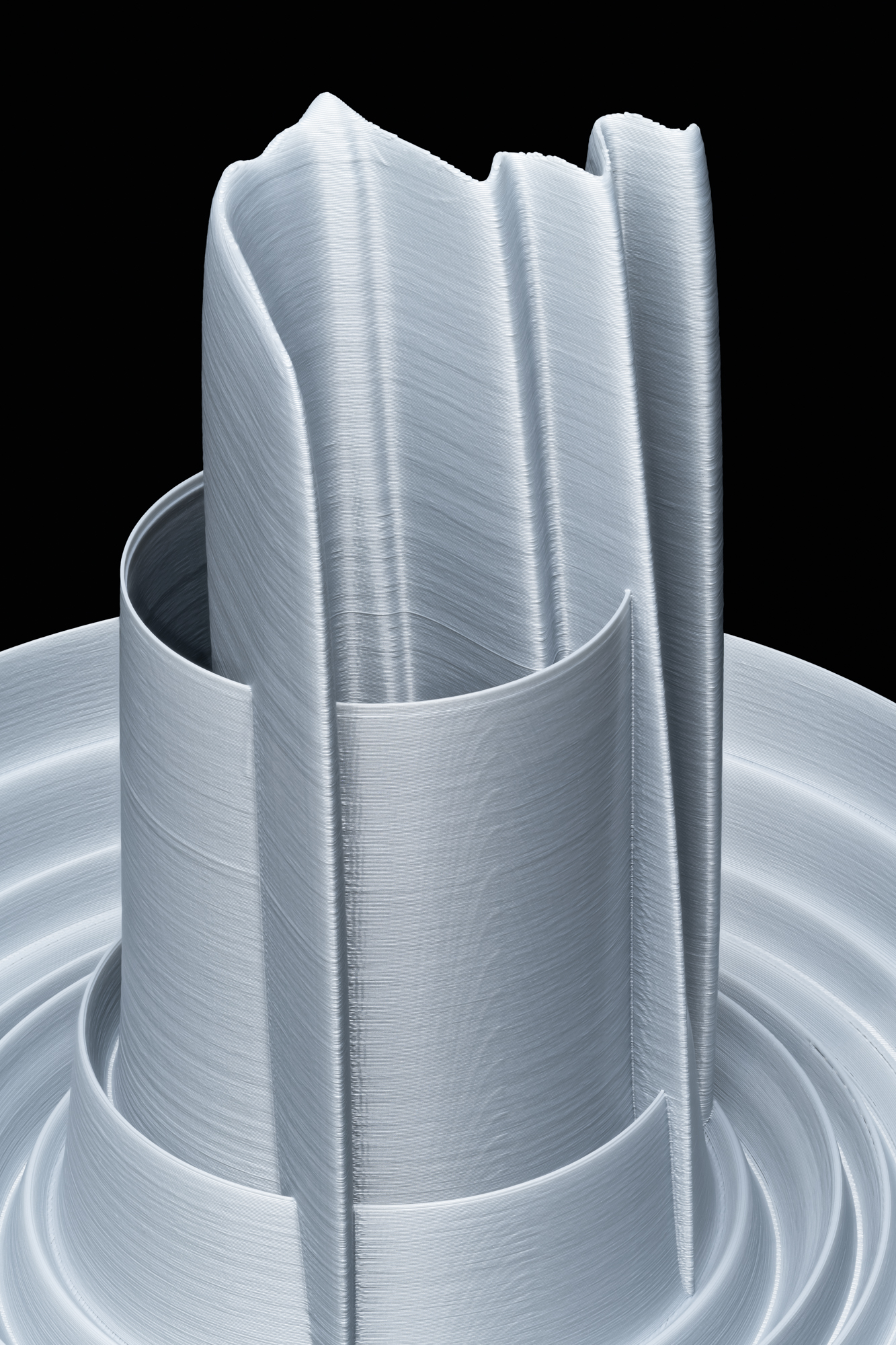
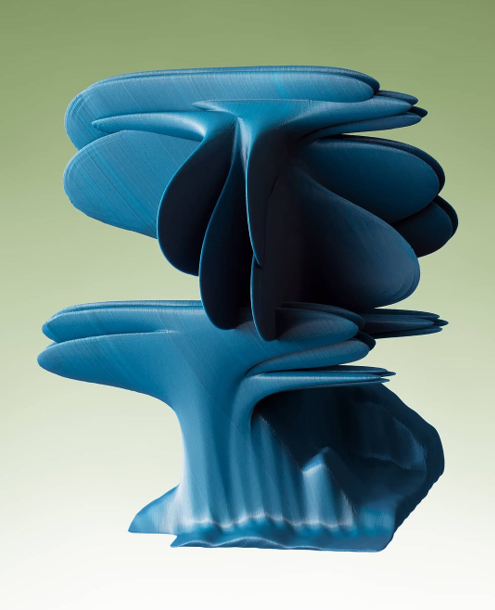
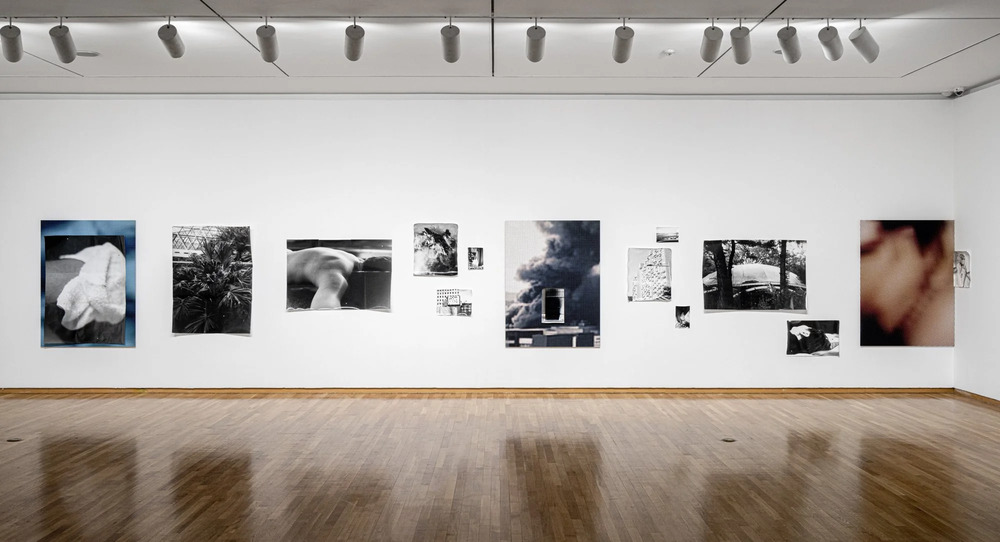
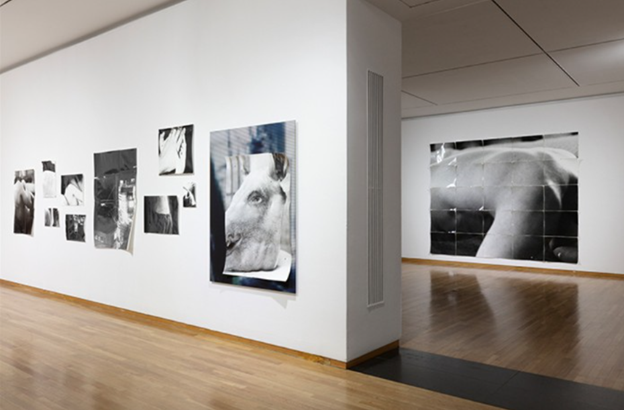
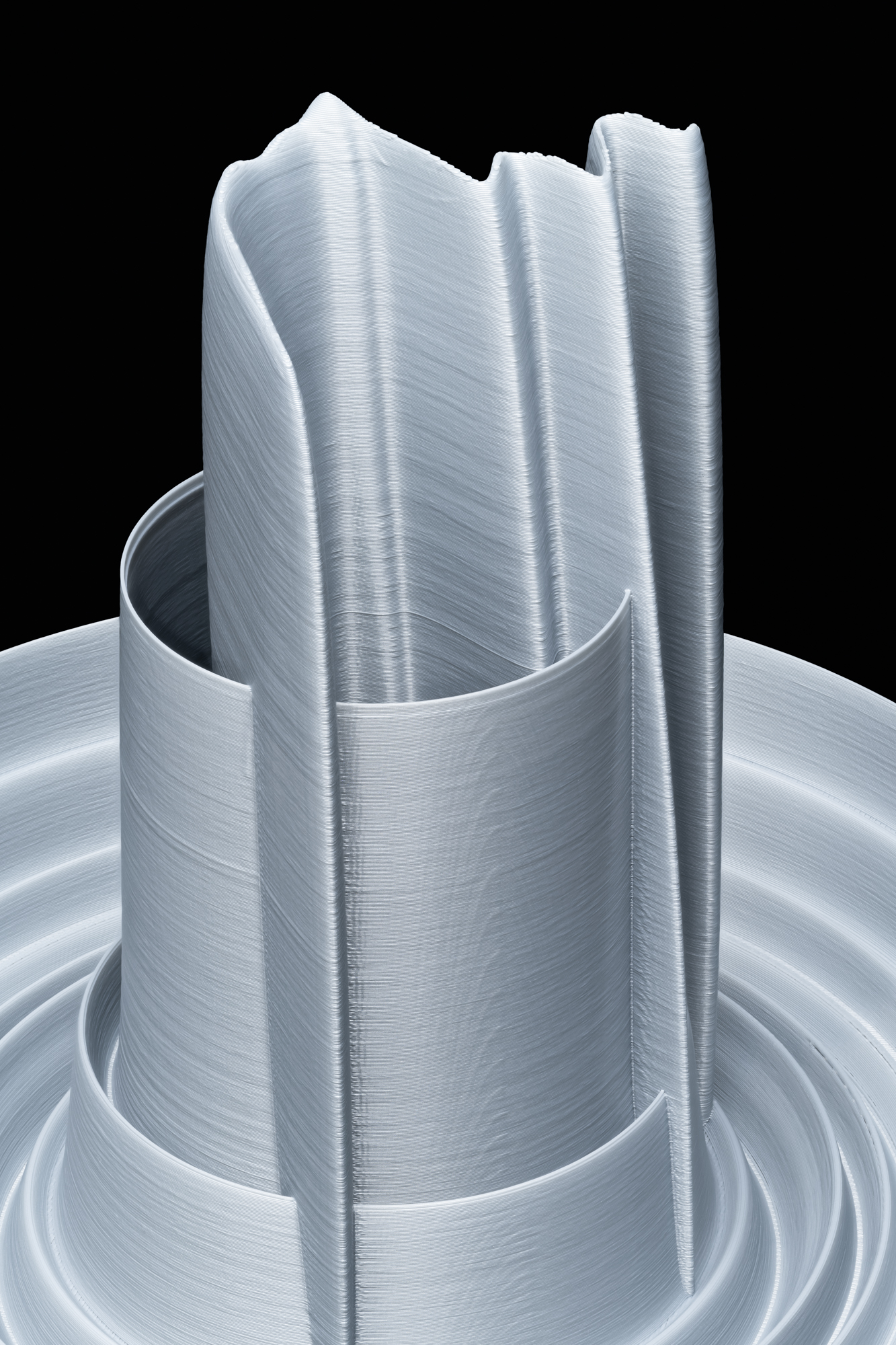
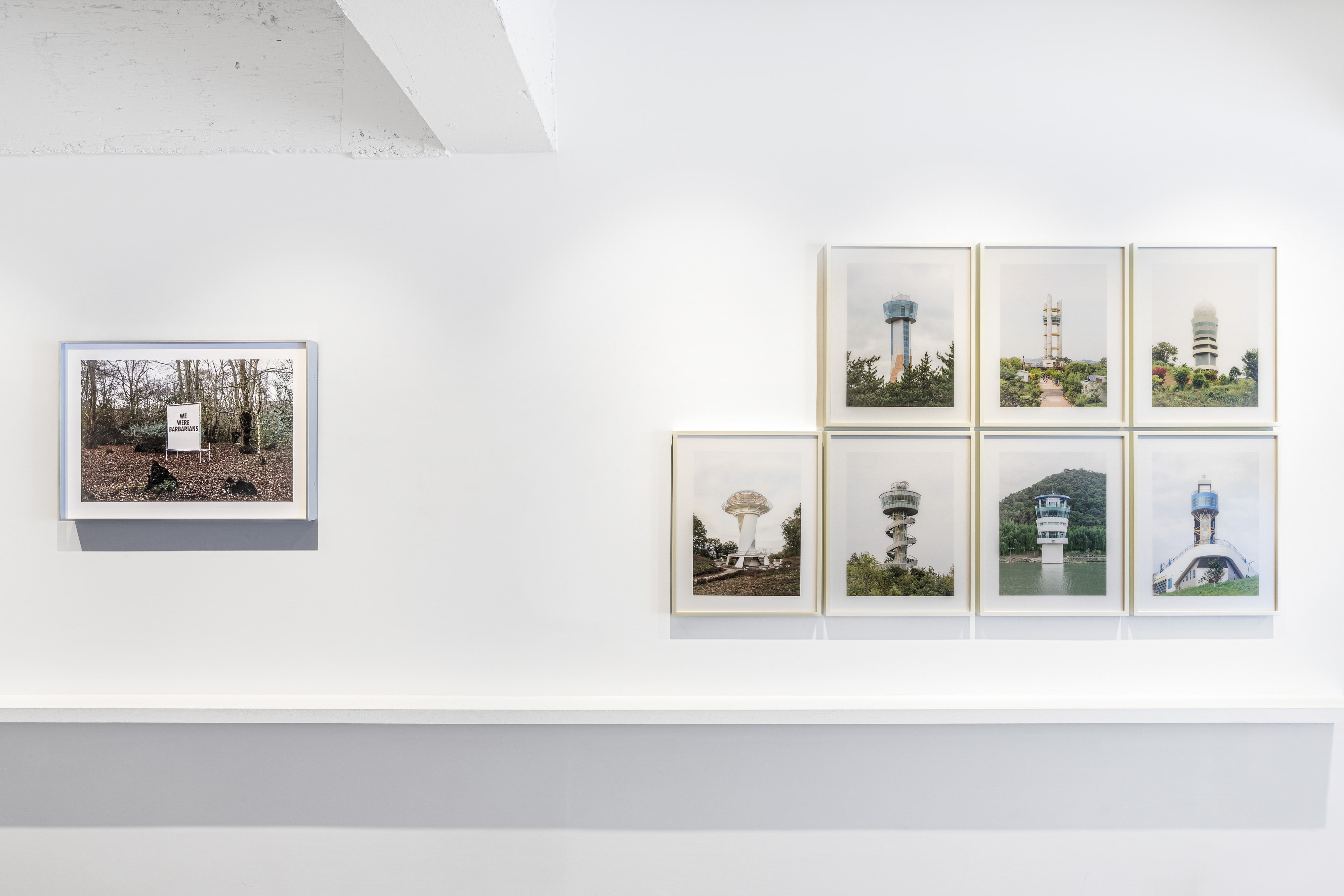
That goal, to put it somewhat grandly, seems to be to expand the boundaries of photography, even if only slightly, through his own hands and camera. Of course, the artist may not agree with defining his work in such blunt terms. From his early work notes to the present, what Jeong Young Ho has generally presented as the goal of his work is understanding the world we live in itself. In other words, good examples include the ‘Monologue Assembly’ (2017–2018) series, which examines how the texture and temporality of language change when heated slogans from protest sites are cut out and placed in entirely different times and spaces, and Unphotographable Cases(2021), which prints and photographs online public opinion, information, fake news, and data of hate—floating without physical substance—as 3D objects.
The artist has persistently made attempts to understand information, language, media, and the context of time and space. What is interesting, however, is that Jeong Young Ho consistently chooses photography as the means of that understanding. Or perhaps the word “choice” is not entirely appropriate. Such a term suits conceptual artists—descendants of John Baldessari or Joseph Kosuth—who “choose” photography when it is the most suitable medium for materializing their concepts in the physical world. In contrast, Jeong Young Ho, as a resident living within the territory of photography, repeatedly advances and retreats in order to further expand the possibilities of light, lens, camera, and particles.
A challenge and ambition so serious that it almost feels futile gives Jeong Young Ho’s work its unique texture and twisted folds. For example, imagine an artist who wants to present before our eyes the hatred and hostility that float online without form or smell. That artist would likely analyze and organize the corpus of language and realize it as a three-dimensional graph or object on screen. Jeong Young Ho does this as well. Artists may infuse their intentions, concepts, and aesthetic sensibilities into the way such graphs and objects are generated and output, or they may disrupt them and transform them into another medium.
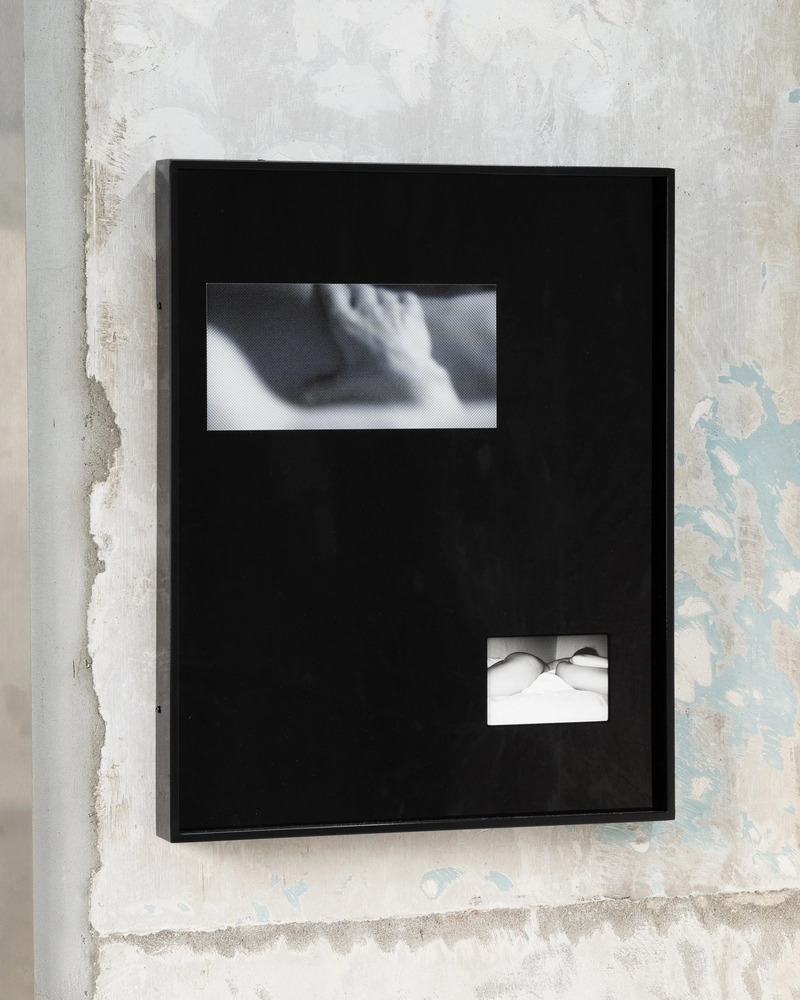
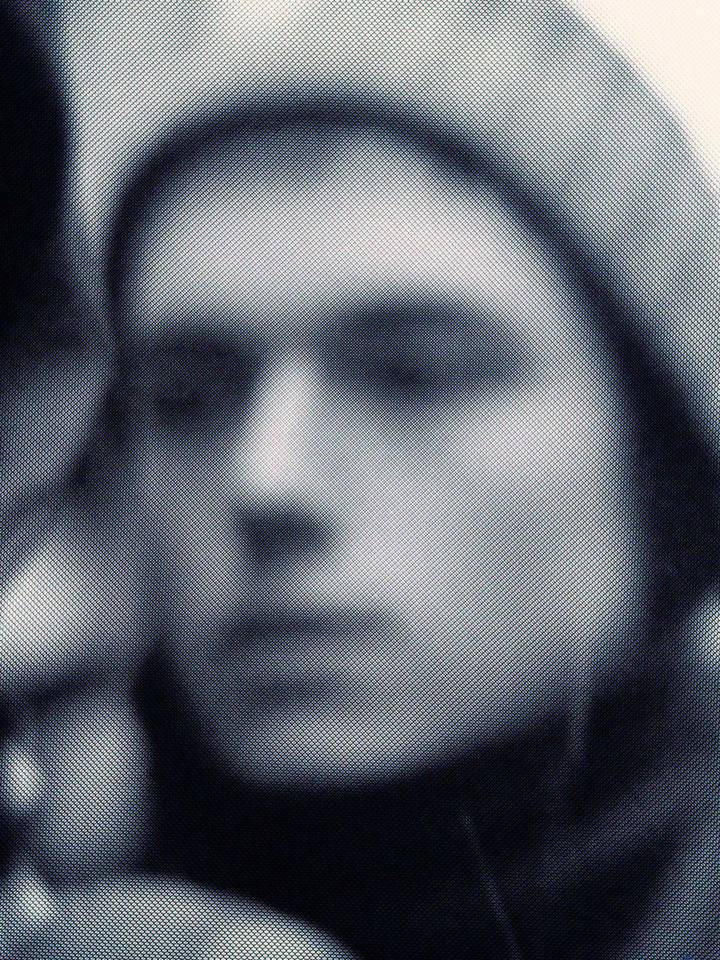
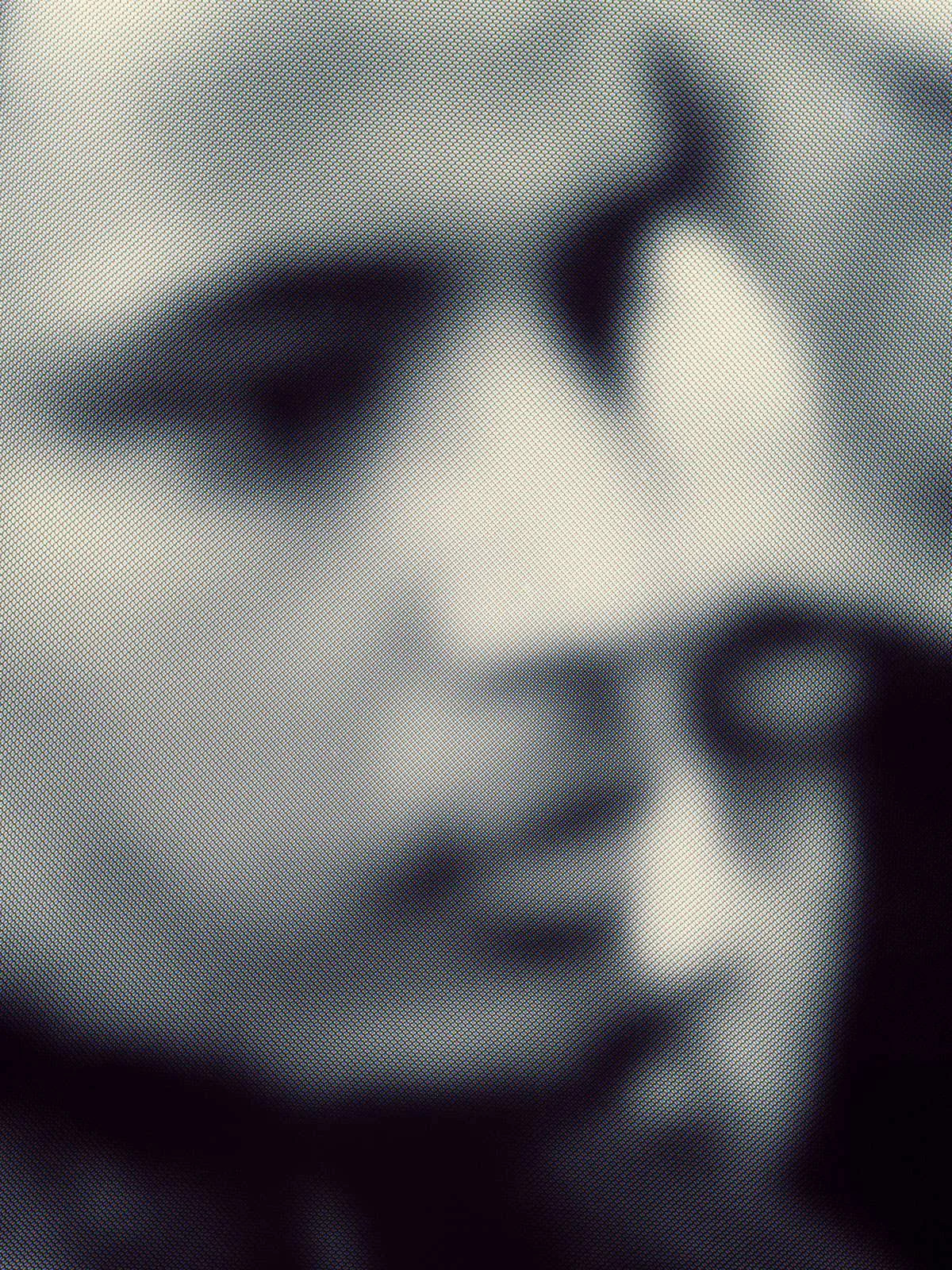
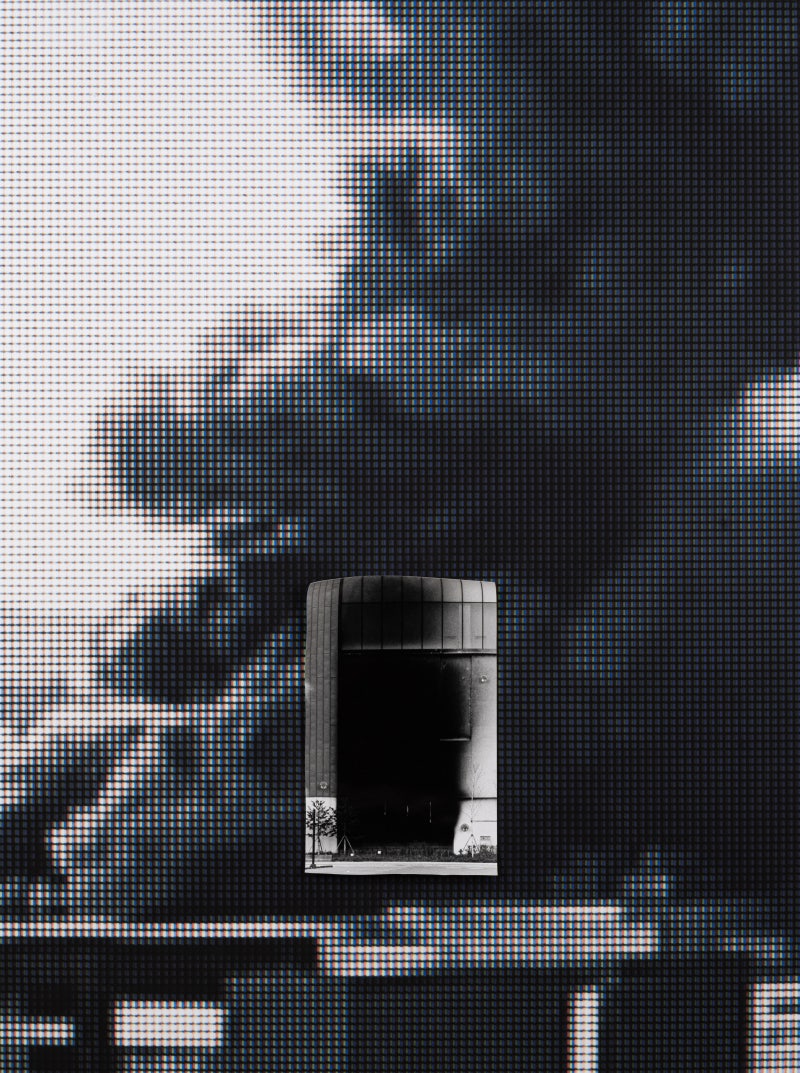
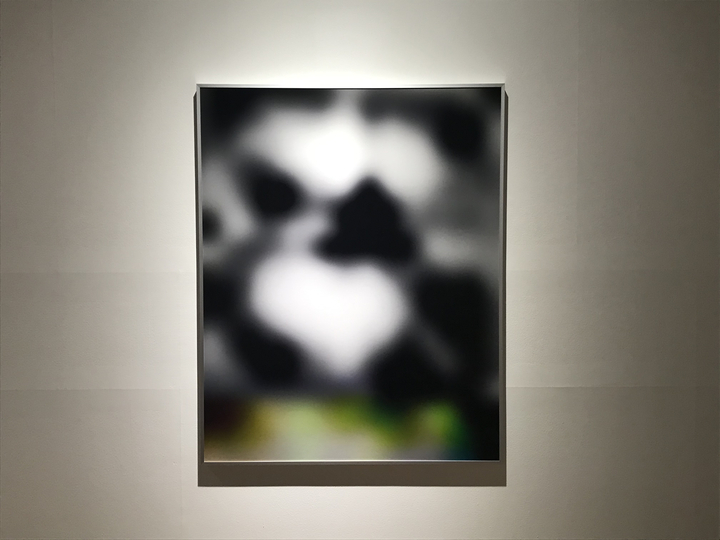
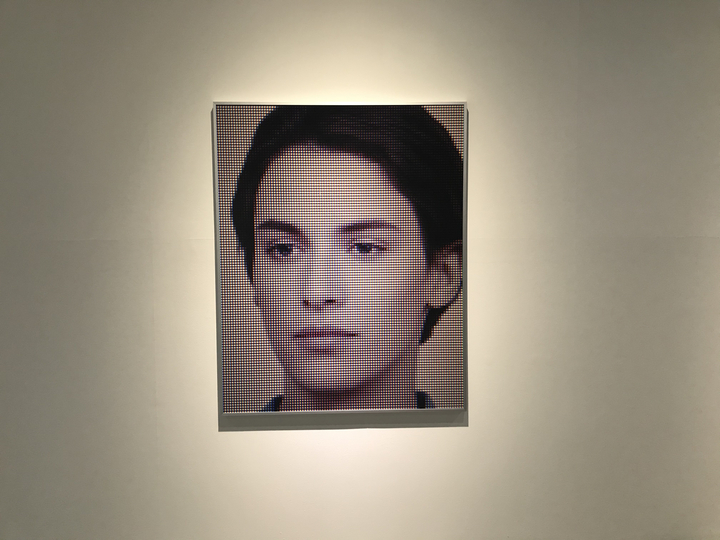
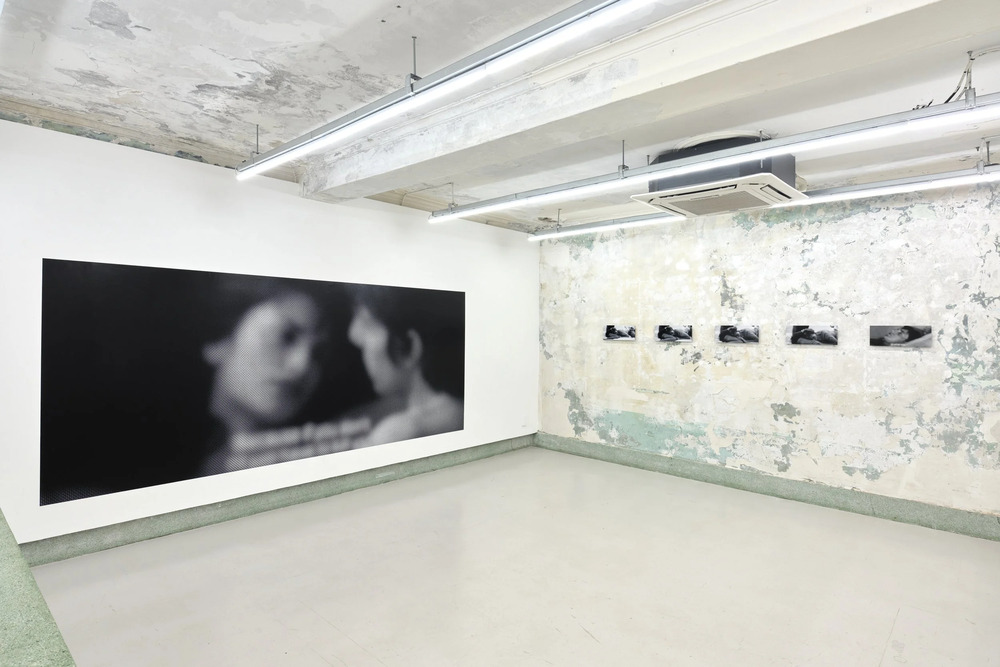
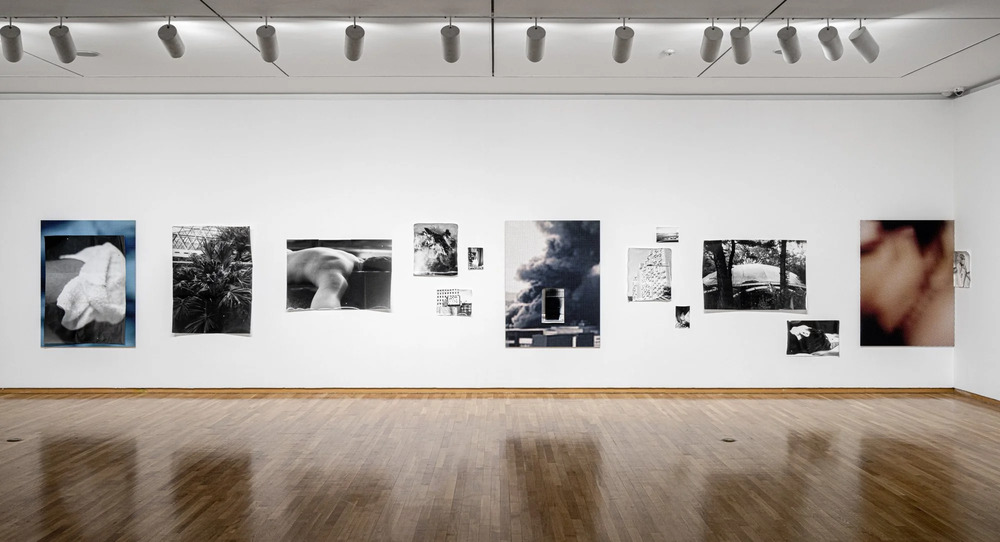
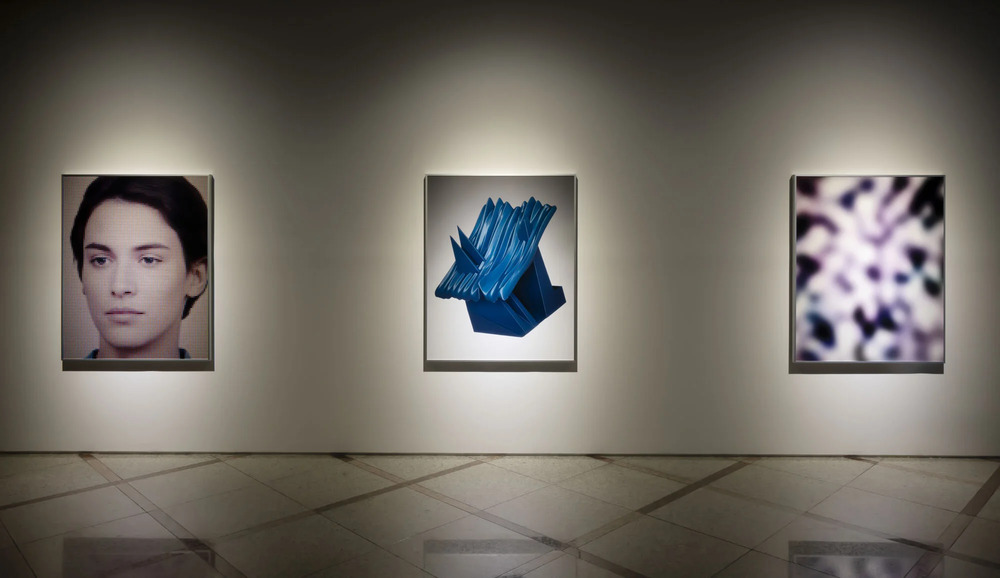
Of course, Jeong Young Ho also does so. But he always chooses photography. In other words, based on his refined photographic skills, Jeong Young Ho meticulously photographs 3D-printed objects to vividly reveal their tactile qualities, or precisely captures smartphone screens to show that images, which appear to be nothing more than formless data, are in fact aggregates of physical pixels (Facing Shopping, 2020–). Within his frame, hatred acquires vivid texture and form, and digital images expose their material composition. His work carries the belief that even the world of information—once considered entirely beyond the capacity of photography—can be traced with a sufficiently trained camera.
2.
Thinking about it, the first condition necessary for an elite athlete to exist is a firm belief in their discipline. For instance, if one does not believe in the continuity of wrestling as a sport, there would be no reason to sweat daily while climbing ropes. Only by not doubting the history, value, system, and ecosystem of wrestling can one imagine their position, goals, and methods of training. Yet just as wrestling once faced the risk of being excluded from the Olympic Games, photography today also appears as if it might lose its potential as an artistic medium and simply dissolve among digital images. Apocalyptic statements similar to Paul Virilio’s claim that nothing new can be discovered in photography continue to be voiced today.
Of course, such statements are closer to those of a neurotic prophet than of a historian or critic. While apocalyptic desires have indeed driven certain moments in Western history, they are overly outdated and fragile in that they assume the future as fixed, believe the path toward it is unilinear, and are based on the illusion that one can foresee it. In the history of photography, there has never been a time without reproducibility and manipulability, and its capacity has always stemmed not from mechanical reliability but from an unstable bond entangled with belief and doubt. However, even if such statements are crude as critical judgments, they are not entirely meaningless as objects of critique. Roughly summarized, they might amount to saying, “Photography is not what it used to be.”
The fact that many people feel this way is quite important. Just as wrestling cannot remain within the sports system without public interest, photography, if it does not receive sufficient desire, will struggle to expand its possibilities as a medium. The historian of photography Geoffrey Batchen once posed an intriguing question about early photography. According to him, the technologies that constitute photography had been concretized long before its invention. For example, the fact that silver chloride darkens when exposed to light, or that an image of the outside world appears on a wall when a small hole with a lens is placed in a dark room or box.
Yet these technologies, like latent images on undeveloped film, remained dormant for a long time before suddenly combining and being refined into the form of photography in the late 18th and early 19th centuries, when the desires of numerous “proto-photographers” erupted simultaneously. Therefore, the important question is not “who invented photography (slightly earlier),” but “in what time and space it became possible to imagine photography,” as he points out.