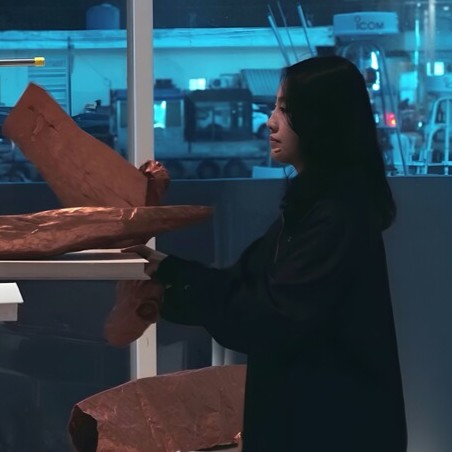
Ria Choi
employs a range of media, including paper, metal, and video, yet her primary
focus lies not in the material itself but in the structures and conditions it
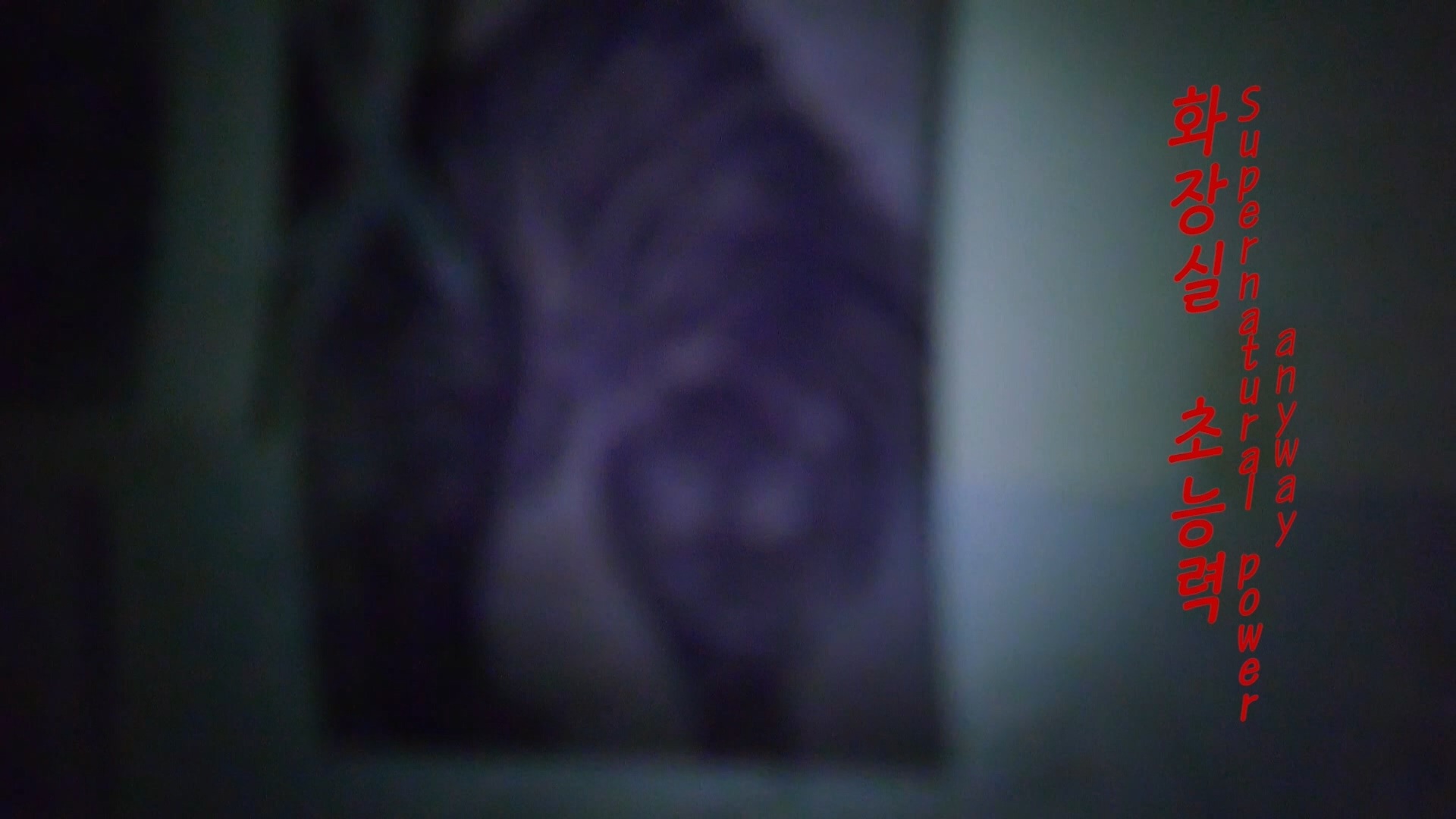
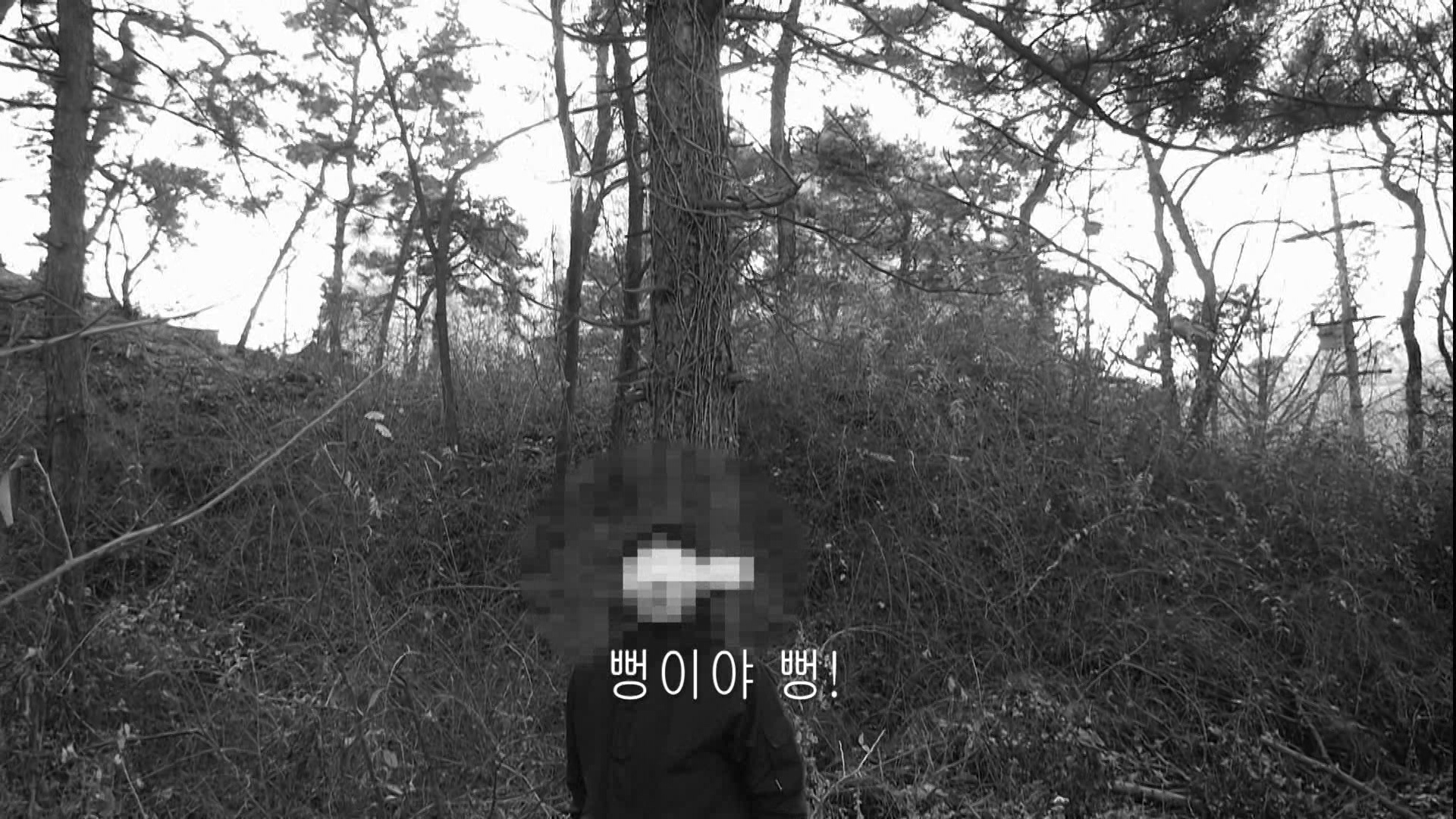
produces. In early video works such
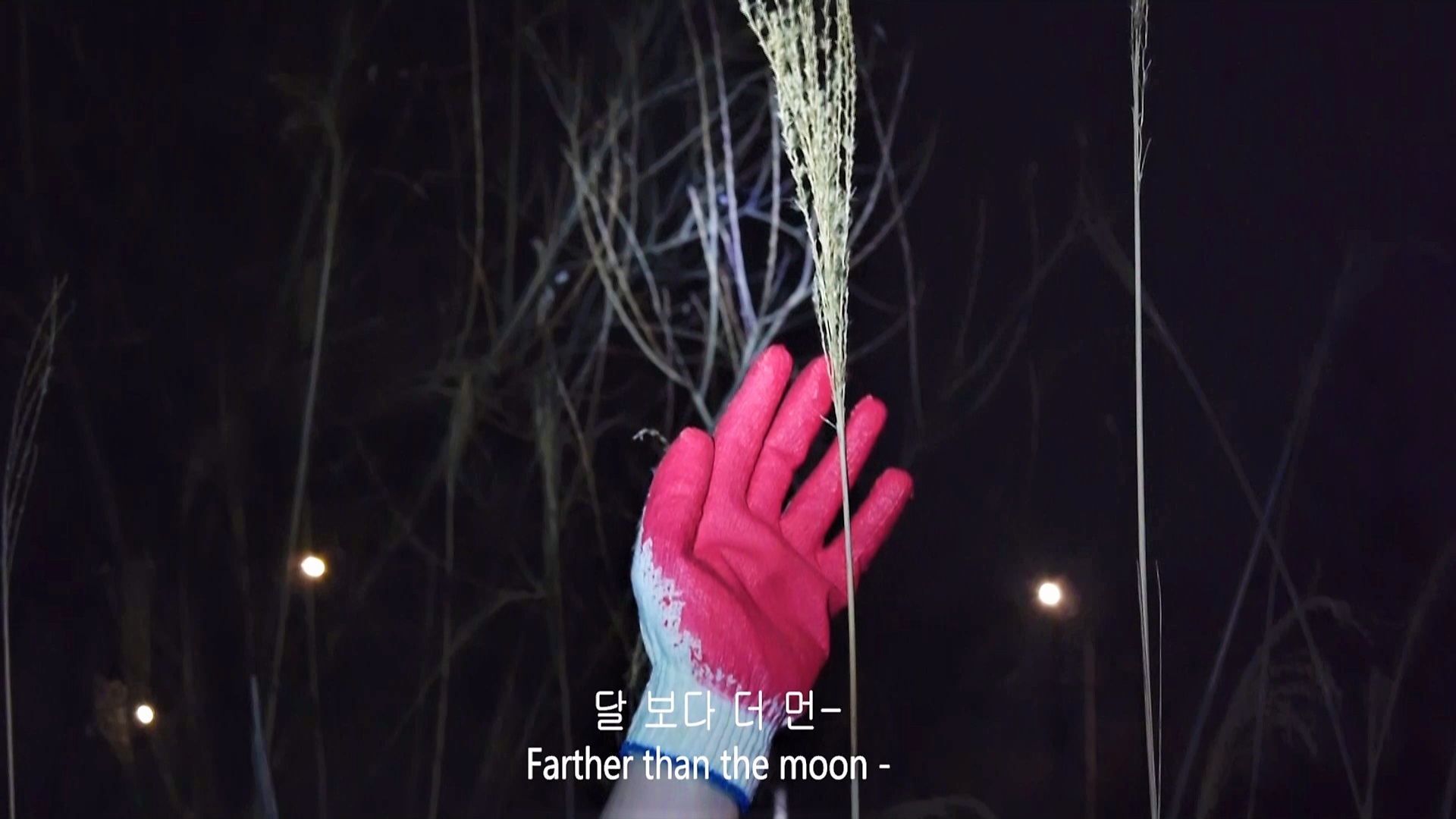
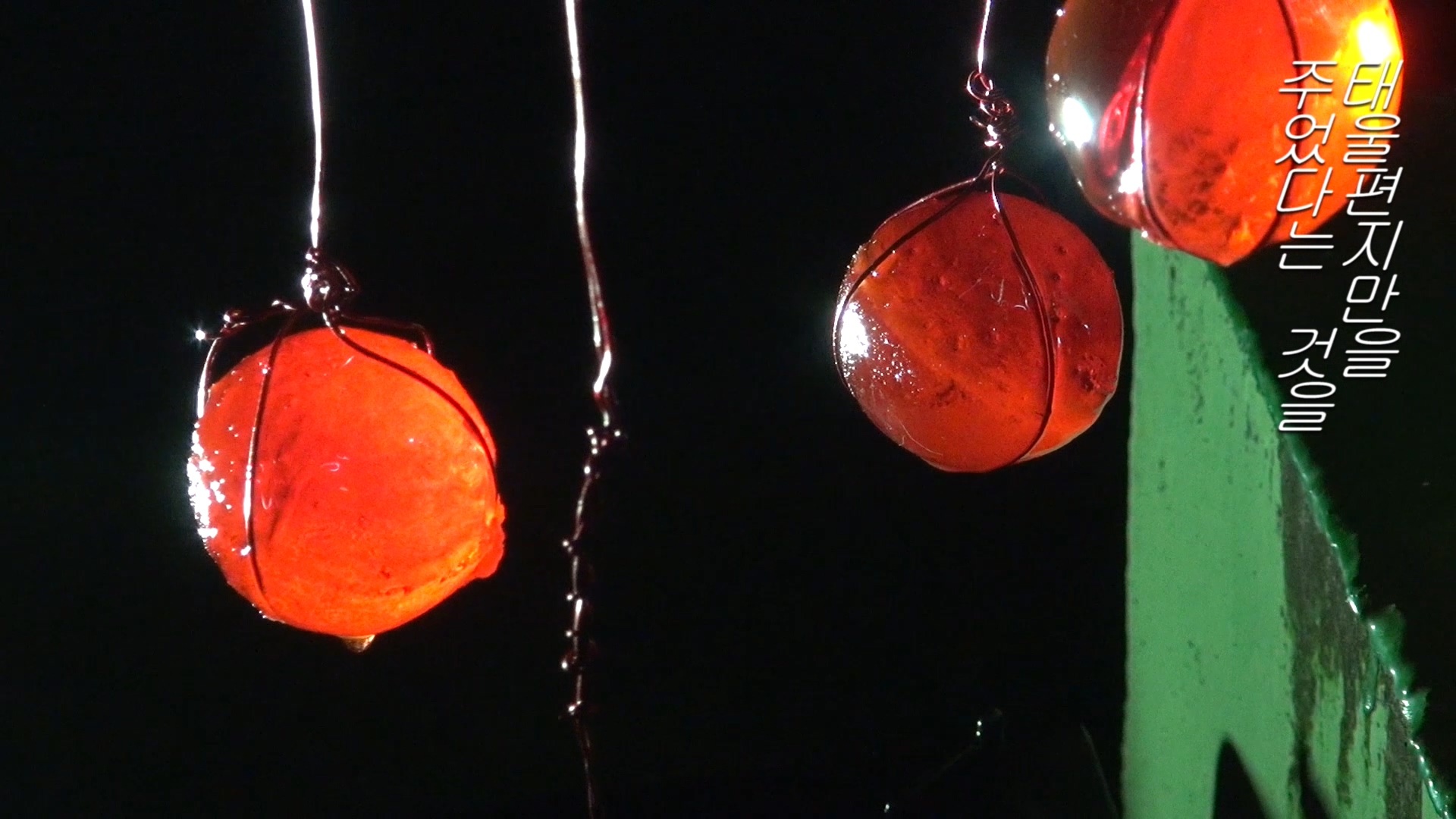
as Blind(2014), Galaxy(2016),
and Hyphen(2018), she reveals the instability of
relationships and meaning through repetitive actions and subtle disjunctions
within constrained conditions. Even before her sculptural practice, these works
demonstrate an ongoing interest in states that emerge within given conditions.
This
interest later translates into material structures in her sculptural work.
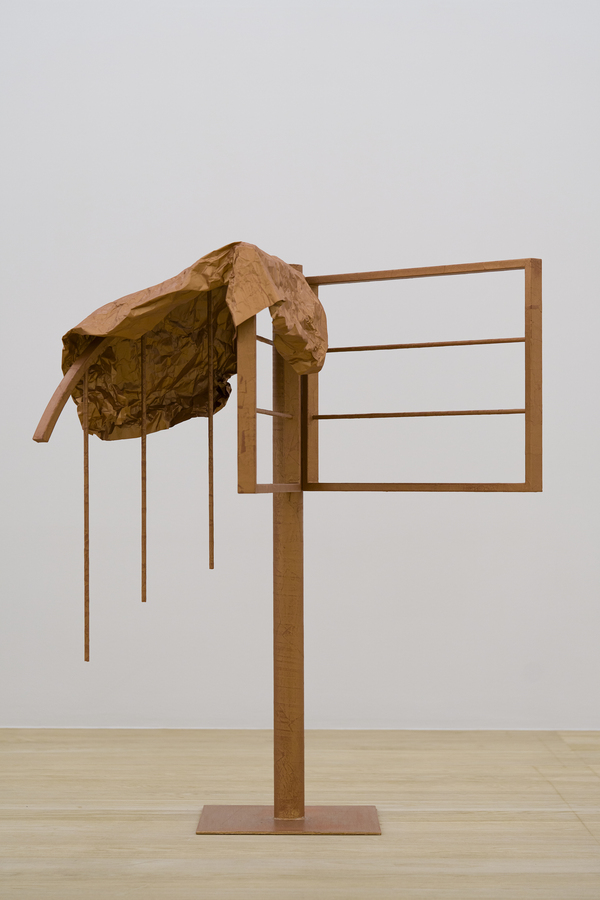
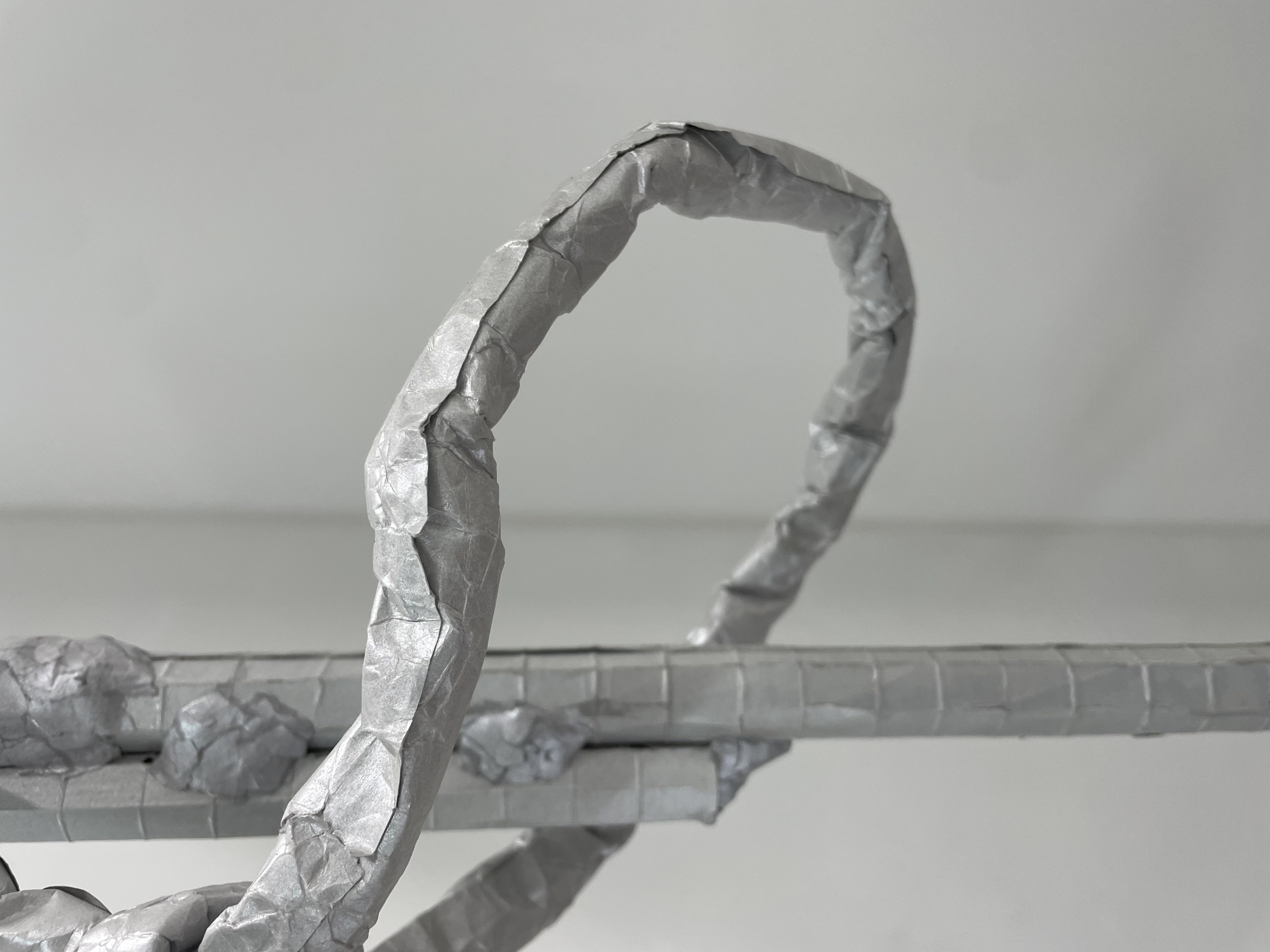
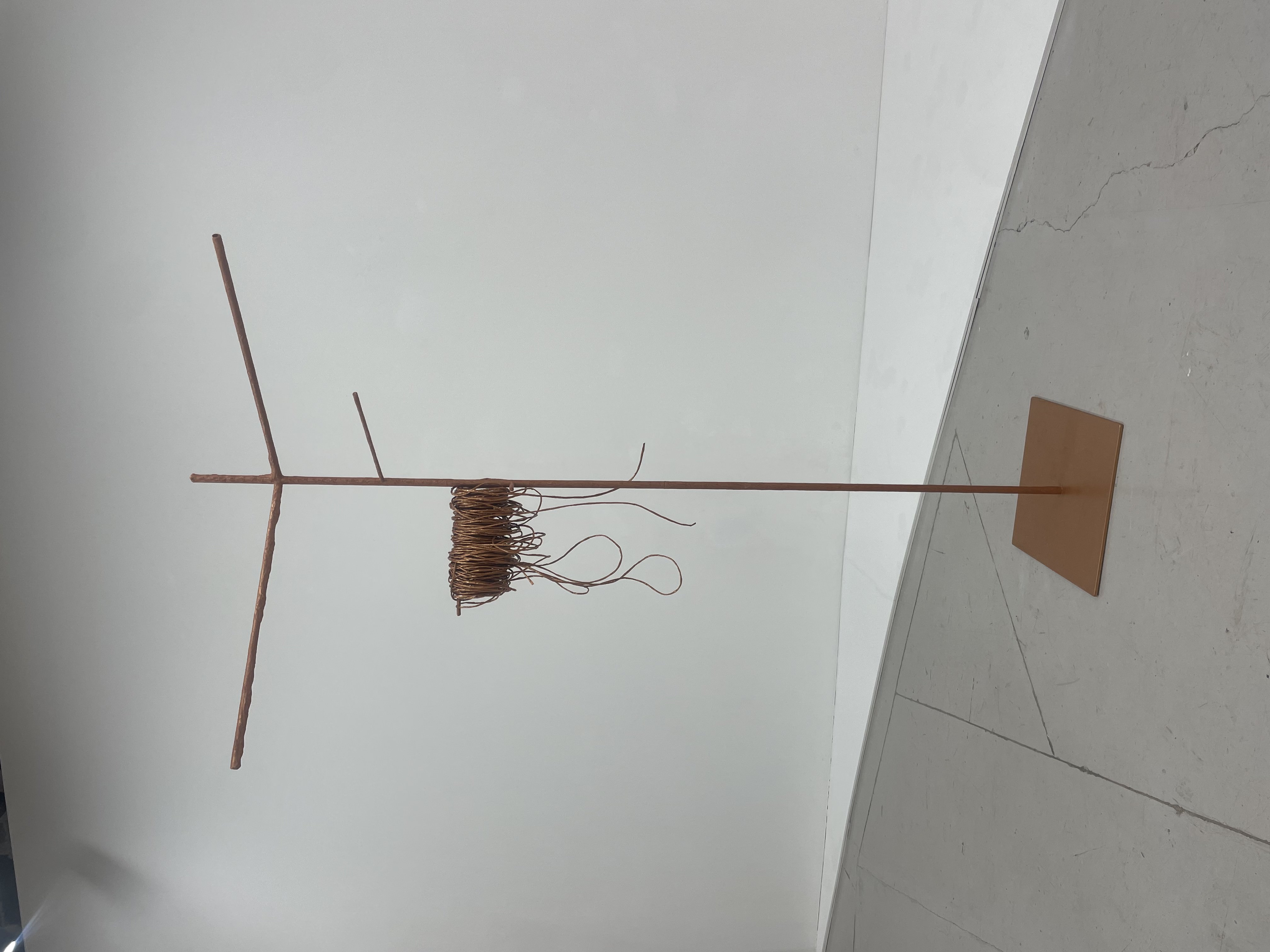
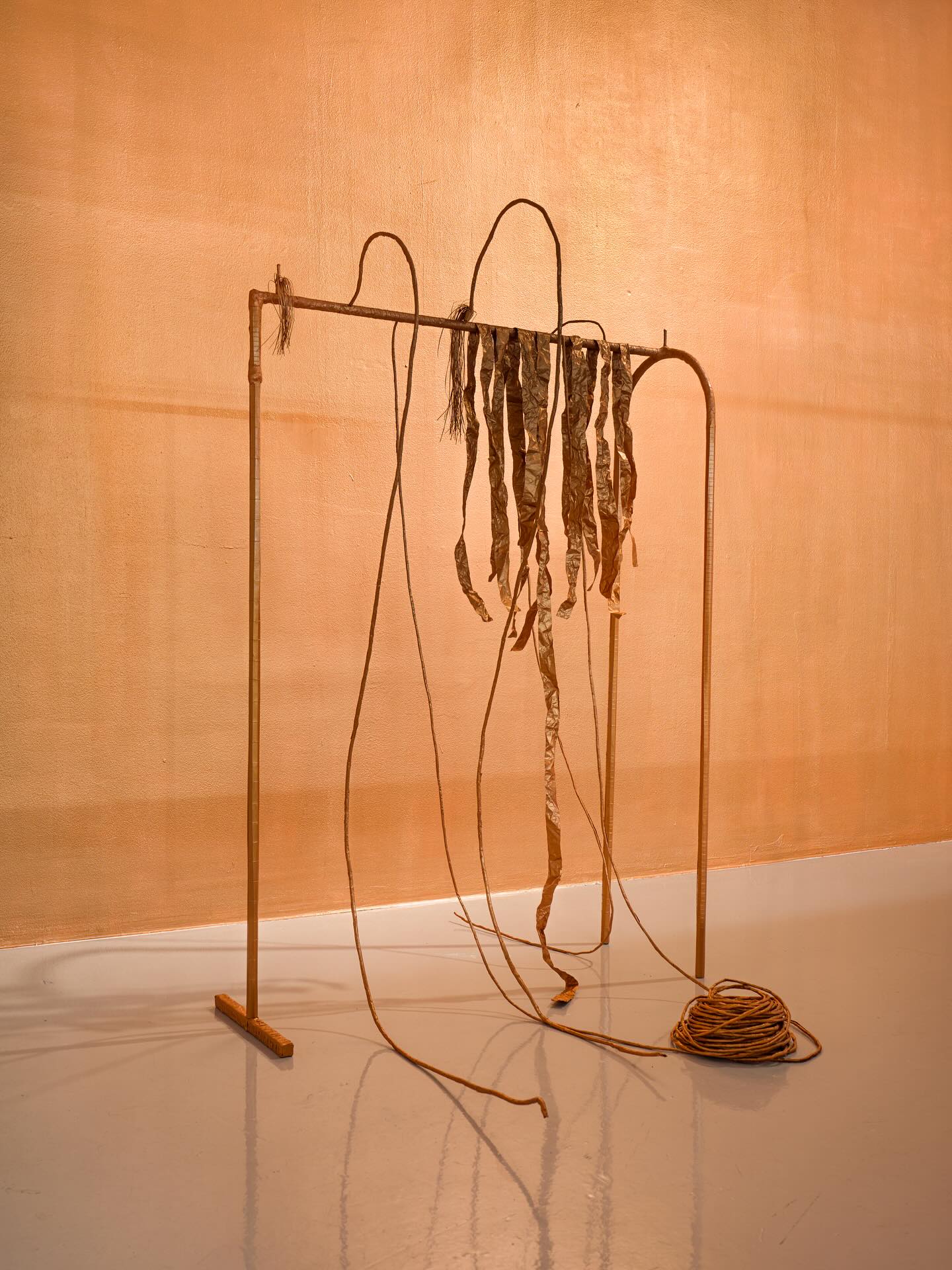
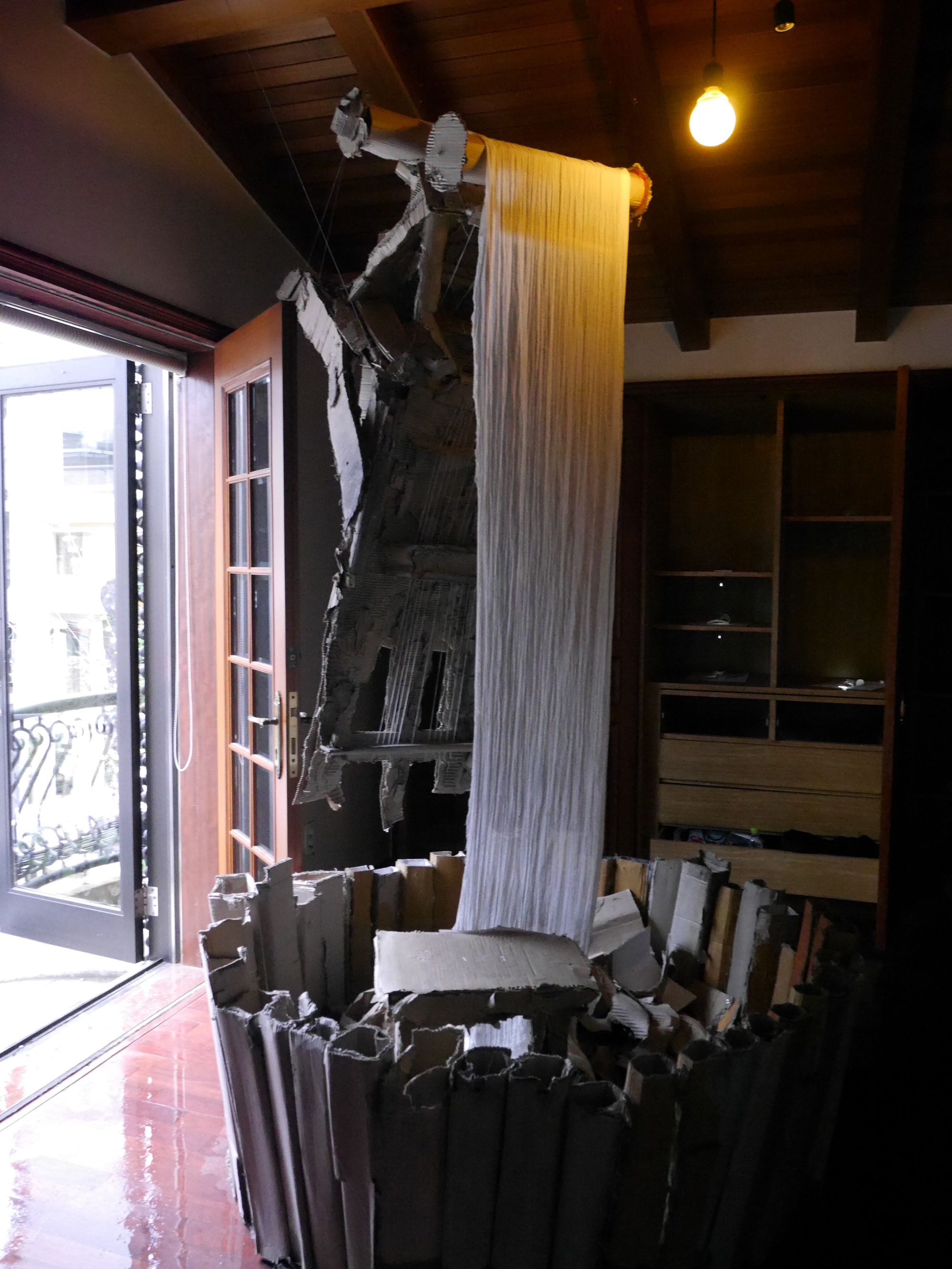
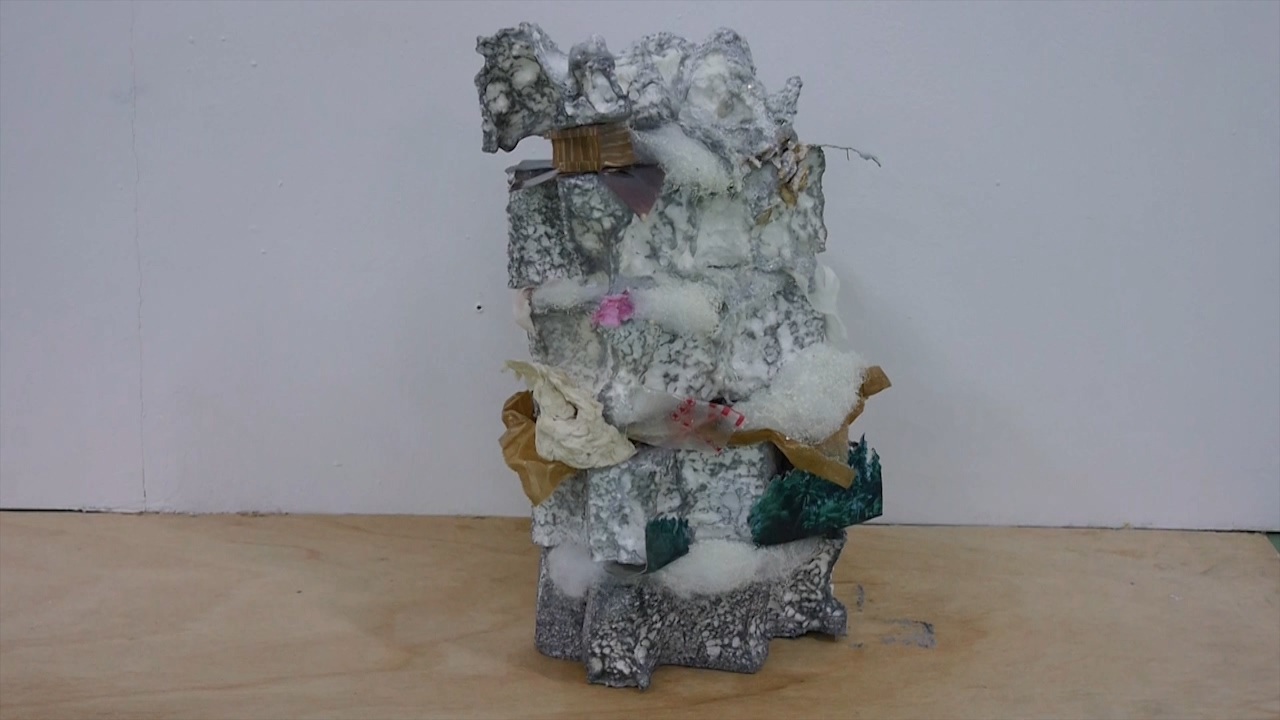
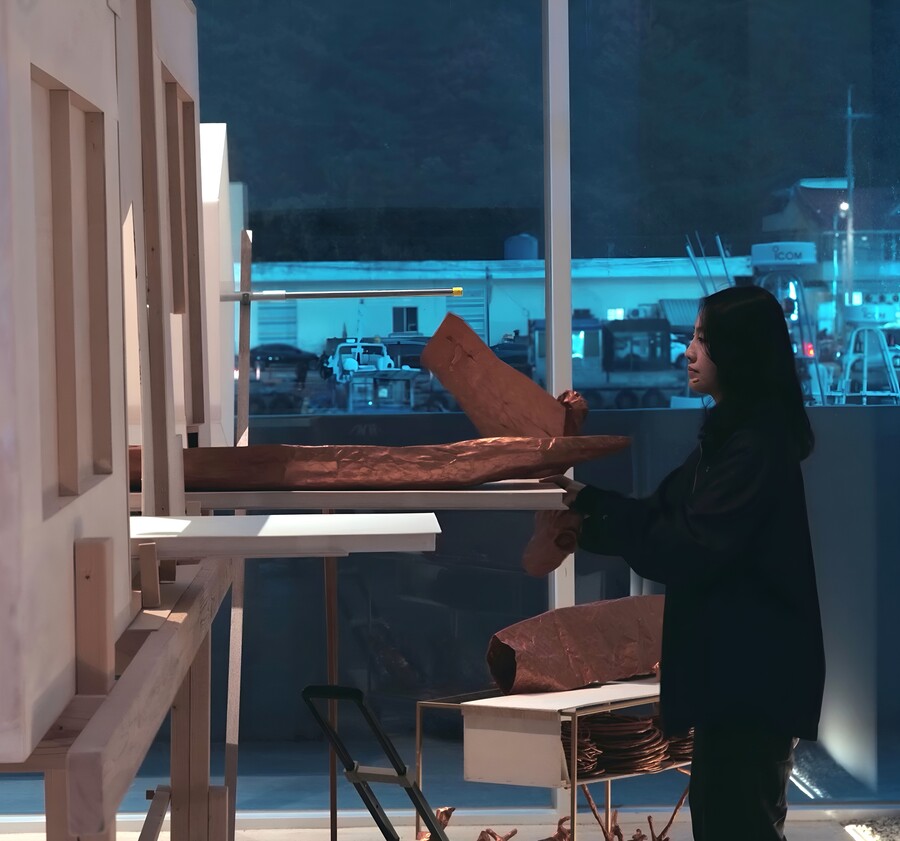
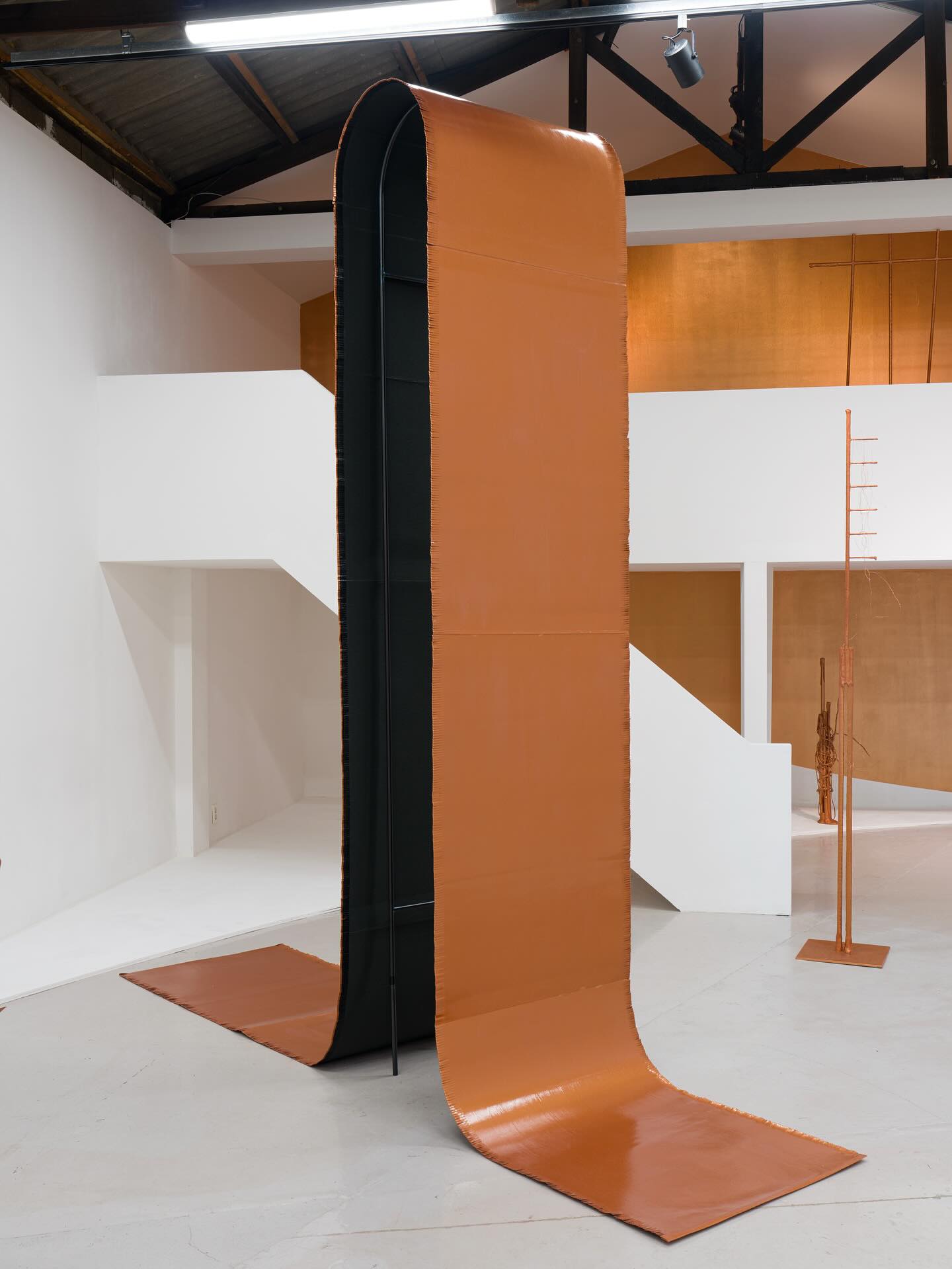
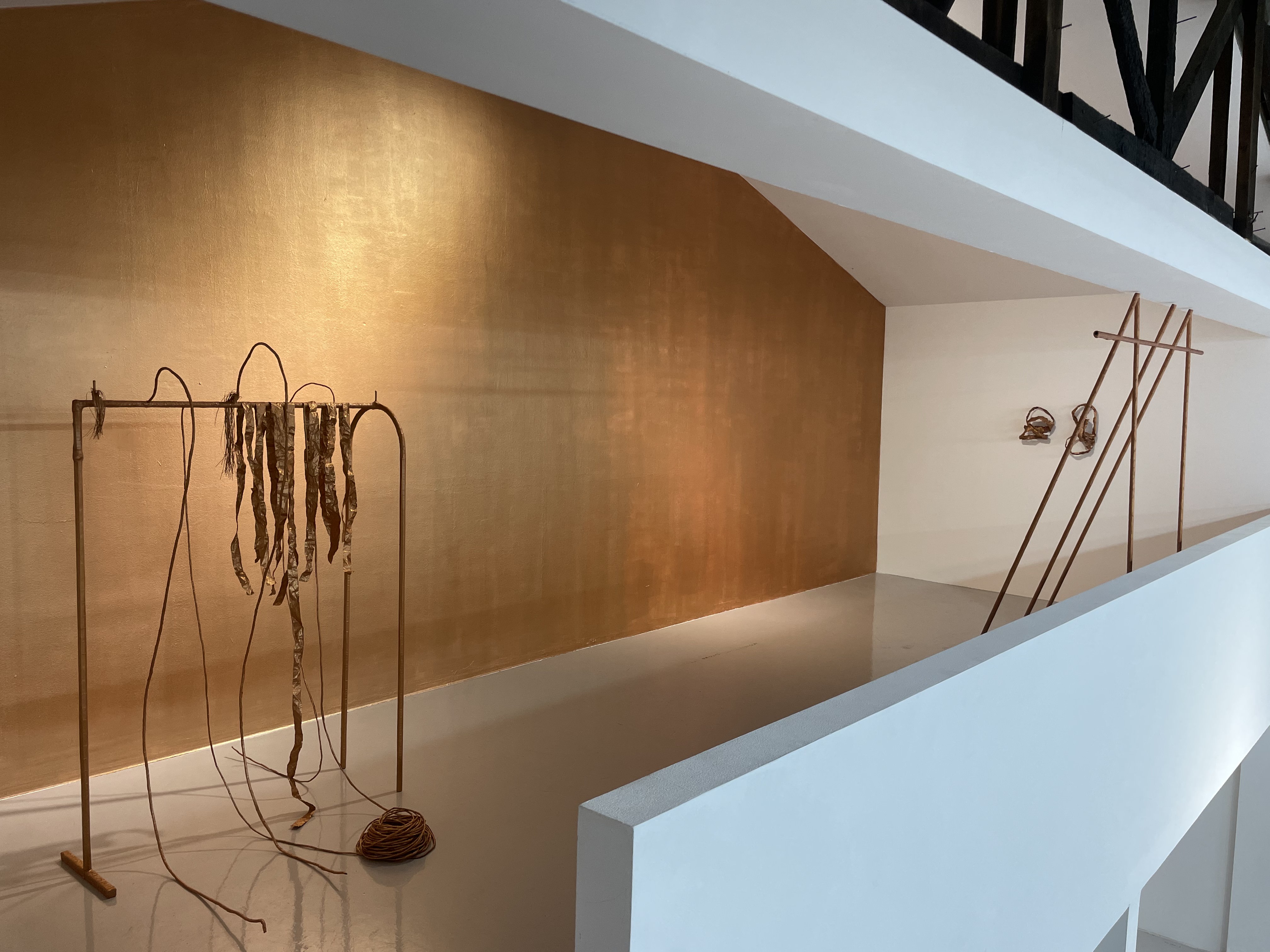
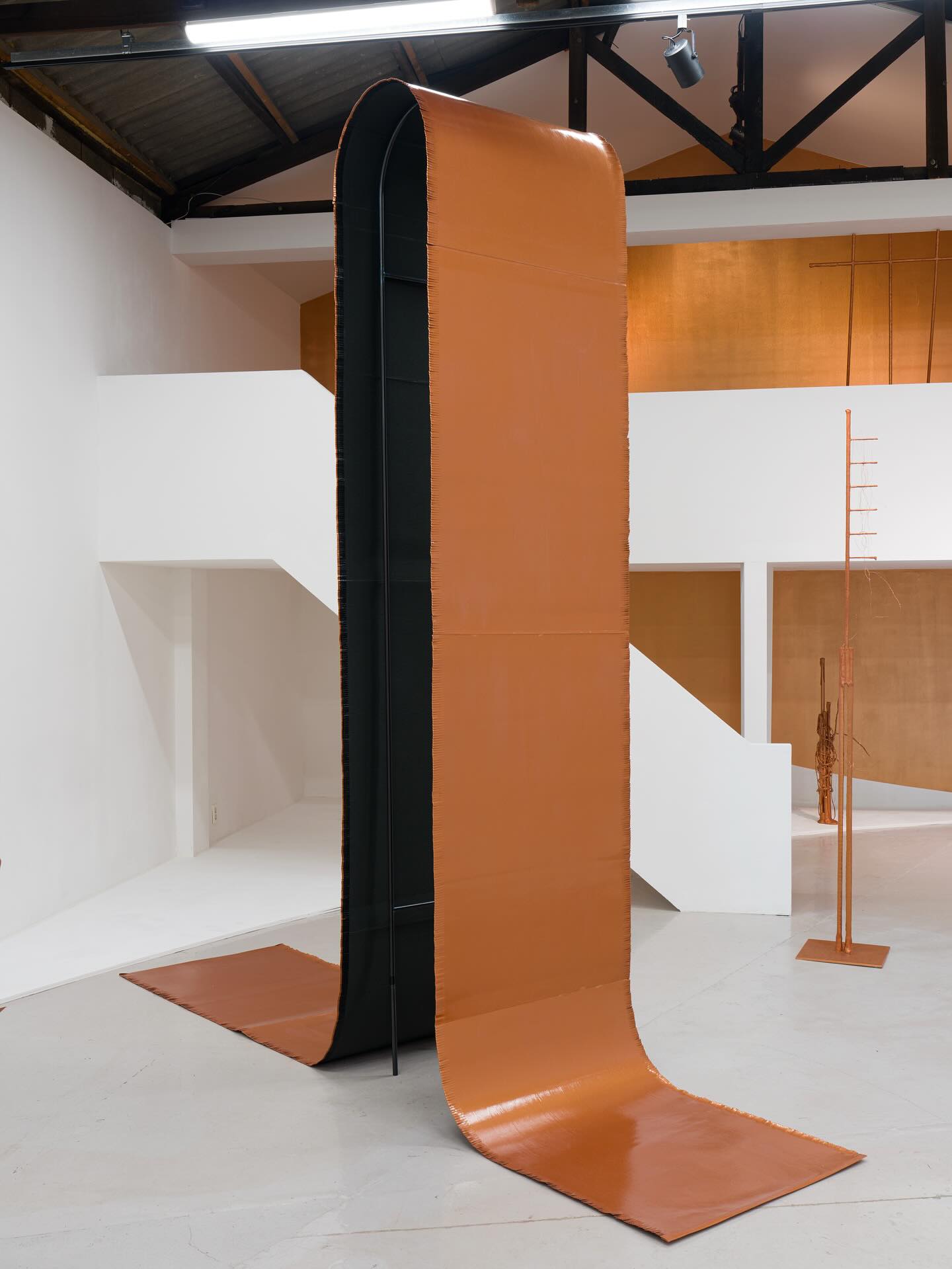
Rather than directly using metal, she constructs forms using paper that mimics
metal. While paper imitates solidity, it remains easily bendable and fragile,
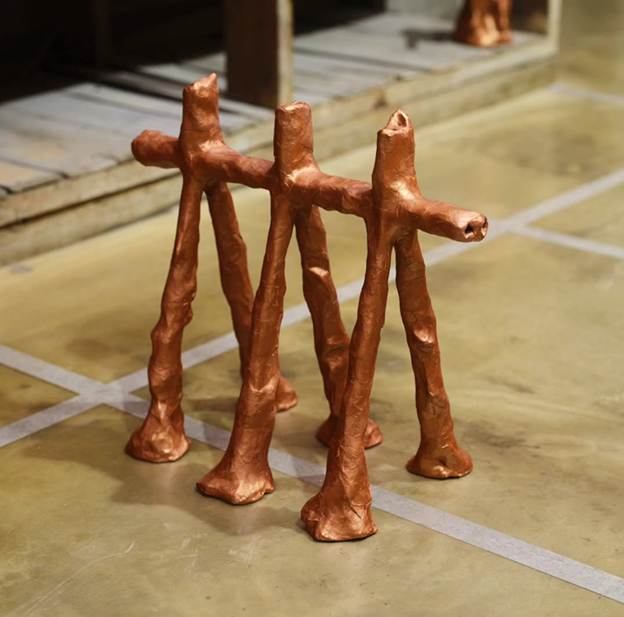
and this contradiction destabilizes conventional perceptions of sculpture. The
materiality evident in the ‘Fence’ series creates a condition in which
stability and instability, strength and vulnerability coexist simultaneously.
Spatial
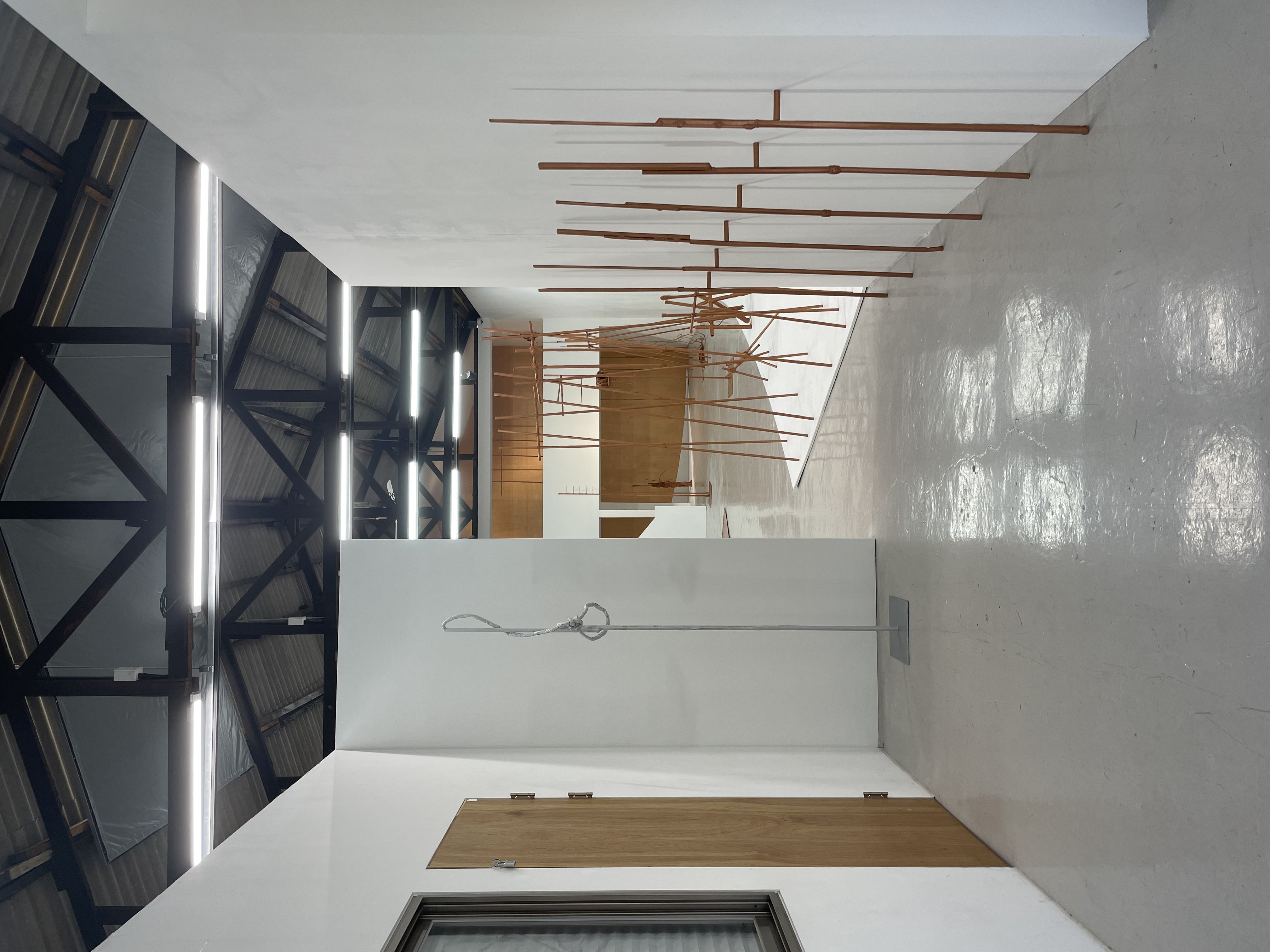
configuration also plays a key role. In 《Fence-go-round》, elements such as the
entrance structure, partition walls, and circular platforms restrict the
viewer’s movement and establish a specific circulation path. Low platforms and
narrowed entrances may appear minimal, yet they function as devices that physically
constrain the body. In this way, sculpture is no longer an independent object
but becomes a system integrated with the entire spatial environment.
In recent
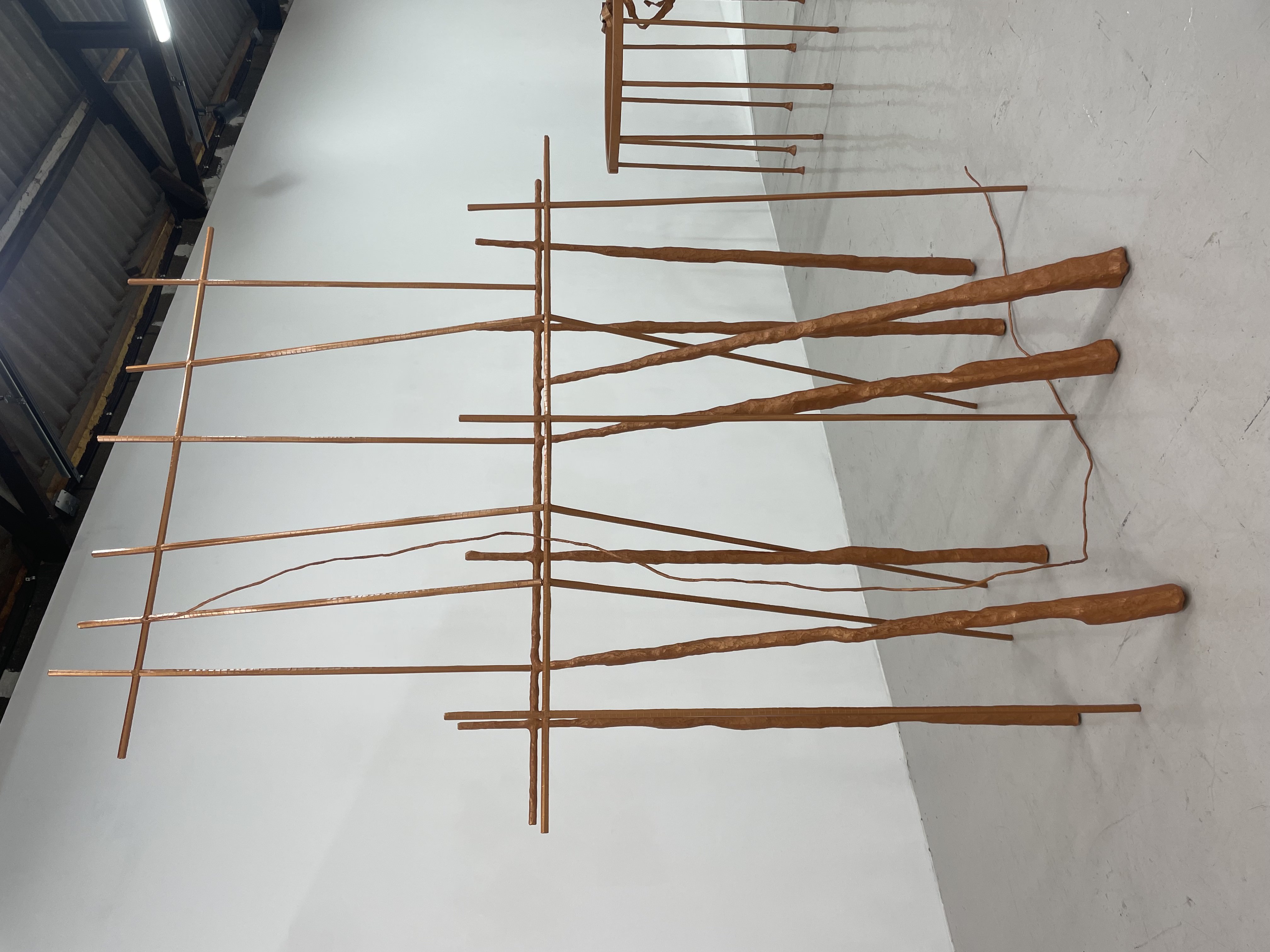
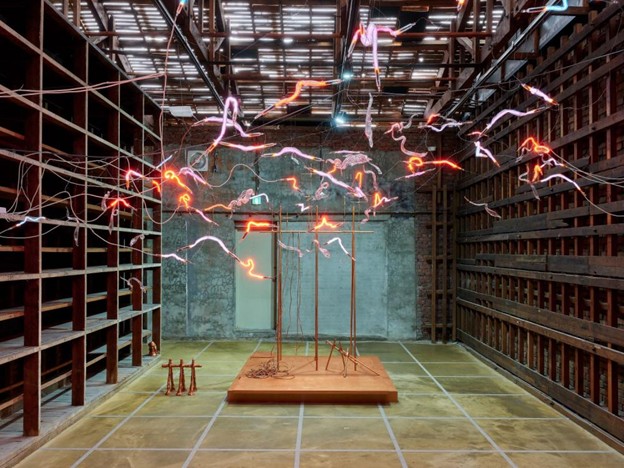
works, this formal language expands further in complexity. In 《Red Circuit Ready》, elements such as fences,
columns, and ropes are combined, leading viewers to navigate through a
maze-like environment. Works like Revolving Door(2026)
and Triple Fence bend pathways or induce pressure,
transforming sculpture from a visual object into a bodily experience. Through
this process, Choi’s formal language expands to encompass sculpture,
installation, and performative elements simultaneously.