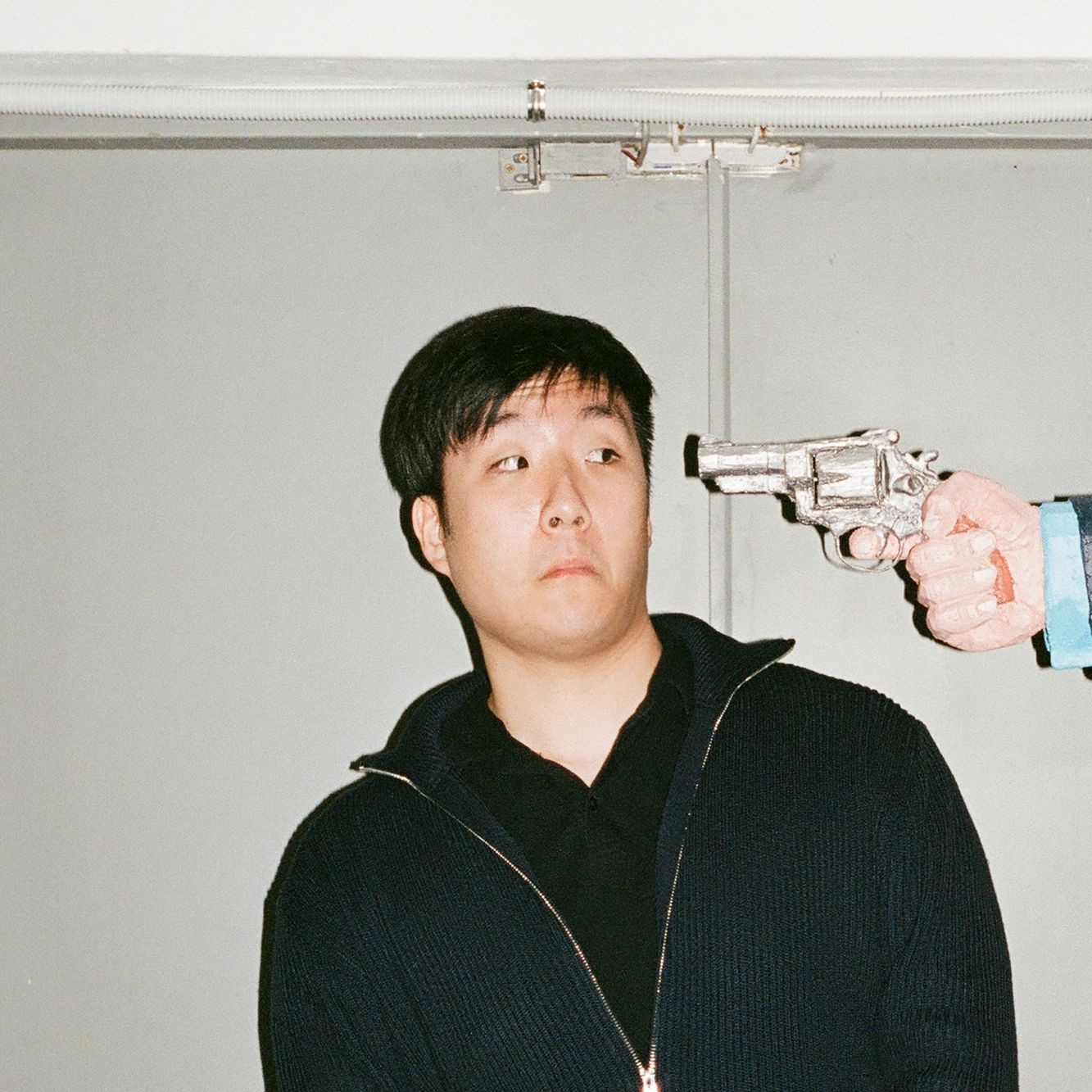
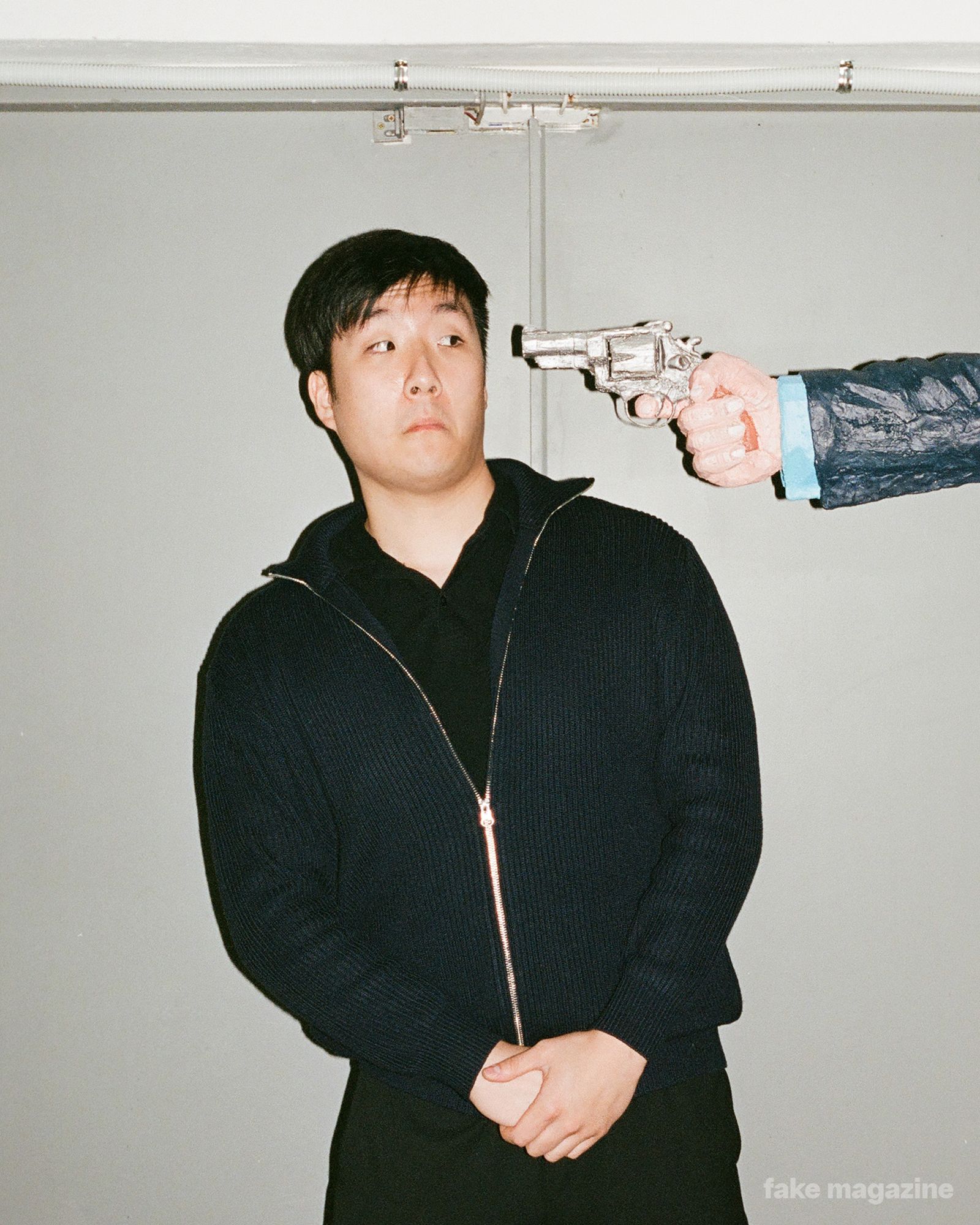
Dahoon Nam studied Art History at the University of Toronto. He currently lives and works in Seoul.
Dahoon Nam (b. 1995) has pursued a practice
that reinterprets a wide range of media through his own perspective, using
replication as a primary method—from small and large Styrofoam fragments to
computer graphics. By recreating phenomena and objects close to our everyday
lives with lightweight materials such as Styrofoam, cardboard boxes, and paper,
the artist conveys the structural contradictions of contemporary society in a
humorous manner.

Beginning with two-dimensional works that
replicated books he personally favored, Dahoon Nam gradually expanded the
concept of replication into experiential realms such as installation and
performance. For him, replication is not confined to the domain of mere
reproduction; rather, it is a technique attuned to contemporaneity—one that
prompts us to look back at what we have already produced.
The artist selects his subjects for
replication based on social phenomena unfolding within his own surroundings and
on events he has directly experienced. These subjects range widely, from
Usadan-ro in Yongsan, Seoul—an area threatened by gentrification—to Jeff
Koons’s ‘Balloon Dog’ and the diverse memes circulating on social media.

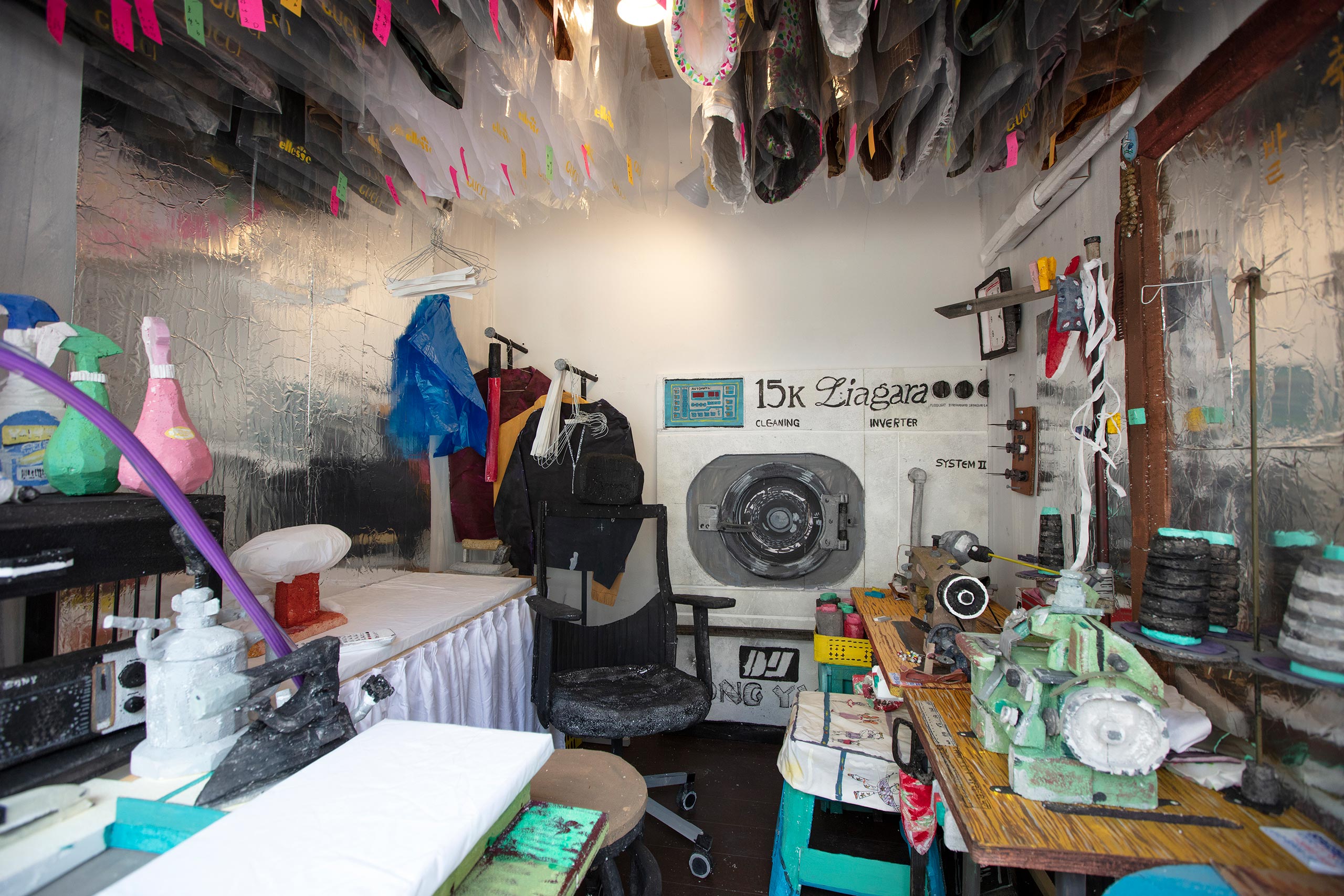
For example, in his solo exhibition 《#21》
(2019) at Rund Gallery in Bogwang-dong, Nam recreated an old laundromat located
across from the gallery using materials such as Styrofoam, cardboard boxes,
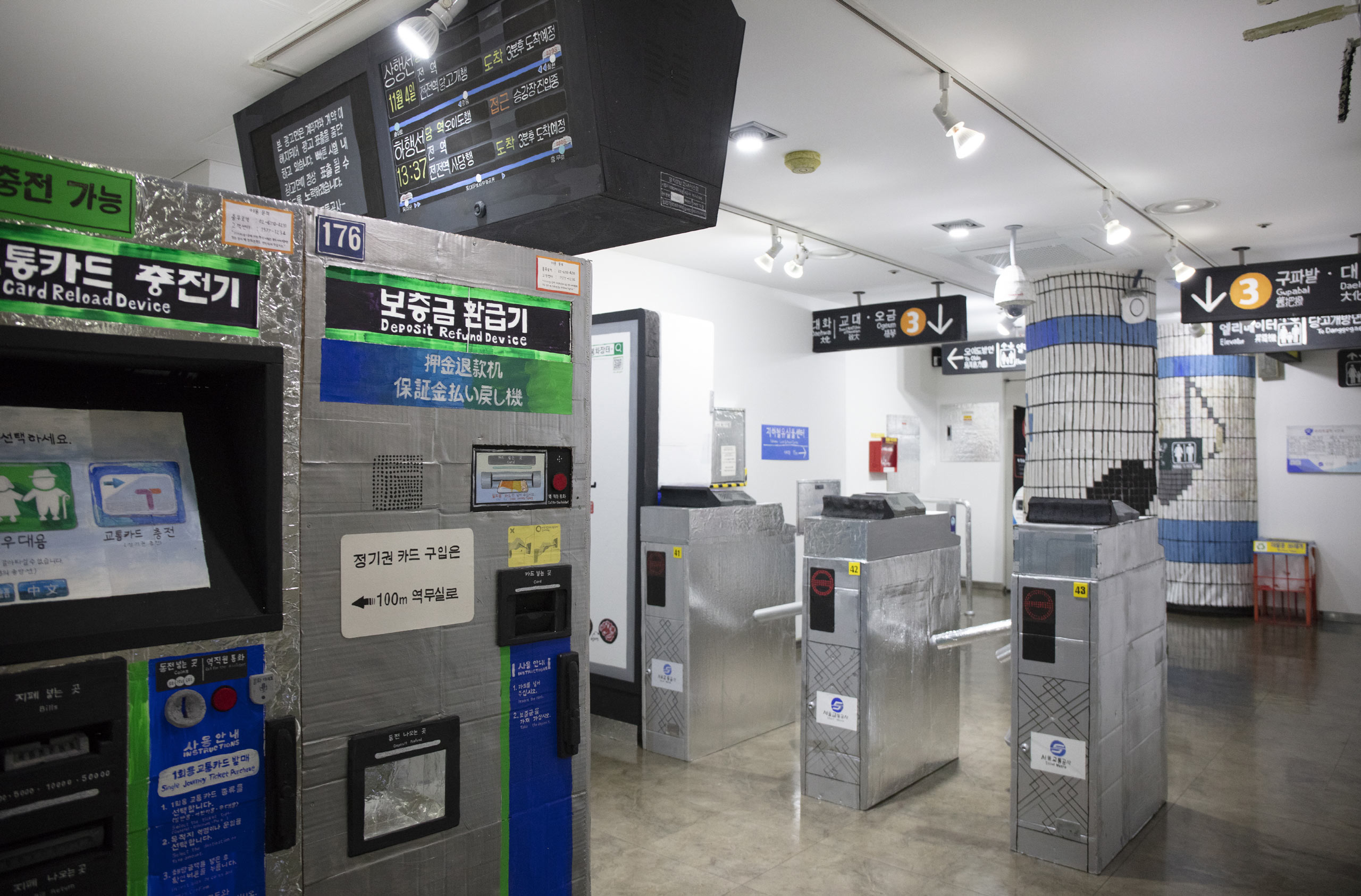
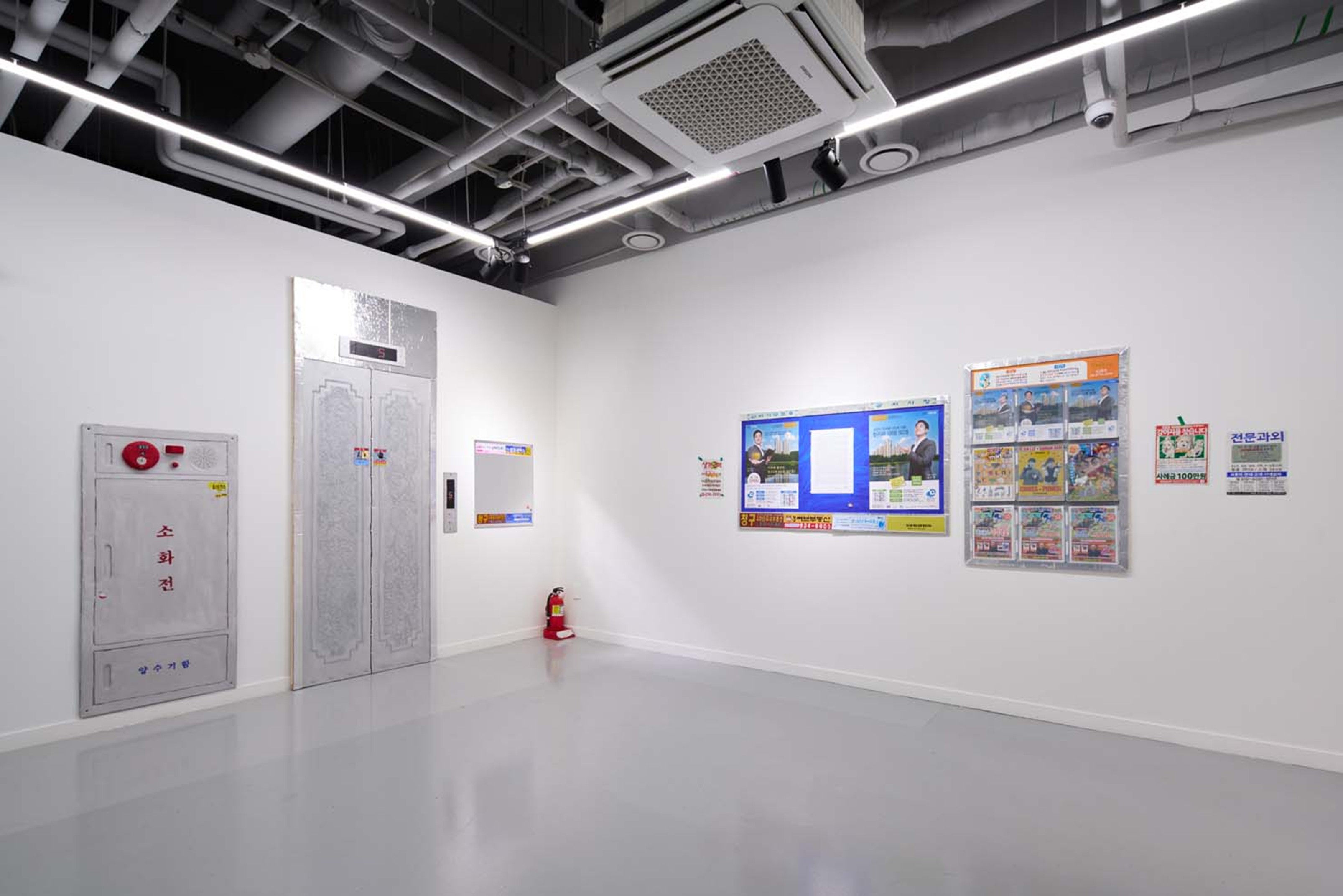
wooden battens, paper, and plastic. In his 2020 solo exhibition 《#22》, he took advantage of the gallery’s
location within the passageway of Chungmuro Station by constructing a fake
ticket gate that was designed in consideration of the viewers’ circulation.
Installation view
of 《#22》 (oh!zemidong Gallery, 2020) ©Dahoon NamBy replicating familiar spaces and objects
from everyday life, Nam’s works render what we usually pass by without notice
strangely unfamiliar, prompting viewers to see them from a new perspective. In
this process, the use of color and texture plays a crucial role in intensifying
this sense of estrangement. For instance, in 《#22》, which replicates a subway ticket gate, Nam employed acrylic paint,
spray paint, and aluminum foil to evoke the color silver, generating a variety
of textures and sensations.
The areas painted with acrylic evoke the
traditional and familiar feel of painting, while spray paint—applied in fine,
evenly distributed particles—more convincingly reproduces the materiality of
metal, lending the work an urban character. Meanwhile, the naturally occurring
creases of the aluminum foil accentuate the sculptural aspects of the piece.
Dahoon Nam,
#23-5, 2021, Acrylic, ink, foil, etc. on styrofoam, boxes,
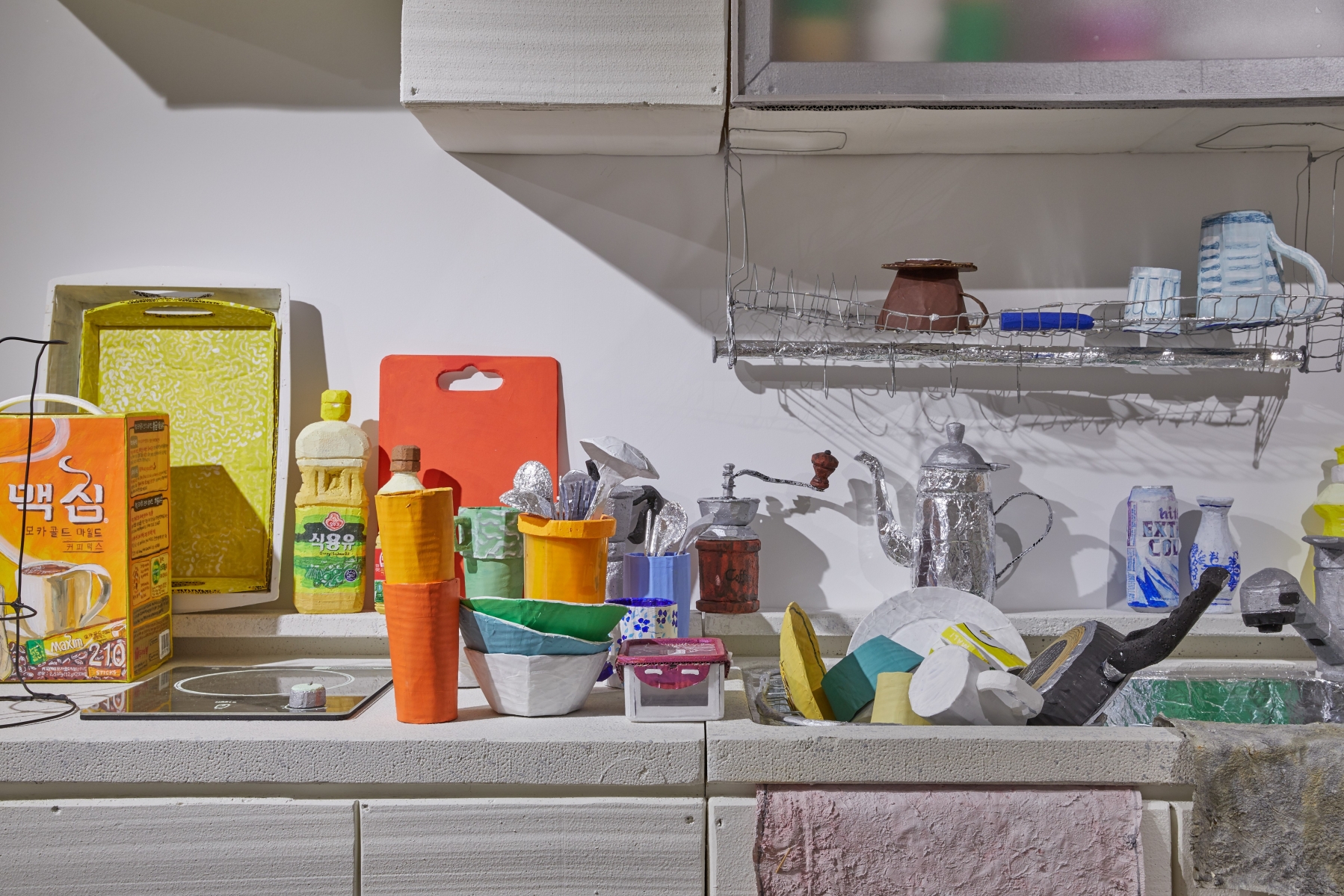
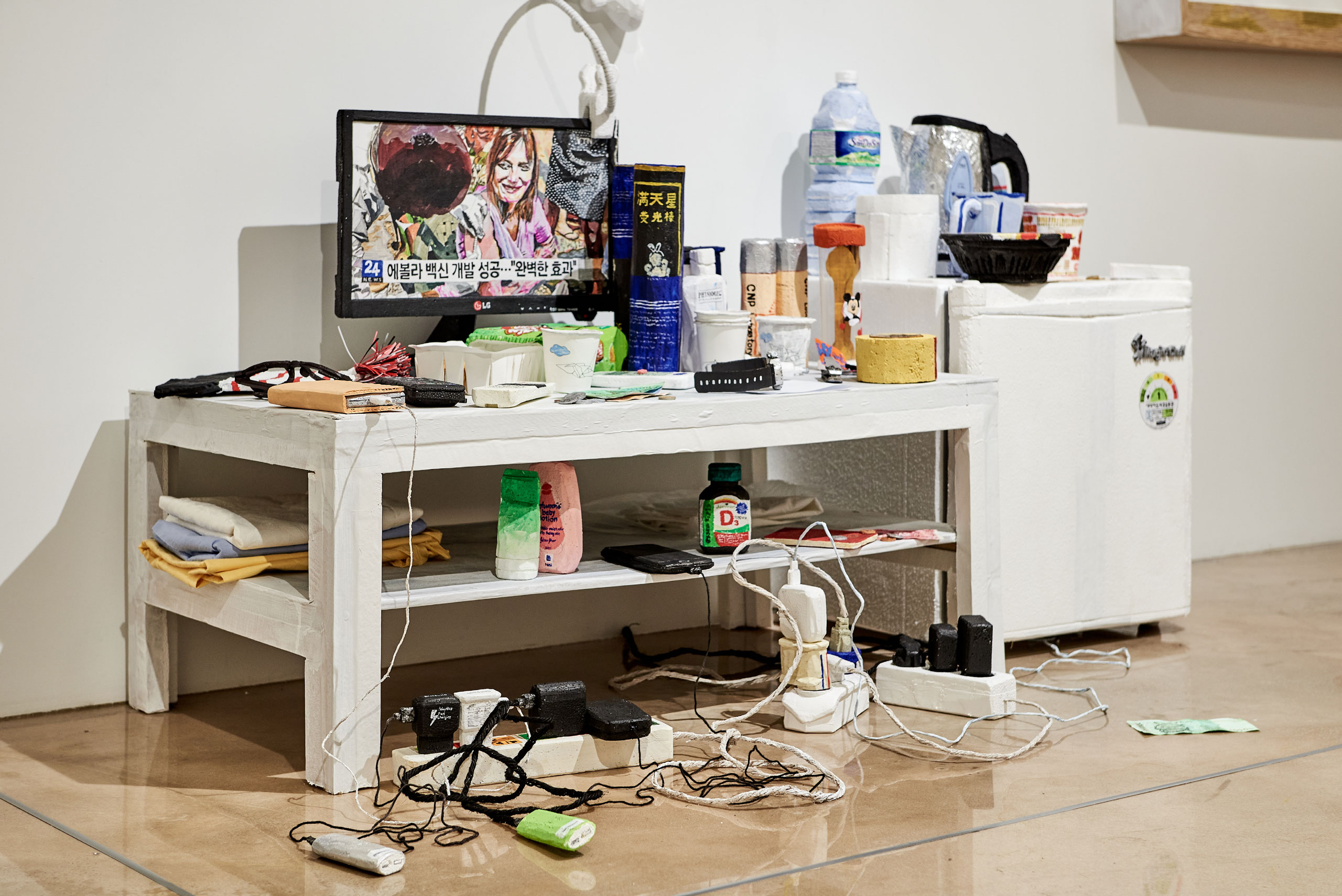
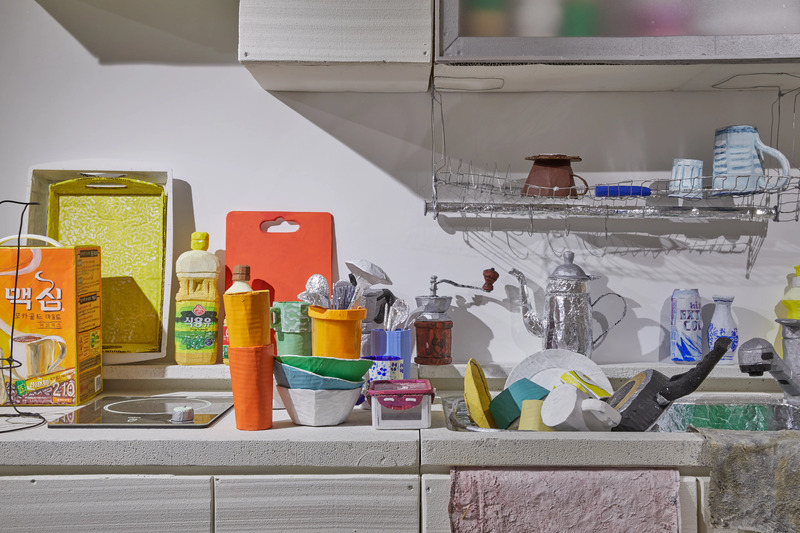
boards, paper, wood, 230x350x80cm ©Dahoon NamMeanwhile, in his solo exhibition 《#23》, held at Gallery Yoho in 2021, Dahoon
Nam sought to weave a narrative of life in the contemporary moment shaped by
the pandemic through the notion of “traces of travel.” The exhibition was
composed of objects and scenes one might encounter along a journey.
In addition, reflecting the building’s
former function as a guesthouse prior to its use as a gallery, the artist
transformed the exhibition space to resemble an actual guesthouse. Yet here
again, by choosing to replicate it with light and modest materials such as
paper, cardboard boxes, and aluminum foil rather than solid ones, Nam created
an atmosphere that feels subtly surreal.

In other words, while his works closely
resemble real forms, a closer look makes it clear that they are, in fact,
fakes. Situated in the ambiguous zone between reality and fiction, his works
reveal a series of illusions that emerge as the aura of the artwork, along with
the memories that cling to the objects themselves.

Thereafter, Nam’s practice began to expand
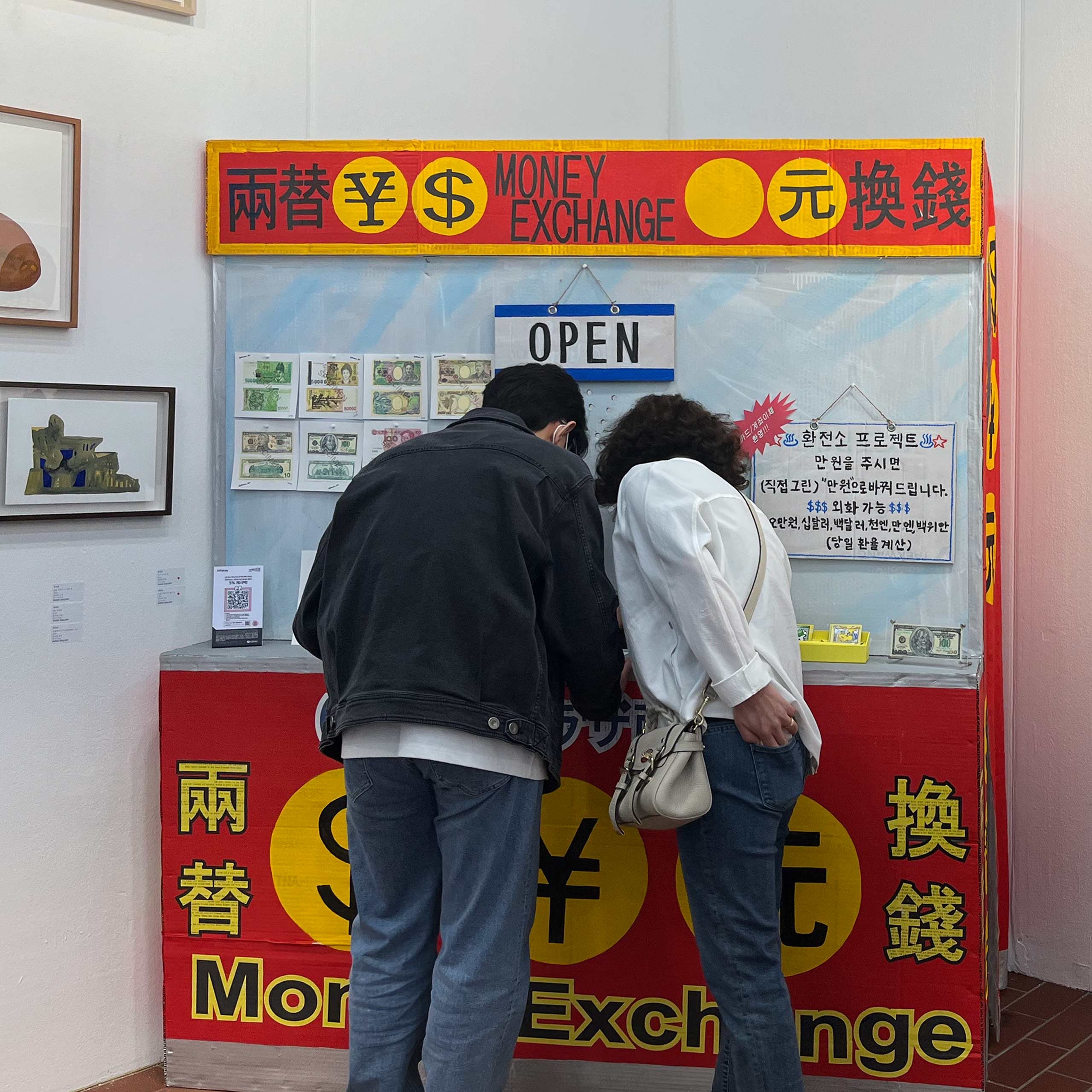
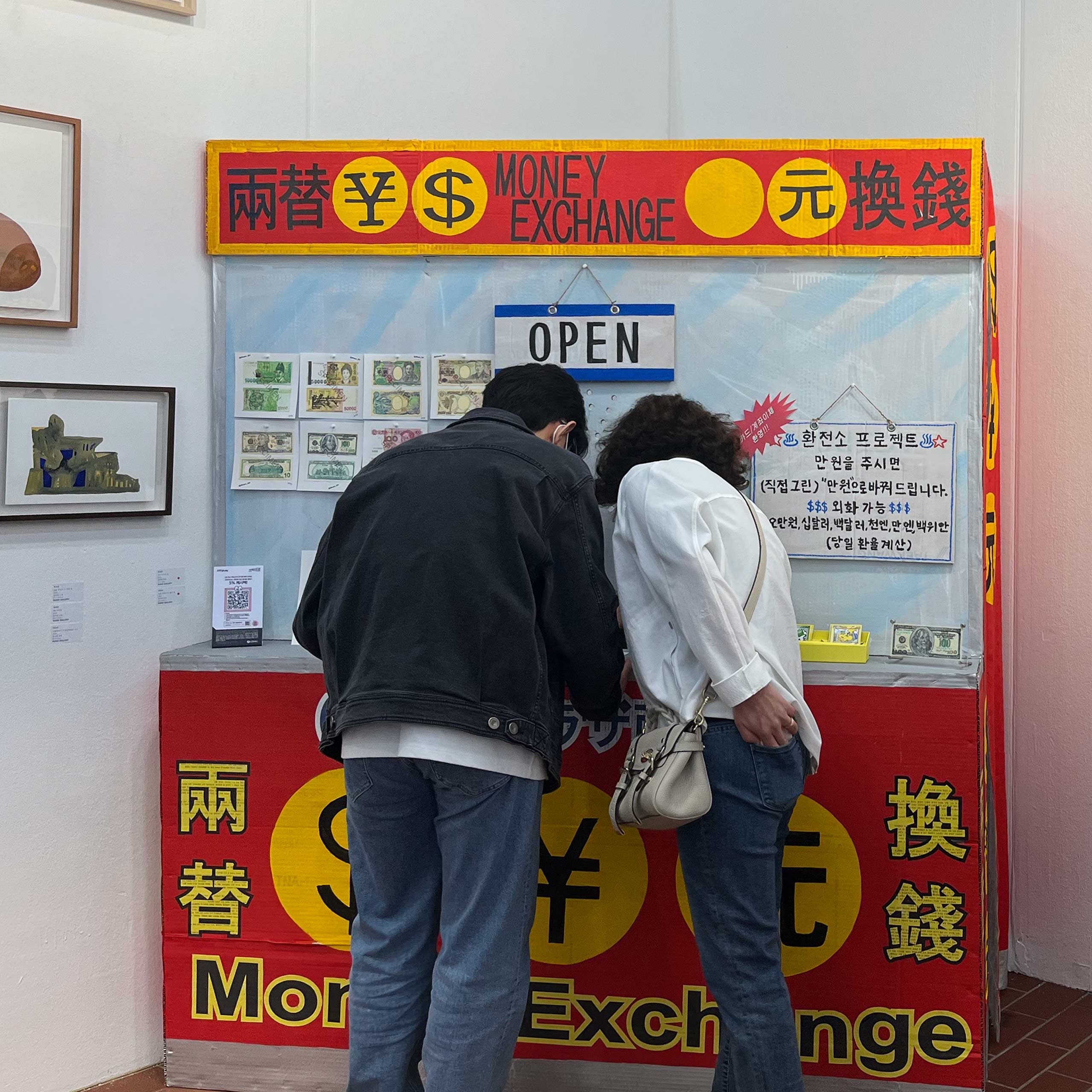
the concept of “replication” into the realm of experience. For instance, the Currency
Exchange Project, developed from 2021 onward, goes beyond mimicking
the space of a currency exchange booth to replicate the experience of
“exchange” itself as it unfolds within that space.
Visitors participate by offering real money
in return for fake bills. The interaction mimics an ordinary financial
transaction, but what is exchanged is ultimately meaningless: functionless
signs. Through this process, the artist questions the economic rituals we
perform without hesitation in our everyday lives.

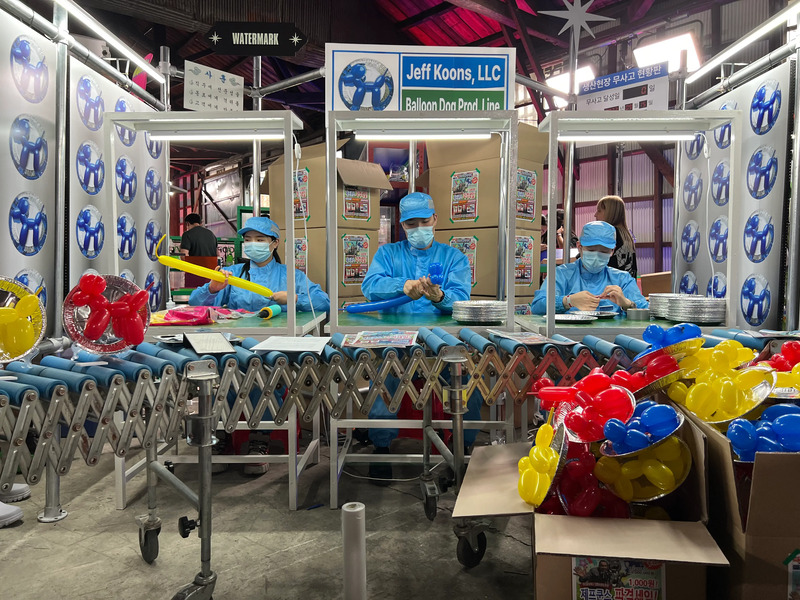
Subsequently, the artist continued to
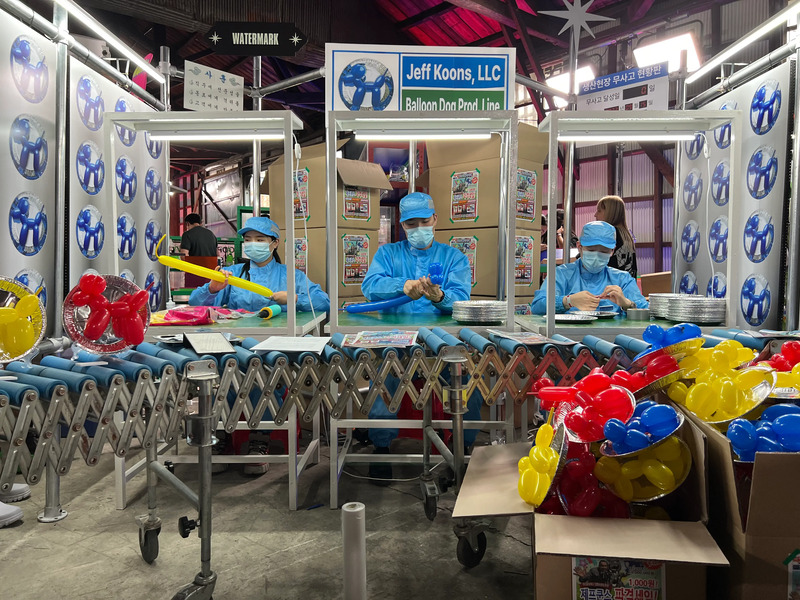
employ the format of monetary exchange in participatory works, selling balloon
sculptures modeled after Jeff Koons’s ‘Balloon Dog’ for 1,000 won and Pokémon
card packs for 5,000 won. By replicating Pokémon—an object deeply embedded in
the memories of an artist born in the 1990s—these works move beyond the mere
imitation of nostalgic innocence. By also incorporating credit cards, symbols
of a constricting present reality, Nam amplifies the gap not only between the
real and the fake, but also between past and present.
In this way, Nam’s transaction-based works
function not only as a means of eliciting audience participation, but also as a
satire on the structures and properties of the art market, in which artworks
are assigned monetary value and exchanged as commodities.

Furthermore, extending this trajectory,
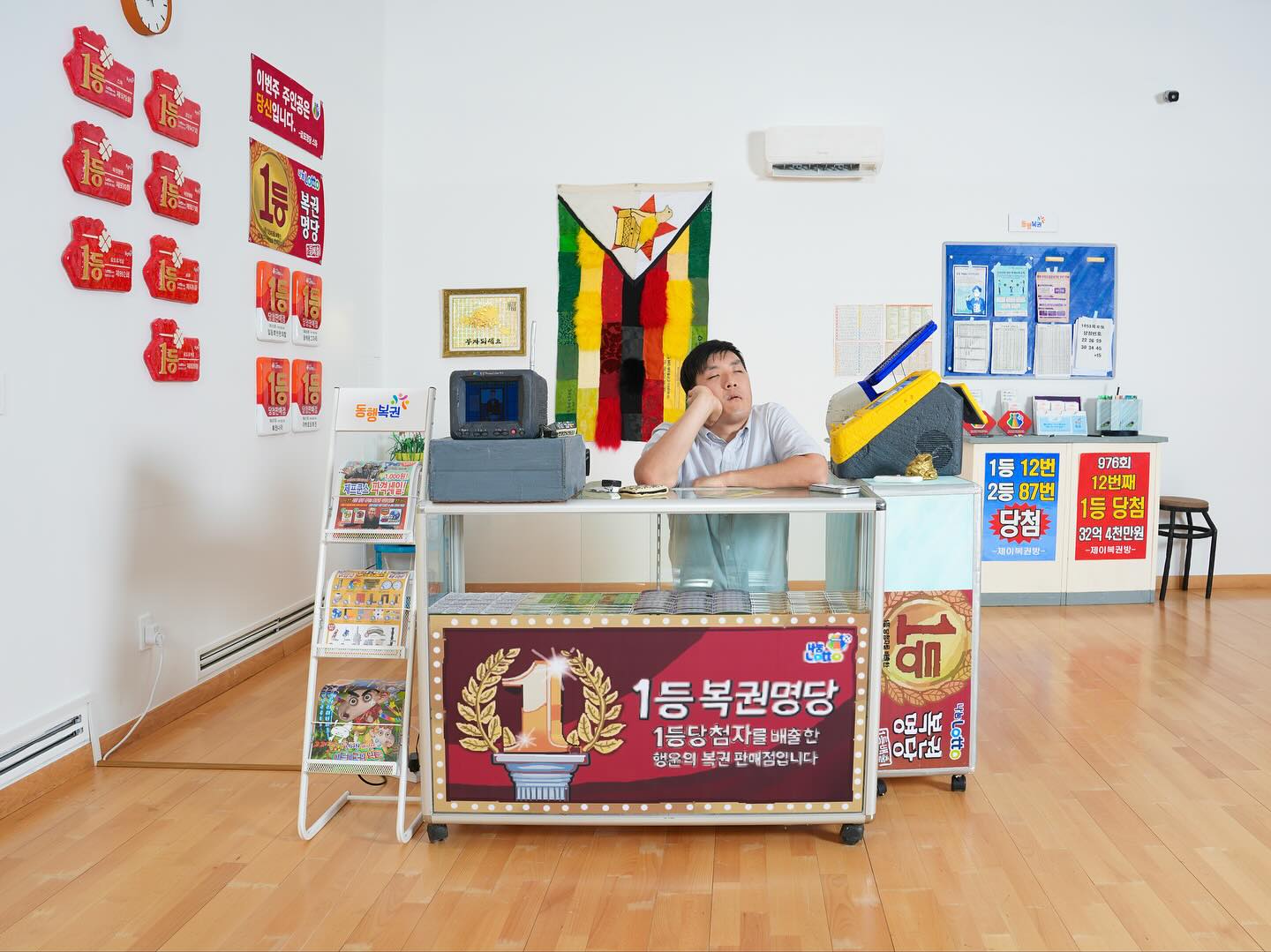
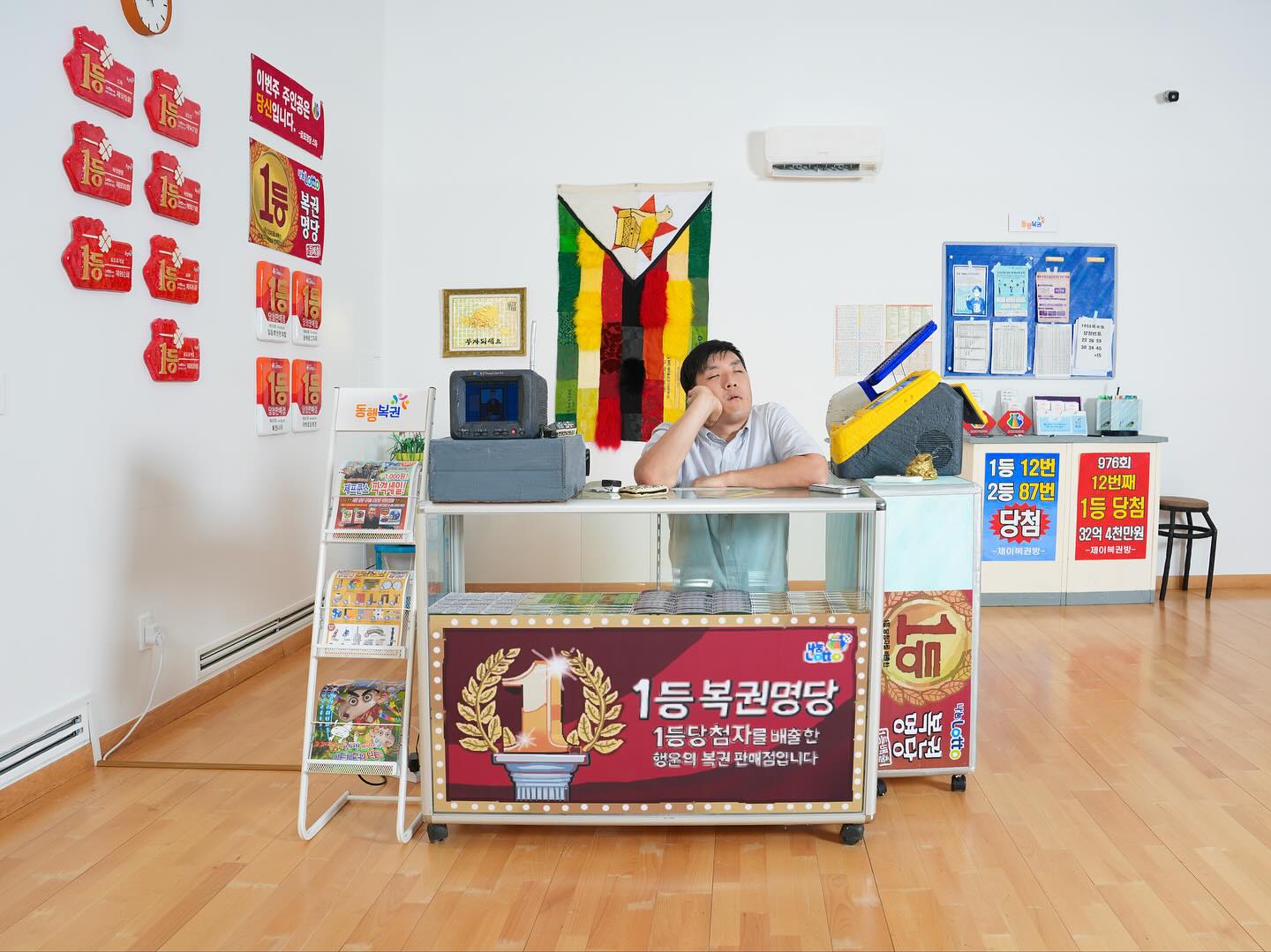
another participatory work, Lottery Booth Project (2023–),
employs the familiar medium of the lottery to critically examine the
contradictions of modern society’s vain desires. The artist produces
counterfeit lottery tickets modeled after “Spito” and “Lotto,” recreating a
lottery shop within the gallery and inviting visitors to purchase tickets and
participate in a live draw—thereby allowing them to experience the gap between
expectation and reality.
By awarding prizes in Zimbabwean dollars, whose
value has vanished due to hyperinflation, the work exposes the instability and
fragility of the contemporary economy, incisively pointing out the futility of
a society where effort and achievement no longer correlate.

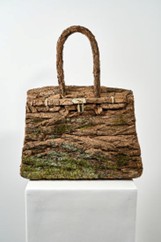
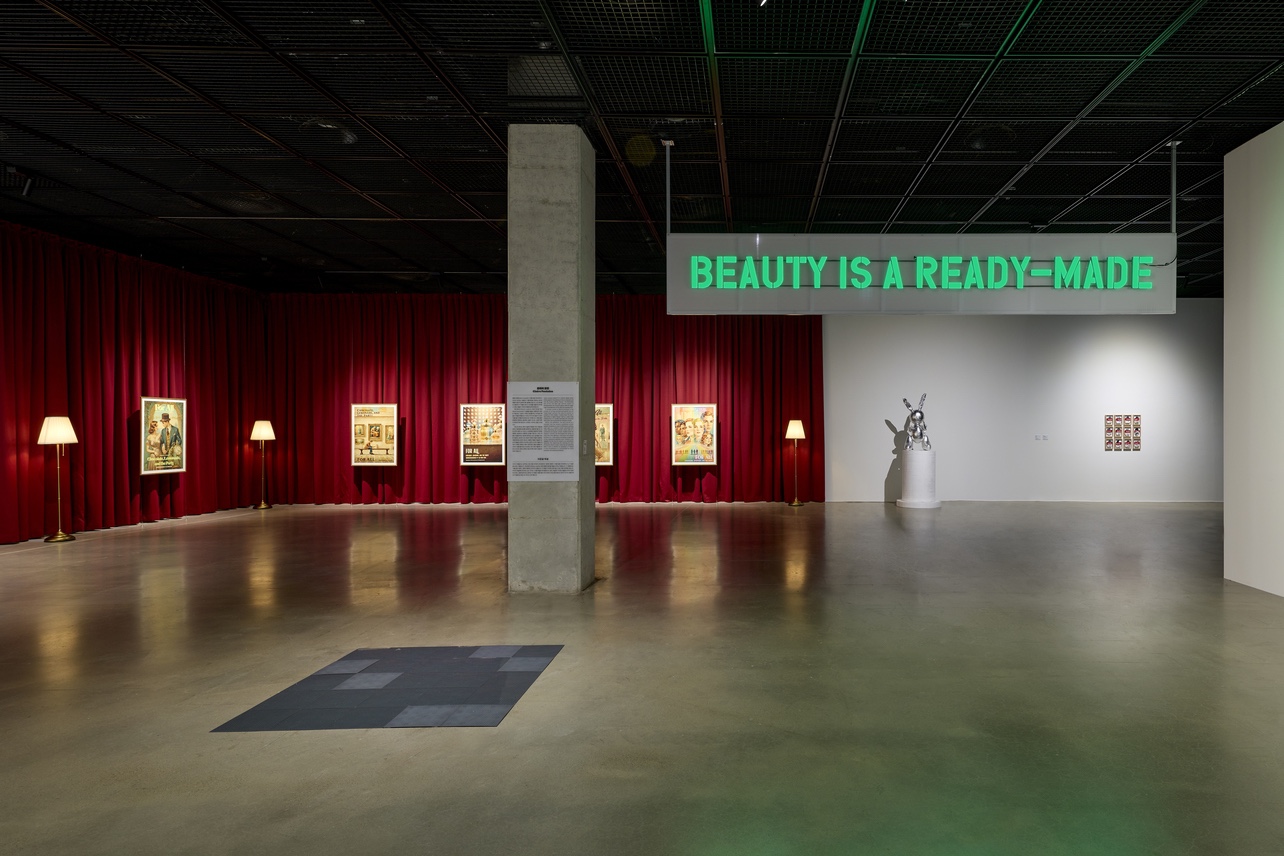
Meanwhile, through the ongoing series ‘MoMA
from TEMU’, initiated in 2024, Dahoon Nam questions the economic and symbolic
values attributed to artworks deemed “masterpieces.” In this body of work, he
reconstructs canonized works from art history using inexpensive mass-produced
goods purchased from platforms such as Temu, Daiso, Coupang, and IKEA, as well
as discarded materials from everyday life, thereby exposing the gap between
art’s intrinsic value and the economic value assigned to it by the market.
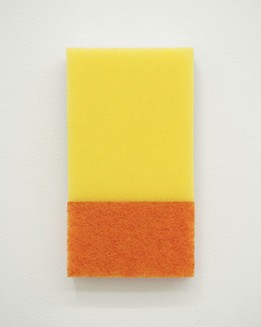
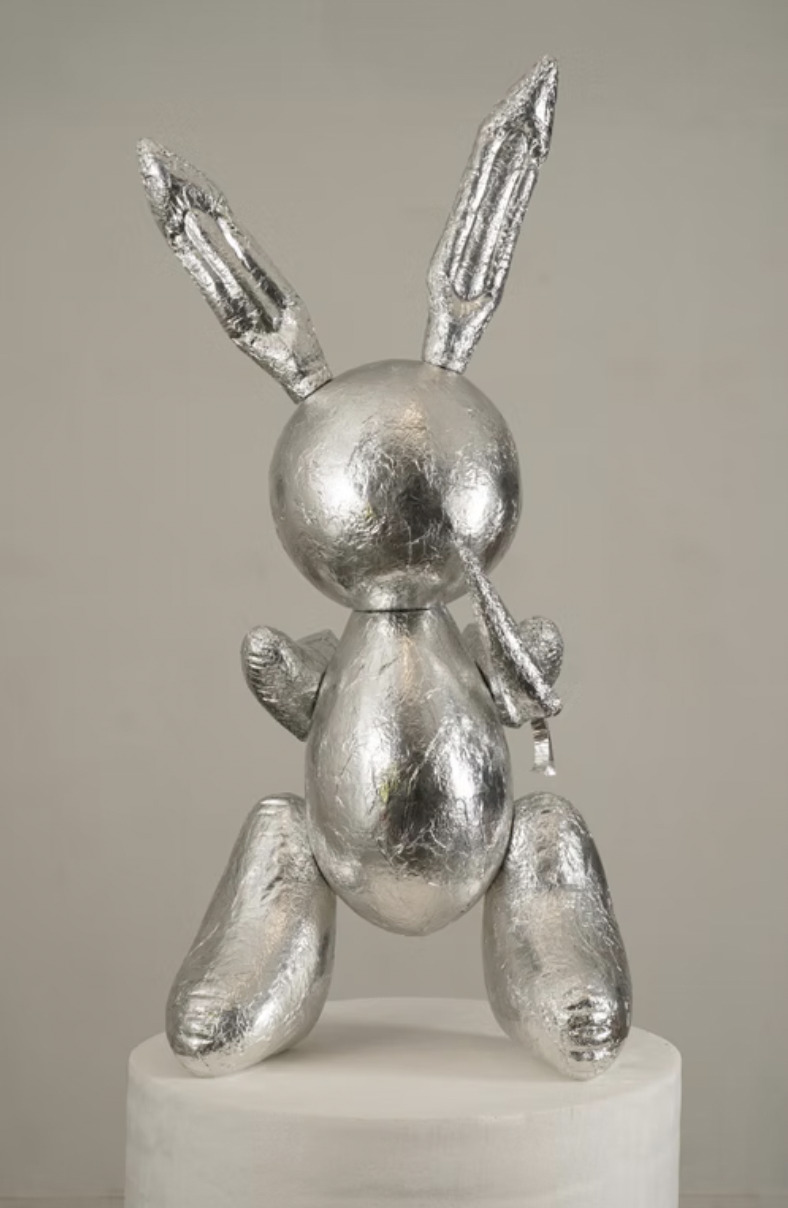
For example, Untitled, a
color-field painting by Mark Rothko, a leading figure of Abstract
Expressionism, is replicated using three-pack double-sided sponge scrubbers
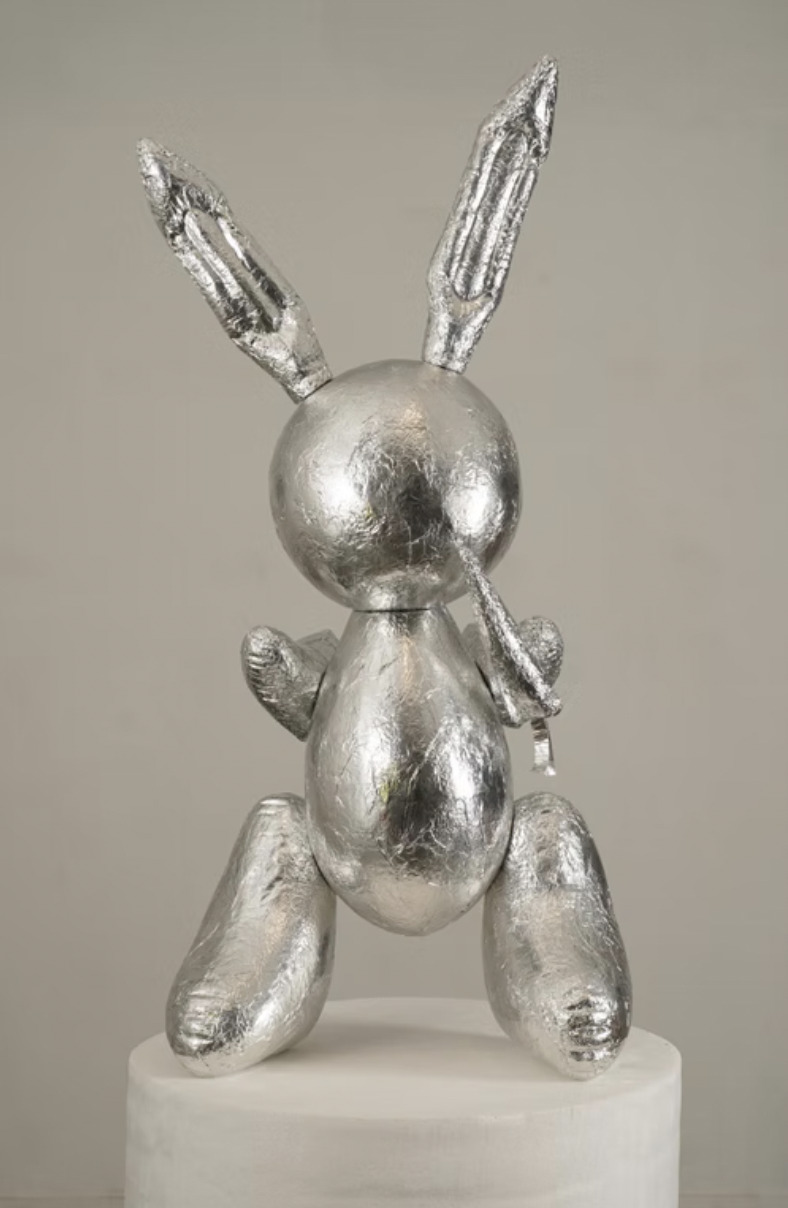
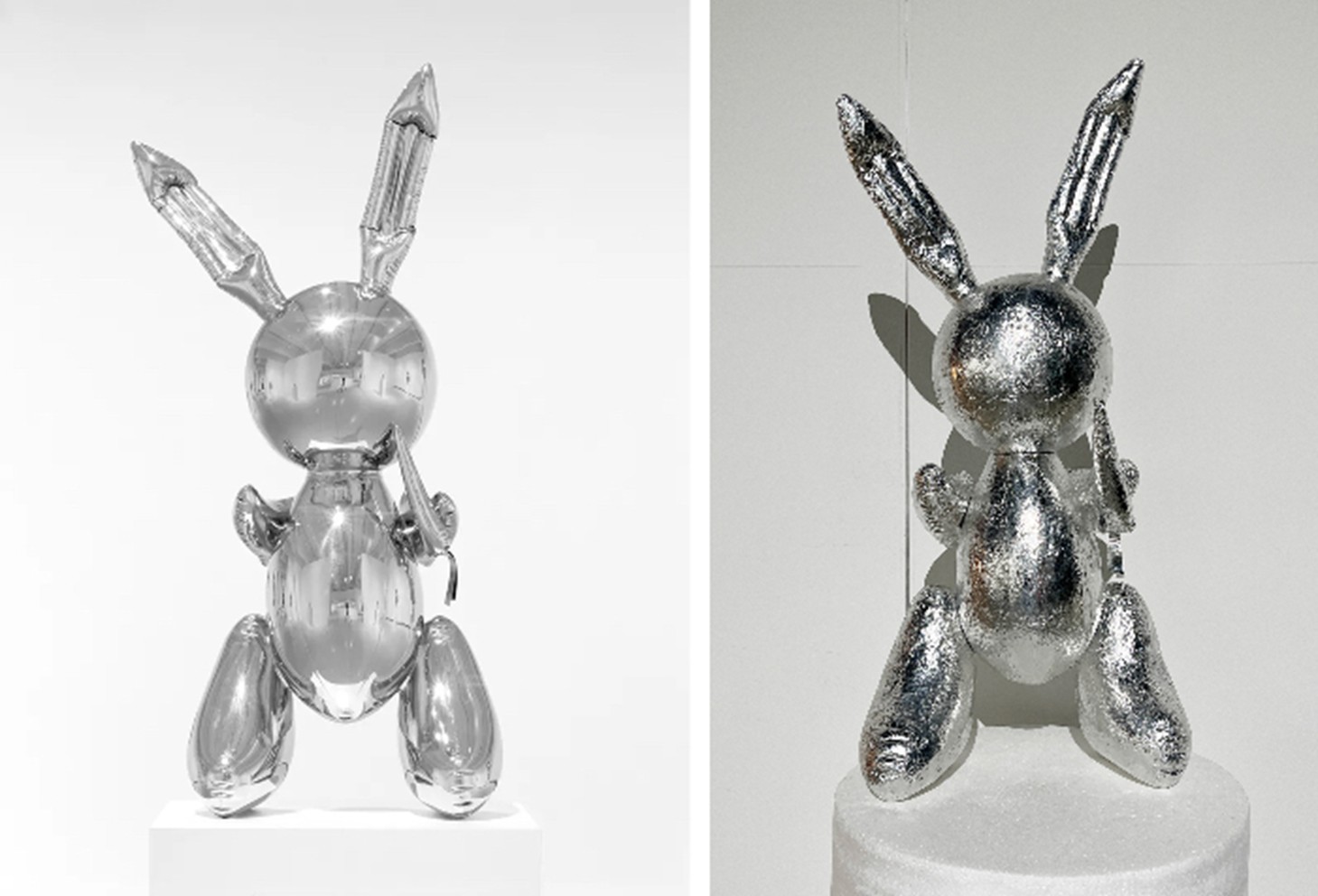
purchased from Daiso, while Jeff Koons’s Rabbit, originally
made of stainless steel, is re-created with crude aluminum foil and Styrofoam.

The artist also inserts the context of
contemporary Korean consumer culture into these works by Western masters. For
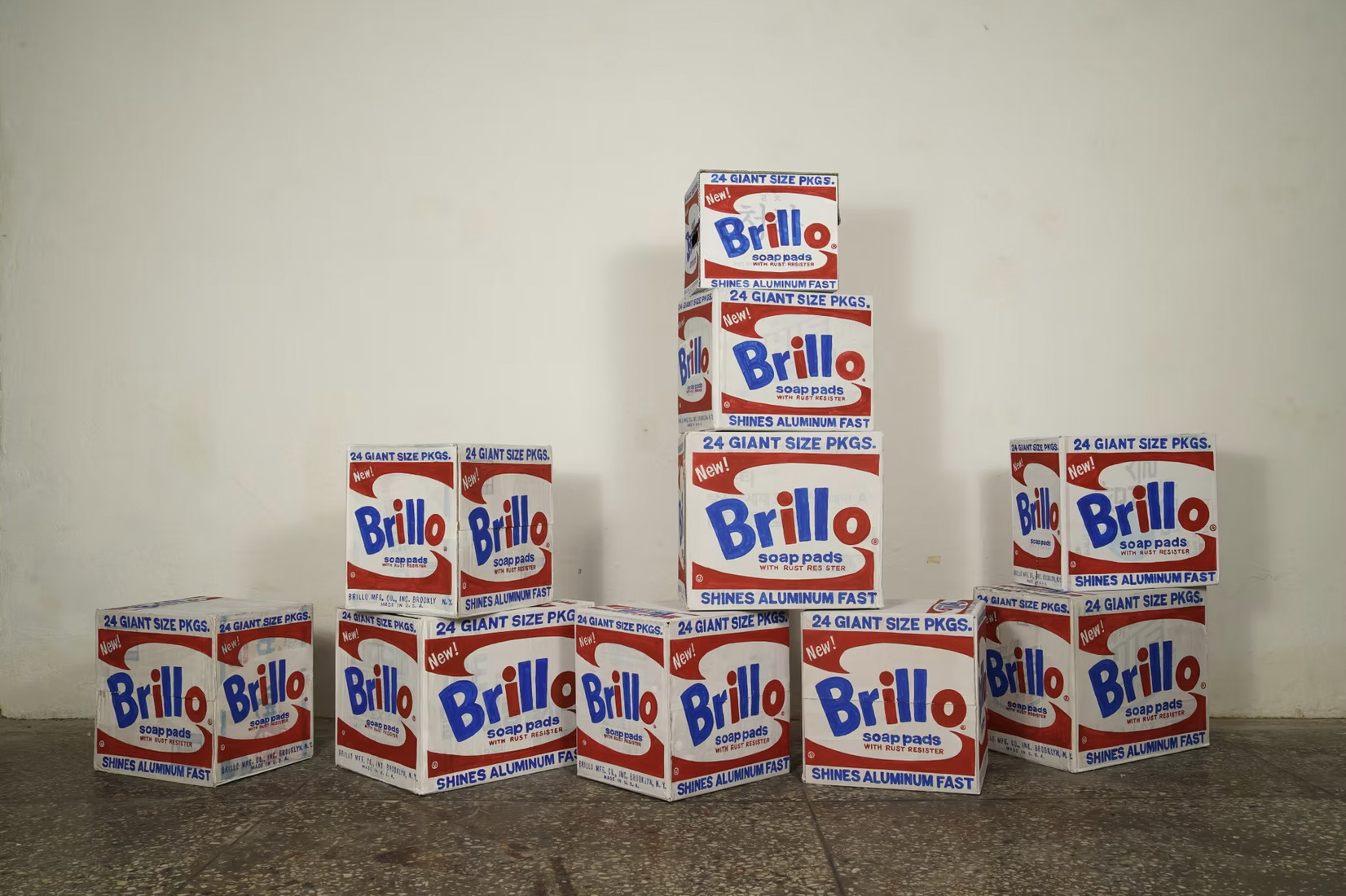
instance, Andy Warhol’s Brillo Box, which dismantled the
boundary between high art and popular culture, is reimagined by overlaying the
Brillo logo onto boxes labeled with Korean brands such as Chungha and
Bibim-myeon, thereby extending Warhol’s question—“What is art?”—into the
context of Korean society today.
Through such works, Nam strips away the
myth of art as something “noble and sublime” or as “the pinnacle of
intellectual creation,” and asks what, in fact, determines the value of
artworks as capital.

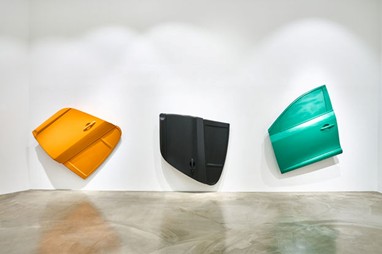
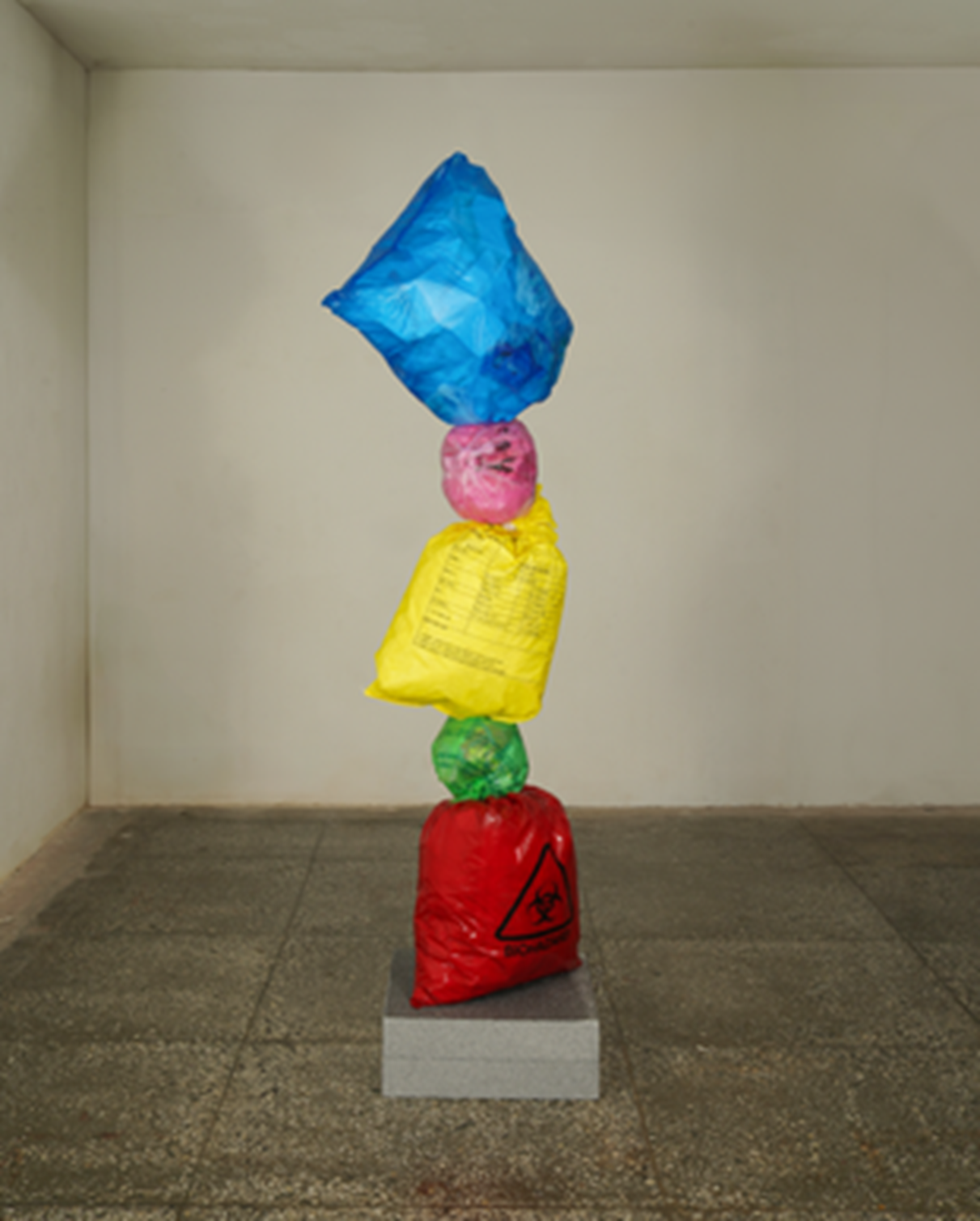
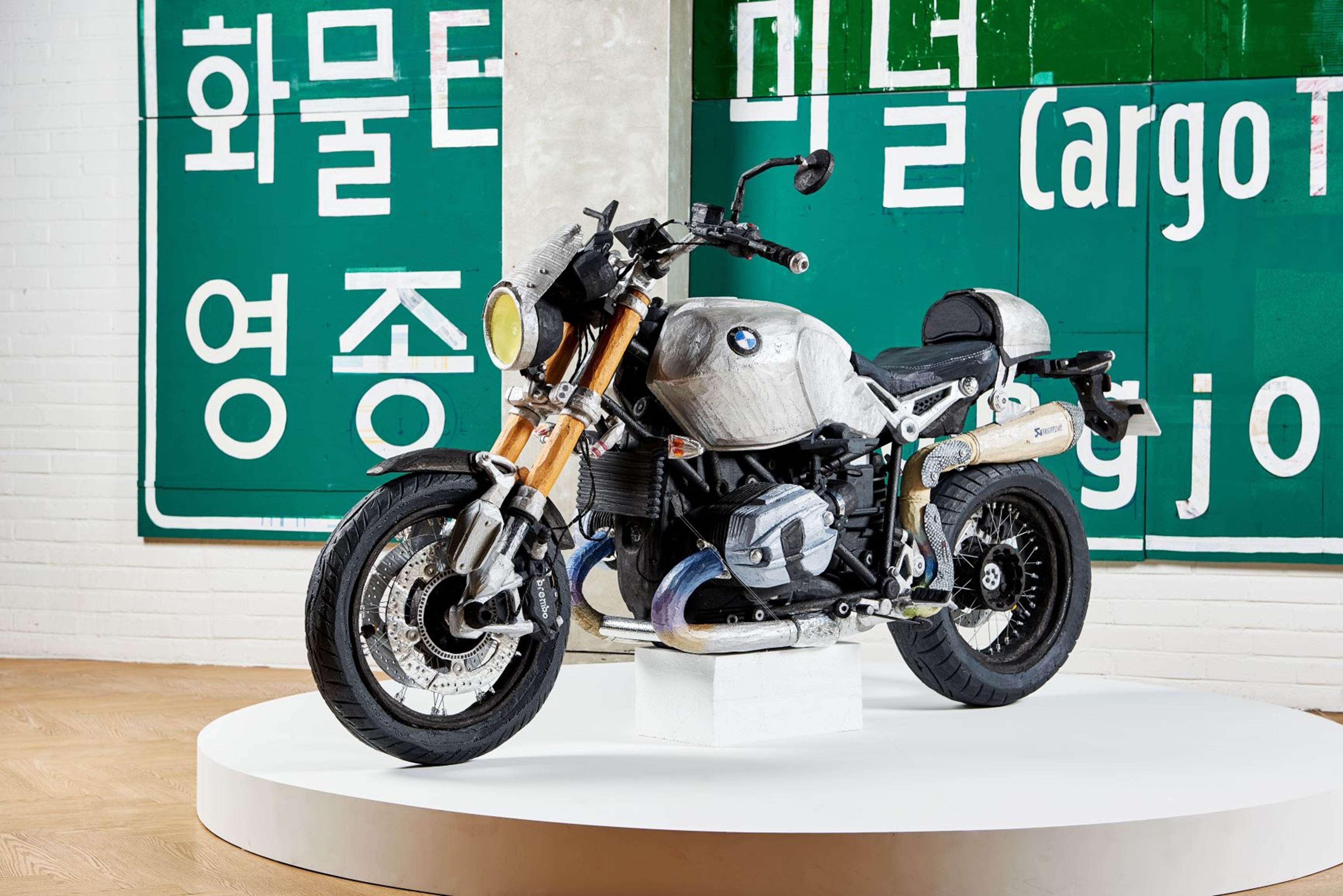
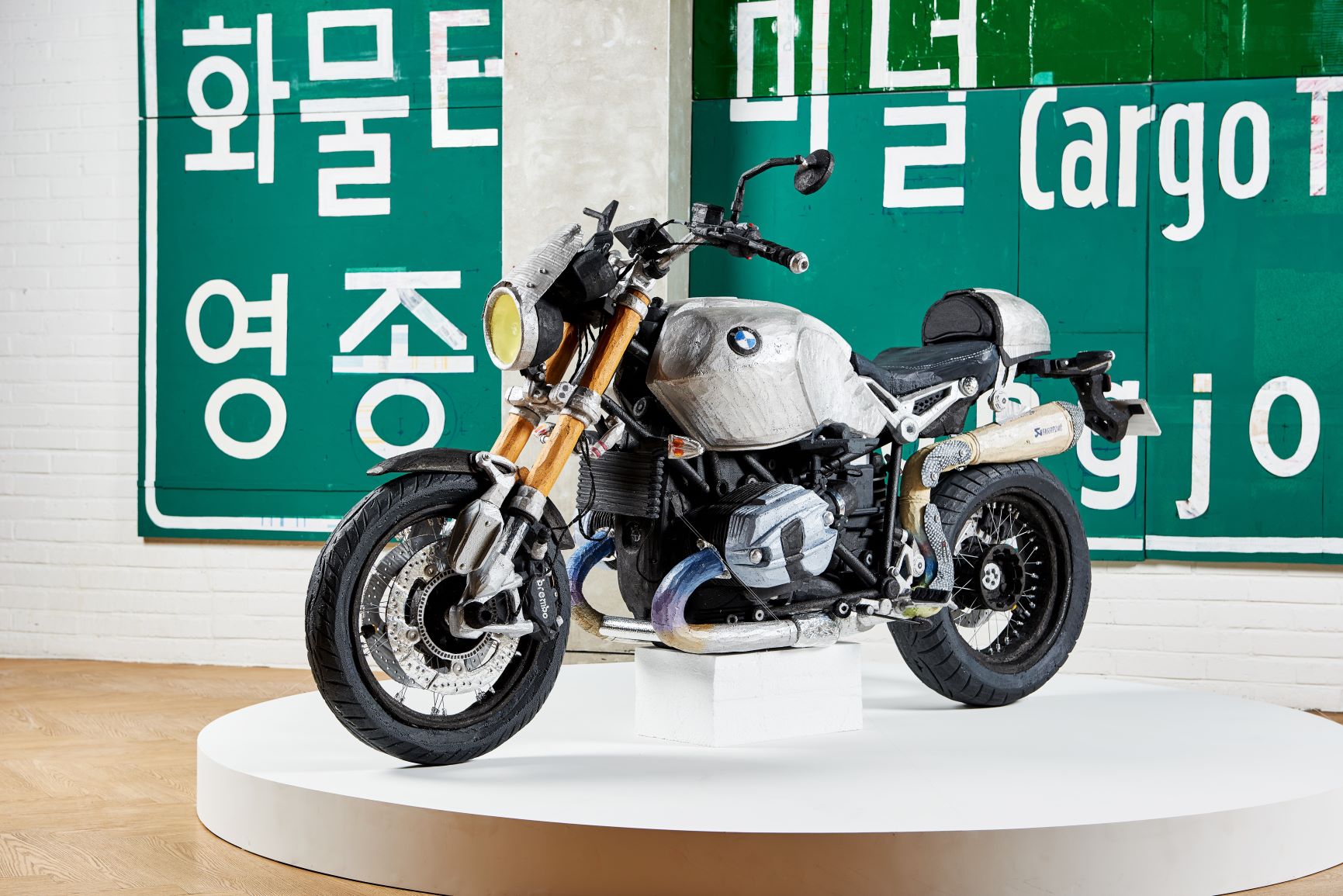
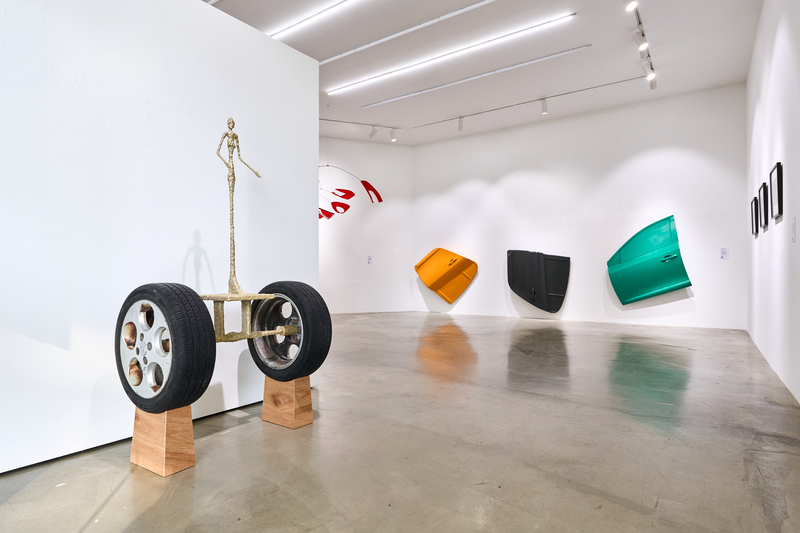
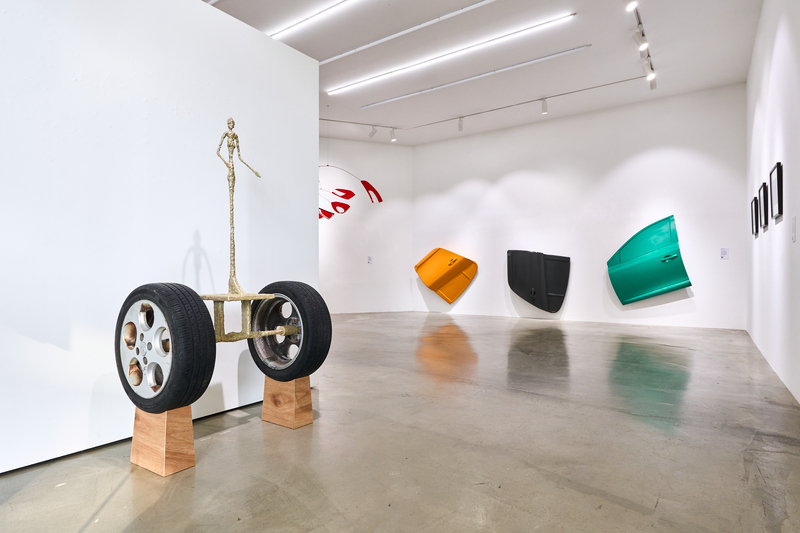
In his 2025 solo exhibition 《National Junkyard of Modern and Contemporary Art》, held at ATELIER AKI, the artist presented a fresh experiment that
dismantles the boundary between art and consumer society by recreating icons of
contemporary art using automobile parts collected from a junkyard.
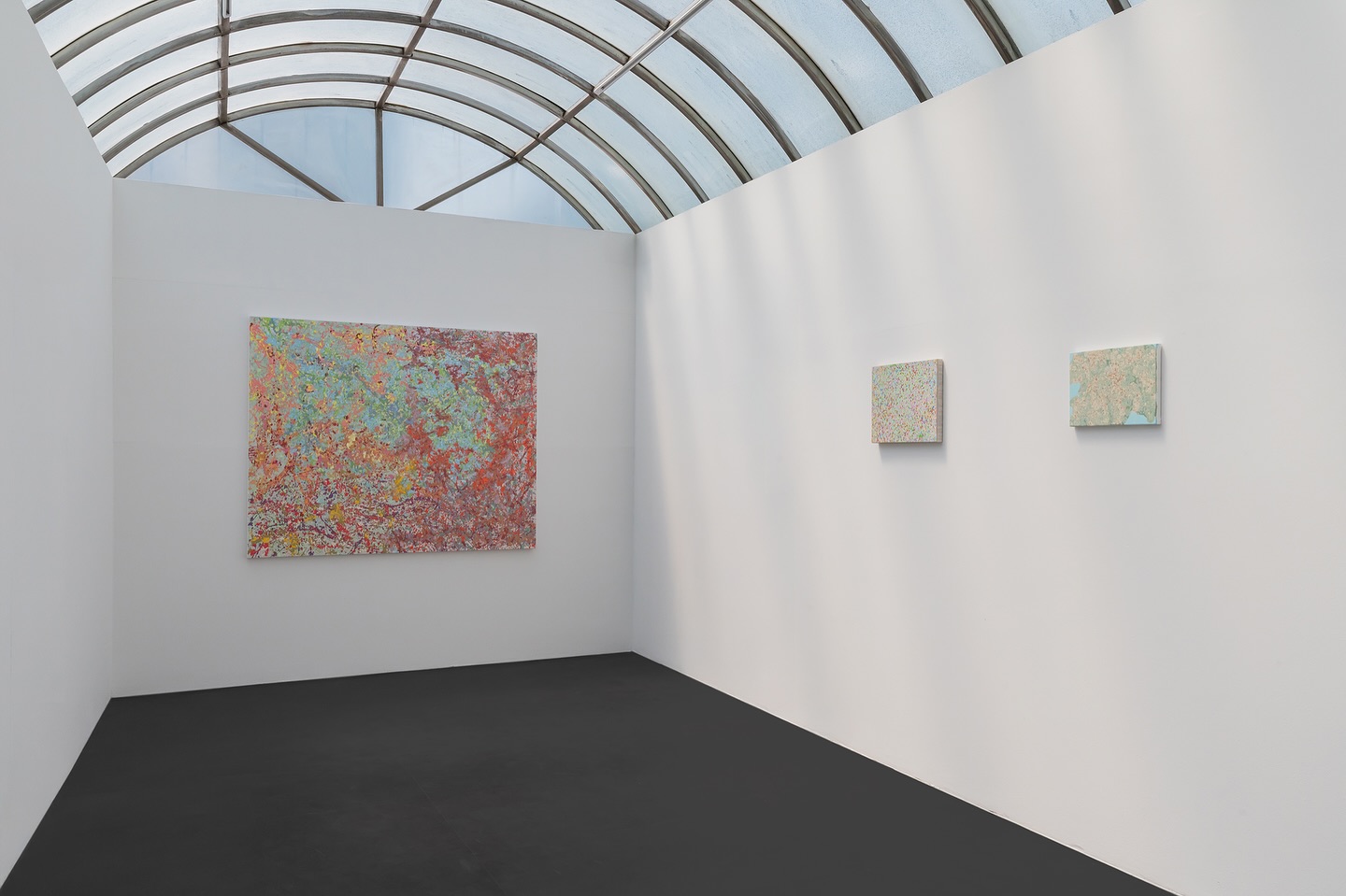
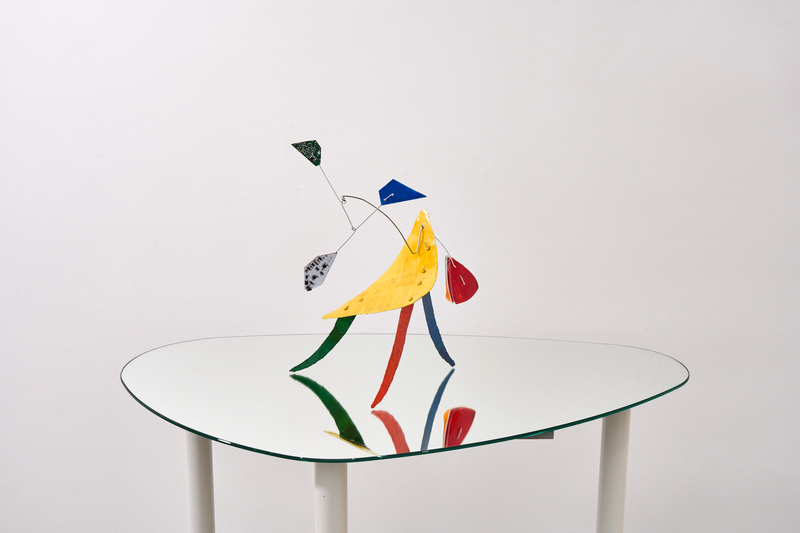
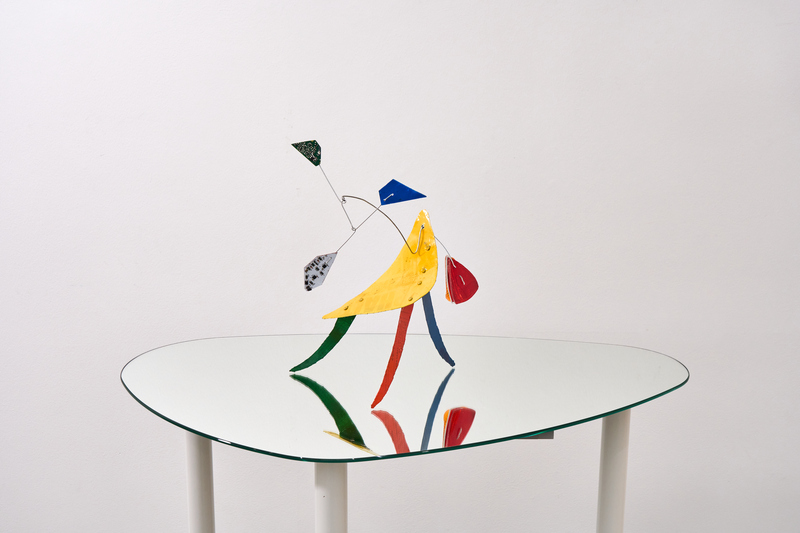
The exhibition reconstructs iconic
contemporary artworks using materials salvaged from junkyards. Alexander
Calder’s mobiles, reimagined with car headlights; Ellsworth Kelly’s paintings,
recreated with car doors; Alberto Giacometti’s sculptures, crafted from Kia
Morning wheels; and Richard Serra’s sculptures, built from car mufflers and
hoods. Each work dismantles the authority and originality of contemporary art,
offering a bold new visual interpretation.

Furthermore, his works symbolically reveal
issues of overconsumption and the environment through the process by which the
waste of mass production and consumer society is reborn. As both an icon of
progress and innovation and a byproduct of mass production and overconsumption,
the car becomes a medium through which the artist simultaneously reveals its
positive and negative connotations.
Expanding on themes explored in his
previous works, Nam uses replication and reproduction to critically examine the
relationship between contemporary art and capitalism.
As seen in ‘MoMA from TEMU,’ where he
deconstructed the authority of contemporary art through low-cost mass-produced
goods, Nam once again challenges artistic conventions by reconstructing iconic
artworks with discarded car parts, dissolving the boundary between art and
consumer products. By highlighting mass production and waste, the exhibition
symbolically confronts issues of overconsumption and environmental impact.
Through his signature blend of humor and satire, Nam delivers these themes in a
way that is both accessible and strikingly thought-provoking.

In this way, Nam’s practice of replication
goes beyond mere reproduction, constituting an attempt to question the status
of the “real” and to explore the subversive potential inherent in the “fake.”
In a rapidly changing contemporary society driven by values such as efficiency,
innovation, and progress, the artist prompts us to reconsider what has been
given to us—and to re-recognize what we may be overlooking—through fakes that
closely resemble reality.
“The age of social media has
marveled at the efficiency of textual transmission, and such modes of
communication have come to demand definitive answers, and ultimately a single
truth. I believe this trajectory has confined us to confrontation rather than
dialogue, and to belief rather than thought.
Identity has been claimed through a single
line of a tweet rather than through diverse artistic expressions and
interpretations, and the fierce battles waged in defense of outdated values,
along with the endless repetition of texts and images, have instead rendered
society weary. Through my work, I seek to dismantle the values that generate
these phenomena and to become the most ambiguous thing possible.” (Dahoon Nam, Artist’s Note)

Dahoon Nam studied Art History at the
University of Toronto. His solo exhibitions include 《National
Junkyard of Modern and Contemporary Art》 (ATELIER AKI,
Seoul, 2025), 《MoMA from TEMU》 (Space
Hwangumhyang, Seoul, 2024), 《YOU JUST ACTIVATED MY TRAP
CARD》 (Chamber, Seoul, 2023), 《SB-129
Part 1》 (Ingahee Gallery, Seoul, 2022), and more.
He has also participated in numerous group
exhibitions, including 《For All: Chocolate, Lemonade,
and Party》 (Suwon Museum of Art, Suwon, 2025), 《The Year Book: Class of ‘24》 (Space xx, Seoul,
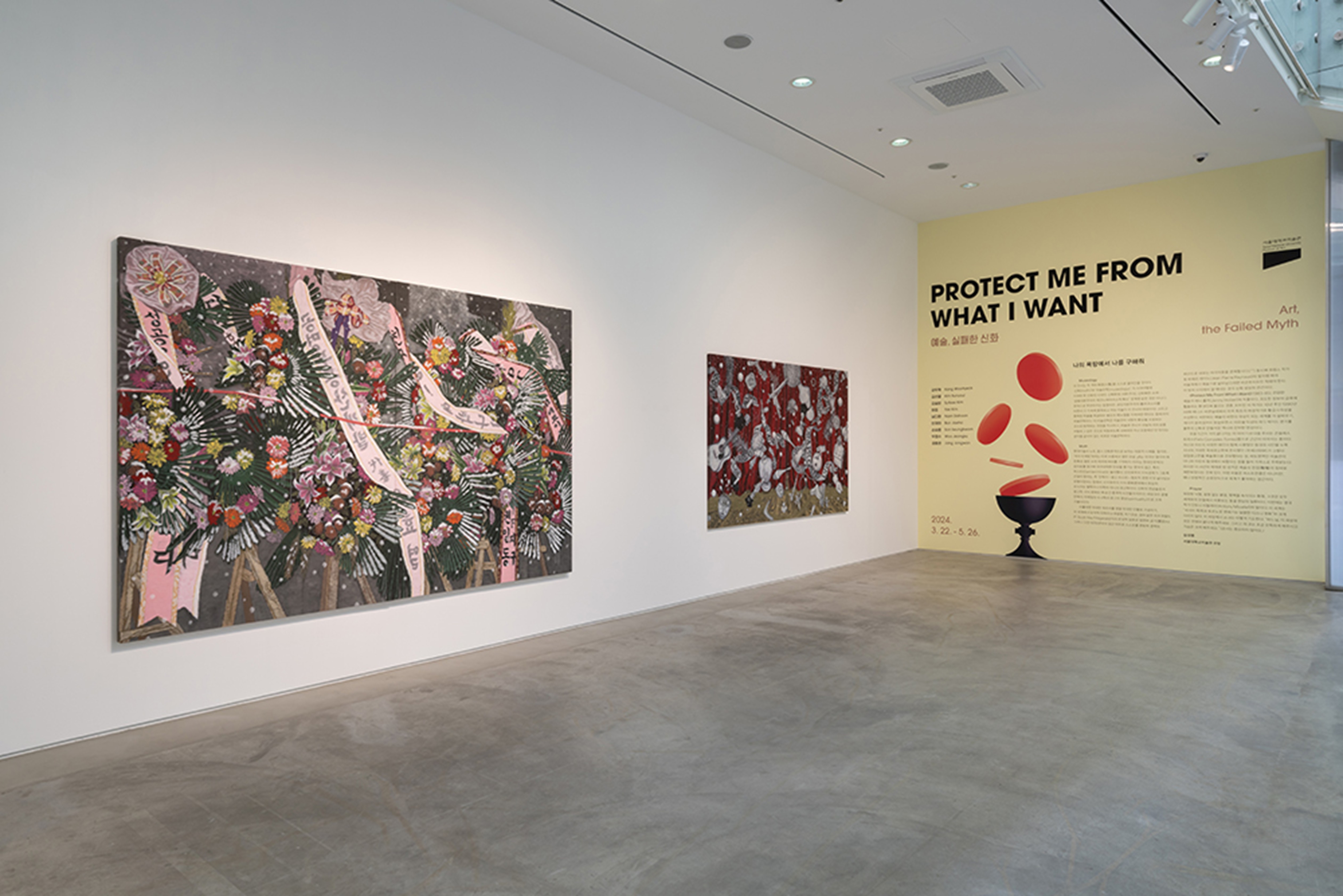
2024), 《Protect Me From What I Want》 (Seoul National University Museum of Art, Seoul, 2024), 《In This Garden We Loved_Part II》 (ATELIER
AKI, Seoul, 2023), 《The Squid Chooses Its Own Ink》
(Post Territory Ujeongguk, Seoul, 2022), and 《NEW RISING ARTIST》 (Jeju Museum of
Contemporary Art, Jeju, 2022).
Nam’s works are held in the collections of
the Jeju Museum of Contemporary Art and the Yangju City Chang Ucchin Museum of
Art.