Articles
[Column] Artist of the Month – Choreographer Suhwa Kim
March, 2022
Munhwa Seoul (Seoul Foundation for Arts and Culture)
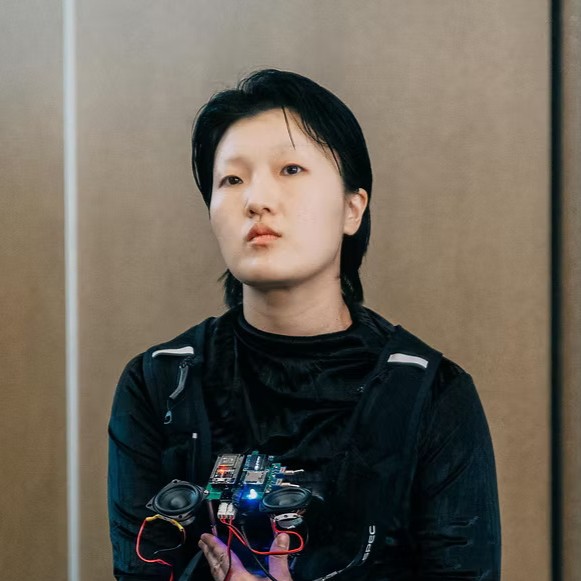
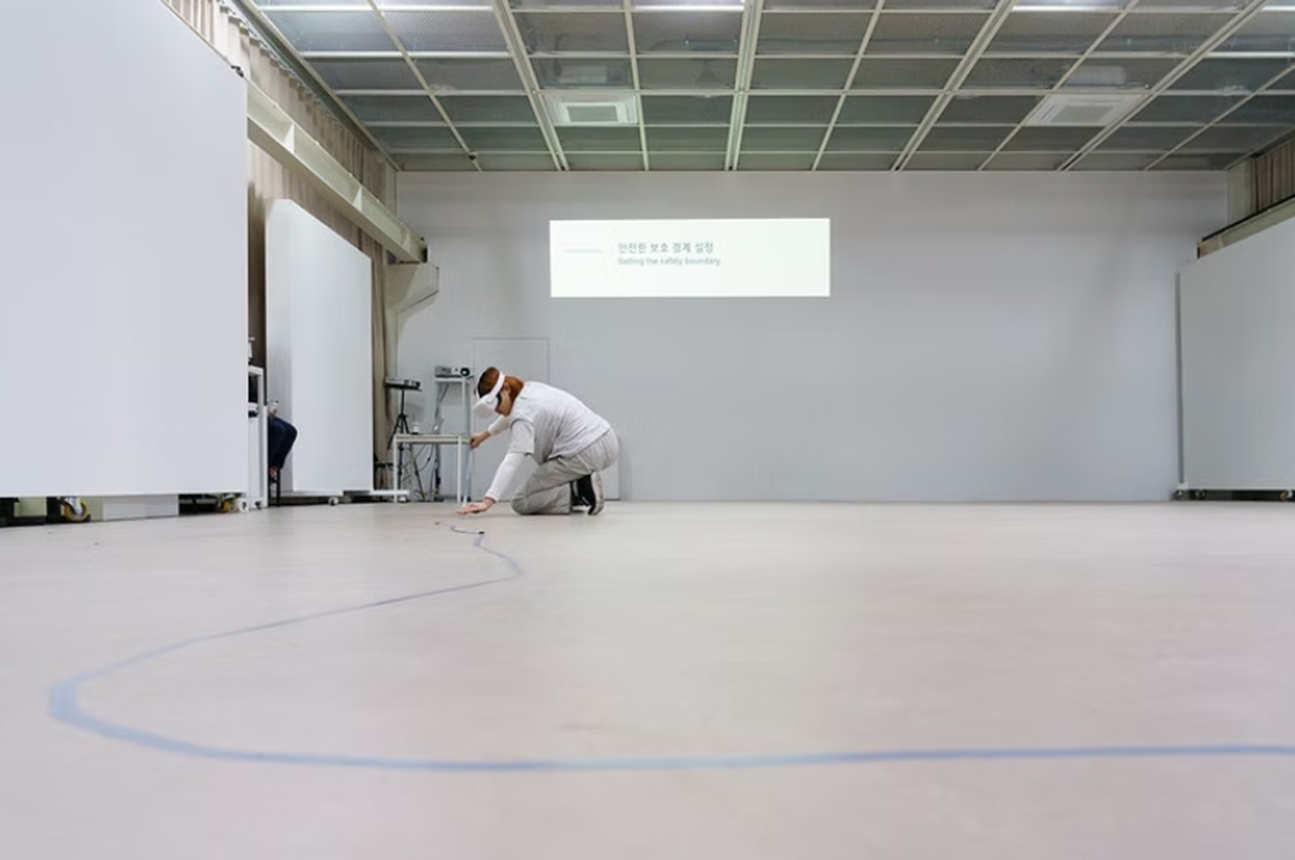
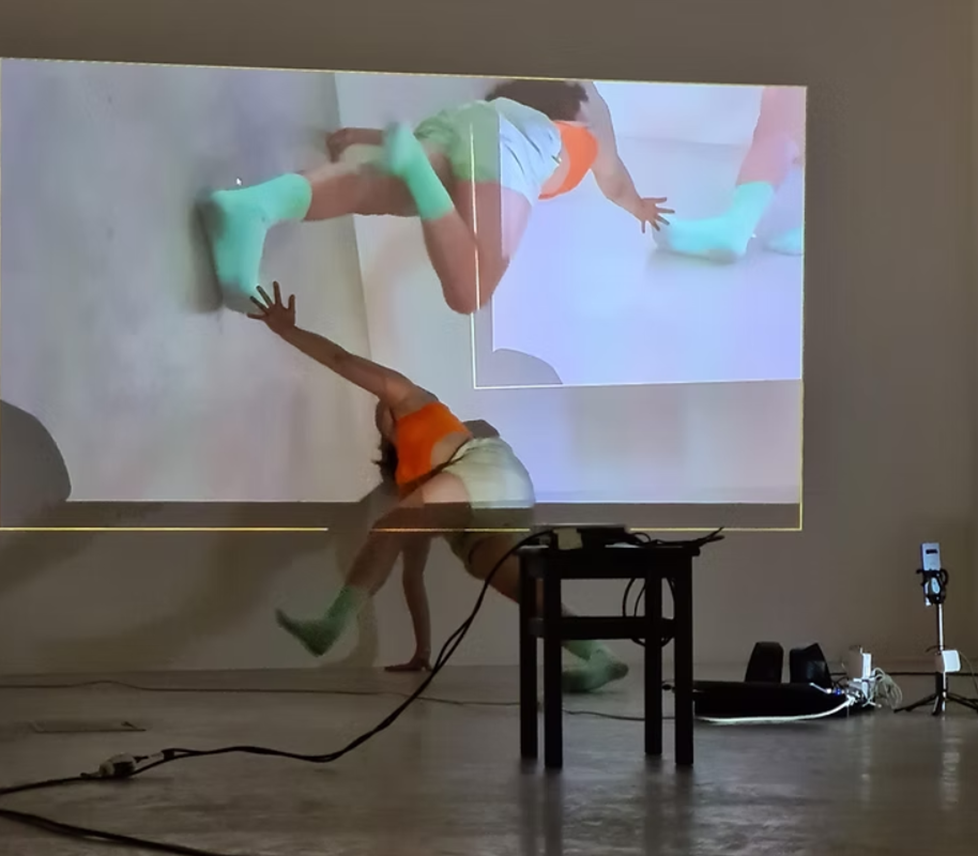
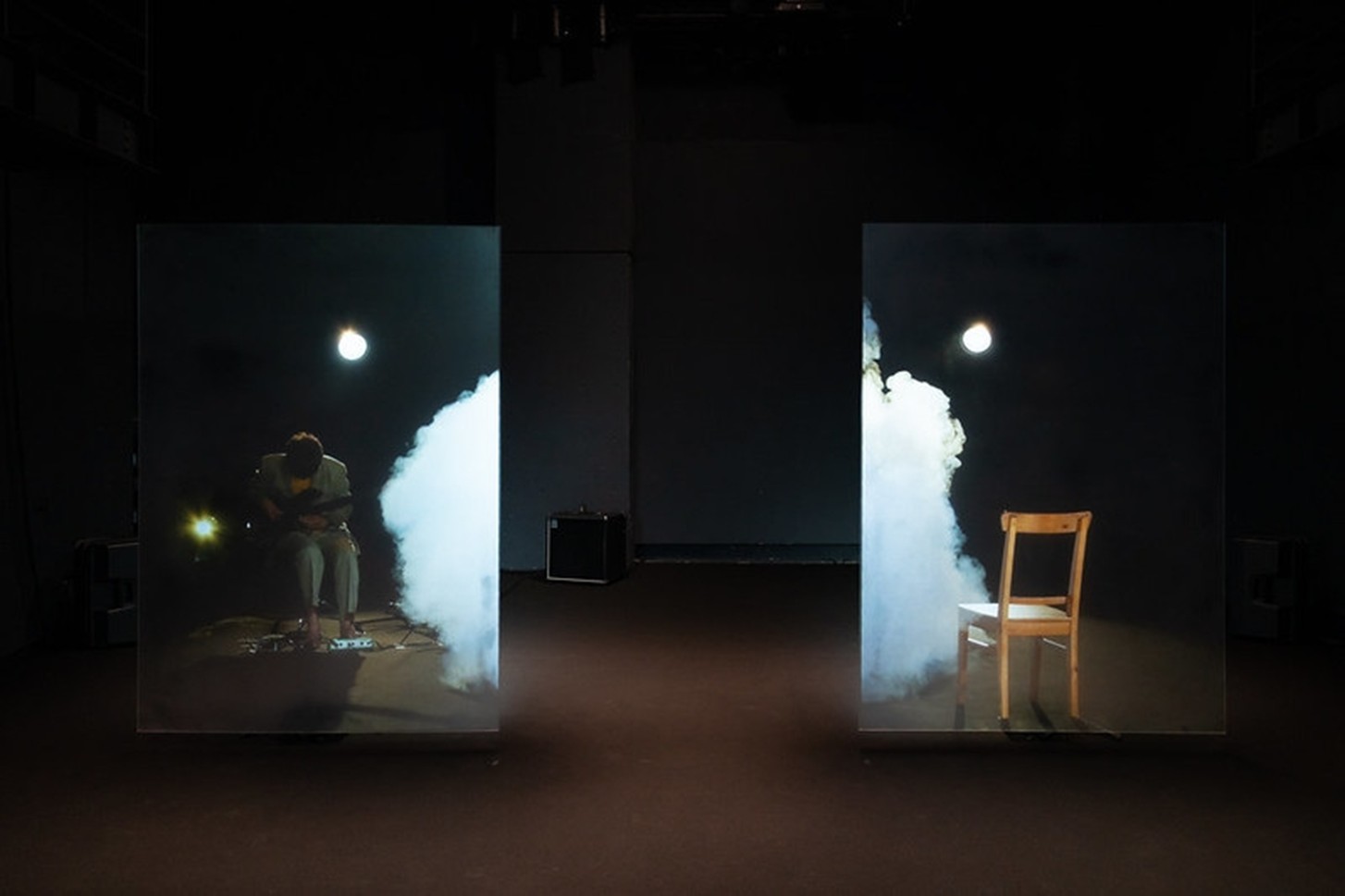
 Suhwa
Kim, Screengraphy, 2021 (Mullae Art Factory Gallery M3) @
Suhwa Kim
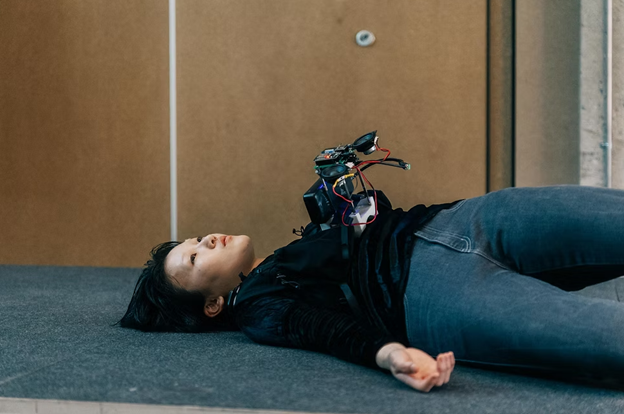
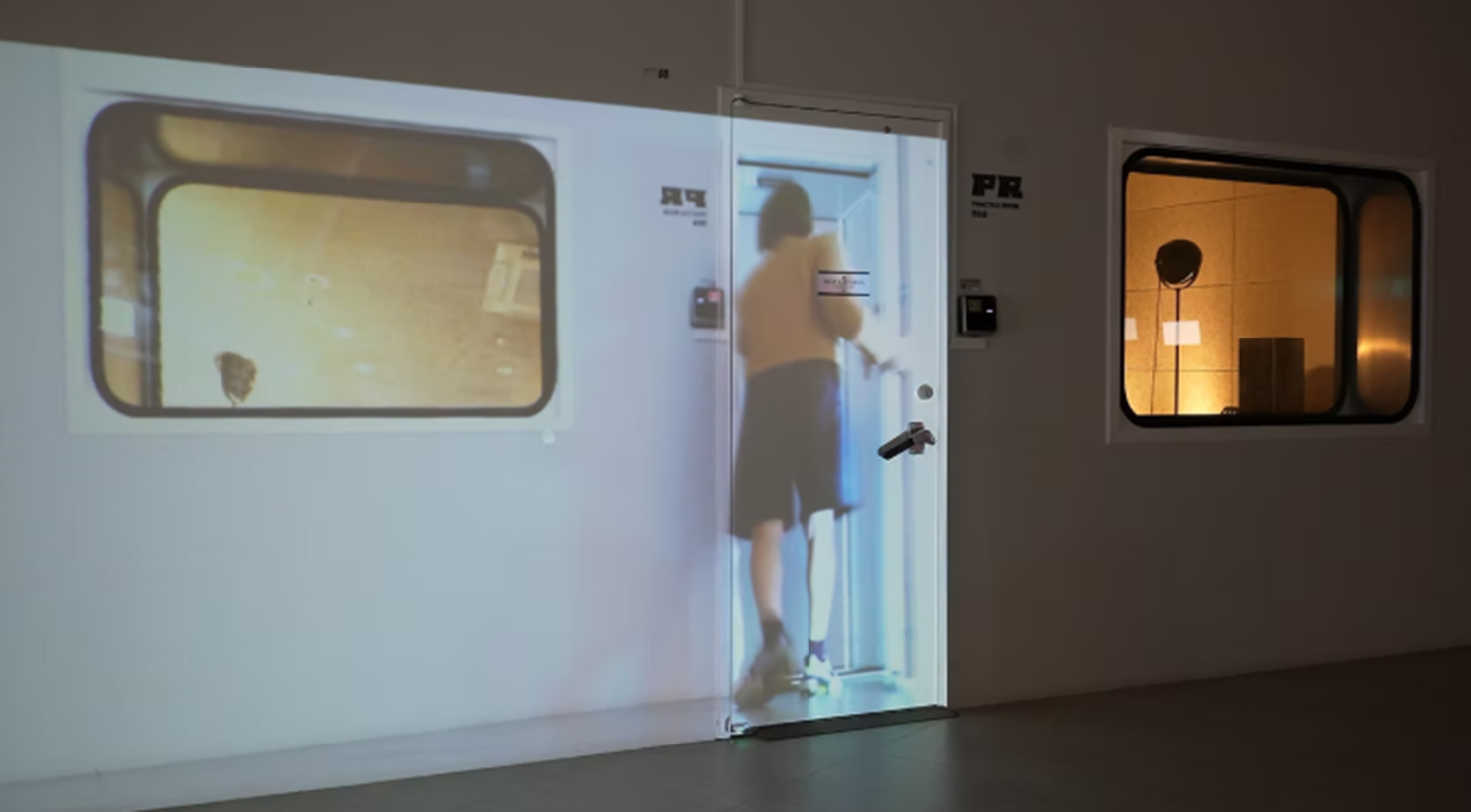
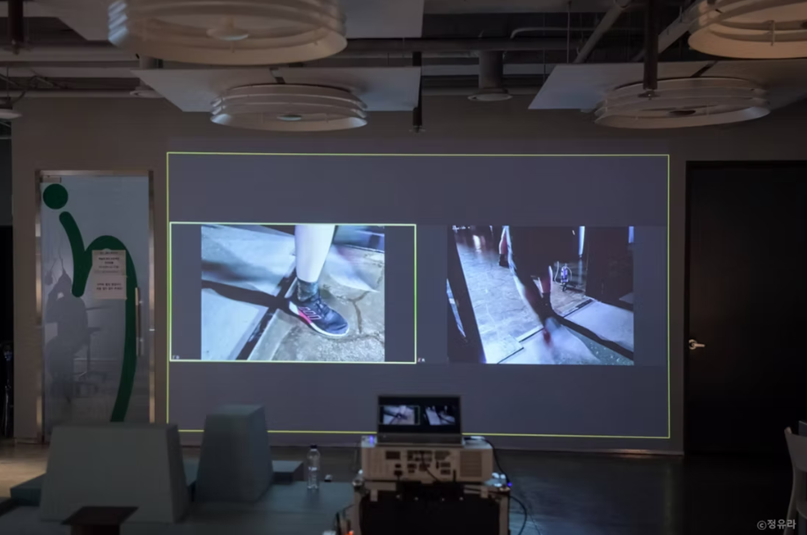
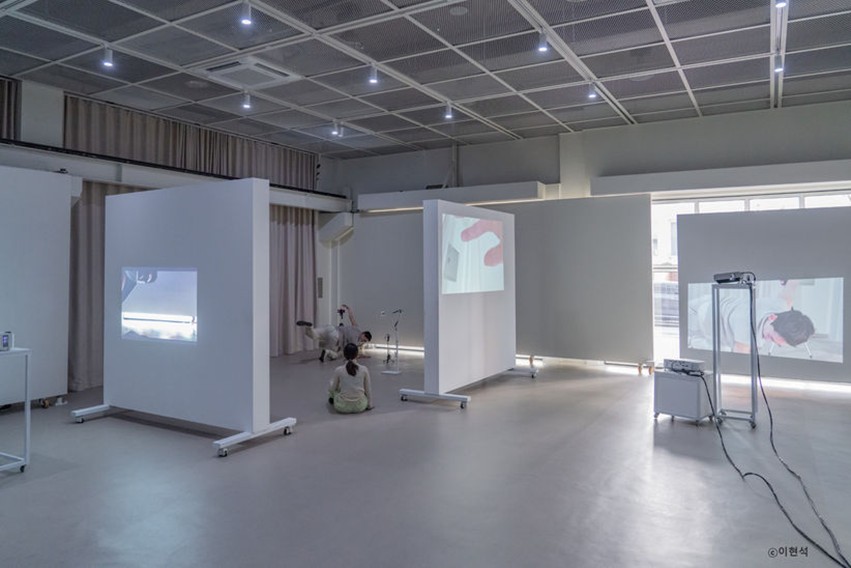
Suhwa
Kim, Screengraphy, 2021 (Mullae Art Factory Gallery M3) @
Suhwa Kim
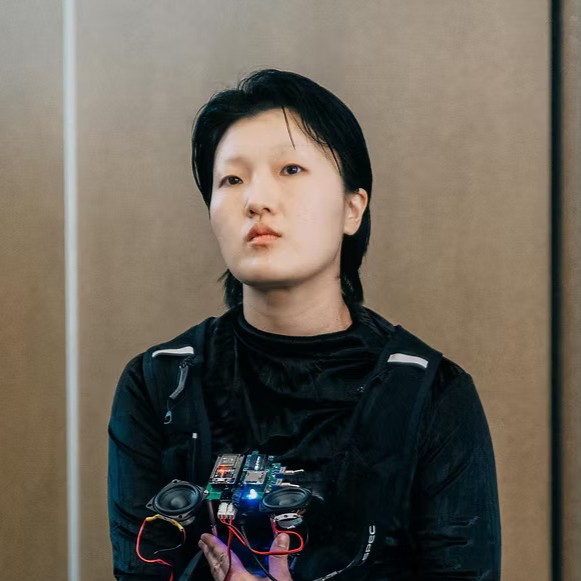
Suhwa
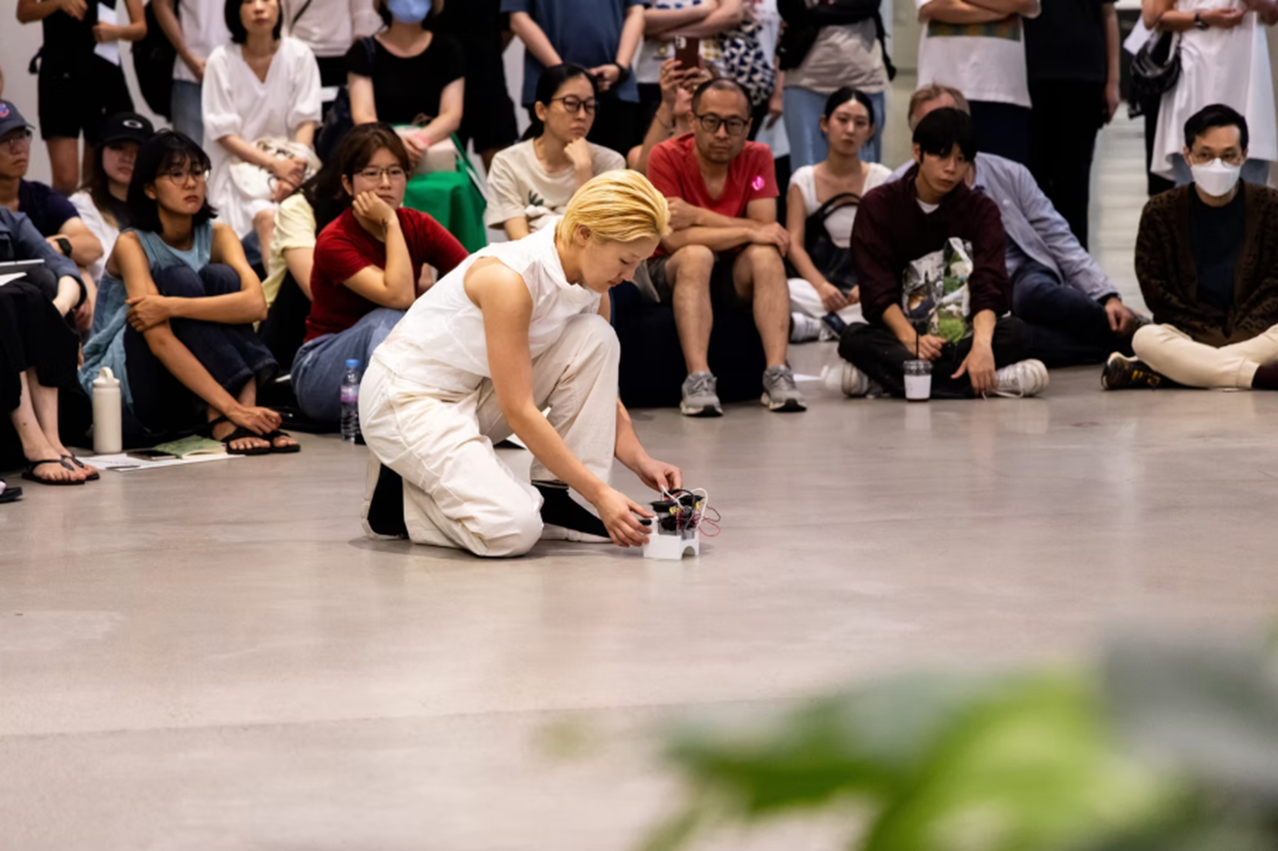
Kim works across theaters, outdoor environments, and screens as a choreographer
and performer. Her choreographic practice engages with the body in social and
cultural contexts and explores the sensory events that emerge at the
intersection of the body and media.
She
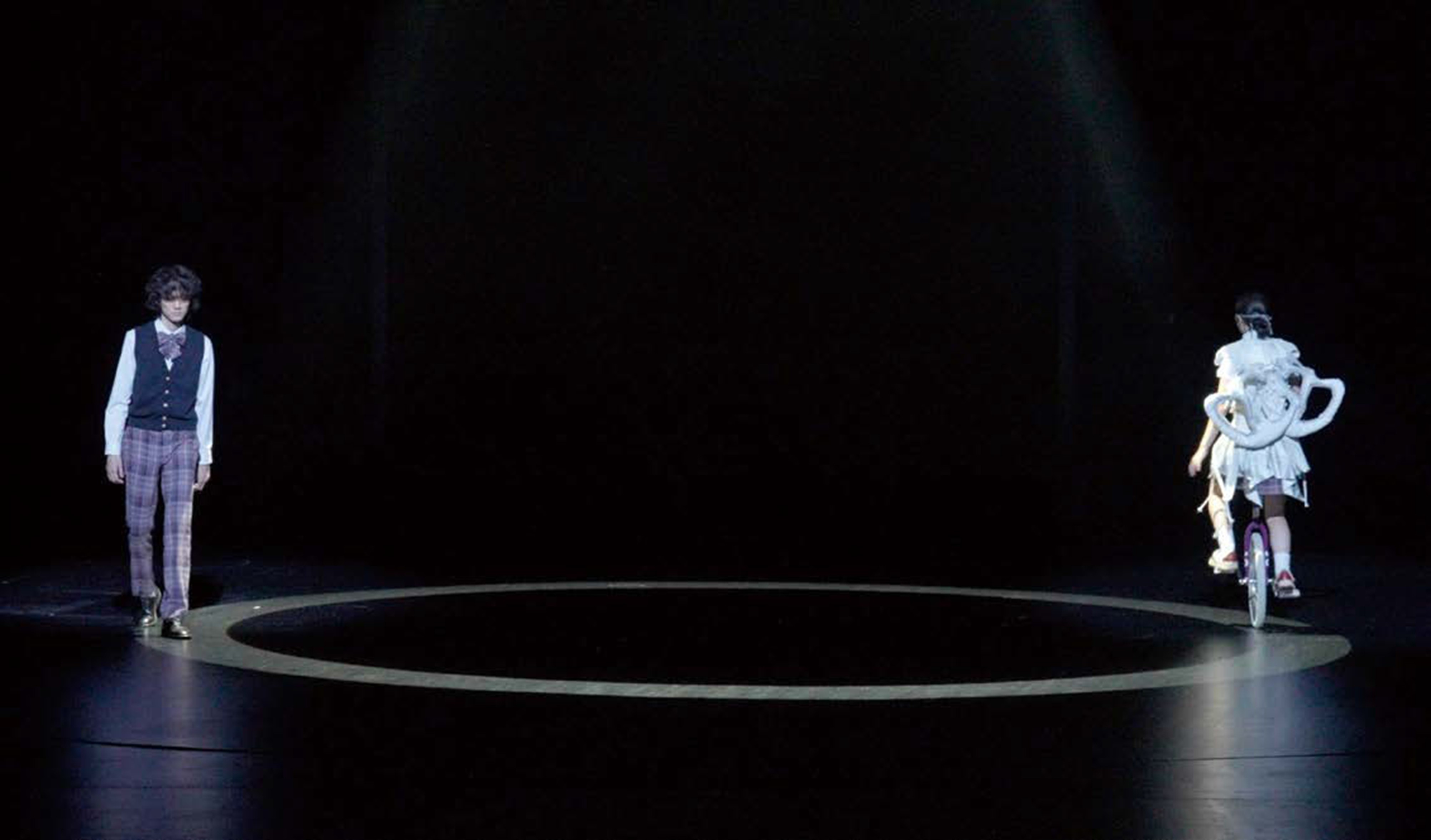
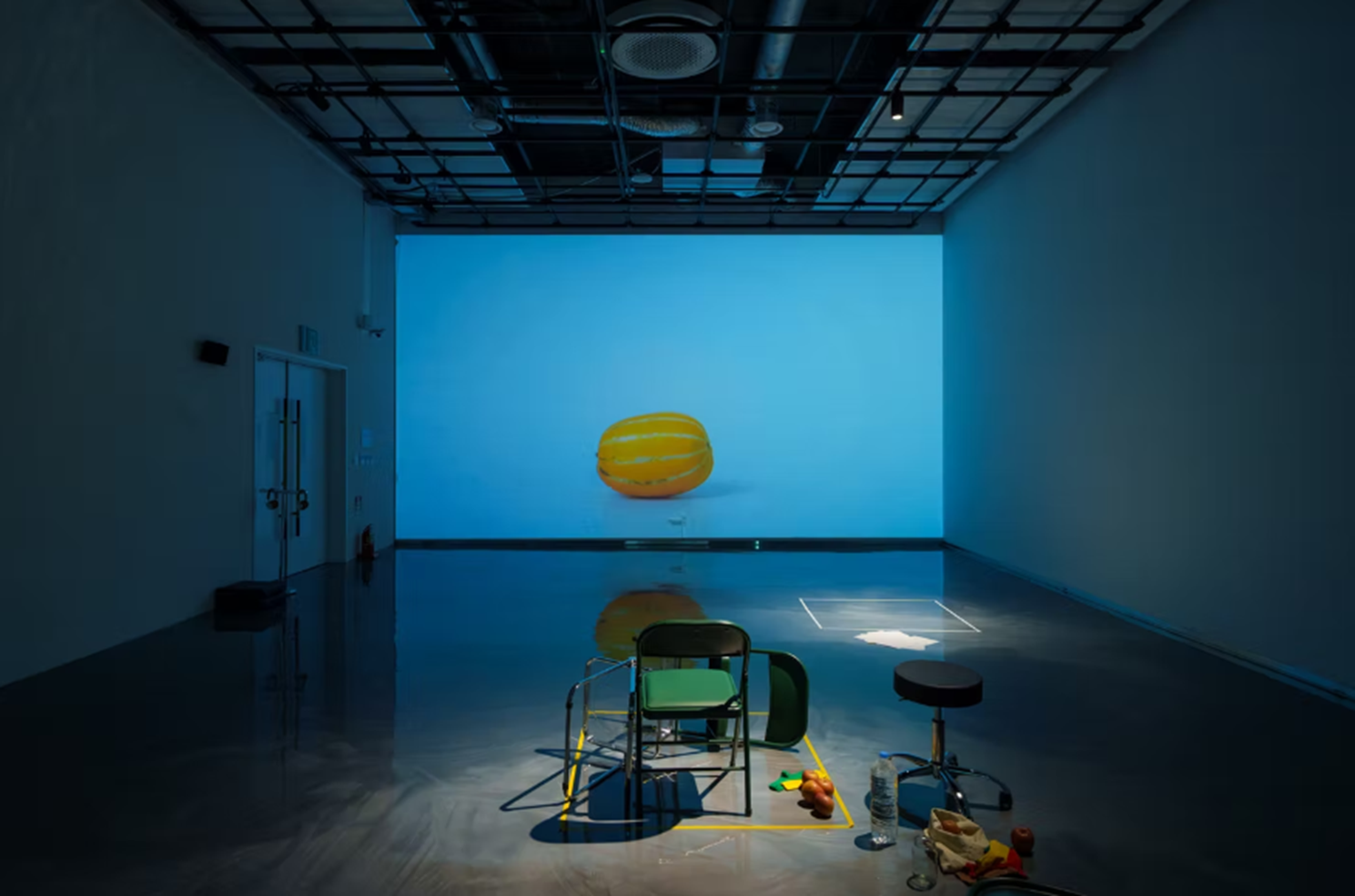
has choreographed works including Pixelance(2022), Screengraphy(2021),
and Threshold(2020), and performed in projects such as
Son Naye’s Experiment of Form(2020) and Leimay
Foundation’s Correspondences(2019). She has been
selected for the Wanju Cultural Foundation Artist Residency (2020), the Benext
Multidisciplinary Art Program at Mullae Art Factory (2021), and Austria’s Art
Space Stift Millstatt Festival and Residency (2022). She studied Communication
(Journalism and Broadcasting) at Sogang University and Choreography at the
Korea National University of Arts.
When
only the eyes of a living body slip into a space of reproduced images, where
does that body exist—here, or in some other world? From the conscious and
unconscious act of gazing in daily life to perception mediated by industrial
technologies such as VR, AR, and mixed reality, our vision constantly questions
the position of our own existence.
The technological drive to separate sight
from the multisensory body seems to extend the modernist approach dividing the
self into body and mind and fragmenting perception into five senses. A
three-dimensional body collapses into a two-dimensional form within a camera
frame, and an n-dimensional real world is reconstructed as a three-dimensional
patchwork of 2D representations within virtual reality. Perhaps visual-centered
technologies are not expanding our world but guiding us into an “N-1”
dimension.
As
of March 2022, one unchanging truth remains: our feet are still grounded here.
In a time when digital spaces—where placelessness and spatiality coexist—and
media-based representations deeply permeate everyday life, what should the body
be looking at, and where must it be positioned? Can the body be liberated from
the fissures between media and representation—and must it be? What should such
liberation aim for, so that it does not remain mere ornamentation? Even when
spatial perception fractures and bodily senses fail to synchronize, can we
still recognize that the body is here? Is such recognition a shared memory?
The
term ‘Screengraphy ‘combines “screen”—which encompasses reproduced
representations and images emerging from imagination—and “choreography”—the act
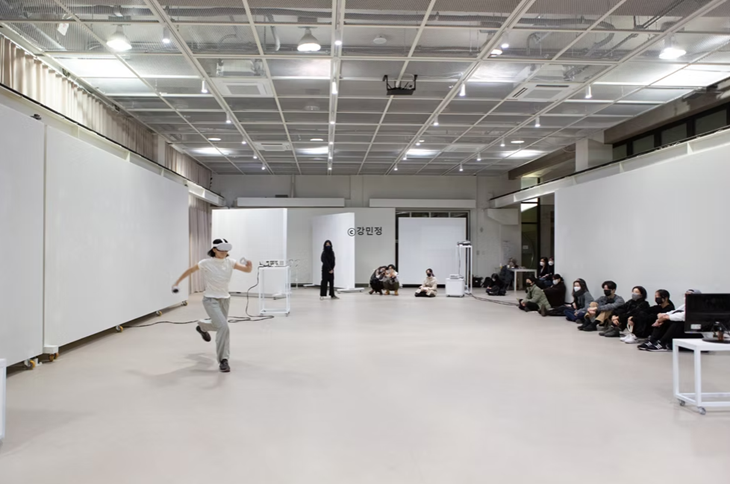
of composing time and space. The performance Screengraphy(2021)
reflects on the presence of the body and space in situations where the body
encounters media such as cameras, Zoom video conferencing, and virtual reality.
It examines the body as a hesitant object caught in the dilemma of lacking
shared sensory experience, despite the subject’s intention to communicate and
form connections within an agreed-upon virtual space.