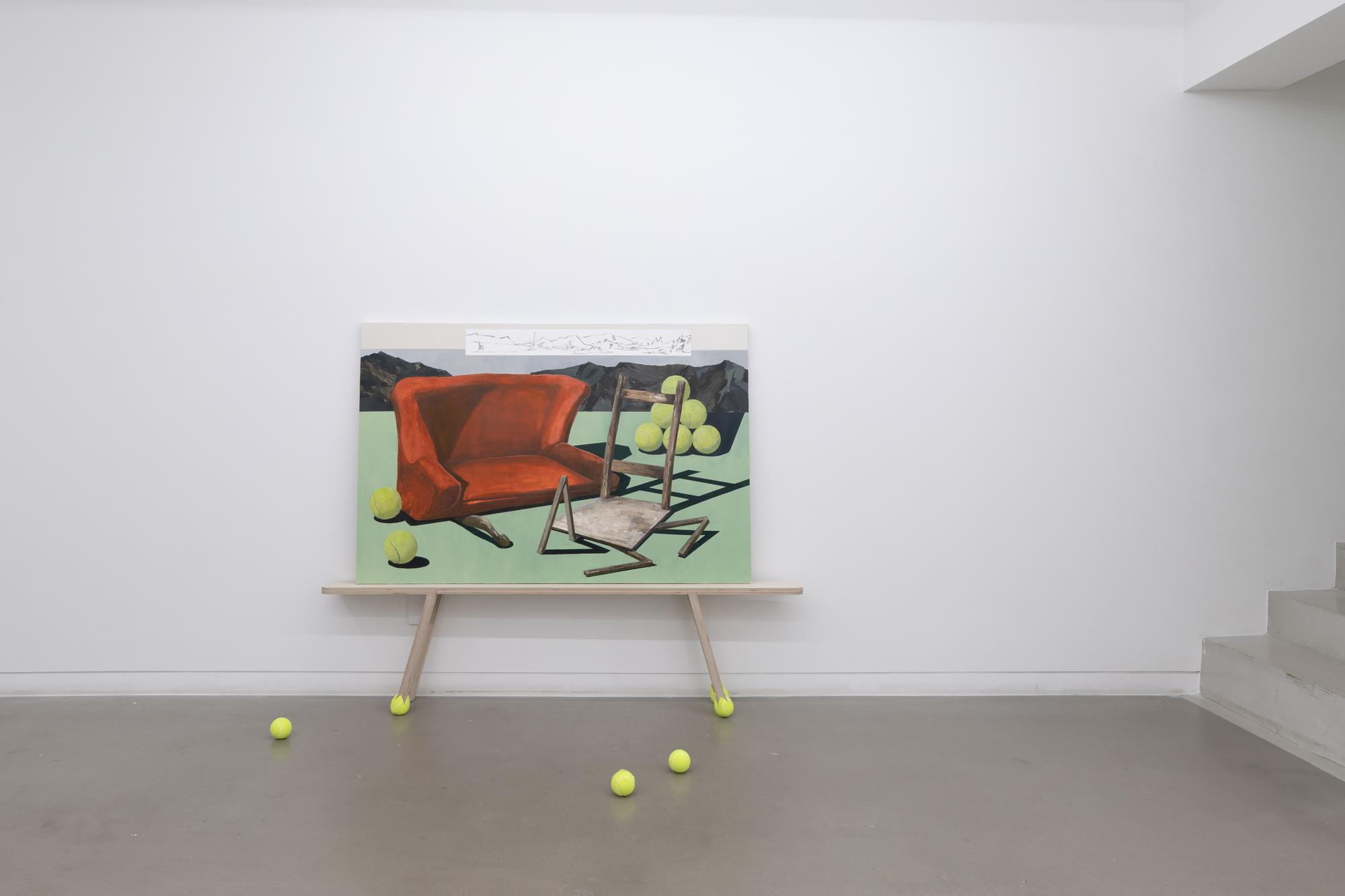
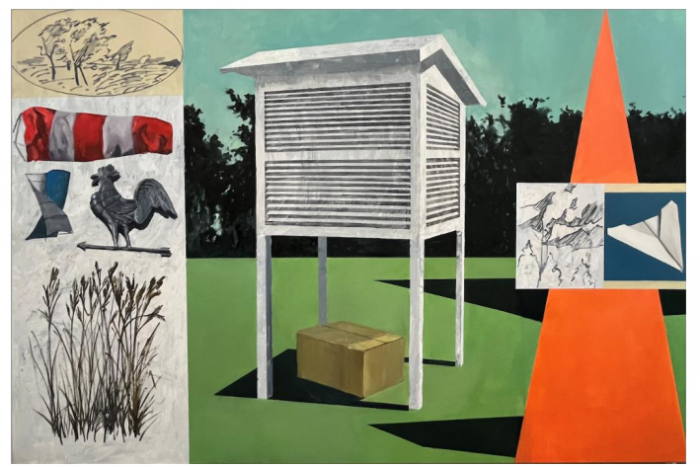
Eunsi Jo, The Direction of the Wind, 2024, Oil on canvas, 130.3 x 193.9 cm © Eunsi Jo

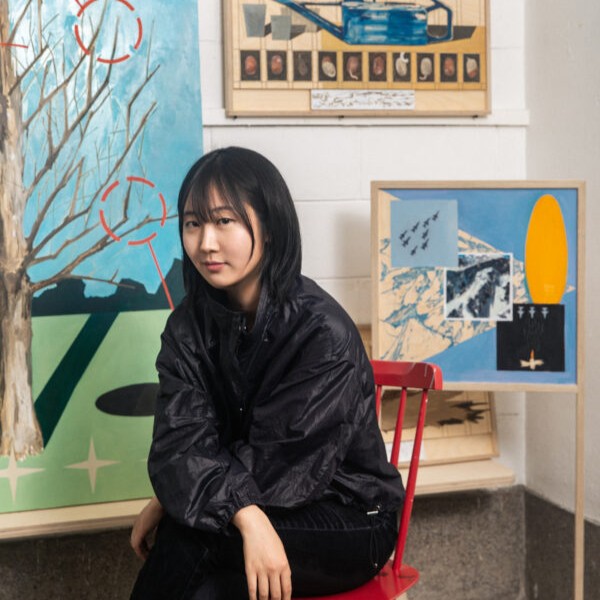
Crossing the boundaries between painting and installation, artist Eunsi Jo explores questions of structure and perception. From August 6 to 24, she will present her solo exhibition, which examines—through both paintings and installations—how systems, orders, and invisible structures affect human perception. The exhibition contemplates the expanded possibilities of contemporary painting.

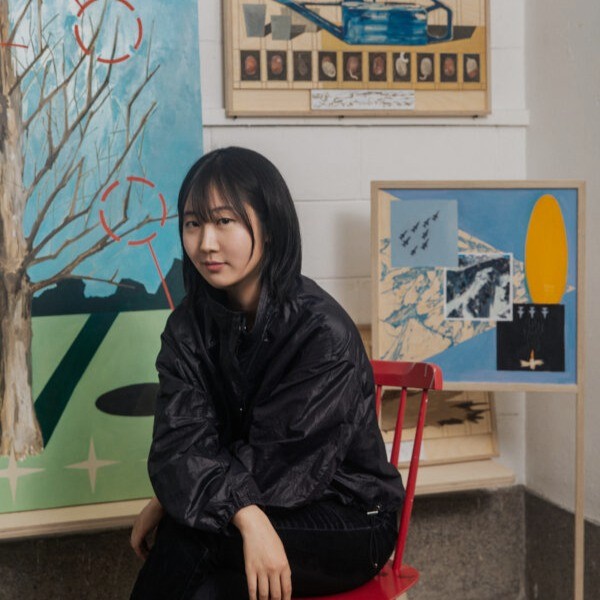
A rising artist who majored in Western Painting at Ewha Womans University and is currently pursuing her master’s degree there, Jo has recently drawn attention as one of the “10 Kiaf Seoul 2025 Highlights Artists.” She has also participated in Seoul Foundation for Arts and Culture’s Youth Arts Support Program and Artifacts’ 《Almanac: 50 Korean Contemporary Artists》. Her experimental works have been consistently noted for expanding the language of painting.


Visualizing the Invisible

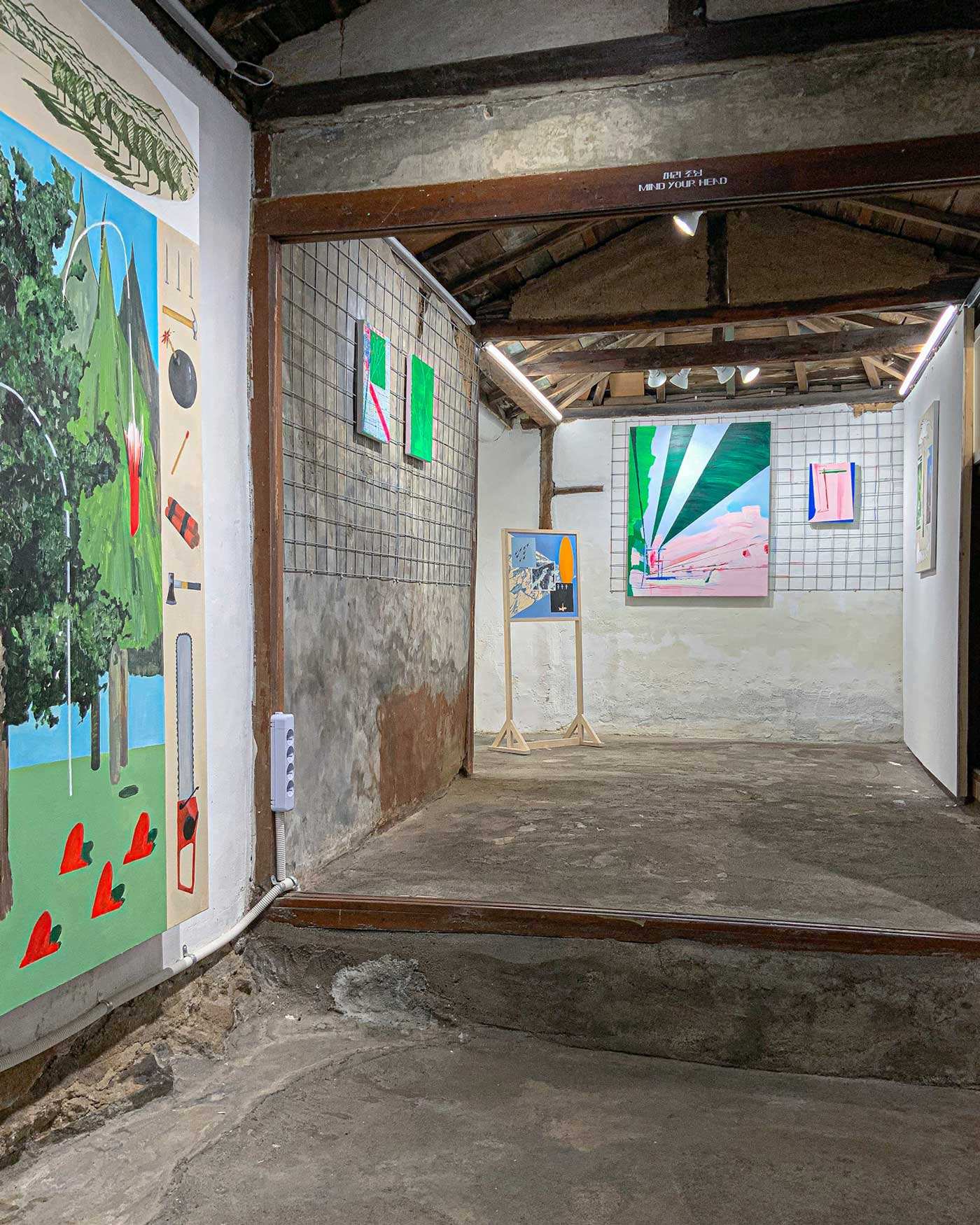
This exhibition presents works that visually interpret the “irresistible structures” and “conventional systems” that Jo has long investigated. Arranged in parallel between paintings and installations, the exhibition questions how unseen forces and social norms can be made perceptible.

Her representative work, Direction of the Wind(2024), is a large-scale painting that translates the invisible natural phenomenon of wind into visual symbols. Images such as pinwheels, weather vanes, and paper airplanes are meticulously composed across the canvas, guiding viewers to contemplate the boundaries between nature and artifice, visibility and invisibility, control and freedom.

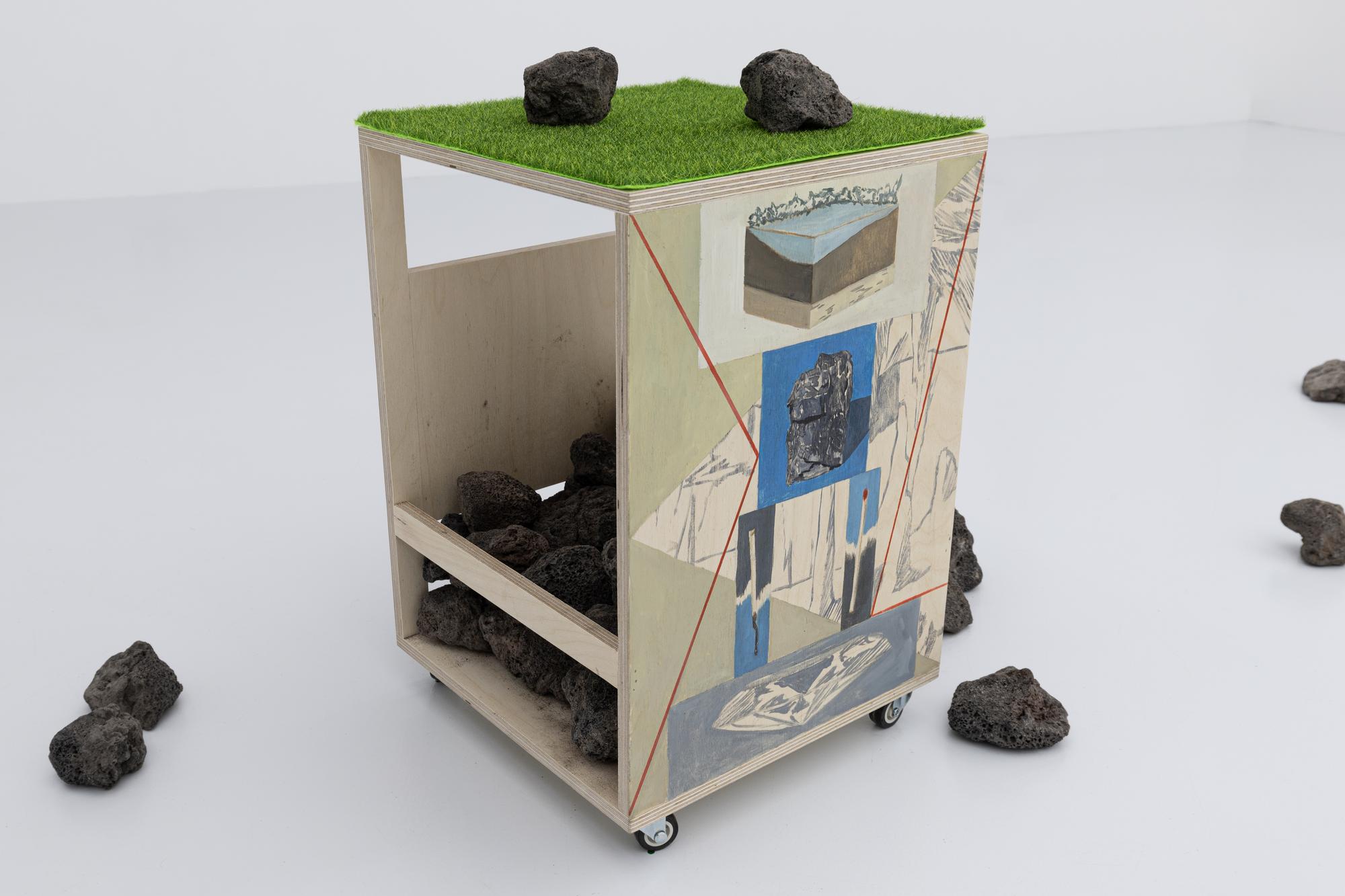
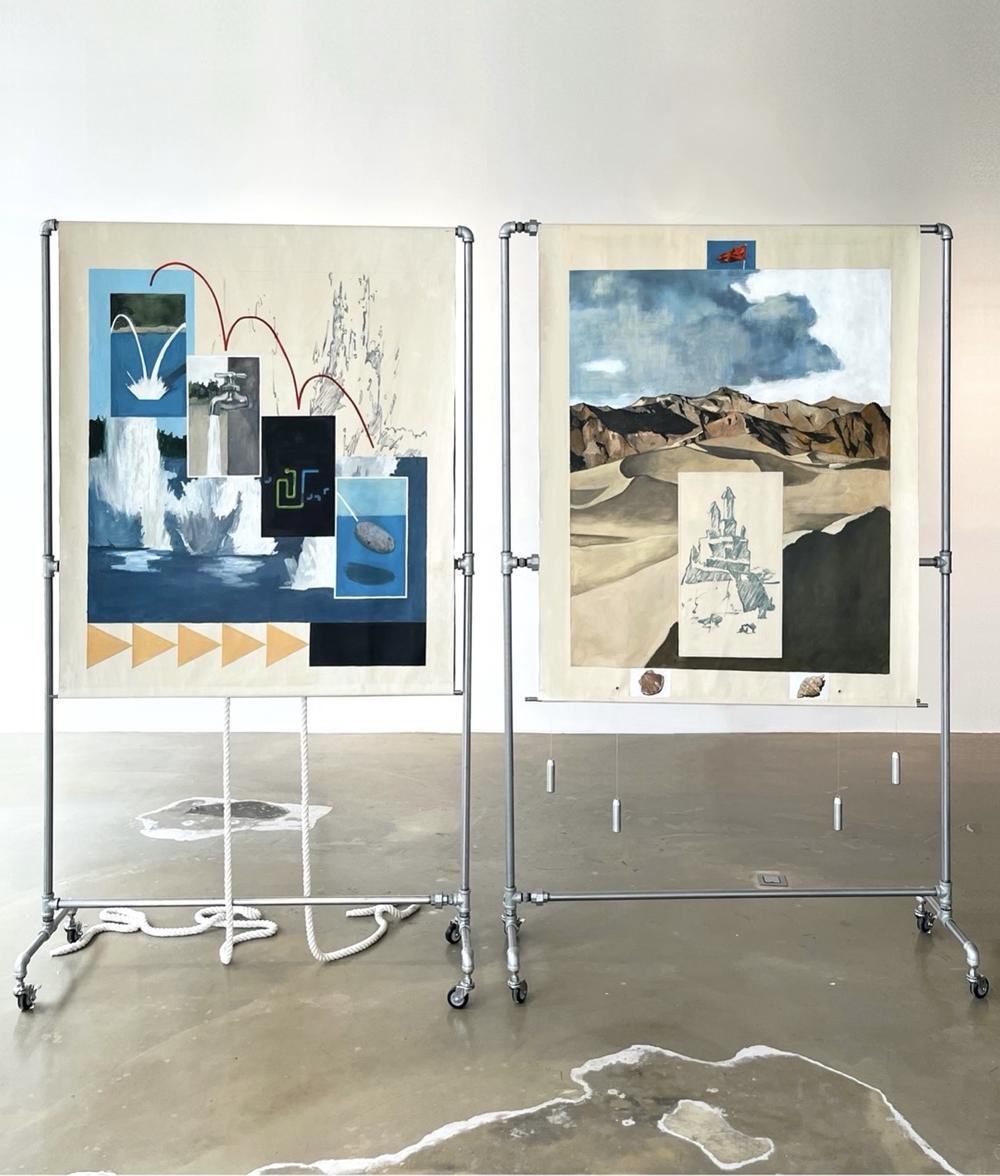
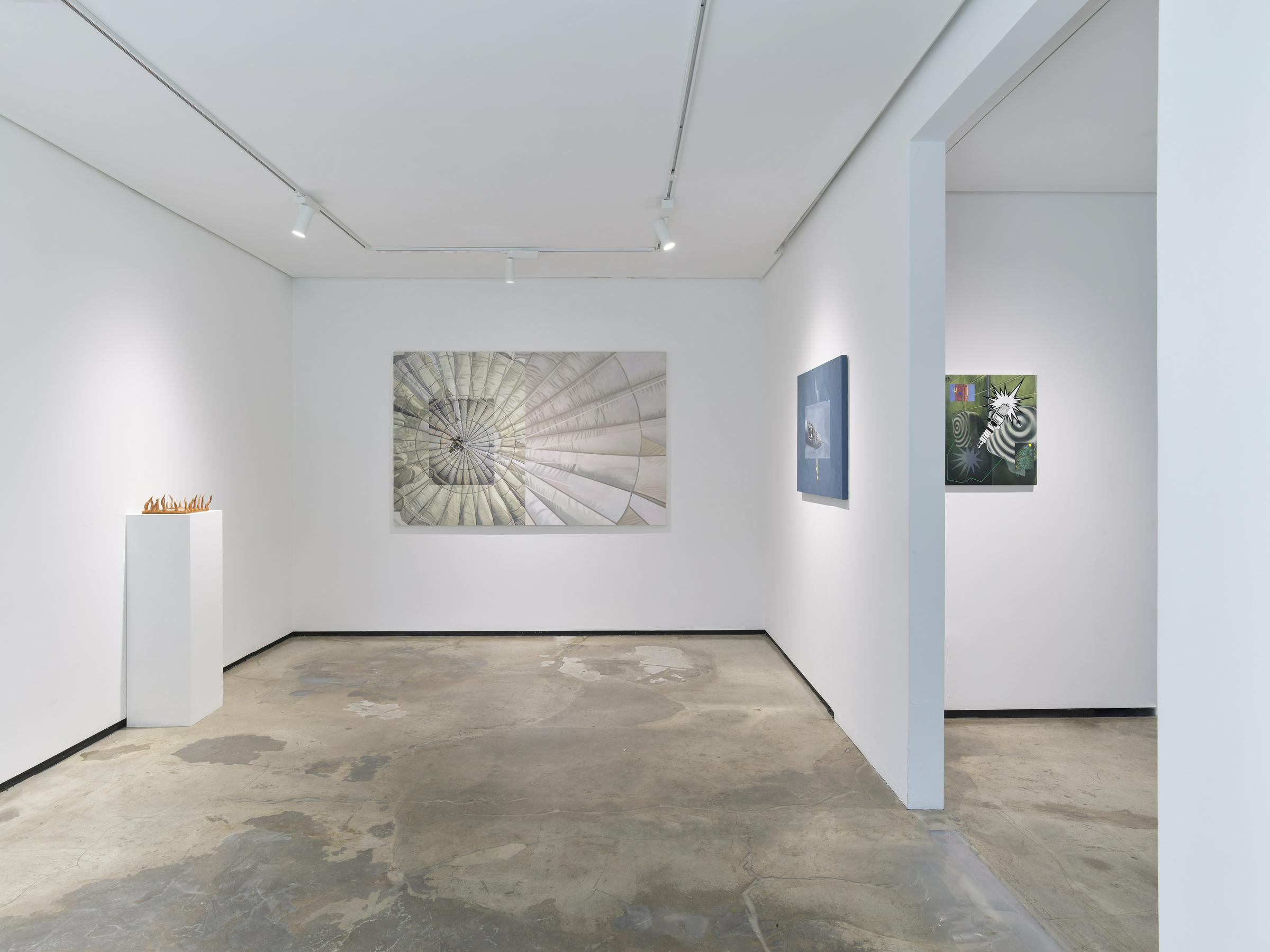
Beyond single canvases, the artist expands her inquiry through sculptural experiments that bridge painting and installation. Using counterweights, hangers, fabric, and modular structures, she reveals the tension between individuality and totality, control and chance. These installations spatially extend the logic of painting, activating the viewer’s perceptual awareness.


Installation view of 《At the Edge of Atlas’s Shoulder》 ©GalleryMEME

Painting as a Device for Perceiving Structure

This exhibition features works that reconstruct various systems and orders—such as language, proverbs, natural disasters, and kinship—on a micro scale. In Center Study, the balance between the weight of a pendulum and the tension of fabric exposes the fluidity of systems that appear stable, questioning the illusion of the “center” on which humans rely.

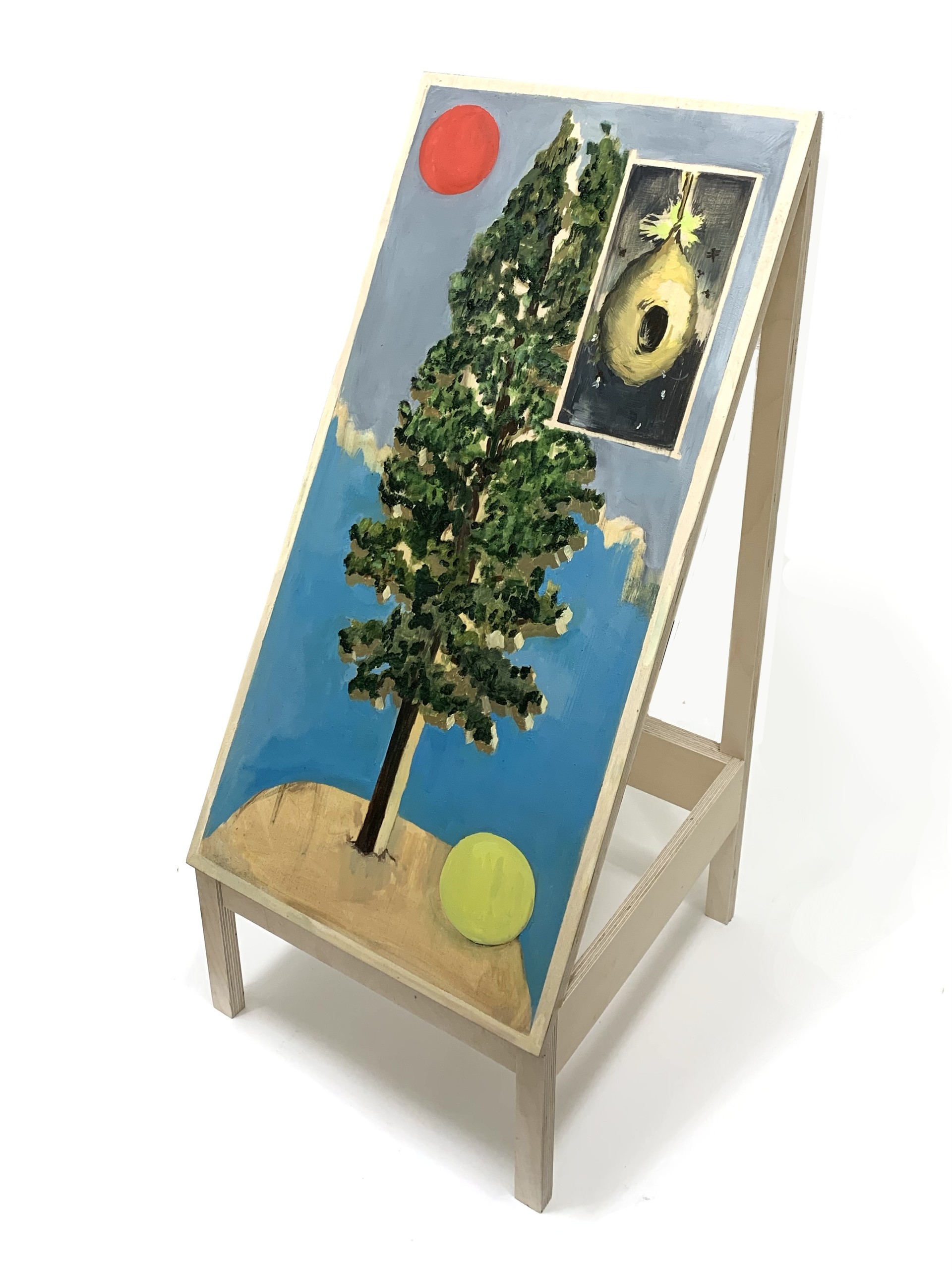
In paintings shaped like hurdles, contradictory proverbs such as “There’s no tree that won’t fall after ten strikes” and “You can’t break a rock with an egg” are juxtaposed. By staging the collision of linguistic orders, the artist points to the absence of inevitable truths and absolute meanings.

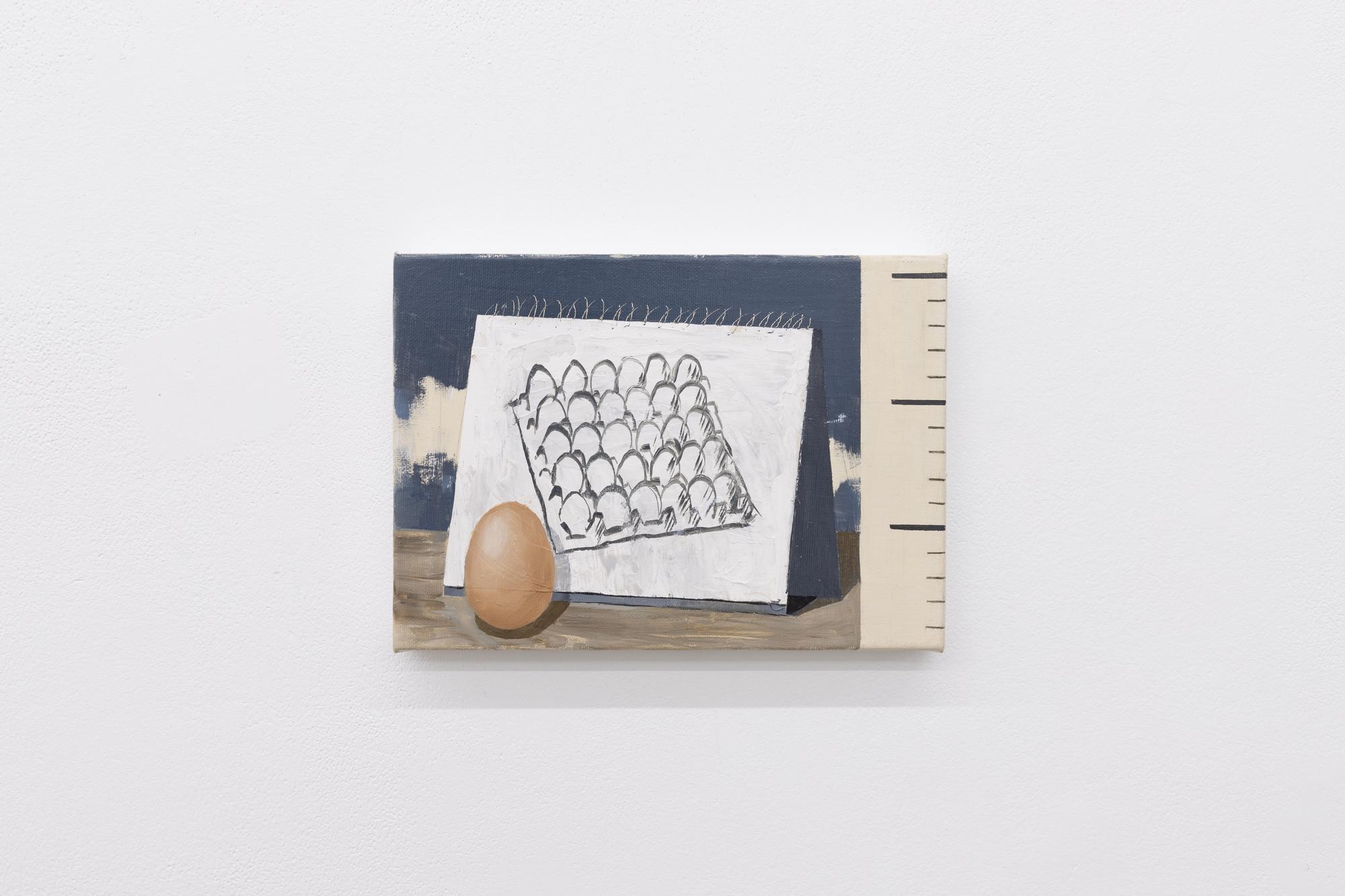
In Illusion, the image of an egg standing before a painting resembling itself humorously reveals the instability between identity and image, representation and reality. Here, painting functions not merely as an object of vision, but as a mechanism that provokes misrecognition and confusion—questioning the very process of perception.


Myth and Structure: Rereading Atlas

The conceptual axis running through the exhibition and its spatial composition is the symbol of Atlas. In mythology, Atlas represents the punishment of bearing the celestial sphere, yet over time he has come to symbolize structured knowledge and systemic order. Jo reinterprets this figure in painterly terms.

According to the artist’s note and curatorial statement, she avoids fixing Atlas as a single, defined image. Instead, through cycles of misunderstanding, analogy, and appropriation, she constructs layered strata of interpretation.

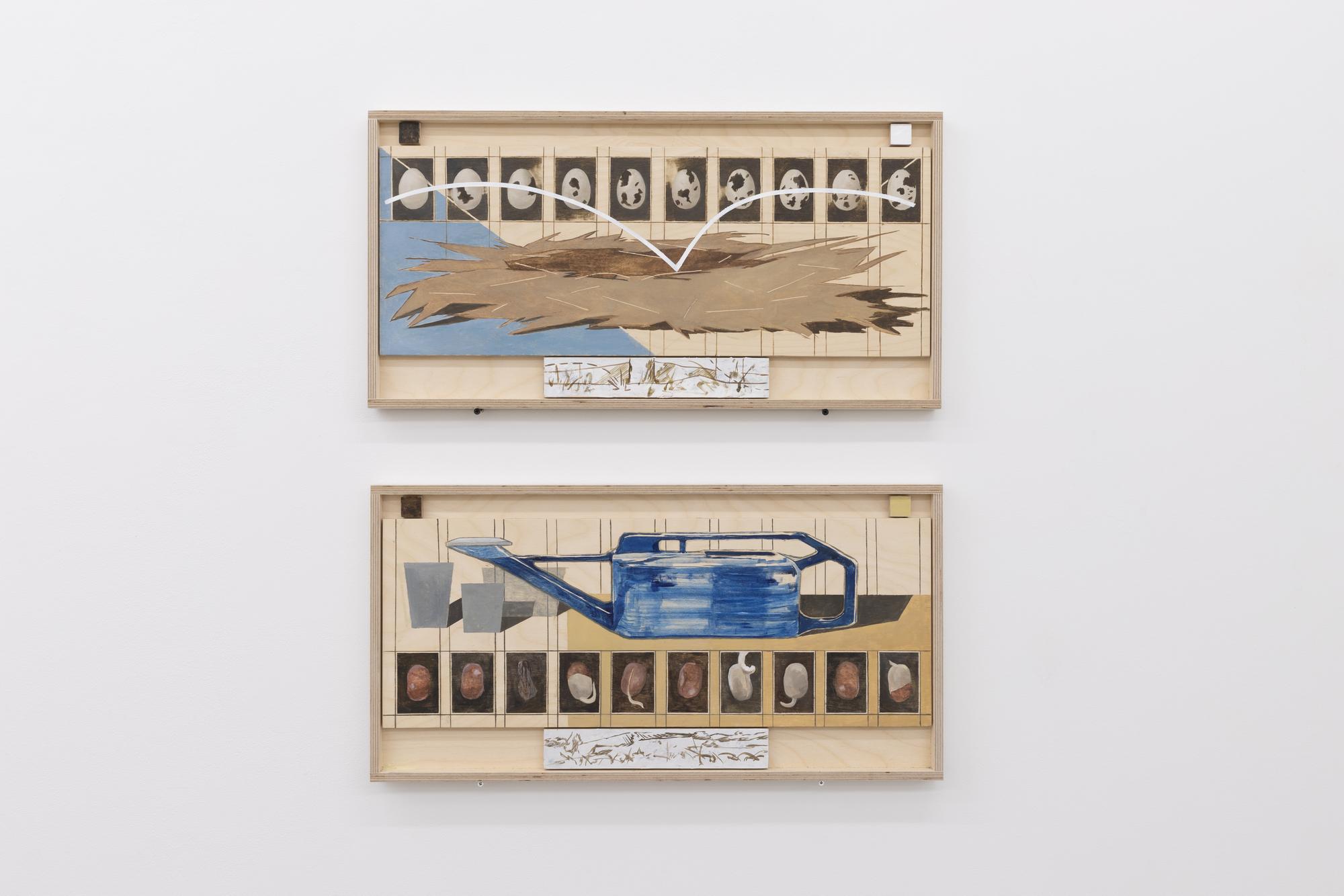
Recurring motifs of “resemblance” and “irresistibility” appear throughout the works—manifesting as arrays of images that share the same origin yet diverge in entirely different directions. Seeds and eggs, siblings underground and above, brown and white eggs—all these pairs enact confusion and reversal, refusing any singular interpretation and transforming painting into a structure of visual thought.


A New Interface for Contemporary Painting

This exhibition goes beyond a traditional painting show, questioning the role painting can play in contemporary society. Within structural fractures and conceptual gaps—among misreadings and overlapping symbols—Jo opens multiple interpretive possibilities rather than a single definitive reading. These spaces of tension are filled with sensory playfulness, inviting the viewer’s active engagement.
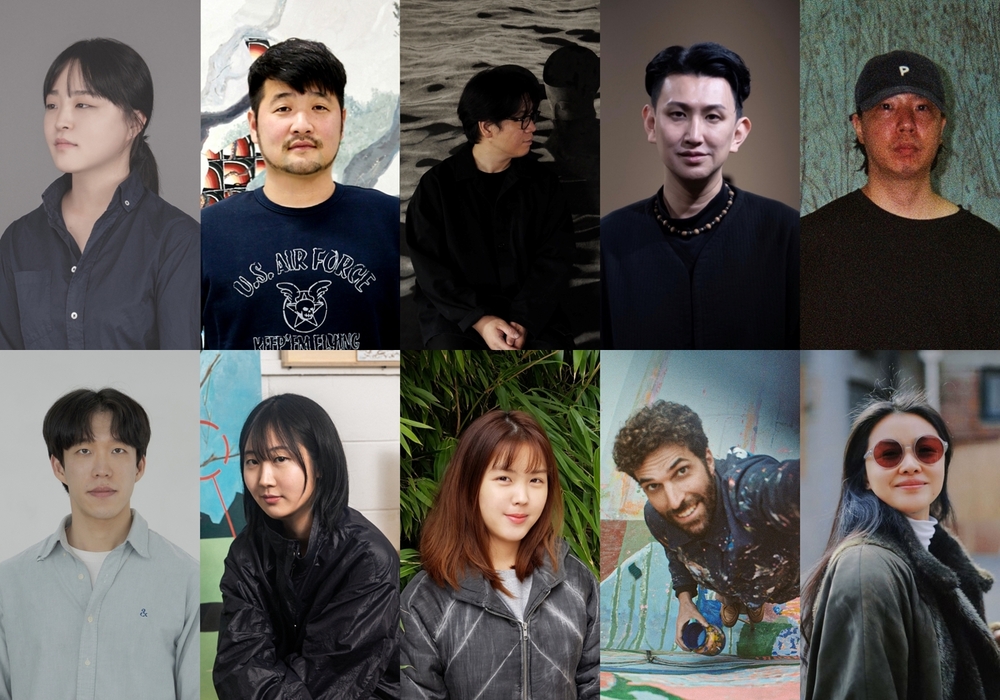
Eunsi Jo treats painting as “a medium of perception,” juxtaposing systems and individuality, order and rupture through the belief that “we are both parts of a whole and independent beings.” The painterly world she constructs becomes not just an aesthetic experience, but a site of cognitive experimentation.

The exhibition runs from August 6 to 24, with selected works simultaneously on view at Gallery MEME’s booth (A31) at Kiaf Seoul. Further information is available on the gallery’s official website and social media channels.

References