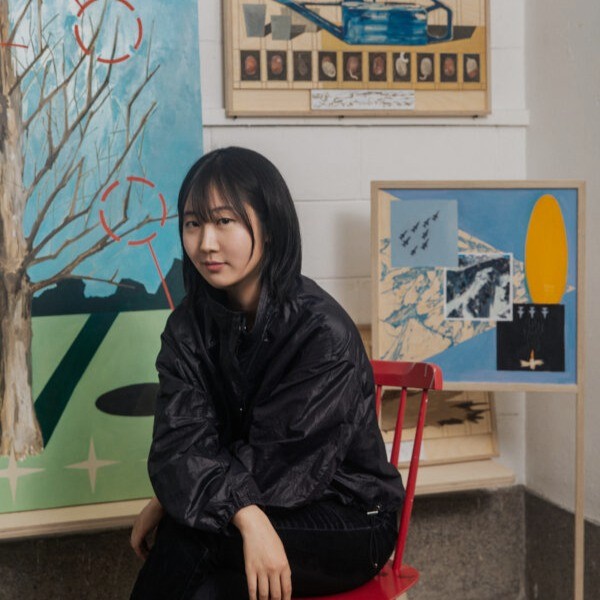
Eunsi
Jo visualizes the concept of resemblance through a system of pictorial signs.
Her paintings do not remain at the level of depicting landscapes or objects;
rather, they engage in intellectual play through symbols, geometry, and
linguistic wit. Resemblance here does not merely denote external similarity but
functions as an internal order or relational structure, hinting at a new kind
of logic that transcends reason. Her paintings rarely declare meaning
directly—instead, they suggest it through indirect, fragmented signs, prompting
viewers to collect clues, infer rules, and construct causal relations on their
own.
This
essay discusses how the structures of resemblance that Jo explores in her solo
exhibition 《Twin Flame》(2025, YK Presents) connect with invisible systems and forces. The
exhibition title, Twin Flame, literally meaning “twin fire,” derives from the
belief that a single soul divides into two separate beings who reflect one
another like mirrors. Jo, who has developed her artistic thinking through
painting and painting-based installations, uses this term not only to allude to
the destiny of creation she bears as an artist, but also to suggest the
originating event or catalyst of her intellectual inquiry, as well as the
artistic essence she seeks to attain. Most importantly, “Twin Flame” embodies
her intent to visualize the resonant state in which individual and collective
entities interact through resemblance and inevitable connection.
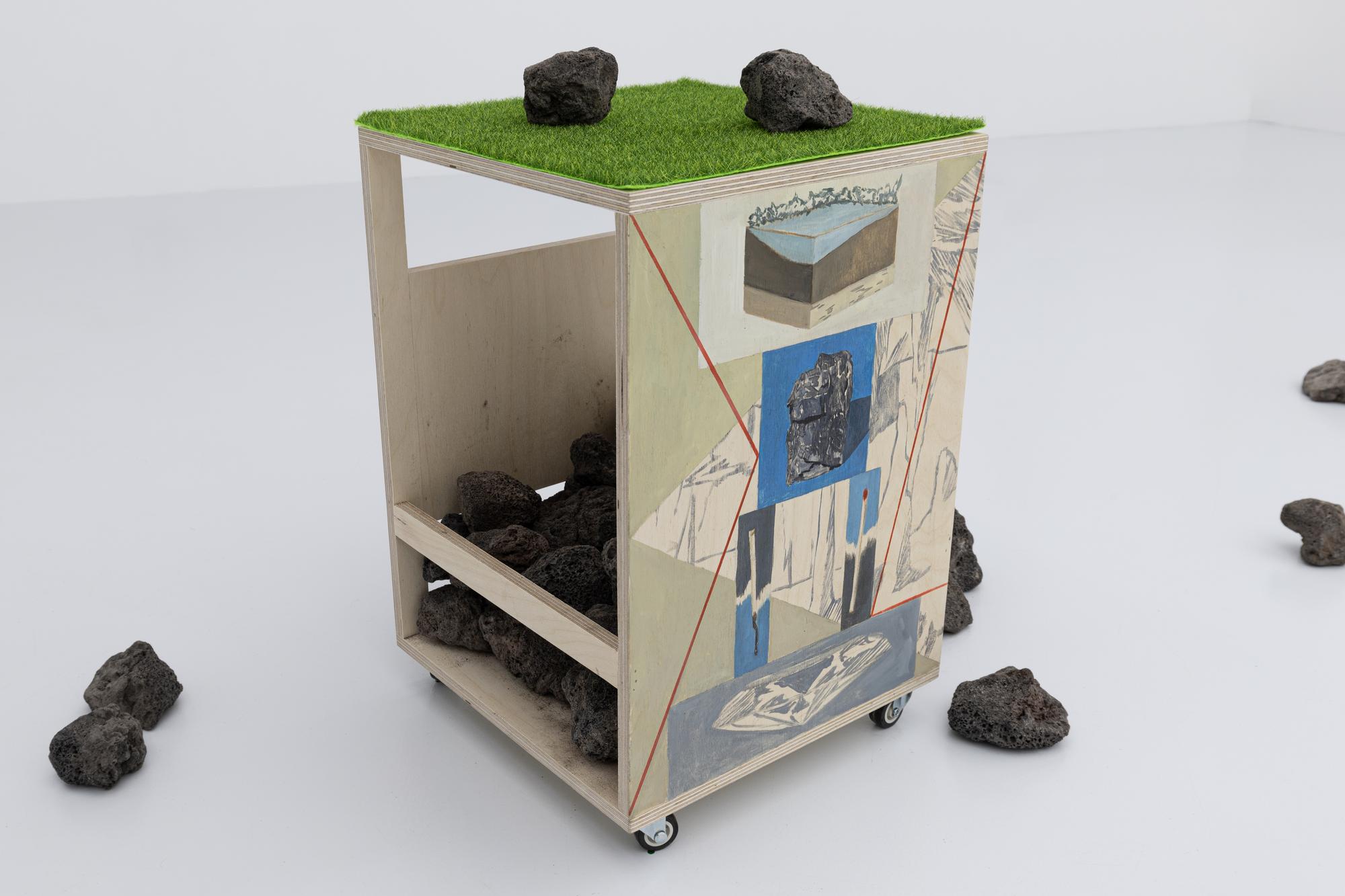
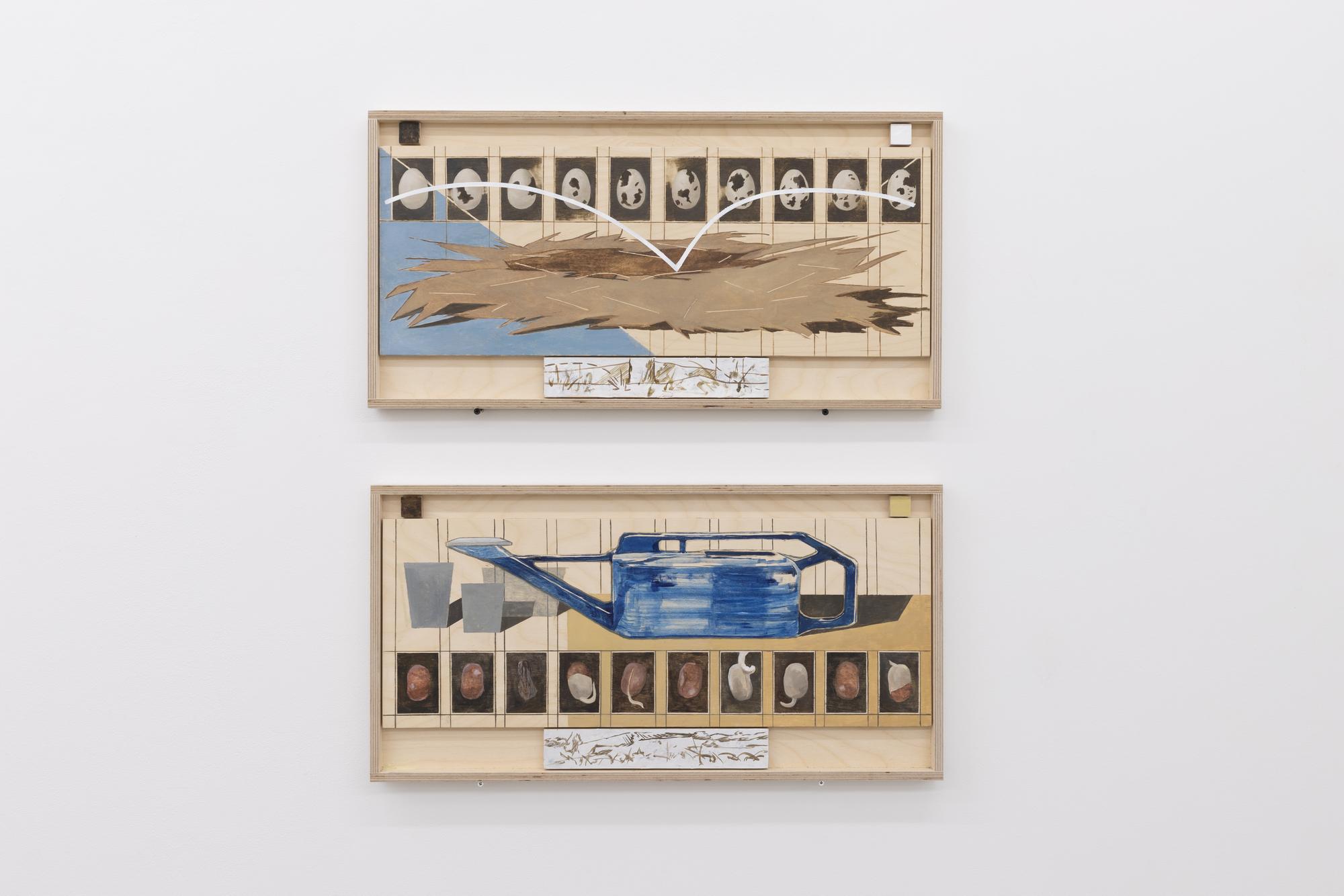
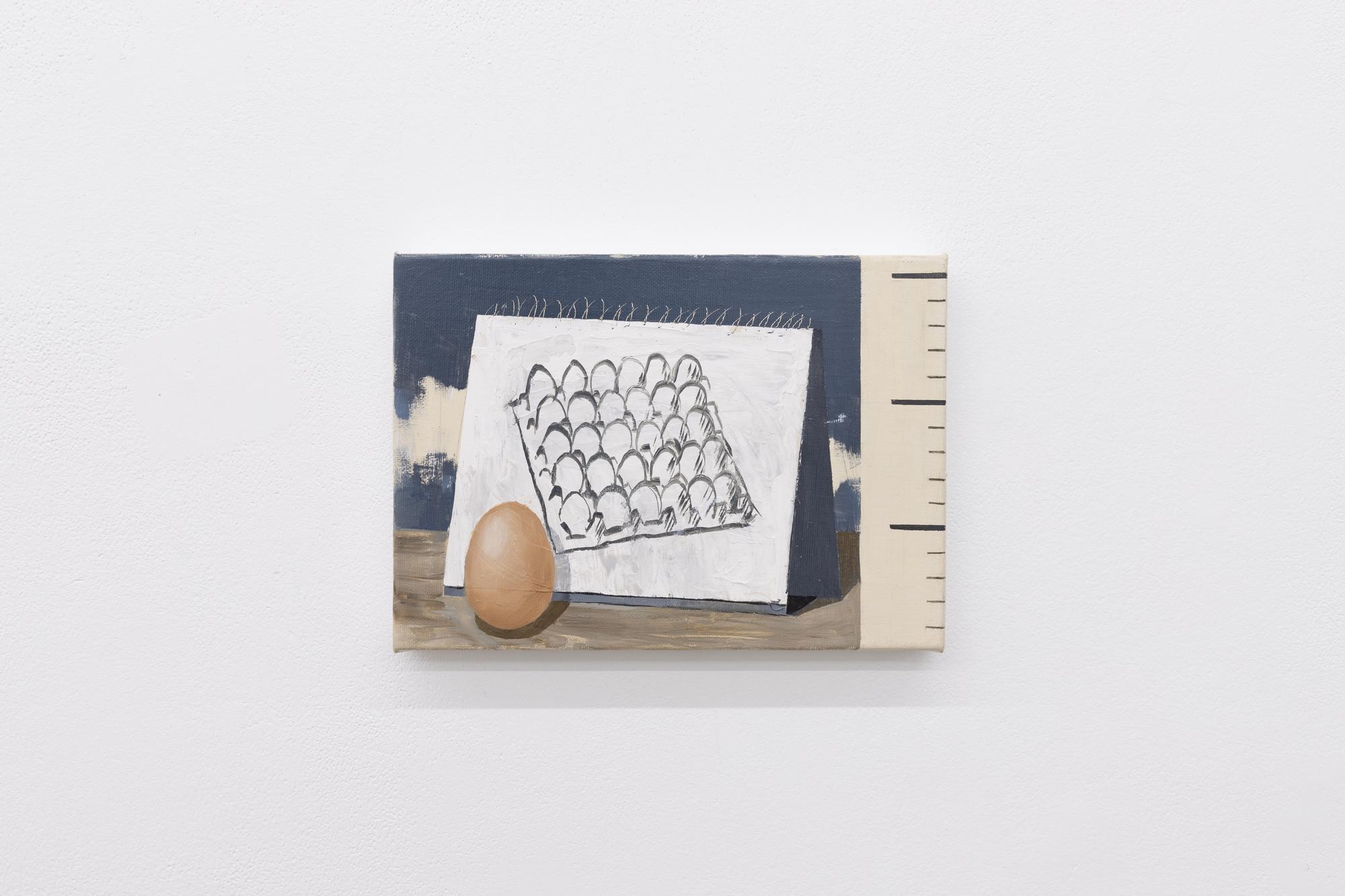
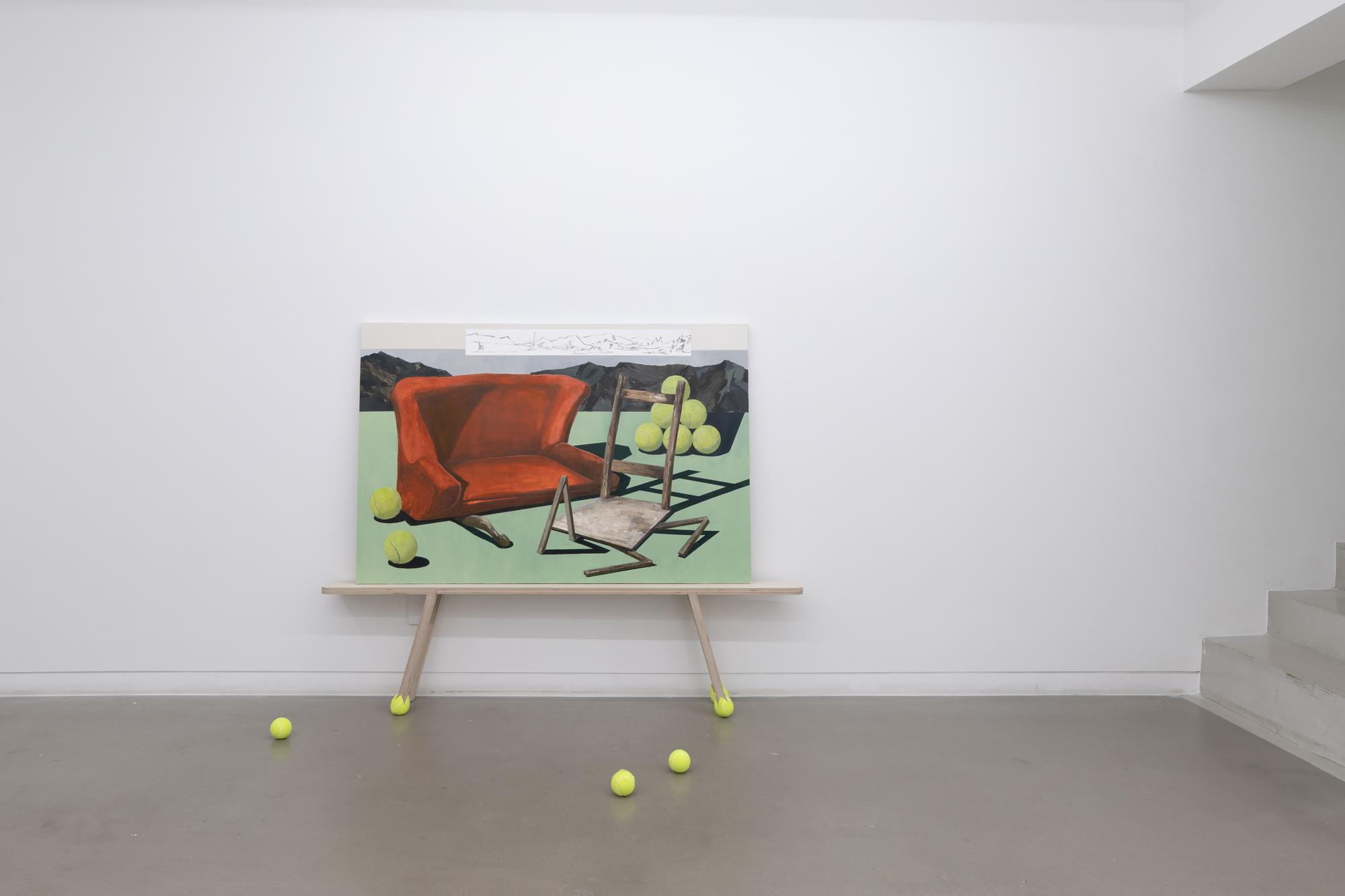
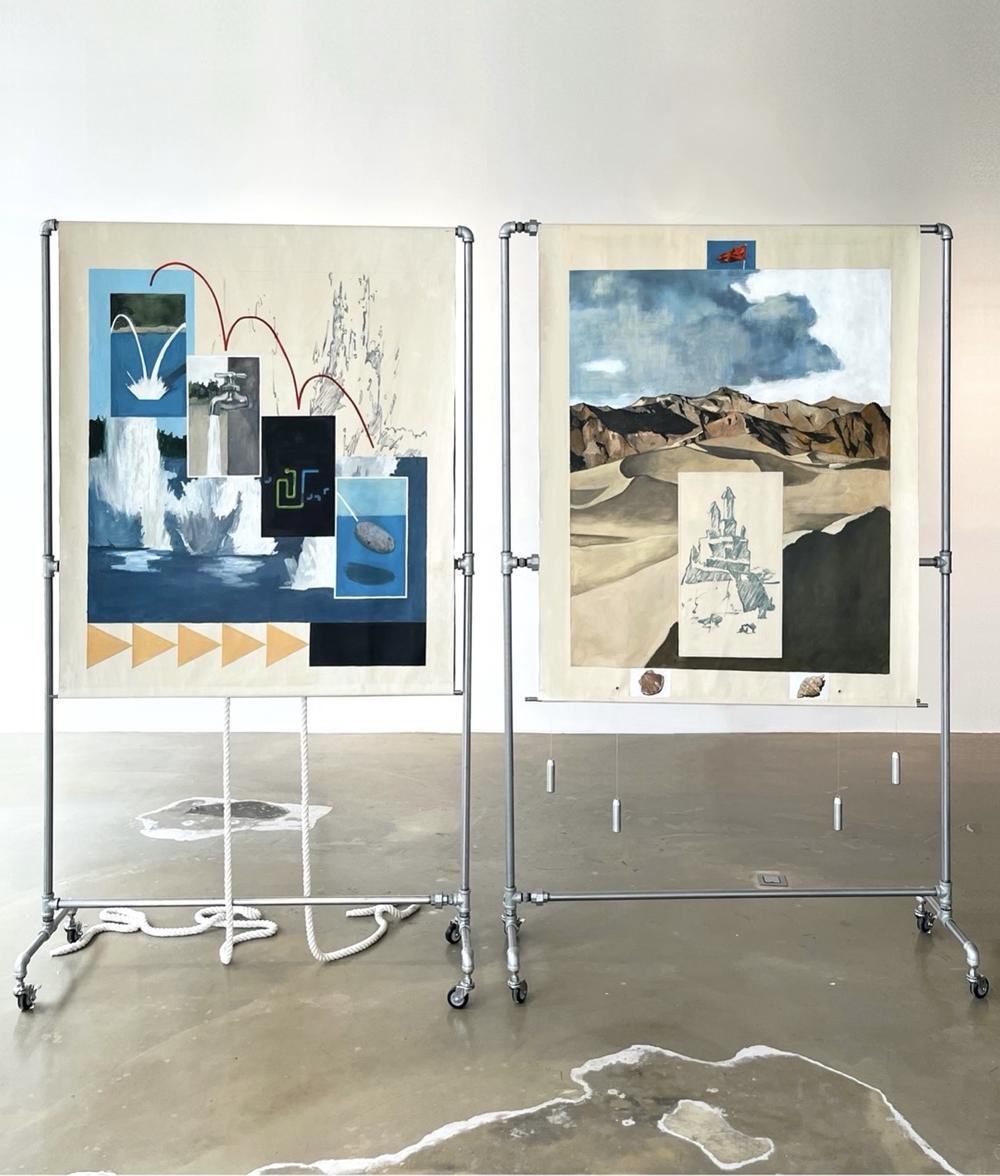
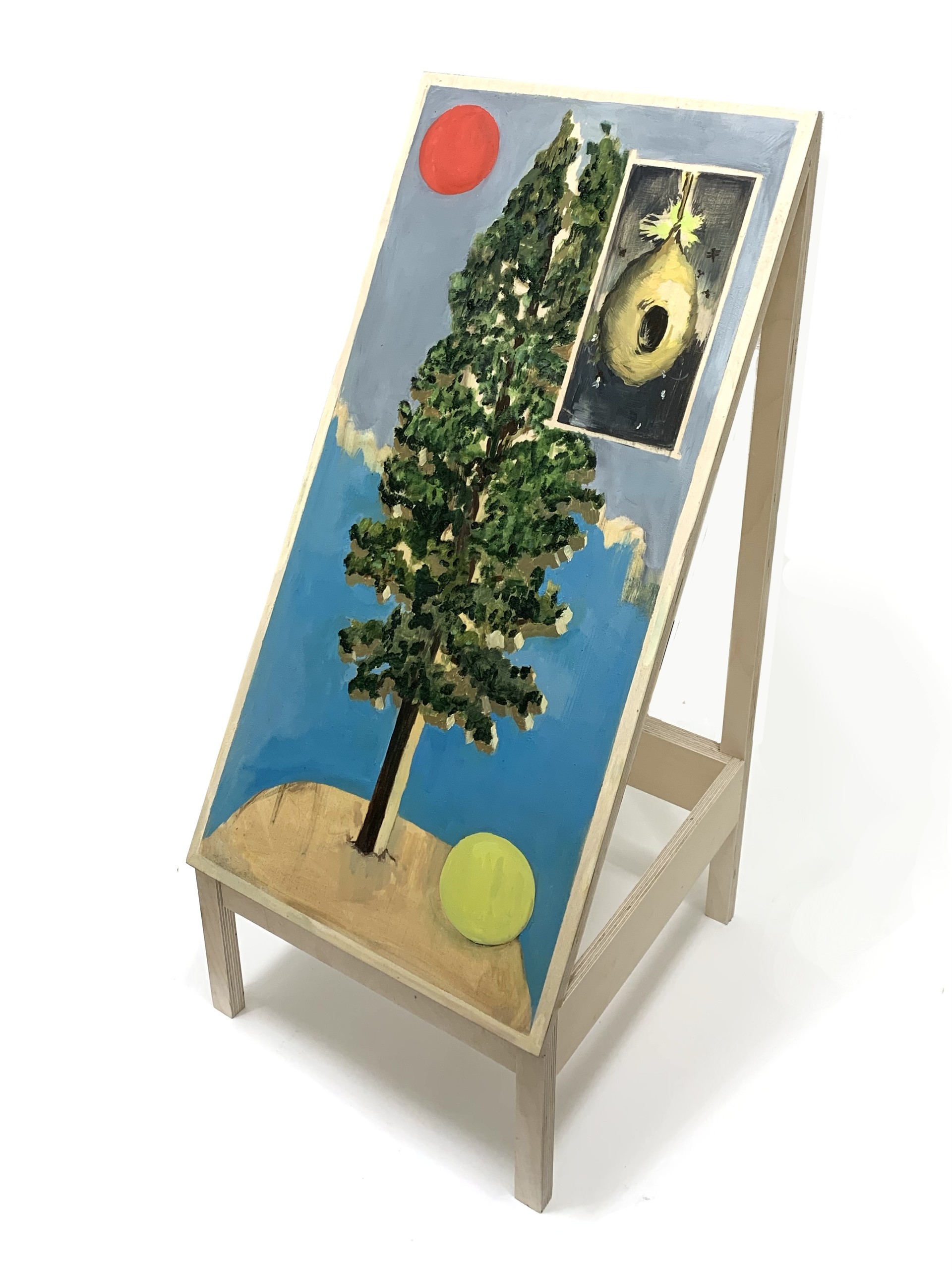
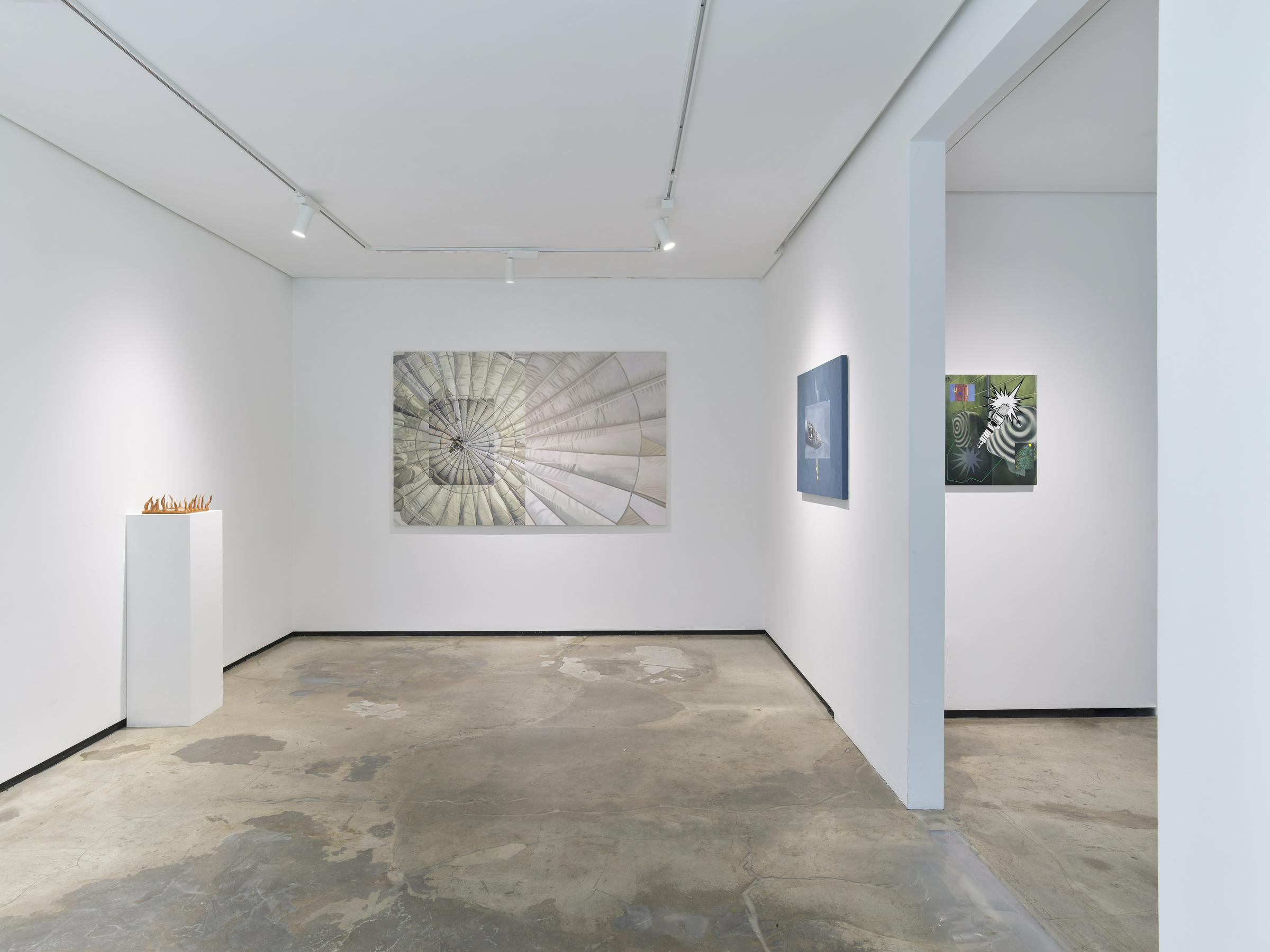
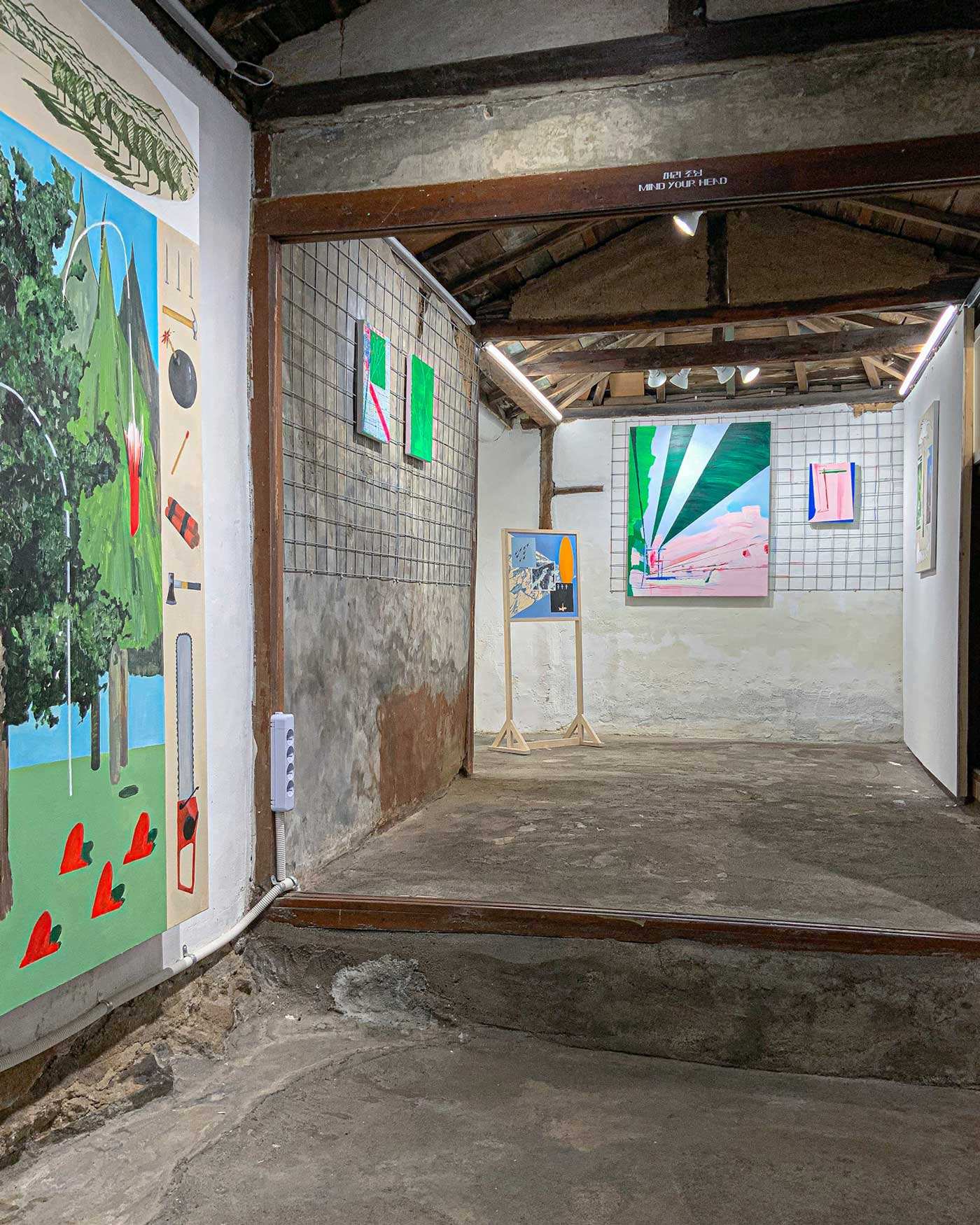
Within
the exhibition, motifs such as mountains, seas, rain, waves, wind, trees, and
stones—elements associated with nature—intermingle with dots, circles, straight
lines, curves, and other geometric figures and symbols. Some works are painted
on canvas, but more are executed on plywood panels. Across these plywood
supports, various forms establish relationships of correspondence, proportion,
and permutation, producing a richly composed order that unfolds panoramically
along the pure white walls and diamond-shaped floor of the gallery. No single
work stands out; instead, all are displayed with equal presence.
Here,
the materiality of plywood, serving as both support and sculptural body,
becomes pronounced. The differences among plywood, oil paint, brushstrokes, and
drawn lines connect the works beyond the visual level. From afar, a quiet order
emerges; up close, subtle variations and repetitions form delicate rhythms.
Near
the entrance of the exhibition stands A Methodological Approach(2025),
which is not a simple depiction of a landscape but a visualization of the very
method through which the artist perceives and constructs the world. The
mountain at the center of the canvas is rendered relatively realistically,
resembling an actual mountain; beneath it are linear drawings, while above it a
red triangle echoes the central mountain’s form, creating a comprehensive
resemblance. Superimposed Fibonacci divisions, spirals, and other geometric
elements organize this visual representation into a mathematical structure of
likeness—a structural resemblance rather than mere imitation.
The
word “methodological” in the title implies a framework of cognition—an
interpretive mode of understanding the composition of painting itself. On the
right side of the work, a small canvas mirrors yet differs from the larger one,
prompting reflection on how images can circulate and become diagrammatic
through juxtaposition. Jo is less concerned with making the two canvases appear
visually similar than with showing that resemblance is not a visual property
but a mode of perception. The resemblance we perceive between the two is not
fully describable in language; rather, by introducing differences in form,
sign, rule, proportion, and repetition, she compels us to contemplate the very
range within which resemblance operates.