Shininho 申仁浩
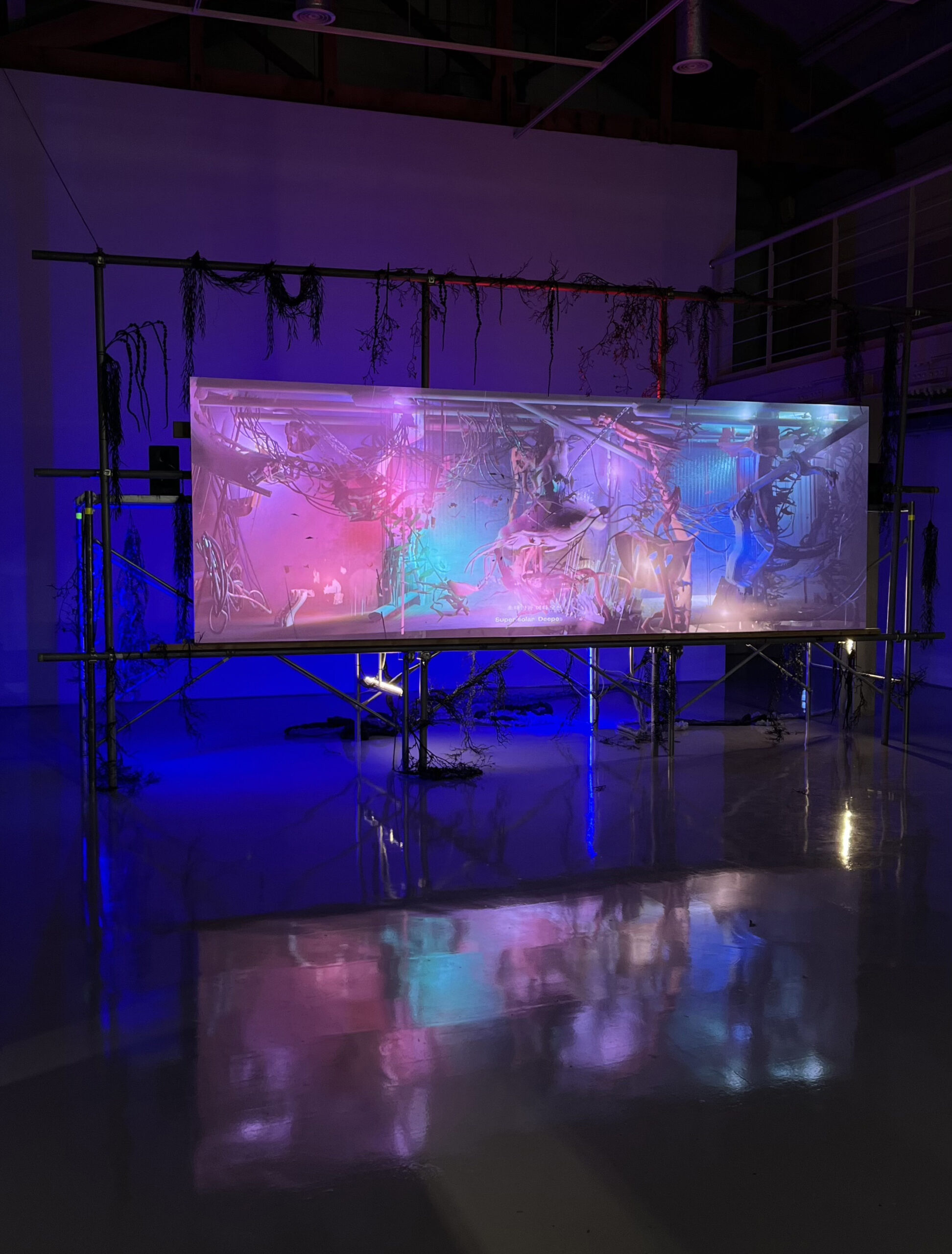
Each morning, she places water on a small altar she has set up in the corner of
her room and prays to her ancestors—whose identities she no longer clearly
remembers. She cannot quite recall for whom she prays or what she prays for,
but she asks the heavenly and earthly deities that all things may be at peace,
and that the rest of her life may be tranquil. She prays to finish this life
quietly without relying on anyone or being a burden, without any major
incident—just as things are now.
The glories of youth are long gone. She
straightens her clothes each morning and steps outside, but with nowhere in
particular to go. In the mirror stands an old person wandering the neighborhood
with nothing to do. In youth, time seemed to fly like an arrow loosed from the
bow; in old age, nothing presses her except the stomach clock that marks
mealtimes. When did I grow this old? Though people say time is indifferent, she
is grateful to live anchoring the memories that fade day by day to the present.
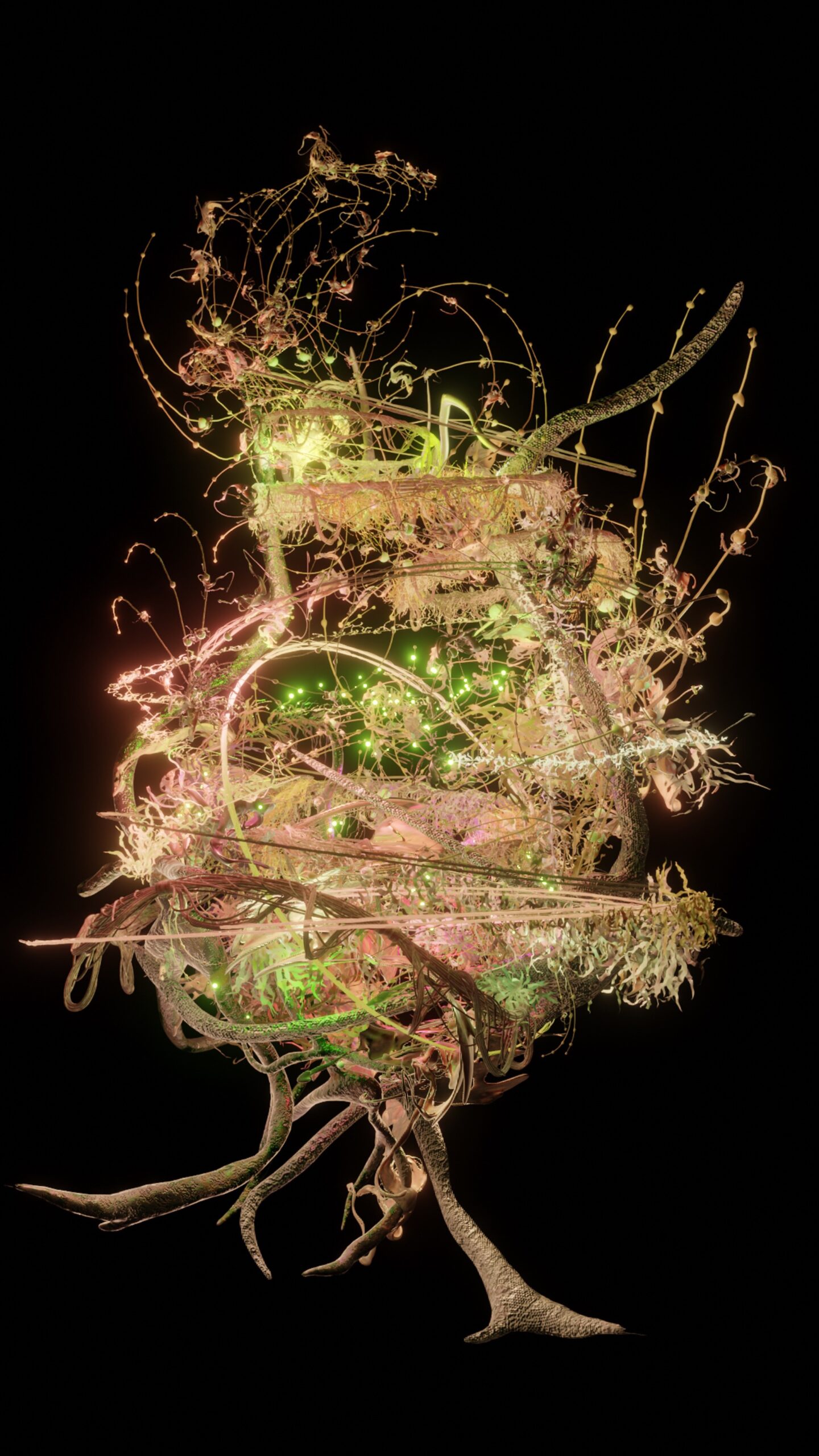
Behold this person—her hunched back and
awkward gait, the wrinkled knuckles and lifeless skin, the faded mind that
cannot tell yesterday from ten years ago, this worn body—behold the finitude of
human aging.
Shininho 信認好
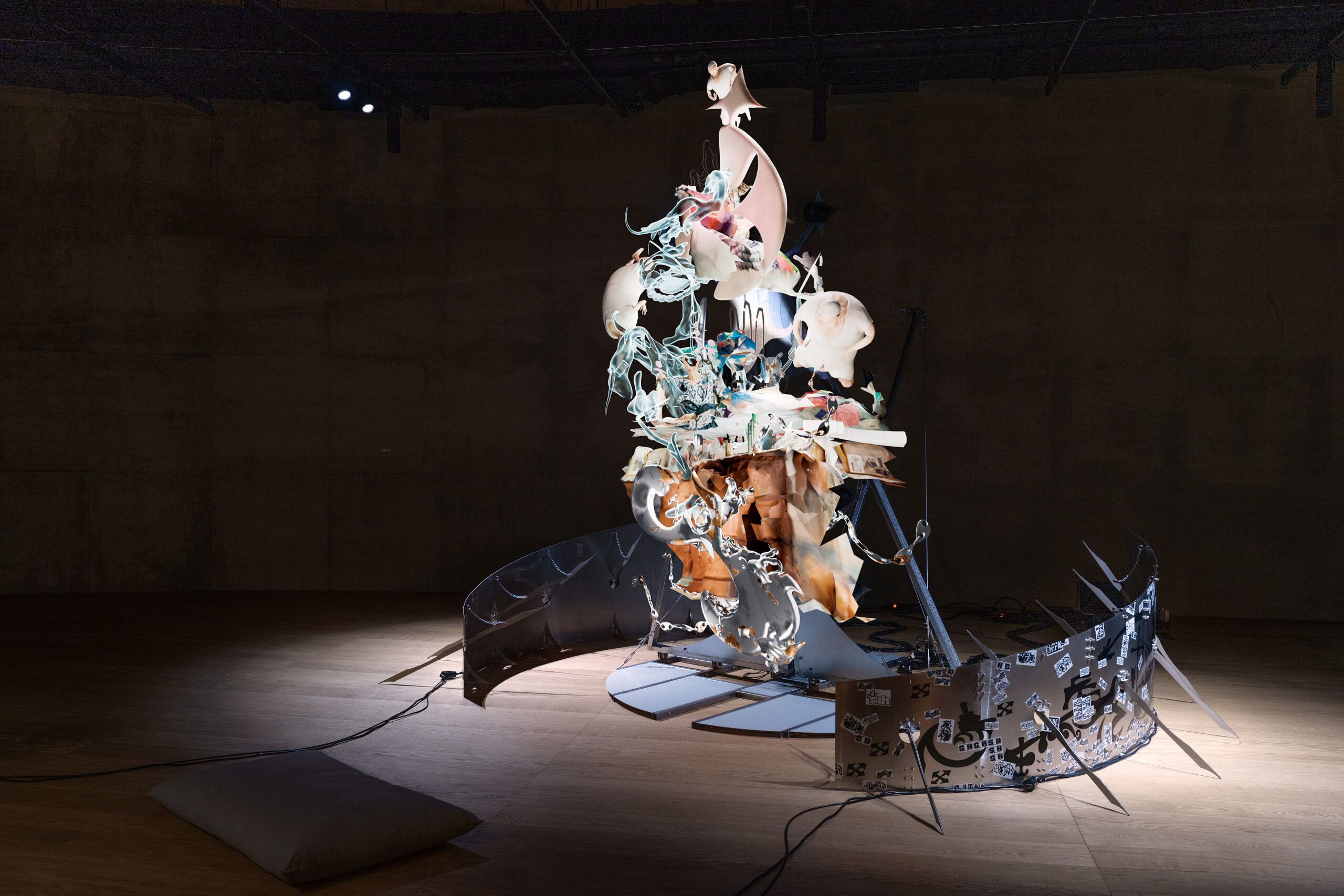
She stands tall; the resolve felt in her back as she signals a new beginning is
noble and composed. Why does her back, facing the sea, feel different today?
Crossing seas and roaming the world, she has filled the hold with victories,
honor, and the spoils that follow. Sailing the waters as a raider, anything
that opposes her or breaks her code—living or dead—she beheads and casts into
the sea.
Thus the sea around Shininho is forever tinged red. On this ship there
is no origin, no ethnicity, no nation. Only the will of those aboard and their
desire for life—where one came from or who one is does not matter. Within this
transnational, trans-ethnic community, Captain Shininho bears a grave
responsibility as she governs and leads. She fears nothing; there is no
servility in her life. She has no mercy for traitors, yet answers with
near-infinite loyalty to those who keep their word. People called her Shininho
(信認好), “one who
believes without doubt.”
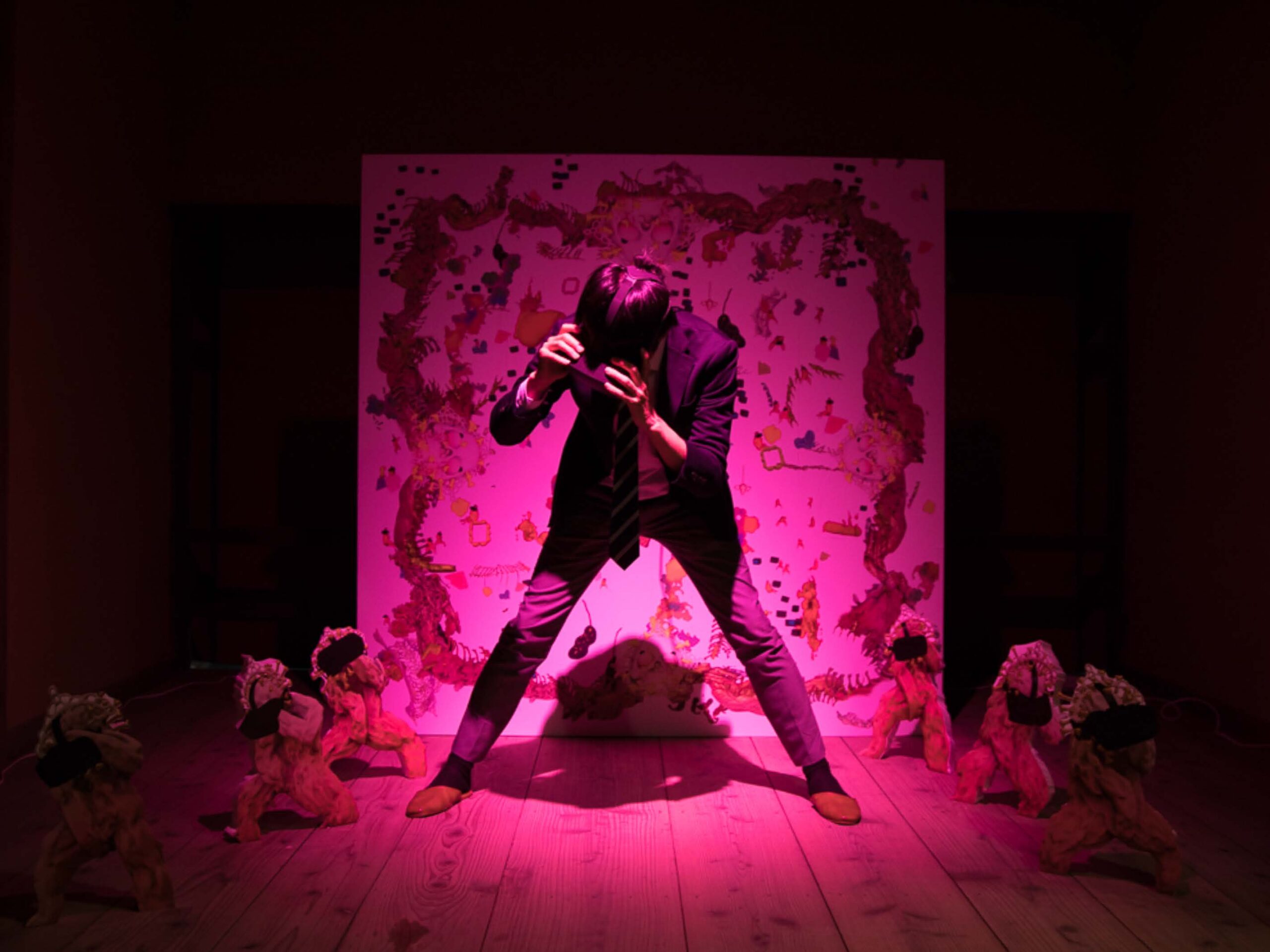
Behold this person—the reincarnation,
perhaps, of Madame Ching, the “empress of the seas” of Qing-era waters.²
Now, Shininho and Captain Shininho have
moored for a moment at Mihakgwan. She looked back over her life but soon
stopped thinking. There is no time to think: uncharted worlds yet to visit,
adventures waiting for her, and the desires of others aboard this ship still
urge her on. She has no time. Behold—this is the person.³ ⁴ ⁵ ⁶
Text: Seulbi Lee
1. On the night of November 9, 1938, Nazi SA
stormtroopers looted and attacked Jewish shops and synagogues. Because the
glass in shop windows shattered across the streets, the incident became known
as “Kristallnacht.”
2. Madame Ching (1775–1844), from one of
China’s ethnic minorities, is known as the female pirate king who dominated the
seas of East Asia during the Age of Exploration. In Korean she is called “Jeong
Il-su.” It is speculated that “Mistress Ching,” who appears briefly on a bounty
list in Pirates of the Caribbean: At World’s End (2007), may have
been inspired by Madame Ching.
3. “Ecce homo” (“Behold the man”) appears in
the Gospel of John, one of the four Gospels recording the Passion of Jesus upon
his entry into Jerusalem; it is the cry of Pontius Pilate, the Roman governor,
addressing the crowd while presenting Jesus in a purple robe and a crown of
thorns.
4. Pilate’s cry—“Behold the man!”—introducing
Jesus before his crucifixion was a religious icon beloved by many late medieval
masters, including Titian (Tiziano Vecellio).
5. Nietzsche’s final work, Ecce Homo,
was written in 1888 and published in 1908. As an autobiographical text, it is
considered essential for understanding his often difficult writings despite its
brevity. Including the preface, its chapters are titled “Why I Am So Wise,”
“Why I Am So Clever,” “Why I Write Such Good Books,” etc. (See: Friedrich
Nietzsche, The Case of Wagner · Twilight of the Idols · The Antichrist ·
Ecce Homo · Dionysian-Dithyrambs · Nietzsche contra Wagner, trans. Baek
Seung-young, ChaekSesang, 2016, pp. 321–375.) The title Ecce
Homo borrows Pilate’s line from the Gospel of John. While Pilate points to
Jesus as “the man,” Nietzsche sets himself in counterpoint to Jesus. From
placing himself on the same plane as Christ to the boundless self-confidence
and self-praise that follow—this stance stems from opposition and critique
toward Christianity’s emphasis on humility and social conformity. Some read
this near-delusional confidence as a harbinger of the madness that overtook
Nietzsche in his final years, but within his philosophy it can be read as an
affirmation of life and pride in existence.
6. Inspired by Nietzsche’s work, British SF
writer Michael Moorcock published the novel Behold the Man (1969).
Its protagonist, whose life is going nowhere, travels by time machine to A.D.
28 to seek Jesus’s teachings, only to find Jesus and the Virgin Mary far from
the figures described in Scripture—no better off than the protagonist himself.
By the end, having accidentally taken on the role of Jesus in the Gospel
narrative, the protagonist is nailed to the cross, regretting everything.
(Michael Moorcock, Behold the Man, trans. Choi Yong-joon, Sigongsa, 2013.)
Sharp in its skepticism toward Christian doctrine, this anti-Christian novel
won the Nebula Award, one of SF’s major prizes, in 1967.