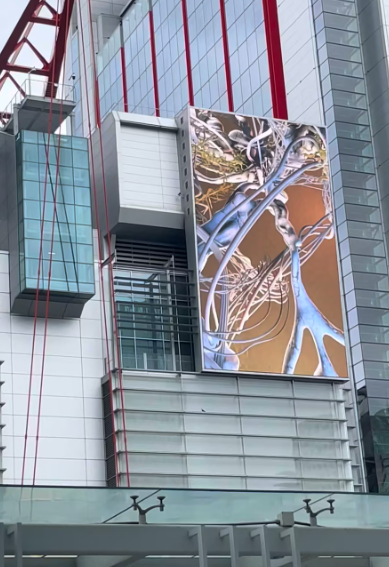


Yaloo (b. 1987) has continuously explored the poetic possibilities of digital media through digital moving images, including projection-mapped sculptures, media façades, and VR. Her work draws on a wide range of timeless cultural elements—her own identity, myths, folktales, science and technology, and K-culture—to construct poetic narratives that unfold immersively through technological media.


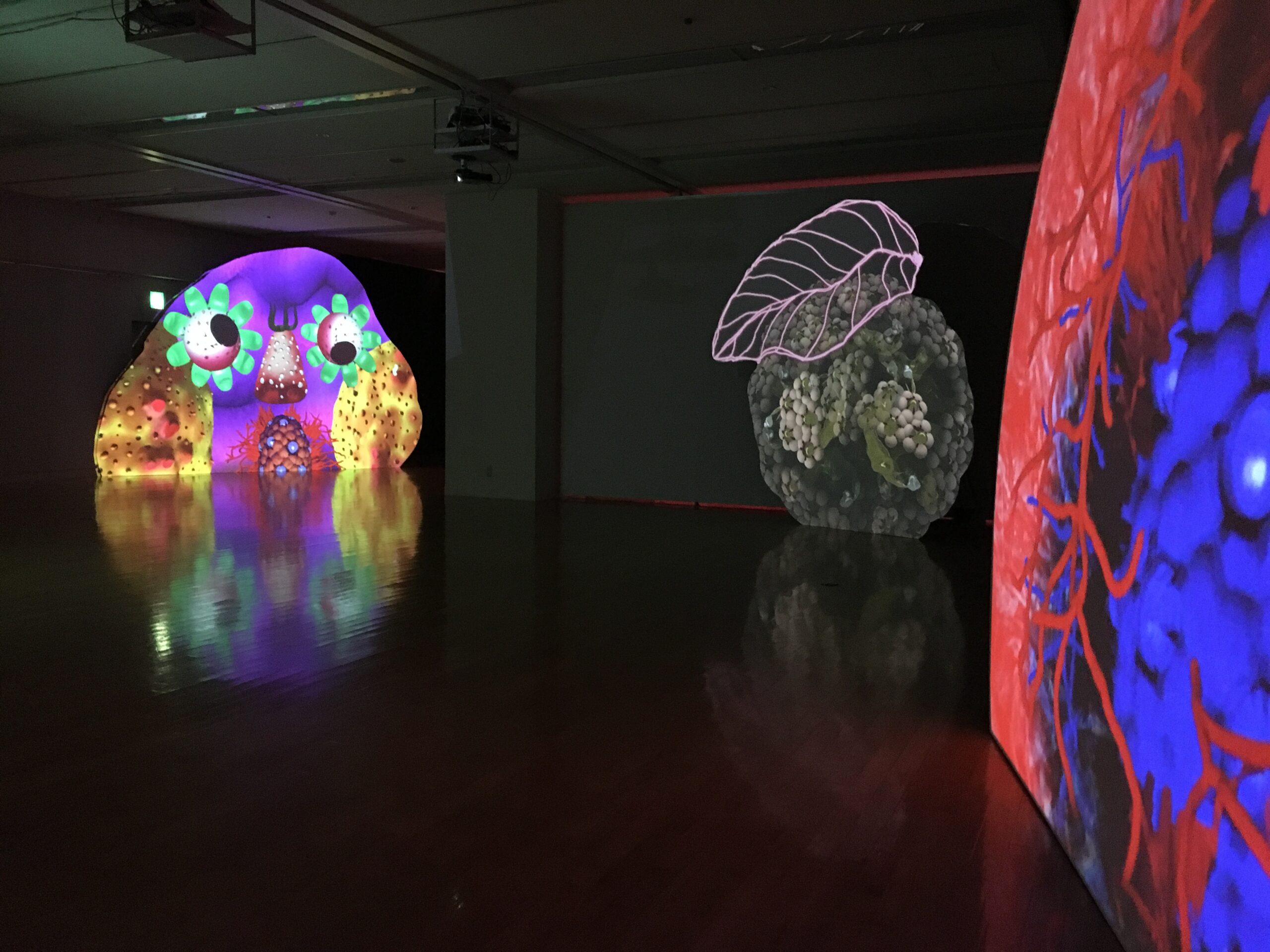
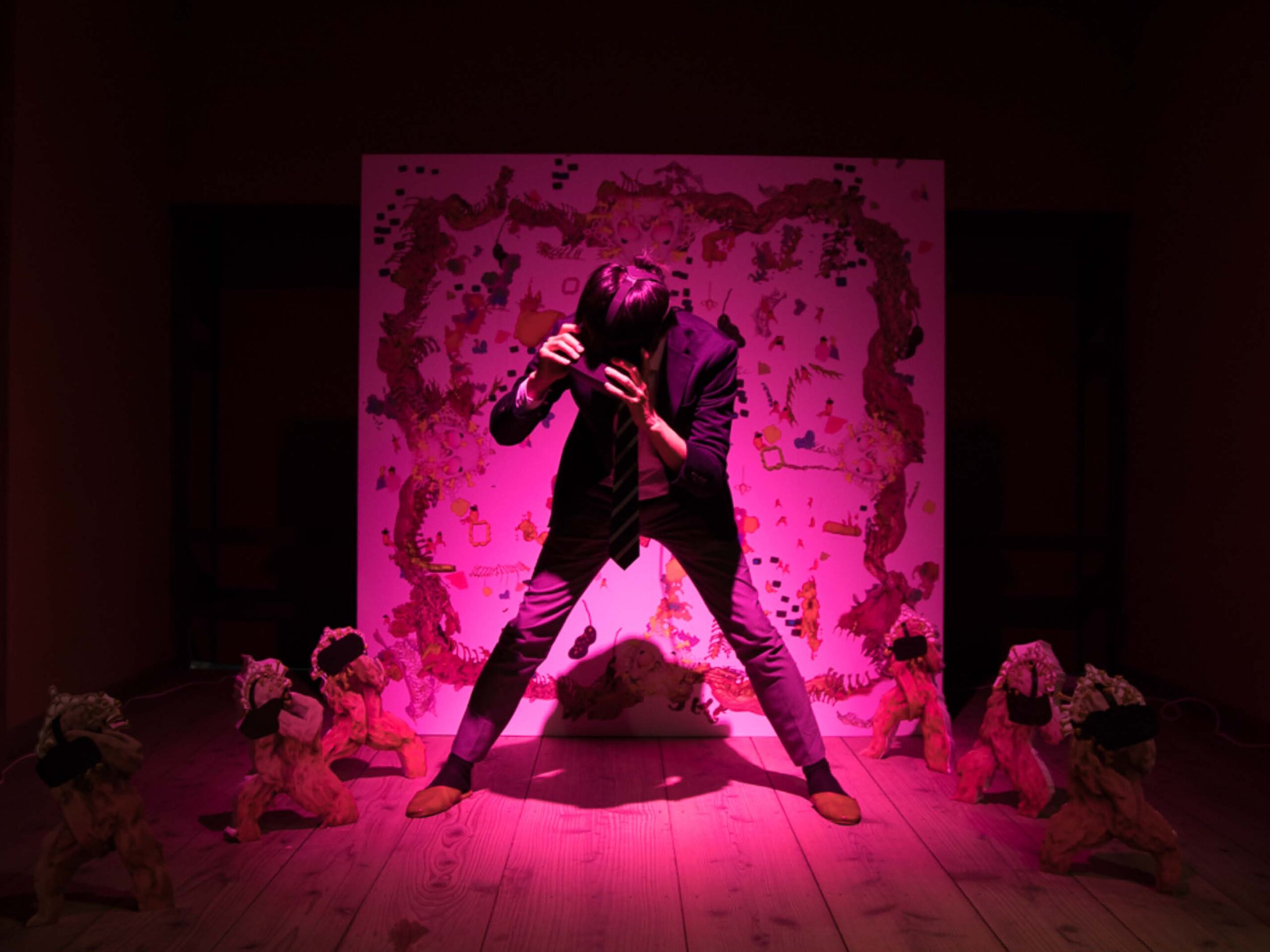
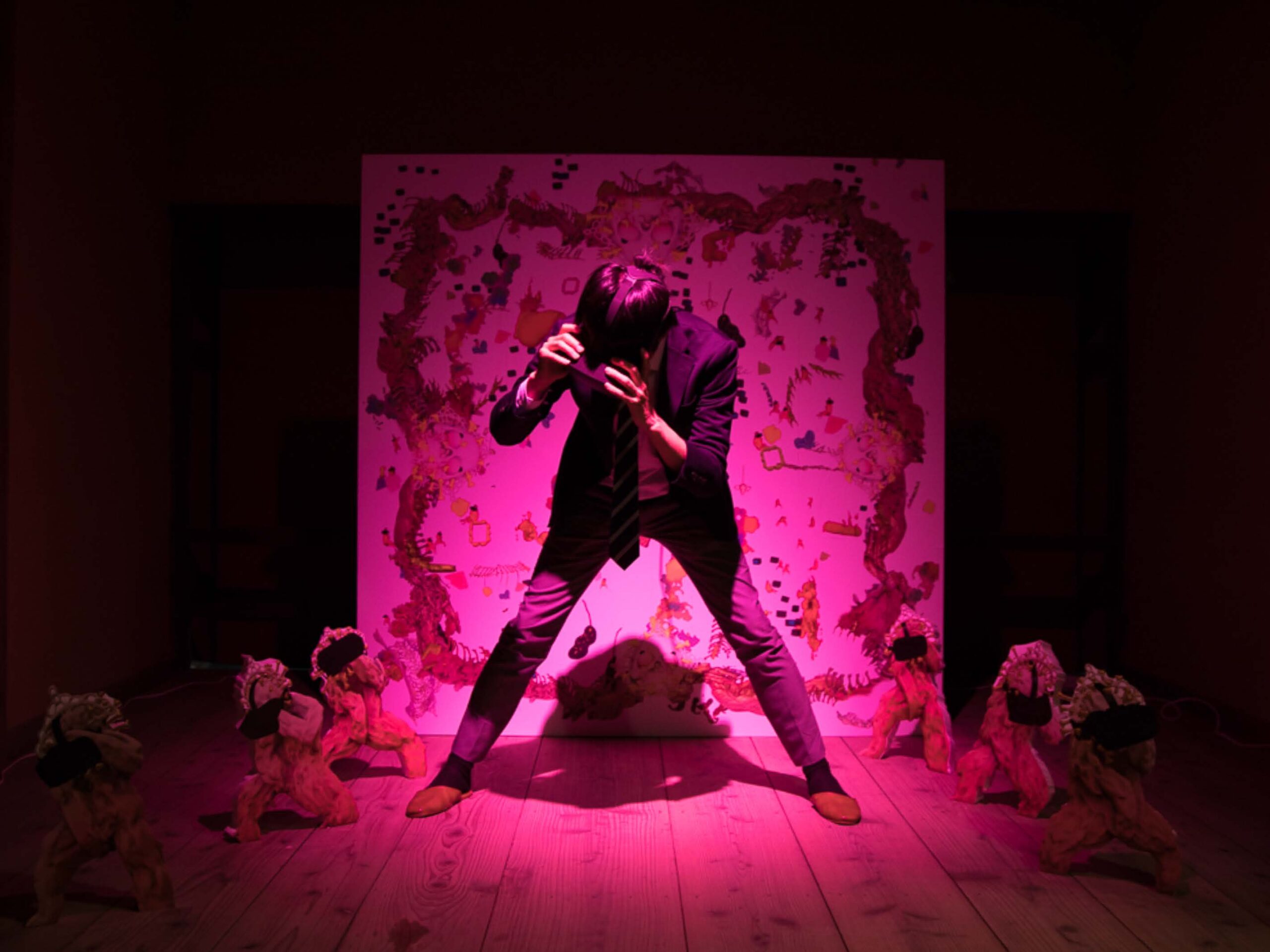
Installation view of 《Yaloo House, Yes! Sebum》 (Whistle, 2017) ©Yaloo

Having lived abroad for a long time, Yaloo has developed an attitude toward life shaped by the gaze of the Other. Like gleaning, the artist habitually collects images and videos through YouTube and mobile phone screenshots. In the digital realm, she repeatedly mixes, cuts, copies, and pastes the collected materials.
 
The images she gathers embody transnational consumer culture and its accompanying phenomena. Through various technological processes, Yaloo recombines and edits these images, producing new visual narratives that articulate her own stories.


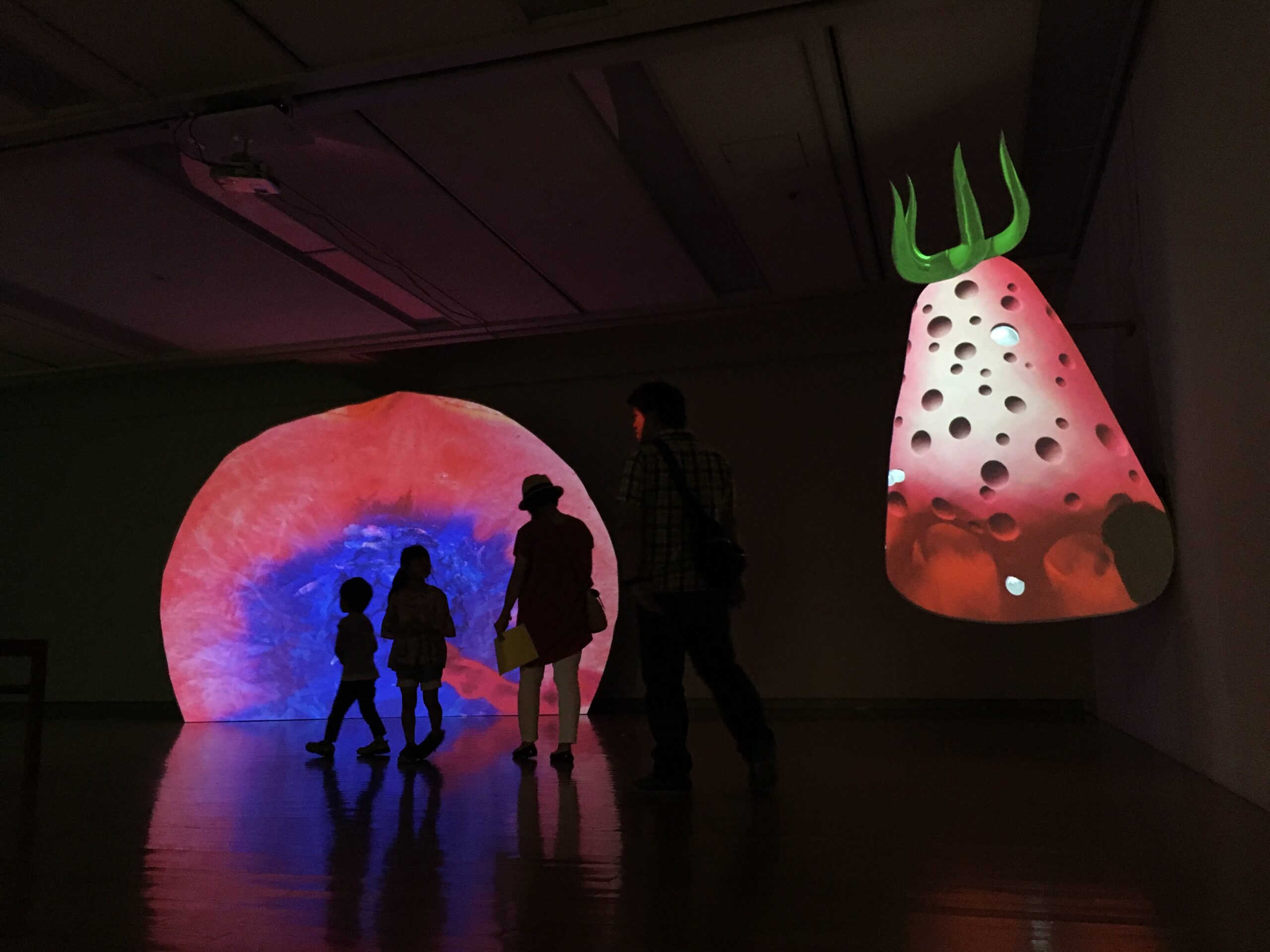
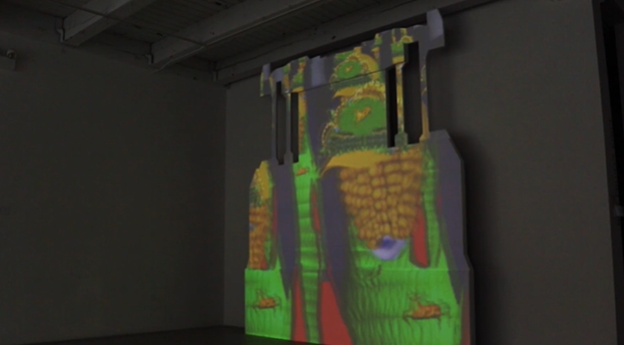
Yaloo, Yaloopark, Yes! Sebum, giant fruits with cosmetic concerns, 2017, Video projection mapping sculpture ©Yaloo

For example, during her participation in the Fukuoka Asian Art Museum’s residency program in 2017, Yaloo produced Yaloopark, Yes! Sebum, giant fruits with cosmetic concerns. Created over a three-month stay in Fukuoka, the work playfully yet intimately addresses “our desire for perfect surfaces and the consumerist culture that follows.”
 
The images that constitute this work draw from the artist’s observations of perfectly polished fruits displayed at the entrances of supermarkets and the tightly packed shelves of beauty products in pharmacies in downtown Fukuoka. Yaloo sculpts popular fruits with cosmetic concerns such as acne and muffin top via Virtual Reality platform and creates stop motion animation.


Yaloo, Yaloopark, Yes! Sebum, giant fruits with cosmetic concerns, 2017, Video projection mapping sculpture ©Yaloo

At the beginning and end of the exhibition, opening and closing ceremony theme songs played, framing the experience. Each fruit carried its own distinctive scent and sound, captivating the audience’s senses. Walking among the giant fruit animations, viewers felt as if they had entered a theme park, and at the conclusion of the exhibition they encountered a fortune-dispensing machine that offered playful “beauty/fruit” readings.


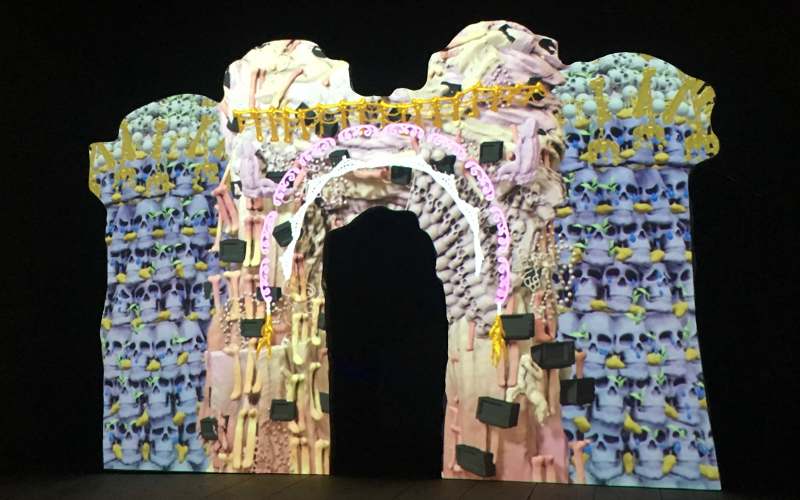
Yaloo, Yaloo Castle Site, Imaginary Archaeology, 2018, Single channel video, sound, video mapping projection ©Yaloo

In her subsequent work Yaloo Castle Site, Imaginary Archaeology (2018–2019), Yaloo created imagined relics drawing on her residency experience and research into the Yamakasa festival and local traditions, pharmaceutical and cosmetic products arranged in pharmacies that reflected contemporary notions of femininity, and Nam June Paik’s broken television tower installed at Canal City.

Yaloo, Yaloo Castle Site, Imaginary Archaeology, 2018, Single channel video, sound, video mapping projection ©Yaloo

The imagined historical relics were produced as video projection-mapped sculptures and installed inside the restored buildings of Fukuoka Castle. As visitors walked through a series of rooms arranged in sequence, they encountered the video sculptures, unfolding with the artist a transformation of personal narratives into a grand epic through the powers of technology and imagination.
 
In the final room, the journey concluded as visitors entered the virtual archaeological site through VR, completing their immersive passage into the imagined world.


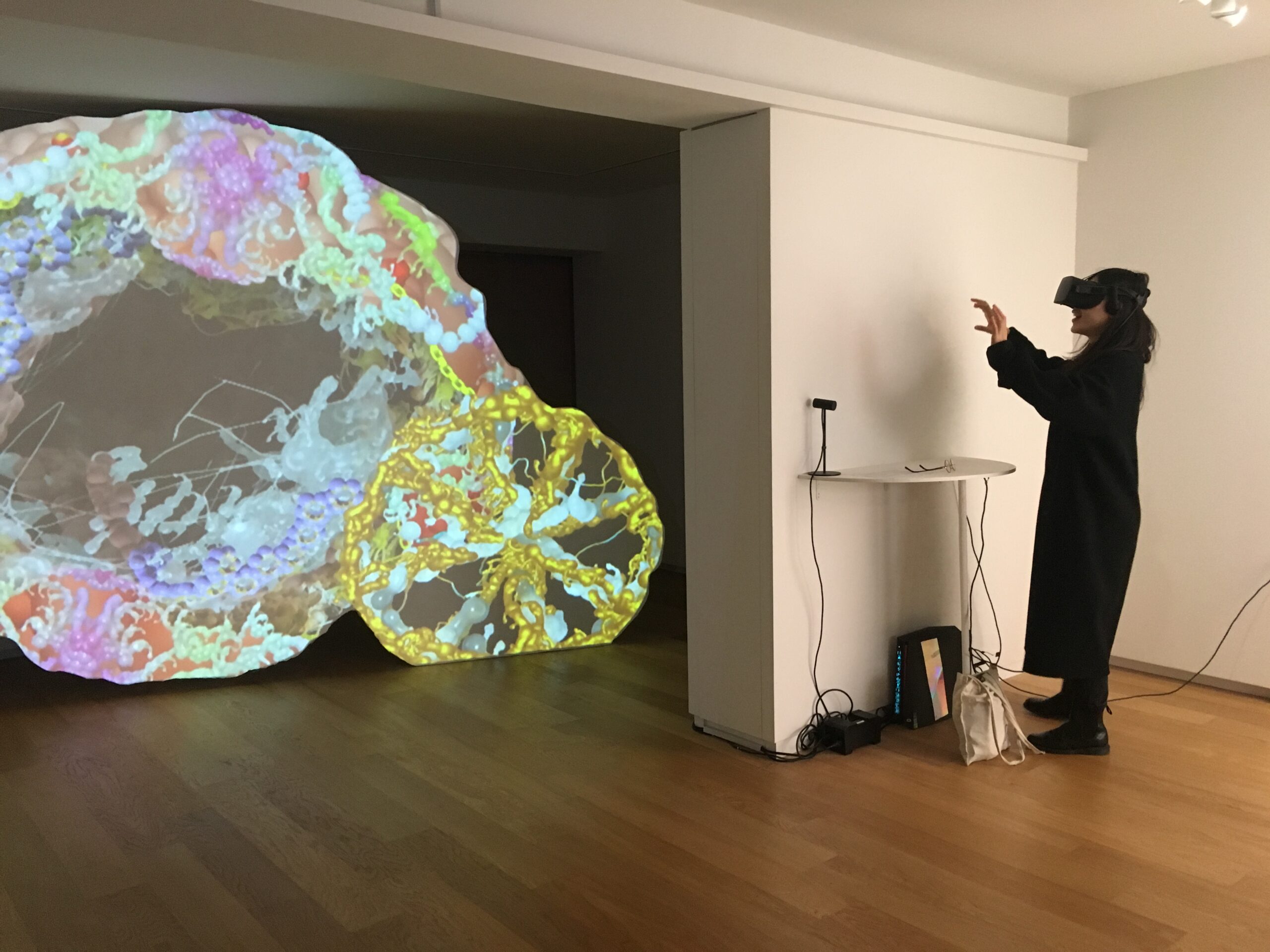
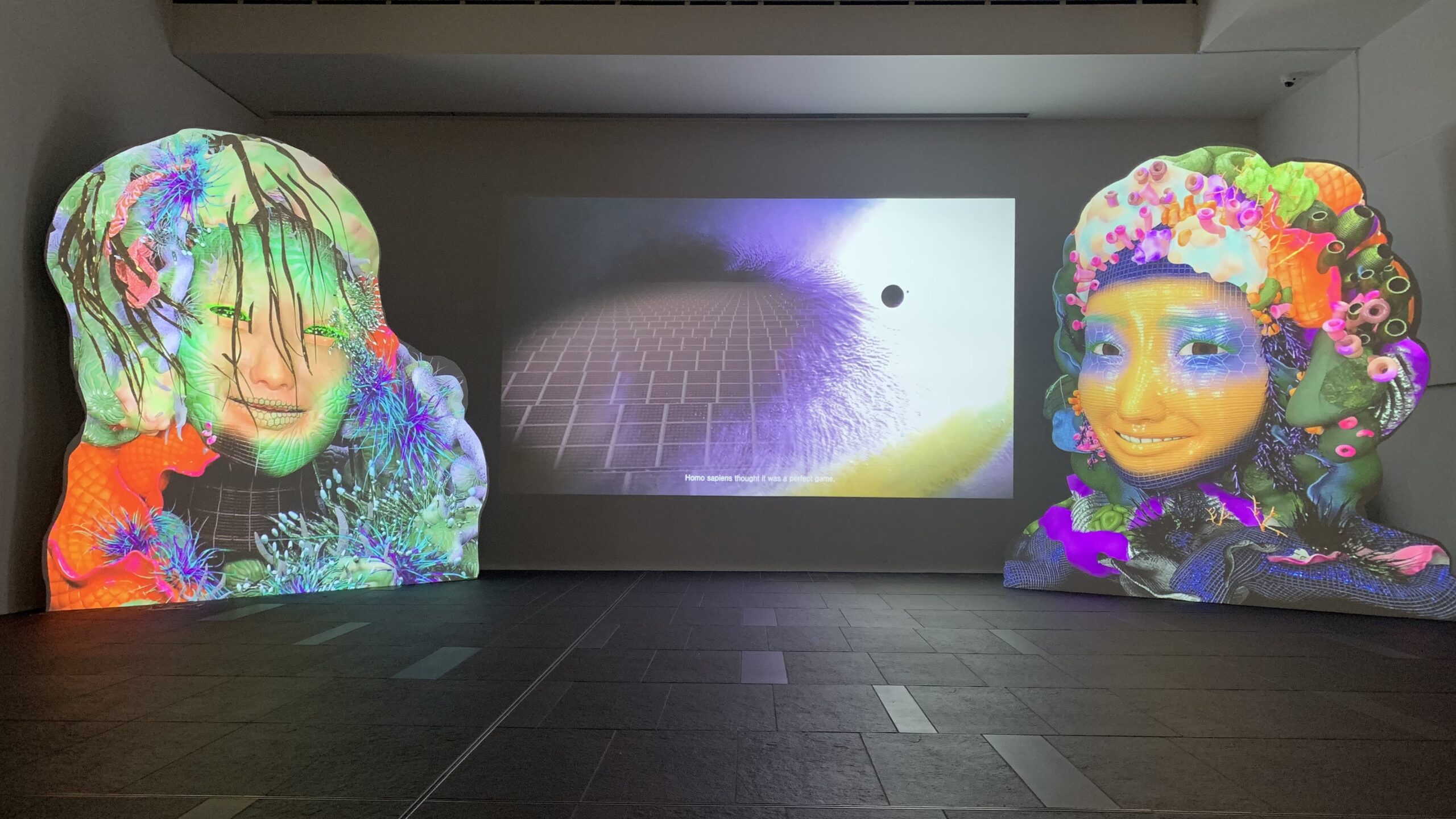
Yaloo, Homo Paulinella, the lab : Don't you cry dear Zarathustra, 2020, 3-channel video, sound, video mapping projection sculpture ©Yaloo

In this way, Yaloo’s practice often begins with personal experiences and memories. Since 2019, she has explored the motif of “seaweed” through projection mapping, motion-sensor video, animation, and VR—an inquiry that originated from her childhood memories.
 
As a child, seaweed soup, a symbol of birthdays, sparked her curiosity about how seaweed, as a form of marine algae, has managed to survive from the Precambrian era to the present day. Building on this question, she was also struck by the fact that kelp is considered the first living organism on Earth to develop gender differentiation. Drawing from this, Yaloo extended her work toward imagining a new humanity, envisioning hybrid beings that merge the characteristics of marine algae with speculative futures.

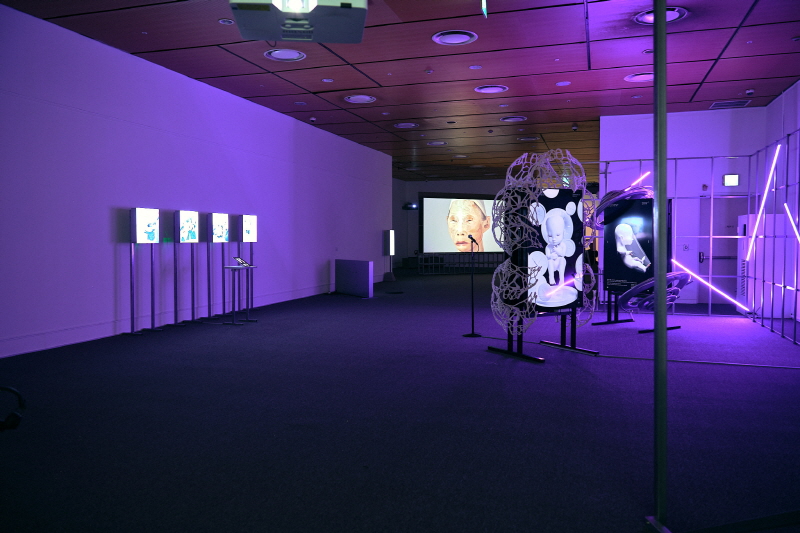
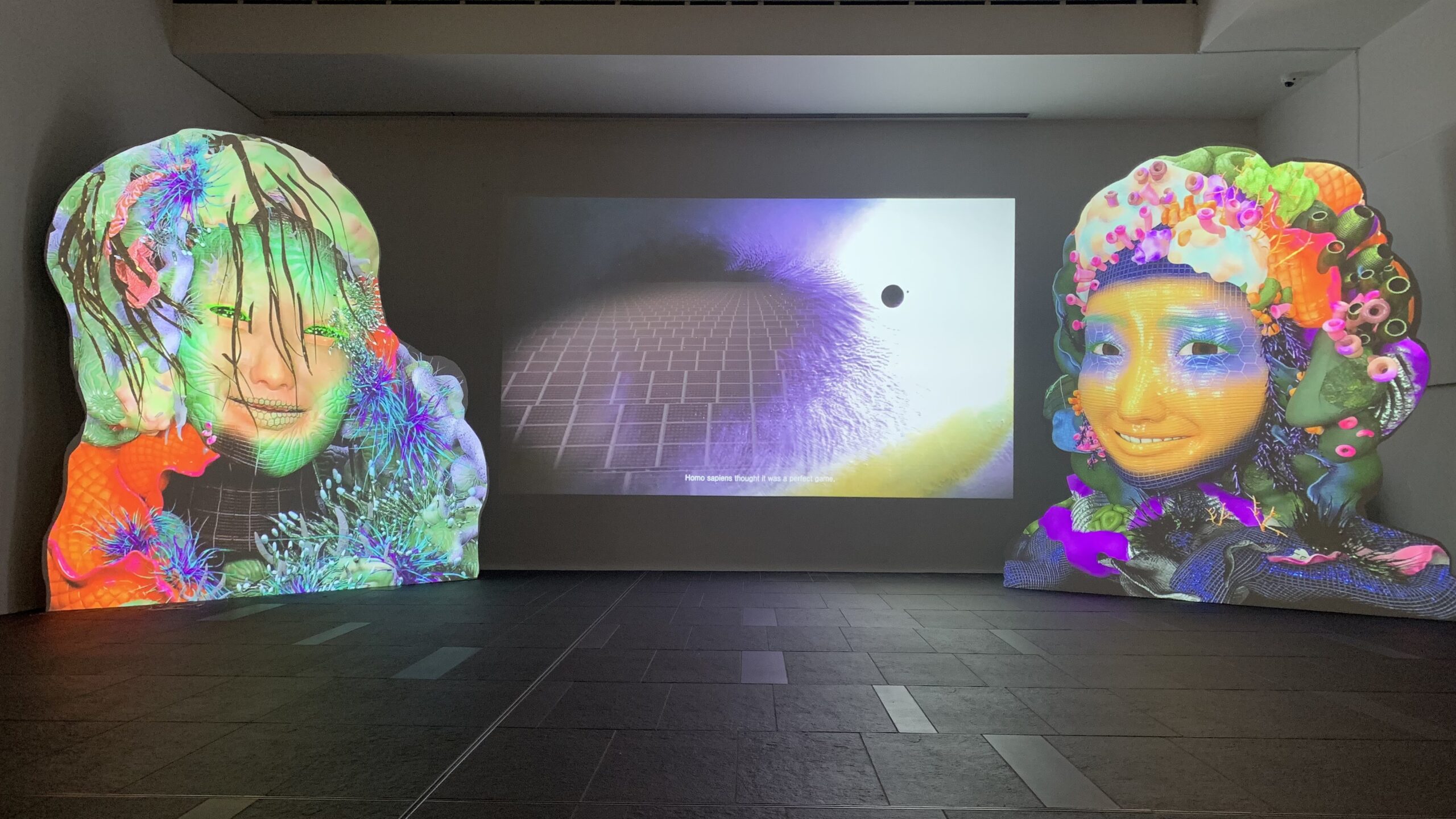
Installation view of 《Homo Paulinella the lab : Don't you cry dear Zarathustra》 (Platform-L, 2020) ©Yaloo

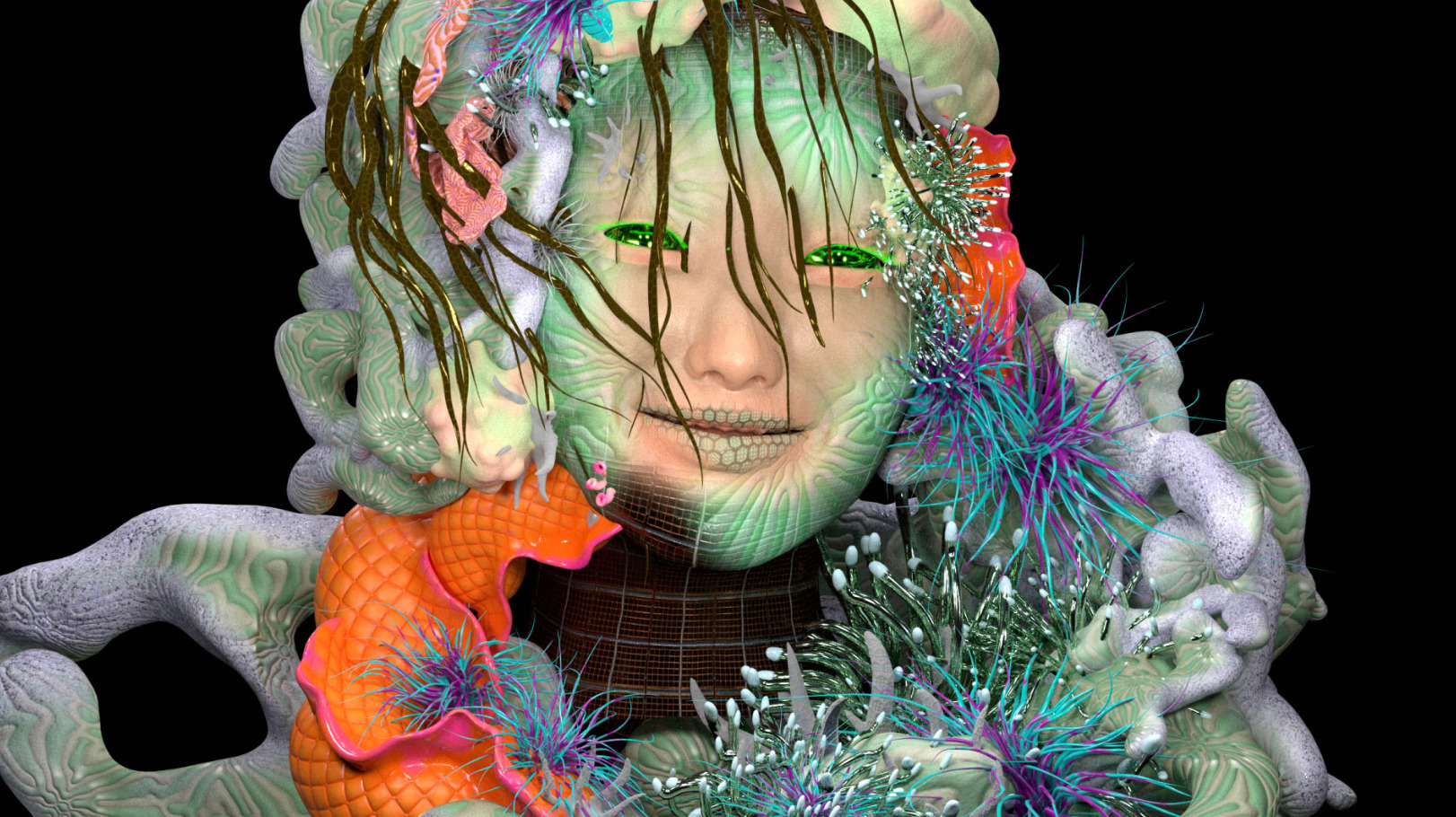
In her 2020 solo exhibition 《Homo Paulinella the Lab: Don’t You Cry, Dear Zarathustra》 at Platform-L, Yaloo envisioned the emergence of a new form of humanity, ‘Homo Paulinella,’ a being born through genetic modification that fuses with marine algal flora. Homo Paulinella possesses highly advanced intelligence and generates all its own energy through photosynthesis, eliminating the need for respiratory, digestive, or excretory organs.
 
They are beings that crave affection, engage primarily in artistic creation using scientific instruments, and live in harmony with nature. Having shed negative elements such as hatred, fear, and aggression, Homo Paulinella represents a vision of a future humanity that embraces coexistence and love.


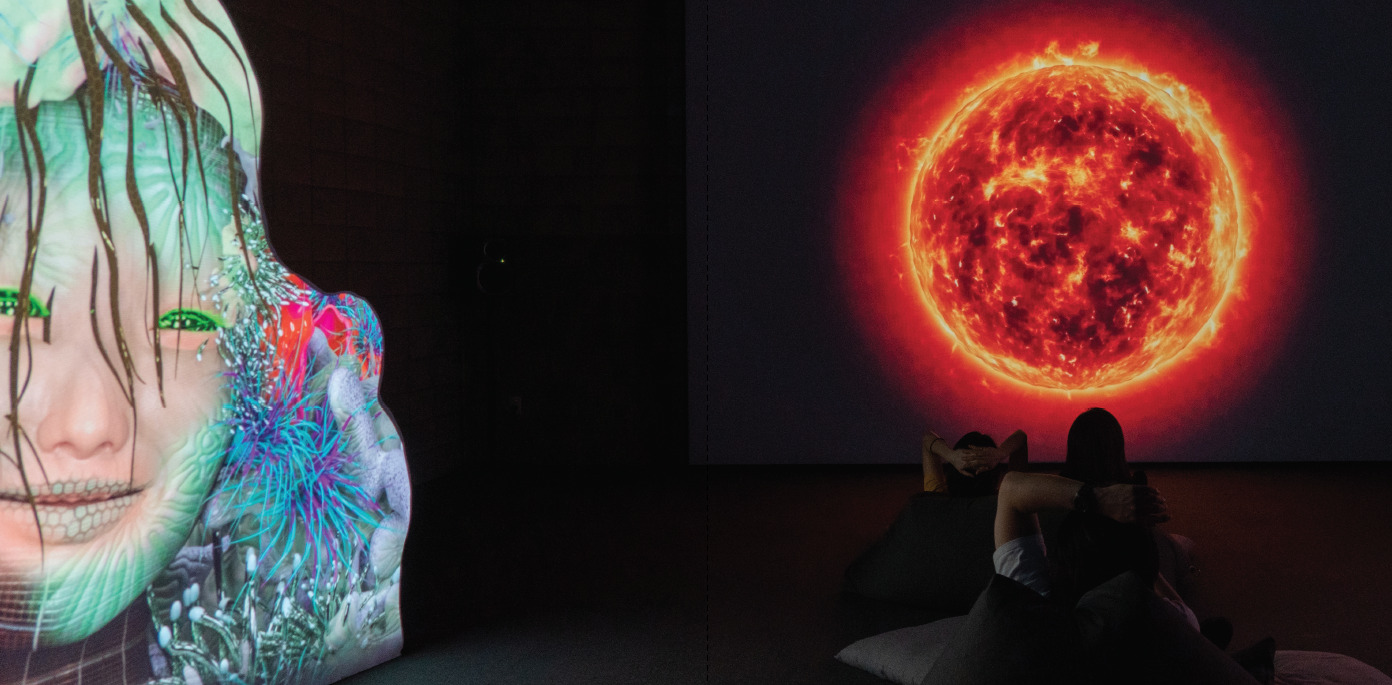
Installation view of 《Homo Paulinella, the lab : Don't you cry dear Zarathustra》 (Platform-L, 2020) ©Yaloo

This posthuman scenario unfolded through scientific research, specimen collection and observation, and collaboration with marine algal specialists at the Algal Research Center, evolving into a multidisciplinary form that bridges visual art, science, and literature.
 
The exhibition 《Homo Paulinella the Lab: Don’t You Cry, Dear Zarathustra》 was the first to present a future-oriented posthuman narrative, grounded in academic theories developed in collaboration with researchers at the Algal Research Center of the National Institute of Fisheries Science, and created in collaboration with conceptual artist Hounyeh Kim.
 
By working with experts across diverse fields, Yaloo brought the narrative of this new humanity, Homo Paulinella, to life through immersive media art—including VR, projection mapping, and digital printing—inviting audiences into a sensorial space of playful science-fiction storytelling.


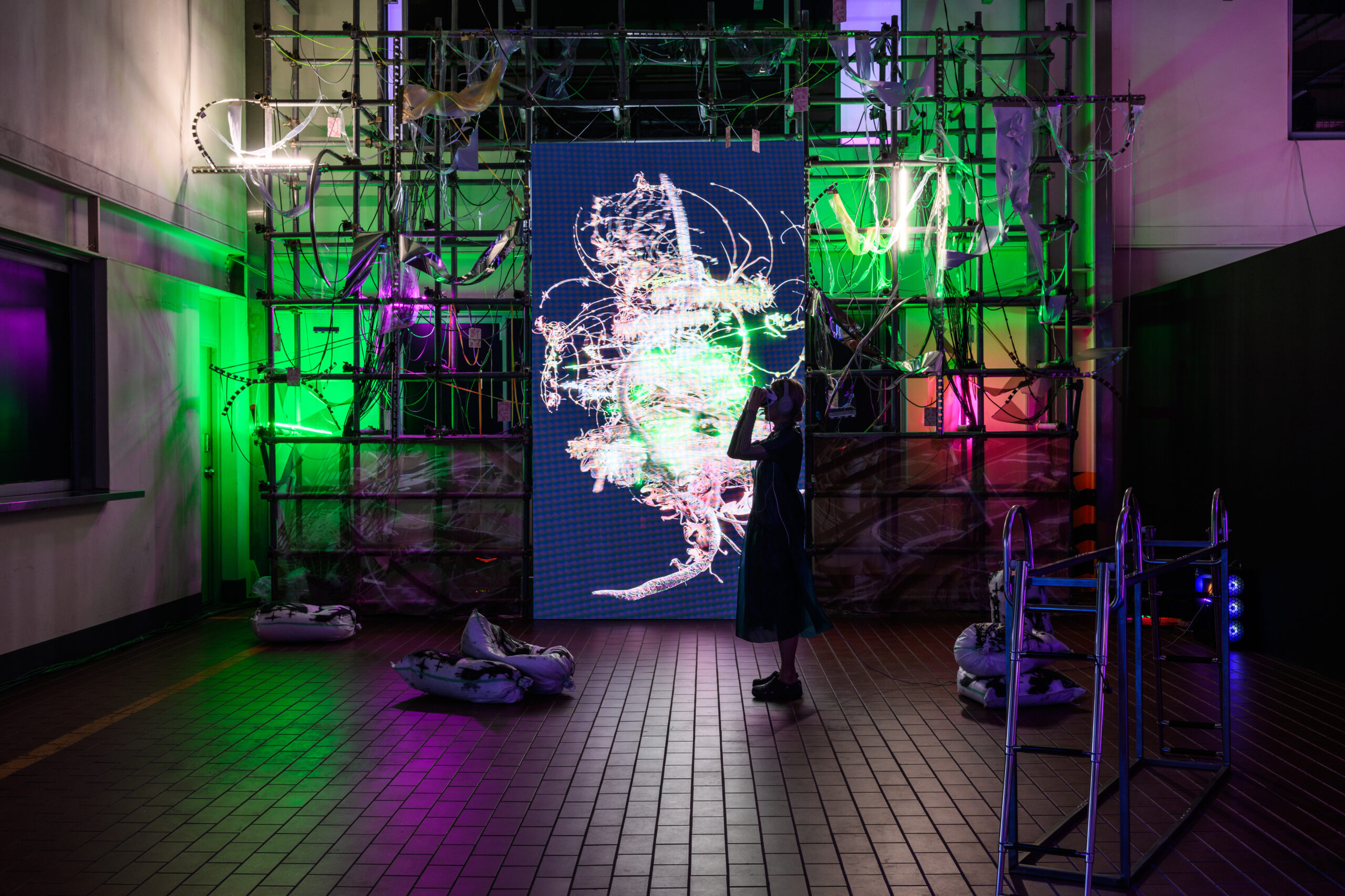
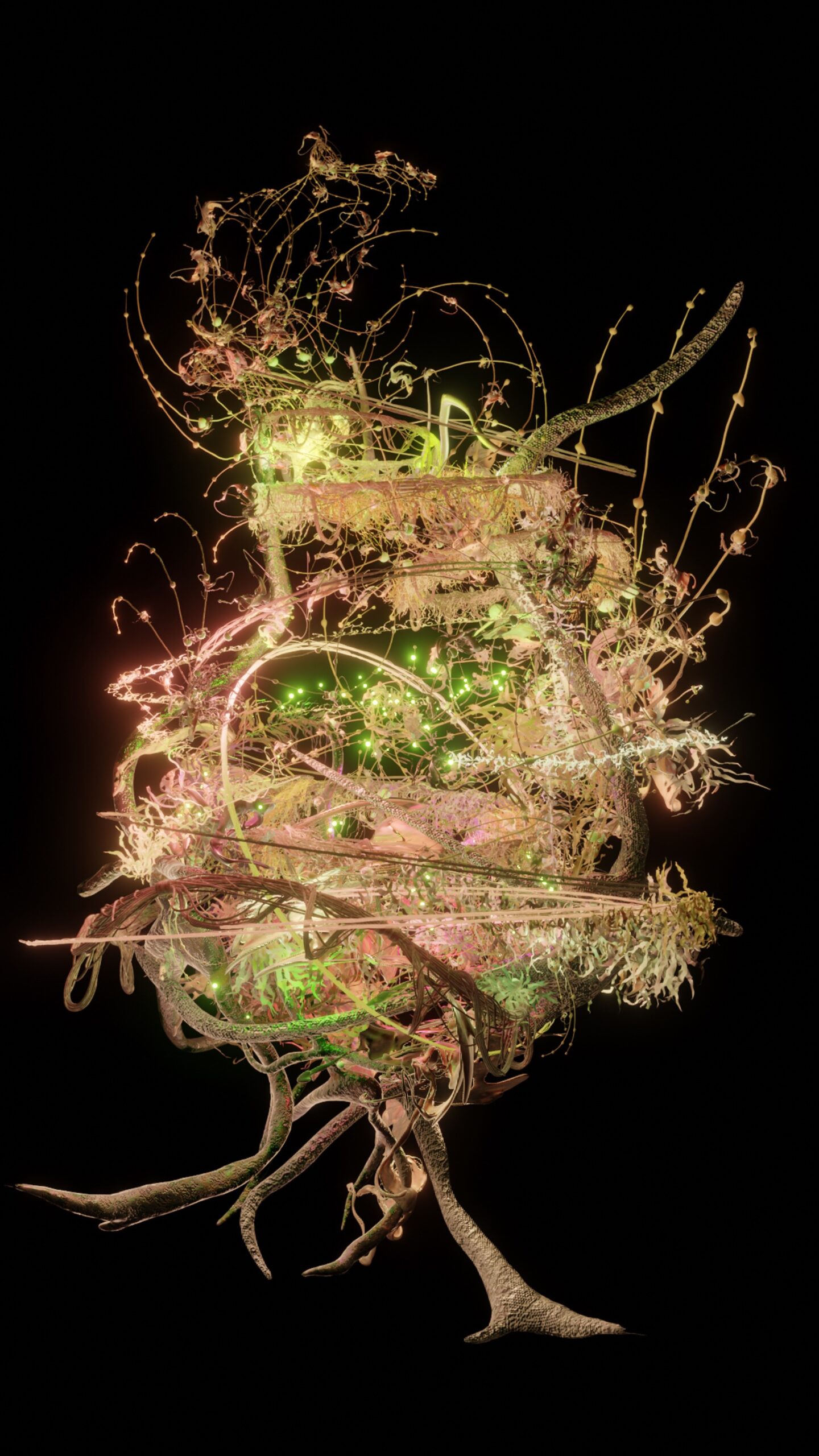
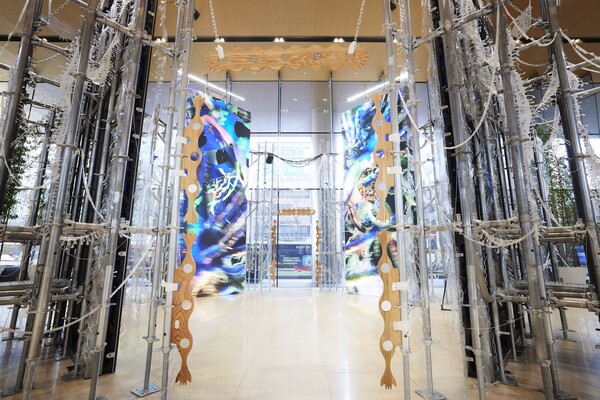
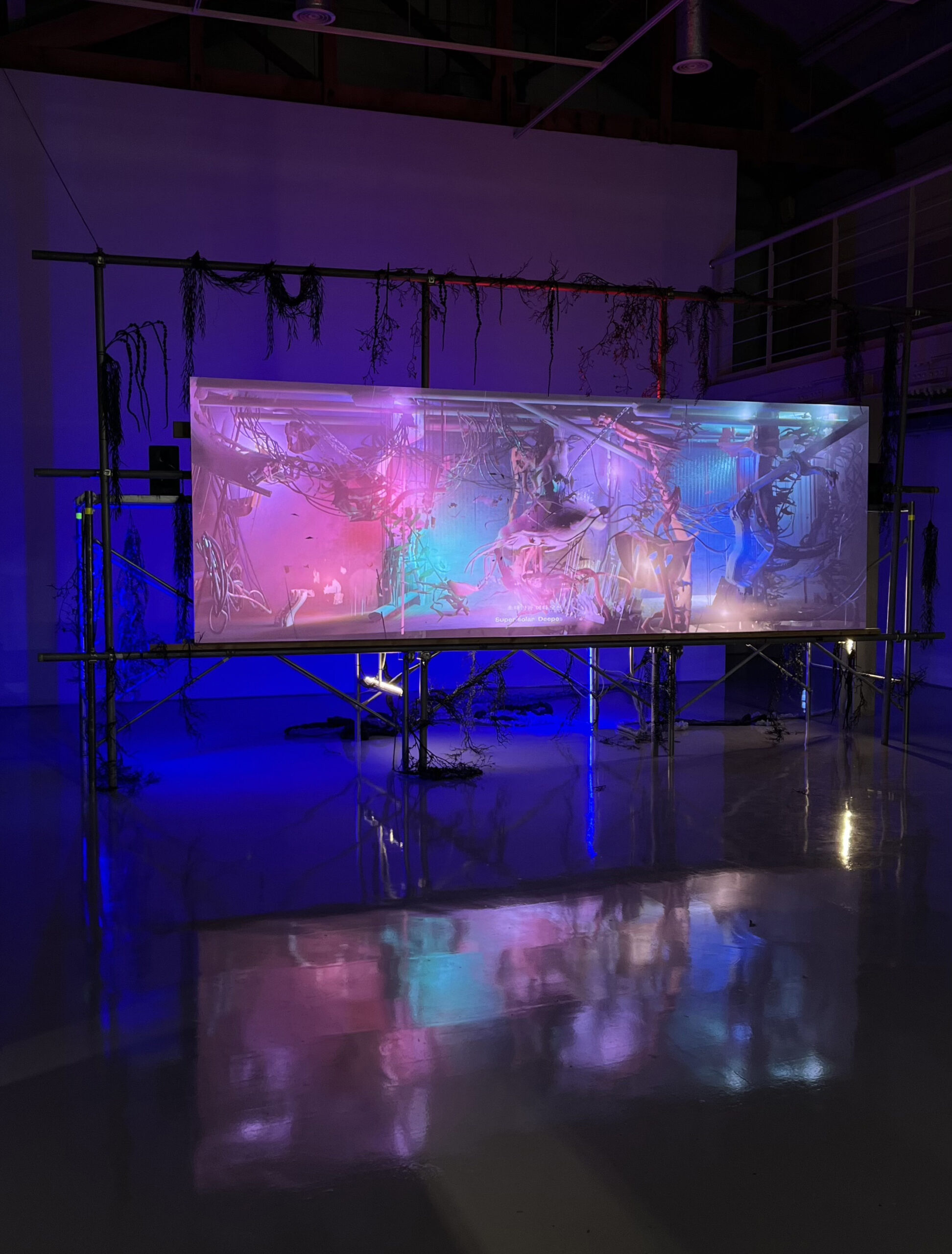
Yaloo, Pickled City Dive Ver.2022, 2022, 3D animation, VR, lights, foggy incense burner, dock ladder, steel pipe, pvc, steel curtain rail ©Yaloo

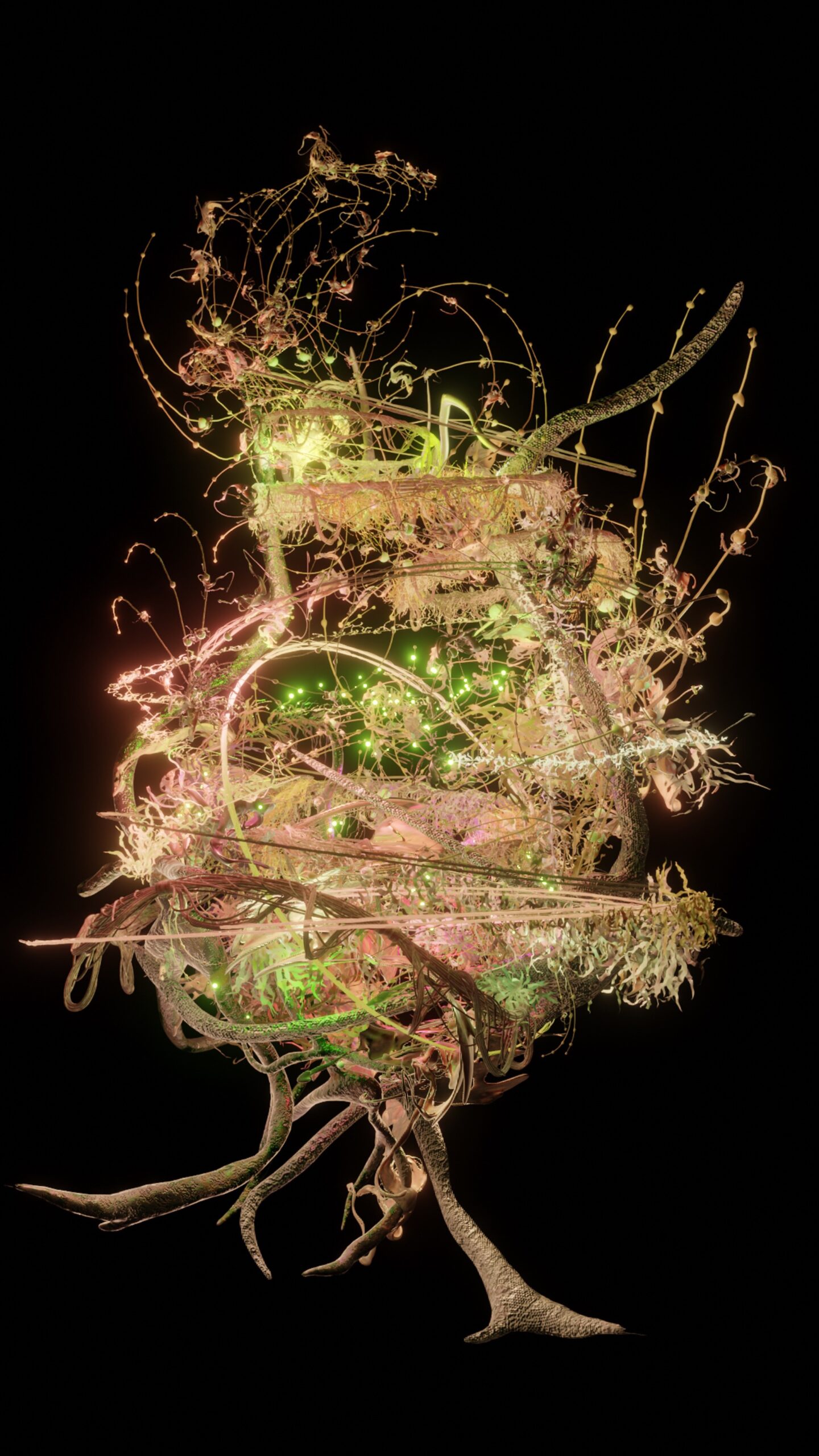
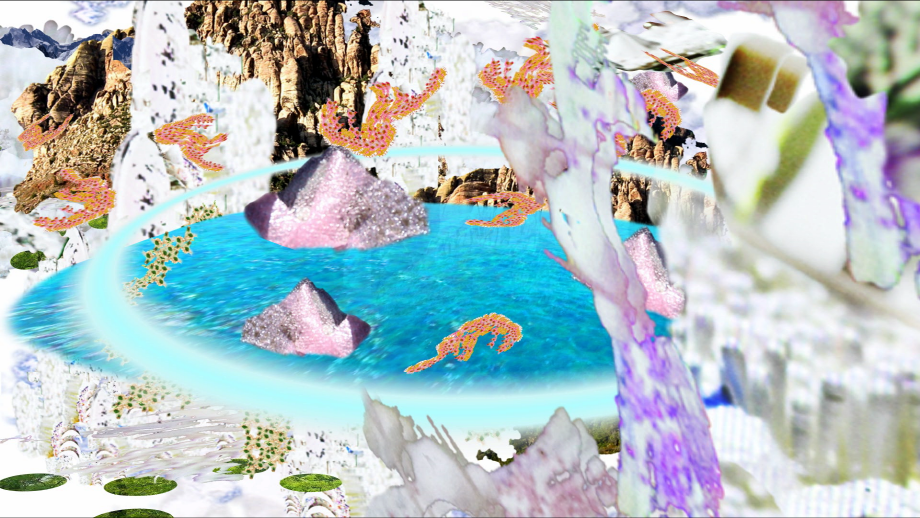
The artist’s interest in marine algae, which began with the ‘Homo Paulinella’ project in 2020, has expanded into the series ‘Pickled City’ (2022–), a narrative imagining an underwater city in the deep sea infused with mythological imagination. The cityscape presented in the work challenges our understanding of a stable city.
 
In this ‘pickled city,’ the distinctions and boundaries between the human and non-human become blurred, and images of unidentifiable life forms, apparently fusions of plants and animals, are entwined with one another. Borrowed from traditional folklore and shamanistic beliefs, such as the imaginary animals illustrated on Baekje Gilt-bronze Incense Burner and the Flower Field of Seocheon from the mythology of Jeju, these images merge with the artist’s interests in seaweed, kelp, and sea slugs (nudibranchs) to create a new city in the unknown territory of the deep sea.


Yaloo, Pickled City Dive, 2023, VR, 90sec. ©Yaloo

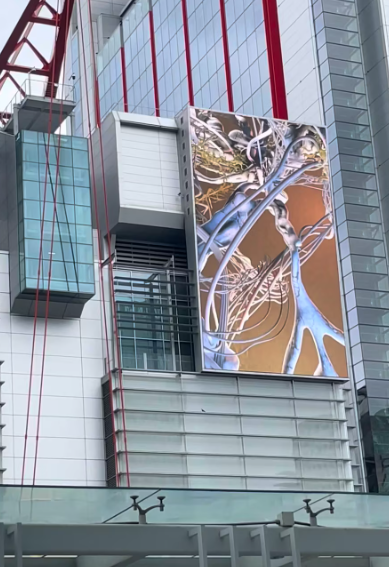
This imagined deep-sea city functions as a space where the diverse histories and settlements of humanity intermingle, while simultaneously transcending conventional dichotomies to allow human and non-human values to coexist. For instance, architectural structures resembling the densely packed high-rises of Asian megacities such as Hong Kong, Tokyo, and Seoul are scattered throughout the unfathomable depths of the ocean.
 
Within this environment, lifeforms with simplified or selectively developed organs, marine algae, and “gogottes”—calcified formations created by specific chemical reactions between shoreline sands and other compounds—generate their own energy. These elements harmonize with the urban structures, producing a dazzling interplay of light throughout the cityscape.


Yaloo, Pickled City, 2023, Single-channel video, sound, color, 4min. 40sec. ©Yaloo

According to the artist, the underwater realm is a cinematic space with infinite possibilities, as vast as the universe. Strange yet beautiful, blending fear with awe, this future ecosystem—neither dystopia nor utopia—where humans and non-humans coexist, offers a vision of life beyond anthropocentric thinking.


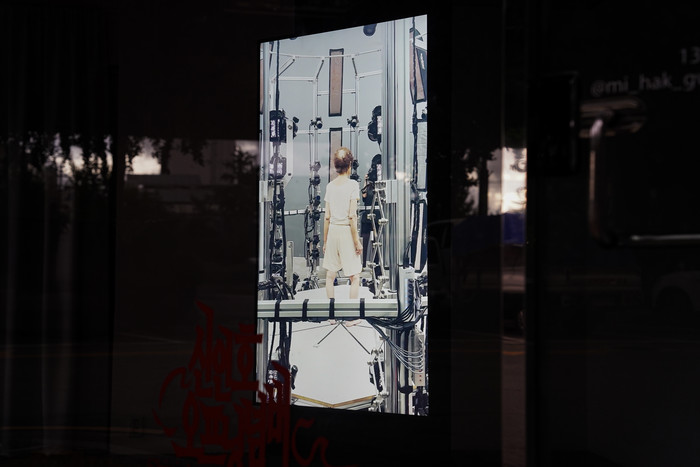
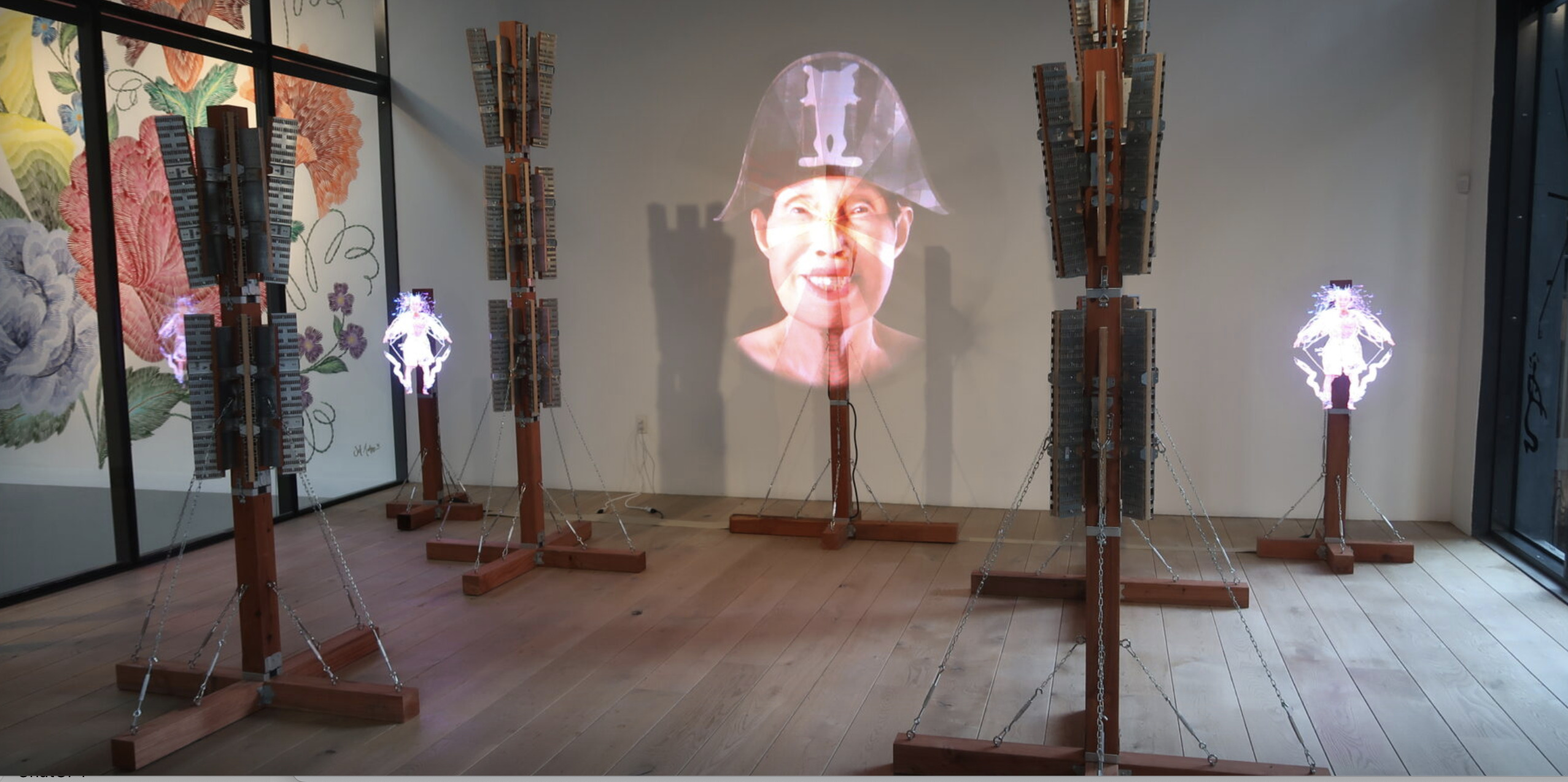
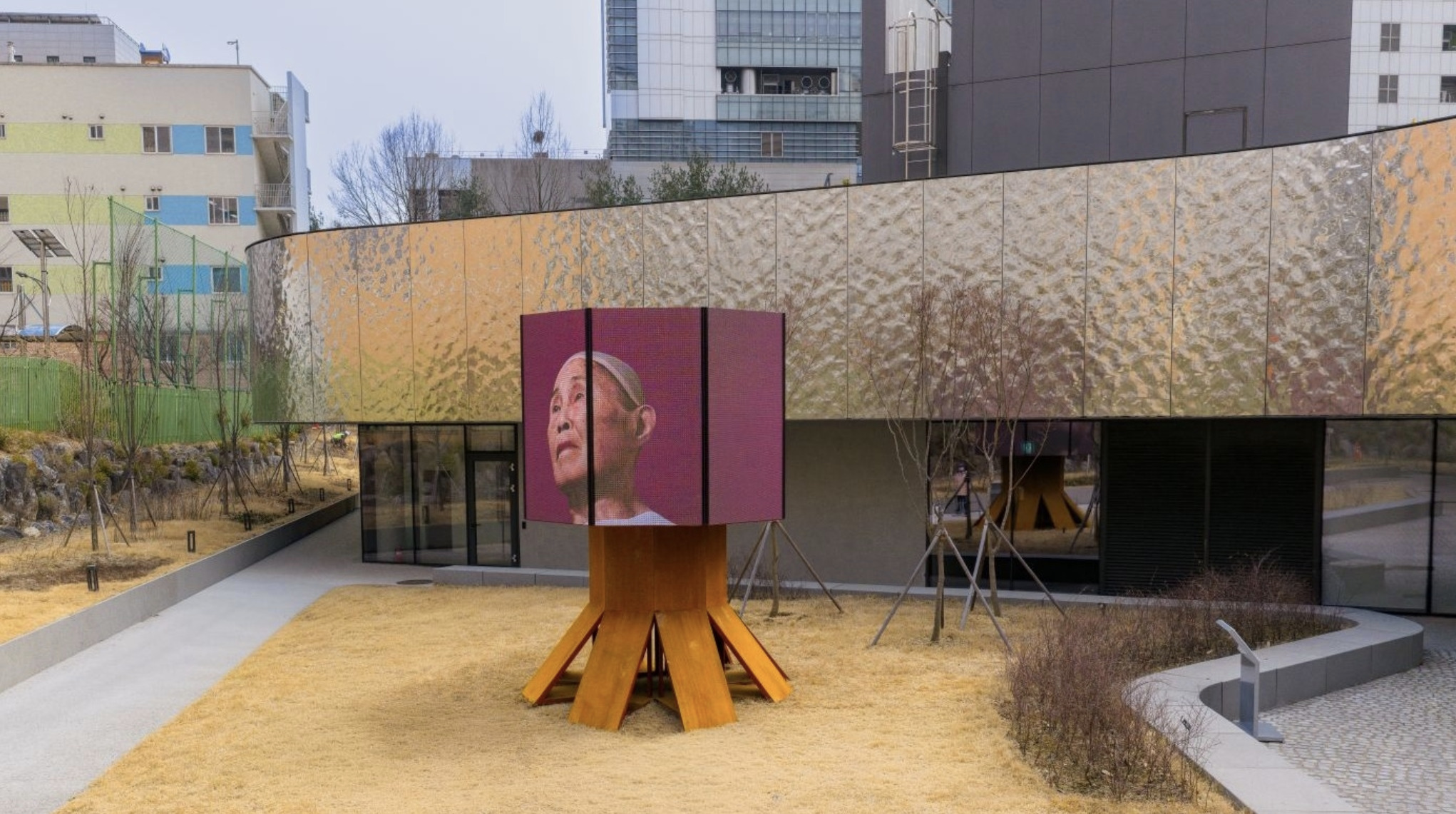
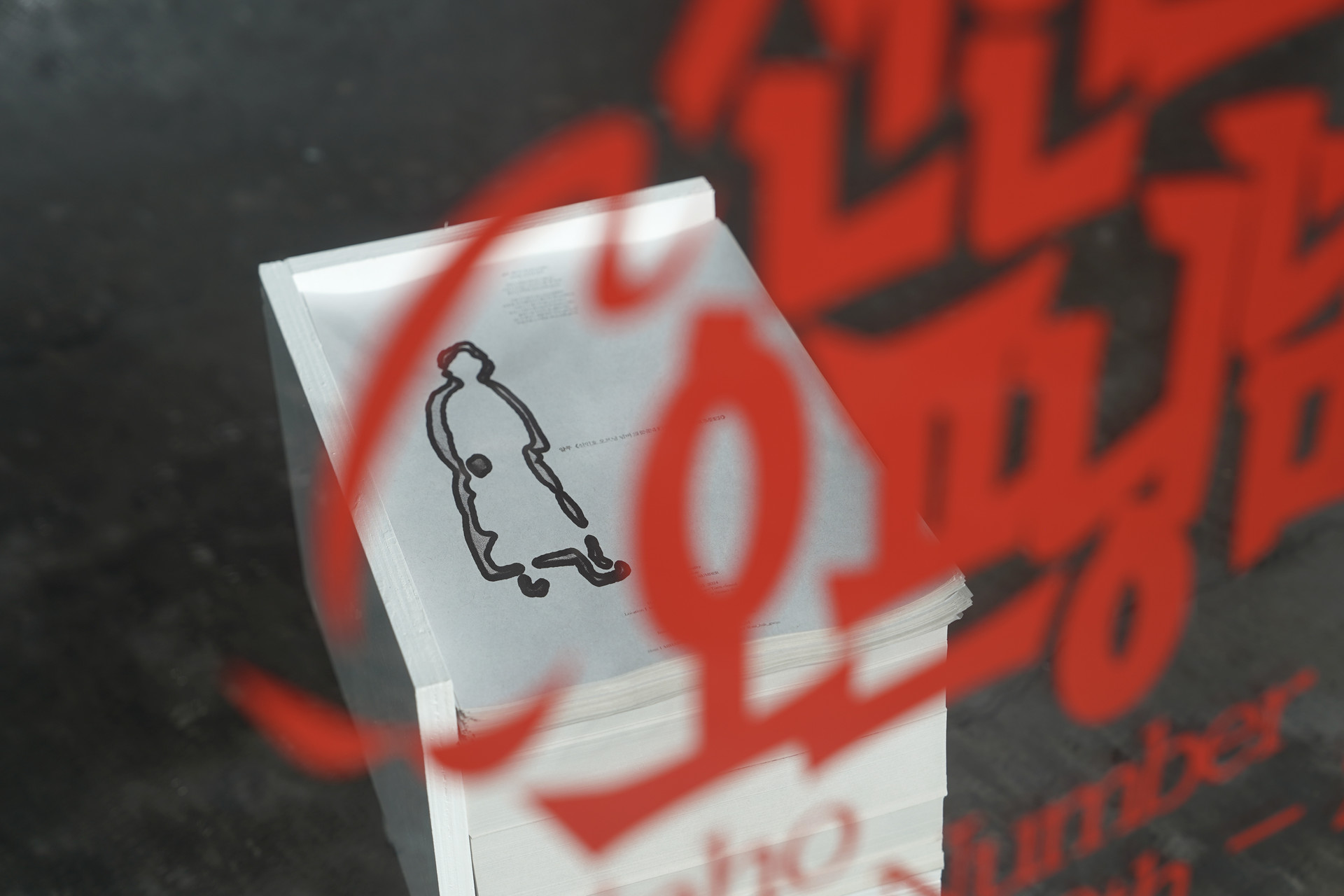
Installation view of 《Shininho Opening Number》 (Mihakgwan, 2024) ©Mihakgwan

Meanwhile, Yaloo’s most recent project, ‘Shininho’ (2024–), centers on a narrative built around the fictional character “Shininho,” created based on the artist’s maternal grandmother, born in 1938, and the East Asian female pirate Zheng Yi Sao. At 86 years old, Shininho is imagined as both a pirate ship captain and a K-pop idol—a whimsical concept—yet her story unfolds against real historical events, including the Japanese colonial period and the Korean War.


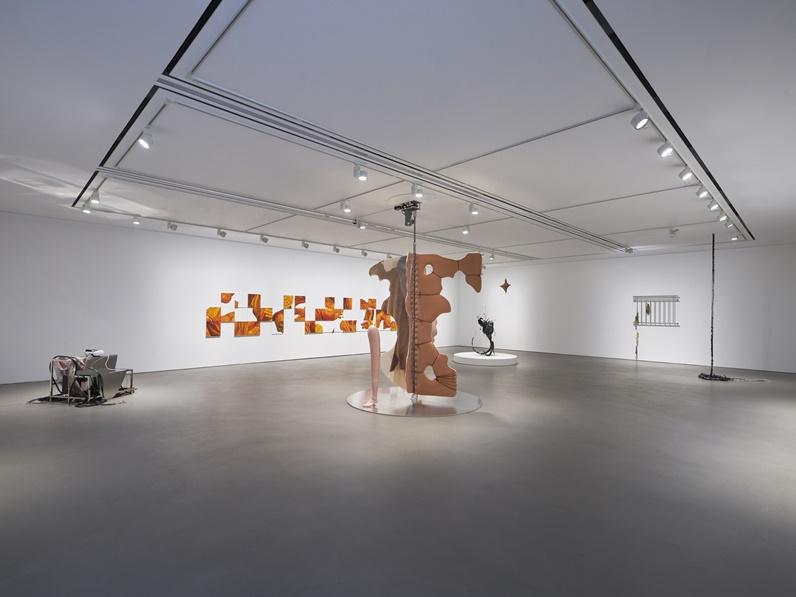
Installation view of 《Shininho Destiny》 (836M, 2024-2025) ©Yaloo

However, the personal history of “Shininho” is depicted as an alternative narrative outside the mainstream. In reality, the grandmother might be regarded almost like a ghostly presence, but within this story, she is fearless, commanding and leading other species, and emerges as a leader moving toward a new humanity.
 
Blending memory and representation while fracturing conventional perceptions, the alternative narrative of Shininho presents the possibility of a fluid archive beyond singular historical accounts. It also encourages reflection on the conditions that allow one to stand firmly as an agent from the perspective of an unpredictable future.


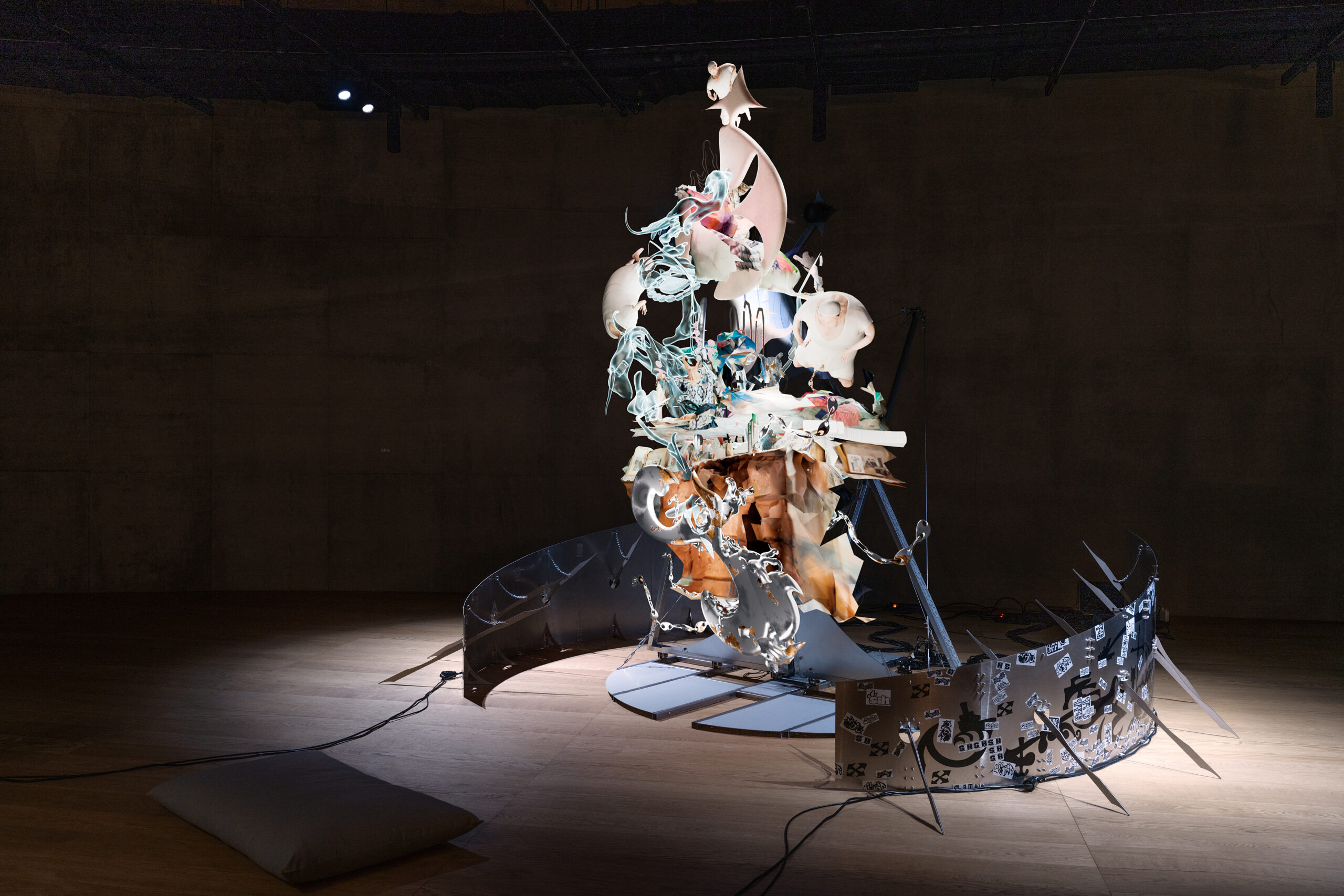
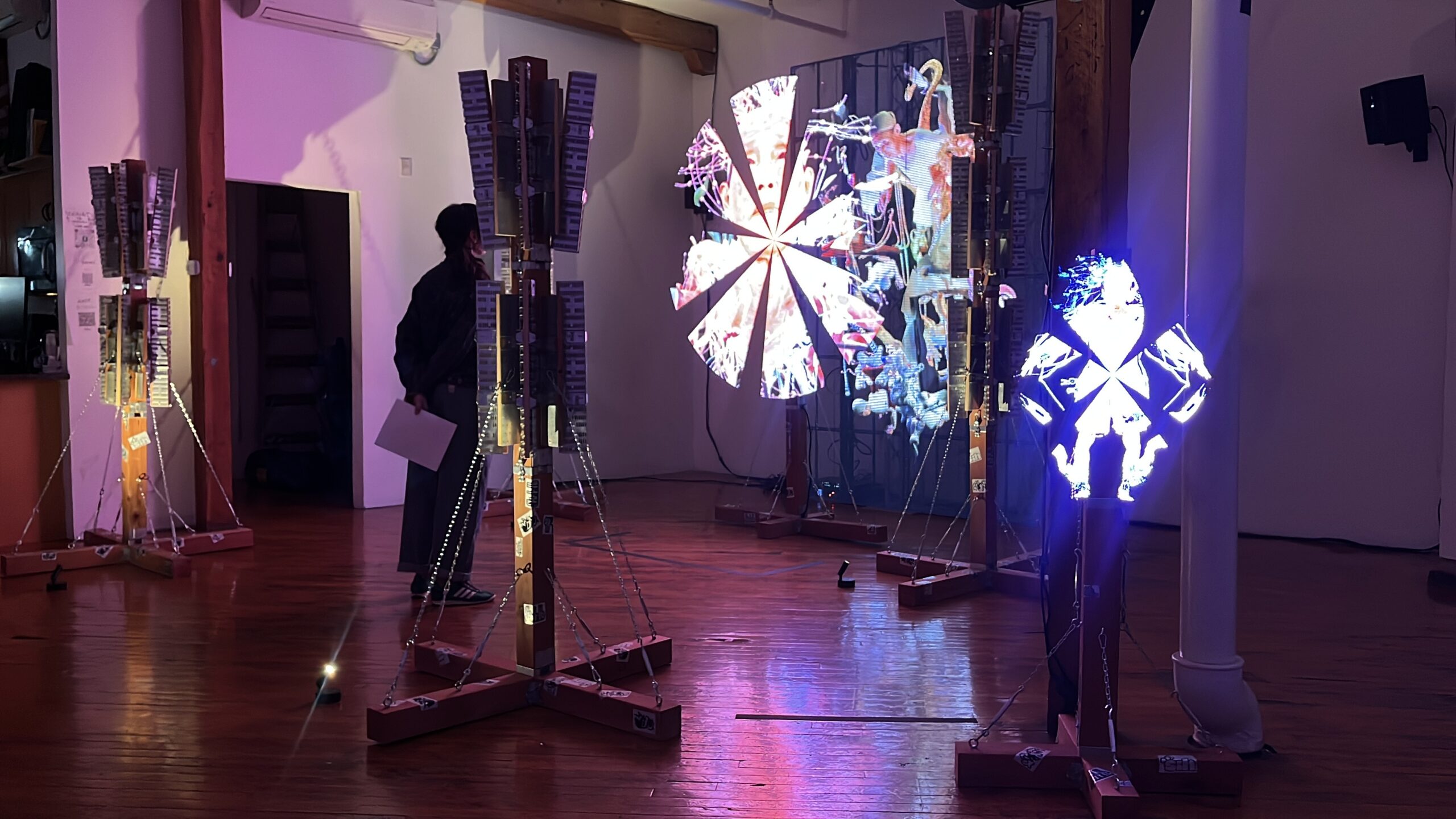
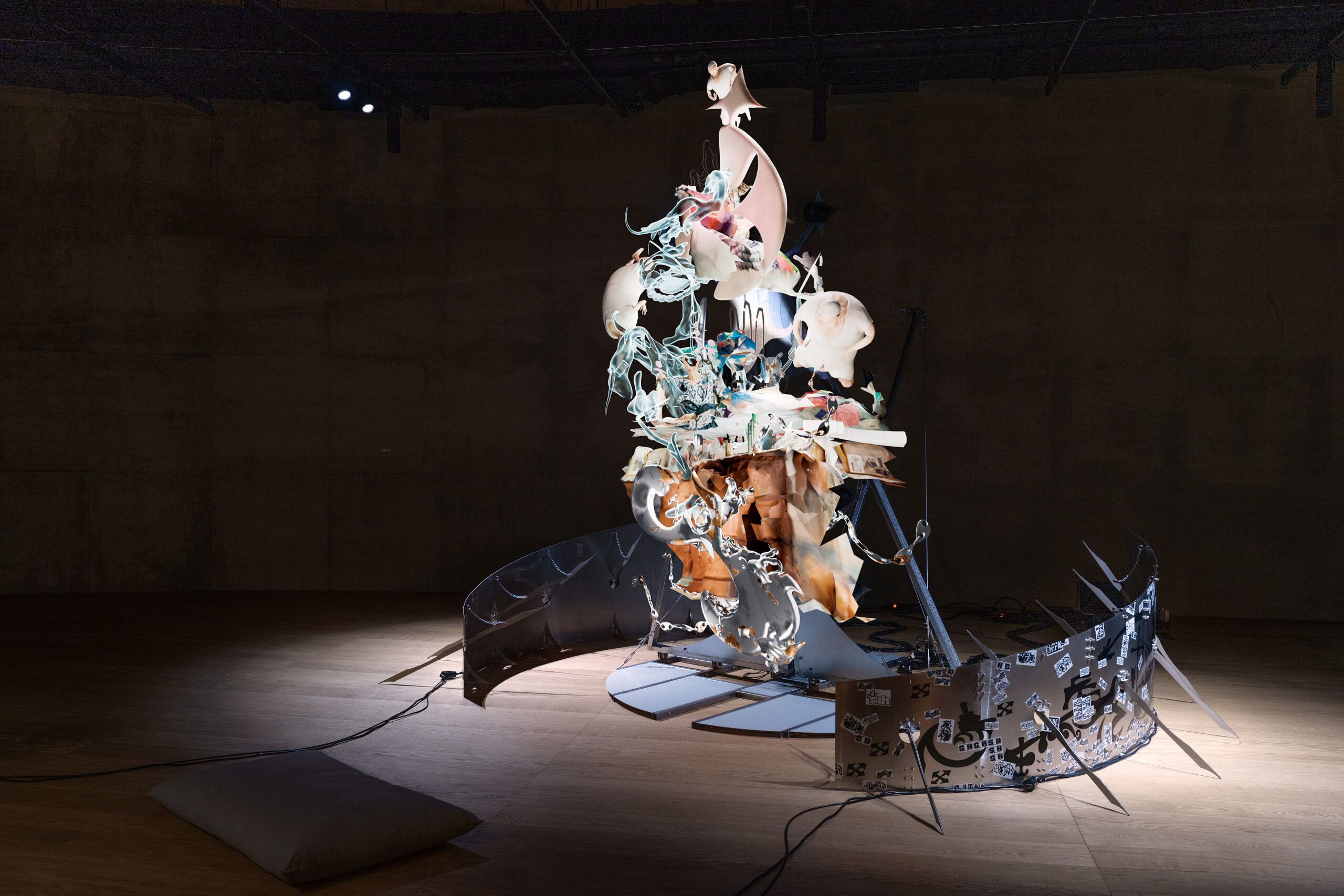
Yaloo, Shininho World Tour, 2024, Steel shaping, decal, 4-channel sound, hologram, animation, text, 300x300x300cm ©Yaloo

Yaloo imaginatively portrays the journey of this character, Shininho, across various media. For example, in the 2024 exhibition 《The 24th SONGEUN Art Award Exhibition》 at SONGEUN, she presented Shininho World Tour, which traces the maritime adventures of Shininho as both a pirate and a K-pop idol through animation, sculptural forms, sound, and text, adding visual vitality to the narrative.
 
In this way, Yaloo’s work playfully engages our senses with vivid visual imagery and diverse digital media while, through storytelling grounded in reality, prompting reflection on the world we inhabit and inviting us to imagine possible futures.


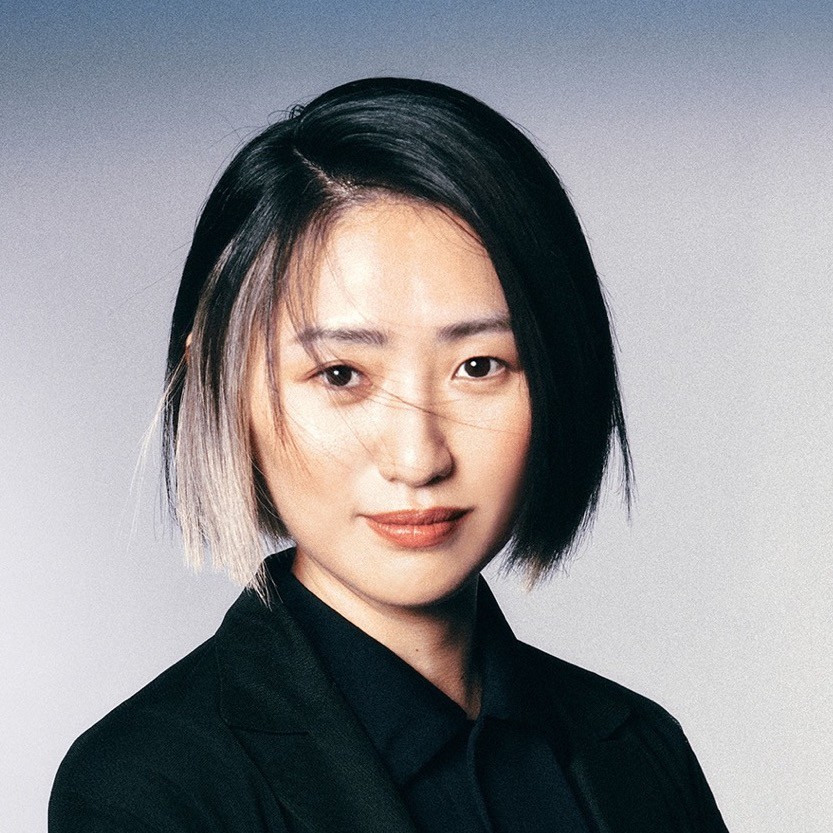
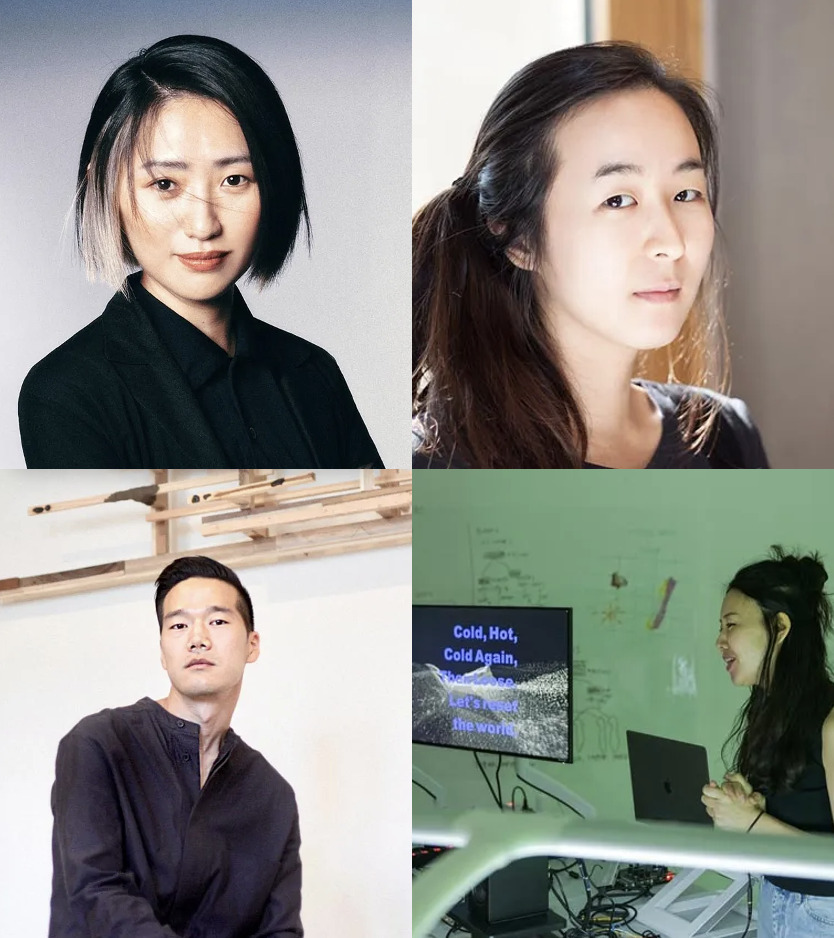
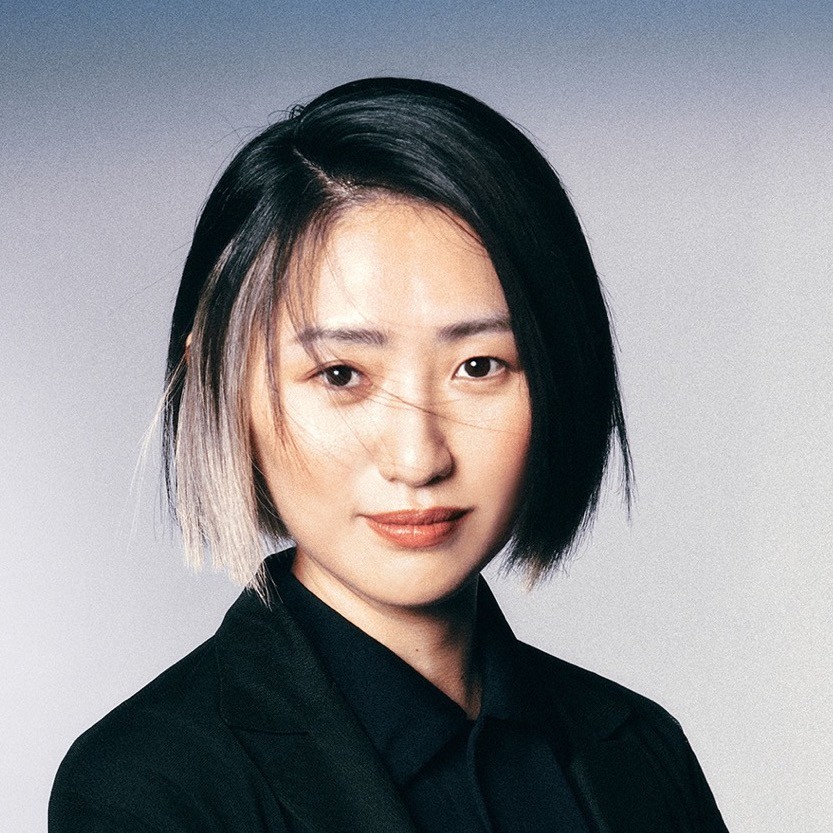
Artist Yaloo ©836M

Yaloo received both her B.F.A. and M.F.A. from School of the Art Institute of Chicago (SAIC). Her solo exhibitions include 《Shininho Docking》 (RIP Space, Los Angeles, USA, 2025), 《Shininho Opening Number》 (Mihakgwan, Seoul, 2024), 《Yaloo》 (Gyeonggi Museum of Modern Art, Ansan, South Korea, 2024), 《Wicked Ocean》 (Elektra Gallery, Montreal, Canada, 2023), and 《Homo Paulinella the Lab: Don’t You Cry, Dear Zarathustra》 (Platform-L, Seoul, 2020).
 
She has also participated in numerous group exhibitions, including 《The 24th SONGEUN Art Award Exhibition》 (SONGEUN, Seoul, 2024), 《Positive Feedback》 (Gallery BHAK, Seoul, 2024), Future Media Festival (Taiwan Contemporary Culture Lab (C- Lab), Taipei, Taiwan, 2024), 《City of Gaia》 (Asia Culture Center, Gwangju, 2023), and the 《DOOSAN Art Lab Exhibition 2023》 (DOOSAN Gallery, Seoul, 2023).
 
Her awards include the GMoMA & IBK Young Artists Awards (2024) and the 1st H/ART AveNEW New Media Art competition (2023). She has also participated as a resident artist at 836M (San Francisco, USA, 2024), Pier 2 (Kaohsiung, Taiwan, 2024), Hyundai Motors’ ZER0NE (Seoul, 2022), and the Asia Culture Center’s Creators in Lab (Gwangju, 2019).

References