As
dusk begins to fall, many find respite in efforts to regain the energy that was
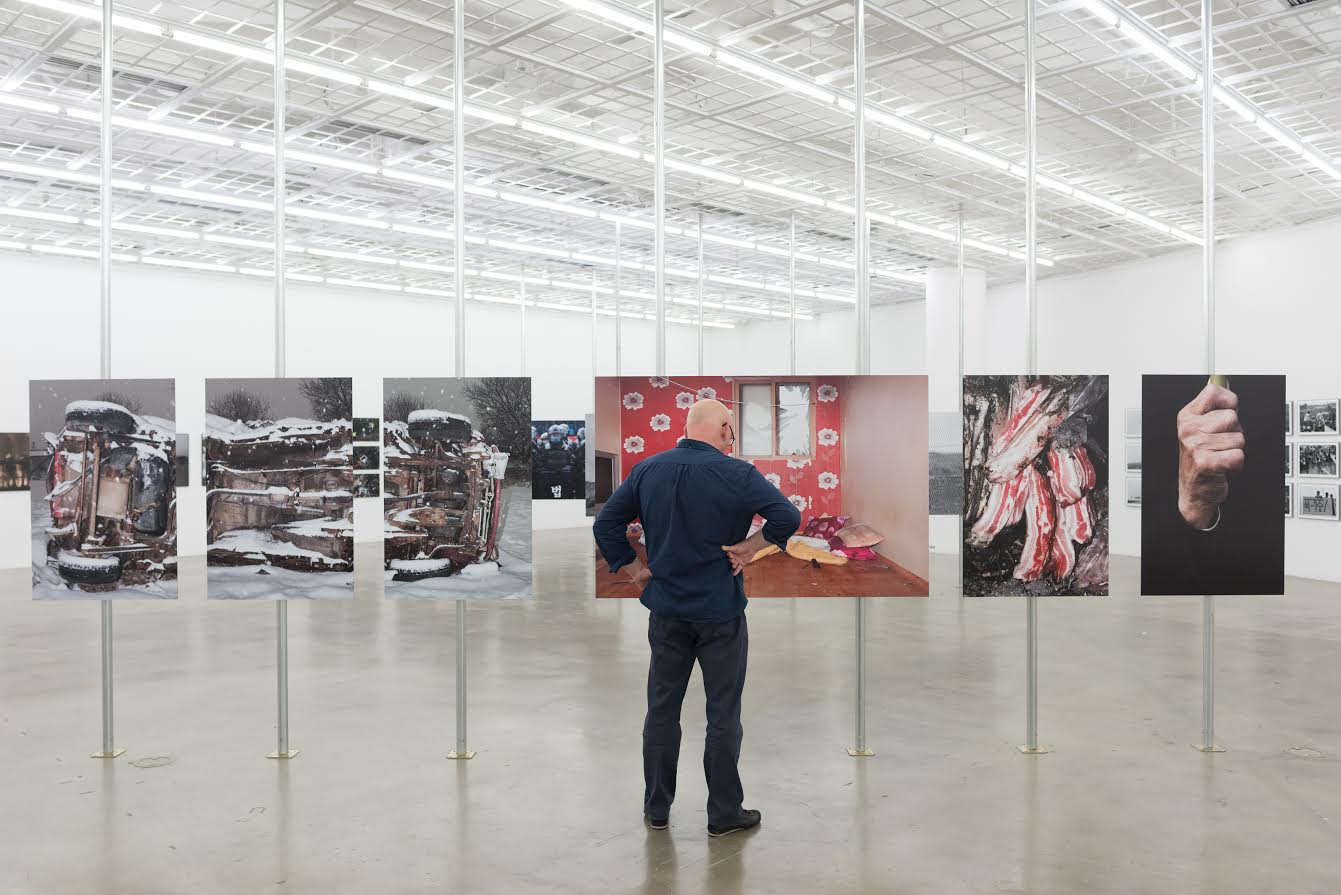
spent during the day. A single car lies on the ground with its underbelly
exposed, as if in eternal sleep. The white snow that shrouds the vehicle like a
burial garment makes it all the more difficult for us to tear our eyes away
from the car. It seems beautiful even - this sight of the crimson sunset, white
snow, and the overturned car that seems like it is on its deathbed. But why is
this car - a car that seems like it took on passengers and sped along the road
just moments ago - lying down as such?
In
November 2010, there was an artillery engagement on Yeonpyeong Island. North
Korean forces fired around what is believed to be 100 artillery shells and
rockets at Yeonpyeong Island, which resulted in a number of casualties. 2
marines and 2 civilians were killed and 16 marines and 10 civilians were badly
injured. With its military facilities and home grounds of civilians destroyed,
Yeonpyeong Island became a scene of total mayhem. The horrors and sights of war
were indelibly imprinted on the minds of South Koreans following the
bombardment of Yeonpyeong.
Amidst the chaos, then Grand National Party
assemblyman Ahn Sang-soo and others were involved in a ridiculous side show
stunt wherein they mistook a thermos bottle for a bomb. It is from this very
incident where Finding the Missing Thermos Bottle - composed
of a photograph of a single car divided into three frames, two thermos bottles
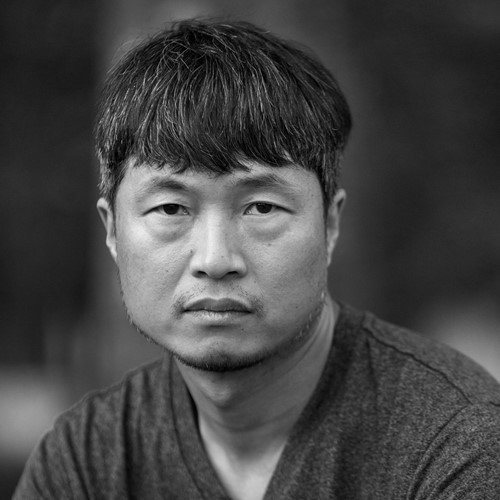
set aflame and burnt, and the artist's notes - found its inspiration. This is Noh
Suntag 's roundabout way of saying that this kind of bizarre scenery is a
representation of the South Korean government's awareness of national security.
The photograph, charming and idyllic at first glance, proves to tell a much
depressing and horrific story.
And
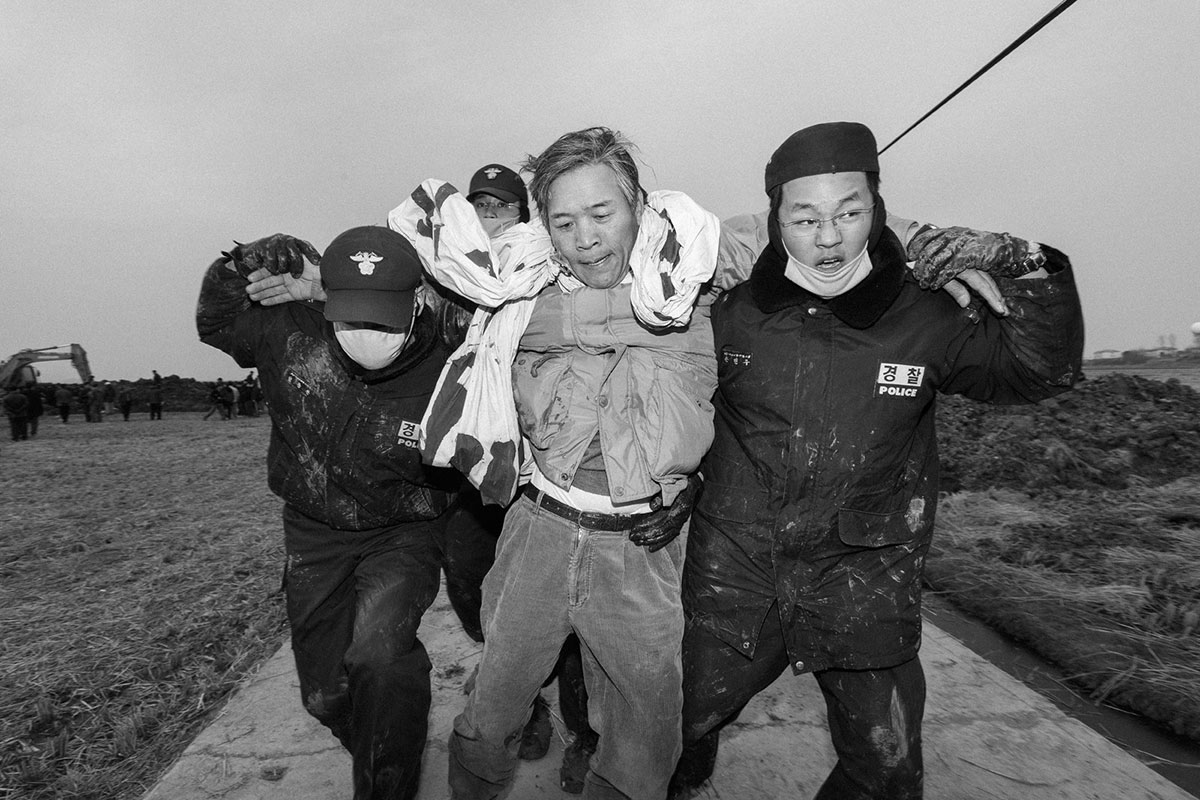
this is exactly how Noh Suntag 's work operates. Although his photographs
contain gruesome and heartbreaking realities, the visual landscape in the
photos seem utterly prosaic and at times, beautiful. Thus, viewers are able to
let their guard down, approach the artwork, and start paying attention to it.
Viewers then notice the peculiarity of the landscape of Korean society that is
portrayed, and questions the viability of that kind of scenario unfolding in
modern day Korea.
Of course, it is human nature for individuals to offer
varying interpretations and possess differing attitudes about a single event,
and because of this, it is difficult to claim with absolute certainty that
something is right or wrong with regards to today's Korean society. As such, Noh
Suntag's photograph does not force the artist's agenda upon its viewers. Far
from being a simple landscape photo, Finding the Missing Thermos
Bottle exposes the cracks and fissures of Korean society by prompting
us to ask ourselves about the meaning of war and how the remnants of the
division of the North and South survive in our society. The ensuing questions
and conclusions are left to the viewers.
The
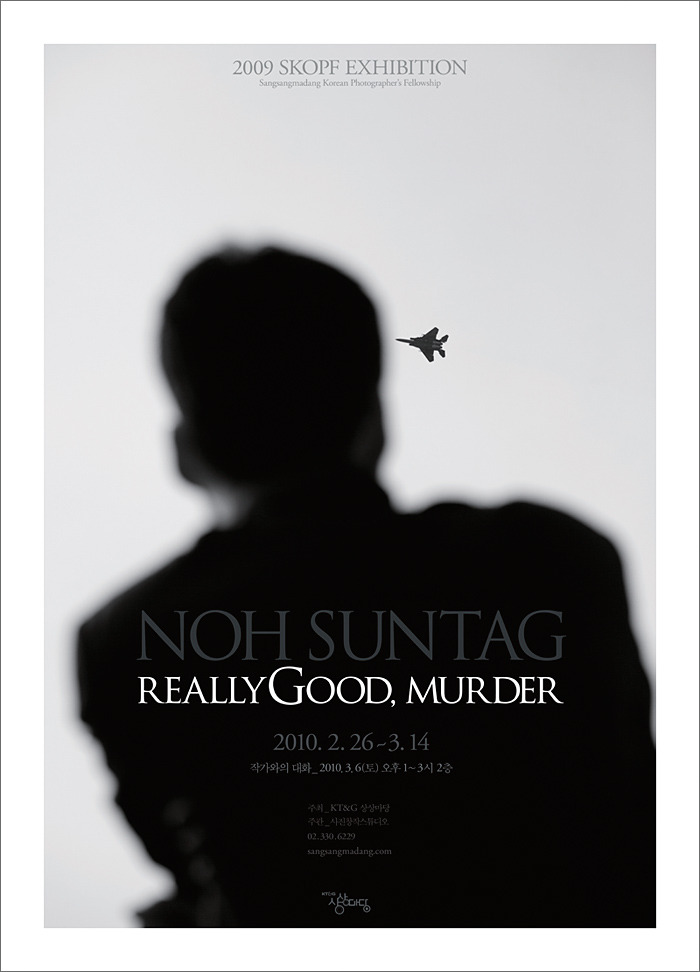
exhibition 《Sceneries, The Sublimely
Repulsive》 is made up of a selection of photographs
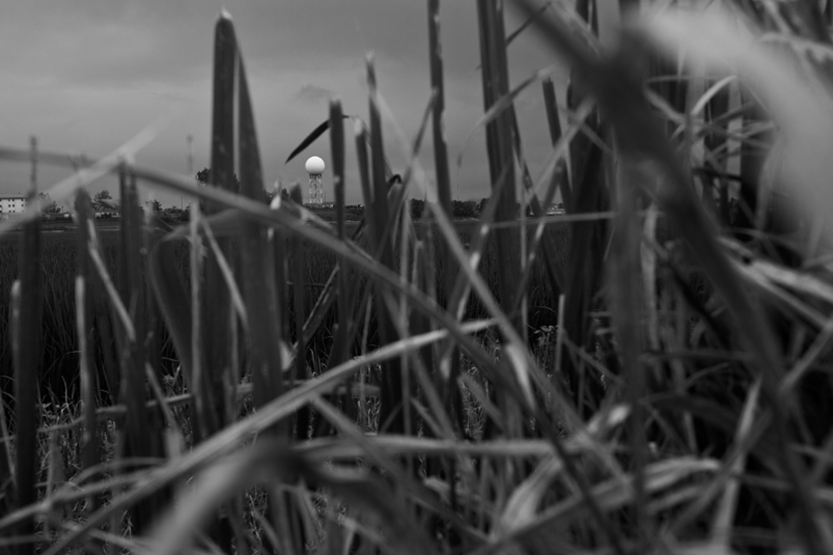
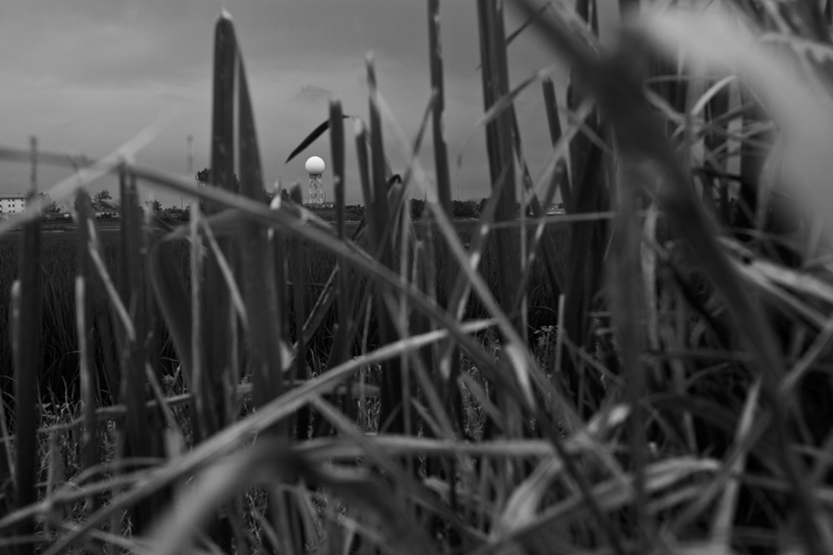
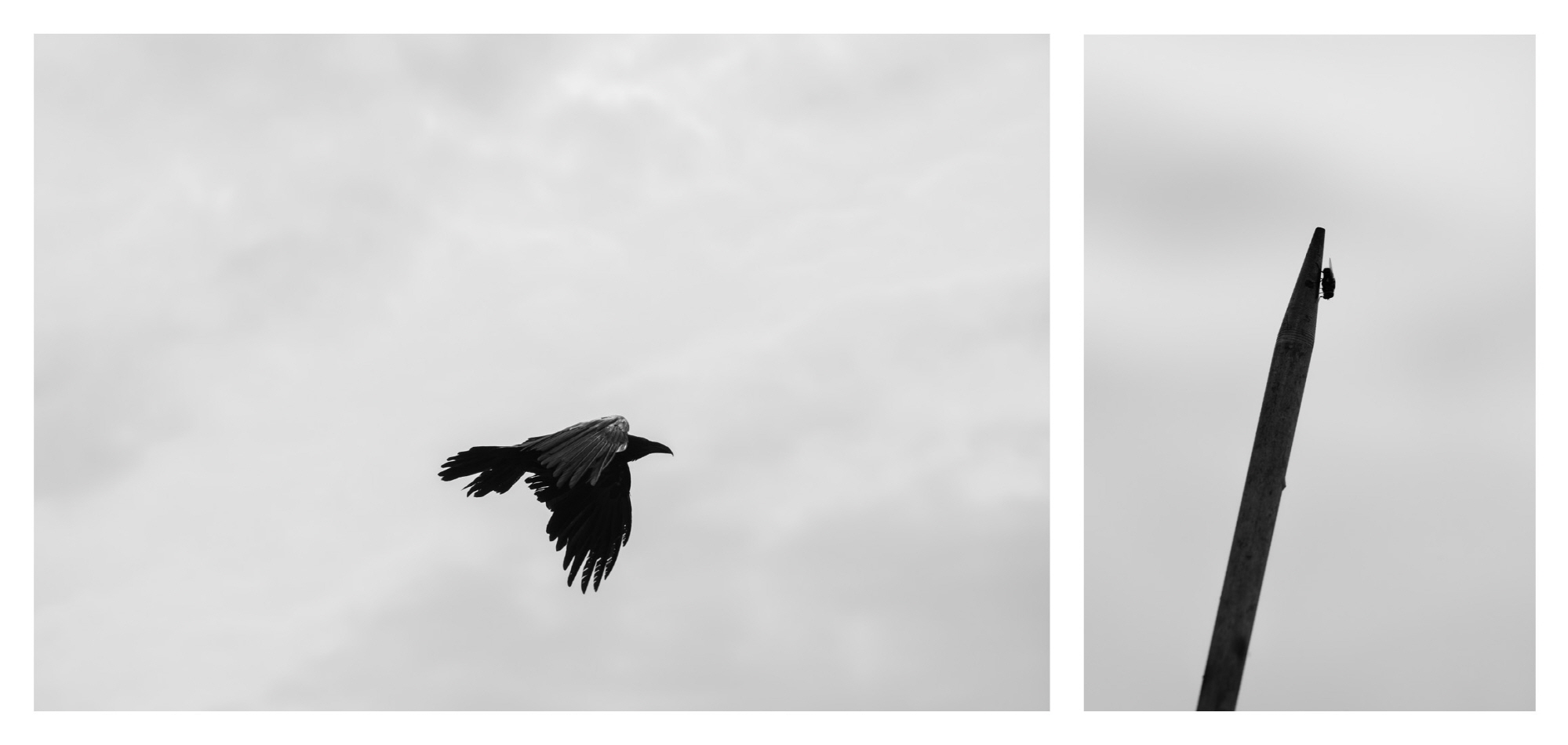
from the series The Strange Ball, wherein the pervasion of a
radome into a pastoral scenery is traced through the lens of a camera; Really
Good, Murder, wherein we see capitalistic desires that lurk under the
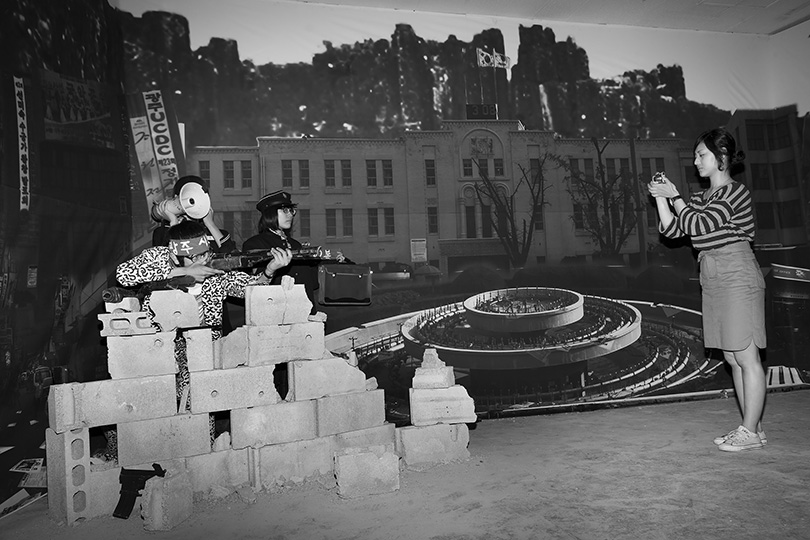
guise of patriotism; and Red House, wherein we discover that
the North and South are nothing but reflections of each other. Despite the fact
that the photographs look like your run of the mill landscape photos, rooted
firmly within is a deep awareness of the division of the Korean peninsula.
Still, Noh Suntag refrains from directly rooting for or against a subject, nor
does he indulge in excessive empathy or sentimentality for certain subjects.
Instead, he takes on a contemplative and somewhat indifferent point of view in
his sceneries. This kind of viewpoint makes it all the more difficult for us to
tear our eyes away from his photographs and makes us wonder about the story
hidden beneath the landscape. No wonder we feel a sense of tension and
excitement when standing in front of his work.
Landscapes!
To Noh Suntag, a landscape is not the bucolic and romantic landscape that most
of us are accustomed to. It is rather the landscape of the society that we live
in; a society that we accepted as ordinary but is actually anything but. His
removed point of view, sometimes viewed as cynical, stems from his affection
for the Korean society which has since become a better place. And perhaps this
is why we are able to detect a sense of sublime beauty in his work that exposes
the repulsiveness of our society.