Bahc Yiso (1957-2004) - K-ARTIST
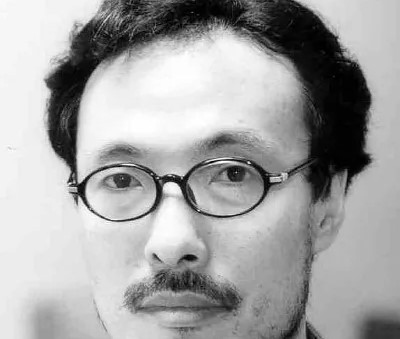
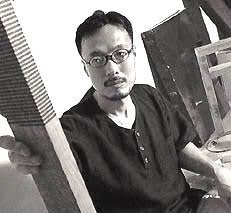
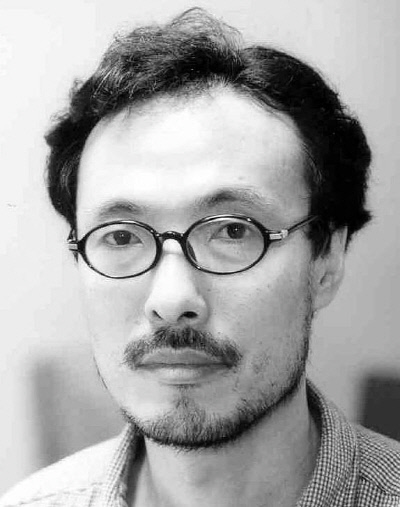
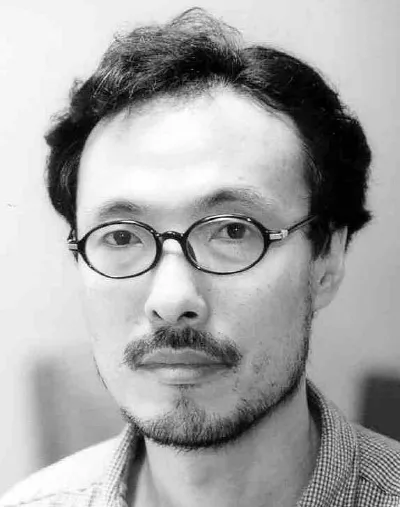
Bahc Yiso (1957-2004)

Bahc Yiso founded ‘Minor Injury’ in New York in 1985 and served as its director until 1989. After returning to Korea in 1995, he took up a position a professor at SADI (Samsung Art & Design Institute) which had recently opened. He presented his works in a number of major national and international exhibitions including Gwangju Biennale (1997) and Yokohama Triennale (2001). In 2002, he won the Hermès Korea Missulsang and was participated in the Korean Pavilion at Venice Biennale as a representative artist of Korea.

Solo Exhibitions (Brief)

Bahc Yiso began his career in New York, holding his first solo exhibition 《Speak American》 at the Bronx Museum of the Arts in 1990. During this period, drawing on his experiences as an immigrant and cultural minority in American society, he produced critically engaged works addressing language, identity, and institutional structures, expanding his presence within and beyond the U.S. art scene.
 
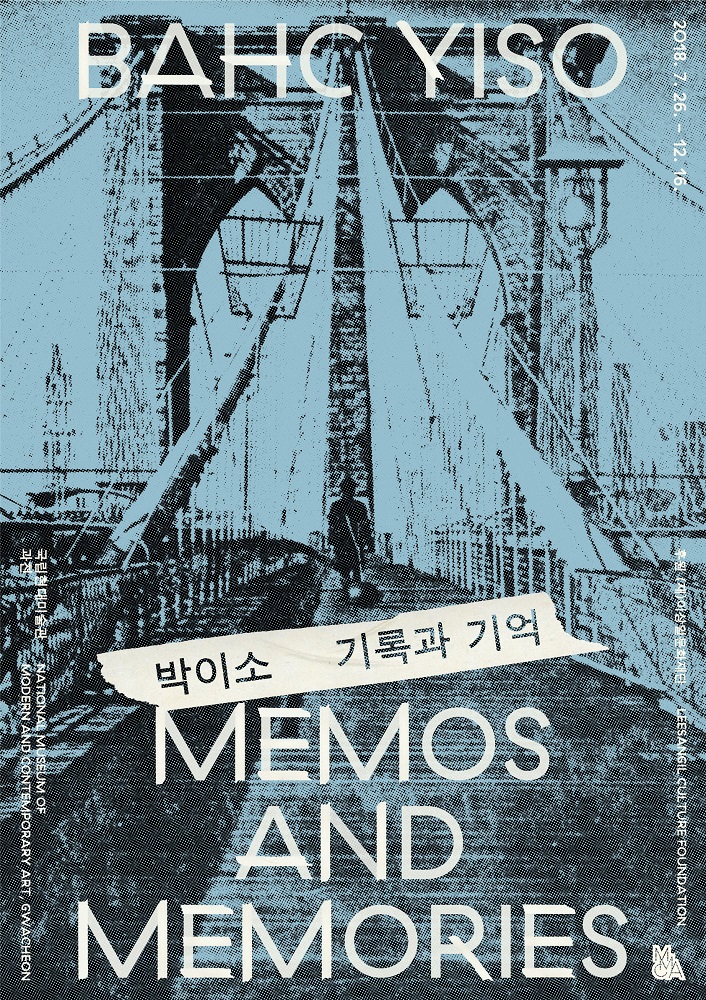
After returning to Korea in 1995, he established his practice in Seoul with the solo exhibition 《Mo Bahc》 at the Kumho Museum of Art and Samtoh Gallery. He subsequently presented solo exhibitions at Alternative Space Pool (2001) and Gallery Hyundai (2002), continuing his critical engagement with social realities and the art system in Korea. Following his death, a series of retrospective exhibitions—beginning with 《Divine Comedy》 at the Rodin Gallery (2006), followed by exhibitions at Art Sonje Center (2011, 2014) and the National Museum of Modern and Contemporary Art, Gwacheon (2018)—have led to a sustained reassessment of his work within the context of Korean contemporary art history.

Group Exhibitions (Brief)

He was invited to major exhibitions such as the Gwangju Biennale (1997, 2004), Havana Biennial (1994), Taipei Biennial (1998), and Yokohama Triennale (2001). His participation as a representative artist of the Korean Pavilion at the 50th Venice Biennale in 2003 firmly positioned his work within an international context.

Awards (Selected)

Bahc Yiso was active in the United States throughout the 1980s and 1990s, during which he received the Fellowship in Painting,from the New York State Council on the Arts in 1989 and the Visual Artist Award in Painting from the National Endowment for the Arts (NEA) in 1991. After returning to Korea, he was awarded Hermès Foundation Missulsang in 2002. In 2006, following the posthumous exhibition 《A Retrospective of Bahc Yiso : Divine Comedy》 at Rodin Gallery, he received the Arts Award from the Arts Council Korea, marking an institutional reassessment of his artistic legacy.

Residencies (Selected)

Bahc Yiso participated in the residency programs at the Yaddo Art Colony (New York, 1989) and the MacDowell Art Colony (New Hampshire, 1990), and was selected for the Artpace International Artist Residency Program (Texas, 2000), where he presented an exhibition.

Collections (Selected)

Works by Bahc Yiso are held in the collections of the National Museum of Modern and Contemporary Art, Korea; Leeum, Samsung Museum of Art; Art Sonje Center; and the Kumho Museum of Art, as well as in the Washington State Arts Commission and a permanent mural at Public School 69 in Queens, commissioned by the New York City Department of Cultural Affairs.
Works of Art

Originality & Identity

Bahc Yiso posed sustained questions about identity and the conditions of existence from the late 1980s until his death in 2004. His artistic trajectory is generally divided into two periods: the “New York period” (1984–1994), during which he explored the identity of an immigrant and minority subject, and the “Seoul period” (1995–2004), following his return to Korea, when his work turned toward reflections on the uncertainty of life and the world.
 
During his years in New York, working under the pseudonym “Mo Bahc,” he engaged with issues of language, institutions, and cultural translation. As an immigrant artist navigating American society, he examined his own position within it. Rather than merely exposing cultural differences, he questioned how institutions and systems of power define and organize “difference.” His works from this period critically investigated race, language, power structures, and the systems of identity, while visualizing the voices of social minorities and those at the margins.
 
After returning to Korea in 1995, his concerns expanded beyond identity discourse toward the very conditions of human existence. Themes such as human vulnerability, temporariness, and unpredictability became central to his later works. This shift can be understood as a move away from representing the political position of a particular group toward exploring the shared conditions of being in the contemporary world. In this process, he sought to construct a new perspective from which to perceive the world, marking a significant transformation in his artistic direction.
 
In particular, he persistently pursued a dimension “Higher than Art.” This phrase, which appears repeatedly in his drawings and notebooks, symbolizes his effort to redefine art not as a site of institutional achievement or art-historical competition, but as a passage for reflecting on the conditions of life itself. Rather than proposing a fixed answer, this gesture opened up the possibility of continuous inquiry.
 
Ultimately, in Bahc Yiso’s work, identity and universality do not stand in opposition but form a shared field of thought. His exploration of the relationship between the world and the subject demonstrates that art need not function solely as a language representing specific identities, but can instead serve as a method for revealing the conditions of existence.

Style & Contents

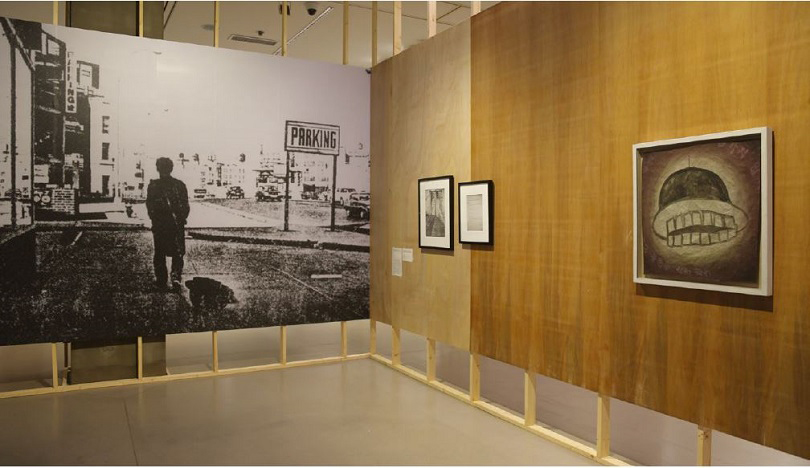
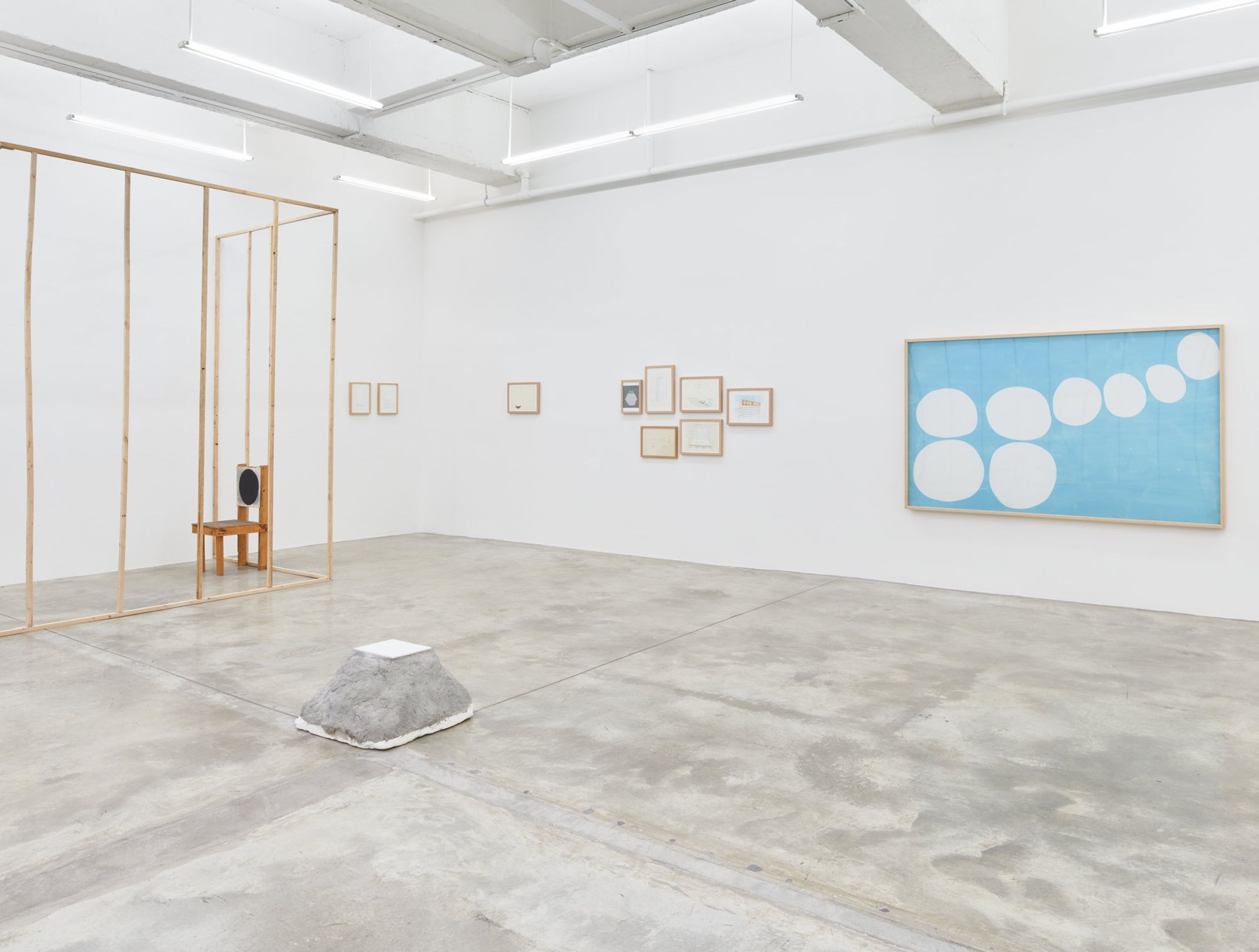
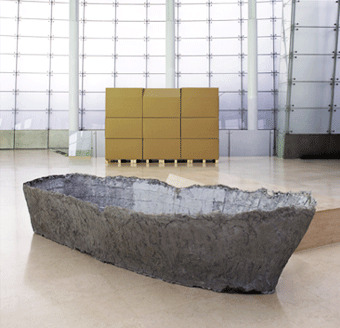
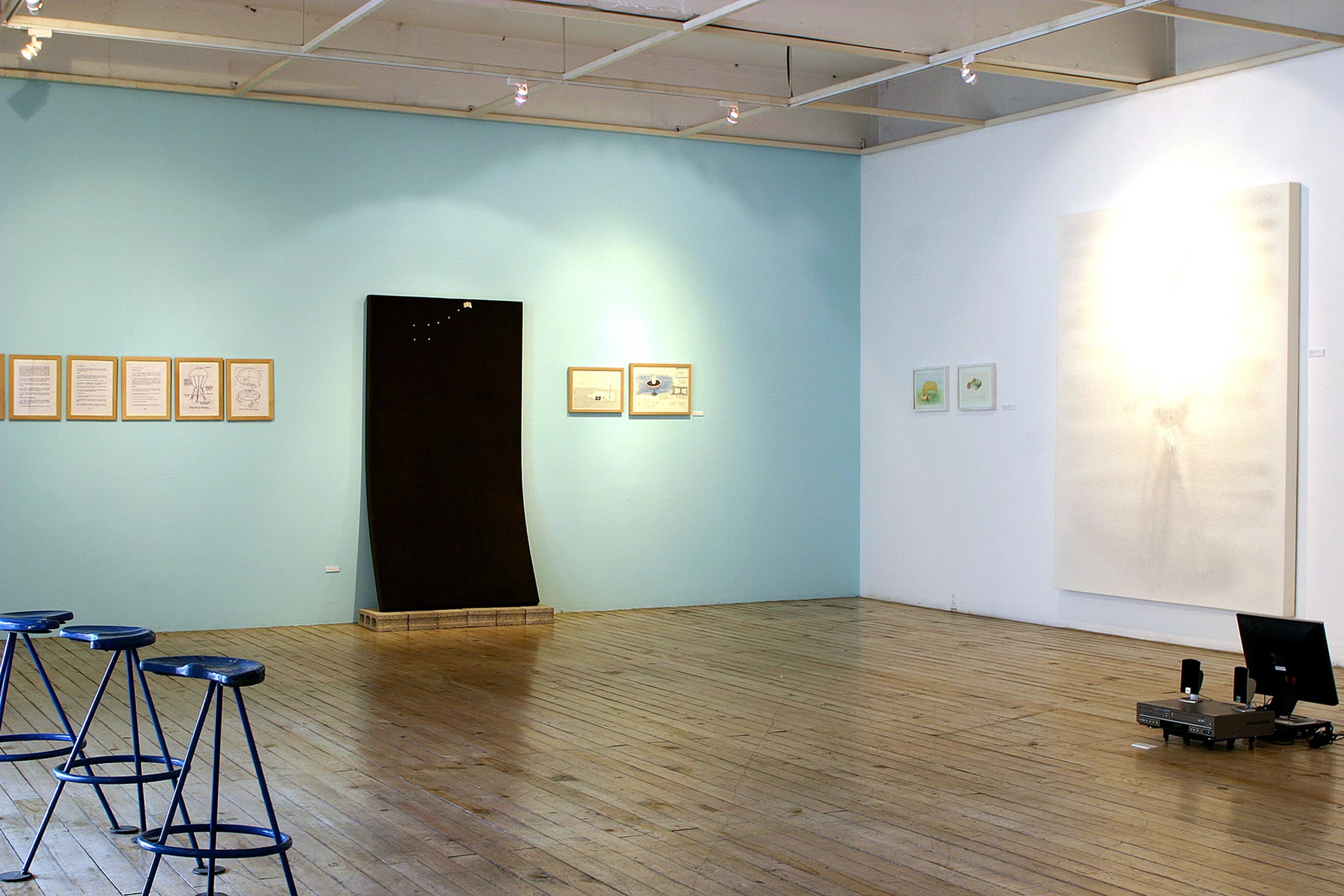
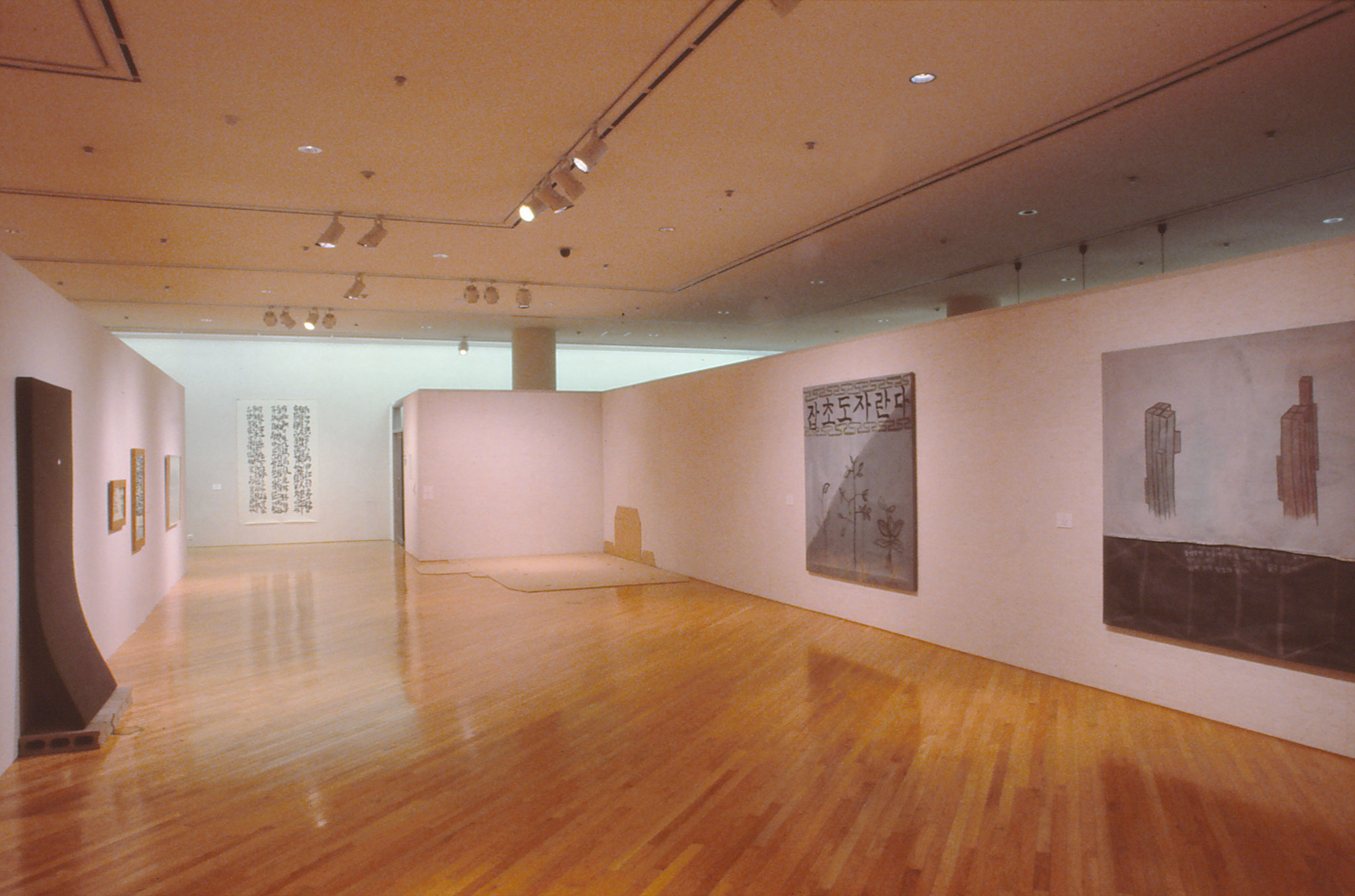
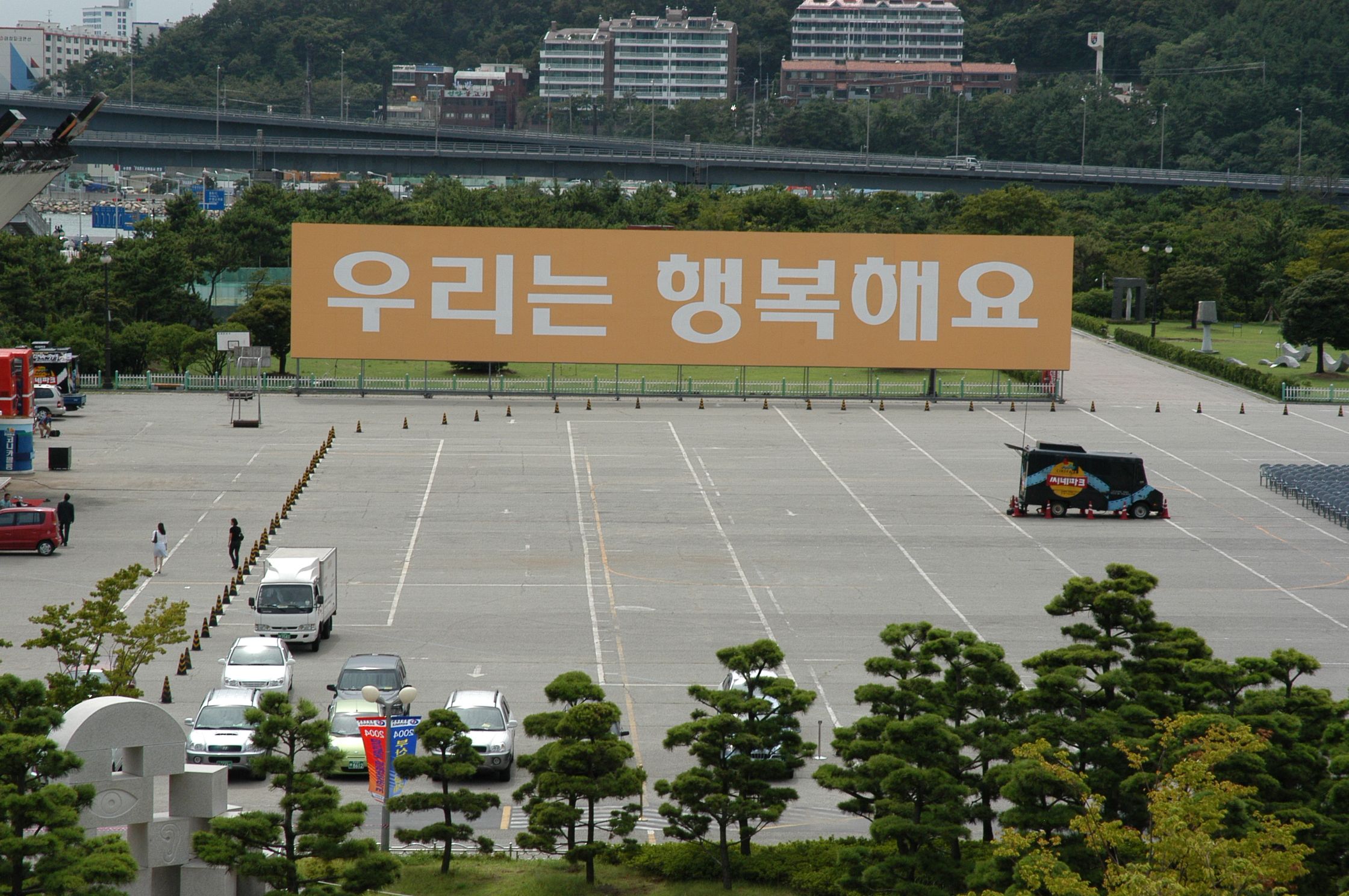
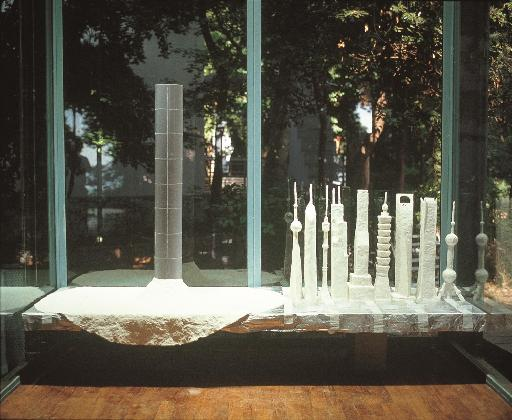
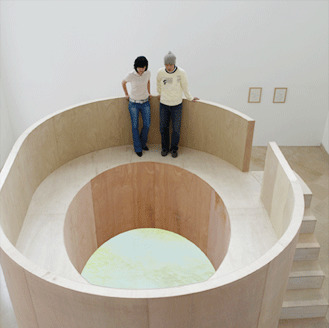
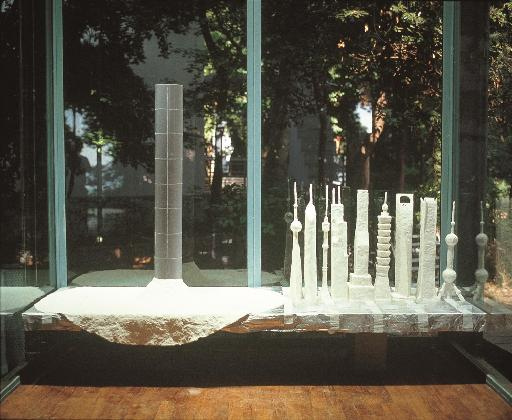
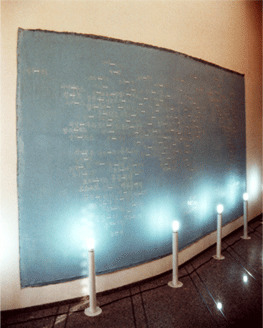
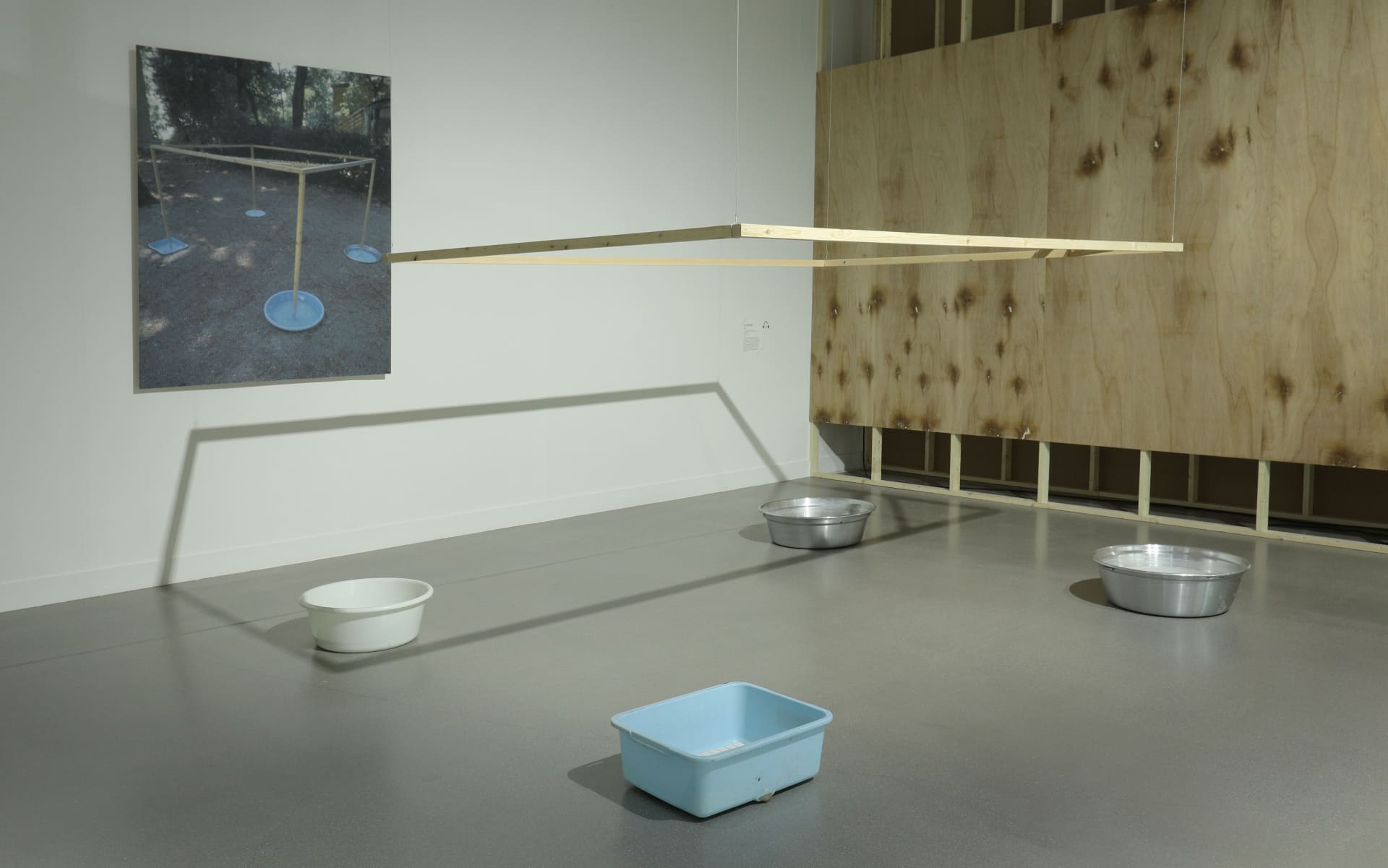
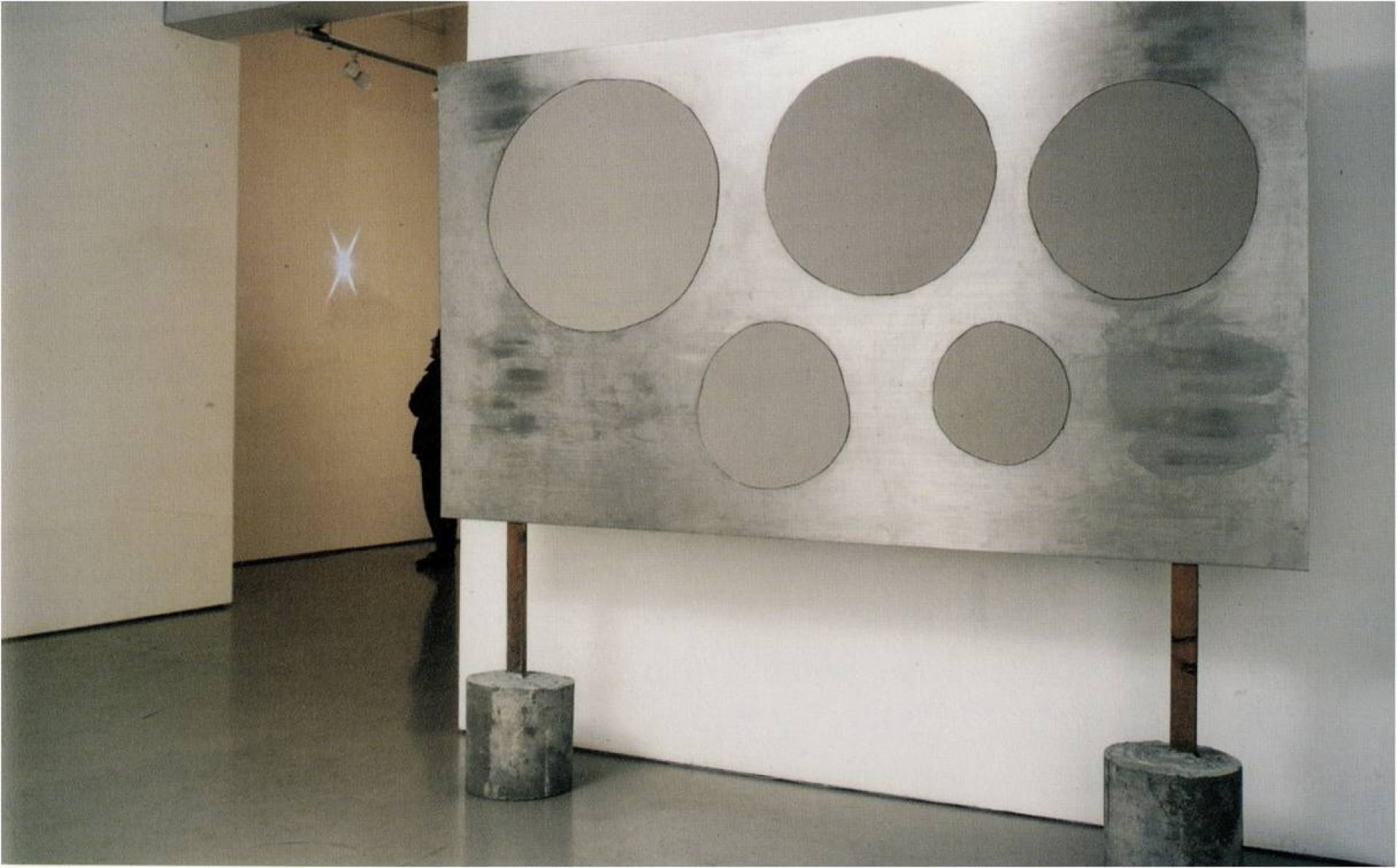
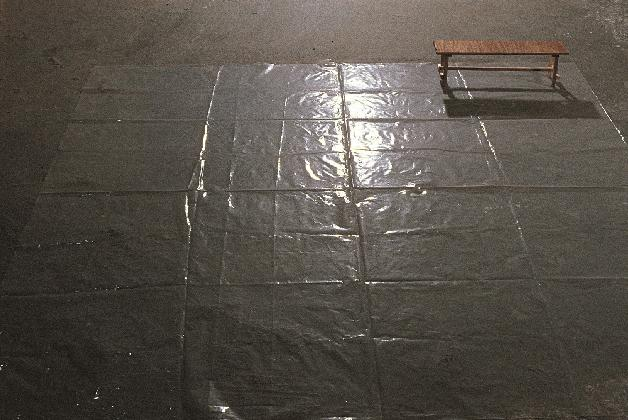
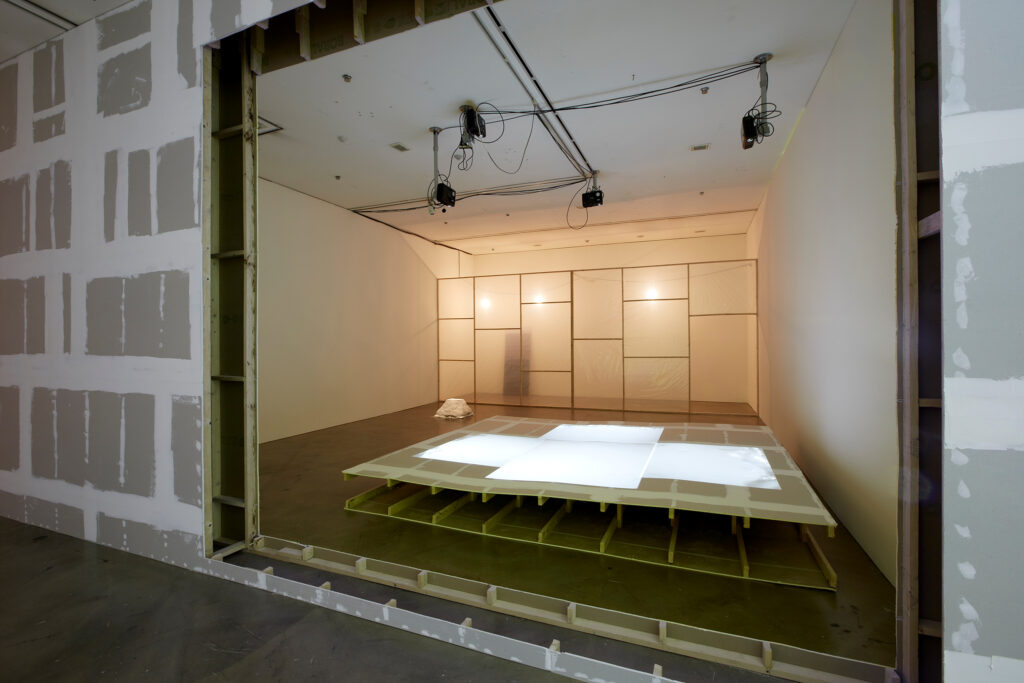
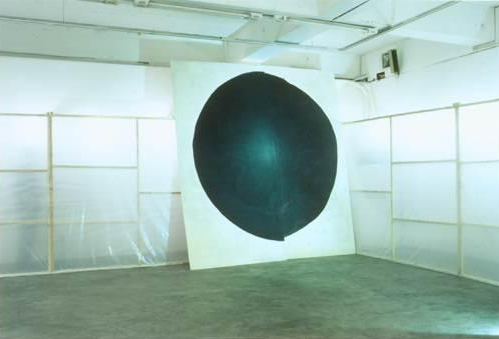
The materials and forms employed by Bahc Yiso are conceptual while simultaneously foregrounding materiality and everydayness. He placed materials commonly found at construction and manufacturing sites—such as concrete, lumber, linoleum, vinyl, and Styrofoam—at the center of his work, incorporating their physical properties and inherent imperfections into the very meaning of the artwork. This reflects a skeptical stance toward the permanence, monumentality, and grand structural ambition long revered in modern art. In his practice, material functions as a ‘condition’ prior to symbol; rather than presenting completed forms, his works sustain states of incompletion and collapse, thereby embodying the world’s inherent instability.
 
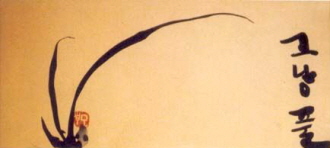
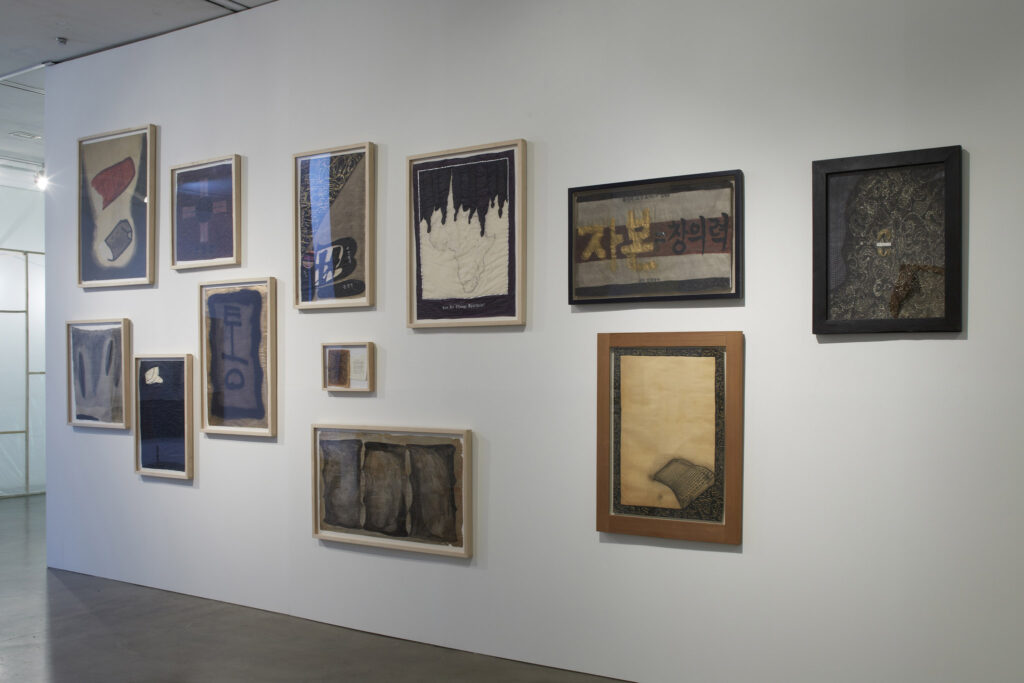
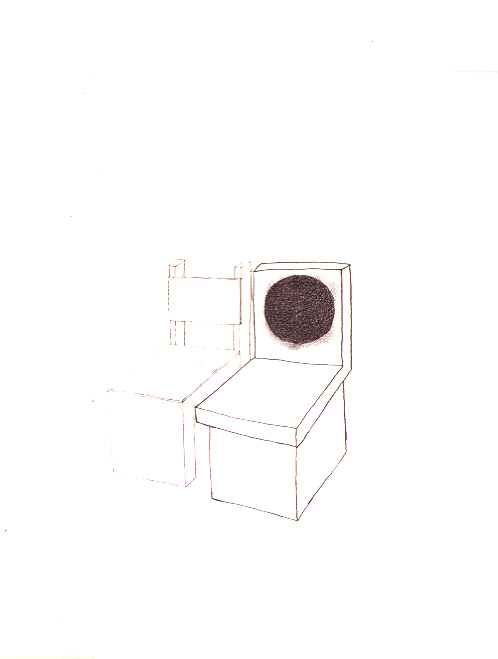
One of the overarching characteristics of Bahc Yiso’s practice is the interaction between drawing and installation. He did not regard drawing as a mere preparatory step or sketch, but as the very process through which concepts take form. For Bahc, drawing functioned both as a blueprint for installation and as a record of thought, allowing viewers to trace how his ideas unfolded and transformed. In this way, his work encompasses not only the finished result but also the temporality of conceptual formation and revision.
 
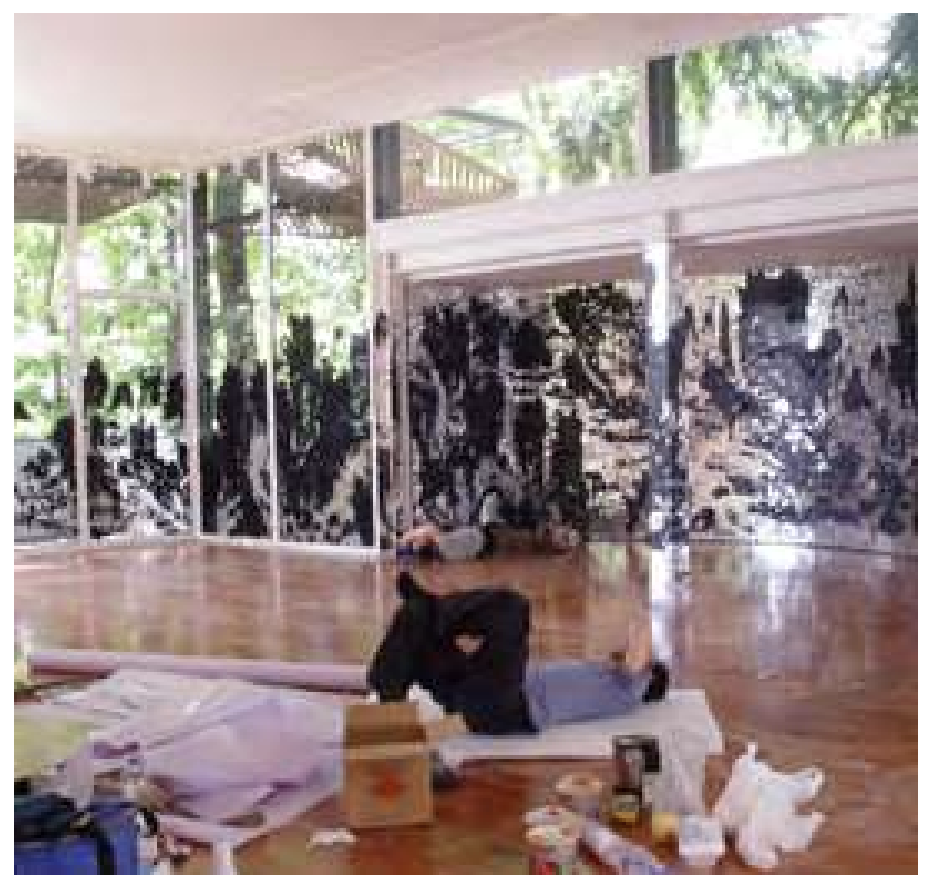
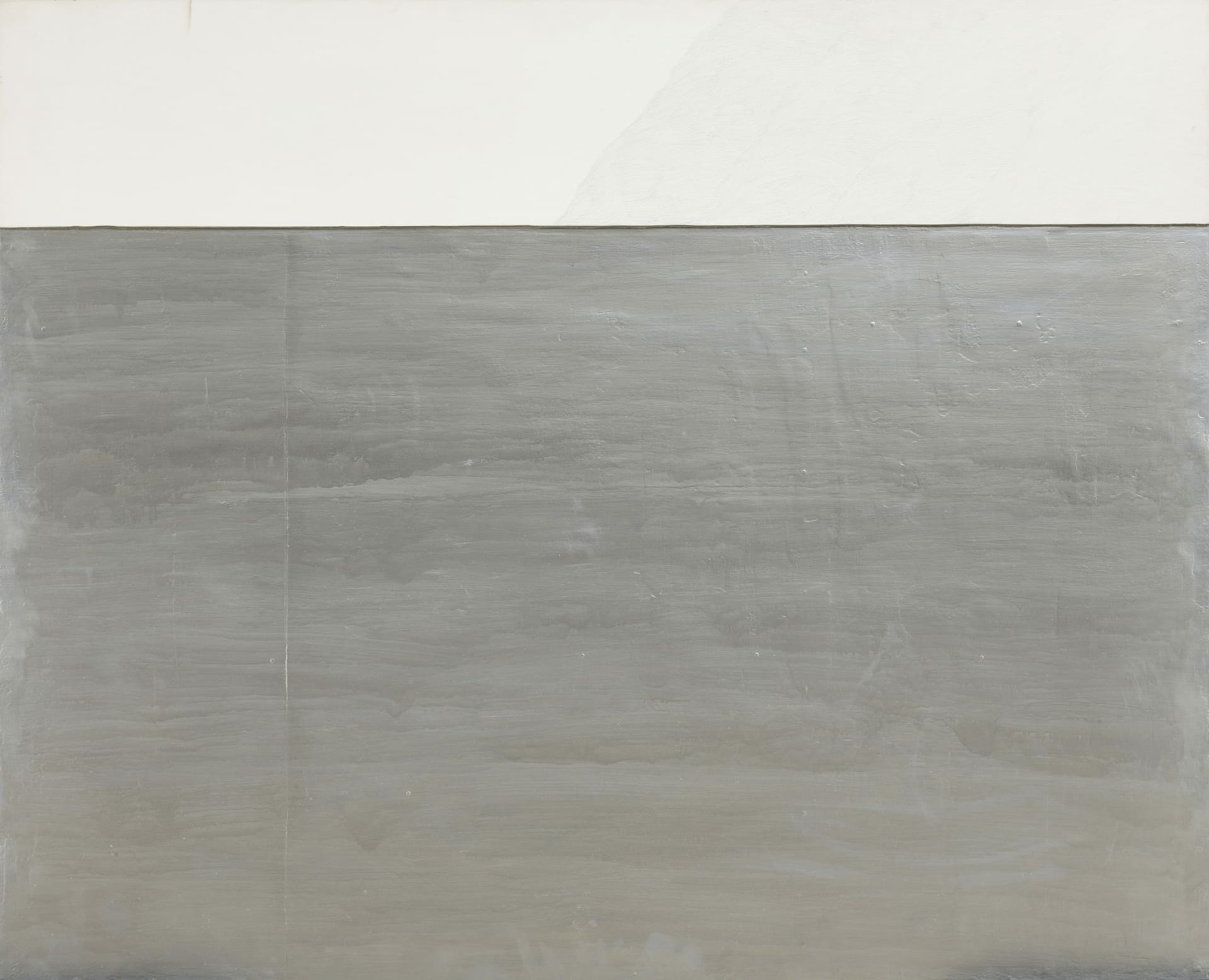
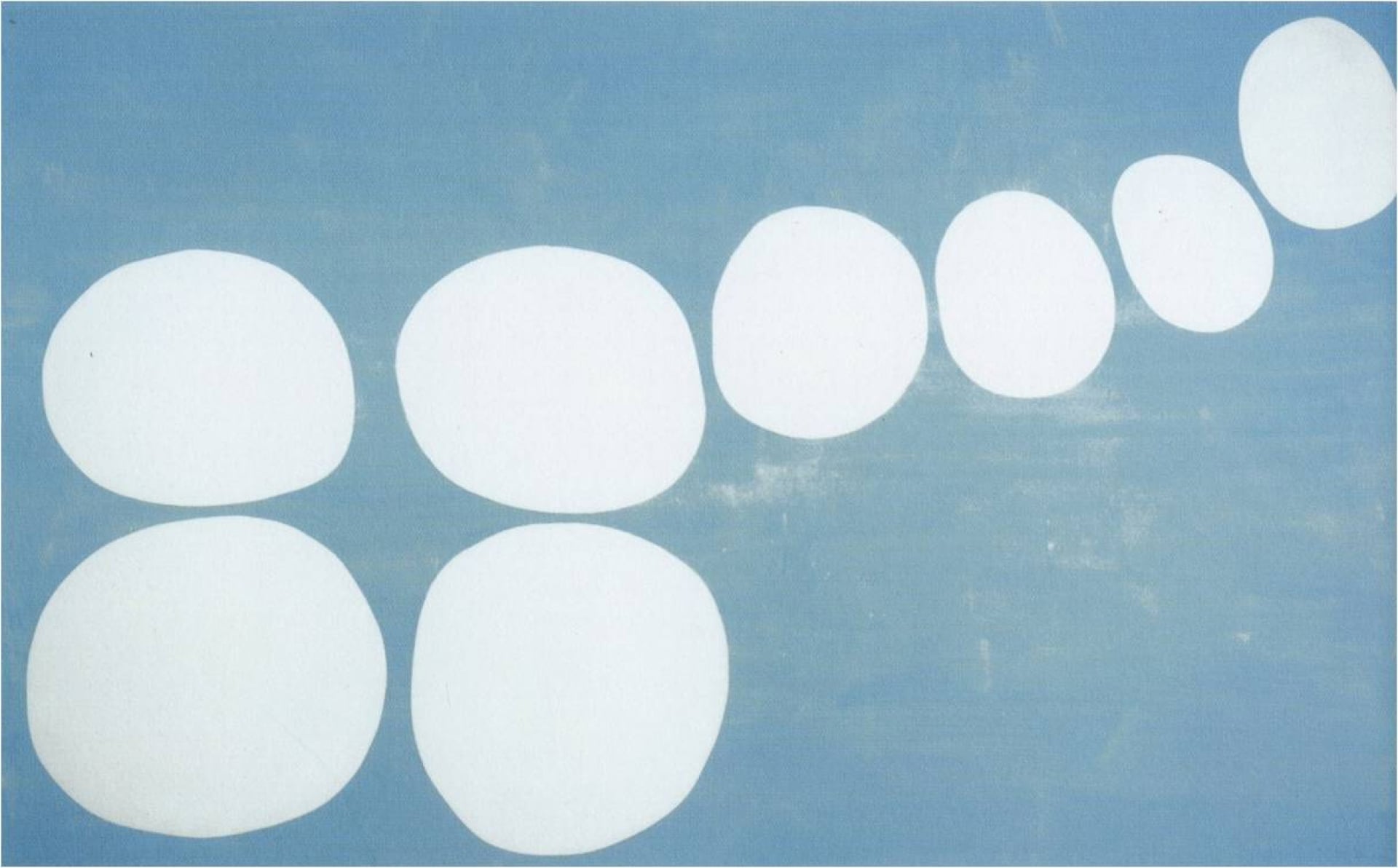
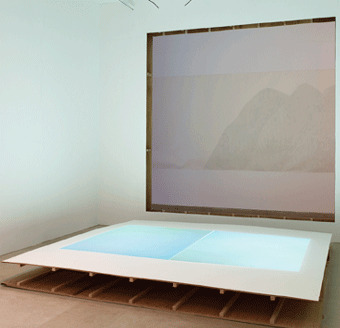
This formal attitude is closely connected to his conceptual practice. Rather than directly conveying narrative, Bahc encouraged viewers to experience sensorially the flow of time, the conditions of space, and the positioning of objects. In the ‘Untitled’ series presented in his 2000 solo exhibition at Artpace in San Antonio, he deliberately rejected formal completion and instead chose to present conditions themselves. Minimal elements such as floor and wall, sky and drift, reveal—without explicit explanation—the relationships between life and world, human and nonhuman. At the point where the physicality of installation intersects with conceptual inquiry, his work functions not merely as a visual object but as a field in which thought takes place.

Topography & Continuity

Since the 1990s, Bahc Yiso has served as an important turning point within the global transformations and institutional expansion experienced by contemporary Korean art. Rather than merely importing international discourses, he acted as a bridge between New York and Seoul, and is regarded as a pioneering figure who introduced postmodern discourse and critical thinking into Korean art history.
 
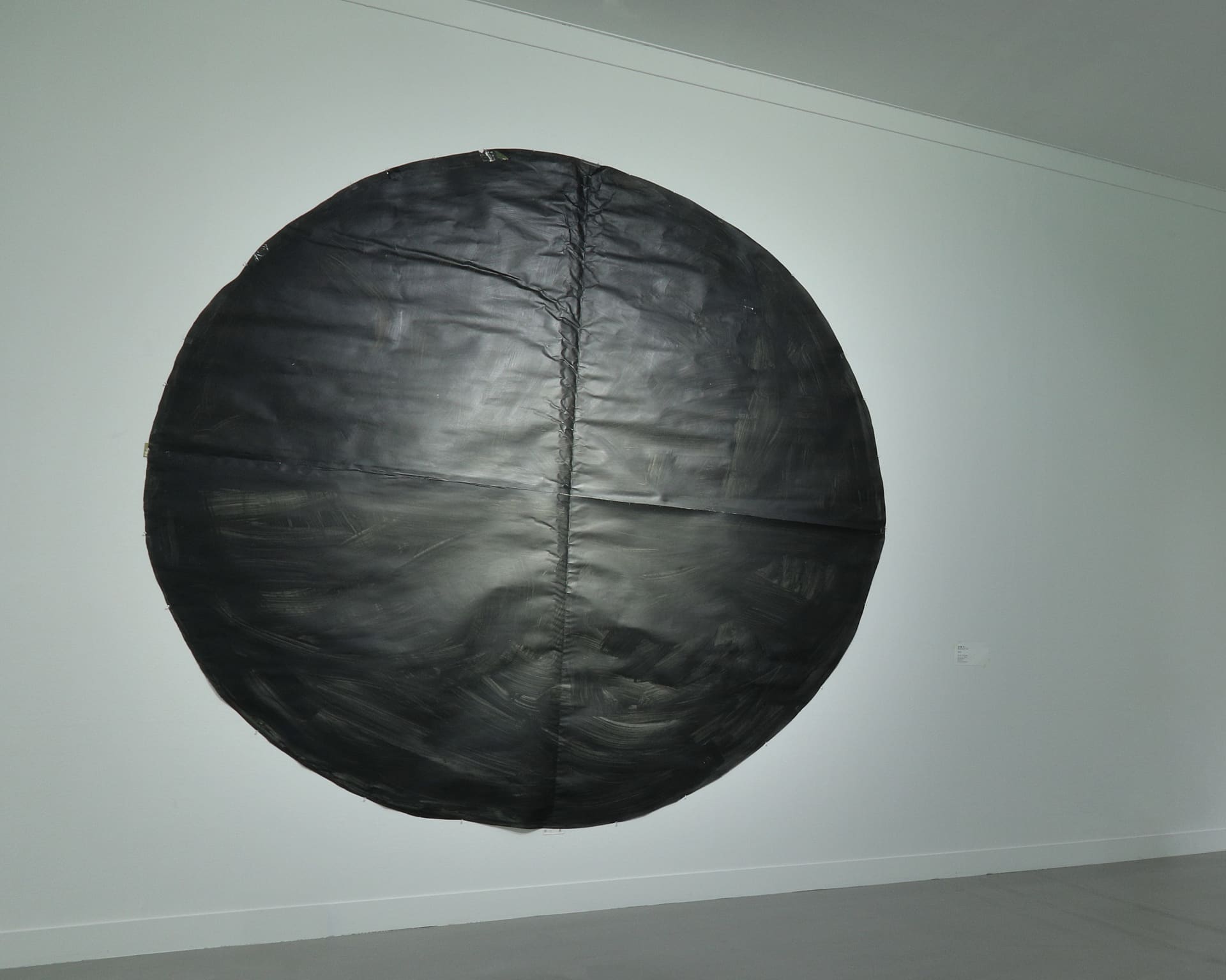
Bahc Yiso’s practice is situated not on abrupt ruptures but along a trajectory of continuous movement and transformation. The political statements of his New York period evolved into more abstract and universal inquiries during his Seoul years, yet his critical distance from the world and skepticism toward institutions remained consistent. Recurring motifs such as ‘drift,’ ‘escape,’ and ‘black hole’ run throughout his body of work, revealing an attitude that resists fixed positions or finalized meanings.
 
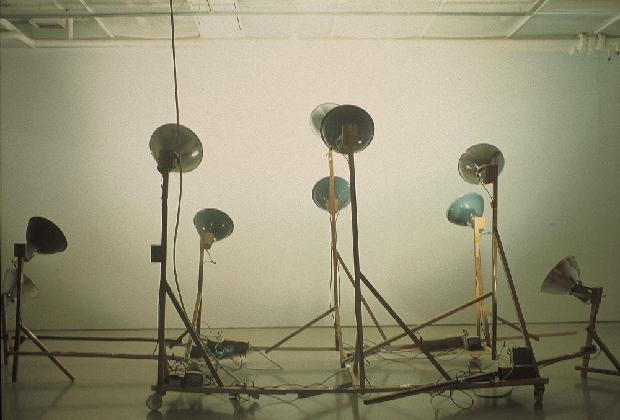
His later works expand beyond questions of identity to reflect on the conditions of humanity and civilization in the aftermath of globalization. In projects such as Your Bright Future, the arrangement of steel bars, electrical wires, and lamps placed behind a title that ostensibly promises optimism exposes the tension between an uncertain future and the present. Such installations demonstrate that the phrase “bright future” is not a simple message of hope, but a device for visualizing the complex emotional structure between reality and ideal, expectation and futility.
 
This continuity is evident across both his drawing notebooks and installation works. Over approximately twenty years, he left behind twenty-one notebooks documenting his thoughts and ideas; these records have become key materials for understanding how his works were conceived and realized in exhibition contexts. Beyond reflecting identity politics or the spirit of an era, Bahc Yiso’s practice ultimately poses the question of what art can do within a world where uncertainty and temporariness have become normalized. His body of work does not remain as a closed past, but persists as an ongoing inquiry—an important reference point in contemporary art.

Works of Art

Articles

Exhibitions

Activities