Ahn Kyuchul (b.1955) - K-ARTIST
Ahn Kyuchul (b.1955)

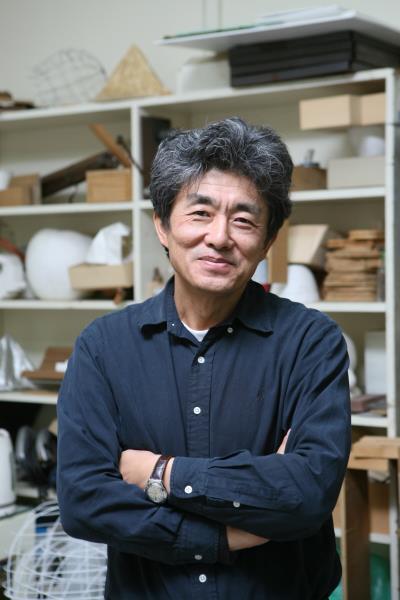
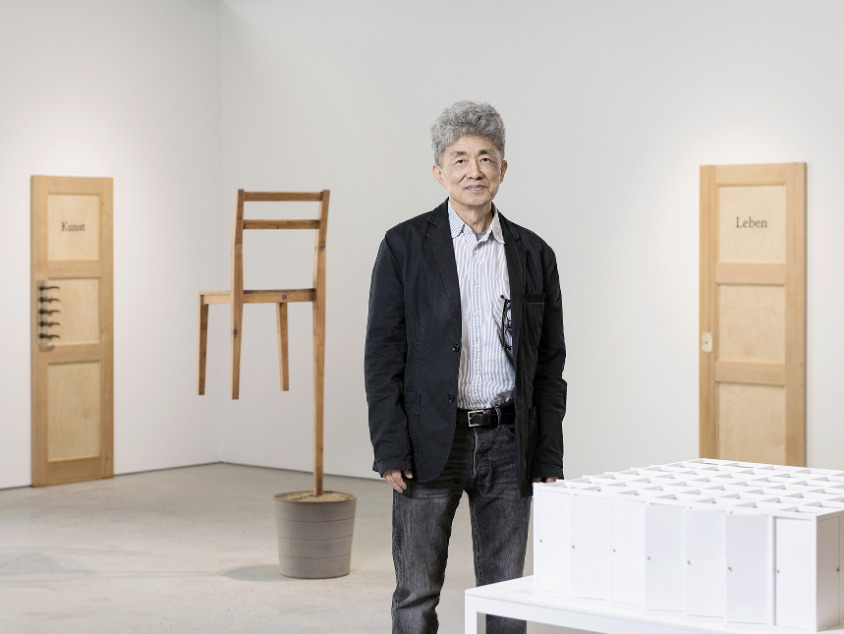
Ahn Kyuchul was born in Seoul and studied sculpture at Seoul National University. After graduation, he worked as a journalist for Quarterly Art magazine for seven years. In 1985, he joined ‘Reality and Utterance’, a key artists’ collective of the Minjung Art movement. In 1987, he left for France, later relocating to Germany to study at the State Academy of Fine Arts Stuttgart. Since then, he has developed a conceptual practice centered on everyday objects and language. From 1997 to 2021, he served as Professor and Dean at the Korea National University of Arts. He currently works as an independent artist.

Alternative Possibilities in Contemporary Art

Solo Exhibitions (Brief)

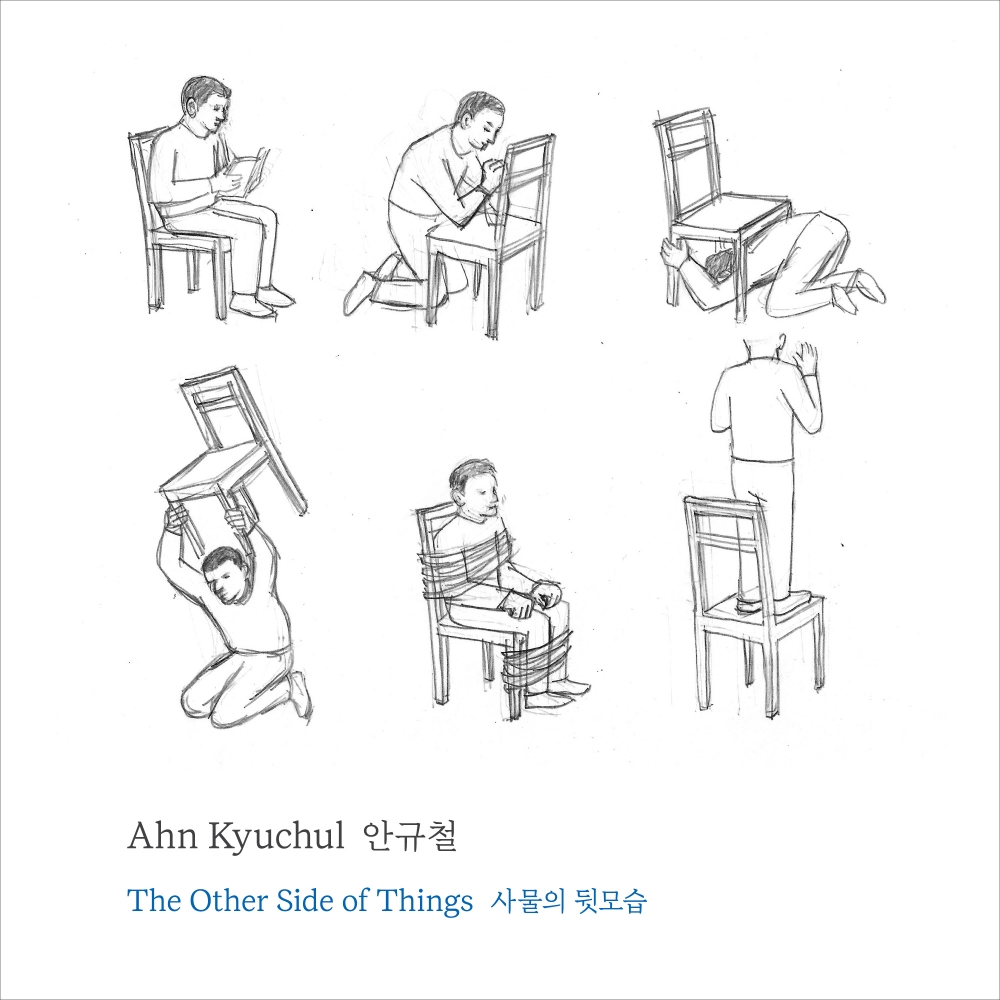
Since his first solo exhibition in 1992, Ahn Kyuchul has presented numerous solo exhibitions including 《49 Rooms》, 《Invisible Land of Love》, 《The Other Side of Things》, and 《Ahn Kyuchul Multiplied》. His solo exhibitions at major venues such as the National Museum of Modern and Contemporary Art, Rodin Gallery(laterly renamed Plateau), and Kukje Gallery explore paradox, language, and sculptural thought.

Group Exhibitions (Brief)

Ahn Kyuchul has participated in major group exhibitions in Korea and abroad, including curated exhibitions at the Leeum Museum of Art, Nam June Paik Art Center, and Ilmin Museum of Art.

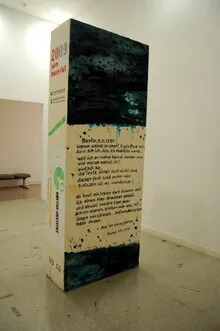
Through his participation in exhibitions within international contexts, such as the 20th Anniversary Project of the Fall of the Berlin Wall (2009), he has continuously expanded the social and philosophical questions raised by contemporary art.

Awards (Selected)

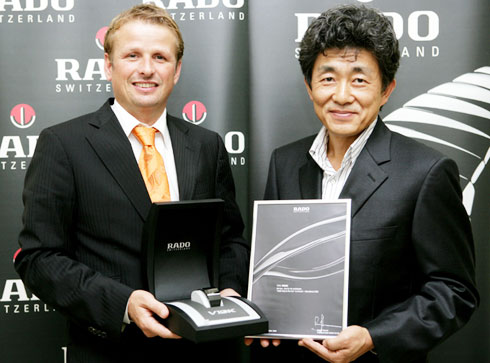
Ahn Kyuchul received the 19th Kim Se-Choong Sculpture Award and the RADO Art Canal Prize at Fluid Art Canal 2006.

Collections (Selected)

His works are included in the collections of the National Museum of Modern and Contemporary Art, Leeum Samsung Museum of Art, Arario Gallery, and Amorepacific Museum of Art.
Works of Art

Alternative Possibilities in Contemporary Art

Originality & Identity

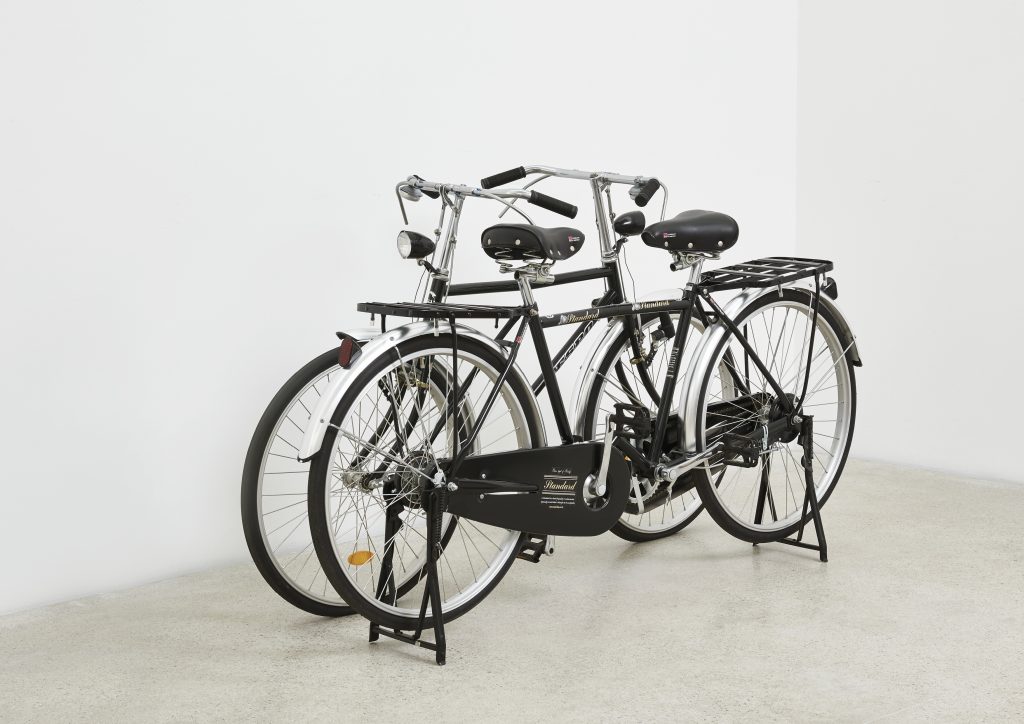
Ahn Kyuchul’s practice begins with persistent inquiries into the gaps between representation and reality, language and objects, the individual and society. Rather than presenting objects as mere sculptural forms, he allows them to function as signs that unsettle habitual systems of perception and meaning.

In his work, “I,” “you,” and “we” are not fixed identities but relational constructs continuously formed and destabilized through language and social conventions. This approach transforms art from a mode of unilateral transmission into a dialogical space, prompting reflection on how subjectivity and meaning are constituted in contemporary society.

Style & Contents

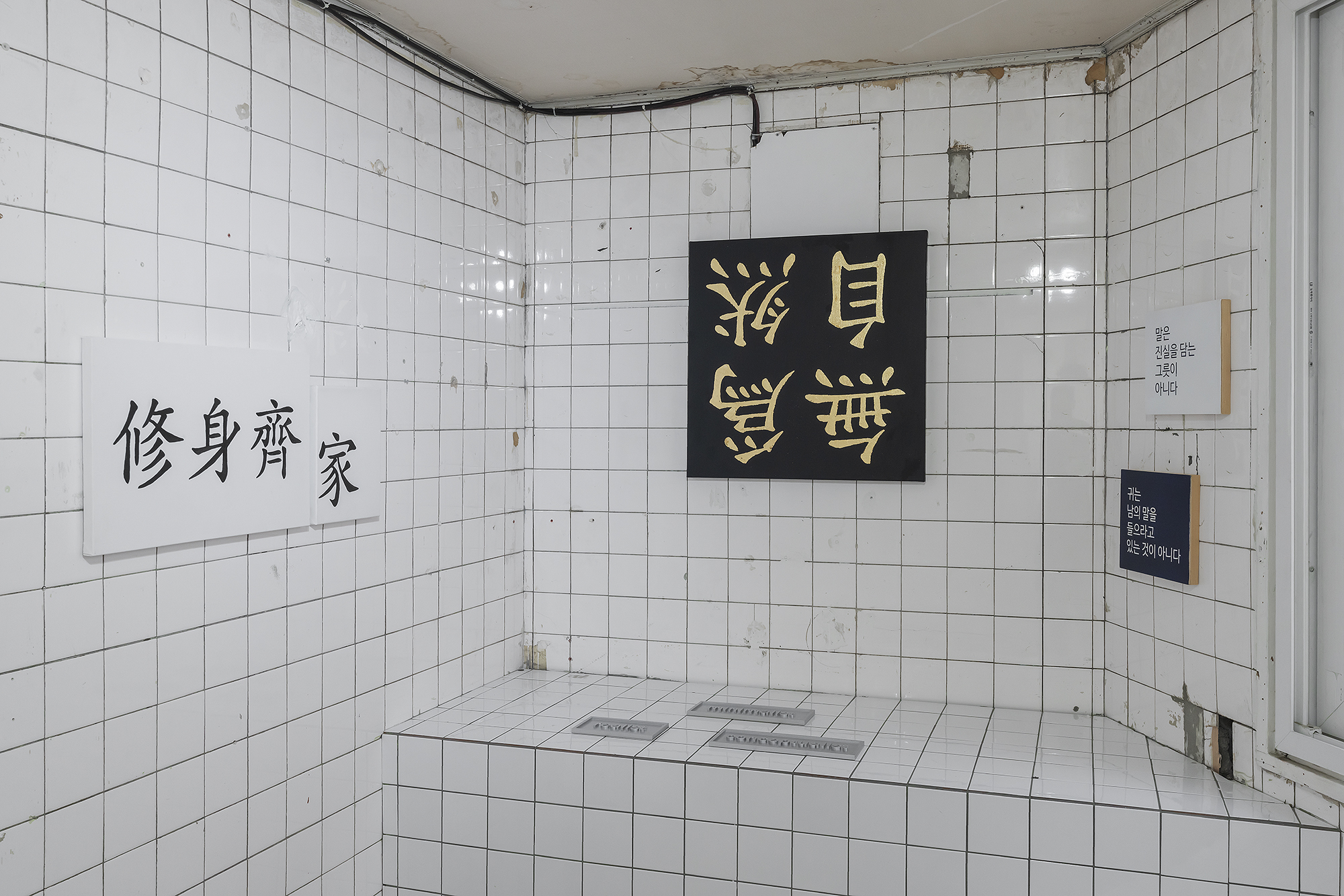
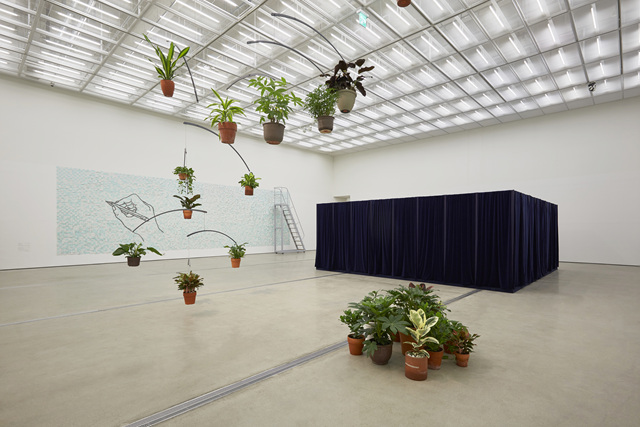
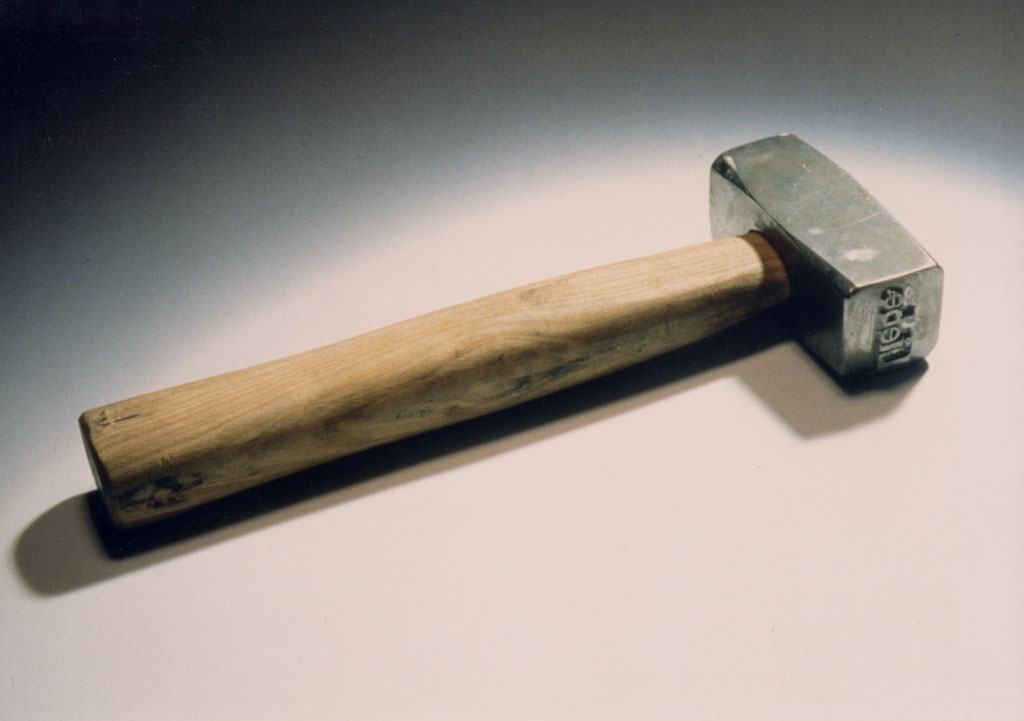
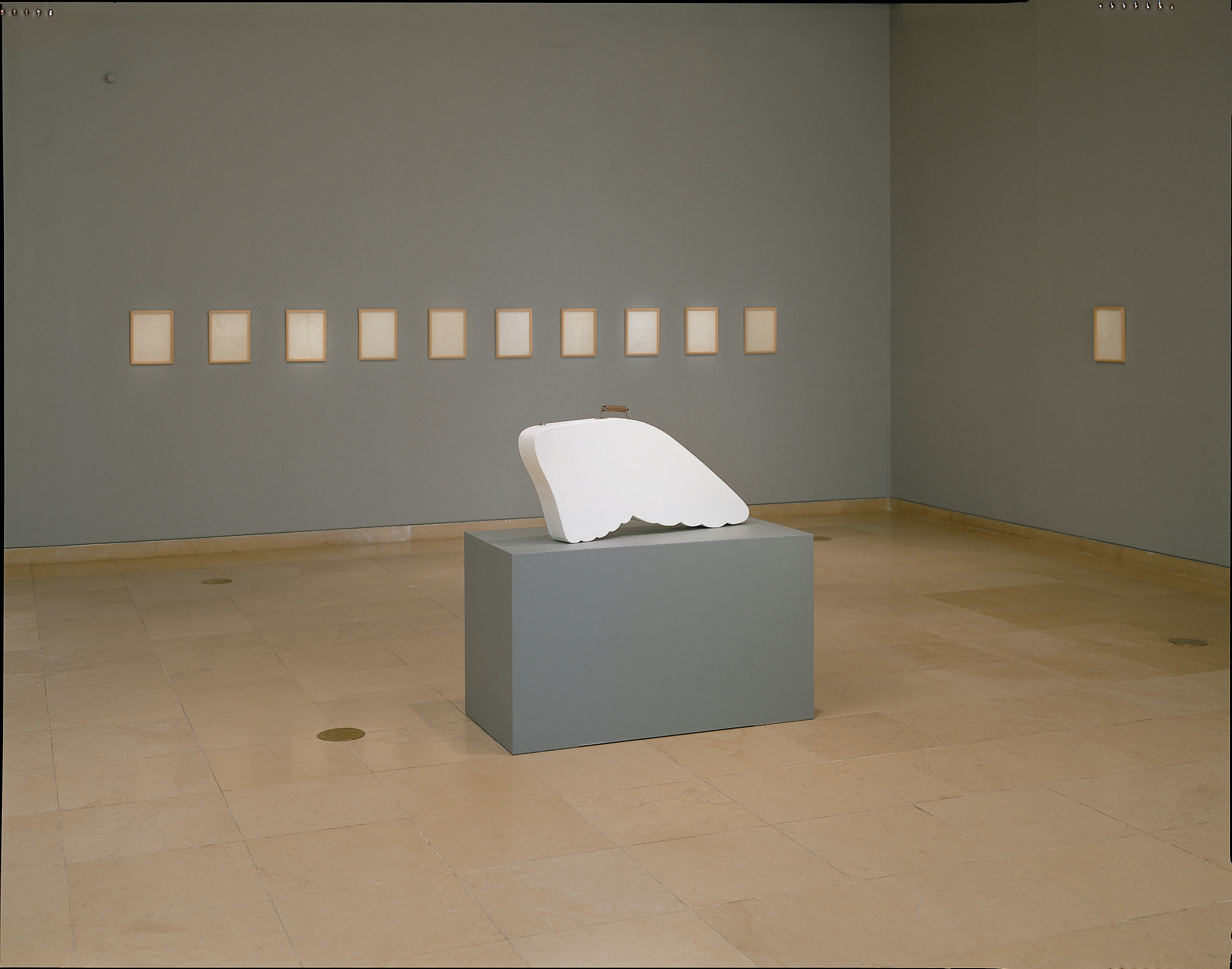
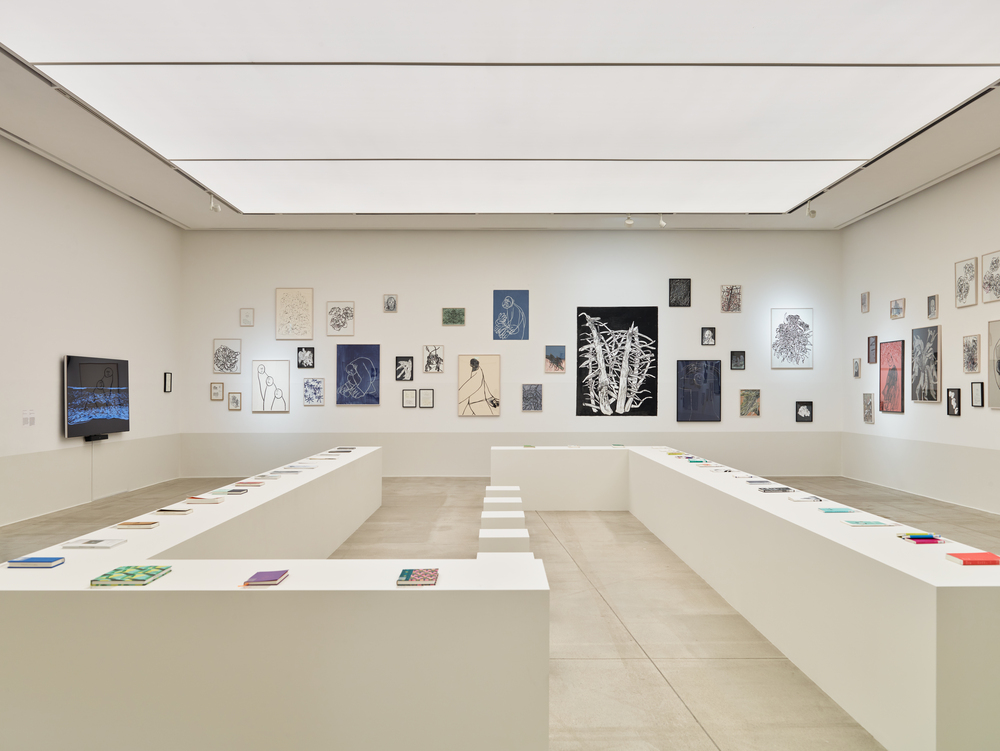
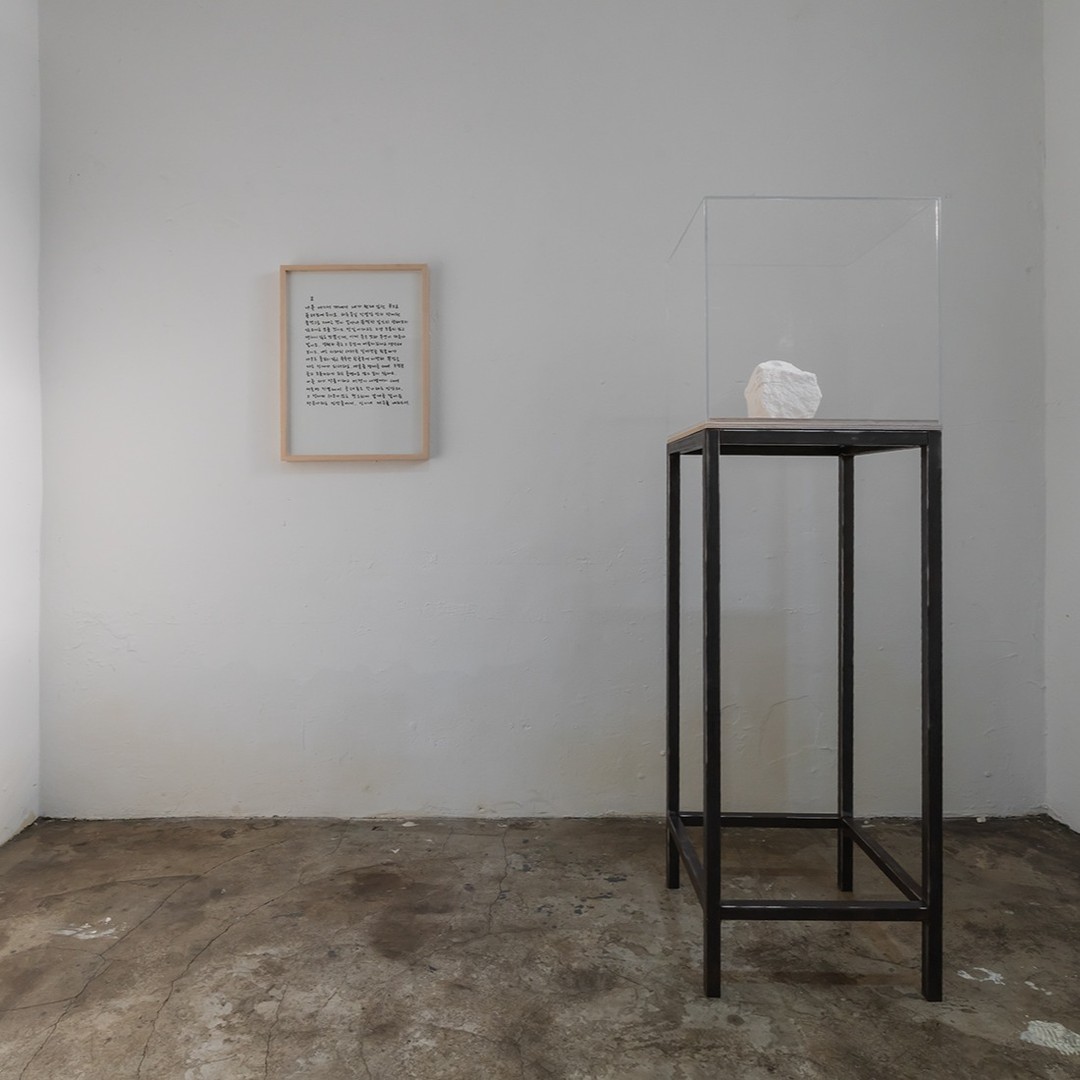
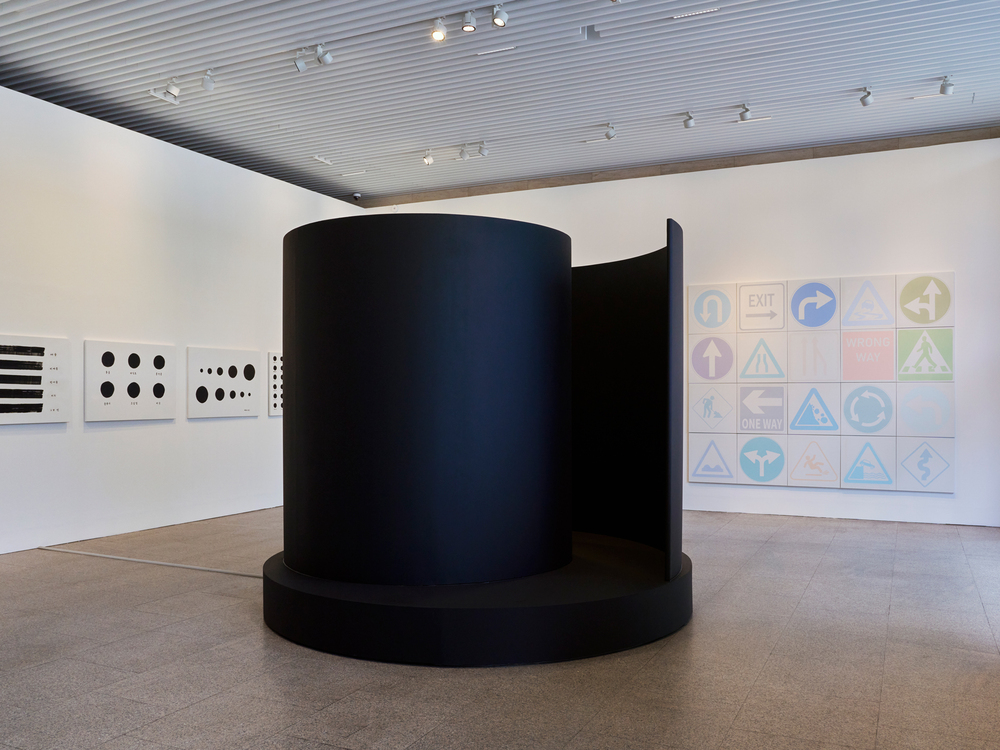
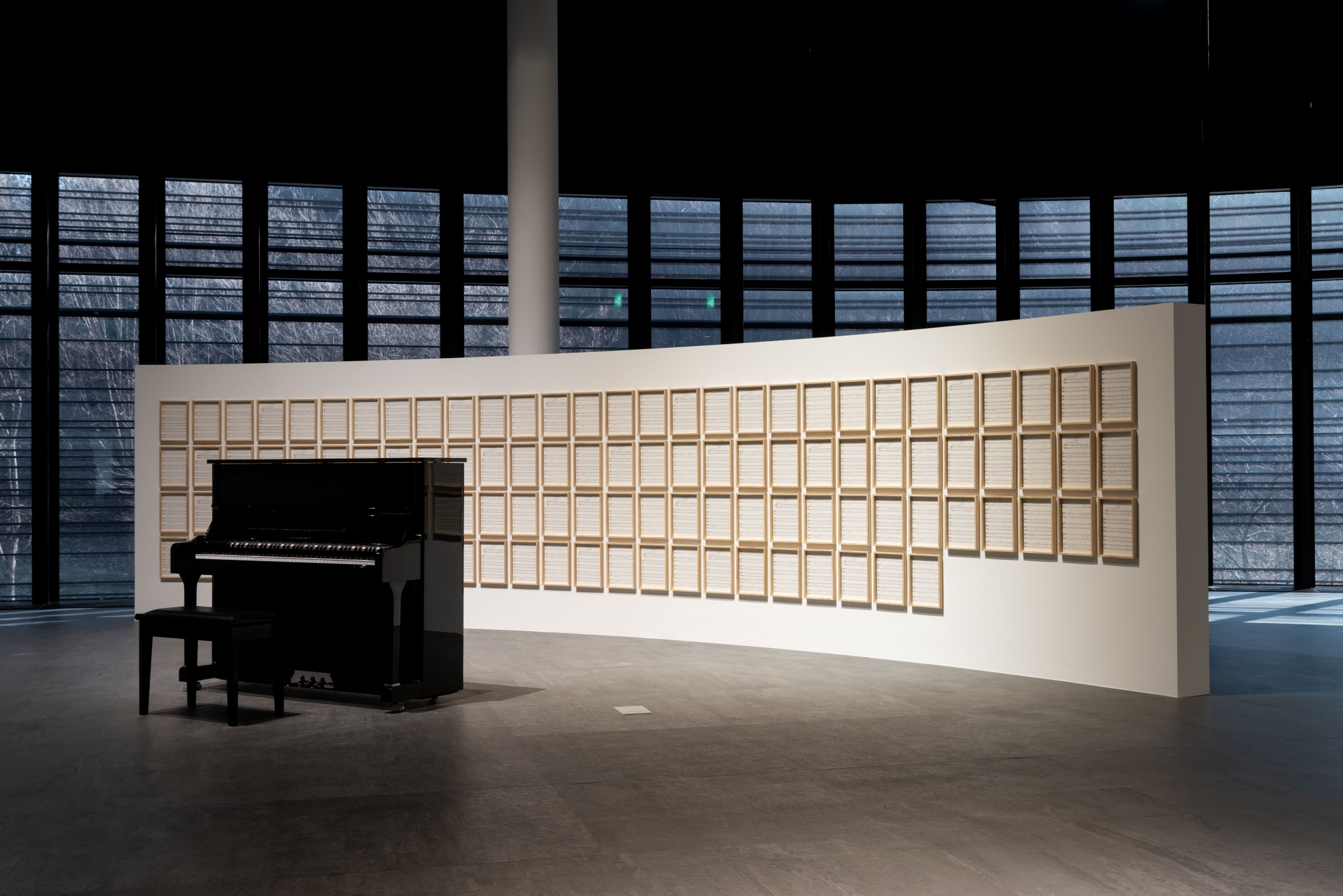
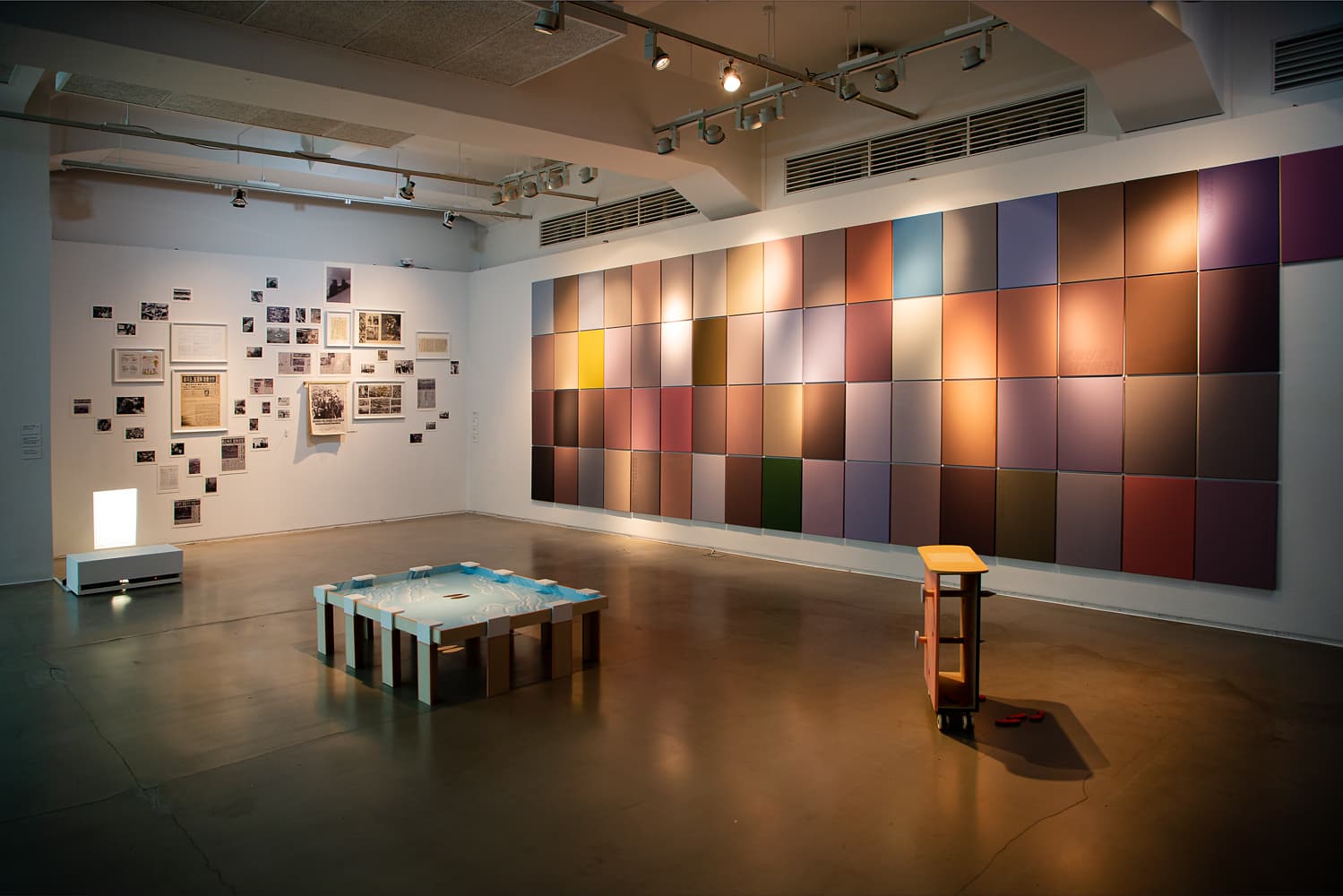
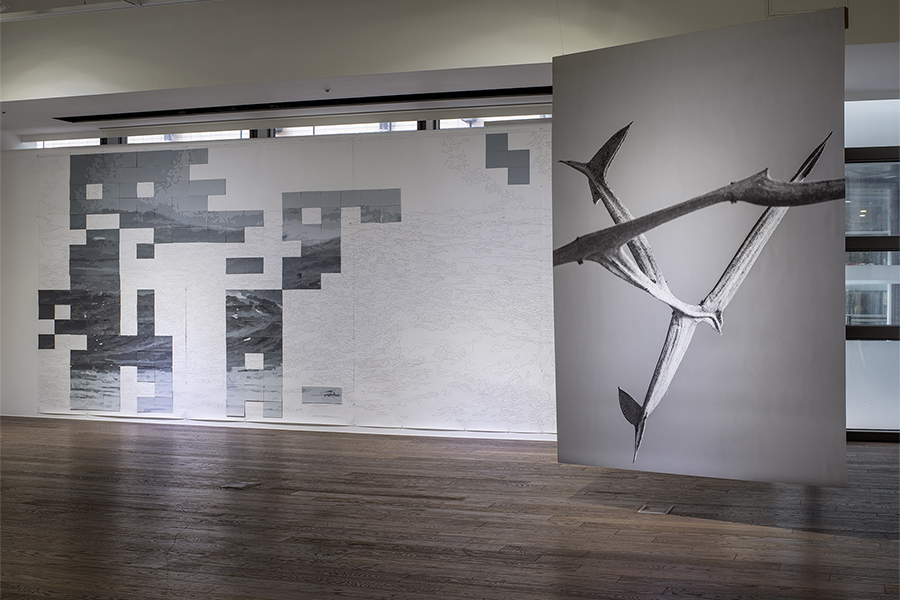
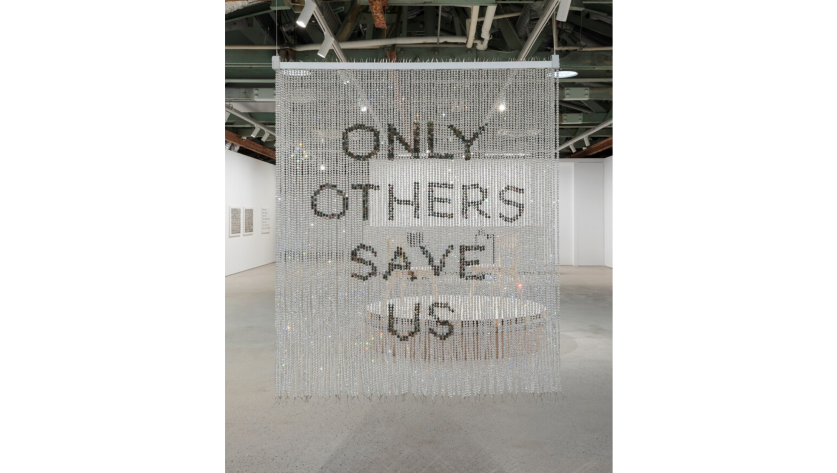
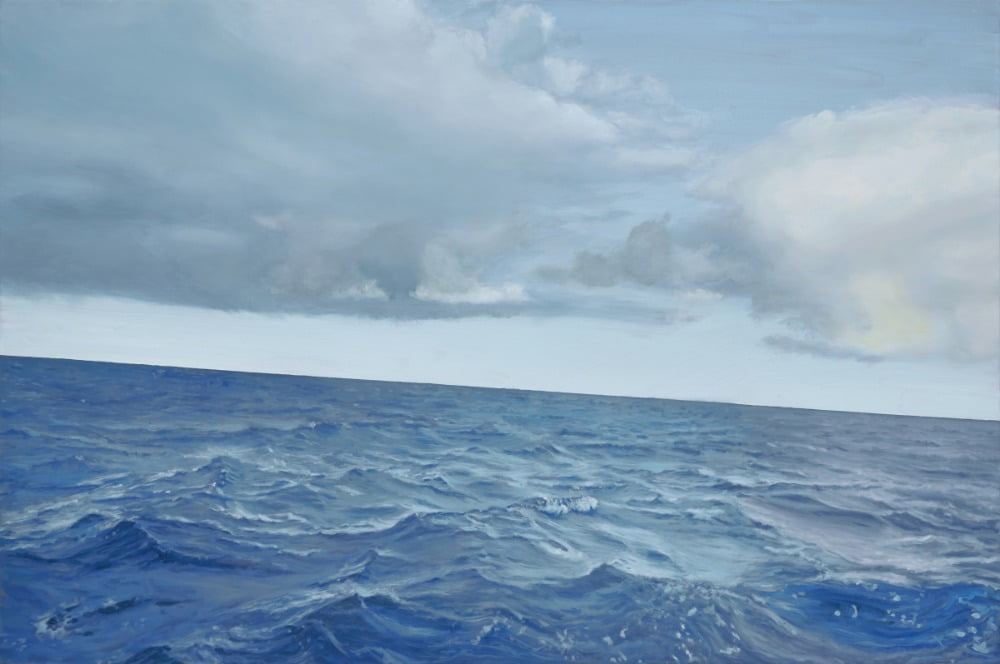
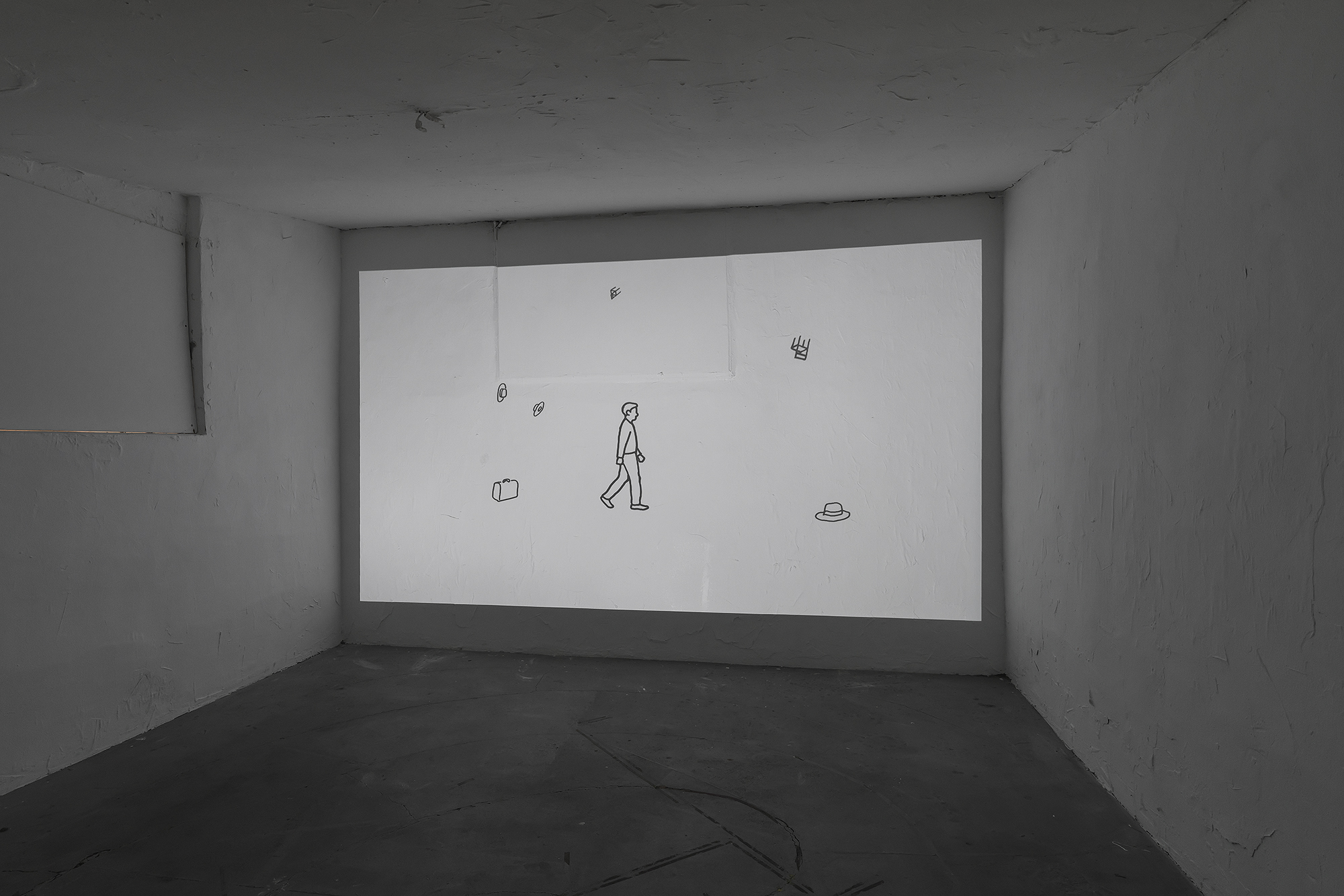
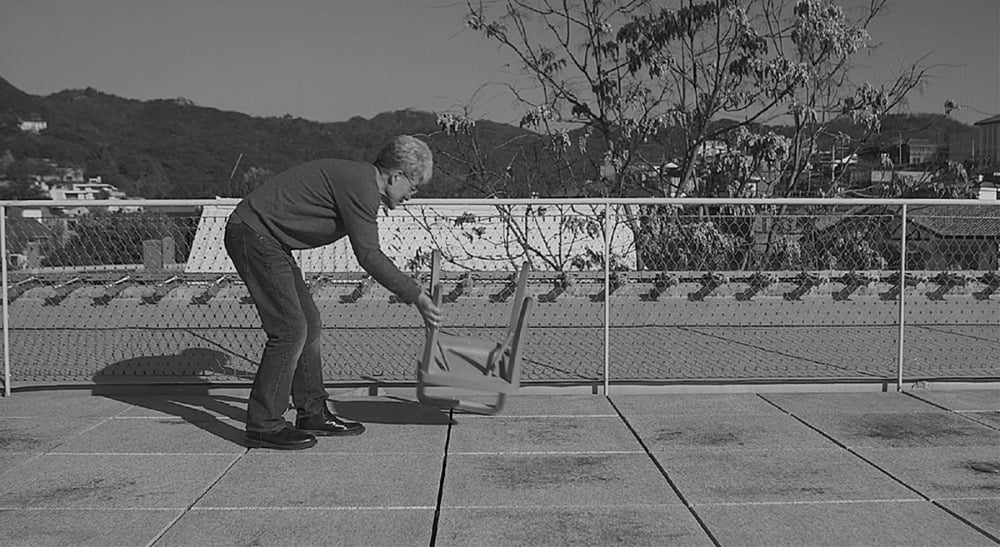
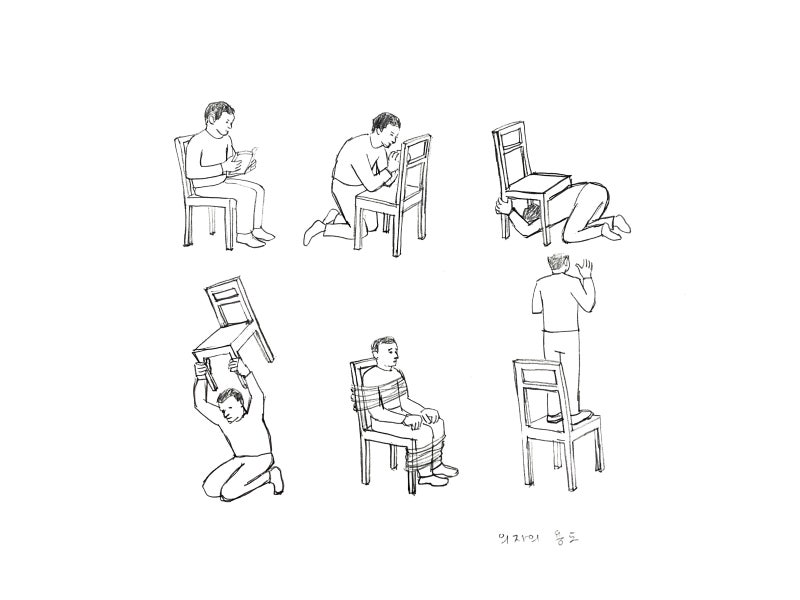
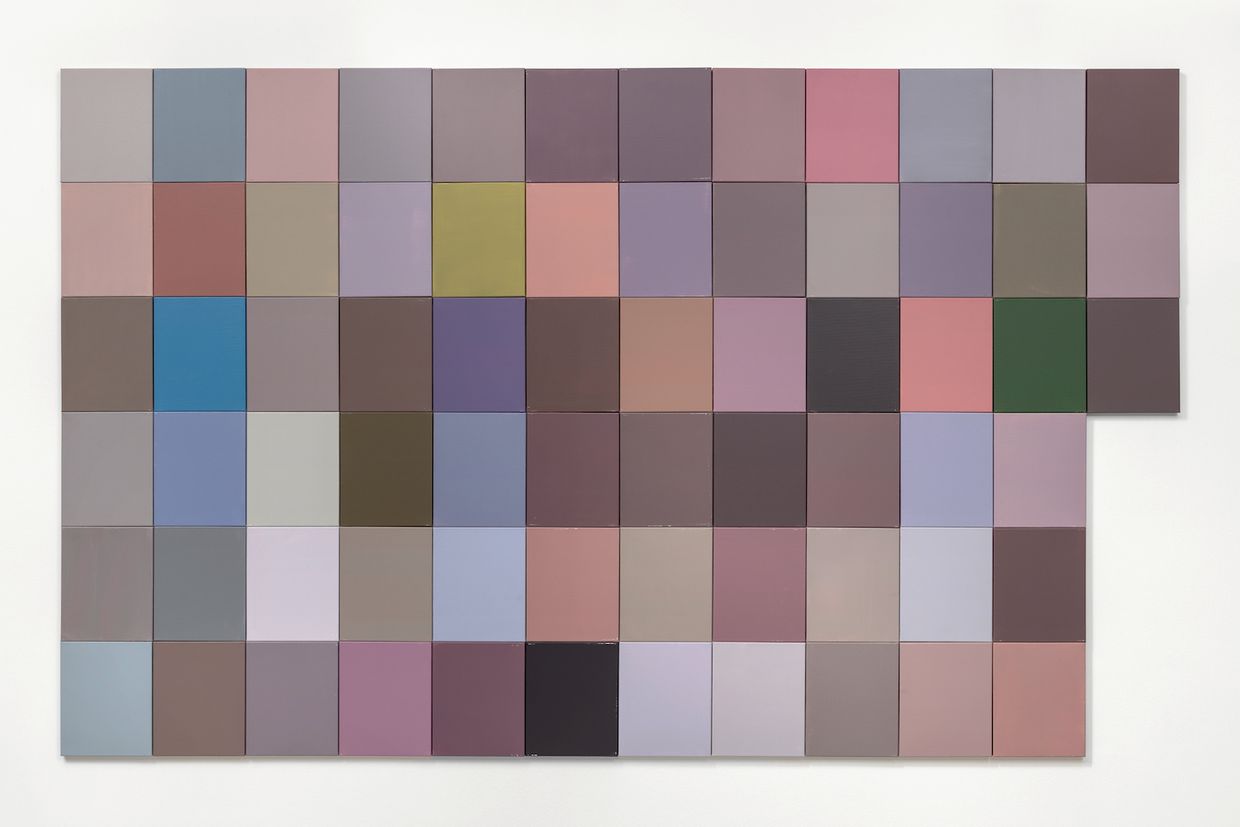
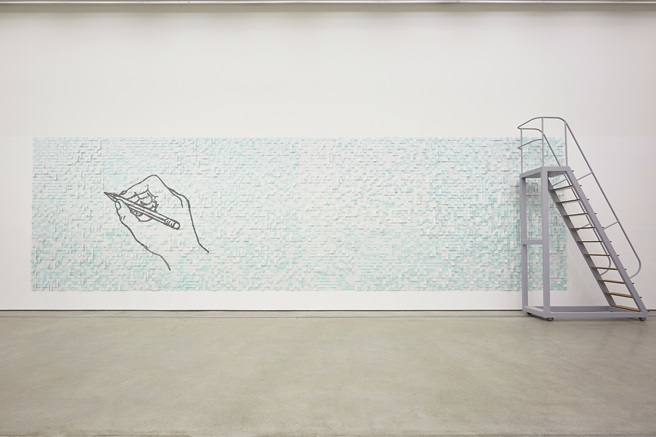
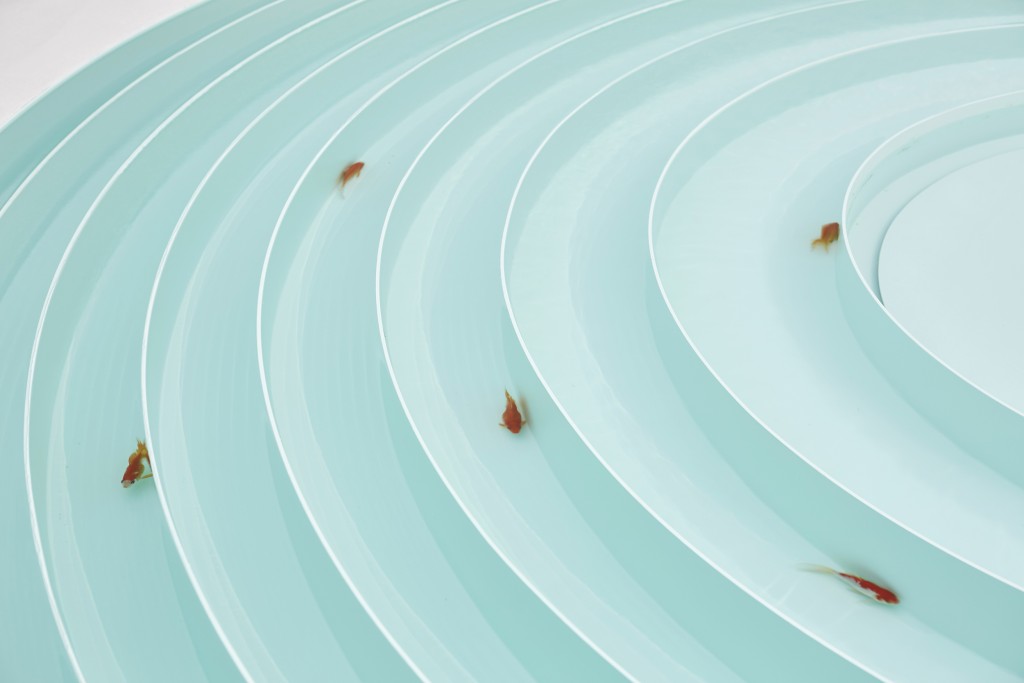
Ahn Kyuchul’s work traverses sculpture, installation, drawing, text, video, and performance, resisting fixation on any single medium. As a sculptor, rather than relying on traditional sculptural materials such as marble or bronze, he employs fabric, wood, glass, water, everyday objects, and language itself. This choice reflects his emphasis on conceptual operation and embodied experience over formal completeness.
 
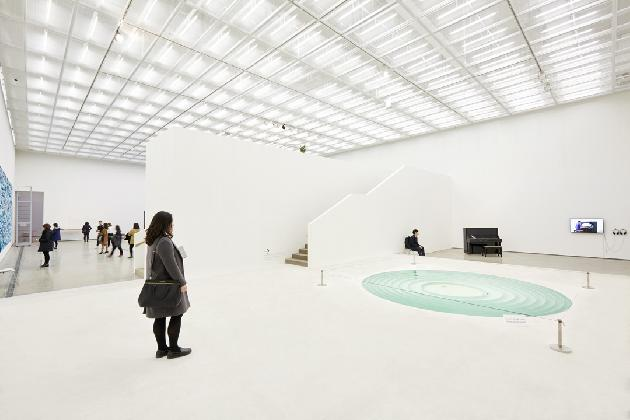
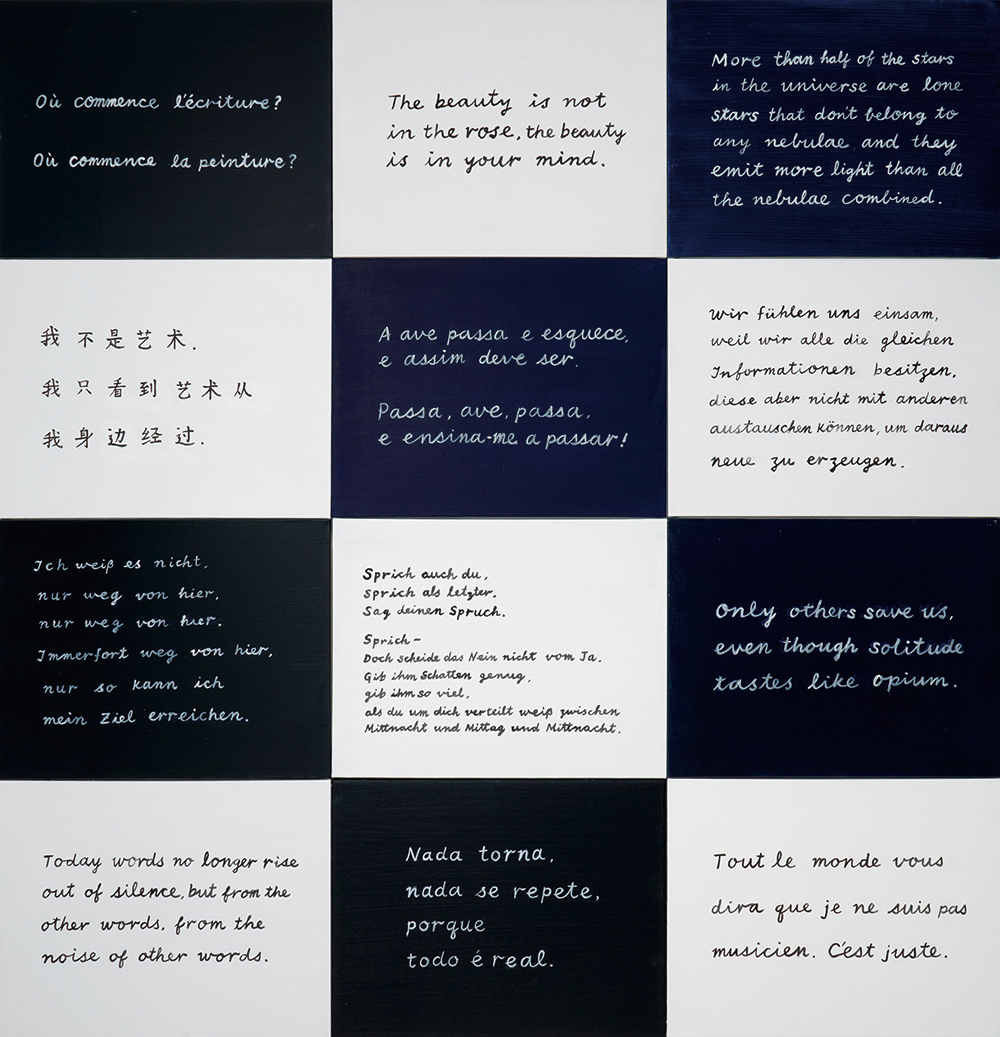
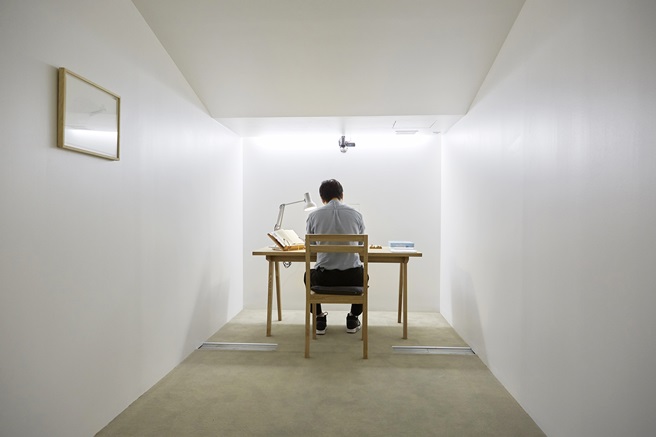
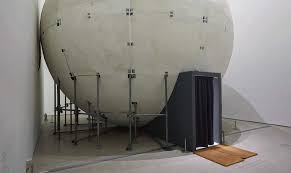
Drawing and text function as crucial mediators between literature and visual art in his practice. Sentences become objects, objects are read like sentences, and the work as a whole forms a poetic structure. Space, too, is not merely a neutral container but an active sculptural element that incorporates the viewer’s body and duration. Recurrent structures—mazes, rooms, walls, and passages—transform viewing into a physical and contemplative act, prompting viewers to linger, wander, and remain silent.
 
For Ahn, form is not a tool to illustrate concepts but the condition through which concepts manifest themselves. While his practice is informed by conceptual art, it does not settle into cold analysis or irony. Instead, it sustains poetic sensibility and ethical tension within the work itself.

Topography & Continuity

Ahn Kyuchul’s practice originates in the Minjung Art movement and critical writing of the 1980s, later expanding—particularly after his studies in Germany—into conceptual forms centered on everyday objects and language. Despite shifts in medium and form, his critical engagement with the world has remained consistent. He begins firmly from the reality of the “here and now,” yet refuses to settle within it, continually posing questions toward an unattainable elsewhere—utopia, or a possibility not yet realized.
 
Although he has long operated within institutional frameworks as an educator and administrator, Ahn persistently draws skepticism toward institutions and self-reflection into his work. This stance prevents his practice from being fixed within a single style or generation, keeping it active in the present tense. His work does not aim for resolution; it unfolds as a process—repetitive, revised, and inclusive of failure.
 
Ahn’s art persists through questioning rather than conclusion. This continuity lies not in the repetition of themes, but in the sustained attitude with which he confronts the world—an attitude that defines the distinctive position of his work within the landscape of contemporary art.

Works of Art

Alternative Possibilities in Contemporary Art

Articles

Exhibitions

Activities