

Suh Yongsun (b.1951) - K-ARTIST
Suh Yongsun (b.1951)

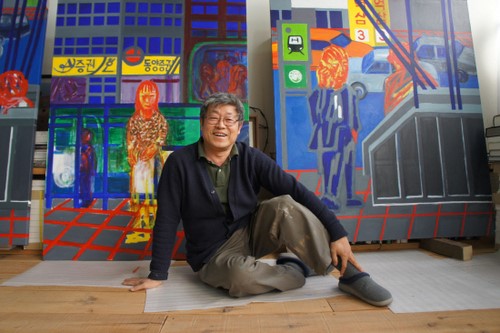
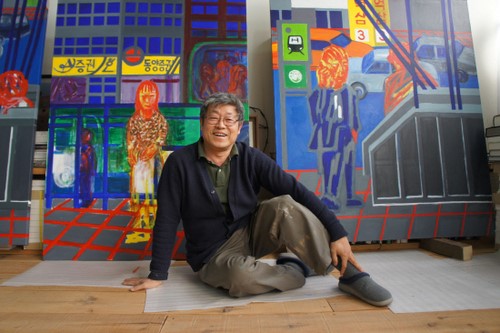
Suh Yongsun was born in Seoul and graduated from the Department of Painting at Seoul National University, where he also completed an MFA in Western Painting. He taught at the Department of Western Painting, College of Fine Arts, Seoul National University from 1986 to 2008, and served as a visiting professor at the Hamburg International Academy of Fine Arts in 2001. After being selected as the National Museum of Modern and Contemporary Art’s Artist of the Year in 2009, he left academia to work as a full-time artist, continuing his practice primarily in painting and sculpture.

Solo Exhibitions (Brief)

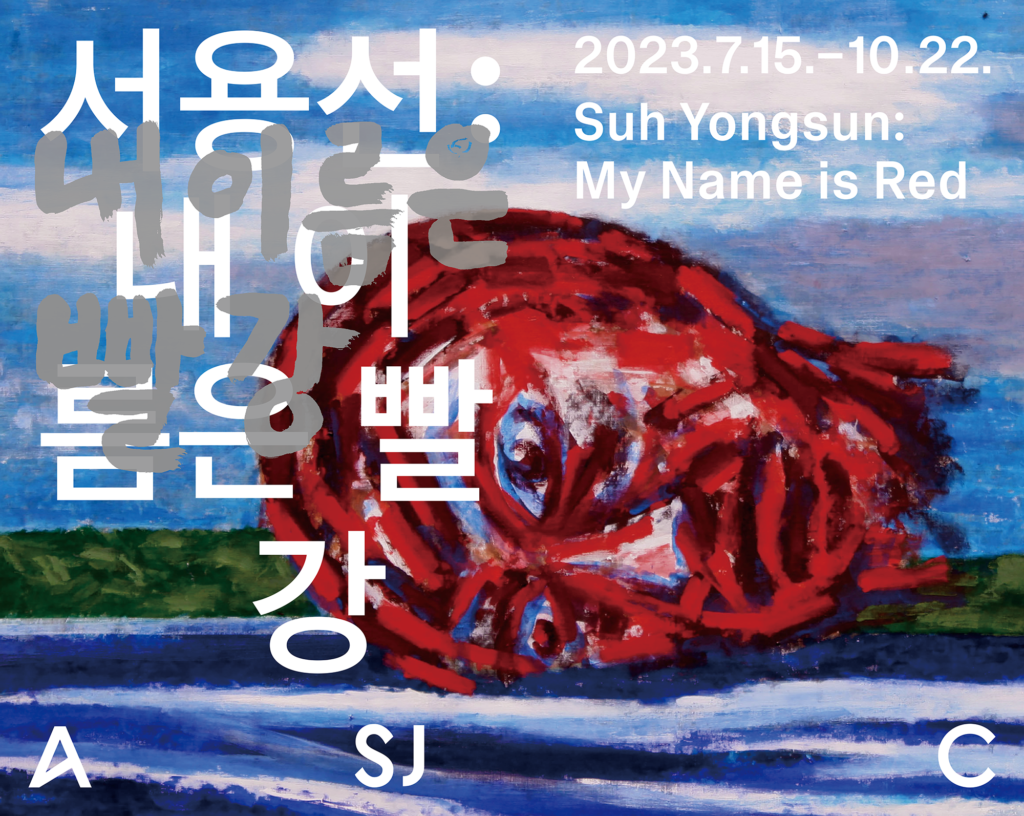
Beginning with his first solo exhibition at P&P Gallery (Seoul) in 1988, Suh Yongsun has held solo exhibitions at major Korean institutions including Ilmin Museum of Art (2004), the National Museum of Modern and Contemporary Art’s Artist of the Year (2009), and Art Sonje Center (2023), and has continued to present exhibitions in major international cities such as New York, Berlin, Tokyo, Melbourne, and London.

Group Exhibitions (Brief)

He has participated in major institutional and collection exhibitions in Korea—including the National Museum of Modern and Contemporary Art (1978– ), Seoul Museum of Art (1996– ), Art Sonje Center (2022), Museum SAN (2014, 2020), and Gyeongnam Art Museum (2013, 2023)—while expanding his practice through travel-based research and extended stays across cities such as Berlin, New York, Tokyo, Sydney, and Taichung.

Awards (Selected)

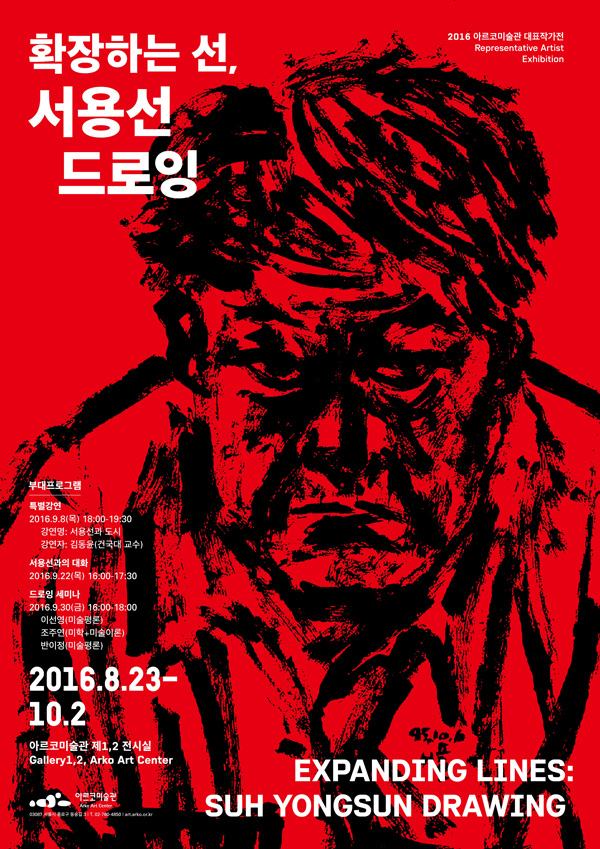
Since receiving a Special Prize at the 1st JoongAng Art Prize in 1978, he has been awarded the Dong-A Art Prize (1982), another Special Prize at the JoongAng Art Prize (1984), the National Museum of Modern and Contemporary Art’s Artist of the Year (2009), the Lee Jung-seob Art Prize (2014), ARKO Art Center Featured Artist (2016), and the National Academy of Arts, Republic of Korea (2024).

Residencies (Selected)

He participated in residencies at the Vermont Studio Center (1995), RMIT University (2010, 2011), and the University of Sydney (2012).

Collections (Selected)

His works are held in the collections of major institutions including the National Museum of Modern and Contemporary Art, Seoul Museum of Art, Busan Museum of Art, Daegu Art Museum, Seoul National University Museum of Art, Korea University Museum, OCI Museum of Art, Yangpyeong Art Museum, Moran Museum of Art, as well as Monash University (Australia) and the Wu Guanzhong Art Museum (Singapore).
Works of Art

Originality & Identity

Suh Yongsun’s work engages diverse layers of subject matter—history, myth, the city, and self-portraiture—yet consistently places the human at its center. He does not paint to depict specific events or scenery; rather, he employs painting as a means to explore how humans relate to the world. For the artist, a painting is not merely the result of representation but an act of cognition itself. He defines painting as “a mental operation that thinks about what is seen” and “a process of perception that includes imagination,” and thus his work is closer to the embodiment of contemplation than to the immediate expression of emotion.
 
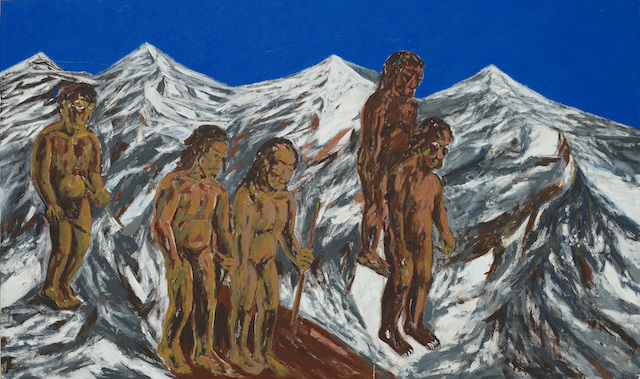
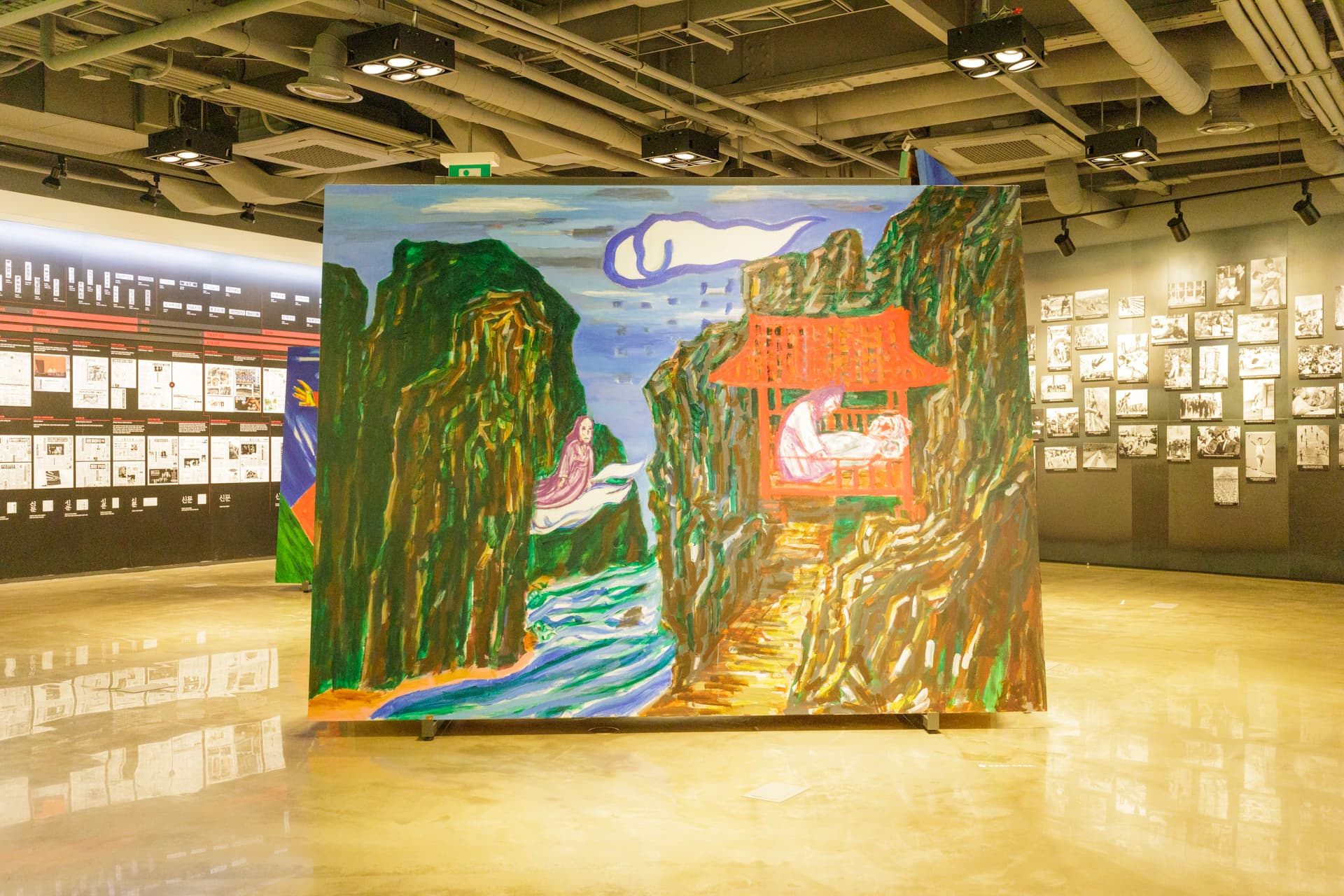
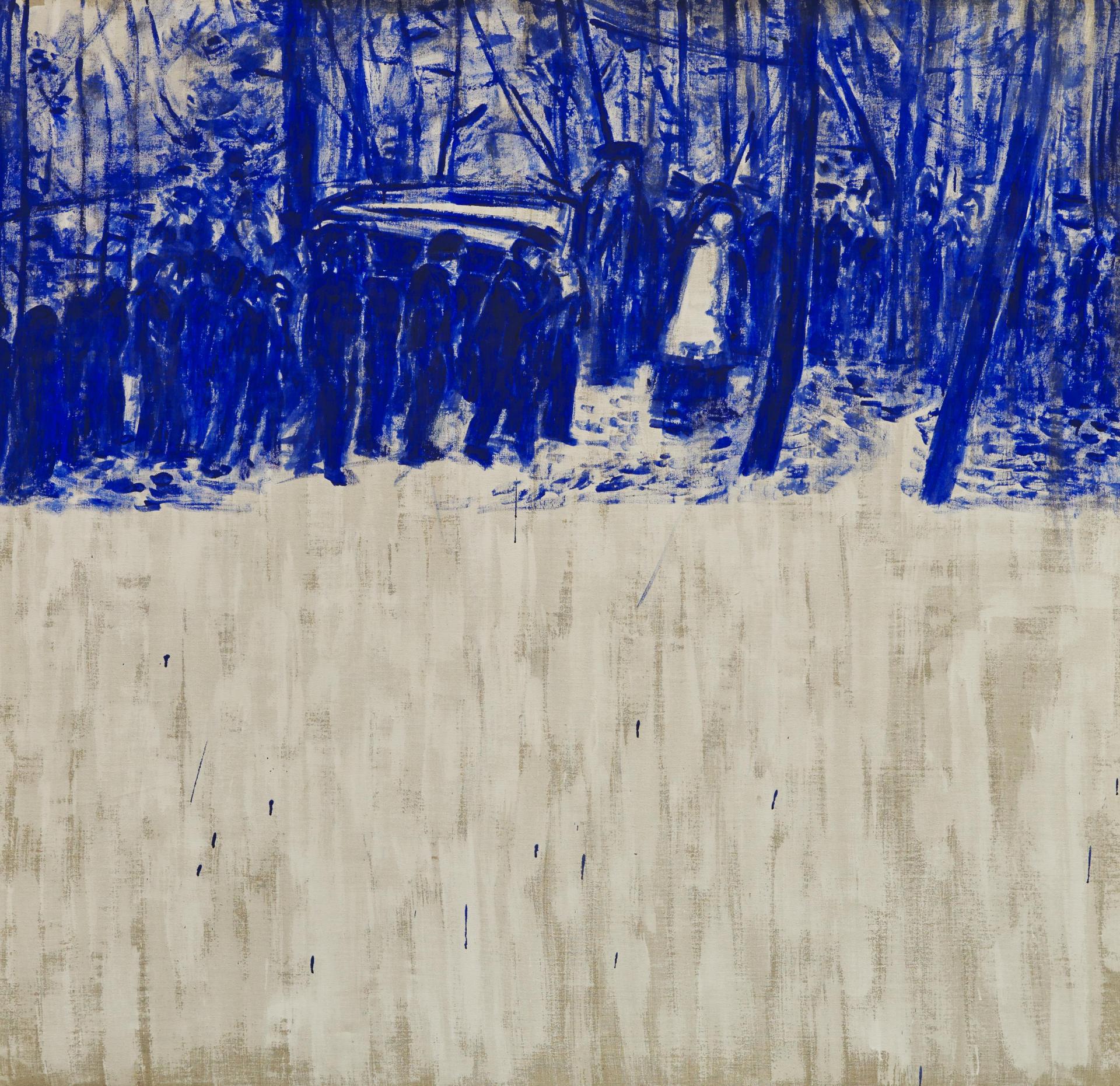
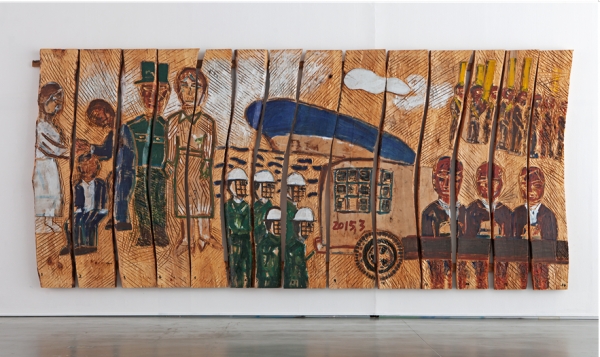
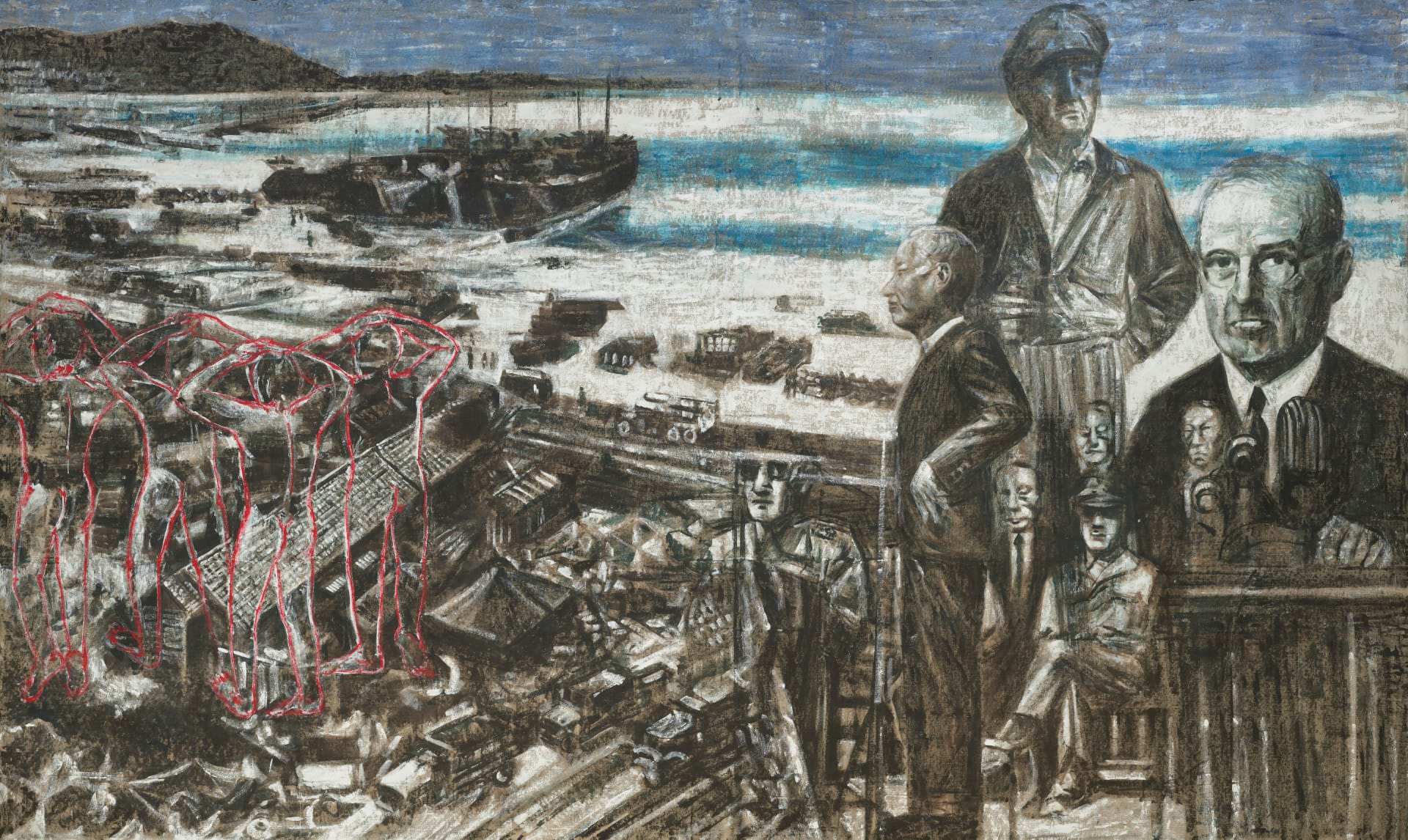
From this perspective, his history paintings are not attempts to restore factual past events but devices that summon unrecorded human existence into the present. In historical subjects such as King Danjong, the Donghak Peasant Revolution, and the Korean War, the artist focuses not on heroes or narratives of power but on the experiences of anonymous individuals who lived and disappeared within them. Considering written history to be inclined toward the viewpoint of authority, he constructs a subjective and sensory “another history” through painting. Here painting functions not as a tool to prove historical truth but as a medium of thought that actualizes human existence.
 
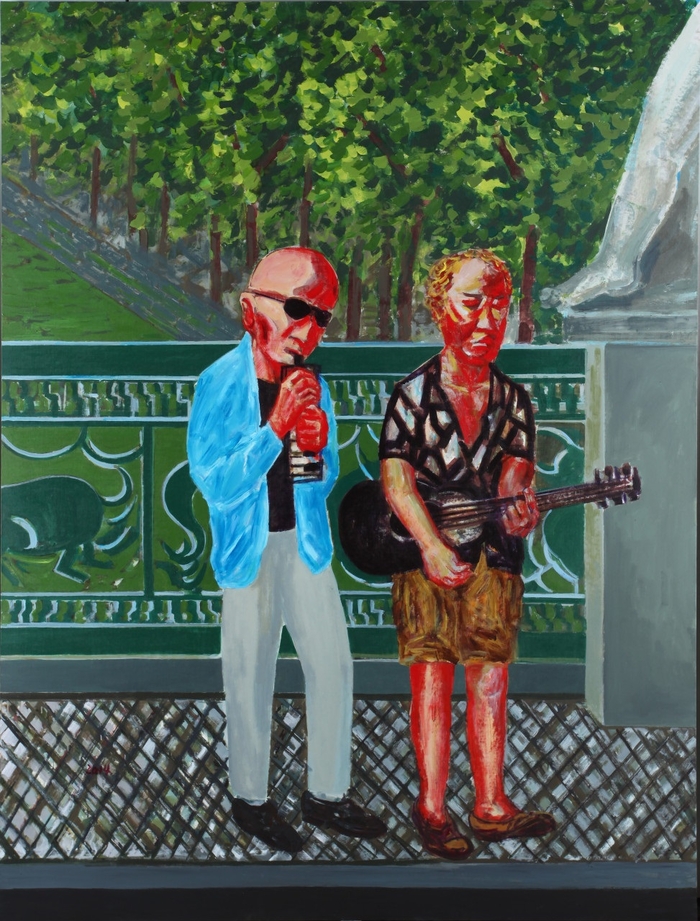
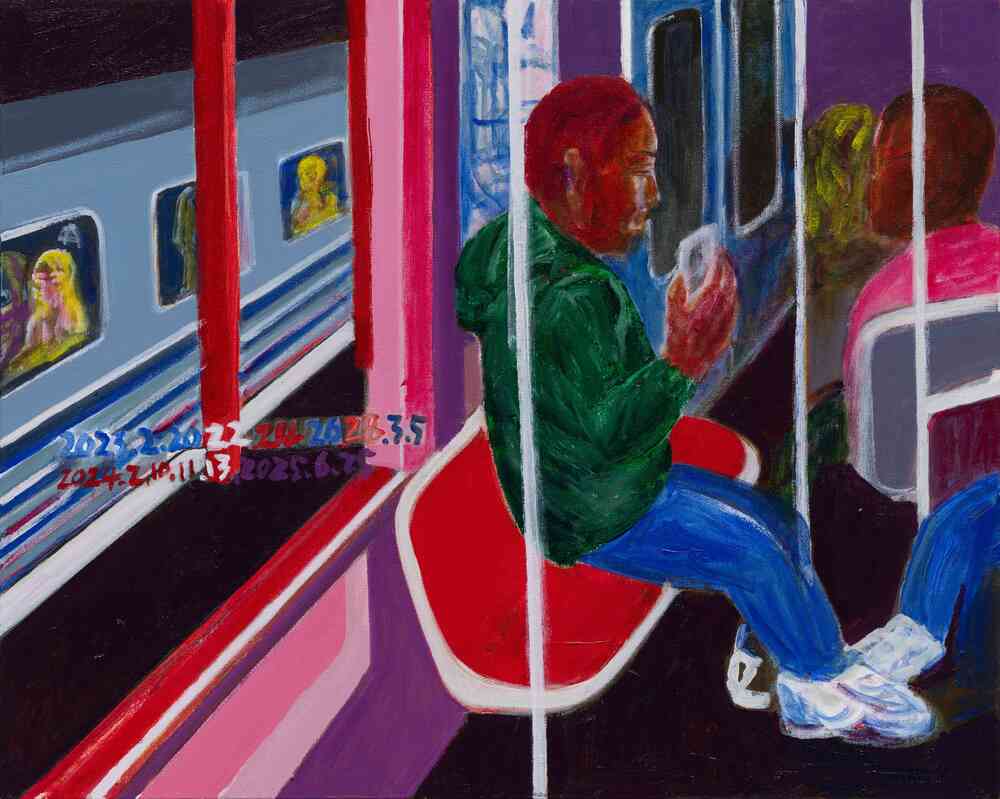
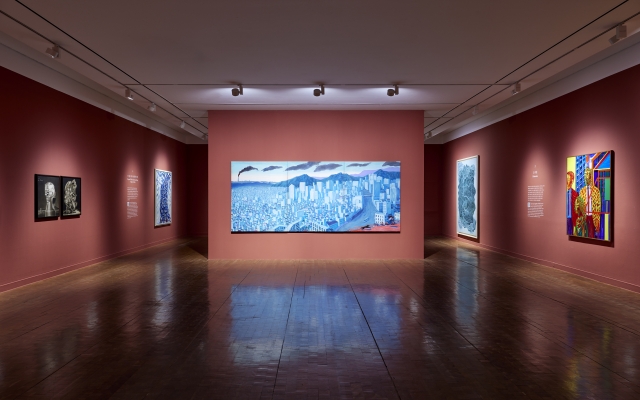
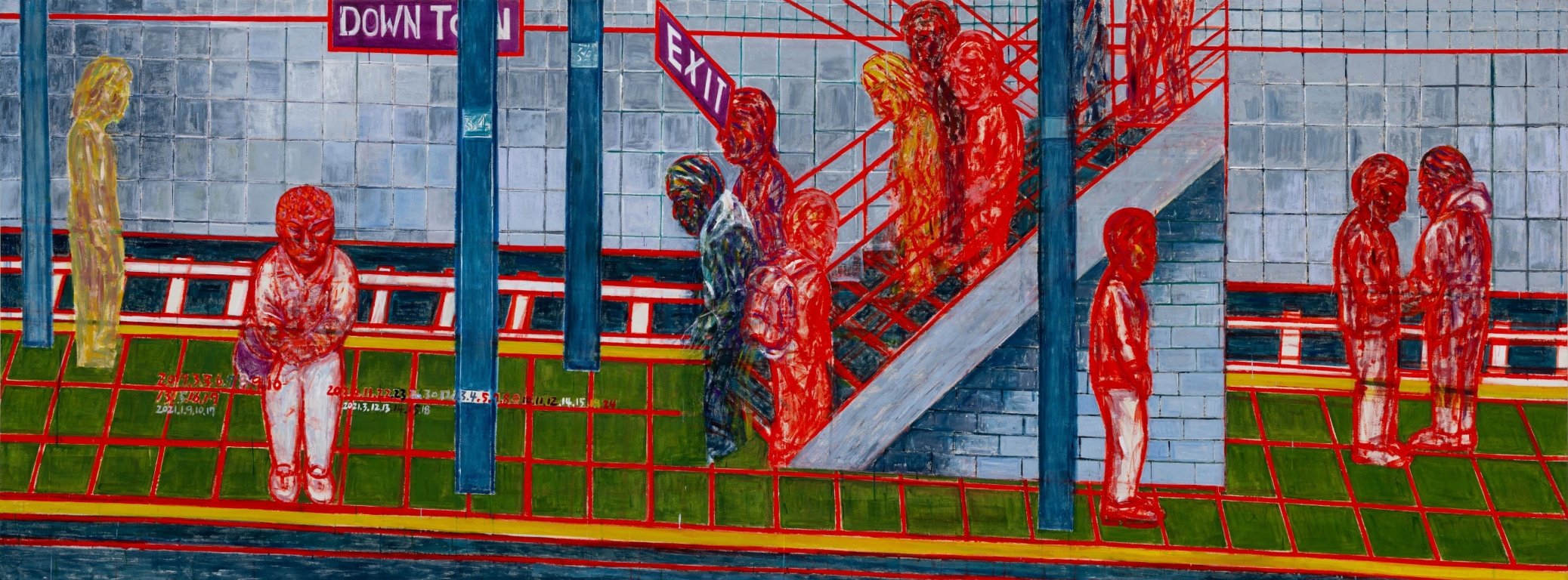
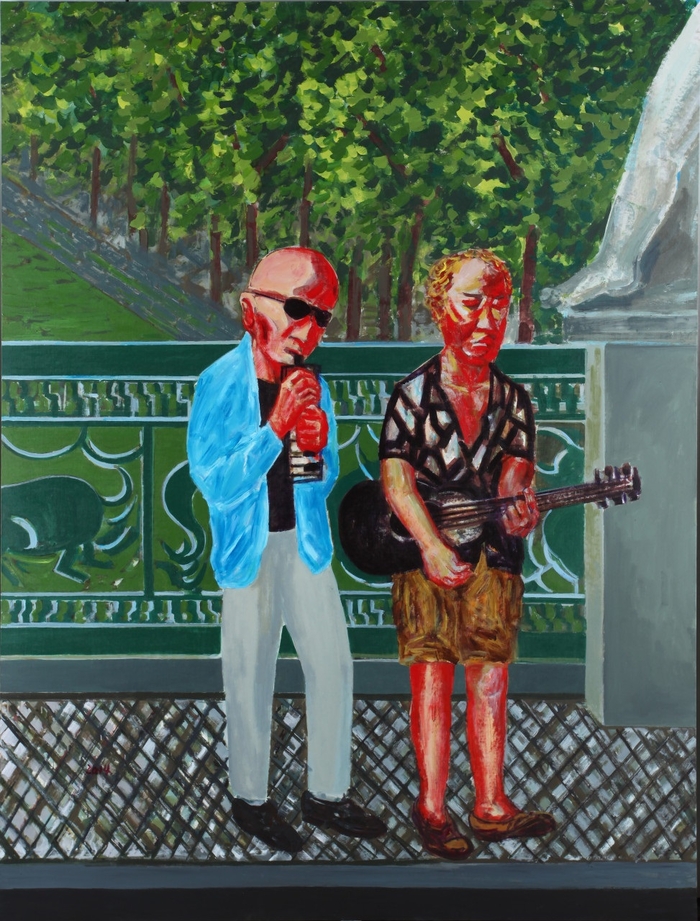
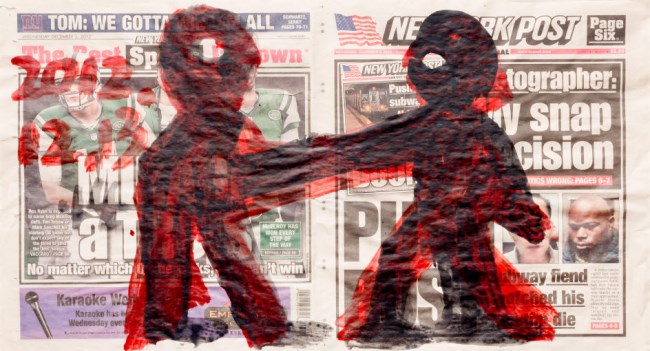
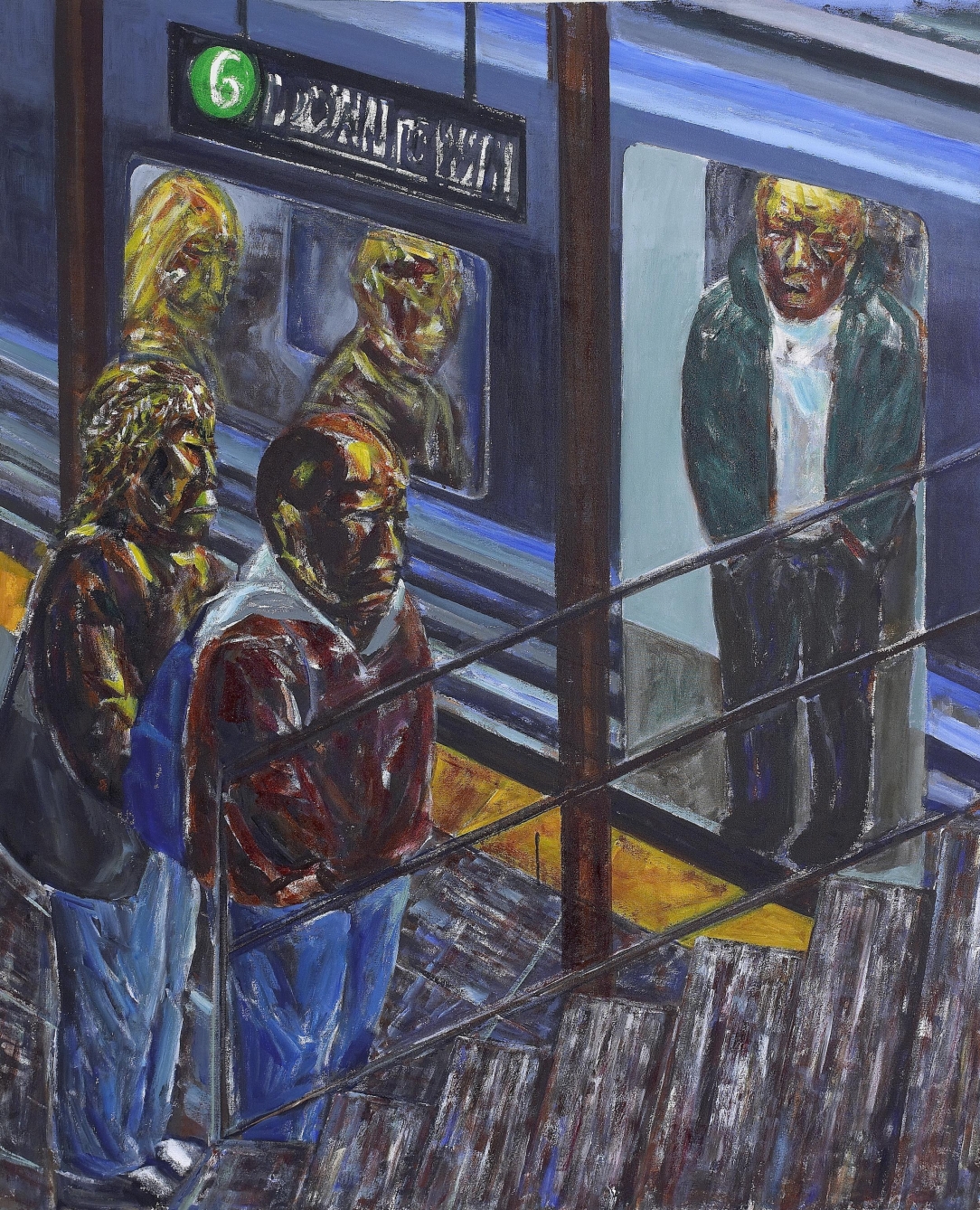
The ‘city’ series extends this same inquiry. Produced during stays in cities such as Seoul, Berlin, New York, and Beijing, these works are not urban landscapes describing external form but records examining the condition of people living within them. He captures the anxiety, inertia, and tension generated by rapid urbanization, understanding modern life as a continuation of historical humanity. Thus figures from history and contemporary urban dwellers appear not as different subjects but as variations of the same existential condition.
 
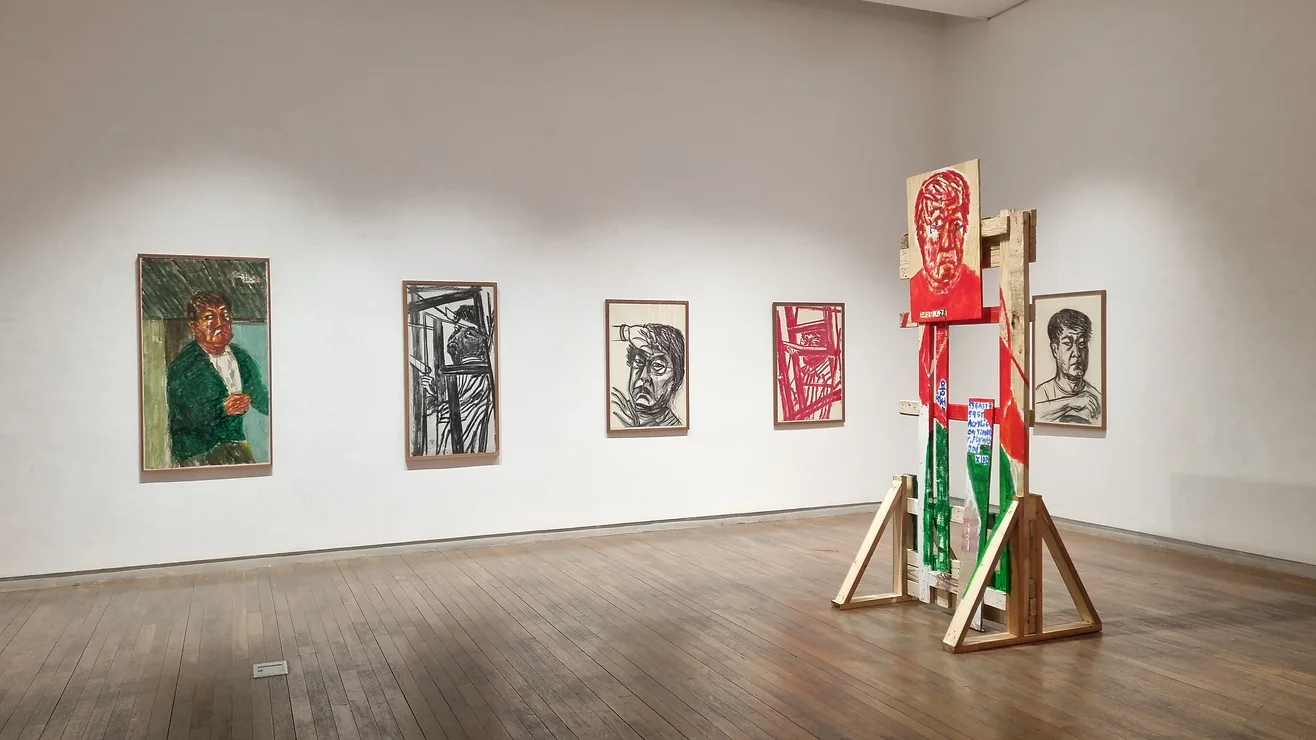
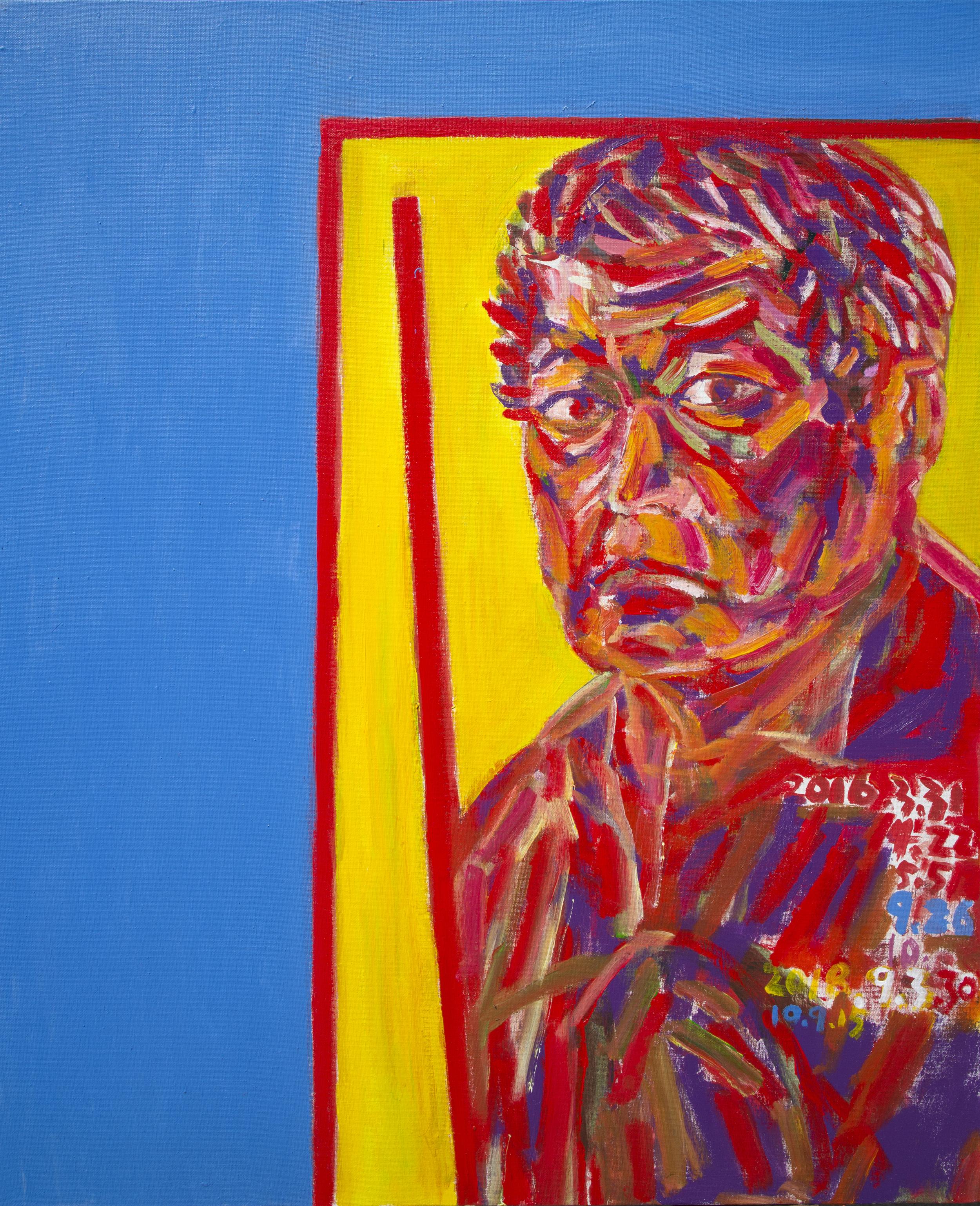
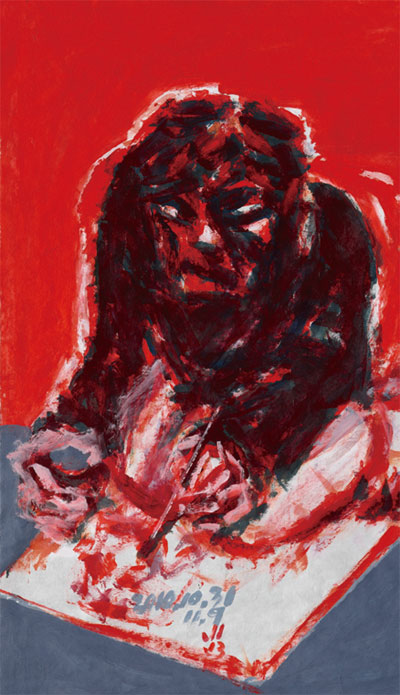
The repeatedly produced ‘self-portrait’ series is less the construction of an identity than a performative act confirming ‘the self here and now.’ For the artist, painting is both a way of perceiving the world and an act of affirming his own existence, a stance that drives his continuous production of new works. Ultimately, in Suh Yongsun’s practice, painting is not the representation of objects but an epistemological device for understanding human existence; his oeuvre unfolds as a process of exploring universal human conditions across history and the present, the self and the other.

Style & Contents

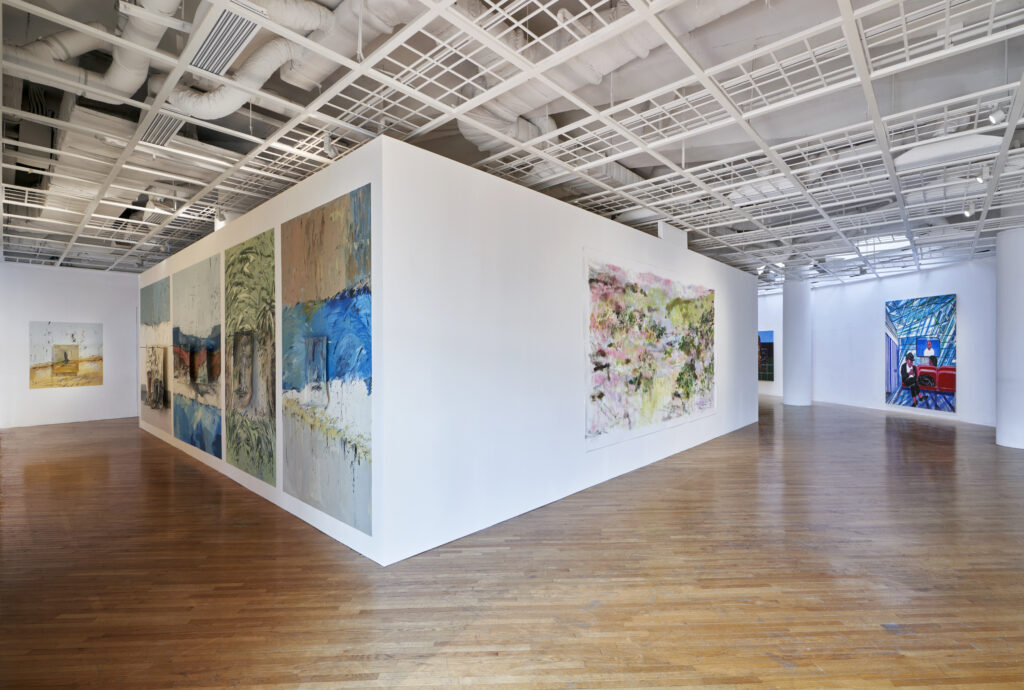
The formal characteristics of Suh Yongsun’s painting can be summarized as intense primary colors, thick layers of paint, a structurally organized pictorial surface, and rough brushwork. Rather than constructing depth through traditional perspective, the surface is organized in a planar and architectural manner, in which figure and background are fused with equal density. This flatness is not merely a formal experiment but arises from an intention to transform reality from representation into a field of thought.
 
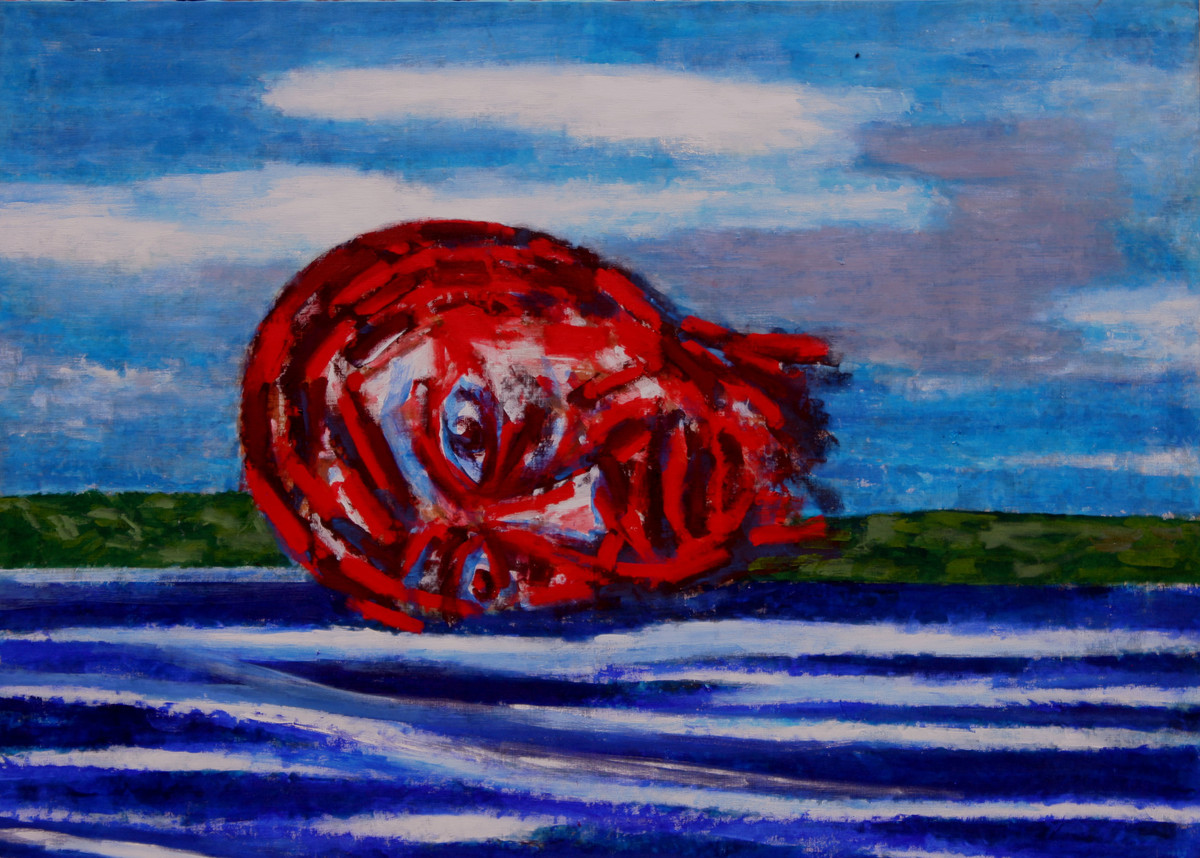
Color functions as a central element of his visual language. Strong contrasts derived from the five cardinal colors do not reproduce natural appearances but operate as symbolic devices that reveal the human condition. Red evokes both anger and vitality, while blue simultaneously suggests tension and distance; such chromatic structures convey not only psychological states but also the density of historical situations. Thus color exceeds descriptive function and becomes an active agent in constructing meaning.
 
His figures often stand with lowered arms and expressionless faces, appearing fixed within space. This approach does not capture a decisive moment but articulates duration. In historical paintings the crowd does not perform heroic action, and in the ‘City’ series figures are presented as states of being rather than agents of events. This strategy dismantles event-centered narrative and establishes an existence-centered one.
 
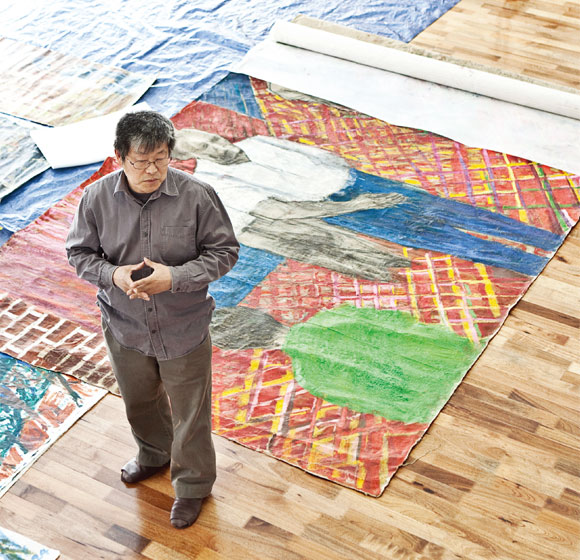
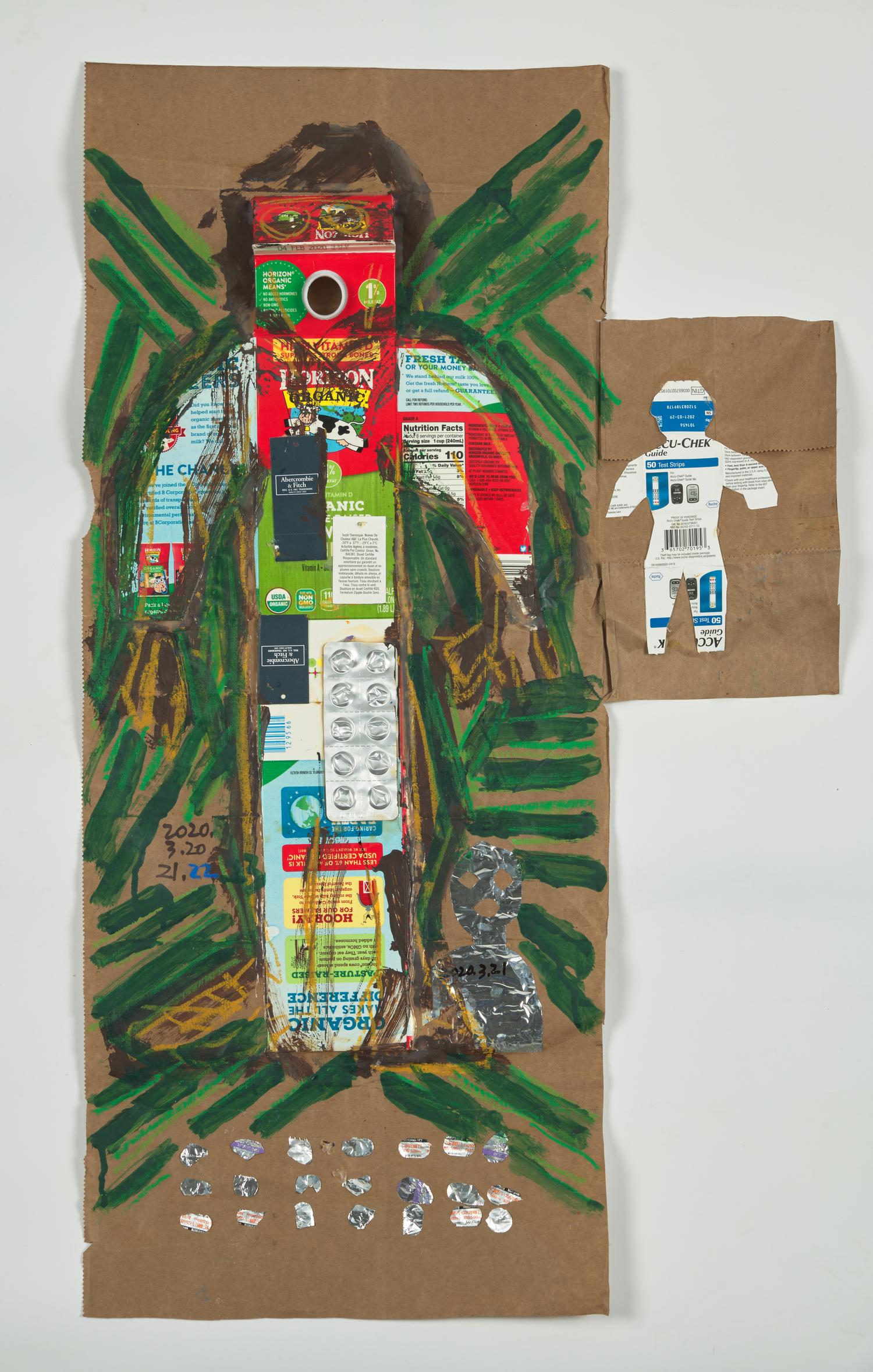
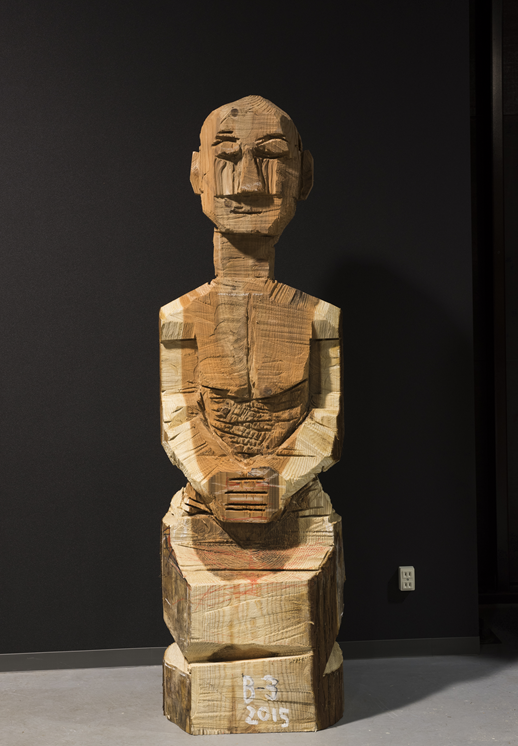
In recent works, materials and format have also become more fluid. The environment of the cities in which he resides is reflected in the surface, and at times he departs from the standardized canvas to use accidental materials such as plywood or timber. These changes are less formal experimentation than the natural outcome of shifting modes of contact with the world. Form neither dominates nor follows content but transforms alongside the process of perception.
 
Ultimately, in Suh Yongsun’s painting, form constitutes a structure of thought rather than a stylistic effect. The constructed surface and powerful color function not simply as expressionistic devices but as mechanisms that sustain the tension of human existence, forming an integrated system in which form and content cannot be separated.

Topography & Continuity

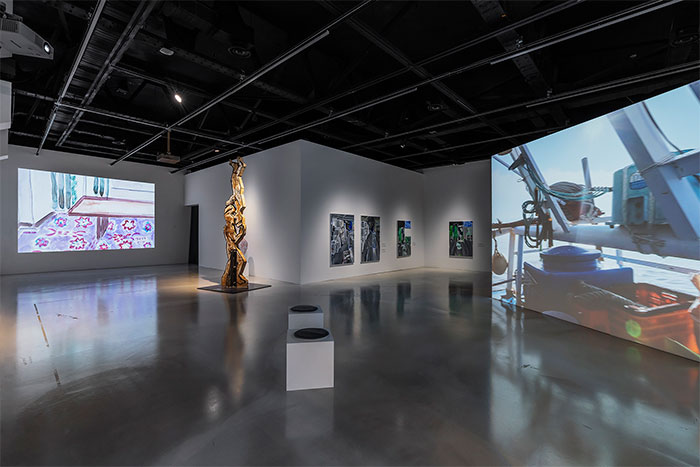
Suh Yongsun’s practice has developed not through discontinuous shifts of period or subject but through continuous expansion within a single trajectory. Beginning with the early ‘pine tree’ series, his inquiry extended into history painting, and further into ‘City’ scenes, ‘self-portraits’, and eventually sculpture and installation. Despite these transitions, the core problem underlying his work has remained consistent.
 
Recurring places and figures in his works form a kind of cartography. The exile site of King Danjong, the memory of the Korean War, city streets and subways, and the artist’s own face belong to different times and spaces, yet all reveal the same human condition. Through this, the artist compresses temporal and spatial distance and presents a continuous structure of human existence.
 
Works produced through travel across multiple cities particularly emphasize the similarity of human experience rather than the difference of place. Although each city possesses distinct culture and environment, the anxiety and solitude of those living within them recur. This repetition allows his work to be read not merely as documentation but as a map of human conditions.
 
He also maintains his practice as an ongoing present through long-term projects and continuous production of new works. Some paintings are revised or repainted over years, demonstrating an attitude that values process over finality. Painting thus becomes not a medium that fixes the past but an act that renews the present, and this continuity runs throughout his oeuvre.
 
Ultimately, Suh Yongsun’s work cannot be confined to a single style or period. History and city, self-portrait and sculpture are not separate genres but different paths toward understanding human existence, forming a long-term structure of thought accumulated through time.

Works of Art

Exhibitions

Activities