Hong Seung-Hye (b.1959) - K-ARTIST
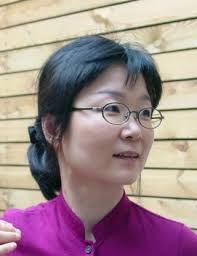
Hong Seung-Hye (b.1959)

Hong Seung-Hye graduated from the Department of Painting at Seoul National University and studied at the École Nationale Supérieure des Beaux-Arts in Paris. She currently serves as a professor in the Department of Fine Arts at Seoul National University of Science & Technology.

Solo Exhibitions (Brief)

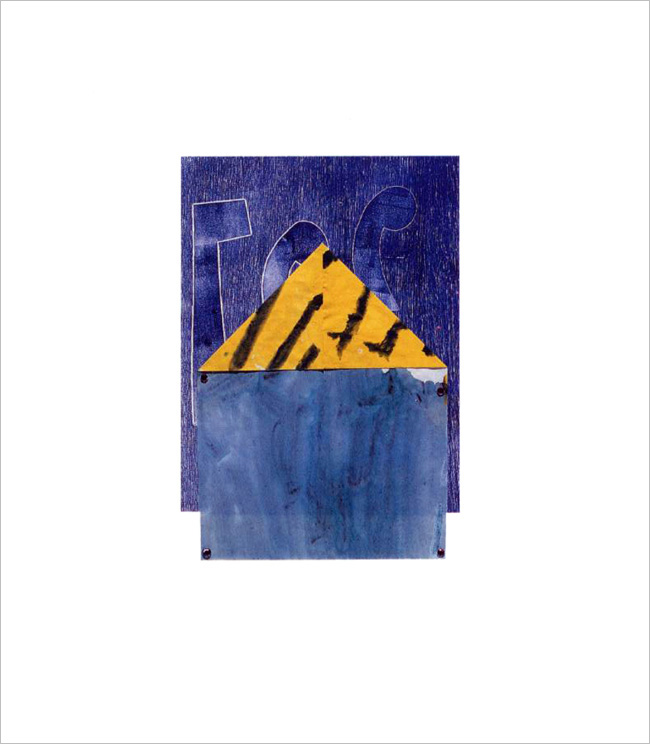
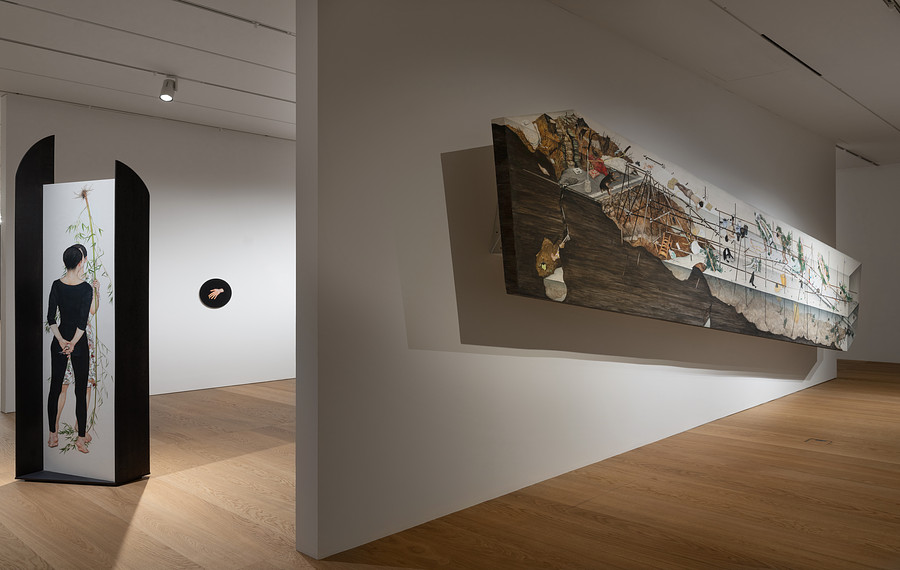
Hong Seung-Hye held her first solo exhibition at Kwanhoon Gallery in 1986 and developed her pixel-based practice following 《Organic Geometry》 at Kukje Gallery in 1997. She has since held solo exhibitions at Kukje Gallery (1995–2023), Atelier Hermès (2012), Space Willing N Dealing (2016), Buk-Seoul Museum of Art (2016), and Ilmin Museum of Art (2021), and most recently continued her interdisciplinary exploration across painting, sculpture, space, and sound with 《The Painter’s Architecture, The Painter’s Furniture》 (2025, Space ZeroOne, New York).

Group Exhibitions (Brief)

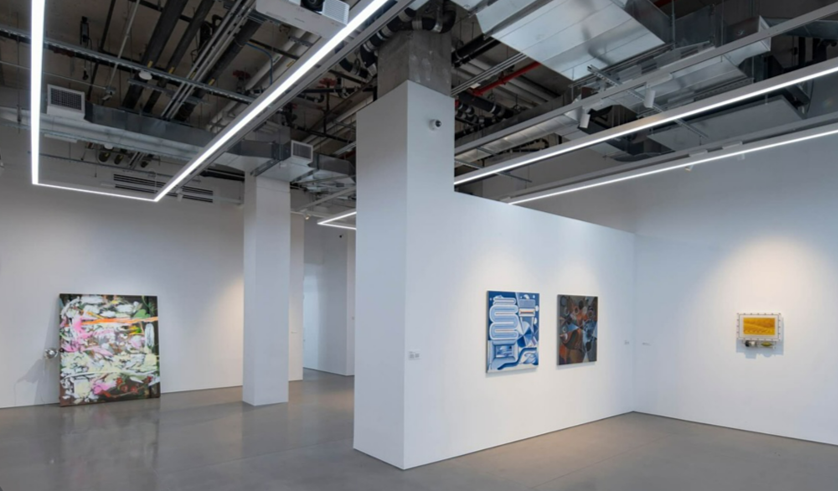
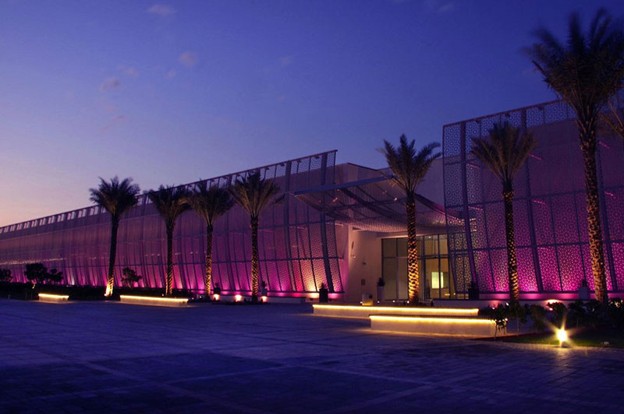
She has participated in group exhibitions at major Korean institutions including the National Museum of Modern and Contemporary Art (2002, 2015, 2019, 2020, 2024), the Seoul Museum of Art (2012, 2013, 2015, 2016), the Ilmin Museum of Art (2015, 2017), and Songeun (2023), as well as in the Gwangju Design Biennale (2017), Seoul Mediacity Biennale (2002, 2012, 2016), and the Gangneung International Art Festival (2022). She has also exhibited internationally in cities such as Paris, Beijing, New York, and Abu Dhabi.

Awards (Selected)

She received the Total Art Award in 1997 and the Lee Jung-Seob Art Prize in 2007.

Collections (Selected)

Hong Seung-Hye’s works are held in the collections of the National Museum of Modern and Contemporary Art, the Seoul Museum of Art, the Leeum Museum of Art, the Sungkok Art Museum, and the Art Sonje Center.
Works of Art

Originality & Identity

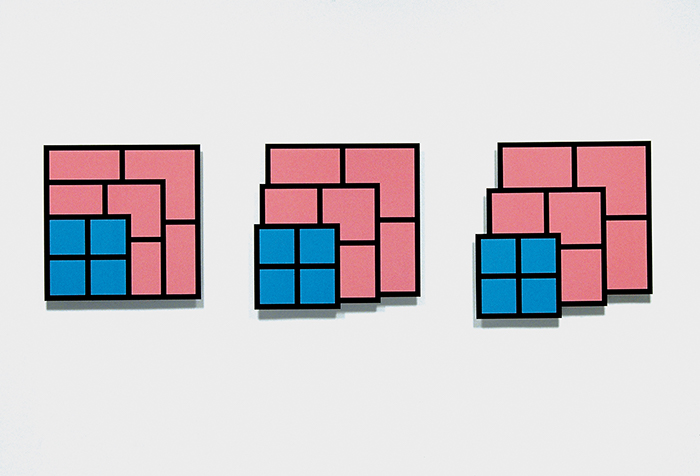
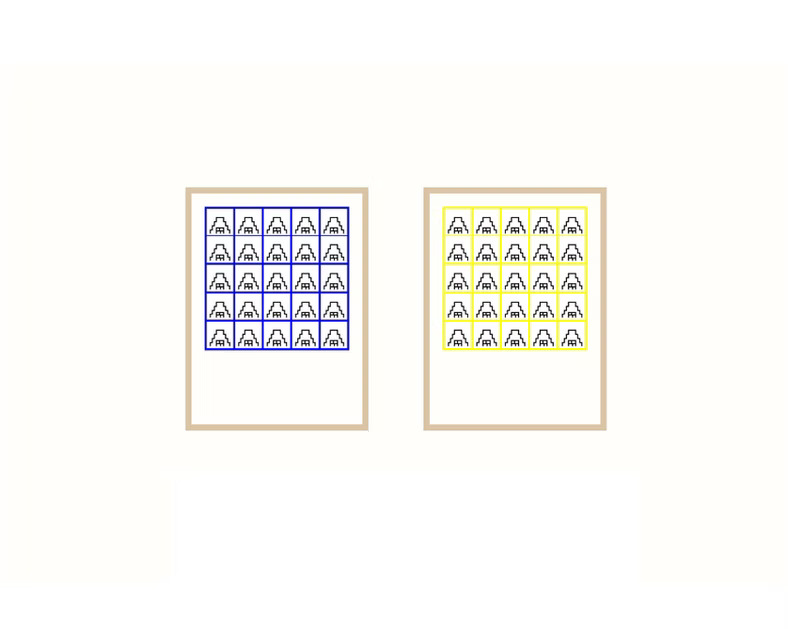
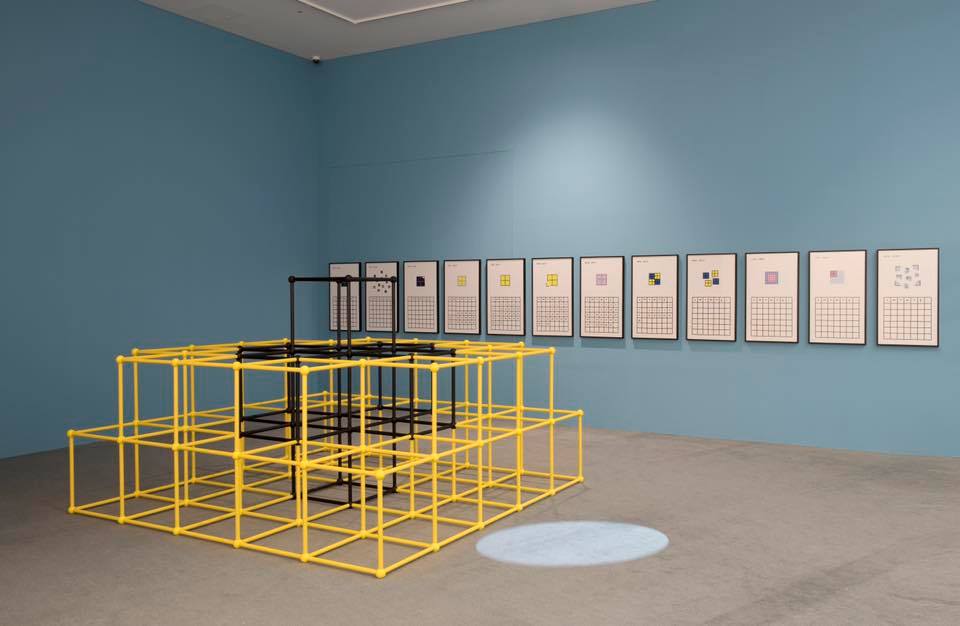
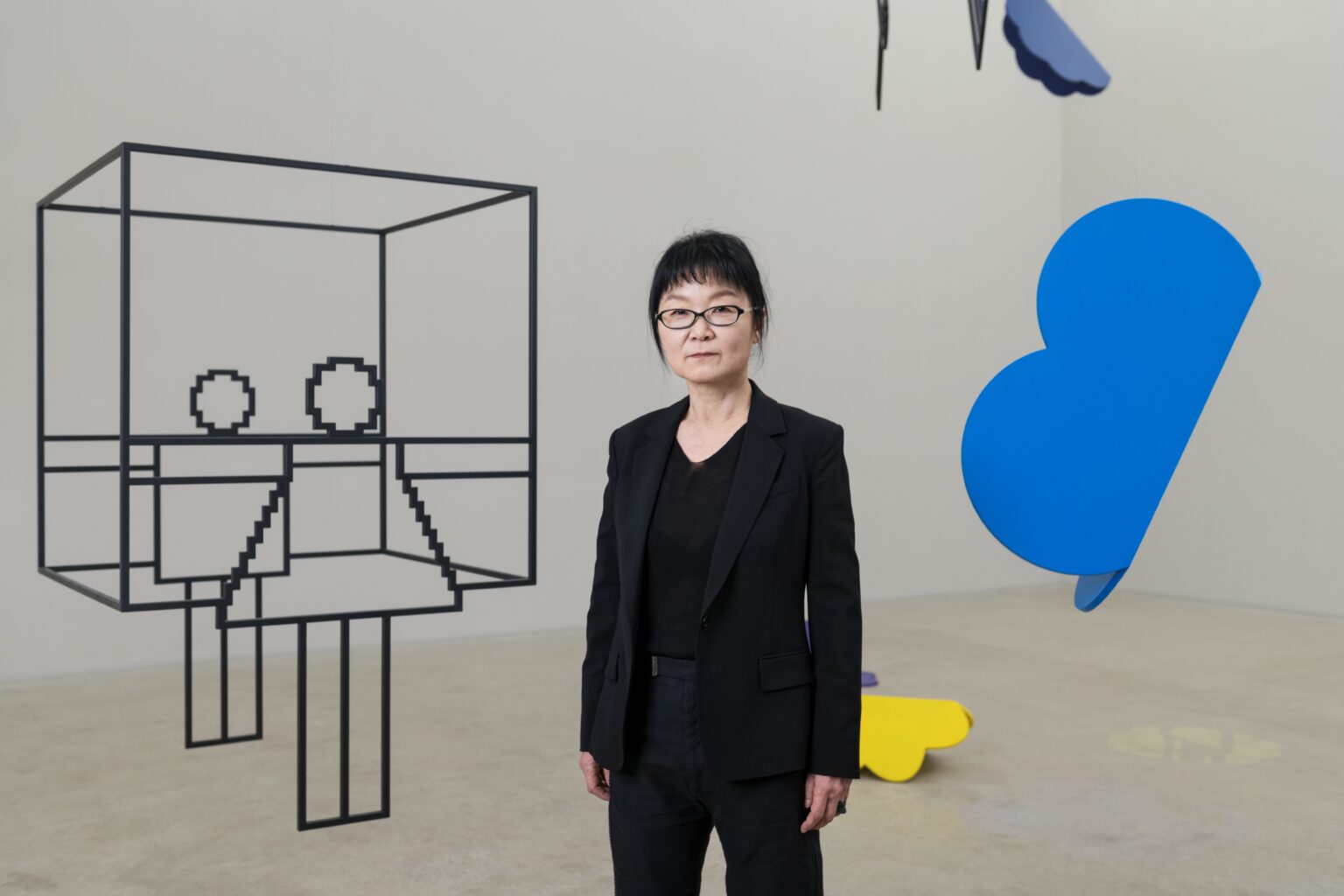
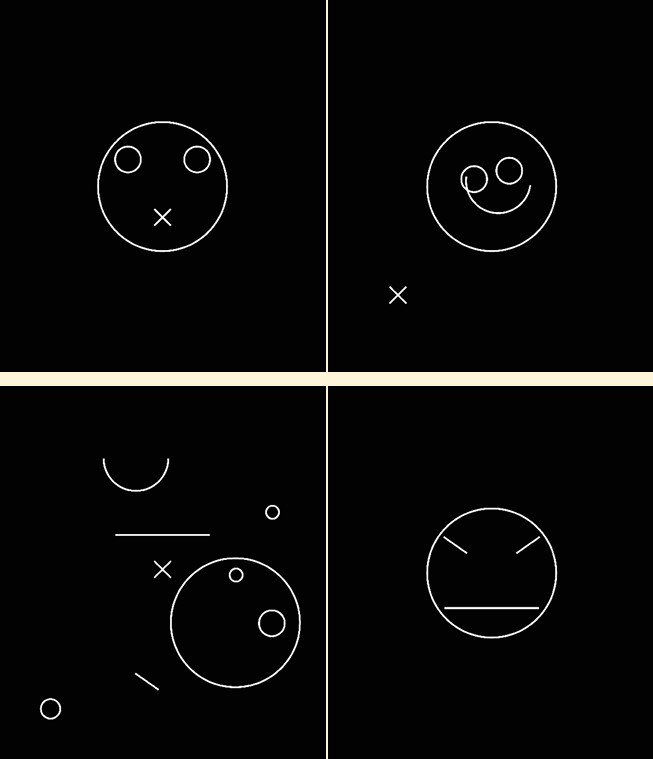
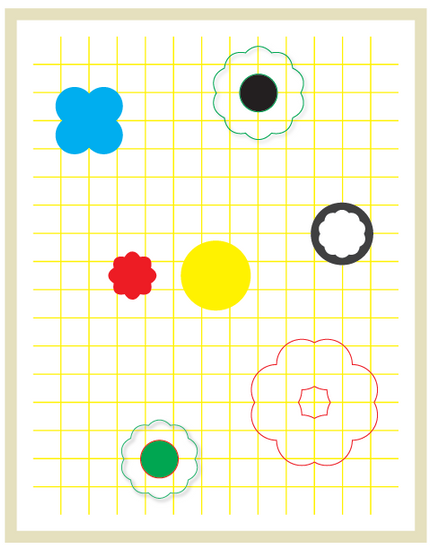
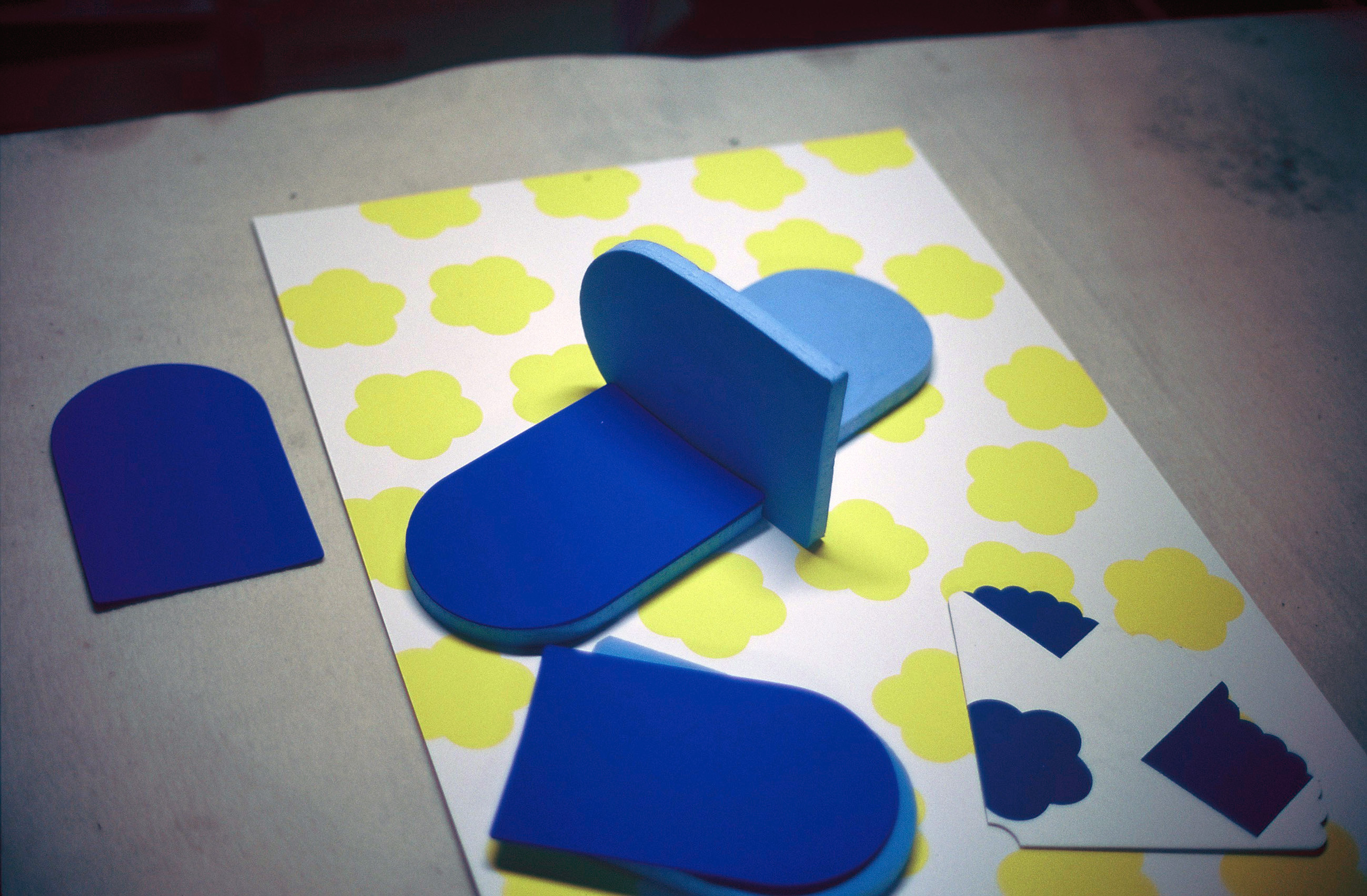
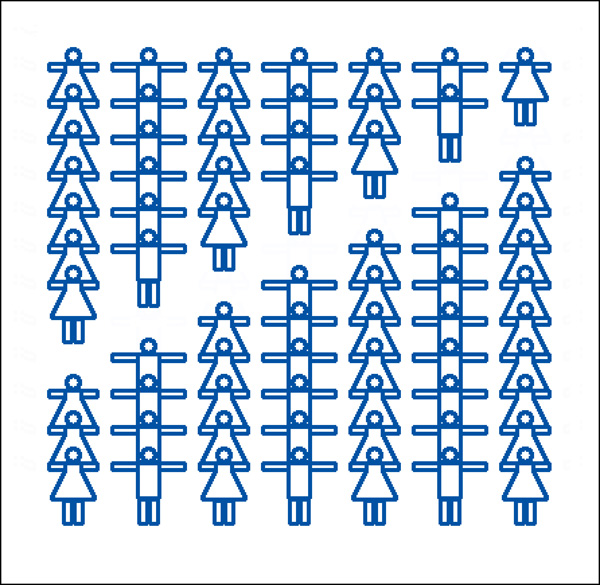
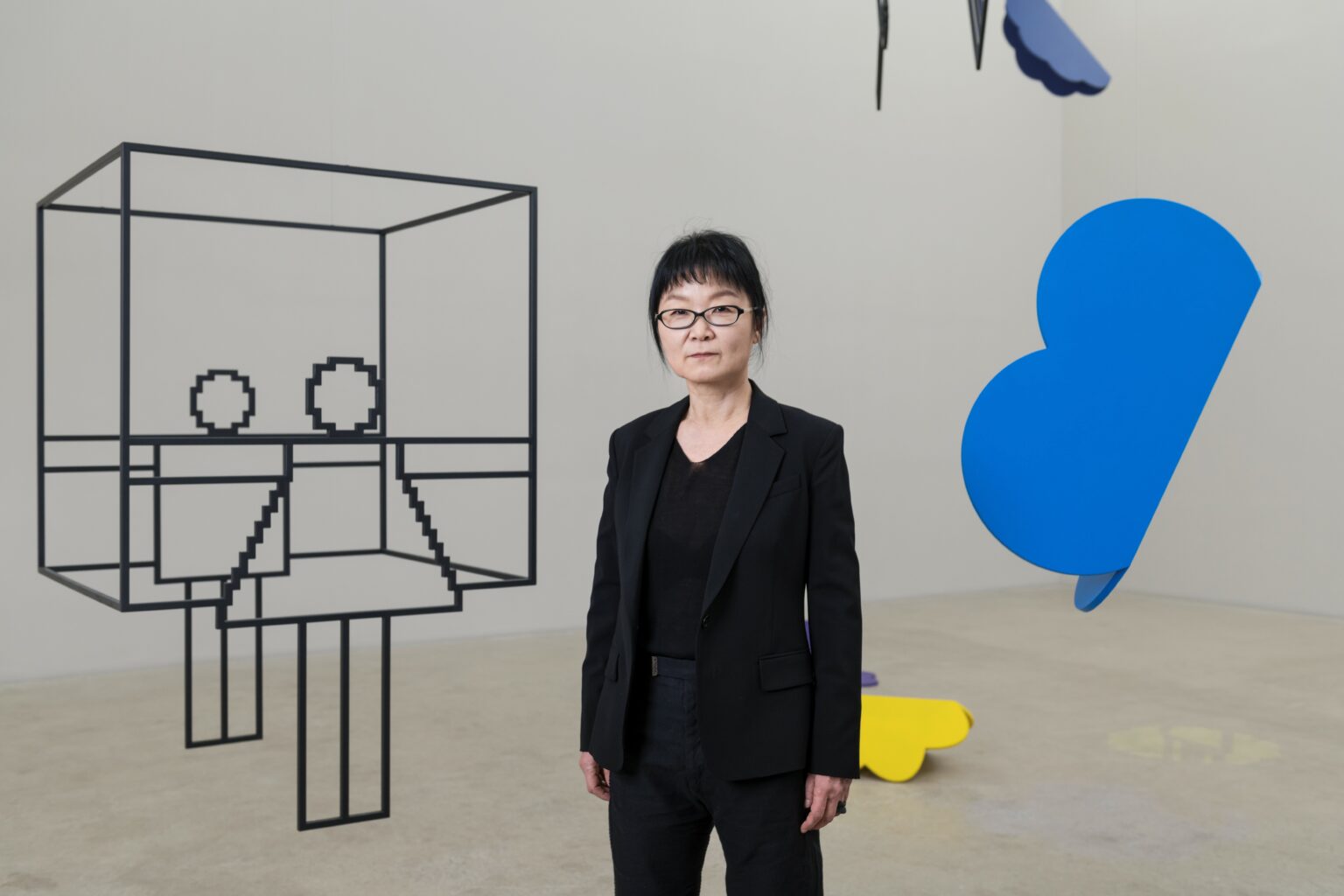
Hong Seung-Hye’s practice begins with the pixel, the smallest unit of the digital screen. Yet the pixel is not merely a technical element but a way of understanding the world. Through structures in which identical forms repeat while generating subtle differences, she reveals a network of relations where sameness and difference coexist. This can be read as a metaphor for the conditions of life in which individual beings share resemblance yet never become identical. The pixel thus ceases to be a material unit composing an image and becomes instead a conceptual unit that produces relations.
 
The notion she calls ‘Organic Geometry’ expresses this awareness. If geometry symbolizes immutable order and logic, organicity signifies change and interdependence. By combining two contradictory concepts, the artist rejects binary systems and embraces contradiction. In her work, order is not a fixed system but a continuously transforming state, and structure is not a completed form but a process generated through relations.
 
This attitude also appears in her approach to abstraction. For Hong, abstraction is not a strategy of purity achieved by removing objects, but a suspension that avoids definitive meaning. Her intention to leave open multiple possibilities of interpretation turns the work into an open structure. She speaks about the structure of life through the structure of space, thinking about concrete existence indirectly through geometry.
 
Ultimately, Hong’s practice repeats not a single form but a mode of relation. Her pixel is less a style than an attitude, and her artistic identity is formed not by a fixed language but by a way of receiving the world. Maintaining a constant structure while continuously shifting into different states reveals her art as an ongoing process of thought rather than a stable aesthetic.

Style & Contents

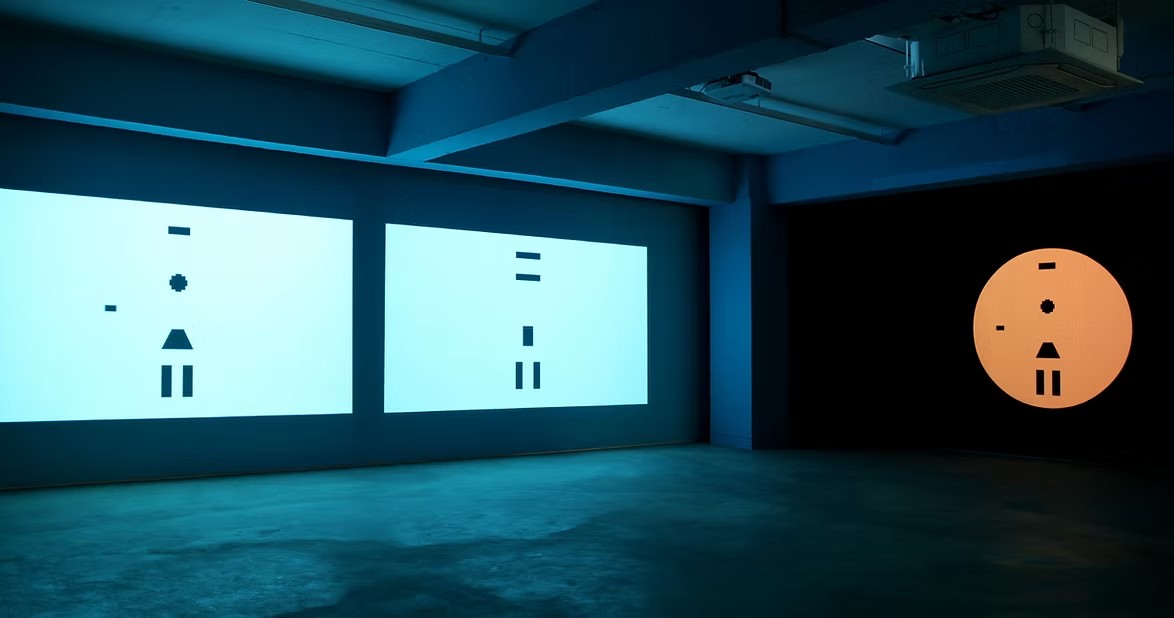
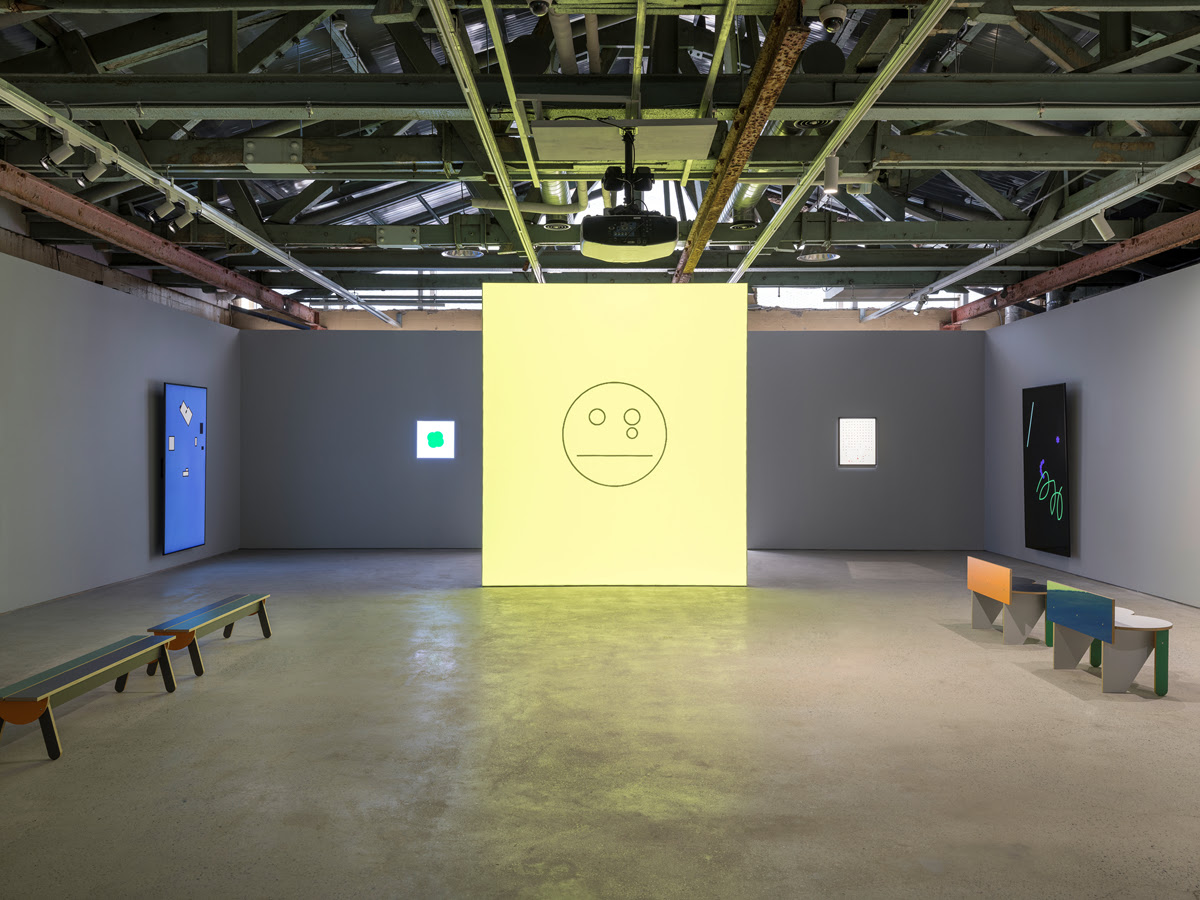
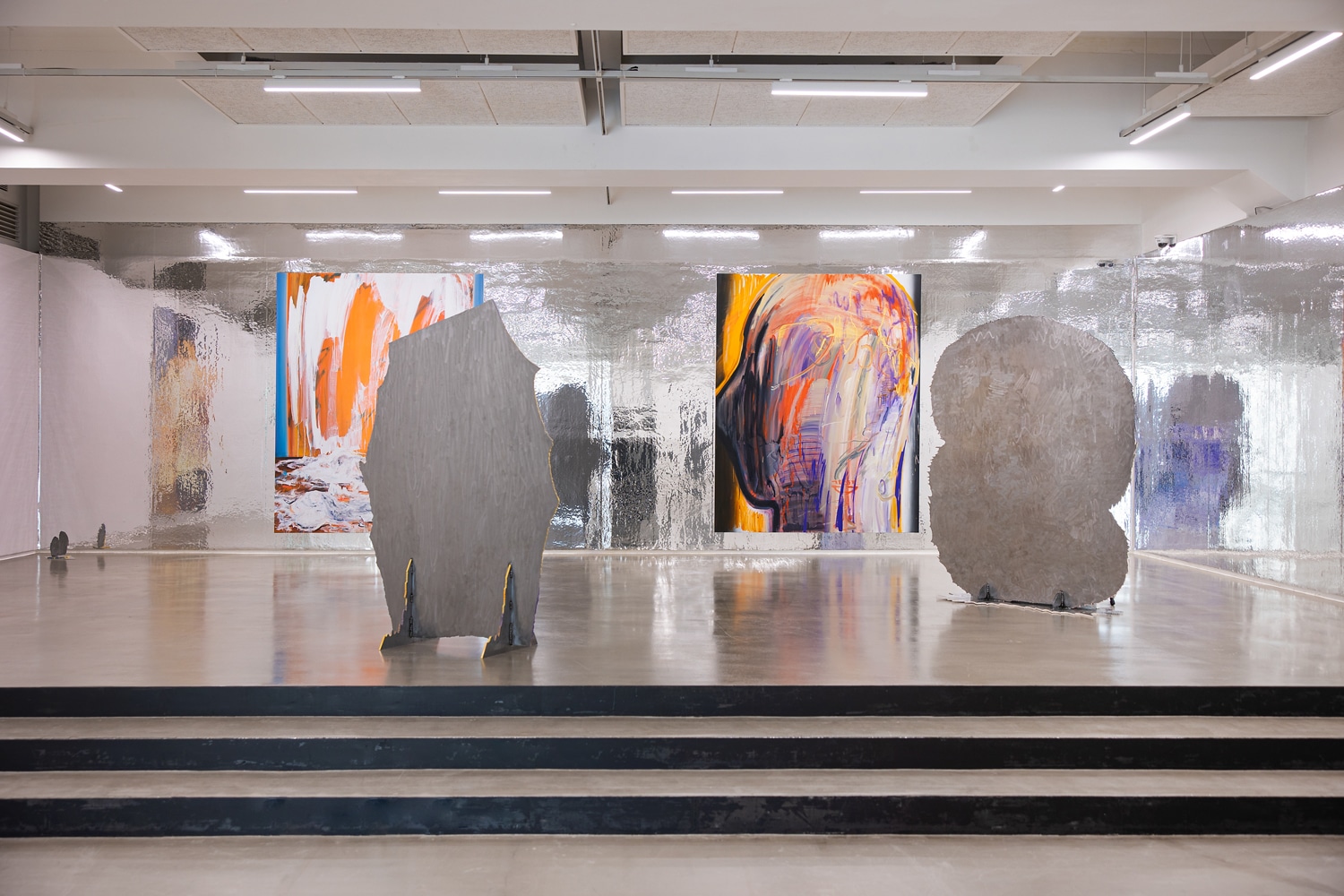
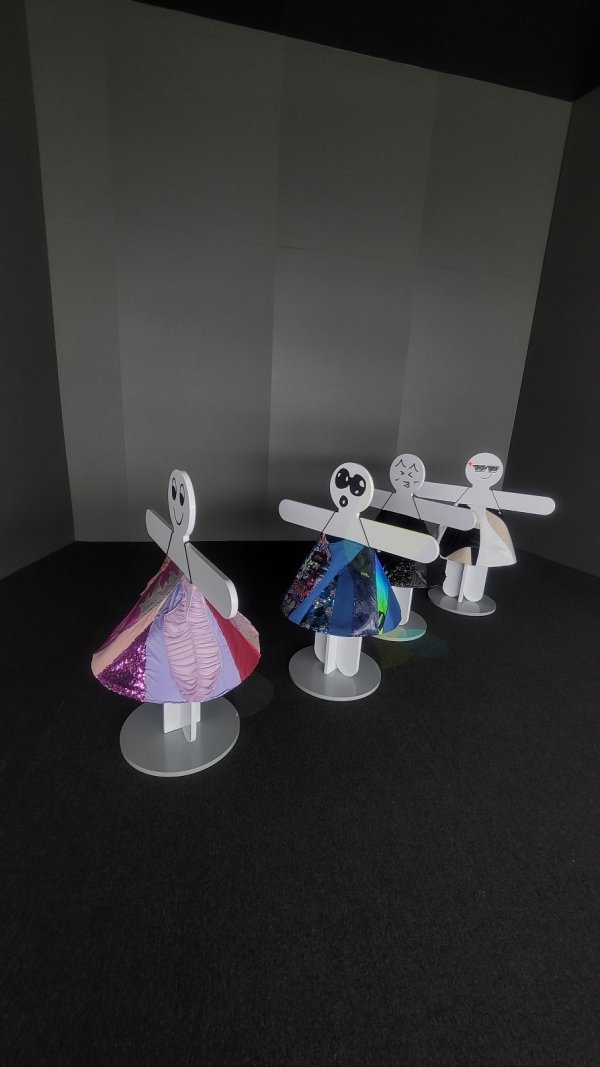
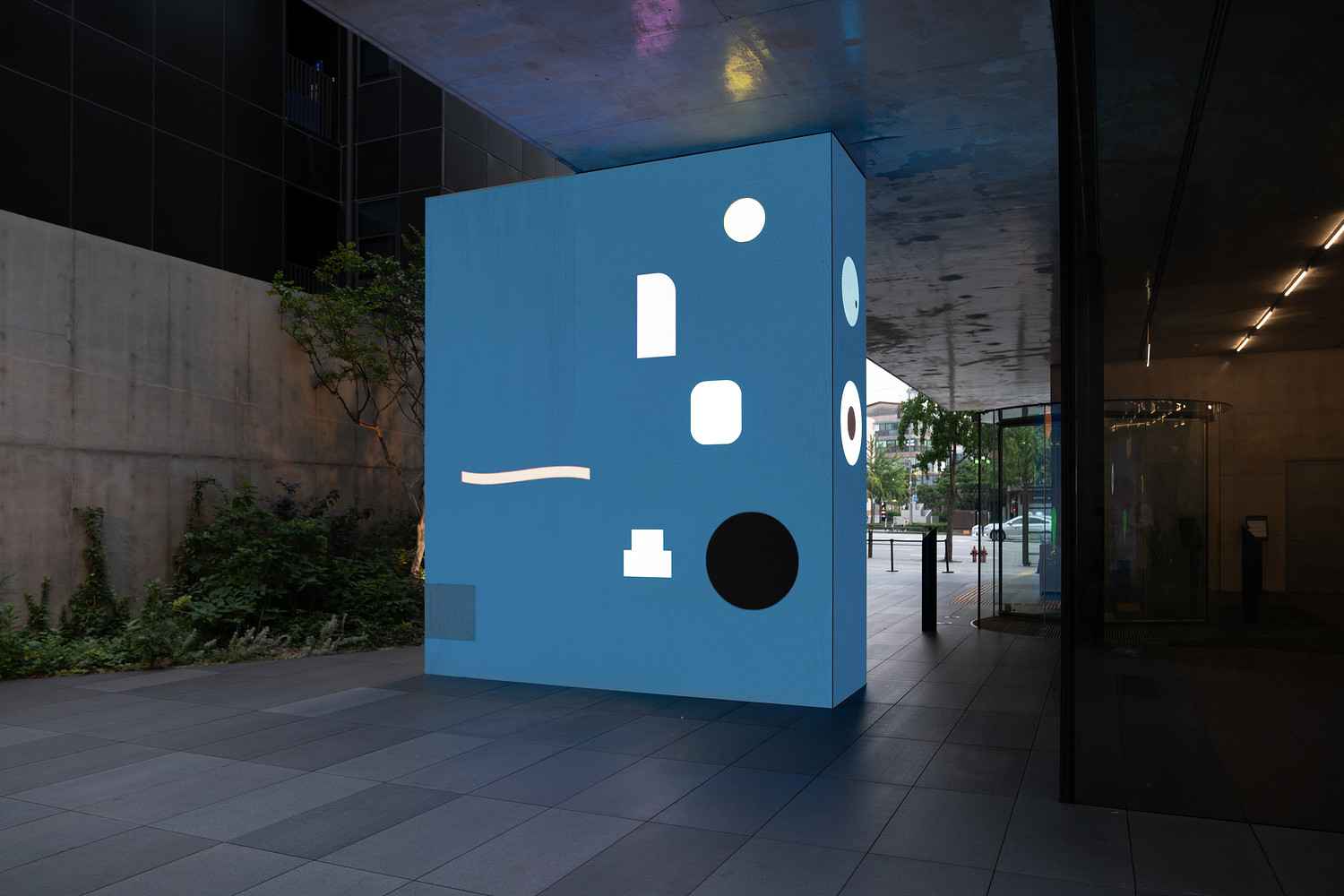
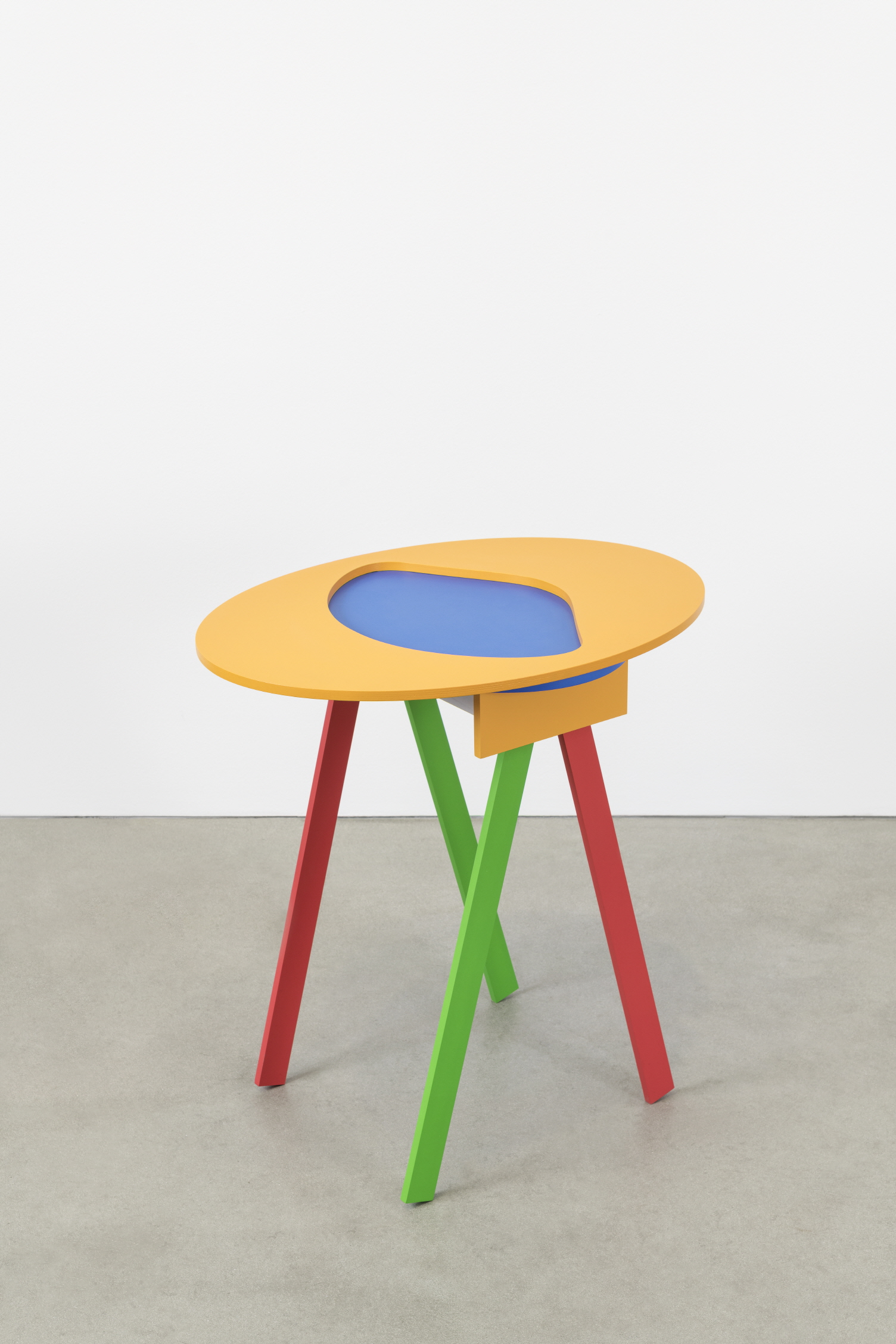
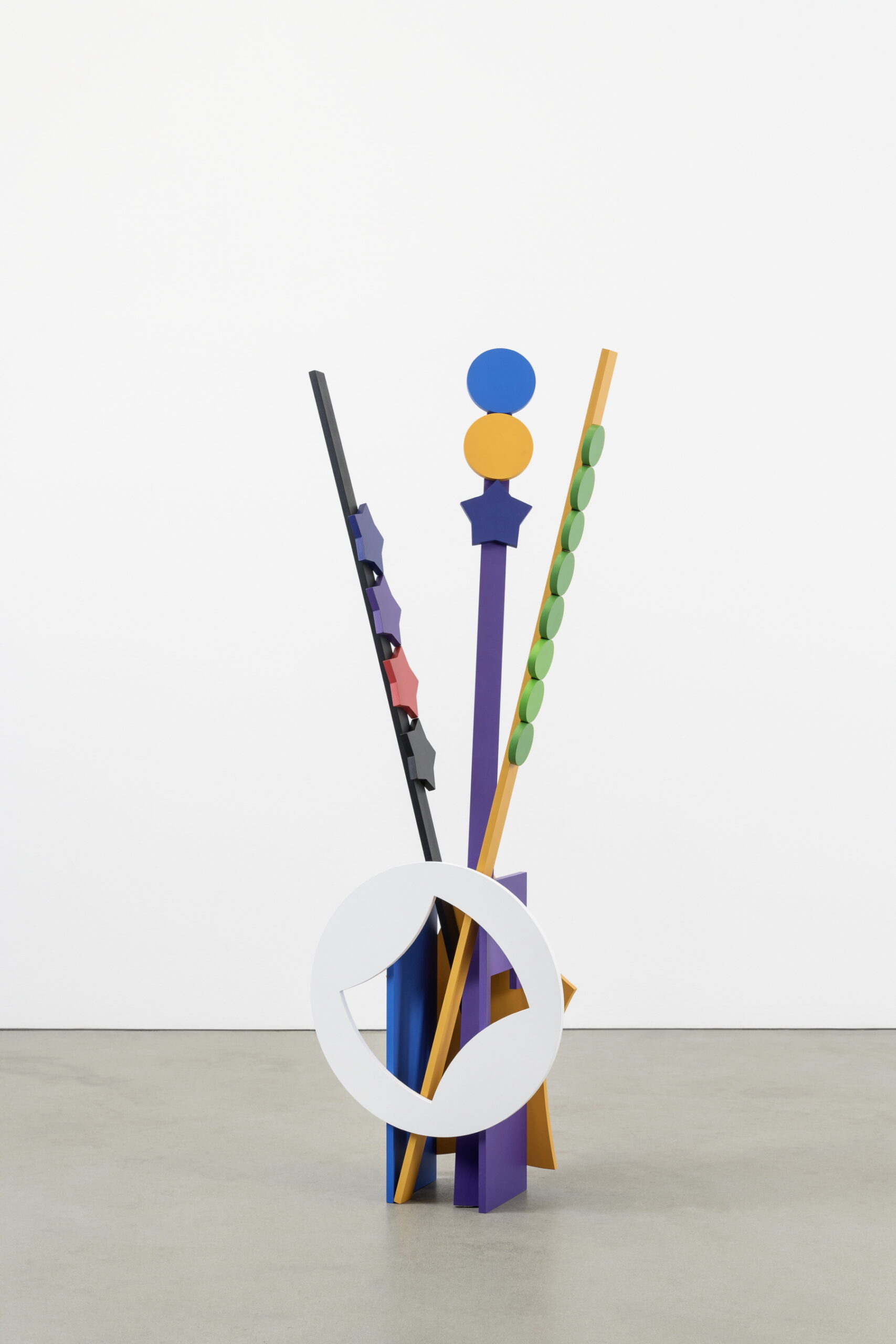
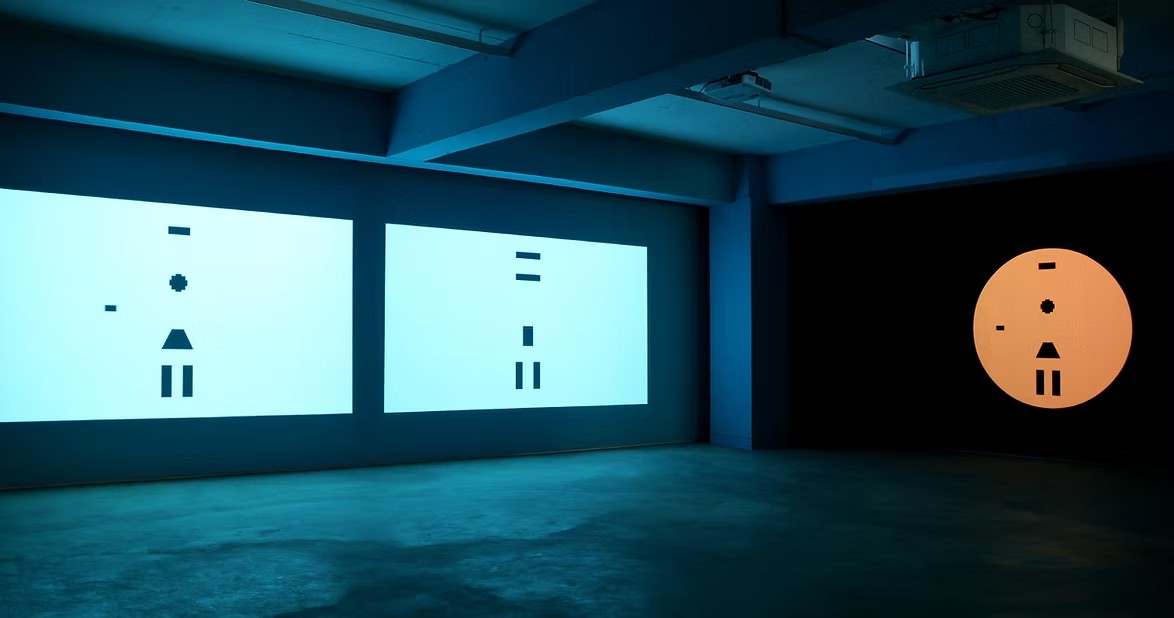
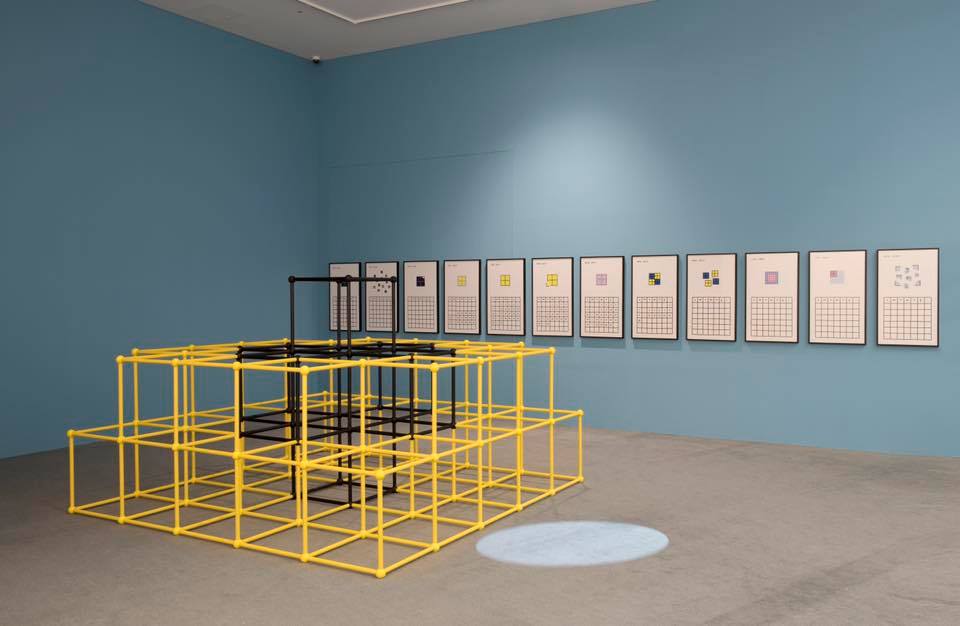
Hong Seung-Hye’s work begins in painting but does not remain on the surface. Geometric images constructed from pixels expand into relief, sculpture, furniture, murals, animation, and sound. As the same structure moves across different media, form operates not as a fixed result but as a transformable system. Changes in medium function less as changes in expression than as experiments in how structure operates in different environments.
 
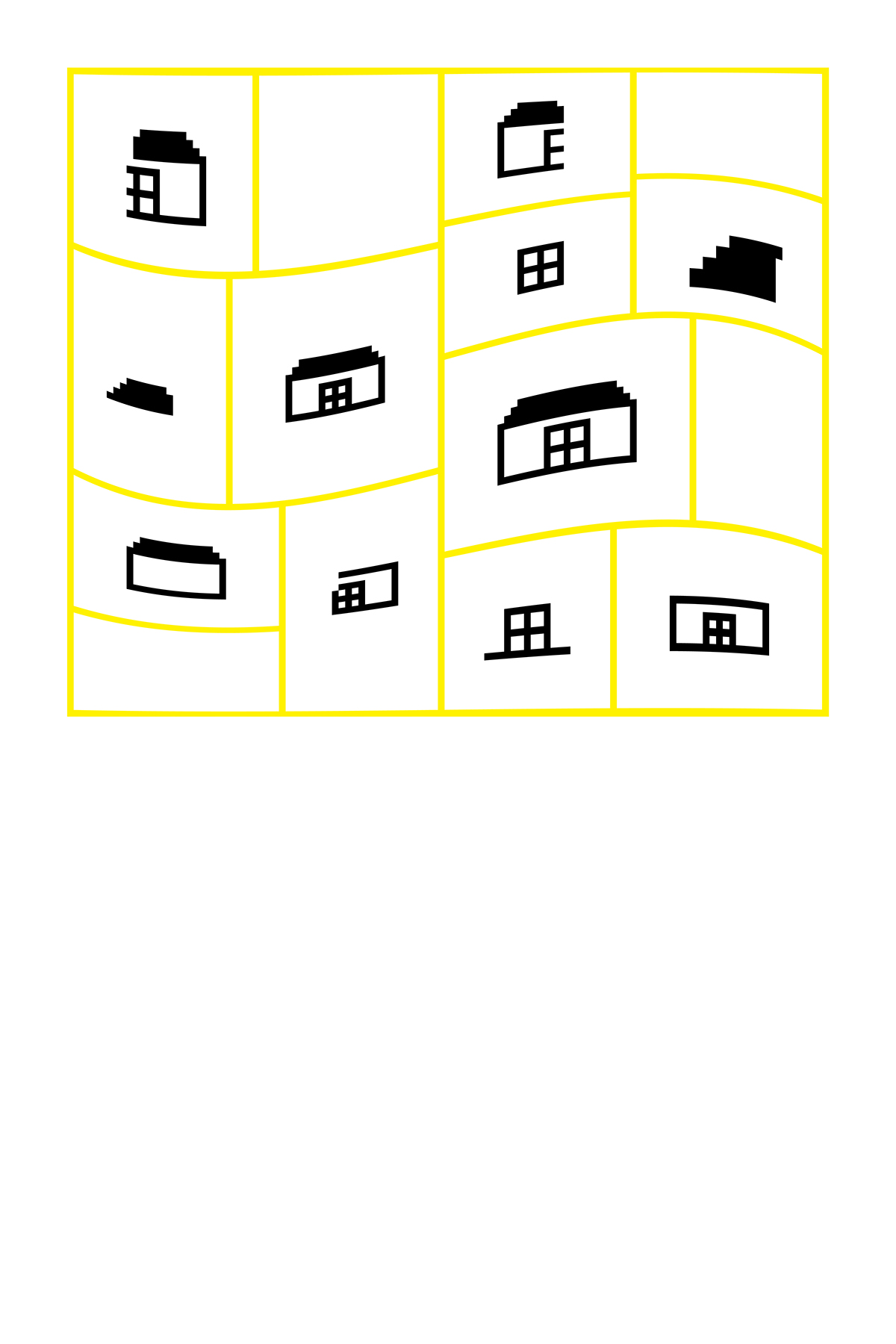
Her formal language resembles modernist geometric abstraction but differs in purpose. Unlike geometric abstraction that pursued strict order and purity, Hong’s pixels are recognizable as everyday images such as windows, stairs, or houses. Abstraction and figuration operate simultaneously within a single plane. Rather than eliminating representation, her work reveals the moment representation emerges. Form becomes sign and object at once, and structure becomes both image and space.
 
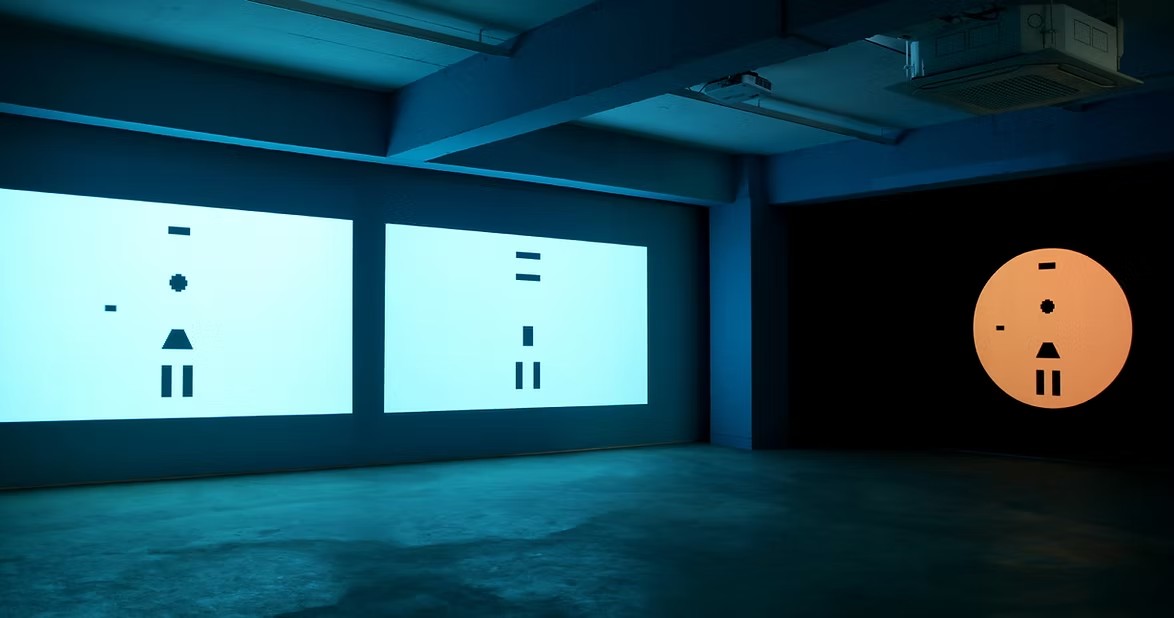
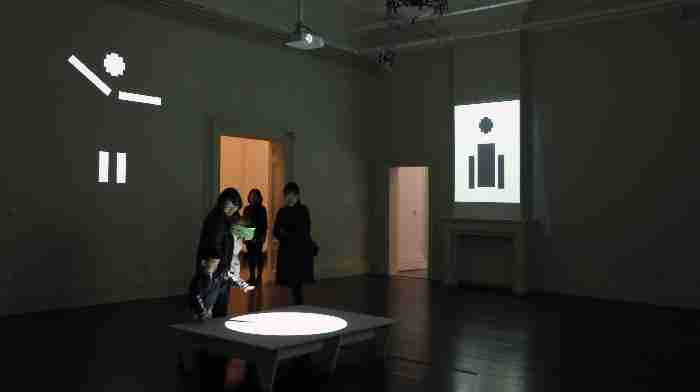
Repetition in her work does not produce mechanical uniformity. By introducing minute variations within repeated units she generates rhythm, comparable to musical composition. In works combining animation and sound, visual rhythm transforms into temporal rhythm. The pixel becomes a unit of time rather than merely a visual element, and the image begins to function like a score.
 
Thus form and content cannot be separated. Structure is not a container for meaning but the process through which meaning emerges. In Hong’s work, form does not express content; it produces the conditions in which content appears.

Topography & Continuity

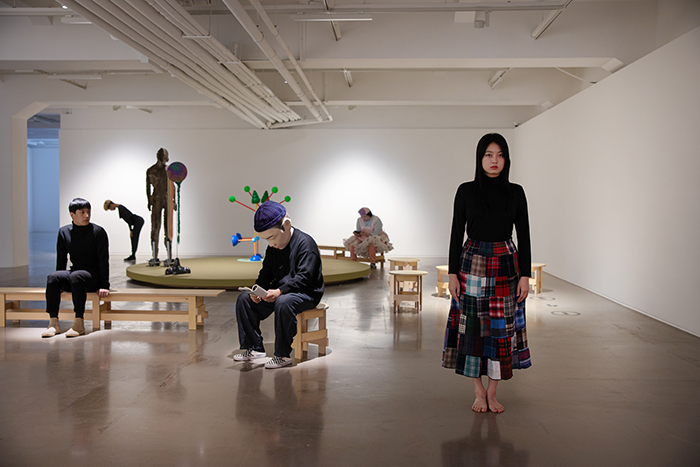
Hong Seung-Hye’s practice continually moves from plane to space and from material to immaterial. Early collages and paintings expanded into objects, then penetrated architectural environments, eventually configuring entire exhibition spaces. Walls, floors, columns, and furniture are reorganized as equivalent formal units. The viewer no longer stands outside the work but moves through its interior.
 
Her close relationship with architecture stems from this logic. The pixel functions both as a pictorial unit and a spatial module. Accumulated units form structures, and structures create environments. This resembles the formation of contemporary cities and explains why her works often evoke urban landscapes. The work exists less as an autonomous object than as an environmental condition.
 
Her understanding of time also expands. In animation and sound works, pixels move and generate events, and exhibitions are experienced as situations rather than static displays. Repetition produces different circumstances each time, bringing the work closer to an ongoing state than a finished object. Her practice can be understood as a sequence of connected scenes rather than isolated works.
 
Ultimately, Hong’s work does not converge into a style belonging to a specific period. Maintaining the same structure while continually renewing itself across media, space, and time, its constancy lies not in the absence of change but in the consistency of its mode of transformation. Moving beyond the grid while continually returning to it, her practice sustains a cyclical motion between inside and outside.

Works of Art

Articles

Exhibitions

Activities