

Kibong Rhee (b.1957) - K-ARTIST
Kibong Rhee (b.1957)

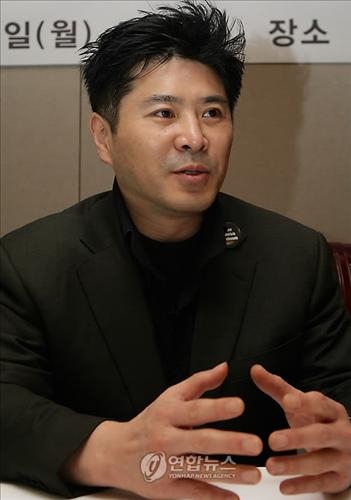
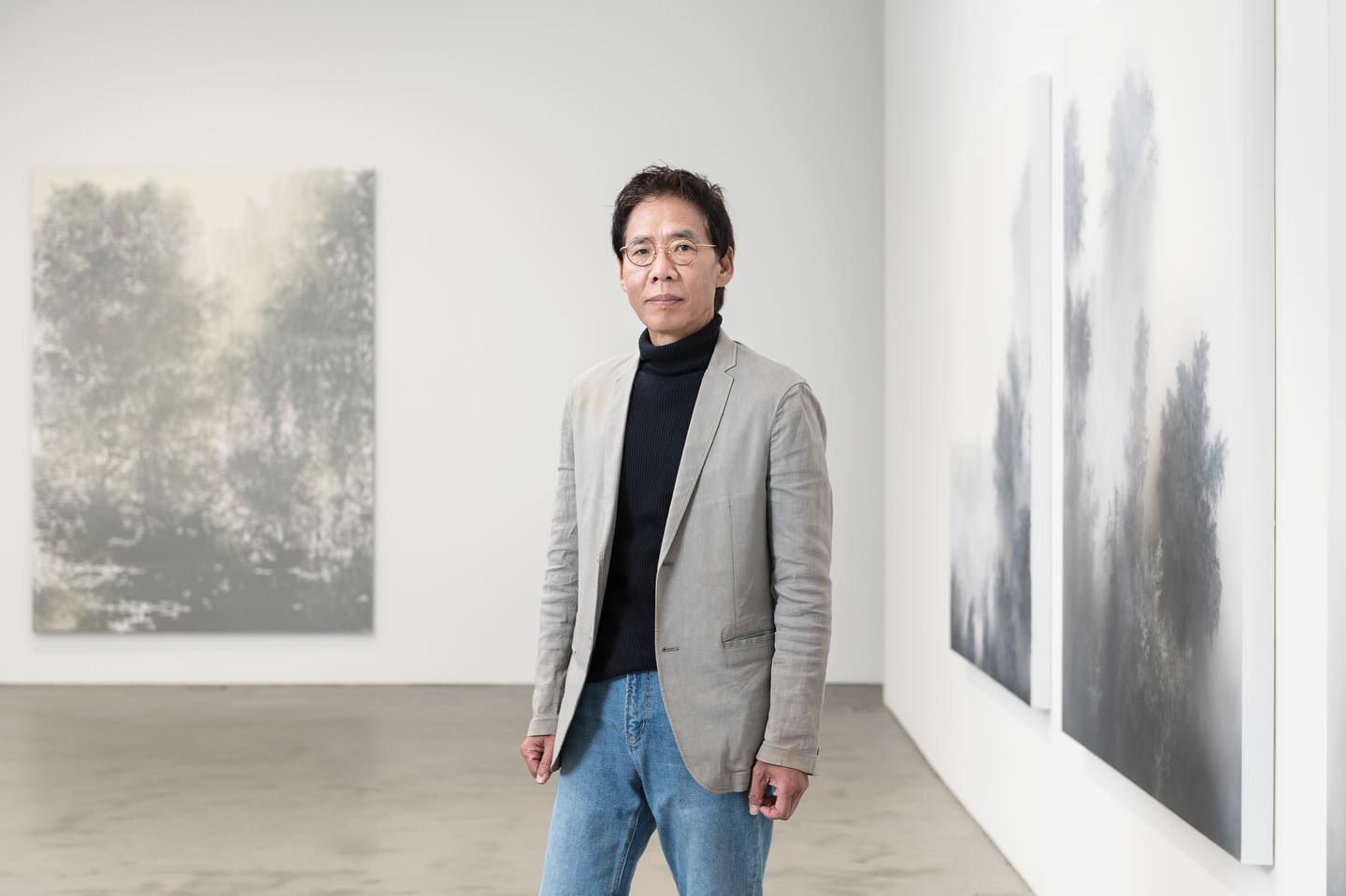
Kibong Rhee received his BFA in Western Painting from Seoul National University and completed his graduate studies in painting at the same institution. Since the 1980s he has continuously pursued his practice across painting and installation, and currently serves as Professor and Chair of the School of Art & Design at Korea University, where he continues his teaching and research.

Solo Exhibitions (Brief)

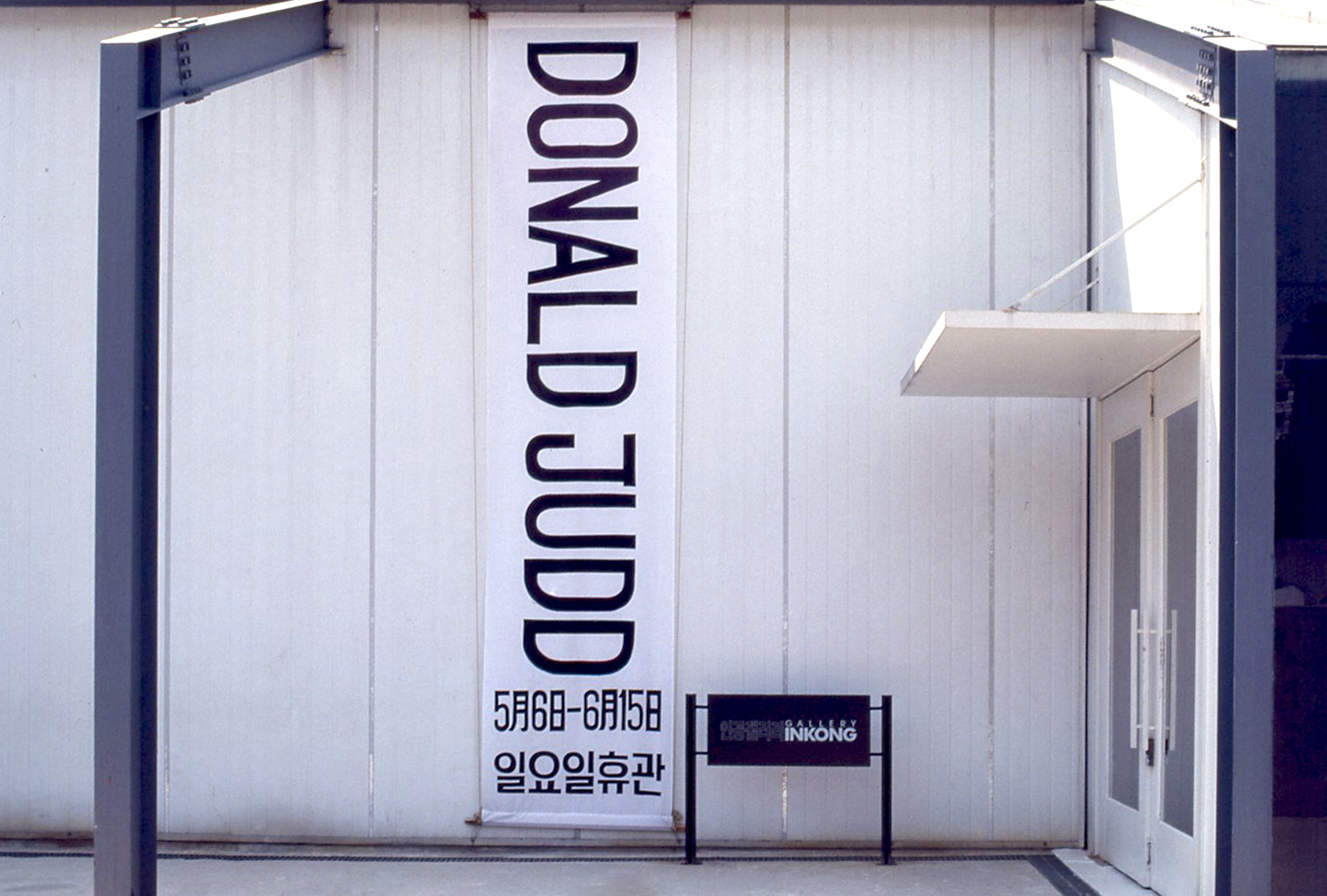
Since his first solo exhibition at In Kong Gallery, Seoul (1988), Rhee has presented solo exhibitions at Kukje Gallery (1997–2022, Seoul and Busan), Sindorico Art Center (2005, Asan), Arko Art Center (2012, Seoul), and Tina Kim Gallery (2011, 2024, New York).

Group Exhibitions (Brief)

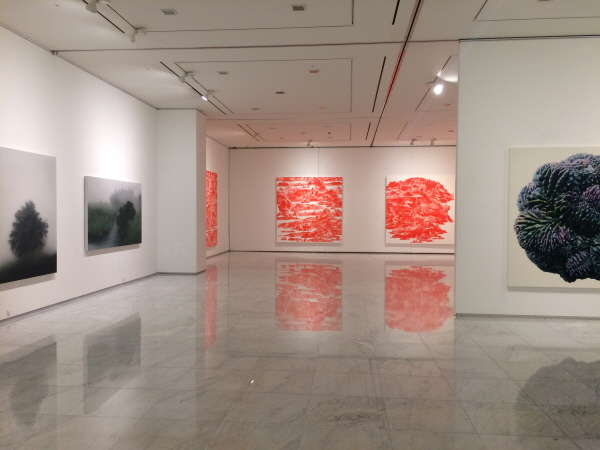
He has participated in group exhibitions at major institutions including the National Museum of Modern and Contemporary Art, Seoul Museum of Art, Gyeonggi Museum of Modern Art, Kumho Museum of Art, Daegu Art Museum, LACMA, and ZKM, as well as at Tina Kim Gallery, Kukje Gallery, and Gallery Simon, and has been invited to major international biennales such as the Gwangju Biennale (1997), Busan Biennale (2010), Moscow Biennale (2011), Sevilla and Singapore Biennales (2008), and the Changwon Sculpture Biennale (2016).

Awards (Selected)

He received the Grand Prize at the Grand Art Exhibition of Korea in 1986 and the Total Art Prize in 1994.

Collections (Selected)

Rhee’s works are held in major public and private collections including Leeum, Samsung Museum of Art; the National Museum of Modern and Contemporary Art, Korea; the Seoul Museum of Art; the Sehwa Museum of Art; the Gyeonggi Museum of Modern Art; Art Sonje Center; ZKM Museum (Germany); the Neuberger Berman Collection (New York); and the Louis Vuitton Collection (France).
Works of Art

Originality & Identity

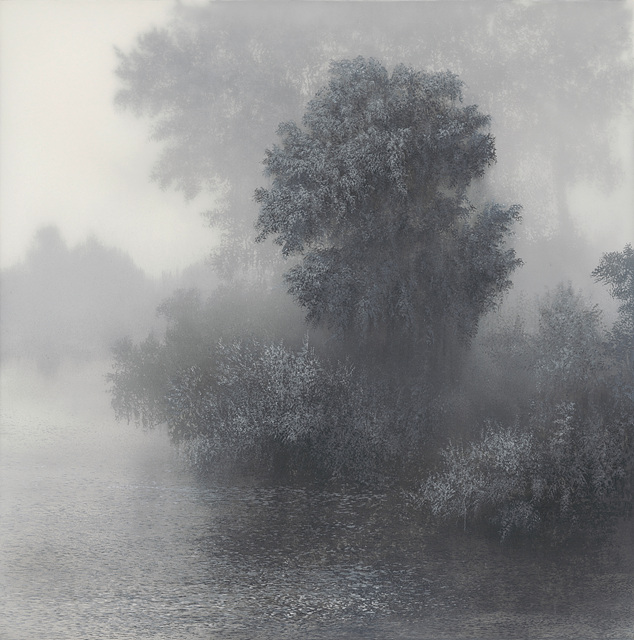
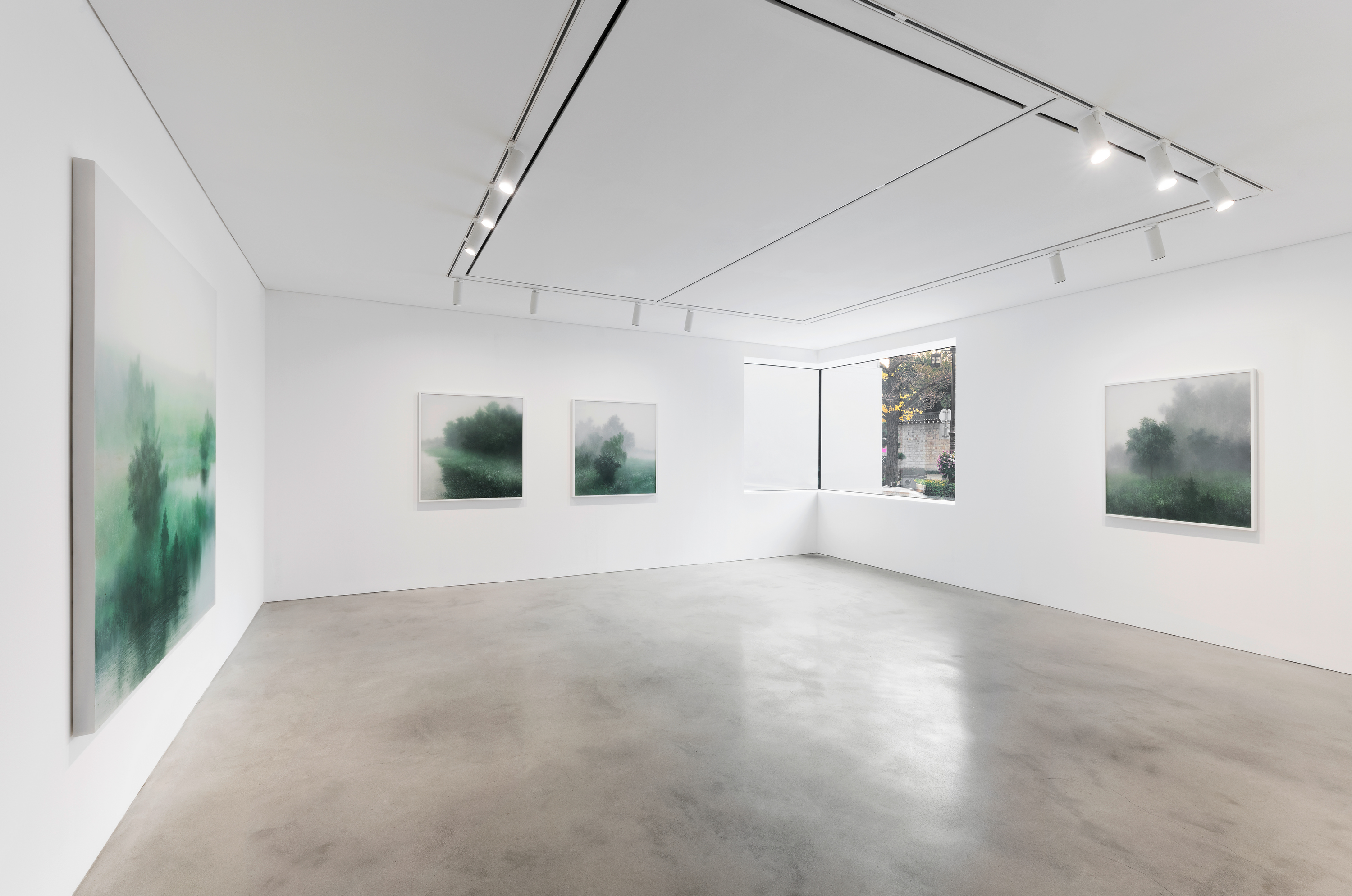
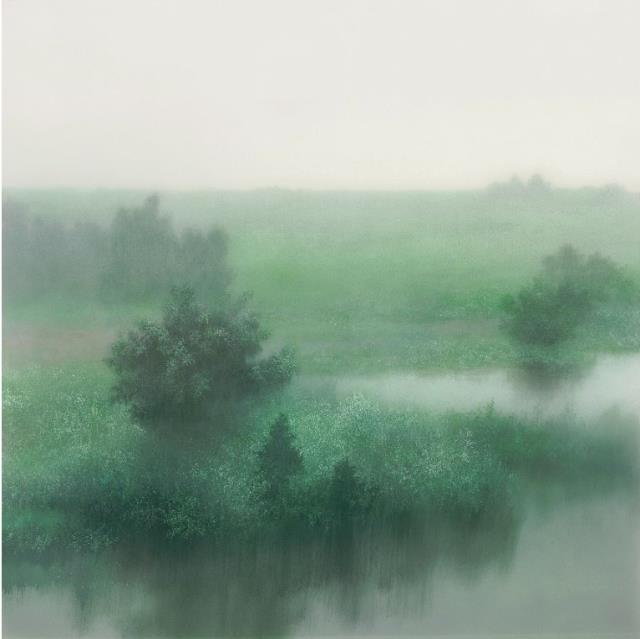
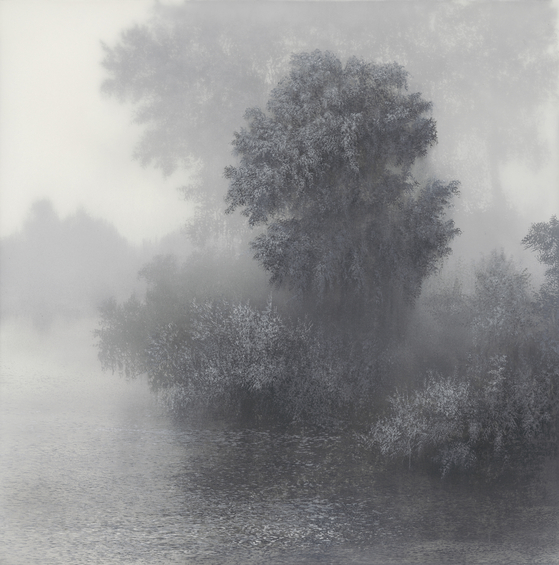
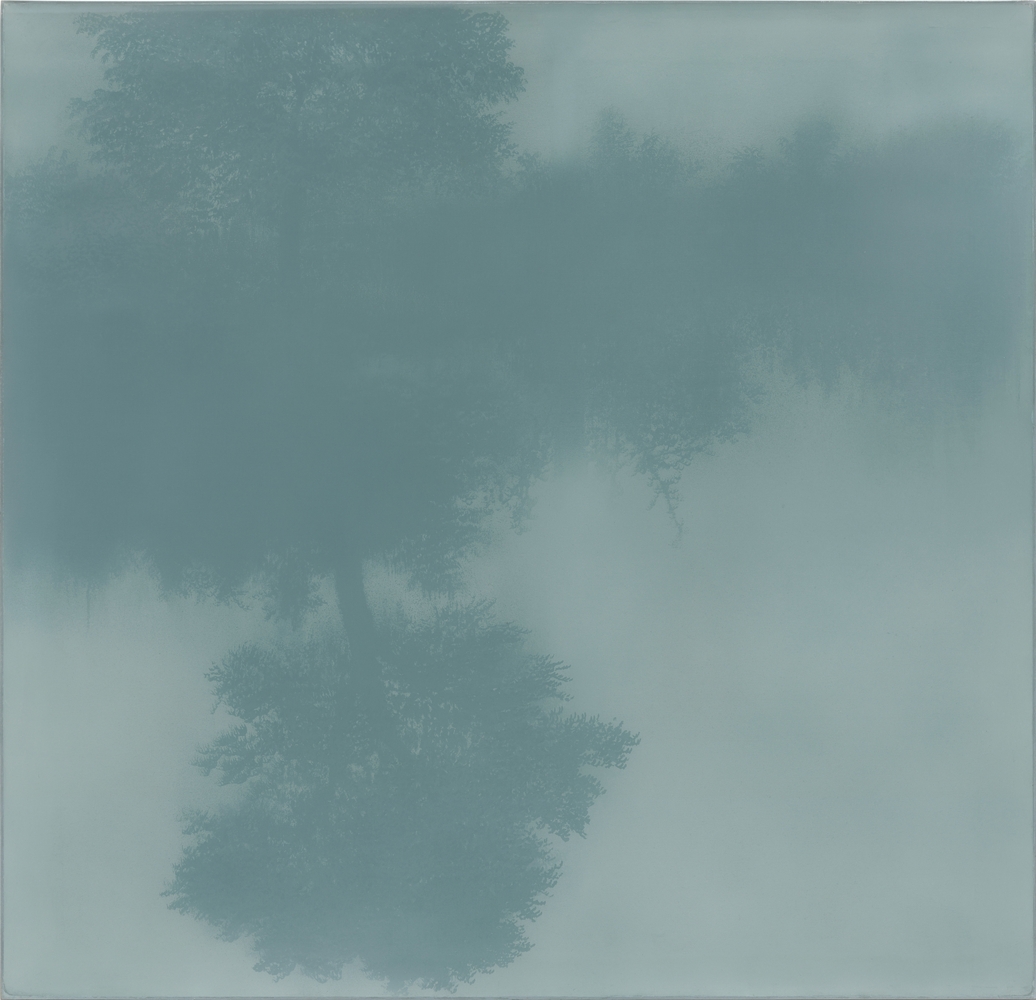
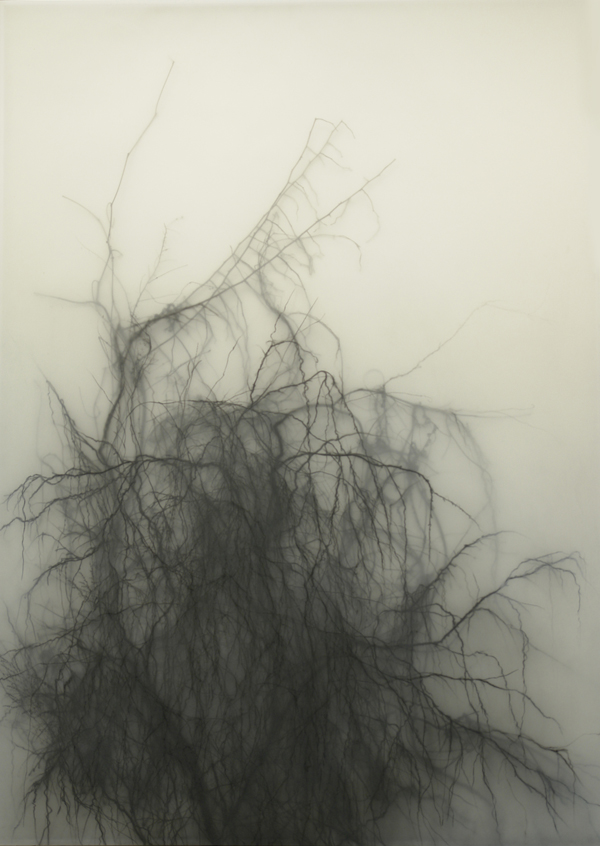
Kibong Rhee’s work begins with a reflection on the fundamental structures and flows that constitute the world. He regards humans, objects, and nature not as separate entities but as relational beings moving within the same system of creation, disappearance, and circulation. Fluid and unstable materials such as water, mist, foam, and vapor function as core motifs that reveal this worldview; rather than clarifying form, they expose the very process of vanishing. His landscapes therefore do not depict a specific place but present a state in which existence appears and disappears — a condition of the world as perpetually unfinished.
 
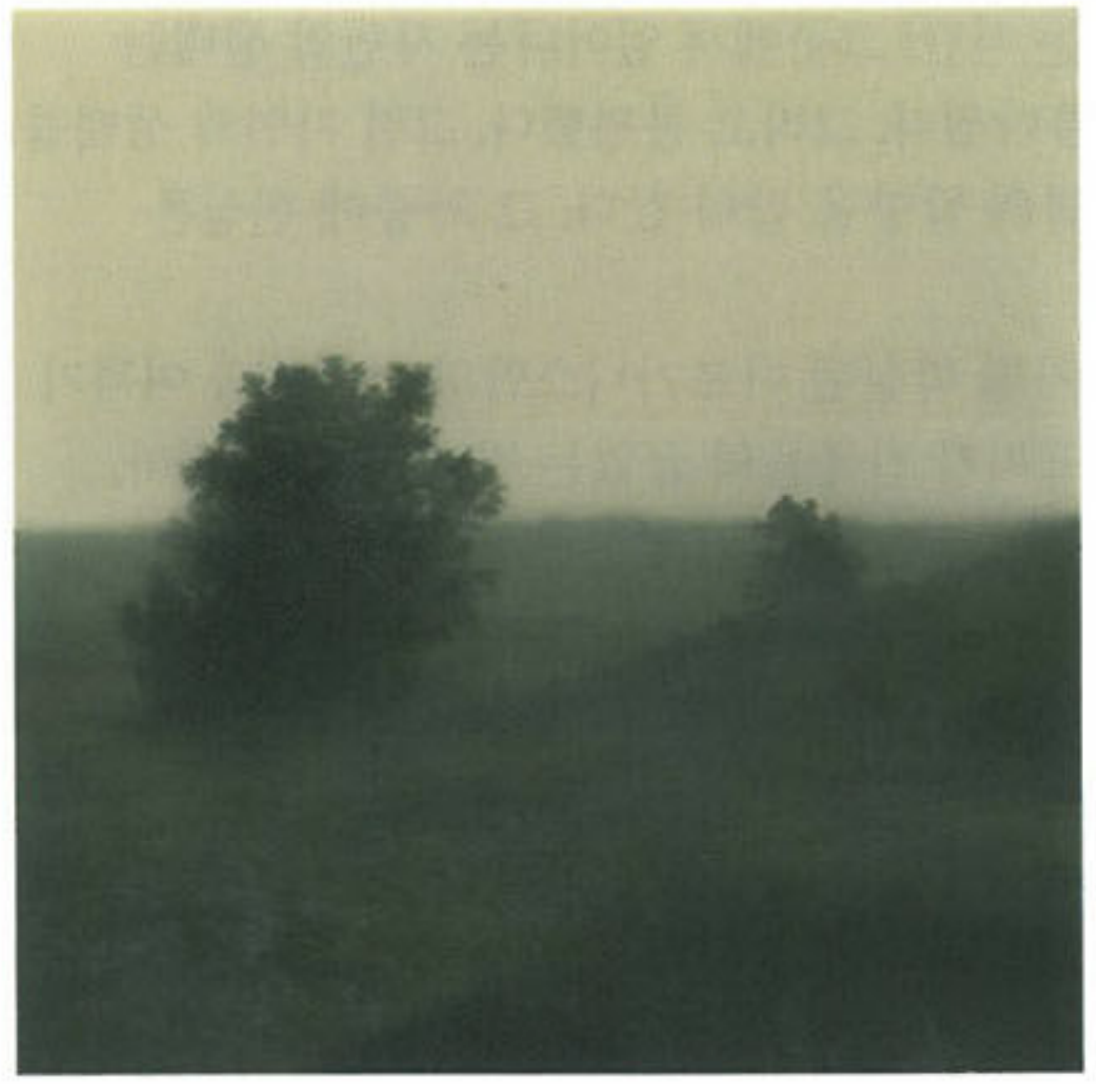
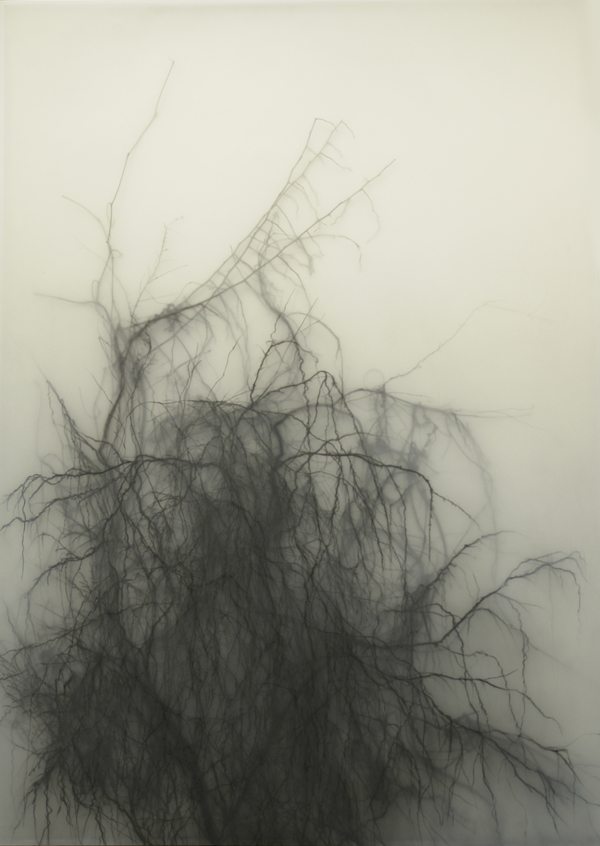
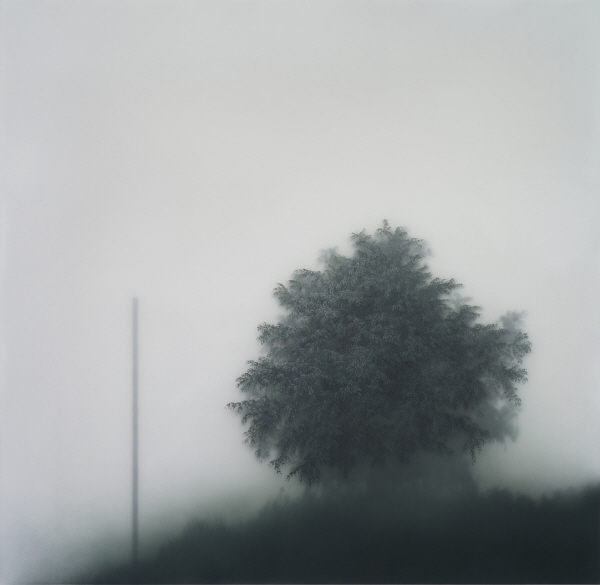
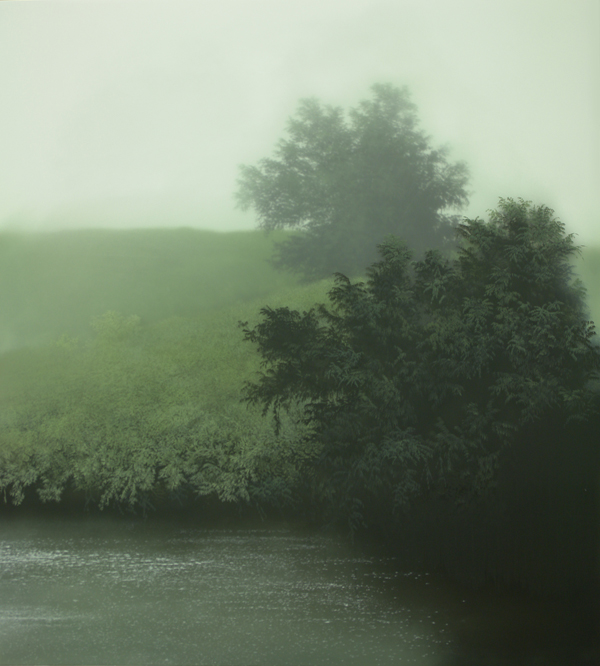
In this context, ‘disappearance’ is not mere absence but a condition of perception. The artist assumes that reality cannot be definitively fixed, and what we believe we grasp constantly slips away. Blurriness, therefore, is not a limitation of representation but a mode of cognition. Mist both conceals and reveals objects, delaying the viewer’s attempt to determine meaning. This delayed perception becomes the temporal space of sensory thought that his work demands.
 
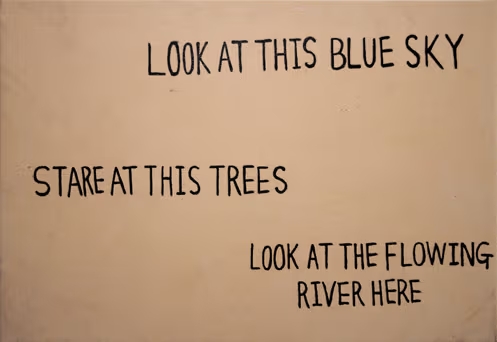
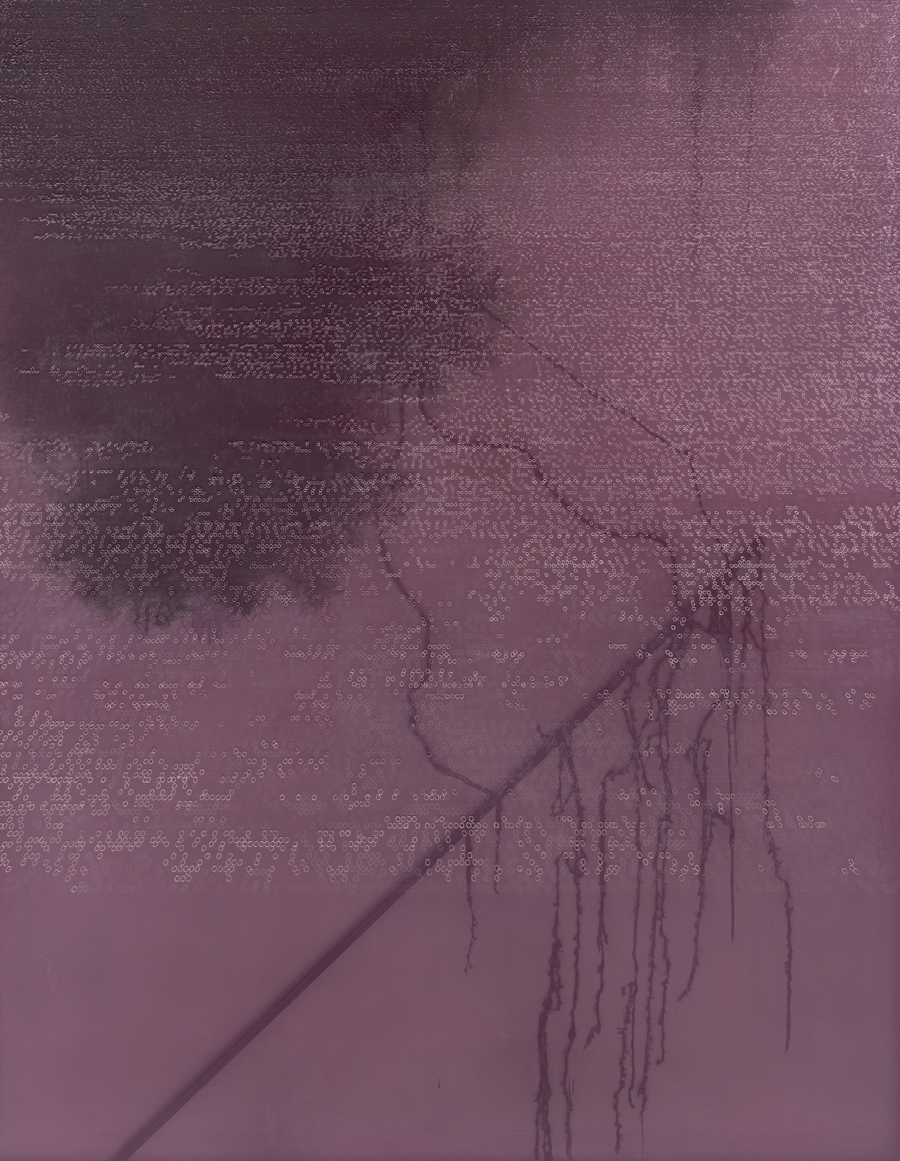
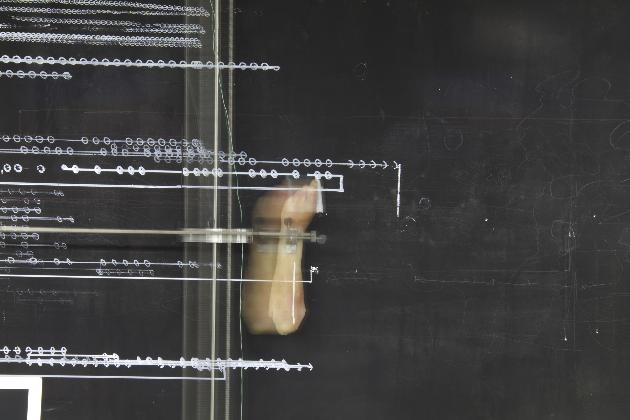
Language and text appear as opposing terms in his practice. Language seeks to classify and stabilize the world, yet his works continuously neutralize it. Foam covering text, evaporating vapor, and indeterminate landscapes evoke a sensory realm prior to language. He approaches what can be seen but cannot be spoken, revealing layers of reality beyond verbal explanation.
 
Ultimately, his work does not define the essence of existence but exposes the impossibility of doing so. Instead of accurate representation, perceptual uncertainty structures his paintings, prompting reflection on the human desire to comprehend the world. Rhee’s art presents not reality itself but the state of approaching it — an experiential field formed in the interval between appearance and disappearance.

Style & Contents

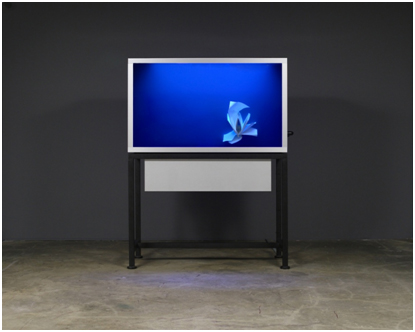
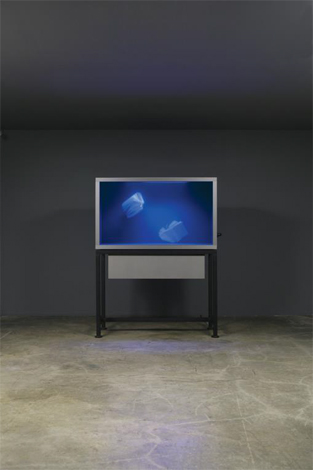
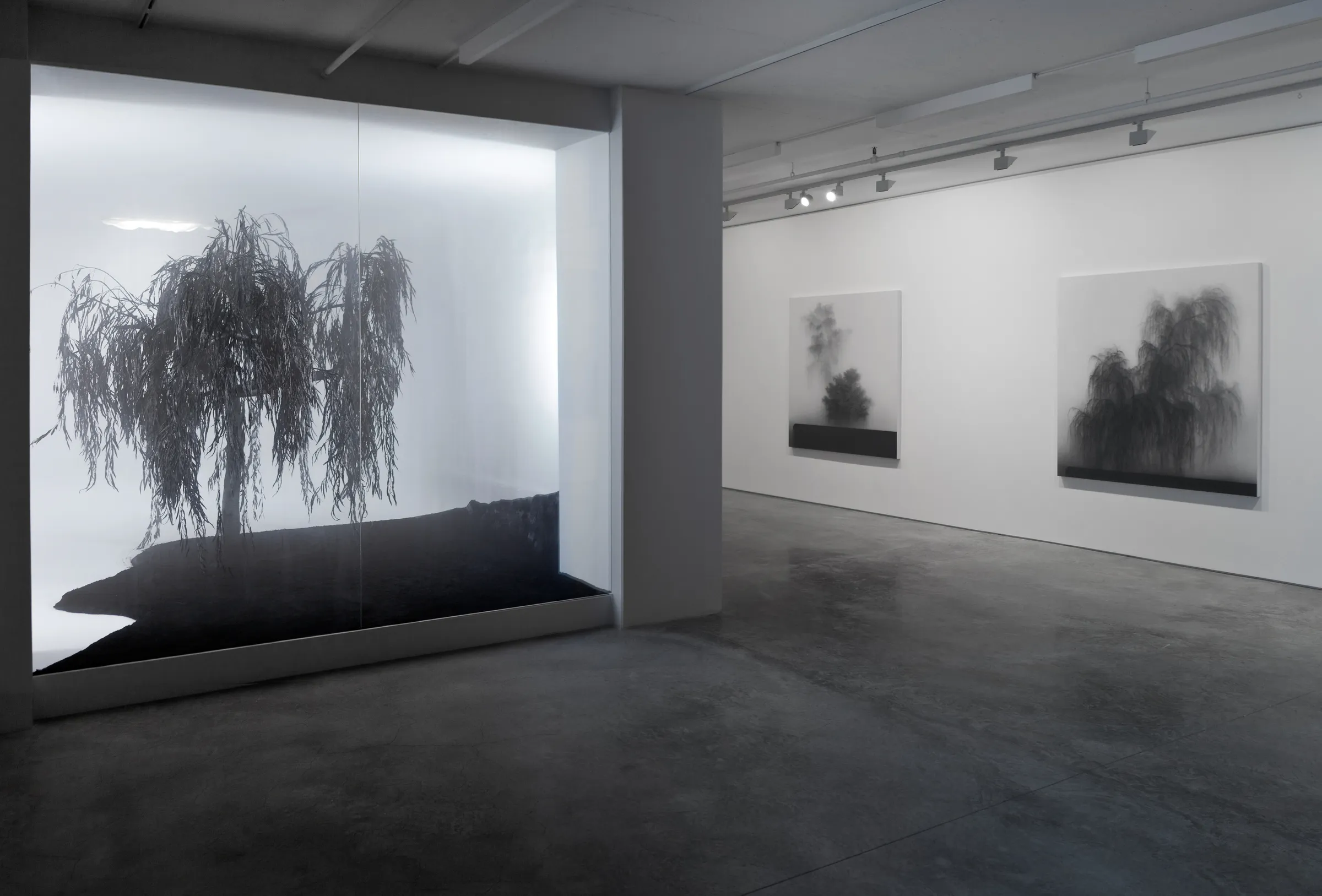
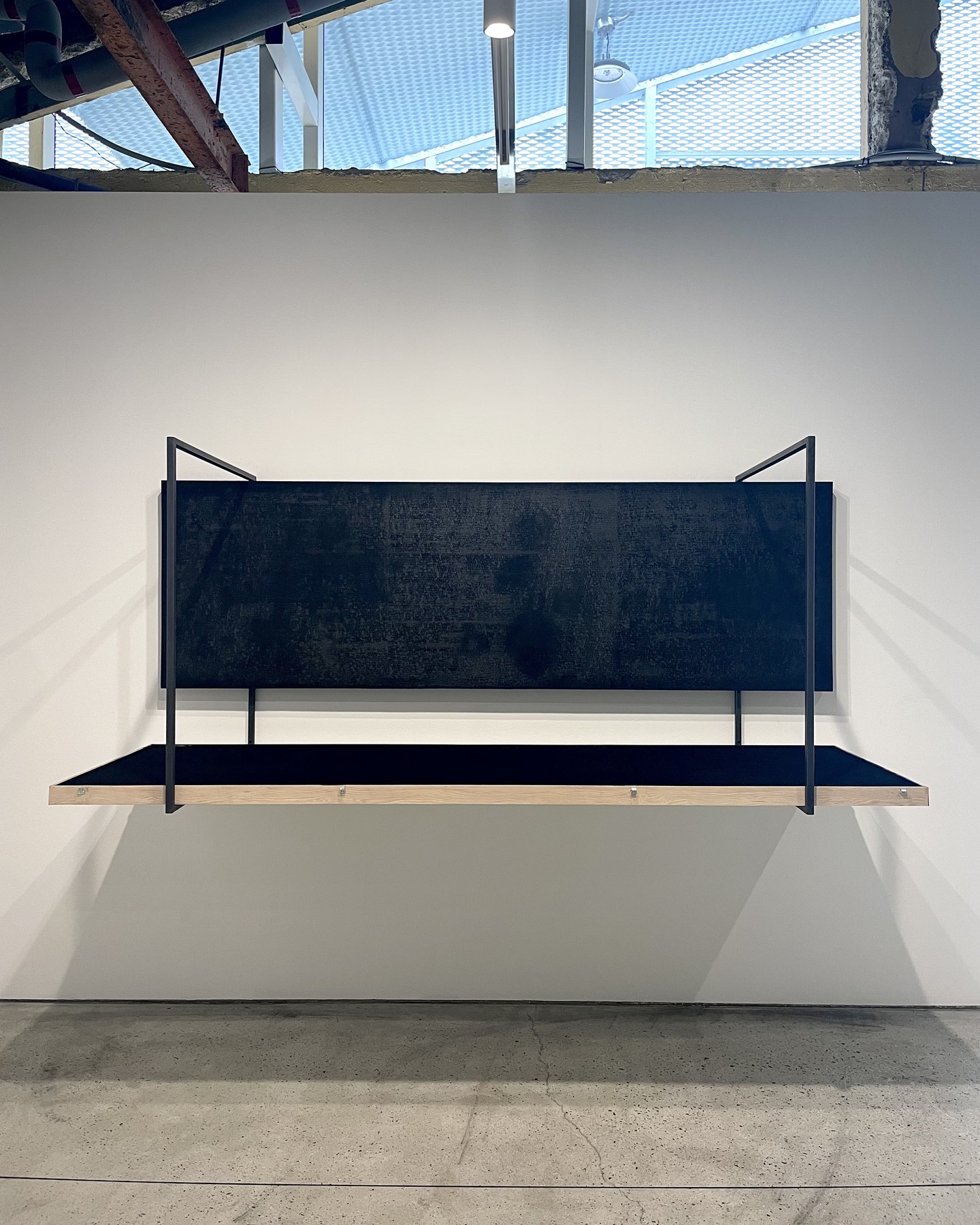
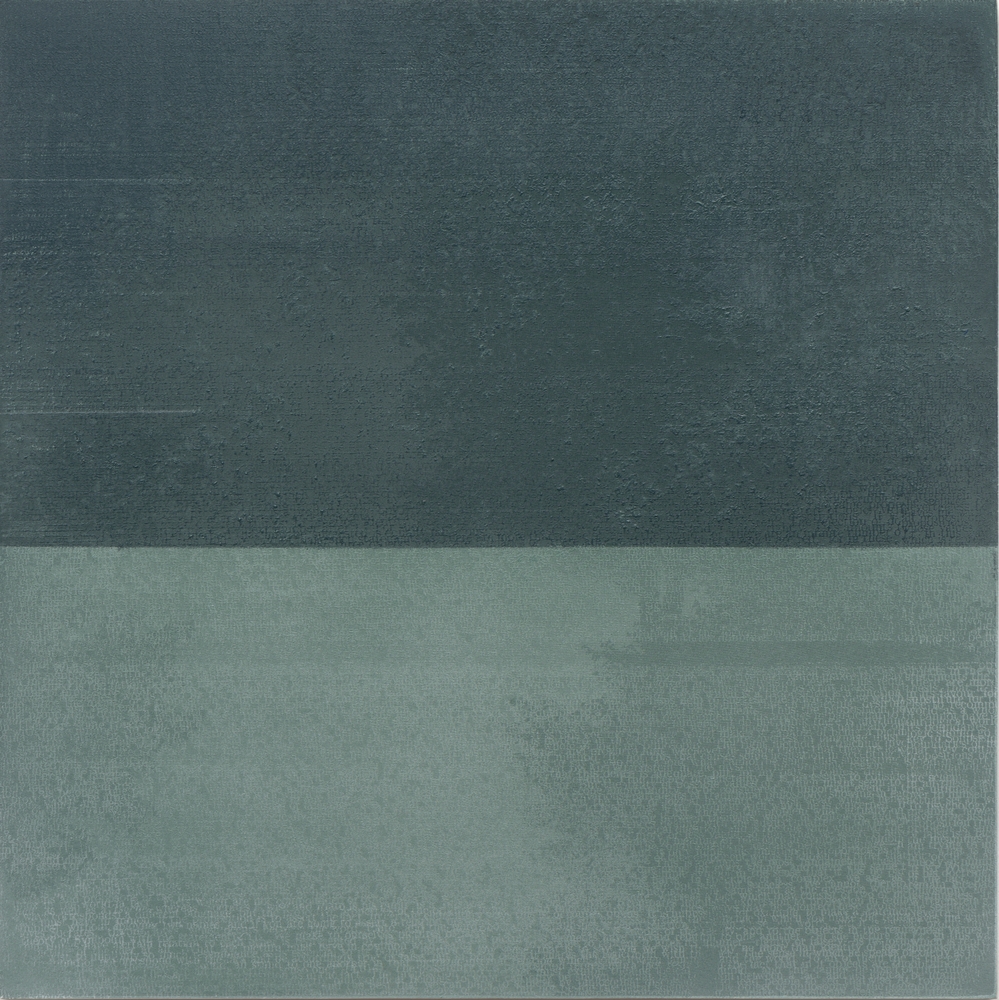
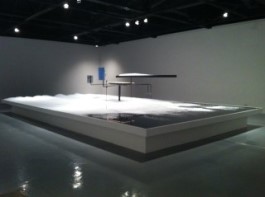
Rhee’s formal language operates across the boundary between painting and installation. Rather than remaining within the traditional act of painting on canvas, he layers plexiglass, translucent fabric, water, and mist devices to expand the image into spatial apparatus. This multi-layered structure dismantles a single viewpoint and allows viewers to encounter different images as they move. The work becomes not an object to look at but an environment to pass through.
 
Layering is central to his visual logic. Separate planes are never clearly divided; image, reflection, and actual space overlap simultaneously. This relates to his understanding of painting not as a window or surface but as a passage. The viewer stands not before the image but within its intervals, transforming the work into a field of sensory experience rather than representation.
 
His landscapes appear photographically precise yet remain indeterminate. Horizons blur, reflective axes vanish, and spatial coordinates collapse. In this way, he maintains the appearance of realism while simultaneously nullifying it. Through meticulous depiction, he paradoxically reveals the invisible.
 
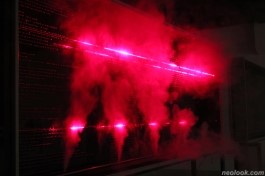
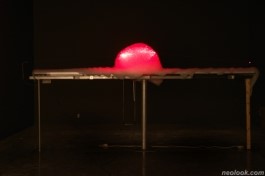
The same principle applies to his installations. Real water, mist, and light introduce time into the artwork. Instead of a fixed object, change itself becomes the essence of the work, placing the viewer inside a process rather than before a completed image. His form thus functions as a device that produces tension between sensation and cognition.

Topography & Continuity

Since the 1980s, Rhee has maintained a consistent conceptual framework while expanding media and form. Beginning with sculpture and installation and later moving into painting, he continued to explore the same thematic concerns. The shift of medium reflects not a change in subject but an expansion of approach, revealing a stable perceptual structure underlying his practice.
 
His landscapes aim not at specific geography but at a universal condition of nature. Recurring motifs — trees by water, fog-filled spaces, dissolving horizons — form a symbolic topography. This terrain functions less as a record of place than as a map of states of being. Individual works therefore read as variations within a continuous field of thought rather than isolated images.
 
Time also structures this continuity. In his works, time appears not as narrative progression but as accumulated presence. Disappearance and persistence coexist, and the present becomes a thin layer between past and future, allowing viewers to experience cycles of generation and dissolution.
 
Consequently, Rhee’s practice is less a sequence of completed stages than an ongoing process of repetition and renewal. The same motifs and structures reappear across different media, linking works into a long-term system of inquiry. This constancy encourages understanding his oeuvre not as a collection of individual works but as a sustained philosophical investigation.

Works of Art

Articles

Exhibitions

Activities