
Kim Tschoon Su (b.1957) - K-ARTIST
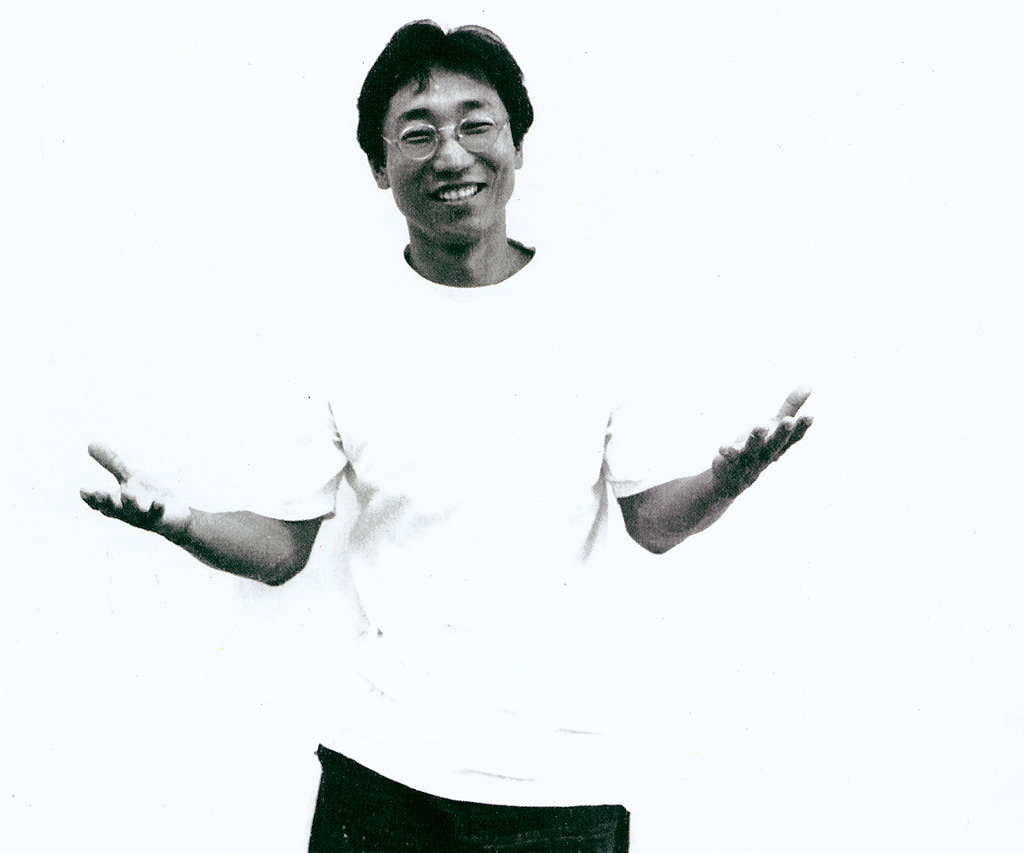
Kim Tschoon Su (b.1957)

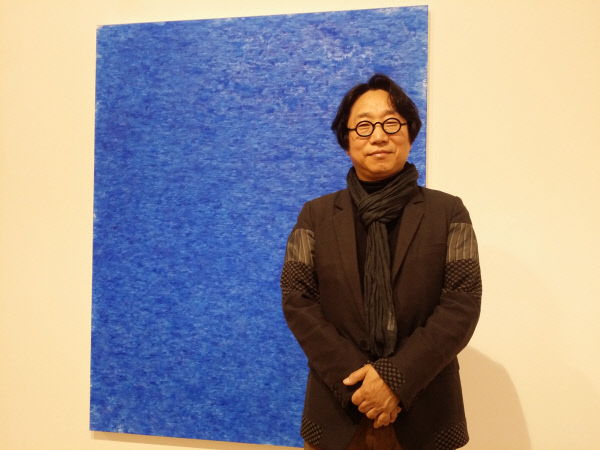
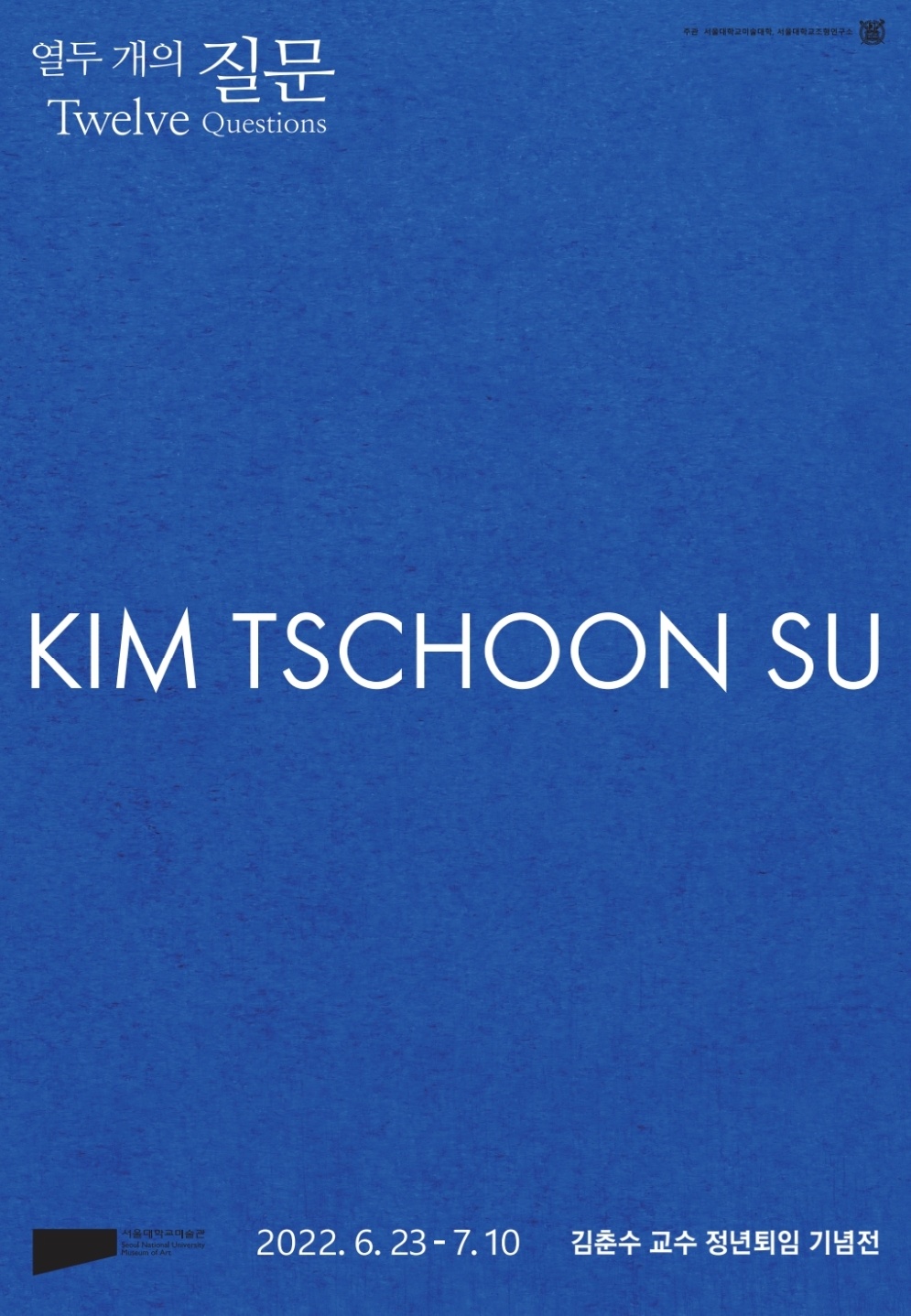
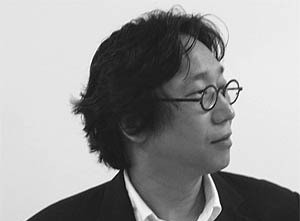
Kim Tschoon Su graduated from the Department of Painting at Seoul National University and its Graduate School. He received his master’s degree from California State University (CSULA) and pursued further studies at New York University (NYU). From 1996, he served as Professor in the Department of Western Painting at Seoul National University until his retirement in 2022. He was appointed Visiting Researcher at the University of Alcalá, Spain, in 2003.

Solo Exhibitions (Brief)

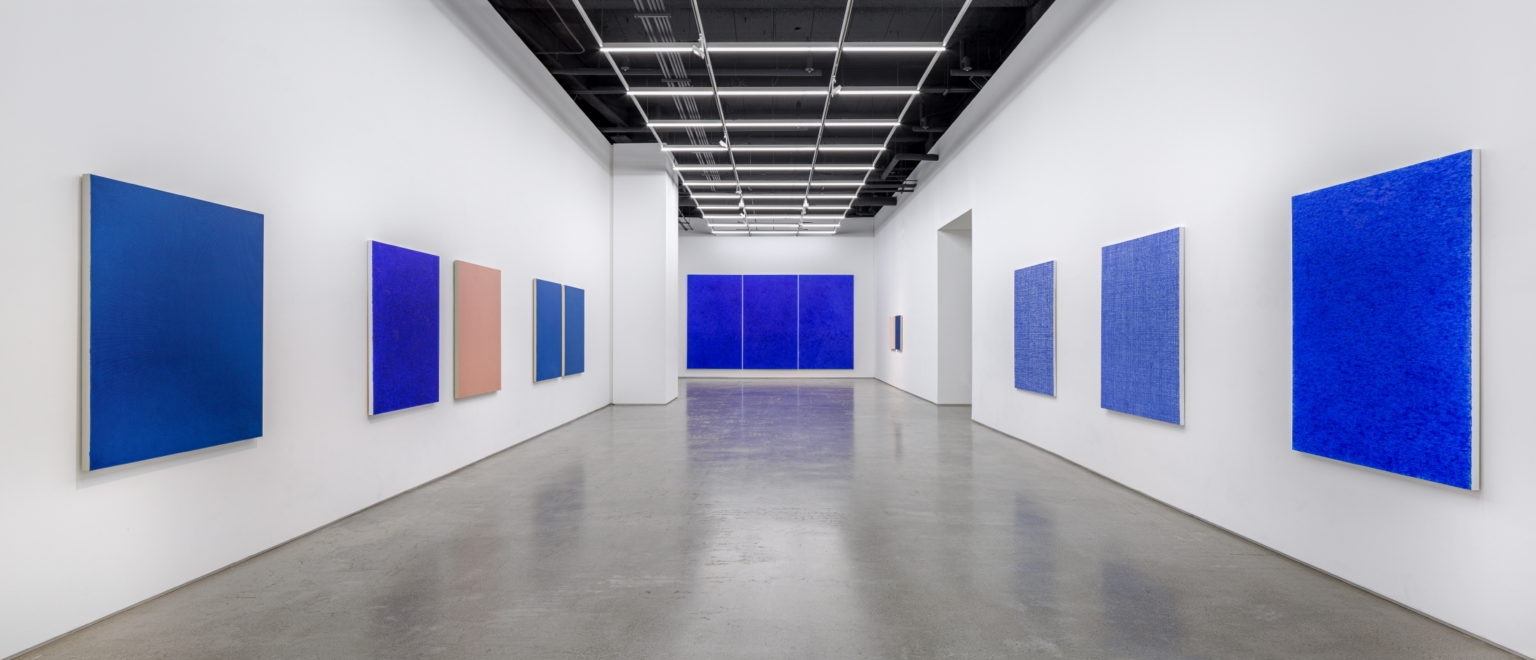
Kim Tschoon Su has held solo exhibitions at major institutions including the Seoul National University Museum of Art (Seoul, 2022) and the Total Museum of Contemporary Art (Seoul, 1994). Internationally, he has presented solo exhibitions at the Korean Cultural Center in Spain (Madrid, 2020), Galerie Son (Berlin, 2009, 2015), and LA Artcore (Los Angeles, 1986, 1991), among other venues.

Group Exhibitions (Brief)

He has participated in group exhibitions at major Korean institutions including the National Museum of Contemporary Art (Gwacheon, 2000, 1999, 1997, 2012), the Seoul Museum of Art (Seoul, 2004), the Daejeon Museum of Art (Daejeon, 2018), the Whanki Museum (Seoul, 1994, 2014), and the Jeju Museum of Art (Jeju, 2015). Internationally, he has exhibited at the Aichi Prefectural Museum of Art (Nagoya, 1995), Centro Cultural Recoleta (Buenos Aires, 2015), Christie’s Hong Kong (Hong Kong, 2019), the Vietnam National Museum of Fine Arts (Hanoi, 2019), and the Korean Cultural Center Hong Kong (Hong Kong, 2024), continuing to expand his international presence.

Awards (Selected)

Kim Tschoon Su received the Total Grand Prix from the Total Museum of Contemporary Art (1993) and was selected as a participating artist for the 23rd São Paulo Biennial (1996). In 2006, he was recognized as a Distinguished Artist by the National Academy of Arts, Republic of Korea.

Residencies (Selected)

He participated in the 10th Triangle Artists’ Workshop (Pine Plains, New York, 1991), conducted research at the University of Alcalá (Alcalá de Henares, Spain, 2003), and took part in the Berlin Residency Program at Galerie Son (Berlin, 2015).

Collections (Selected)

His works are held in the collections of major Korean institutions, including the National Museum of Contemporary Art (Gwacheon), the Seoul Museum of Art (Seoul), the Daejeon Museum of Art (Daejeon), the Total Museum of Contemporary Art (Seoul), the Sungkok Art Museum (Seoul), the Clayarch Gimhae Museum (Gimhae), the Gidang Museum of Art (Seogwipo), the Suwon I Park Museum of Art (Suwon), the Whanki Museum (Seoul), and the Ewha Womans University Museum (Seoul), and are also included in the collections of the Samsung Museum of Art (Seoul), the Hansol Cultural Foundation (Seoul), and the Embassy of the Republic of Korea in Berlin, as well as major institutional and corporate collections such as Seoul National University Hospital and its affiliated institutions.
Works of Art

Originality & Identity

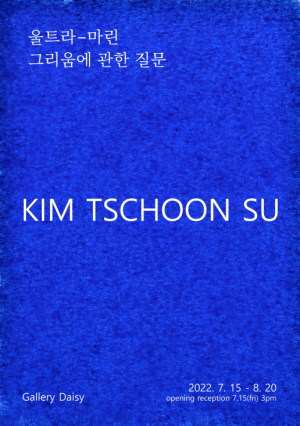
Kim Tschoon Su’s practice originates not from image-making in a conventional sense, but from a philosophical inquiry into existence and perception. His statement that what matters most in painting is “the attitude while drawing, the rhythm of the body, and further, the rhythm that exists in the universe” reveals that his work is grounded in ontological reflection rather than formal experimentation alone. His major series ‘Ultra-Marine’, initiated in earnest in 2002, stems from the fundamental question: “What is painting?” Instead of pursuing representation or narrative, he turns toward investigating the essential conditions of painting itself.
 
This inquiry begins with a skepticism toward language—what he once described metaphorically as the “strange tongue.” Language, shaped by intention and purpose, inevitably distances us from essence. In this sense, even figurative imagery becomes another form of speech. Rejecting representation as a linguistic substitute, Kim adopts bodily gesture as a means of approaching what lies beyond verbal articulation. His paintings thus become attempts to embody what cannot be spoken, privileging direct corporeal presence over descriptive imagery.
 
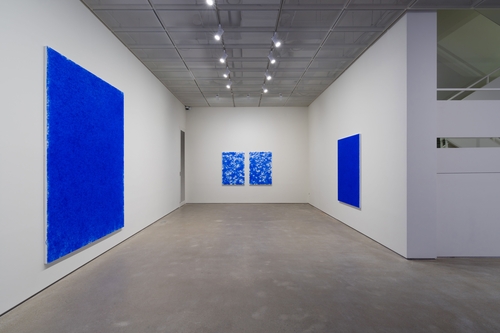
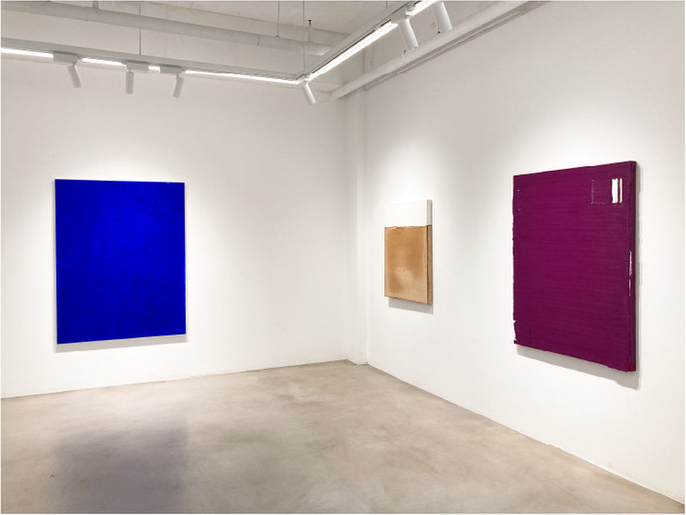
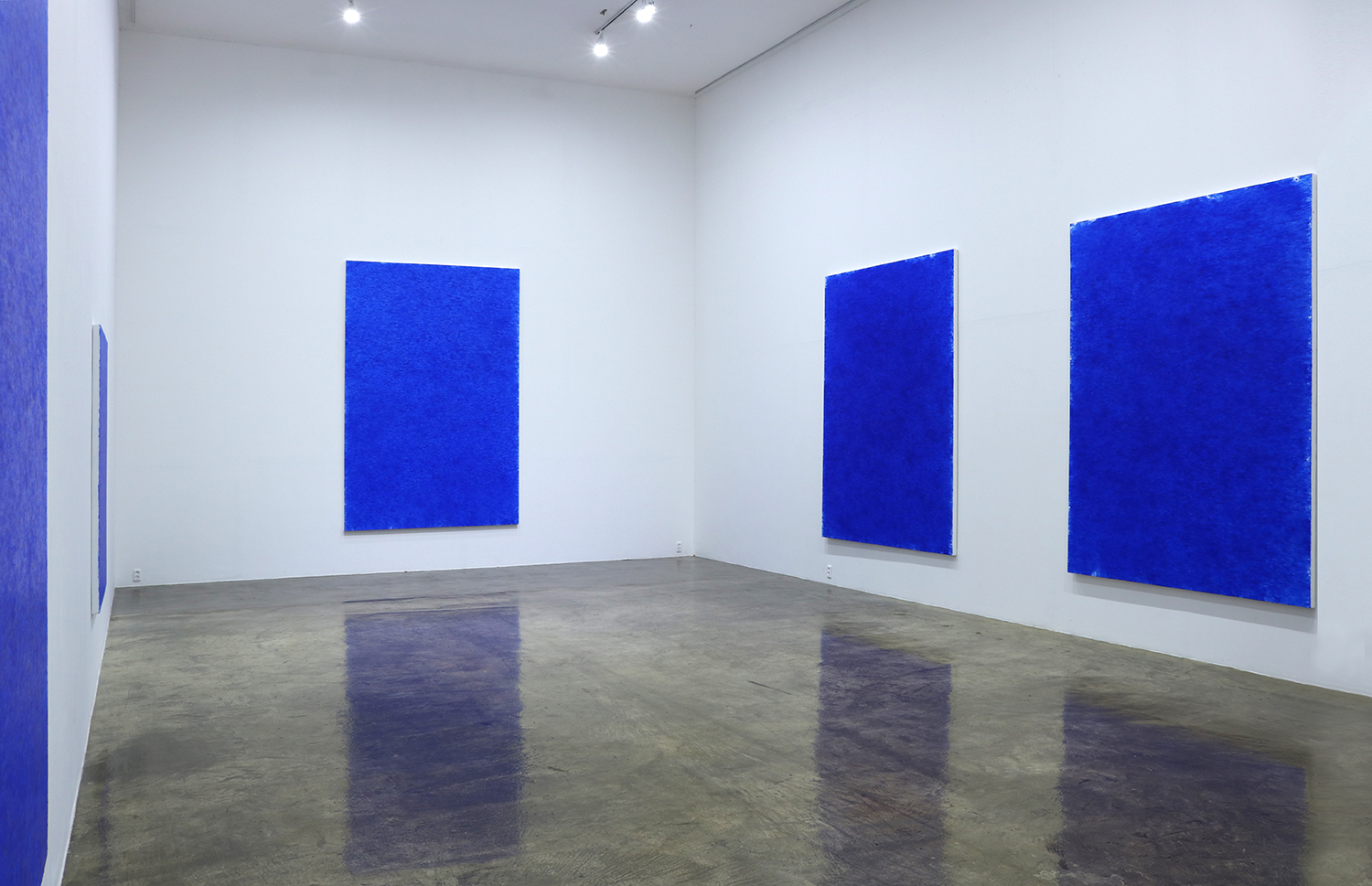
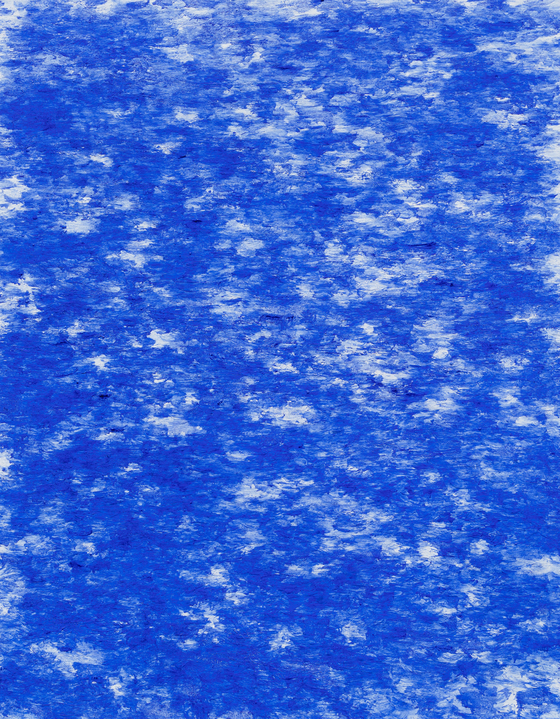
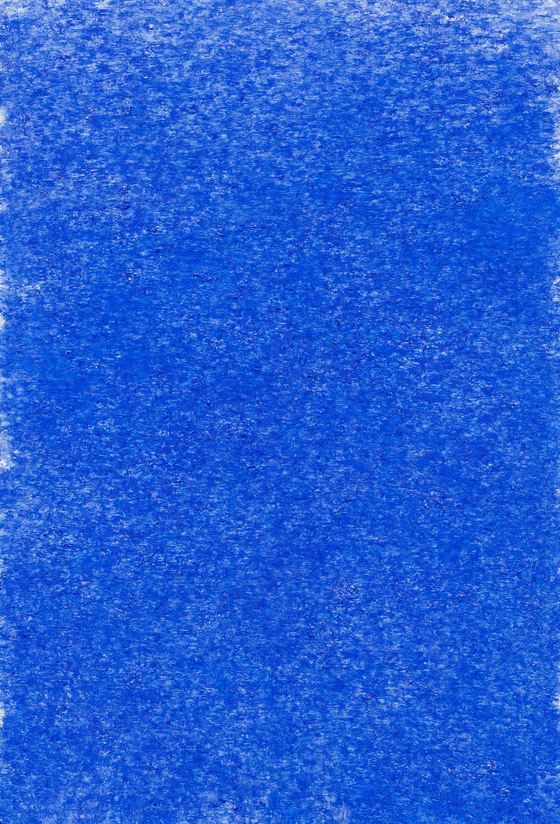
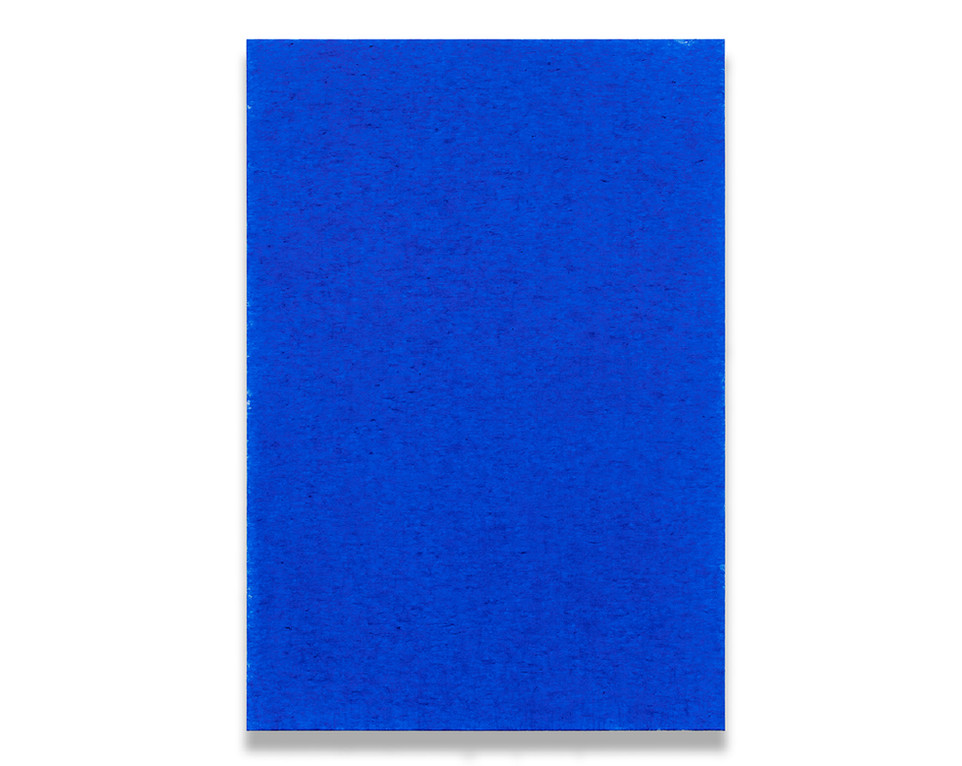
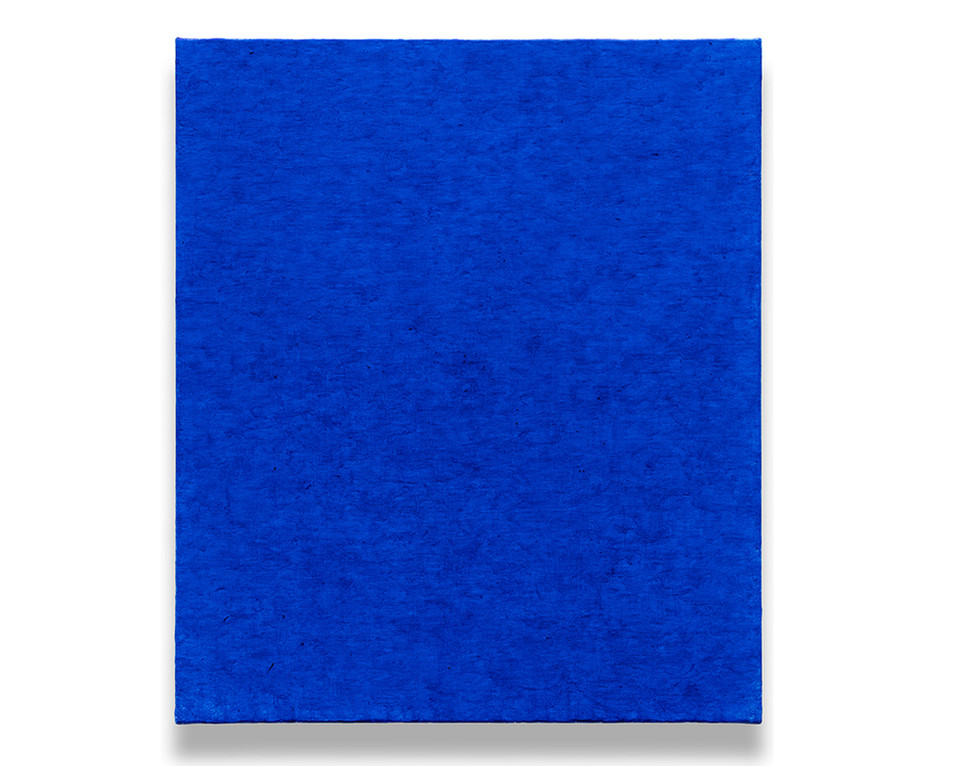
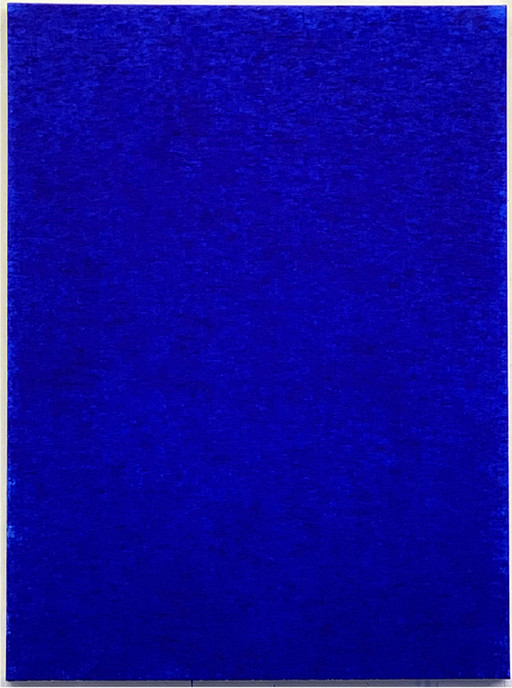
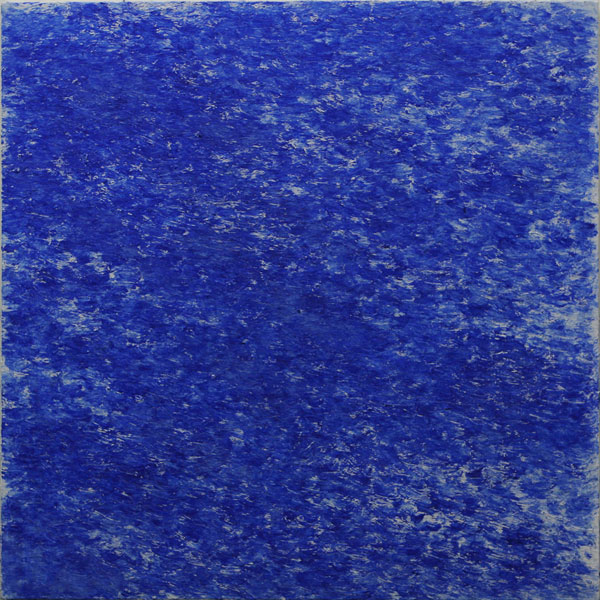
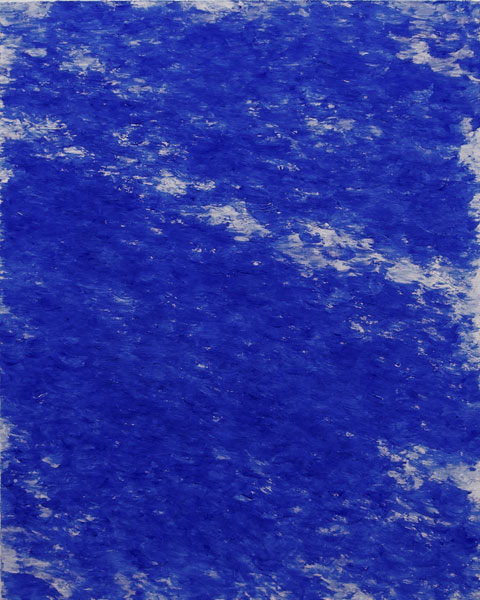
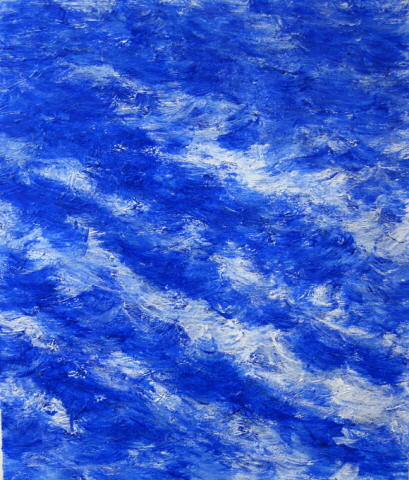
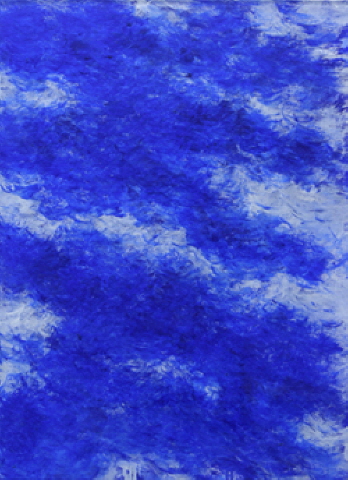
In ‘Ultra-Marine’, blue does not function as a symbolic device in a fixed narrative sense. It is a field of depth infused with natural light, a medium through which the artist negotiates his relationship to the world. The term “ultra marine,” literally “beyond the sea,” subtly suggests a longing for the unknown, for an ideal or transcendent realm. Yet this symbolism remains open-ended; it unfolds not as metaphor but as a sensory event shaped by rhythm and breath.
 
Kim Tschoon Su’s originality lies not in a singular stylistic invention, but in his persistent effort to return painting to a pre-linguistic condition—where body and existence meet directly. While his work may be associated with the lineage of Korean monochrome painting, his emphasis on corporeal performativity establishes a distinct conceptual identity within and beyond that tradition.

Style & Contents

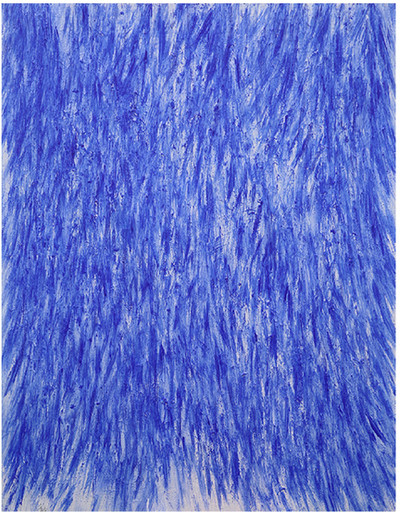
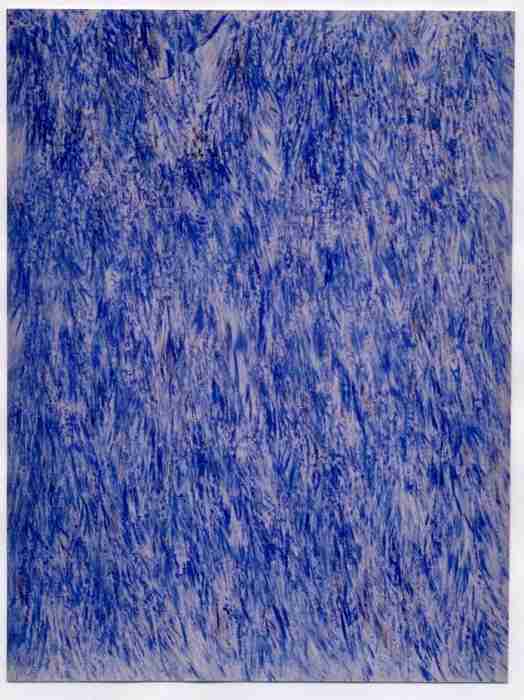
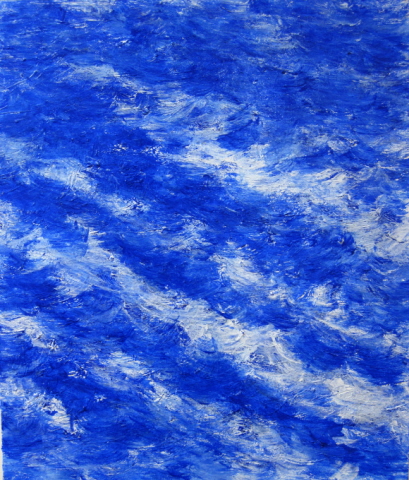
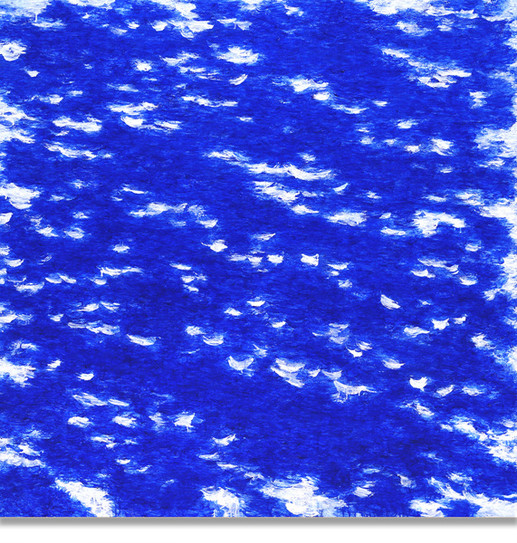
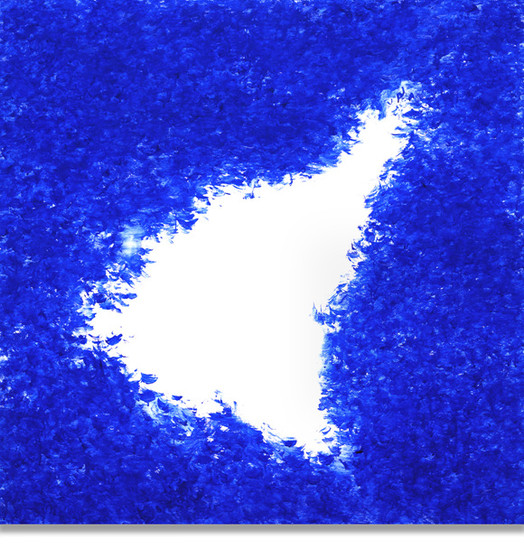
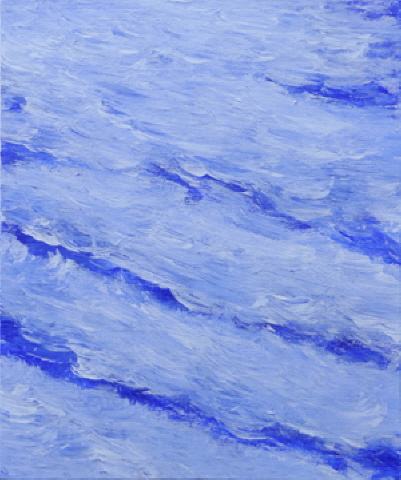
One of the most distinctive formal characteristics of Kim Tschoon Su’s work is his refusal to use a brush. Instead, he applies paint directly with his fingers and palms, allowing variations in pressure, speed, and breath to register visibly on the surface. The act is less about ‘drawing’ than about ‘depositing’ or ‘imprinting’ paint. In this process, pigment ceases to function as a vehicle for illusion and asserts itself as material substance anchored firmly to the canvas.
 
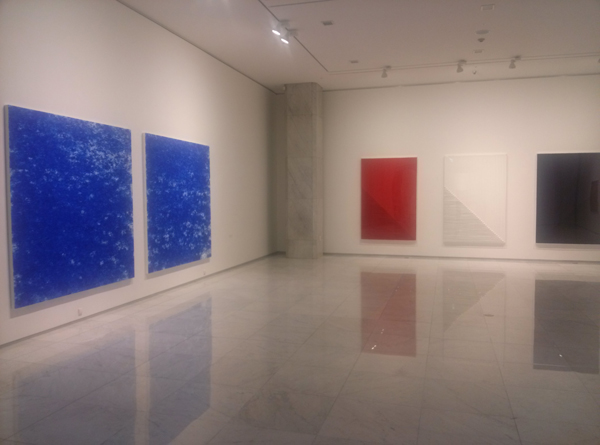
The repeated layering and erasure of blue and white generate a dynamic rhythm across the surface. Countless lines and planes accumulate, dissolve, and re-emerge, creating a tension between intentional control and contingency. This repetition is not merely a formal gesture; it is the trace of bodily duration, a record of the artist’s breathing and movement over time. The canvas thus becomes less an image than a temporal field in which action and presence are sedimented.
 
Although his work resonates with the aesthetics of monochrome painting, it differs in its emphasis on primal gesture rather than meditative flatness. The rough yet at times delicate touches evoke a corporeal intensity that recalls both the Eastern concept of ‘giun saengdong’ (vital energy in motion) and the material investigations of modern abstraction. In Kim’s paintings, form and content are inseparable; the physical act itself constitutes the conceptual core.
 
Ultimately, meaning in his work does not reside in iconography or overt symbolism but in the traces left by action and rhythm. The overlapping lines and subtle shifts in density invite viewers to engage not through interpretation alone but through sensory experience. Without relying on explicit narrative, his paintings elicit an intuitive and emotional response, allowing insight to arise through perception rather than explanation.

Topography & Continuity

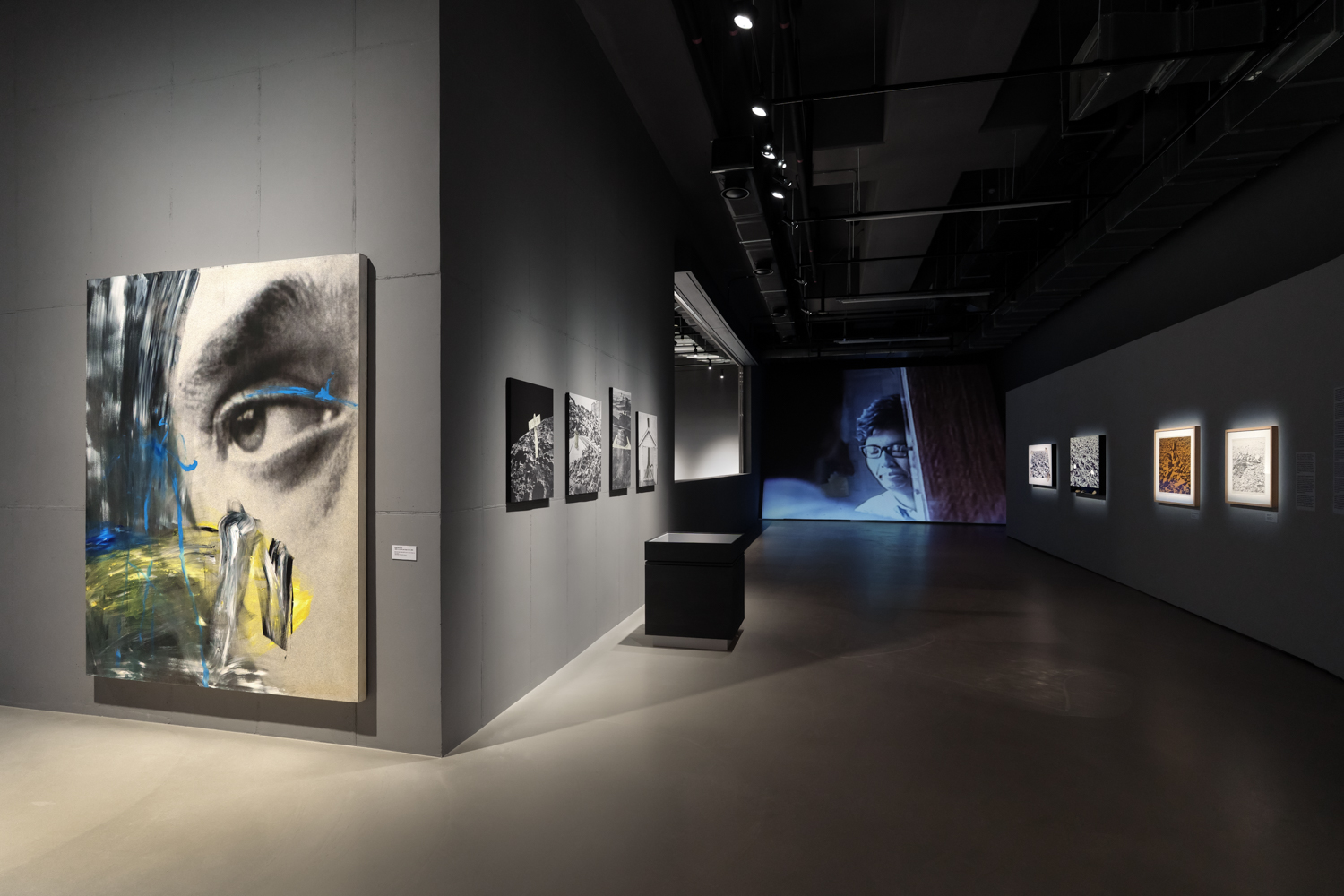
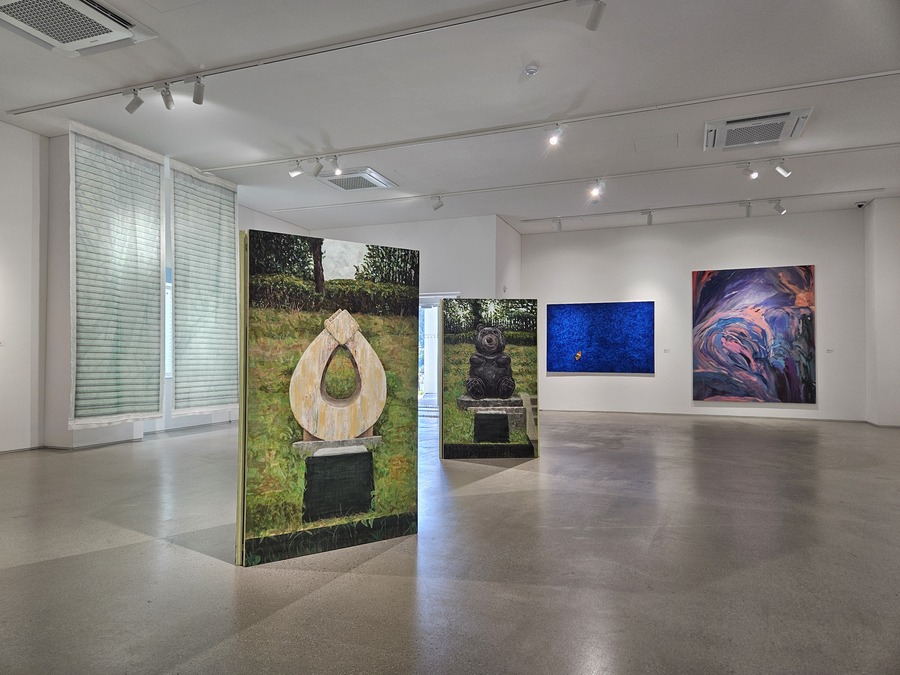
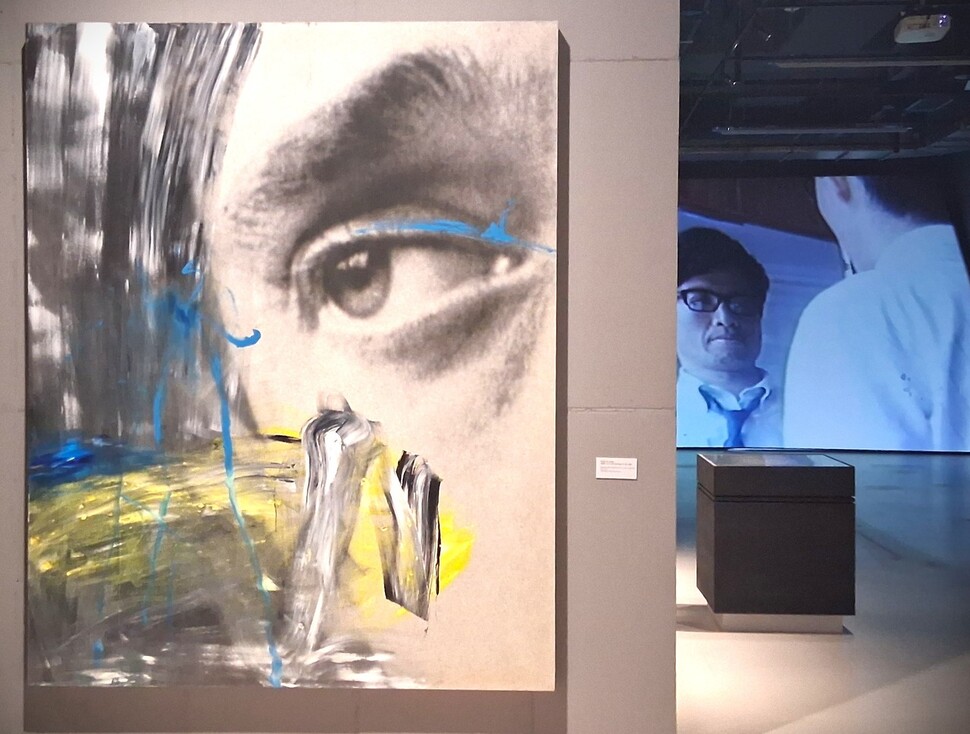
Kim Tschoon Su’s artistic trajectory demonstrates a remarkable consistency of inquiry from the 1980s to the present. His early experiments with drawing and photography, including the ‘Window’ series, evolved into the 1990s series ‘Strange Tongue’, and later into ‘Ultra-Marine’ after 2000. While his materials and formats have shifted, the underlying concern—transcending the limits of language and representation—remains constant. His development can thus be understood not as stylistic change, but as the deepening of a sustained philosophical investigation.
 
The ‘Strange Tongue’ series explicitly questioned the reliability of image and speech, whereas ‘Ultra-Marine’ abstracts this concern into a more elemental form. By eliminating figuration and reducing the pictorial field to blue as a singular chromatic domain, he foregrounds painting’s fundamental conditions. The persistence of blue and the repetition of bodily technique provide visual continuity across decades of practice.
 
Importantly, his work maintains a deliberate distance from the technologically driven tendencies of contemporary art. Rather than embracing new media or spectacle, he returns to the most basic gesture: the contact between hand and surface. In an era defined by digital acceleration, this return to corporeality can be read as a reaffirmation of human presence. The more technology advances, the more insistently he turns toward the body.
 
The cartography of Kim Tschoon Su’s practice may therefore be mapped along the axis of body, material, and existence. Though the chromatic field remains largely blue, it is never identical; repetition generates difference, and continuity produces transformation. His paintings are not merely monochromatic surfaces but cumulative records of sustained inquiry—evidence of a lifelong engagement with rhythm, time, and being.

Works of Art

Articles

Exhibitions

Activities