Yoon Dongchun (b.1957) - K-ARTIST
Yoon Dongchun (b.1957)

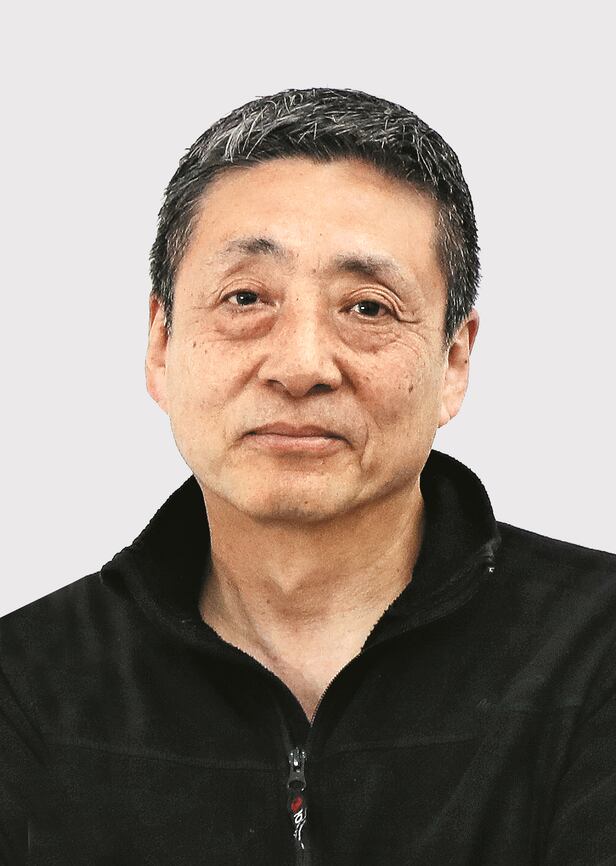
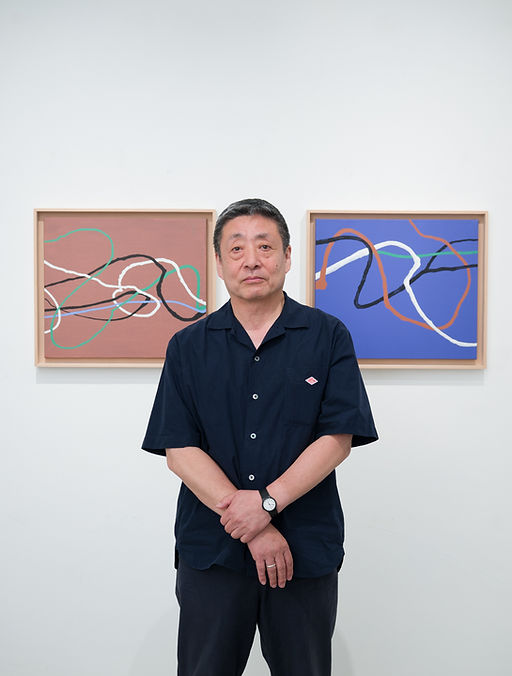
Yoon Dongchun graduated from the College of Fine Arts at Seoul National University and received his Master’s degree from the Cranbrook Academy of Art in the United States. In 1993, he joined the faculty of the College of Fine Arts at Seoul National University, where he taught for over three decades, mentoring generations of young artists. He also served as Director of the Seoul National University Museum of Art and held leadership positions in the Korean Contemporary Printmakers Association and the Council for University Art Education, contributing to the institutional and educational foundations of the Korean art field. Upon his retirement in August 2022, he was appointed Professor Emeritus of Seoul National University. He currently continues his practice as a full-time artist, further exploring the relationship between art, society, and everyday life.

Solo Exhibitions (Brief)

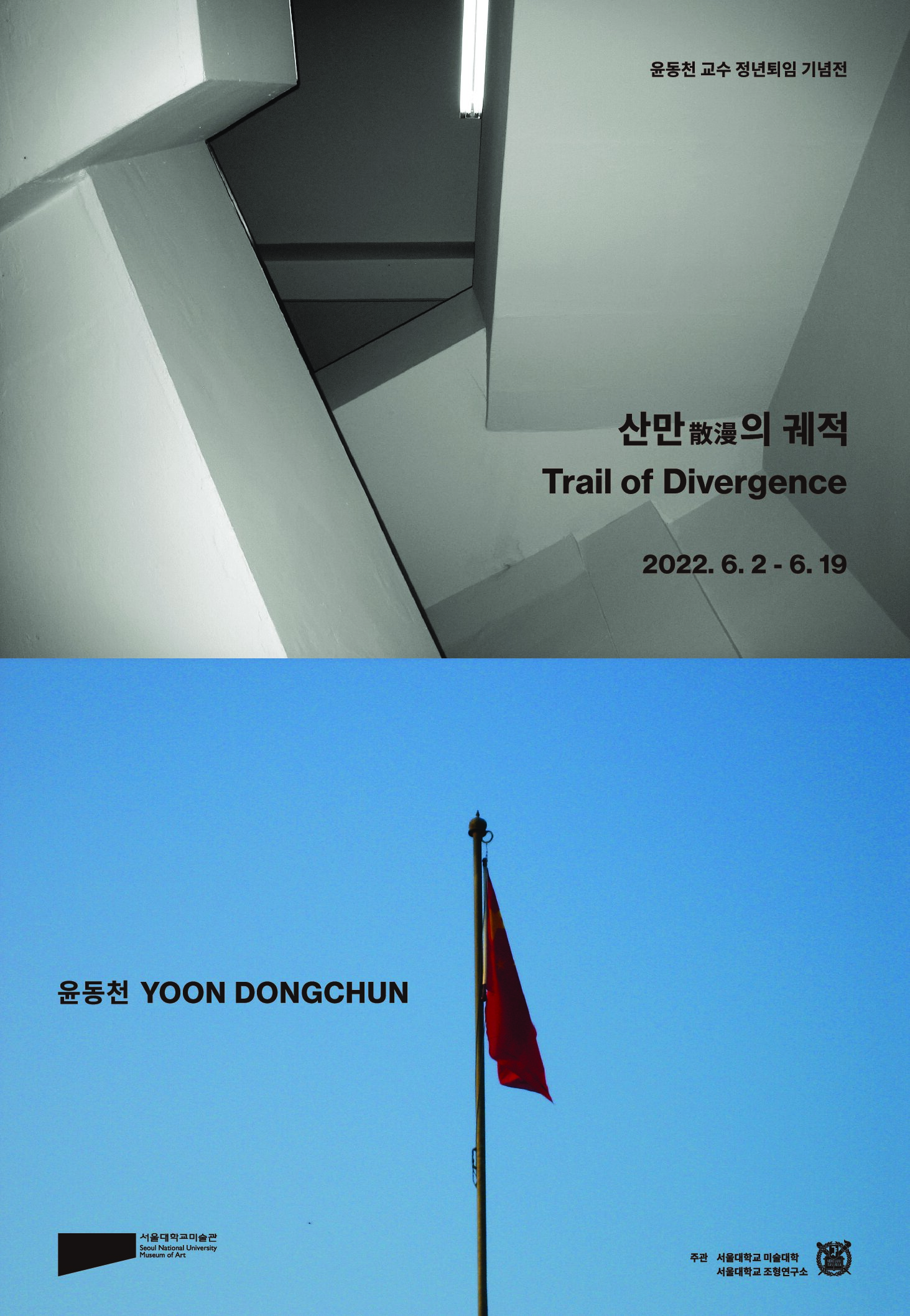
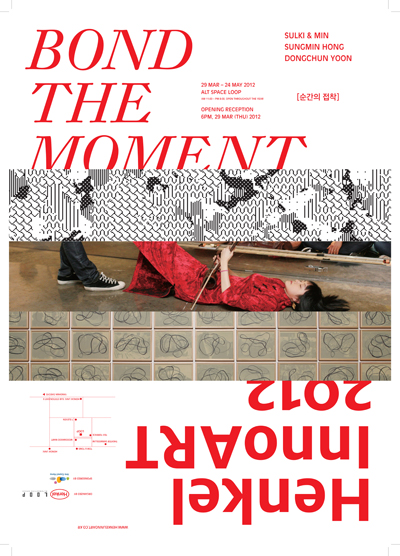
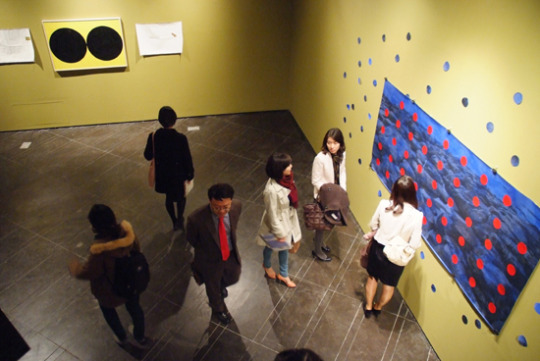
Since Yoon Dongchun’s first solo exhibition at Gallery Hyundai in 1988, Yoon Dongchun has presented major solo exhibitions at leading Korean institutions including Kukje Gallery (1995), Ilmin Museum of Art (1998), Sungkok Art Museum (1999), Kumho Museum of Art (2007, 2017), and Seoul National University Museum of Art (2022). He has also held solo exhibitions internationally in Nagano and Sapporo, Japan, and in Chapel Hill, United States, expanding his presence beyond Korea.

Group Exhibitions (Brief)

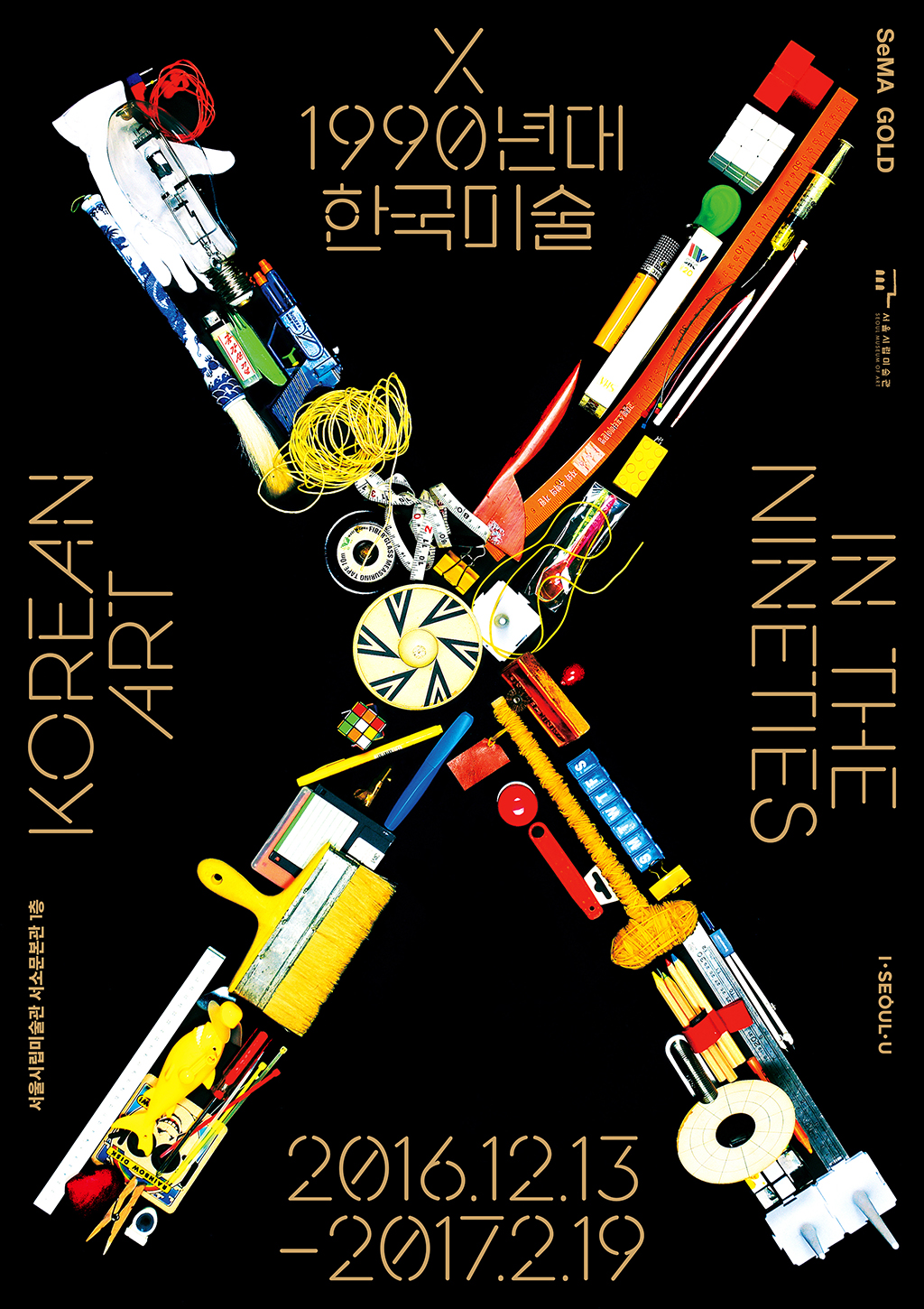
Since the late 1980s, Yoon Dongchun has participated in over 300 group exhibitions both in Korea and internationally. His works have been presented at major Korean institutions including the National Museum of Modern and Contemporary Art, Seoul Museum of Art, Kumho Museum of Art, Seoul National University Museum of Art, and Gyeonggi Museum of Modern Art, as well as in large-scale biennials and curated exhibitions such as the Gwangju Biennale projects and Busan Biennale. Internationally, he has exhibited in Japan, China, Russia, the United States, Germany, Australia, and other countries, maintaining a sustained global presence.

Awards (Selected)

He received the 35th Lee Jung-seob Art Prize (2023), the Gold Prize at the 4th International Asia–Europe Biennale (1992), the 11th Seoknam Art Prize (1992), and the President Award at the 1st Total Art Award (1991).

Collections (Selected)

His works are included in the collections of major Korean institutions such as the National Museum of Modern and Contemporary Art, Seoul Museum of Art, Kumho Museum of Art, Ilmin Museum of Art, Sungkok Art Museum, and Seoul National University Museum of Art. Internationally, his works are held by prominent institutions including the British Museum, The New York Public Library, and the New Orleans Museum of Art.
Works of Art

Originality & Identity

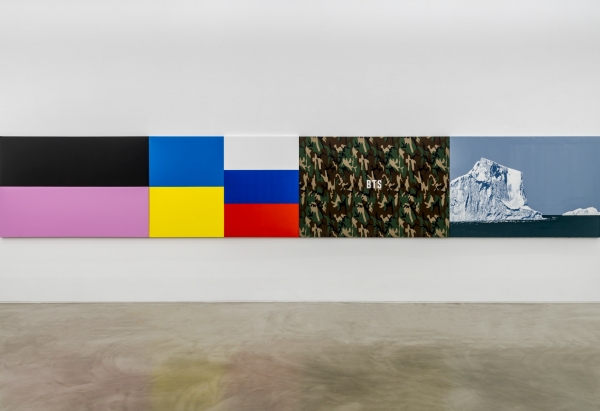
Yoon Dongchun’s practice is anchored in the concept of the ‘everyday.’ For him, however, the everyday is not merely a subject matter but a site in which the structures of power and the spirit of the times are condensed. His work consistently seeks to return art to the dimension of lived experience, revealing the political and social forces embedded within ordinary life. This position can be summarized by his longstanding proposition: “the everydayization of art and the artification of the everyday.”
 
Emerging in the 1980s amid the tension between authoritarian politics and democratization movements in Korea—and within the art world’s polarized debate between modernist abstraction and Minjung (People’s) art—Yoon forged a third position. While embracing social critique, he avoided direct agitprop or didactic representation. Instead, he developed a flexible and layered mode of critique grounded in metaphor, satire, and linguistic play, thereby establishing a distinctive terrain of ‘satirical conceptual art’ within Korean contemporary practice.
 
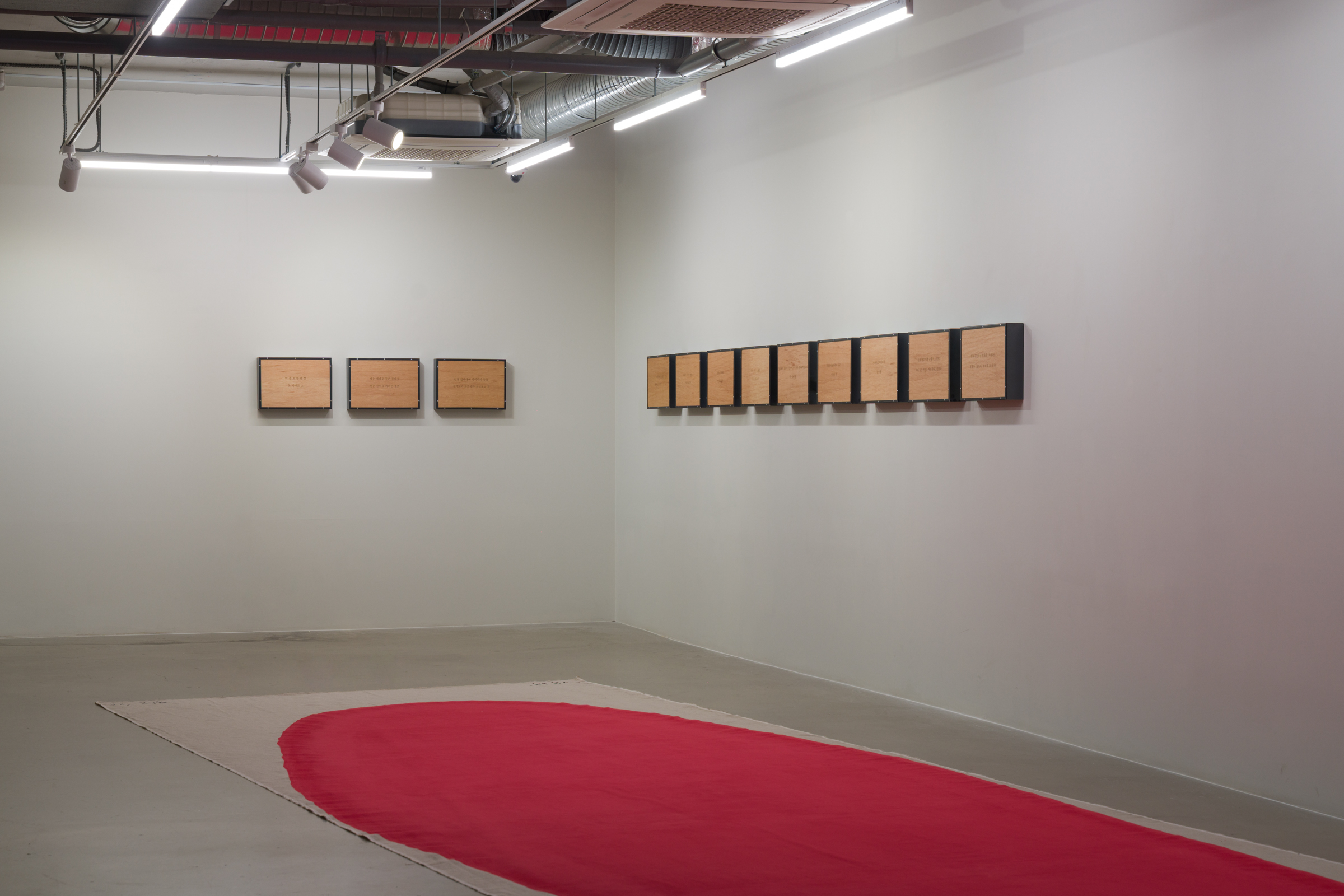
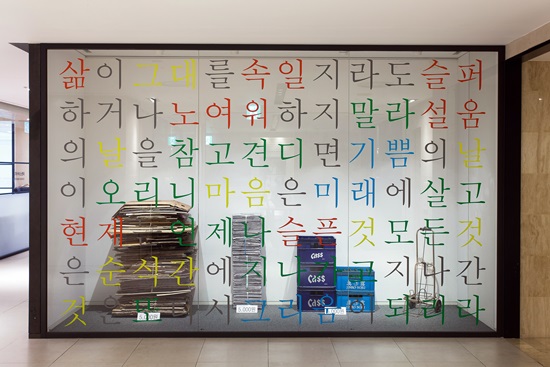
His artistic identity is also shaped by a critical engagement with Western art discourse. Rather than adopting international paradigms uncritically, Yoon foregrounds the specificity of language and context—particularly through the active use of Hangul, Korean wordplay, and culturally resonant objects. This strategy reflects a postcolonial sensitivity that negotiates between global contemporaneity and local specificity, questioning how Korean contemporary art might articulate its own distinct position.
 
For Yoon, art does not replicate structures of authority but functions as a force that prompts their reflection. His oft-cited belief in the ‘power of painting’ refers not to visual spectacle but to art’s capacity to alter the roots of thought. In this sense, his practice constitutes a sustained inquiry into how art may intervene critically in lived reality without separating itself from it.

Style & Contents

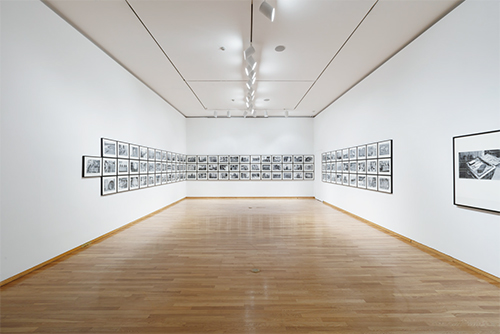
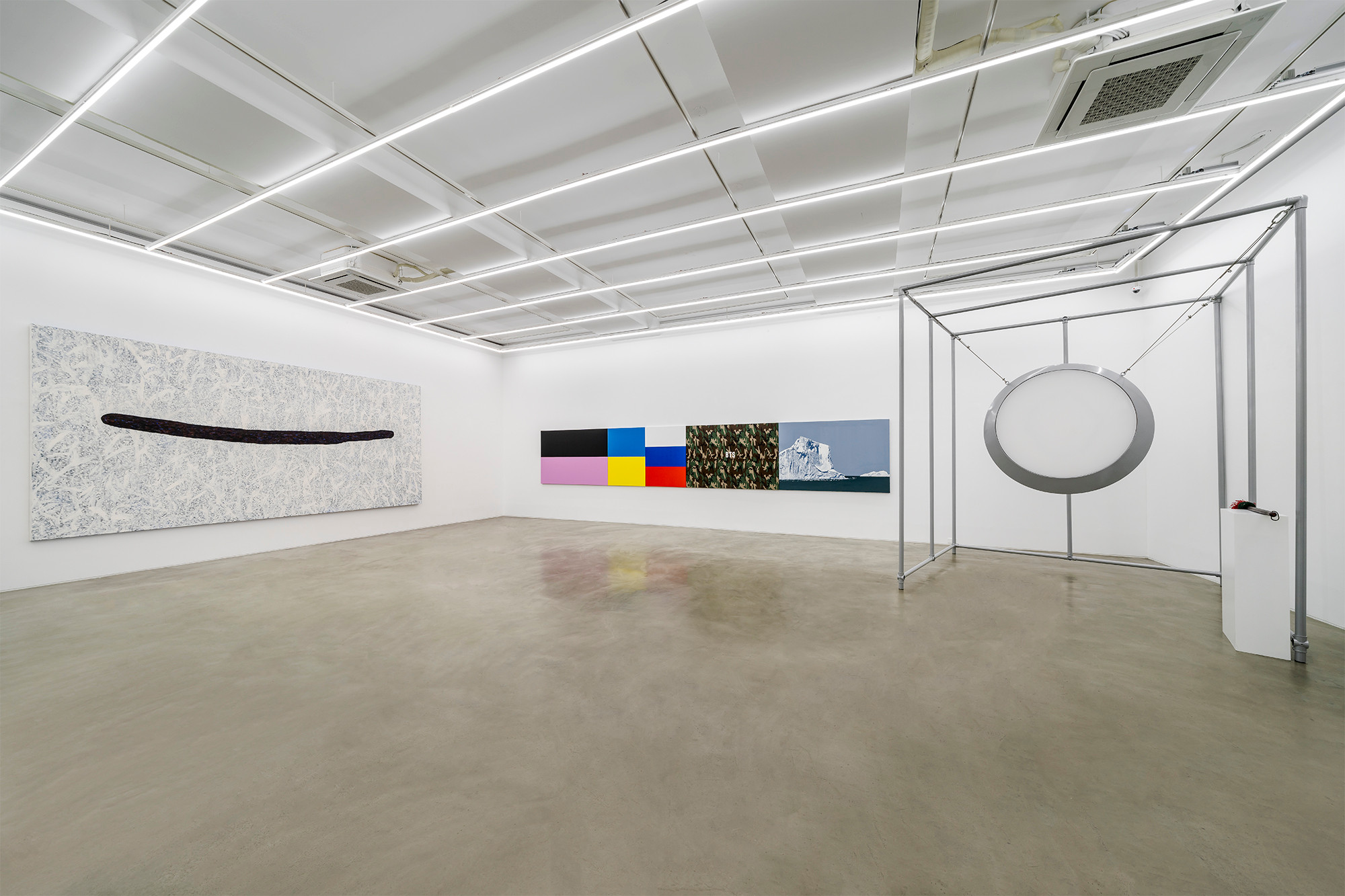
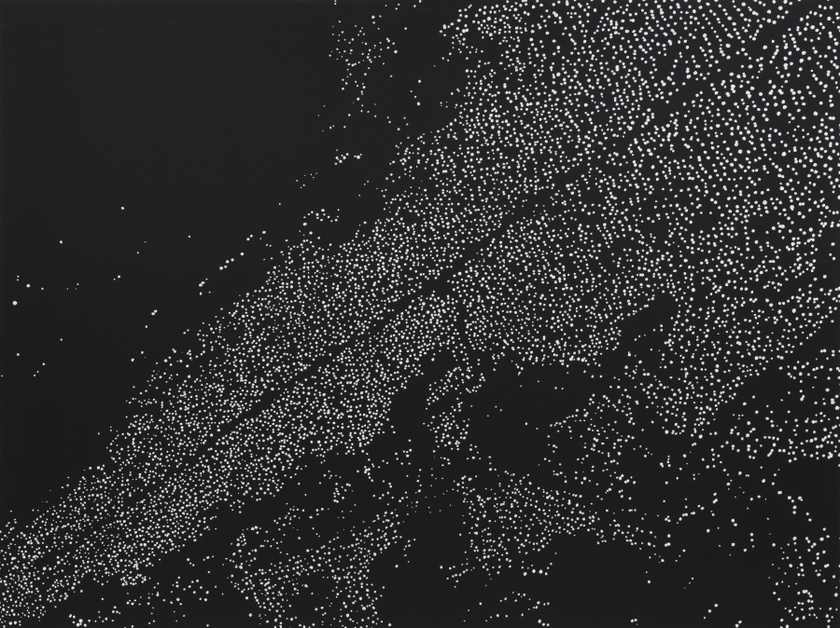
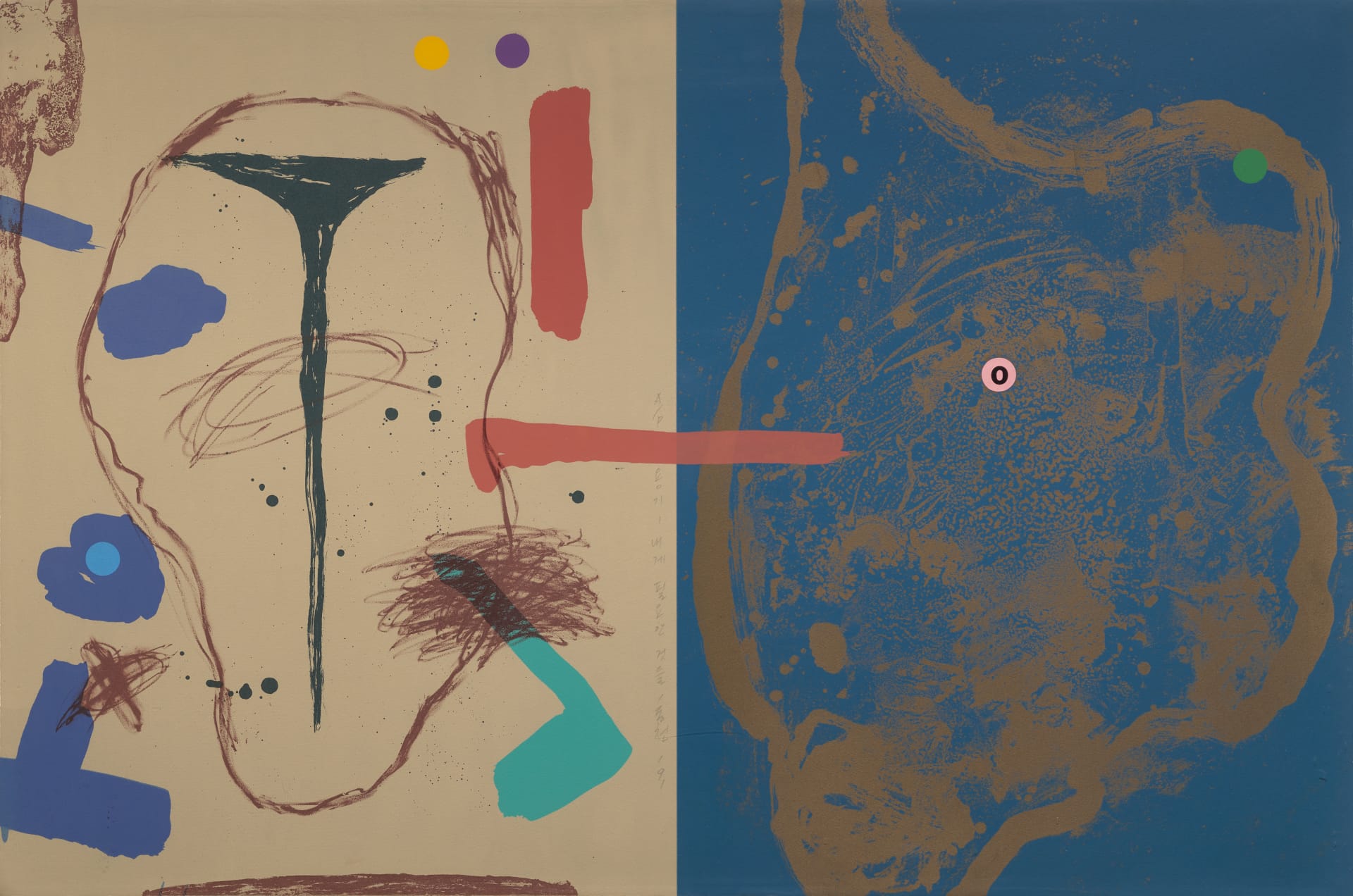
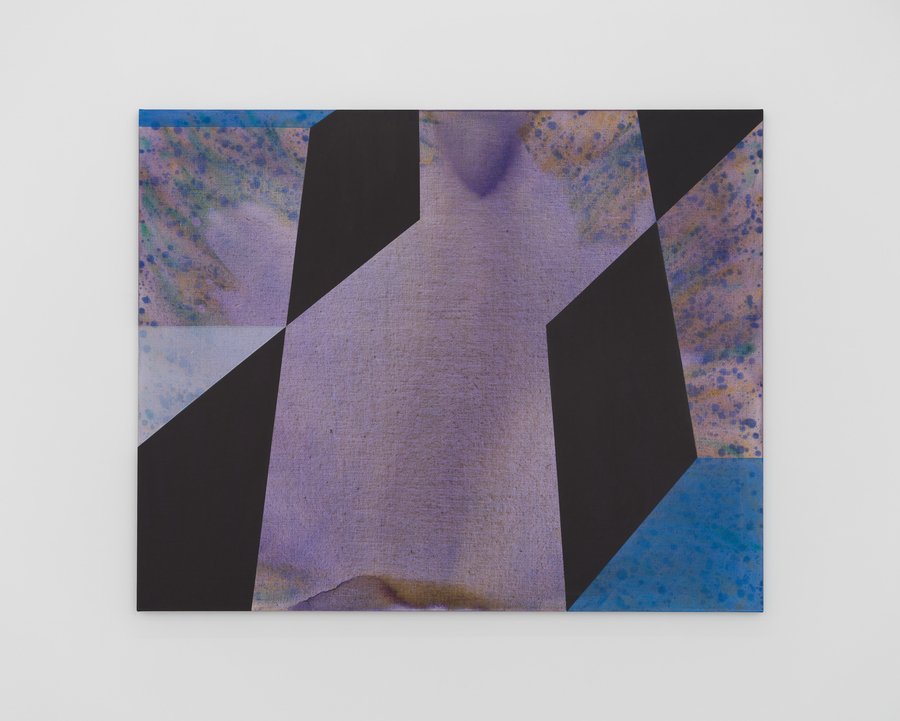
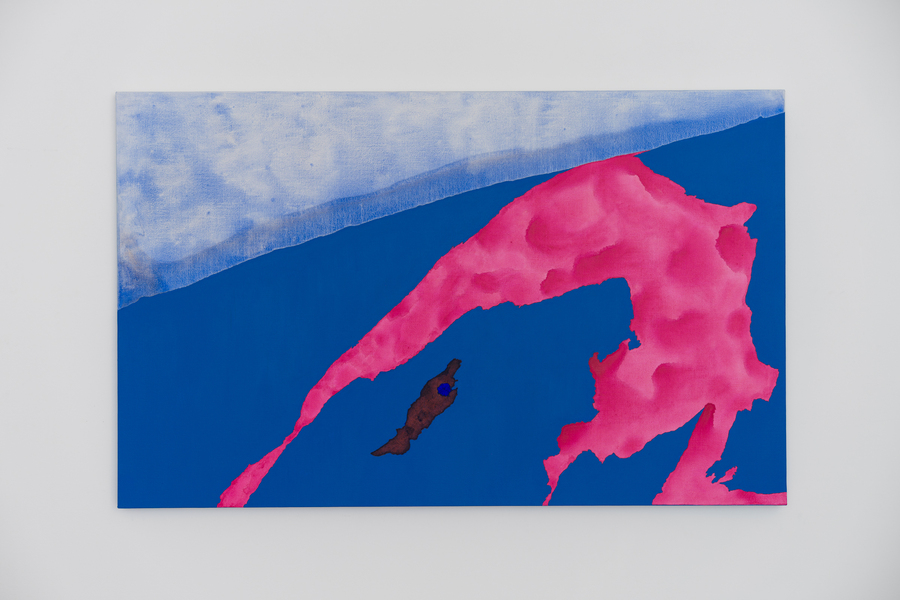
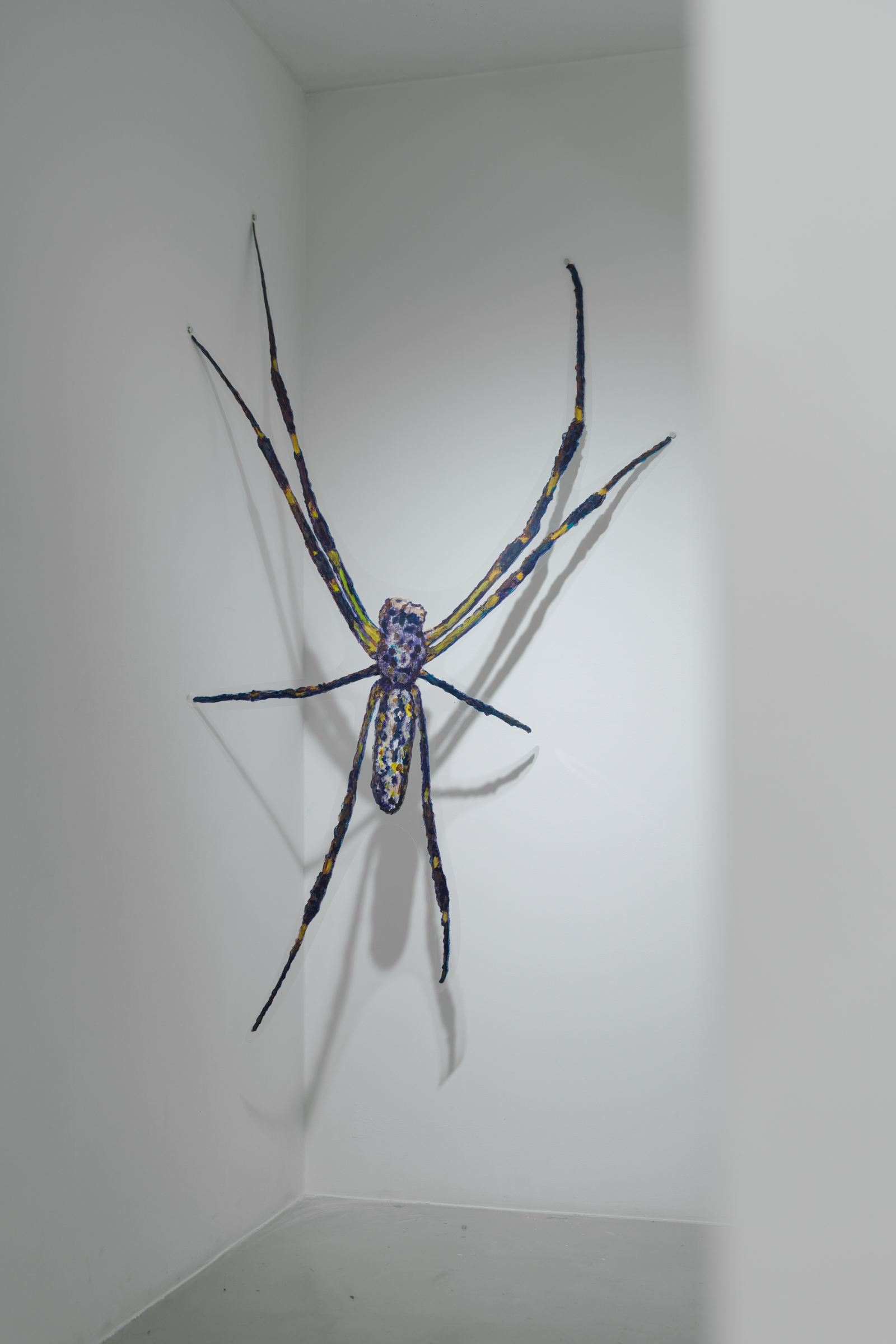
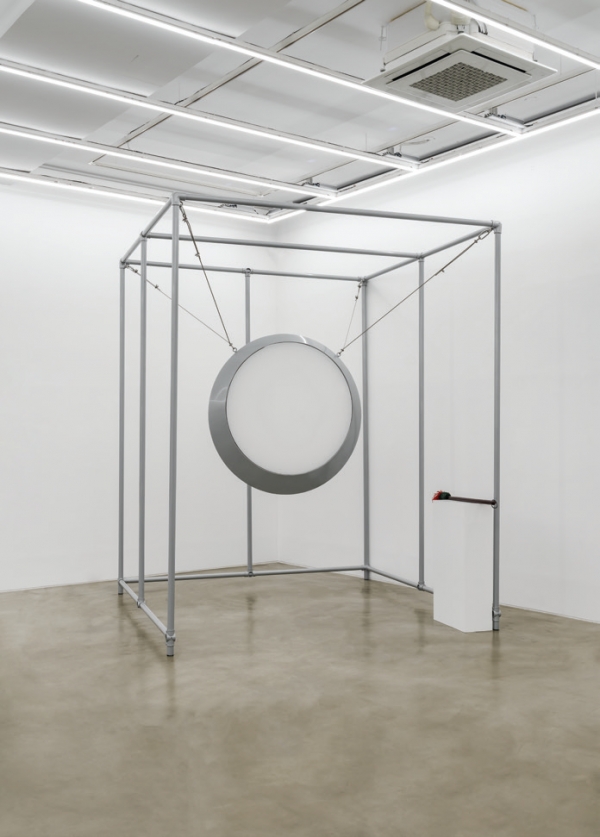
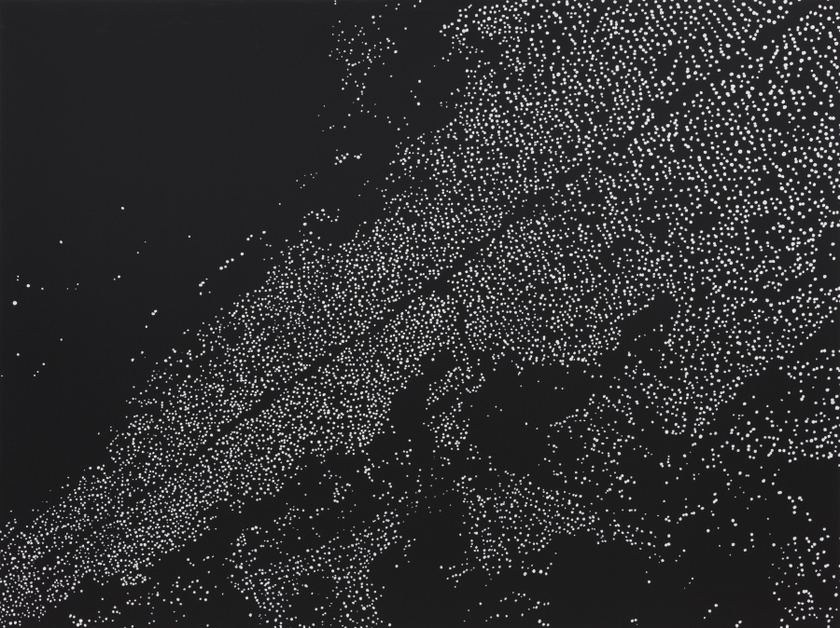
Yoon Dongchun works across painting, installation, printmaking, photography, and drawing. Yet his multidisciplinary approach is not driven by formal experimentation for its own sake. Rather, each medium is selected as a vehicle for articulating specific conceptual concerns. Form is never autonomous; it is inseparable from the logic of thought it seeks to embody.
 
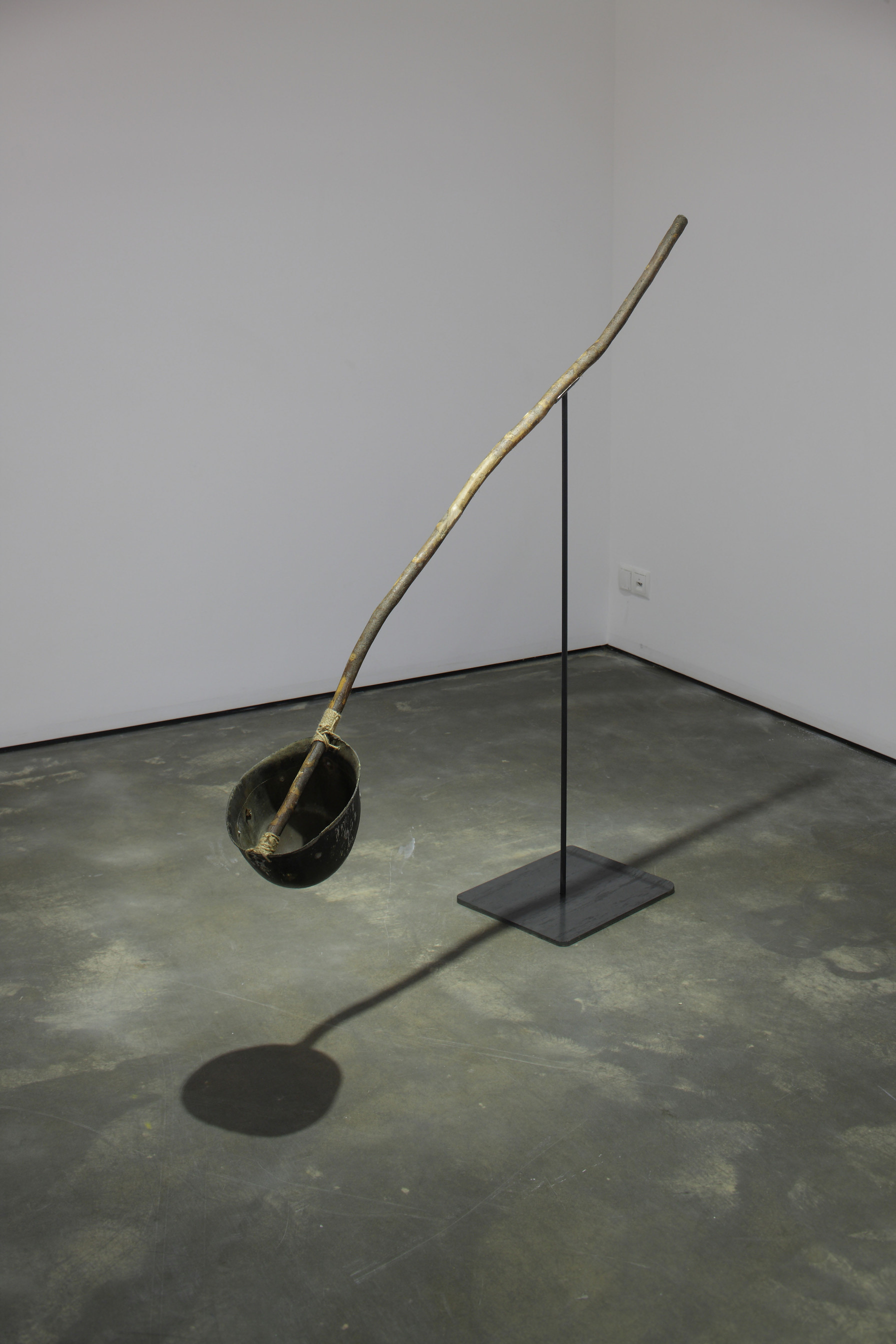
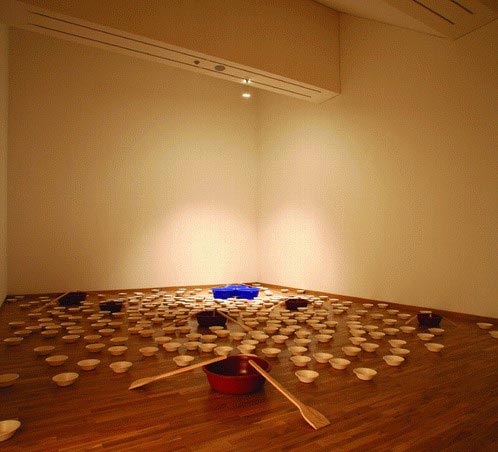
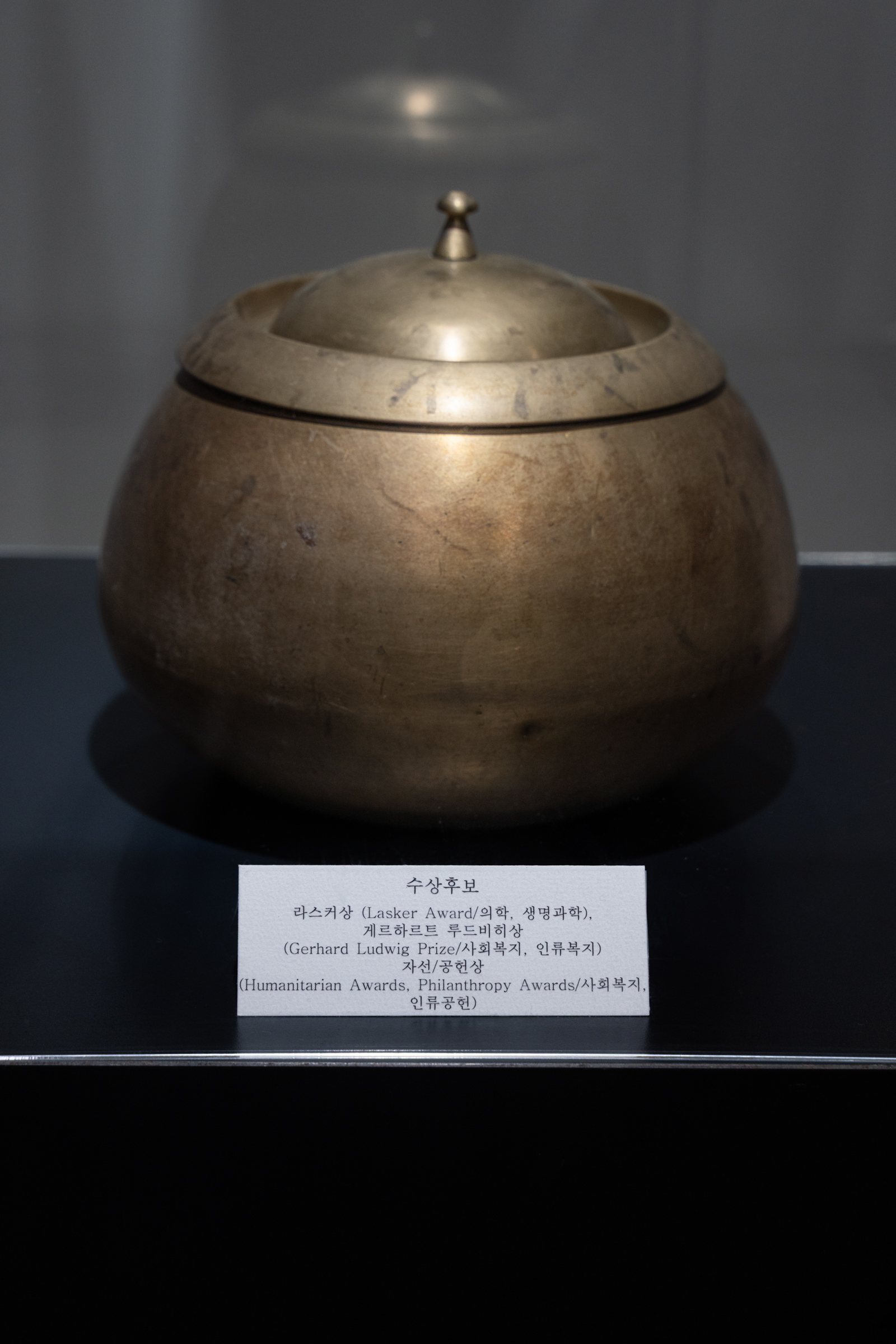
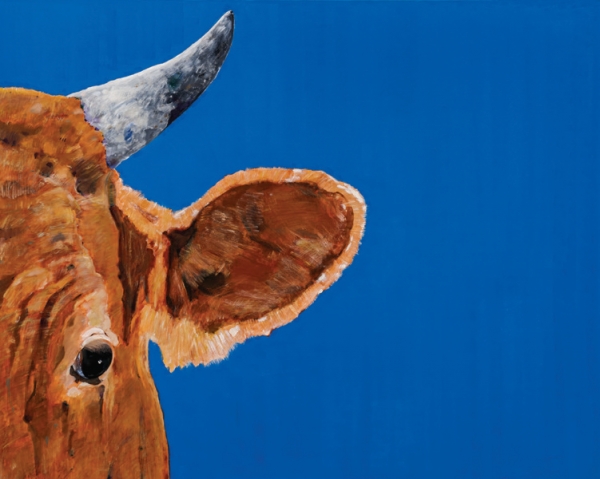
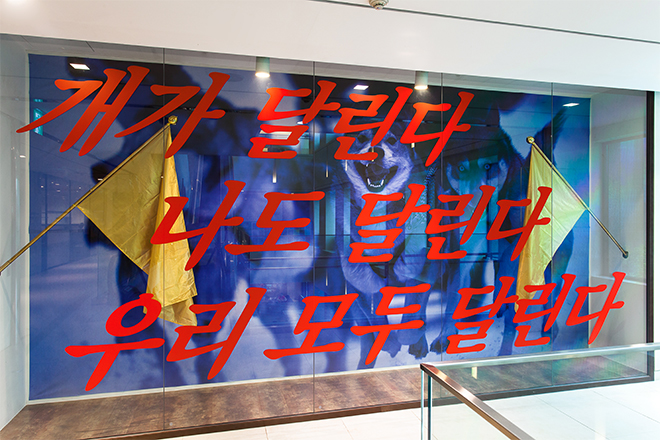
Everyday objects frequently appear in his works—chamber pots, rice paddles, batons, piggy banks, umbrellas, pencils. These objects are not presented as neutral materials but are recontextualized as social signs. By combining them with text or shifting their symbolic function, Yoon destabilizes habitual meanings and exposes the latent operations of power embedded within them. Humor and irony function as strategic tools, enabling critique without overt aggression.
 
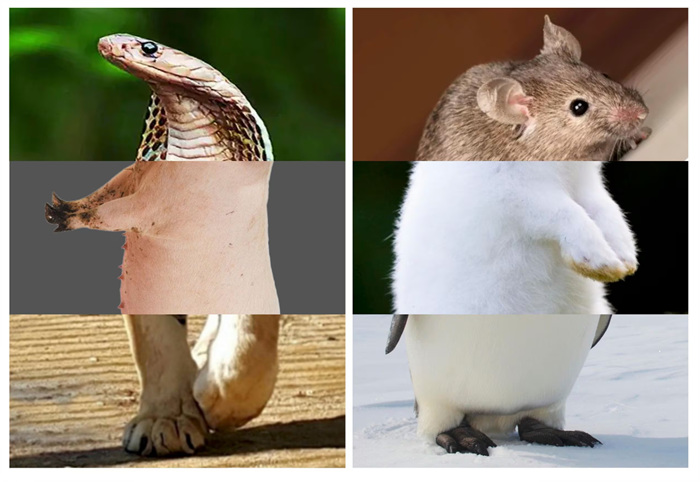
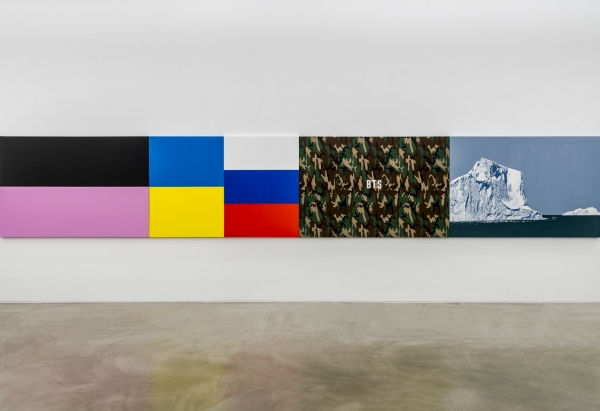
A key feature of his practice is the juxtaposition of image and text. This structure demands interpretation from the viewer, transforming spectatorship into an active process of reading and thinking. The work thus operates as both a visual apparatus and a conceptual field. Viewing becomes a form of participation rather than passive consumption.
 
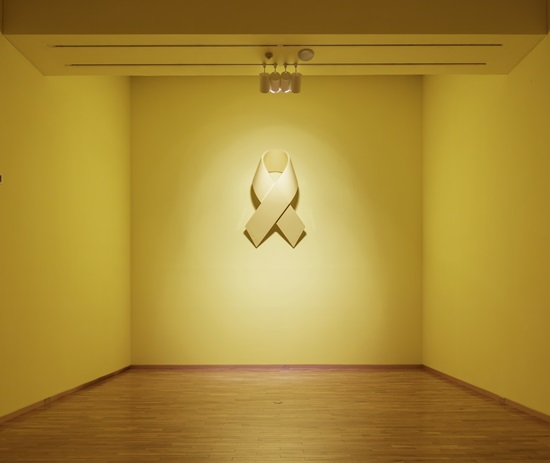
Yoon has also experimented with incorporating surveys, randomness, and non-professional participation into the production of artworks, thereby challenging the myth of artistic authorship. By transforming the exhibition space from a site of pure contemplation into a space for everyday gestures, he blurs the boundaries between art and non-art. Such strategies extend his critique beyond representation, turning it toward the institutional framework of art itself.

Topography & Continuity

Since his return to Korea in 1988, Yoon Dongchun has maintained a consistent critical orientation for over four decades. While the specific social issues addressed in his works have shifted—from the IMF crisis of the 1990s to contemporary political and ecological anxieties—his central concern with ‘here and now’ has remained constant. His art persistently interrogates the conditions of contemporary life.
 
Within the pluralistic landscape of Korean contemporary art, Yoon occupies a singular position. His practice intersects conceptual strategies, postmodern linguistic appropriation, and the socially engaged impulses that followed Minjung art, yet it resists subsumption into any single category. This independence has allowed his work to remain intellectually coherent while adapting to changing cultural contexts.
 
From 1993 to 2022, Yoon served as a professor at Seoul National University, extending his critical practice into the realm of education. For him, teaching was not separate from artistic production but another dimension of it. Through generations of students, his emphasis on reflective inquiry and social awareness has influenced the broader ecology of Korean art. His continuity, therefore, is not only personal but structural.
 
Ultimately, Yoon Dongchun’s trajectory can be understood as a long-term experiment in how art might remain inseparable from life while sustaining critical autonomy. His enduring belief that art emerges from lived reality—and returns to reshape it—constitutes the foundational continuity of his practice and defines his distinct place within Korean contemporary art.

Works of Art

Articles

Exhibitions

Activities