
Koo Bohnchang (b.1953) - K-ARTIST
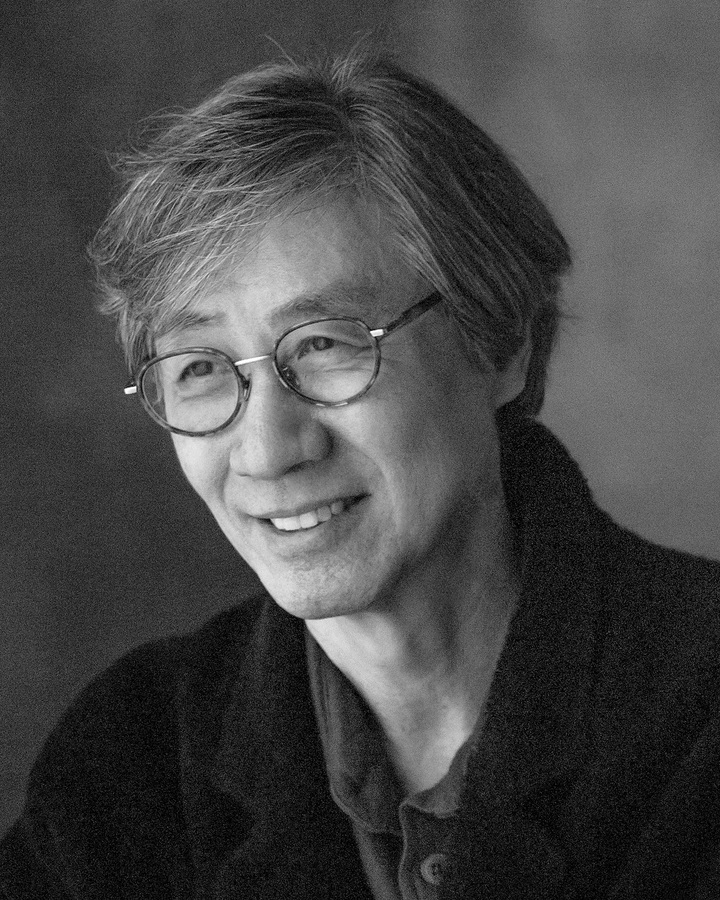
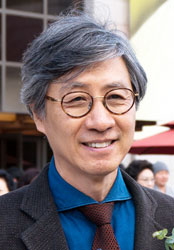
Koo Bohnchang (b.1953)

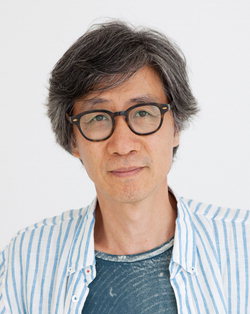
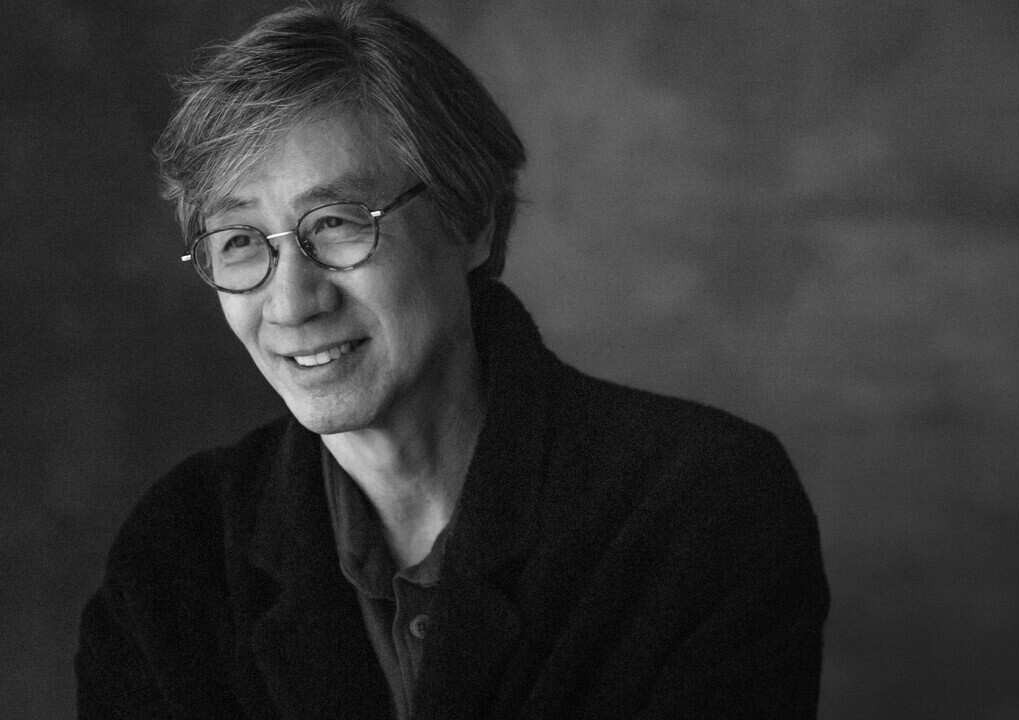
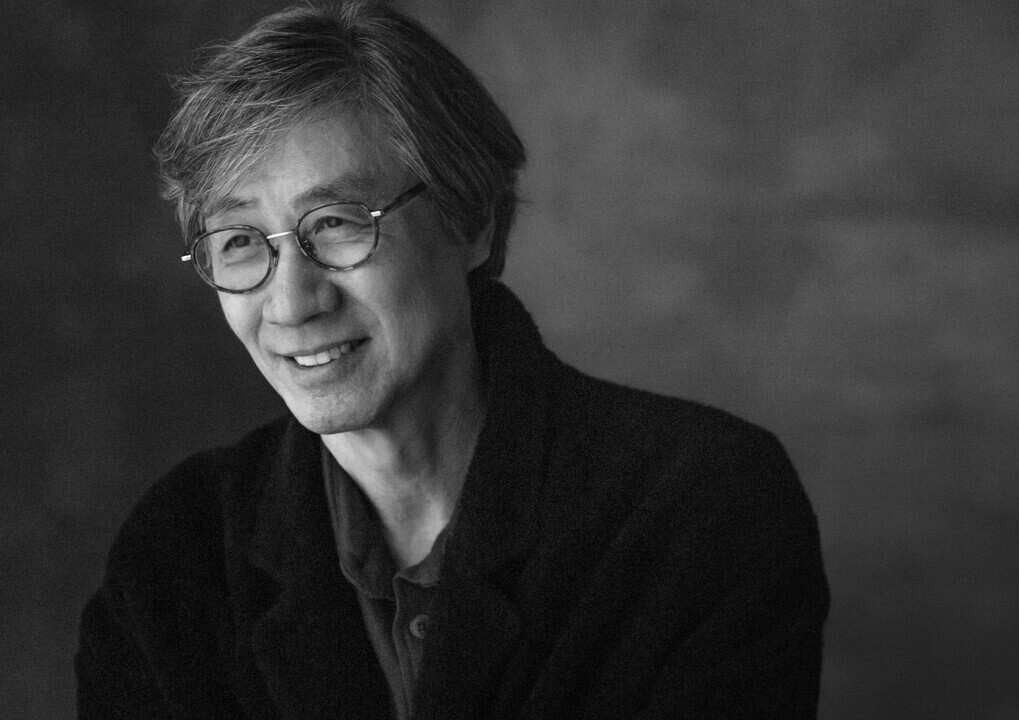
Koo Bohnchang attended Yonsei University majoring in Business Administration and later studied photography in Hamburg, Germany. He was a professor at Kaywon School of Art and Design, Chung Ang University, Seoul Institute of the Arts and a visiting professor in London Saint Martin School.

Solo Exhibitions (Brief)

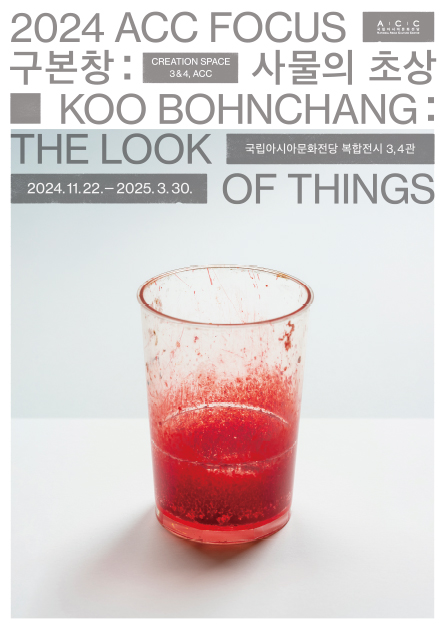
Koo Bohnchang has held solo exhibitions at major museums and institutions in Korea and internationally, including the National Asian Culture Center (2024), Seoul Museum of Art (2023), National Museum of Modern and Contemporary Art, Korea (2014), Philadelphia Museum of Art (2010), Museum of Photographic Arts, San Diego (2002), Peabody Essex Museum (2002), Kahitsukan Kyoto Museum of Contemporary Art (2006), Goeun Museum of Photography (2007), The Museum of Photography, Seoul (2003), Gangneung Museum of Art (2022), the Consulate General of the Republic of Korea in Guangzhou (2023), and Three Shadows Photography Art Centre (Beijing, 2021; Xiamen, 2022).

Group Exhibitions (Brief)

Koo Bohnchang has participated in exhibitions at major museums and institutions in Korea and internationally, including the National Museum of Modern and Contemporary Art, Korea (2008, 2014, 2016, 2024), Seoul Museum of Art (2018), Seoul National University Museum of Art (2019), Ulsan Art Museum (2024), National Folk Museum of Korea (2016, 2017), Leeum, Samsung Museum of Art (2007, 2015), Mori Art Museum (2005, 2015), Seattle Art Museum (2008, 2024), Philadelphia Museum of Art (2025), Museum of Fine Arts, Houston (2009), Santa Barbara Museum of Art (2010), the British Museum (2007), Queensland Art Gallery (1993), and Sharjah Art Museum (2014). He has also been invited to international exhibitions and photography festivals including the Gwangju Biennale (1995), Tokyo International Photo Biennale (1999), FotoFest Biennial (2000, 2004), and the DongGang International Photo Festival (2025).

Awards (Selected)

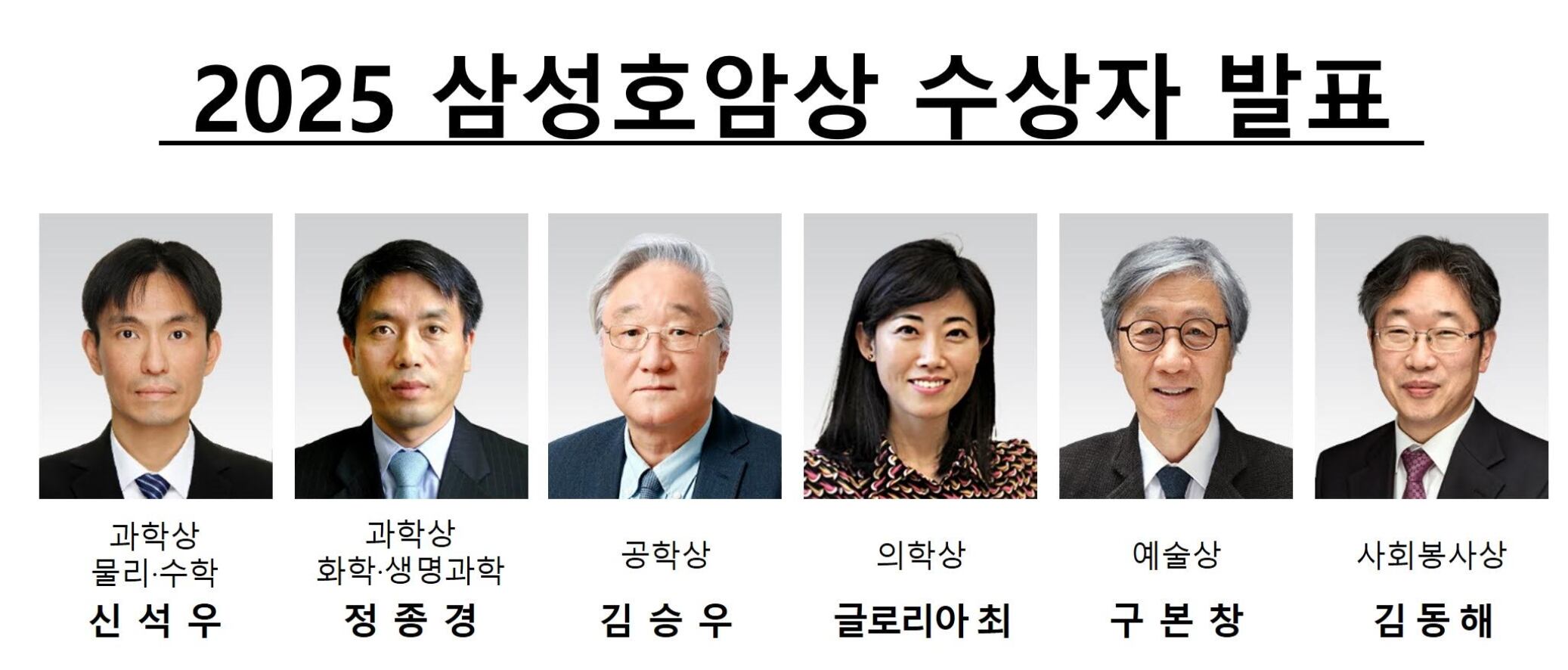
Koo Bohnchang has received the Samsung Ho-Am Prize (2025), the Seoul Culture Today Cultural Awards Special Grand Prize (2024), the 3.1 Culture Award (2022), the Republic of Korea Culture and Arts Award (2015), the DongGang Photography Award (2014), the Gangwon Documentary Prize (2003), and the Lee Myoungdong Prize (2000).

Collections (Selected)

Koo Bohnchang’s works are included in the collections of major museums and institutions worldwide, including the British Museum, the Victoria and Albert Museum, the Museum of Fine Arts, Boston, the Museum of Fine Arts, Houston, the San Francisco Museum of Modern Art, the Philadelphia Museum of Art, the Denver Art Museum, the Museum of Art and Craft Hamburg, the Musée Guimet, the Art Gallery of New South Wales, the Queensland Art Gallery, the National Museum of Modern and Contemporary Art, Korea, the Seoul Museum of Art, the Busan Museum of Art, Leeum, Samsung Museum of Art, the National Folk Museum of Korea, and Museum Hanmi.
Works of Art

Originality & Identity

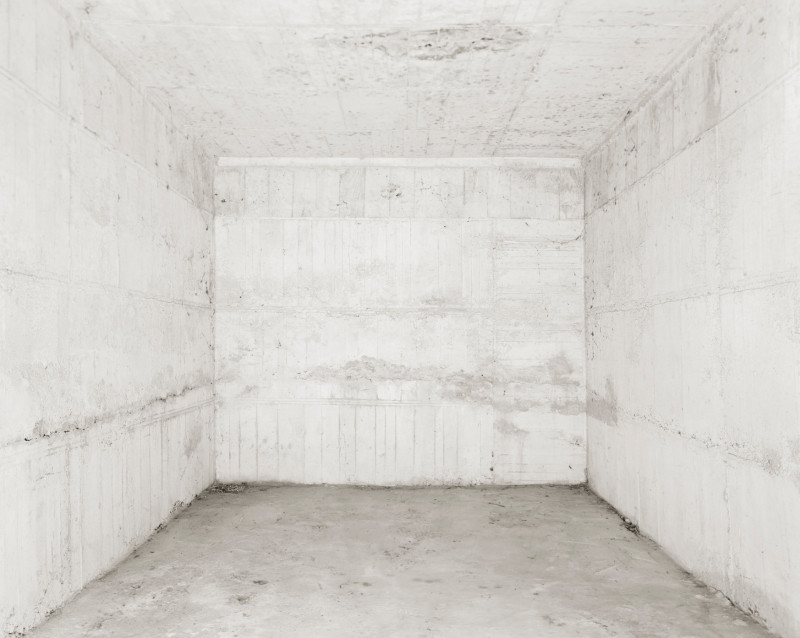
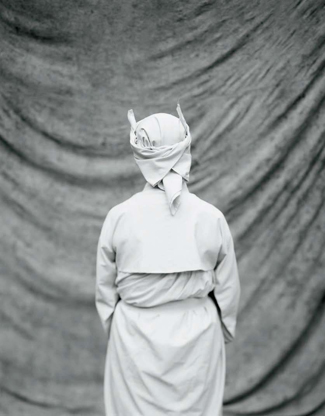
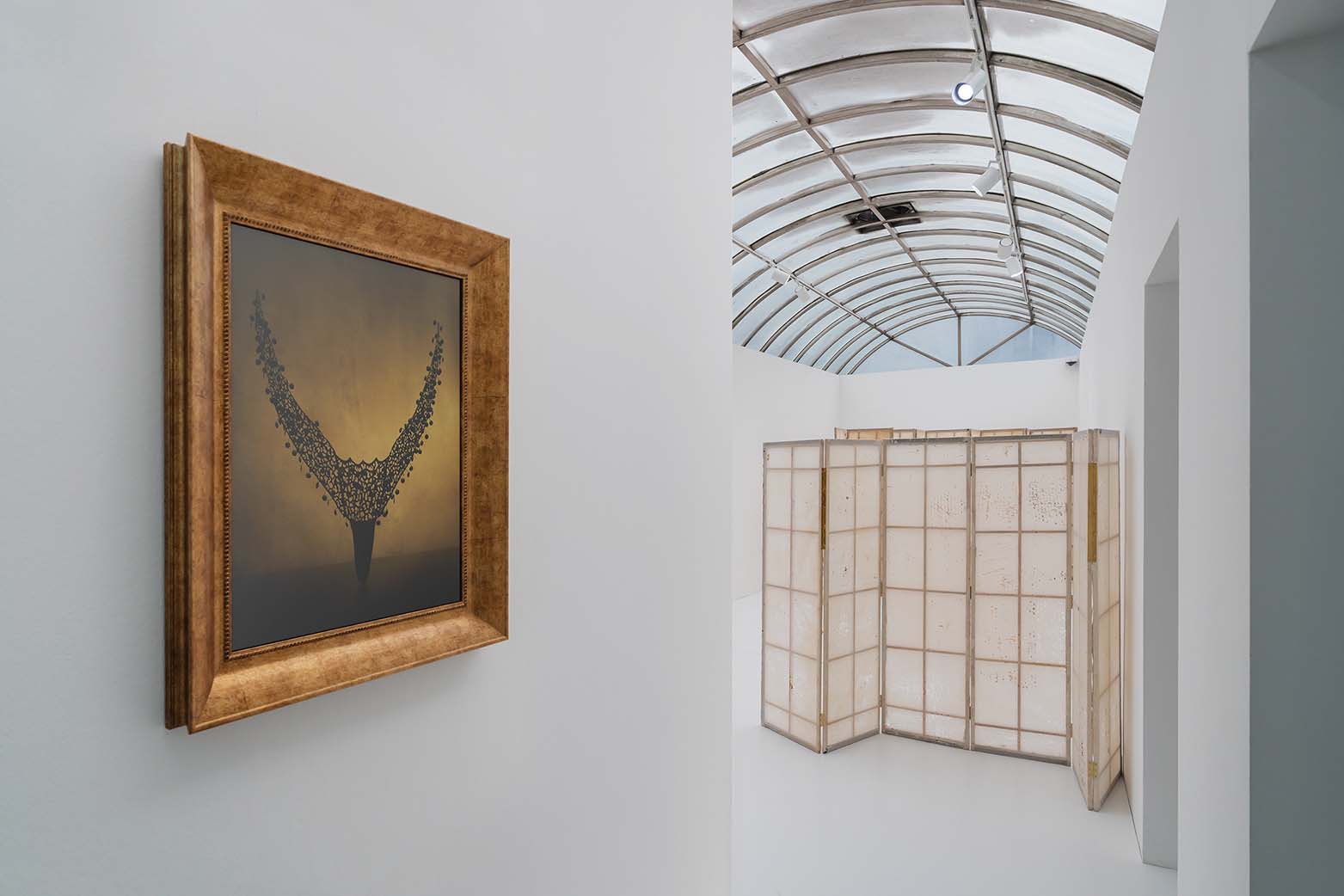
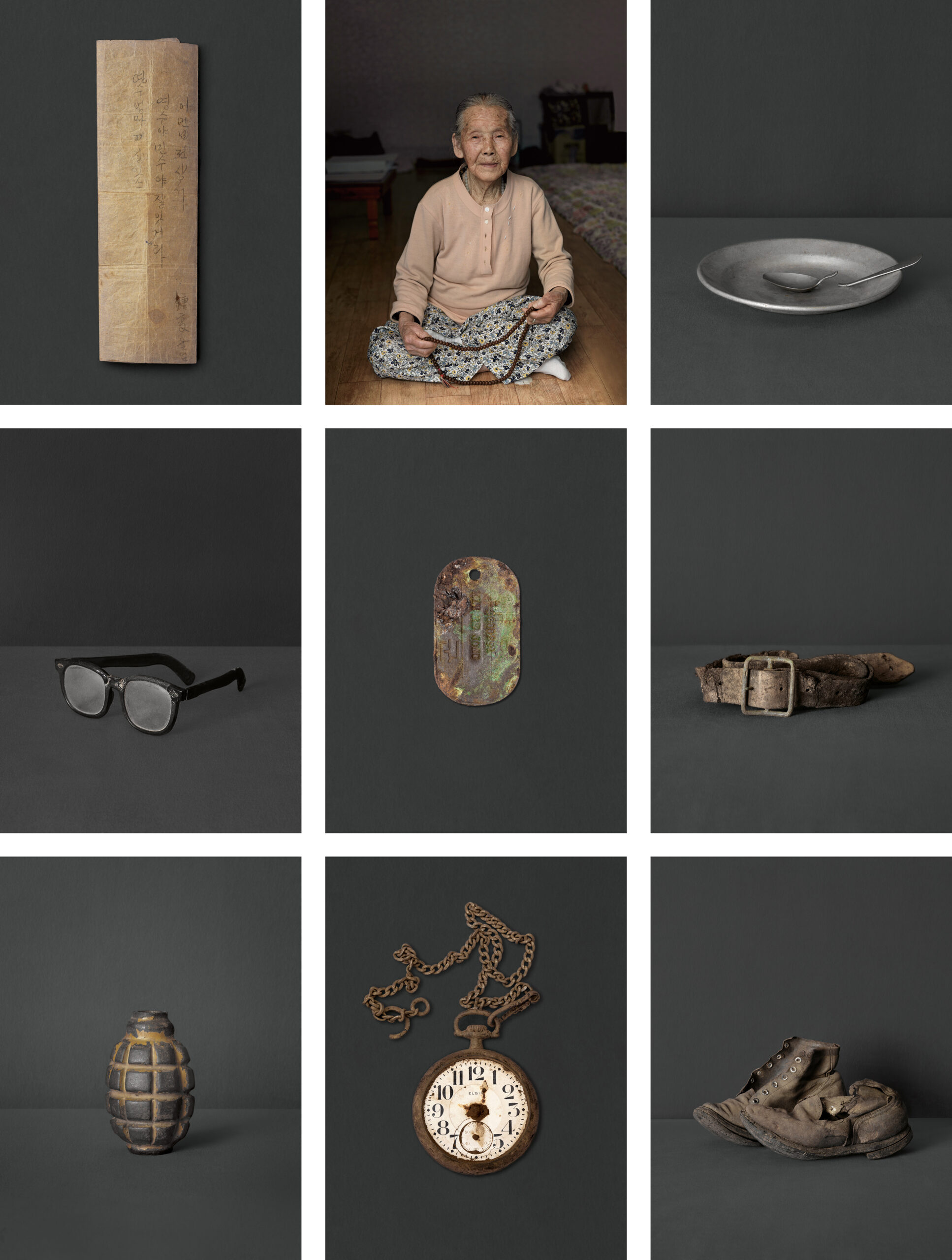
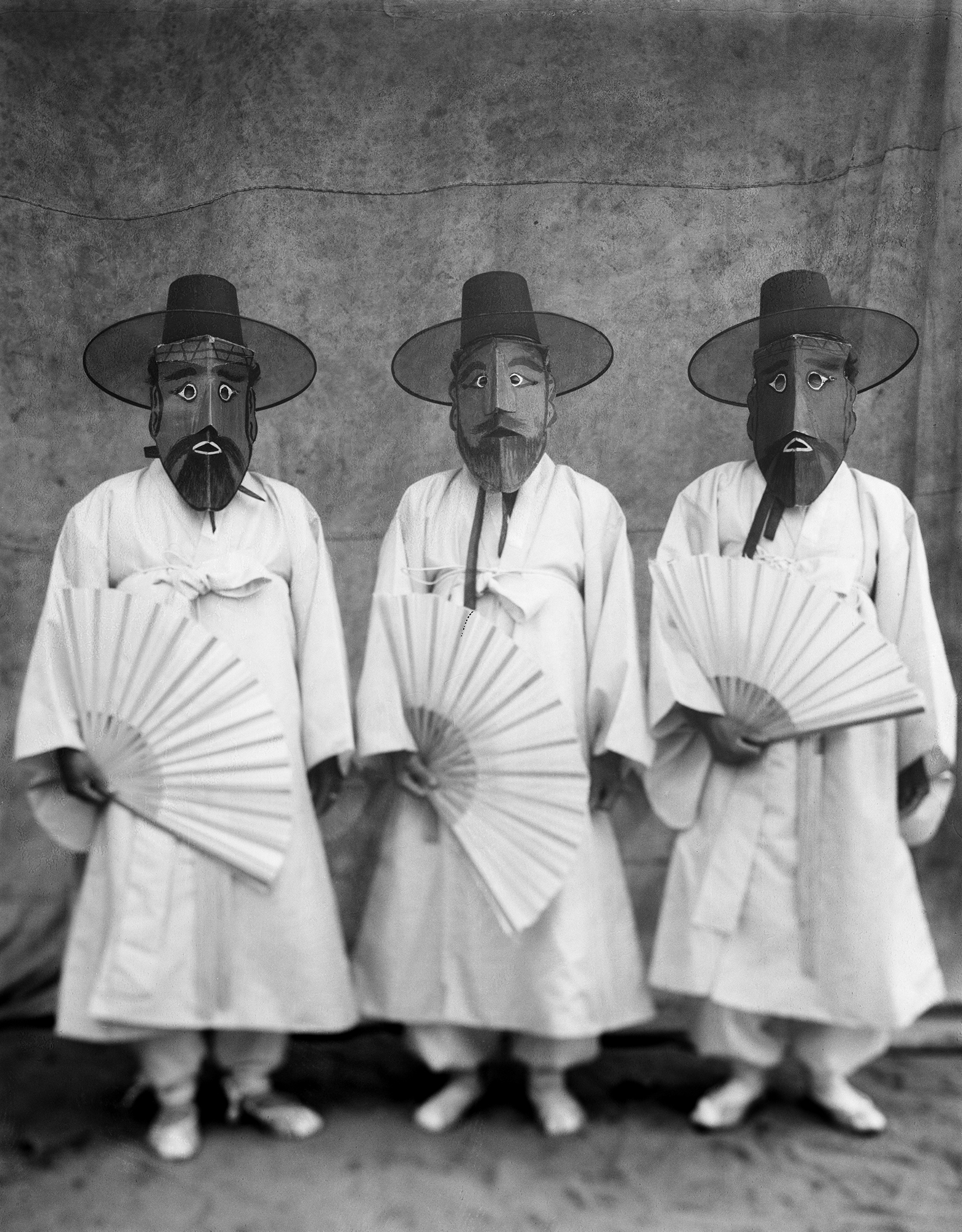
Koo Bohnchang’s photographic practice begins with an inquiry into the relationship between objects, human beings, and time. By photographing everyday objects, cultural artifacts, or empty spaces, he directs attention not to the material form of these subjects but to the traces of time accumulated within them. In his work, objects appear not merely as things but as presences imbued with the experiences and memories of human life, while photography becomes a medium capable of capturing the subtle resonance emanating from their existence.
 
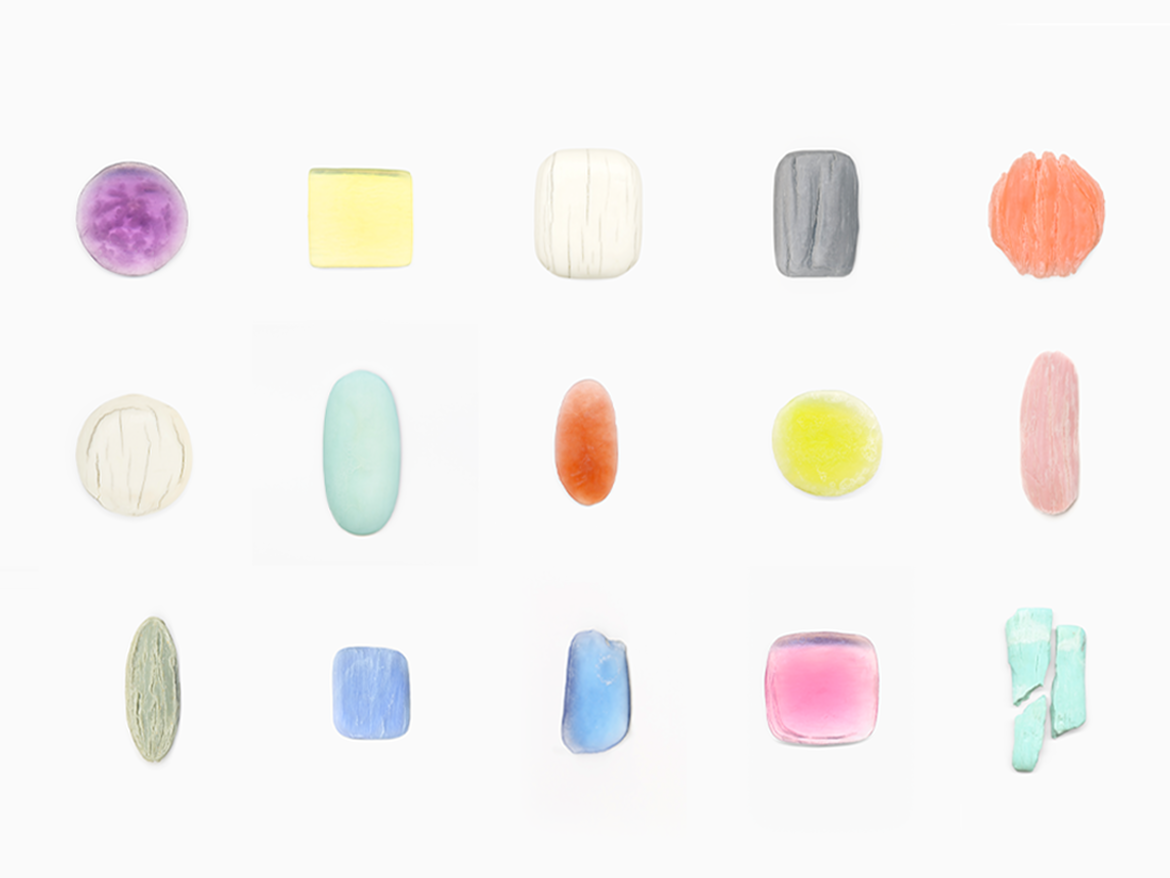
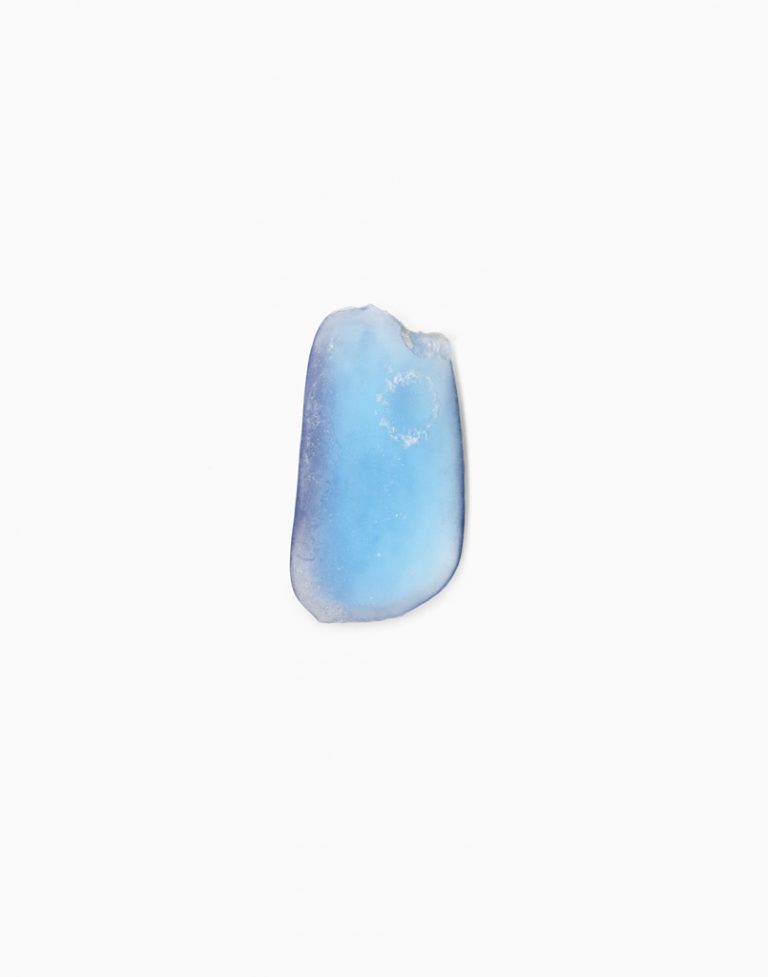
This sensitivity to resonance relates to what the artist has described as the “low-frequency sound” of existence—something that is not easily perceived but quietly persists. Koo often turns his gaze toward objects that tend to escape notice: worn fragments of soap, old belongings marked by human touch, or artifacts bearing the marks of time. Photography here functions not as a straightforward act of representation but as a means of revealing the relationship between human life and the material world. Through the camera, objects acquire new meanings, and photography transforms these relationships into a visual experience.
 
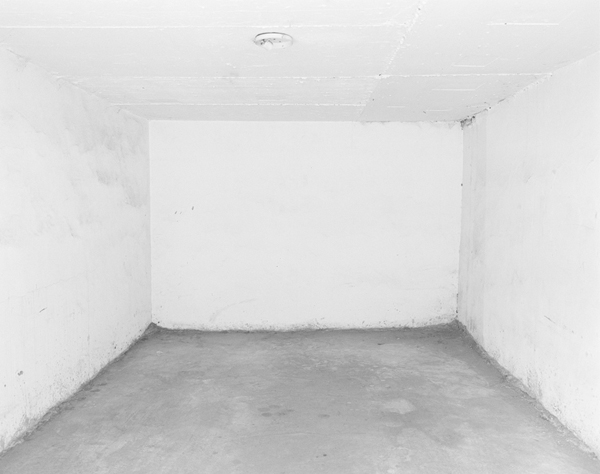
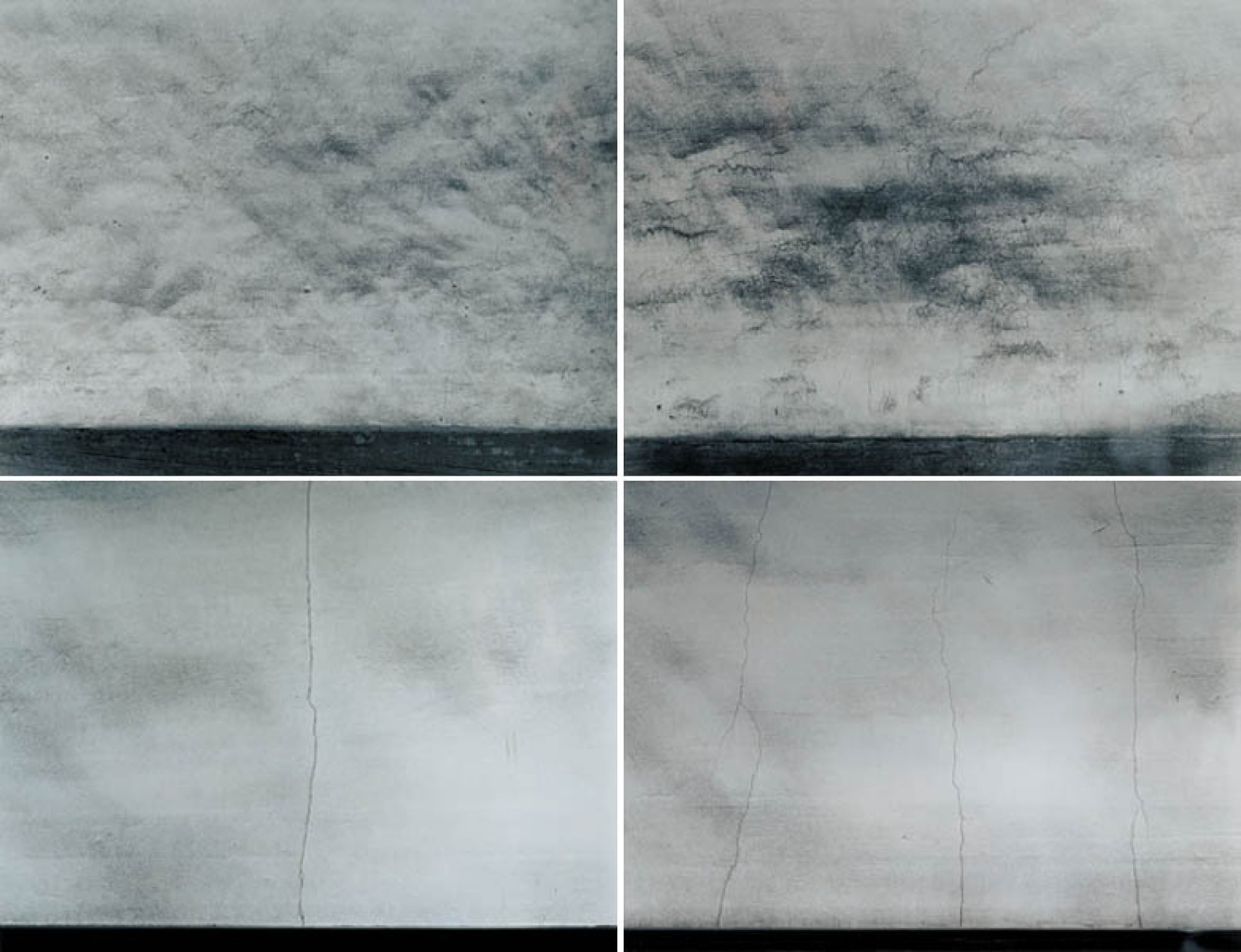
Another significant aspect of Koo’s practice is the coexistence of presence and absence. Many of his photographs evoke existence through traces left behind rather than through overt representation. Empty spaces, worn surfaces, and subtle transformations caused by time suggest memories and histories that cannot be directly seen. Such a perspective resonates with an East Asian worldview that approaches the world not as an object of analytical observation but as a network of relationships between humans and things.
 
Ultimately, Koo Bohnchang’s photography explores the interwoven relationship between objects, human experience, and time. His work moves beyond recording the outward appearance of things to reveal layers of memory and traces of existence, encouraging viewers to reconsider the ways in which we relate to the world.

Style & Contents

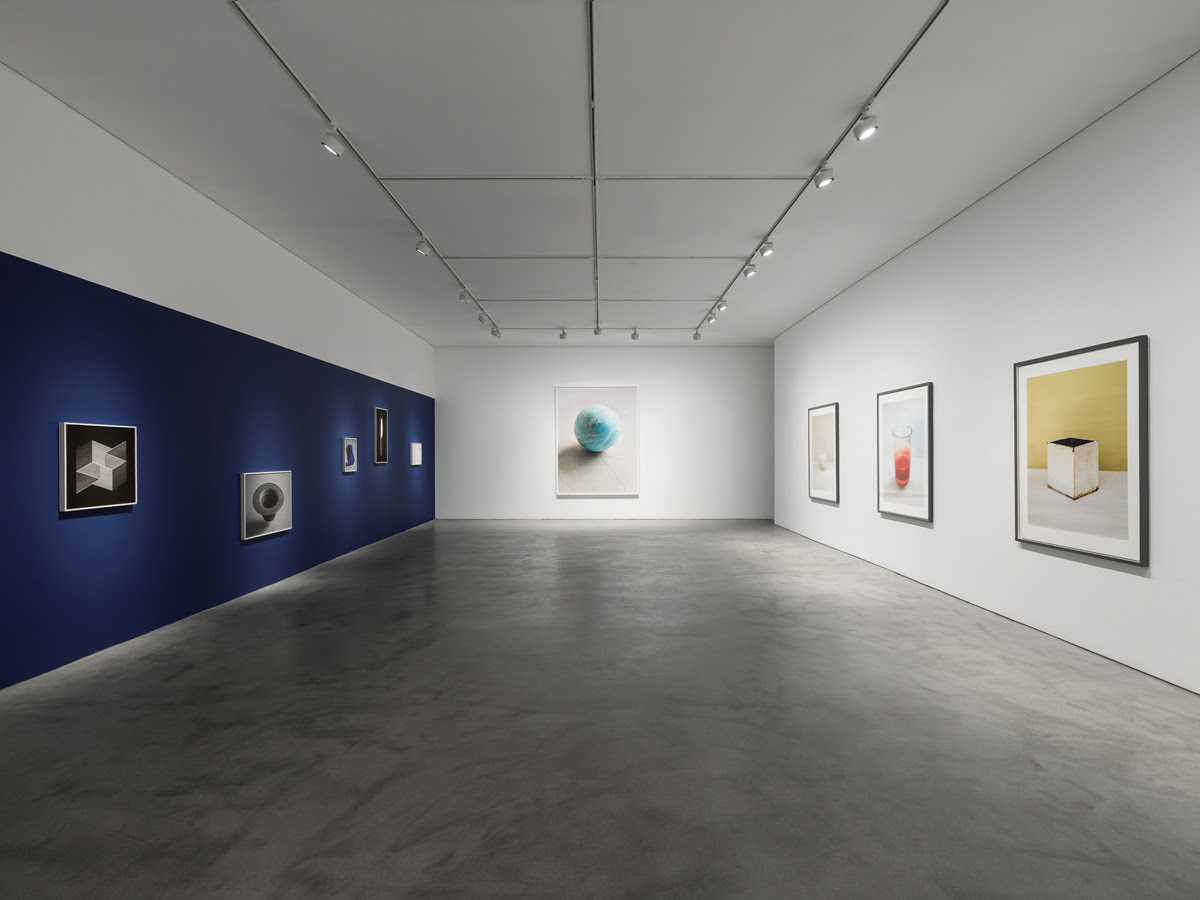
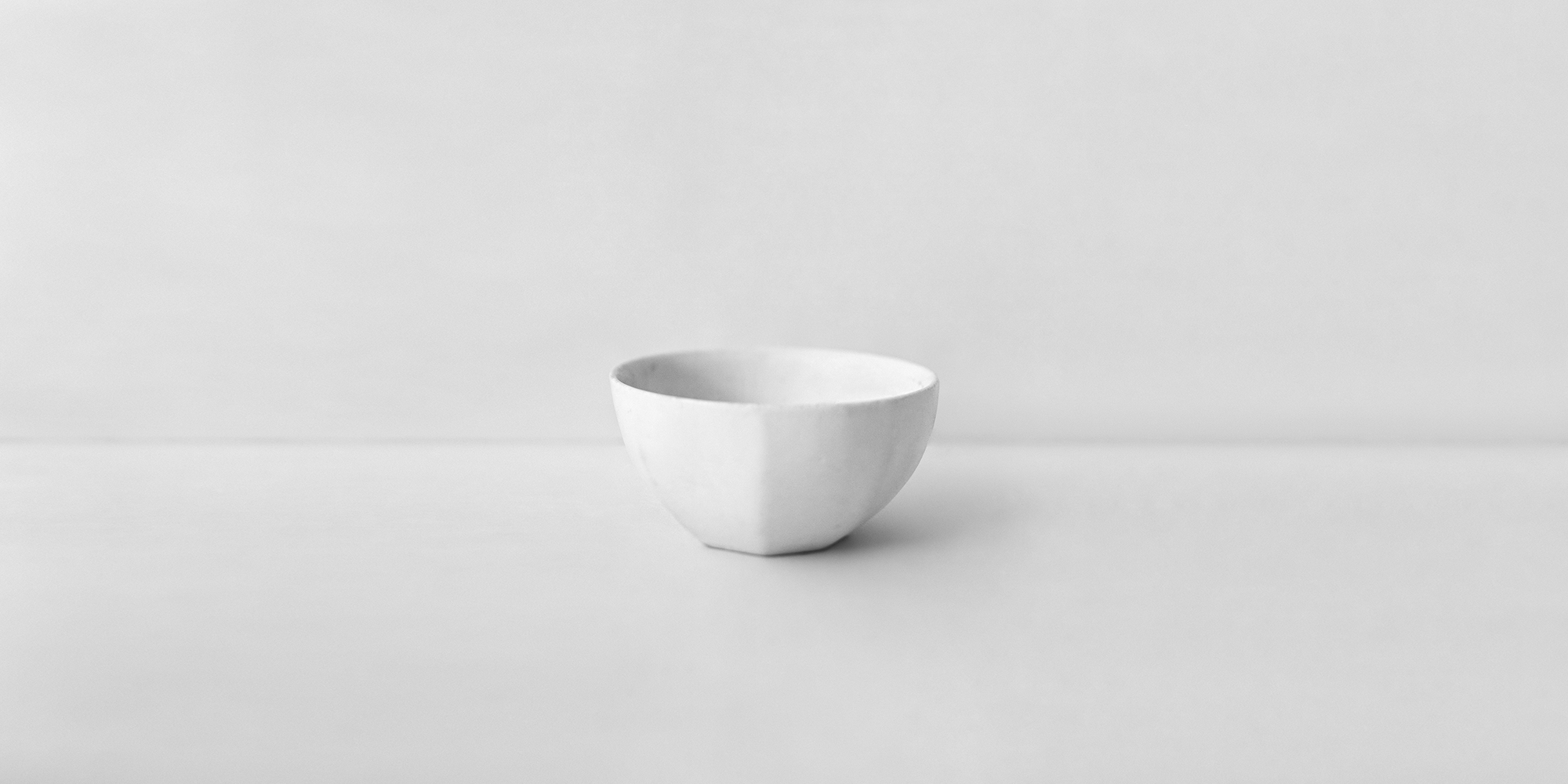
Koo Bohnchang’s photographs are characterized by restrained compositions and a subtle orchestration of light. By minimizing background elements and visual distractions, he draws attention to the form, surface, and accumulated traces of time embedded in the object itself. Through this approach, ordinary objects are transformed from documentary subjects into aesthetic presences.
 
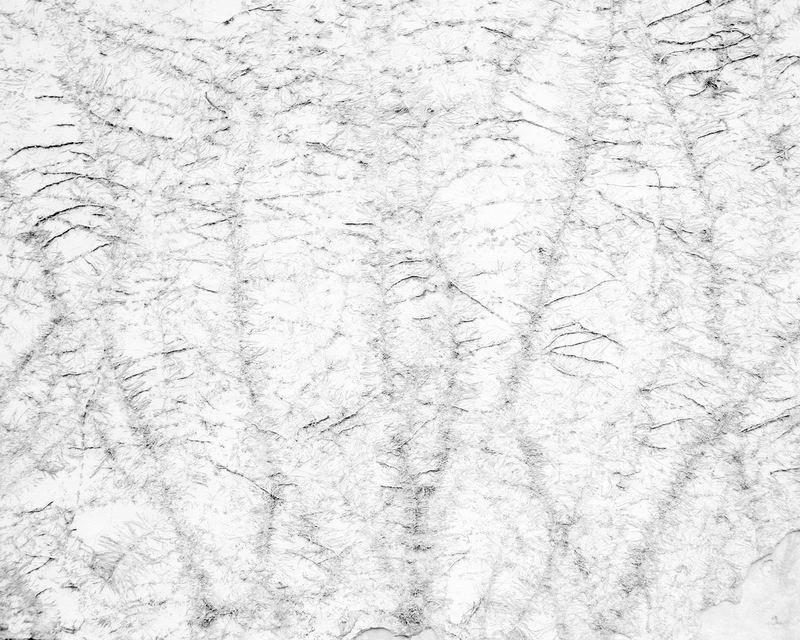
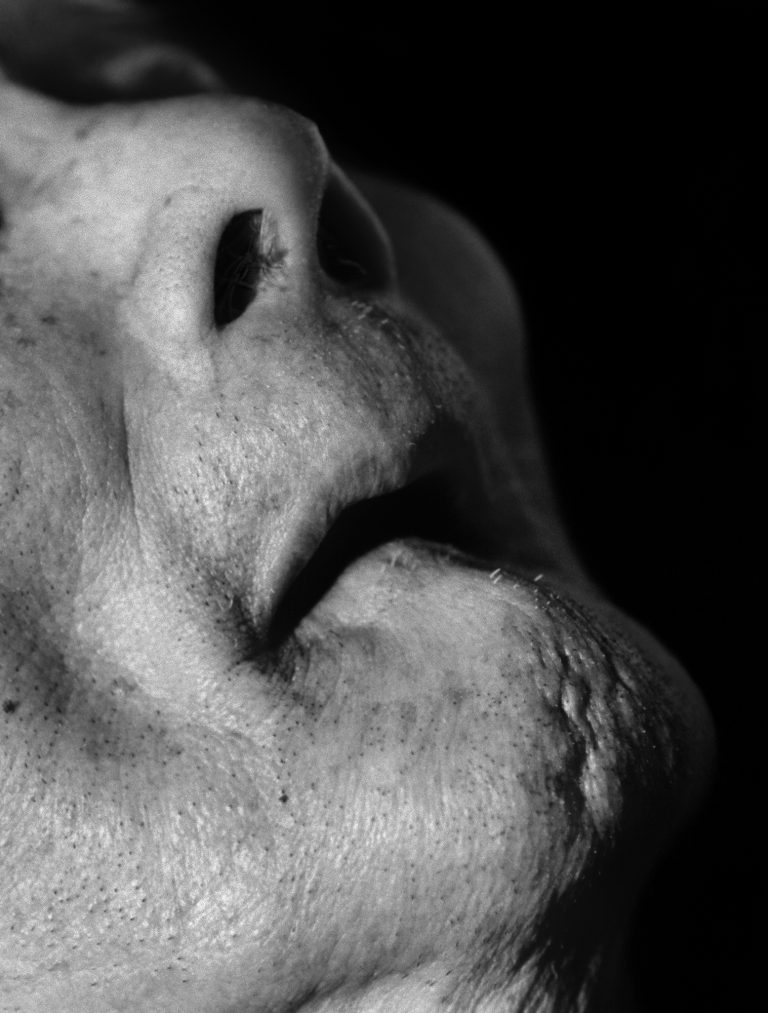
A notable formal feature of his work lies in its visual language that suggests the whole through fragments. Images of waves, snow, walls, or partial views of objects rarely present a complete scene; instead, they invite viewers to imagine a larger landscape beyond what is shown. This method resembles a form of visual synecdoche, in which small units imply a broader continuity, suggesting an infinite extension beyond the frame.
 
At the same time, Koo’s work maintains a delicate tension between photographic representation and aesthetic distance. While he closely observes the subject, he preserves a certain distance that prevents the object from becoming merely descriptive. This distance enables the photographed object to function as a space for contemplation rather than as a simple depiction of reality. It is through this carefully calibrated distance that photography retains both its documentary quality and its poetic resonance.
 
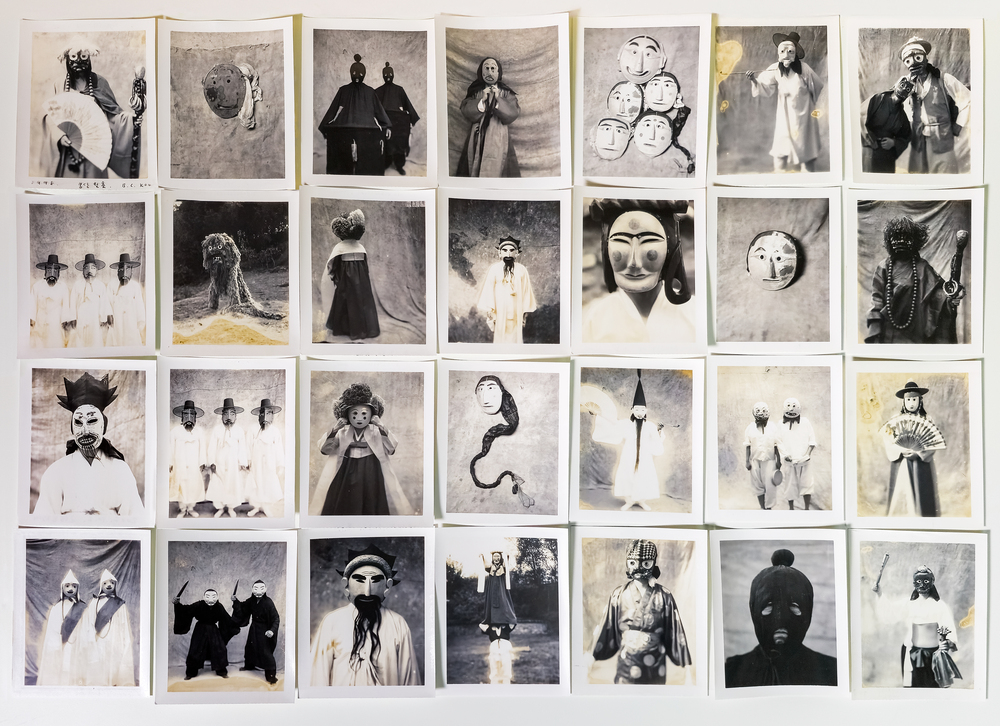
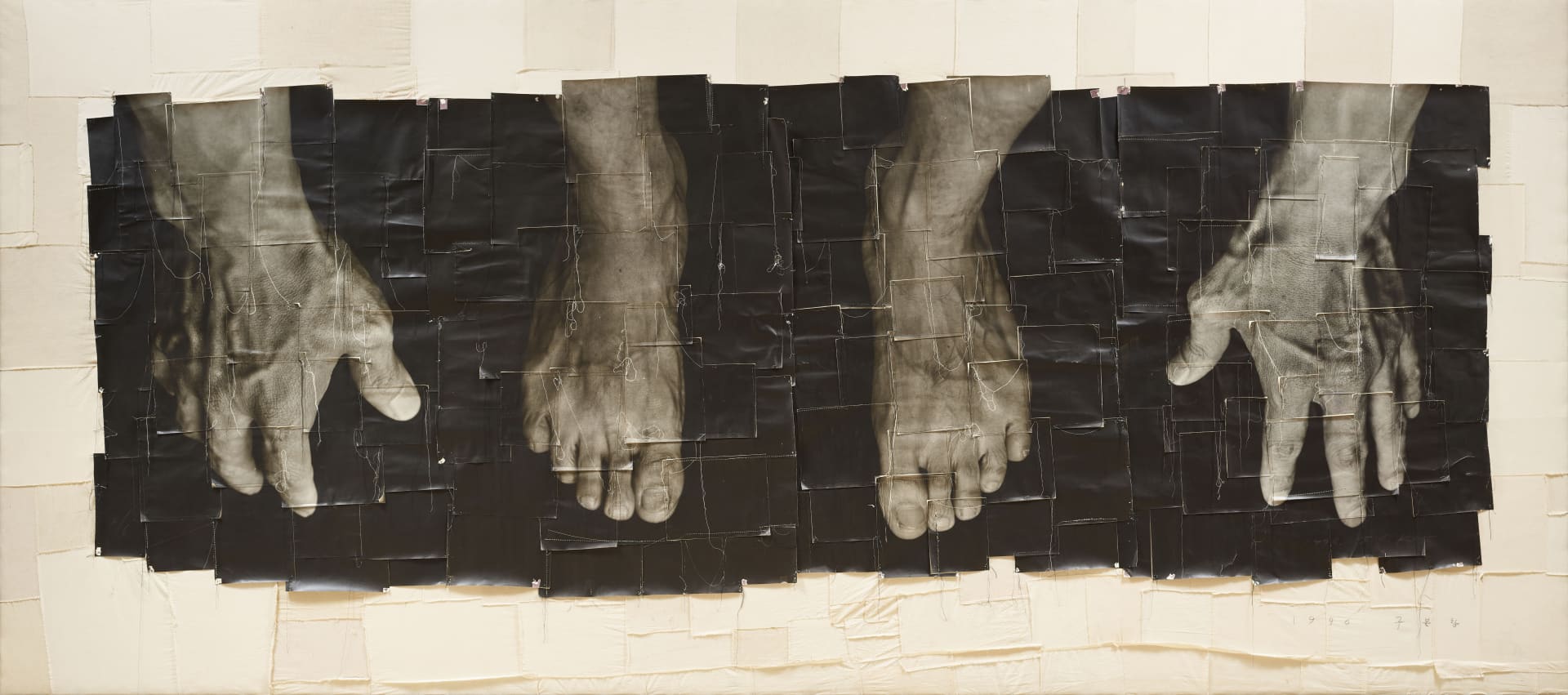
Beginning with experimental works involving photomontage, photograms, and installations, Koo gradually moved toward a more contemplative engagement with objects and time. This evolution reflects a shift from formal experimentation toward a deeper philosophical reflection on existence and temporality within the medium of photography.

Topography & Continuity

Throughout the different phases of his career, Koo Bohnchang’s practice has maintained a consistent engagement with questions of time, memory, and existence. While his early works explored issues of identity and social anxiety, his later photographs increasingly focus on objects and the contemplative presence of time embedded within them. This thematic continuity reveals a long-term artistic inquiry rather than a series of stylistic shifts.
 
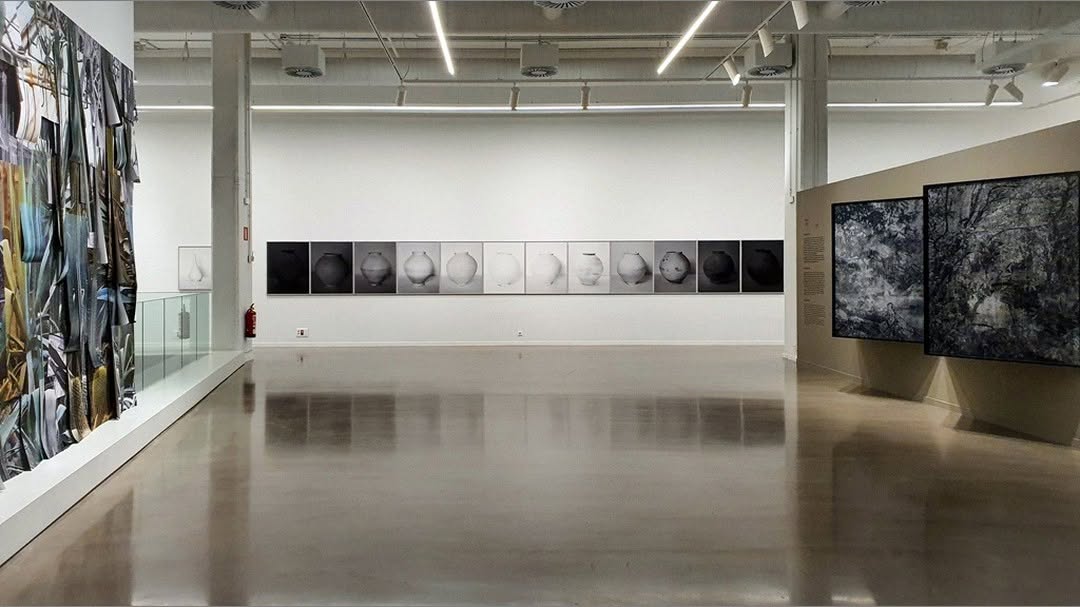
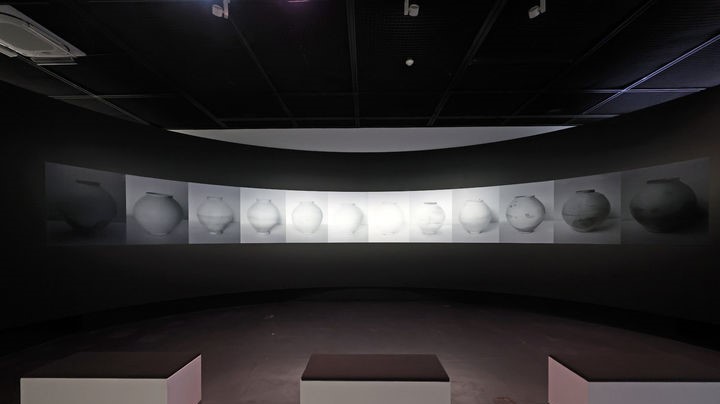
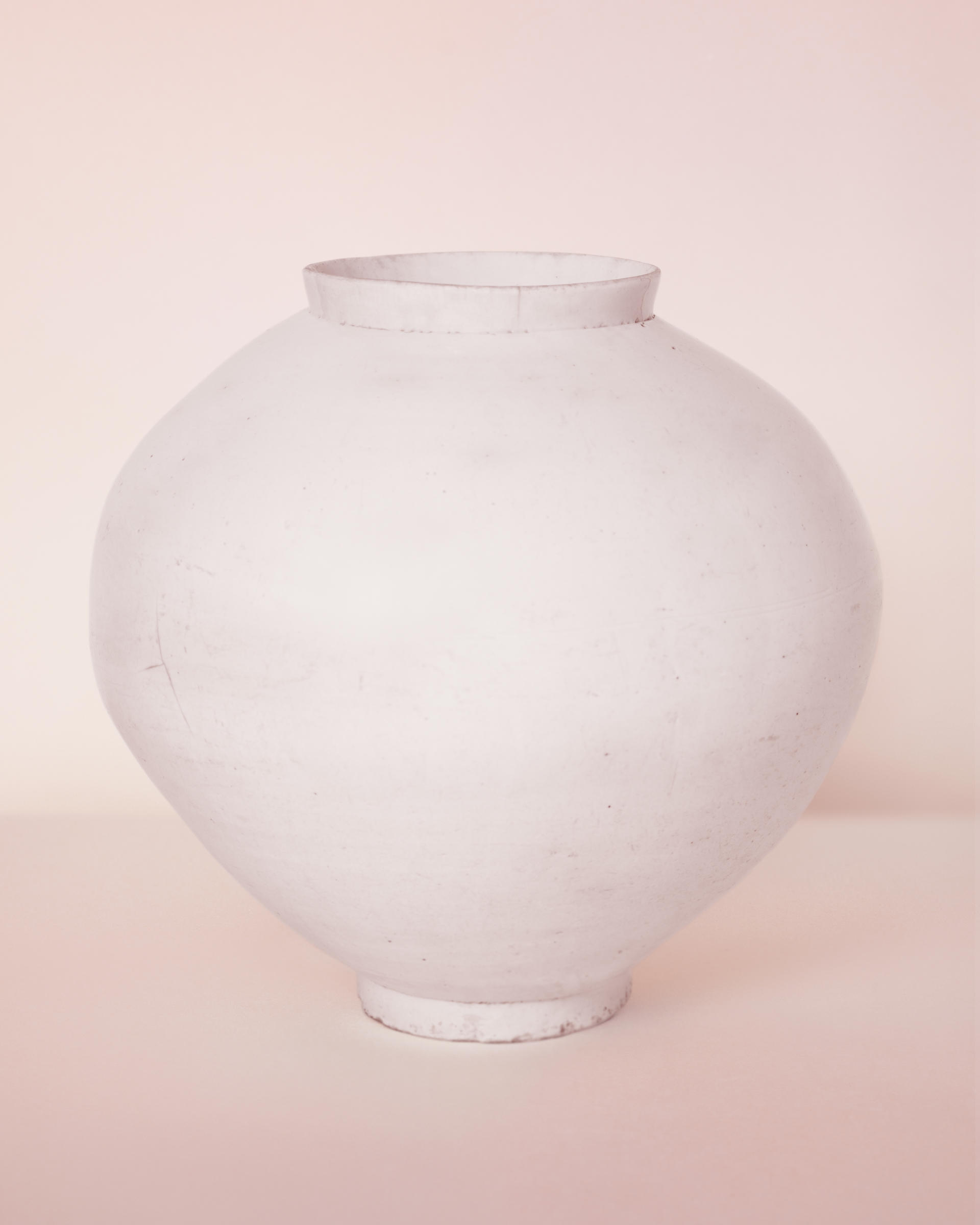
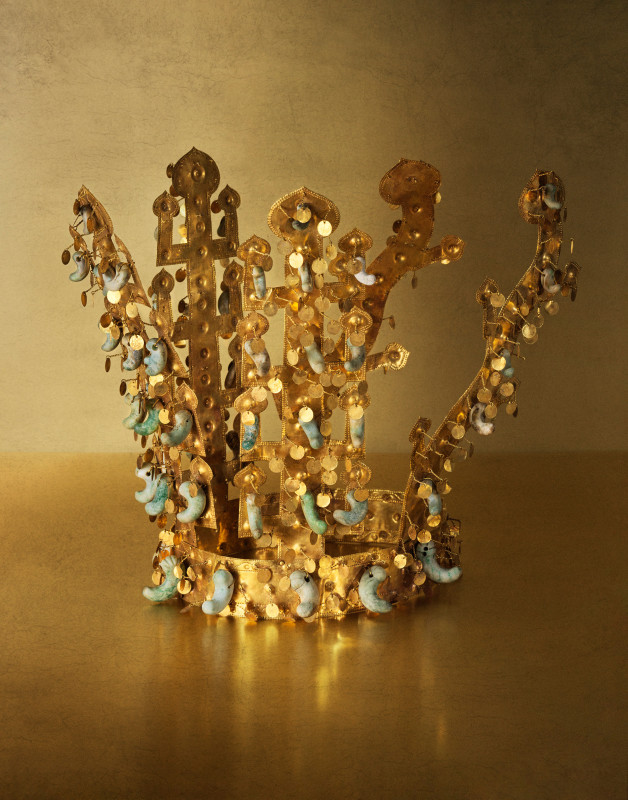
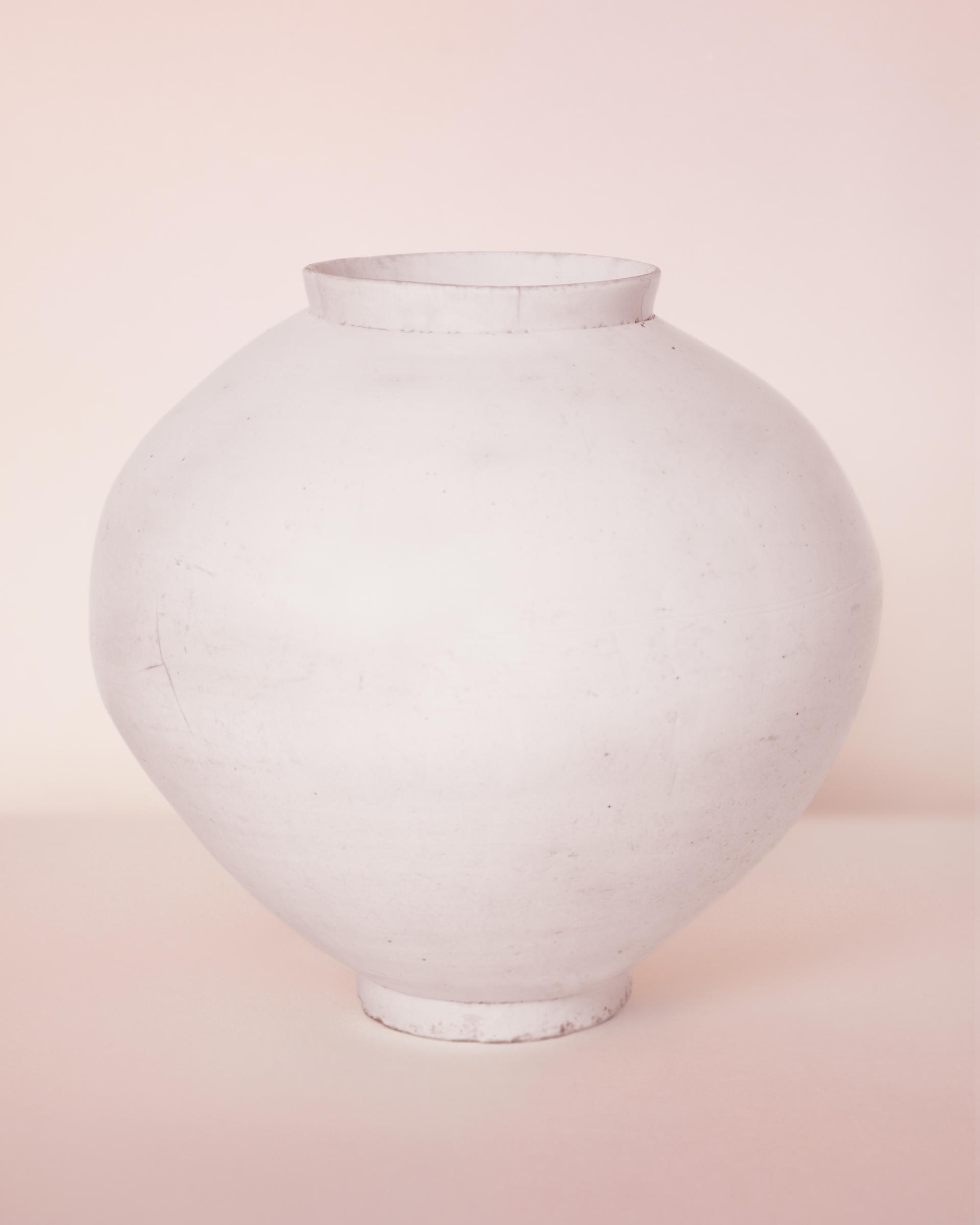
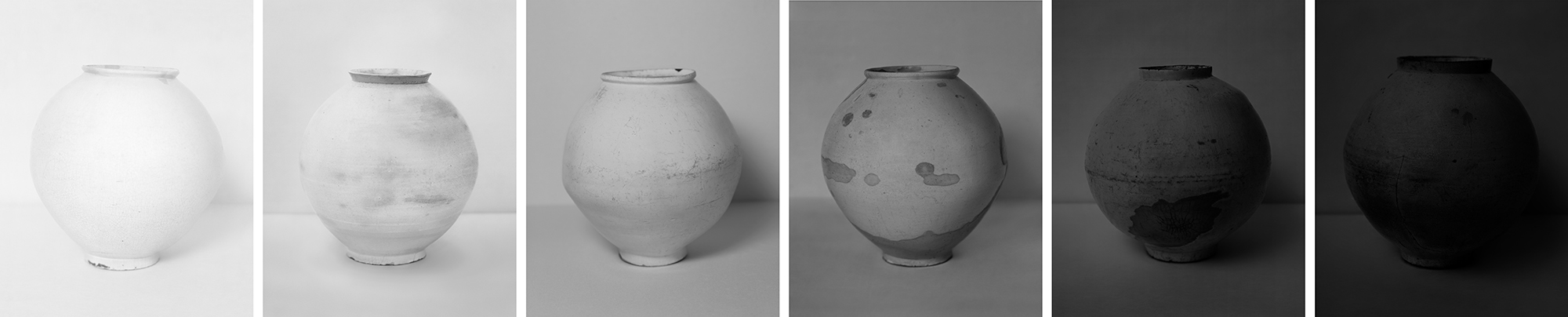
His sustained interest in objects also leads to an exploration of history and memory. In series that photograph cultural artifacts such as white porcelain vessels or gold ornaments, Koo approaches these objects not simply as historical documents but as carriers of accumulated time. By carefully recording the cracks, scratches, and surface textures of these objects, he reveals the temporal layers inscribed upon them.
 
Within this process, objects are transformed from historical artifacts into aesthetic presences. Photography places them within a new visual context, allowing their historical significance to be reinterpreted in the present. In this sense, Koo’s work reconstructs the relationship between documentation and interpretation, past and present.
 
Ultimately, Koo Bohnchang’s photography can be understood as a long-term exploration of existence and time. By recording the traces of things that endure or disappear, his images quietly reshape the viewer’s perception of the world and the subtle relations that connect objects, memory, and human experience.

Works of Art

Articles

Exhibitions

Activities