Gimhongsok (b.1964) - K-ARTIST
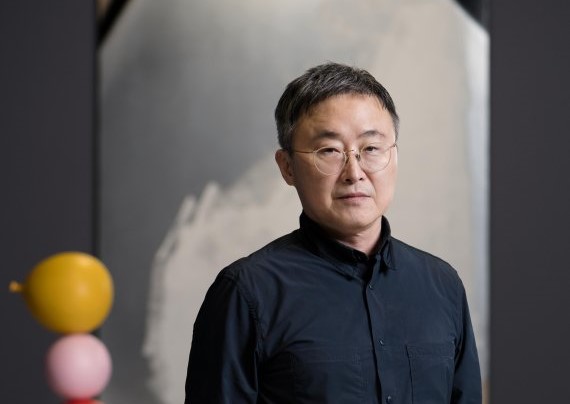
Gimhongsok (b.1964)

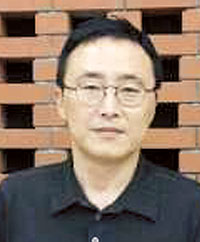
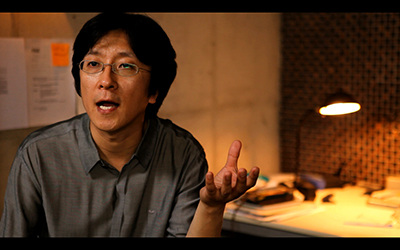
Born in Seoul, Korea, Gimhongsok graduated from the Department of Sculpture, Seoul National University, and studied at the Kunstakademie Düsseldorf, Germany, in the 1990s. Currently a professor of Stage Art at Sangmyung University.

Solo Exhibitions (Brief)

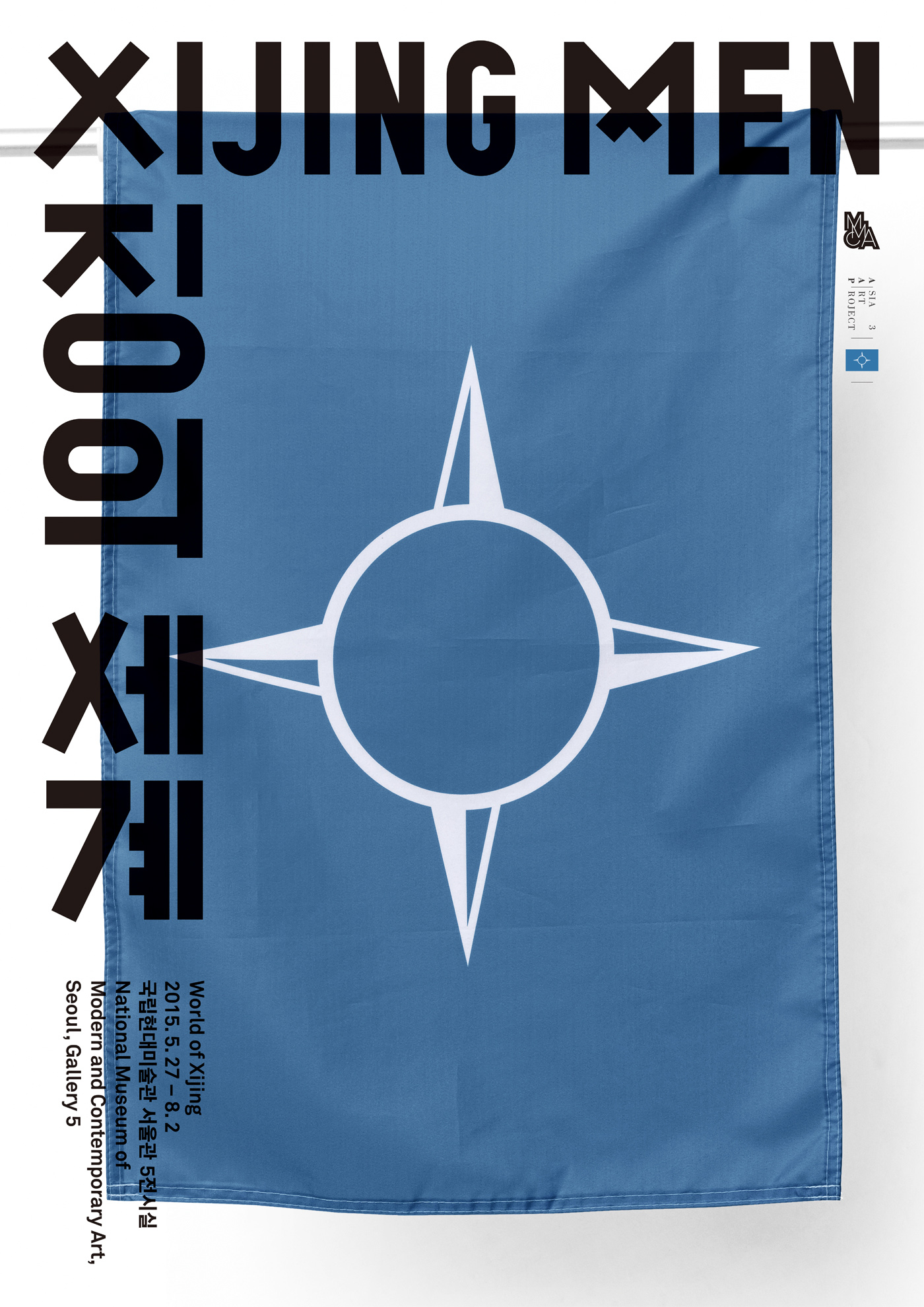
Since his first solo exhibition 《Heromaniac》 at Gallery Hyundai in 2000, Gimhongsok has presented solo exhibitions at major institutions including the National Museum of Modern and Contemporary Art, Korea (Seoul, 2015), Busan Museum of Art (Busan, 2023), and Art Sonje Center (Seoul, 2004, 2011), as well as galleries such as Kukje Gallery (Seoul 2008, 2014, 2024; Busan 2020), Tina Kim Gallery (New York 2010, 2018), and Perrotin (Tokyo 2018; Hong Kong 2017). He has also held exhibitions internationally at institutions including the 21st Century Museum of Contemporary Art, Kanazawa (Kanazawa, 2016).

Group Exhibitions (Brief)

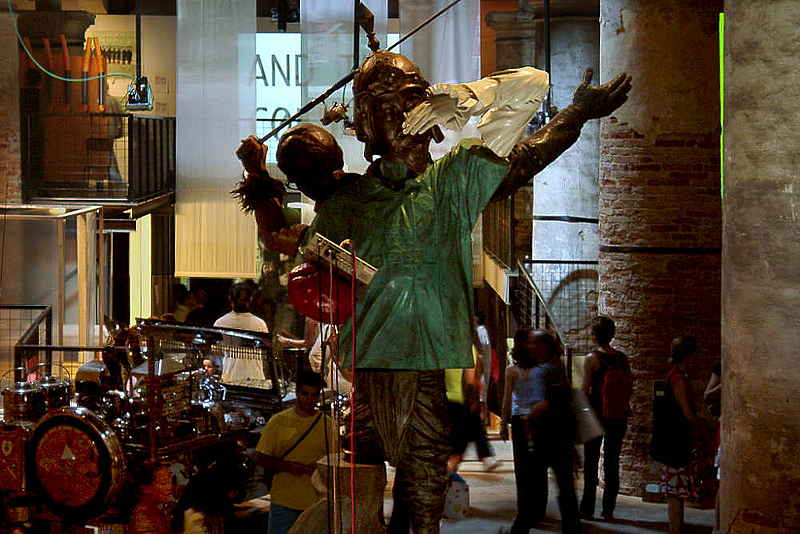
Gimhongsok has participated in major international exhibitions including the Venice Biennale (2003, 2005), Gwangju Biennale (2002, 2006, 2012), Taipei Biennial (2000), Lyon Biennale (2009), and Aichi Triennale (2010). His work has also been presented in group exhibitions at major international institutions such as the Guggenheim Museum (New York 2017; Bilbao 2018), the San Francisco Museum of Modern Art (2018), MAXXI – National Museum of 21st Century Arts (Rome, 2018, 2021), the Walker Art Center (Minneapolis, 2007), and ZKM Center for Art and Media (Karlsruhe, 2011). In Korea, his work has been exhibited at institutions including the National Museum of Modern and Contemporary Art, Korea (Gwacheon 2000, 2016, 2019; Seoul 2014), Seoul Museum of Art (2008, 2010, 2012, 2019, 2020, 2024), Busan Museum of Art (2013), and Leeum Museum of Art (2010).

Collections (Selected)

Gimhongsok’s works are included in the collections of major institutions including the National Museum of Modern and Contemporary Art, Korea, Seoul Museum of Art, Busan Museum of Art, Leeum Museum of Art, Gyeonggi Museum of Modern Art, and Art Sonje Center in Korea. Internationally, his works are held in collections such as the Los Angeles County Museum of Art, Museum of Fine Arts, Houston, National Gallery of Canada, 21st Century Museum of Contemporary Art, Kanazawa, Queensland Art Gallery, Van Abbemuseum, and Le Consortium.
Works of Art

Originality & Identity

Gimhongsok’s practice does not treat originality or authenticity as fixed entities. Instead, he approaches them as processes through which meaning is generated and circulated as signs within society. Even the artist’s own name can be translated and transformed as a sign, and this chain of transformations in turn produces new narratives and rules. What matters here is not the delivery of a singular truth, but rather how meaning itself is produced—how contingent, contradictory, and yet persuasive such processes can be.
 
This attitude becomes particularly evident in the fictional narratives constructed by Gimhongsok. His narratives traverse historical facts and social phenomena, yet they do not converge toward a single coordinate such as a definitive answer, conclusion, or moral lesson. Instead, they operate through a chain of signification: one code moves toward another, which then calls forth yet another code. Within this continual process of transition and regression, the boundaries between fact and fiction, evidence and explanation become blurred.
 
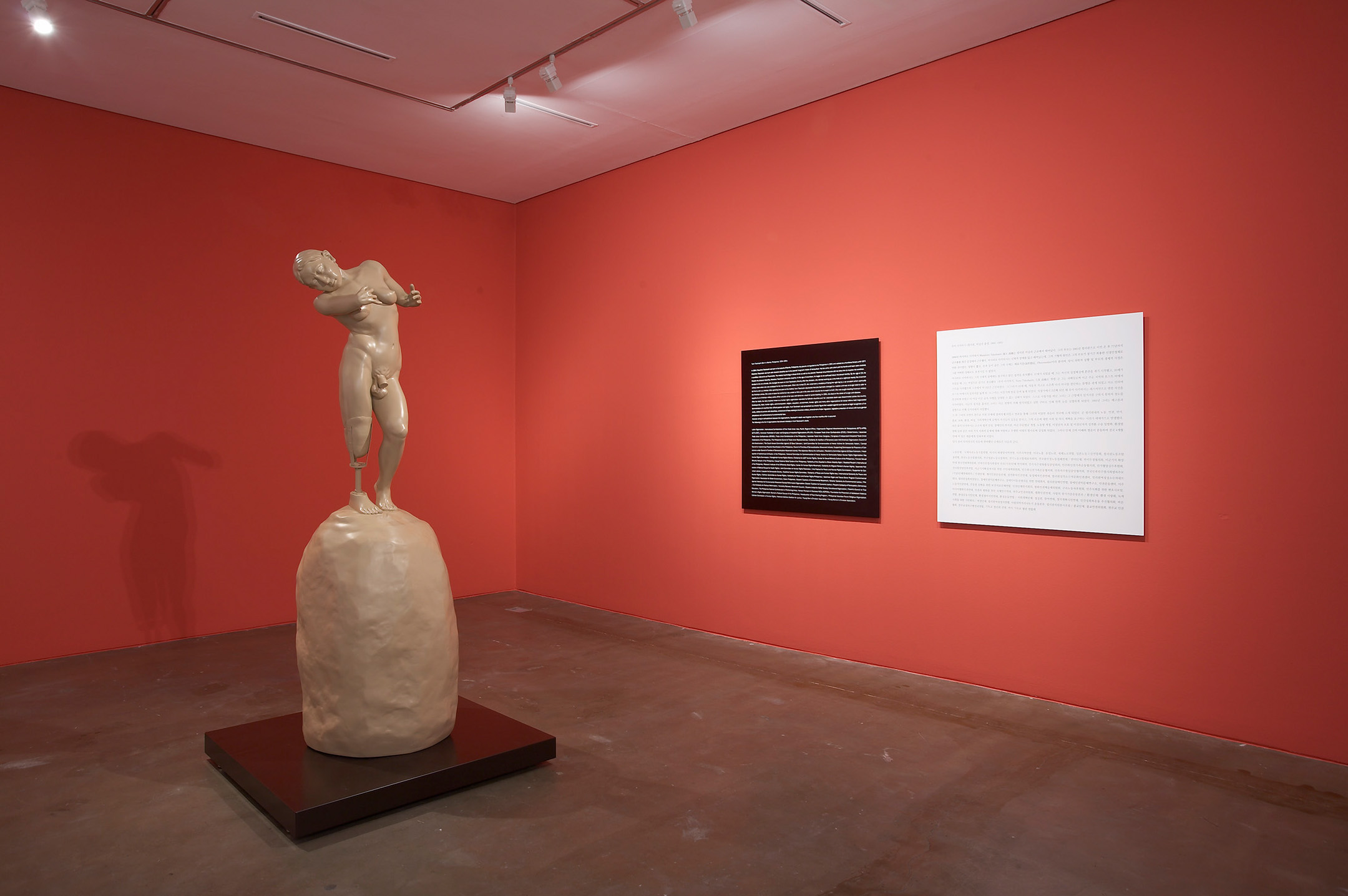
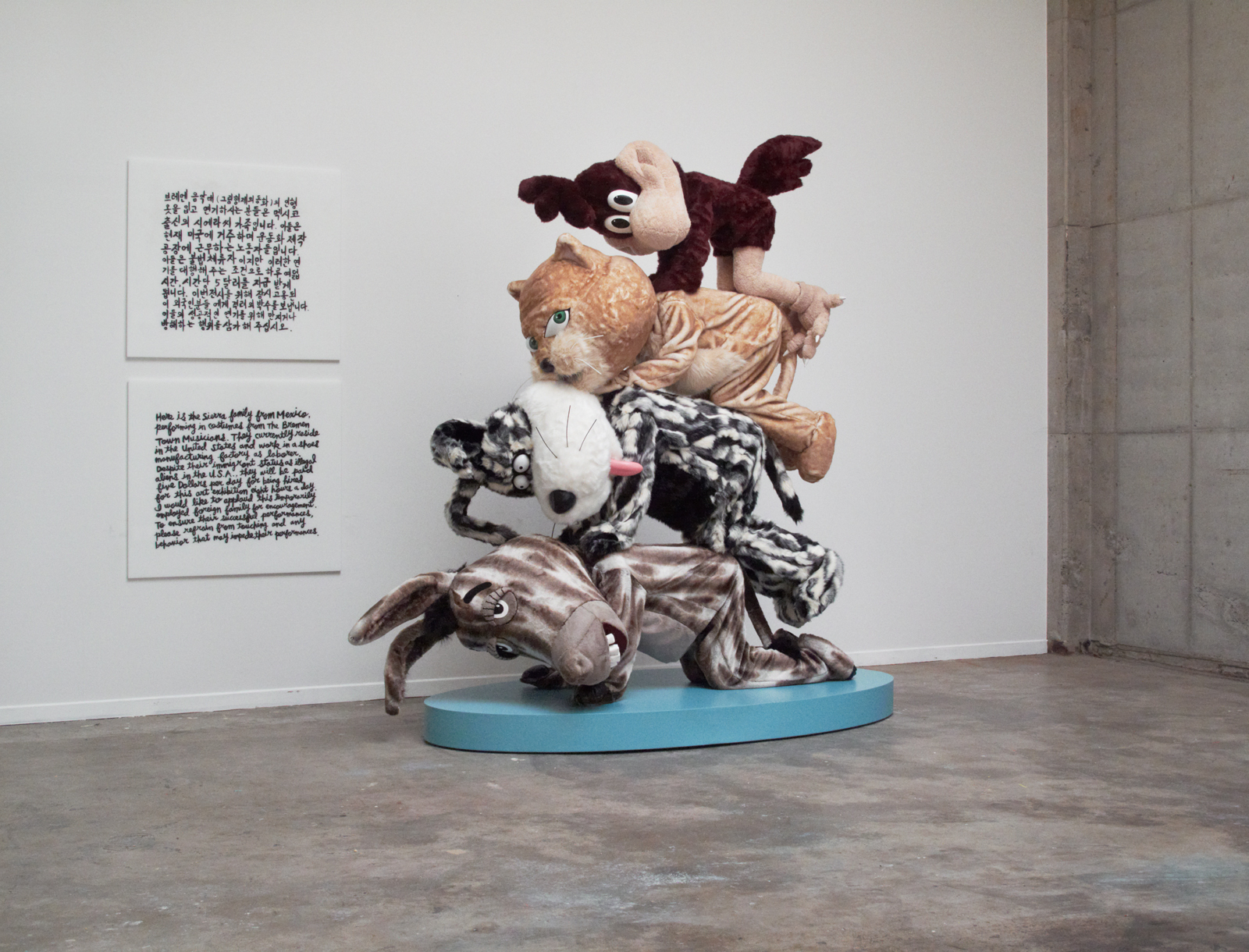
As several critics have noted, Gimhongsok’s work emerges from the condition following the collapse of grand narratives across personal history, political history, and art history. Rather than reassembling fragments of narrative into a new myth, he foregrounds boundaries and the ethical tensions they generate. Through subjects such as social minorities, labor, censorship, intellectual property, and the enforced ideals of community, his work repeatedly raises a persistent question: how far can art go?
 
In this sense, identity in Gimhongsok’s practice is not something completed within the inner self. Rather, it is continuously negotiated within conditions shaped by institutions, language, markets, and discourses. The result of this negotiation rarely leads to a clear consensus. Instead, it often leaves behind emotional residues—discomfort, humor, or awkwardness—that reveal the instability of the structures through which meaning is produced.

Style & Contents

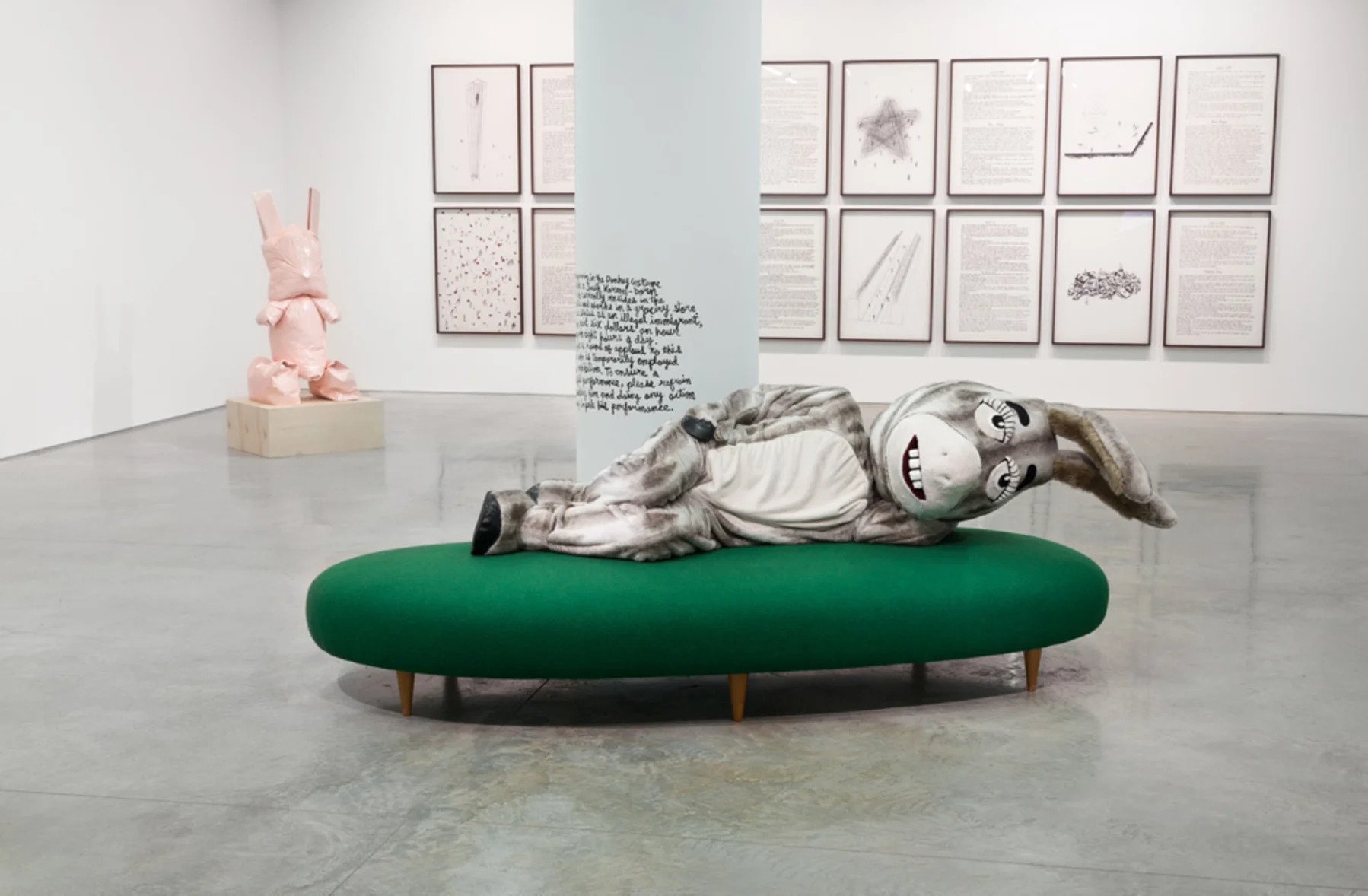
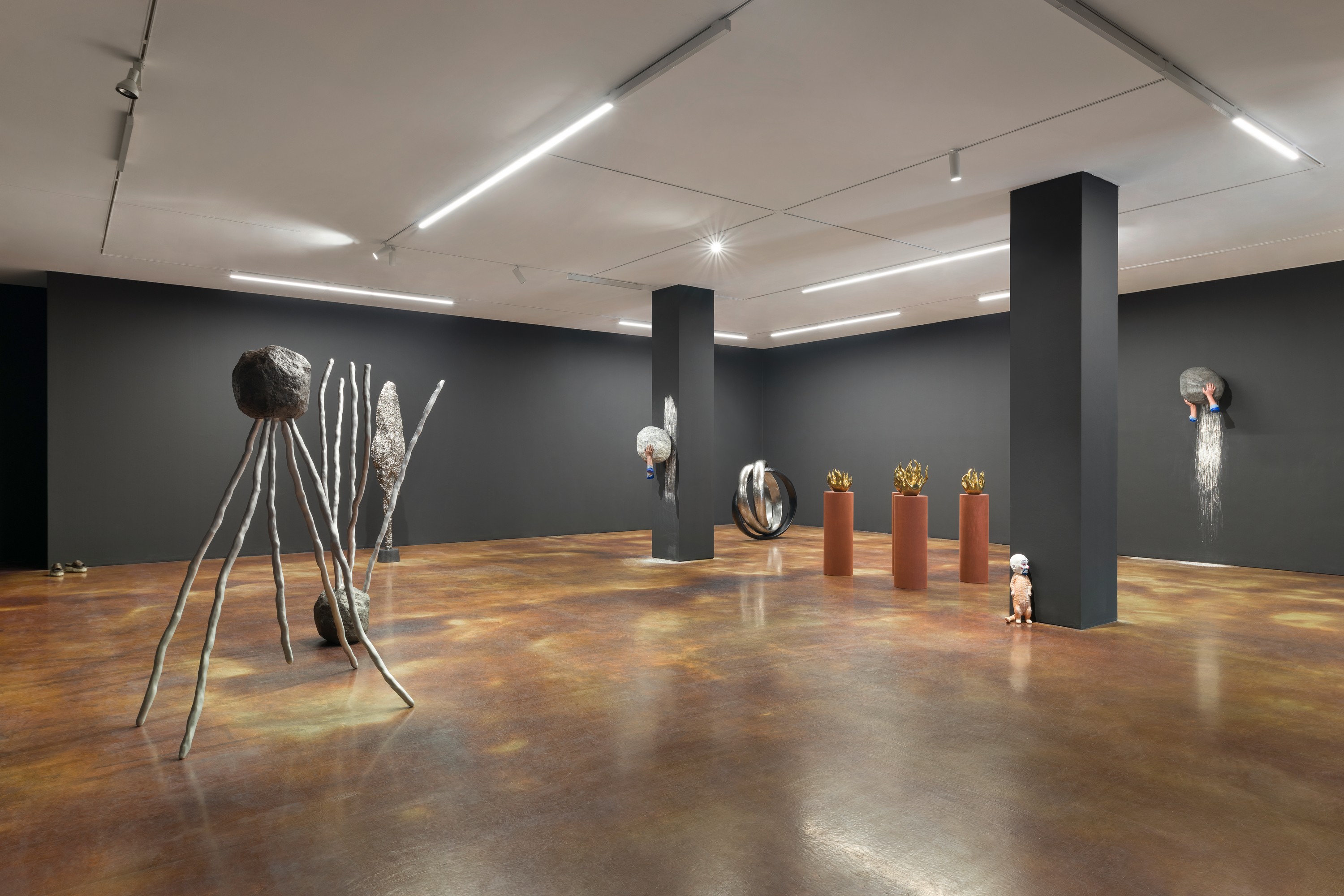
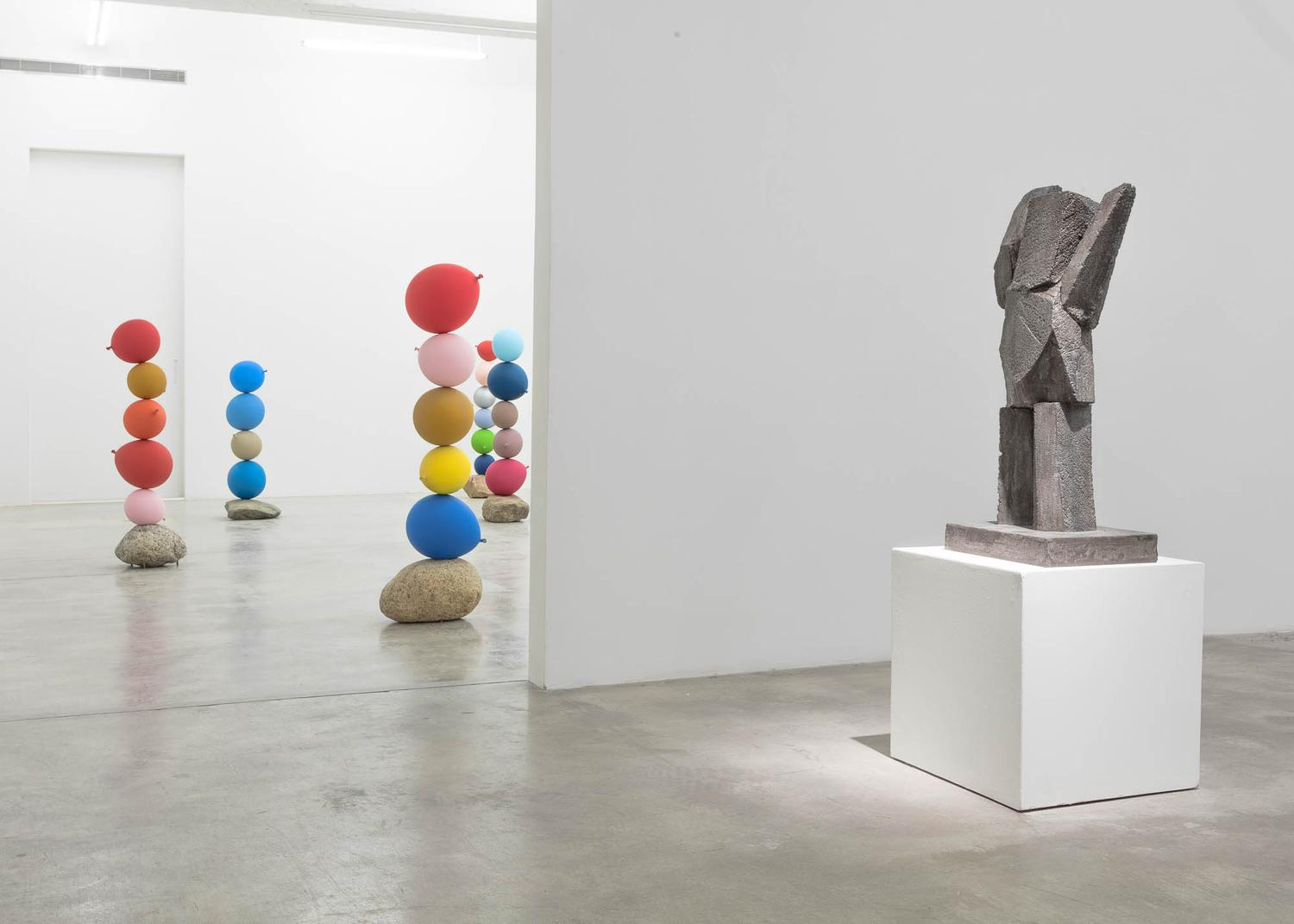
Although Gimhongsok works across a wide range of media—including installation, performance, sculpture, video, and text—the core of his practice lies not in the diversity of media itself but in the structures through which meaning is generated, displaced, and distorted. Rather than presenting a work as a self-contained object, he incorporates into the work the very conditions that enable it: routes of translation, modes of explanation, systems of collaboration and division of labor, and the institutional and ethical tensions surrounding artistic production. In doing so, he invites viewers to read and experience the mechanisms through which the work operates.
 
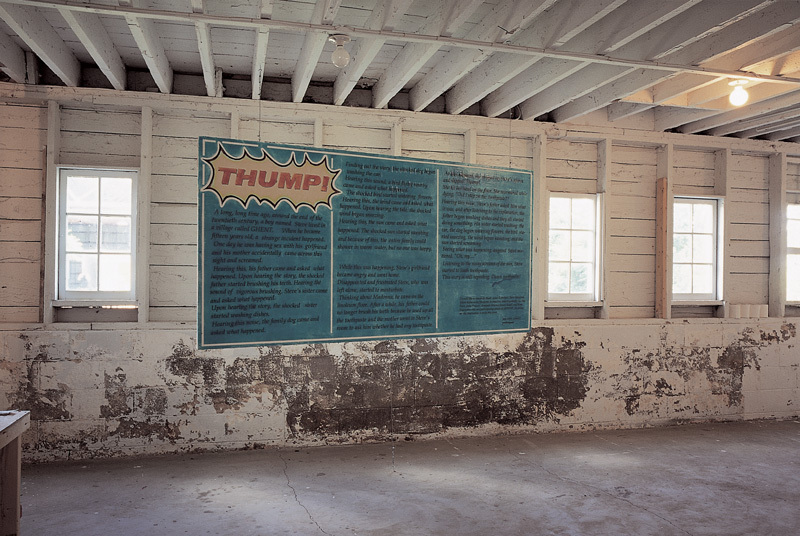
Text and translation function as central devices that activate his work. In Thump! (1999), for instance, the strategy of serial translation does not serve to transparently convey an original text but instead accumulates errors and transformations, producing versions that are simultaneously similar to and different from the source. As titles, narratives, and authorship shift through successive translations, translation becomes less a tool of communication than a generative process in which reiteration produces difference and opens new layers of meaning.
 
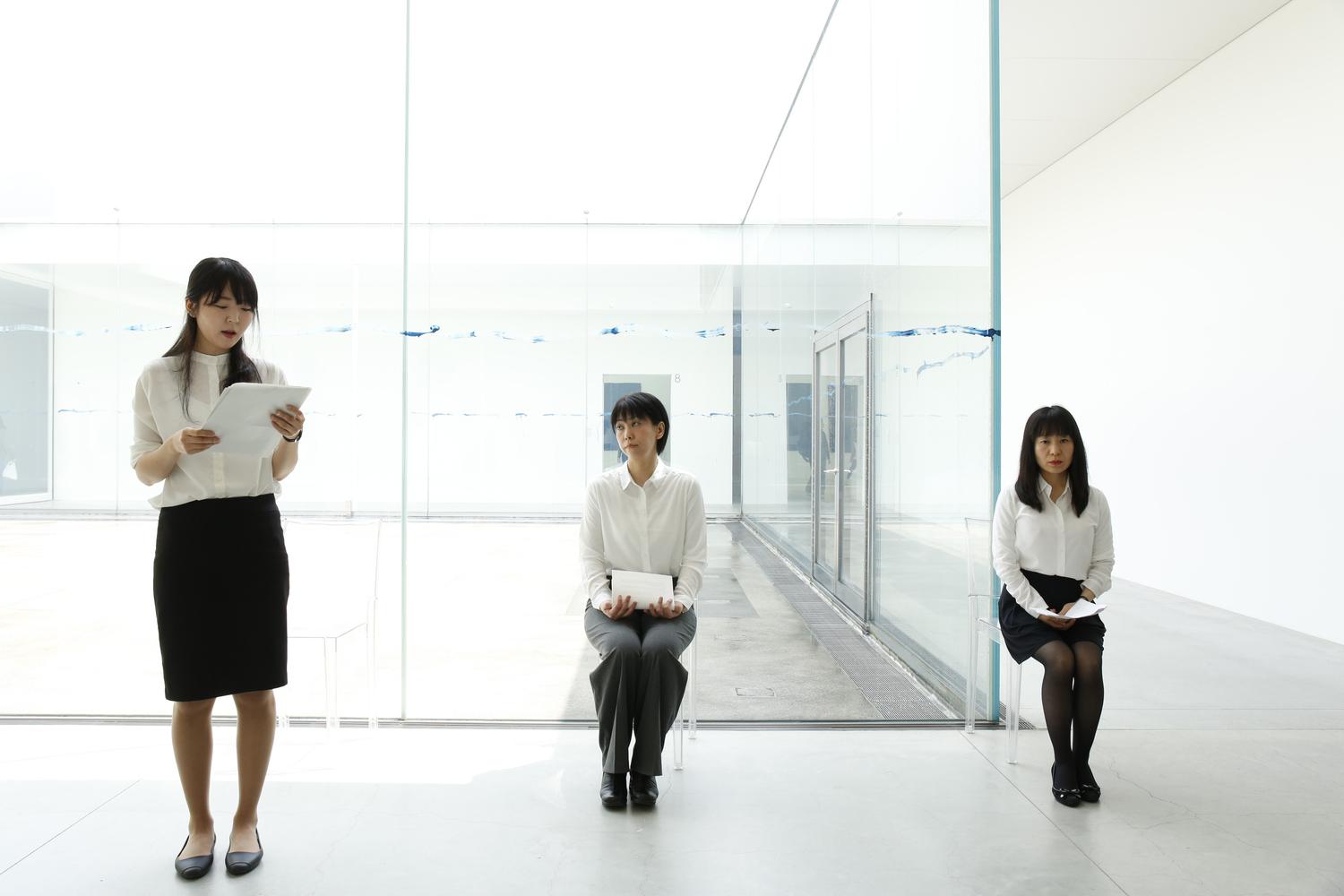
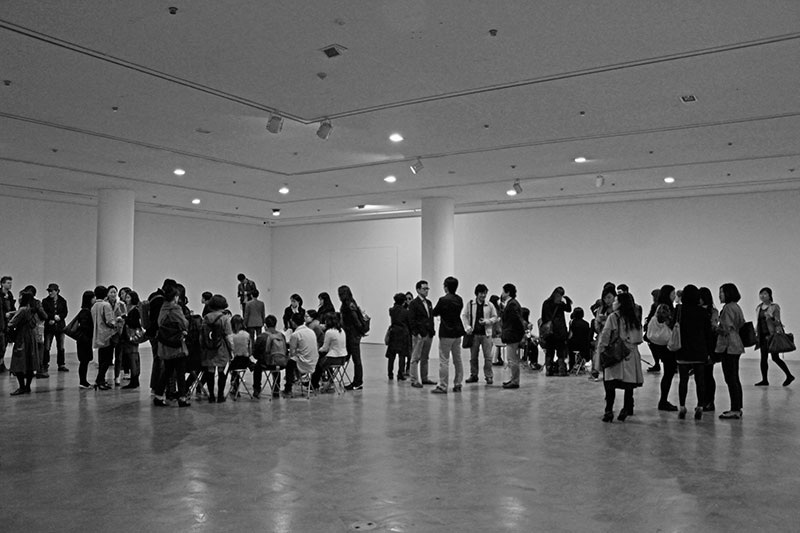
This logic of translation becomes even more evident when combined with performative situations in the exhibition space. In works such as G5 (2004), where national anthems are translated and performed, language operates not simply as a vehicle of meaning but as an act that generates situations. When a national anthem—a complex symbol of identity and history—is translated and sung in another language, its symbolic authority is displaced, and its resonance shifts depending on who performs it, where it is performed, and who is listening. Through such operations, translation reveals how identity, authority, and collective symbols can be destabilized and reconfigured.
 
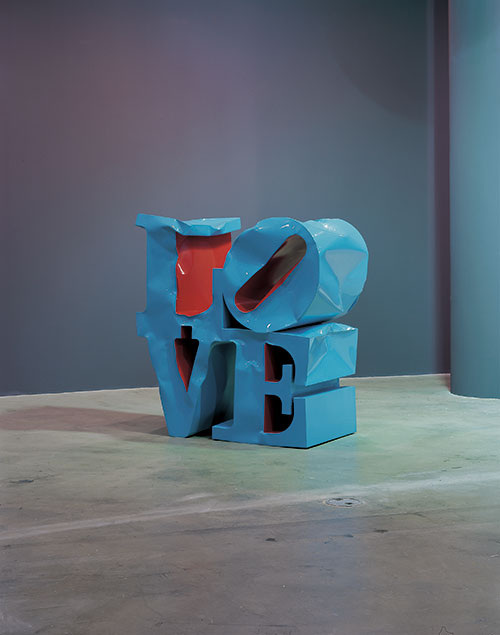
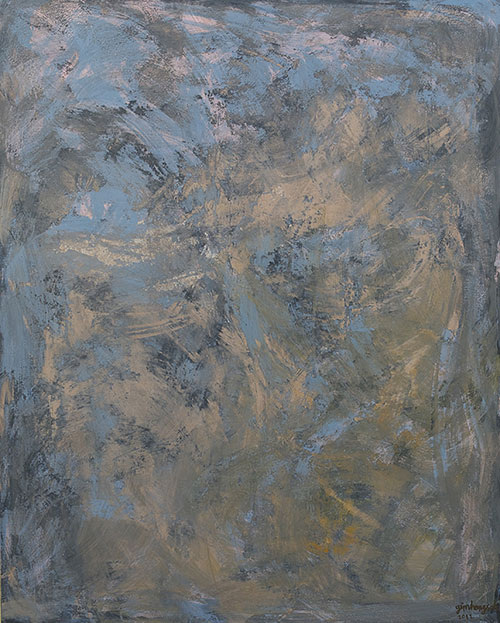
Gimhongsok also mobilizes strategies of appropriation, customization, and copying to unsettle the boundaries between original and replica, authenticity and fabrication. By relocating and transforming already existing images, objects, and art historical references into new contexts, he foregrounds subtle differences within apparent similarity. In works such as the 'READ' series, circulating images, their sources, and the systems of copyright and reproduction become part of the work itself. As a result, his practice leaves viewers not with a fixed conclusion but with a shift in perception—from certainty to doubt, from humor to discomfort—making that very transition the formal core of the work.

Topography & Continuity

A persistent thread throughout Gimhongsok’s practice begins with the recognition that the world already operates through a complex structure composed of signs, institutions, and discourses. Rather than criticizing this structure from the outside, he conducts his experiments from within it, employing the very rules—ethical, legal, cultural, and institutional—that govern the field of art.
 
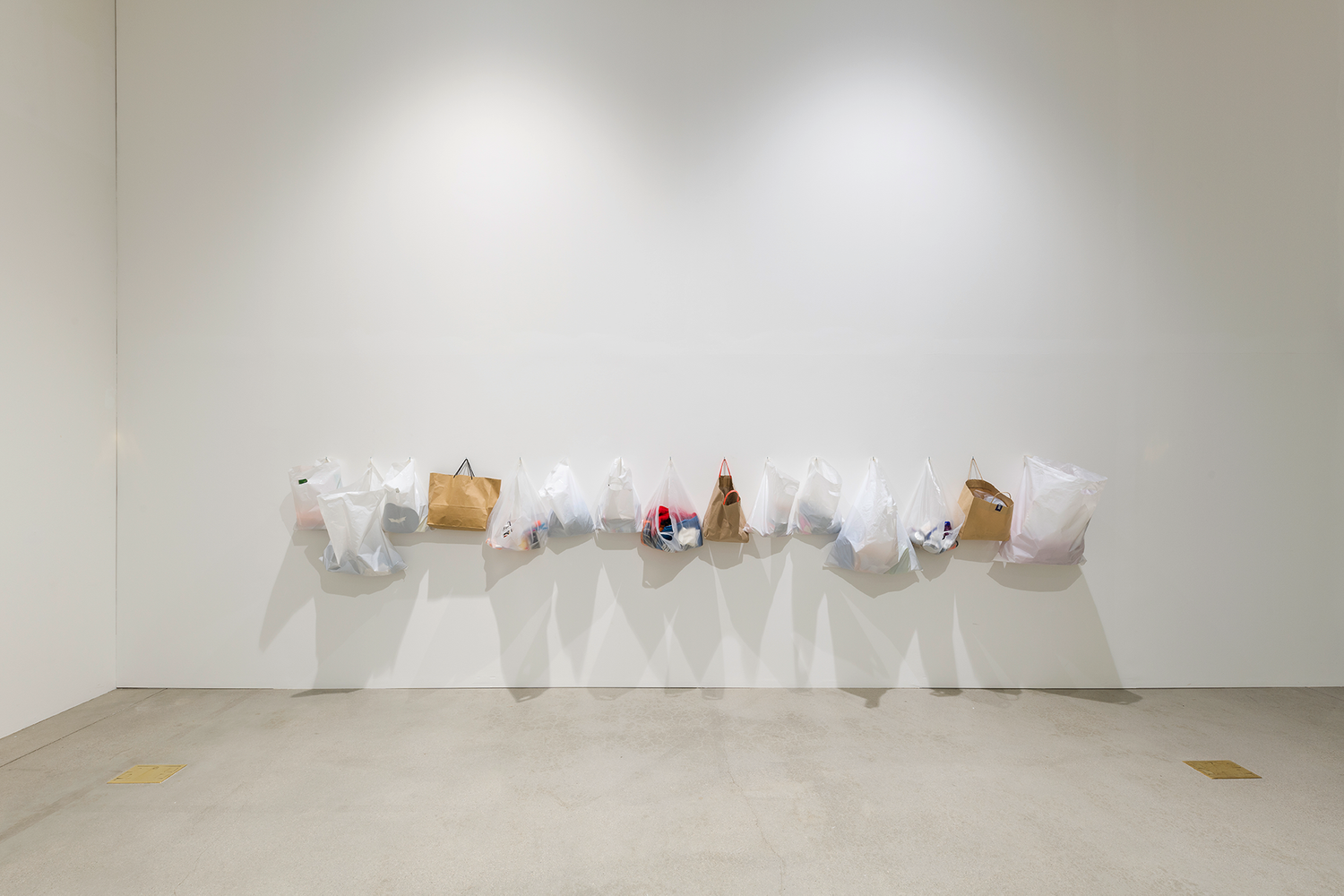
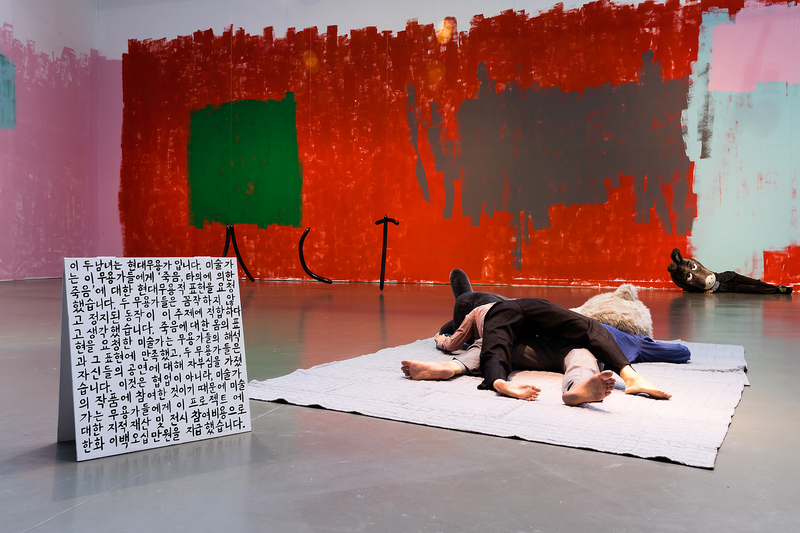
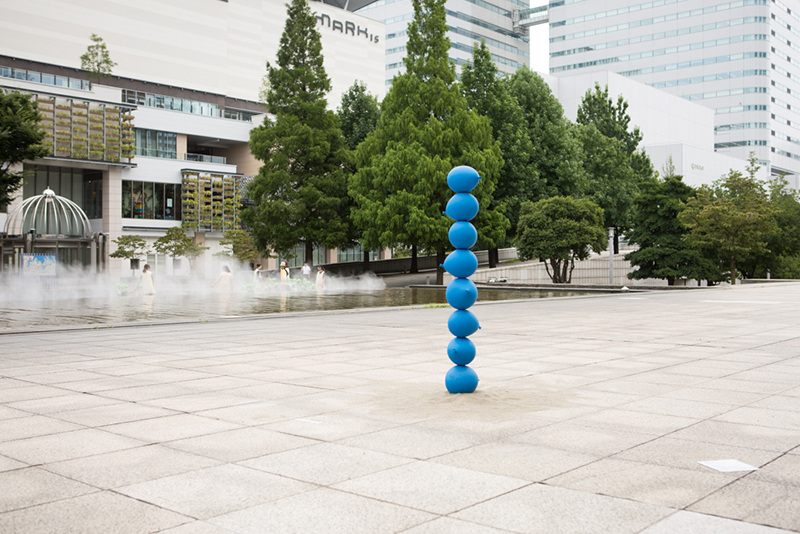
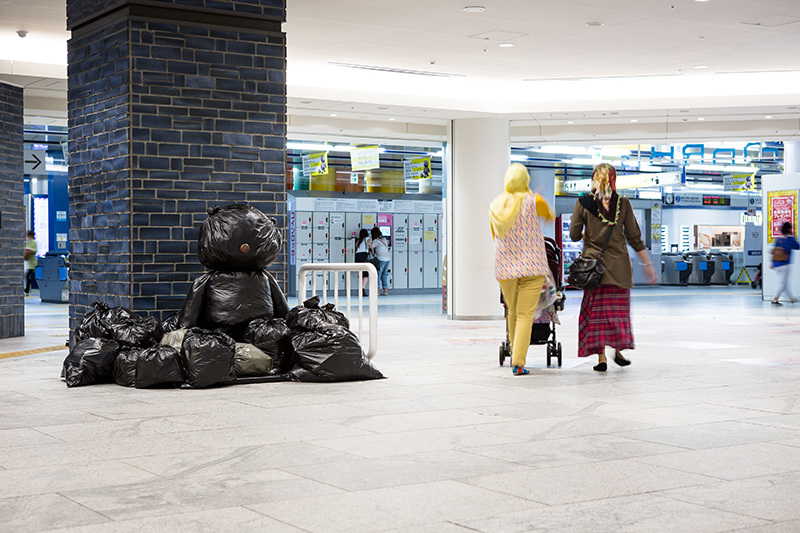
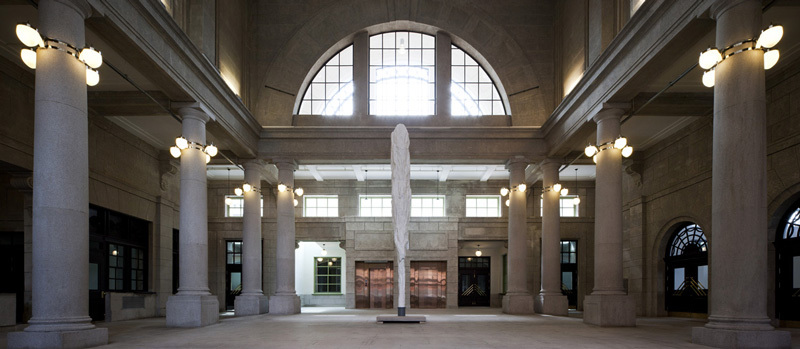
Within this framework, error and incompleteness function not merely as stylistic strategies but as methods for revealing how temporary and constructed the concept of completion can be. His works may involve seemingly ordinary materials—discarded objects, Styrofoam forms, or partially painted walls—yet their realization often requires carefully negotiated institutional and social conditions. What initially appears casual or unfinished ultimately reveals the precise conditions that sustain artistic production.
 
Another form of continuity in Gimhongsok’s work lies in his persistent engagement with the ways in which history, art history, and contemporary reality reference and appropriate one another. While assembling fragments of narratives, he deliberately avoids allowing them to solidify into a new authoritative structure. Instead, the works remain situated in a state of ambiguity, constantly exposing the mechanisms through which belief, authority, and meaning are produced.
 
Ultimately, Gimhongsok’s practice addresses the political, ethical, institutional, and discursive conditions of contemporary society not by offering solutions but by prompting viewers to recognize the conditions under which their own judgments are formed. The experience of his work often begins with humor but gradually shifts into discomfort. In attempting to determine the authenticity or meaning of the work, viewers are instead led to confront their own habits of perception. This may be the most distinct effect of the “laboratory of signs” that Gimhongsok has persistently constructed.

Works of Art

Articles

Exhibitions

Activities