Kim Beom (b.1963) - K-ARTIST
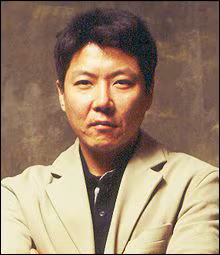
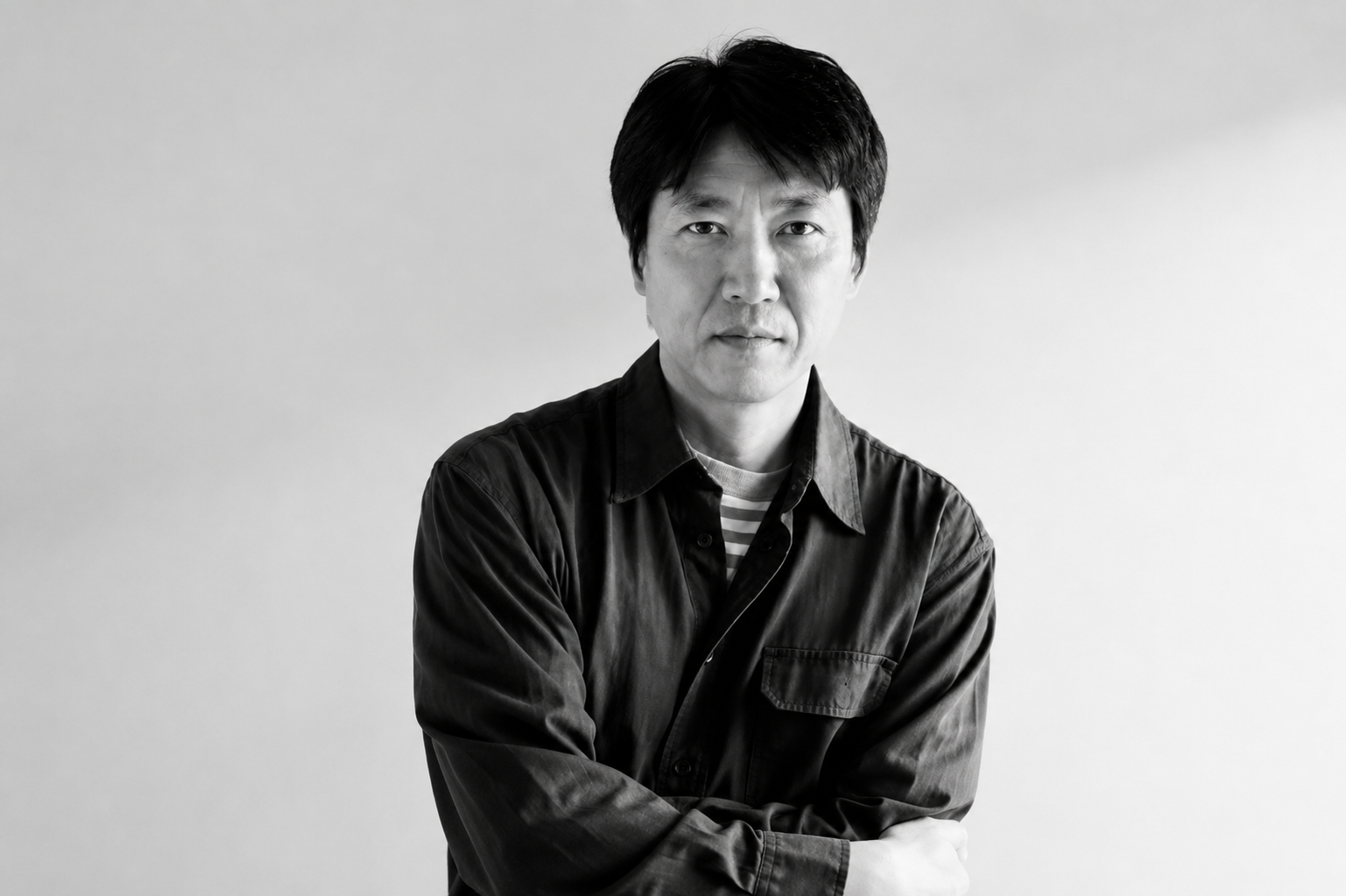
Kim Beom (b.1963)

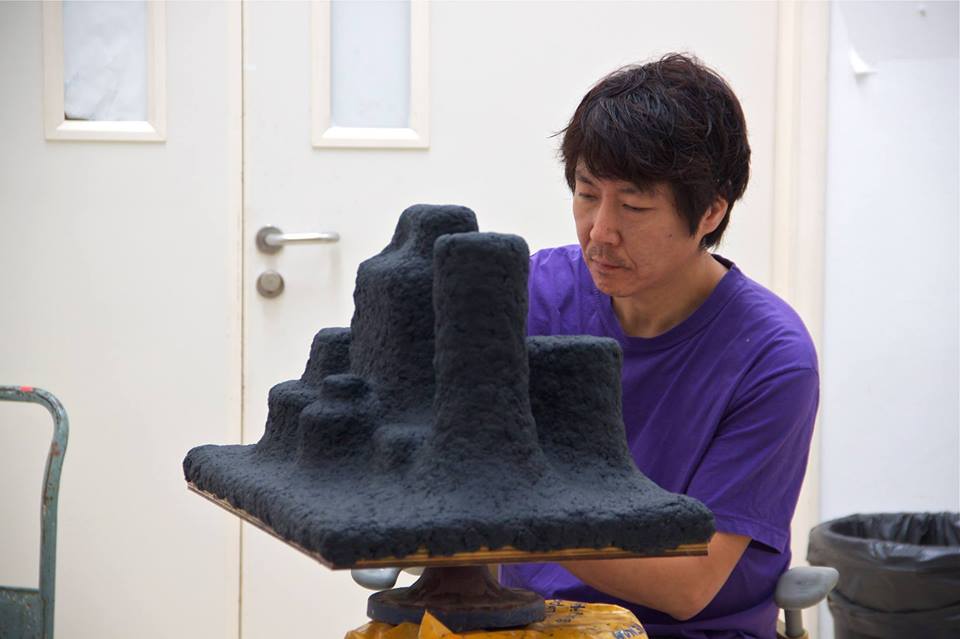
Kim Beom was born in Seoul and graduated from the Department of Western Painting at Seoul National University, where he received both his BFA and MFA. He later completed an MA at the School of Visual Arts, New York, in 1991. Since the 1990s, he has produced conceptual works across diverse media—including painting, installation, and video—and is widely regarded as a leading figure in contemporary Korean art.

Solo Exhibitions (Brief)

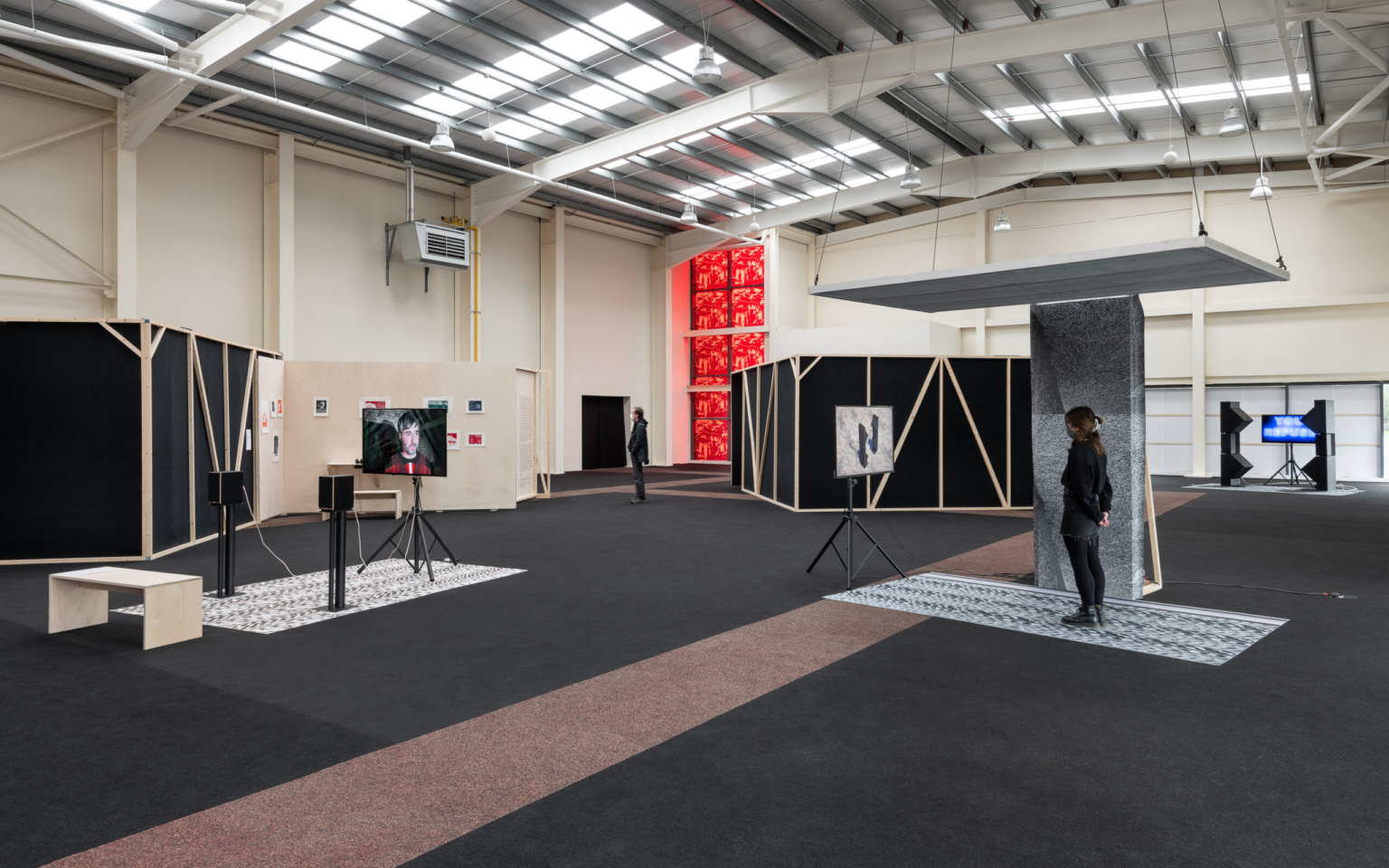
Kim Beom has held solo exhibitions at the Leeum Museum of Art (2023, Seoul), STPI (2017, Singapore), Tina Kim Gallery (2016, New York), Nam June Paik Art Center (2013, Yongin), Hayward Gallery (2012, London), Cleveland Museum of Art (2010, Cleveland), Stedelijk Museum Amsterdam (2009, Amsterdam), and Arnolfini (2008, Bristol).

Group Exhibitions (Brief)

Kim Beom has participated in numerous international group exhibitions, including the Taipei Biennial (2023, Taipei) and the Korean Pavilion of the Venice Biennale (2005, Venice), as well as exhibitions at the National Museum of Modern and Contemporary Art (Seoul and Gwacheon), Seoul Museum of Art (Seoul), Seoul National University Museum of Art (Seoul), Daejeon Museum of Art (Daejeon), and Ho-Am Art Museum (Seoul).

Awards (Selected)

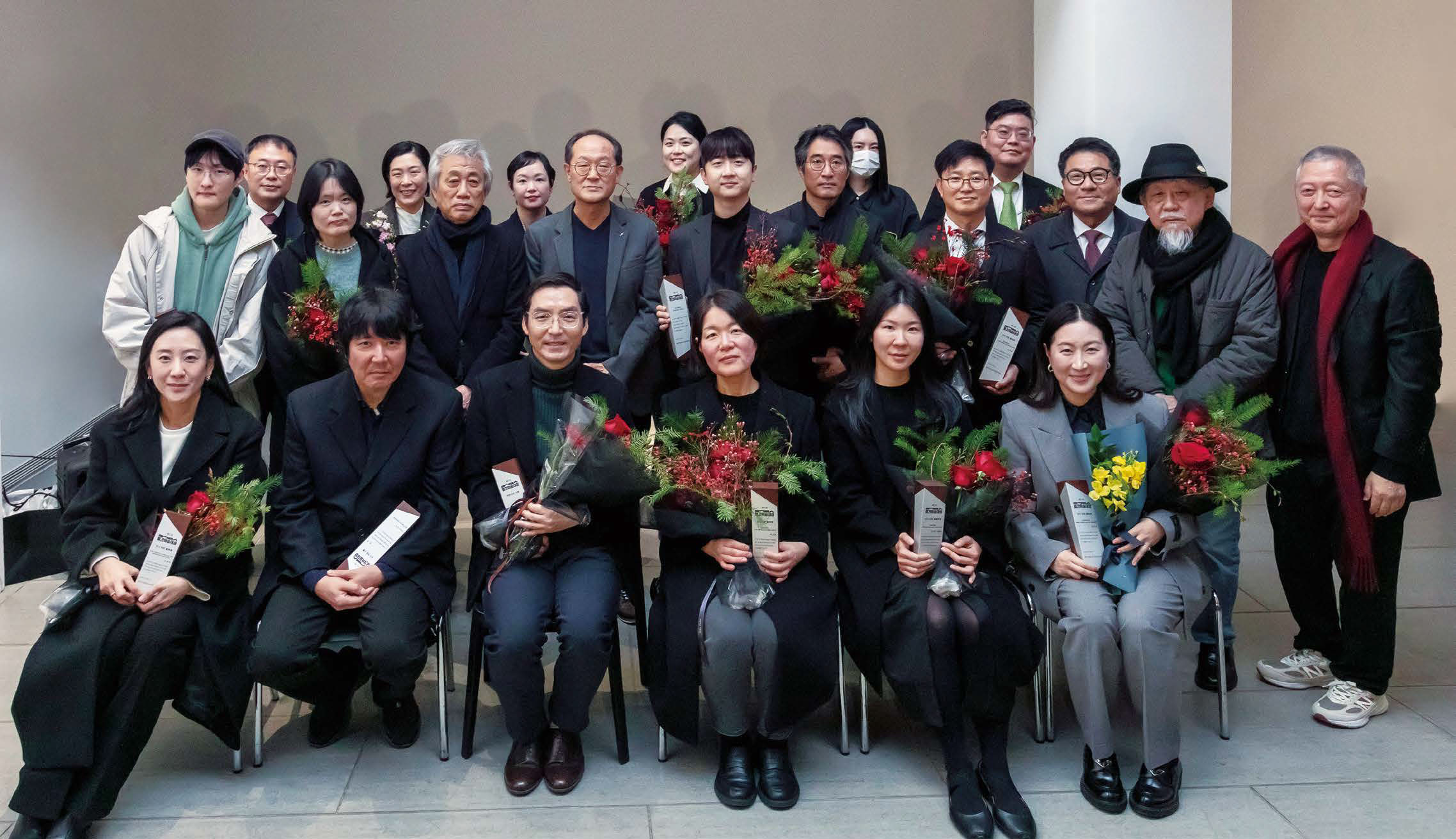
Kim Beom received the Hermès Korea Missulsang (2001) and the Suknam Art Prize (1996).

Residencies (Selected)

Kim Beom participated in the STPI residency program (2023, 2016, Singapore).

Collections (Selected)

Kim Beom’s works are held in the collections of the Museum of Modern Art (MoMA), New York; the Cleveland Museum of Art; the Museum of Fine Arts, Houston; M+, Hong Kong; the National Museum of Modern and Contemporary Art, Korea; and the Seoul Museum of Art.
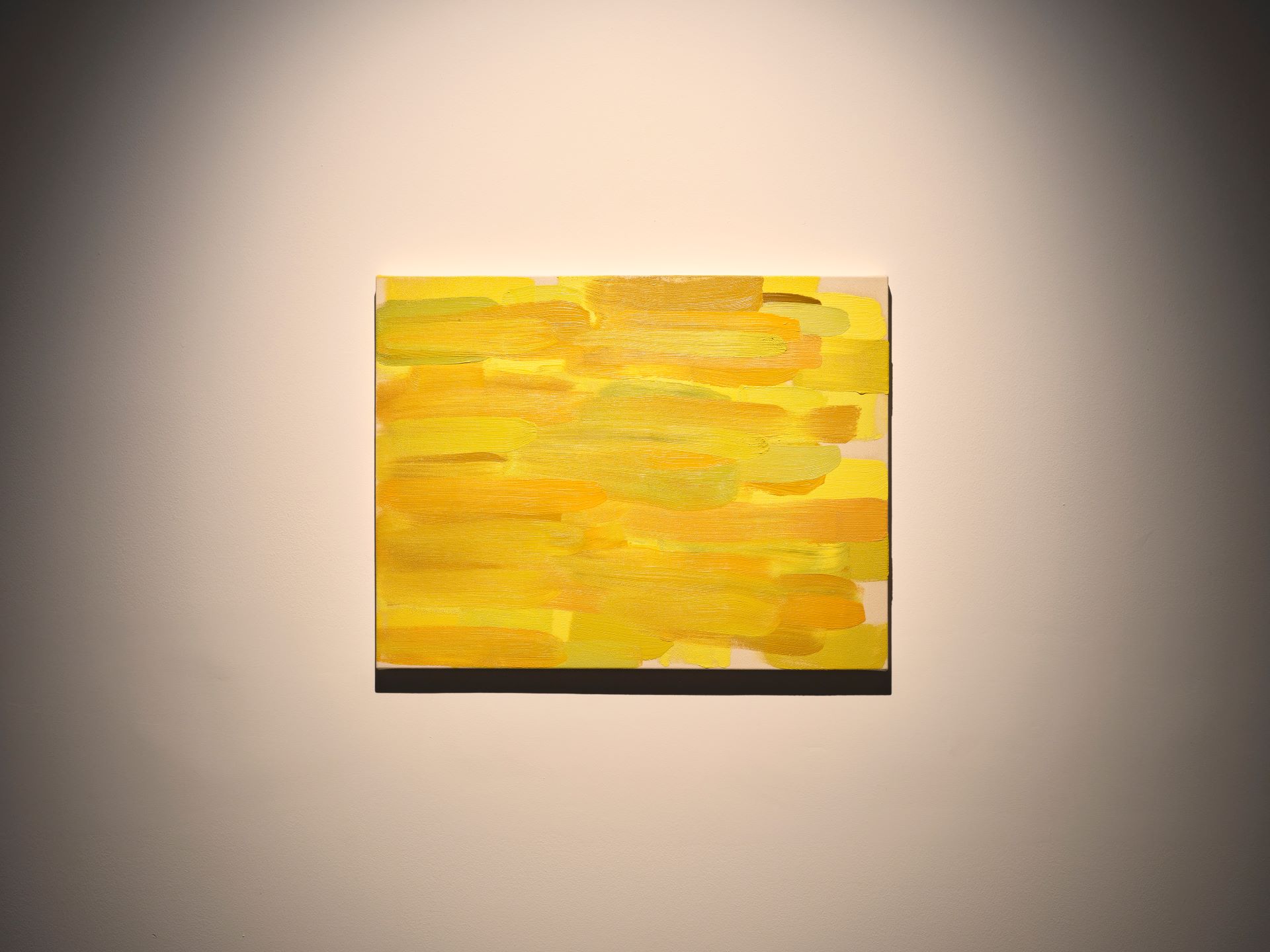
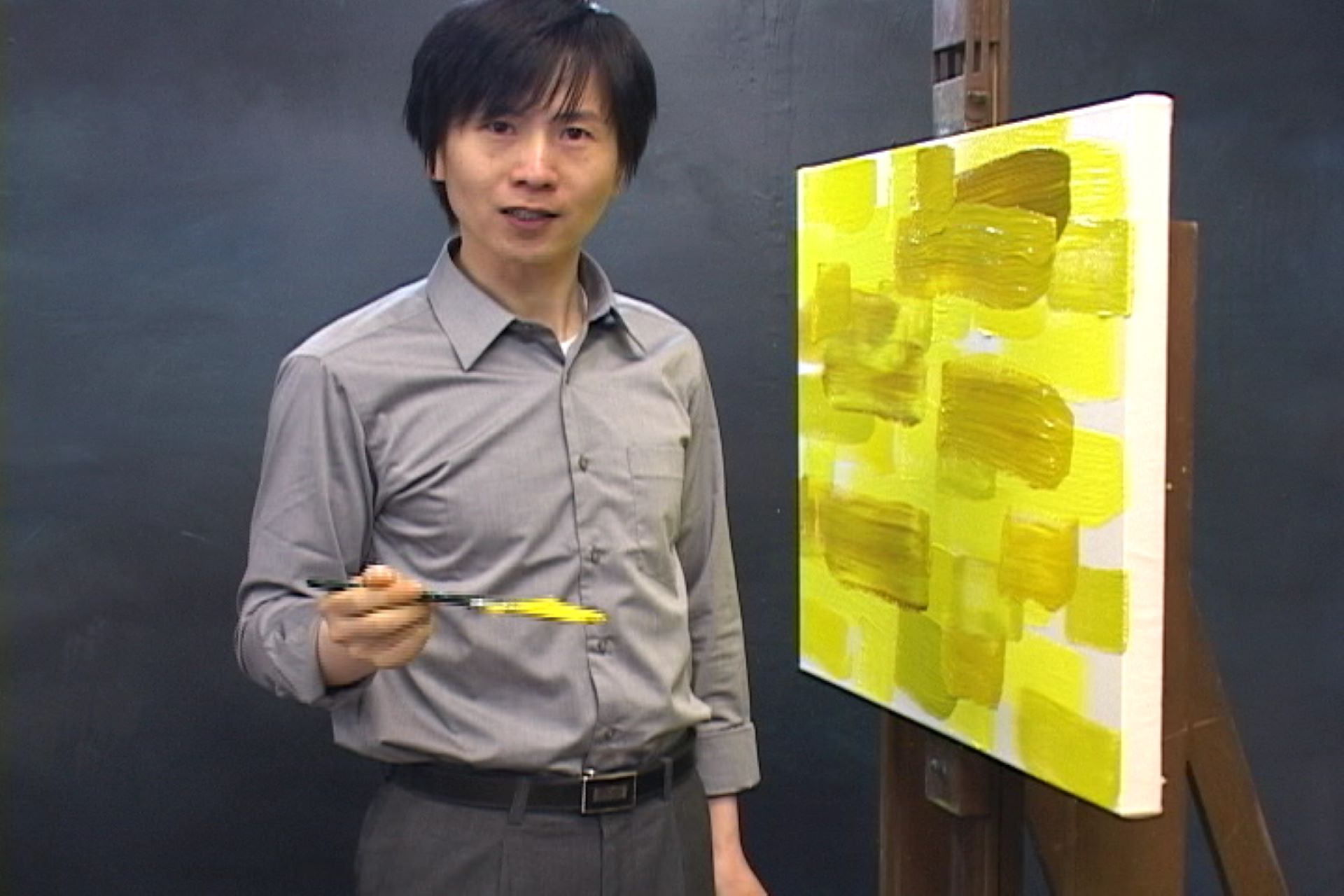
Works of Art

Originality & Identity

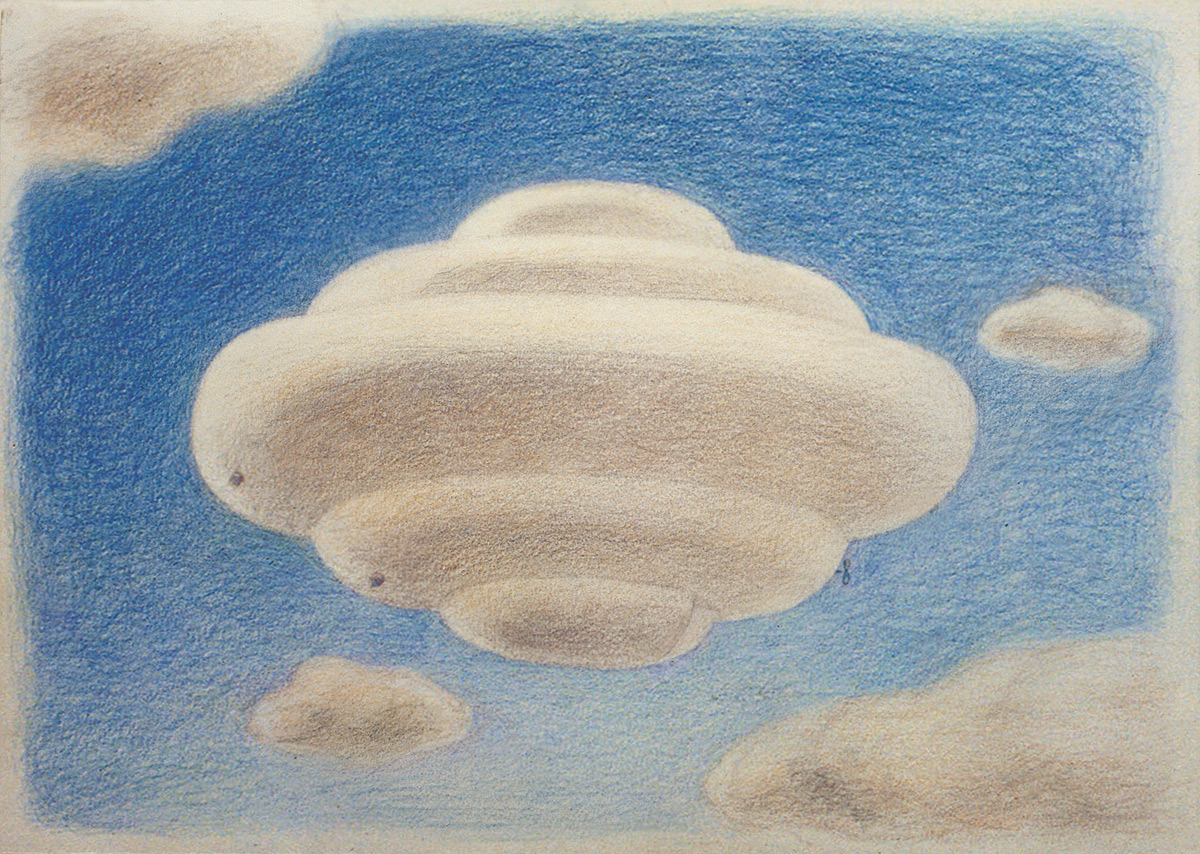
Kim Beom’s work fundamentally begins with the question of the ‘image.’ For many years he has been interested in the human tendency to equate forms with actual objects and in the gap that exists between what is seen and what actually exists. For the artist, an image is not limited to a visible form. It also includes images that emerge through memory, experience, assumption, and association. This expanded notion of the image inevitably leads to questions of representation and perception.
 
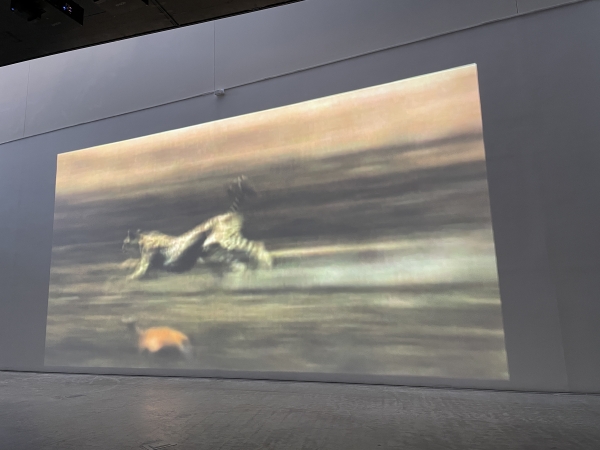
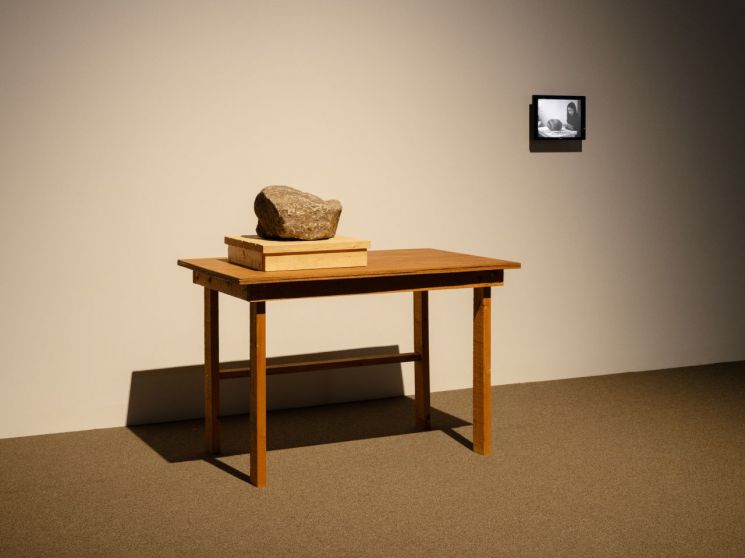
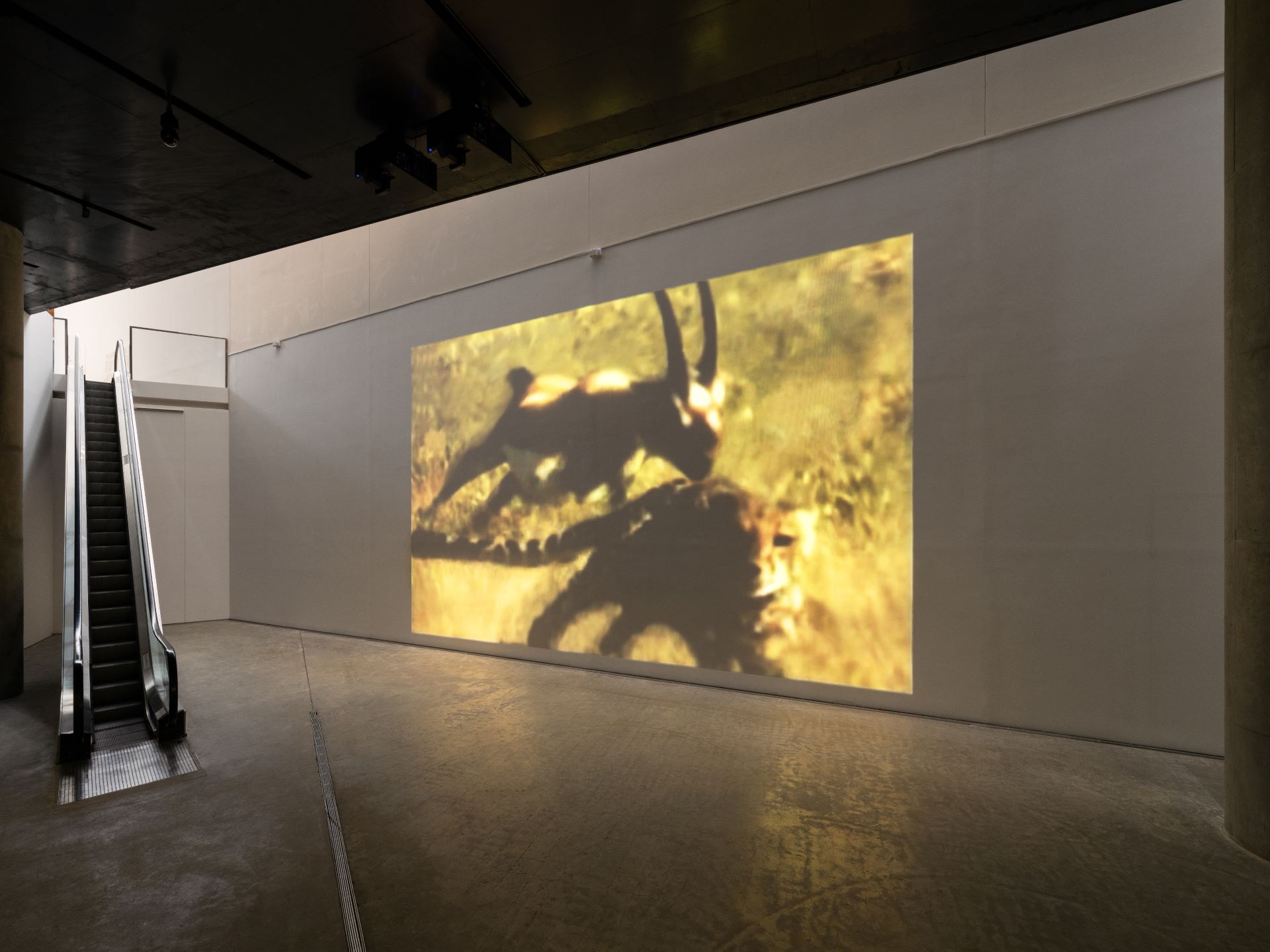
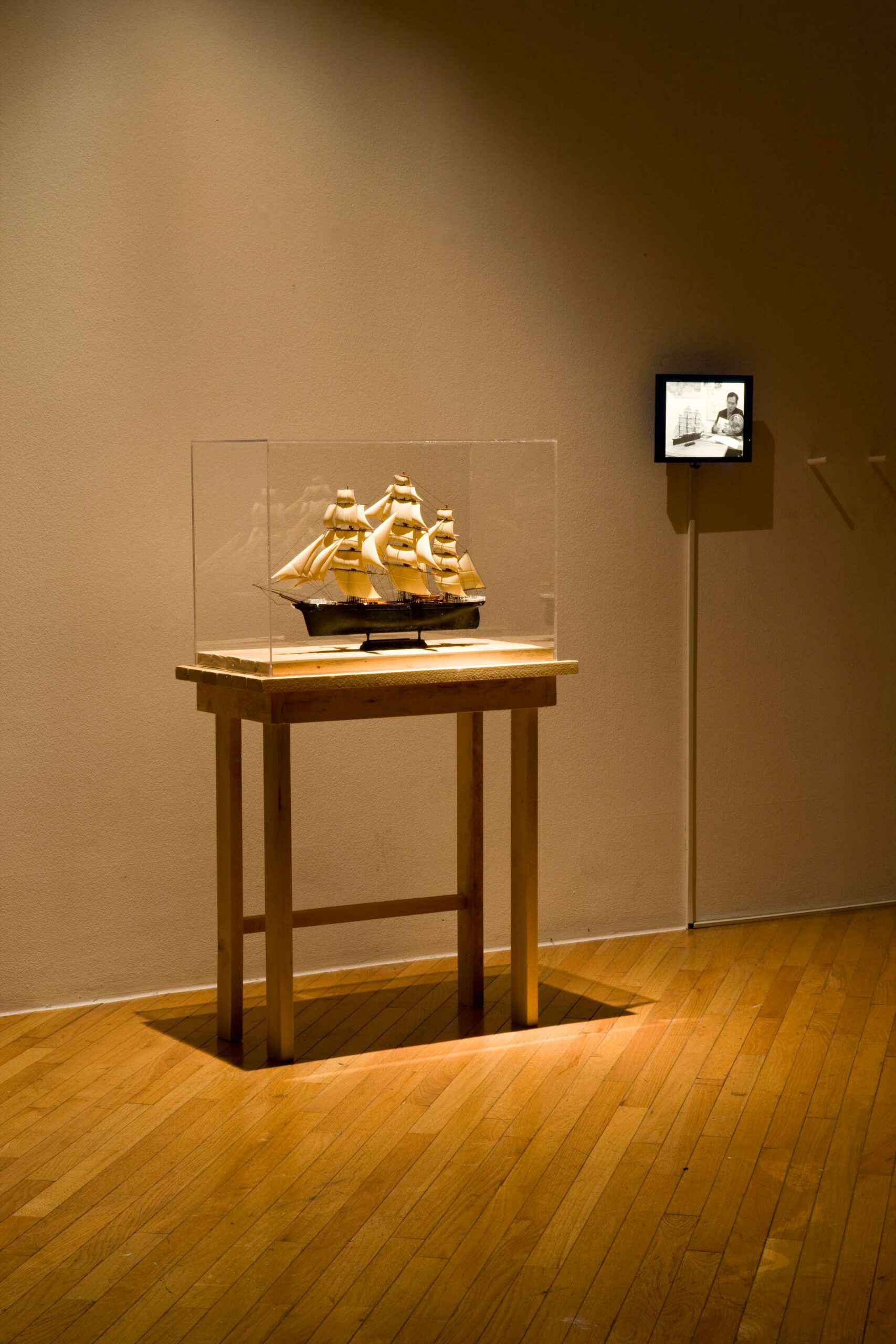
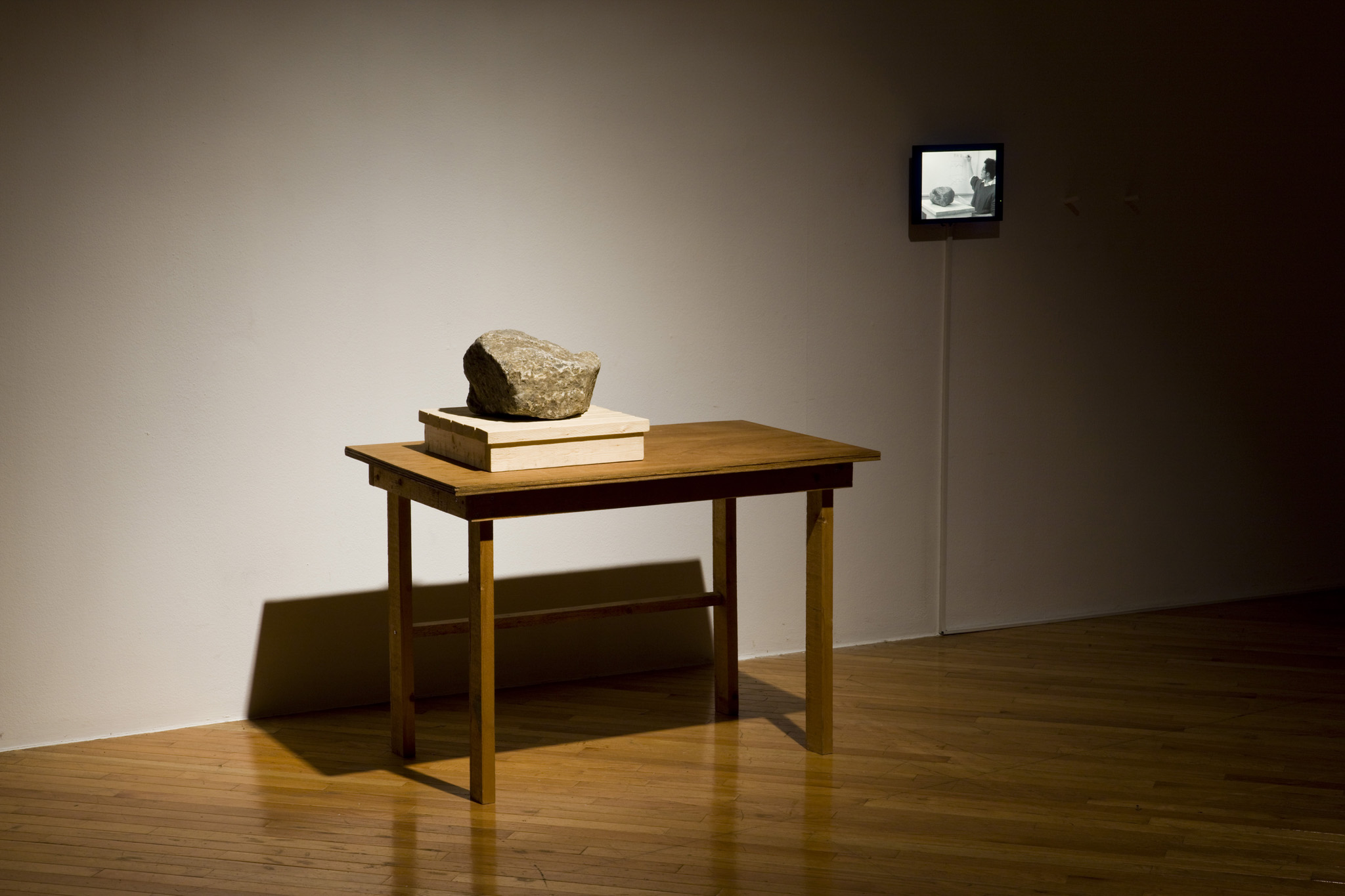
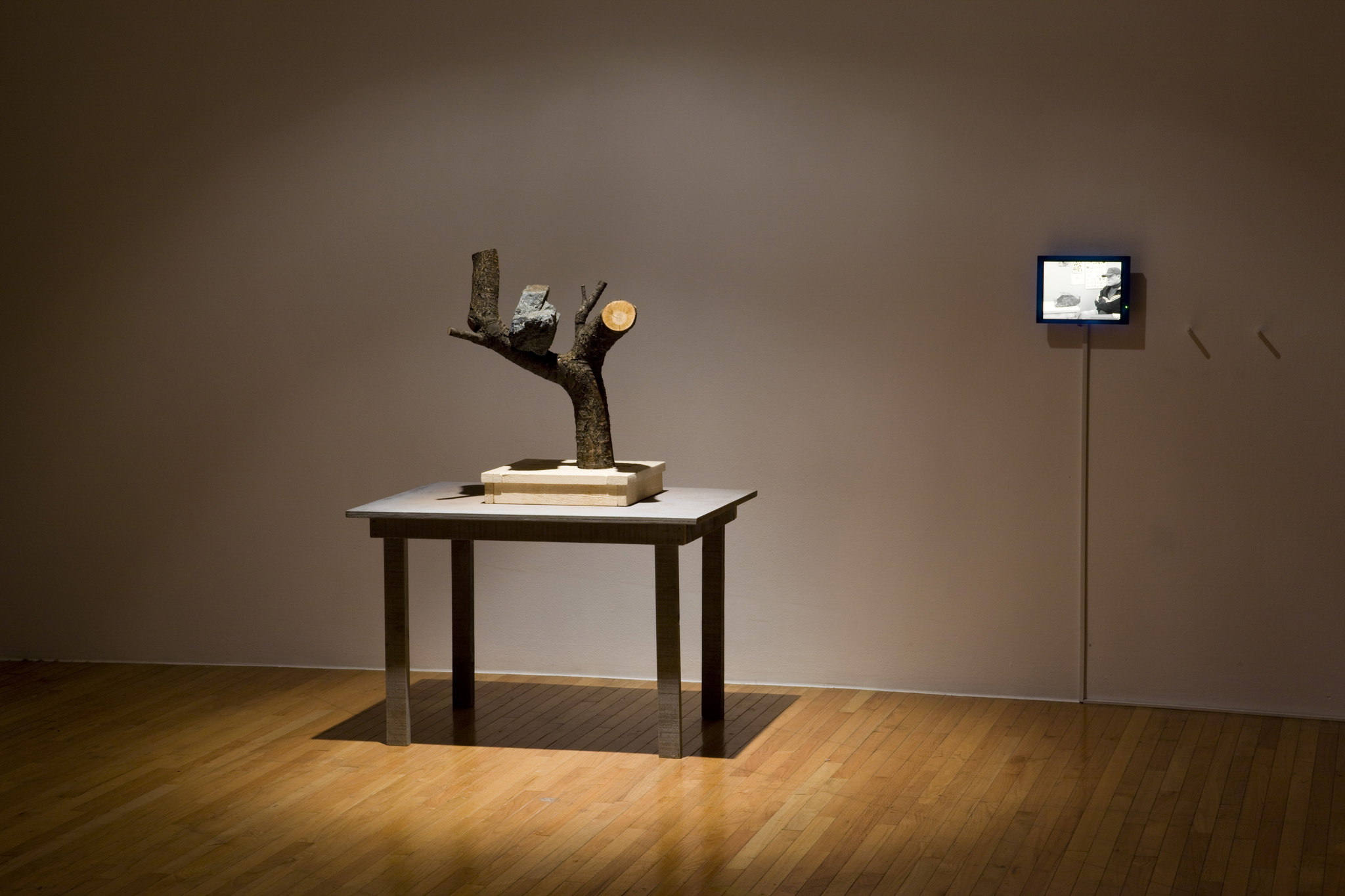
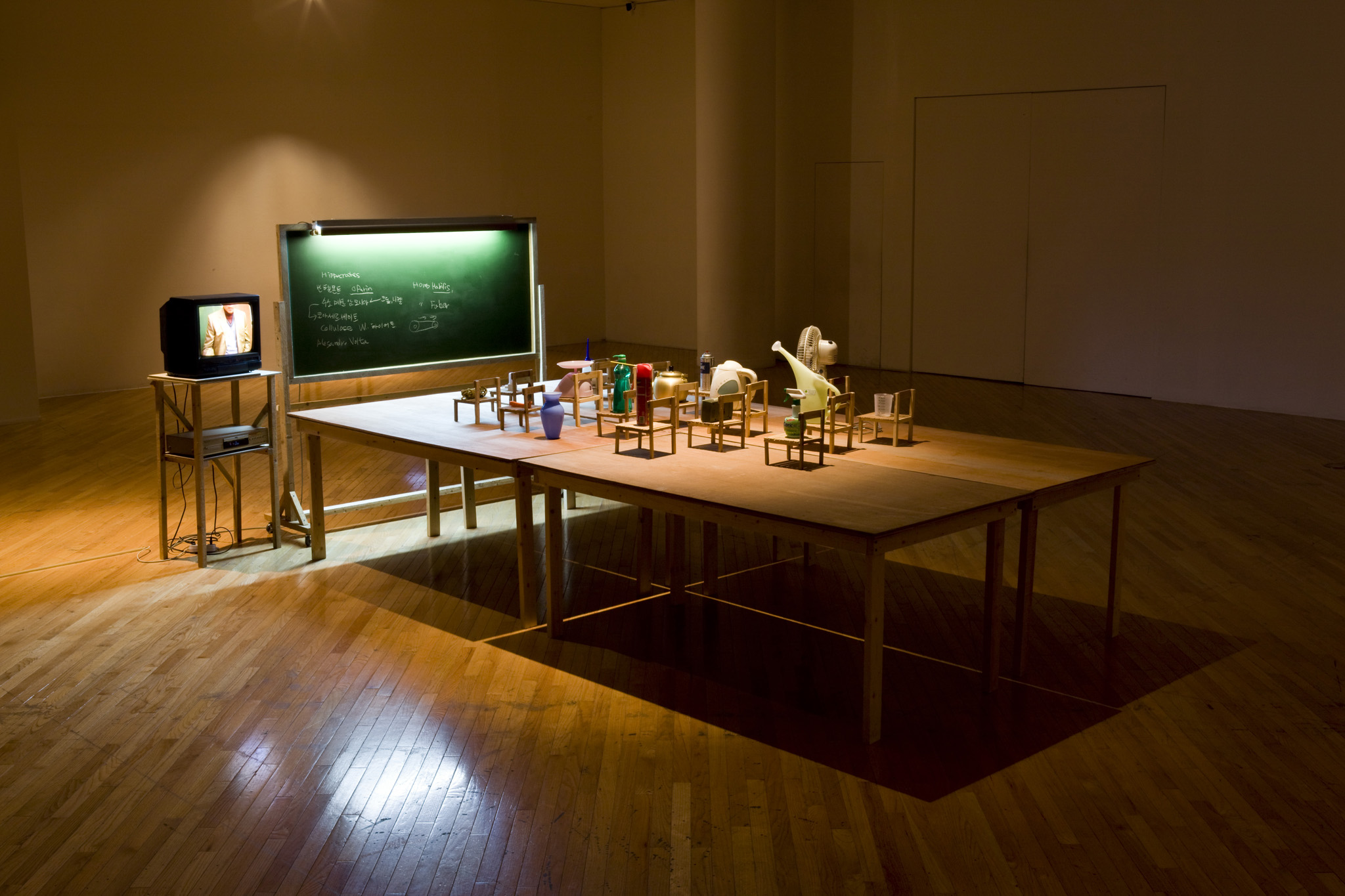
Within this framework, Kim’s works prompt viewers to question the order of reality that we normally take for granted. In his works, antelopes chase cheetahs, ships learn that there is no sea, and rocks are taught poetry. Such hypothetical scenarios are less an attempt to overturn reality than an experiment that questions the very ways in which we understand the world. By subtly twisting the logic of everyday life and natural order, the artist renders the structure of the world we believe in unfamiliar.
 
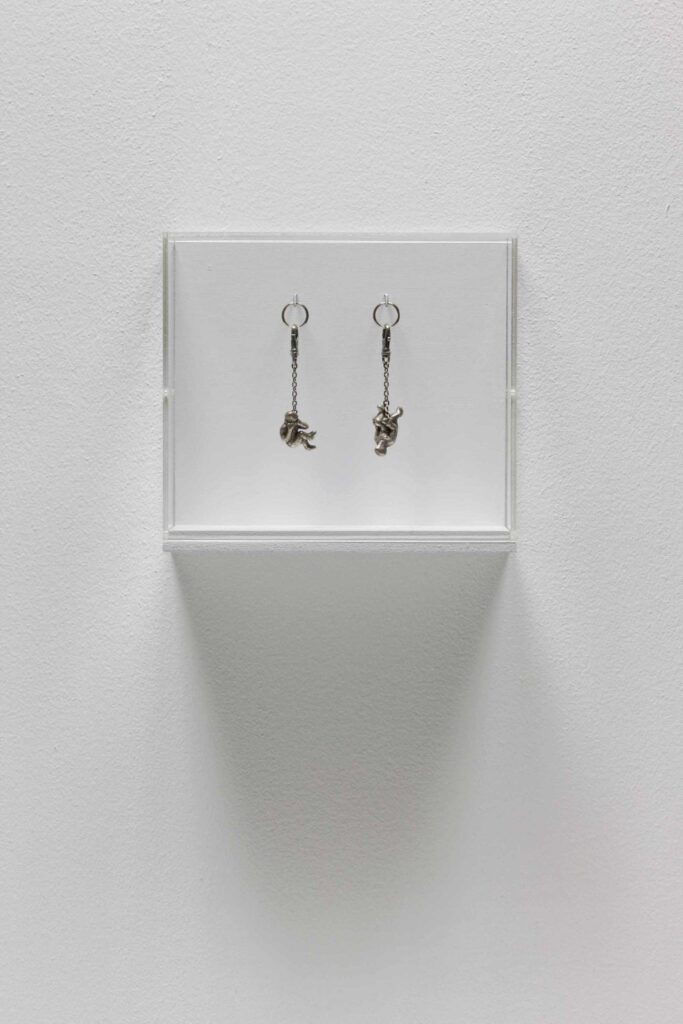
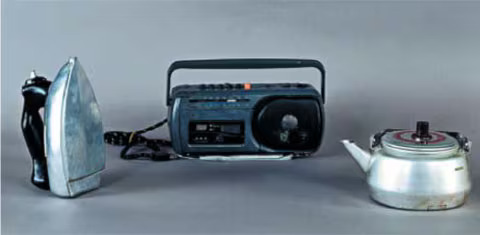
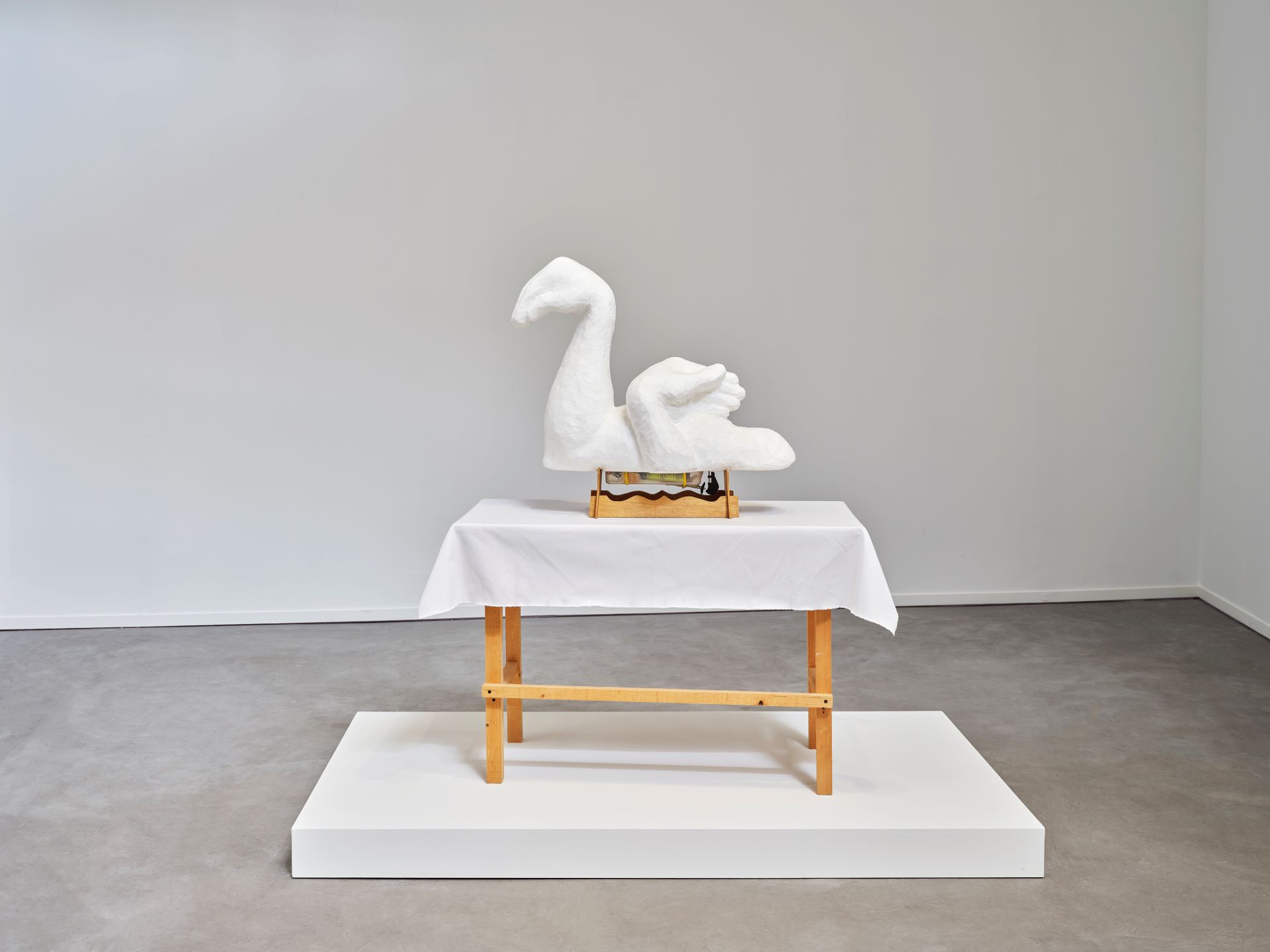
Animistic thinking also forms an important foundation for Kim’s work. Objects, tools, and natural elements appear as entities that resemble humans or are given new identities. These situations destabilize a human-centered worldview and invite viewers to reconsider the relationship between humans and objects. At the same time, the artist proposes a self-reflective command: “what you see is not everything that you see.” In doing so, he calls into question what we believe we know, what we believe we see, and what we assume to be true.
 
Ultimately, Kim’s work does not attempt to represent the world but rather to examine the way the world is perceived. He encourages viewers to depart from familiar modes of thinking and to view reality differently, quietly yet sharply unsettling conventional patterns of thought and fixed systems of value in contemporary society.

Style & Contents

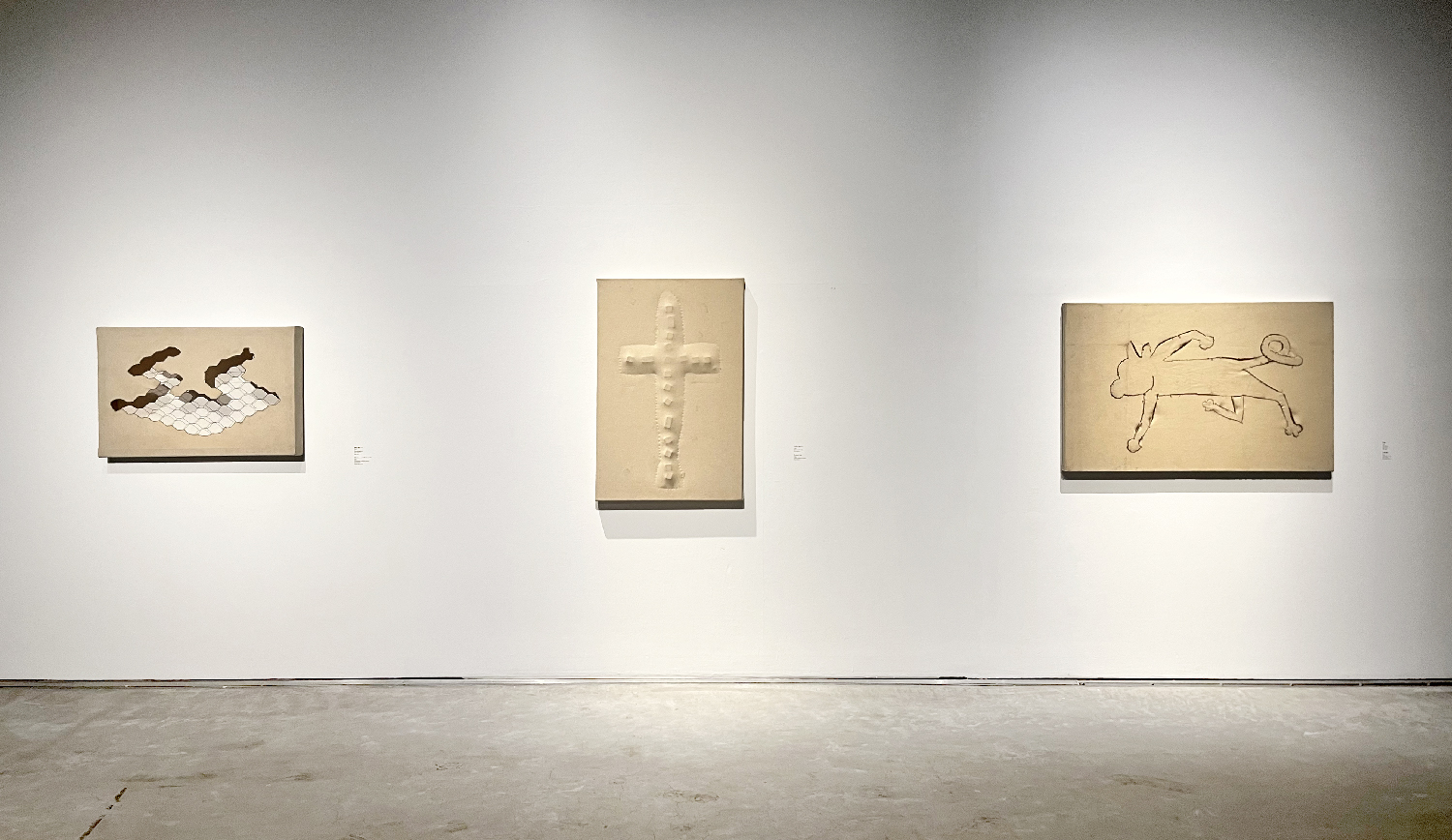
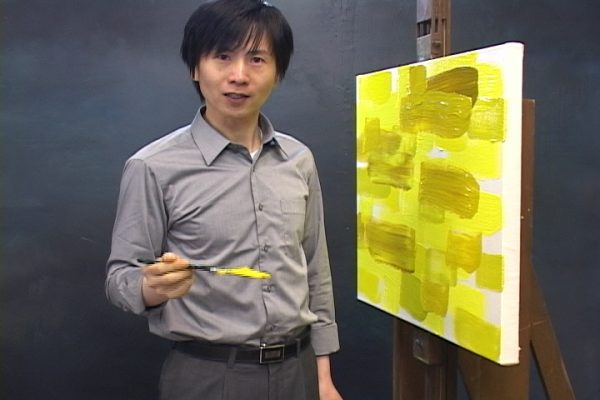
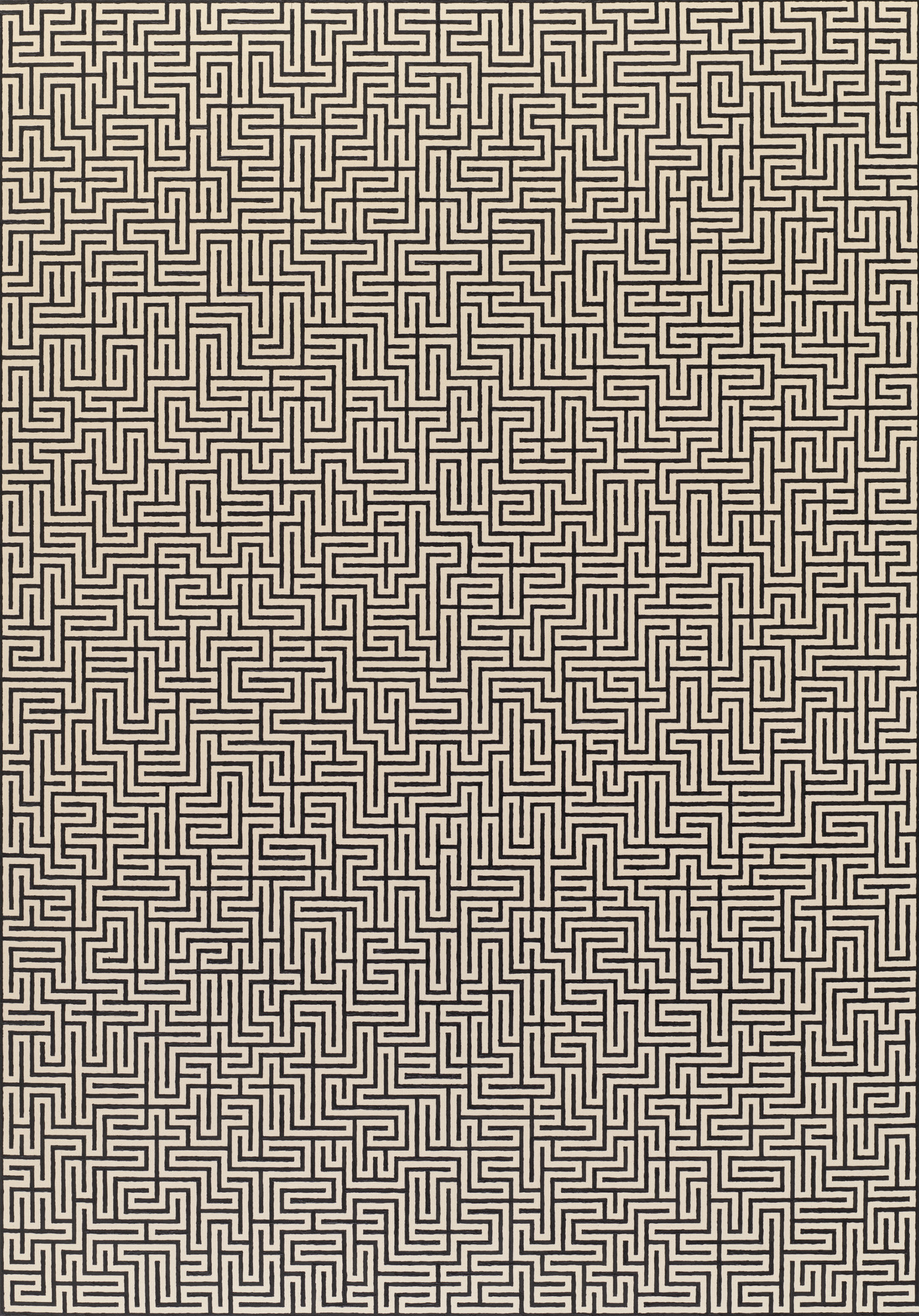
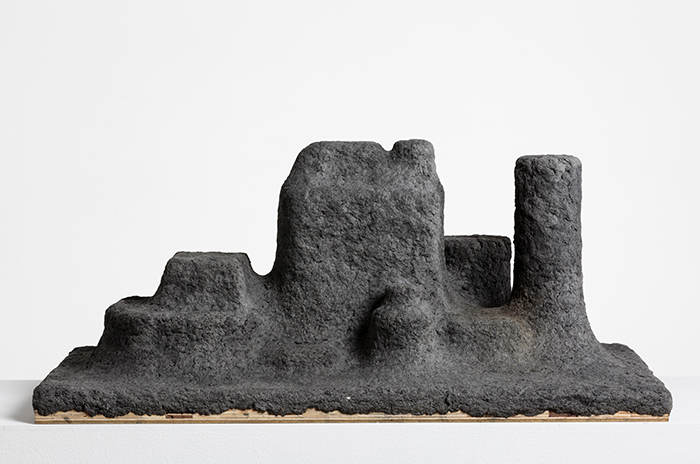
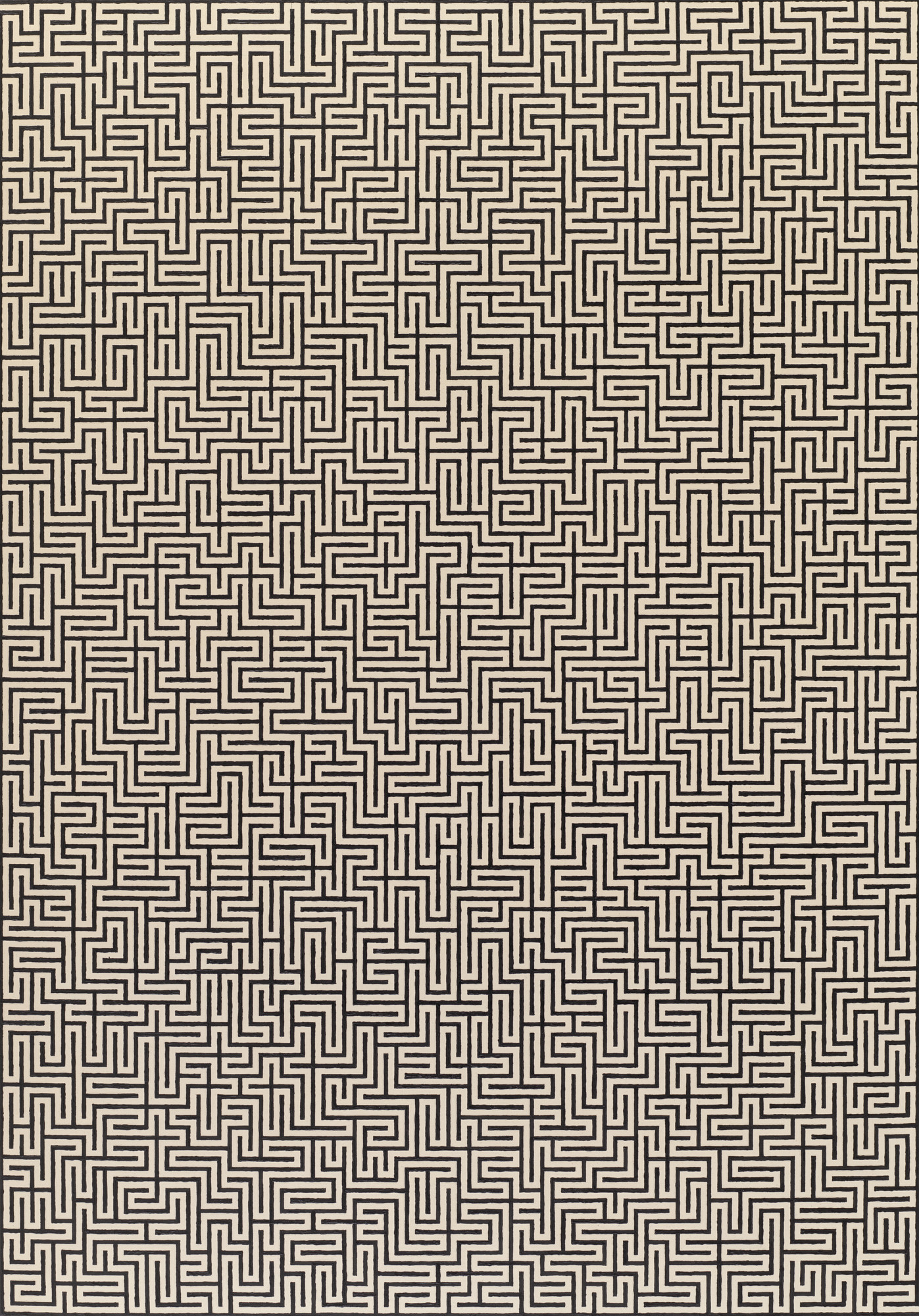
Kim Beom works across a wide range of media, including painting, drawing, objects, sculpture, installation, video, and publications. This expansion into multiple media is not simply an exploration of form but rather a process of identifying the most appropriate material embodiment for each idea. In other words, the artist selects the physical ‘container’ that best suits the conceptual content of a work.
 
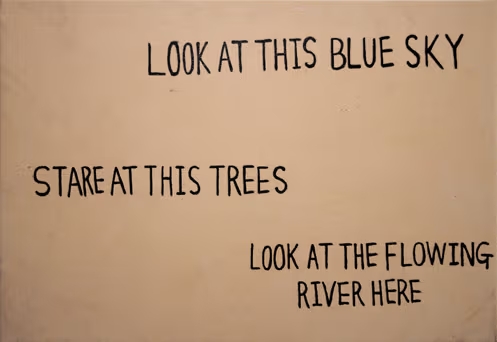
His visual language is characterized by modest and restrained forms. At times, deliberately crude or handcrafted methods appear, while simple instructions or ordinary objects may become the central elements of a work. Such forms emphasize conceptual shifts rather than visual spectacle, encouraging viewers to move beyond merely ‘seeing’ the artwork and toward actively thinking about its meaning.
 
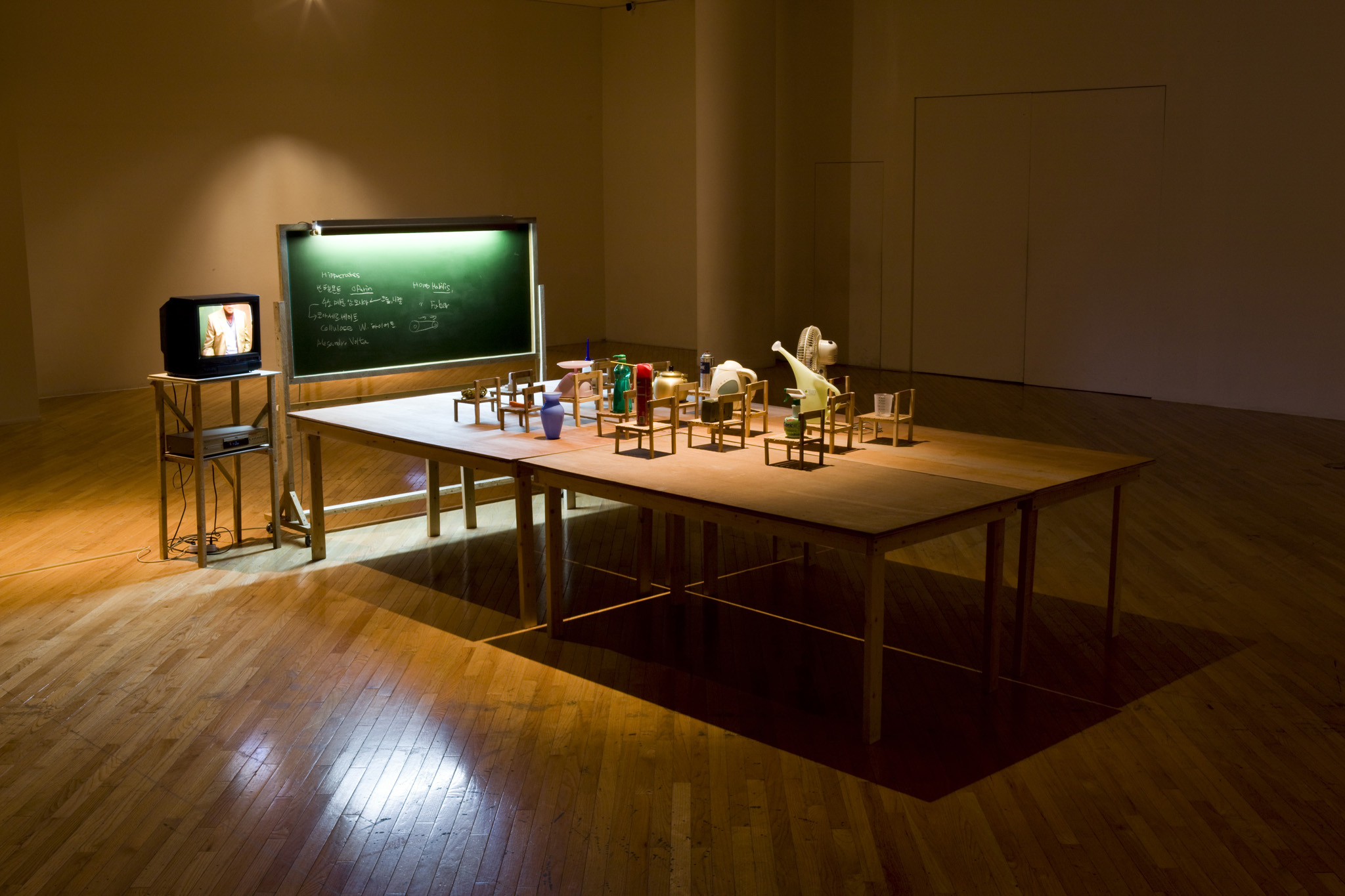
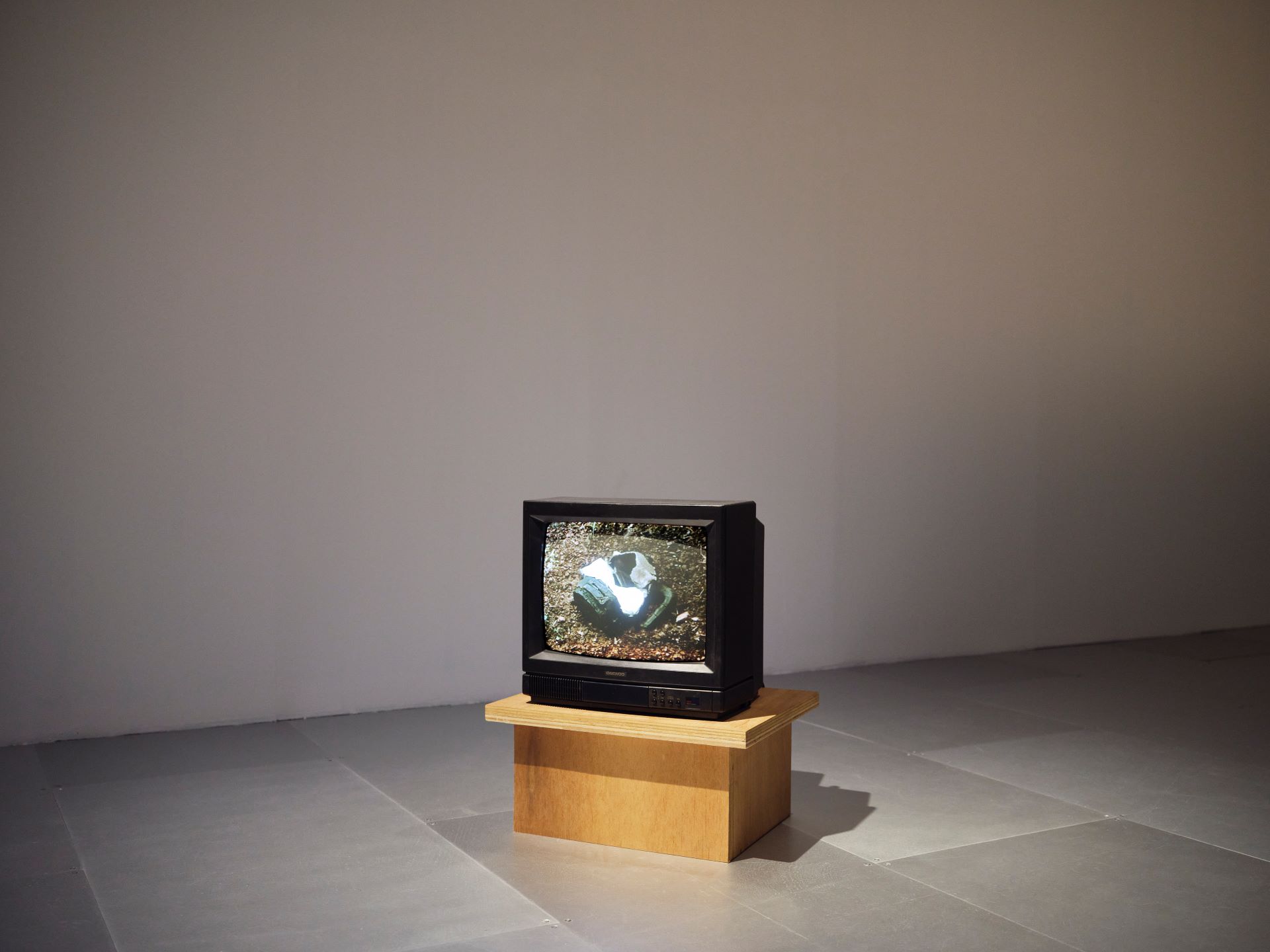
Humor and absurdity are also key components of Kim’s work. His pieces often appear playful or light at first glance, yet beneath this surface lies a critical perspective on the structures and power relations that shape the world. For example, by reversing the narrative logic of nature documentaries or staging situations in which objects receive lessons, Kim exposes the underlying conventions and assumptions embedded in social and perceptual systems.
 
In this way, his work unfolds within a delicate balance between reality and fiction, seriousness and humor, and concept and material. Rather than functioning as purely visual objects, his works operate as devices that activate thought and interpretation, prompting viewers to reconsider the very act of seeing and understanding the world.

Topography & Continuity

Since the 1990s, Kim Beom has established a distinctive position within contemporary Korean art. Rather than adhering to a single style or form, he has continuously expanded his practice by exploring new media and conceptual approaches. Despite these formal shifts, core questions—such as the relationship between image and reality, the nature of perception and belief, and the relationship between humans and objects—remain consistent throughout his work.
 
Many of his works begin with ordinary objects encountered in everyday life. Within the artist’s imagination, these objects transform into different entities or acquire unexpected meanings. Such transformations do not represent a departure from reality but rather a shift in the way reality itself is perceived. In this sense, Kim’s work constructs a kind of conceptual topography that explores the structure of the world and the ways humans think through everyday things.
 
His work also foregrounds the role of the viewer’s interpretation. Instead of presenting a closed meaning, the artworks invite viewers to question, imagine, and construct meaning on their own. In doing so, the act of viewing becomes more than a visual encounter; it evolves into a process of thought and perception.
 
Ultimately, what remains constant in Kim’s practice is not a particular form but a persistent mode of questioning. Across diverse media and formats, he continually rearticulates the same fundamental inquiries, creating a space for reflection that encourages us to reconsider the structures of the world we take for granted.

Works of Art

Articles

Exhibitions

Activities