Dongkyung
Kwak has used the camera to trace places, events, and desires that have been
pushed outside the mainstream as they pass through modernity and
contemporaneity. His background in environmental engineering before studying
photography forms an important foundation for his practice. His earlier
experience dealing with the relationships among environment, human beings, and
technology later developed into a way of looking at built environments, the
contradictions that arise within them, and the residual landscapes left by
development and decline.
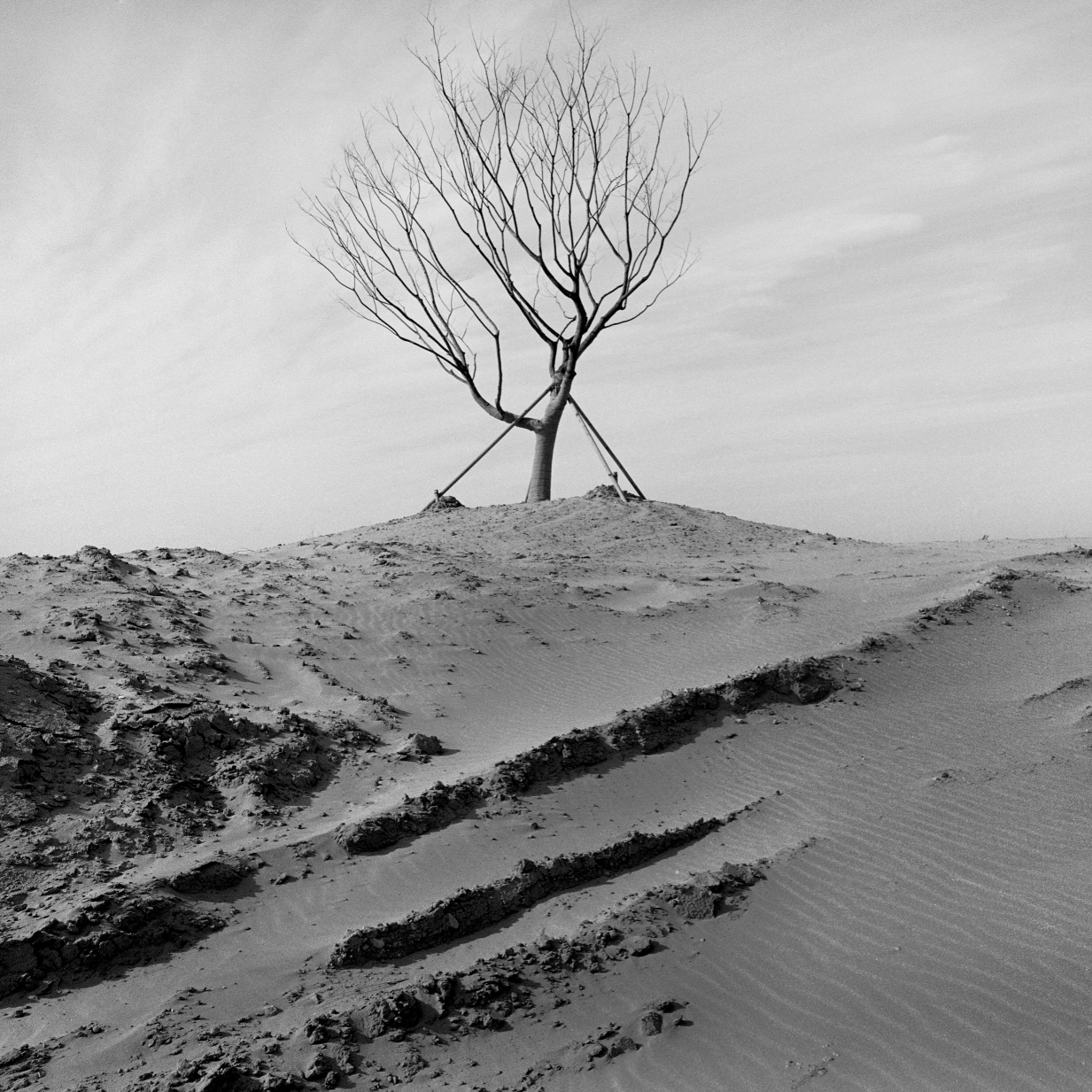
He began from the pressure that photography should
directly deliver a social message, but gradually turned his attention to
“things without meaning, the remainders of meaning, and things that have been
neutrally abandoned,” exploring the possibility that photographs might speak
for themselves.
The work 510kilometer(2021), an important early axis of his
practice, began during a period when the artist was asking what he should
photograph. Kwak walked from Busan to Andong along the Nakdong River while the
Four Major Rivers Project was in full swing, photographing the route and
testing how the act of “cramming” social messages into photographs might
function. After this work, however, his gaze shifted from clear statements or
narratives toward the absences left behind in landscapes that remain unspoken.
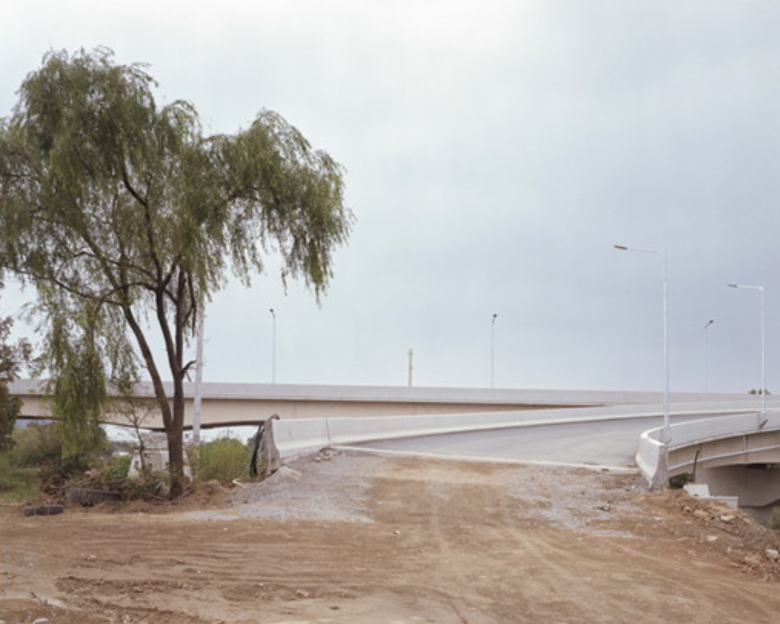
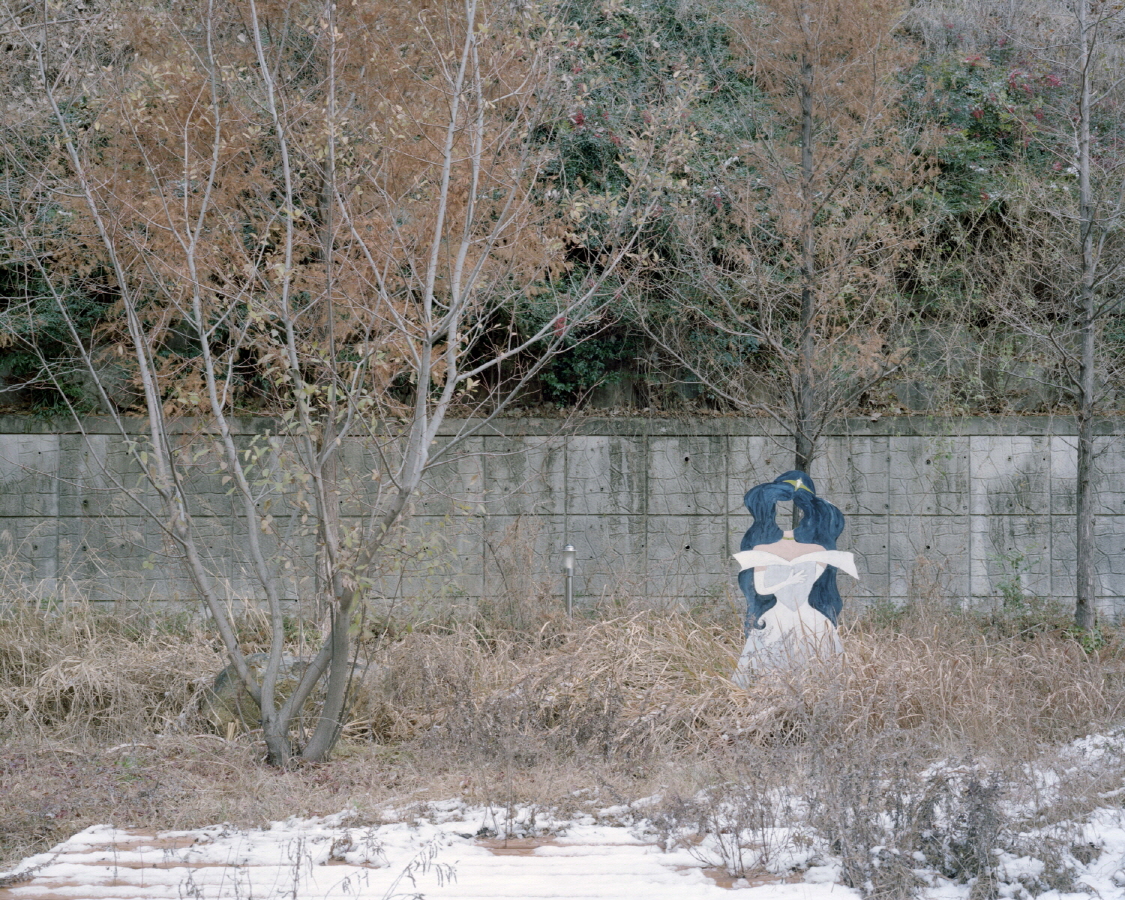
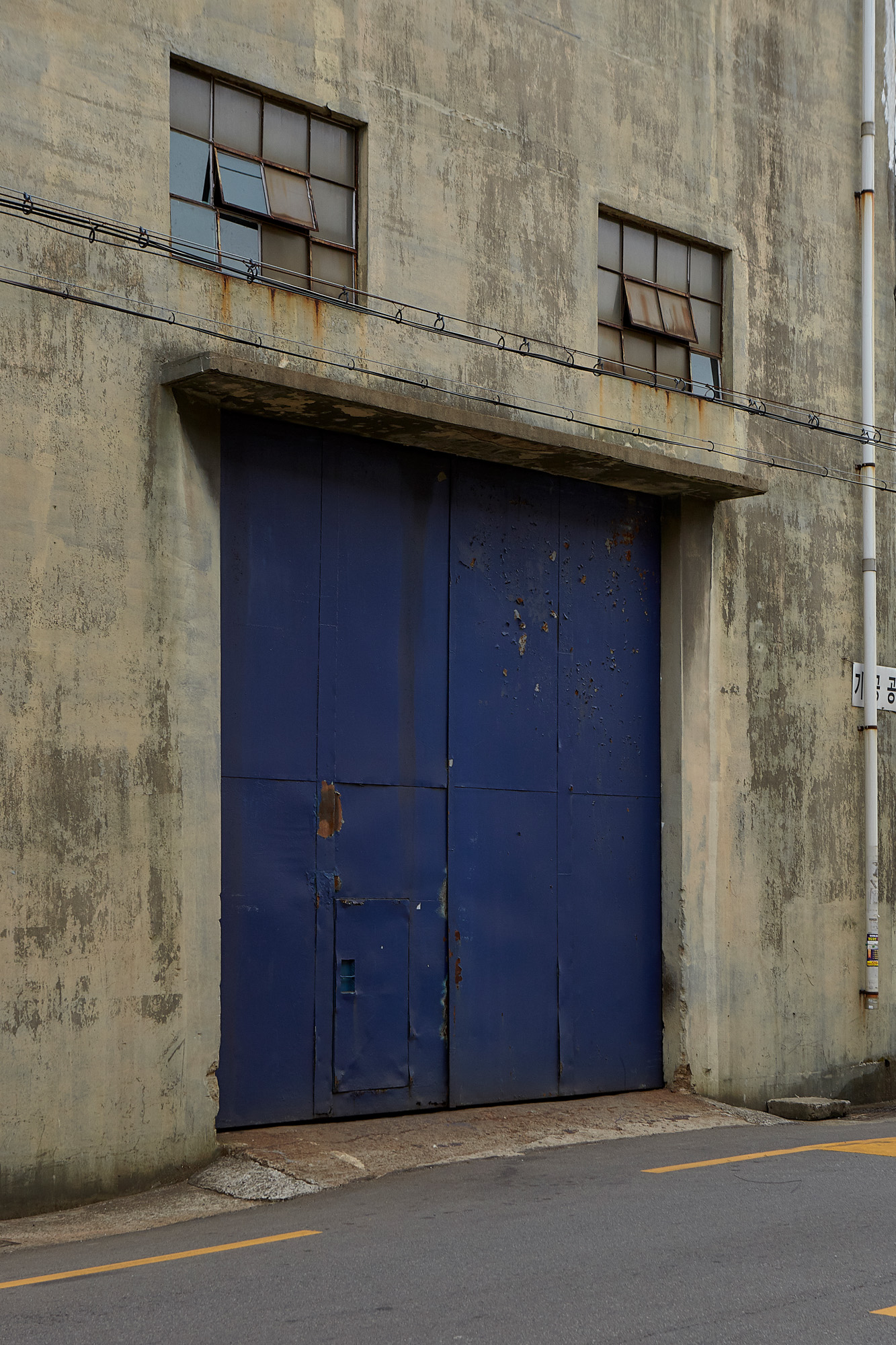
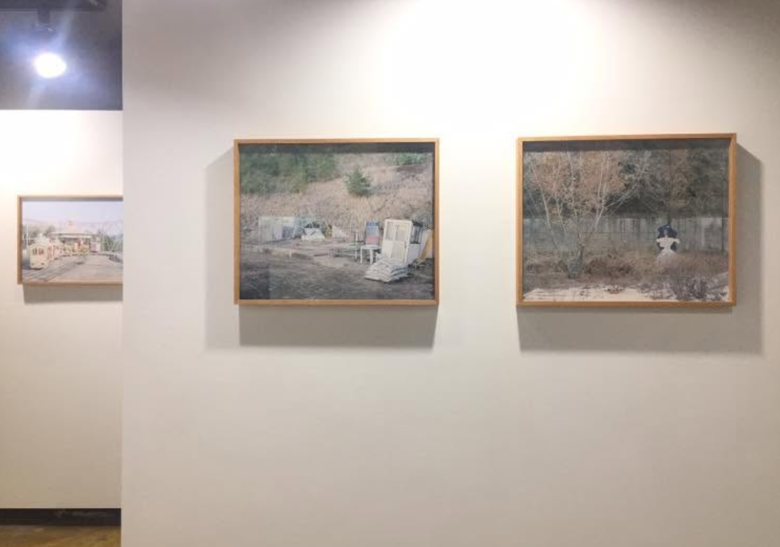
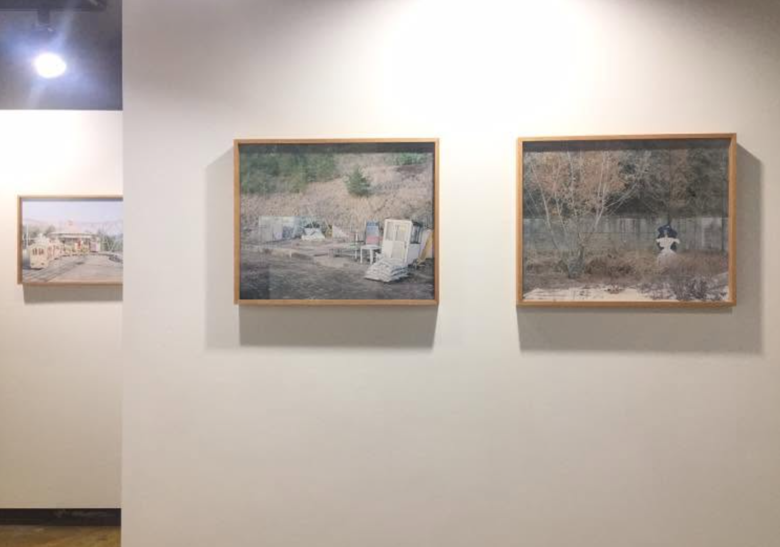
The 'Bezout theorem'(2021) series, which began in earnest in 2019, captures
places left in the gap between development and decline, such as the railway
apartments near Mindungsan Station, where trains rarely pass. The noise
demanding redevelopment remains outside the frame, while the places and objects
in the photographs lie quietly within their own time.
The solo exhibition 《Tyltyl Mytyl》(Plan B Project Space, 2021) was Kwak’s first solo exhibition,
presenting more than ten years of work through categories including
'510kilometer', the 'LAND Landscape'(2021) series, 'Bezout theorem', and the
'Exhalation'(2021) series. The exhibition title comes from Tyltyl and Mytyl,
the siblings in Maurice Maeterlinck’s play The Blue Bird, and is connected to a
sense of hope that exists close by yet is not easily found. 'LAND Landscape'
begins from the artist’s childhood memories of begging his father to take him
to an amusement park, but it does not lean into private nostalgia or retro
sentiment.
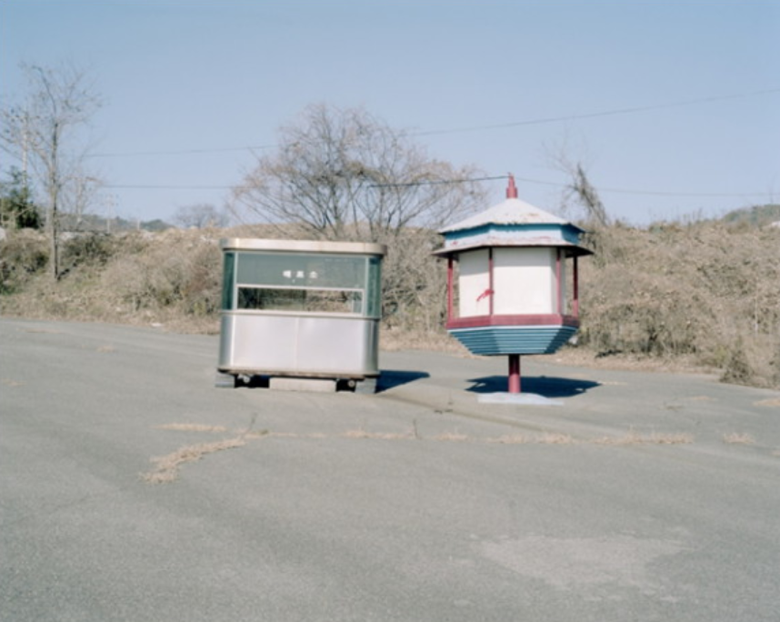
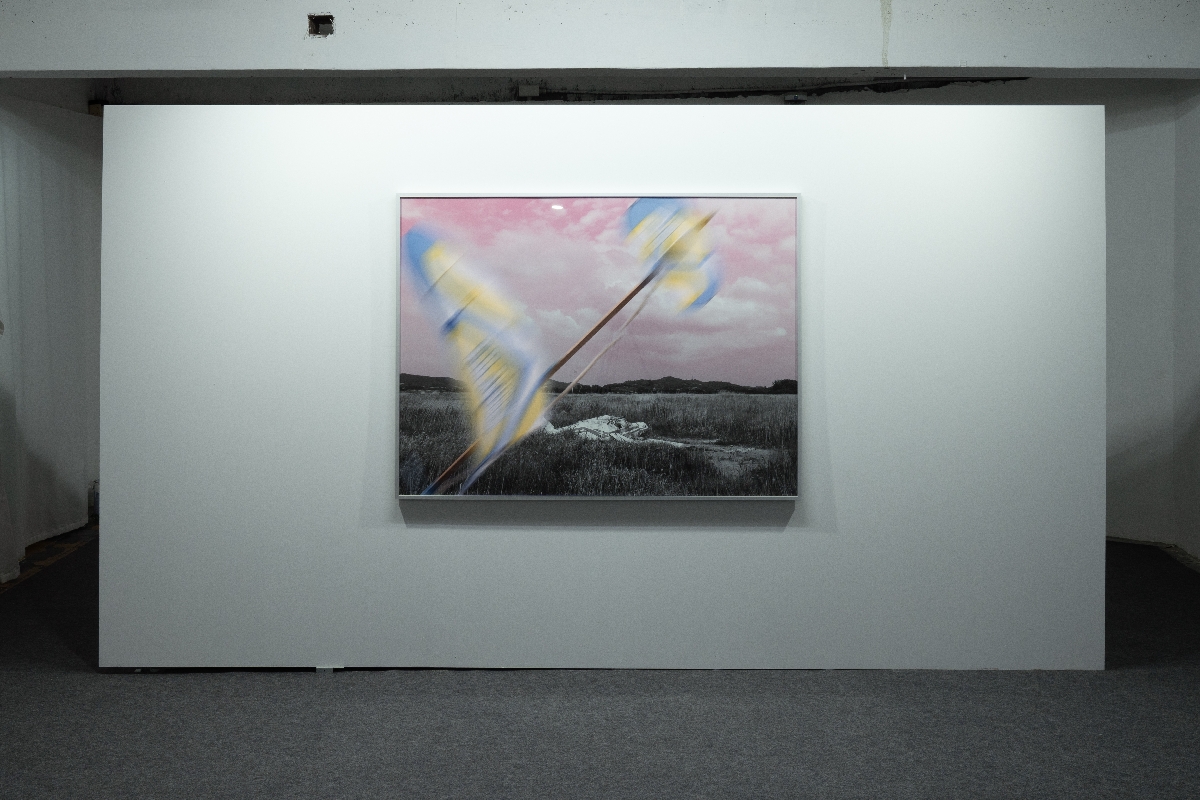
In works such as LAND Landscape #7(2021) and
LAND Landscape #2(2021), the artist photographs declining
amusement parks in cloudy weather and low saturation, showing them not as
places of the past, but as places that remain within the flow of time. In the
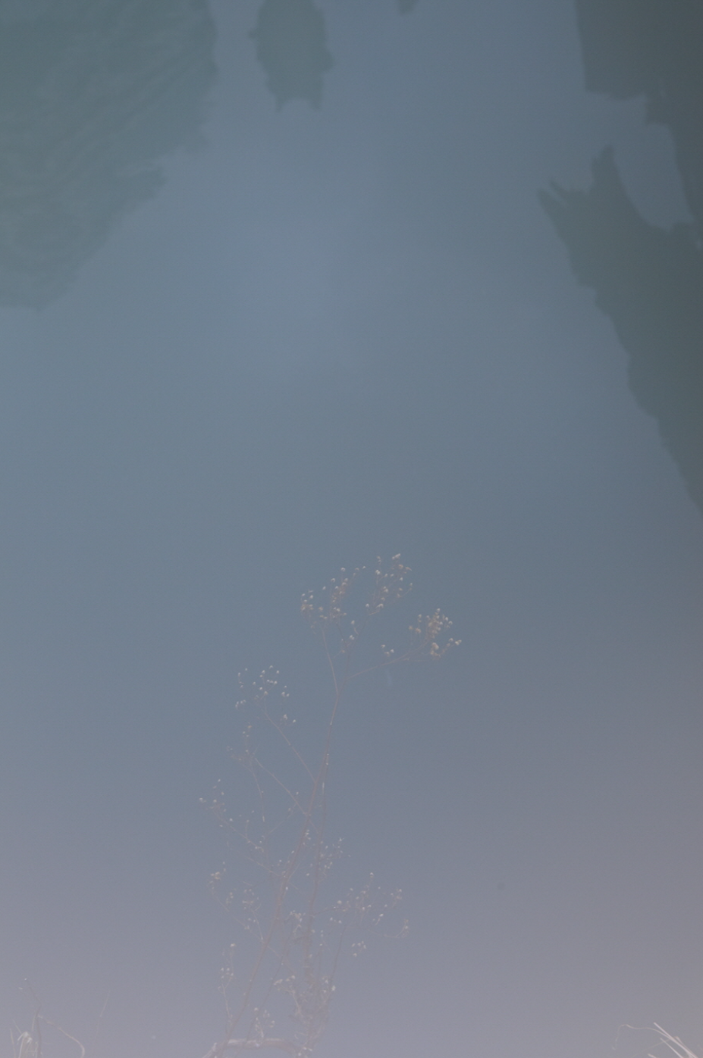
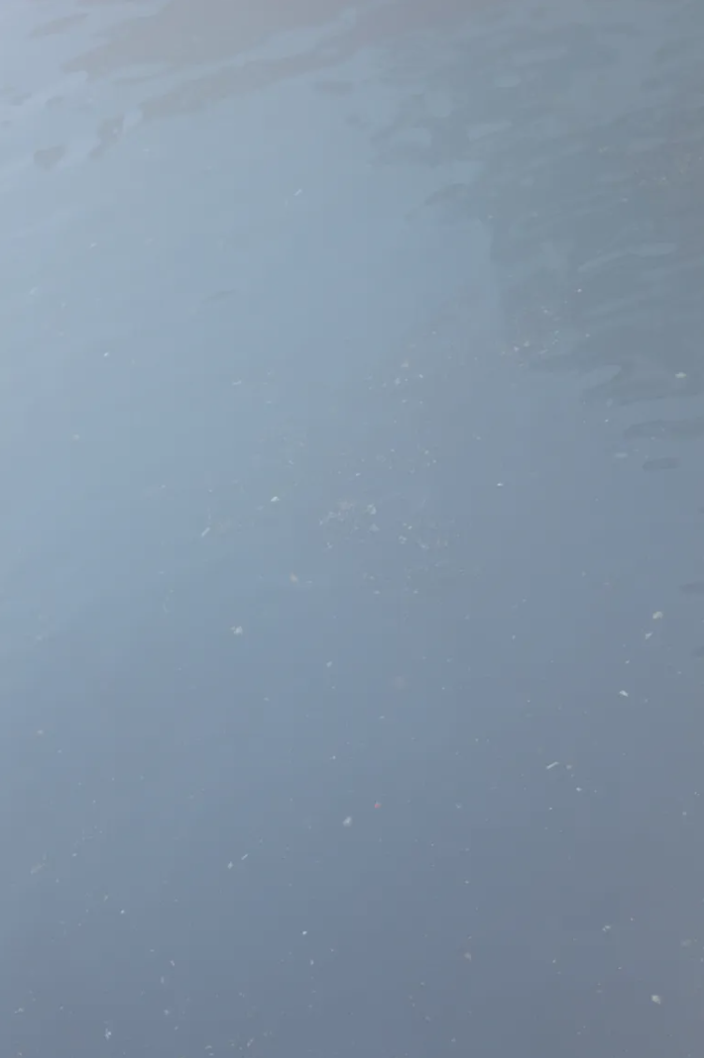
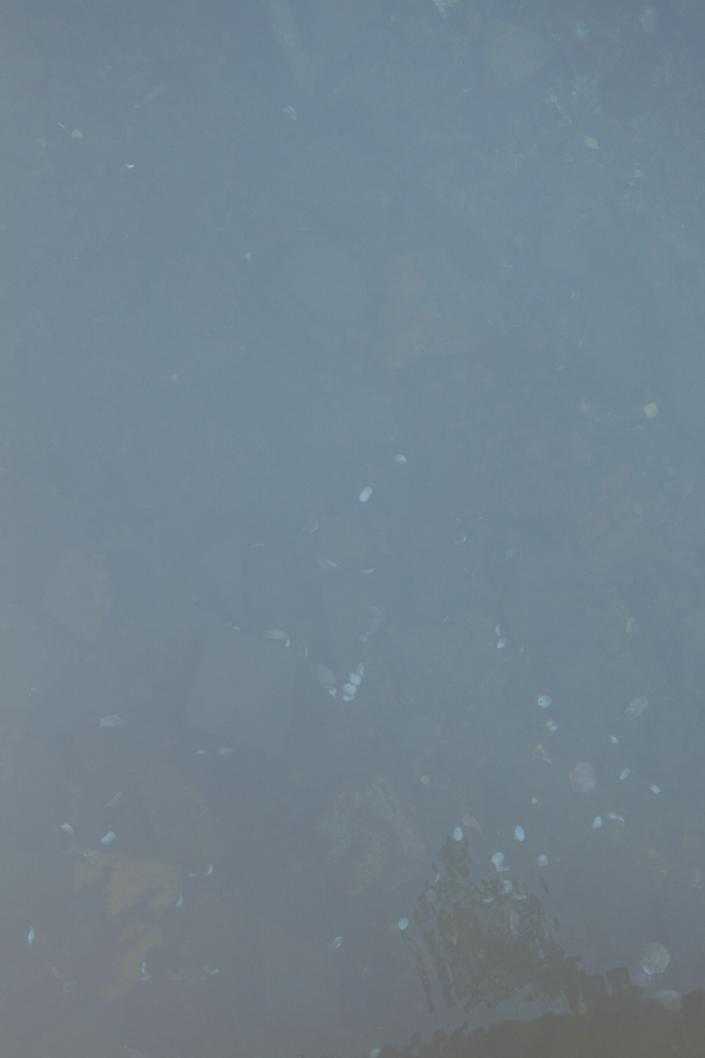
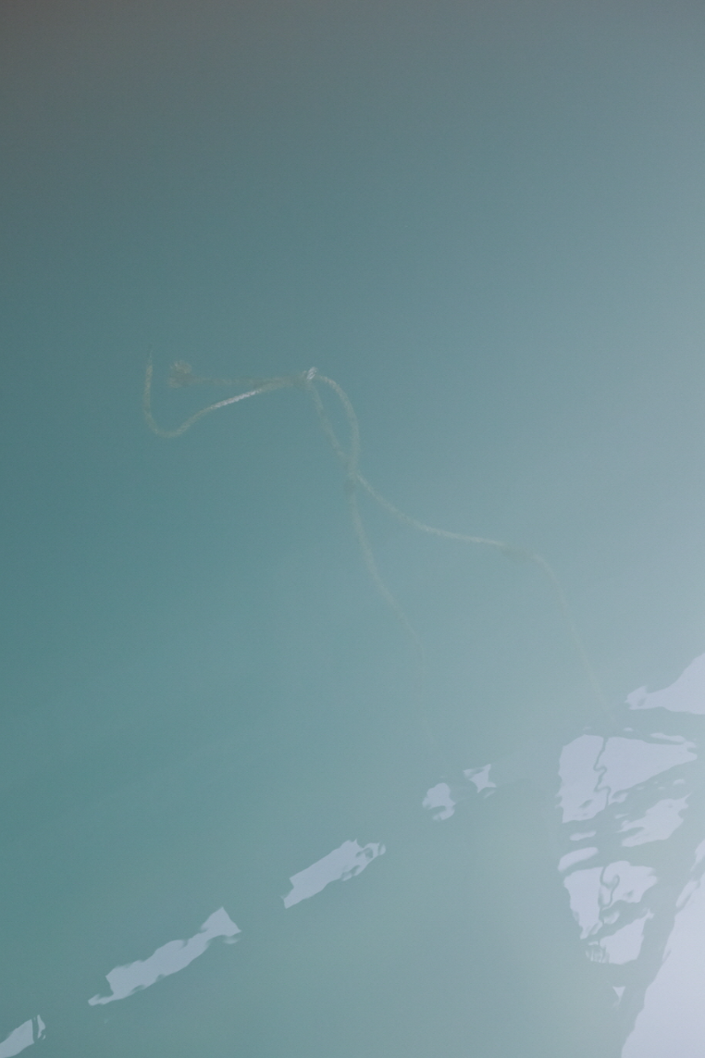
'Exhalation' series, represented by Exhalation #1(2021), he
breathes onto the lens and photographs the sea, looking at the calm surface of
nature that has endured outside human history, rather than emphasizing
historical narrative.
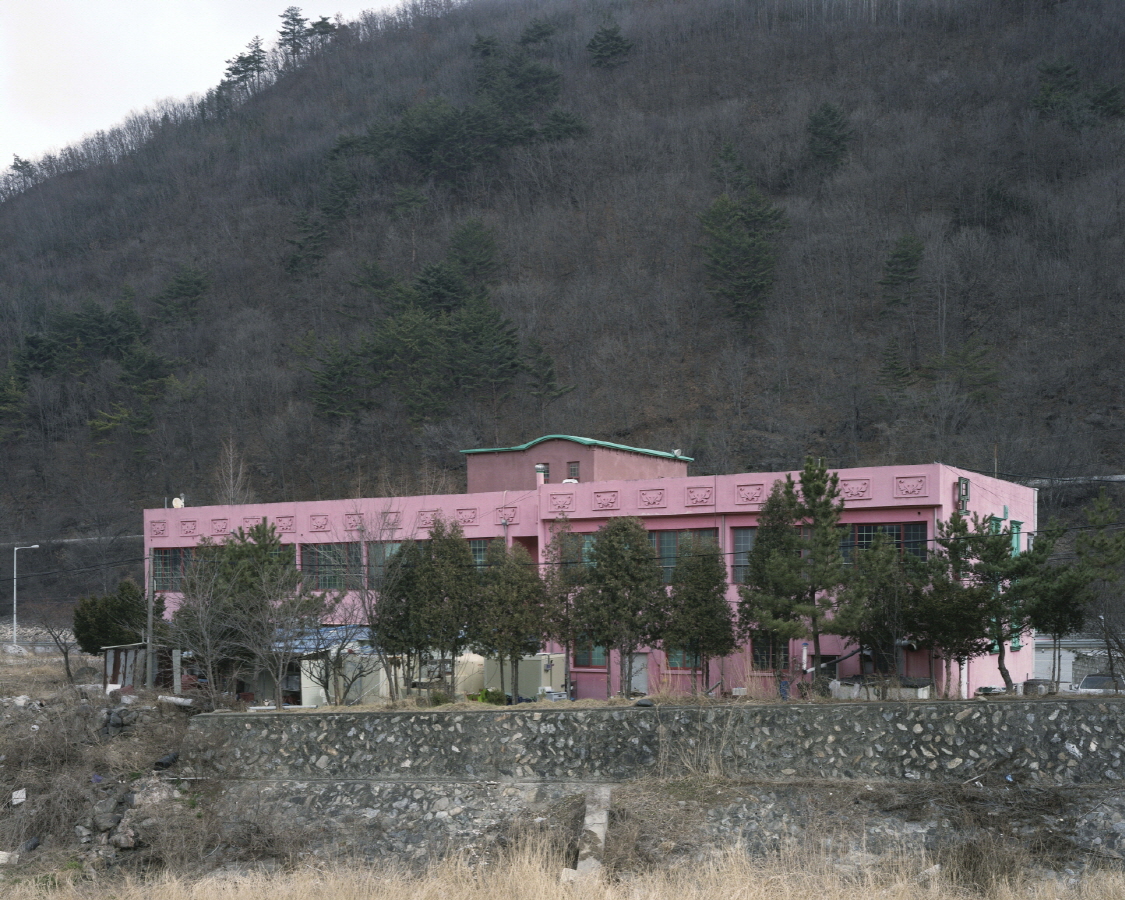
Kwak’s later work expands toward the new colonial spaces produced by industrial
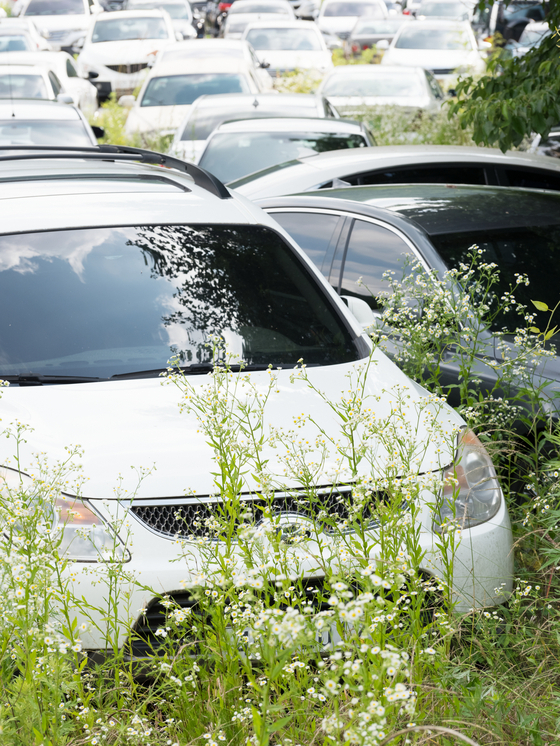
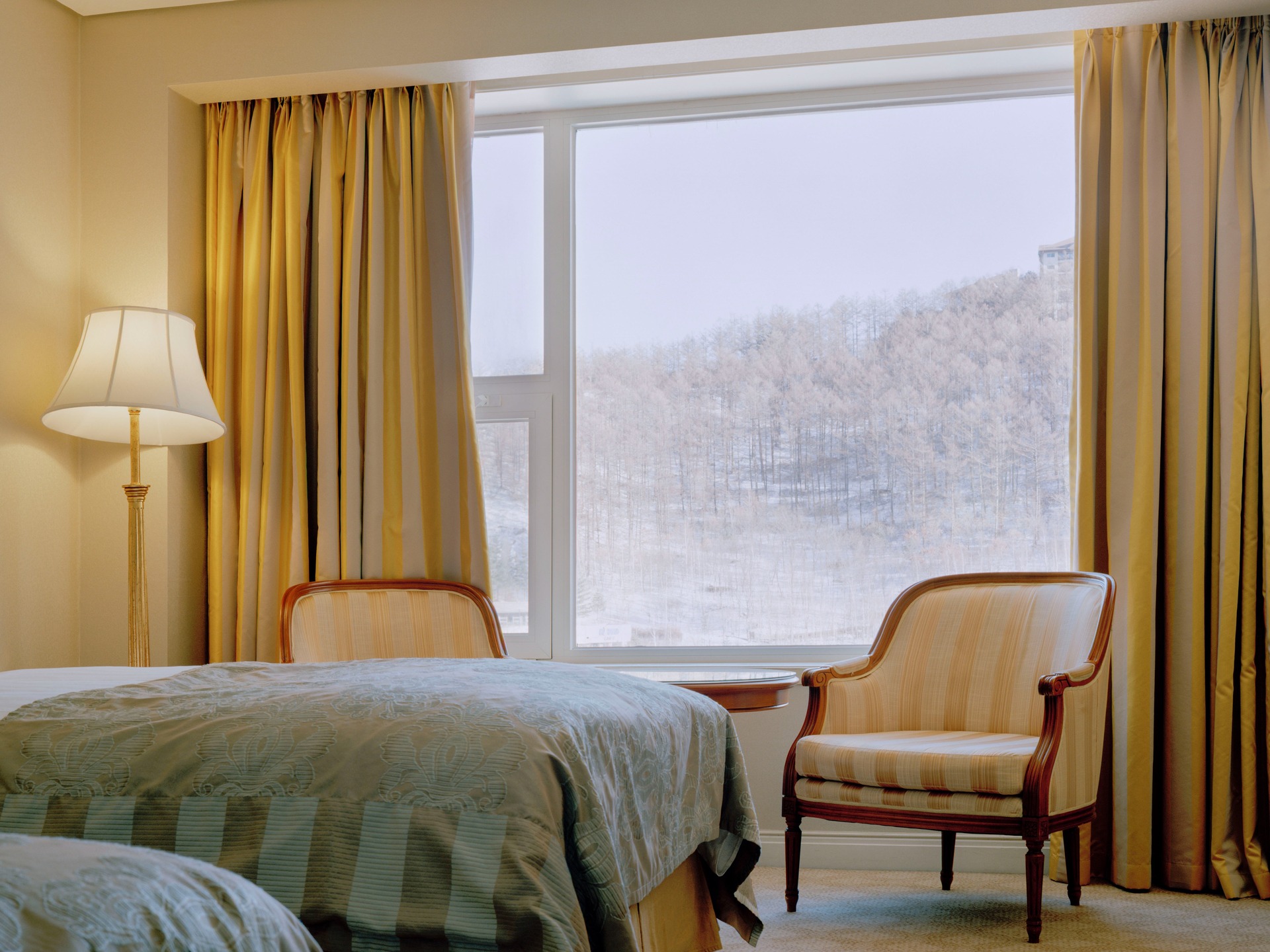
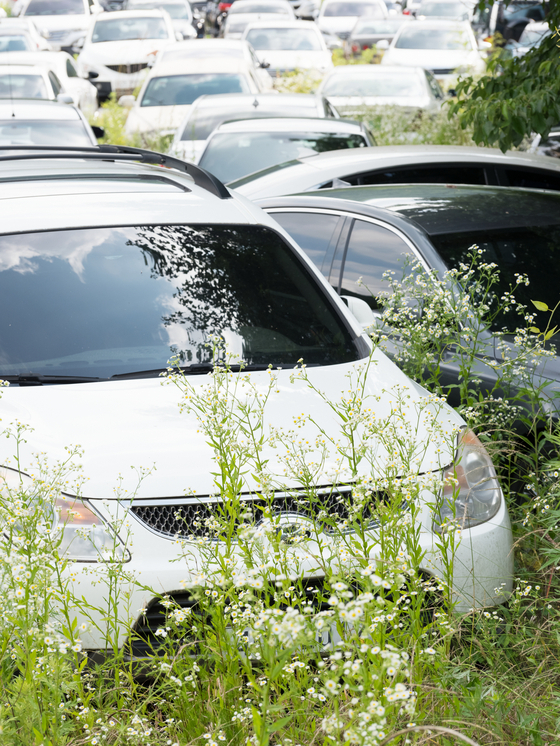
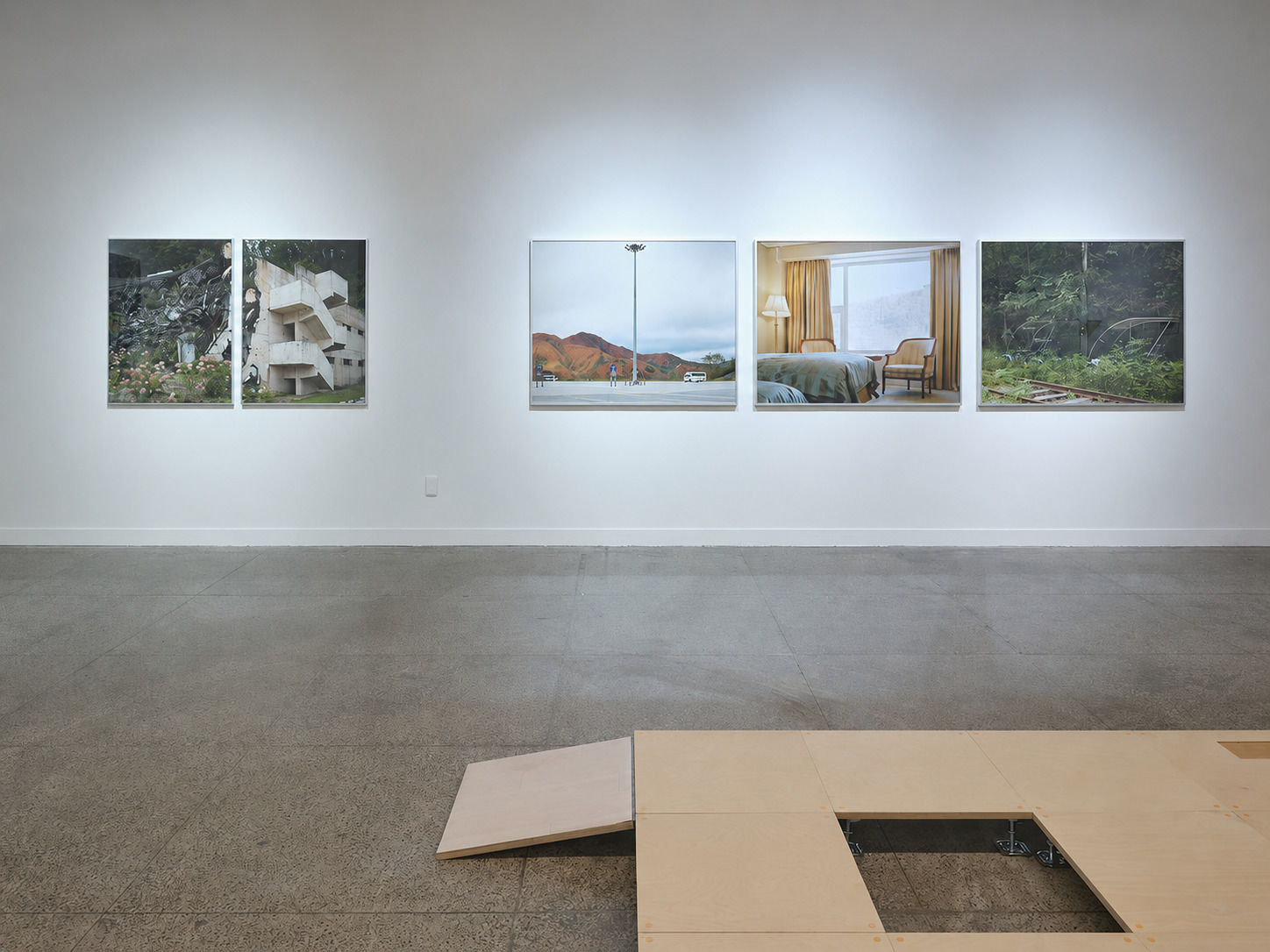
displacement and capitalism. The 'Slot'(2021–2024) series traces Kangwon Land
and its surrounding area, built to revitalize former mining regions, through
elements such as comp points, tourism development, gambling addiction,
repossessed vehicles, and artificially constructed tourist sites.
Landscapes in
works such as High1 Grand Hotel, Main Tower, Standard Room, Sabuk-eup,
Jeongseon-gun(2022) and Repossessed Vehicles, Sabuk-eup,
Jeongseon-gun(2024) appear closer to quiet stillness than dramatic
events, yet within them lie the industrial shift from coal to tourism, the desire
for sudden wealth, and the failures of development. As the series was read
within the question of blank spaces and microhistory in 《Fill in the Blanks》(Daejeon Museum of Art,
2025), Kwak’s photographs look at the structure of an era through small places
caught between large histories.